Street Address
City, State, Zip
Phone Number
Your GUIDE to DISNEY HISTORY is wherever you are!
Your Custom Text Here
Your Custom Text Here
One can easily slip into the jargon of “ride,” but at Disneyland there is a "story behind the story" of every attraction, every attraction is a living experience for the guest. Disneyland ride-through attractions or adventures have officially been defined as an “individual show, ride, or exhibit designed to produce an entertaining Guest experience. Disney attractions stir the imagination, enliven the senses, and provide the participants with positive, innovative entertainment, which is the essence of the DISNEYLAND Show.” It is important to review the story of the attraction, tell the story, explain it, and create interest. This is the story of the Indian War Canoes.
Now, it was a year after the Indian Village originally opened in Adventureland, and the attraction had grown beyond a show to include an entire section of Frontierland along the shores of the Rivers of America! Originally, guests explored the river via the Mark Twain, or one of the Mike Fink Keel Boats. But now, the Indian War Canoes attraction soon proved the truth of Walt Disney’s promise of an ever-expanding Disneyland!
Now, it was a year after the Indian Village originally opened in Adventureland, and the attraction had grown beyond a show to include an entire section of Frontierland along the shores of the Rivers of America! Originally, guests explored the river via the Mark Twain, or one of the Mike Fink Keel Boats. But now, the Indian War Canoes attraction soon proved the truth of Walt Disney’s promise of an ever-expanding Disneyland!
The first fleet of six canoes were constructed by the Oldtown Old Canoe Company in Old Town, Maine. Each was crafted of varnished wood covered in canvas and some 30 feet long with bench seats capable of accommodating one “bowman,” one “sternman,” and a 16 guest capacity. According to Disneyland LINE Magazine (published June 11, 1993) : “The first canoes were shipped by train to Disneyland where risings on each end were added for a more authentic look. The canoes were covered with a canvas-like material to give the appearance of birch, which was used by Native American tribes in the Northeastern section of the United States.”
In May of 1956, canoe operations were tested with Joe Fowler (USN, retired; Park Management and Operations ; Construction and Maintenance) and Jack Reilly paddling, Dick Irvine, Bill Cottrell, Vic Green, and George Whitney (Park Management and Operations), Walt Disney, Bill Evans (third in row, in the hat), and Ray Miller around the Rivers of America. Bill Cottrell (who was present in the Canoe) later noted that “Walt had an ability to put himself in the shoes of the common man.”
On opening day of July 4, 1956, guests would “experience an exciting adventure along the churning rapids of forest waterways,” paddling and stroking their way around those very Rivers of America (just like the early inhabitants and pioneers), all before dusk of course. The new thirty-five foot Indian War Canoes departed from the Indian Village (along the south bank of the Rivers of America), passing two other Indian villages along the waterfront. Your Indian Guide would help you paddle like a pioneer down the back waterways of Frontierland’s River, observing waterfalls and other formations, and wildlife. Where the paths of the Mark Twain steamboat and the sailing vessel Columbia would take them around the white water rapids, the long-established route of the Indian War Canoes would often set course through, and face them.
Disneyland's authentic Indian Village was patterned after those of the northwest plains First Peoples. This village was the embarcation point for the war canoes.
Early Disneyland maps (printed inside The Official Guide to Disneyland, 1956) label the Indian War Canoe Ride, announcing the new attraction at the end of Wilderness Trail, along the western shore of the Rivers of America! The Indian War Canoes were accounted among the many exciting attractions debuting during 1956, that increased ride capacity, and (owning to this) one day in August saw a peak total of “197,547 individual rides” enjoyed by Guests (according to a letter from Walt to Ward Kimball, dated January 23, 1957).
During 1958, an appraisal of the ride structure valued it at $2,200 while the equipment was valued at $14,800.
When the Indian Village was relocated to a larger area in Frontierland, a new attraction was added - The Indian War Canoes! By this time (in 1957), we could see some new developments taking place just across the river. But even before the island was able to be traversed, Disneyland guests could examine the new area from afar, by navigating the Rivers of America via steamboat or (for a different vantage) the Indian War Canoes! These canoes are returning to the dock, and their passengers likely have a better view of those coming attractions.
Indian Village Cast Members (some of them, performers), were also trained in Ride Operations for the Indian War Canoes attraction, which departed from the Indian Village! As with all other Indian Village attractions, concessions and merchandise locations in the Area, the Indian War Canoes were staffed only by Native Peoples (like Philip White Eagle, Pete Homer;c.1962, Fred, and Timothy), through the Bureau of Indian Affairs.
Principally, male Indian Village Disneylanders were selected for the operating positions established by the attraction's Working Lead, but some female Indian Village employees were also known to work within rotation on the Indian War Canoe dock. Usually the women were assigned to take admission tickets, and assist Guests in and out of the canoes! “Ray Van de Warker, Office Support Services Department Manager, was nicknamed ‘Catfish Jones - King of the River’ in his early days on the Rivers of America. He [operated the Keel Boats, and] was also known as ‘The Great White Fur Trader’ - the only Caucasian Cast Member in the Indian Village”, (according to Disneyland LINE, Vol.25, No.28, published July 16th, 1993)
The attraction was popular among guests of all ages - offering the opportunity to experience exploring the Rivers of America, just like the “first American” peoples once did! On one day in the month of August, 1958, Disneyland's visitors took a total of 5,600 boat trips on the Park's nine (9) water rides (including the Indian War Canoes).
In the early days, the vegetation scattered across Tom Sawyer Island was new and sparse. In fact, it was so low, that guests paddling aboard Indian War Canoes (along the West side of the island), could see many of the attractions on the East Side of the island (like Suspension Bridge). Your Indian Village Guide would highlight some of these new and mysterious contraptions.
Unlike the Columbia or the Mark Twain, the Indian War Canoes had the ability to maneuver close to the shores of Tom Sawyer Island.
By 1959, Joe Fowler was Vice President of Disneyland Operations Committee and Doc Lemmon of Disneyland Operations was overseeing Operators of Rides & Amusements (like the Indian War Canoes), Livestock, Parking Lot, and Ticket Sellers.
The Indian War Canoes adventure was closed weekdays during the winter season of 1962, operating on weekends.
After the success of Disneyland, developers of the amusement centers saw the benefit of an Indian canoe ride in their parks. On June 19, 1960, Freedom Land, U.S.A. opened in the Baychester Area of Bronx, New York, an entertainment center “founded on the inspiring story of America and its people”. One of its opening day attractions was a Chippewa War Canoes: lake ride near its Indian Village, of its “Chicago: 1871” Area.
Disneyland’s Indian Village offered one of the few Disneyland ride experiences that wasn’t tethered to a track. The Indian Village Rafts (belonging to that infamous character from the Tom Sawyer novel - Injun Joe), and the Indian War Canoes! In this early photograph, we can see the original Indian War Canoe Docks, where the boats were stored in a parallel (60 degree) position while loading or not in use.
While the Indian War Canoe Guides would keep a safe distance from Big Thunder Falls, their “established canoe routes” would take them close by the Twin Sisters Falls (just around the river bend).
The river can be a busy place for the Columbia, Mark Twain, several rafts, two Keel Boats, and some half-dozen canoes in the water all at the same time. The Attraction Hosts must make sure to yield the right-of-way to the Mark Twain and Keel Boats (because they are on a guidance system and have less maneuverability). The Keel Boats and rafts must yield the “right-of-way” to the canoes, as they have unseen engines and the canoes do not. Canoes will often yield the right-of-way to rafts and Keel Boats which are docking.
During the 1962-1963 winter season, the Indian War Canoes operated only on weekends.
In 1965, the cast of admission for rowing your own canoe “under the guidance of a real Indian guide” (According to INA Guides), was exactly one “D” coupon, or 60¢.
Jon Burke and Tim White Eagle paddled canoes during the 1960s.
There were often lines for two Indian Village attractions - Fire Dance Circle, and the Indian War Canoes! During the 1960s, an expansion of the Indian Village brought new Pacific Northwest attractions. Fire Dance Circle was moved to the back of the Indian Village and a new Indian War Canoe Dock was constructed. The boats were now docked one in front of the other, and not in parallel rows like before. This new dock design allowed guests to easily and safely board boats.
By December of 1965, canoes were manned by Cast Members like Jon Burke and Tim White Eagle. Ray Van De Warker recalled: “I met Walt on many occasions. One time he walked up behind me in the Indian Village and tapped me on the shoulder. He had his grandchildren with him. He said, Would it be possible for me to take a ride? I paddled him arounc the River and he got soaking wet, but he really enjoyed it.”
An Indian Guide routes his War Canoe close by Tom’s Landing (located on the Tom Sawyer Island’s Southern shore, just East of the Old Mill).
Even with the addition of Pacific Northwest attractions, the Indian War Canoes’ docks maintained their position, centrally located in the center of the Indian Village.
While the Keel Boats were not always operational (and docked near the Indian Village), the Indian War Canoes would still embark on excursions down the Rivers of America!
Departing the Indian Village, we head further into Indian Territory with our Indian War Canoe Guide.
Changes were in the wind during the early 1970s that would mean the end of an era for the Indian Village. By the time the region was renamed Bear Country, the Davy Crockett craze wasn’t over. So, it was only natural that the attraction was rebranded as the Davy Crockett Explorer Canoes (on May 19th, 1971)! The attraction was open each morning, one hour after the Park opening, and closed at dusk.
A few months later (in October of 1971), the Indian Village would close, but one of its last vestiges - the canoes -would continue to carry guests down the Rivers of America! The new land - Bear Country would include a redesigned and relocated loading area for the canoe ride.
By 1984, the (6) 300 pound Canoes (comprised of both old and new fiberglass canoes) had a length of 34’ 6”, 4’7 1/2” beam, and a capacity of 18-20 passengers in each canoe. When full, the old canoes weighed 950 lbs. while the new canoes weighed 1,100 lbs. The Davy Crockett Explorer Canoes were staffed by 12 Cast Members during the winter months, and up to 24 Cast Members during the peak summer months. Each canoe is staffed by two Attractions Hosts, one in the back of the canoe (in charge of steering), and one in the front of the canoe (in charge of the safety of the passengers).
Davy Crockett Explorer Canoes temporarily went away for a seasonal period of refurbishment, but “returned” on July 29, 2017. The adventure continues to operate during periods of peak operation. Today, Davy Crockett's Explorer Canoes are one of the only tributes left to the "king of the wild frontier" in Disneyland.
By 1973, the Davy Crockett Explorer Canoes’ admission was still one “D” coupon (no cash value).
May 19th, 1971, the Indian War Canoes are renamed Davy Crockett Explorer Canoes.
Davy Crockett Explorer Canoe maneuvers its way near the waterfront of Frontierland.
One of Davy Crockett’s Explorer Canoes sits docked near a Keel Boat.
“The First Canoe Fleet”
The first fleet of six canoes were constructed by the Oldtown Old Canoe Company in Old Town, Maine. Each was crafted of varnished wood covered in canvas and some 30 feet long with bench seats capable of accommodating one “bowman,” one “sternman,” and a 16 guest capacity. According to Disneyland LINE Magazine (published June 11, 1993) : “The first canoes were shipped by train to Disneyland where risings on each end were added for a more authentic look. The canoes were covered with a canvas-like material to give the appearance of birch, which was used by Native American tribes in the Northeastern section of the United States.”
“The Second Canoe Fleet”
The second fleet of canoes were manufactured by Arrow Development of “birch bark” wood construction, then covered in Fiberglas and painted to look like a War Canoe. These were 35 feet long (or, according to the c.1959, “Disneyland Particulars,” each of the six measured 36 feet, 6 inches), with a height of 10 feet, 6 inches above water, with a beam of 9 feet and 8 inches. Some of the original Oldtown canoes (which were rebuilt by Disneyland) were still in use by 1959, described in “Disneyland Particulars” as measuring a length 34 ft. 6 inches with a beam of 4 ft. 7.5 inches. The newer Arrow Development canoes had a capacity of 20 (18 Guests and 2 Guides) and were still in operation by 1968, according to the “Disneyland Dictionary,” compiled by WED Enterprises, Inc. and WED Public Relations Department, c. 1968.
“The Third Canoe Fleet”
Eight 35-foot long canoes had full birchbark-styled Fiberglas bodies, with paint molded right into the material. By 1972, there were six such “explorer canoes” (each seating 18 guests and two wilderness guides) which departed from the Golden Bear Lodge Restaurant. It has been recorded that these travelled “at a speed of 2.6 miles per hour… 20 expeditions per hour… a maximum of 369 explorers per hour.”
“The Fourth Canoe Fleet”
By the late 1990s, there were 10 new canoes were made of Kevlar, and thus, were 500 pounds lighter. These canoes were also “unsinkable,” with portable pumps and flotation devices installed. The new Canoes were also three feet longer (at 38 feet), having the capability to carry an even larger guest capacity of 20 guests, instead of 18. Nine of the canoes were kept on stage, with one out-of-service at the Staff Shop for a year-round cycling.
“Much is said about "togetherness"…. but it's very important” at Disneyland! Every person in the Cast is important and tries to help each other. According to “Your Role in the Disneyland Show,” there were (and are) no “barriers between ‘officers and men.’”
During 1963, the Disneyland Canoe Races began as a healthy team-building challenge between workmates! Cast Members would form teams of paddlers which competed with each other for top honors... the challenge being to row the ⅝ mile stretch around Tom Sawyer's Island the fastest. According to the employee book “Your Role in the Disneyland Show” (published 1971), “the canoe races…which are voluntary…reflect a high degree of self-discipline. We prefer to discipline ourselves.”
Bob Penfield relates to Disneyland LINE Magazine (“30 Years in a Row”, published August 27, 1993 ; Vol. 25 No. 34) about that race : “I was working on the Jungle Cruise that year, and we formed a team called the Jungle Bunnies. Well, we challenged a canoe team from the Indian Village. Those Indians beat us every time, but we sure had fun. The very next summer the official Disneyland Canoe Races were begun. I think they did it to keep us out of trouble.”
From that simple challenge, was born a time-tested (and typically ten-Cast Member [and ten oar] per canoe) Disneyland tradition, that has continued to encourage team-building performance down to this day!
According to Disneyland Backstage: “The second annual Canoe Race was held the latter part of June and the first of July. There was quite a bit of interest this year, in fact there may have been too much. A couple of canoes were damaged and the third annual canoe race may be a long time in coming. I sure hope not as it seems a shame everybody should be scalped for what a few stray renegades did But overall it was very successful with a couple of teams being com. posed of girls. It got to be a common sight to see the Fantasyland, Adven-tureland, Monorail and Tour Guide crews going around the Rivers of America at 7:00 a.m. The winner of the race was determined by elapsed time. They had to start from a dead stop and were not allowed to go thru the rapids Again it was proven that it's not so much how fast you paddle as it is how you make the turns and the amount of teamwork included.
The Tour Guides won the Women's Division and a congratulation is in order for CECILY RIGDON'S covey. As for the Men's Division theirs was a very hard fought battle for two days before the Champion was de-cided. Again it was the Adventure. land team composed primarily of Jungle Cruise operators. This was the second year in a row for them and their name will again be inscribed on the trophy in the Cafeteria. While they were doing it they set a new record as they did the circuit in 3 minutes and 59 seconds. RAY VAN DE WARKER who says the Jungle Cruise is known as the Home of the Champions was there to congratulate CHUCK JURVA, WAYNE KROK, JIM EASTMAN, RICK JONES, KEN CHILDERS, TOM ORMSBY, JACK LEWIN, LARRY HIGBY, KURT DEGEL-MAN, and GREG MILLER for their effort.”
Since that first competition, a lot has changed. The wooden canoes have been replaced by Fiberglas and Kevlar, and the original 10 teams have grown to 77. A Mens Division, Womens Division (see the “World of Smiles” Excerpt above), and Coed Division have been added to the competition! “If you’re not into rowing but still want to be a part of the tradition, Cast Members could help staff the event as a Canoe Official…Sign up at Cast Activities in the Disneyland University or call the tie line for more information.”
The 17th Annual Canoe Race of 1980 had Men’s, Women’s, and “Mixed” (Coed) Teams.
One of the fun activities included naming the teams! Did you ever hear of the ”Rowman Empire” or “Blazing Paddles”? Were you one of the “Hotel’s Life Guards”, the “Mississippi Queens”, or the “Superstrokers”? If you were around in 1995, then perhaps you recall the all-women “Two Bit Oars” or the co-ed “Rescue ‘n’ Rhythm”? Maybe you remember the sight of “Guys in Ties” (yes, a canoe team wearing ties) - one of 77 area teams to pass under the finish line banner in 1997?
“The Engineering Department in 1970 were mainly guys in our 20s, some were early 30’s (Graduate Industrial Engineers). We had no females. I was 26 years old, kind of in the middle of the pack. I went to work for Disneyland after I completed my Army Draft obligation of 2 years in 1969. Young and eager for adventure, Disneyland fulfilled all of that young exuberance.
It was the summer of 1970 that we started to organize and field a team. We had some team members that had competed the previous year. They were our core members, all two of them. The rest were rookies.
I should note in the 70’s Disney employees were mostly part time working in between school semesters-college jocks. In the Engineering Department, only the Director, Manager, & Secretary were full time. Most of us were students.
The Indian War Canoe Races were (at the time) a Disneyland Intramural competition between the different lands. No outsider spectators. This was strictly ‘in the park participation’. We were given time slots to practice (from 7:00am to 9:00am). In those days the Park did not open until 10:00am. After practice we all retired to Aunt Jemima’s Pancake [House] for free breakfast. It was marvelous camaraderie.
Our team elected the name ‘La Canoe Key Strokers’ (sorry we were not politically correct then). Our first practice run around Tom Sawyer Island was reminiscent of the Key Stone Cops! Arm strength when paddling on the left lasts 60 seconds (at best maybe 90 seconds). Then you need to switch to the right. We all agree that the verbal signal to change sides was ‘SWITCH’. When the Team Captain called ‘SWITCH’, paddles flew all over the place and into the water. It was comical, needless to say we came to a hilarious stop!”
Each team started and finished at the Davy Crockett’s Explorer Canoe docks. Each canoe started about 1-minute intervals rowing the entire course around Tom Sawyer Island. The teams were timed individually.
“Canoe Races of the World” awards were given to participants. Perhaps you still have yours, framed or preserved in a scrapbook somewhere.
“What? The canoes are closed? So it would seem, yet while our summer guests caught a few more hours of shut-eye, fun-loving Disneyland warriors paddled off into the early morning sun (and occasionally into the rivers!)”, according to Backstage (published the summer of 1977). Meanwhile, C.R.O.W. would have a legacy at Walt Disney World Magic Kingdom, and despite the closure of Davy Crockett Explorer Canoes in 2004, the “Annual Canoe races of the World” would celebrate its 35-year anniversary in 2008. The cast Member races were comprised of more than 80 Teams of 8-10 cast Members. By that time, the races were also hosted at Disneyland Paris and Tokyo Disneyland.
Occasionally limited edition merchandise was offered to Disneyland Cast Members. During the 25th anniversary, a commemorative medallion by Lewis Buckle was issued in an edition of 100.
By the 1980s, Caviness Woodworking Co.., Inc. "Feather Brand" paddles (of Calhoun City, Miss.) were utilized by Disneyland and some of these were occasionally gifted to cast Members who volunteered for Officials.
The name Davy Crockett’s Explorer Canoes continues to be a seasonal attraction, operating from dawn until dusk. Still, we recognize this attraction as one of the last remaining vestiges of Disneyland’s Indian Village! The unique experience and the view from these canoes is highly recommended, and not to be missed. As we paddle away, we can still hear the resonating beats of the Fire Dance Circle drum and paddles splashing in the water, as they ripple across each wave of the Rivers of America.
Indian War Canoes have a Legacy with Disney Parks. Walt Disney World Vacation Kingdom Resort Hotels offered War Canoe Excursions (at $1.00 per person) among their recreational watercraft. Fort Wilderness offered canoes (at $1.00 per hour per person; $5.00 per day), Canoe Breakfast Rides (at $2.00); Canoe Night Nature Excursion (at $1.00 per person).
One can easily slip into the jargon of “ride,” but at Disneyland there are attractions and adventures, each one a living experience for the guest. Disneyland ride-through attractions or adventures have officially been defined as an “individual show, ride, or exhibit designed to produce an entertaining Guest experience. Disney attractions stir the imagination, enliven the senses, and provide the participants with positive, innovative entertainment, which is the essence of the DISNEYLAND Show.” It is important to review the story of the attraction, tell the story, explain it, and create interest.
As there are stories behind each attraction, there is also a "story behind the story" of every attraction. This is the story of King Arthur Carrousel.
Carousels (which originated in Europe) had been a popular attraction around the world for about 250 years. They had reached their “golden age in the United States between 1870 and 1930, during the days of prospering and popular country fairs and amusement parks,” according to Disneyland LINE Magazine (Vol. 20, No. 31 ; published August 5, 1988). Soon, the year 1937 came, and the country was slowly gaining its composure from the Great Economic Depression which devastated the American landscape. Many individuals, families, and businesses (including those of the carrousel manufacturing industry) were destroyed, and those that managed to survive this period were changed forever. People needed to laugh again and experience an inexpensive thrill of amusement centers, parks and rides.
According to the same publication, “the American carrousel manufacturing industry, at the time, was supported by only a dozen or more master craftsmen, such as Gustav Dentzel, Charles Looff and C.W. Parker. Because of the quality and craftsmanship, their carrousel animals, in particular, have been elevated to the level of folk art.” Owing to this, by the mid-1950s, there were more than 4,000 carousels operating in the United States.
”Walt’s Spark of Inspiration”
In the growing city of Los Angeles… entrepreneur Ross Davis would bring a bigger and better carousel to Griffith Park (not far from Walt and Lillian’s home). Meanwhile, plans for Walt's Park, first appeared on paper as far back as 1932. Amidst dreaming and planning various projects (including a Park of his own), you may remember hearing that Walt and his daughters regularly visited the carousel. Walt once recalled, “I’d sit while they rode the merry-go-round and… sit on a bench, you know, eating peanuts.” Diane Disney also recollected riding the carousel with her younger sister Sharon, and attempting to reach for the brass ring. It was a common game that a brass ring was suspended, and as riders passed around they would attempt to grab hold of the ring. Usually prizes were awarded to those with the skill to grasp the ring.
These family outings influenced Walt, who stated, “I felt that there should be something built where the parents and the children could have fun together.”
The carousel that inspired Walt is the only Spillman carousel that is known to operate today. It bears 68 prancing steeds to select from. Some of these hand-carved horses were created in 1885, and a few were rescued from its sister carousel which was tragically burned to the ground long ago. But, that is another story, for another Tour, which may be started HERE.
During 1976, the Lincoln Park Spillman carousel was burnt to the ground by vandals. While the Griffith Park Spillman carousel lives on today, memory of the Lincoln Park carousel exists through a few extant photographs and paintings like this one by Barse Miller (pictured above).
You can view this work as part of a rotating collection of The Hilbert Museum of California Art(located on the Chapman University campus) approximately fifteen minute’s drive from Disneyland. This is one oft-overlooked Disney gem that’s worth discovering for yourself.
”Blue Sky for Walt’s Caroussel”
More than a decade after the family outings at Griffith Carousel began, the earliest concept drawings of a Mickey Mouse Park (created for a proposal near Griffith Park in Burbank, California) featured a carousel ride. One of Harper Goff’s c.1951 drawings of “Mickey Mouse Mark” (to be constructed on a 11-acre plot along Riverside Drive in Burbank), featured a “Carrousel” ride.
Bruce Bushman was employed by Dave Bradley’s Bradley & Kaye (founded 1946; then located at 1524 West 15th Street, Long Beach, Ca 90813) who had purchased Beverly Park in 1945. Walt and his daughters were frequent visitors of Beverly Park.
Some of the original designs of a carrousel (with its peaked canopy) were created by Bruce Bushman who would also help develop many Disneyland attractions. One of his designs was of a circus merry-go-round and was never built. There is more. As a sidelight, “Bushman whom Disney assigned to develop many of the… rides for Fantasyland, was a bug husky man. Walt took one look at him and decided that his proportions would guide the pattern for all the seats at the Park. ‘If it fits you, Bruce, it’ll fit anybody,’ said Walt, eyeing the broad Bushman beam,” according to “Disneyland - Inside Story” by Randy Bright.
Then in 1952, Walt Disney founded a company called WED Enterprises, Inc. in order to master-plan and design his his dreams of a Park. The company was staffed by Animators, Art Directors, Artists, Artisans, Architects, Set Designers, and Planners from the Studio. Early thumbnail sketches and other concept artwork seemed to be unencumbered by restrictions of budget, schedule or the laws of nature and physics. Though guided by Walt, his artists appeared to engage in “free-thinking,” as if implementing the modern “Blue Sky” Imagineering process.
Soon, an early form of (what would come go be known as) the “Disneyland Prospectus” [prepared in 1953 for Disneyland Inc. by WED Enterprises], mentioned “within the walls and grounds of a great medieval castle whose towers loom seventy feet in the air. In the middle of the castle grounds a magnificent carousel in the theme of King Arthur and his Knights.” This became the basis for one dynamic concept created under the direction of Walt Disney.
While many artists contributed, the talented Herbert Ryman is of note. Herb had joined the Disney Studio in 1938, after Walt saw a public show of his work in New York. (Herb's paintings were being exhibited with those of another up and coming artist, Andrew Wyeth.) Herb Ryman acted as art director for such films as Fantasia and Dumbo, but had left Walt Disney Studios in 1946 and (by 1953) was employed by 20th Century Fox. However, Walt reached out to Herb and during one weekend (September 26 & 27, 1953) a historic “Aerial Schematic View” over Disneyland drawing was produced.
Like some advanced “High Concept,” final designs were quickly generated and approved. According to Disneyland LINE Magazine (Vol. 20, No. 31 ; published August 5, 1988), “‘In the middle (of Fantasyland) will be King Arthur Carrousel with leaping horses, not just trotting, but all of them leaping.’ Even while he planned his ‘Magic Kingdom,’ he envisioned the carrousel would grace the courtyard of Sleeping Beauty Castle.” This and a portfolio of colored sketches by Herb Ryman, Bruce Bushman, Harper Goff, and others was prepared for Dick Irvine and Nat Winecoff to take back East to sell the Disneyland concept to prospective licensees. The viable project Concepts (as above), were supported by a well-developed business case and built expectation among investors.
By July 1, 1954, George Whitney of Disneyland, Inc. directed Amusements, with Ron Miller overseeing analysis, philosophy, capacities, planning, operator training, and amusement procurement.
“‘When Knighthood Was in Flower’ at Disneyland”
“A legend is sung of where England was young. And knights were brave and bold.” Young knights would be summoned to King Arthur’s Carrousel, decorated with knight’s banners and ten unique shields on the spears supporting the 70-foot all-aluminum tournament-style tent covering canopy. These ten shields represent 10 founding knights of the Round Table. Among those represented : Sir Launcelot, Galahad, Perceval, Tristan, Gawain and Gareth, Bedevere, Lionel, and Bors. For a final touch, the carousel is surmounted by Arthur’s gold crown! “At least that was the original intent. According to Bruce, his research uncovered fewer designs than shields that needed to be decorated. As a result, the family coats-of-arms of Mary Bushman and a Disney artist or two have a place of honor among shields of the Knights of the Round Table. Even on the days of Yore, puns were fun, and examples of visual puns were are emblazoned on a couple of the shields. For instance, the crest for Sir Kay is represented by a key, and Sir Lionel is symbolized by a lion,” according to Disneyland LINE Magazine (Vol. 20, No. 31 ; published August 5, 1988). The “design combines the austere tones of the 6th century with the heavy baroque common to the 12th and 13th,” according to “The Disneyland News” (August 1955 ; Vol. 1, No. 2).
Custom rides were created that would be subordinate to story and setting. This concept was prepared by Bradley & Kaye Amusement Company of 8506 Beverly Blvd. Los Angeles 48, Calif; Oleander 5-8029.
“Construction”
By 1950, a little company called Arrow Development in Mountain View, California, was run by Angus Anderson, Karl Bacon, Ed Morgan, and Bill Hardiman. The company was a manufacturer of the scaled-down Arrow Kiddie Merry-go-round (featuring twenty jumping horses and 2 chariots to accommodate 24 children). These featured hoses cast in two halves from aluminum and solidly welded into one virtually indestructible unit, and this had no joints to crack and peel the enamels. Colors were protected with a tough coat of wear-resistant varnish, and frequent repainting, a common source of expense to the operator, was virtually eliminated. Owning to such beautiful and durable craftsmanship, Arrow won the contract to create what would be Fantasyland’s centerpiece. Working (construction) drawings were prepared and were the final plans from which the facilities were built. Soon, an architectural model of the carousel was unveiled by Arrow Development, at a 1955 convention of the National Association of Amusement Parks, Pools, and Beaches.
During the construction phase, Walt had an idea of the size and vintage of carrousel that would become one of the centerpieces of Fantasyland - an 1875 Dentzel merry-go-round (of Gustav Dentzel’s American manufacturing company)! In 1954, scouts found the particular Dentzel model at a location in Toronto, Canada. The Dentzel had operated from 1922 to the mid-1950s, until a newly constructed highway was soon to be laid through Sunnyside Park. Walt salvaged the carousel from Sunnyside Beach Park at a cost of $22,500. Now, what was reckoned to be one of the largest man-made merry-go-rounds (along with some of its 95-to-115-year-old, hand-carved and hand-painted German horses) would be dismantled along with its turntable. These would be shipped to California.
“The Miracle of the White Stallions”
Meanwhile, engineers of the Arrow Developement plant (of Mountain View) were constructing six rides for Disneyland - Casey Jr. Trains, Mad Tea Cup Ride, Snow White’s Adventures Dark Cars, and Mr. Toad’s Wild Ride Hot Rods, Dumbo The Flying Elephant, and King Arthur Carousel.“Typical of merry-go-rounds, it originally had several moving horses, a menagerie of giraffes, lions, tigers and elephants, plus a few sleighs (which were stationary),” according to Disneyland LINE Magazine (Vol. 20, No. 31 ; published August 5, 1988) as well as “Walt Disney Disneyland,” first edition, published 1964. As King Arthur only ever rode a steed, the giraffes, deer, and other animals were removed, “leaving 55 colorful Dentzel mounts.” In place of the other animals, more antique wooden hand-carved merry-go-round horses were “rounded up” to fill the carrousel and run “four abreast,” according to the televised Disneyland episode “Pre-Opening Report From Disneyland.” These colorful Dentzel mounts were maintained from several from several sources and all had different faces - each was a distinct individual (with no two exactly alike). “Walt Disney Disneyland” described how “a few were located on abandoned merry-go-round equipment in the eastern United States,” in addition to the following which I shall now mention. Four horses were added from the 1906 Looff carousel of Playland at the Beach (in San Francisco), and an undisclosed number came from the 1890 carousel of Ward’s Kiddieland at Luna Park (on the Coney Island Pier). According to “Disneyland” the latter were “found under a pier at Coney Island. Though neglected for years, they were works of fine craftsmen.” Further, these may have been brought to Walt’s attention on a trip to Coney Island during a period in which Walt researched and visited “county fairs, circuses, carnivals, national parks and zoos.” Apparently, “his most depressing visit was a deteriorated Coney Island, filled with tawdry rides and hostile employees.” [“The Spirit of Disneyland”] So, perhaps discovering those horses was the silver lining of that research trip. Anyhow, after his return home, he received a visit from writer Bob Thomas (in one Pre-Opening article) soon mentioned, “in a far corner of Disneyland,… in a huge warehouse,…there were also rows of brightly painted carrousel horses, purchased in Coney Island and Toronto. You can’t get them new anymore.”
Because of their age, “renovating the horses involved the painstaking removal of 60 to 80 years of paint,” according to Disneyland LINE Magazine (Vol. 20, No. 31 ; published August 5, 1988) and “Walt Disney Disneyland,” first published 1964. Scenes of these processes can be seen briefly in A Pre-Opening Report from Disneyland. Next, “ancient trappings were added from abandoned merry-go-round equipment,” according to “Historic Caroussel in Fantasyland,” published in the Orange County Register Supplement (July 15, 1955).
Walt had his Imagineers change the mechanics of the merry-go-round so that every horse would trot up and down ensuring that no one was stuck with the horse that didn't move. Walt even had the horses’ legs remodeled to resemble a jumping motion. At Walt Disney Studios, thehorses were reconditioned and the legs of the immobile “standing horses” were broken and reshaped by skilled artisans, to make them all “jumpers” in keeping with the King Arthur design. The horses were painted brown, brown-red, gray, and tan, with no two alike. Then, these were mounted on the carrousel, and a moment of this process is briefly preserved on film, in “Disneyland - The Park,” a Disneyland anthology television series short film (originally aired in 1957). The final product was a finished carrousel design complete with six-dozen mounts, with no two alike, and all of them trotters and jumpers (which combined styles of “the 6th century and the heavy baroque common to the 12th and 13th” centuries). According to one account, artist Collin Campbell performed one of the finishing touches, hand gluing the jewels to the horses. All together (according to c.1955 documents), the carousel featured 72 horses with 12 additional spares.
Walt had his Imagineers change the mechanics of the merry-go-round so that it would turn counter-clockwise (as a carrousel should).“European logic dictated a clockwise rotation of their carrousels because, after all, every self-respecting horseman mounted his steed from the left side, so that side of the horse should receive proper display. The Americans, on the other hand, theorized that the noble horseman always held his lance in his right hand. Therefore, the dominant side was on the right, making it necessary for the carrousel to rotate counter-clockwise. True to its origins, the King Arthur Carrousel revolves counter-clockwise, with all of its horses moving up and down, displaying the more elaborately carved and painted ‘romance’ side, on the right, which faces the spectator. By design and space limitations, the horses on the outer row are larger and more decorative than the smaller, less fanciful ones closest to the center of the turntable,” according to Disneyland LINE Magazine (Vol. 20, No. 31 ; published August 5, 1988).
Speaking of the turntable, “a fluid drive” came “into play, this one an 8.5 Hydro-Sheave mounted [vertically] on a 5-hp motor,” according to “Twin-Disc Production Road” magazine (published for September, 1957). Other documents described the “5 H.P. Electric Motor coupled to a [sic] Dodge fluid clutch, driving reduction gear to final drive of pinion and ball-gear.” These were constructed by Arrow Developement Co. To compare the drives of other attractions, King Arthur Carrousel had one Hydro-Sheave Drive, Dumbo Flying Elephants had two Hydro-Sheave Drives, and the Mad Tea Party (or “Tea Cup Ride”) had four Hydro-Sheave Drives.
“The original carousel had a beautifully carved frieze, which was saved from removal by covering it with the peaked canopy, designed by Bruce Bushman, an early Park planner,” according to Disneyland LINE Magazine (Vol. 20, No. 31 ; published August 5, 1988). The peaked 70-foot canopy was created from lightweight, durable aluminum, which had been fashioned and painted “to simulate the gay, colored fabrics of the time.” According to a newspaper insert published July 15, 1955: “Ten spears, bearing the shields of ten of the founding Knights of the Round Table, support the covering canopy.” The top of the carrousel was surmounted by Arthur's gold crown.
“Carousel Music”
It appears that some Walt Disney Productions Cutting Records were recorded during July of 1955, containing “Carousel Music for the Park.” Some Walt Disney Productions Cutting Record documents credit musician Ed Plumb (who composed and conducted music for Walt Disney Studio Productions short films and the “Disneyland” television program) and a 27 piece orchestra, featuring an “18 piece reed band” with the “Carousel Music For [the] Park.” Punches were recorded on July 1, 1955, and include (4) “Pinocchio Medley” arrangements, an “Ichabod and Mr. Toad Medley,” (3) “Dumbo Medley” arrangements, (6) “Snow White Medley” arrangements.
It is unclear if these recordings were used for the carousel or for an episode of the Disneyland anthology series on television. According to Dave Smith (the late, former Chief Archivist Emeritus of the Walt Disney Archives), who had expressed that it wasn’t for many years, that “Disney music was added” to the carousel. [Disney Facts Revealed by Dave Smith, 2016]
For now, the horses pranced to gay calliope tunes (e.g. perhaps “The Skater’s Waltz”), which were piped through whistles, a part of one of America’s largest (and most elegant) carrousels! The carousel had a Wurlitzer #157 band organ from Toronto, playing Wurlitzer #165 rolls.
“Grand Opening”
As of June 2, 1955, C.V. Wood Jr. sent an Inter-Office Memorandum to Walt Disney regarding the best estimates that could be obtained at the time regarding the completion status of individual sections of the Park and Opening Day. C.V. wrote: “Carrousel: Will be complete but the top is going to be very tight.” In the end, “Fantasyland Carrousel’s finished design combines the austere tones of the 6th century and the heavy baroque common to the 12th and 13th.” Soon, one authorized “Disneyland Information & Nomenclature List” (prepared by Bill Cottrell of Disneyland Inc., May 25, 1955) announced the working title as the “King Arthur Carrousel,” describing an experience “where you will ride the magnificent horses of the Knights of Old.” The same document adding notation about the “number of horses : 72.”
Bob Penfield was originally trained to operate the Peter Pan galleons during 1955. According to his account preserved with the Walt Disney Hometown Museum: “On Opening day, Sunday July 17th, Bob was assigned to the Peter Pan ride... but when the attraction was deemed 'not ready for operation' he was quickly shuffled over to the Fantasyland Carousel.” During the Press Preview Day, “There will be 17 knights at the invitational press preview Sunday. Sixteen of them will be in shining armor and on horseback, and one will be the governor of California.” “The carousel had been positioned so close to the castle, the entrance became an instant bottleneck. Some people decided to just climb over the carousel's chain fencing instead of waiting in line, and it, too, had to be shut down. But not before actors James Mason and Jeff Chandler got into a fight over a horse to see whose child would be one of the first riders.” [“Mouse Tales: A Behind-The-Ears Look at Disneyland” by David Koenig]
The opening of Disneyland on July 18, 1955, marked the pinnacle of a life-long dream for its creator. Bob Penfield (who served as Supervisor of Construction Services) remembered “On Opening Day I remember standing on the Carrousel when they lowered the drawbridge for the first time.” (Disneyland LINE, Vol.25, No.28, published July 16th, 1993). His account is preserved with the Walt Disney Hometown Museum: “He was on hand to witness the castle drawbridge lowering, allowing the tv cameras to capture hundreds of local school children and church groups pouring through the gates towards his position at the carousel.”
After the Sleeping Beauty Castle Drawbridge was lowered for the first time on the televised Press Preview Day Broadcast, a host of children (lead by Disney Characters) ran toward the carousel. These would “ride to the land of fantasy” on one of King Aurthur Carrousel’s 72 noble hand-carved knight’s steeds (all in 18 rows, with 4 abreast). As Disney Characters and children mounted noble the steeds before televised audiences on July 17th, 1955, the chorus heralded : “Welcome, to King Arthur’s Court! Welcome Ye Knights and Ye Ladies, fair! Welcome, to King Arthur’s Court!”
Still, by 1958 the King Aurthur Carrousel was appraised and valued between $97,900 and $108,700.
At Disneyland, signs were themed to support the stories with respectful graphics, colors, fonts, terminology, the overall design of sign, materials (wood, metal, banners, etc.), and verbiage used on the signage. This shield-shaped sign heralded the admission information. Admission during 1958 was one Jumbo “A” coupon (the price of 10 cents, for one adult), the same as the Fire Wagon, the Omnibus, or the Satellite View of America. By the summer of 1969, the price of admission was one “A” coupon. King Aurthur Caroussel opened as 1 of 22 initial major attractions at Disneyland.
The following four statistics are based on the results of Disneyland Attractions Time Studies gathered in 1968:
Theoretical Hourly Capacity (What the attraction should yield under ideal conditions) : 900
Instantaneous Capacity : 72
Audience Control Capacity : 139
Capacity Per Trip (# of horses) : 72
Cycle Time (From the time a unit passes a given point and returns to the same point) : 4:48
Load-Unload Time : 2:18
Trip Time : 2:30
Dispatch Interval : 4:48
Trips Per Hour : 12.5
Distance Travelled : 115 feet per revolution
Speed in Miles Per Hour : Approximately 4.4
Boyd Diaz was the first Fantasyland Carrousel Foreman by July 13, 1955. A number of notable Disneylanders were Hosts and Hostesses to guests of King Arthur Carousel, like Al Keipans (c.1965) and Al Vail (c.1966). Bob Penfield began his Disneyland career operating the galleons of Peter Pan, but was soon assigned to King Arthur Carousel.
By October of 1959, there were no flags in Fantasyland, only pennants and banners.
Soon, “high state, local and national government officials” as well as “luminaries from motion pictures, television and the theater” turned out to “pay tribute to this happy land” including the Casey Junior Circus Engine. [“Disneyland 1st Anniversary Souvenir Pictorial”, 1956, page 9] Among the first four million visitors to step though the Main Entrance Gate turnstiles and step aboard were Jayne Mansfield and Mickey Hargitay.
The carousel was soon occasionally seen in media, as when actress Spring Byington (of “December Bride) and child actor Bobby Diamond (of “Fury”) were photographed fining a horse that reminds them of “Fury” for their 1956 “TV Radio Mirror” photoshoot at Disneyland! In August of 1962, Lloyd Richardson, Larry Clemmons, Joe Marquette, and Jack Leppert (of the Walt Disney Studio) filmed and shot scenery of the “carrousel” for Studio Production #3185.
By 1959, Joe Fowler was Vice President of Disneyland Operations Committee and Doc Lemmon of Disneyland Operations was overseeing Operators of Rides & Amusements (like the King Arthur Carrousel), Livestock, Parking Lot, and Ticket Sellers.
Shiny orange, black, and vanilla colored mounts move astride each other in formation! Each horse jumps (some with a “flying tail”) like the famous Pelo de Oro.
All of that shiny brass is polished by crews who work at Disneyland after midnight. Speaking of maintenance, the King Arthur Carrousel horses are also painted by nighttime crews. As for the carrousel’s 1,363 lights - any burnt out ones were changed once a week, during the late 1980s. We’re sure that SQS has heightened the show “bar” since then!
In the background, you’ll notice the Mad Hatter before moving to its current location in Town Square during June of 1958.
As you looked through the opening of the Castle, King Arthur's Carrousel drew the Guests in.
“The Maintenance of Magic”
It would take great care to maintain the Magic and show quality. For instance, the Disneyland Building and Grounds Department would regularly polish 77 brass poles at King Arthur's Carrousel. It was common for Park Operations Crew M-41 Machinists to make standard opening inspections of the attraction. The overall appearance was checked, making it ready for operation. If there were any discrepancies from the checklist, M-1 and the proper department supervisor were notified. During each day, Disneyland Park Operations M-42 Machinists would, at least once, check all attractions in Fantasyland and discuss with each Attraction Lead and problems, defects, or any other feedback regarding the department. M-42 Machinists would also respond to all downs and delayed openings in the Fantasyland area whether or not it was mechanical. Upon arriving at an attraction, they would determine whether what the failure was. M-42 would determine which crafts were needed, determine an estimated time of repair, notify M-1 and assist with crafts when necessary.
More than a decade later (by 1969), this attraction would contain 1 of 15 old-time band organs and pianos at Disneyland, some of which dated back to 1890. ARCADE MAINTENANCE performed the necessary versatile, creative, and inventive mechanical repairs. Ultimately, there just weren’t any replacement parts for these rare antiques and the old Wurlitzer #157 band organ eventually stopped operating and was removed. Its façade was left in place, decorating the carousel until the 1970s. In place of the original organ, a European model was modified to operate from a digital computer and placed behind Dumbo.
“Rehabilitation of 1975”
In 1975, all of the horses were painted white as part of the Bicentennial Celebration of 1976. All of the multi-colored (tan, brown, gray, and brown-red) horses were hand-painted and converted into “prancing white steeds.” At this time, “bridles, saddles and flowers were painted in custom-designed color schemes and adorned with decorative ‘jewels’, giving each horse a distinct personality.”
In addition, “nine hand-painted panels depicting key moments from Walt Disney’s Sleeping Beauty were placed within the carrousel, linking the attraction to the most famous landmark of Fantasyland - Sleeping Beauty Castle!” Above are some of Bill Justice's original sketches for eight of the nine paintings that appear at the top of the King Arthur Carrousel's center column in Disneyland's Fantasyland. “The missing sketch is Prince Phillip and Princess Aurora dancing as King Stefan, his Queen, and the three good fairies look on.” [“Justice for Disney”, Page 164.]
By 1975, Mill Foreman George Williams was finishing up the annual re-hab work, including the continuous work on the Carrousel horses. The horses were all being painted in a star-spangled motif for the Bi-Centennial celebration.
“New Fantasyland”
Master planning a restructured Fantasyland involved relocating King Arthur Carrousel a few yards. By (April-June) 1981, WED Imagineering surveys of the attraction were conducted, and a proposal was made to relocate the 2,826 square-foot attraction within New Fantasyland.
By 1983, King Aurthur Caroussel was moved to its current location in New Fantasyland, and the Sword in the Stone was added before it! At this time, “the hand-carved wooden ornamentation [faces of cupids and court jesters] from the 1922 Carrousel was refinished in [23-karat] gold leaf”. In addition, many of the “hand-carved oak trappings and the superstructure of the carrousel, including the jesters and mirror castings” were “replaced with Fiberglas moldings… The moldings were cast directly from the wood carvings and cannot be distinguished from the original… the current calliope replaced the original whistle type with a more modern and efficient mechanism for reproducing music,” according to Disneyland LINE Magazine (Vol. 20, No. 31 ; published August 5, 1988). Some believe that John Hench was involved somehow. Once unveiled, King Aurthur Carrousel was one of some 200 carrousels in operation in the United States.
King Arthur Carrousel continued to receive routine maintenance - four horses were “removed and replaced by four freshly repaired and repainted ones. In this manner, the 85 horses kept on site” were “continually cycled onto the carrousel, which accommodates 72 horses at a time.” Cracks were patched, after which the horses were given a coat of primer, hand-painted with a standard white finish, and then sprayed with several coats of urethane. Even before these major rehabilitations, each morning, craftspeople (like Gene Sweeney, a c. 1983 “Color Specialist” of the Staff Shop) picked “two or three colors” and touched up the “nicks and chips on the decorative detail,” according to Disneyland LINE Magazine (Vol. 20, No. 31 ; published August 5, 1988). According to the same source, crews also removed scuffs marks and lipstick from the horses.
By 1992, the horses of King Aurthur Caroussel ranged in age (from 90 to 110 years old) - with no two exactly alike.
In 1995 the King Arthur Carrousel pinion and segment gear was serviced, Facilities East and Ride Systems recognizing that the project was performed with quality work, in a fast response time, and completed ahead of schedule.
By the 2000s, there were less than 200 carousels in existence (King Arthur Carrousel among this figure).
In 2002, the Imagineers took Walt's vision even further by redesigning the entire carrousel so that even Guests travelling in wheelchairs could enjoy this classic attraction.
In 2005 (in honor of Julie Andrew’s “Honorary Ambassadorship” during Disneyland’s 50th anniversary year), Jingles the Horse was decorated with thematic elements from the story of Mary Poppins. The original carrousel horse known as “Lucifer's Rose” was briefly removed from King Arthur Carrousel during the 2005 anniversary year and displayed nearby in its golden splendor.
By 2015, the carrousel featured 70 horses with 13 spare steeds to swap out On Stage horses during periods of repair or rehabilitation.
The King Arthur Carrousel is one of many Fantasyland attractions that continues to delight generations of guests - old and young!
In one of his final publications, Dave Smith (previous Chief Archivist Emeritus of the Walt Disney Archives), included King Arthur Carrousel among “the only attractions still at Disneyland today that were there on opening day, July 17, 1955.” [Disney Facts Revealed by Dave Smith, 2016]
By 2003, King Arthur Carousel had a legacy in Fantasyland at Honk Kong Disneyland, in the 60 prancing steeds and two chariots of the Cinderella Carousel.
“A Fantasy In The Sky!”
In the beginning, the innovative Los Angeles Airways, Inc. started offering speedy mail carrier service with six brand-new Bell 47D helicopters on August 20, 1949. The company soon grew to provide roof-top delivery of air mail with new Sikorsky S-51 helicopters. By that time, they operated three routes serving some 30 communities within a 50-mile radius of Los Angeles Municipal Airport. The unusual airline saved from 4½ to 19 hours on daily air mail deliveries. In pioneering helicopter air mail delivery, Los Angeles Airways, Inc. provided an entirely new type of service that not only met the requirements of public convenience and necessity, but was tailored to the specific needs of the area it served.
Pictured Above : This rare Vintage View was originally used to promote Los Angeles Airway’s upcoming passenger service, when the company was mainly a local mail courier service. The news of this reached other major cities, and one accompanying News caption (published in Cleveland, Ohio on March 30, 1951) read : “Clarence M. Berlinn, Head of Los Angeles Airways,which delivers Air Mail by helicopter in southern California, poses with one of his ships at Los Angeles International Airport. Belinn, who pioneered the “Eggbeater Mail” in this country, hopes to begin a helicopter passenger service in Los Angeles this summer.”
Operation costs were low, and by 1947 Los Angeles Airways (1947-1971) expanded their service in a whole new way to the Los Angeles County area! Yes, Los Angeles Airways became “the world’s first helicopter airline”, when it purchased and operated several of the first mass-produced civil helicopters - Sikorsky series S-51. The helicopters would link the civic center of Los Angeles with various metropolitan areas of Los Angeles County and Southern California area.
One of these destinations would carry passengers 27 miles southeast of Los Angeles to Anaheim, the "hub of happiness" and home to Walt Disney’s Magic Kingdom - Disneyland! Passengers could now travel the 40 miles across Los Angeles to Disneyland in less than 20 minutes. Yes, beginning on December 1, 1955, Los Angeles Airways made it most convenient for the “first time visitor” or local area residents to travel both to and from Disneyland!
At that time, Los Angeles Airways operated “four helicopter flights daily [except Monday in seasons when Park is closed Mondays] each way between Los Angeles International Airport and Disneyland’s own heliport, carrying 7 to 9 passengers. Direct on-ramp connections with TWA and other major airline flights. Through bookings from most U.S. and many foreign cities.” [“Information For Your Visit To Walt Disney’s Magic Kingdom Disneyland”, published 1955 by Disneyland Inc.]
By December of 1955, those four flights had expanded to include 12 arrivals and departures at Disneyland daily. According to The Disneyland News: “morning flights arrive at Disneyland from Los Angeles International every day except Sunday at 10 a.m., 4:45 p.m., 5:08 p.m. and 7:35 p.m. Sunday service is by two flights daily, at 1 p.m. and 7:35 p.m. Flights leave Disneyland for International Airport at 6:38 a.m., 10:03 a.m., 12:22 p.m., 4:48p.m. and 7:53 p.m. Sunday flights to the airport are at 1:03 p.m. and on the 7:53 p.m. helicopter.”
If you didn’t have an automobile, the typical local alternative was to board a Disneyland Motor Coach from Los Angeles to Disneyland. But Los Angeles Airways offered a more efficient (and scheduled) suburban airline service, with direct passenger connections between Los Angeles International Airport, and 20 direct Greater Los Angeles destinations including Disneyland Heliport! You know, some of the earliest Tomorrowland Rough Site Plan Drawings (as seen below) included a Helicopter Landing within the railroad tracks (and berm).
Because of site plans and drawings (like this one), many promotional materials and early licensed merchandise equated Tomorrowland with the sight of the helicopter.
Helicopters were not viewed as visual intrusions over the future world of 1986. This early Tomorrowland merchandise (like this board game) seemingly implied that the “Helicopter Port” was a part of Tomorrowland.
On “Dateline Disneyland” (aired July 17th, 1955), Art Linkletter mentioned, “Out this way, there’s a heliport, and actually, helicopters land there with their passengers from the International Airport.” He was (of course) referring to the first incarnation of Disneyland Heliport, located behind Tomorrowland. “News From Disneyland” (a press release document published c.1956) mentioned that “from Main Street Station you’ll look out over the 100-acre parking lot and the heliport” (indicating both its proximity to the parking lot, and visibility from inside the Park). This was where the Los Angeles Airways S-55 commercial Sikorsky helicopters (similar to the ones in the preceding photo) would land, during the first few years of operation.
Of course, the new service would go into effect since December 1, and gave Disneyland 12 arrivals and departures daily. Flight times were coordinated to make connections with maior cross country and coastwise airline flights. Morning flights would arrive at Disneyland from Los Angeles International every day except Sunday at 10 a.m., 4:45 p.m., 5:08 p.m. and 7:35 p.m. Sunday service was by two flights daily, at 1 p.m. and 7:35 p.m. Flights would leave Disneyland for International Airport at 6:38 a.m., 10:03 a.m., 12:22 p.m., 4:48 p.m. and 7:53 p.m. Sunday flights to the airport would start at 1:03 p.m. and on the 7:53 p.m. helicopter.
At the Grand Opening of the Disneyland Hotel (in 1956), the new Disneyland Heliport (west of Disneyland Park) officially opened! The Disneyland Stamp Book (published 1956) featured a collectable stamp picturing one of these very Sikorsky models landing at the new Disneyland Heliport! The new Disneyland Heliport (at the Disneyland Hotel) and of these Sikorsky’s can also readily be seen preserved on film, as it lands, in “Disneyland, U.S.A.” (a “People and Places” feature film, released in the U.S. on December 20, 1956 through Buena Vista Film Distribution Company).
Los Angeles Airways was by-far the classiest, fastest, and safest way to travel from LA to Disneyland (for instance, during 1955, Los Angeles Airways was the first certified airline to take the liberty of outfitting their new S-55s with windshield wipers). Sikorskys also bore a unique rotor configuration, which has become a standard in the aviation industry. Walt Disney himself believed much in Los Angeles Airways and their top-notch fleet, that he personally endorsed Los Angeles Airways, by riding as a passenger aboard one of their Sikorskys (N736A) from Los Angeles to Disneyland as far back as 1955! By Disneyland’s 1-year anniversary in 1956, the Official Guide to Disneyland announced that “airline tickets can be bought from any place in the world direct to Disneyland. . . five helicopter flights arrive daily at the Disneyland Heliport.” “The Disneyland News” (Vol.2, No.2 ; August, 1955) ran an advertisement for “the fast, convenient way to Disneyland… only 20 minutes.” The following year, another advertisement (published in Disneyland Holiday magazine ; Spring, 1957) continued to herald the, “Fast, Convenient, Only 20 Minutes to Disneyland”! Guests need only consult individual companies for information and time schedules.
Here, highly decorated U.S. combat soldier Audie Murphy and family board a Los Angeles Airways S-55 at Disneyland Heliport in 1956, preparing for a twenty-minute trip at the end of their day at Disneyland.
In 1957, even Uncle Scrooge flew his McDuck Airlines Helicopter to Disneyland, landing at the Disneyland Heliport.
In these early days, the helicopter pad (or, “Heliport”) was located just north of Harbor House (also known as Harbor Point), on Harbor Boulevard, just outside the Harbor Gate and south of the Manchester Gate. From a guest perspective, the Heliport with Heliport Waiting Building was on the other side of parking lot bordering the present-day location of the Grand Canyon and Primeval World Diorama. The entrance to the Heliport was located behind the backstage area of Tomorrowland, with the Tomorrowland Skyway Station in view. The proximity of the Heliport to Tomorrowland was so nearby, that Tanner Gray Line brochures of the era included a brief description of “where ‘copters’ land and take off” among Tomorrowland’s attractions.
“Guest Services and Accommodations”
Guest Services and Accommodations included both telephones and restrooms in the Heliport Station.
By September 28, 1958, some $650 of land improvements (a fence) had been made to the Heliport. In addition, new signs (job #4010-513) were added to the Heliport at a cost of $110. During this era, the Los Angeles Airways Heliport yielded revenue for Disneyland Inc. - for instance $325 for the fiscal year (52 weeks) ending September 28, 1958 and $300 for the fiscal year (52 weeks) ending September 29, 1959.
Souvenir Charms (intended for jewelry or other decorative purposes) commemorated many of Disneyland’s attractions, while some (like this Helicopter-shaped charm) commemorated the Disneyland Hotel.
The helicopters were “Good Show” - supporting a positive Disney image! By 1956, promotional photos by Mel Kilpatrick captured Walt and Charlie Pearson greet incoming helicoptor guests. Disneyland Holiday Magazine was a favorite souvenir of Disneyland guests who loved “color pictures of Disneyland.” Among those (published Winter, 1957-1958) was this image of one of Los Angeles Airways’ Sikorsky S-55’s flying near Tomorrowland, granting guests a view “of things to come in the world of 1987.” It seems that the helicopters were a Disneyland and Tomorrowland attraction - part of the theme park experience.
By October of 1959, the company was (1) of over sixty-eight other firms playing a vital part in the team effort to bring happiness to Disneyland’s Guests. Some were small, specialized individual operators; some were huge companies such as Swift & Co. - the Bank of America - United Paramount Theaters (which you hear as UPT) - Carnation - Richfield - General Dynamics - Crane - and many others. These companies used the park to publicize their wares, leased space in the Park to sell their wares, and Disneyland collected advertising fees from them.
“The Sikorsky 61-L Copter Liner”
By 1960, those piston-powered S-55s were still in use by Los Angeles Airways. However, a new Sikorsky production prototype was tested on December 6, 1960 that would revolutionize travel. These new luxurious Sikorskys were designed from the start specifically for airline use and to airline standards - capable of carrying 3 crew members, 28 passengers, and 1000 pounds of cargo. Each one had a General Electric turbine-powered, twin-engine, advertised as “quiet, comfortable, safe!” In April, 1961. the 200-hour tie-down test was completed within 20 days. A provisional Type Certificate was awarded on May 22, 19st, and on June 21 the Type Inspection Authorization was received, with the Final F.A.A. Certificate to follow.
Los Angeles Airways president C.M. Belinn was optimistic about these new helicopters, and expected a growth of “one thousand per cent the first full year of operation and 2000% by the end of the second year.” Five brand new Sikorsky 61-L turbocopters boasting “twin-turbine reliability…all weather flight capability” were expected to be in use by Los Angeles Airways during late 1961. Starting in November of 1961, the first of four S-61L Sikorskys were delivered to the airline. The following year in March of 1962, the airway began operating the S-61Ls.
By 1961, Los Angeles Airways’ passenger Sikorsky “Copter Liners” had carried more than 2,000,000 passengers over 60,000,000 miles, in a “convenient, relaxed way…over freeway jams.” By this time, Los Angeles Airways was making 60 flights per day from Los Angeles International Airport to Disneyland (at $15 for one round-trip fare), Anaheim - and total one-way time, was an astounding 15 minutes (though some historians claim that there were“22 flights a day” to and from Disneyland! That very same year (of 1961), Disneyland’s decision makers were also so confident in Los Angeles Airways’ Sikorsky fleet, that the Disneyland Hotel was given its own Heliport, which accommodated 2 helicopters at one time. The third copter-liner arrived by May of 1962, and by the end of the month, the three had flown a total of 1,597 hours of airtime. The fourth (and final) helicopter was delivered to the company on July 10, 1962.
The helicopters over Disneyland were so popular that when (in 1960) the Los Angeles Sound Effects Company produced a record of sounds (of popular Southern California attractions, intended for use by filmmakers), the Los Angeles Airways Sikorskys were among the tracks included. You may have heard these very sounds over radio or television broadcasts from 1960 onward! A Sikorsky-style commercial helicopter was even featured on this (c.1966) post-Tencennial Disneyland map (below)!
Perhaps Los Angeles Airways’ most frequented destination is highlighted on the cover of the 1960 service schedule. A graphic of the piston-powered S-55 is depicted, though the Sikorsky 61-L turbocopters were due to be in use by the time this schedule was printed and distributed.
International travelers could avail themselves of United Airlines, to reach the Southern California area. Once visitors arrived, Los Angeles Airways’ network of Heliports offered quick and comfortable transportation to many destinations including “the happiest place on earth”.
Service was offered to more Southern California residents and their guests, when helicopters began to make regular journeys to and from Los Angeles and Heliports in other Southern California counties (i.e. San Fernando Valley, San Gabriel, San Bernardino, and Orange County).
An entire page of the operation schedule is dedicated to flights both to and from Los Angeles Airport and Disneyland.
Other information about fares, baggage, insurance and other details give a better idea of the accommodations offered by Los Angeles Airways, to its passengers.
According to this children’s souvenir coupon, a 1/2 fare (1-way) was $3.15 (including tax).
Late afternoon and early evening flights departed Disneyland Heliport. The Heliport was originally located where the Disneyland Employee Parking Lot (Section A) came to be located. Early daytime departures were also available from the Disneyland Heliport.
One of thirteen Sikorsky S-61L series helicopters built by Sikorsky between 1958 and 1980. This pictured Sikorsky (registration number N302Y) began service during March of 1962. Guided Tour Scripts of 1962 even drew attention to the new attraction :
“The helicopters you may see flying overhead today offer daily flight service to and from the Los Angeles International Airport. The helicopter landing pad is adjacent to the Disneyland Hotel just across West Street.”
“Come on, everybody, here we go!”
Los Angeles Airways Sikorsky S-61L rises above the Disneyland Heliport and surrounding orange trees. “55er” John Hernandez spent most of his time at Disneyland with Virl Casey looking after the acres of Disneyland's oranges, some of which were on the 15 acres where the Heliport was.
“You can fly! You can fly! You can fly!”
Seen here, is a typical Vacationland Public Transportation Information Section, mentioning Los Angeles Airways as an alternative form of transportation from L.A. Airport to Disneyland. Vacationland was a free publication, distributed to Southern California hotels and visitor centers. This sort of information was regularly included in the publication.
The interior of the the Sikorsky 61-L was more spacious than other helicopters used by commercial airline companies. The Sikorsky 61-L had seating to comfortably accommodate 26 to 28 passengers, a luggage compartment, a storeroom, and even a lavatory (or, toilet).
The Sikorsky would circle around Disneyland. In the foreground, you’ll spot the structures which line Main Street U.S.A., leading to Sleeping Beauty Castle!
This was a typical view from a passenger window seat, as the Sikorsky rose above the Disneyland Hotel.
One publication once stated that “from the air, we can get the clear layout of Disneyland in our minds”. Passengers of Los Angeles Airways’ helicopters received a fantastic aerial view of Walt Disney’s “magic kingdom” in Anaheim. Maybe you can point out Monsanto Plastics Home of the Future, the PeopleMover’s tracks, or the Matterhorn (“the highest point in Disneyland”) from this height.
“Los Angeles Airways - Flying High”
The July 1962 issue of FLYING carried significant news for commercial aviation and the general public of the greater Los Angeles area! The cover touted the commercial airline Los Angeles Airways, who had become the first civil operator of a fleet of five $650,000 Sikorski S-61s back in March. These new commercial twin-engine, turbine-powered helicopters came with an increased payload capability, and several new safety features that allowed for all-weather operation. One of the main safety additions was partially housed into the Main Rotor Blades themselves. These Main Rotor Blades were filled with compressed air at the Sikorsky plant, so that (if the blade was later damaged, and the slightest pressure lost), a warning was given through the Pressure Gauge before lift-off.
Los Angeles Airways soon officially inaugurated its Sikorsky S-62 turbocopter service - the third generation of Sikorskys to service L.A.A.! Each helicopter carried nine passengers, had the capability to cruise at 100 miles per hour, and offered a range of 285 miles. In addition, these new turbocopters could land on water (or any service) in case of emergency, and could carry a 90% greater load than Los Angeles Airways “piston-powered S-55s, for the same fuel cost at 28% higher speed”.
Yes, this was the “high point” of classy commercial flights to and from Disneyland!
Helicarrier services courtesy of Sikorsky passenger helicopters were really “taking off” in major cities during the 1960s. A little less than 3,000 miles away from Disneyland, a civilian Sikorsky S-61 Sightseeing Helicopter lands atop the Port Authority pavilion at the 1964/1965 New York World’s Fair!
We’re here because, once landed, we’re afforded a brief peek inside its cabin.
“The Tragic Flight of Los Angeles Airways 61031”
However, just five years after the aforementioned photograph was taken (and after twelve years of service to Disneyland), something terrible would happen that would end this form of transportation to the happiest place on earth. The demise of Los Angeles Airways flights to Disneyland came when one Sikorsky 61L (registration number N300Y, serial number 61031) was involved in a fatal crash on the evening of August 14th, 1968.
Tragically (and mournfully), eighteen passengers and three crew members lost their lives, while en route to Los Angeles International Airport from Disneyland. Mechanical failure was determined to be the cause of this devastating and horrific crash. The National Transportation Safety Board specifically attributed the incident to “fatigue failure of one rotor blade, which resulted in separation of the blade”. The helicopter could not be controlled and quickly fell from the sky. It is unclear if negligence was involved, if the sensor malfunctioned, or if the stress and failure was undetected and sudden. Whatever the case, countless lives were affected and changed forever by this catastrophic event. From 1951 to 1968, there hadn’t been any notable incidents involving commercial Sikorsky helicopters. However, during 1968 there were two situations resulting in many fatalities (the aforementioned one, and another Sikorski S-61L in Paramount). Both of these Sikorskis were in the service of Los Angeles Airways.
“The End of An Era”
Disneyland Guest Hotel Directories continued to list the telephone extension for Los Angeles Airways up to September of 1970. However, not even Golden West’s “eleventh hour” attempt to acquire Los Angeles Airways could save the helicopter commuter airline from what would happen next. The deal fell through, and would result in the demise of Los Angeles Airways airline operation during 1971. Golden West would only briefly take over helicopter operations for a mere five more months, but it was the end of an era (not only for Los Angeles Airways, but) for helicopter flights to and from Disneyland. By the summer of 1971, Vacationland magazine (published three times yearly by Walt Disney Productions and distributed to more than 1,500 hotels, motels, and leading tourist attractions) had stopped advertising Los Angeles Airways’ “Helicarrier service” among the public transportation alternatives serving Disneyland.
However, this wasn’t the end of Igor Sikorsky’s Sikorsky Aircraft Corporation (which was the world’s first mass-producer of helicopters, since 1942). They would go on to manufacture many aircraft designs, such as its 61-L. This particular model is still utilized for military, industrial, and civilian applications to this very day!
Notwithstanding the tragic commercial incidents, the Sikorsky continued a trusted helicopter manufacturer by the greater public opinion. In fact, their aircraft was in use by the United States Military, some local government agencies, and businesses since the 1940s. This military Sikorsky image was captured during a test flight, c. late 1960s.
Other commercial helicopter companies (like AirSpur) continued to offer service from select Southern California airports to the vicinity of the MAGIC KINGDOM®. AirSpur’s state-of-the-art 30 Westland helicopters were IFR certified and powered by Rolls Royce GEM engines. The headline which accompanied this photograph described these modern commercial helicopters this way :
“Designed especially for AirSpur’s passenger service, the Wetland 30s afford wide-body airline comfort, approximately six feet of headroom and ample storage for luggage underneath the 16 passenger seats. The helicopter’s capacity permits all passenger luggage to be hand carried aboard or routed and interlined by AirSpur to connecting flights.”
Though AirSpur’s sophisticated helicopter made passes over Disneyland, the days of the Disneyland Heliport were just a memory a bygone era!
The helicopters returned to Disneyland on Saturday, January 26, 1991, as The Disneyland Hotel northern Parking Area hosted “Helicopter Awareness Day,” “which was organized by the ‘Professional Helicopter Pilots’ Association and the Helicopter Association International.” A mini-tower was set up to direct the traffic - “three military helicopters…two were shipboard copters from the Navy, and the third was a sea rescue craft from the Coast Guard. Thirty local police, fire, rescue, medical and news team crafts were on static display. Approximately 6,000 people in attendance got the chance to examine the crafts and chat with the pilots, which included Commander Chuck Street, who brought KIIS FM’s ‘Yellow Thunder,’” according to Disneyland LINE Magazine (Vol. 23, No. 6 ; February 8, 1991).
Here’s one more Disney and Los Angeles Airport connection. During the heyday of Los Angeles Airways, this was at the center of the destination. The Theme Building (and its restaurant) was designed in 1959 (with the help of Dorothea Holt Redmond), and dedicated in 1961.
Decades later, the Walt Disney Company’s story and LAX would cross paths. A $4 million renovation of the Theme Building (courtesy of Walt Disney Imagineering), brought the Encounter Restaurant to the airport facility in 1997.
“Just down Main Street we even have a cinema where six different silent movies are shown continually.”
-Guided Tour Script, 1962.
“Blue Sky for the Disneyland Cinema”
Back in 1948, Walt was dreaming about a Park (to be located across the street from the Studio in Burbank). Some thoughts in the “Mickey Mouse Park” prospectus made mention of a “movie theater.” [“The Spirit of Disneyland”]
Early thumbnail sketches and other concept artwork seemed to be unencumbered by restrictions of budget, schedule or the laws of nature and physics. Though guided by Walt, his artists appeared to engage in “free-thinking,” as if implementing the modern “Blue Sky” Imagineering process.
“Design”
Like some advanced “High Concept,” final designs were quickly generated and approved. By July 1, 1954, George Whitney of Disneyland, Inc. directed Amusements, with Ron Miller overseeing analysis, philosophy, capacities, planning, operator training, and amusement procurement.
Next, architectural drawings helped define all designs, production and construction strategies, costs, schedule, and resource requirements. “Disneyland is unique in that some of the world's foremost creative artists and architects control all design at Disneyland.“ Models also explored the various dimensional relationships, site-lines, flow patterns, ergonomics, and visual appeal to convey the desired creative intent.
“Setting the Stage — Construction”
First, a concrete foundation and slab floors were prepared, followed by wood frame construction (while store units would have a combination wood and rigid steel frame).
According to inserts published in area newspapers during July of 1955, Disney buildings were roofed by Pioneer Roof & Shingle Company (then located at 608 Mateo Street, Los Angeles, California; 7522 Westminster Avenue, Westminster, California). The roof covering was a variable, dependent on the architectural design.
Larson Brothers Plastering Company of San Diego was a proud part of Disneyland. The company crafted the ornamental plastering and all brick used at Disneyland (including their amazing new plastered brick veneer). The versatile Quikbrick (real colorful and textural brick applied like plaster) was about half the price of ordinary brick. It insulated, beautified, and was meant to “last a lifetime.” It was used on the facade.
“Projection Systems”
Disneylander and “55er” John Gerlack recalled: “I was a projectionist and Disneyland was begging for projectionists. Everybody thought the Park would be a 'fly-by-night' affair, and we didn't want to leave good jobs and come to Disneyland, but as soon as I saw what was going on, I knew that it was going to be permanent. You could see that Walt meant business! Everything looked well organized and I was very impressed with the Castle… Dominic Conte and I had to install the projection equipment in the Main Street Cinema. The equipment was called Kodak Cine Sales. As we had never worked with equipment like that, we had to learn about it from the beginning.”
Air-conditioning was essential to control the dust, and a practical mechanical application of the technology was essential in the attraction where projection equipment and film was used.
As of June 2, 1955, C.V. Wood Jr. sent an Inter-Office Memorandum to Walt Disney regarding the best estimates that could be obtained at the time regarding the completion status of individual sections of the Park and Opening Day. C.V. wrote: “Building #608 - Main Street Cinema, - This will be completed for opening assuming that we are able to get the film in time. Electric Signs: All are in work - with the exception of the shoe store and the Bank of America, all will be completed.“
The 1,317 square foot space of the Main Street Building #600 (as each on Main Street U.S.A.) possessed complete fire sprinkling systems. By June 30, 1955, related Disneyland Site Work Fire Protection Utilities Plot Plans were prepared for Disneyland Inc., by J.E. Thomasson of WED Enterprises Inc.
“The Player Piano”
As opening day arrived, the fixtures were placed in their correct motif including any light fixtures of Disneyland, which were authentic antiques.
One of the foremost antiques provided musical accompaniment to the Main Street Cinema. The very first Disneyland Map Guide (revised for 1957) described the Main Street Cinema’s musical accompaniment in the following way: “Old silent movies with player piano accompaniment revived for the amusement of modern day audiences.” By 1969, this attraction contained 1 of 15 old-time band organs and pianos at Disneyland, some of which dated back to 1890. But eventually, replacement parts for these rare antiques grew hard to come by. So, Disneyland Arcade Maintenance performed the necessary versatile, creative, and inventive mechanical repairs.
“July 17, 1955 —The First Visitors ‘See The Film Classics of Ages’”
Walt once shared: "I love the nostalgic myself. I hope we never lose some of the things of the past.” As Disneyland was two months from opening, one authorized “Disneyland Information & Nomenclature List” (prepared by Bill Cottrell by of Disneyland Inc., May 25, 1955) described the “Main Street Cinema (formerly Nickelodeon)” as an exhibit with “6 performances running continuously and simultaneously, of old silent movies with piano accompaniment.”
July 17, 1955 arrived and guests poured through the turnstile. While hosting Dateline Disneyland, Bob Cummings exited the antique car he was riding in, in order to get a better look at the theater on the 600 block of Main Street U.S.A.
Once inside, visitors found that there were no chairs, only a central standing area where six silent films could be viewed simultaneously. Background orchestration was supplied by a turn-of-the-century music box. In 1955, the assortment of silent short films (or, “film classics of the ages”) was far different than what runs in the present. Disneyland Main Street Cinema patrons could watch “Shifting Sands” (starring Gloria Swanson), “Dealing for Daisy” (starring William E. Hart), Winsor McCay’s “Gertie the Dinosaur” (considered the first animated cartoon ever created and was one of Walt's inspirations to become an animator), Mack Sennett’s “A Dash Through the Clouds” playing as a “double feature” on the same screen as “Fatima’s Dance” (yes, the once censored film of 1896), and “The Noise of Bombs” (starring the Keystone Kops). In addition, “glorious hand-tinted slides” (in color) were run in between films. We wonder how many theatre-goers entered exclaiming “What! No Mickey Mouse” Cartoon?
Reviews were honest, like that of a contributing writer of The Daily Oklahoman (who visited on July 17, 1955) and described Main Street Cinema as “a silent movie house advertising such stars as Mabel Normand and William S. Hart. The nickelodeon featured six different screens which could be seen from the center of the darkened arena amid the plunking of a ragtime piano.”
According to the souvenir book “A Complete Guide To Disneyland” (published 1956), Main Street Cinema was a place where guests could enjoy “unrivaled greats” of the silent screen era of cinema entertainment - “old time silent movies starring yesterday’s favorites.”
In 1957, admission to see all six films on six individual screens was originally just 10 cents. As Disneyland Holiday magazine c.1957 put it: “For one thin dime, you can enjoy more than an hour of motion picture entertainment by some of the top stars of yesterday.” By June of 1957, the Main Street Cinema was showing “The Great Train Robbery” starring “Bronco” Billy Anderson, “Dizzy Heights and Daring Hearts” starring Chester Conklin, “The Heart of a Waif” starring Claire Booth, and “The Speed Kings” a Keystone Kop thriller featuring Mabel Normand and Fatty Arbuckle.
Yes, silent-era film actress (and “America’s Sweetheart”) Mary Pickford and her husband Buddy Rogers visited the Main Street Cinema.
Back in 1932, Pickford co-founded United Artists, which became the distributor for Walt Disney’s animated short films. At the time, Mary was a huge fan of Walt Disney’s “Flowers and Trees” in which he pioneered the use of full three-strip Technicolor. In 1933, Mary approached Walt over a collaborative “Alice in Wonderland” film, featuring a blend of live action and animation. Though Mary completed a Technicolor screen test and posed for publicity photos dressed as Alice, alongside Mickey Mouse, the project was canceled. But that wasn’t the end of Mary and Walt’s partnership as the two were both were co-founders of the Society of Independent Motion Picture Producers in 1941.
More than a decade later, Mary visited Walt Disney’s Disneyland and was photographed next to her name on the marquee of Main Street Cinema (as published in Disneyland Holiday magazine). On this visit, the couple watched “New York Hat” which Miss Pickford had starred in more than 30 years prior.
The Main Street Cinema was one of few locations that carried on the silent-film legacy of such artists. Later films starred more of the greats of the Golden Age of Hollywood films - Charlie Chaplin, Douglas Fairbanks, Eddie Polo, Mabel Norman, Buster Keaton, Elmo Lincoln, Jackie Coogan, Pearl White, Will Rogers, Art Acord, Fatty Arbuckle, John Gilbert, Lillian Gish, Rudolph Valentino, and Lon Chaney - some films produced by Mack Sennett or Hal Roach! Among the classic silent films which played later were “When a Man’s a Prince,” a rollicking comedy featuring Ben Turpin; “The Devil Dodger” with “America’s Greatest Cowboy”, William S. Hart; “A Squaw’s Love”, an early Indian epic starring Mabel Normand; “Her Awakening”, with Wallace Reid, and “East Lynn.” An article featured in an early issue of Disneyland Holiday magazine described this locale as one of Disneyland’s “continuous shows”, where “classic movies don’t die”, in fact they don’t even fade away. “For just a dime you can watch top stars of yesterday’s silent films - Rudolph Valentino, Mabel Normand, Vilma Banky, William S. Hart, and many others. Six movies play continuously and simultaneously, more than an hour of entertainment.
By January 1, 1958, the 1,317 square-foot Main Street Cinema (located in Main Street Building #600) was still being leased. By September 28, 1958, Bank of America appraised the turnstile (considered a Park Asset) and valued it at $523. That same year, admission to view old time silent movies was one “jumbo” “A” coupon (the price of 10 cents, for one adult), the same as the 20,000 Leagues Under the Sea Exhibit, the Omnibus, or the King Arthur Carrousel. Guests could step inside and watch silent films like Ernst Lubitsch's Lady Windermere's Fan.
Main Street Cinema was Main Street's theatre, featuring five silent film classics that played continuously and simultaneously. Many of the biggest names of the pre-talkie era were featured at the cinema. The “Disneyland Dictionary” published in 1959 described the attraction with a unique feature: “Inside Cinema are five (5) small Nickelodean Screens showing continuously and simultaneously, old silent movies with piano accompaniment, plus one (1) screen exhibiting old-time tinted slides.” Some of this was owing to Joe Fowler (Vice President of Disneyland Operations Committee) and Doc Lemmon (of Disneyland Operations) who by 1959 were overseeing Operators of Rides & Amusements (like the Main Street Cinema) among their other responsibilities of Livestock, Parking Lot, and Ticket Sellers.
Near the entrance of Main Street Cinema, a Cast Member adjusts his hat as he prepares to greet Guests (above). Many Cast Members stepped into this role, including Disneylander John Catone who briefly greeted Guests at the entrance to Main Street Cinema.
During the 1960s, a Phantom of the Opera “come-to-life” character briefly made appearances at the entrance of the theater.
Occasionally Disneyland Cinema marquees touted more than the title of the silent film. Above, the marquee heralded the words “Pathos and Drama”. Pathos in silent film is the power to make an audience feel deep sadness, pity, or sympathy. Drama is the intense conflict, high emotion, and strong action that drives the story forward. Pathos and drama in Dr. Jekyll and Mr. Hyde stem heavily from John Barrymore’s striking physical transformation and the tragic conflict of a good man consumed by his own suppressed desires.
Walt Disney’s Guide to Disneyland (published 1961) invited guests to “go back to the pre talkie days” and “see silent stars in action at the Cinema on Main Street.”
By the winter of 1961-62, the Main Street Cinema was operating 7 hours each day. The “Ride Operating Schedule” effective October 3, 1962 described the attraction having one operational unit and a 528 Guest capacity during winter weekdays, winter week end days, and maximum days.
By the summer of 1972, the days of the silent-art flicker pictures lived on at the Main Street Cinema where filmed classics and selected subjects were presented simultaneously and continuously, including: Main Street Cinema operated daily showing Steamboat Willie (As a tribute to the mouse that started it all), Dr. Jekyll and Mr. Hyde starring Sheldon Lewis, The Rounders starring Charlie Chaplin and Fatty Arbuckle, Crashing Through featuring the Keystone Kops, The Great Train Robbery, and Old Time Slides.
From March 26 to April 3, 1973 the Main Street Cinema was closed for a 1-week rehabilitation.
During September 15, 1987, the Main Street Cinema became the stage for five Disney Sunday Movie introductions which were filmed in succession during the day. During the session, Disney Chairman Michael Eisner played the Host to several Disney characters, and during breaks, even made the opportunity to sign a few autographs for fans!
“Walt Disney’s Mickey Mouse on Six Screens”
Since the beginning, the Four Keys of the DISNEYLAND Show (operating priorities in presenting the DISNEYLAND Show) have been present - Courtesy, Safety, Show, and Efficiency. Guided by these Four Keys, are Walt Disney Imagineers, who are always seeking out new magical opportunities to increase the efficiency, safety, and showquality of Disneyland adventures.
Steamboat Willie first opened at the Colony Theater in New York, on November 18, 1928. Eighty years later Mickey’s films were part of a “Cartoon Festival” shown in the Fantasyland Theatre. More than a decade later the Fantasyland Theatre was no more, and by 1996, Mickey Mouse cartoon classics would be shown on six different screens at Main Street Cinema. As a tribute to the mouse that started it all, the Main Street Cinema continually played Steamboat Willie and one of the two cartoons that were finished before it, Plane Crazy (the other film was The Gallopin' Gaucho). In the present, Mickey Mouse cartoons are still part of the grand show at the Main Street Cinema in the original Disneyland. Little Mickey Icon-shaped footlights lead the way up the steps inside.
In 2008, WDI master planners entertained the concept of an update - a synergy project with Blu Ray and BVHE.
“Main Street Cinema Hostess Tilly”
Martin Sklar once said “an individual's contribution can usually be found in the final product if one looks closely enough, but the Disney mind frame is to never point out ‘what I did’ to anyone.” However, a few outstanding individuals have been publicly recognized for their contributions and even ceremoniously honored by the Company.
It’s our pleasure to introduce Main Street Cinema Hostess Tillie (of Marceline, Missouri).
Tillie gives a lot of attention to reflecting the “Disneyland Look” to our guests. Her grooming is uniform with everyone and handled in such a way so as to add to the show and not detract from it.
Hostesses Tillie’s hair is neatly combed and arranged in an attractive, easy-to-maintain style that is neatly packed and shaped. She uses no extreme colors, and minimal teasing.
Main Street Cinema Hostess Tillie holds the world record for selling the least amount of tickets in a straight 24-hour-period.
“Main Street Cinema Legacy”
The Main Street Cinema is one of several timeless Disneyland attractions! In one of his final publications, Dave Smith (previous Chief Archivist Emeritus of the Walt Disney Archives), included Main Street Cinema among “the only attractions still at Disneyland today that were there on opening day, July 17, 1955.” [Disney Facts Revealed by Dave Smith, 2016] Owing to this, Main Street Cinema had a legacy at the Magic Kingdom at Walt Disney World where guests could enjoy classic films of the silent screen era, shown continuously.
Main Street Cinema also has had a legacy through other Disney Parks, like Tokyo Disneyland. Main Street Cinema of Hong Kong Disneyland features the short “My Journeys with Duffy” which was screened beginning in 2017.
In 1988, the Main Street Cinema was memorialized as an illuminating collectible ceramic miniature sold through the retail giant department store chain.

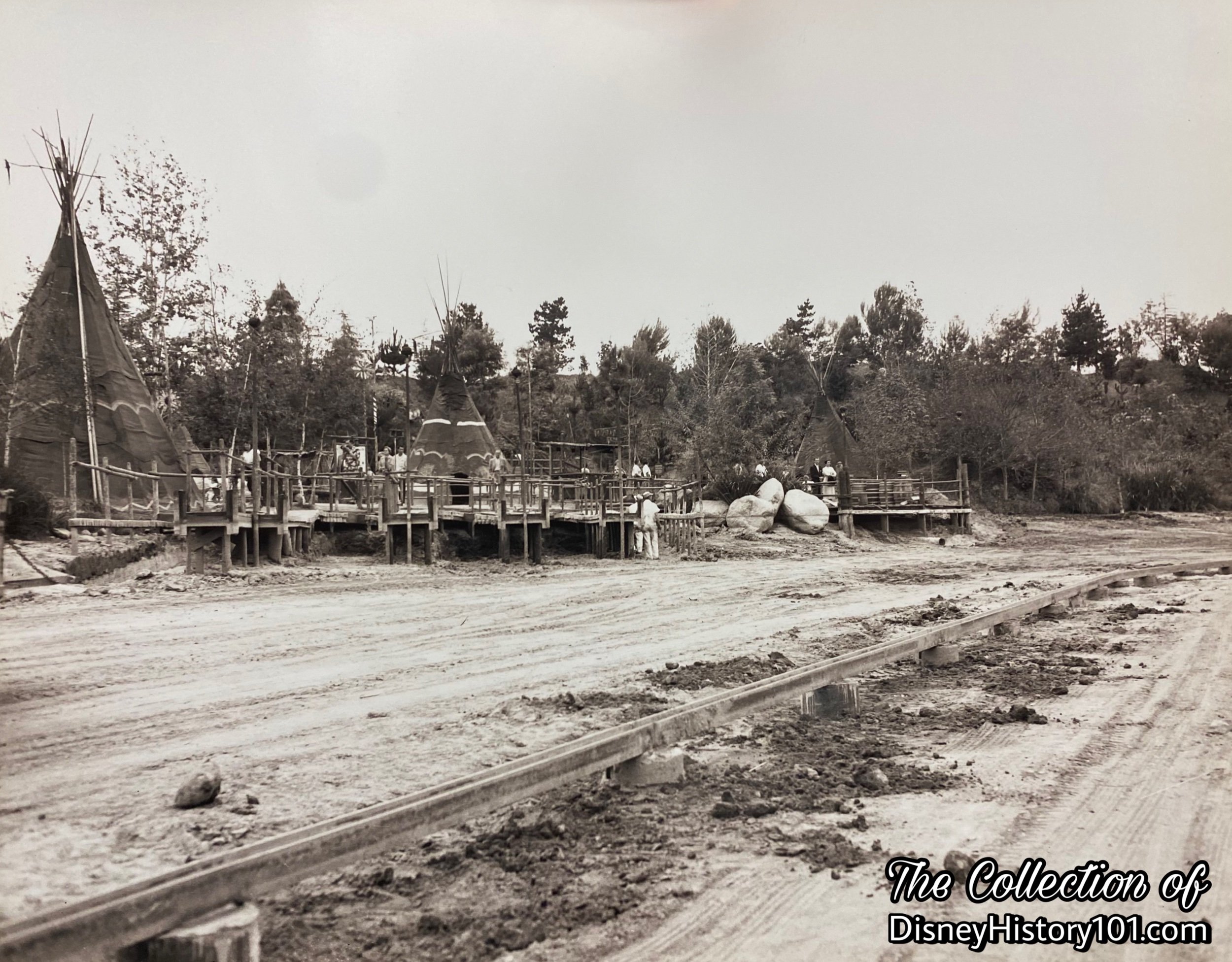
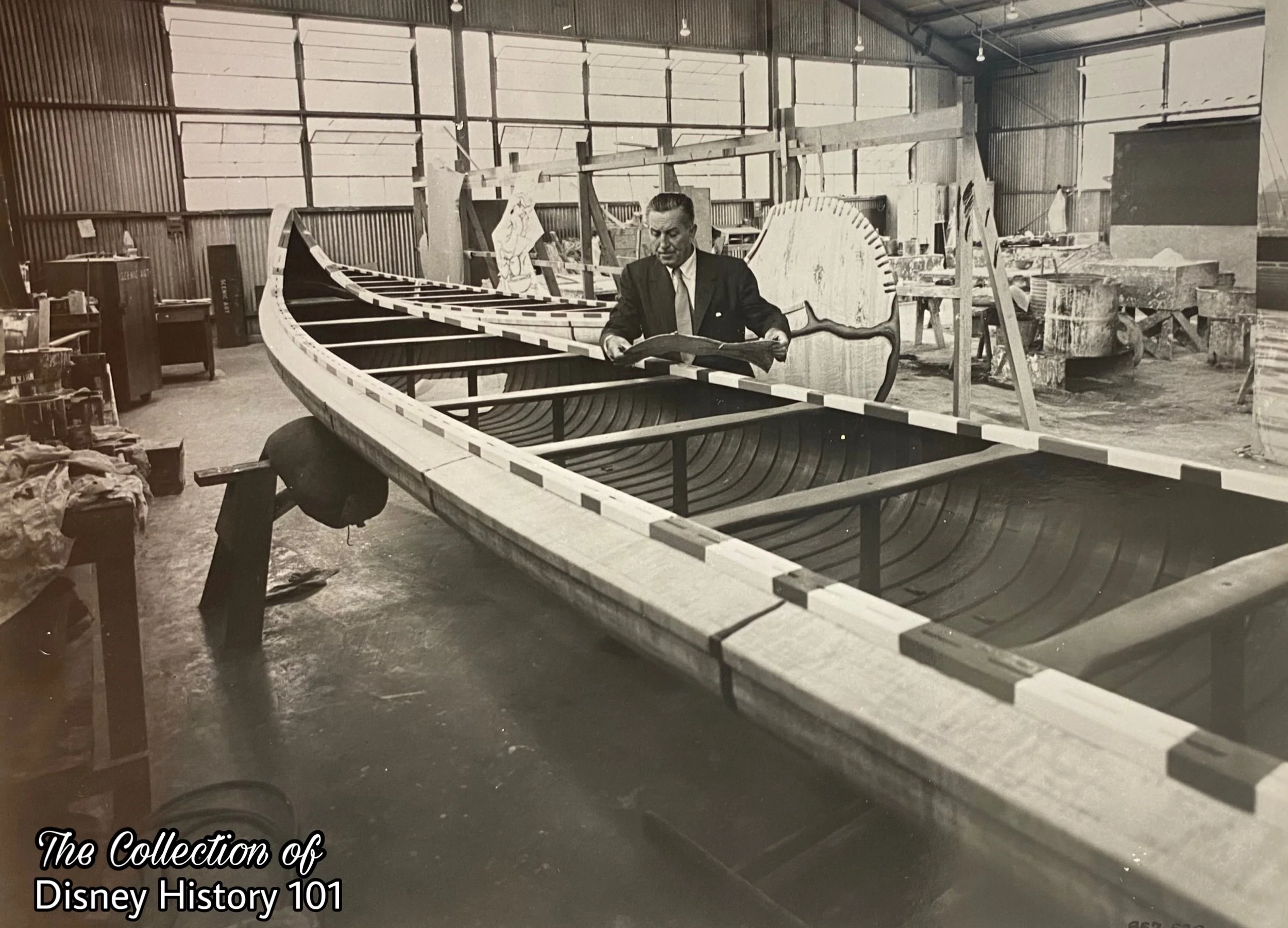
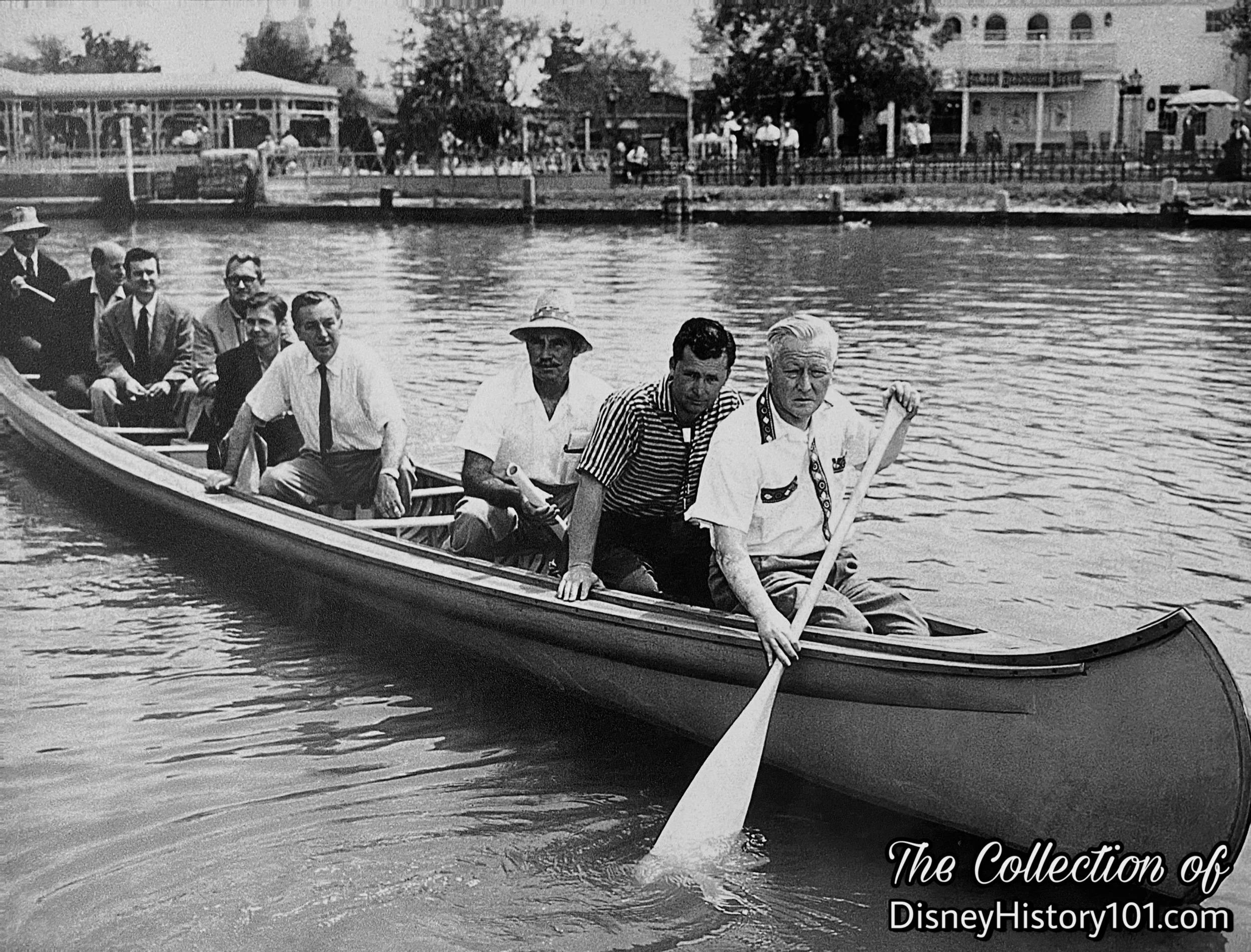
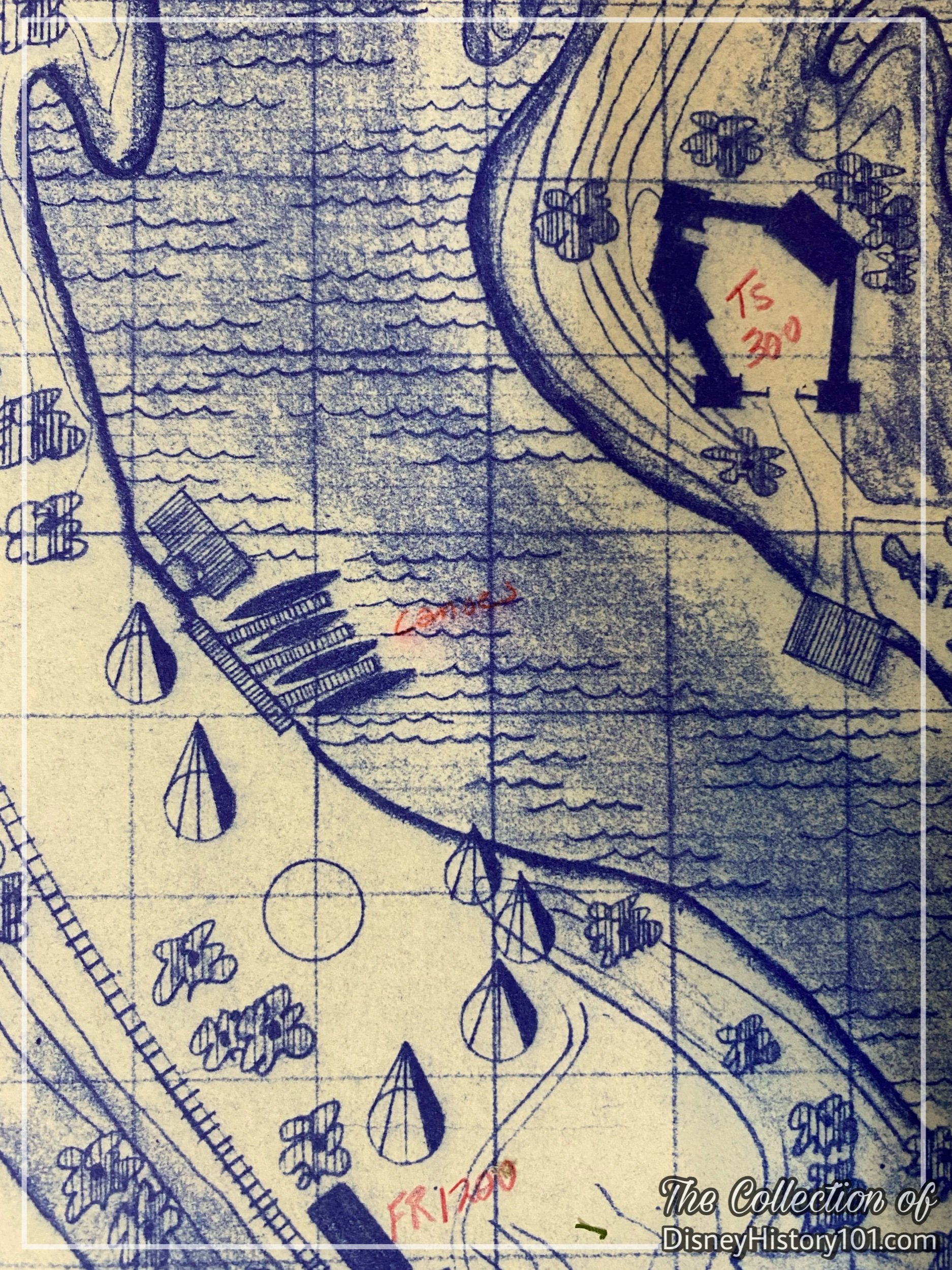
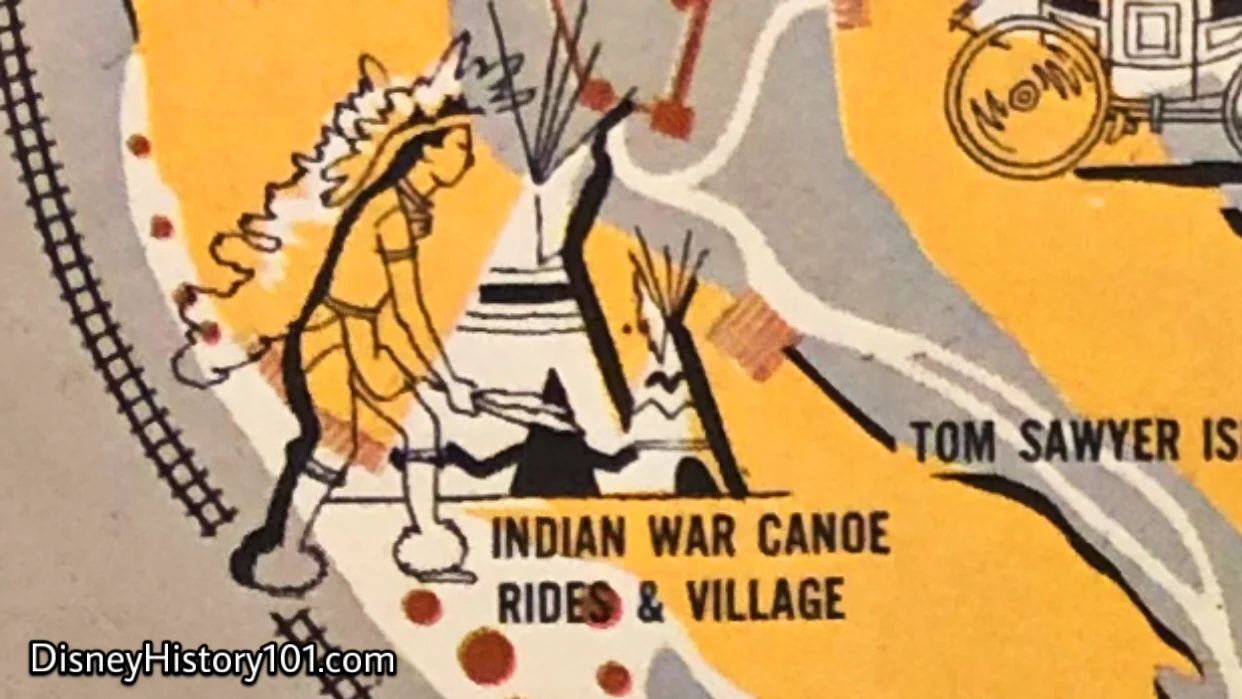
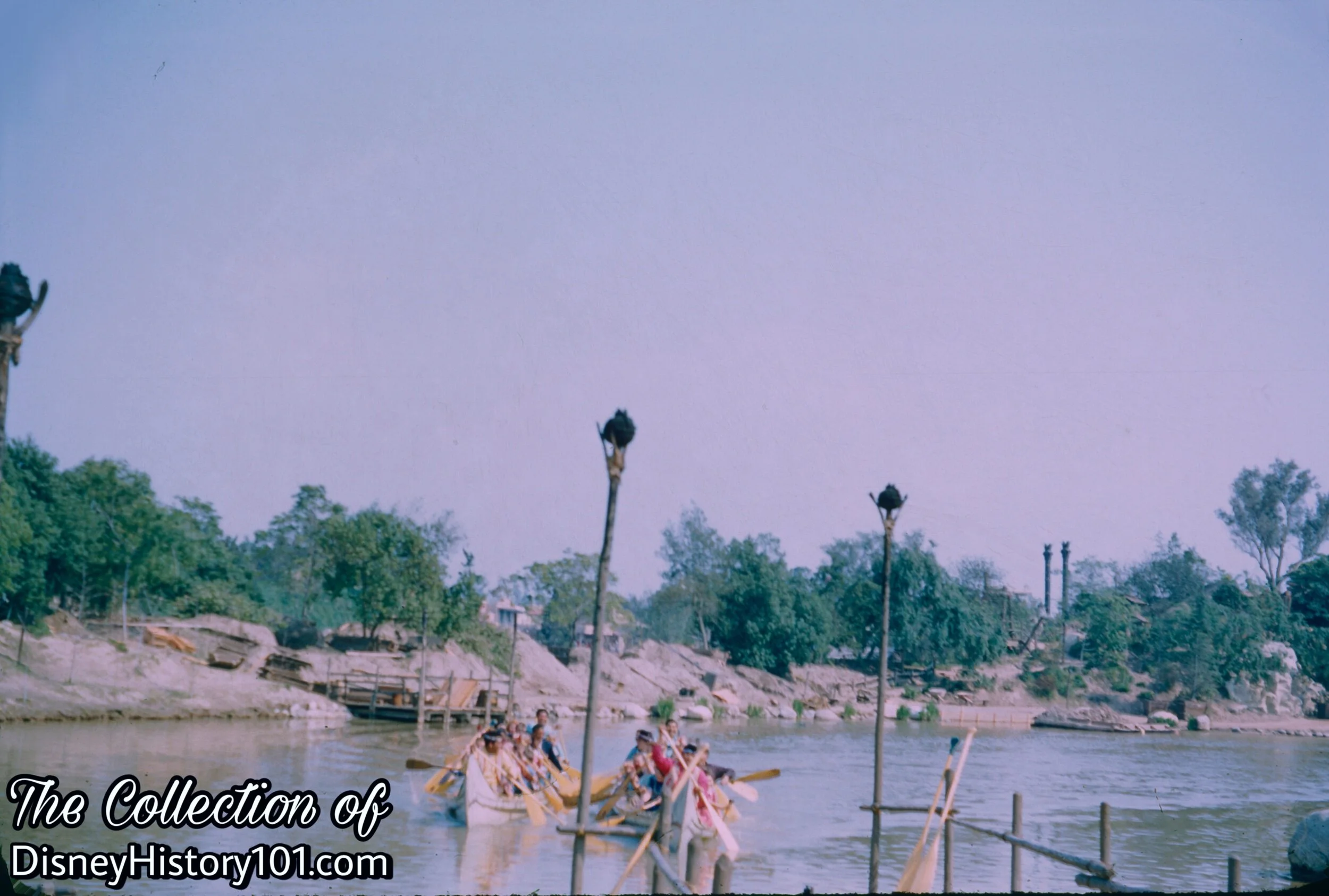
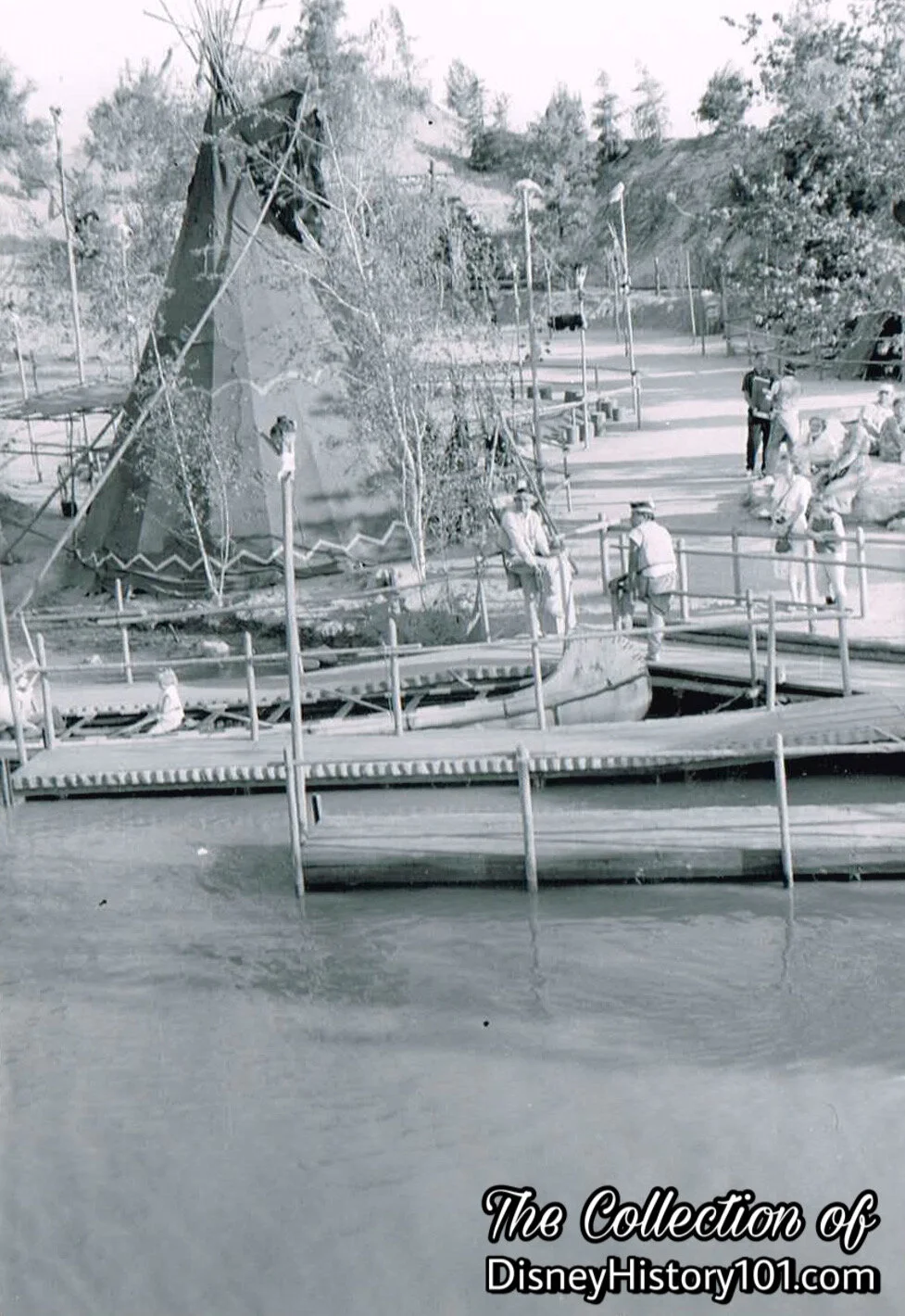
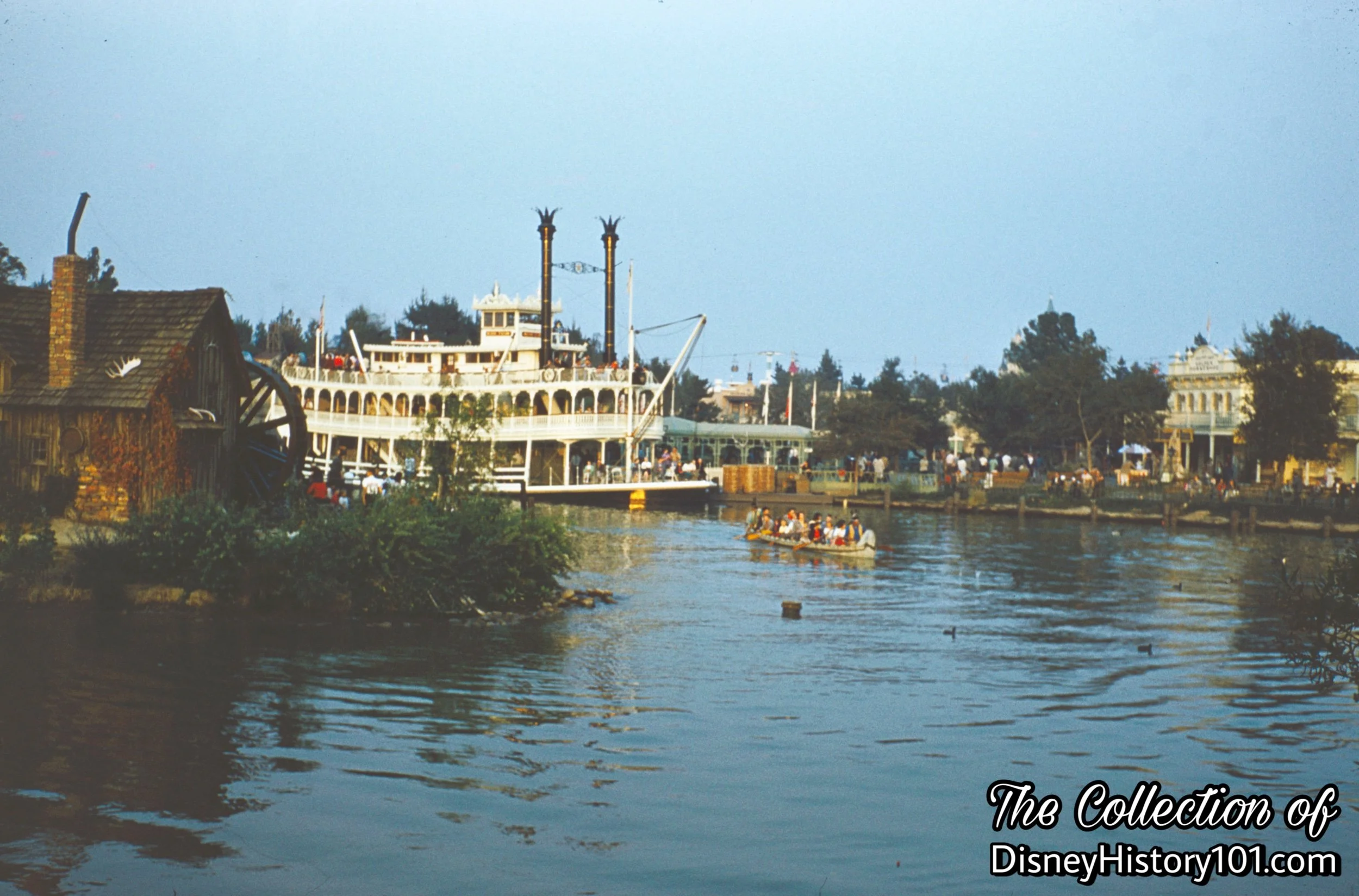
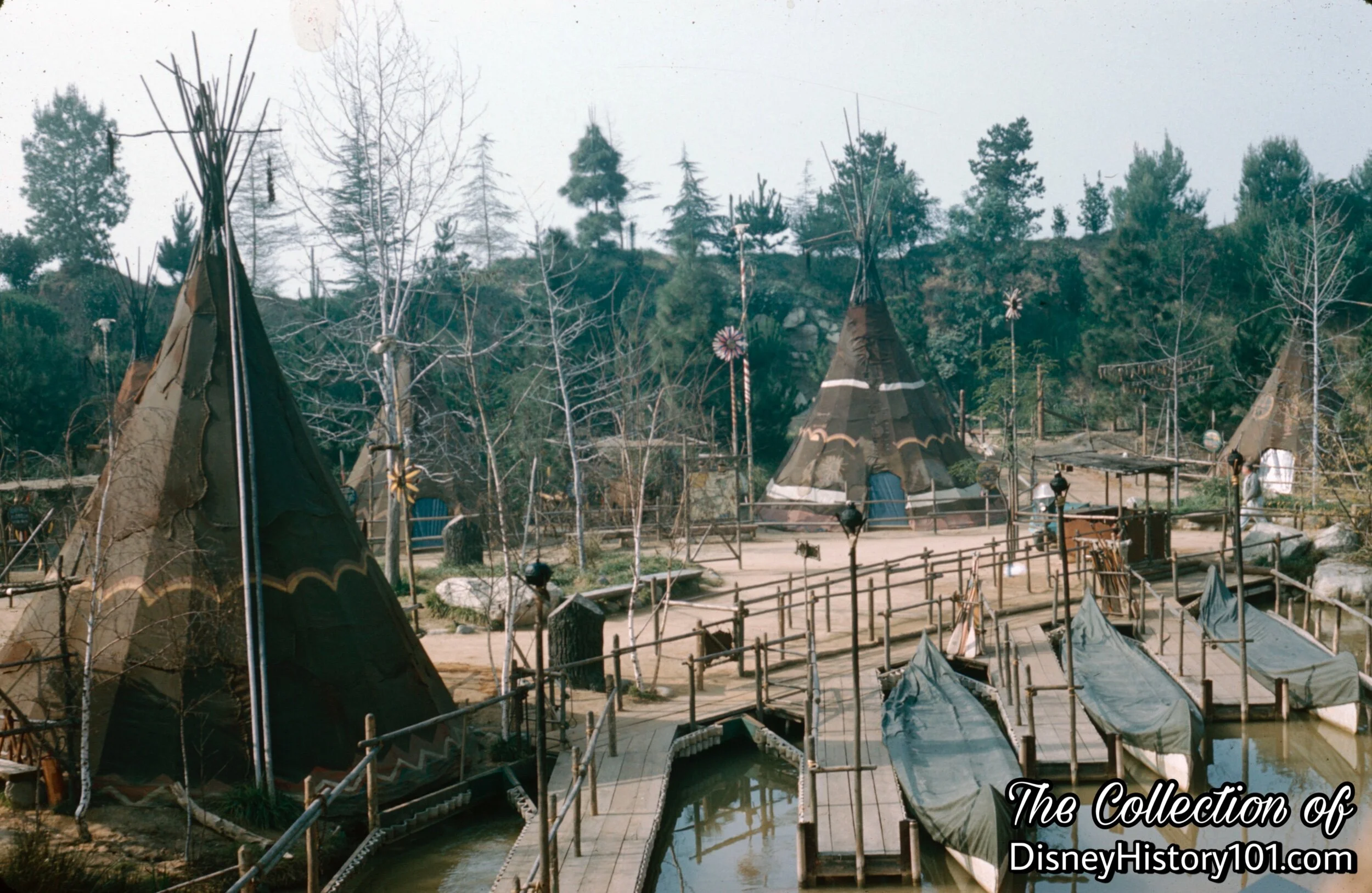
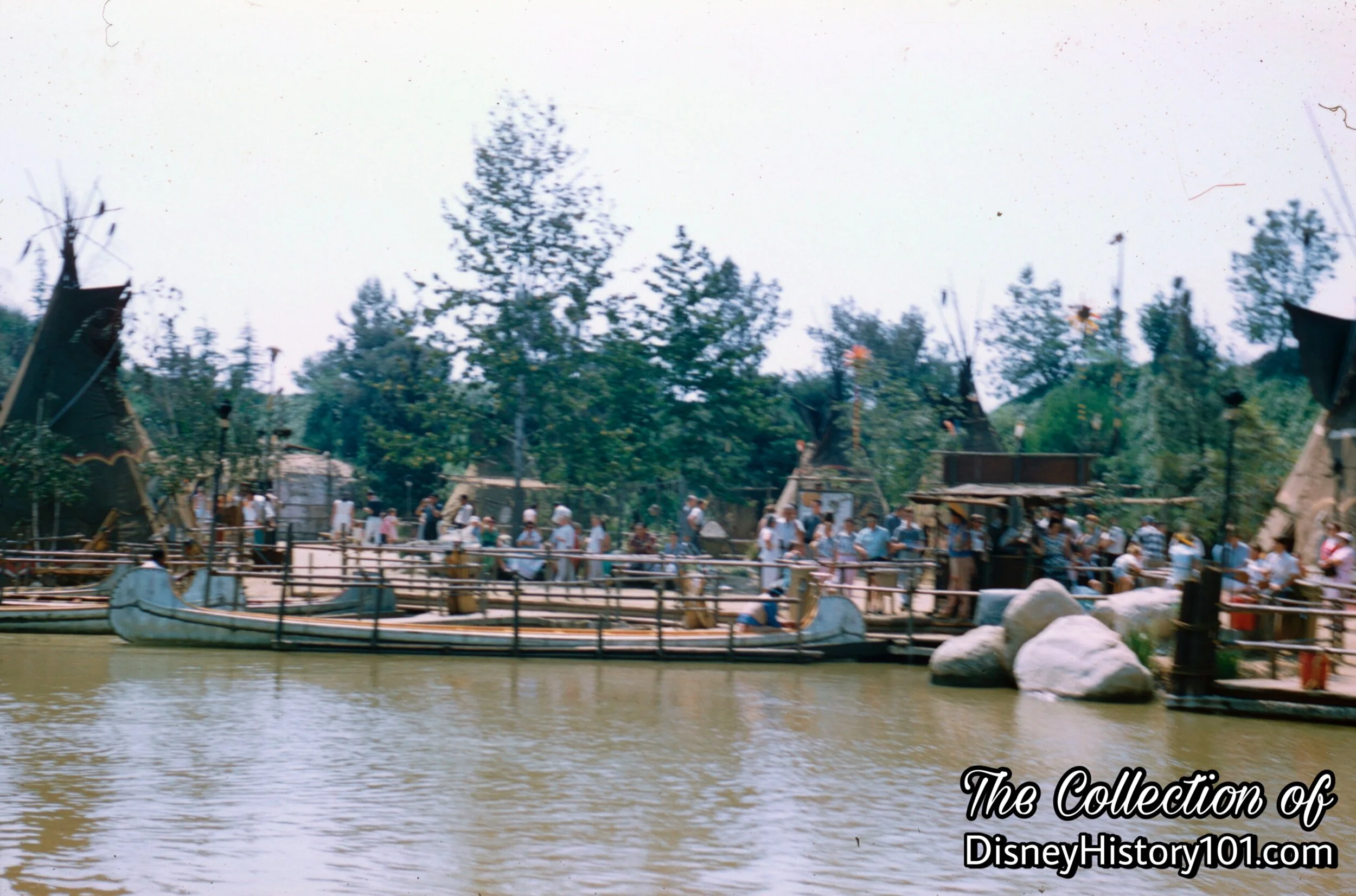
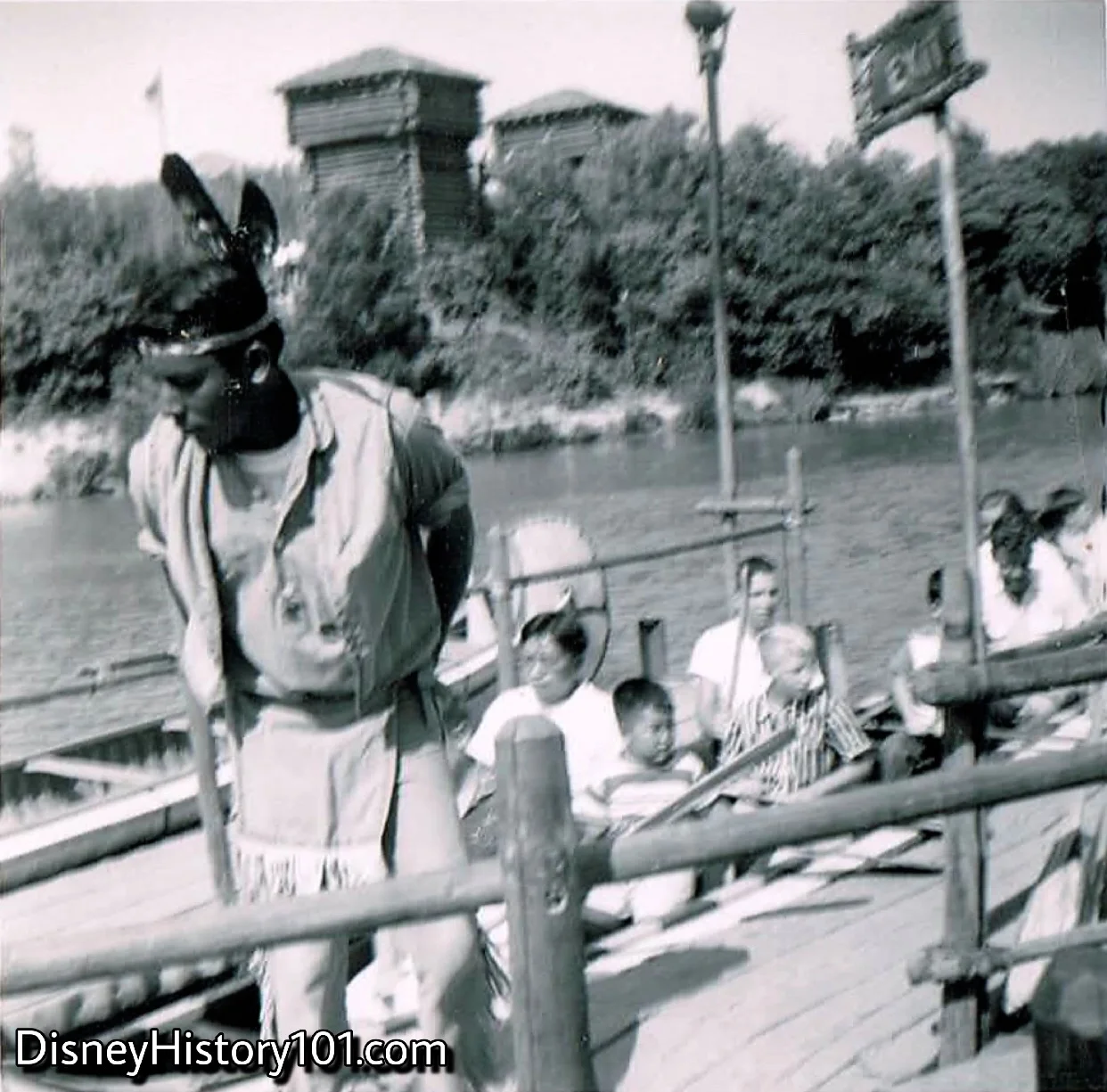
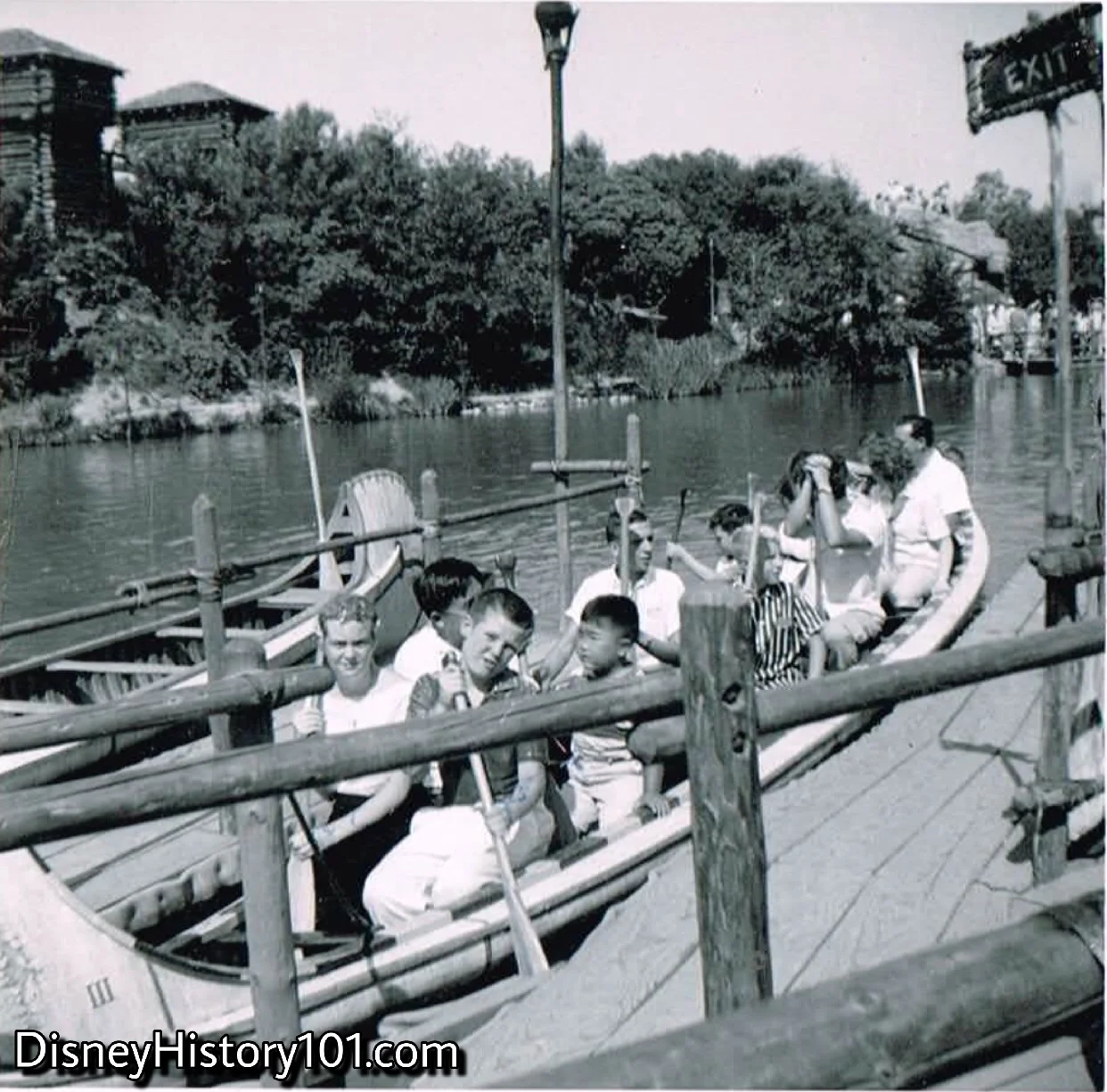
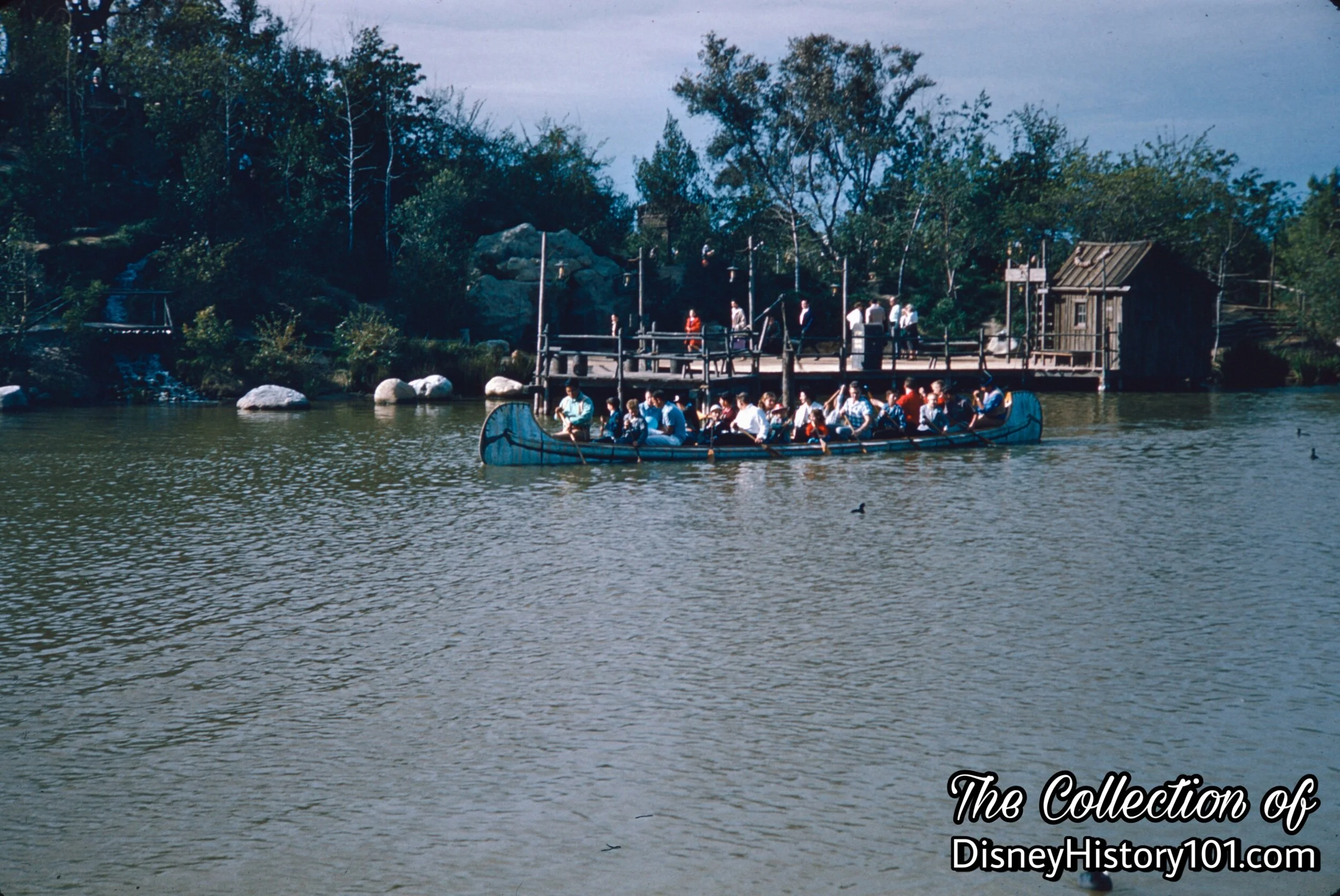
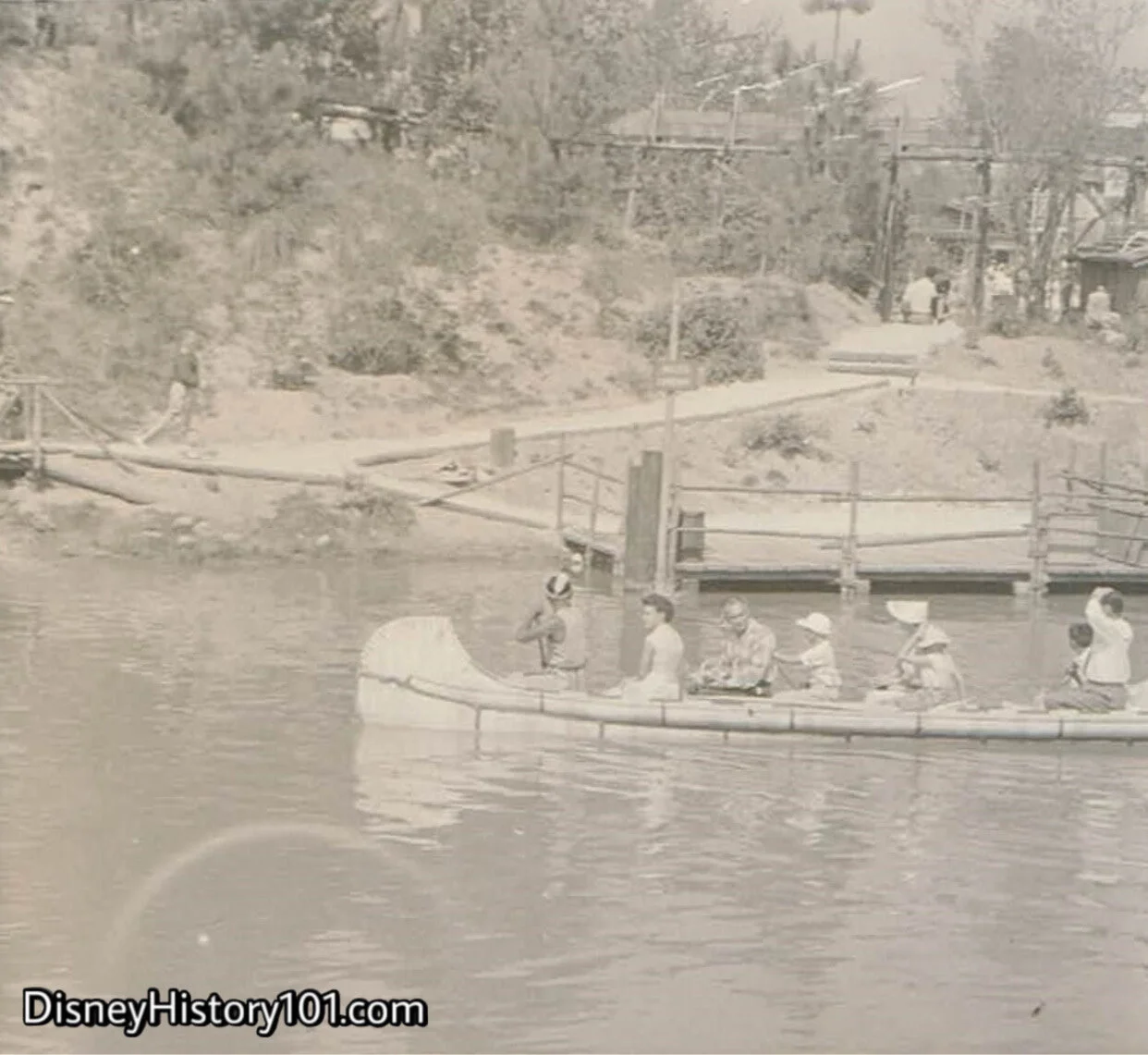
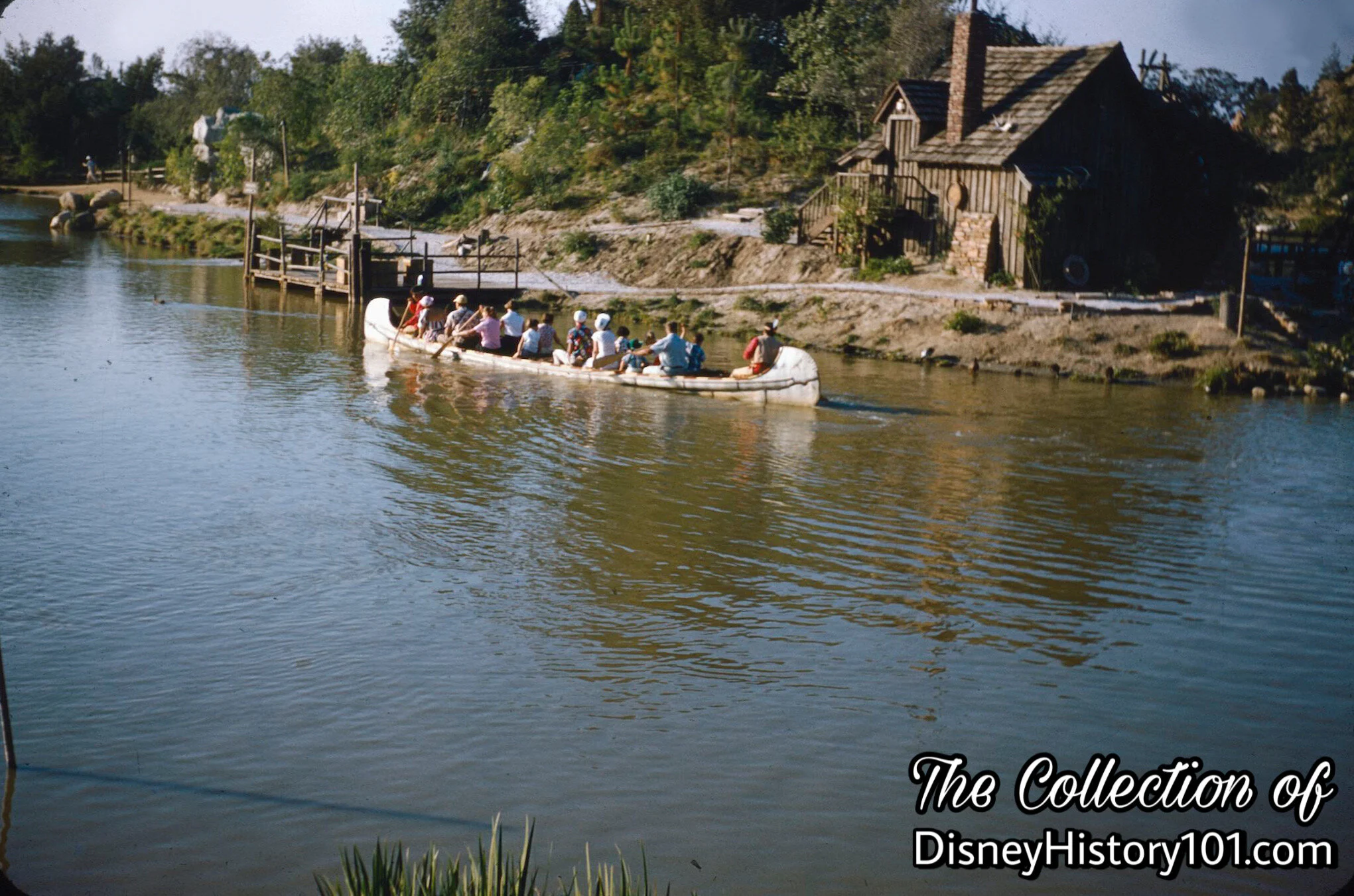
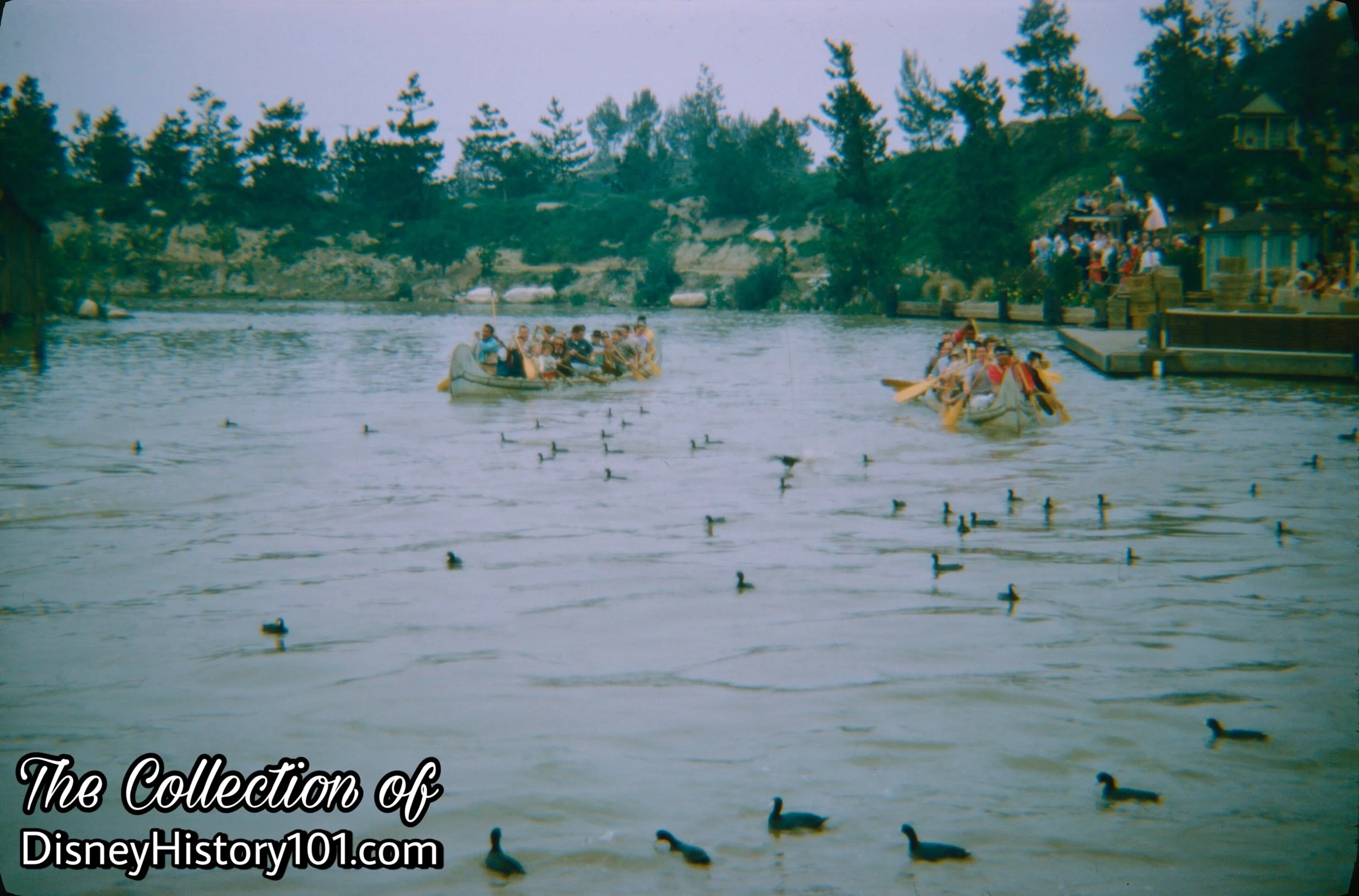
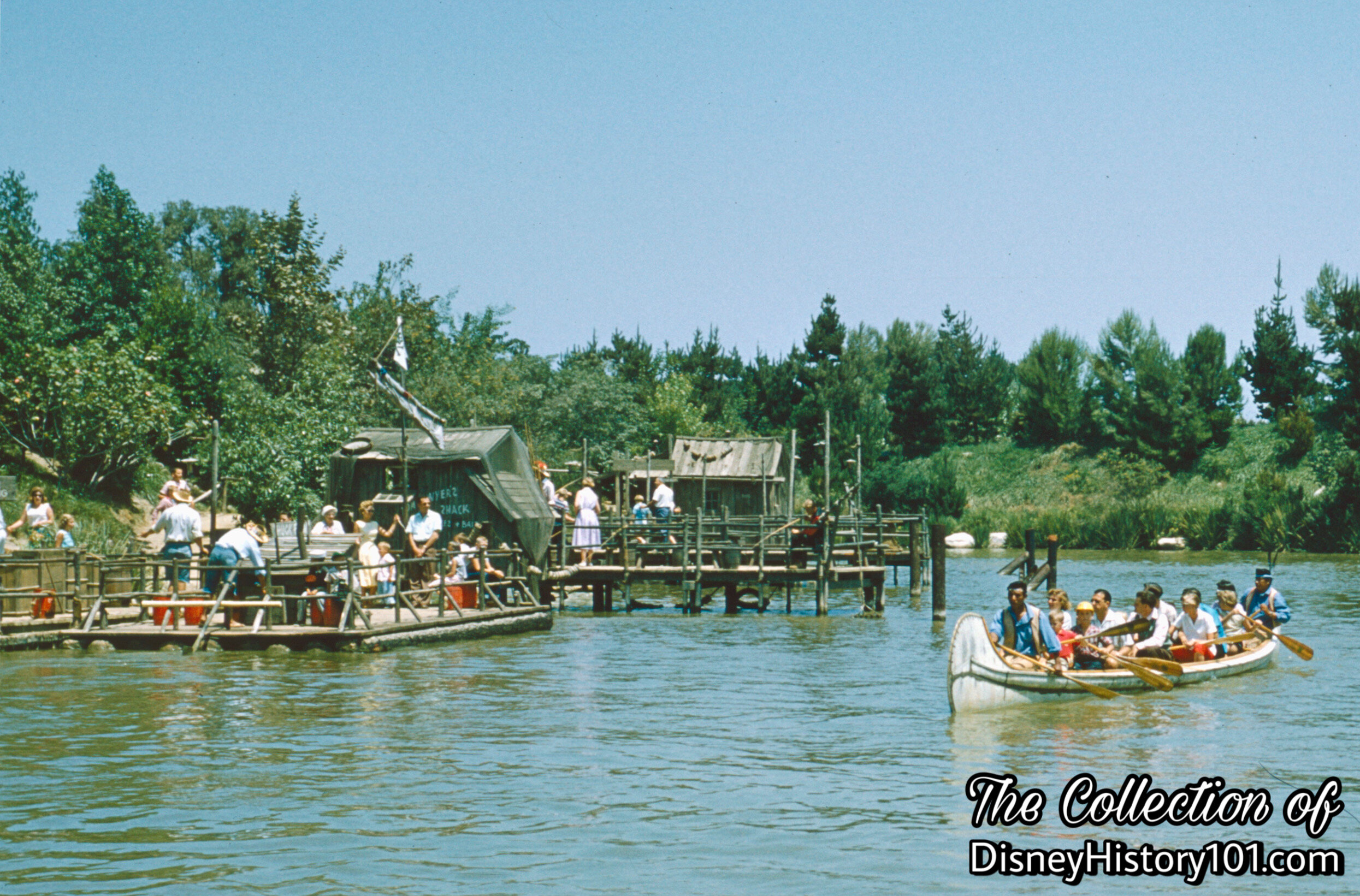
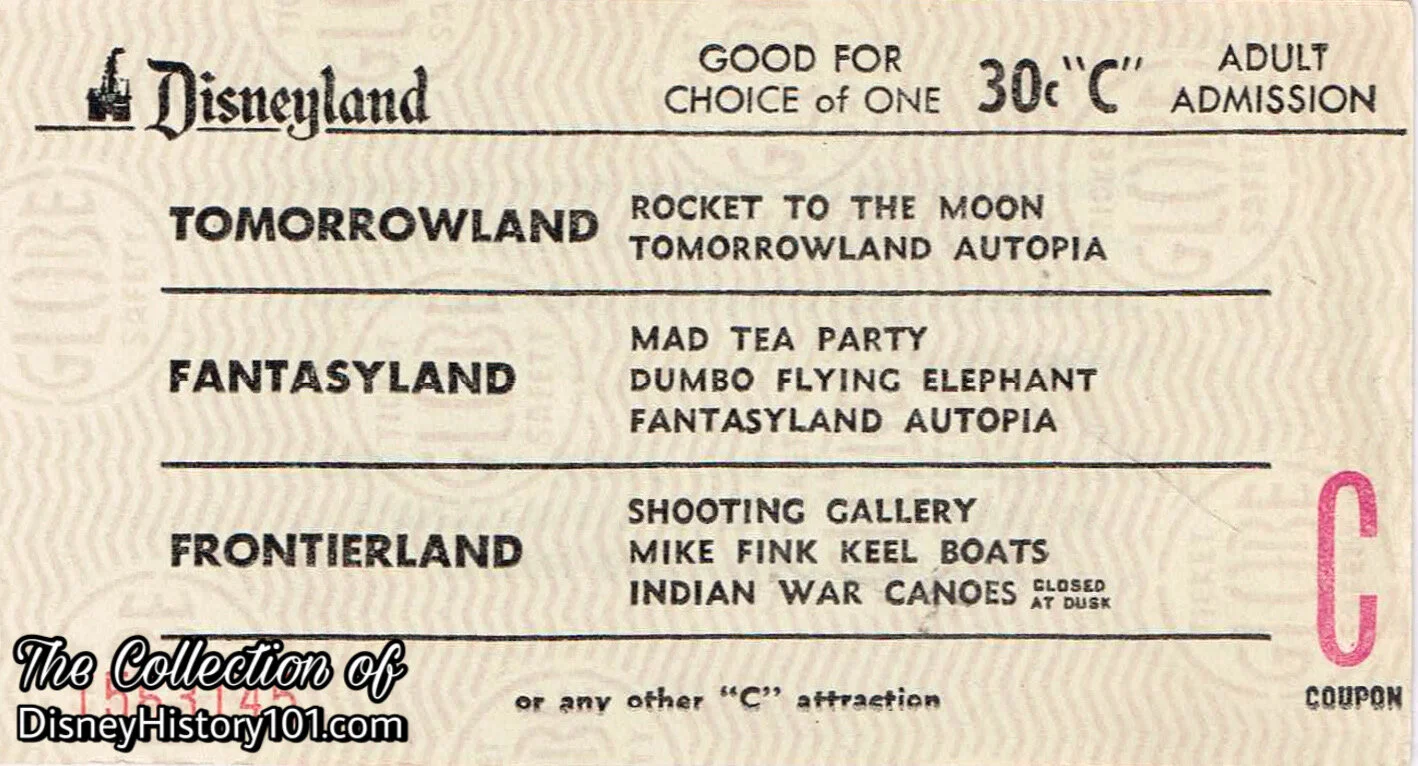
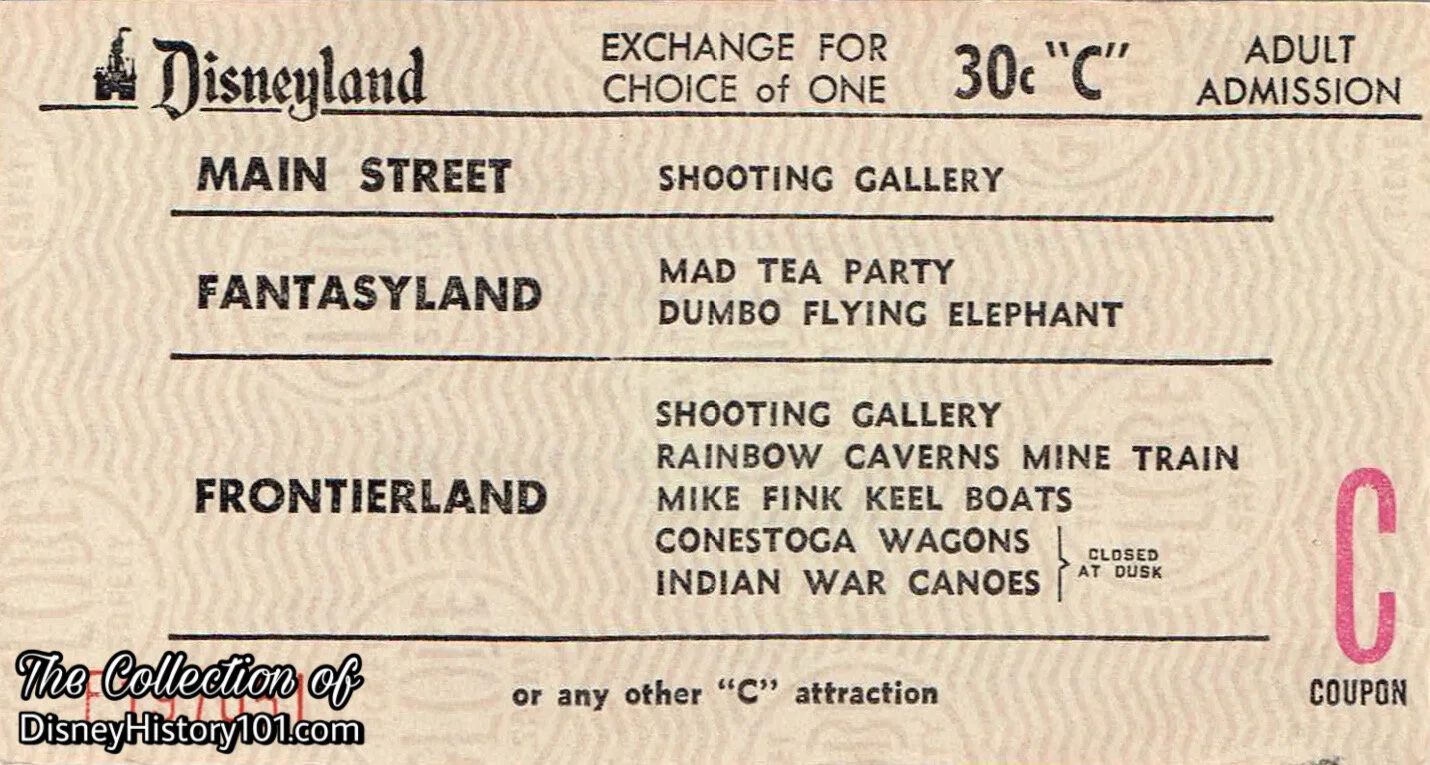
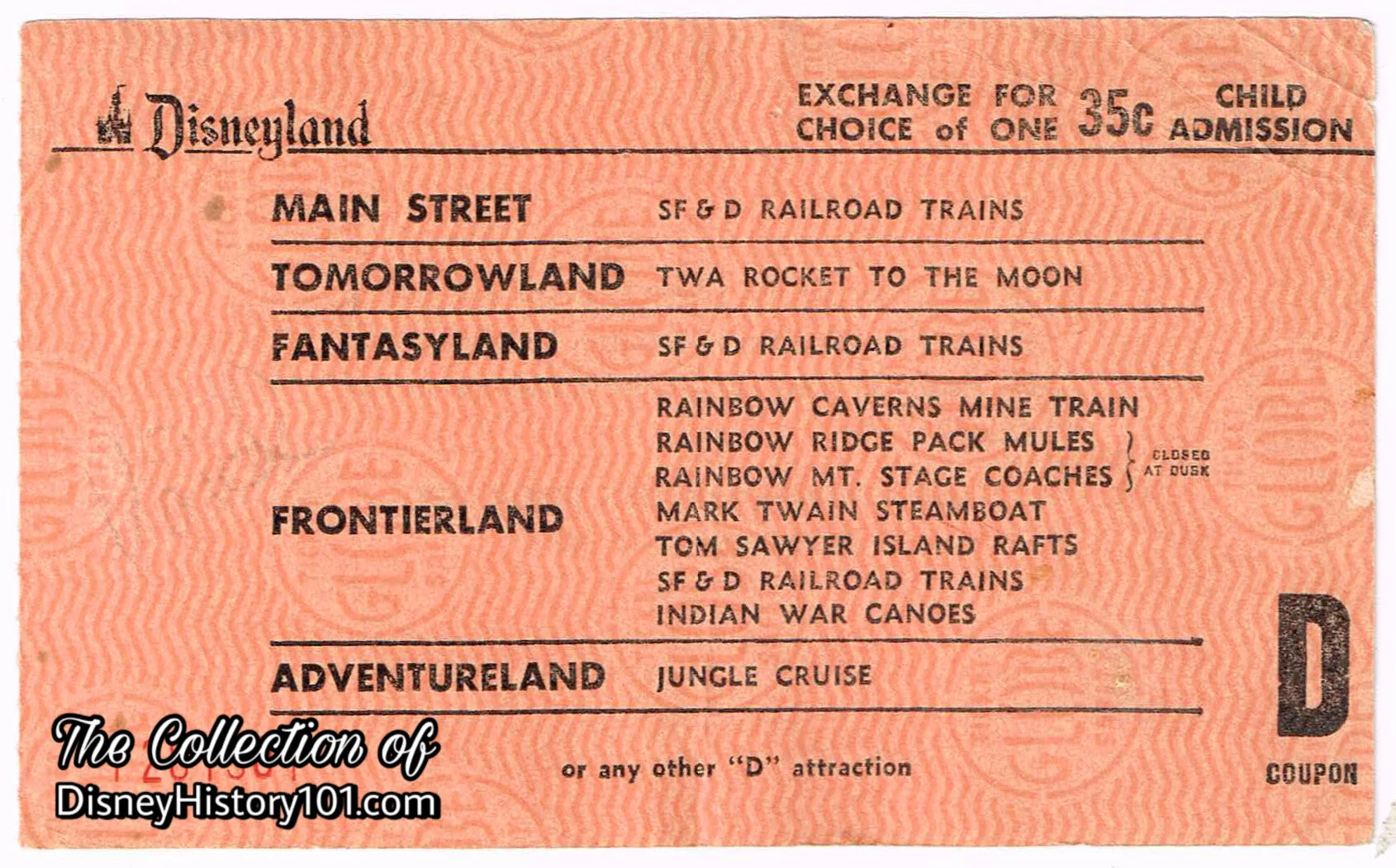
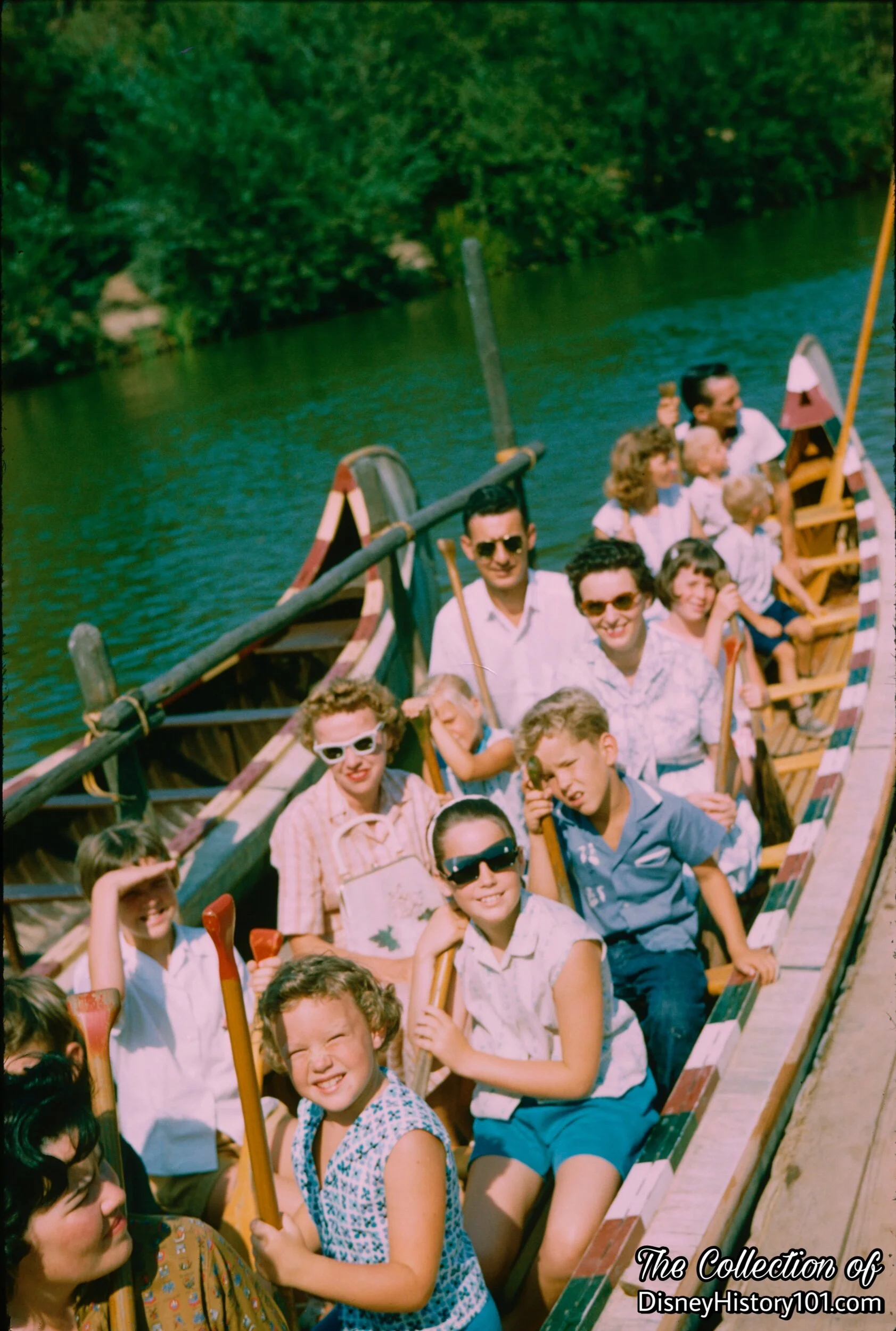
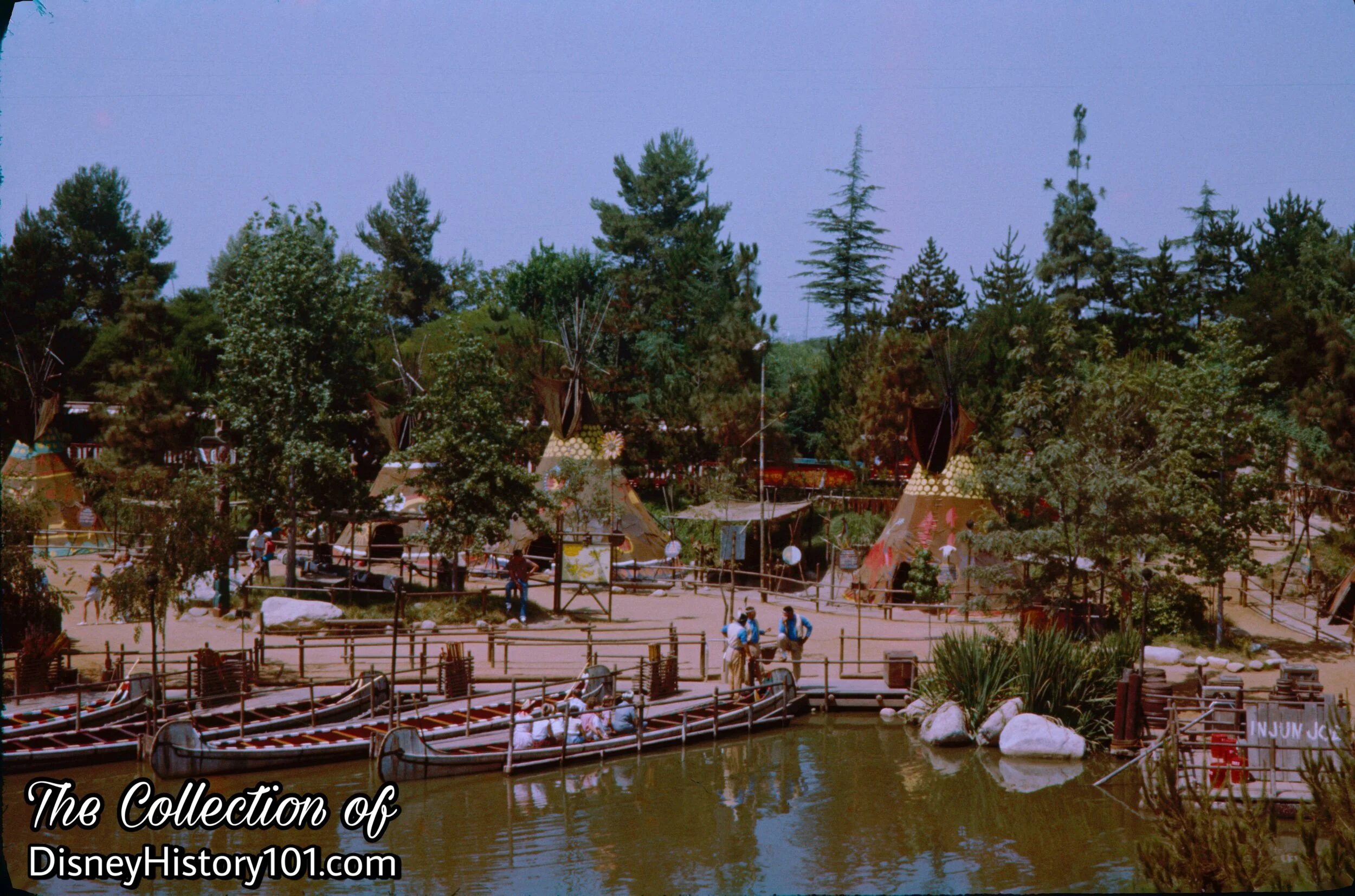
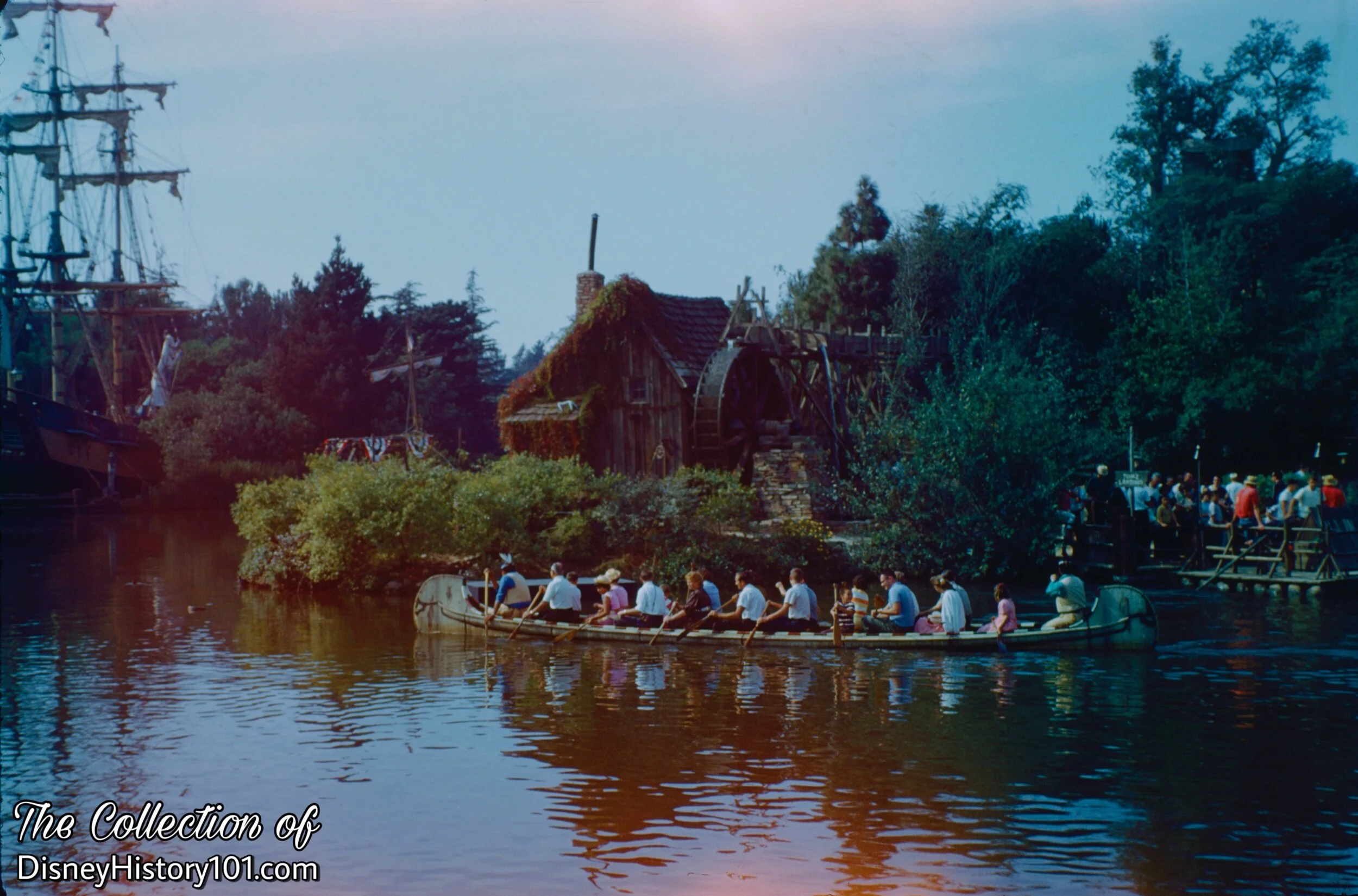
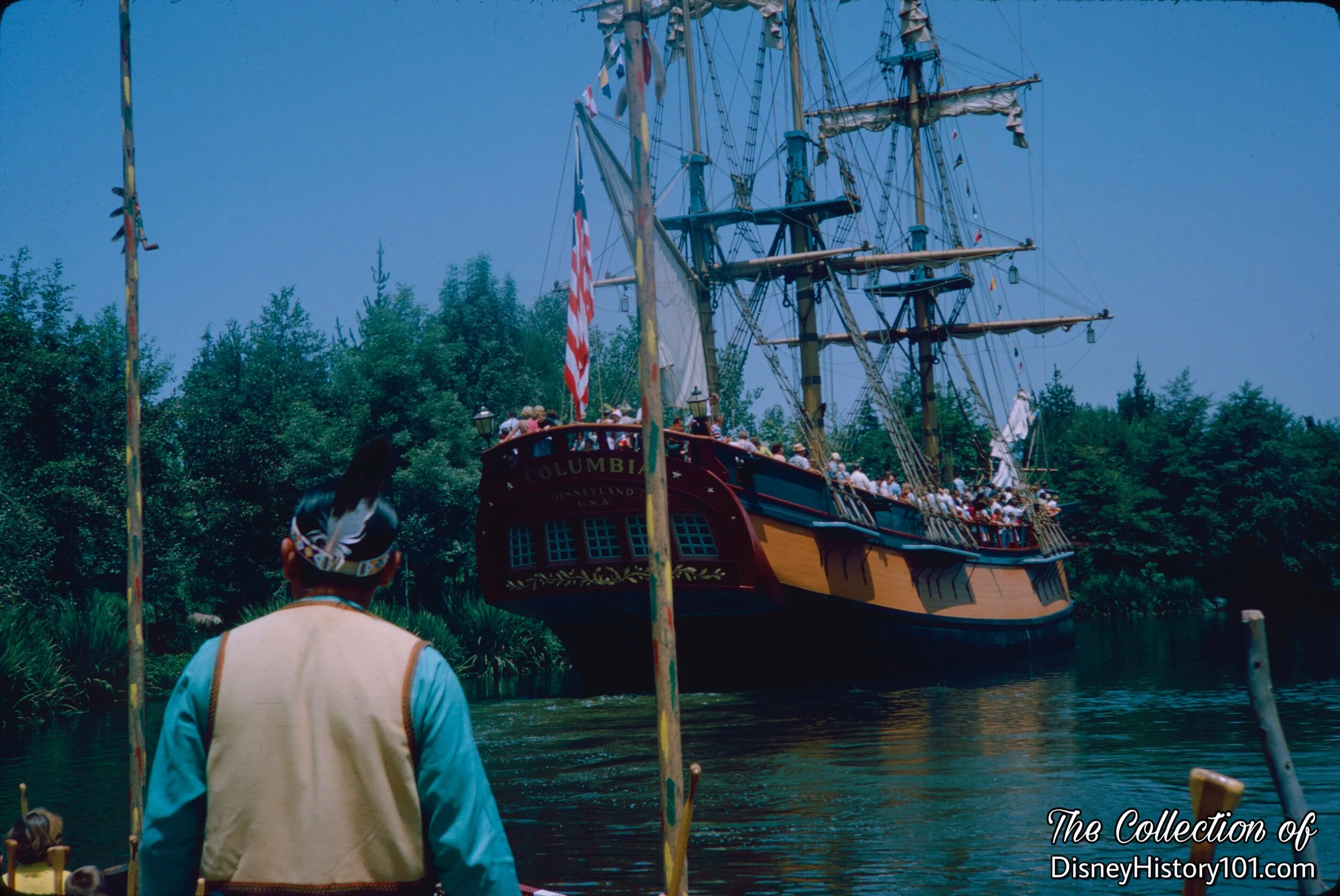
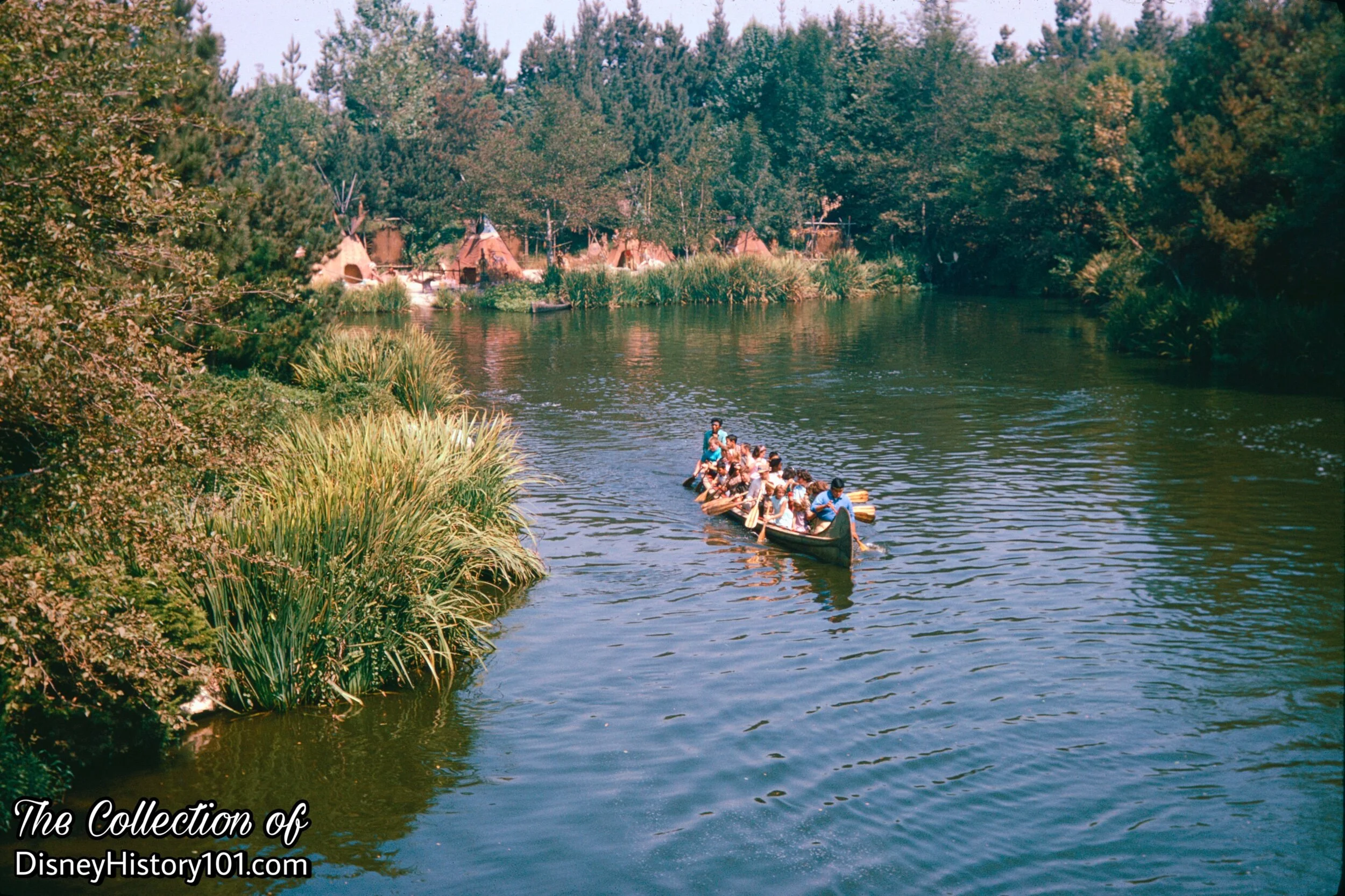
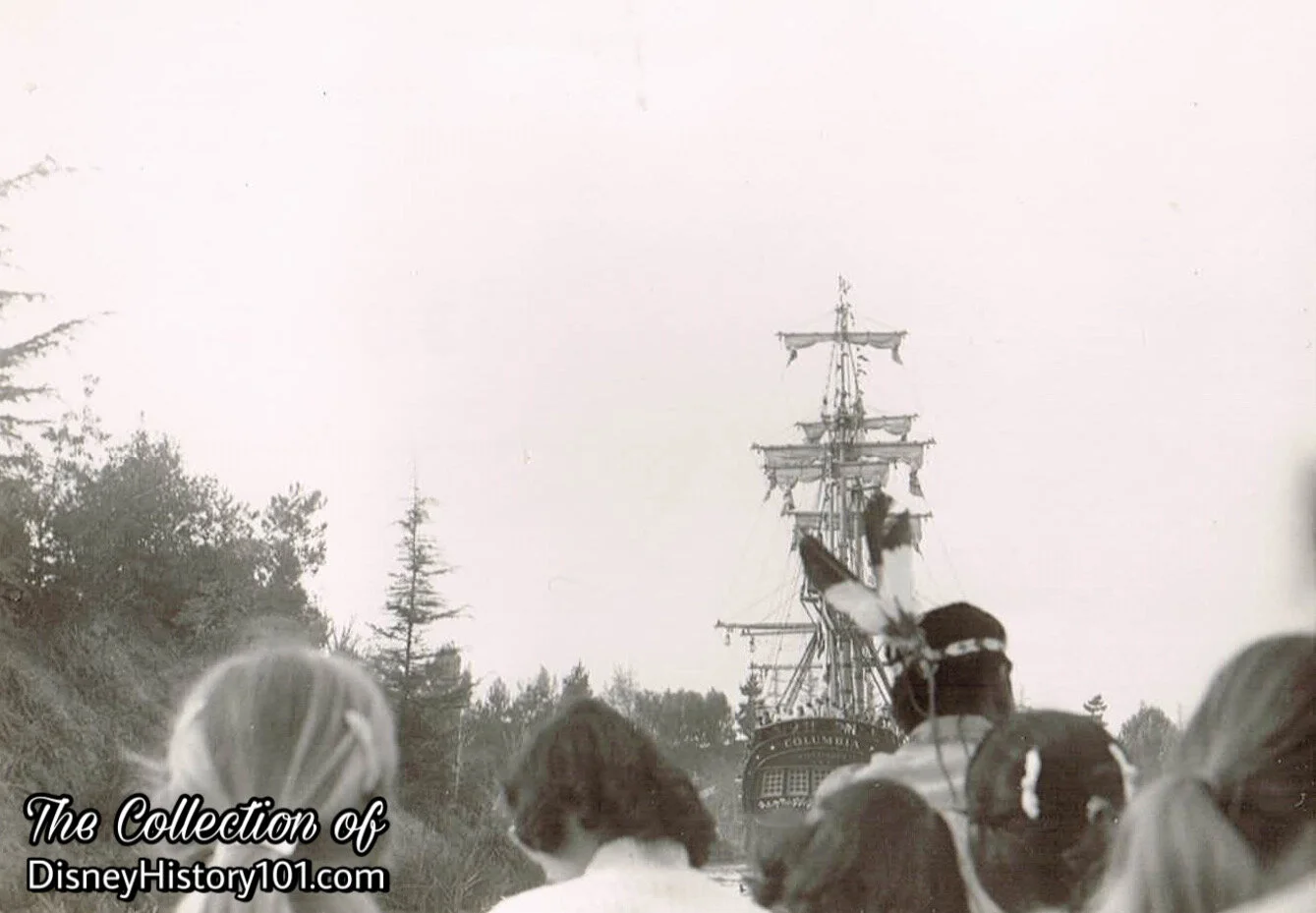
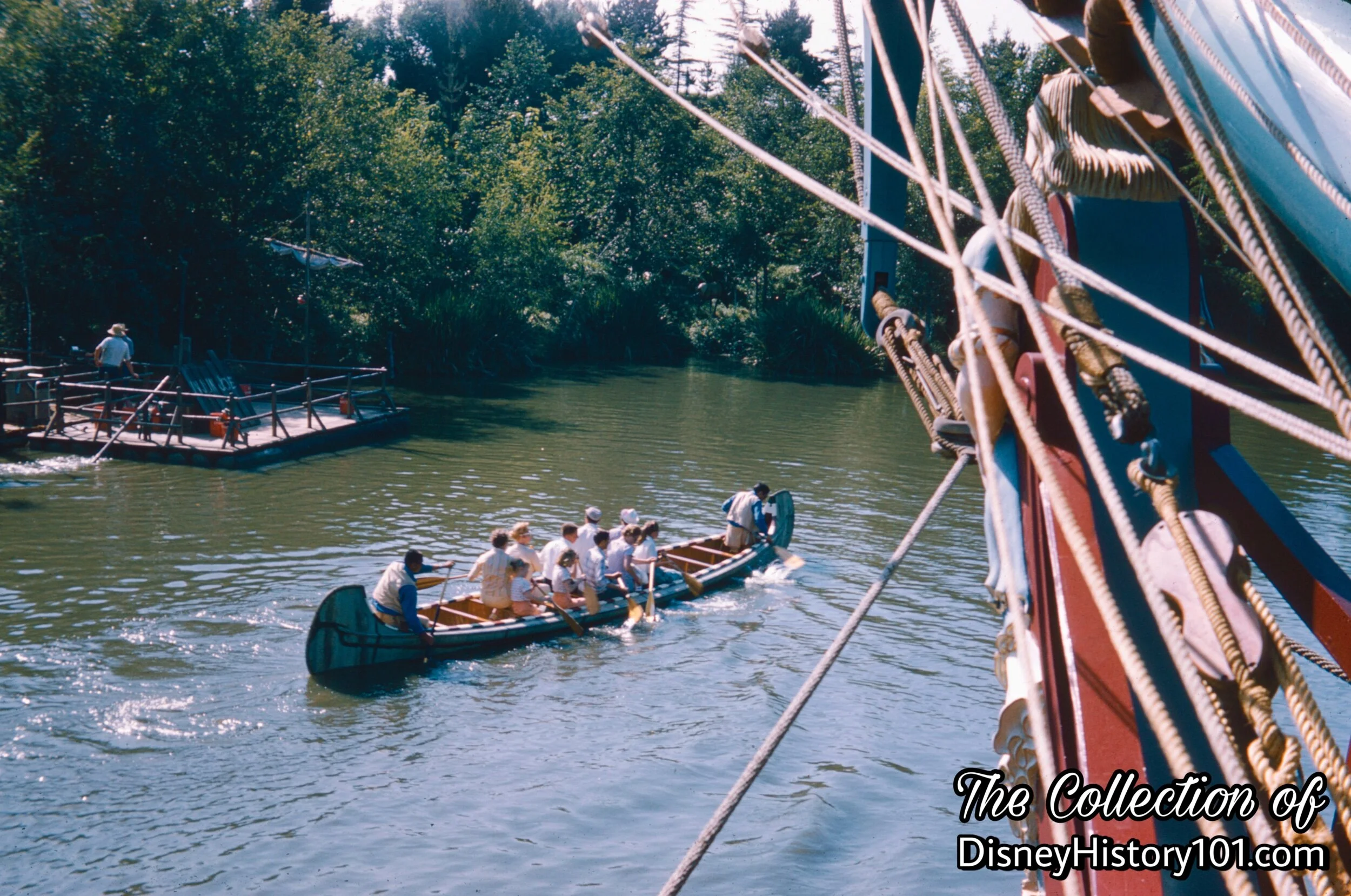
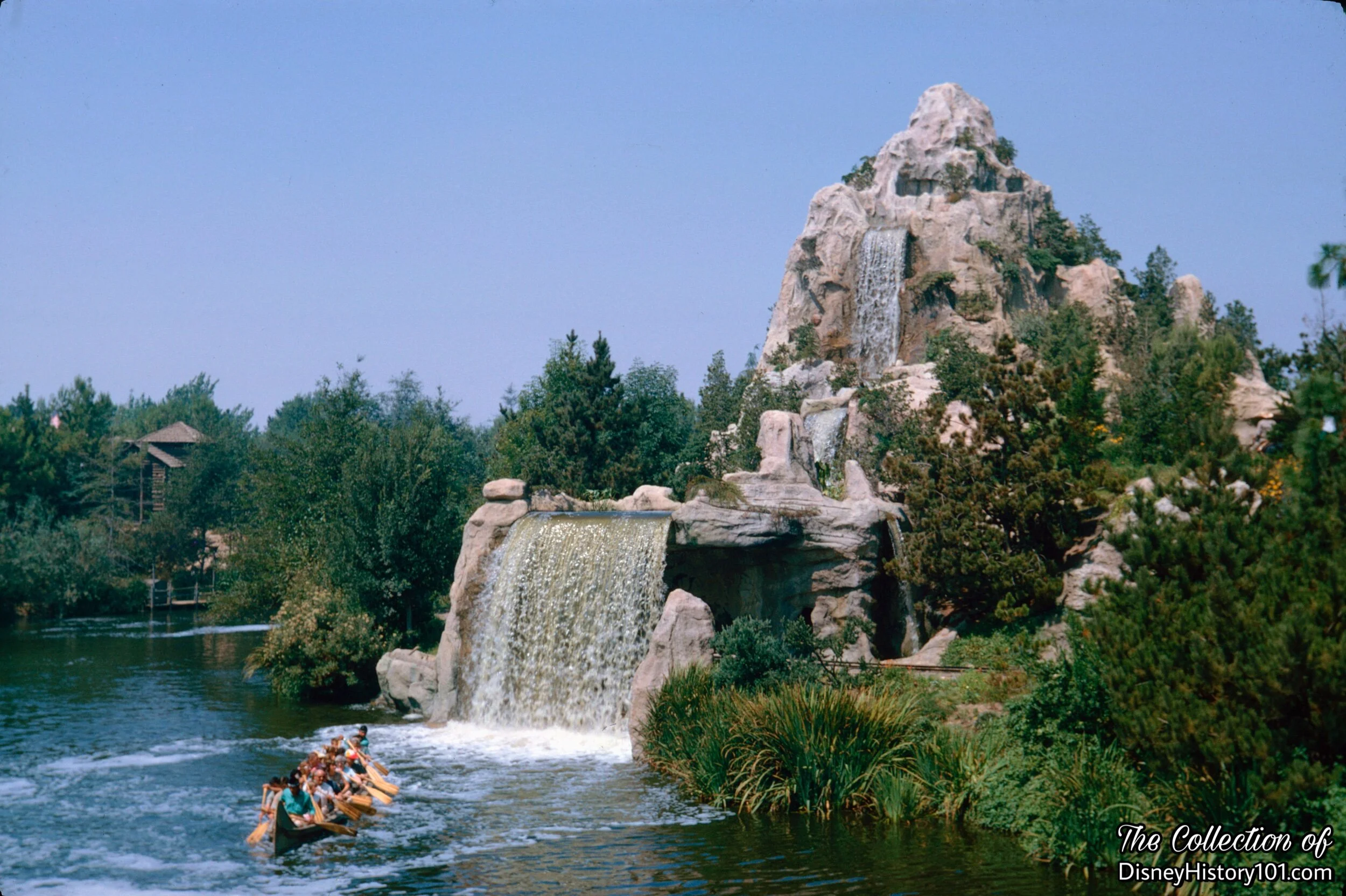
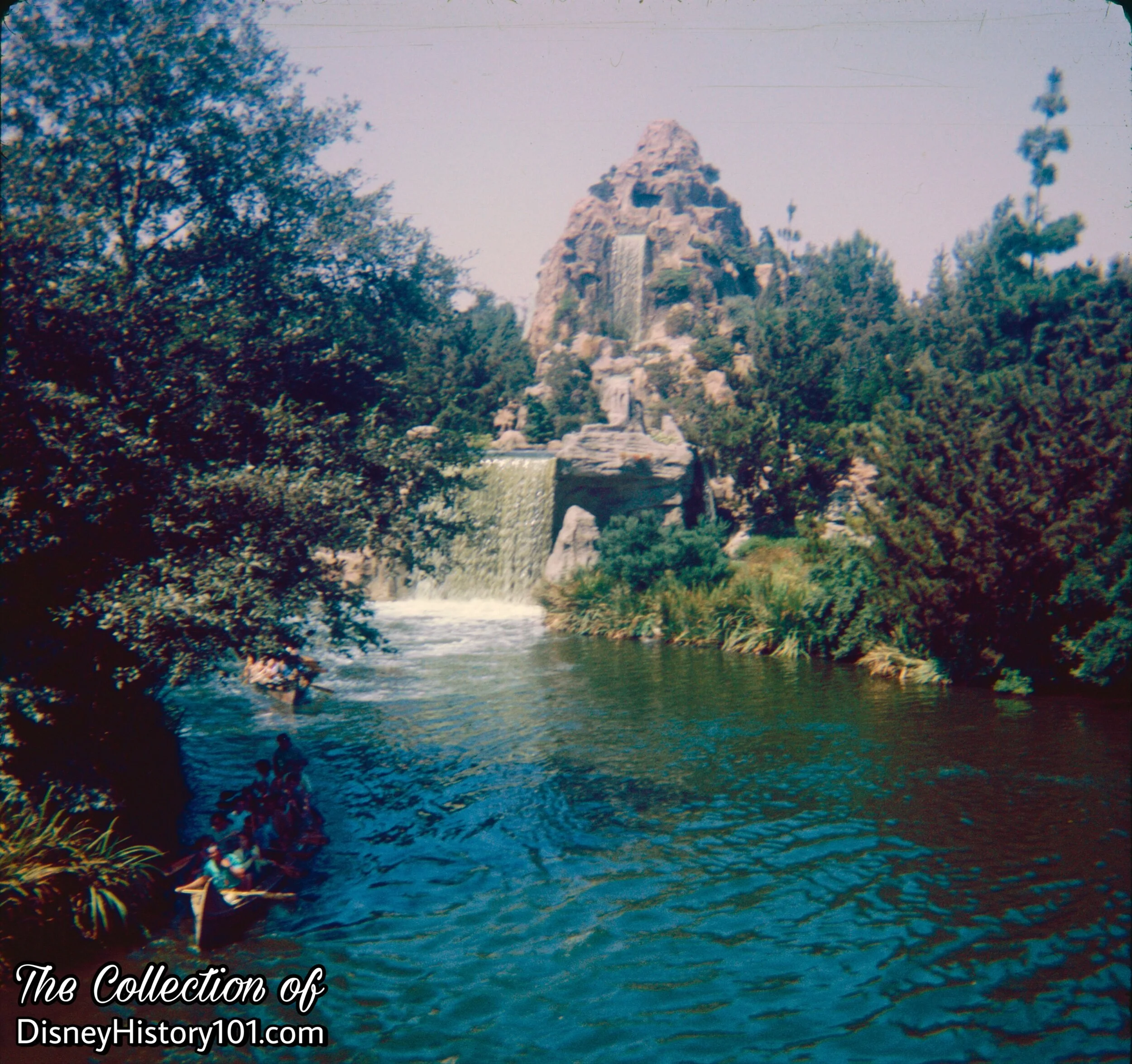
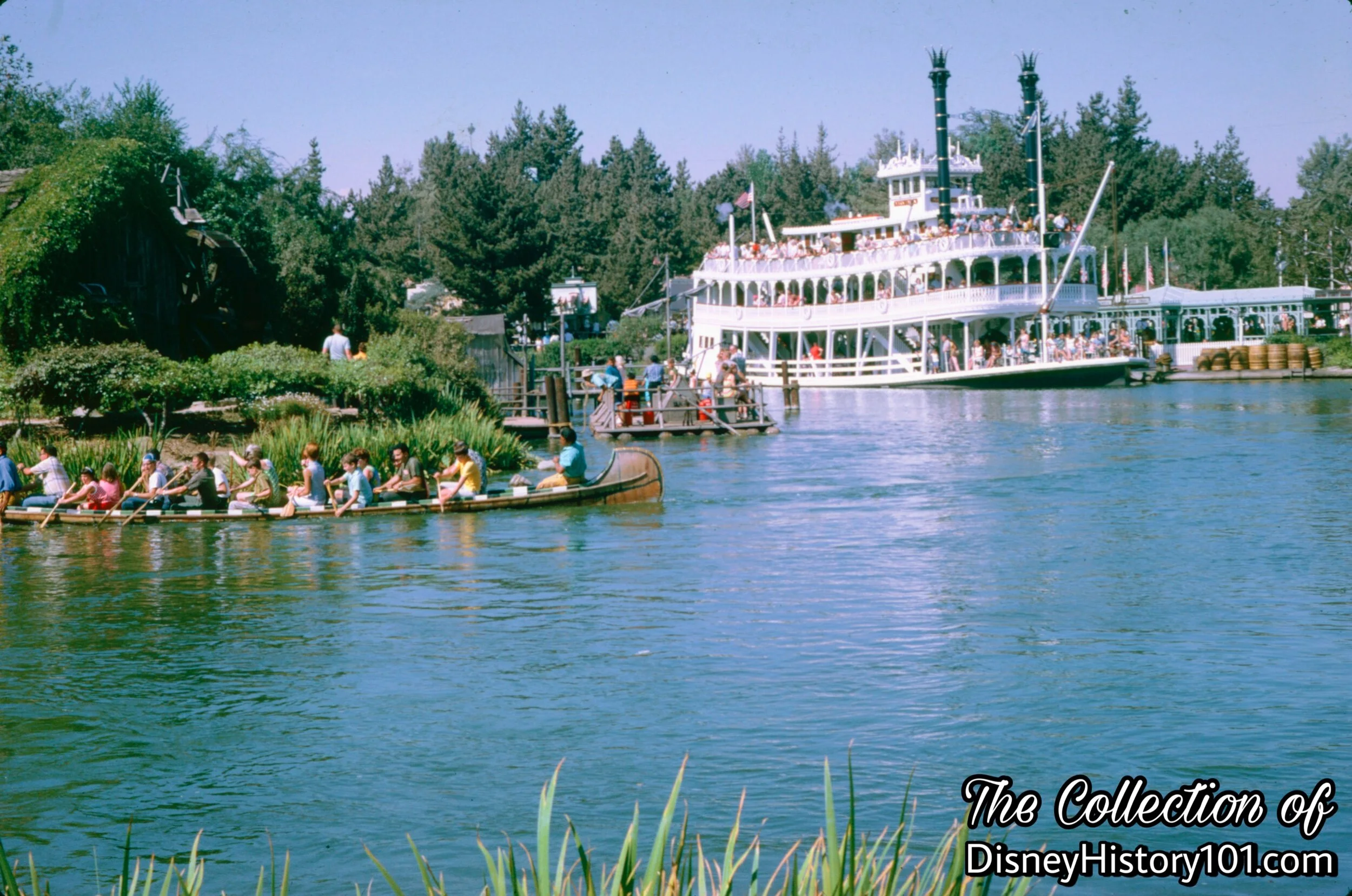
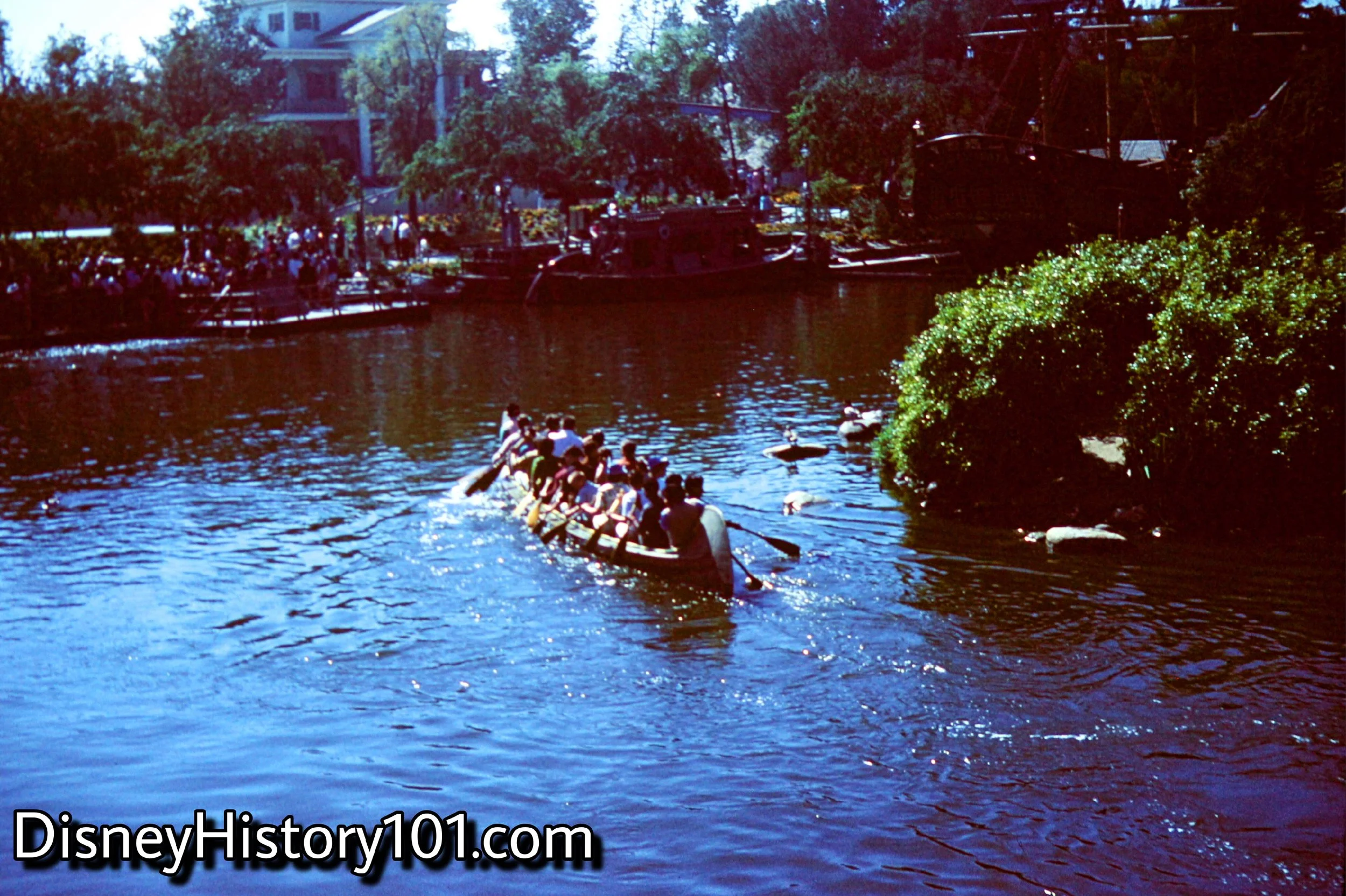
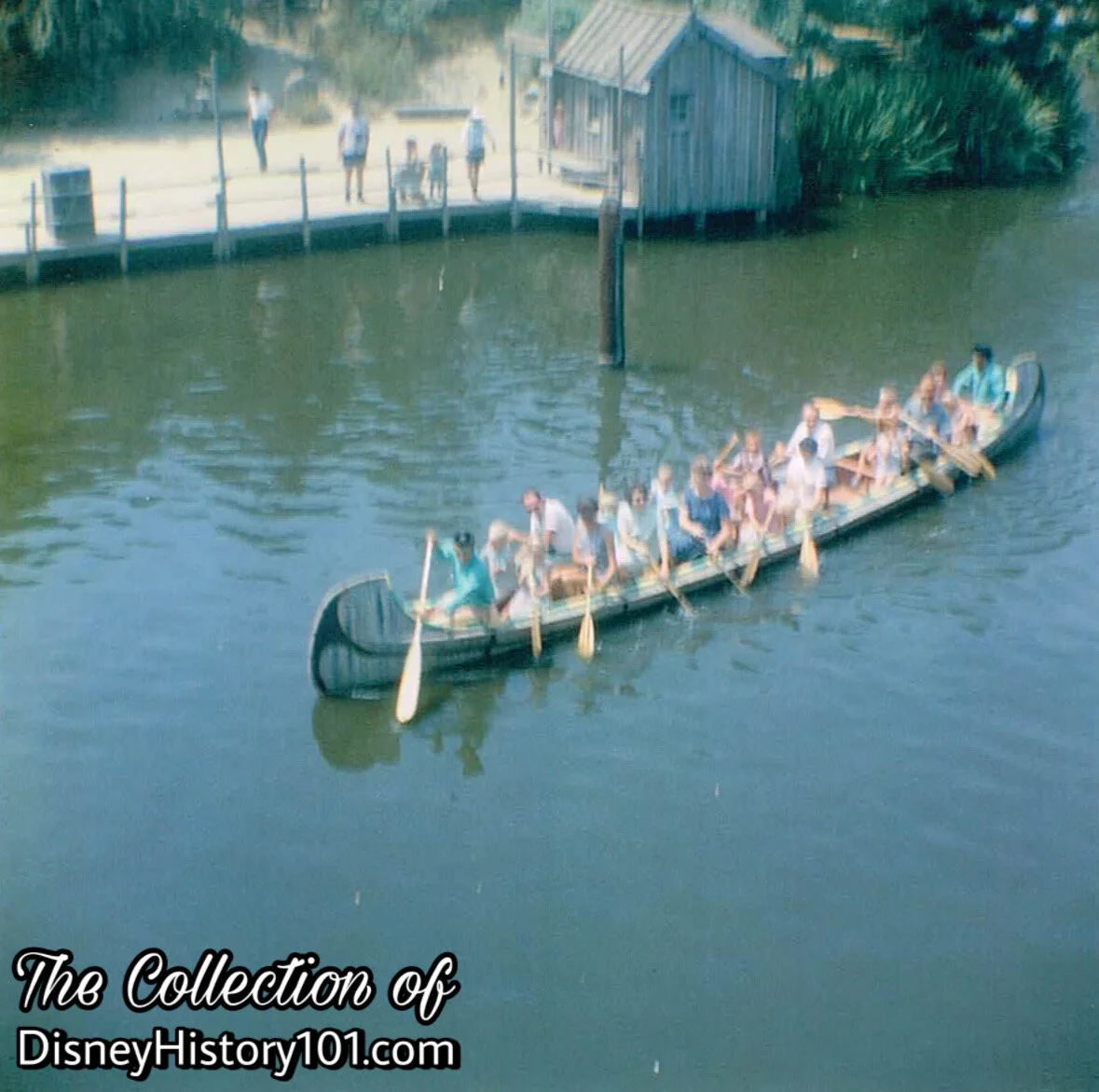
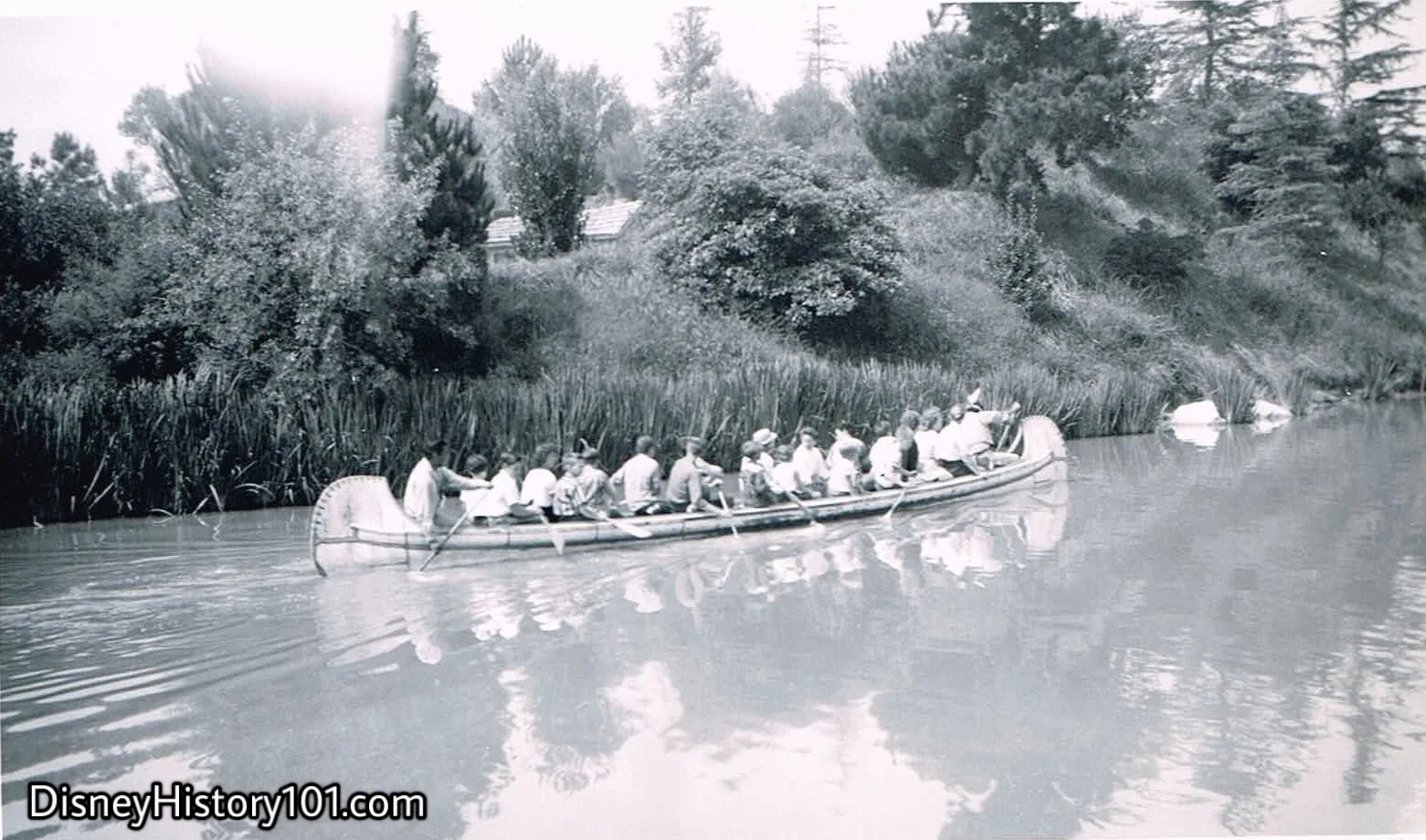
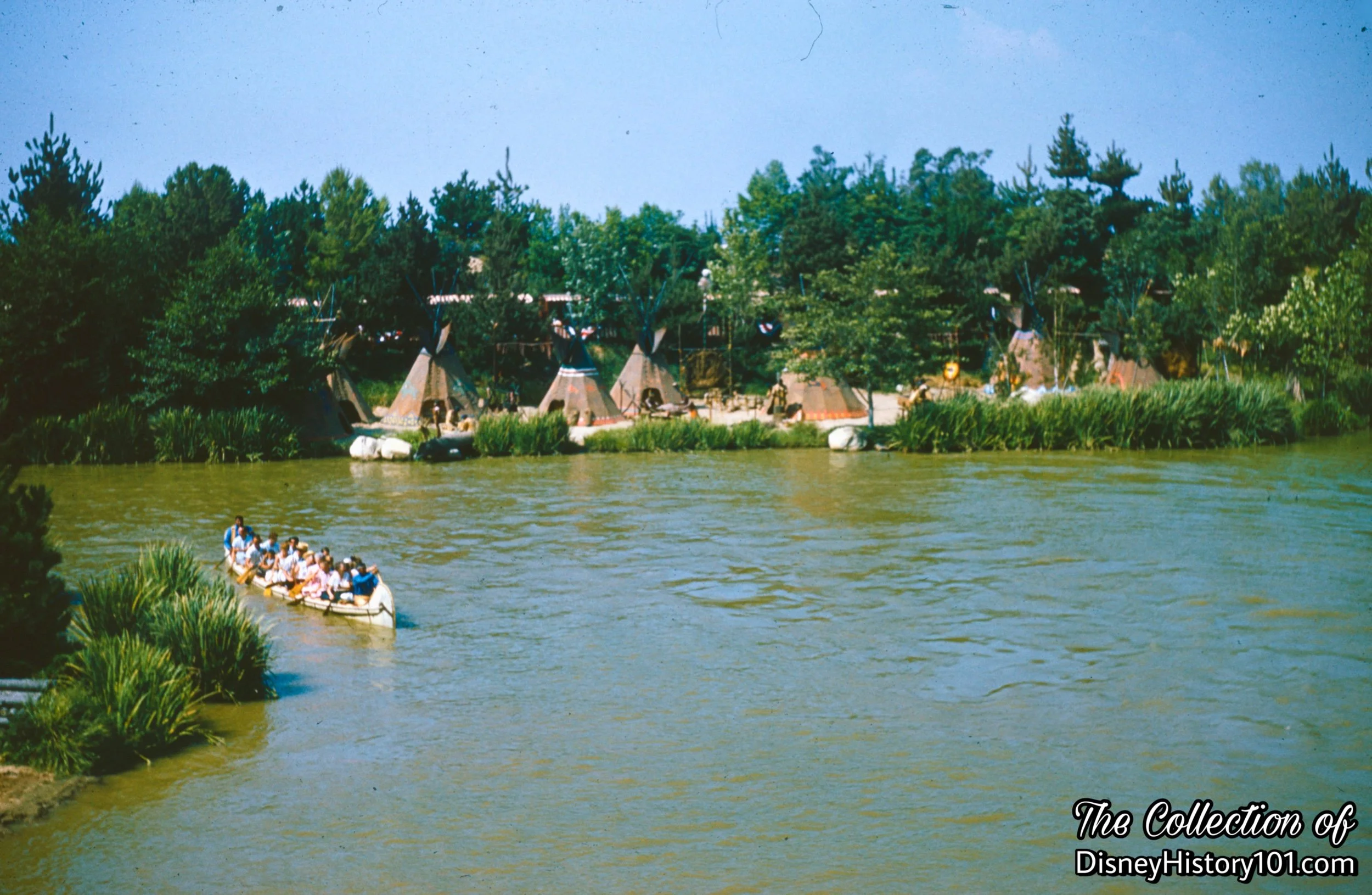
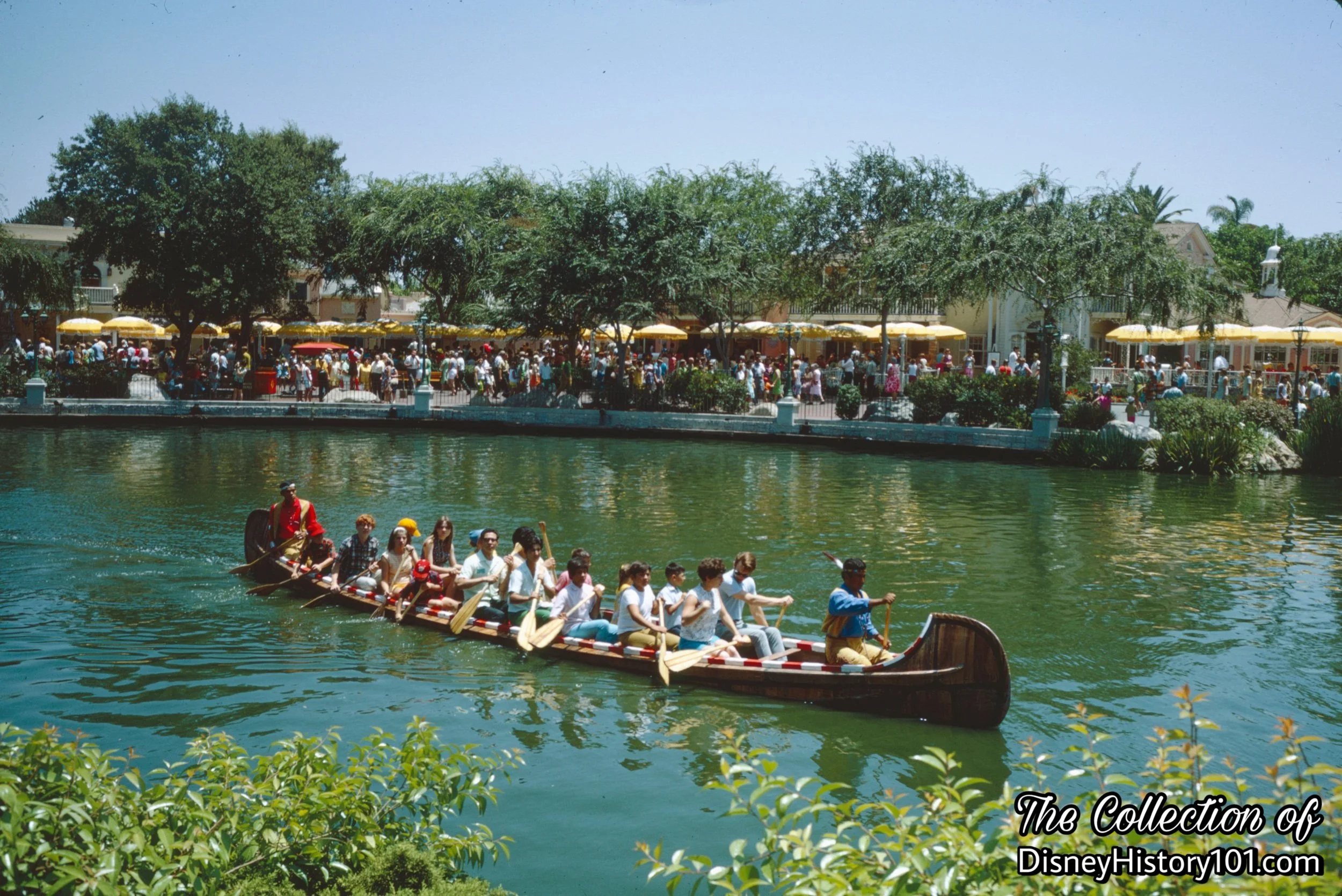
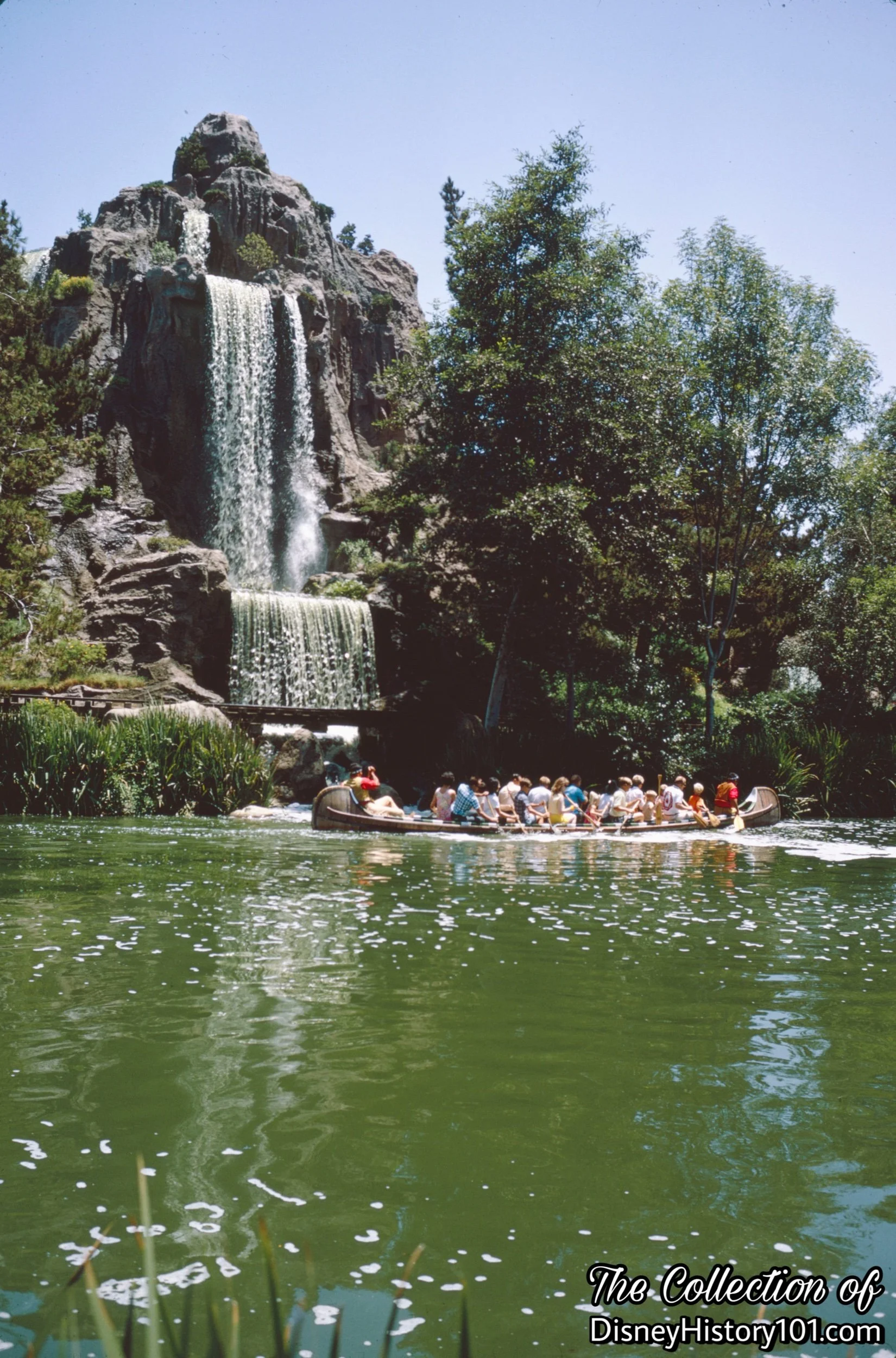
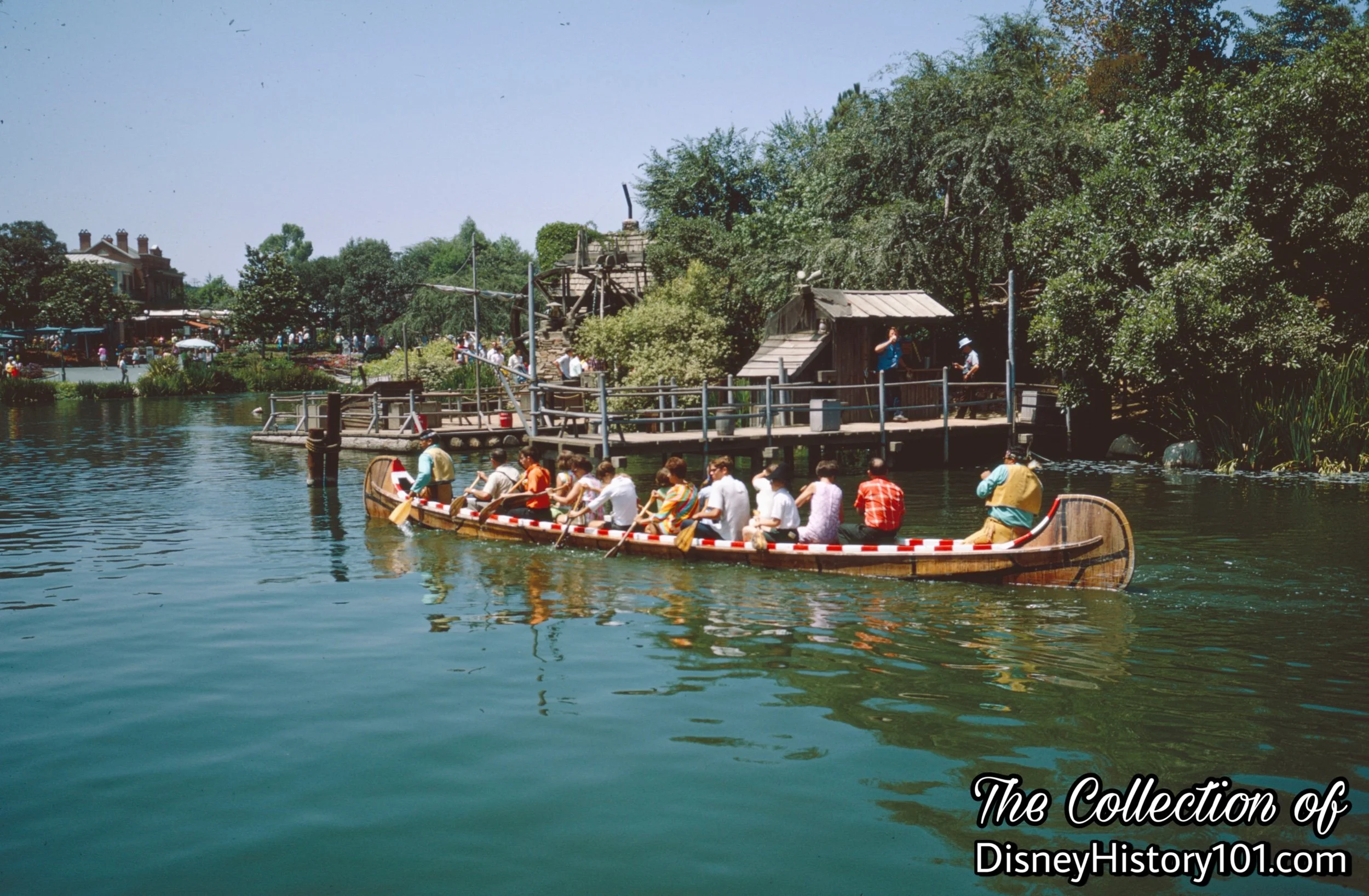
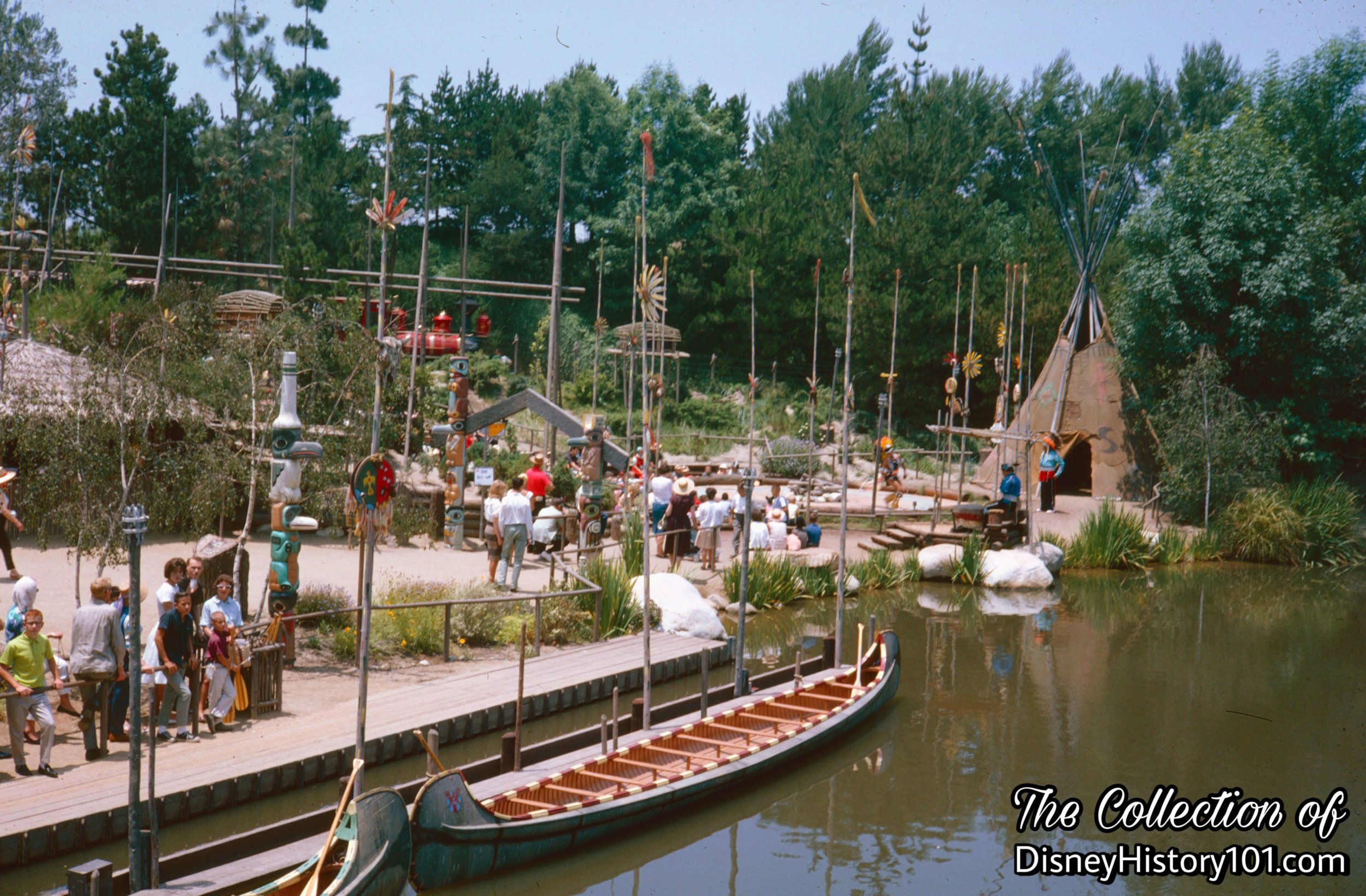
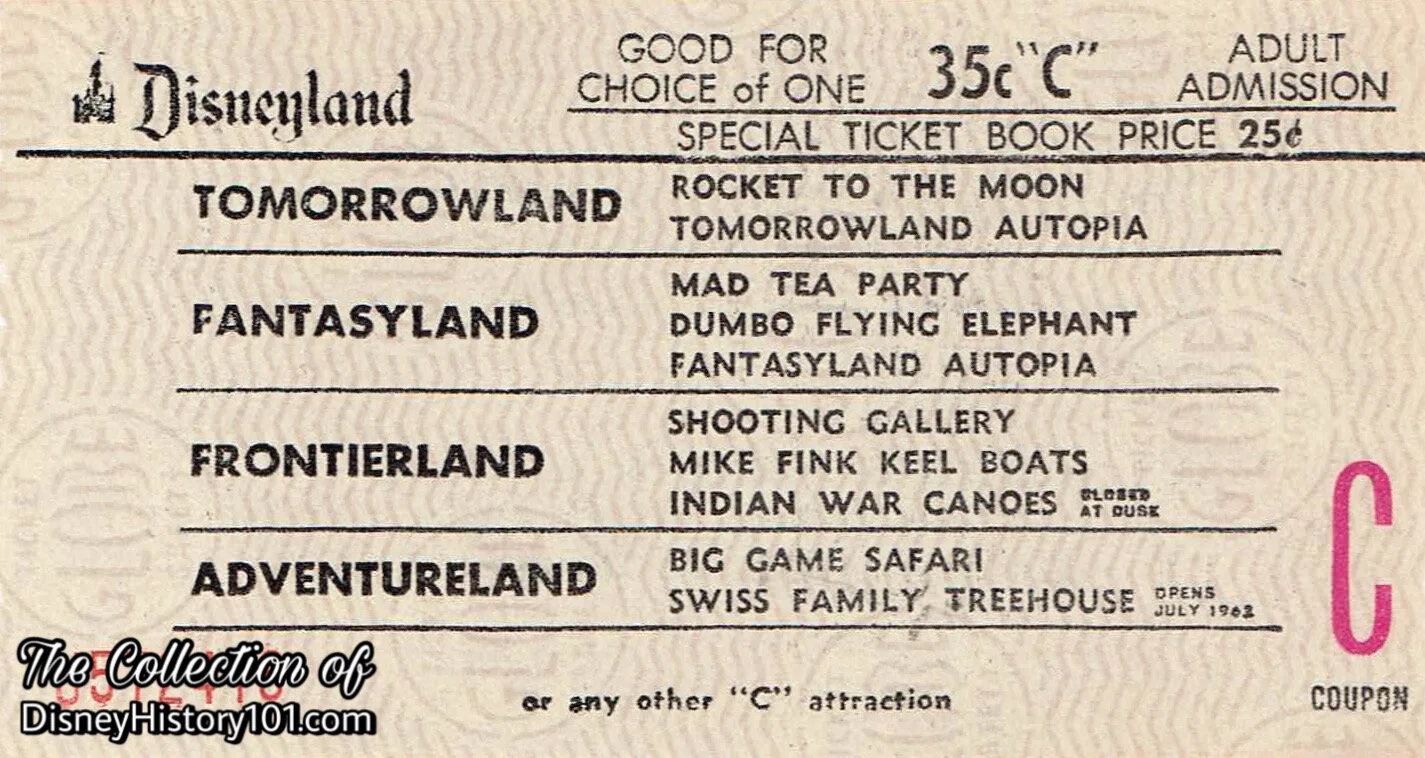
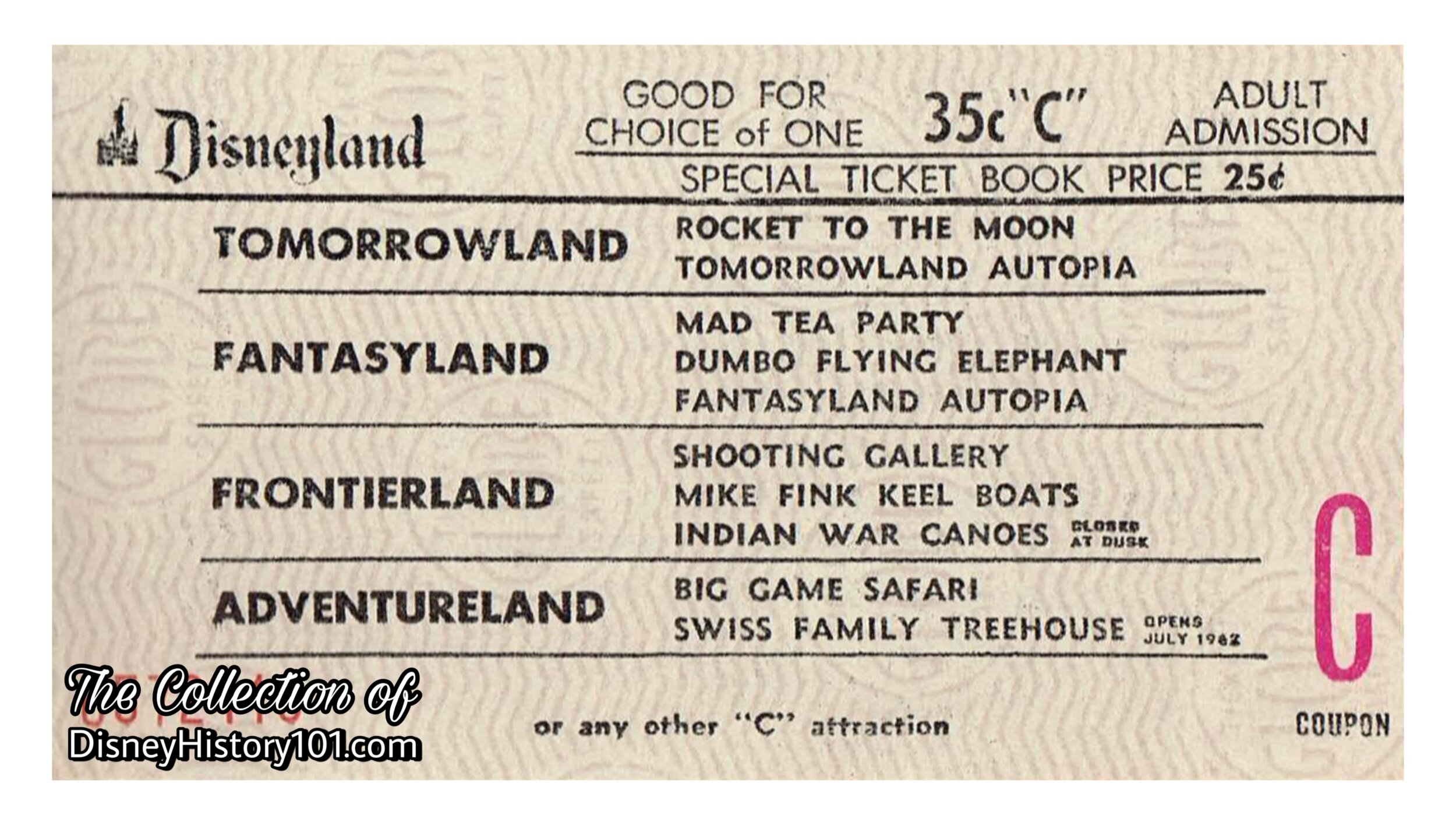
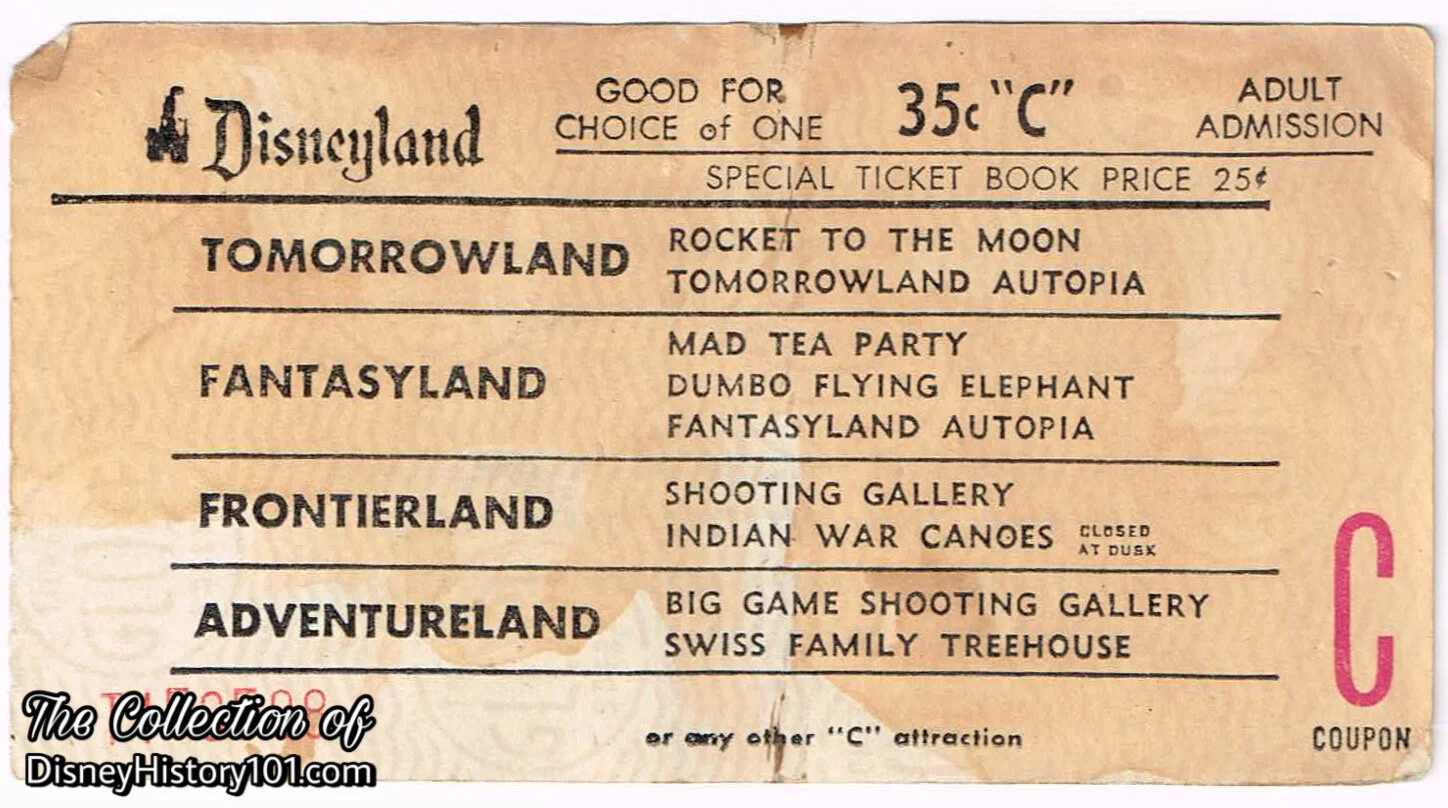
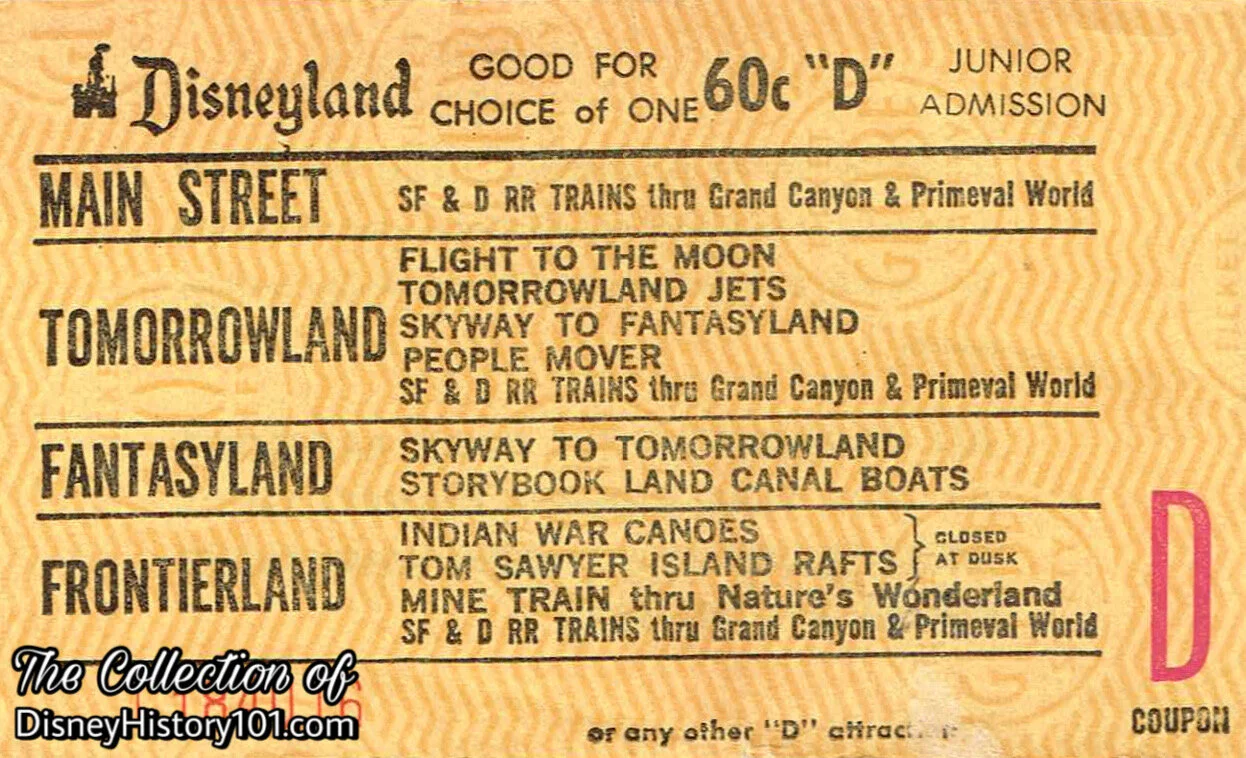
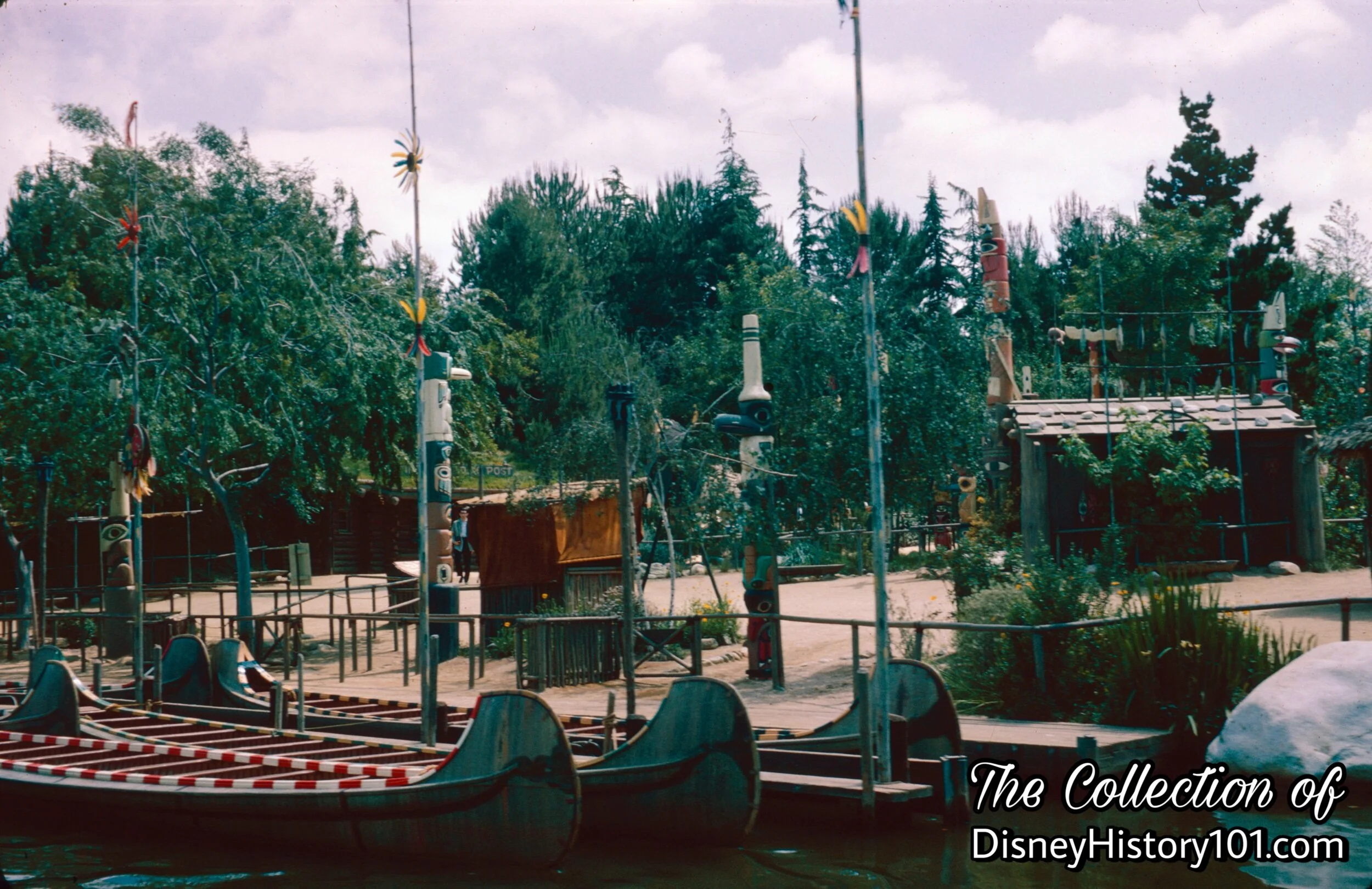
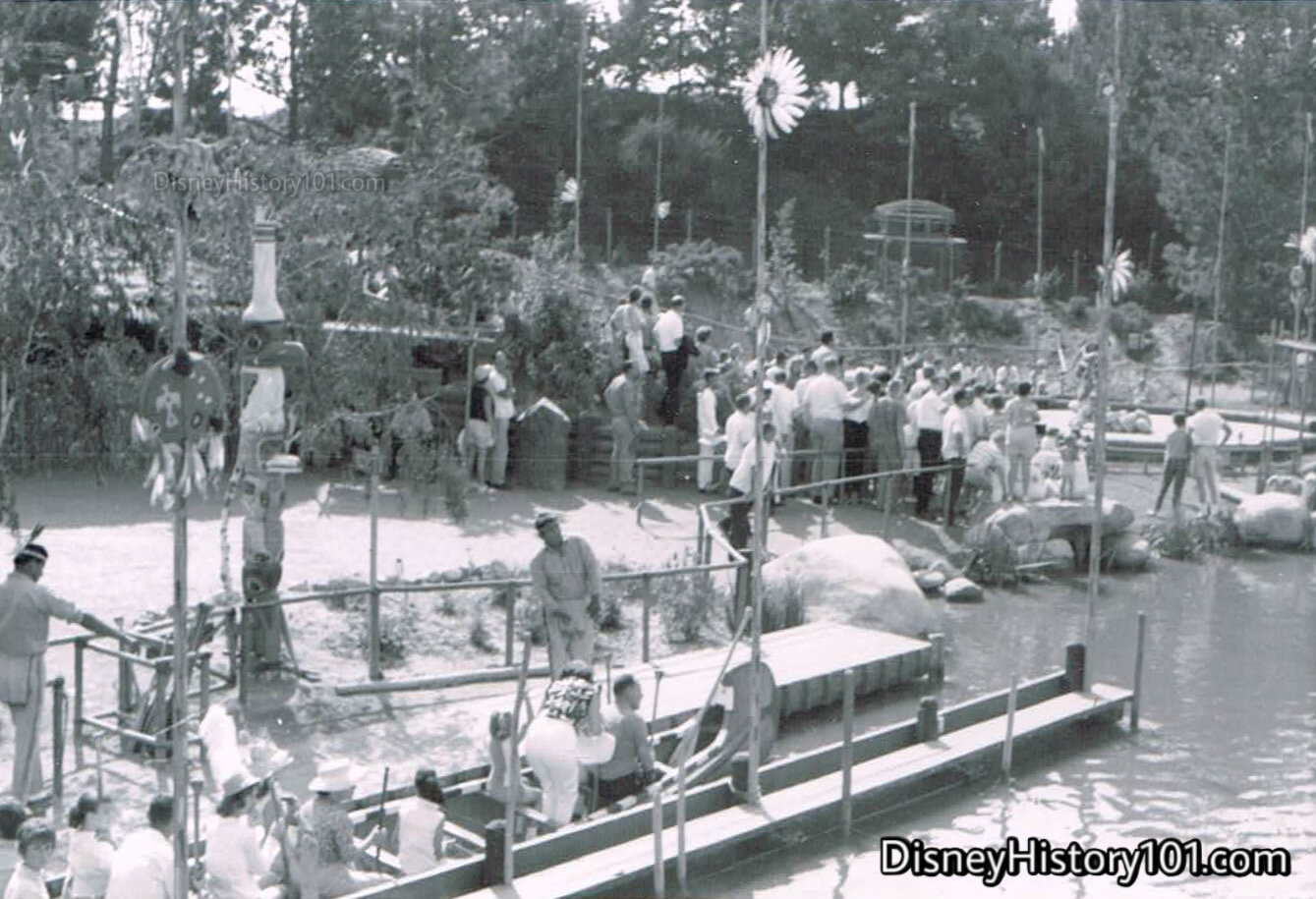
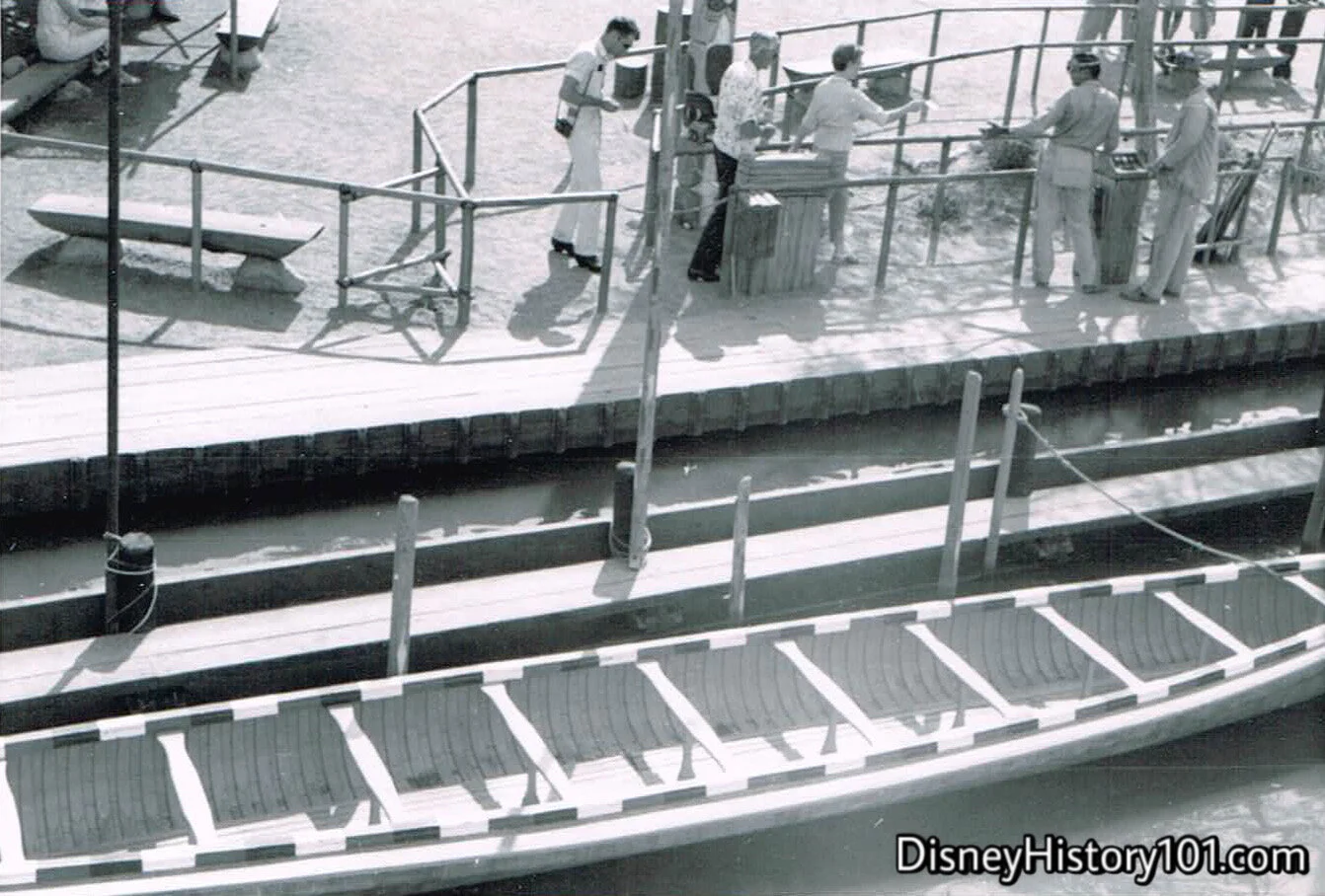
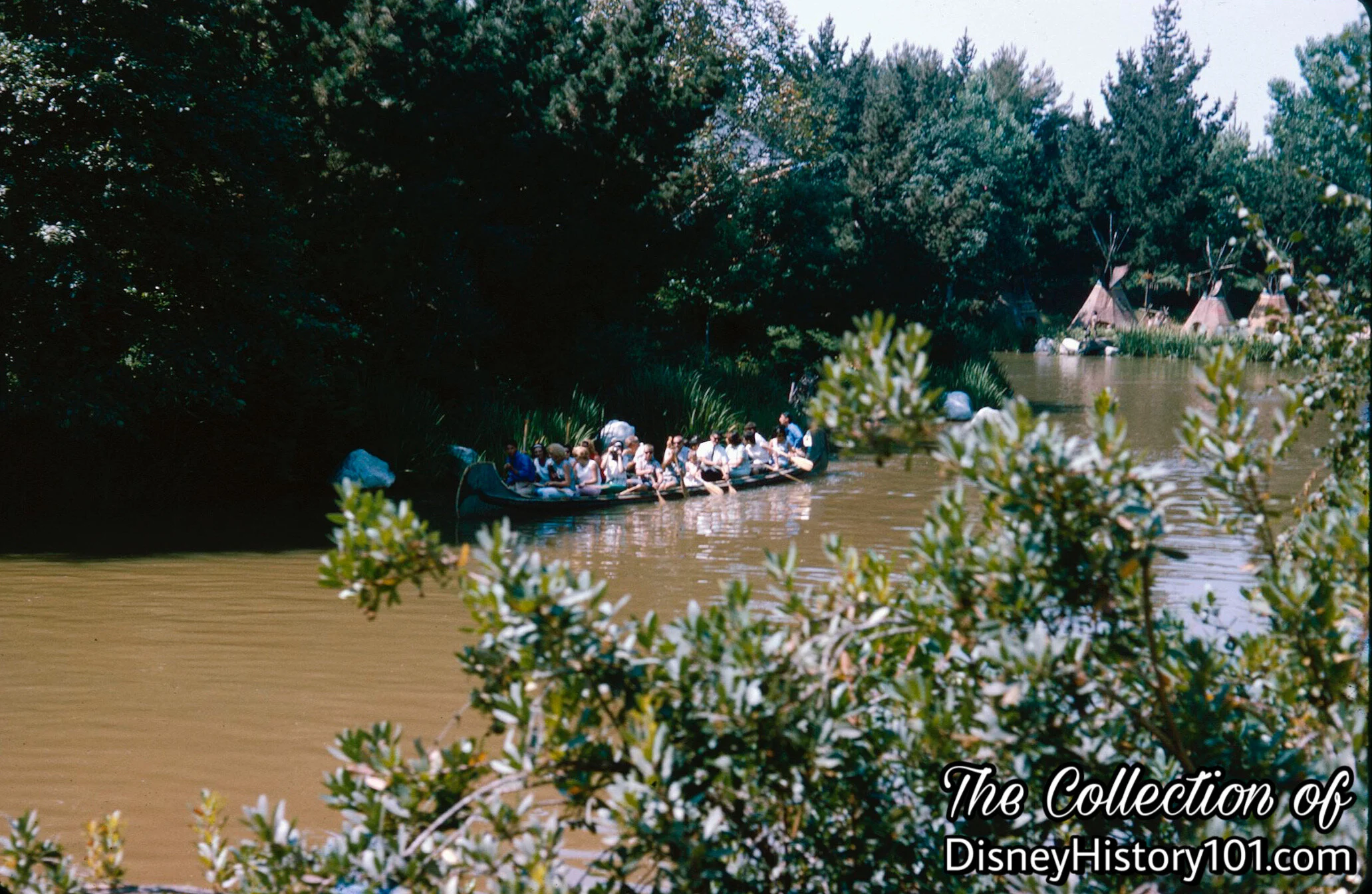
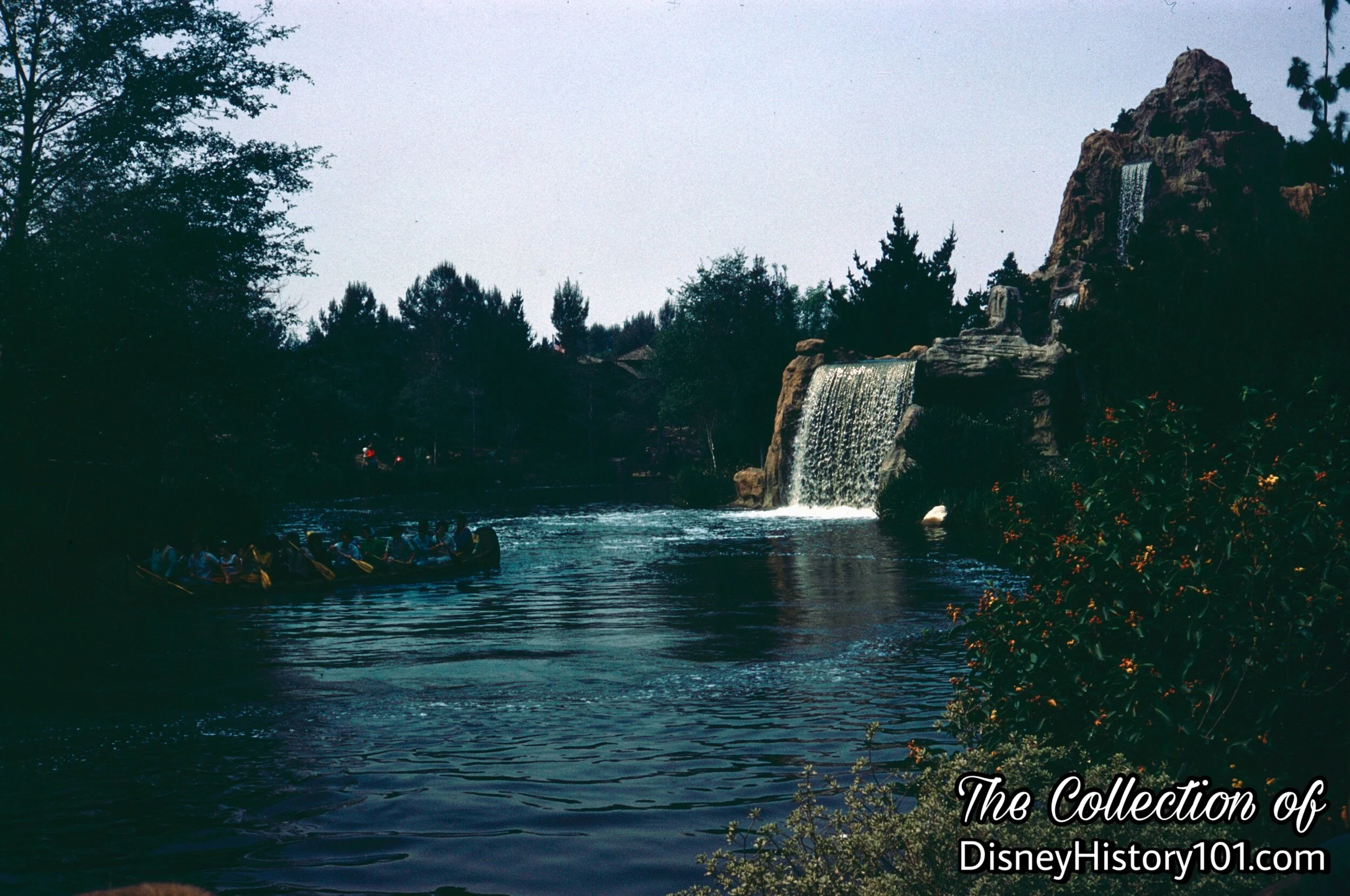
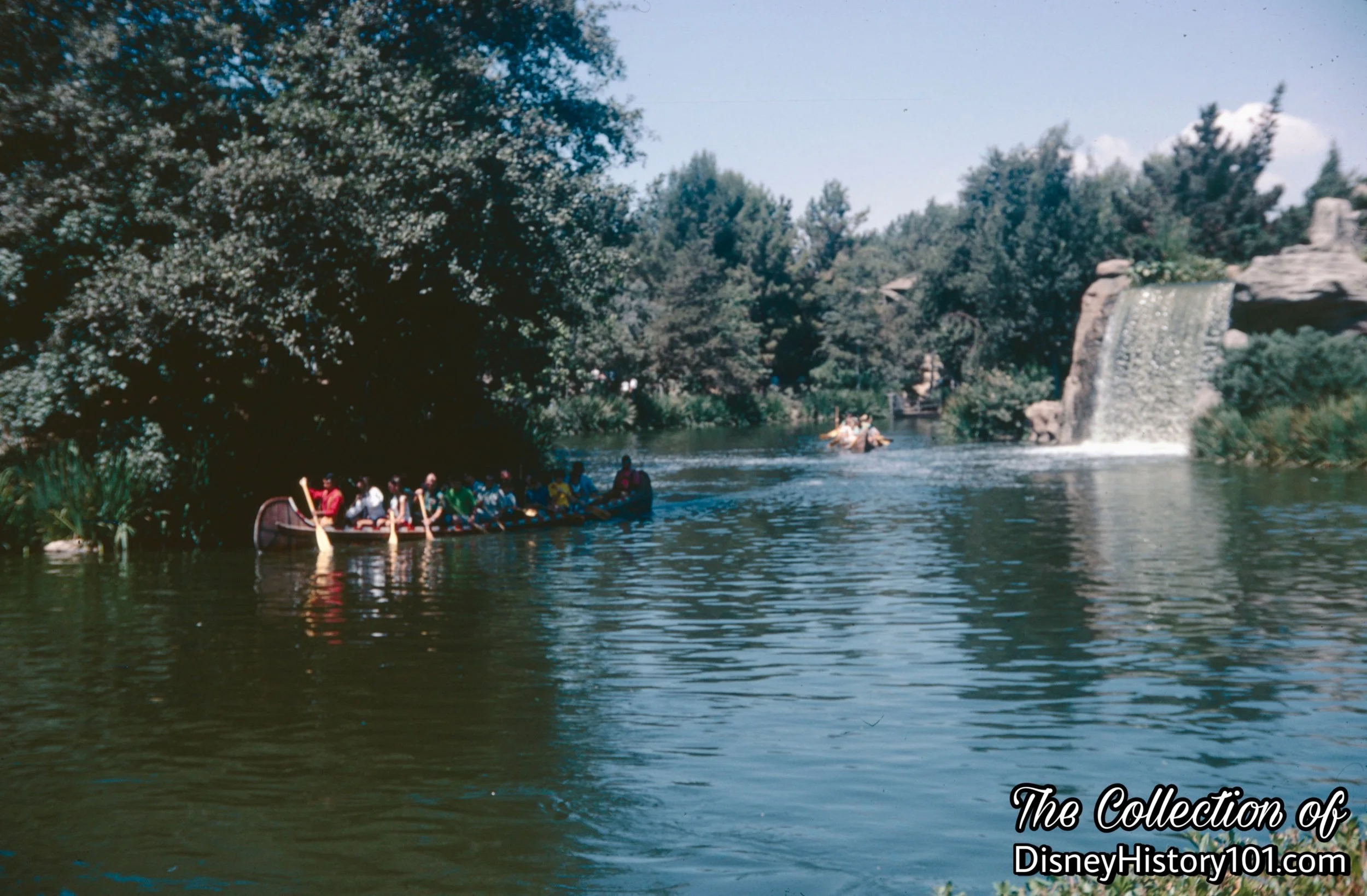
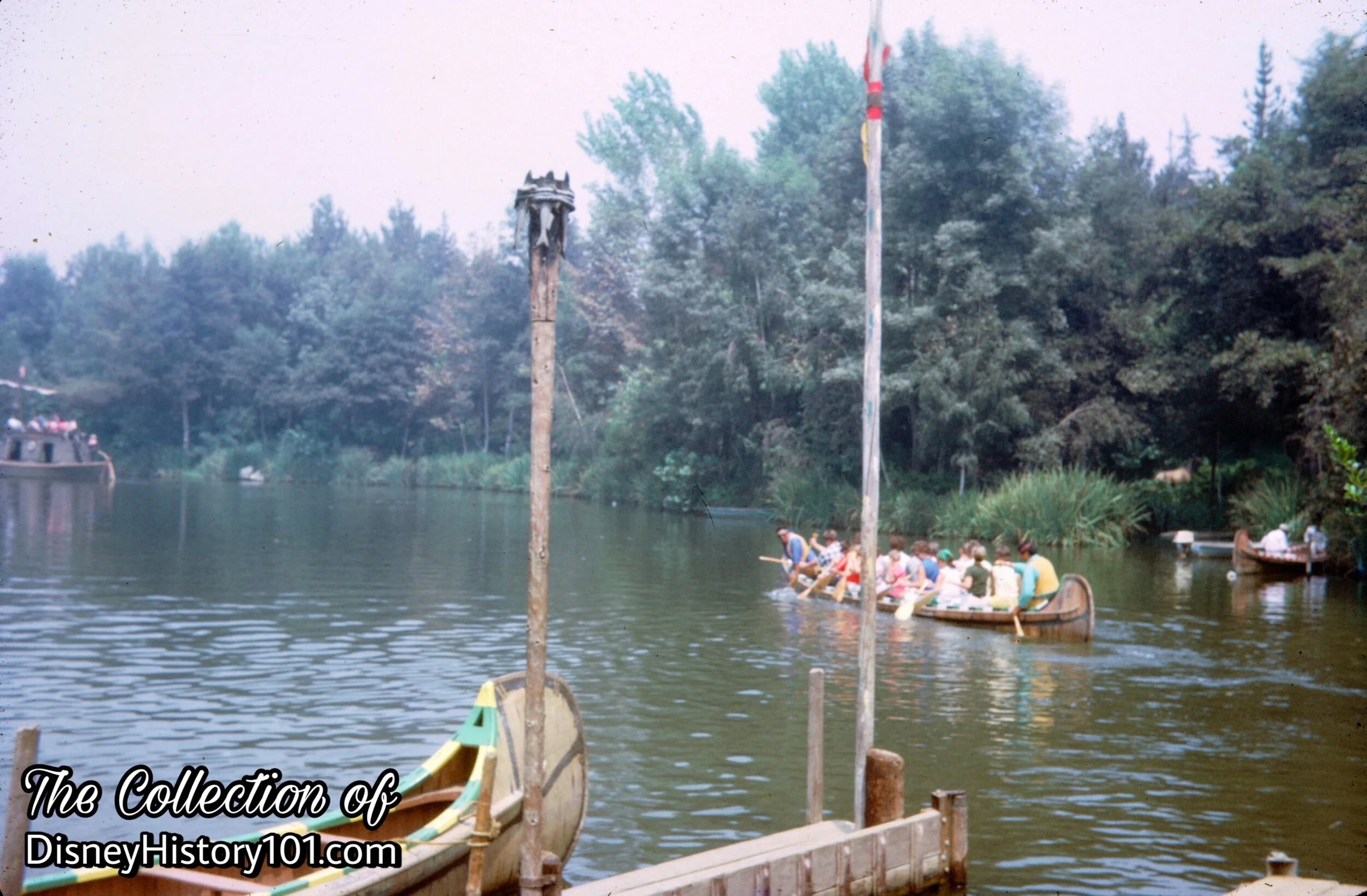
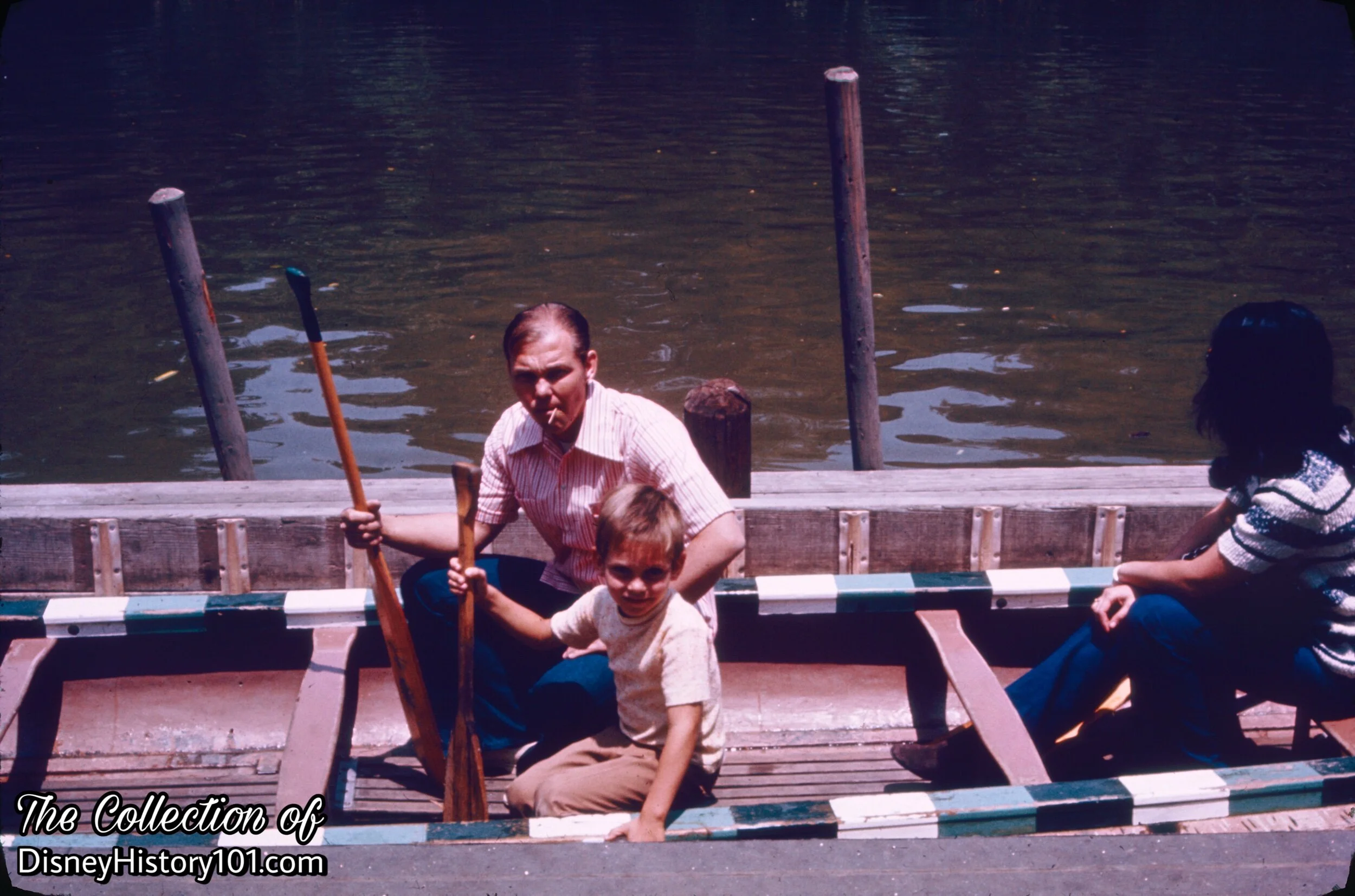
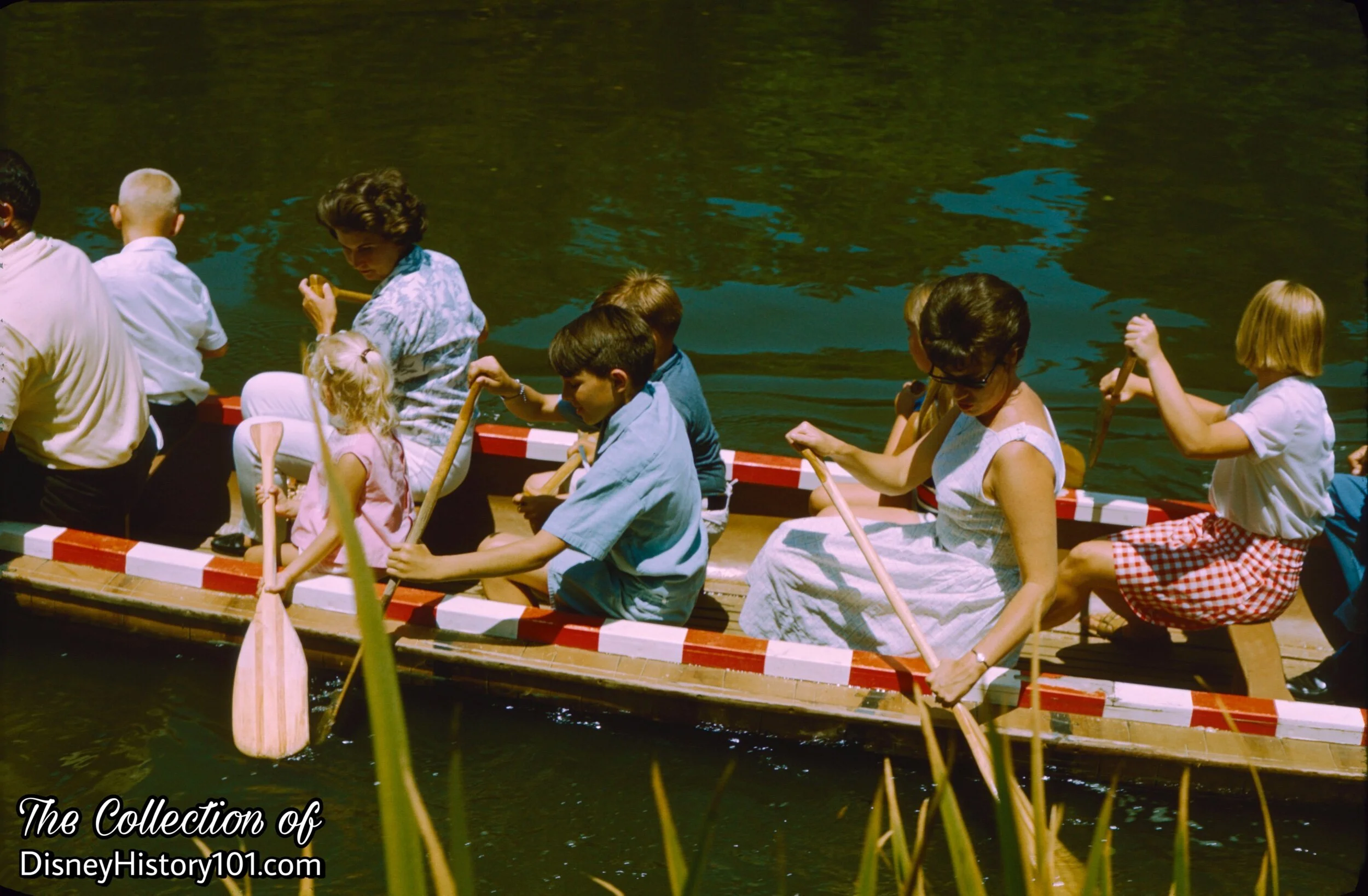
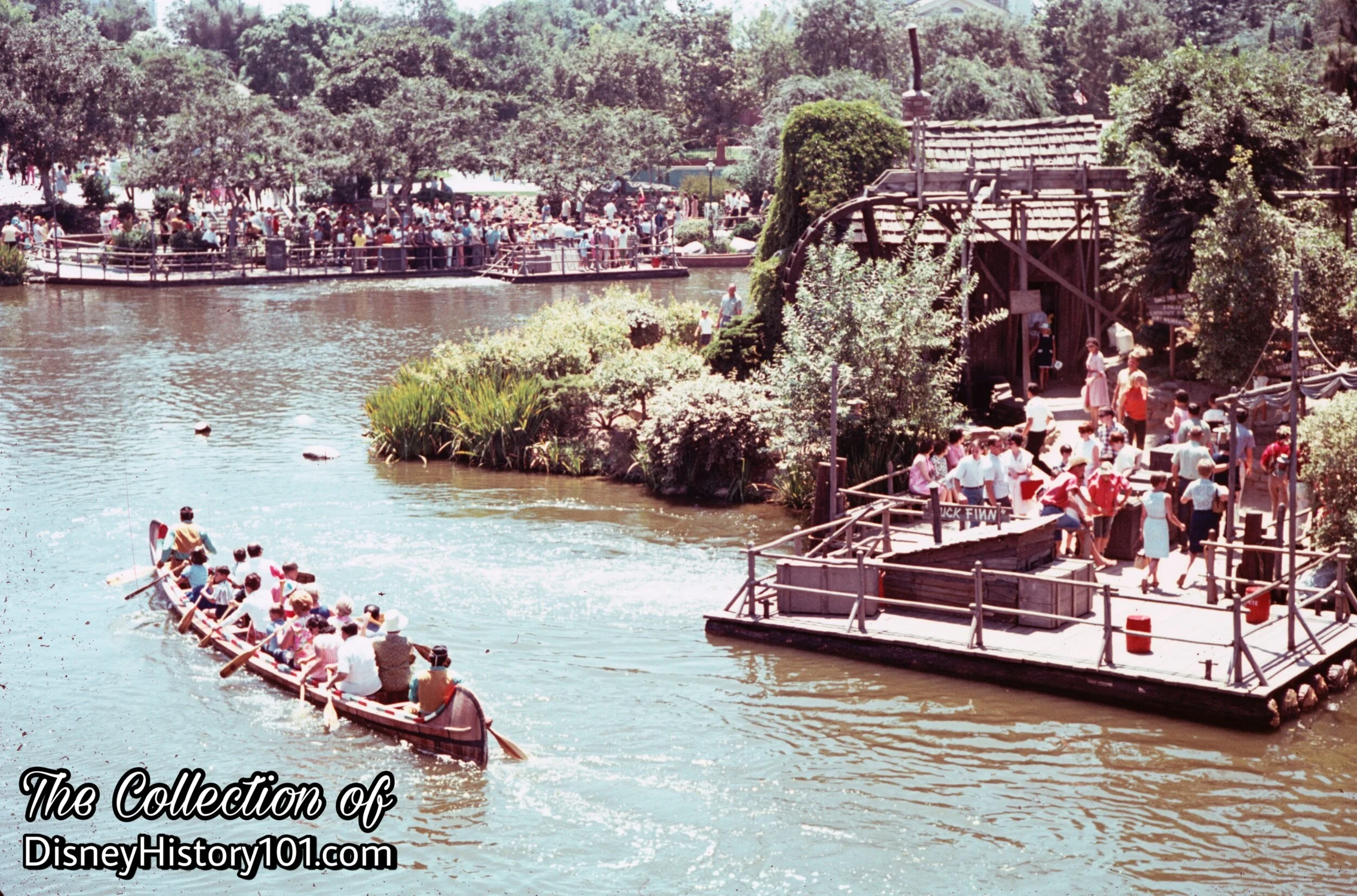
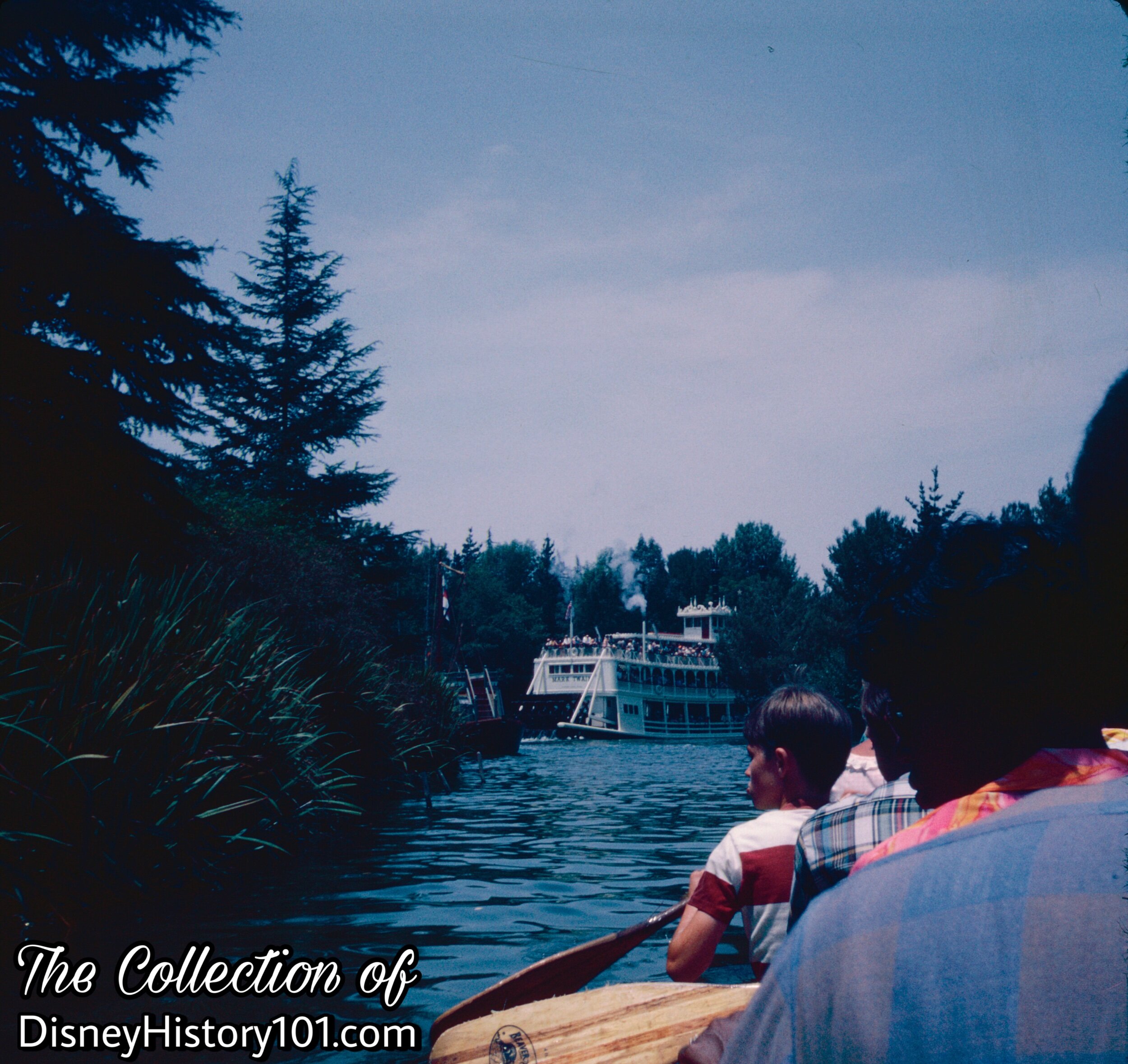
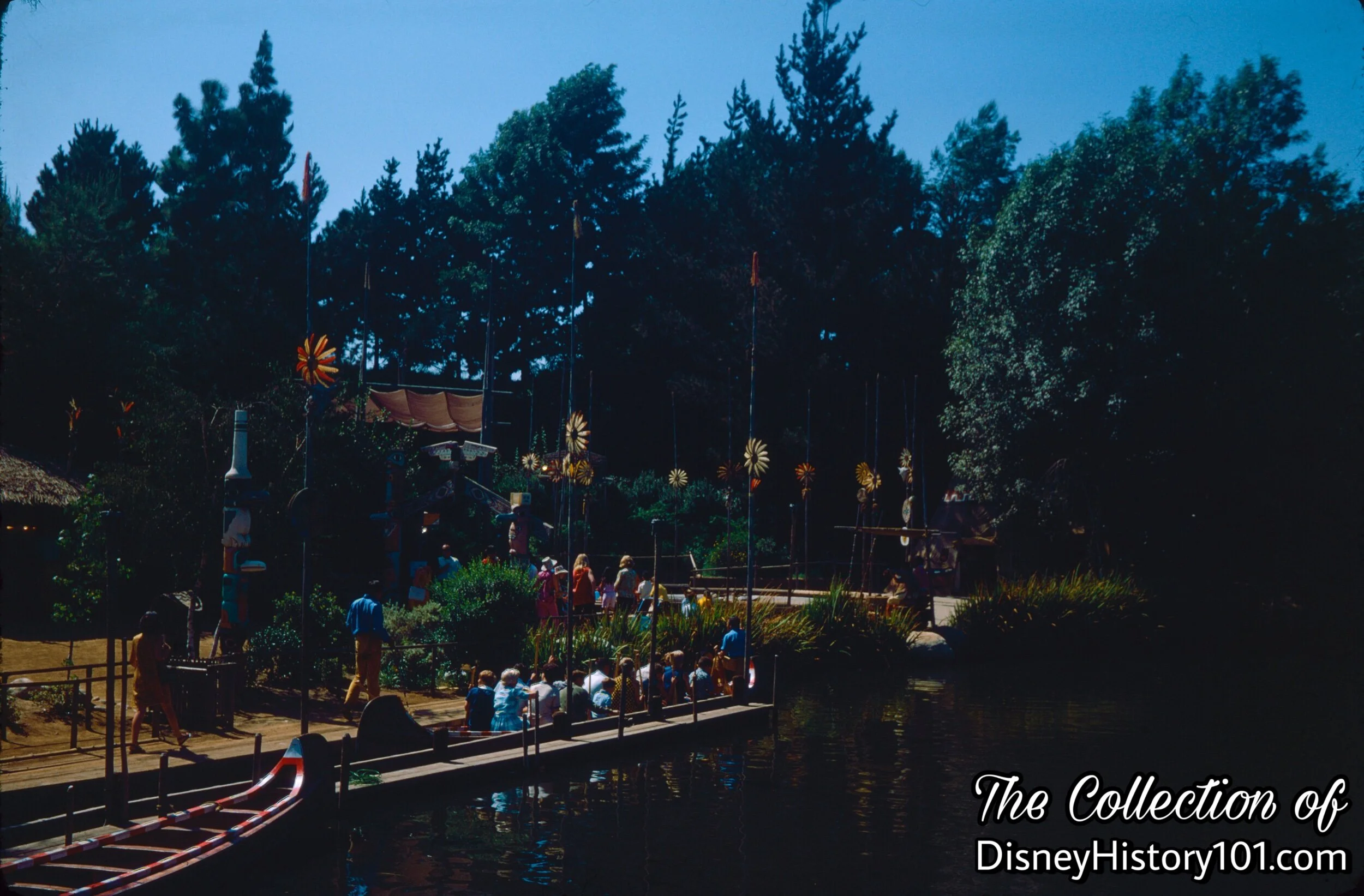
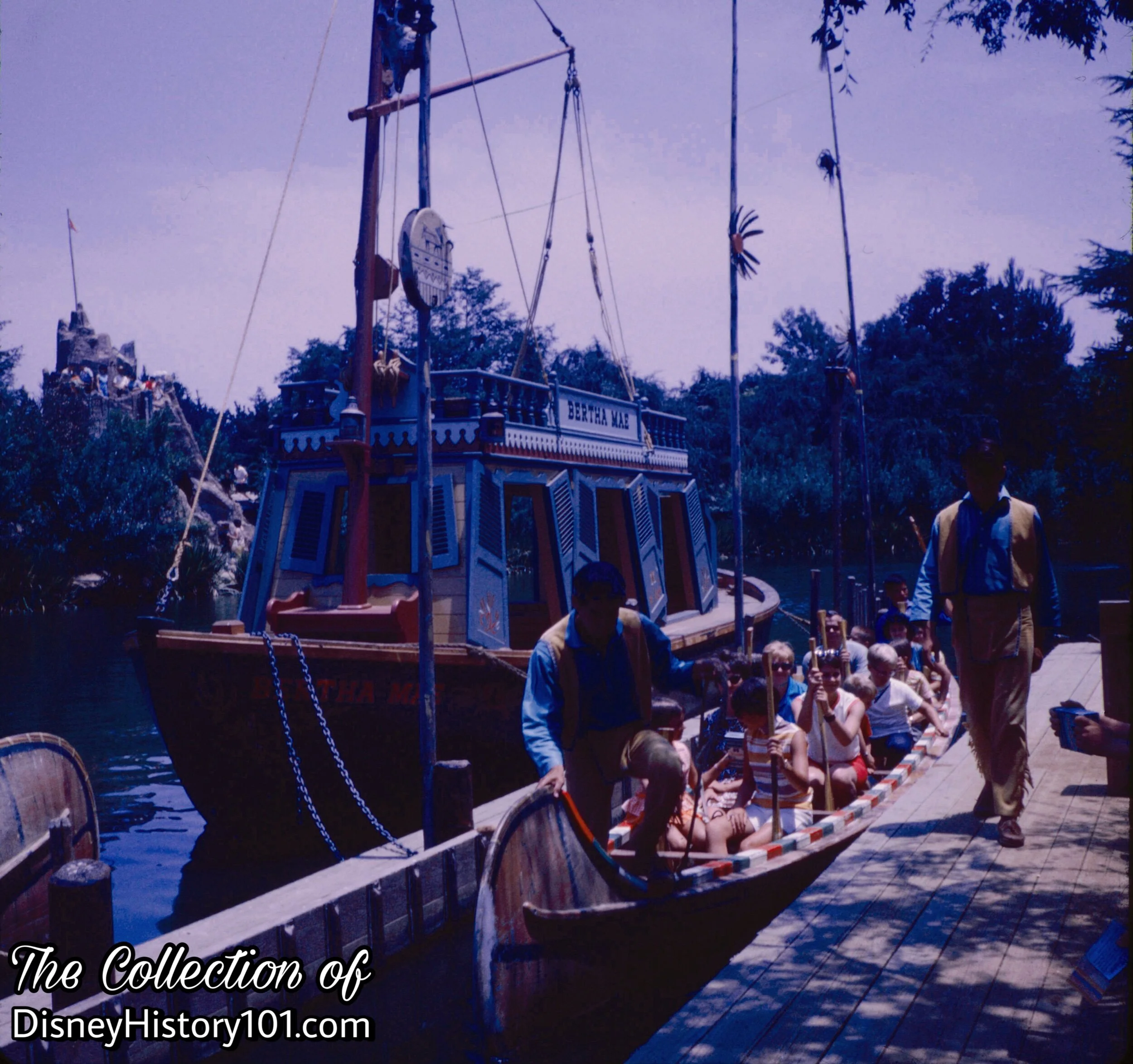
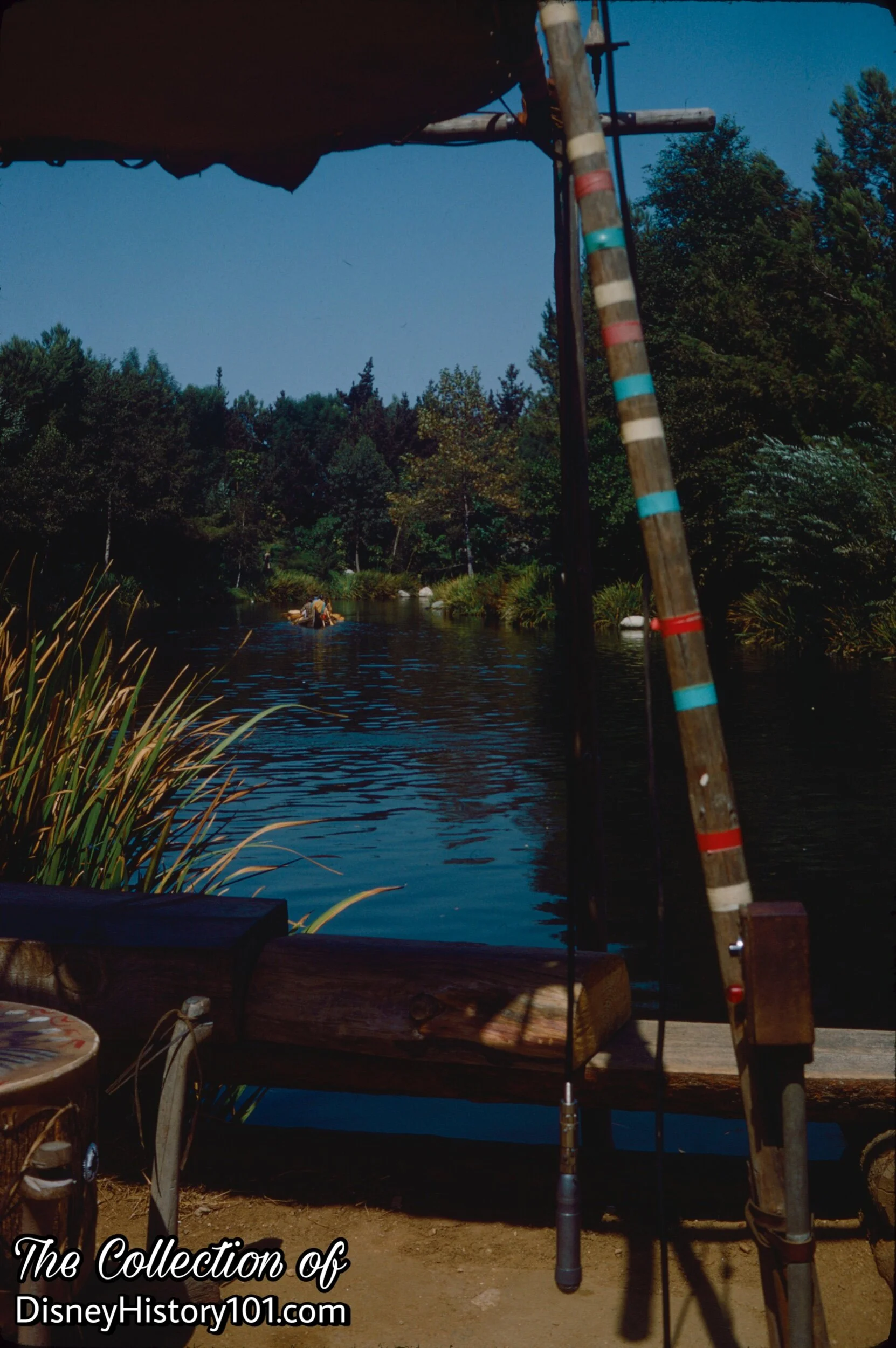
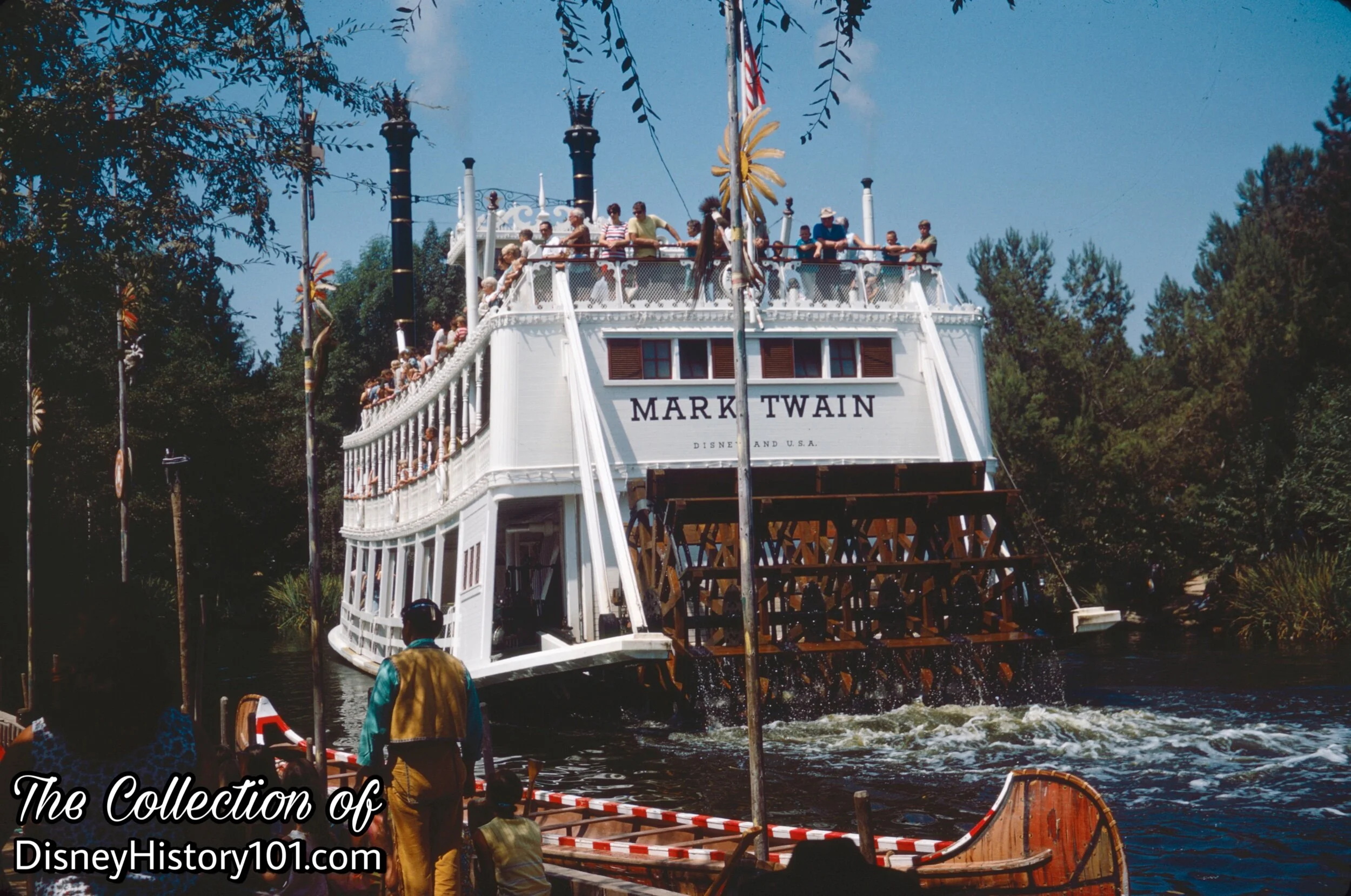
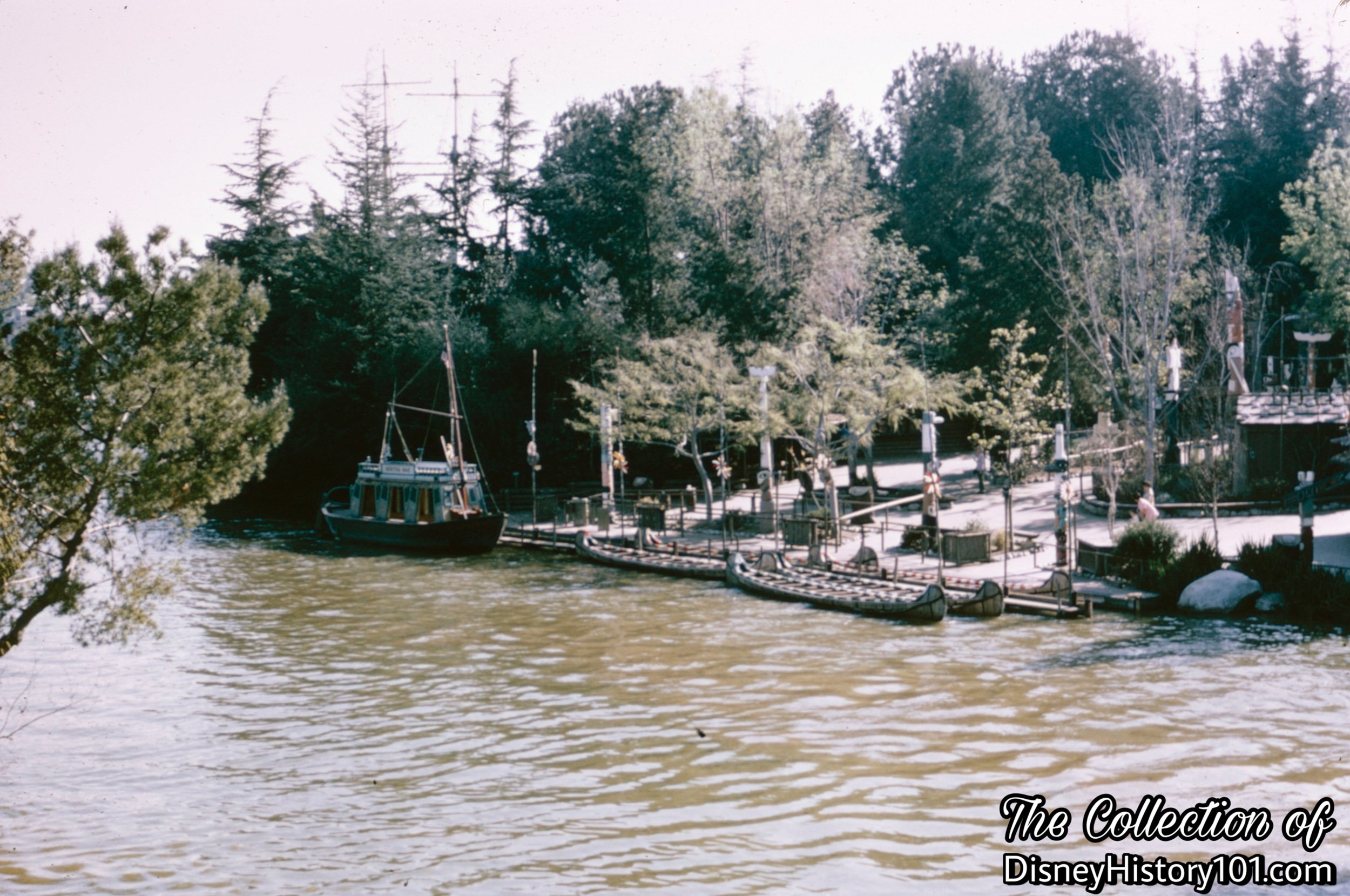
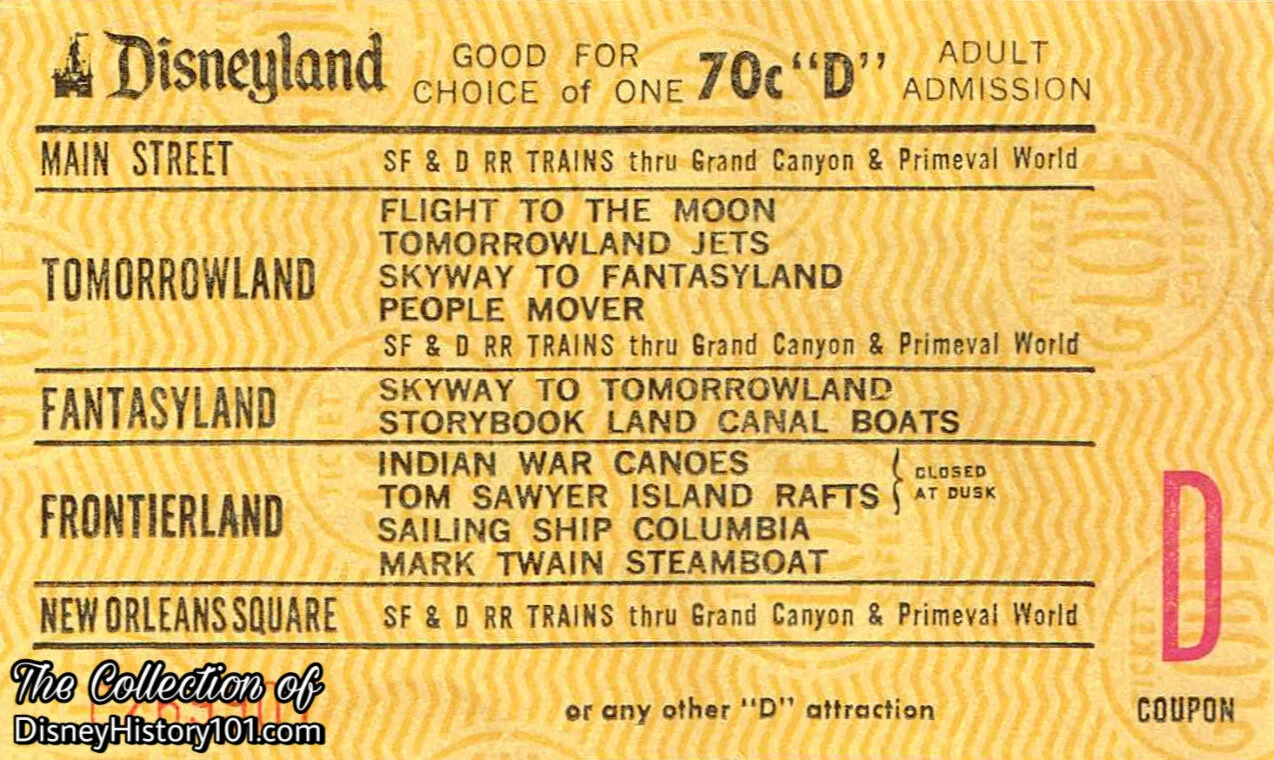
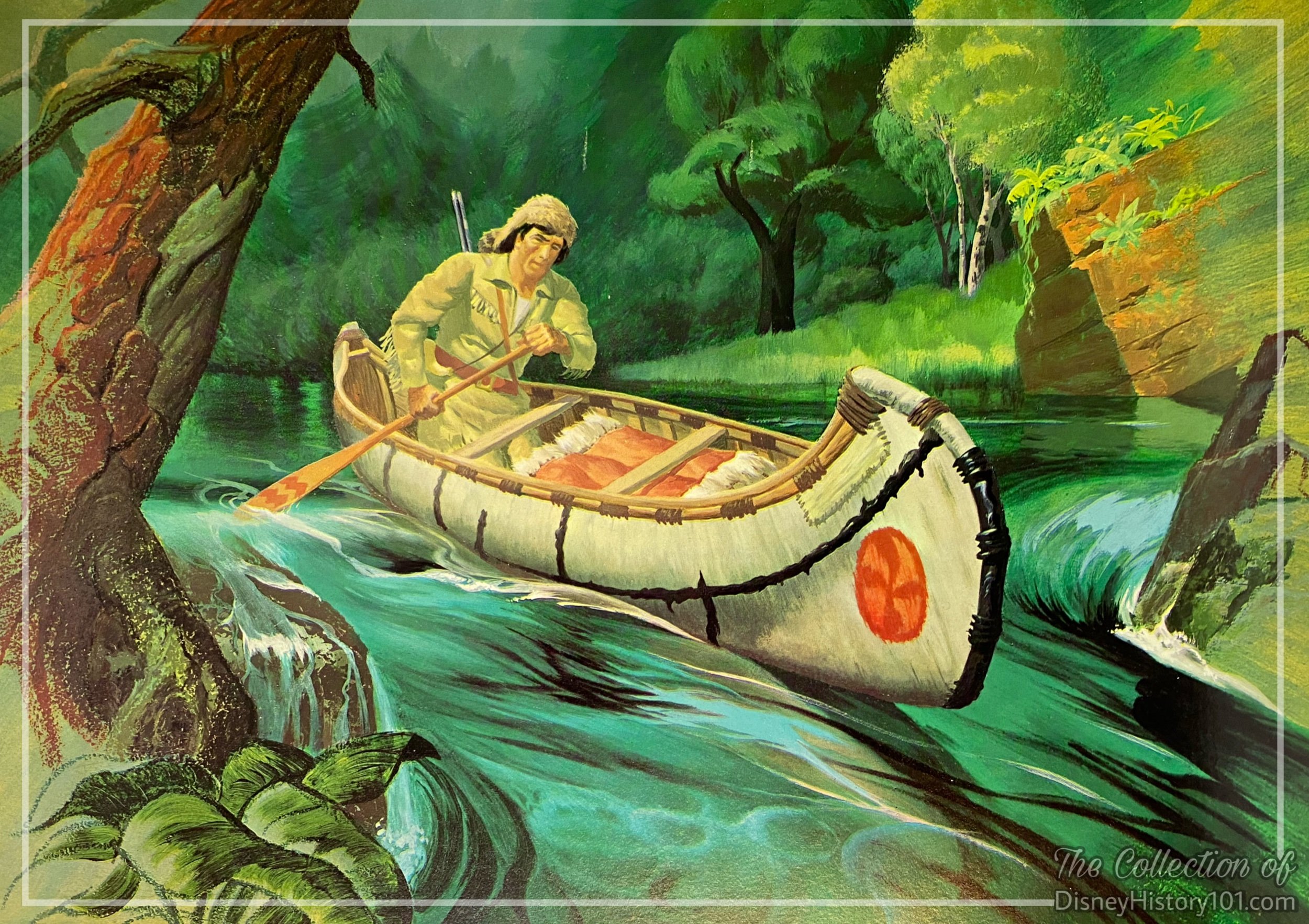
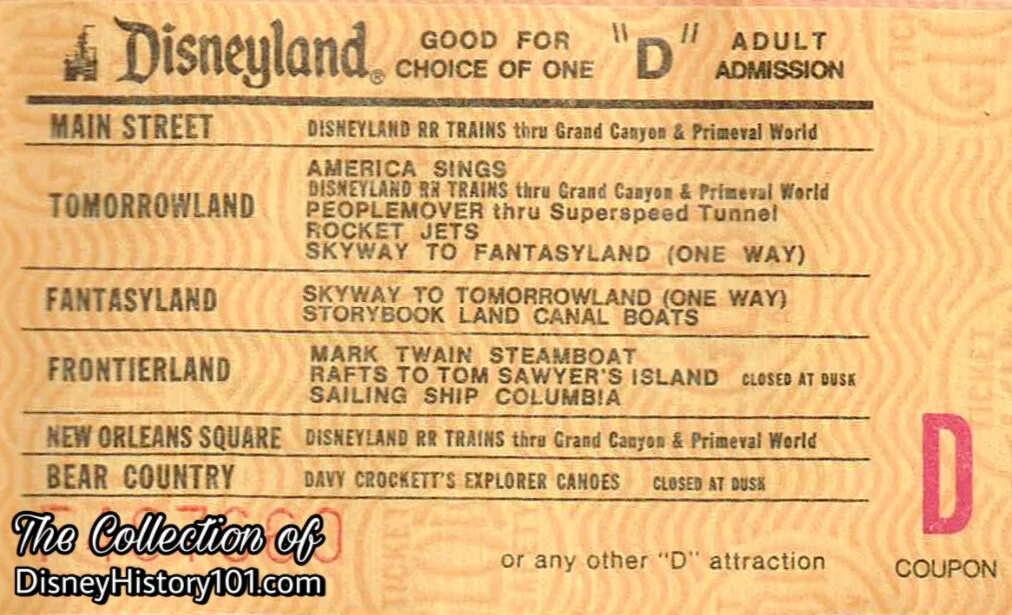
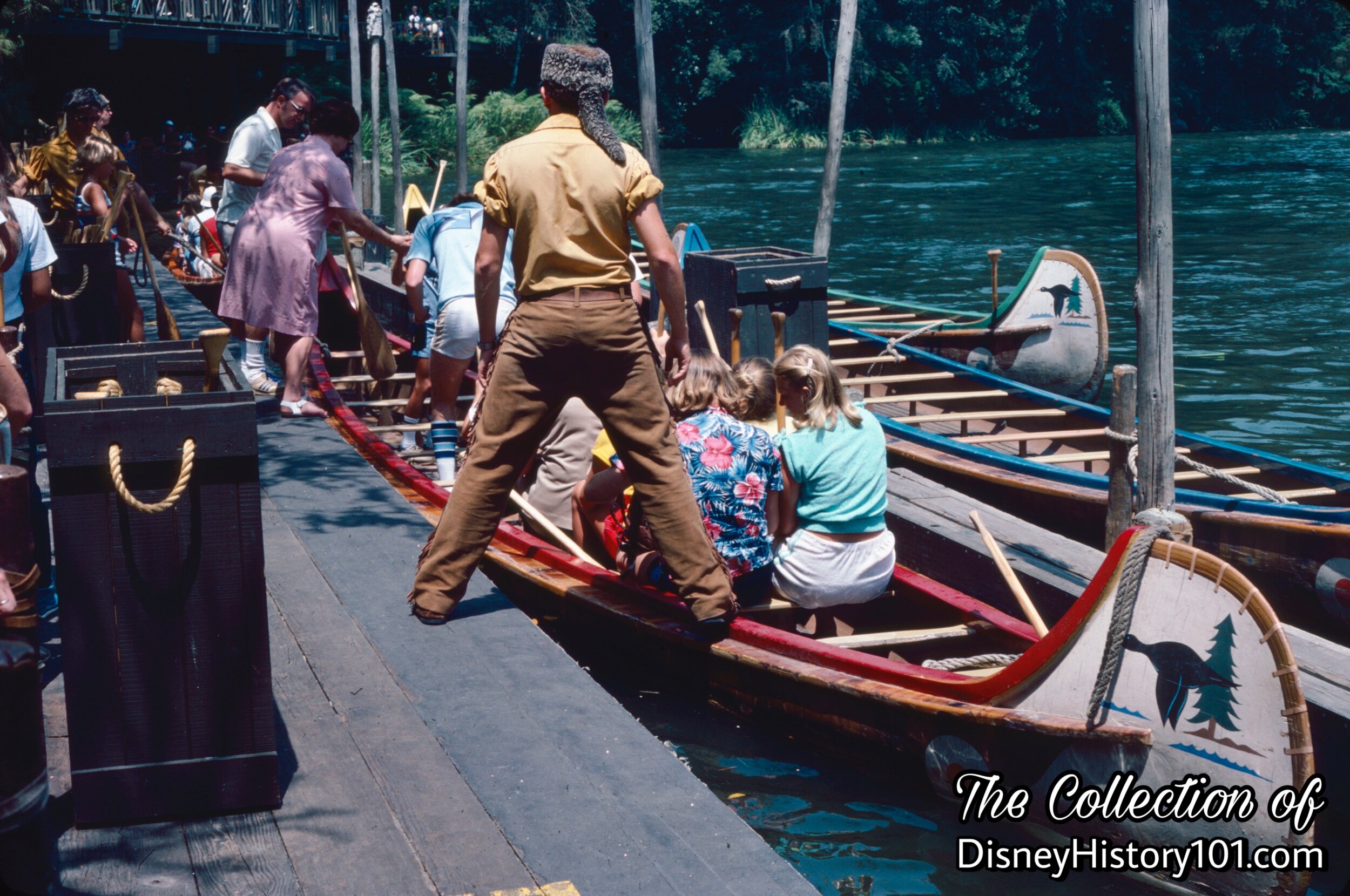
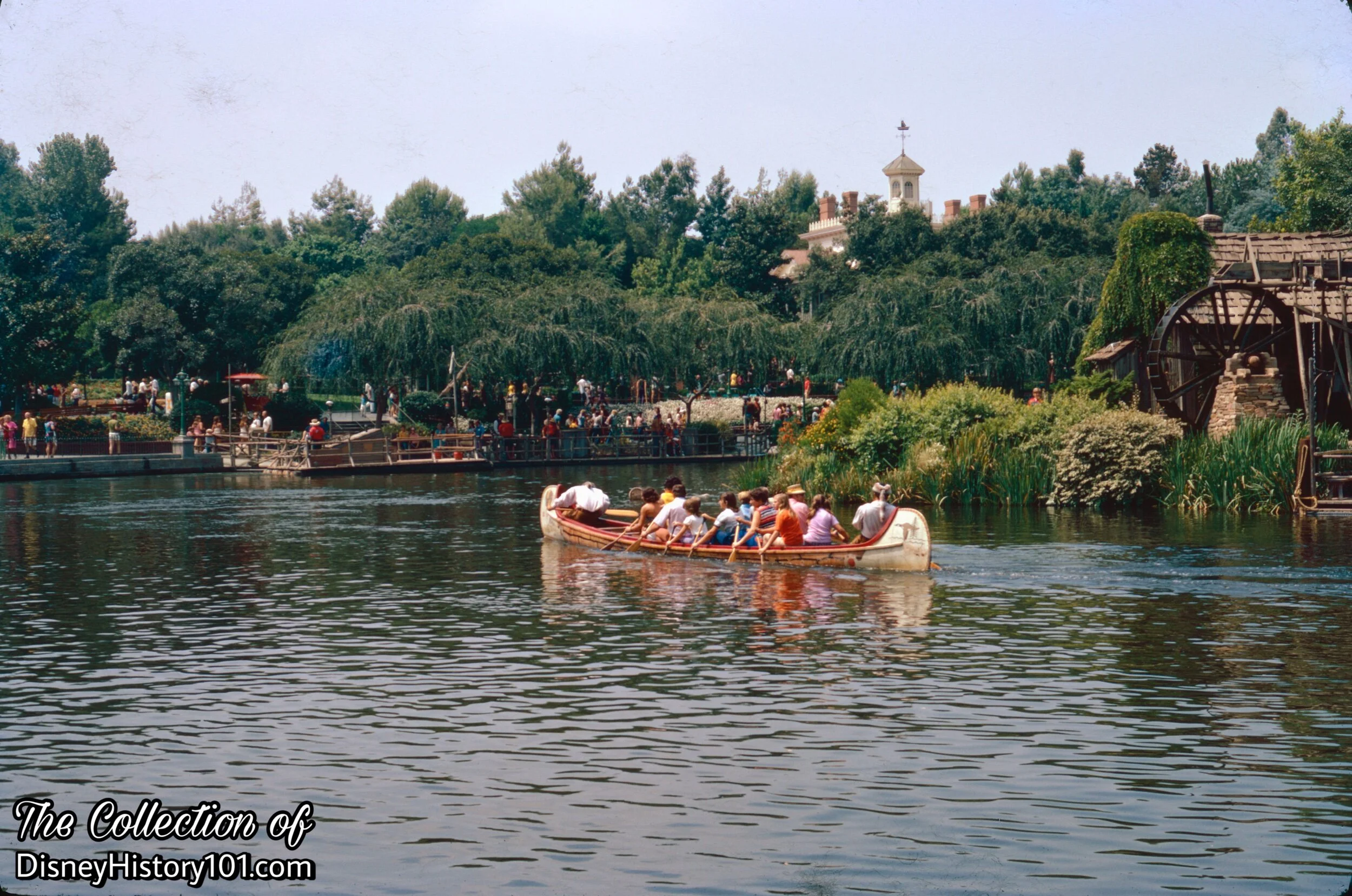
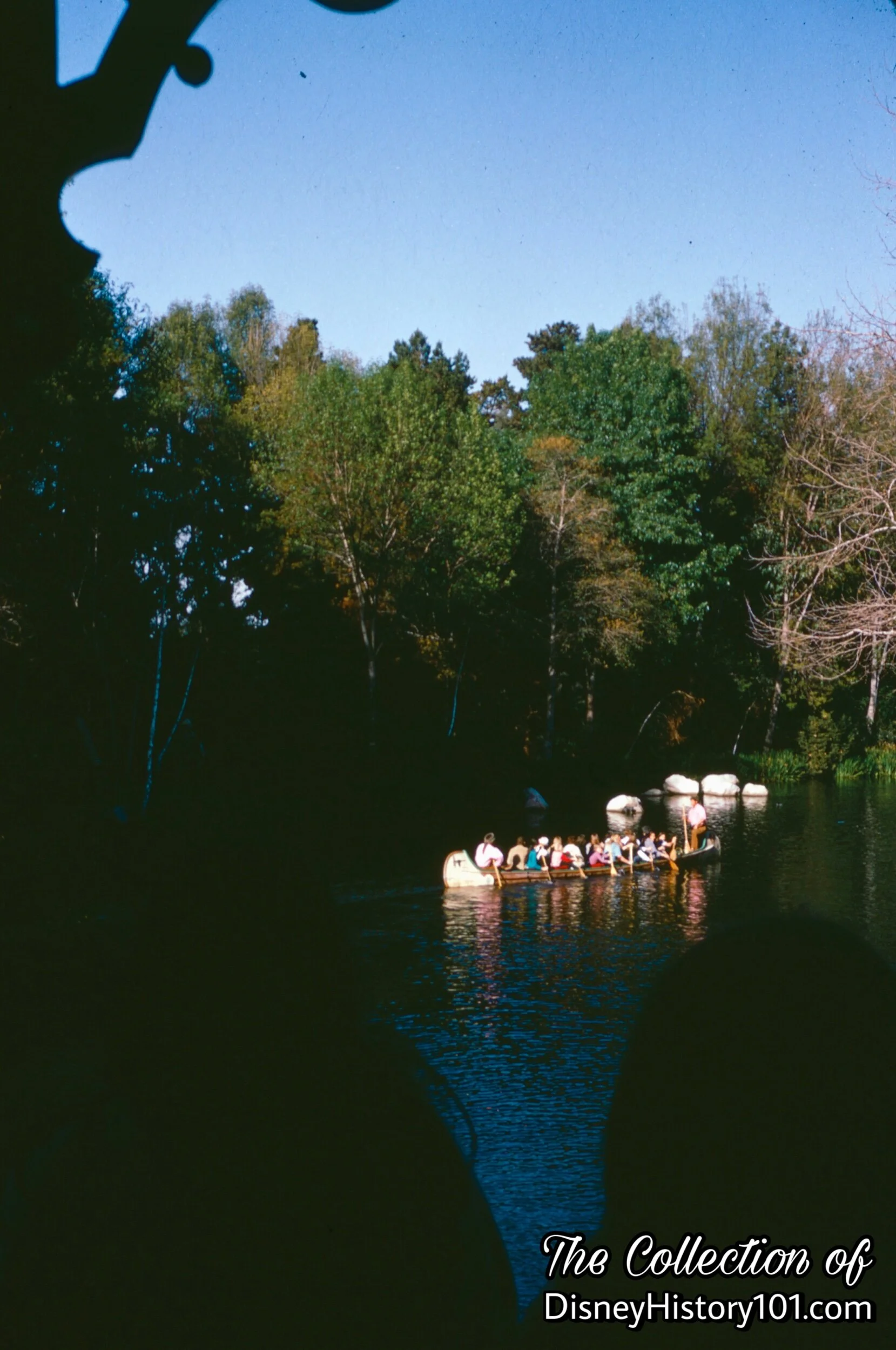
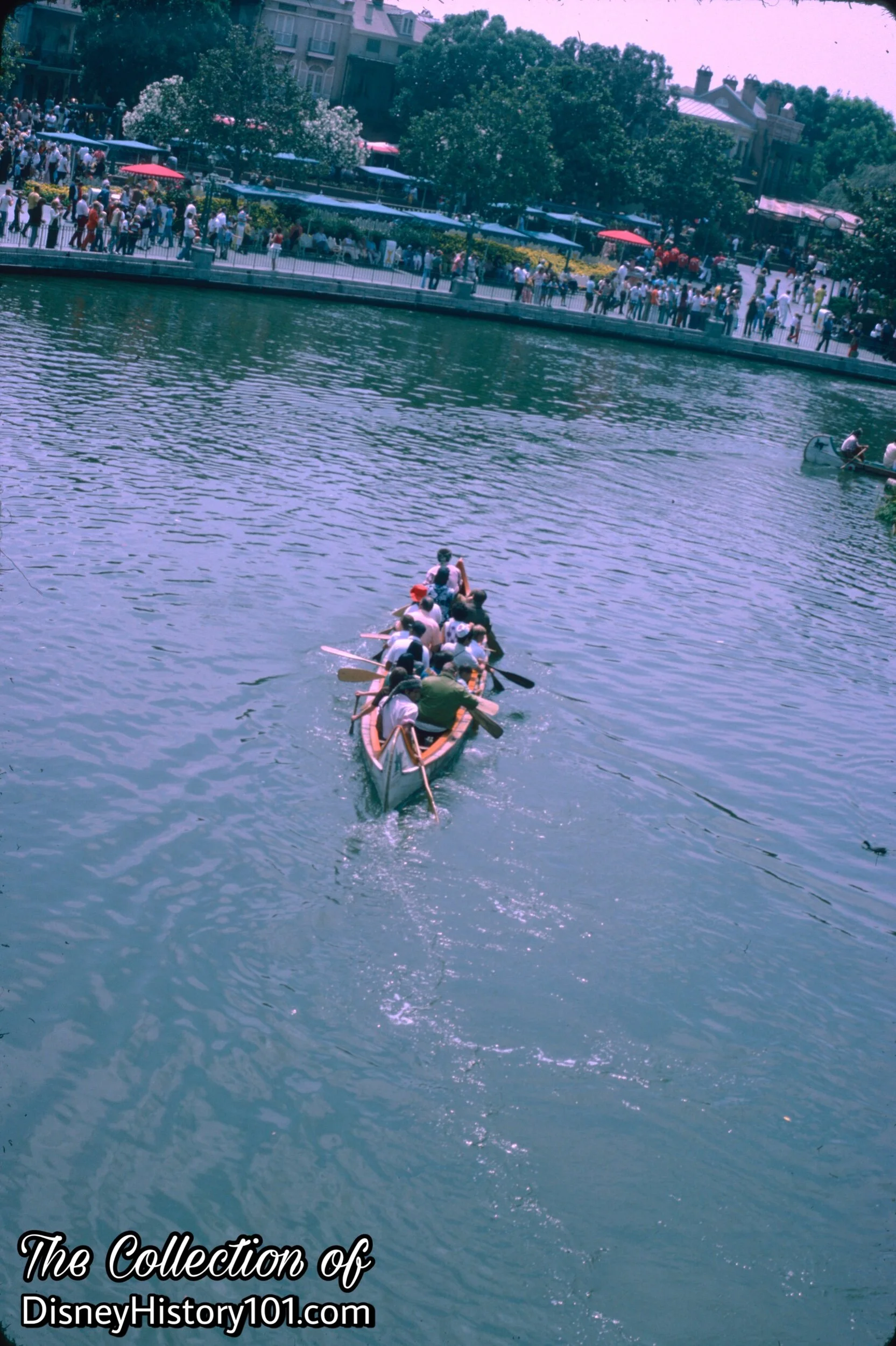
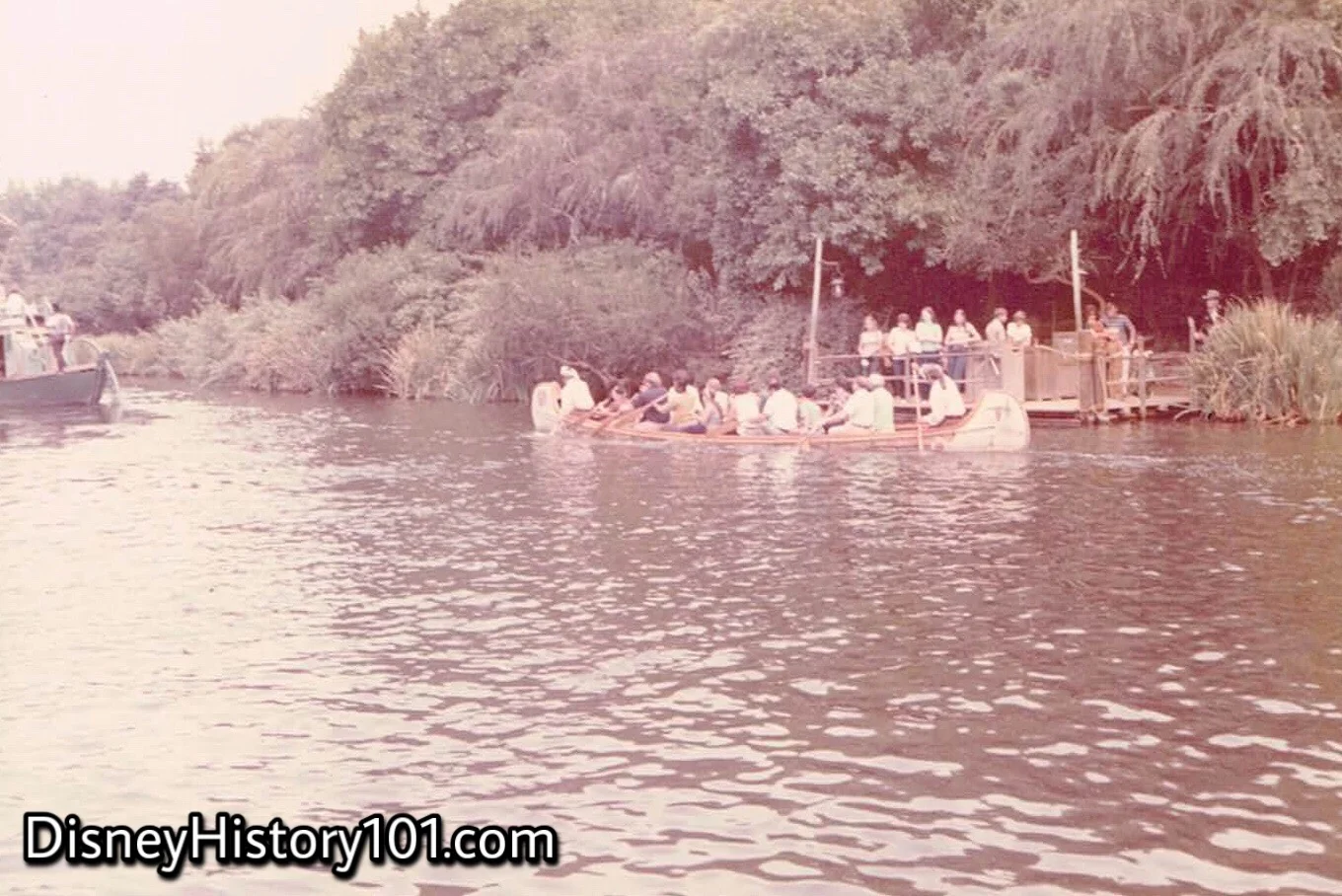
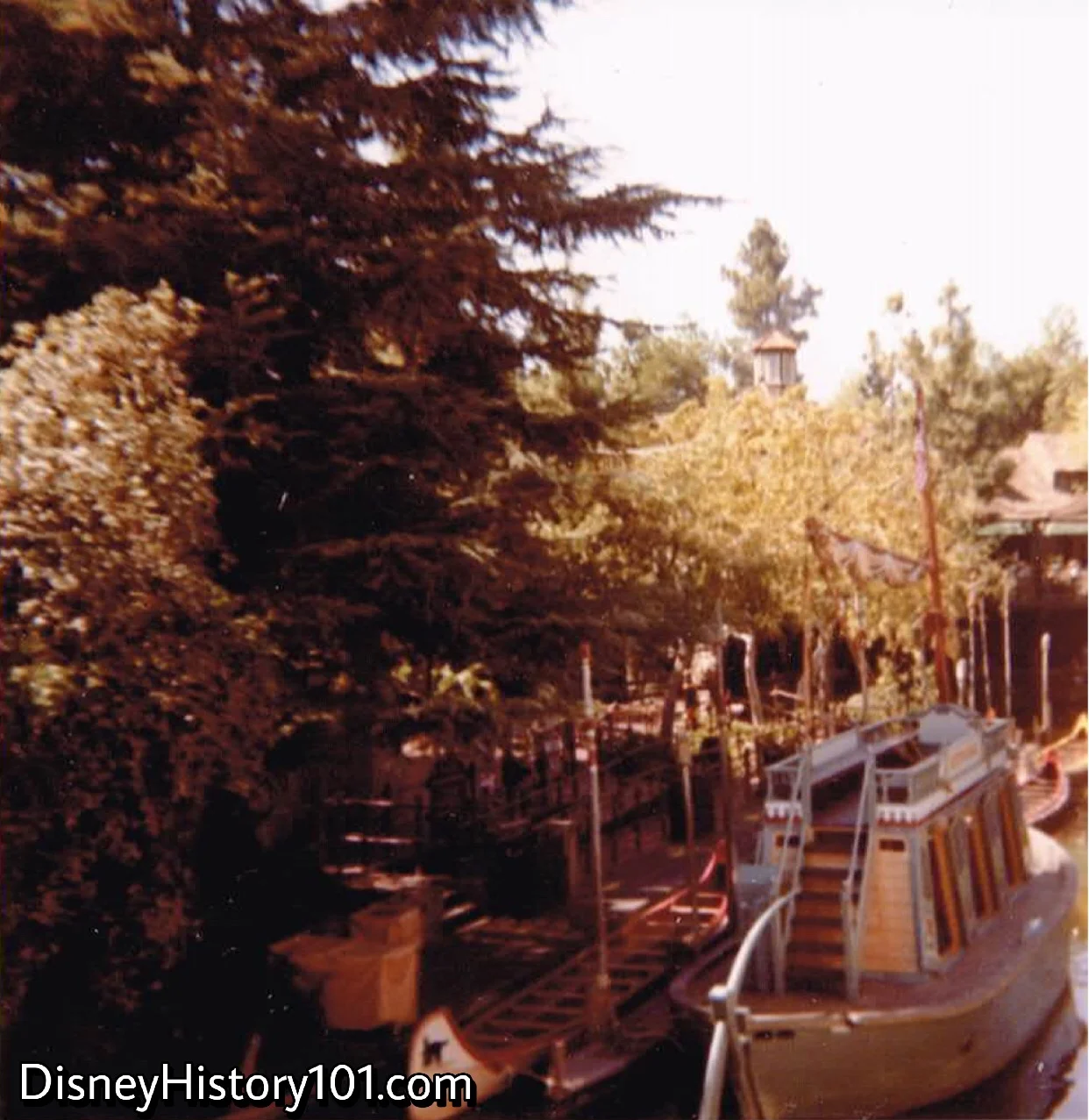
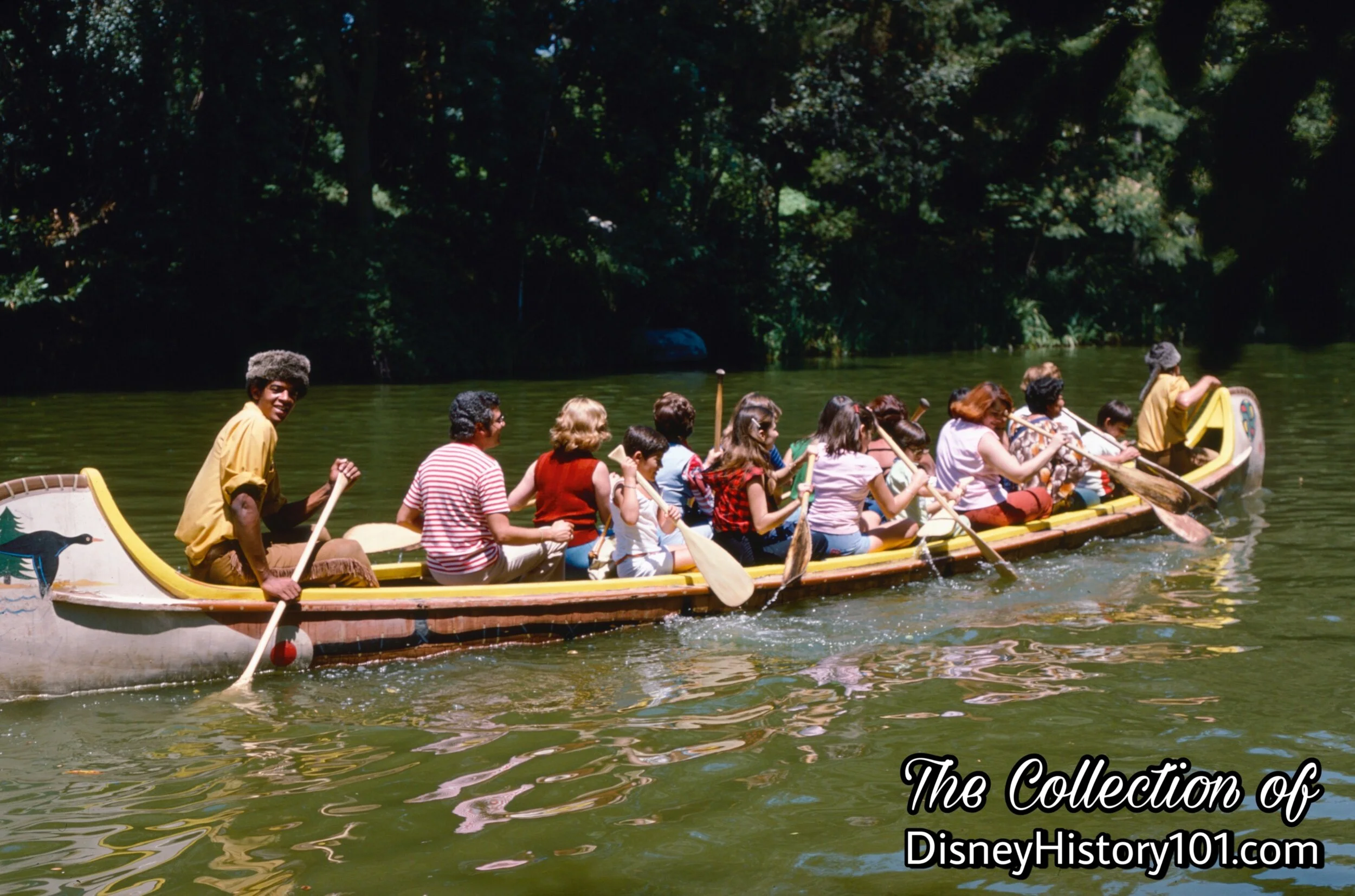
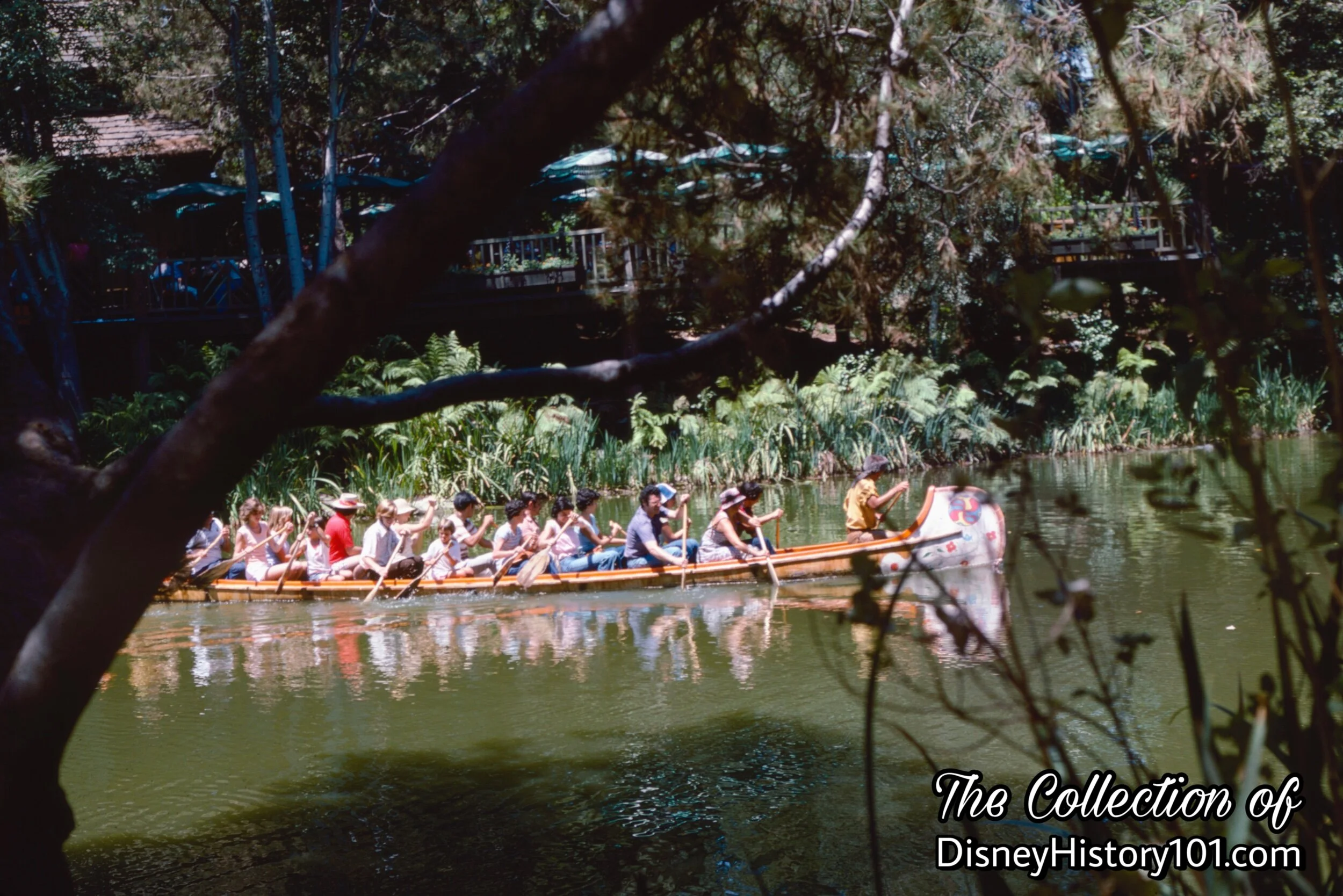
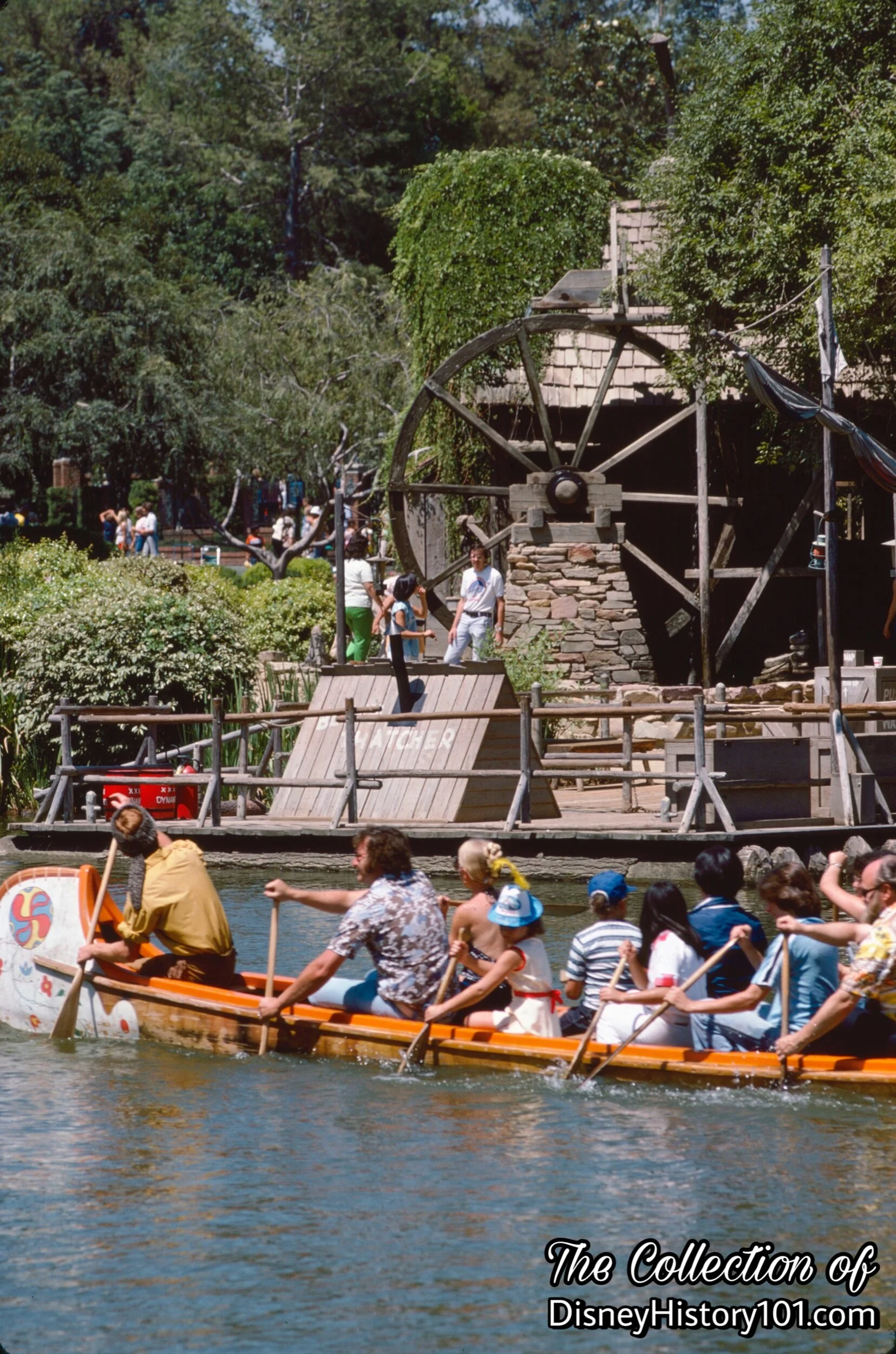
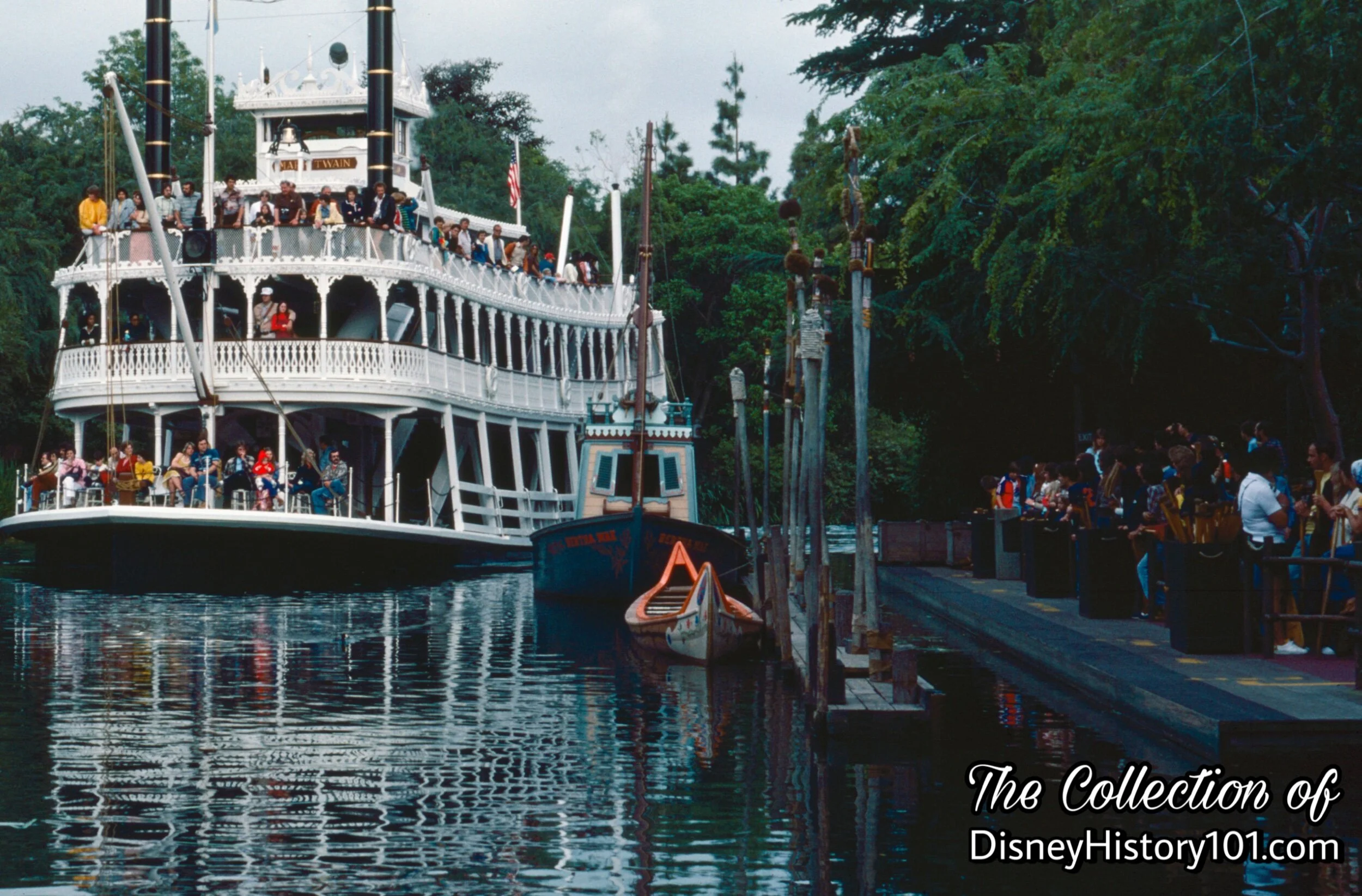
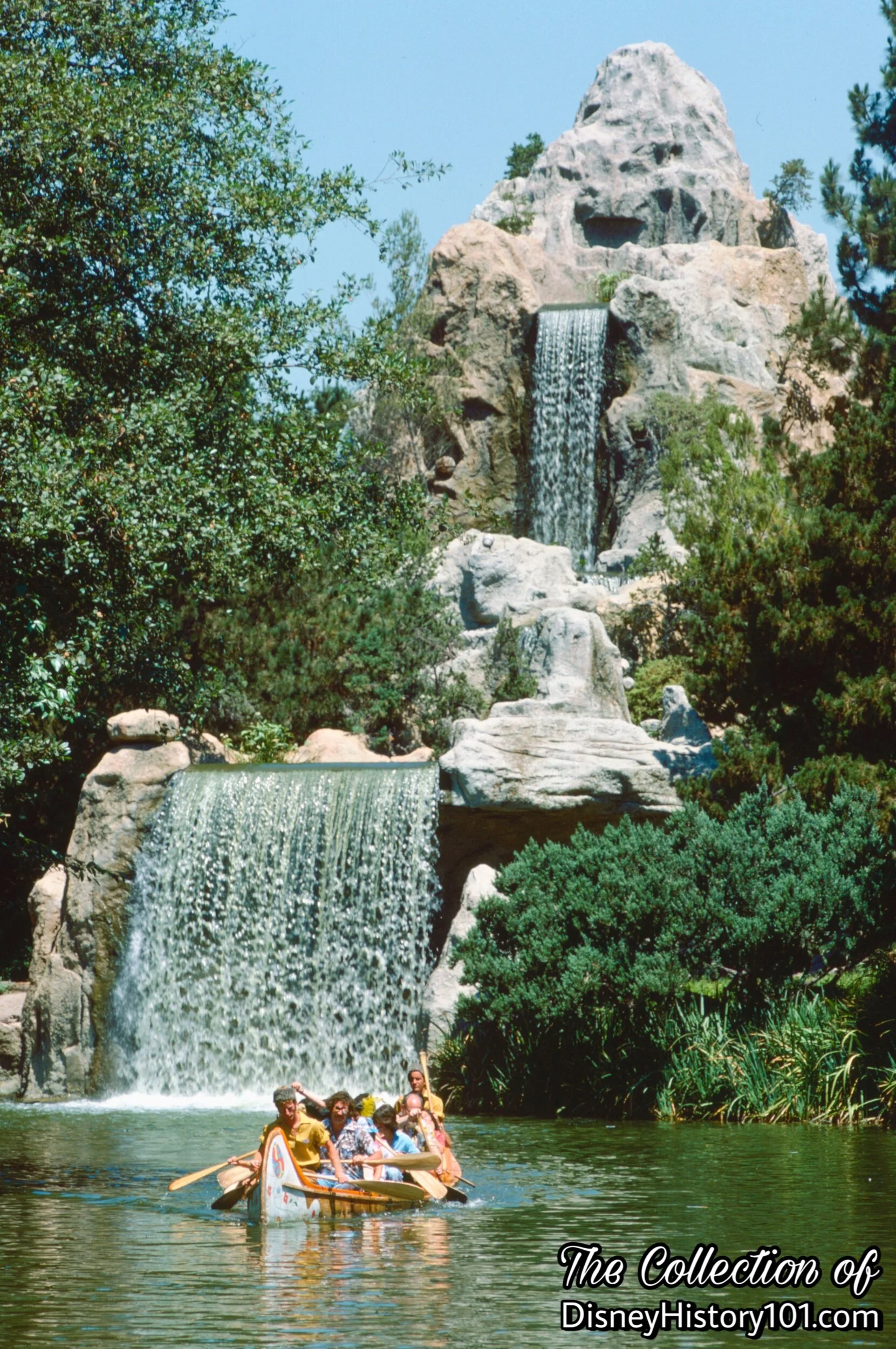
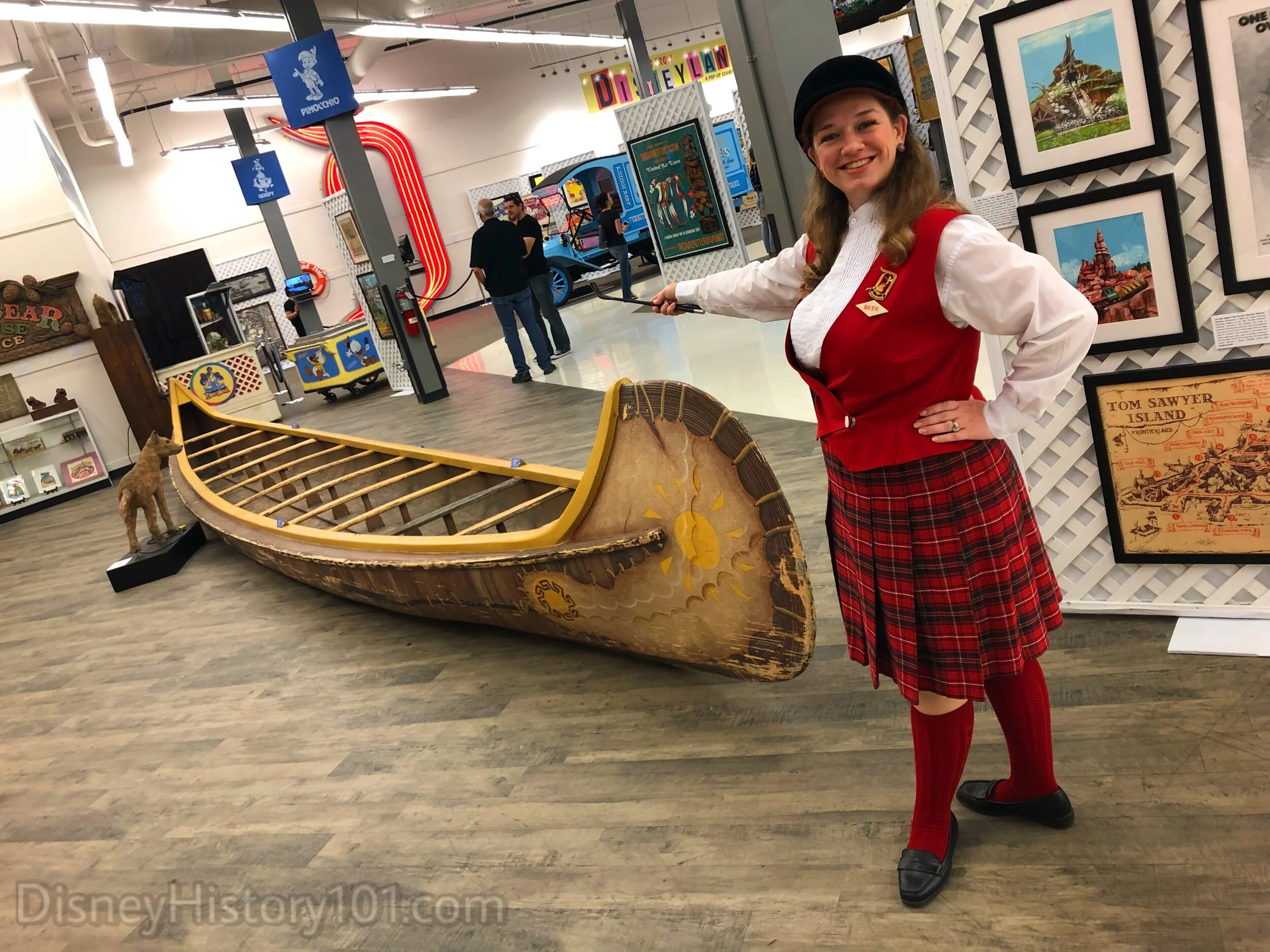
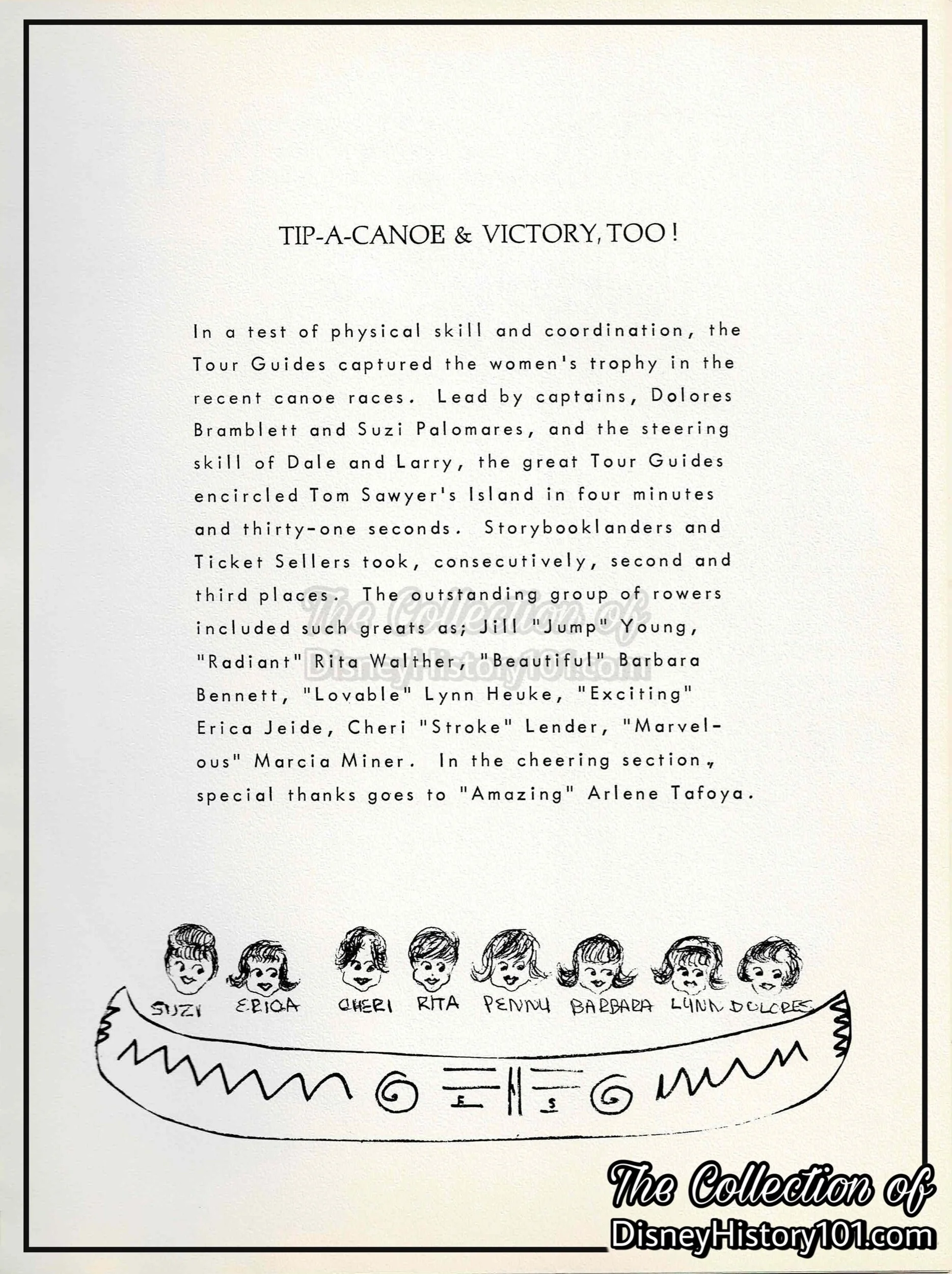
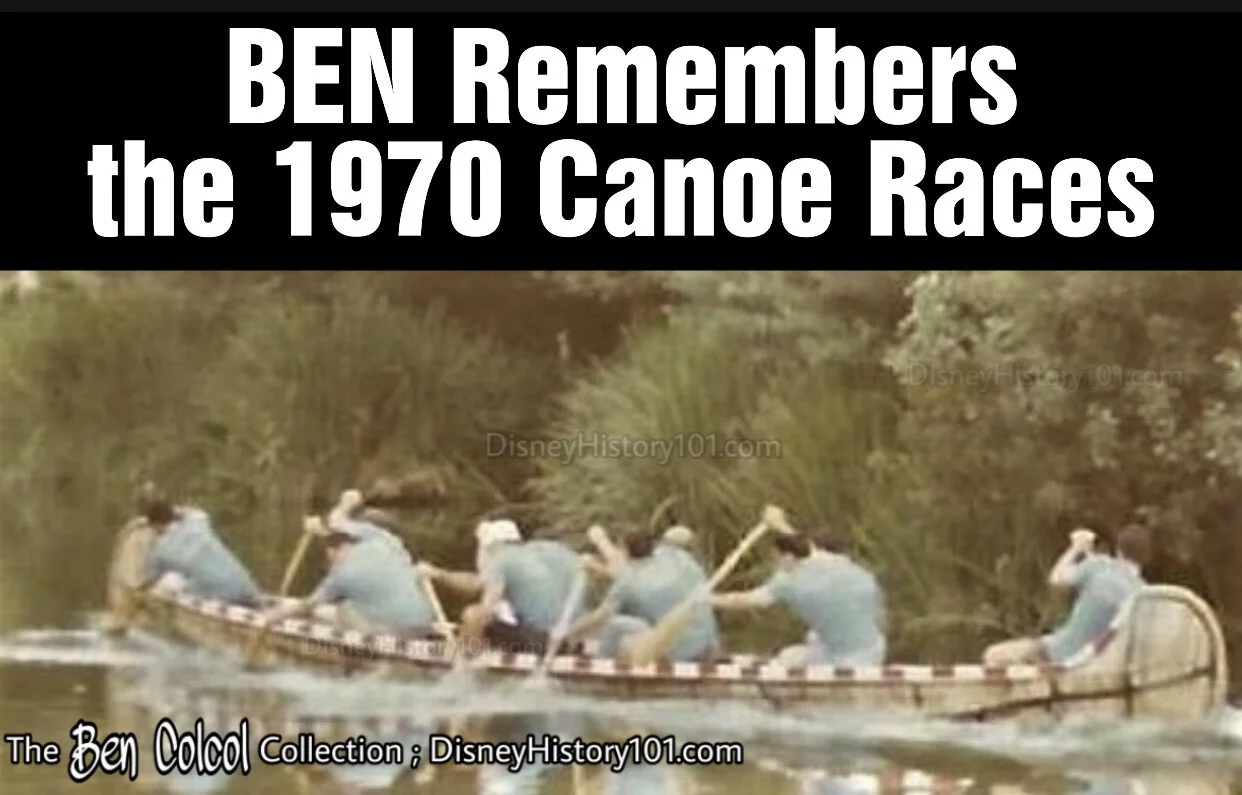
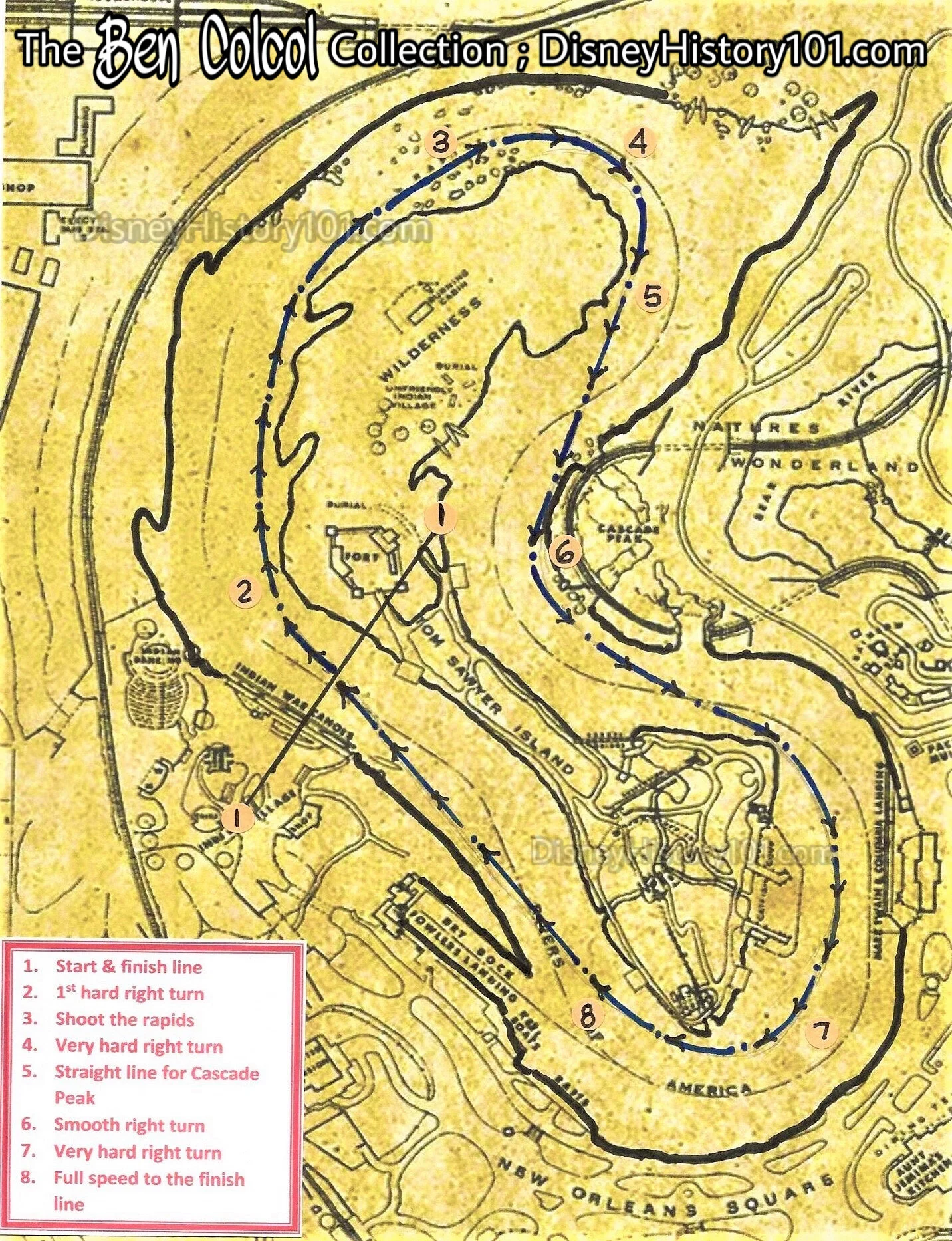
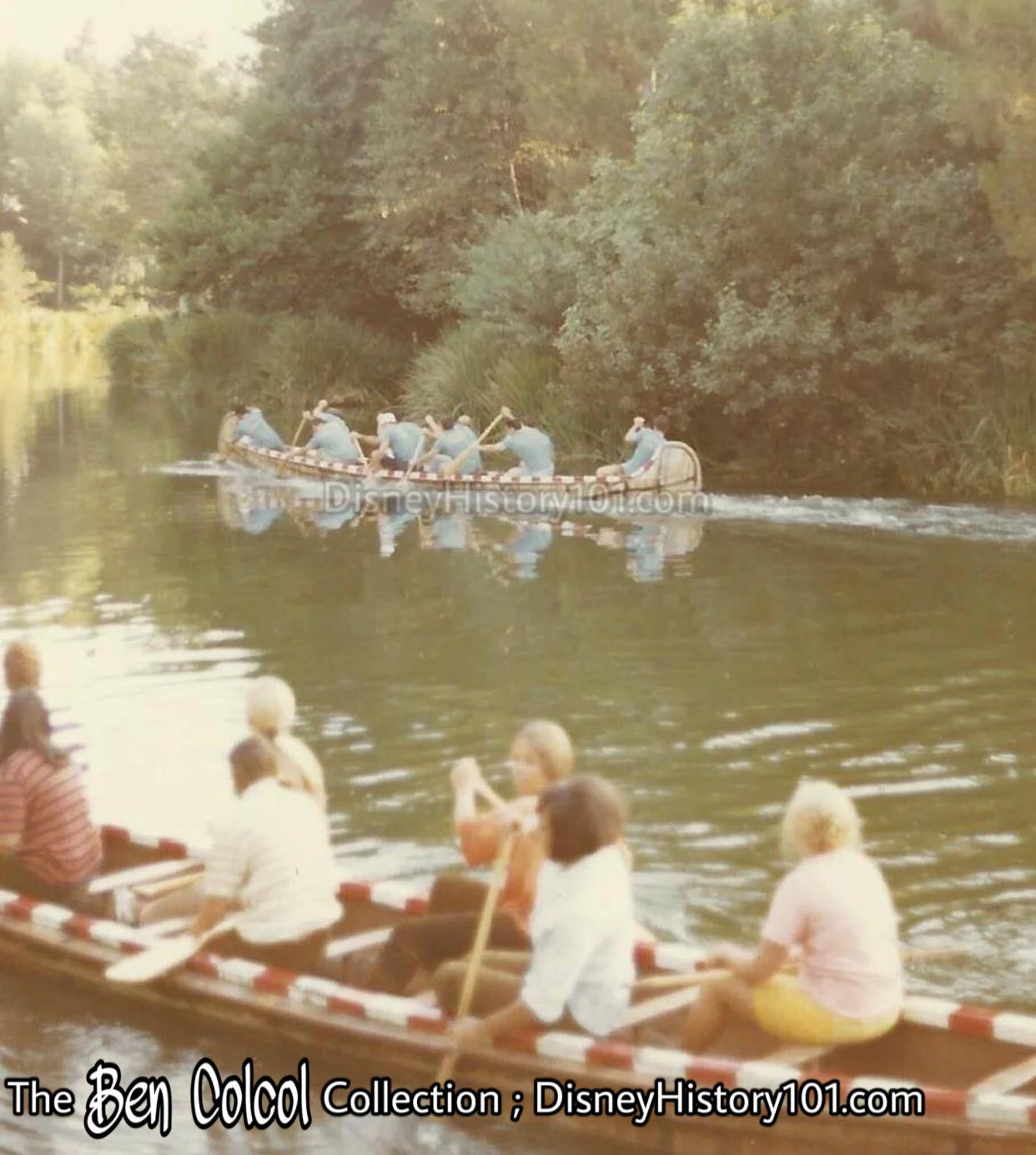
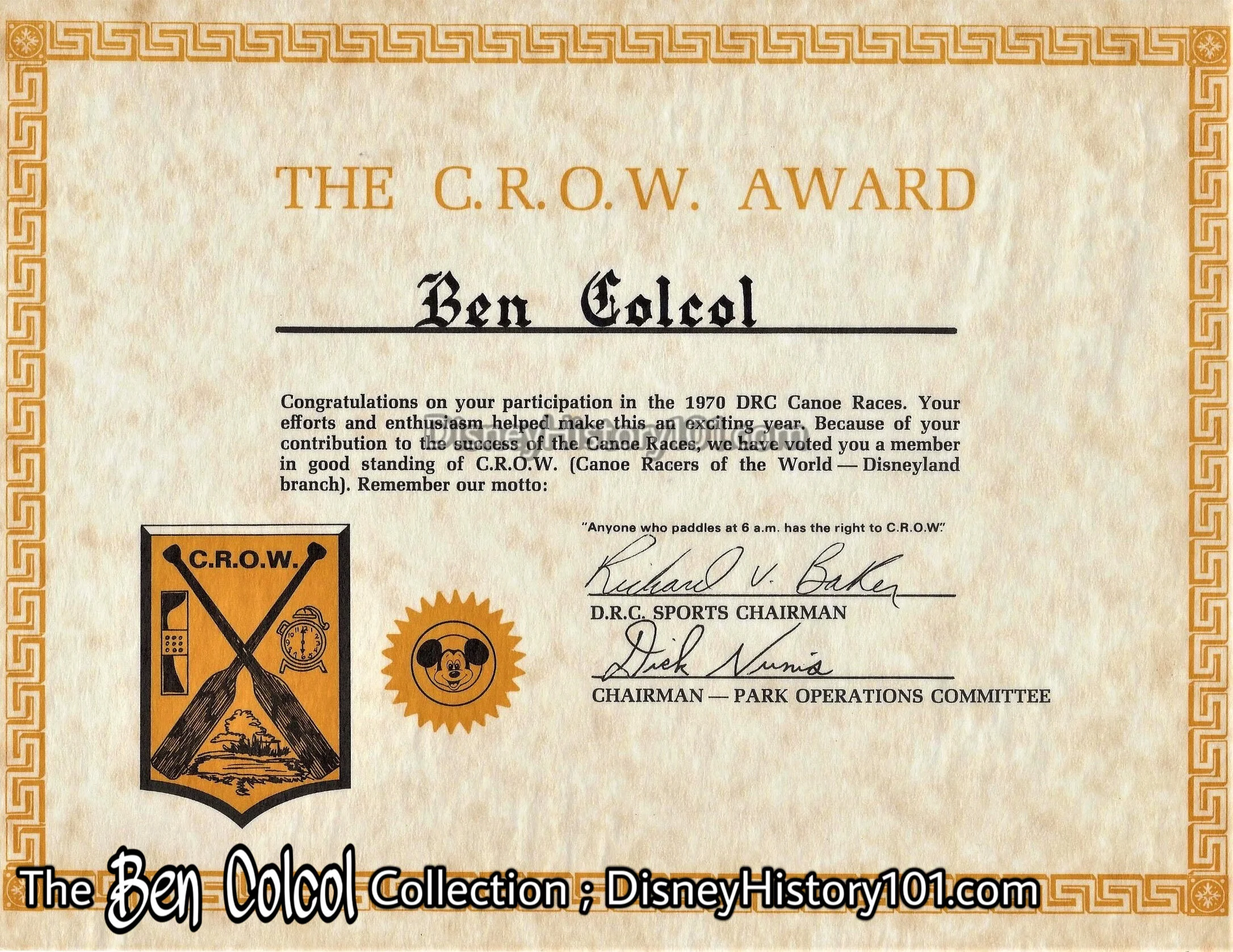
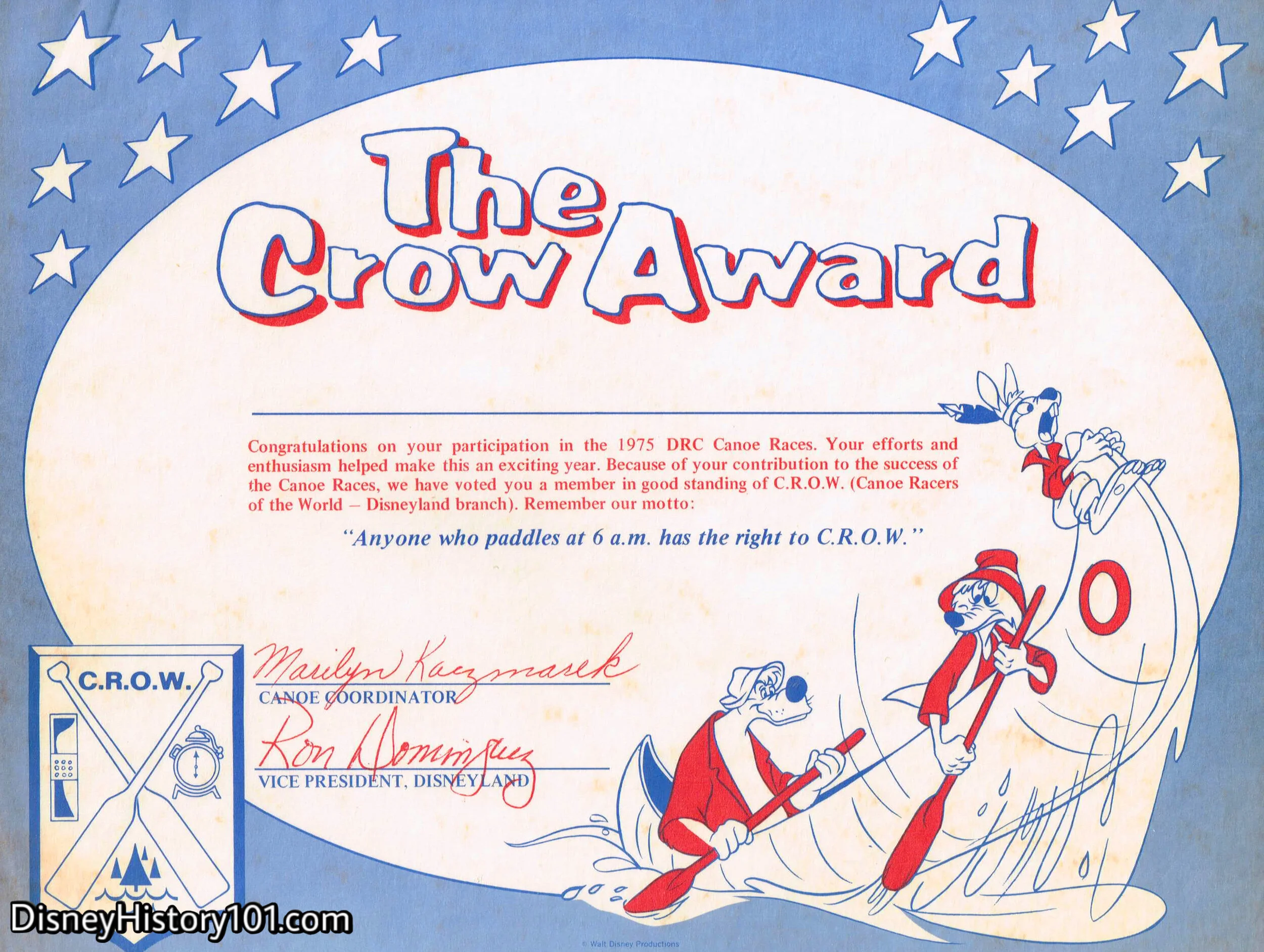
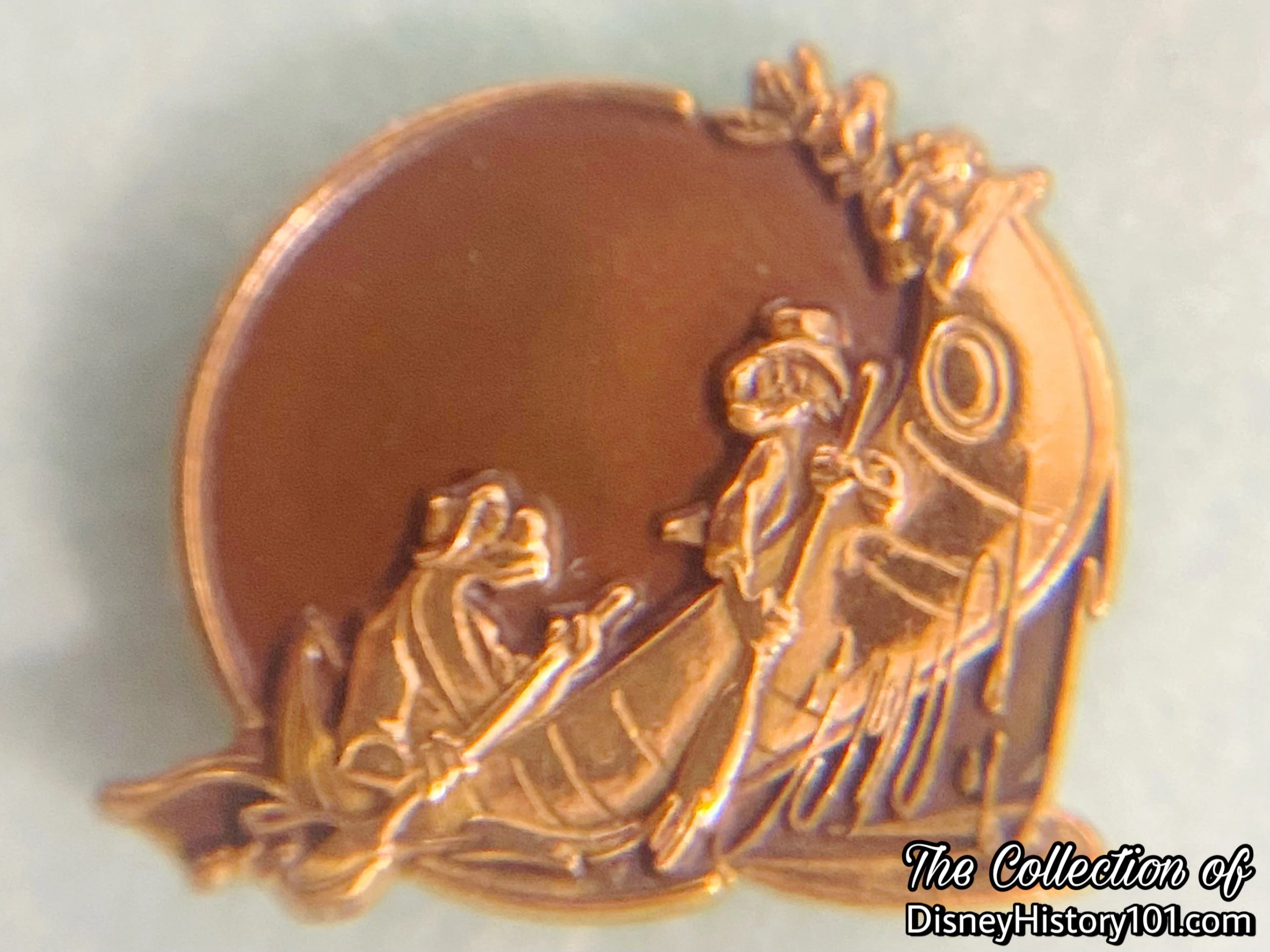
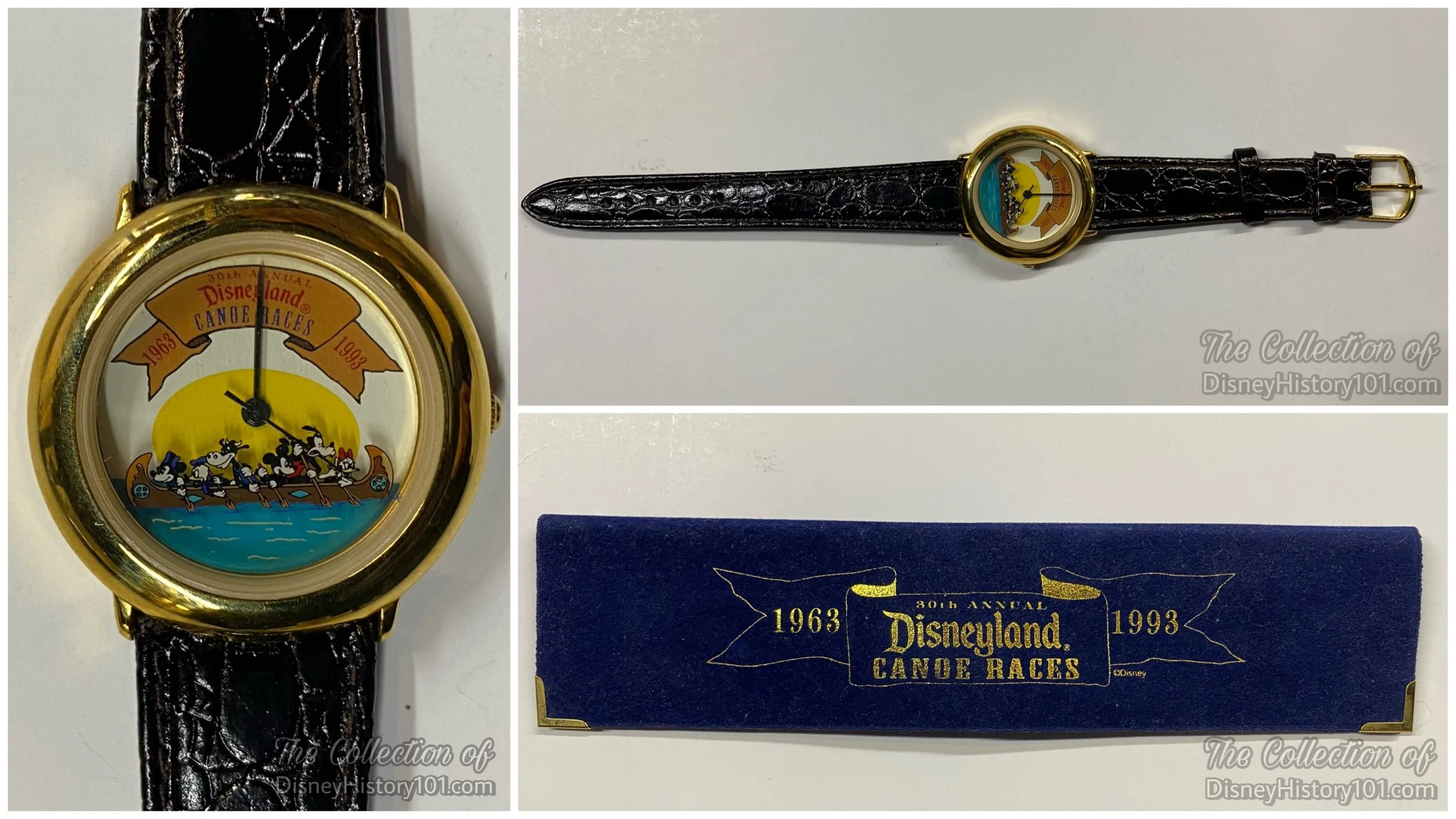
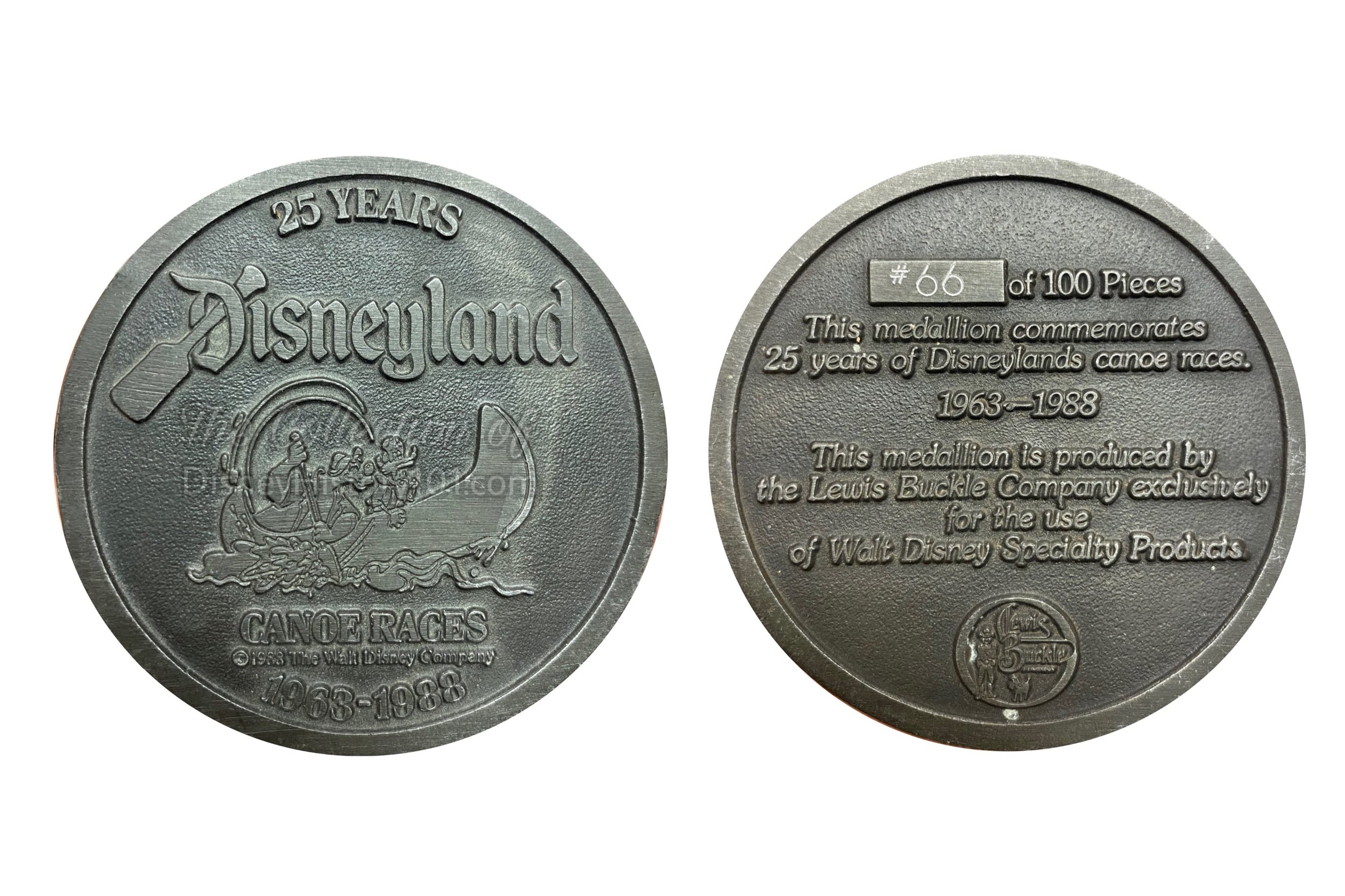
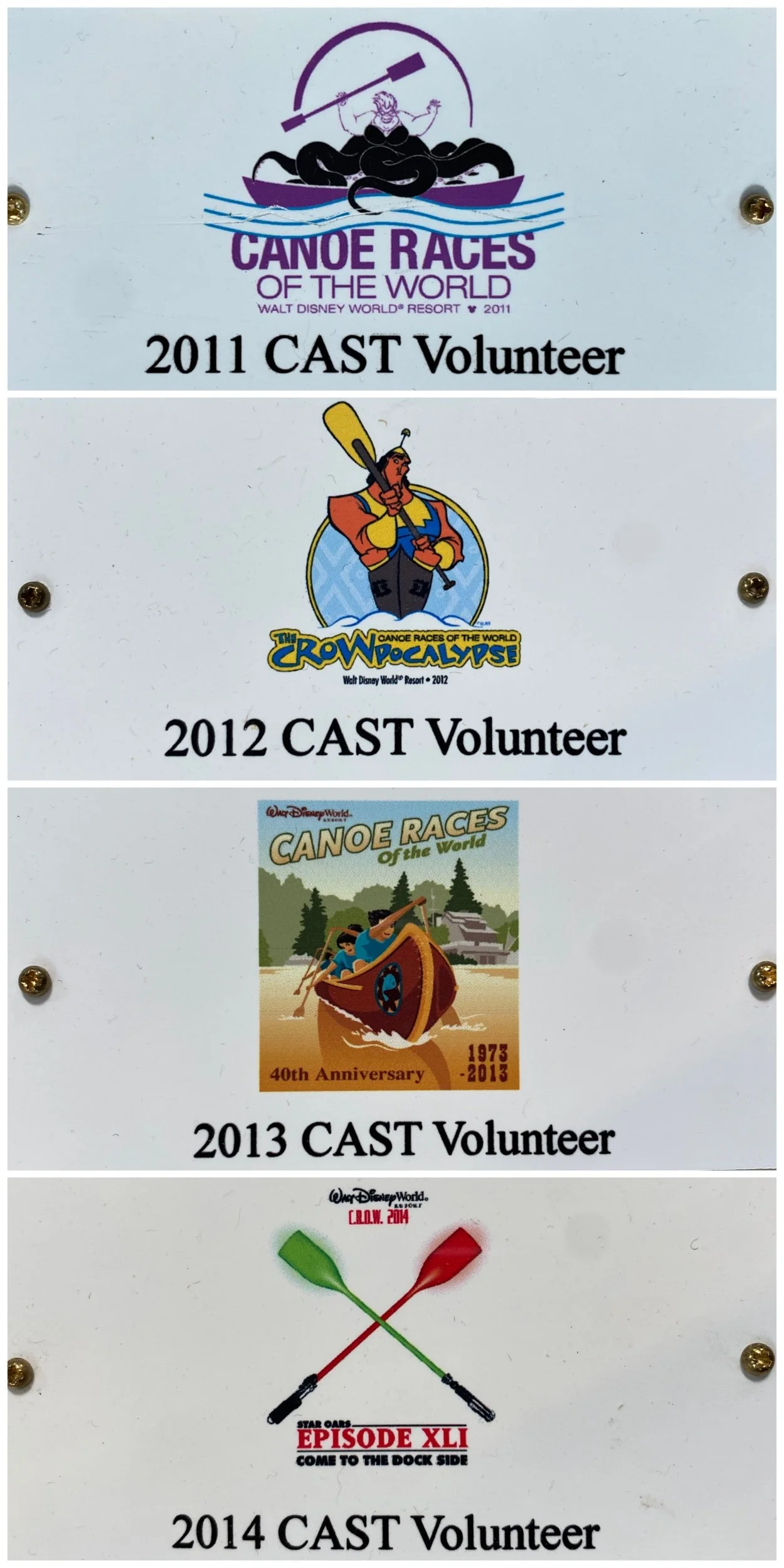
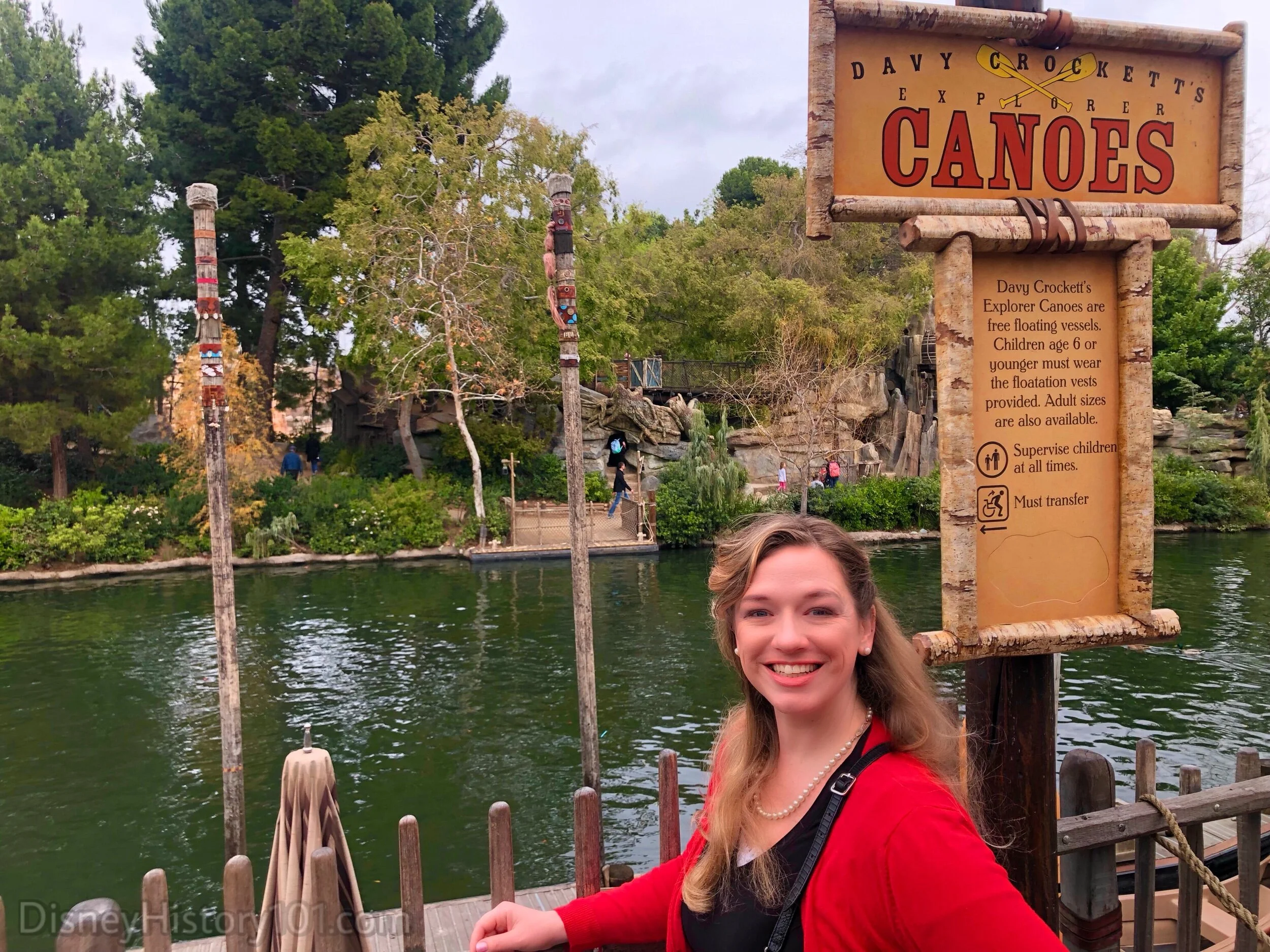
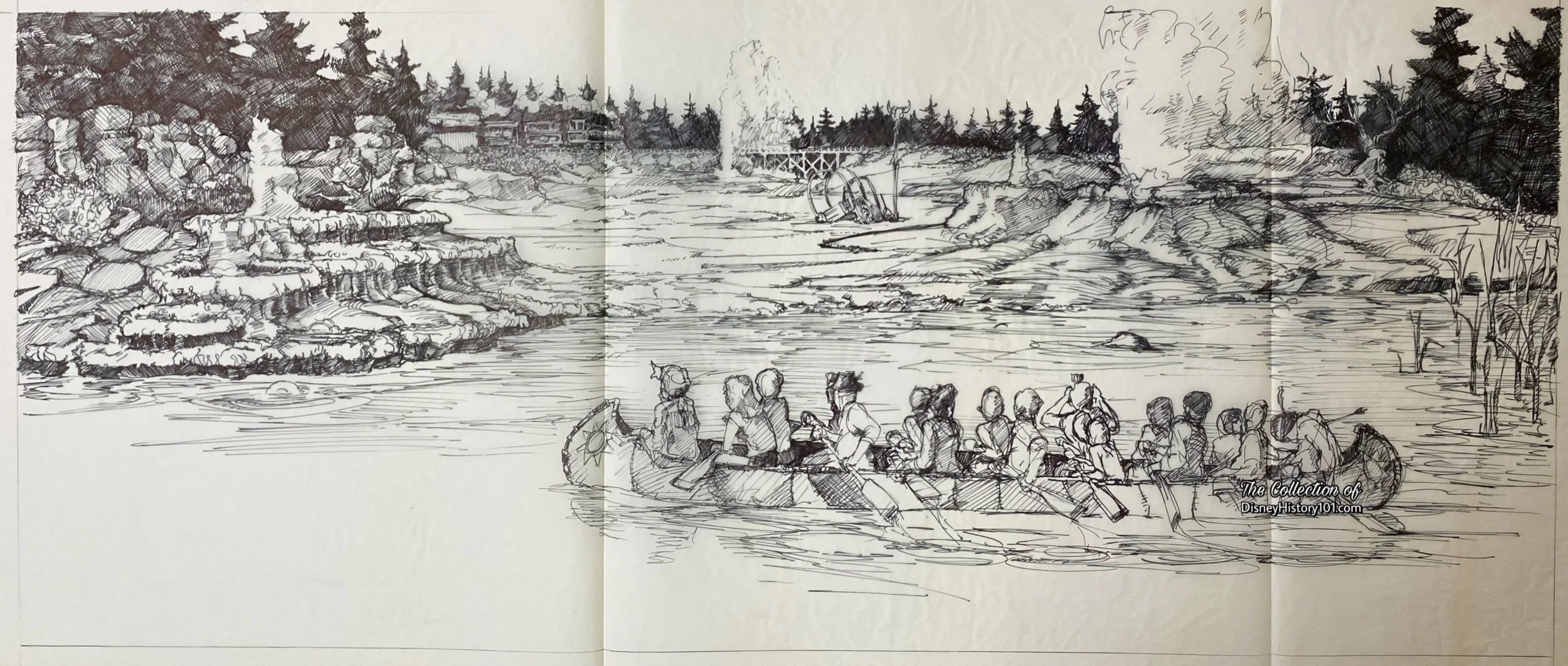
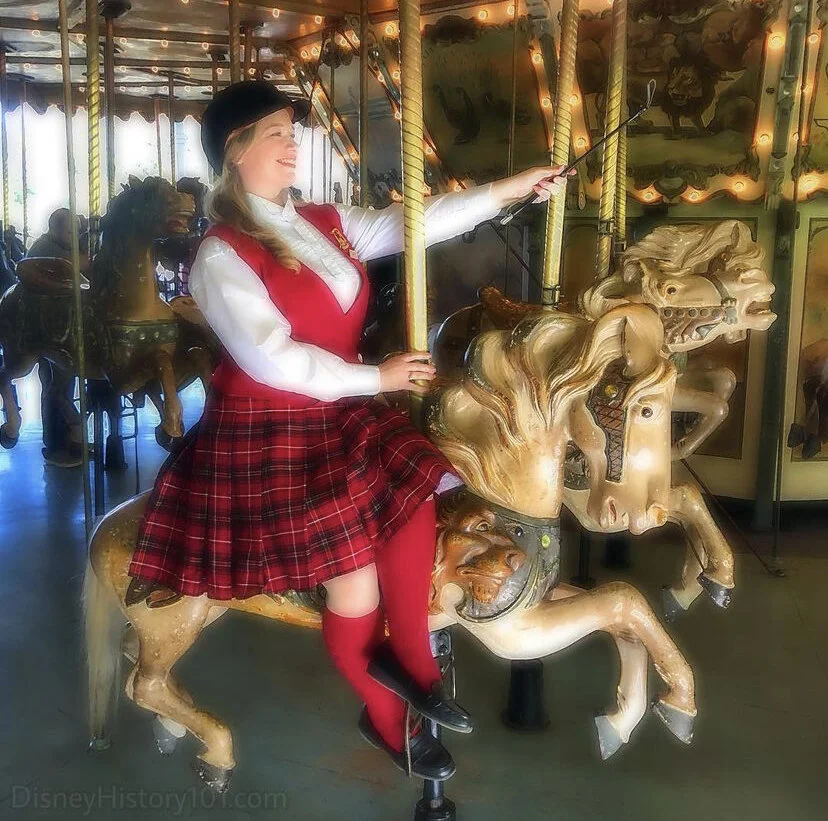
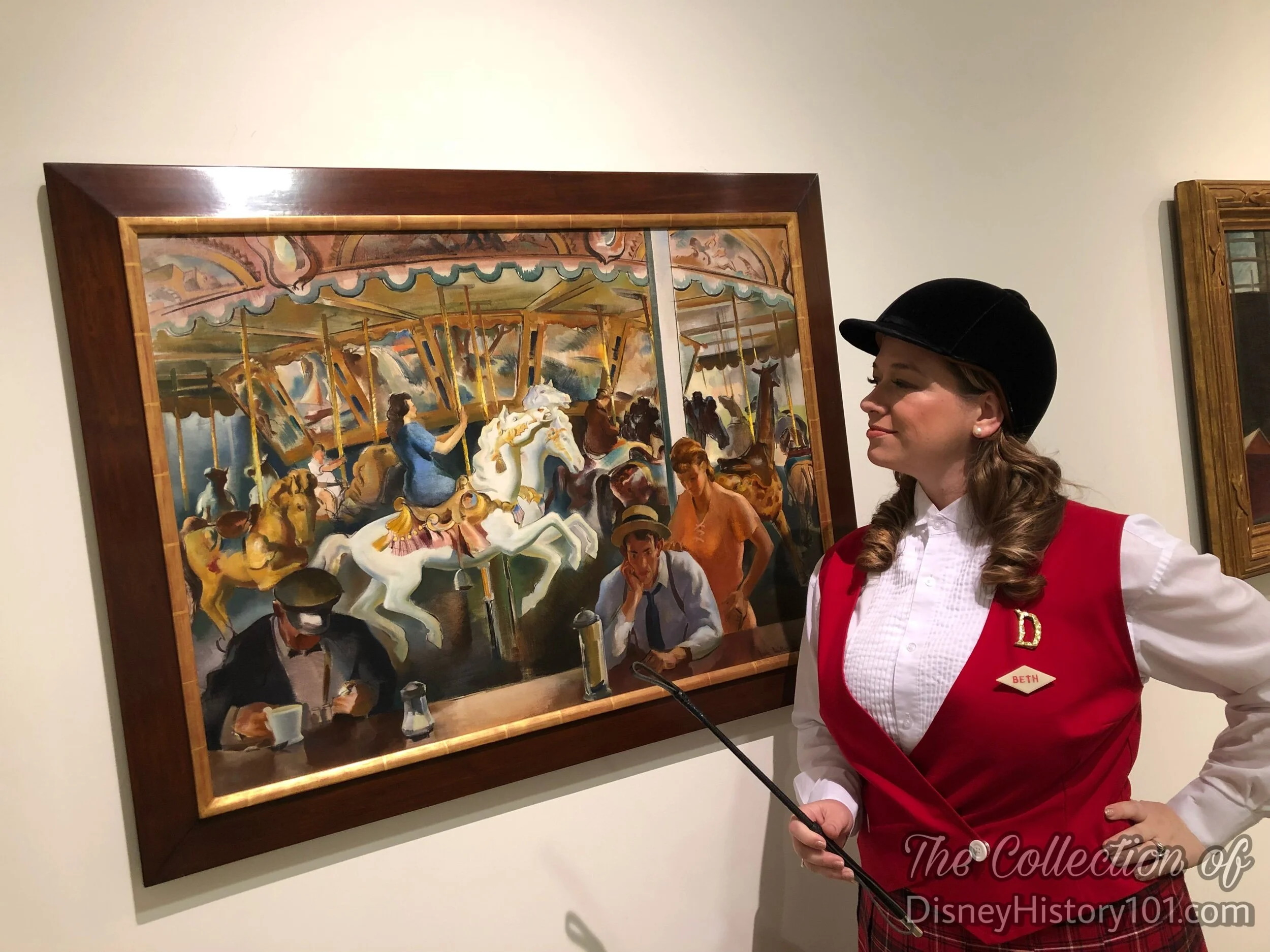
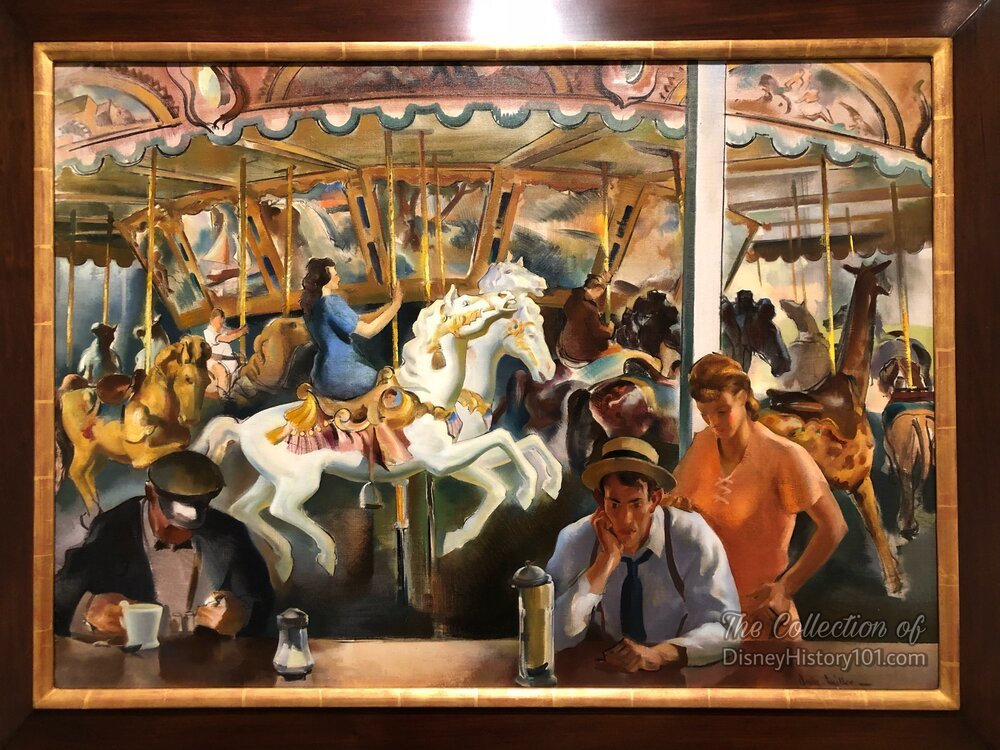
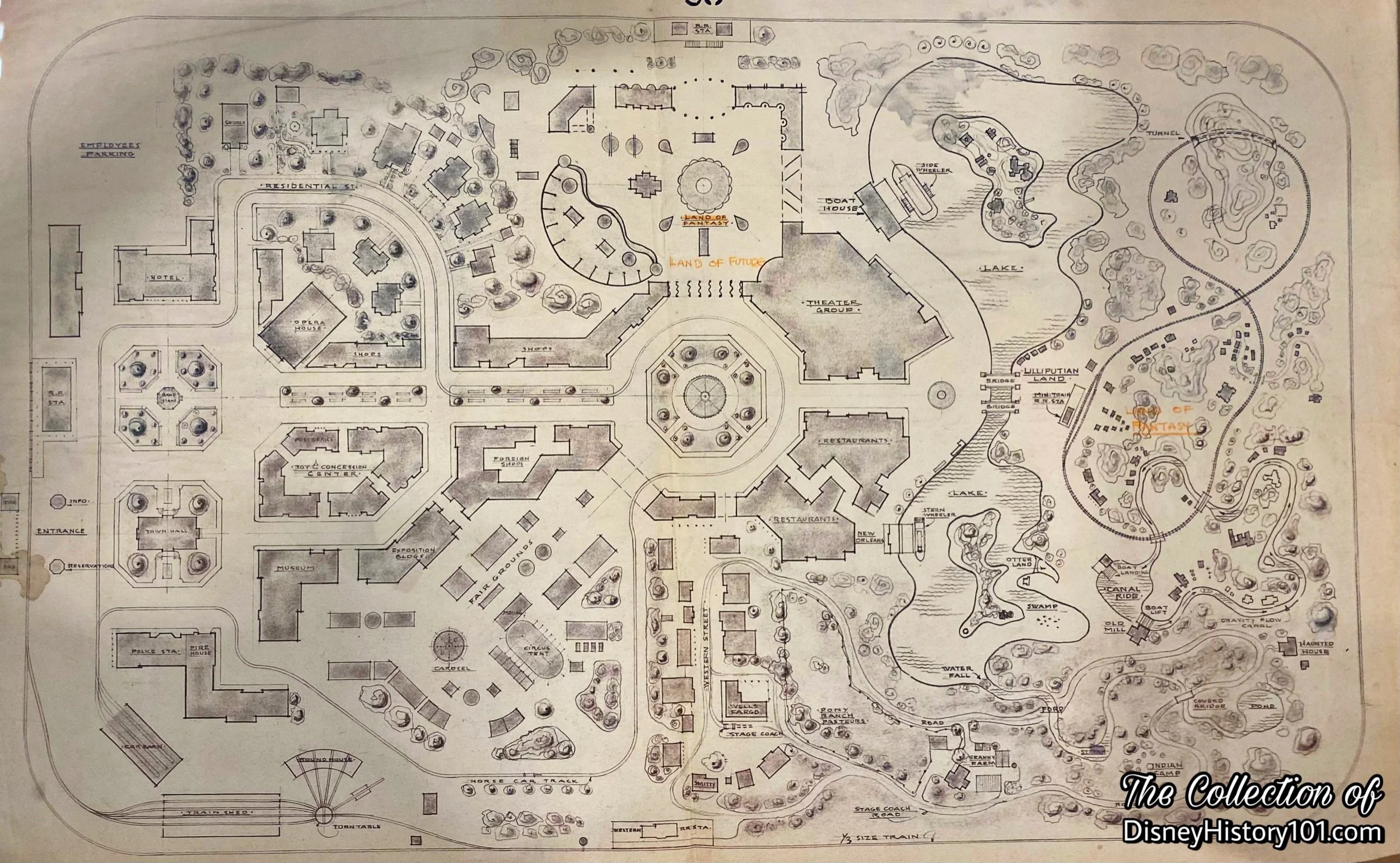
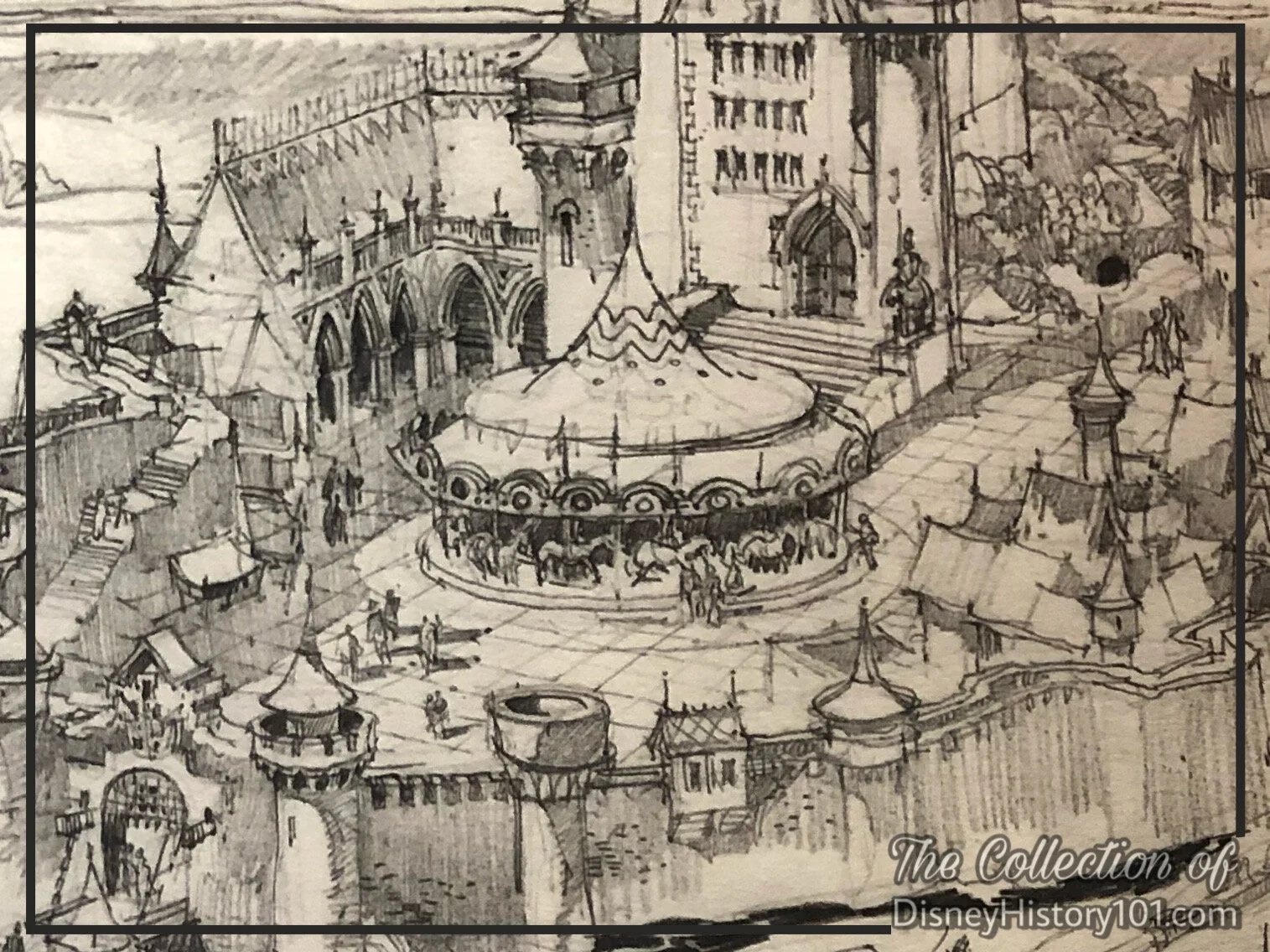
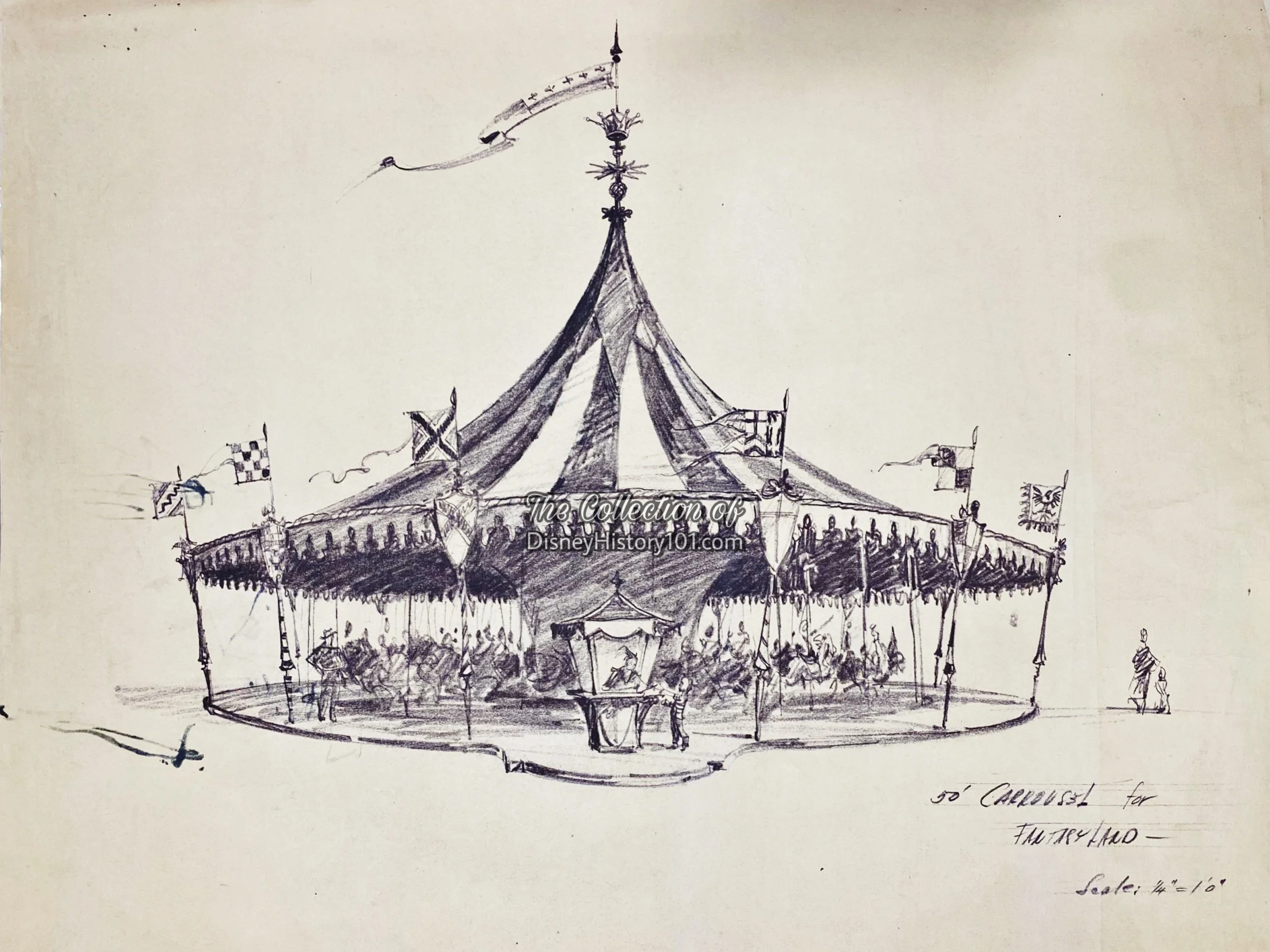
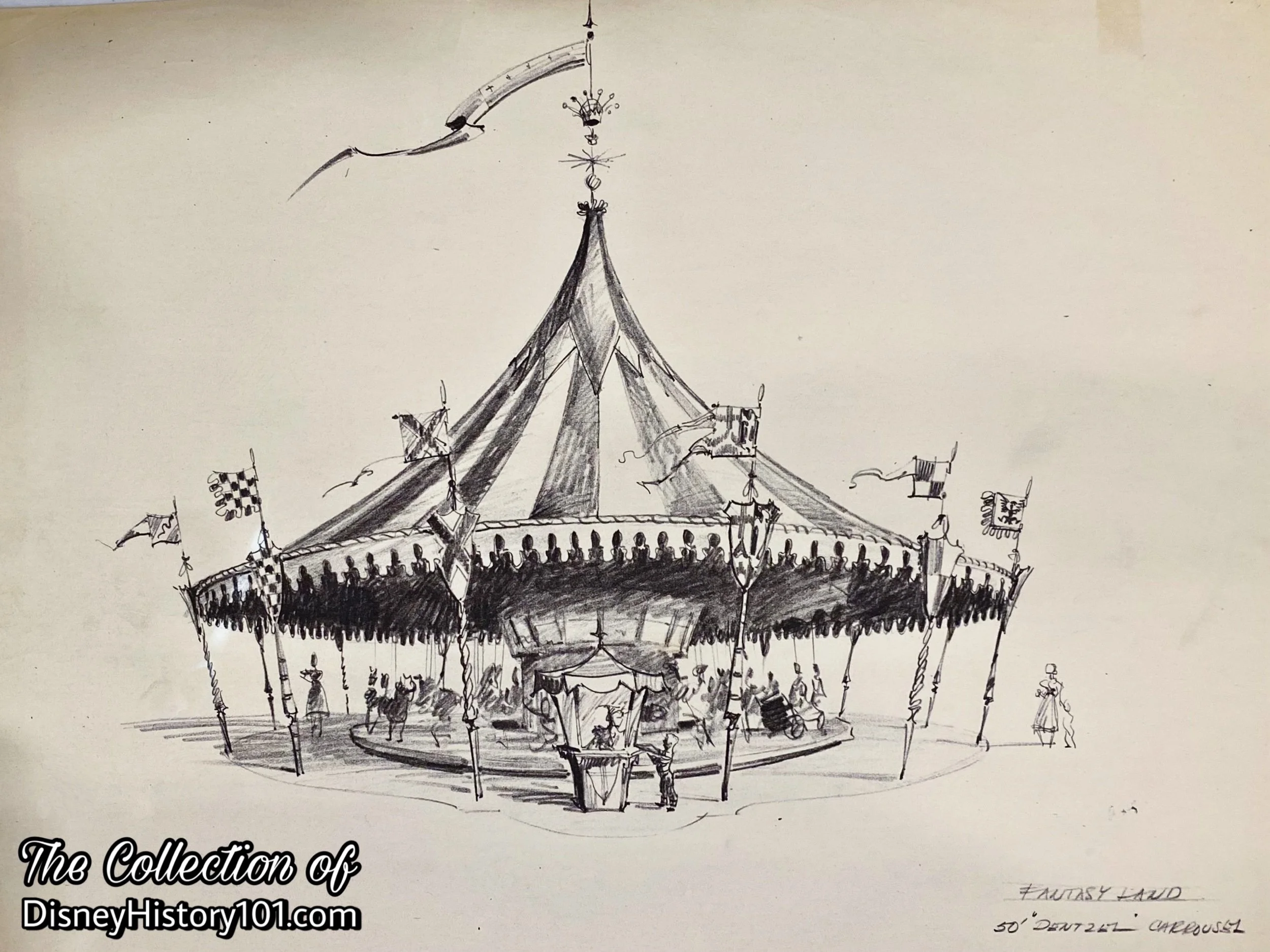
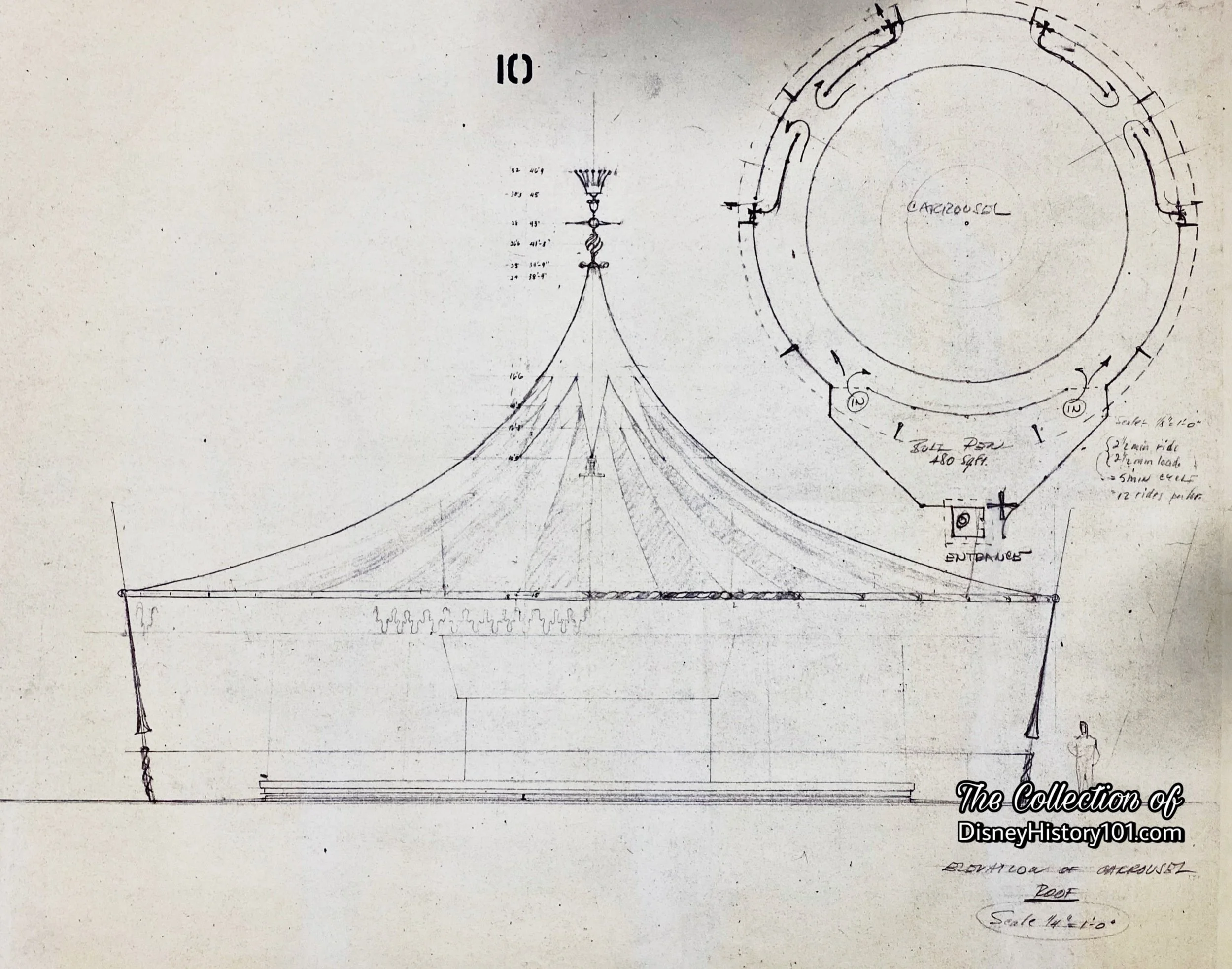
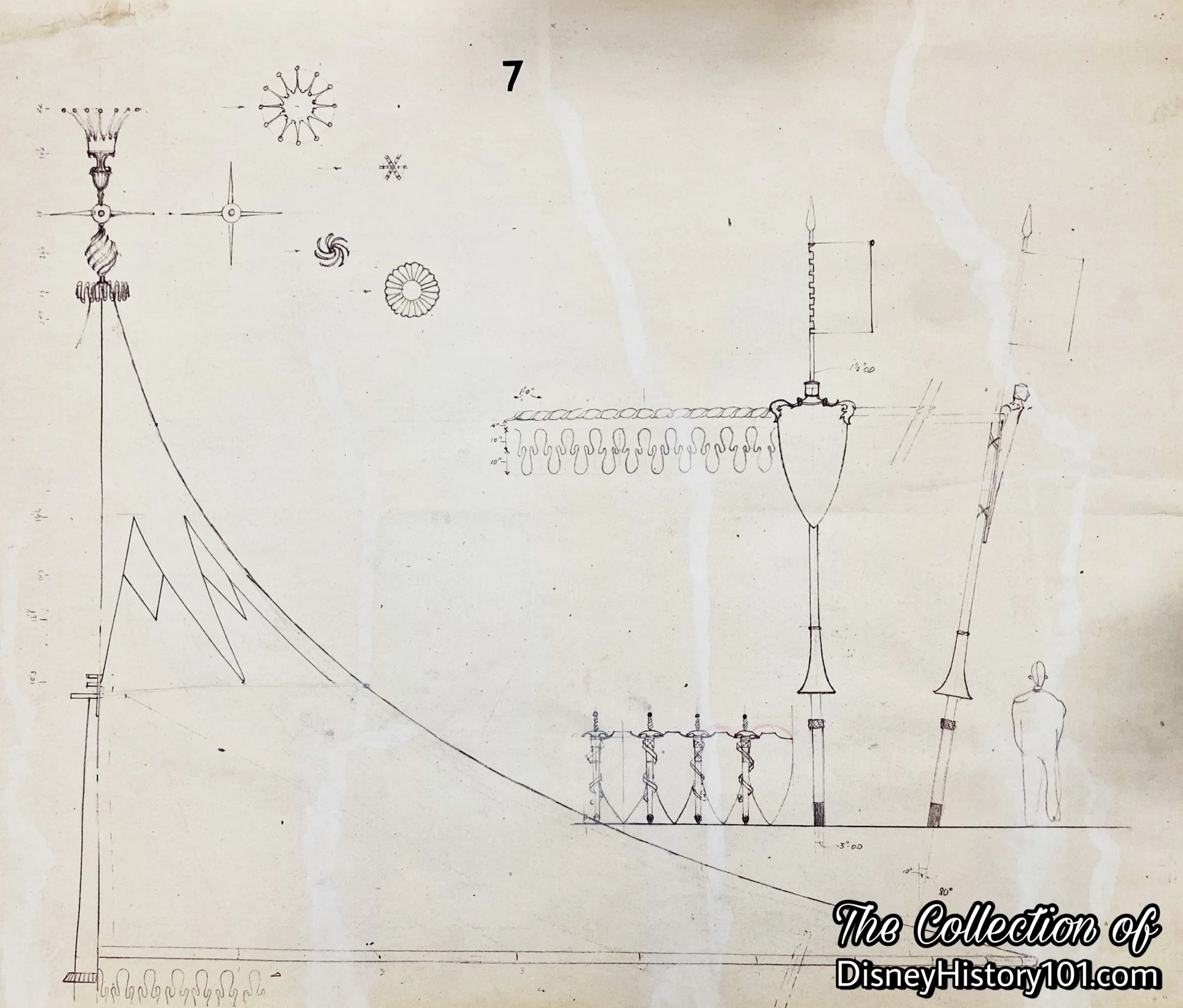
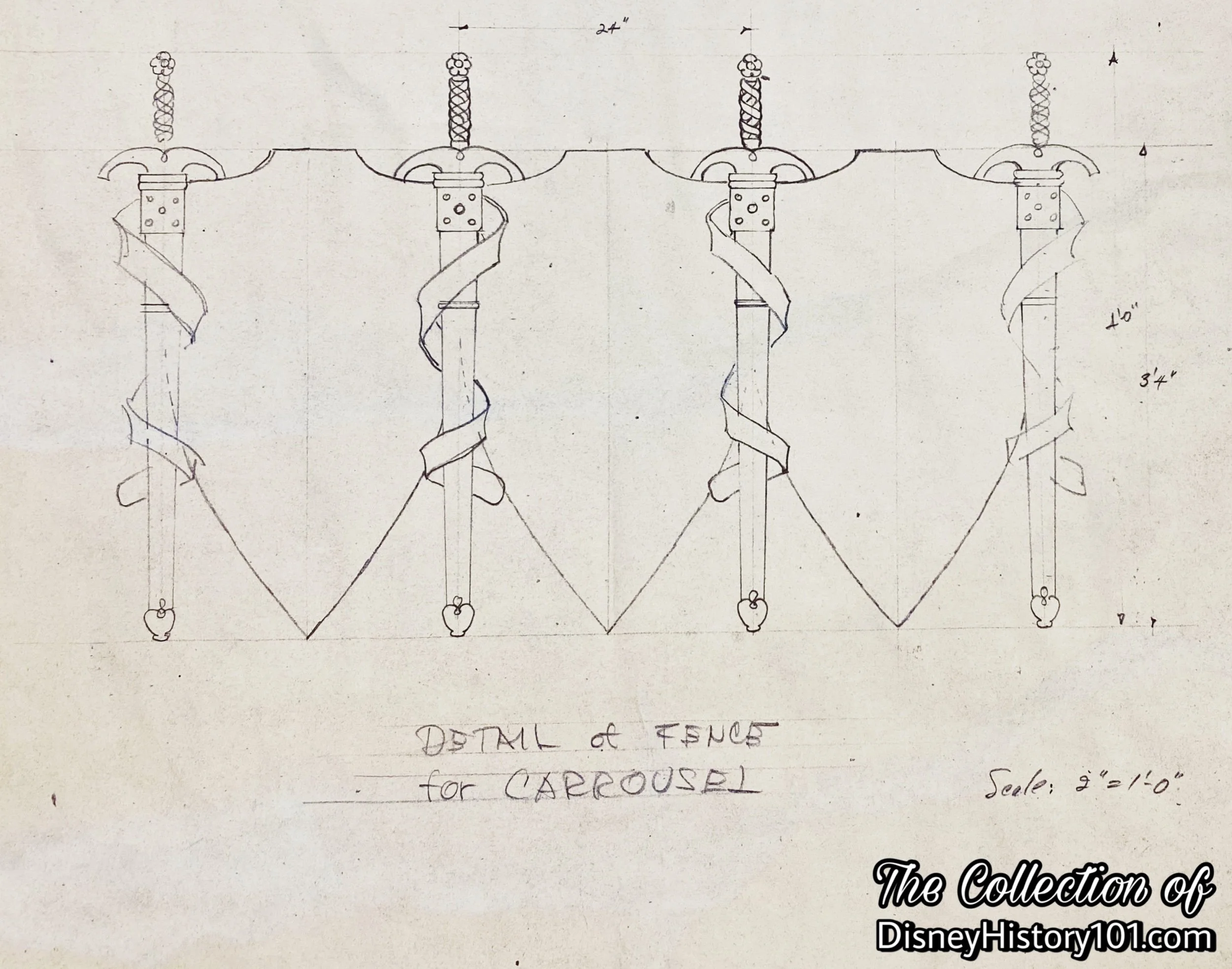
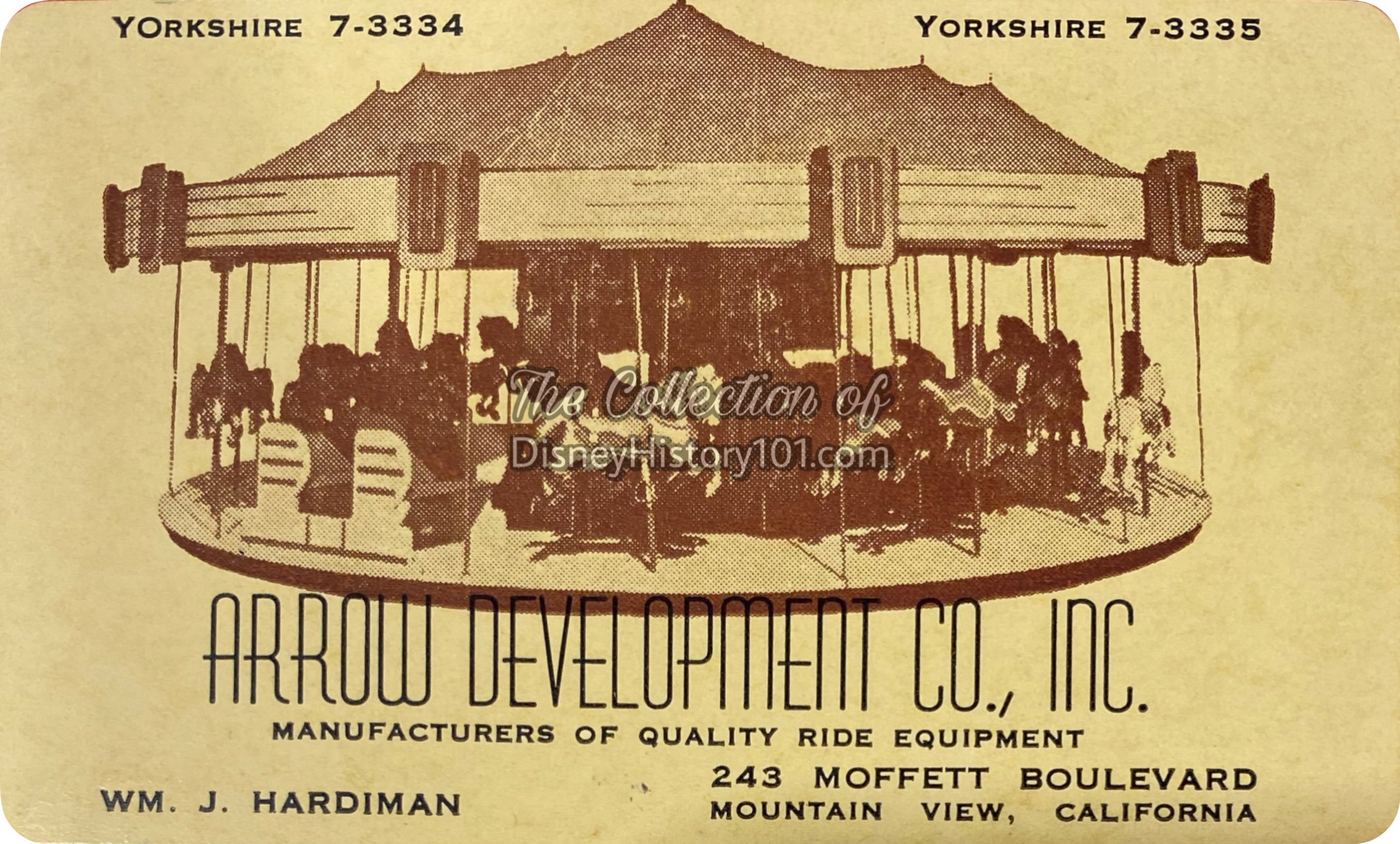
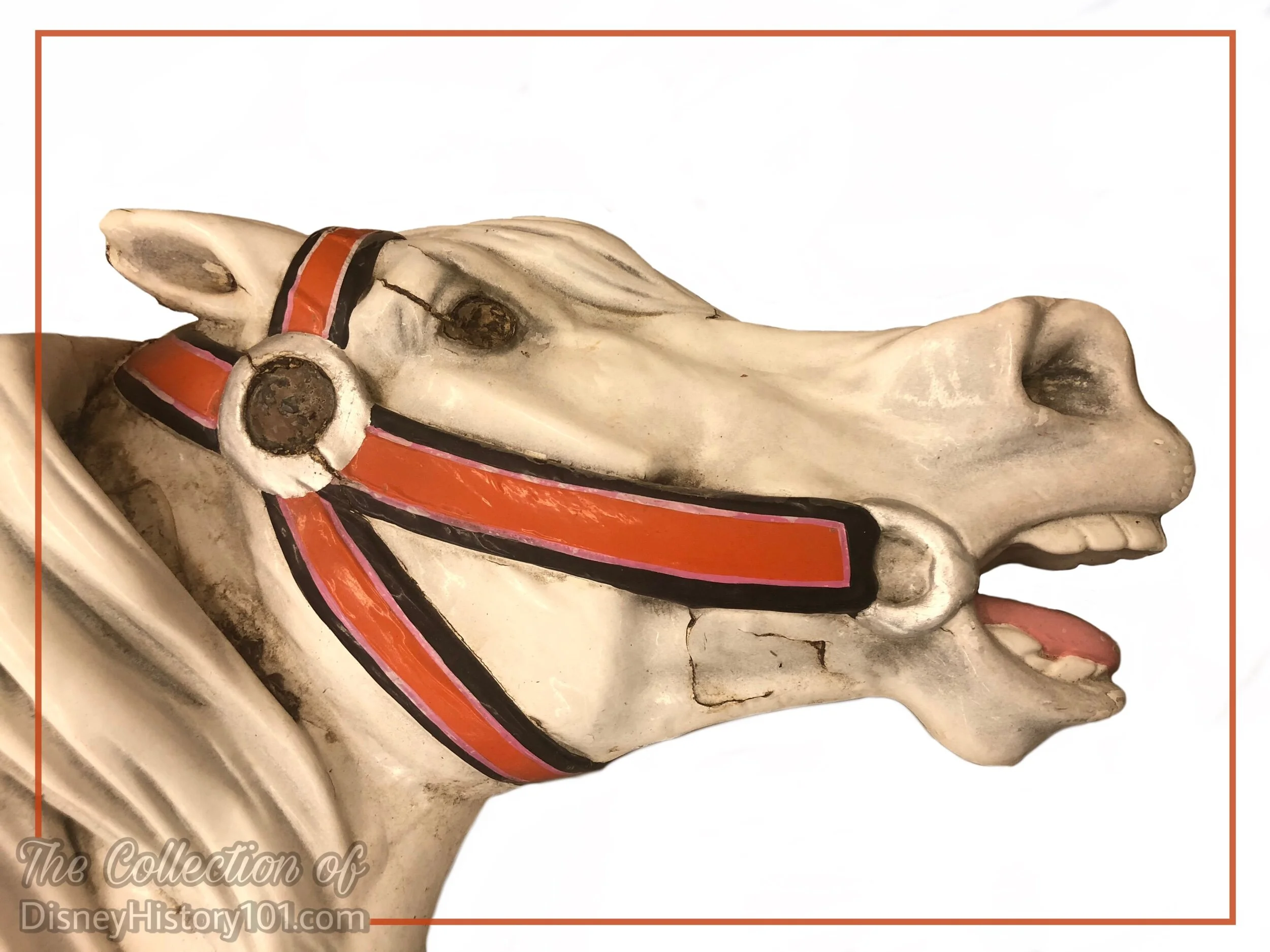
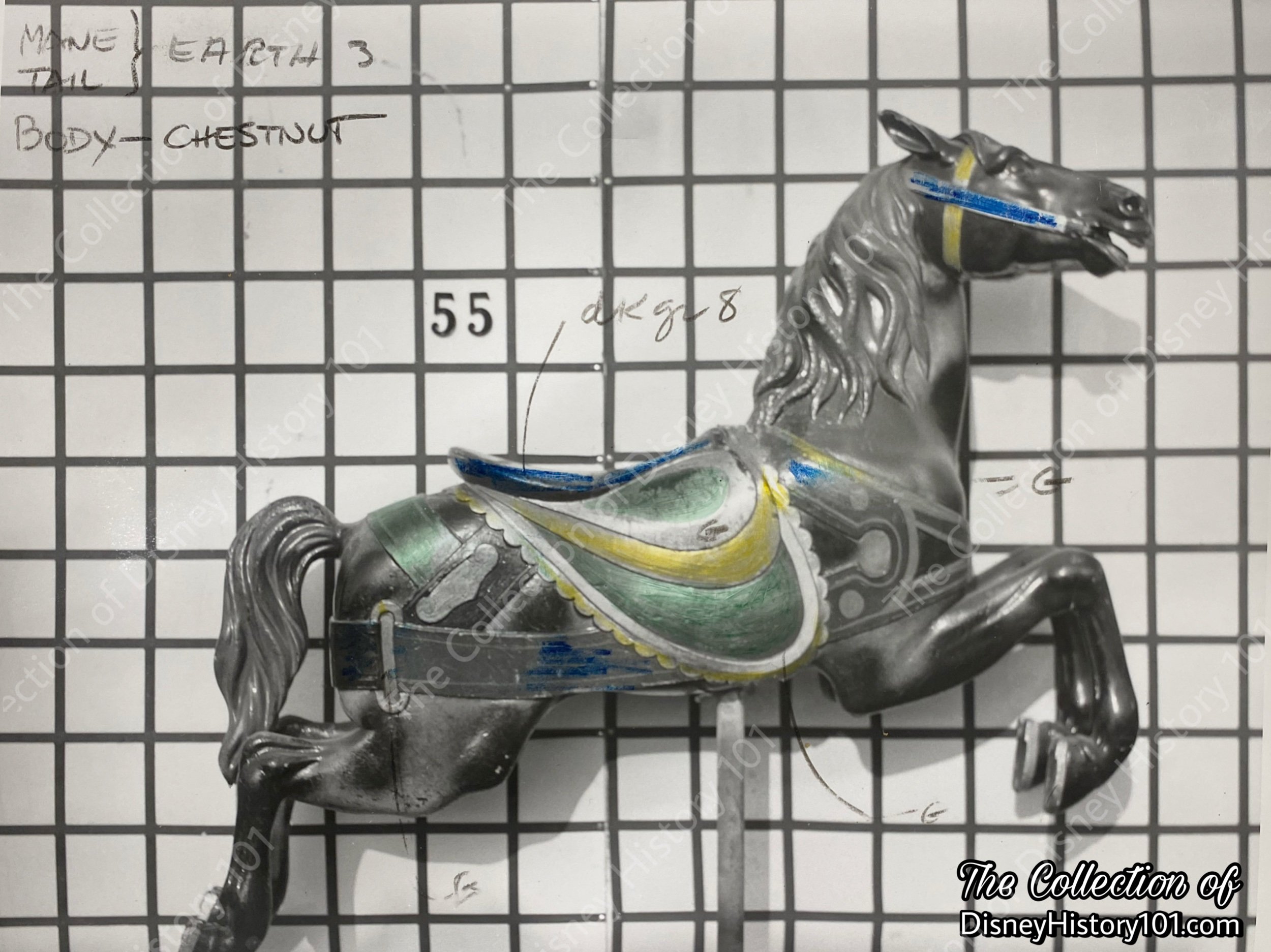
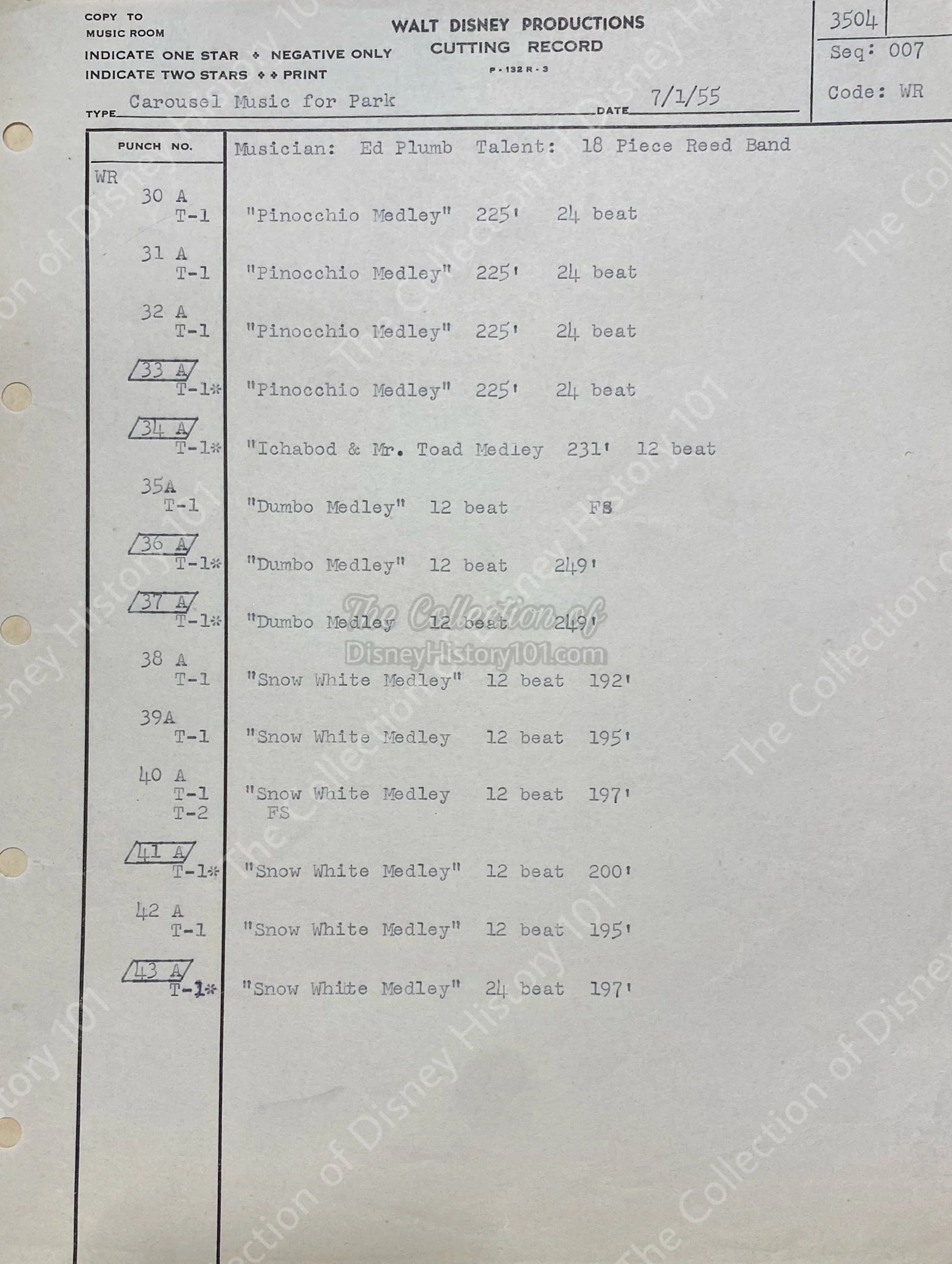
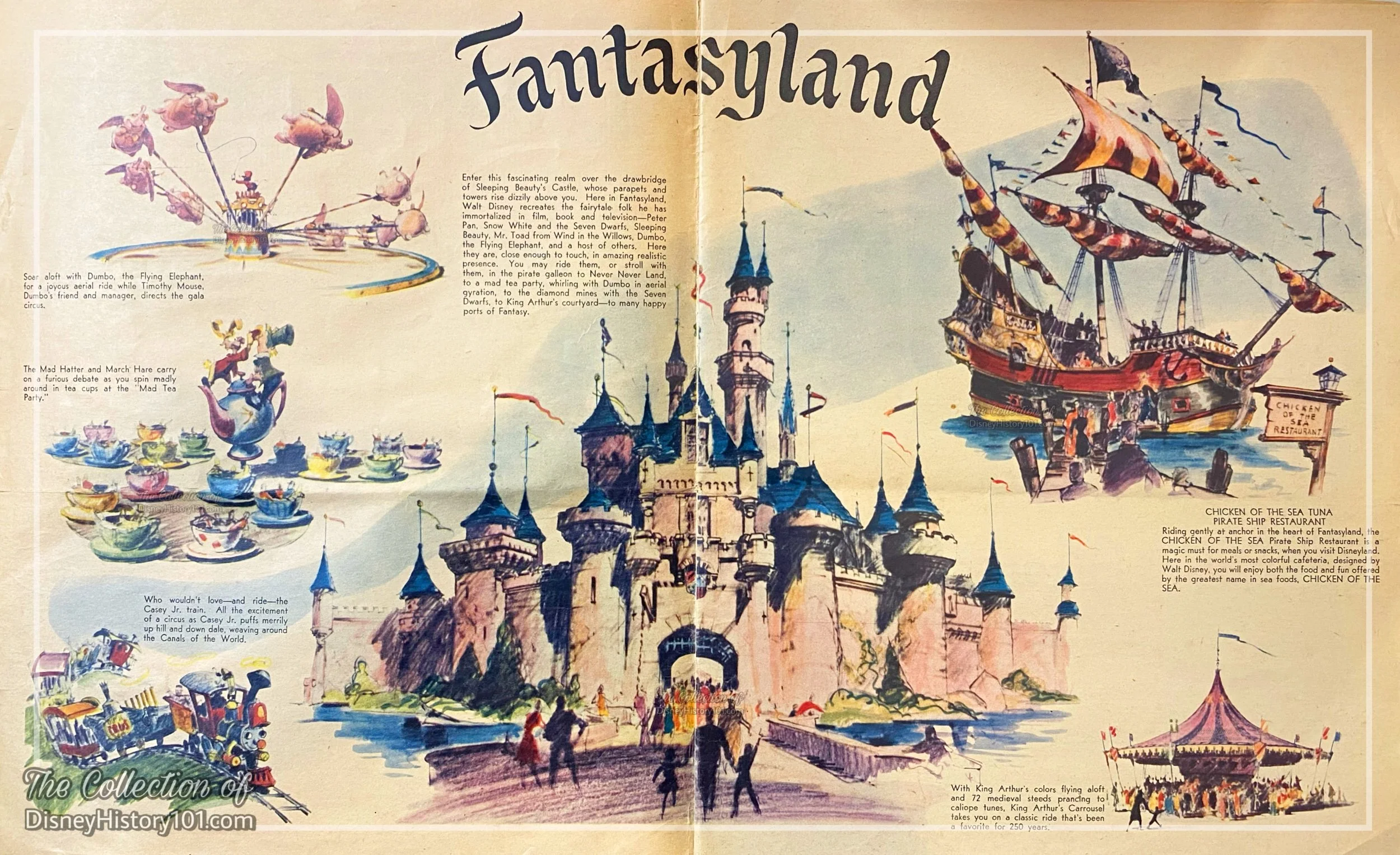
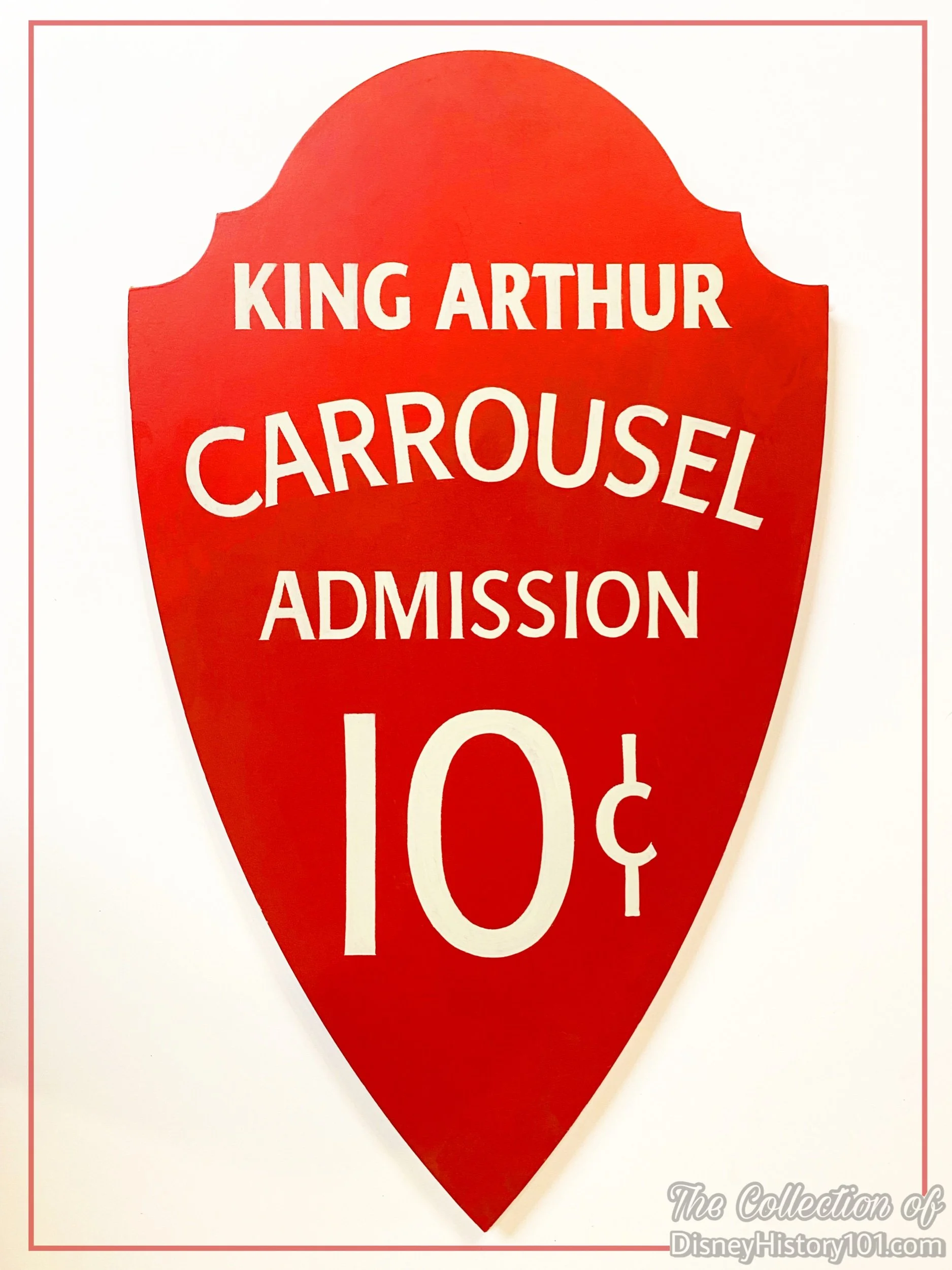
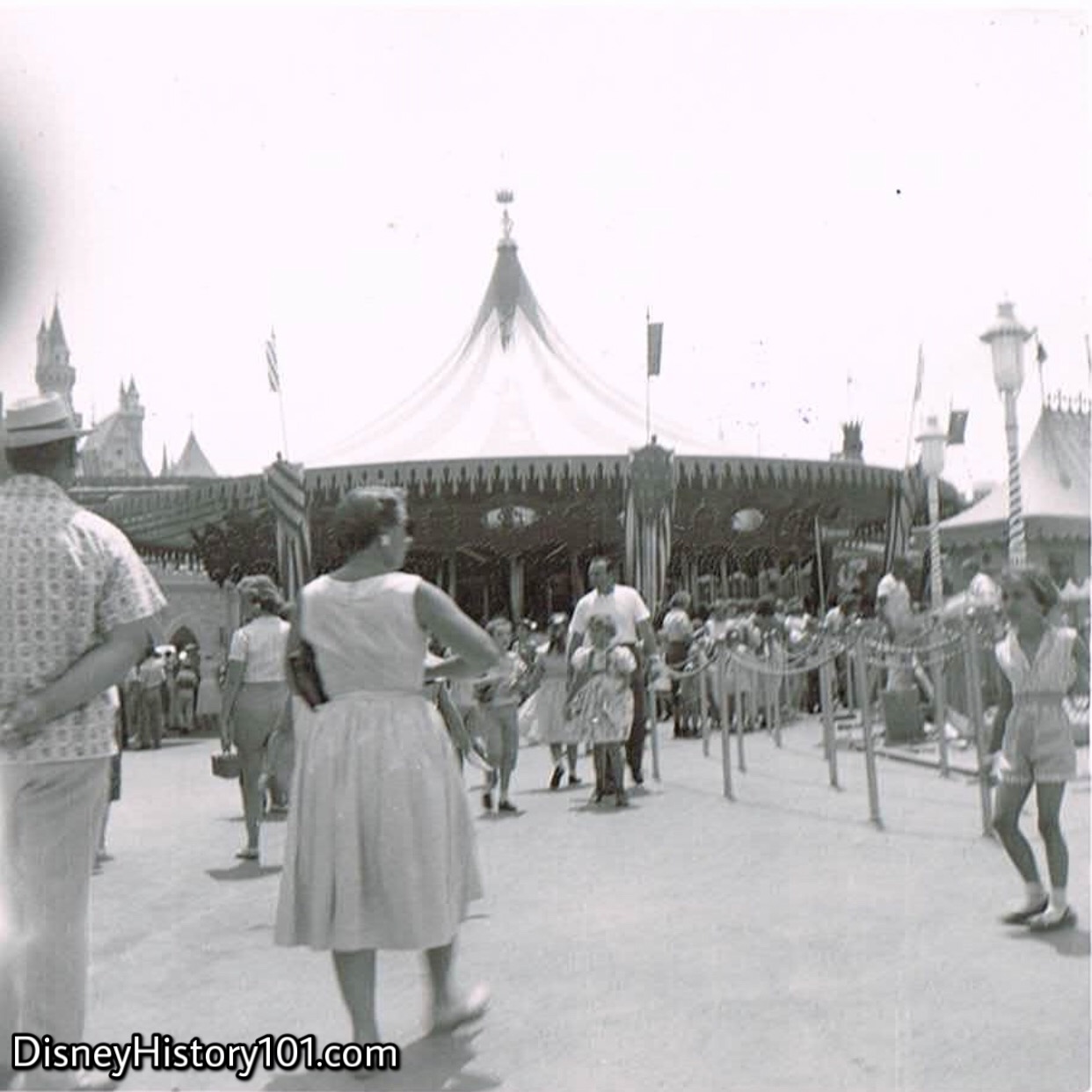
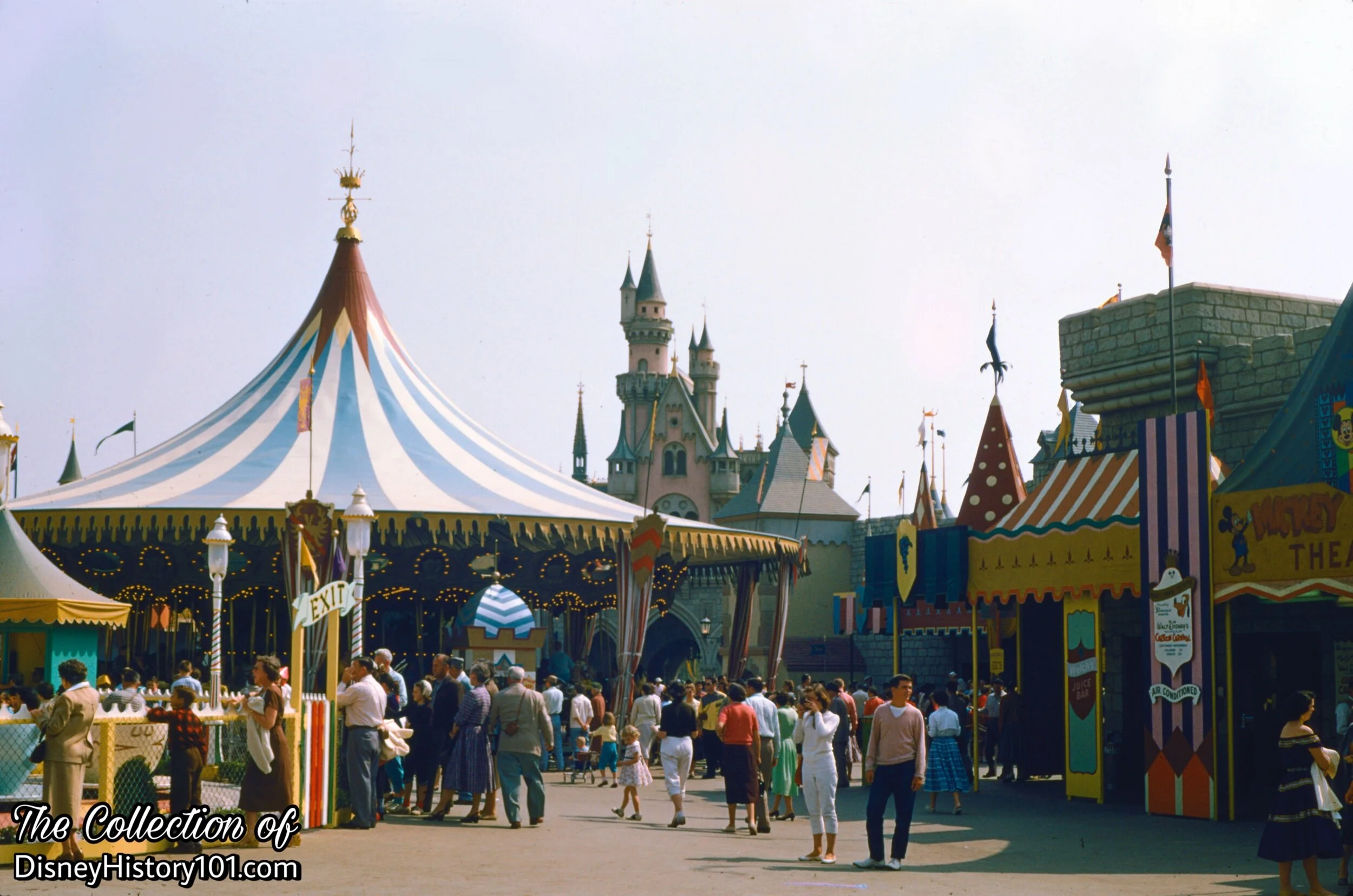
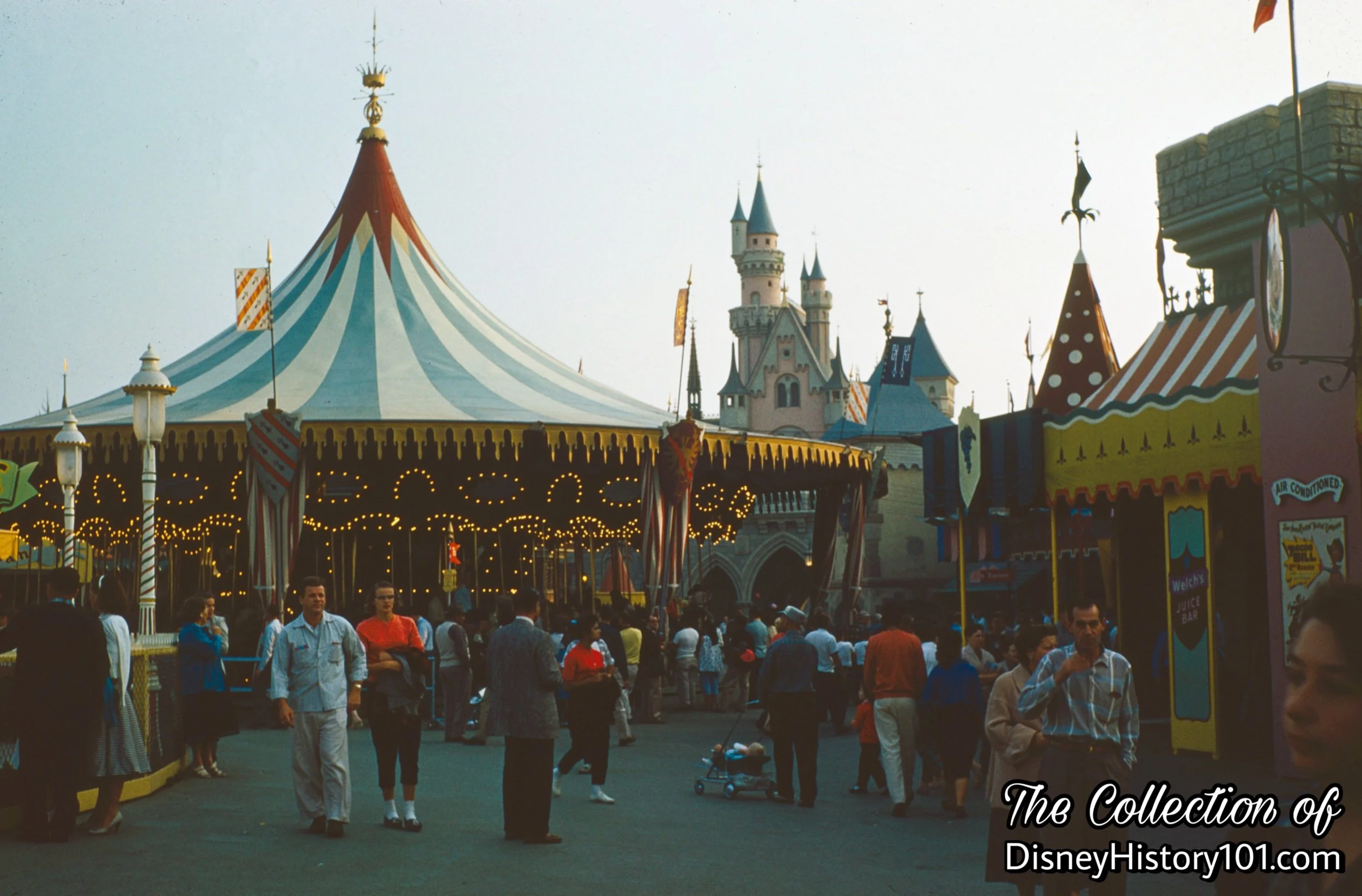
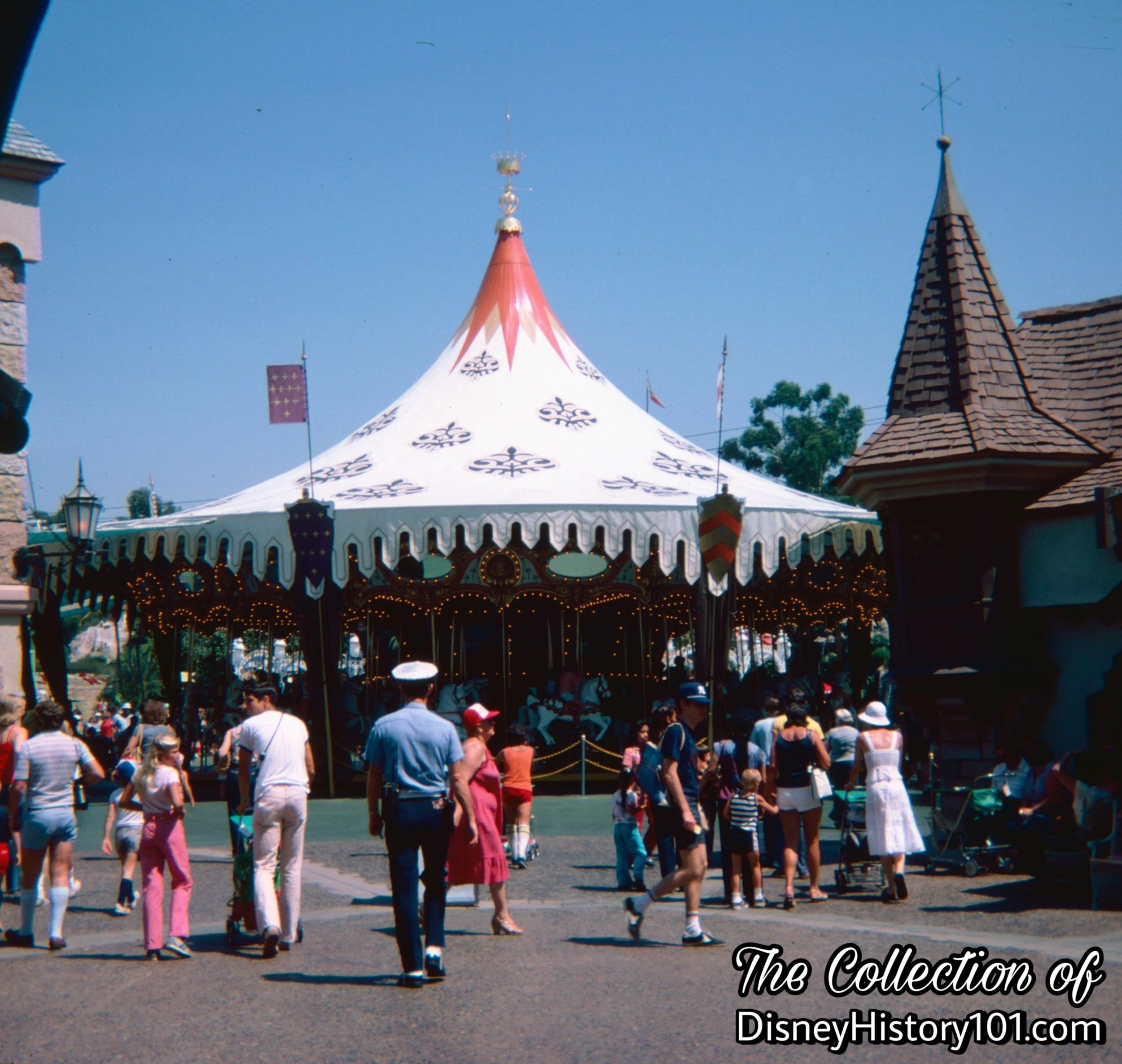
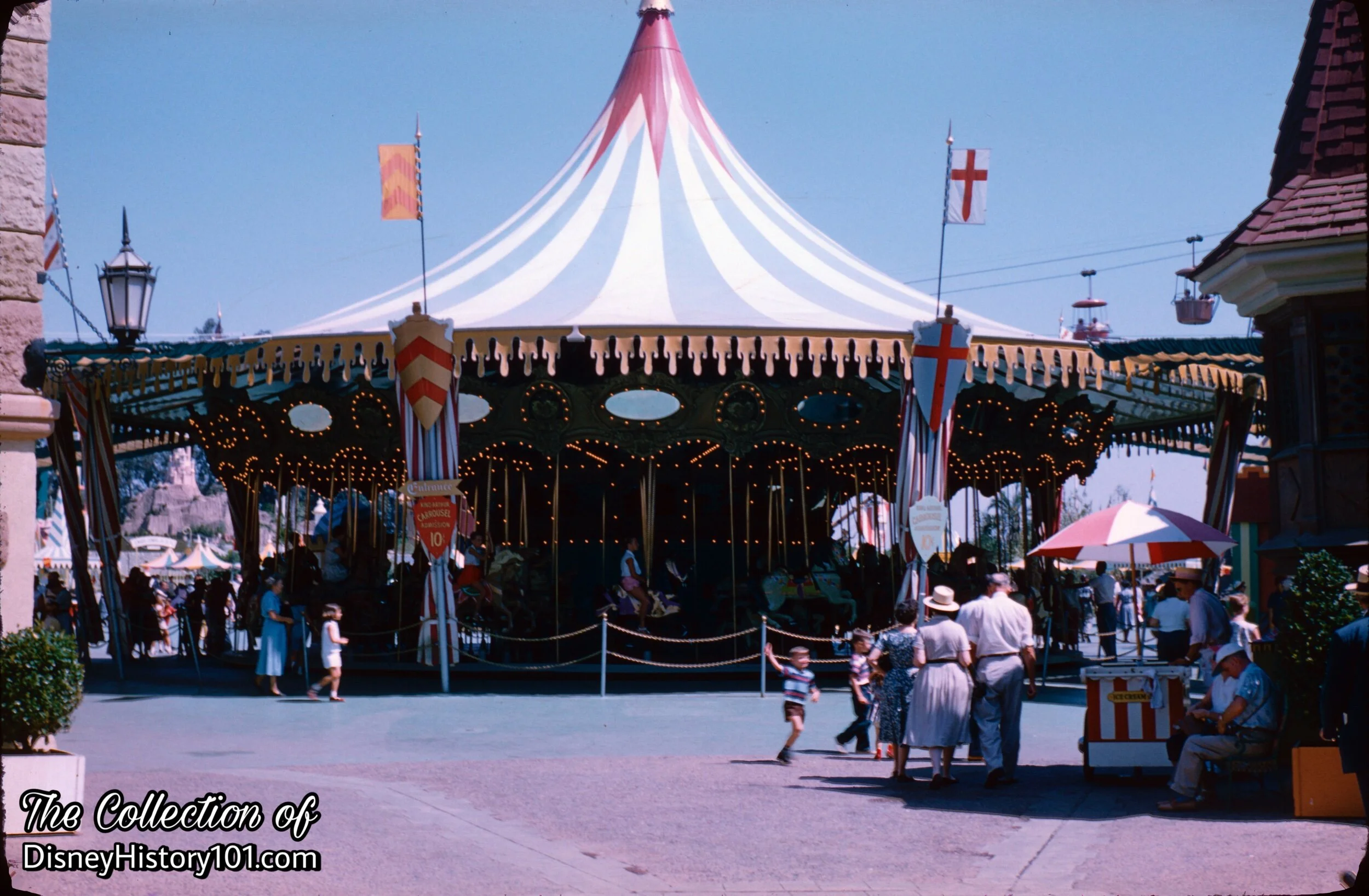
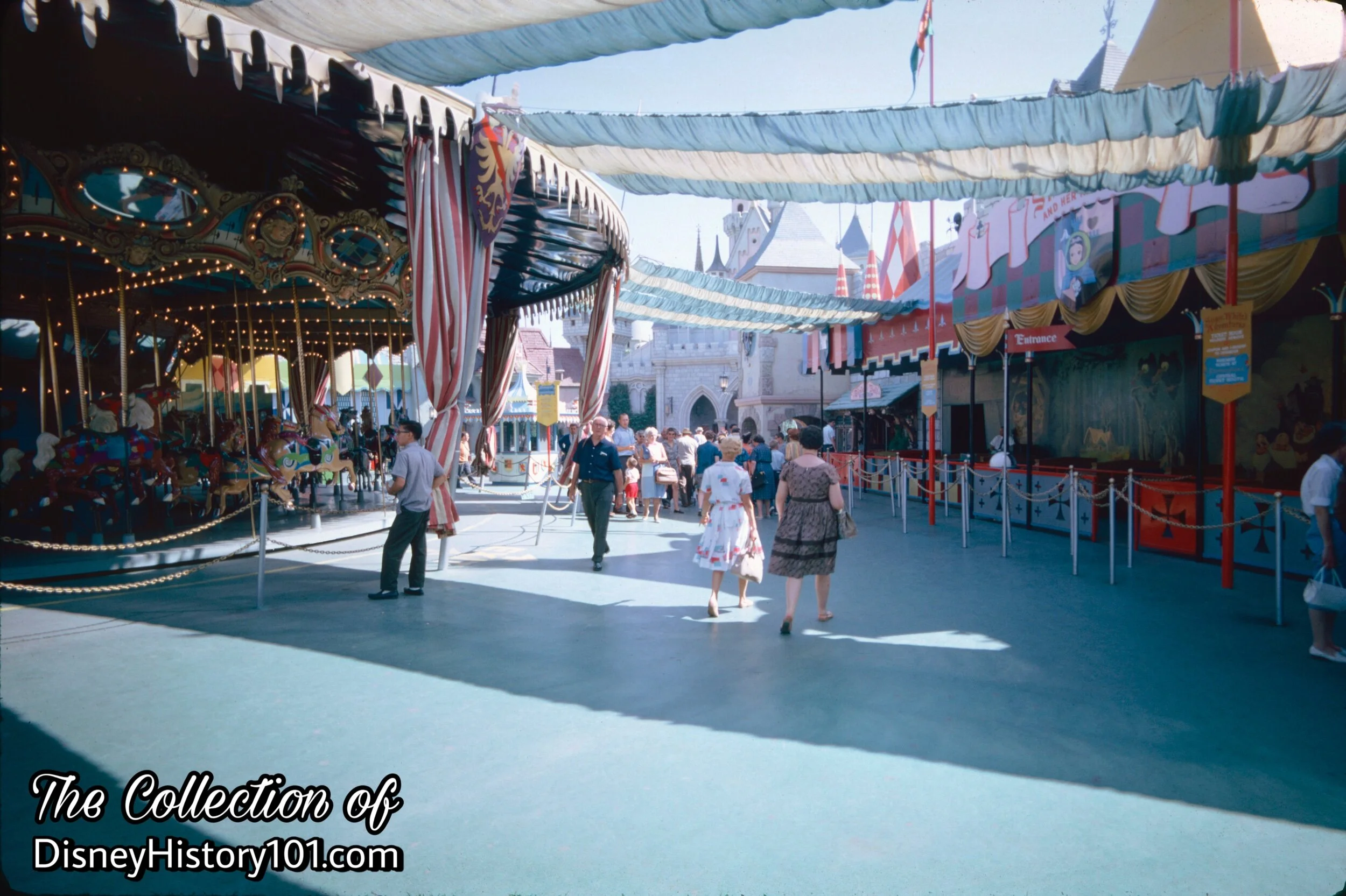
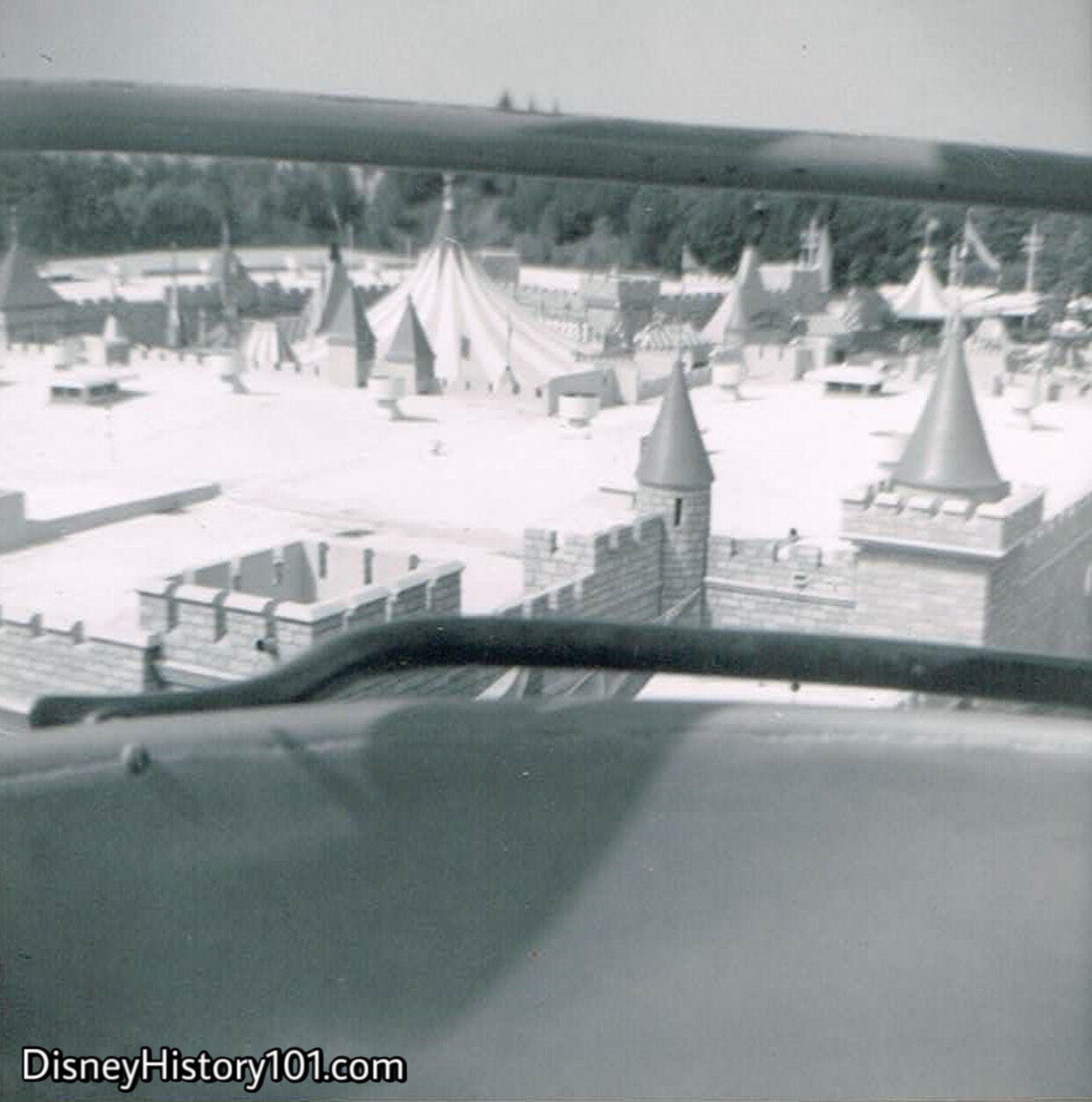
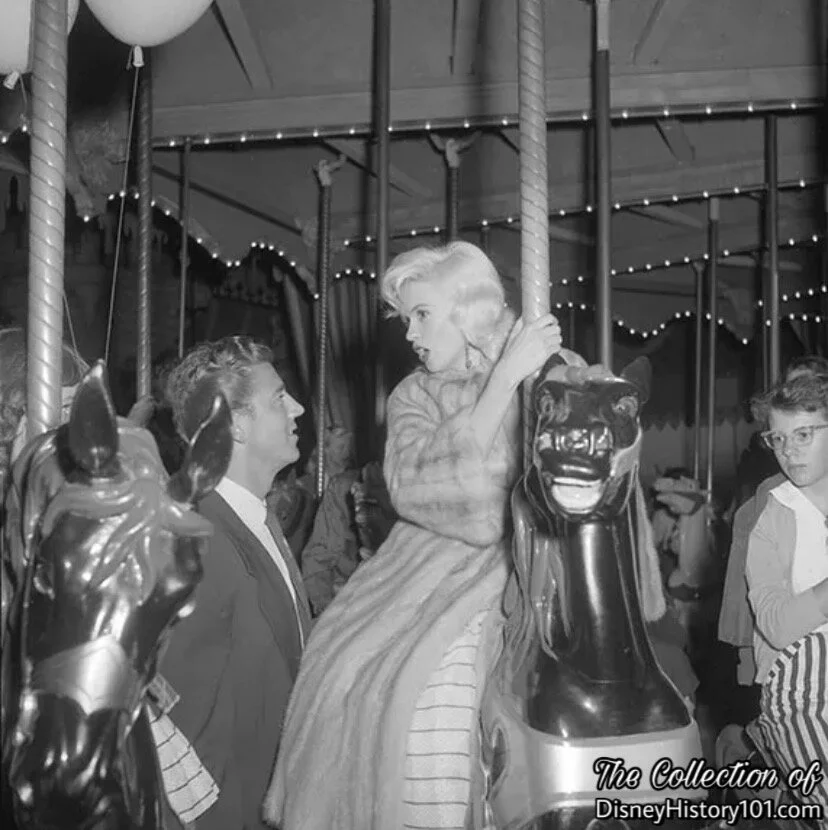

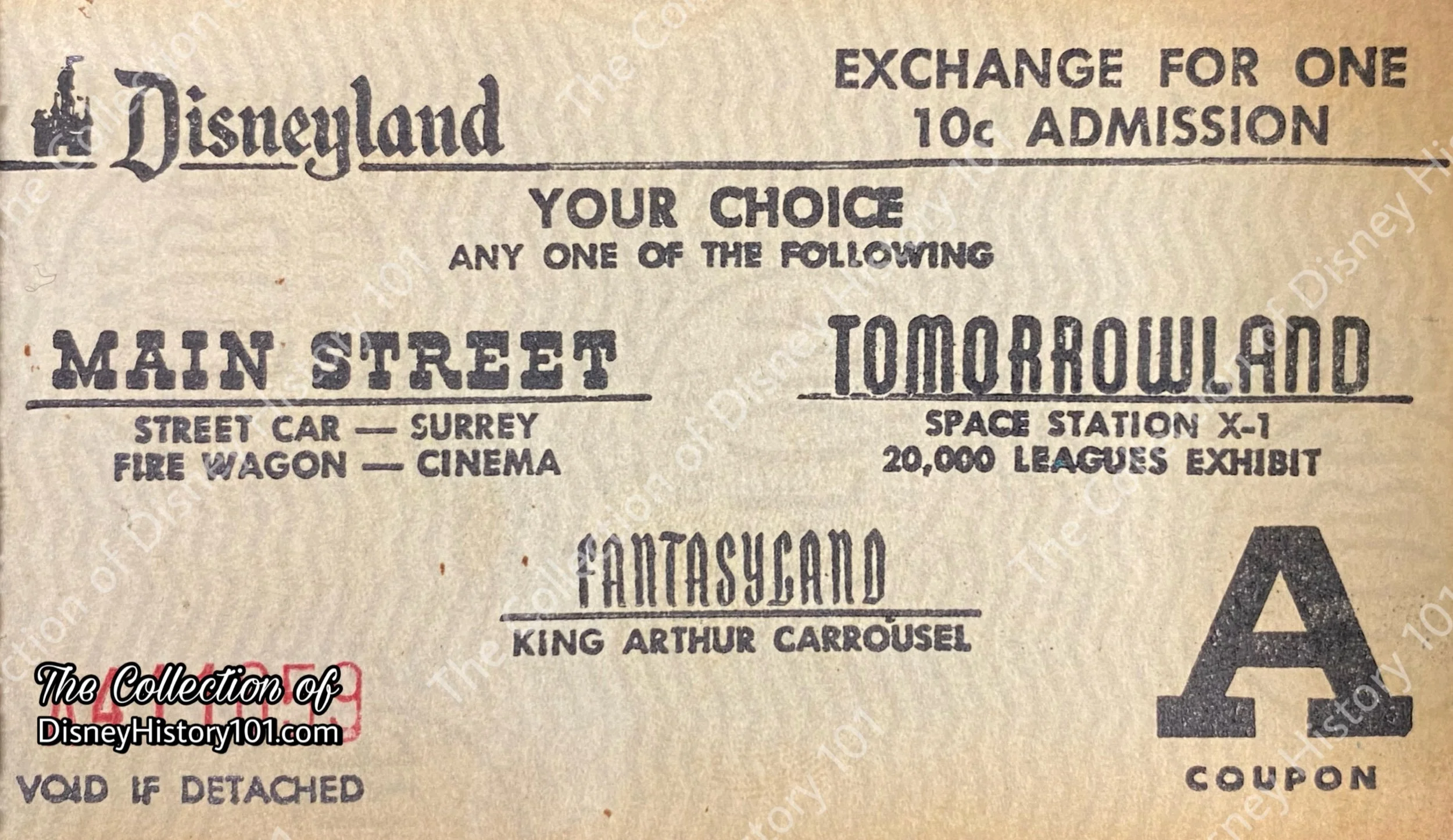
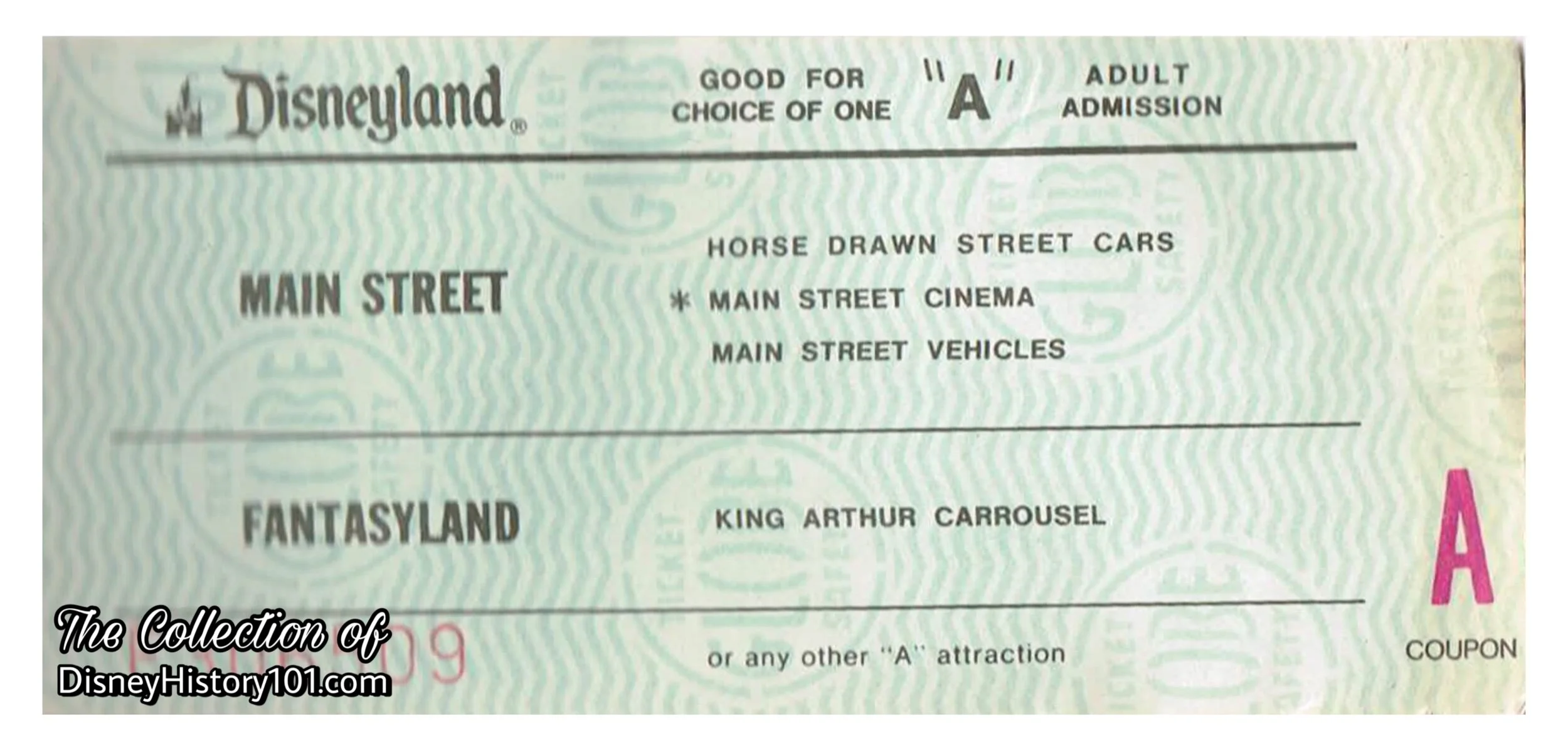
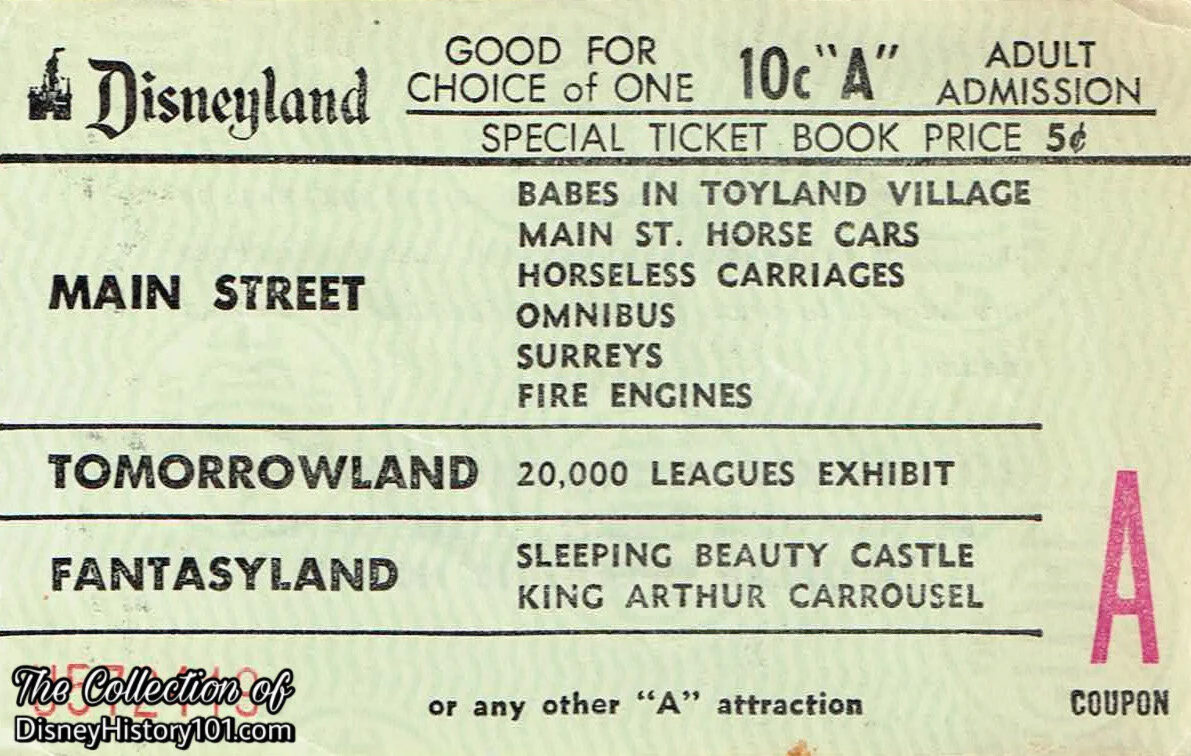
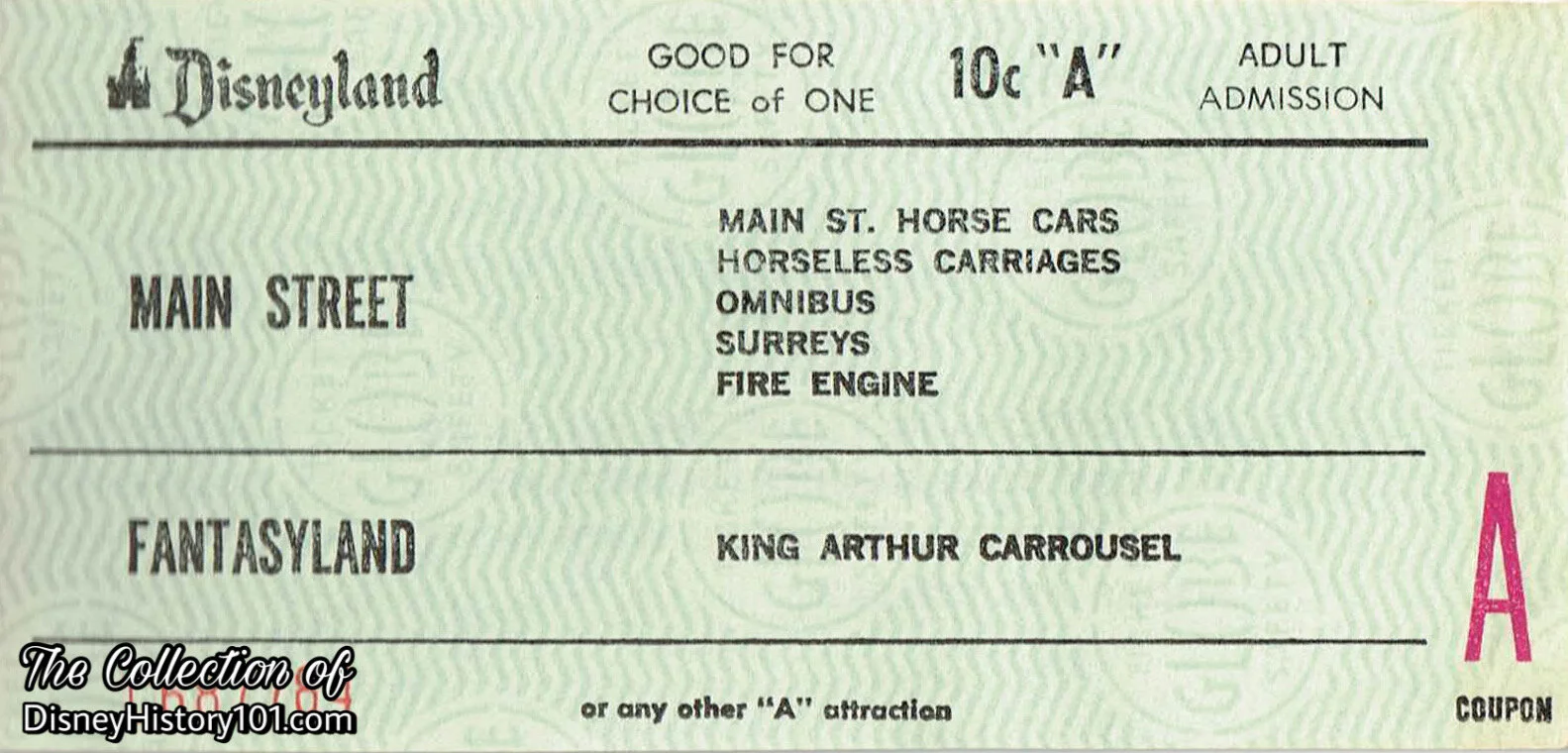
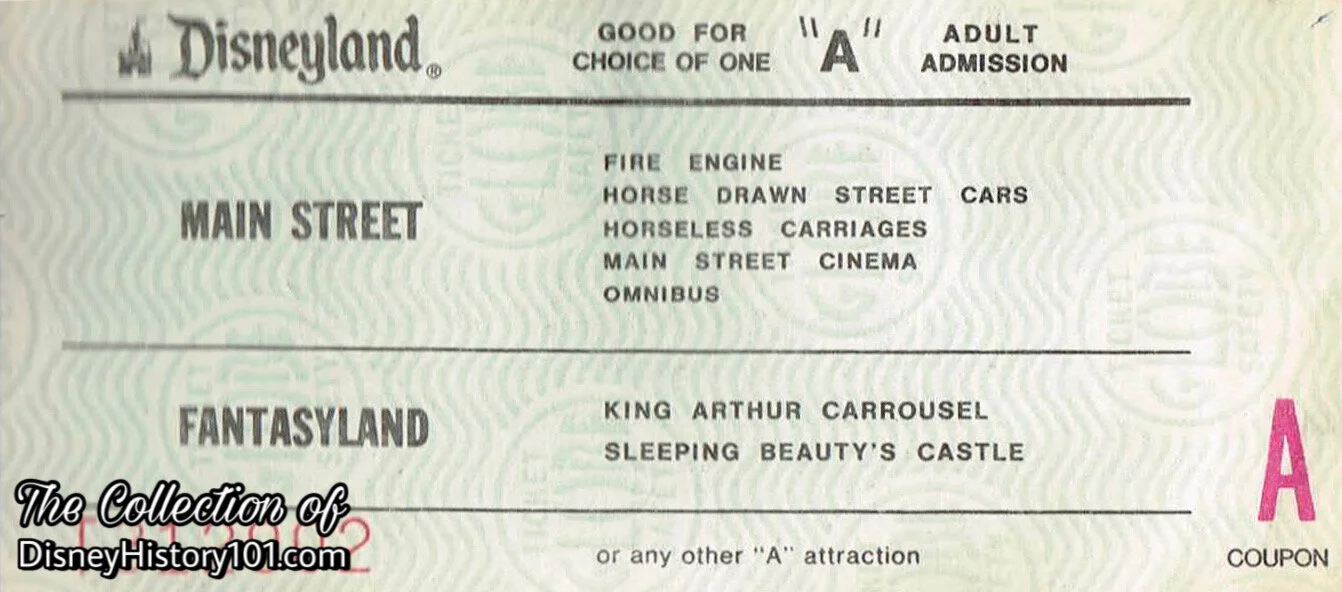
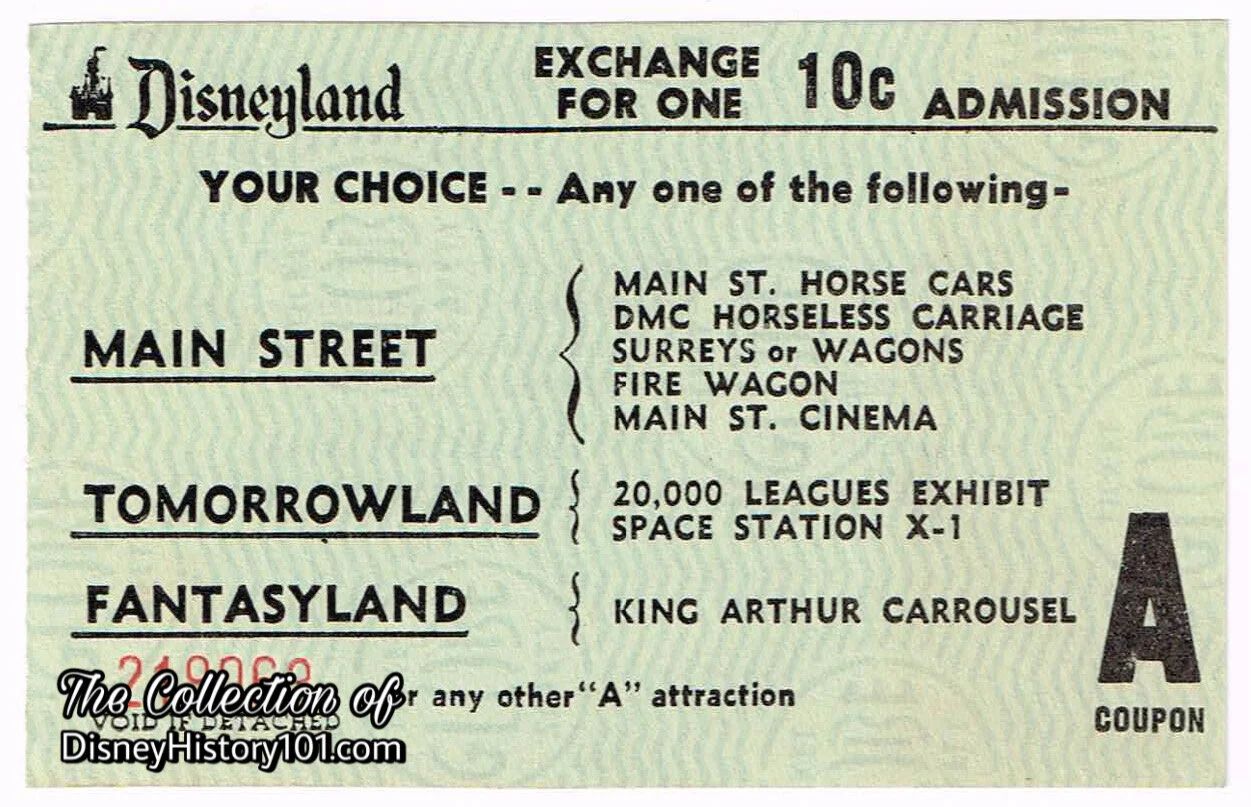
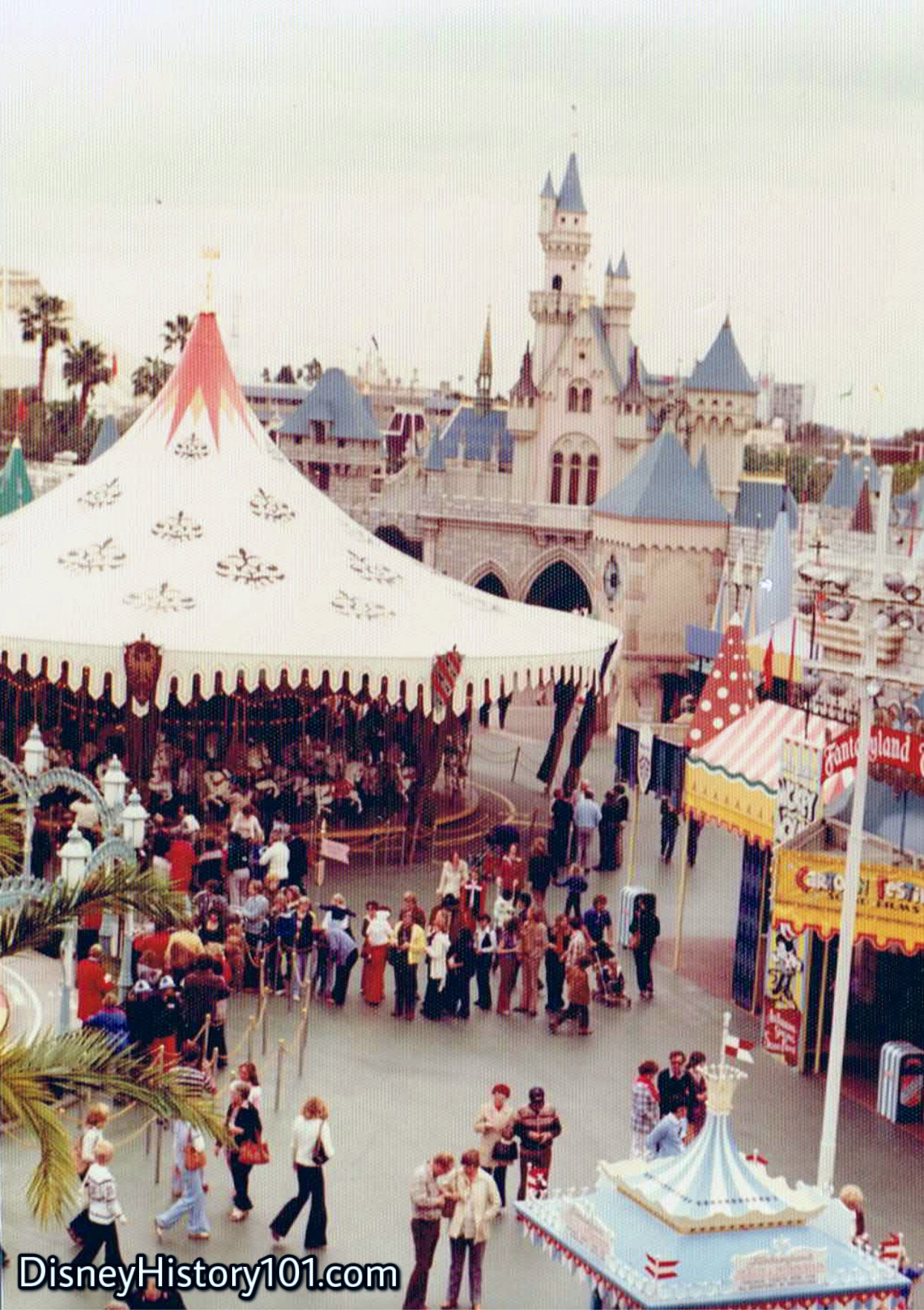
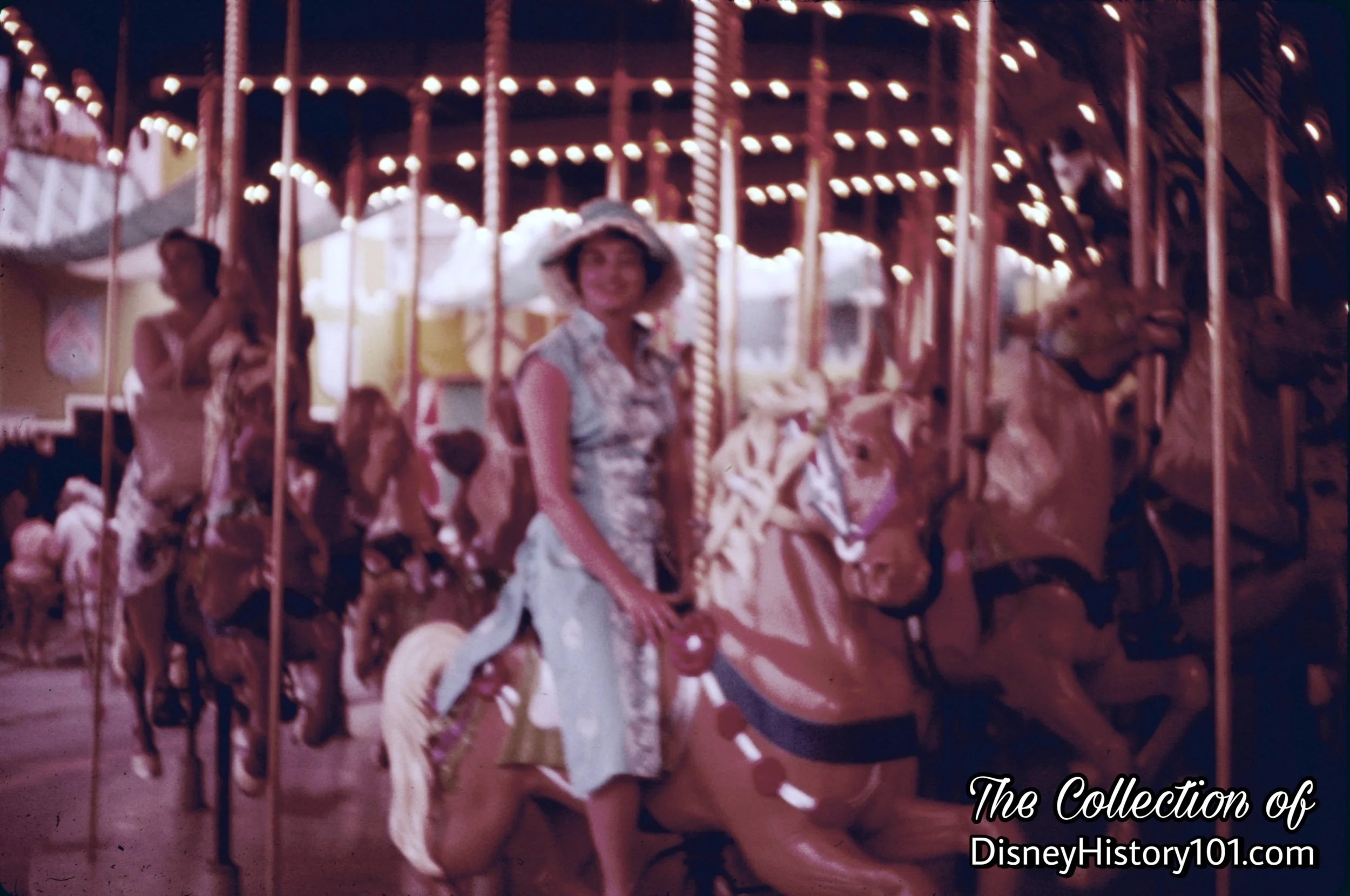
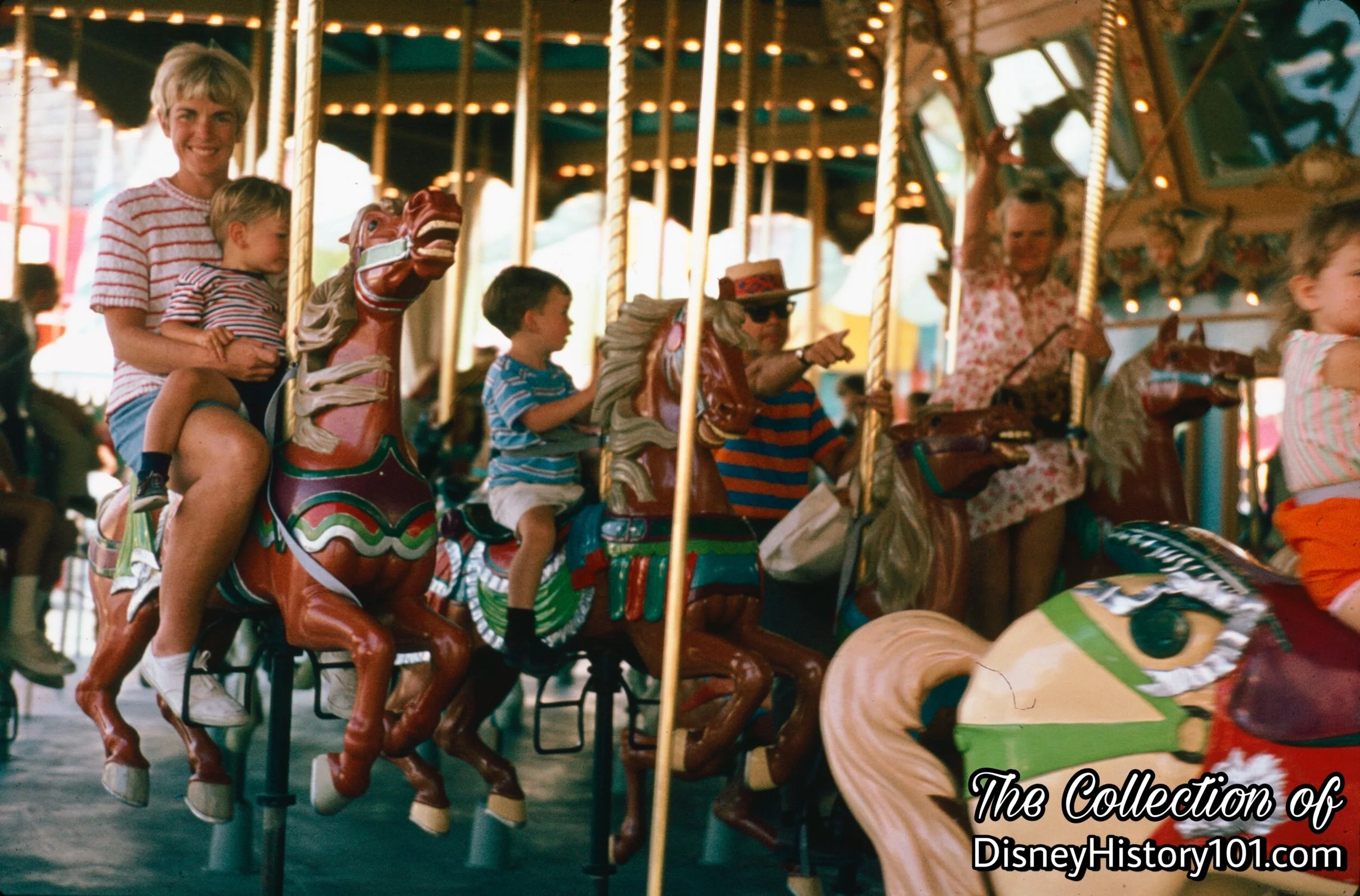
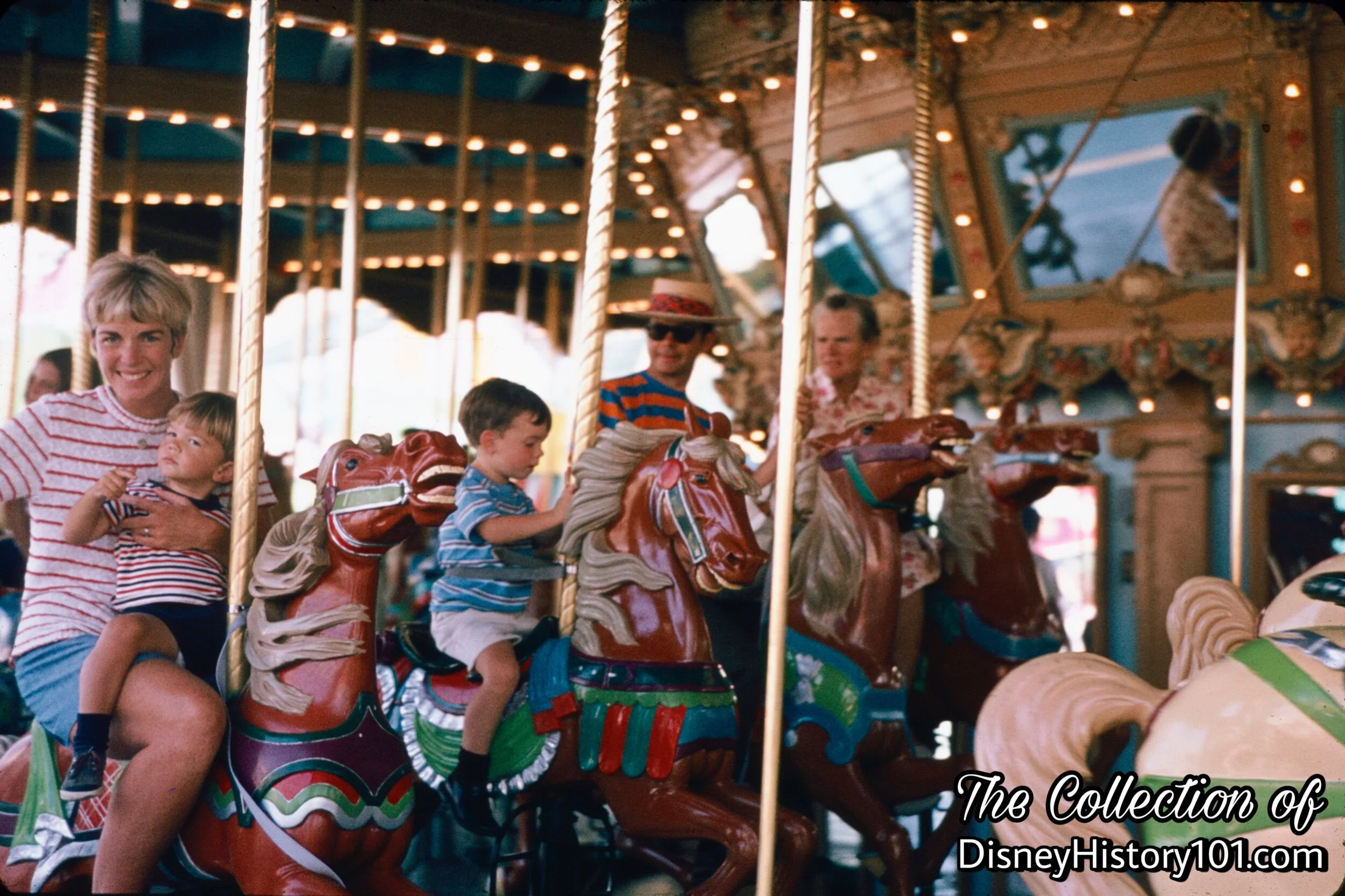
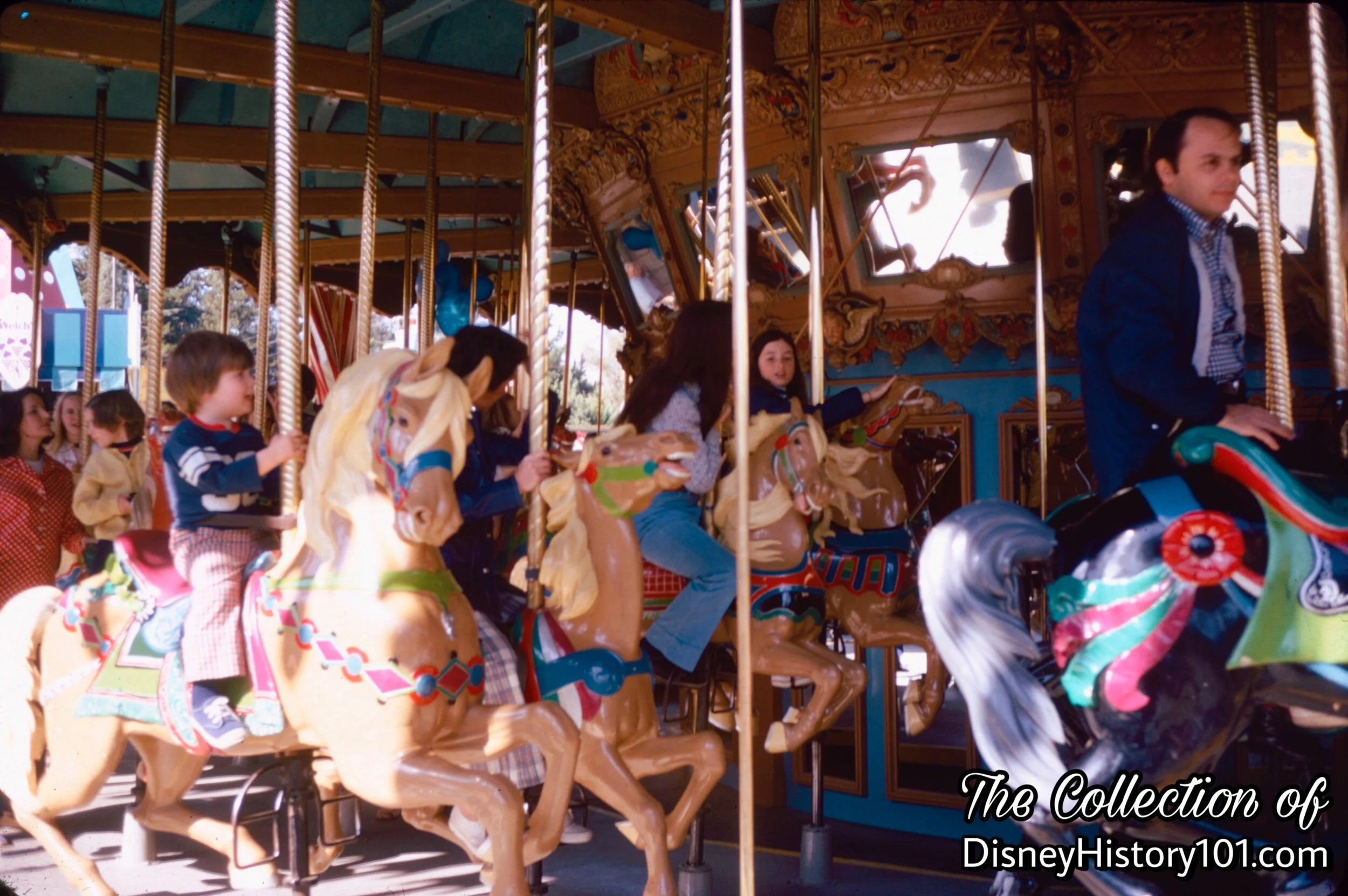
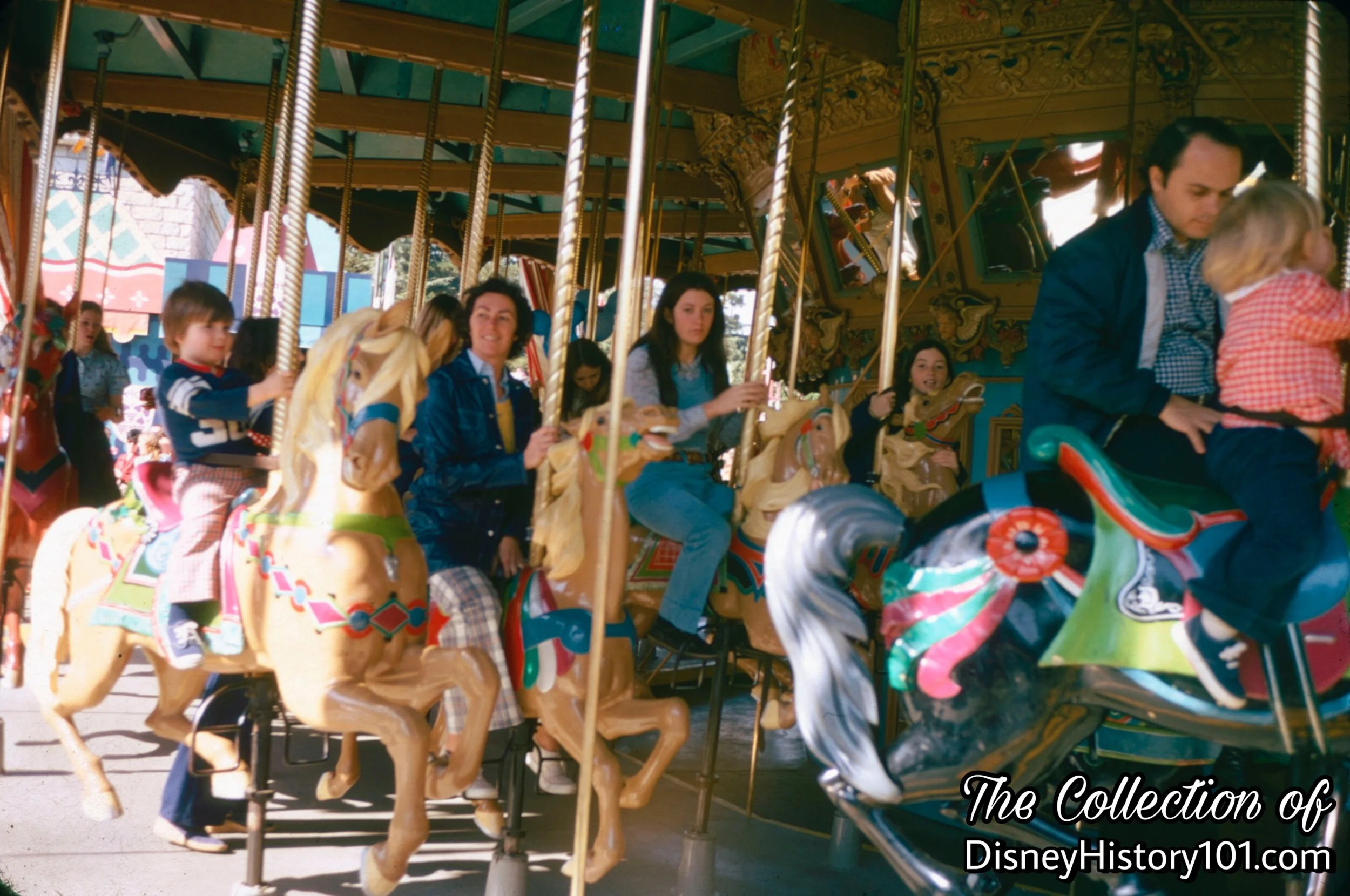
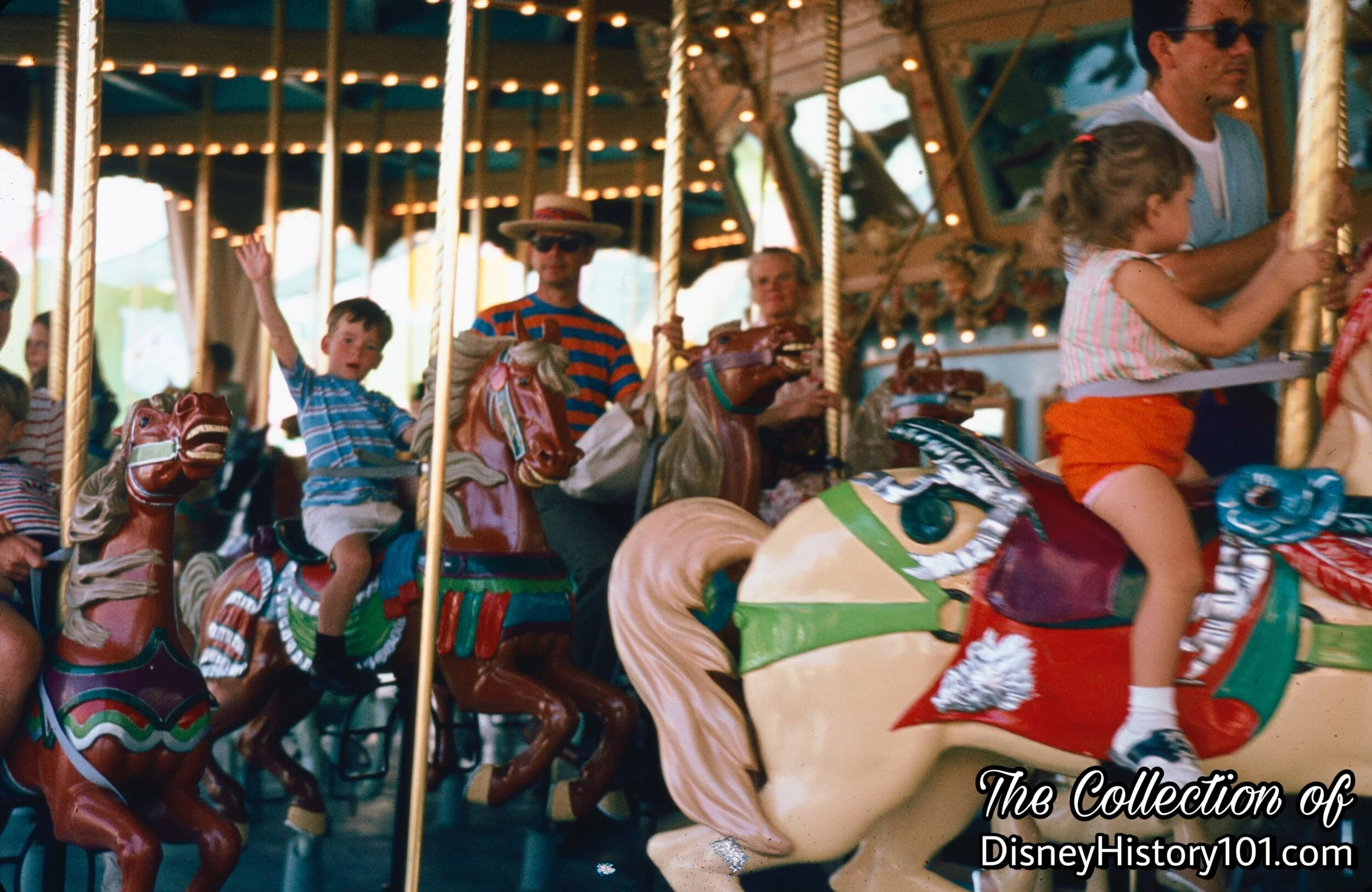
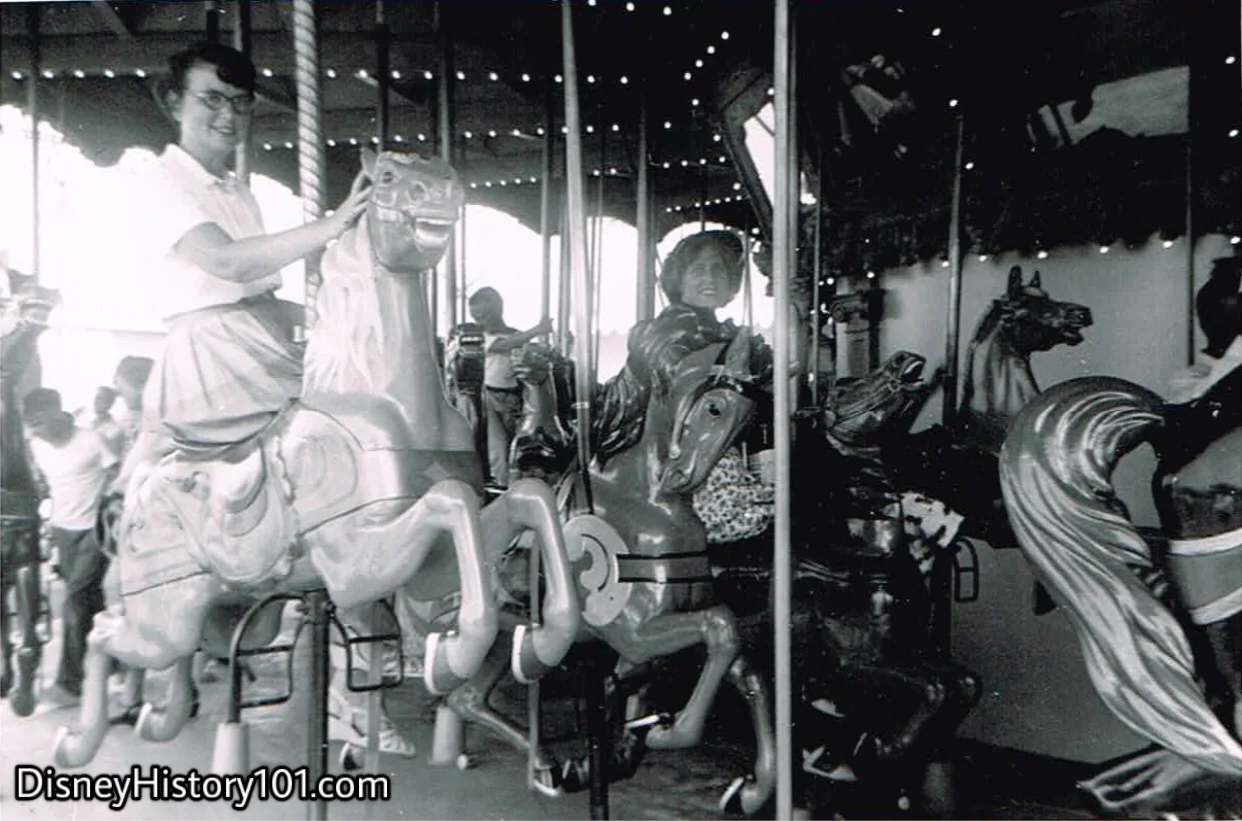
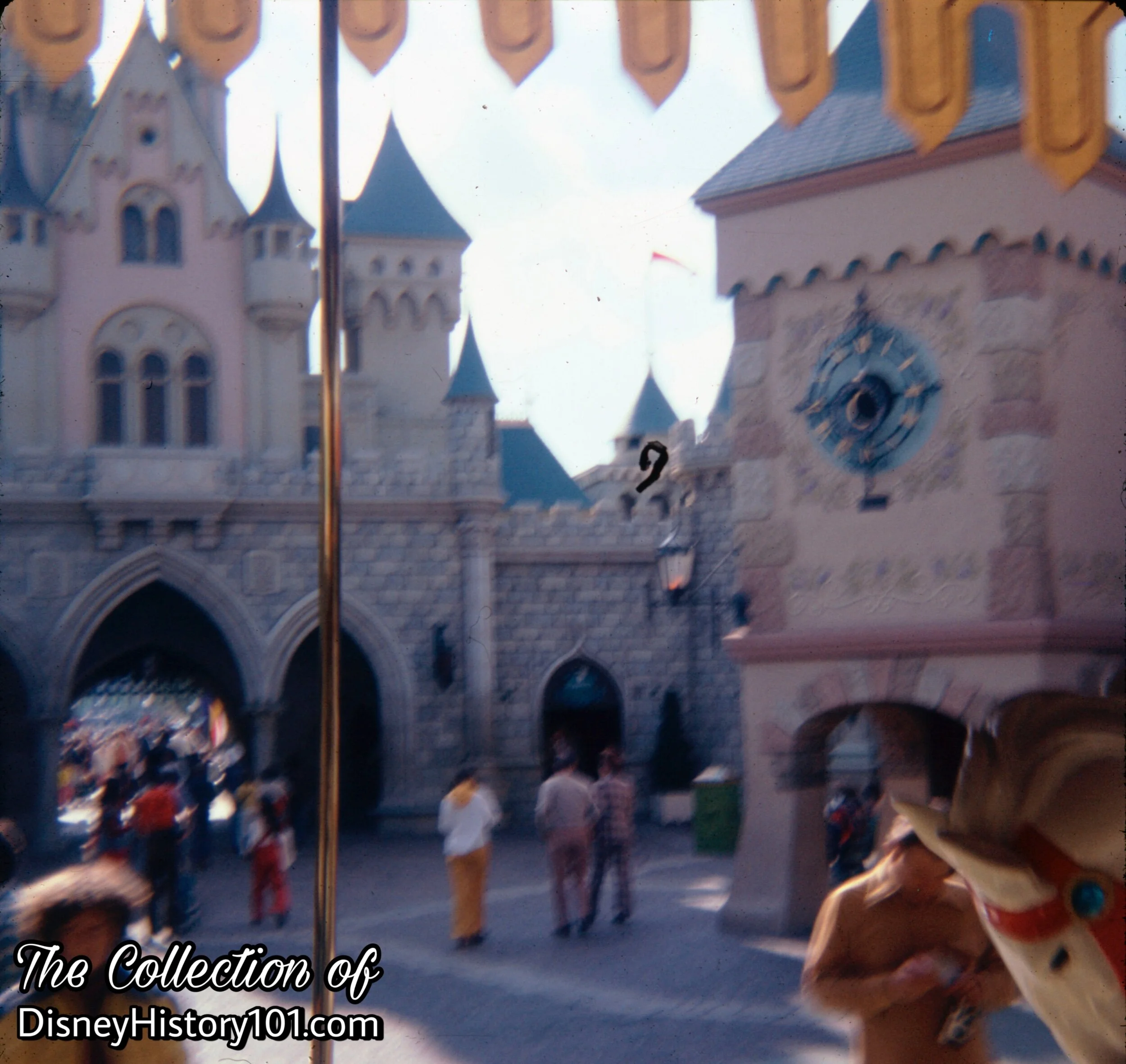
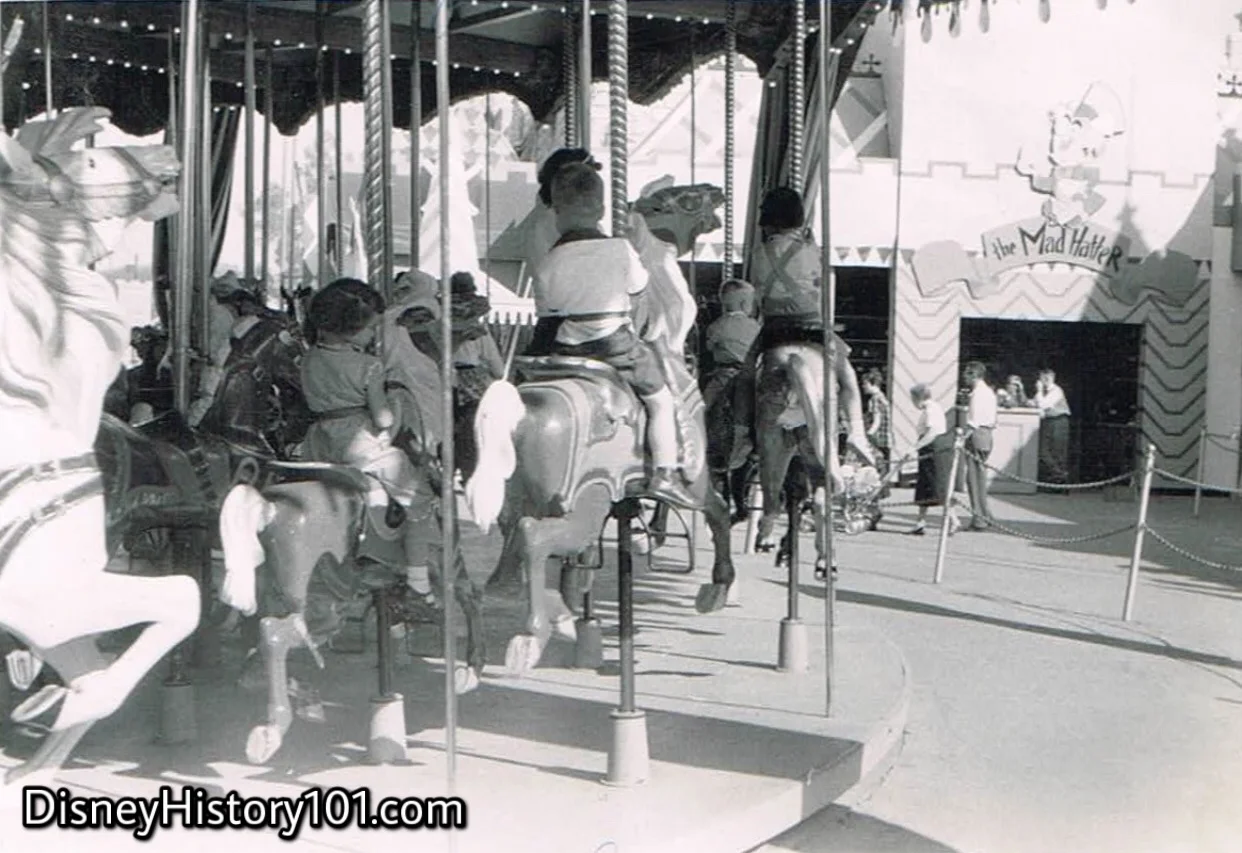
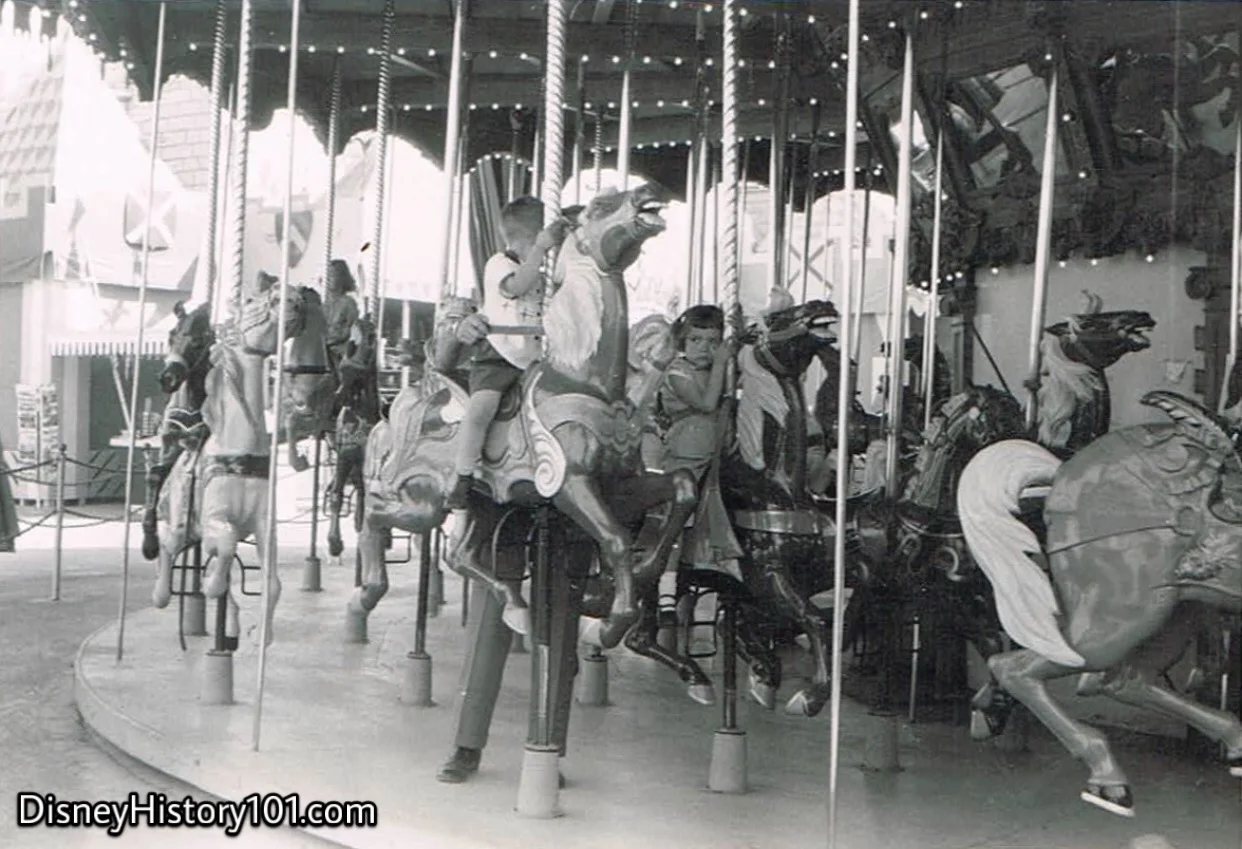
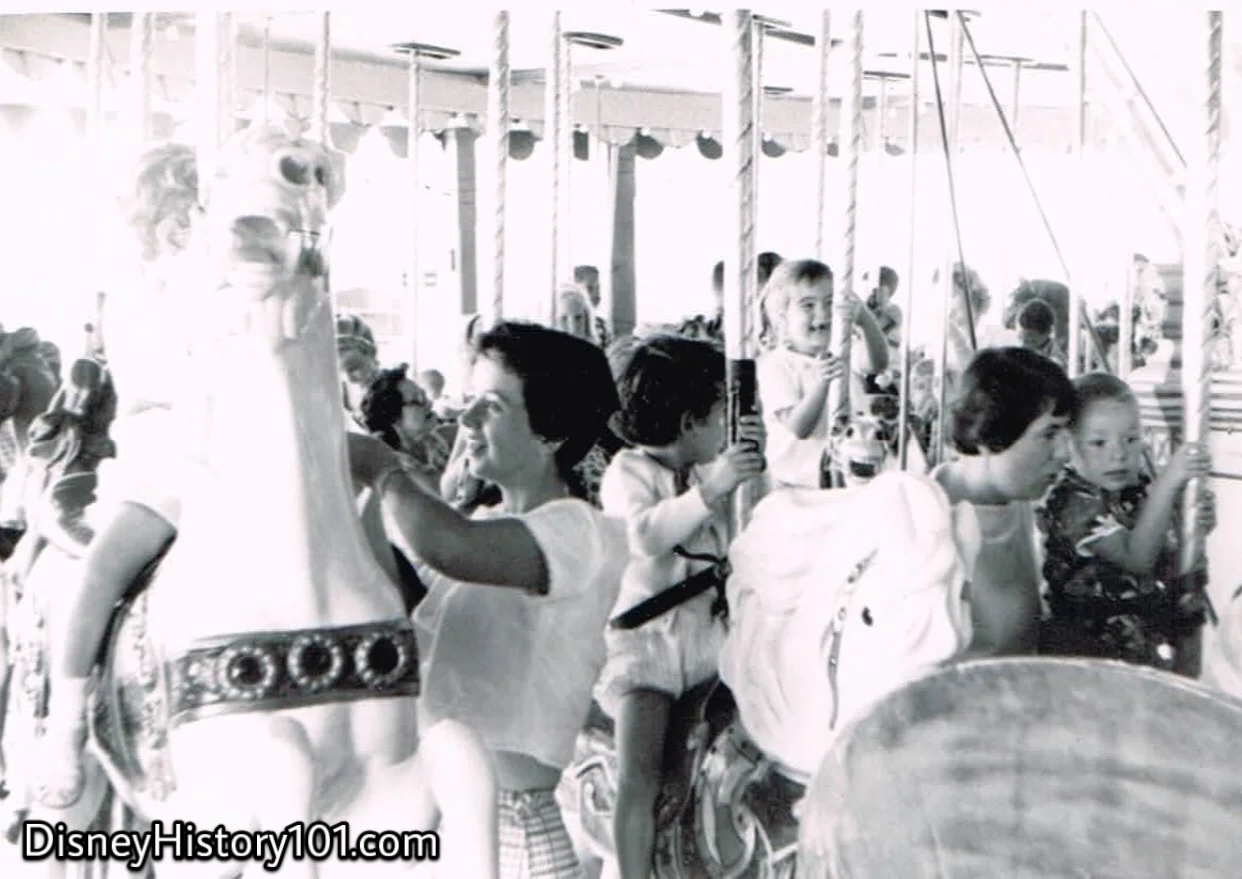
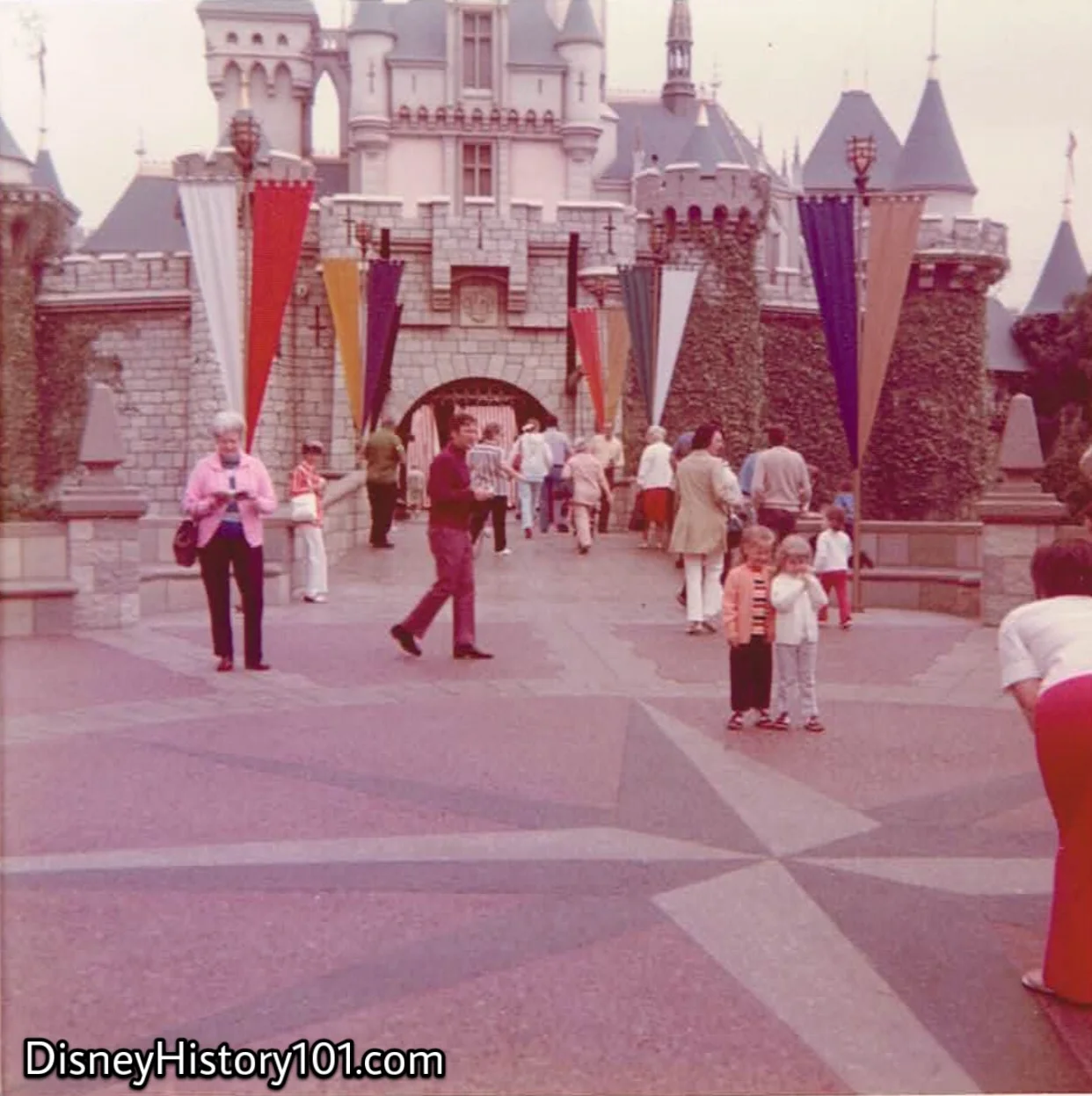
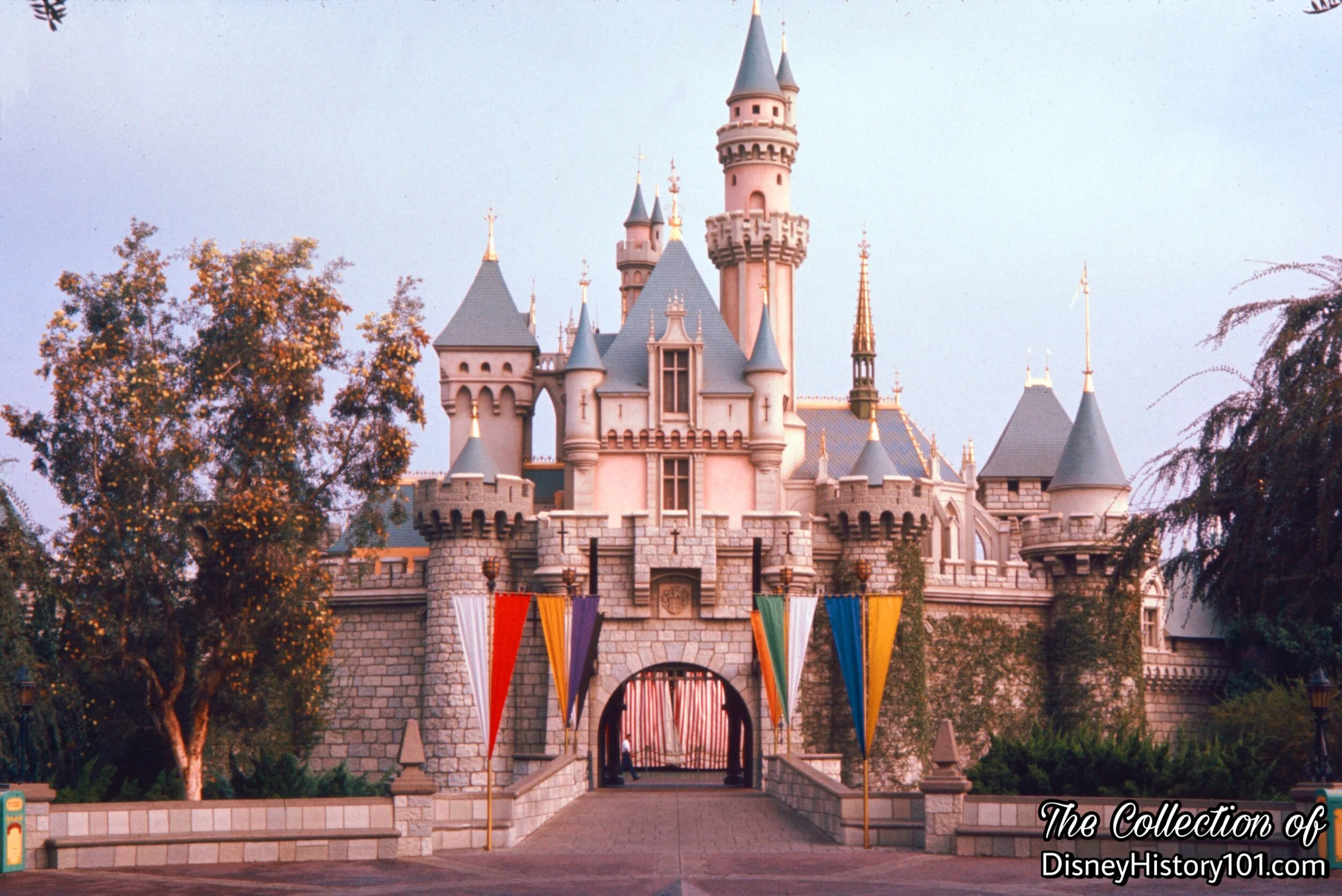
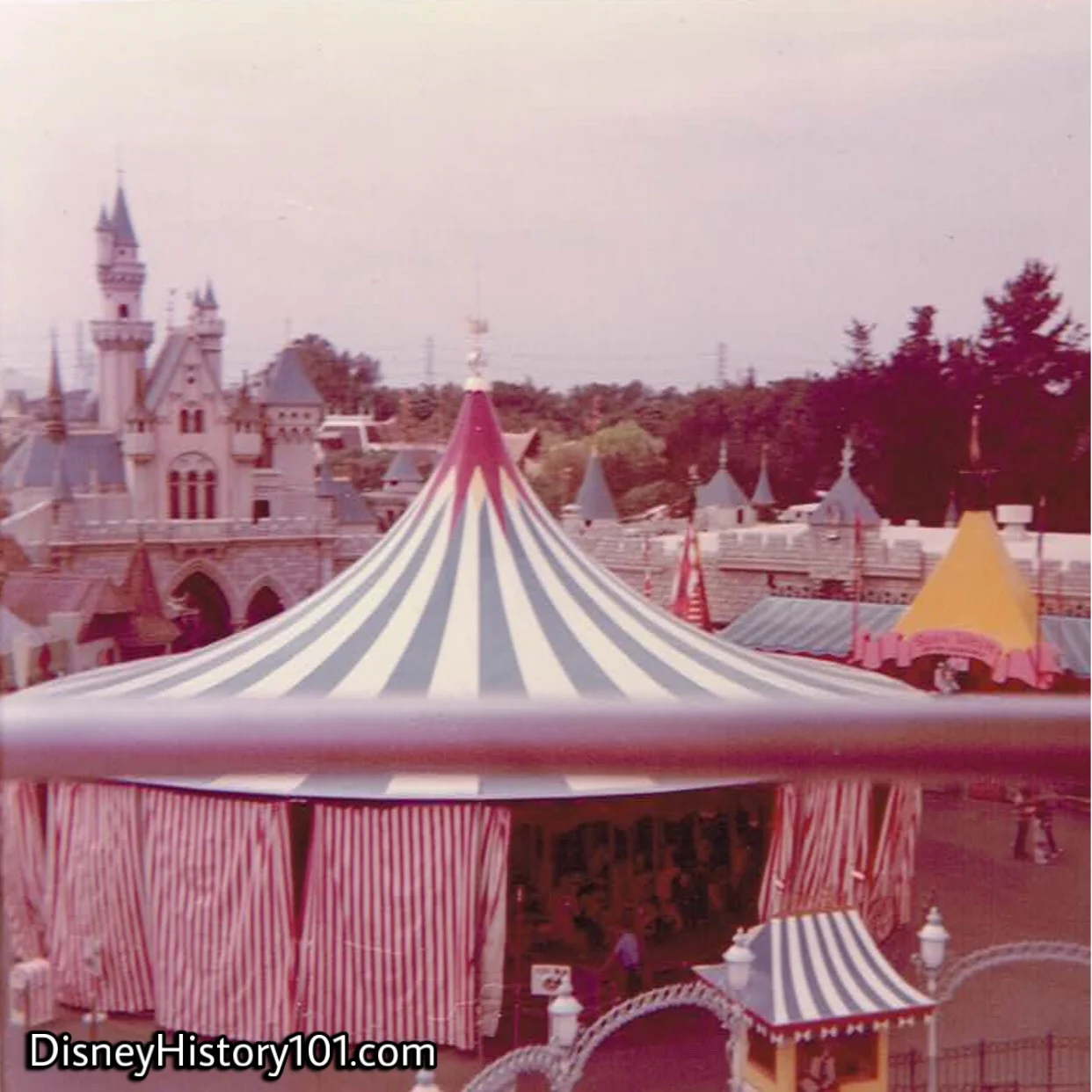
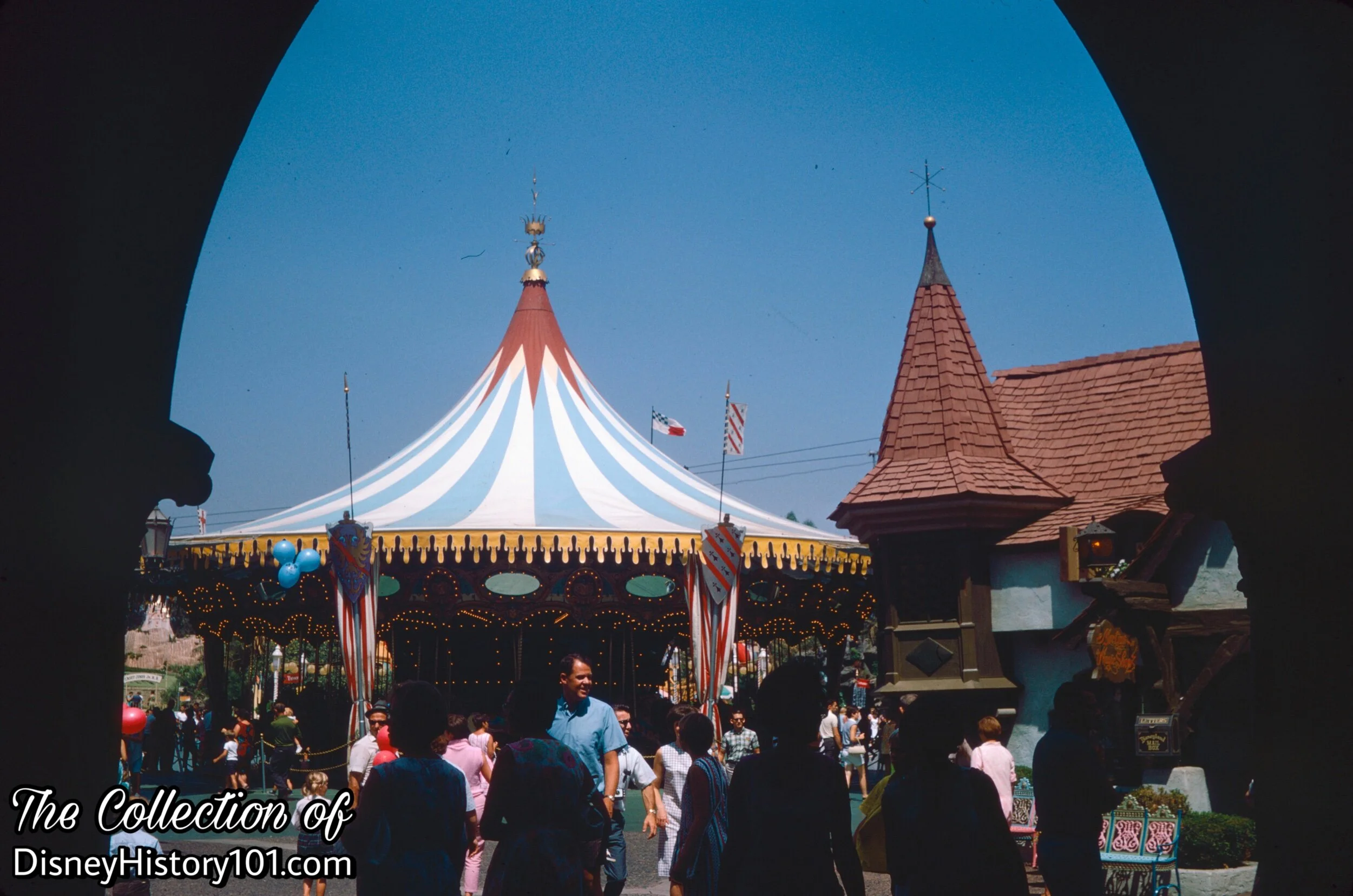
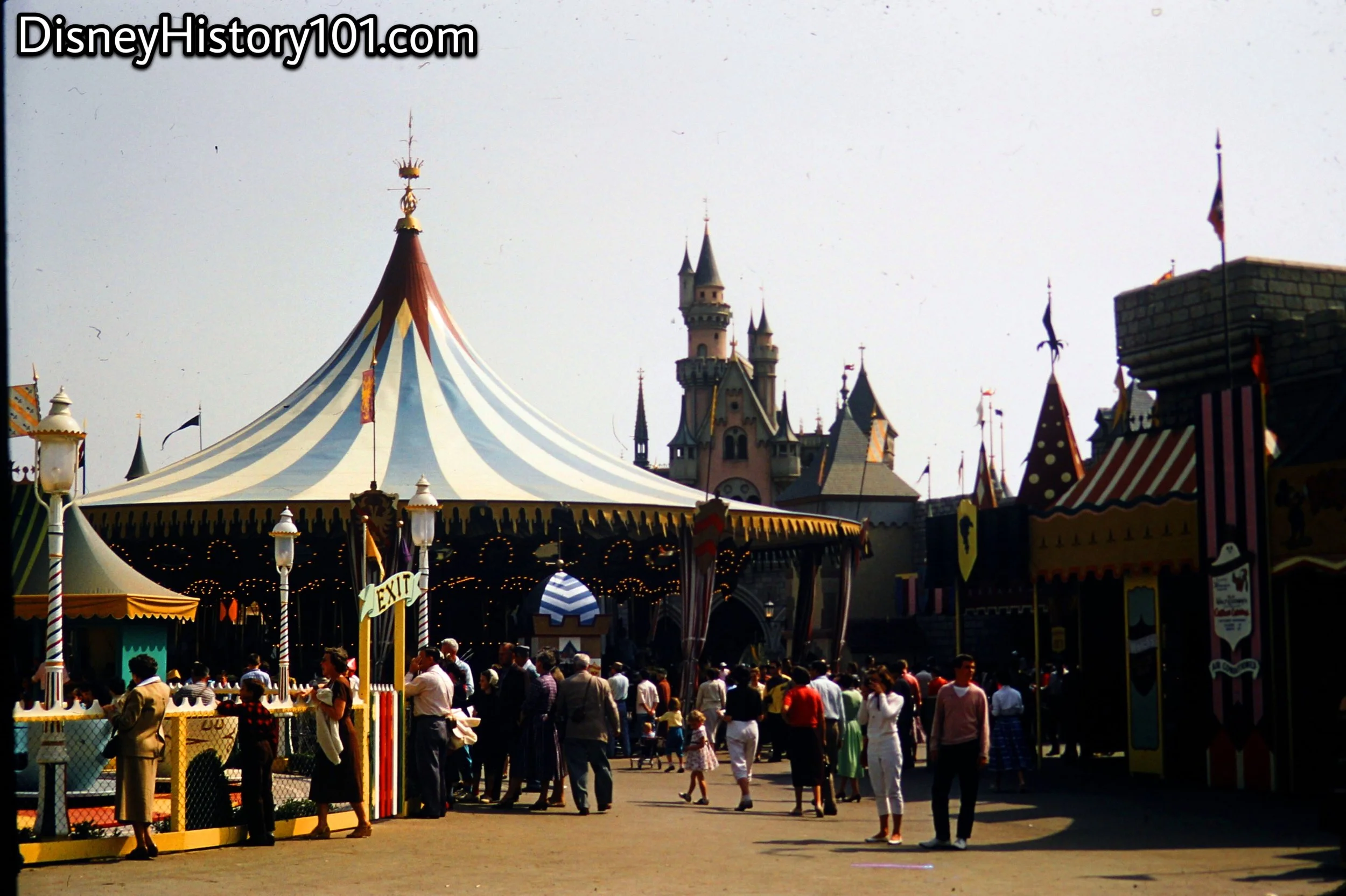
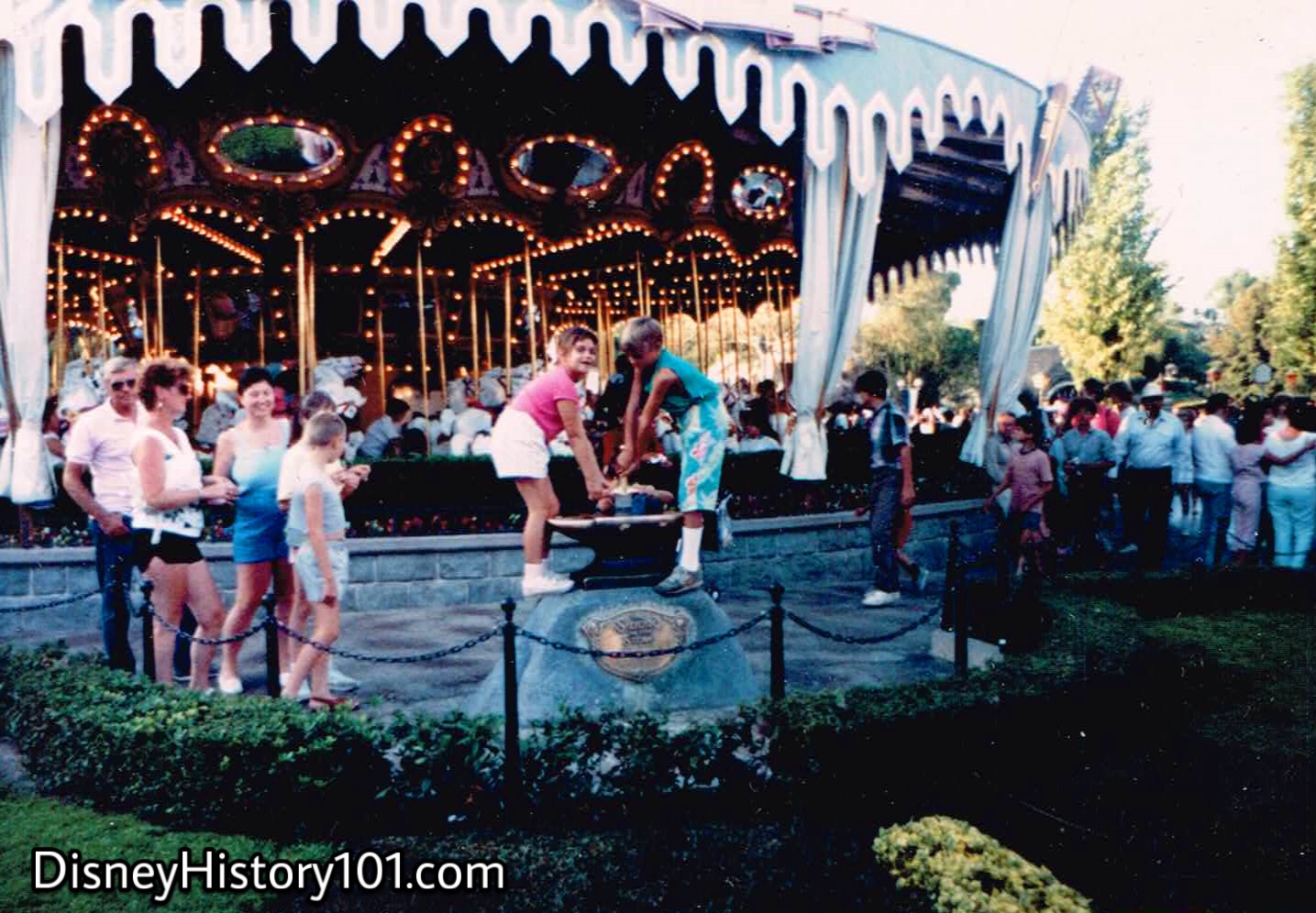
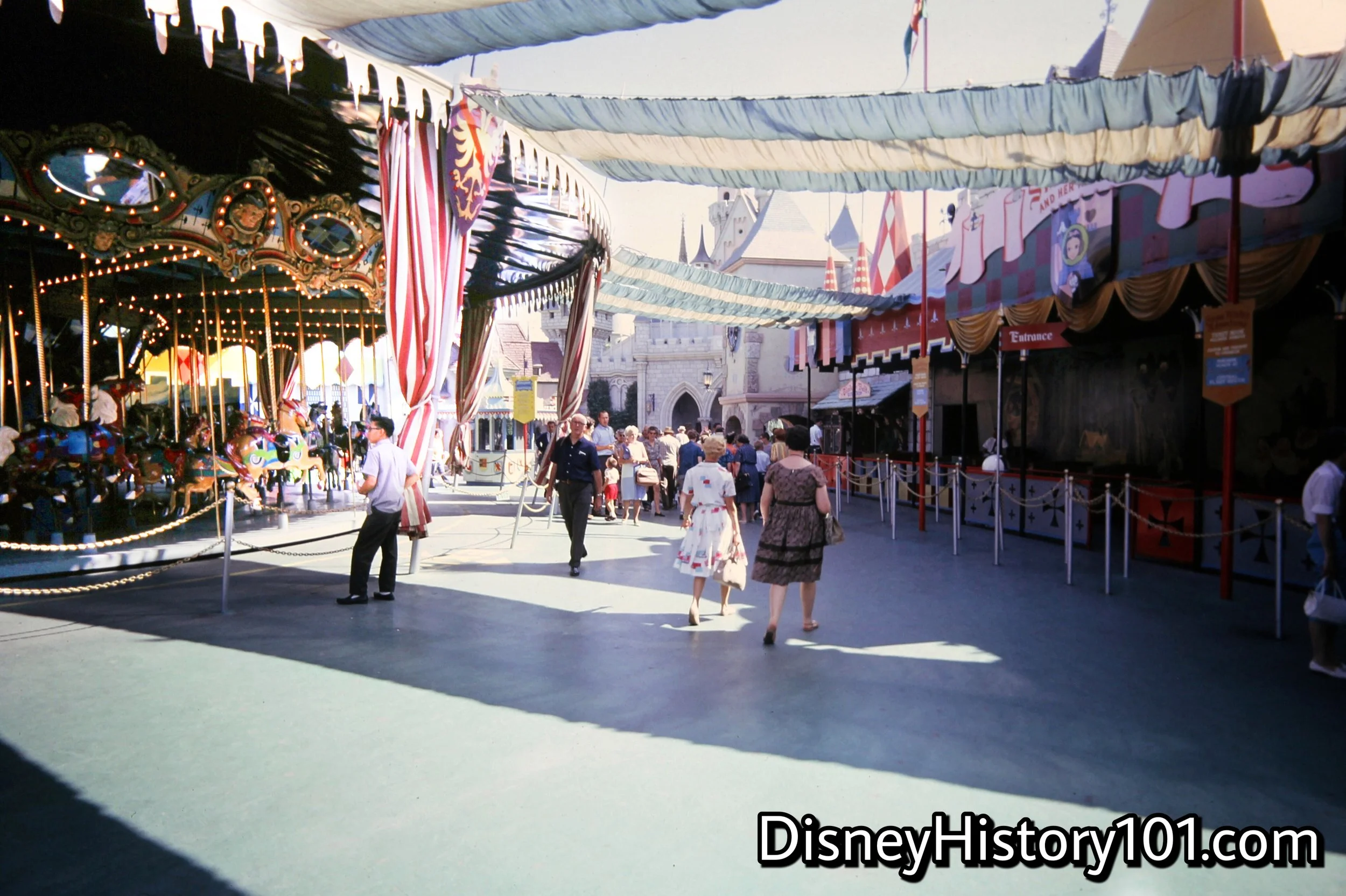
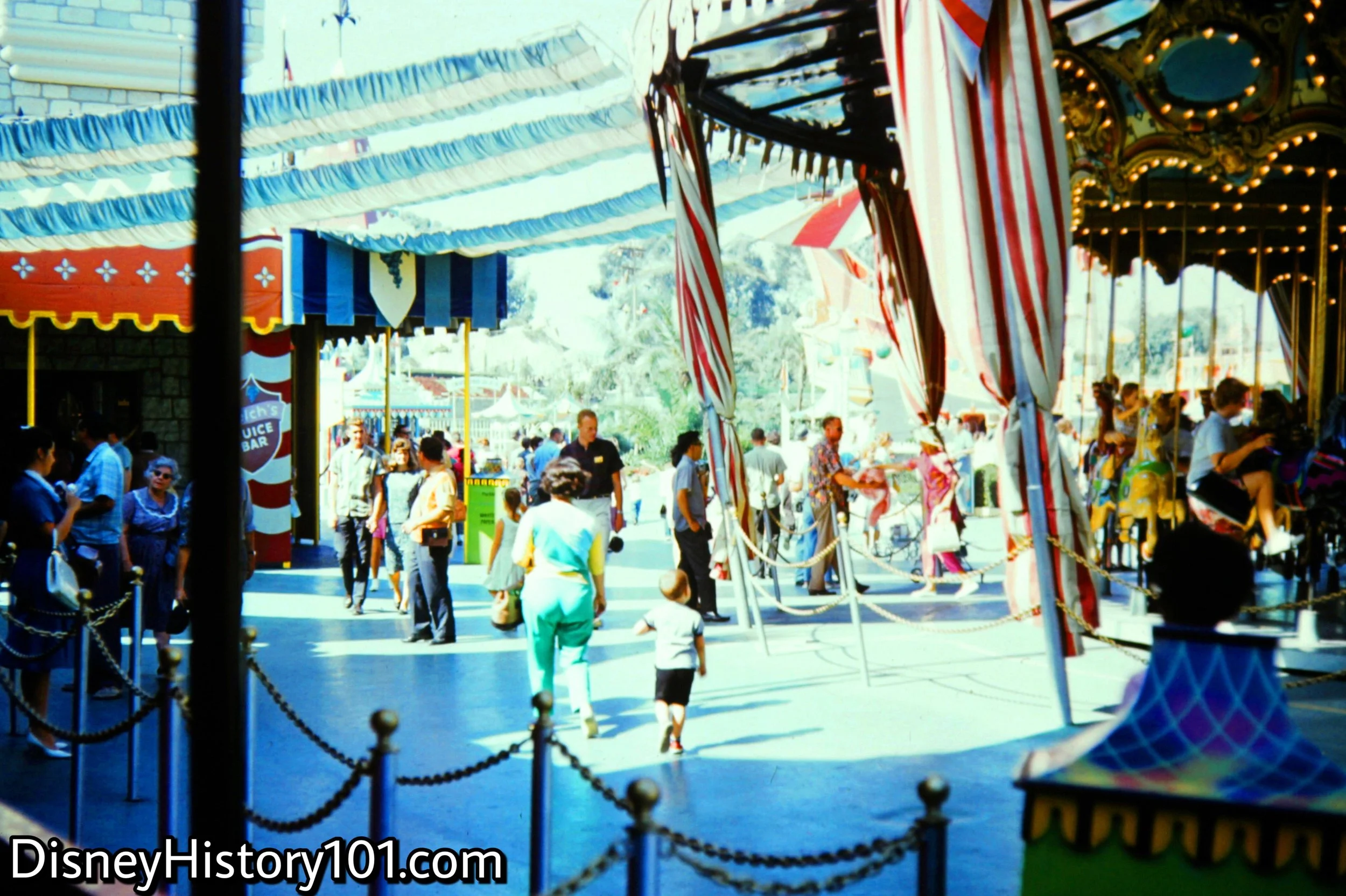
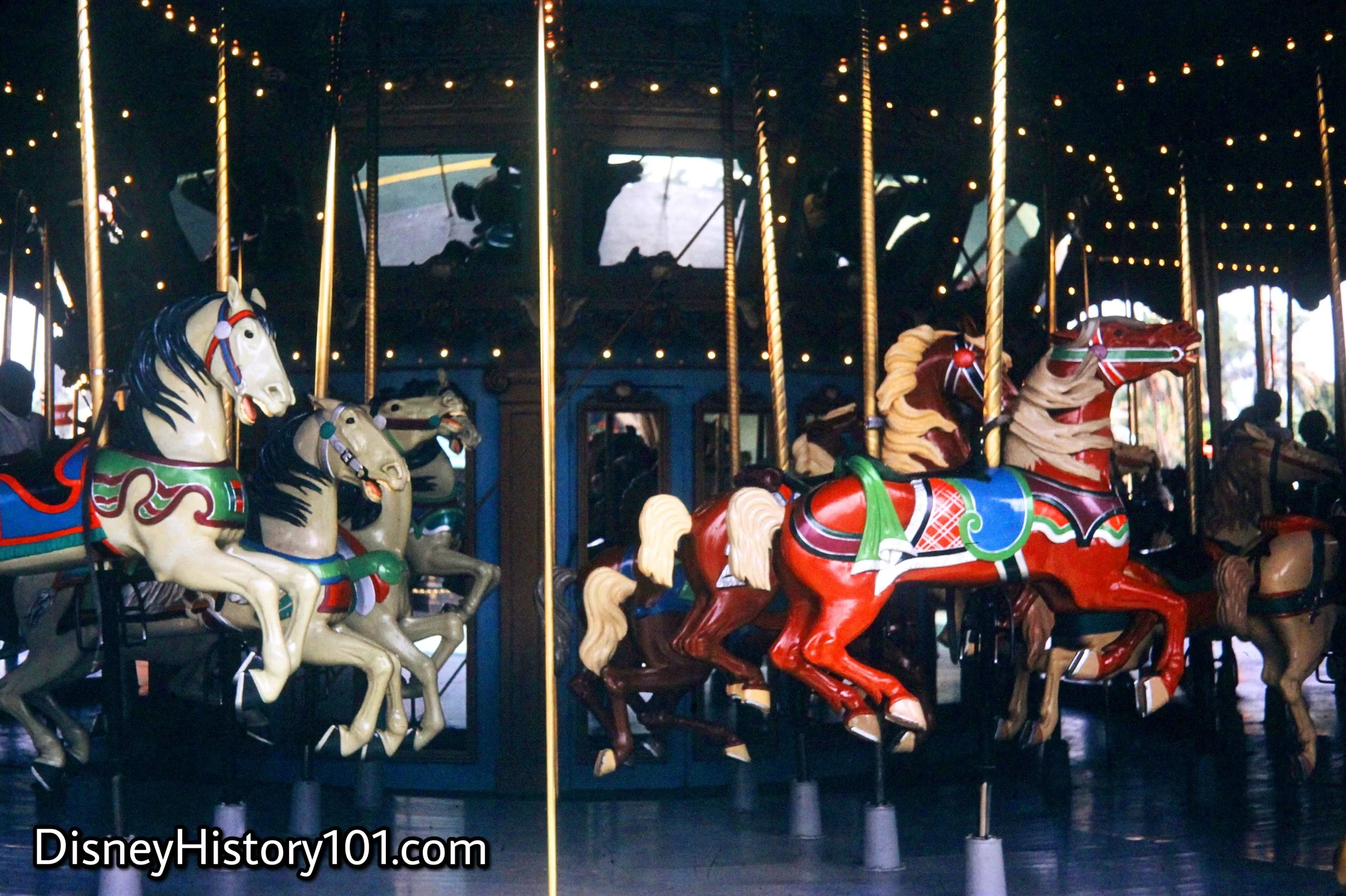
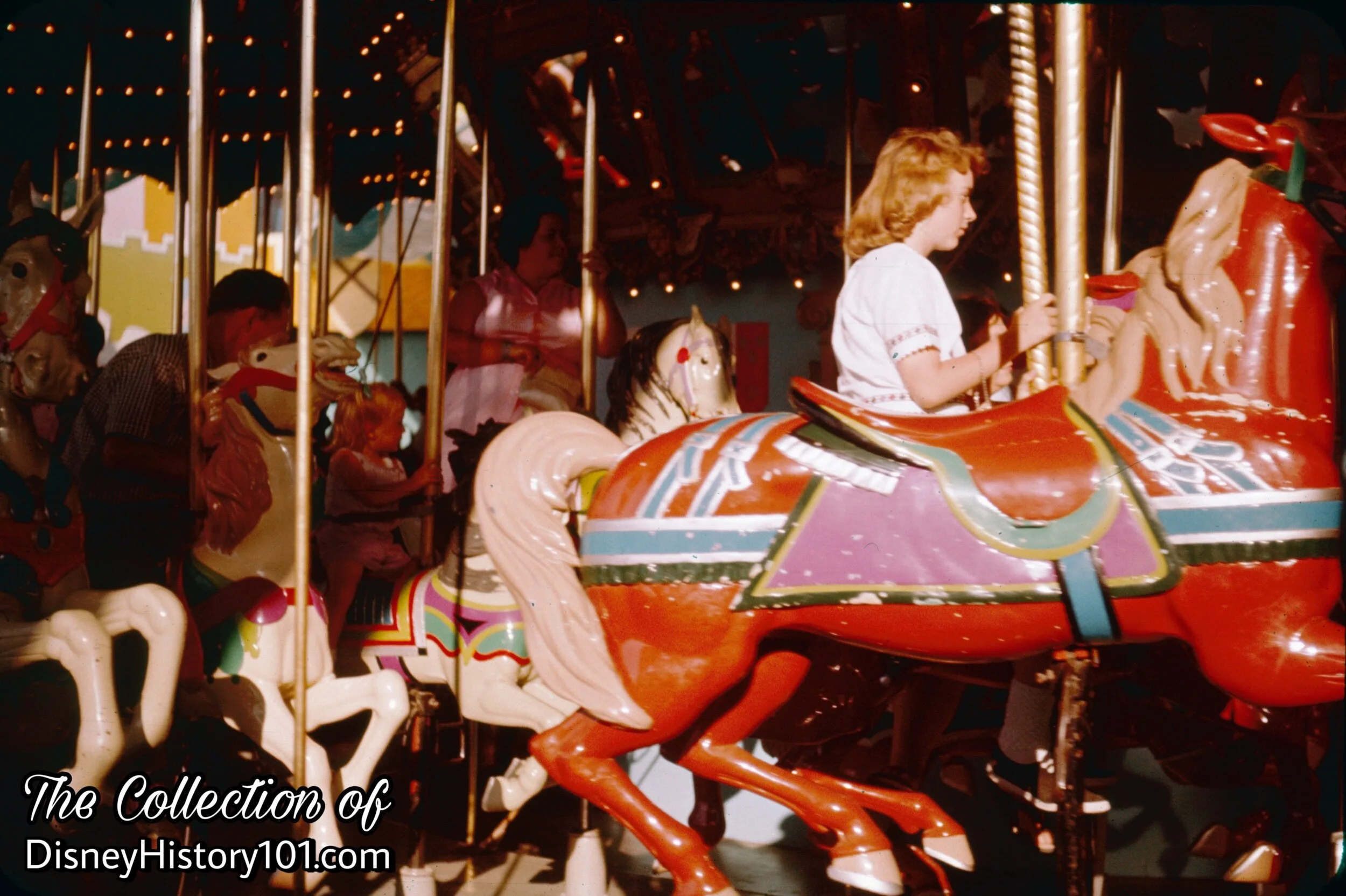
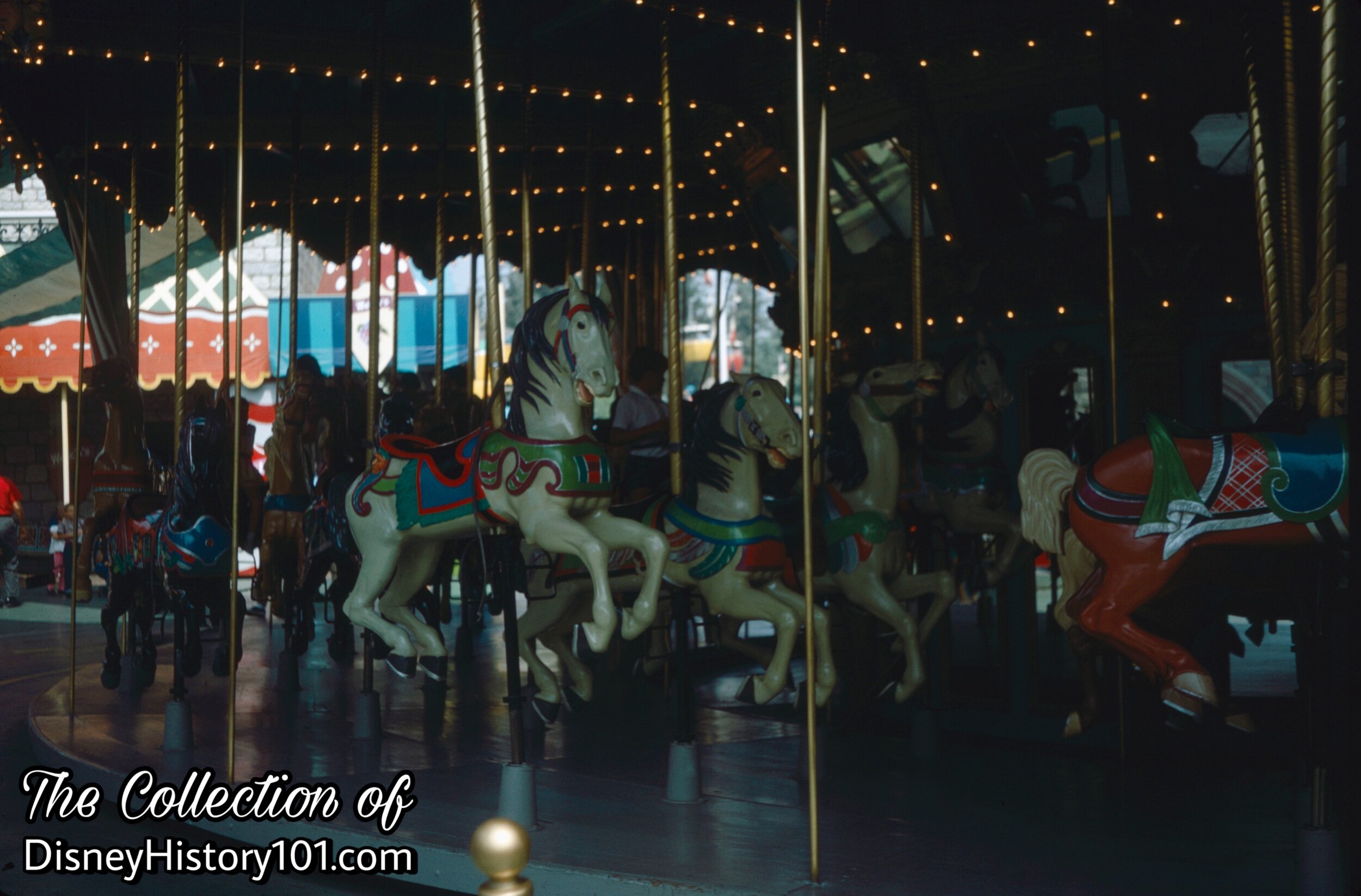
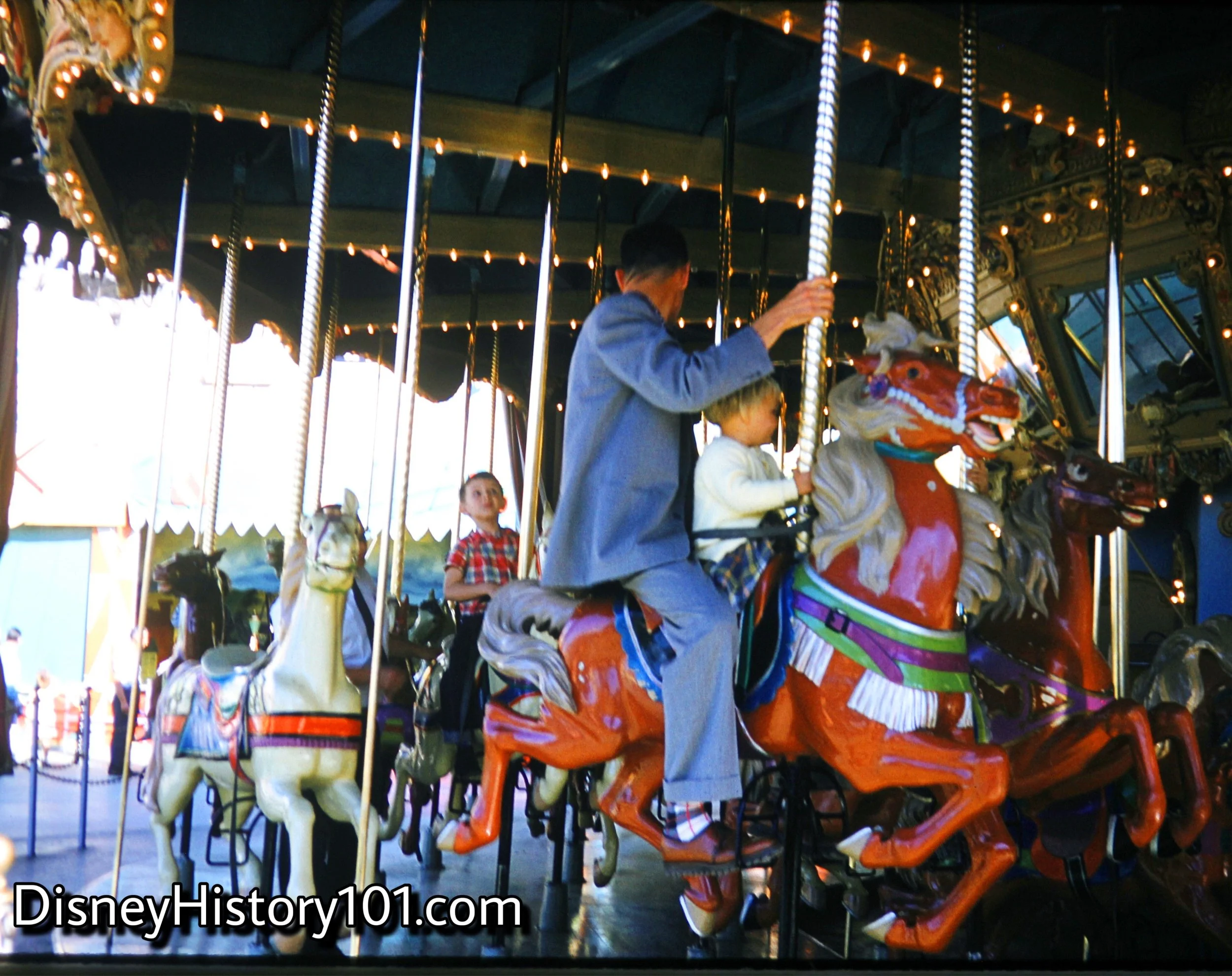
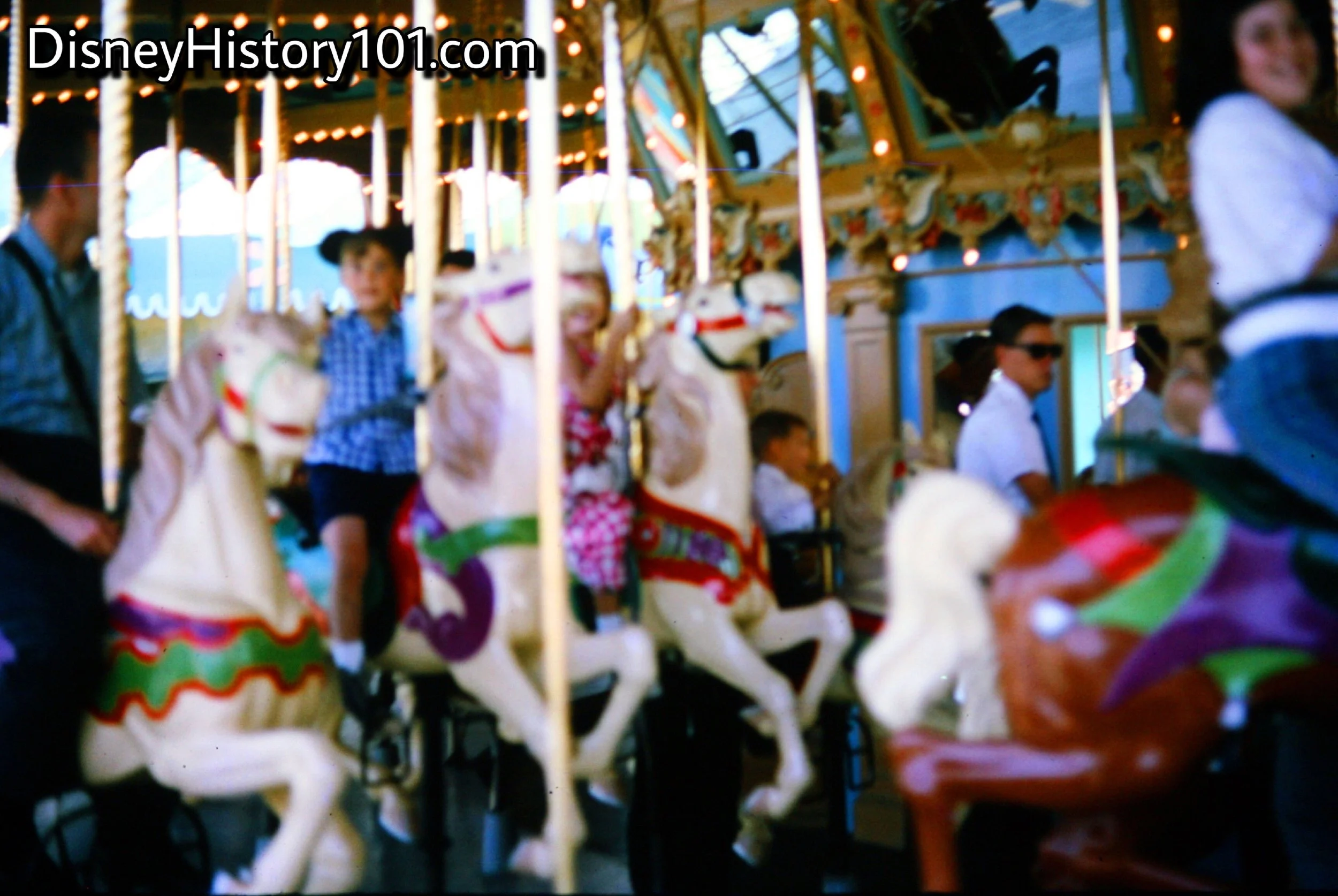
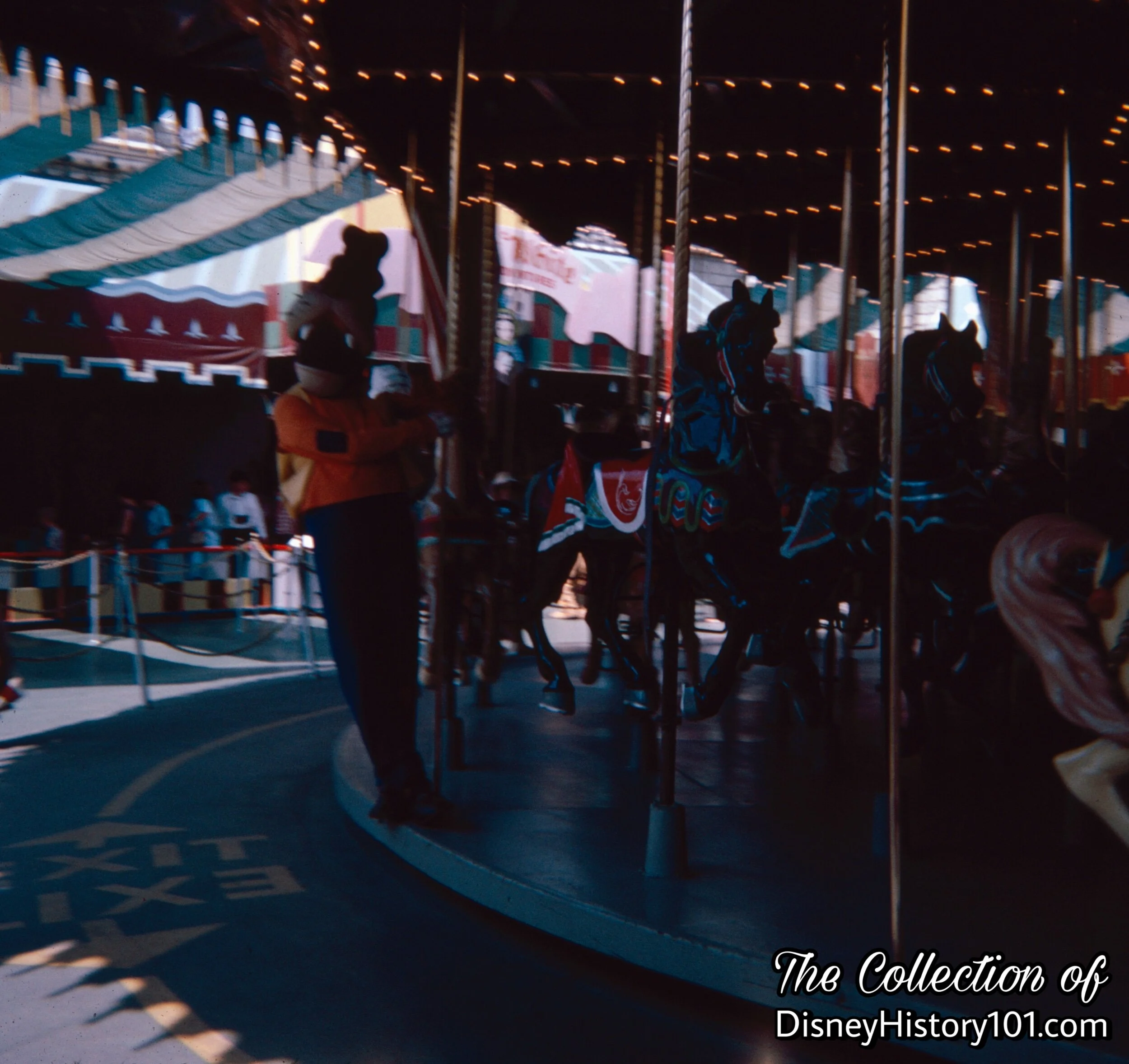
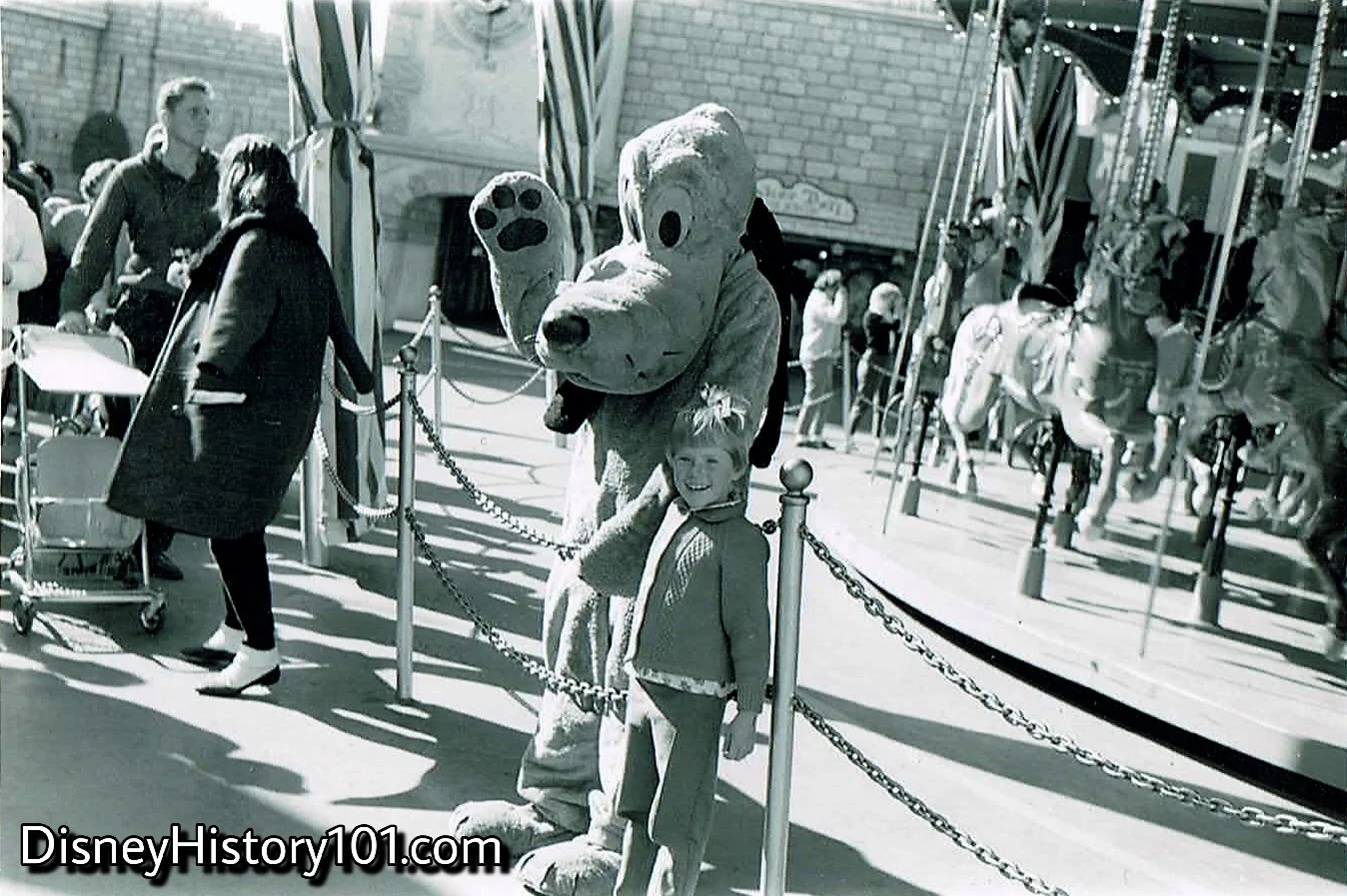
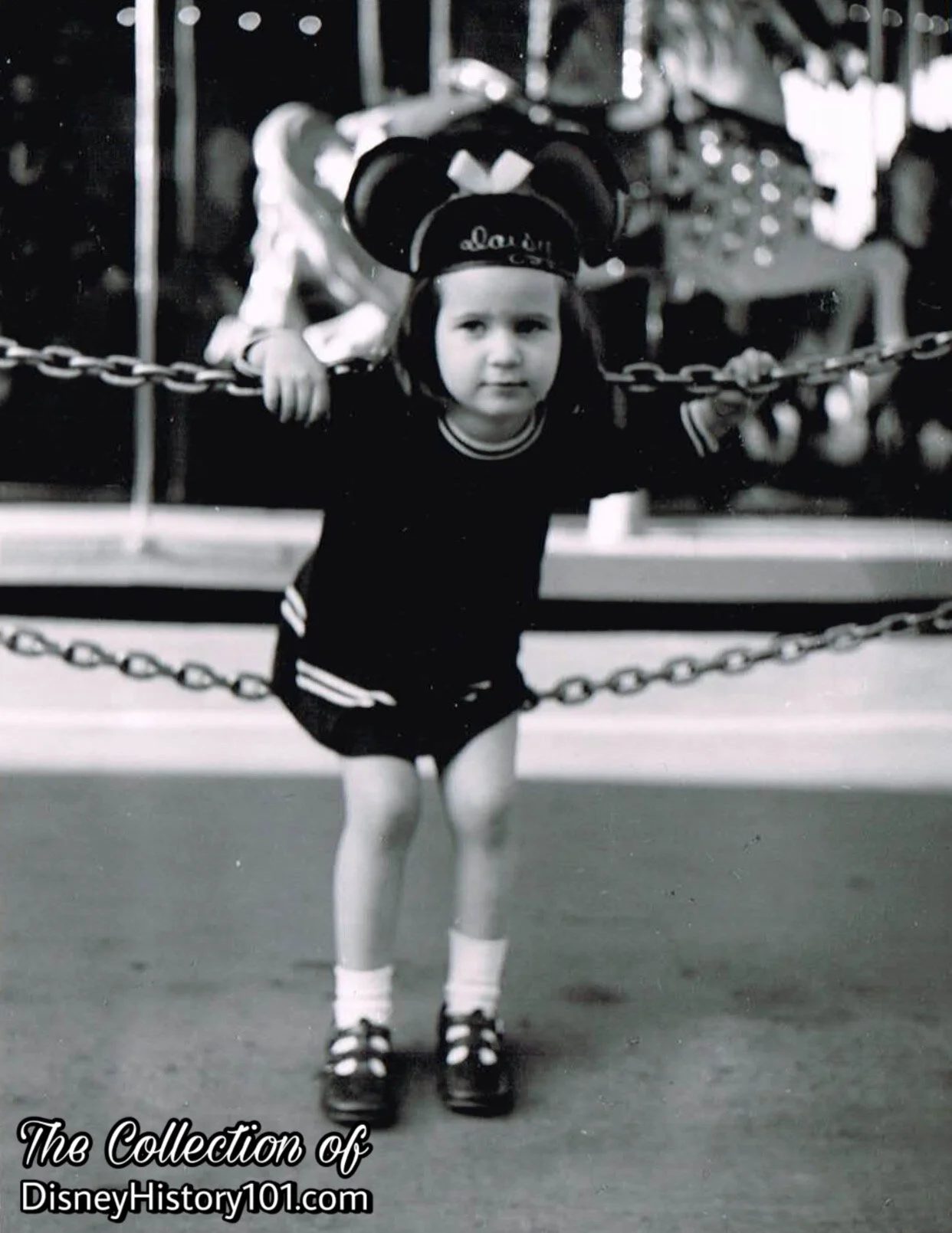
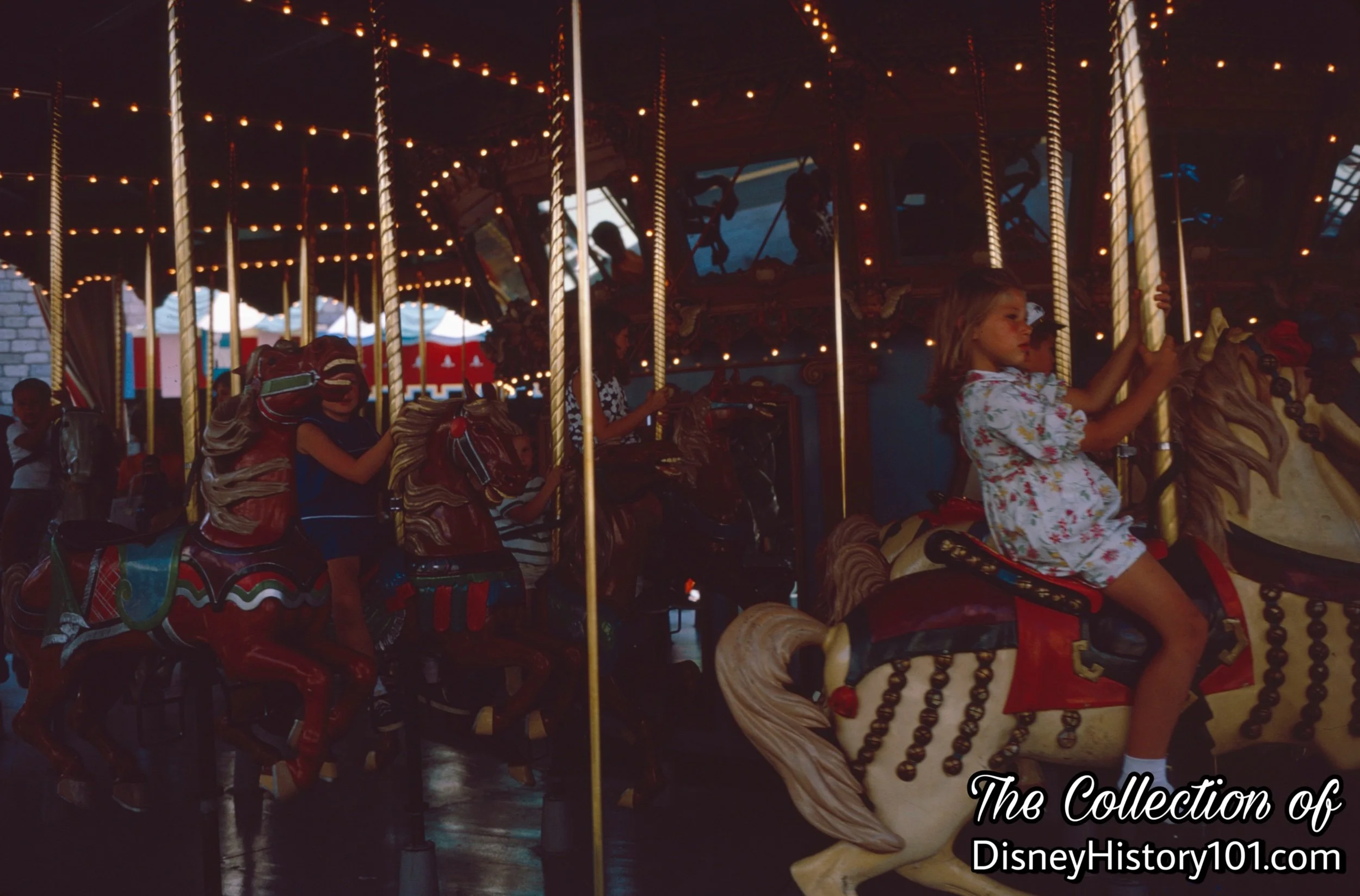
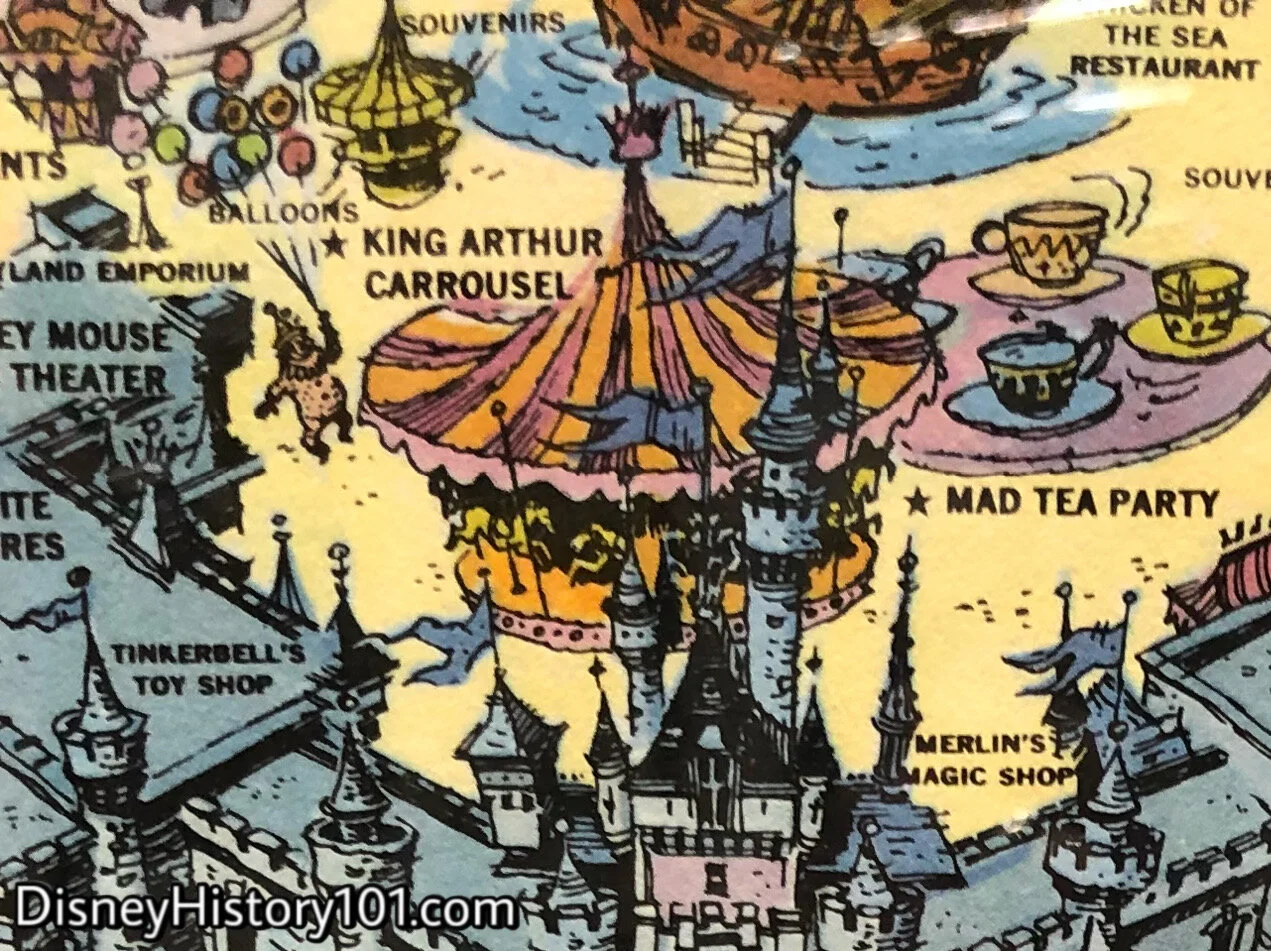
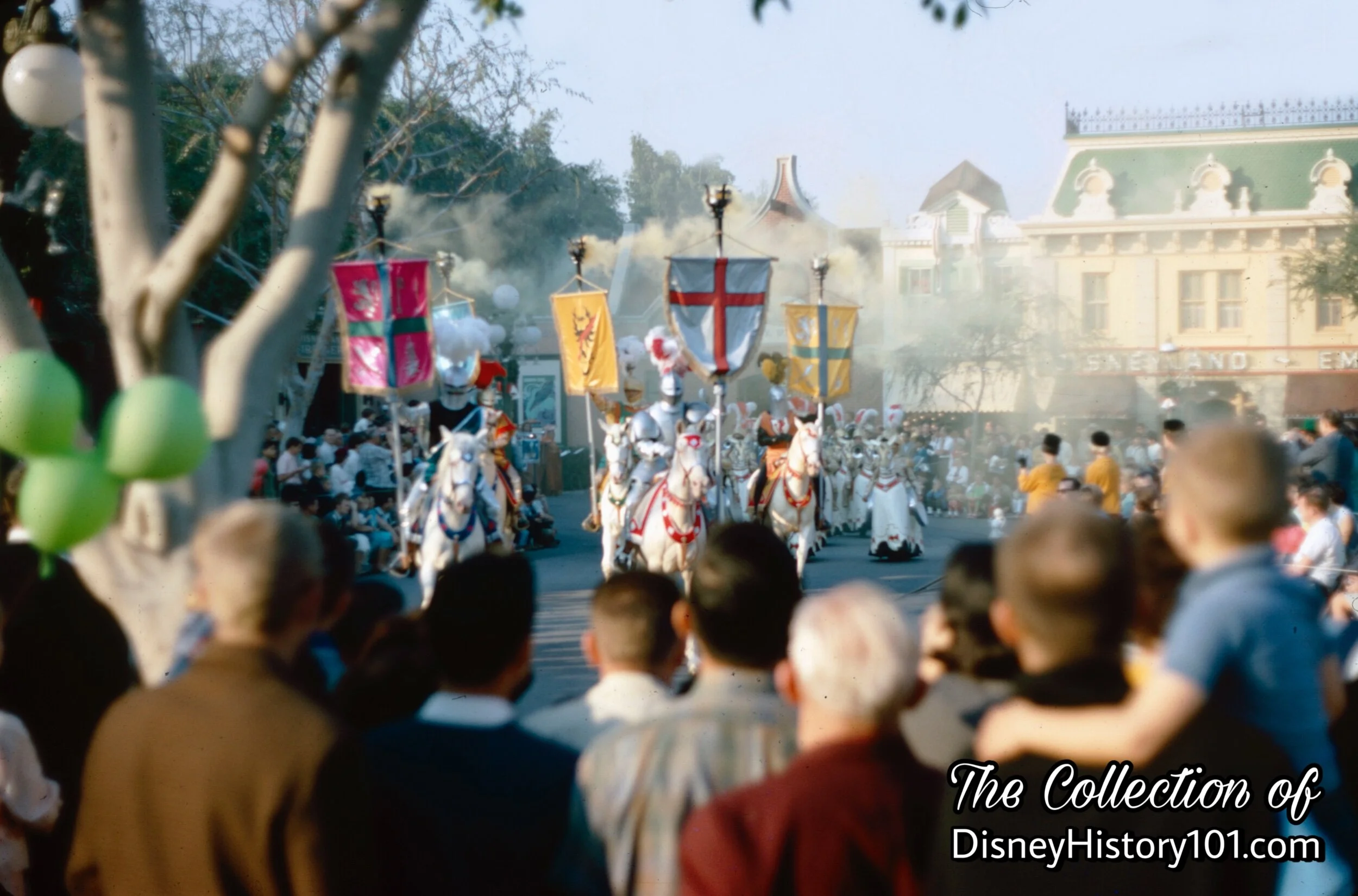
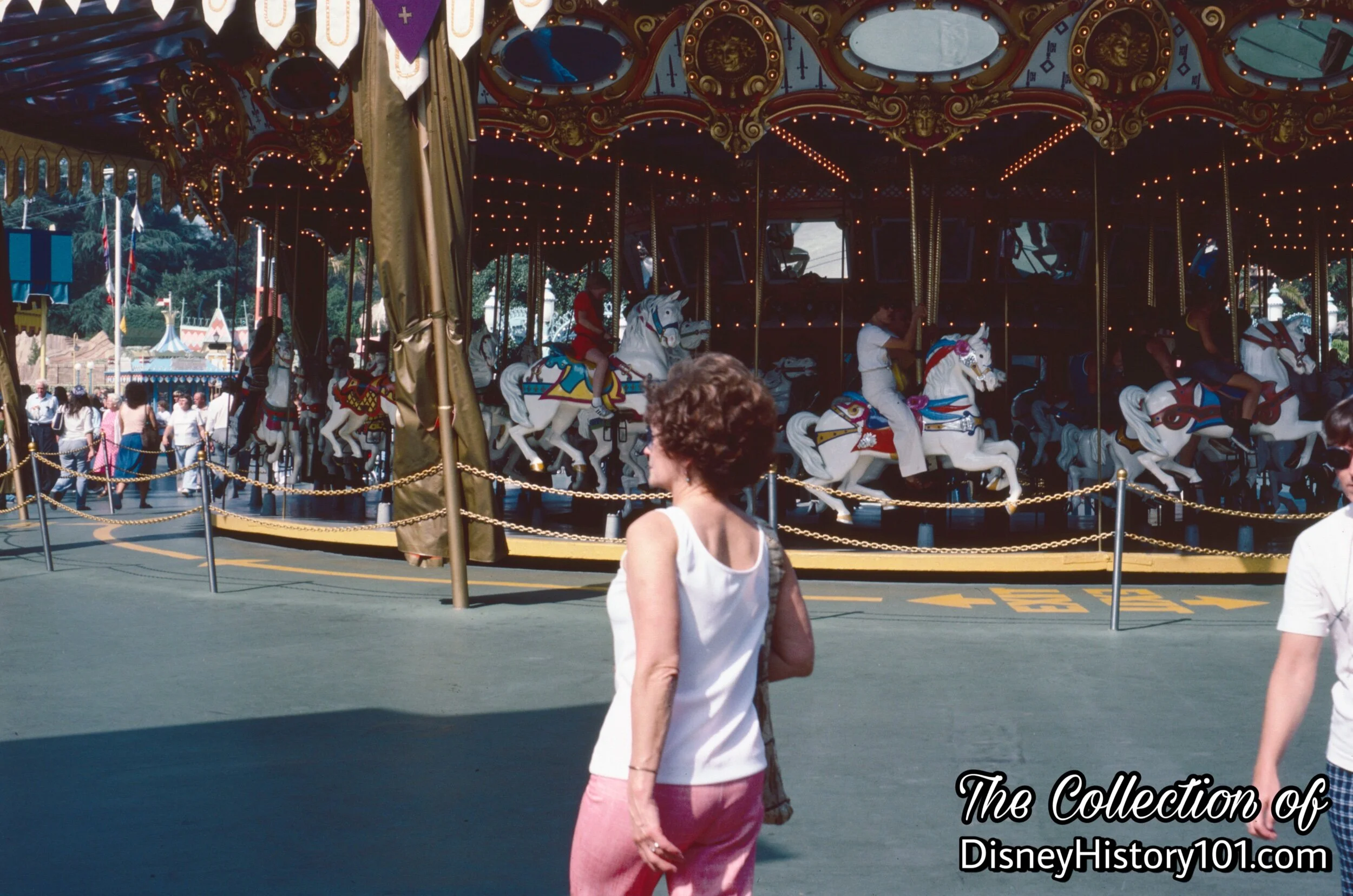
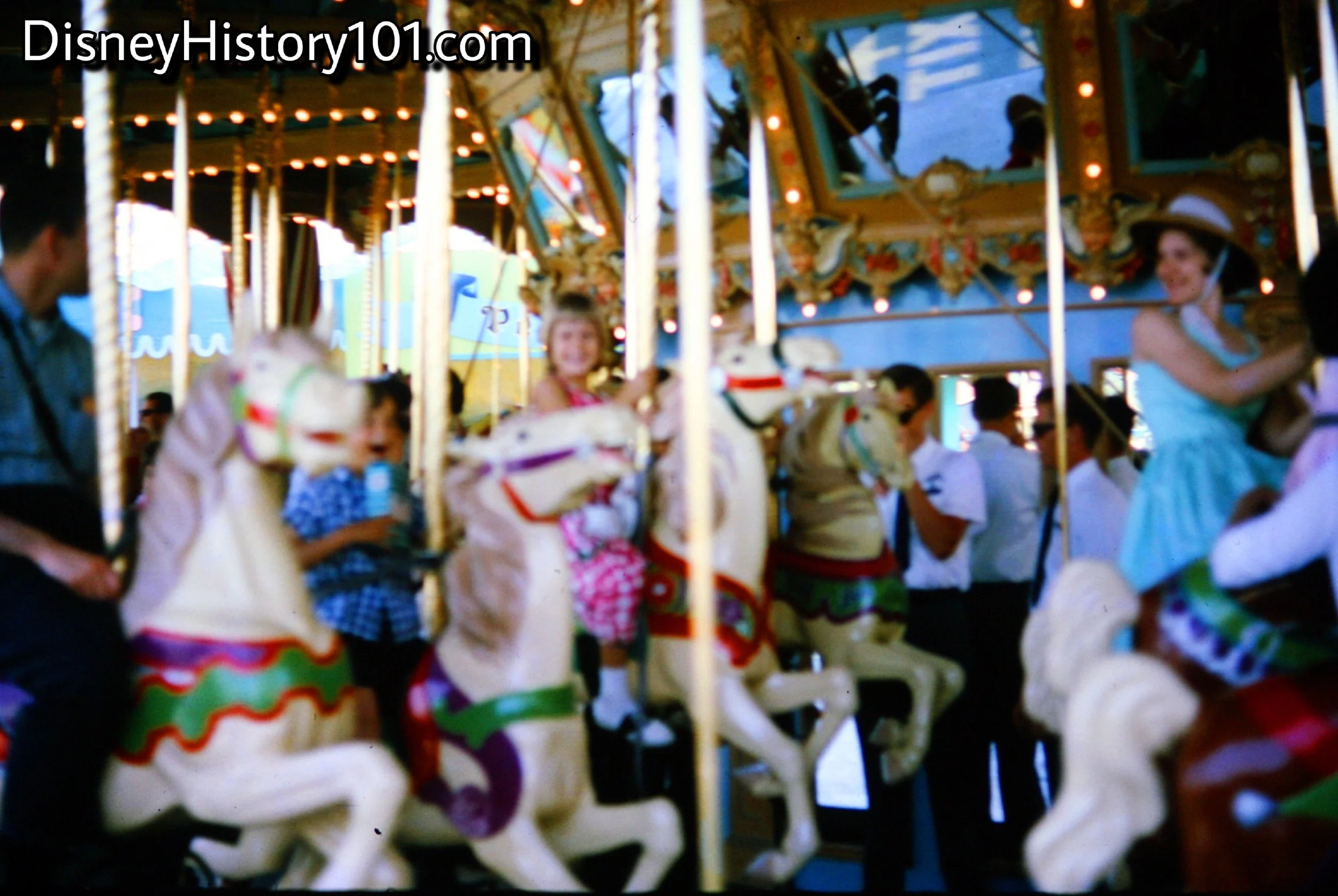
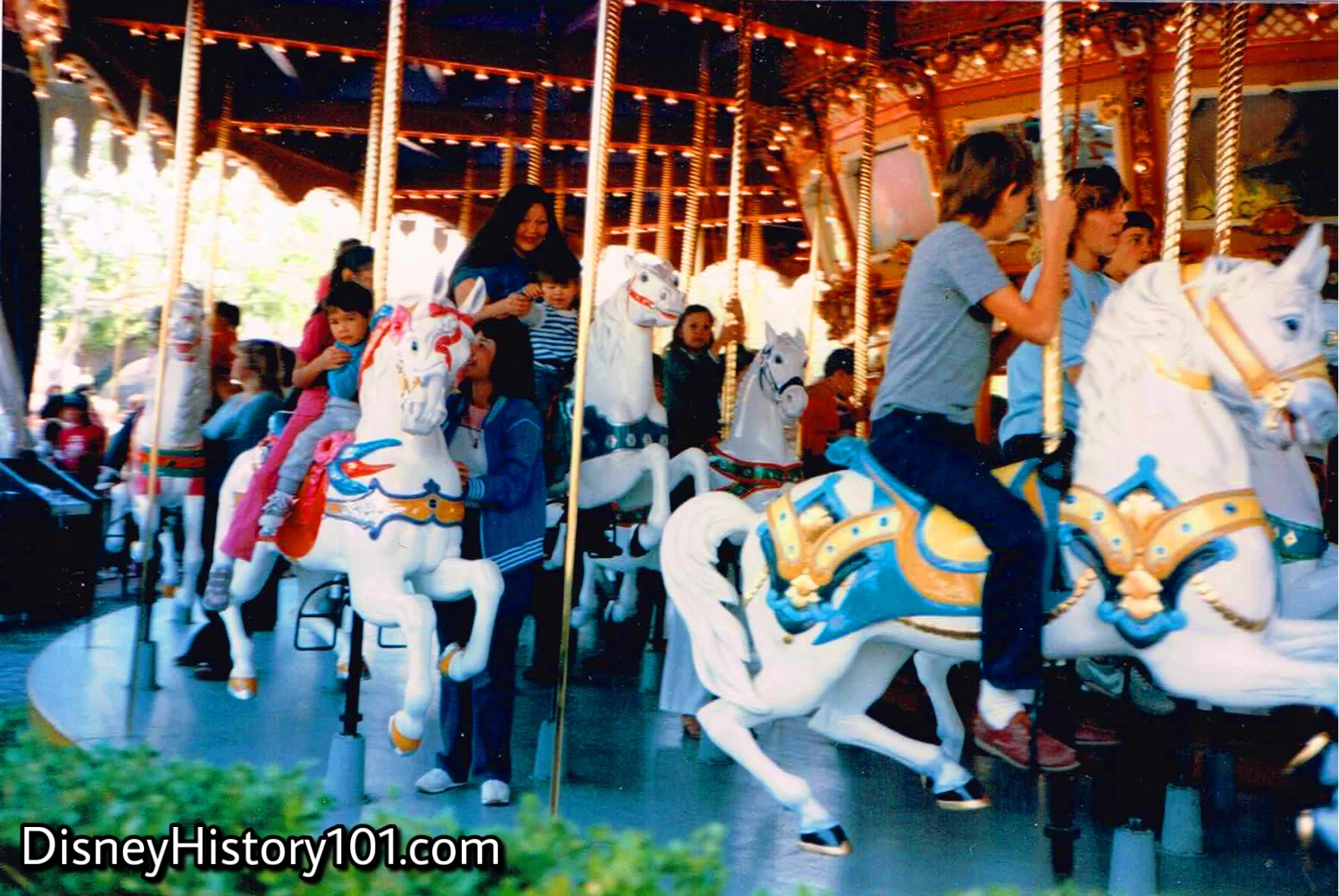
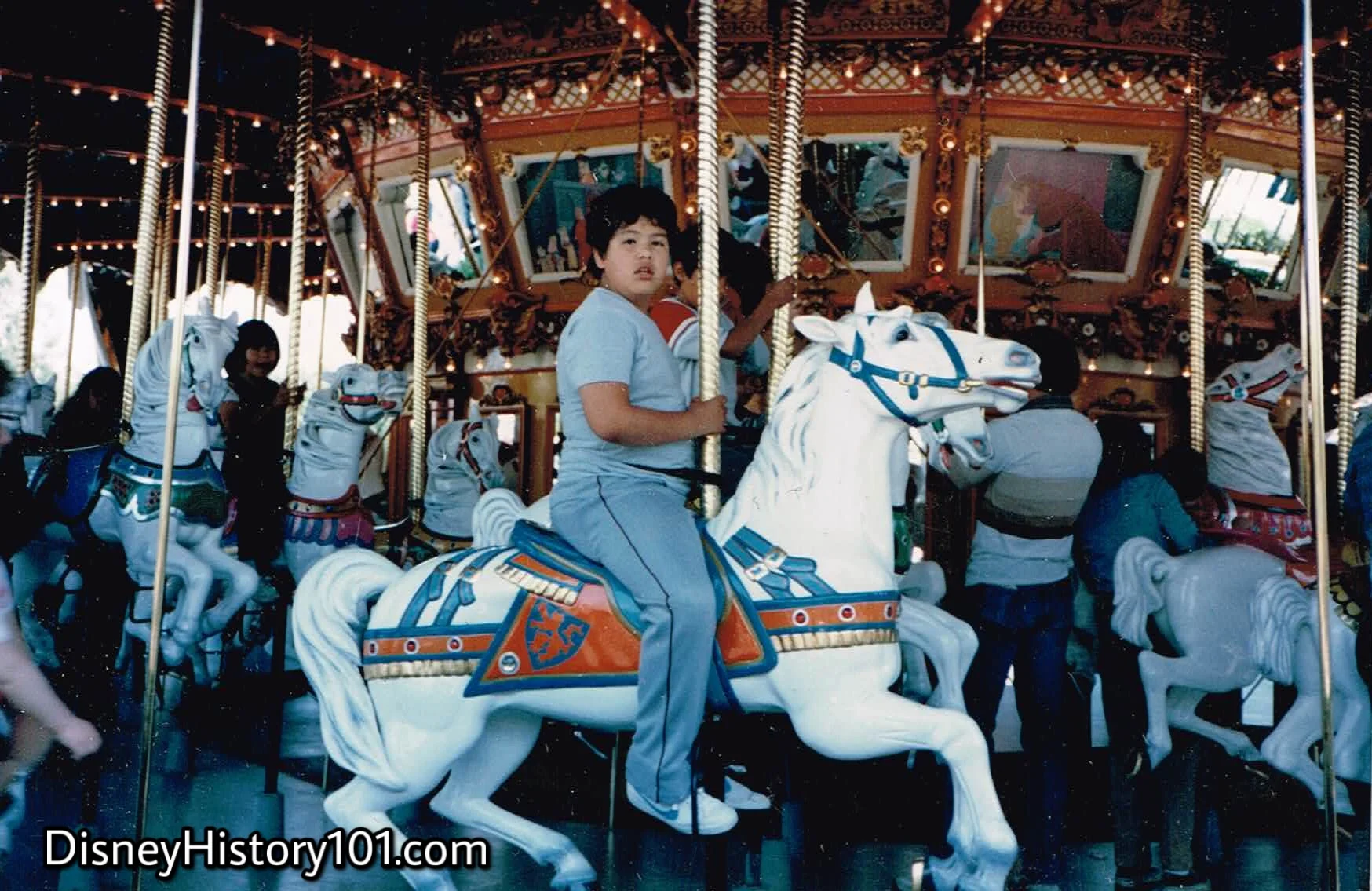
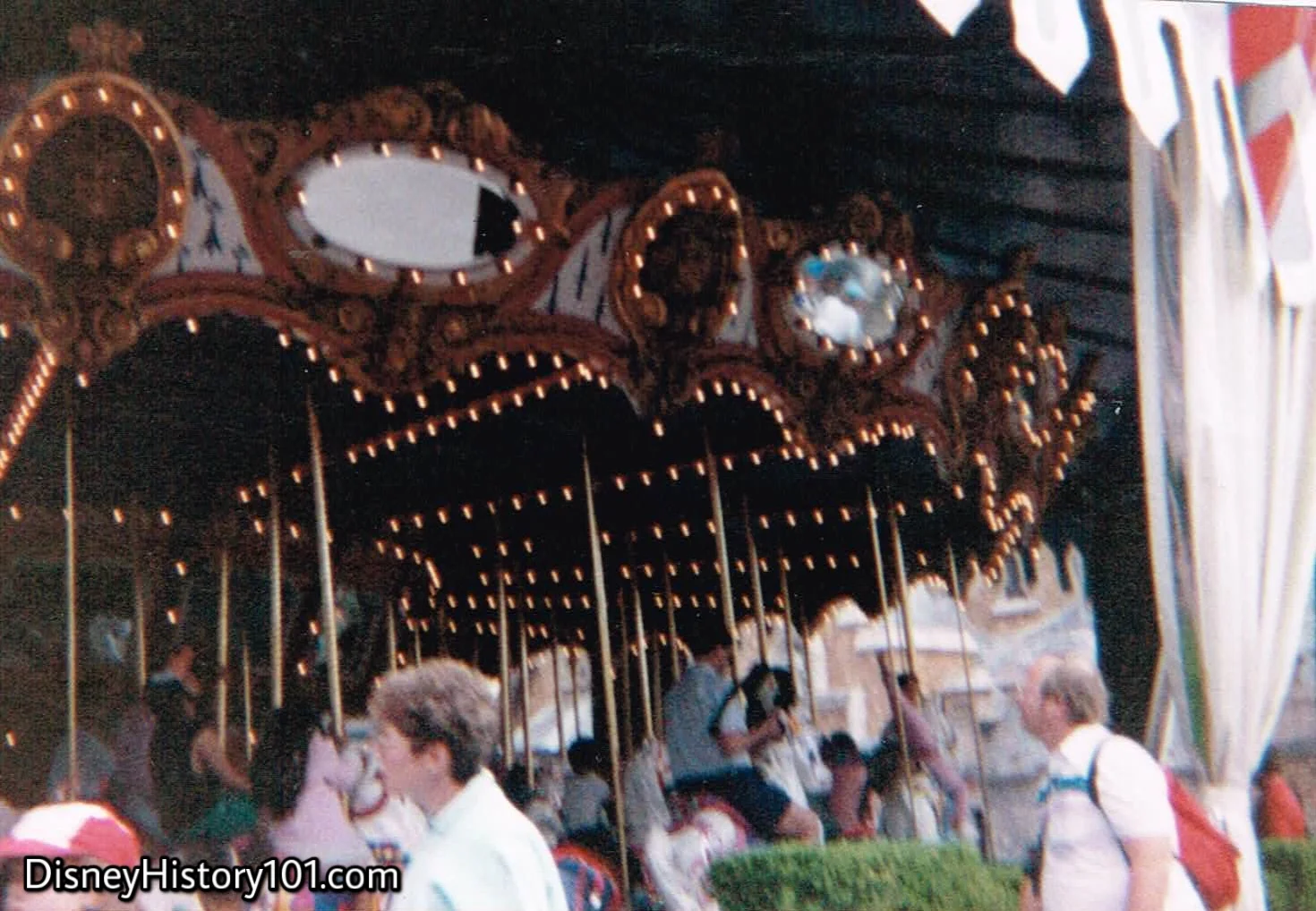
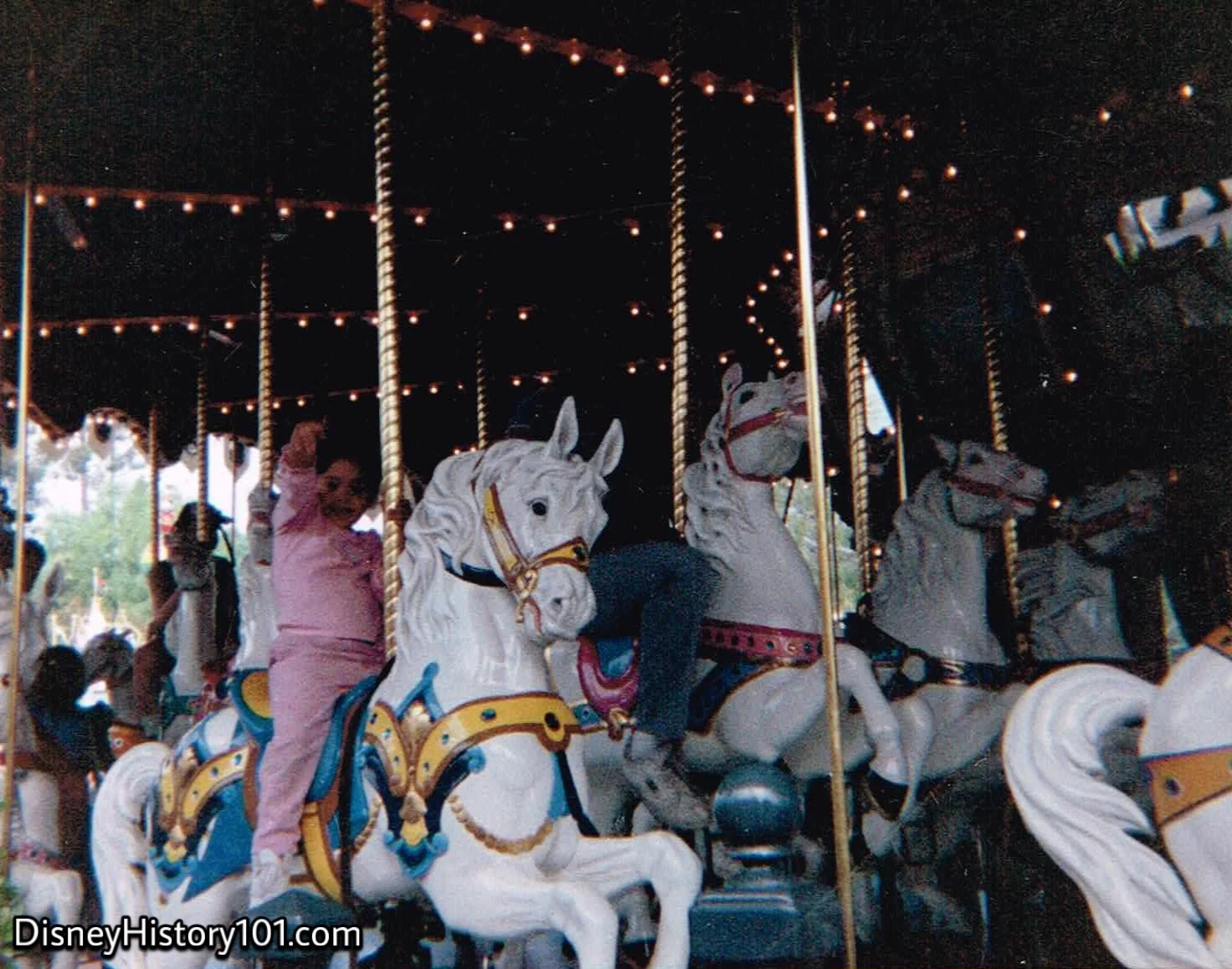
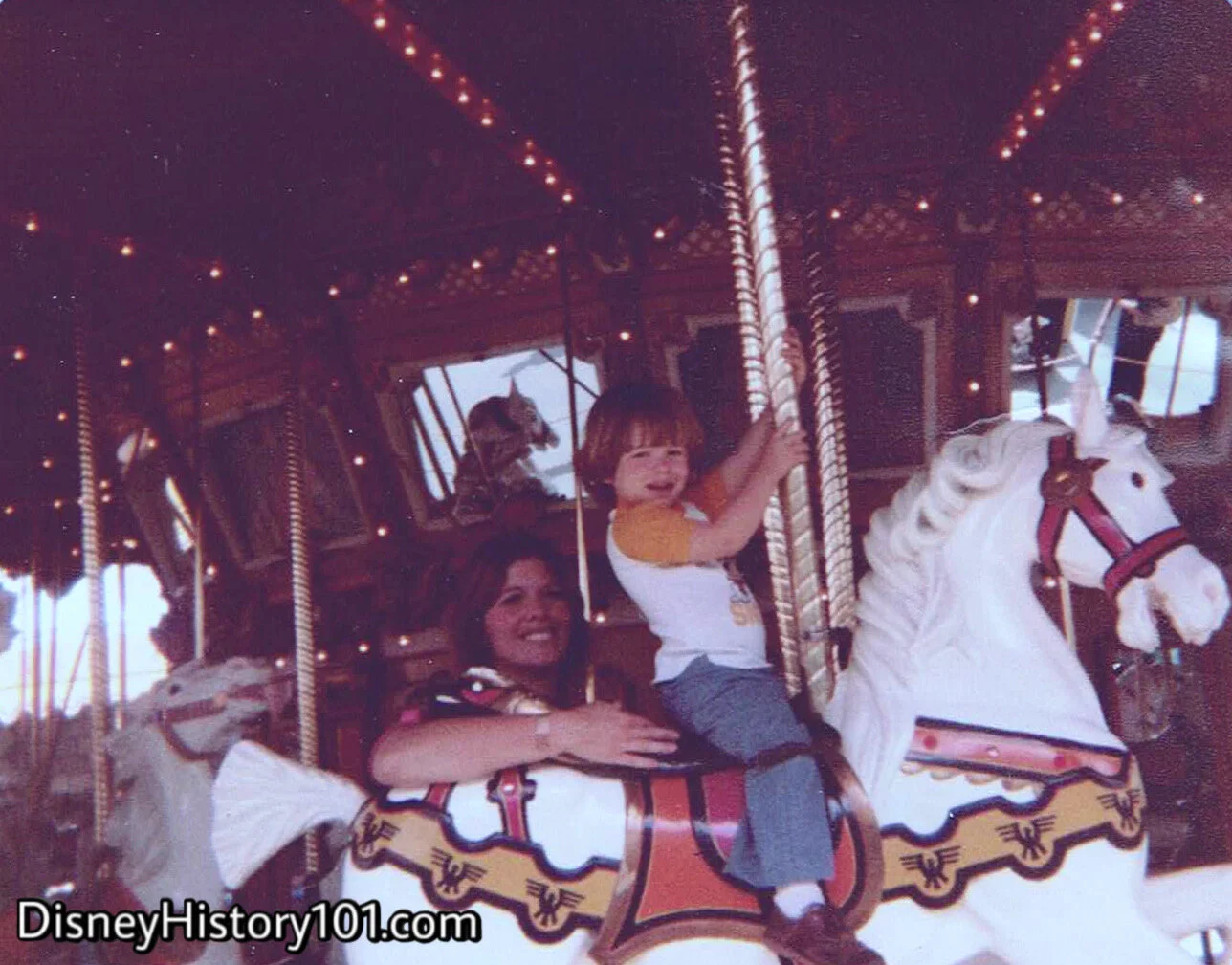
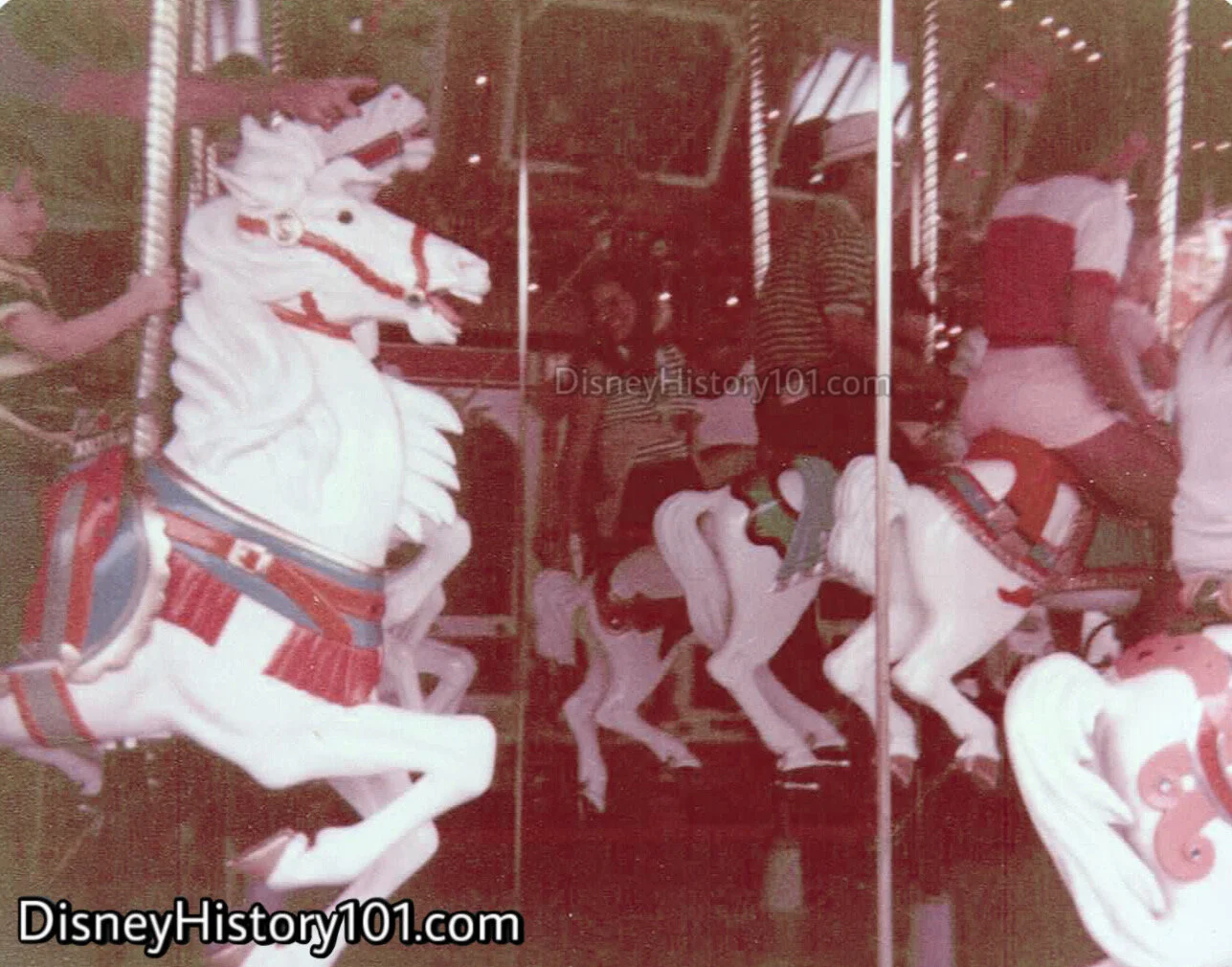
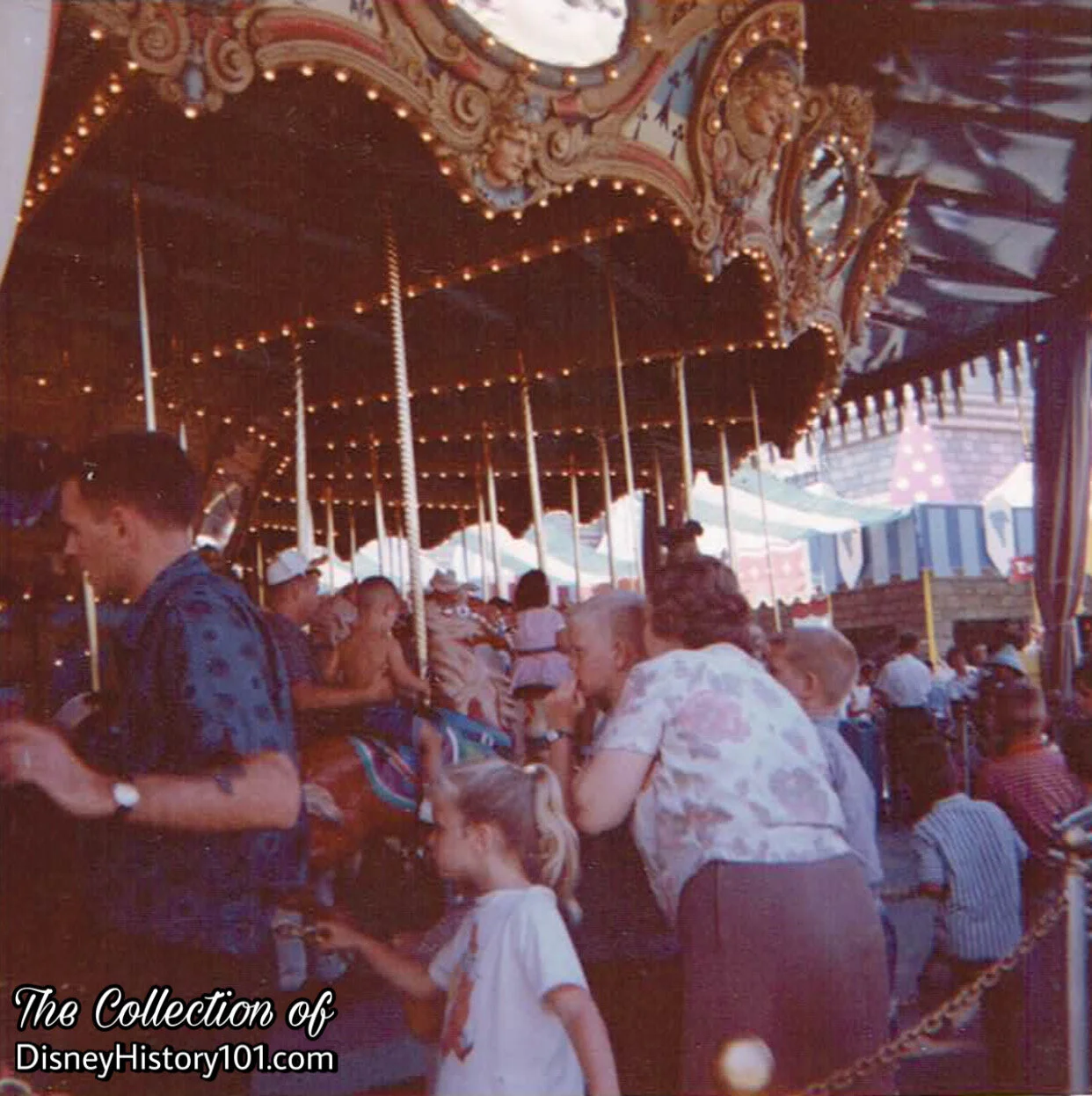
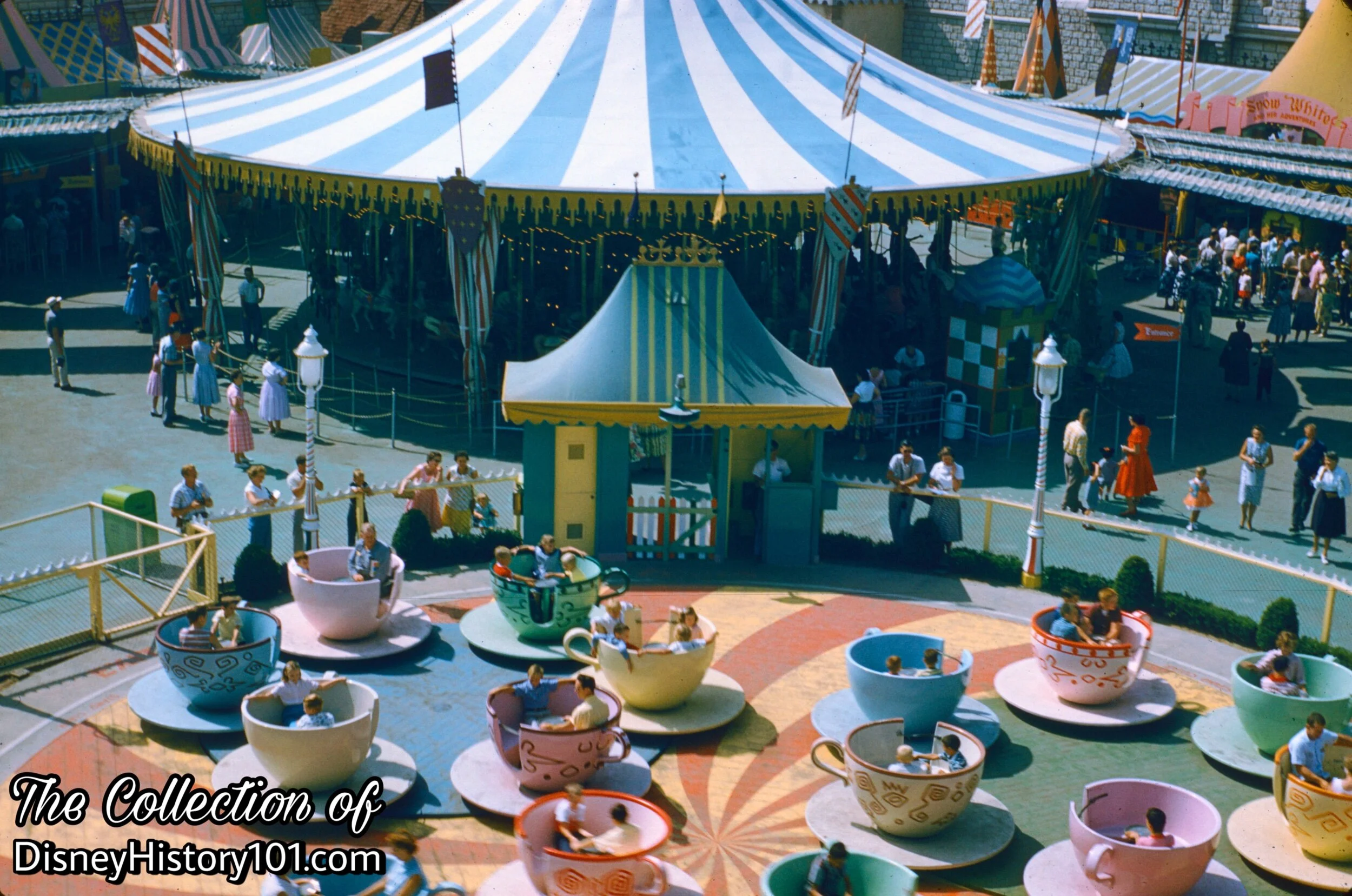
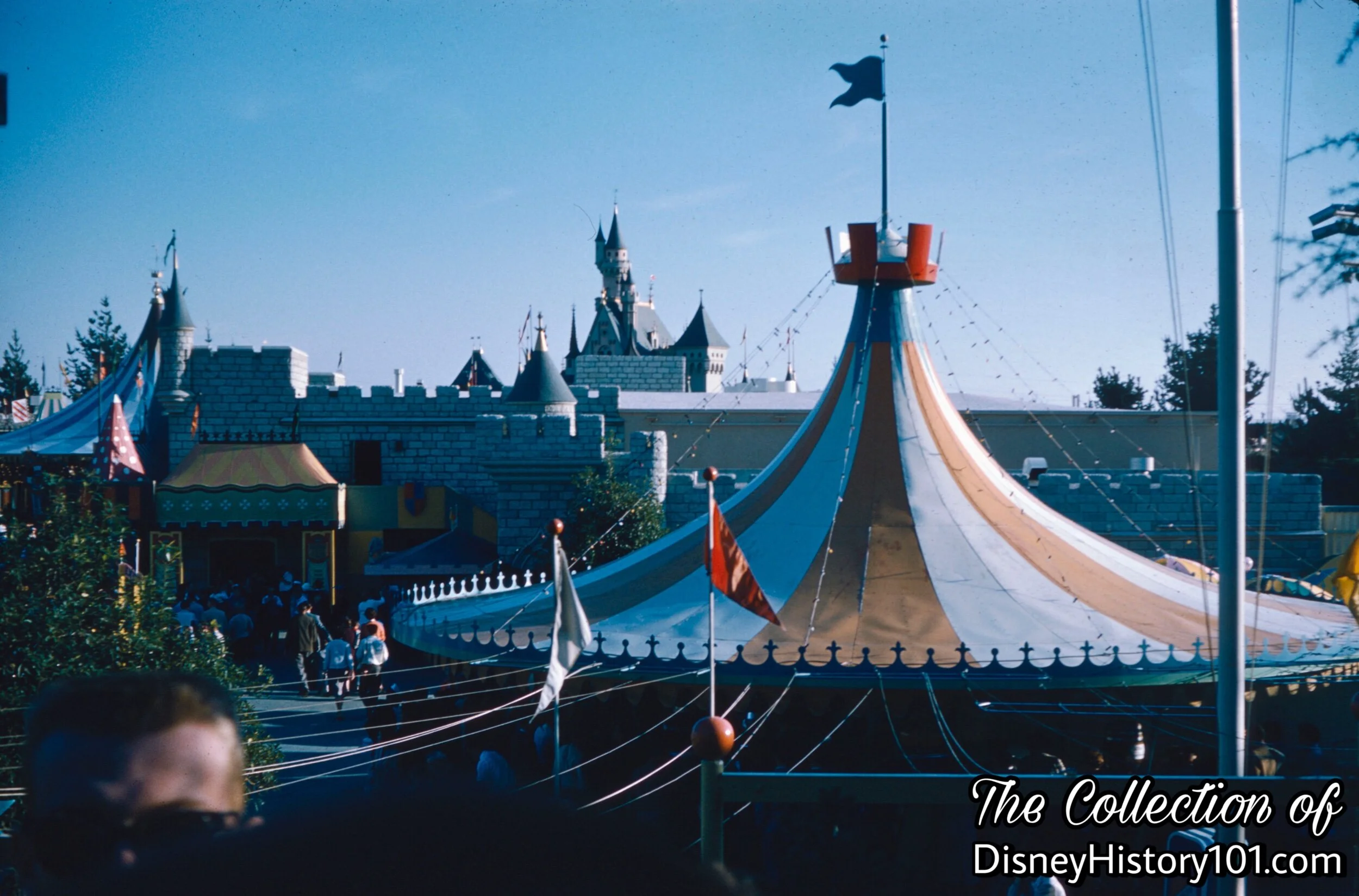
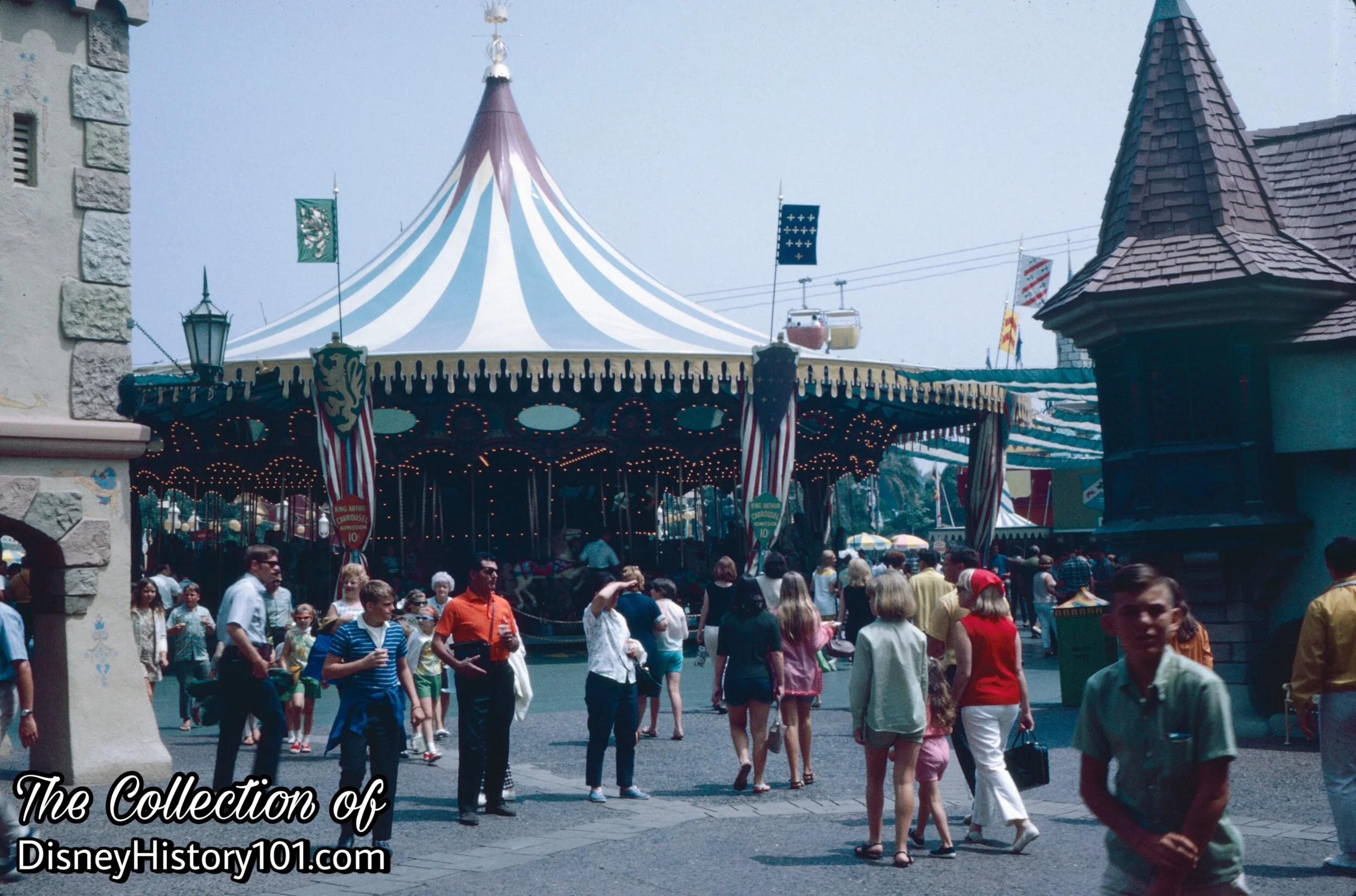
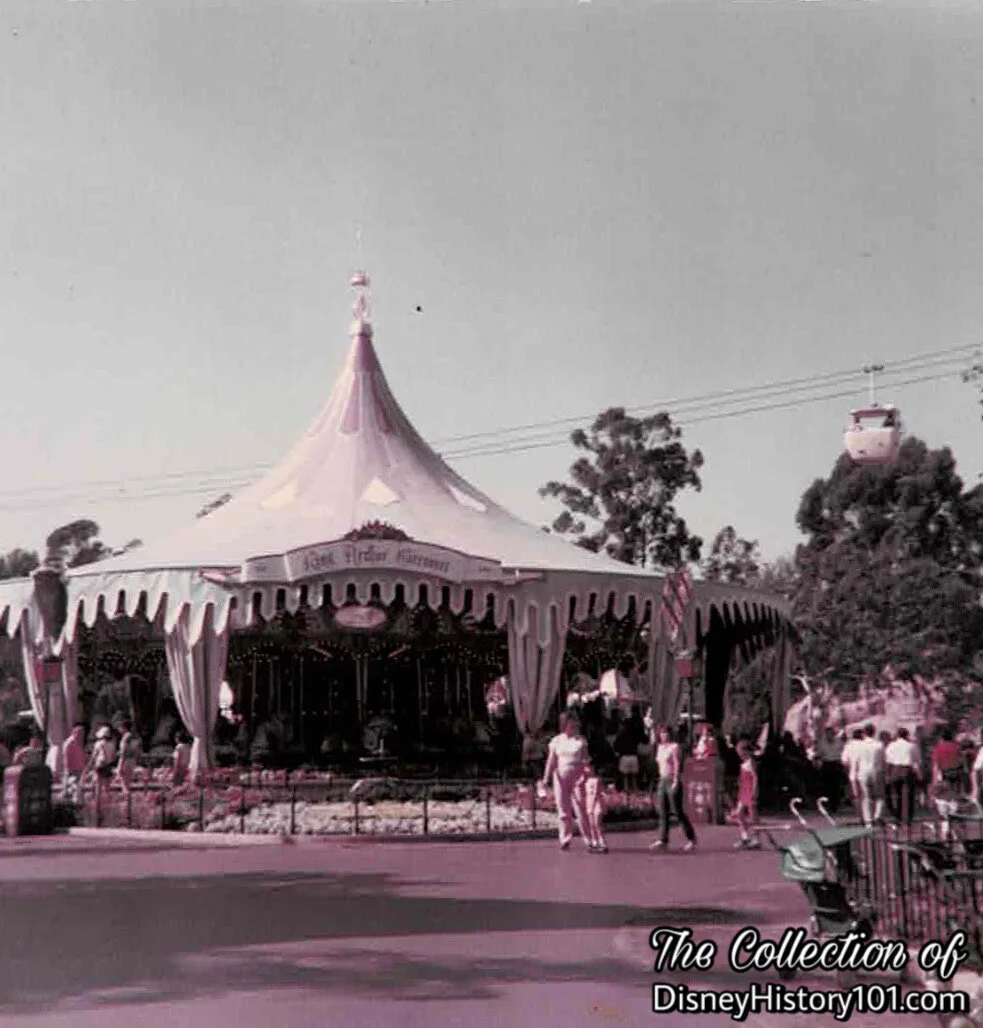
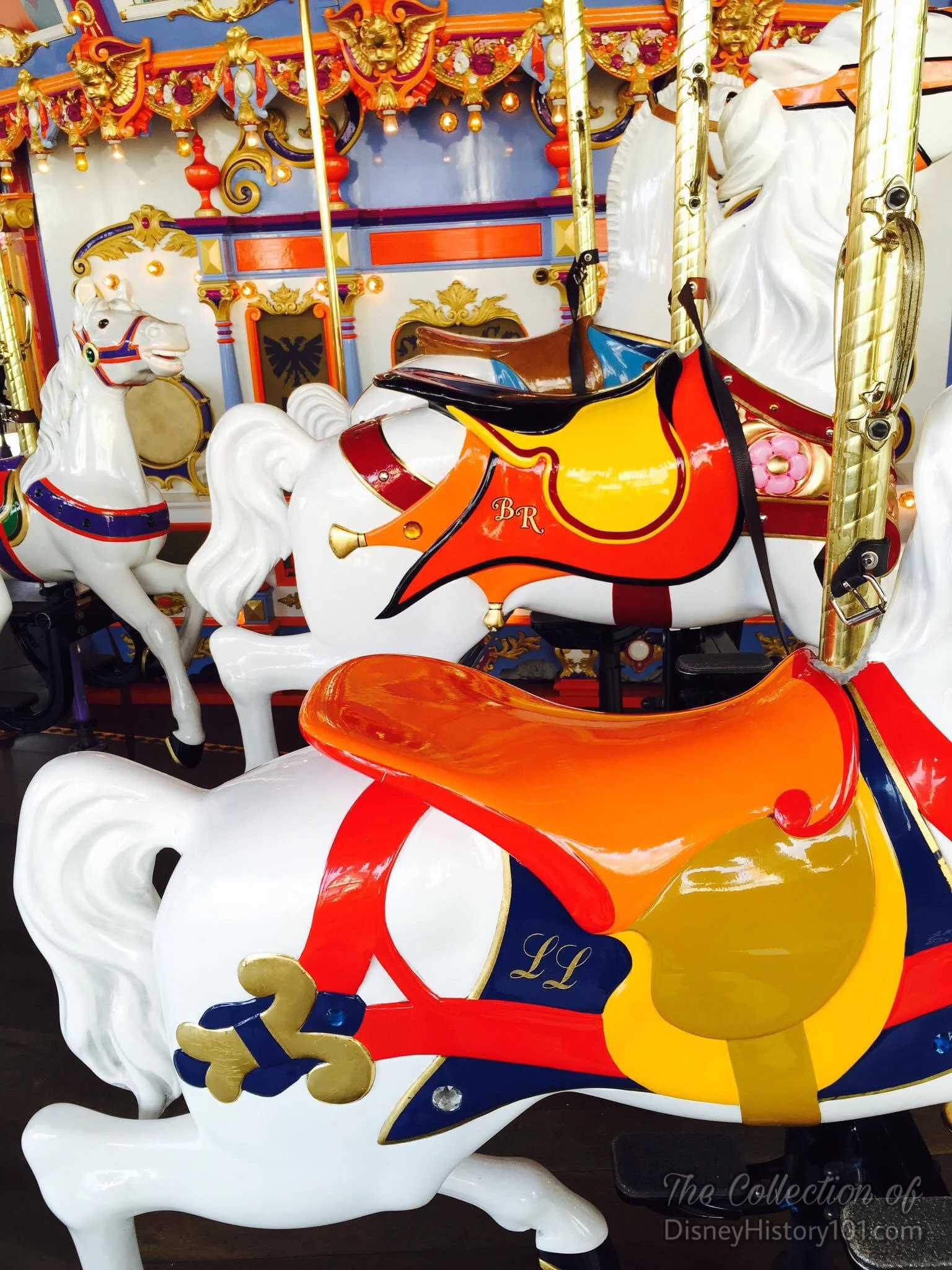
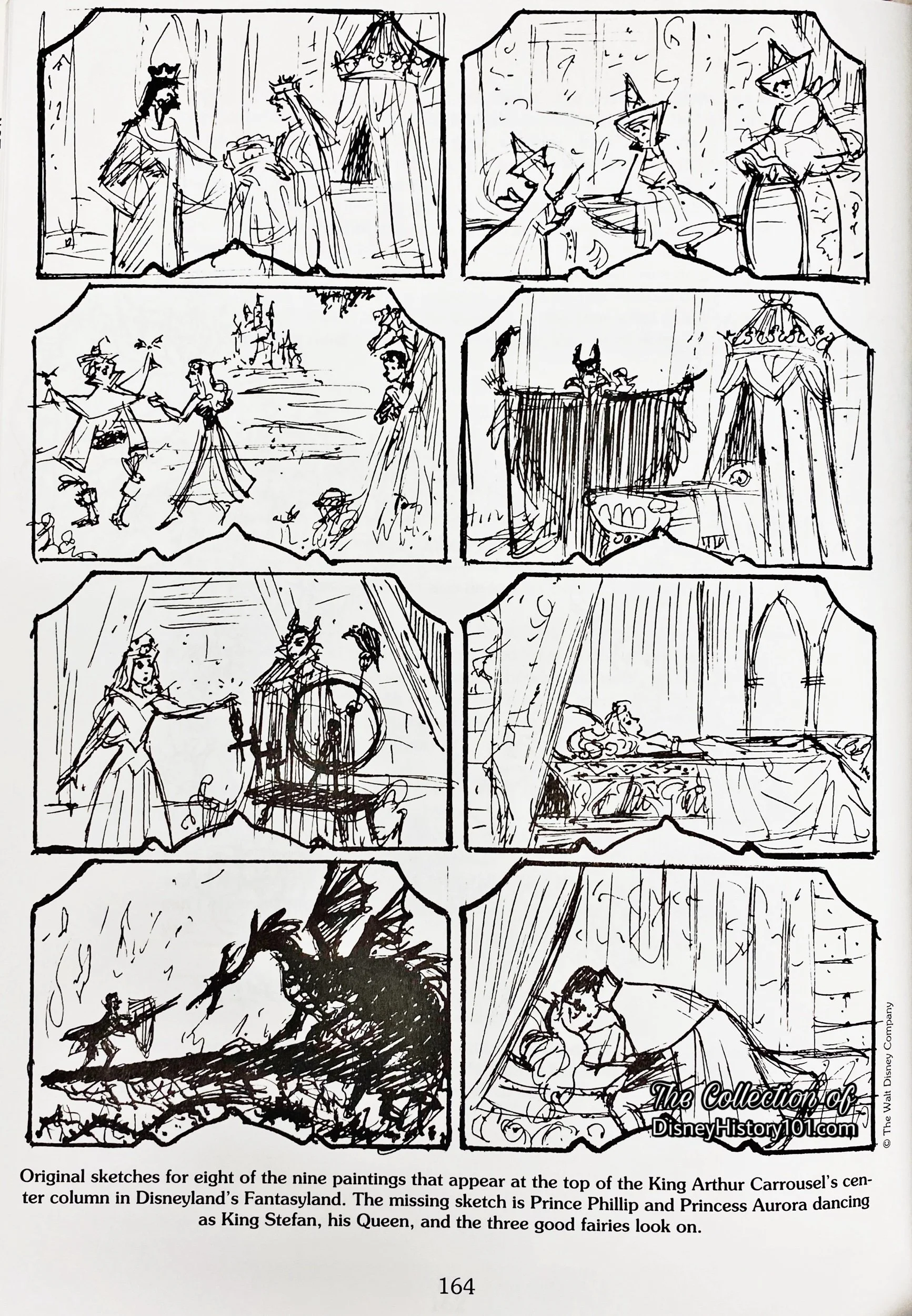
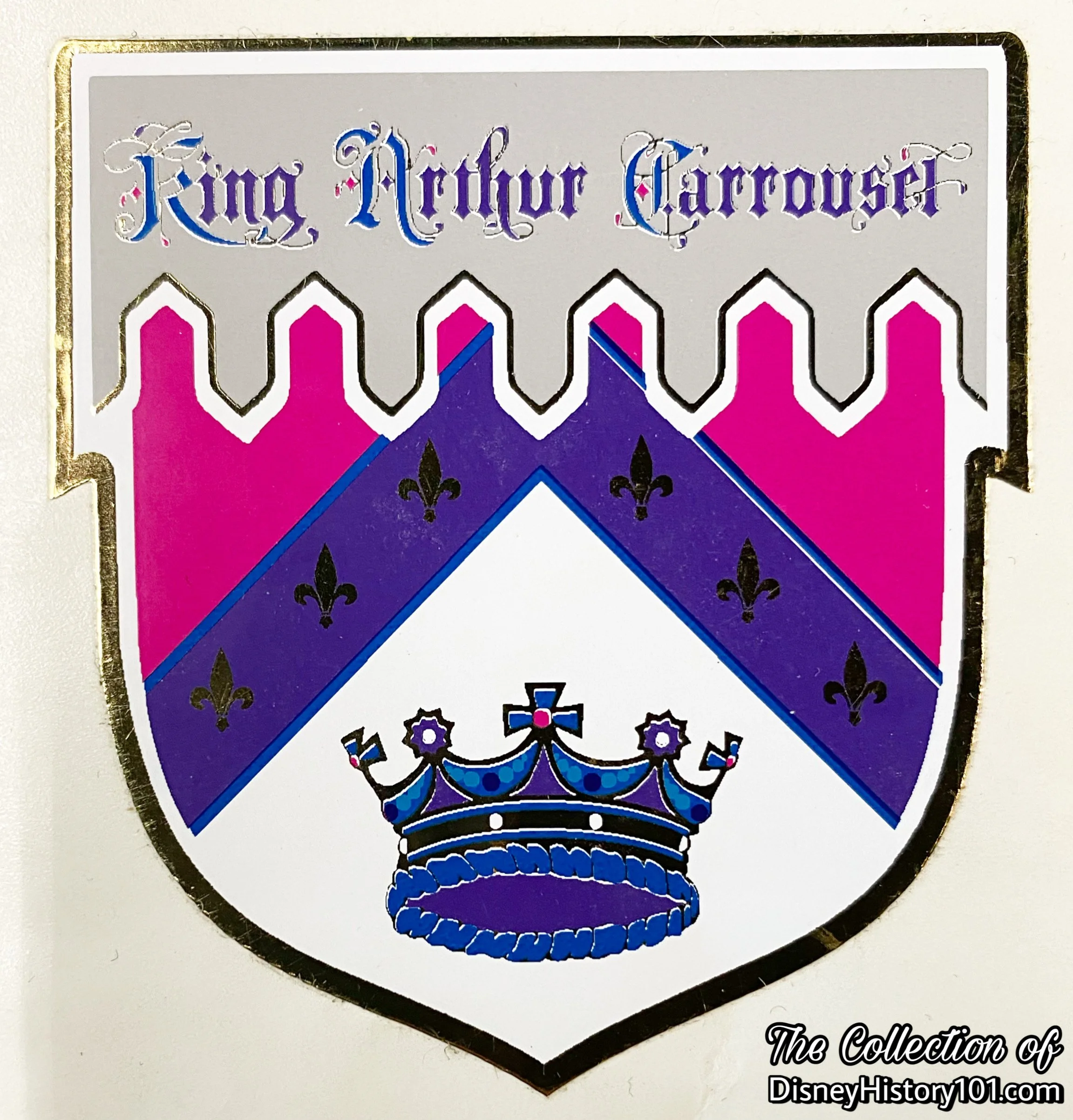
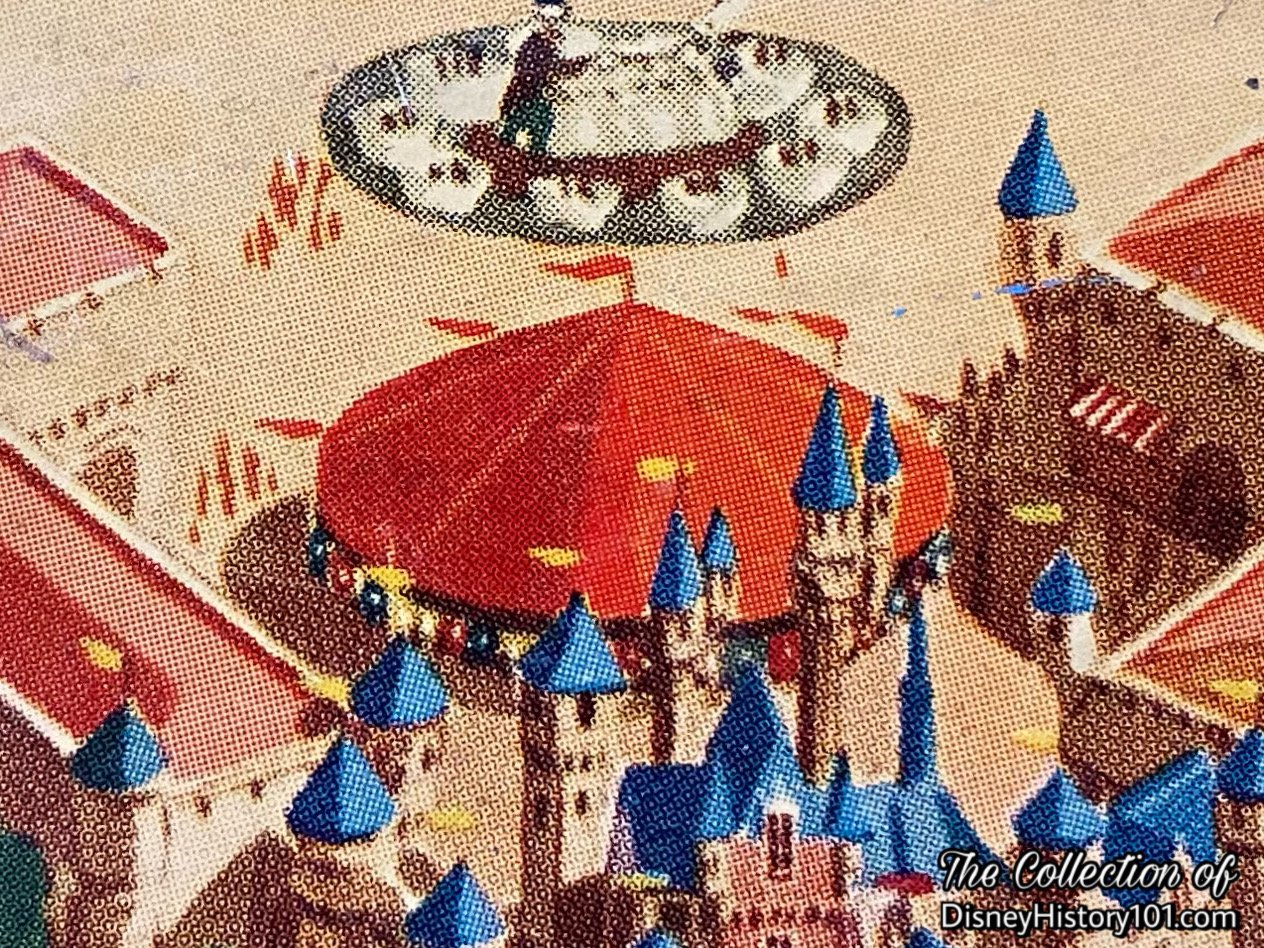
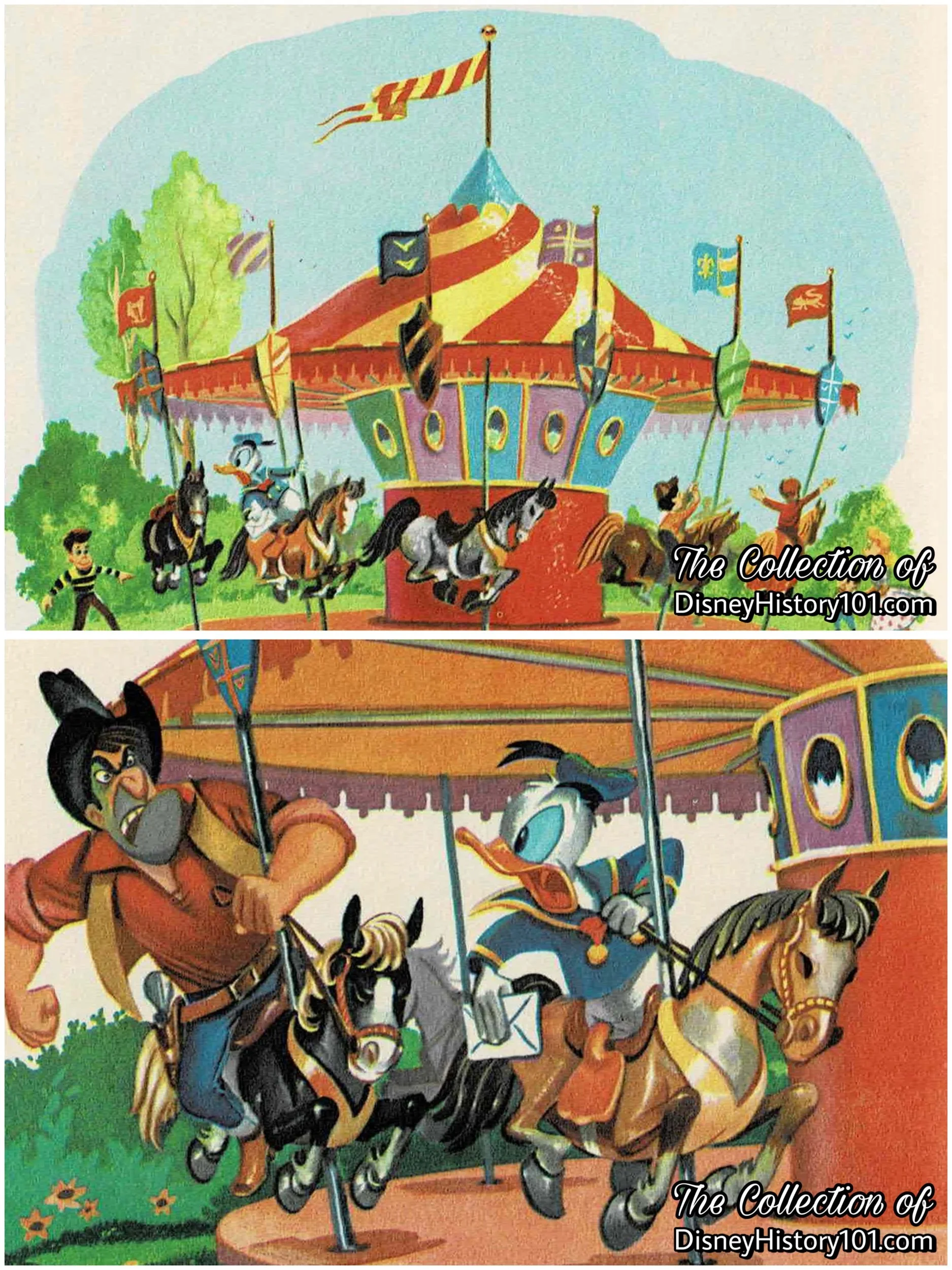
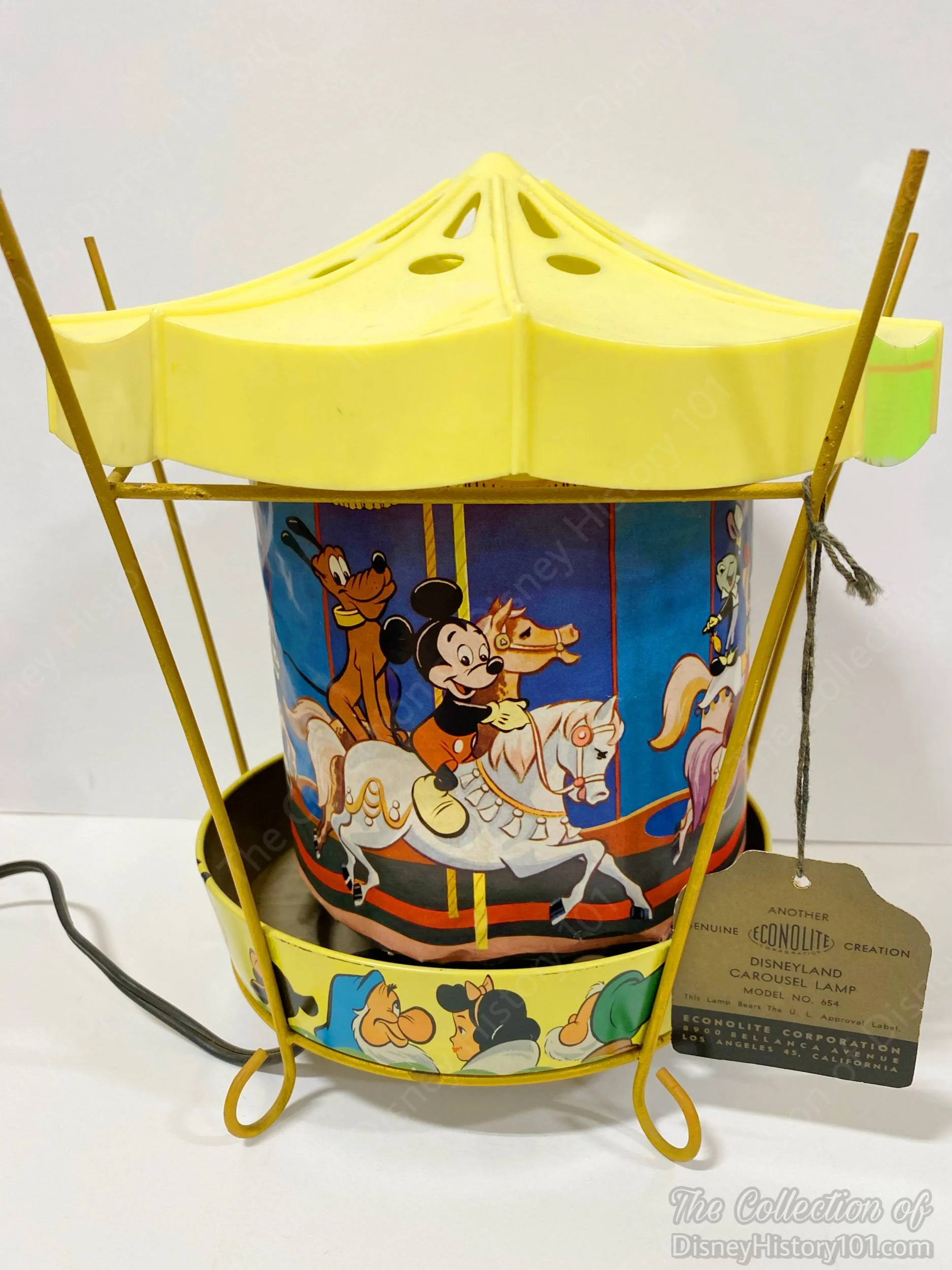
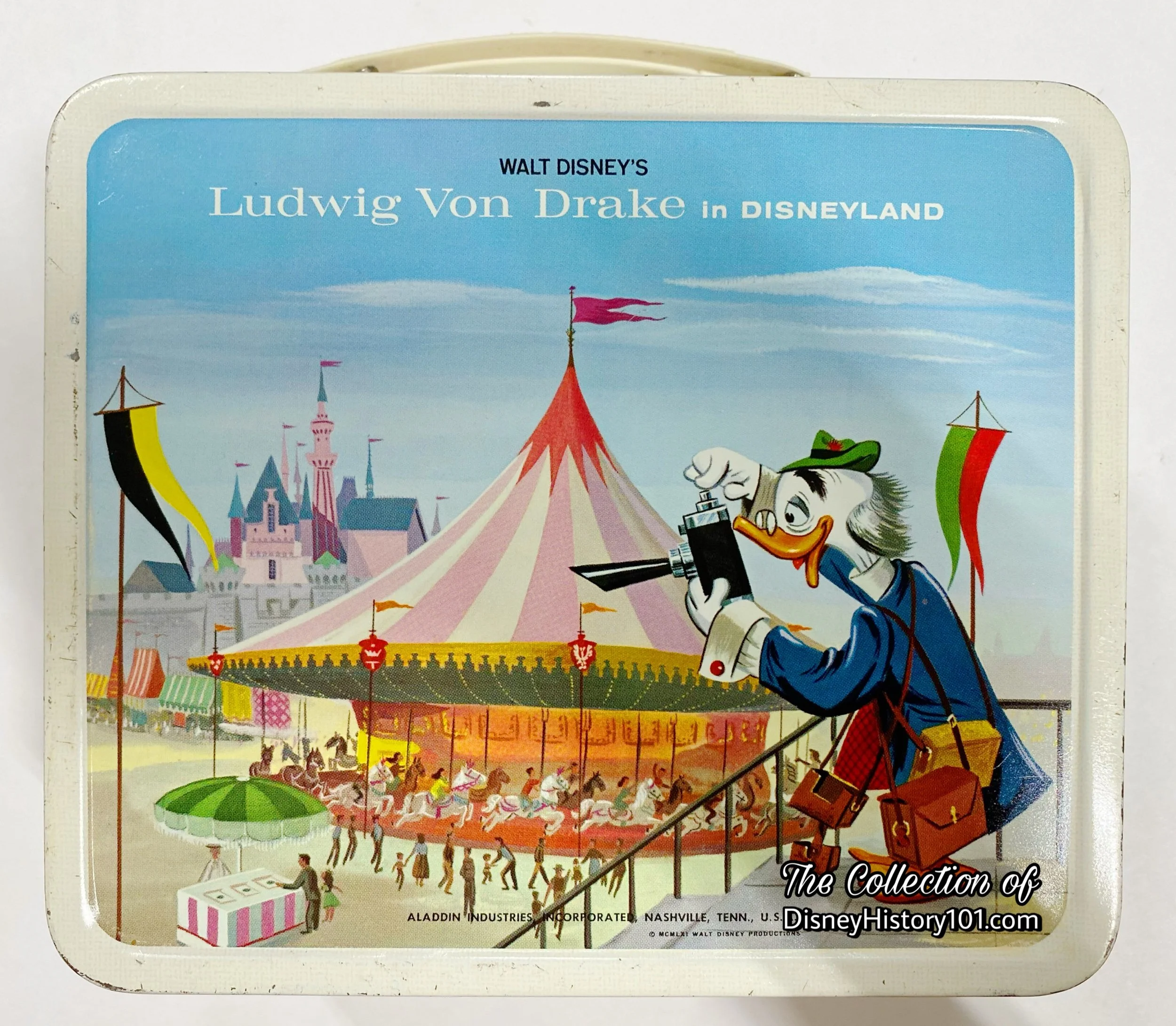
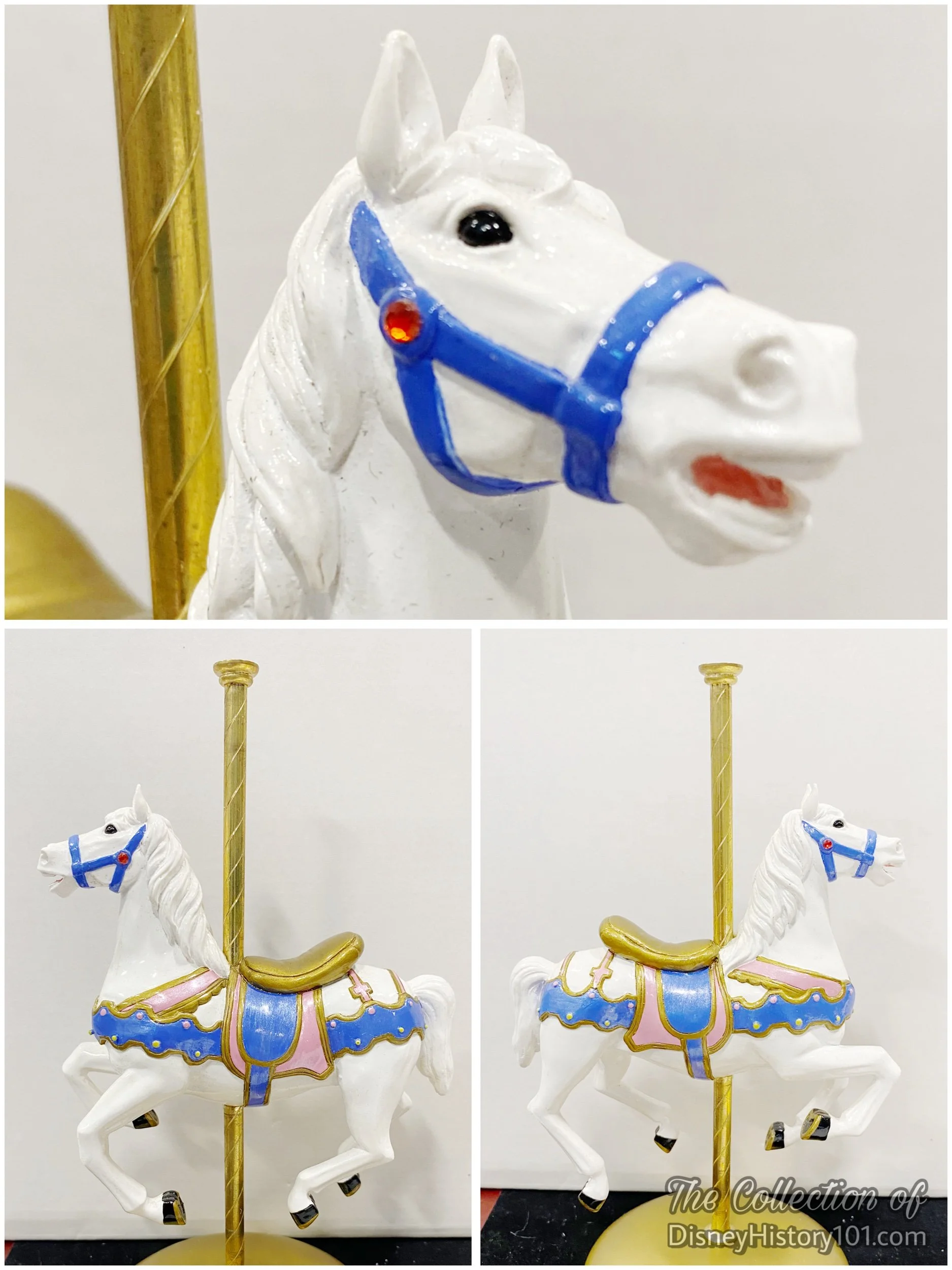
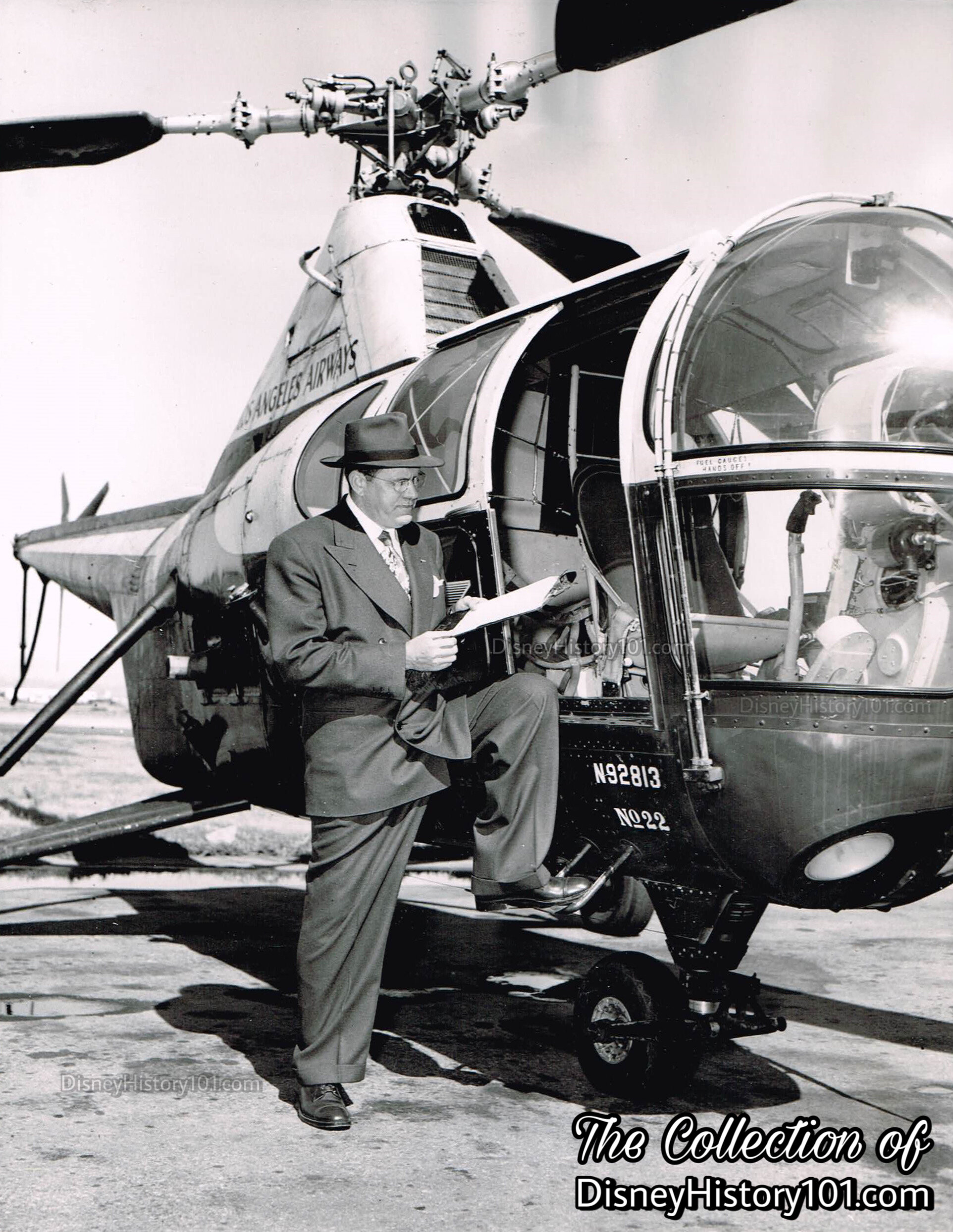
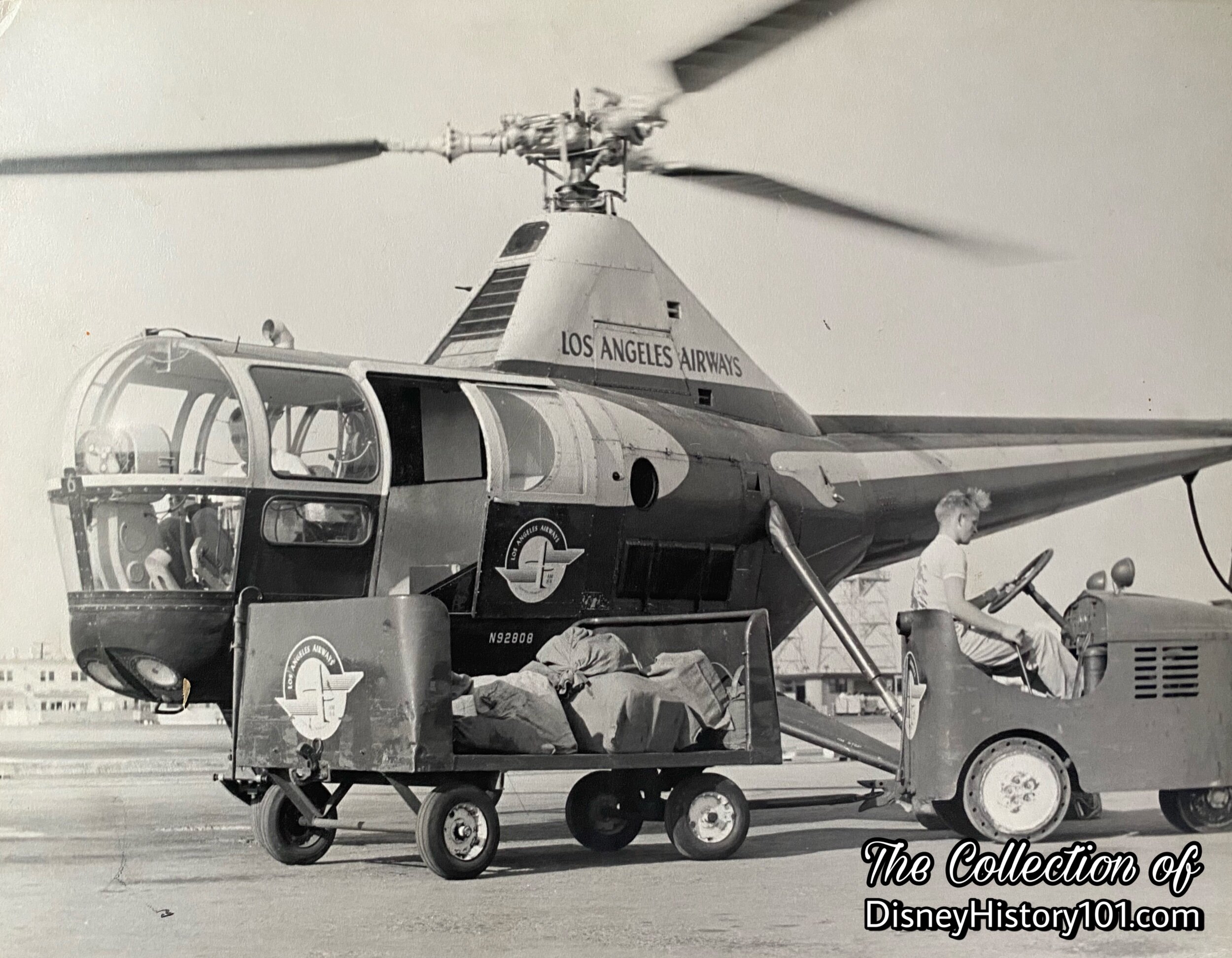
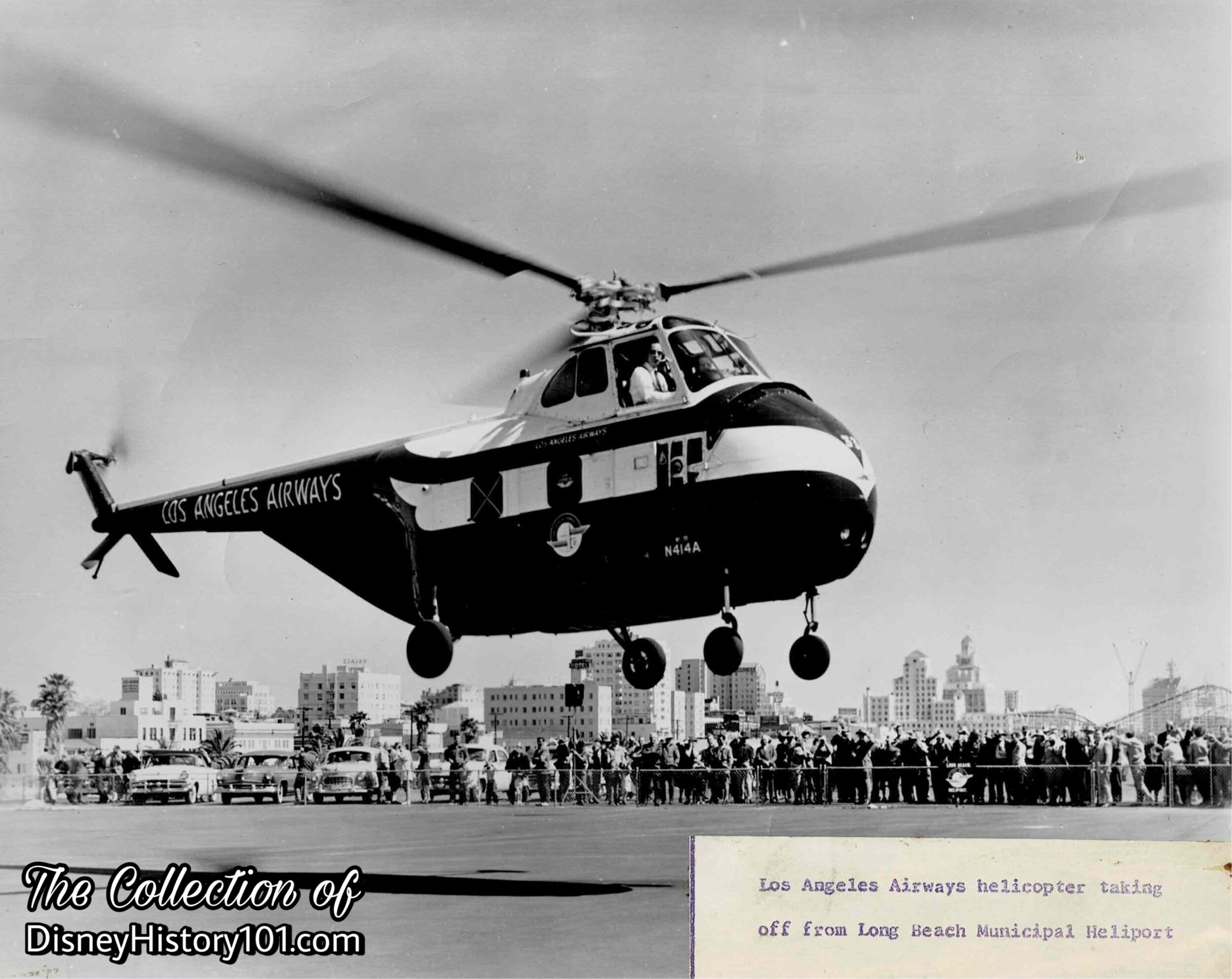
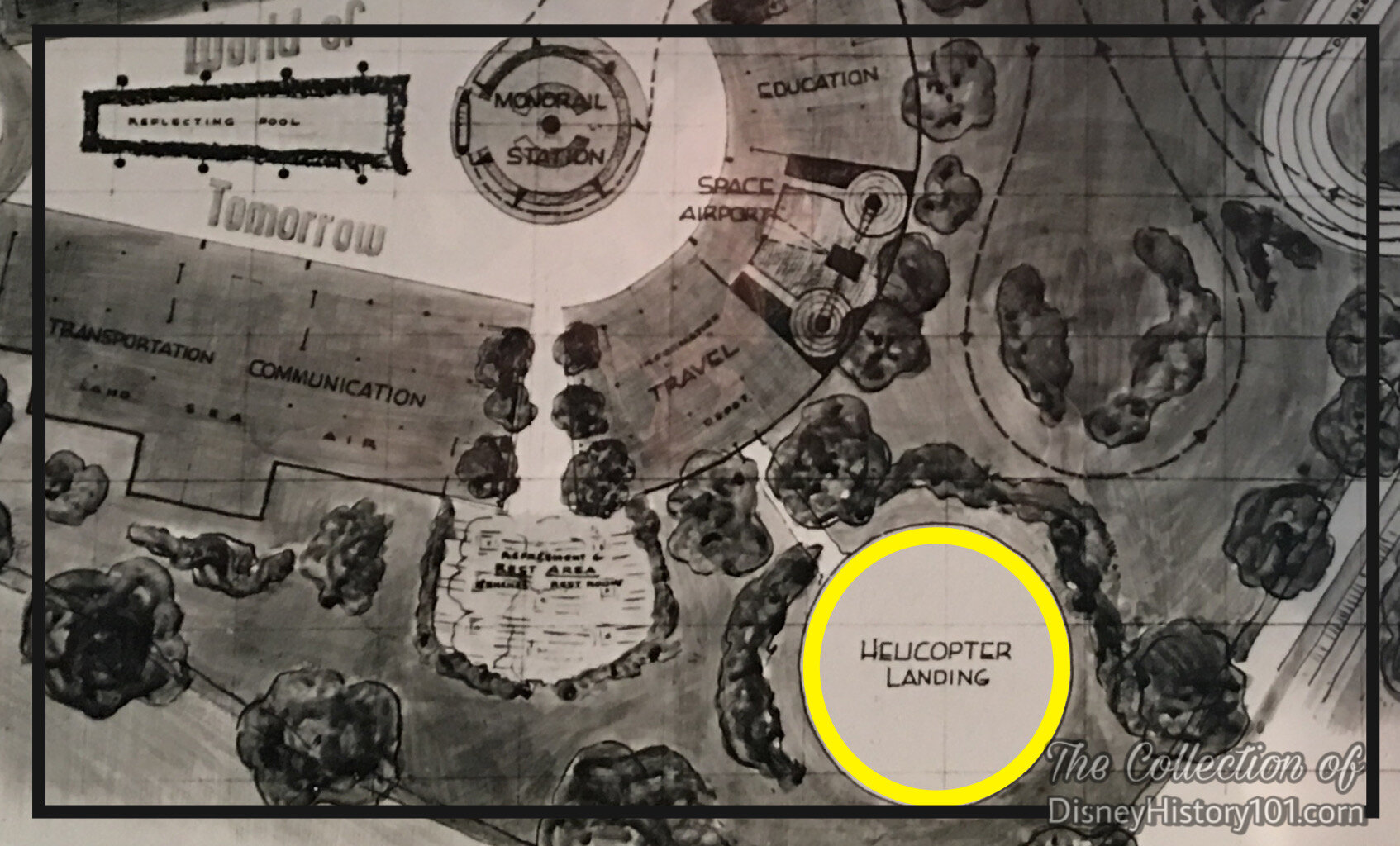
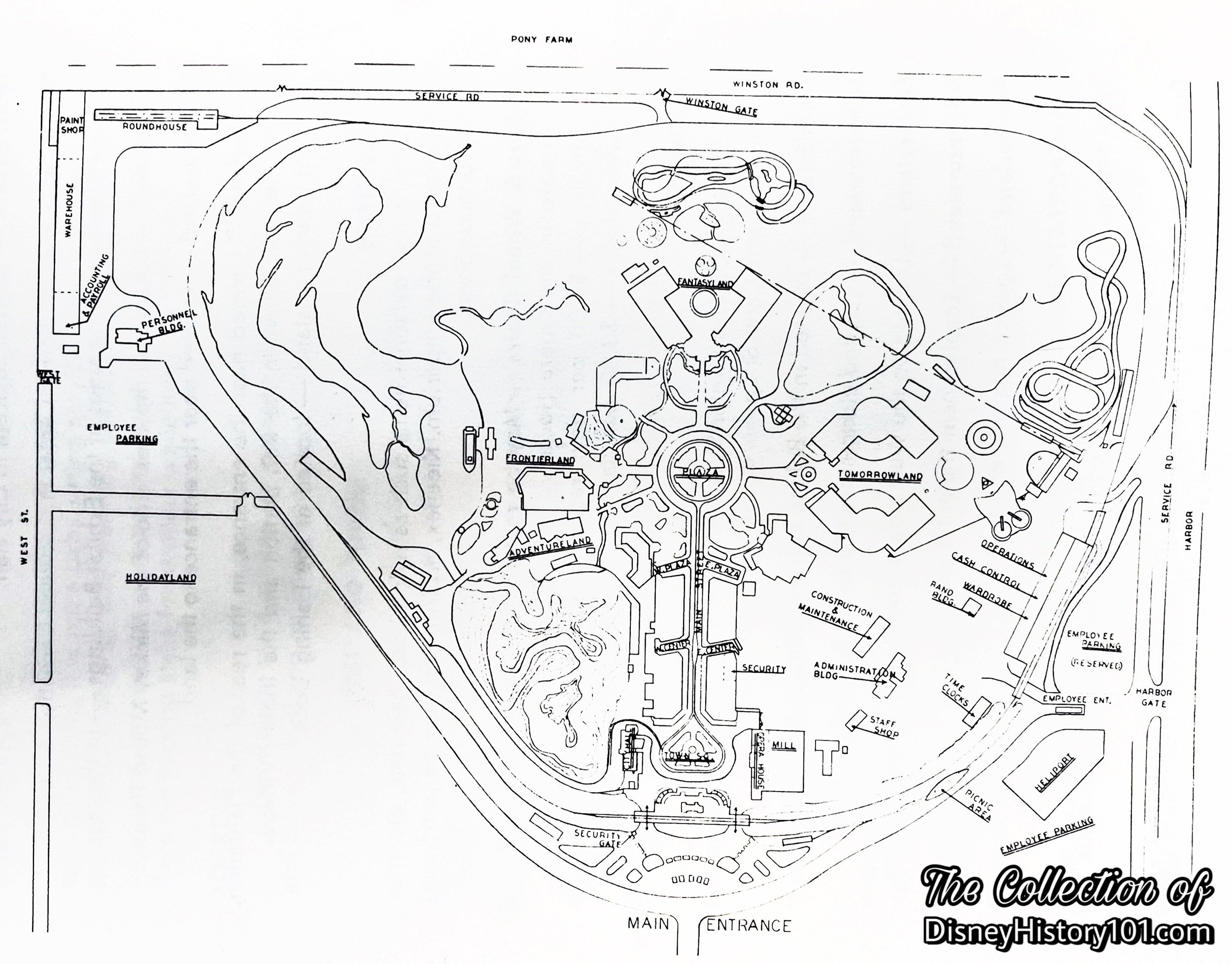
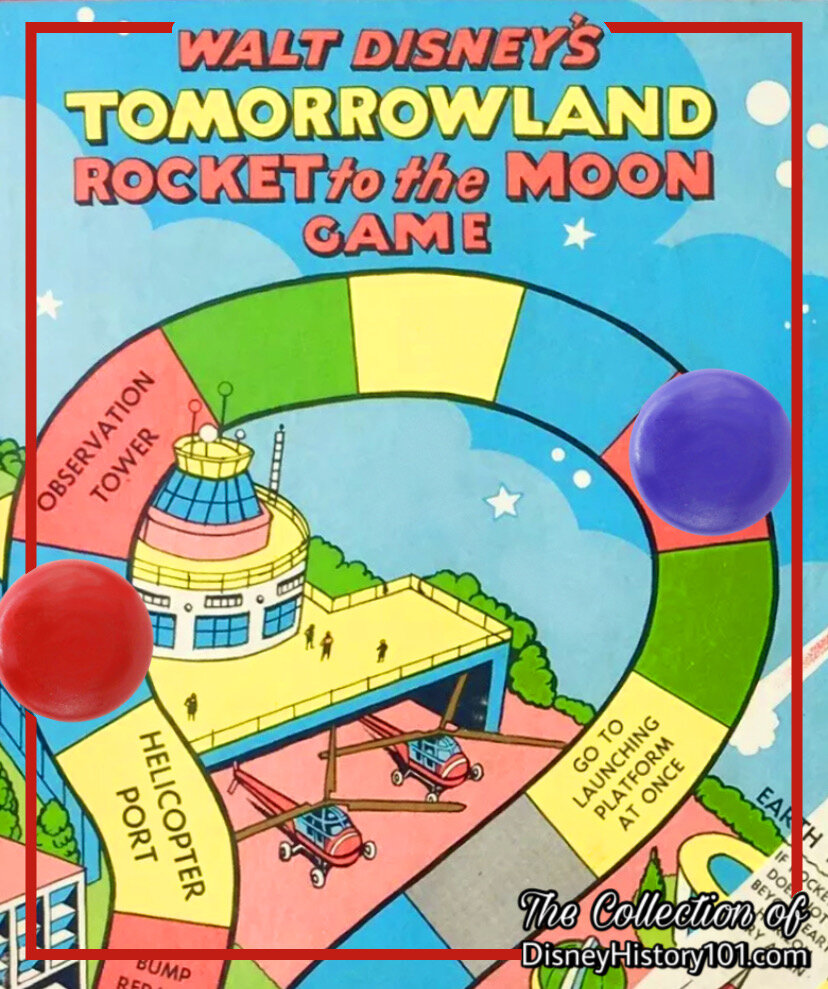
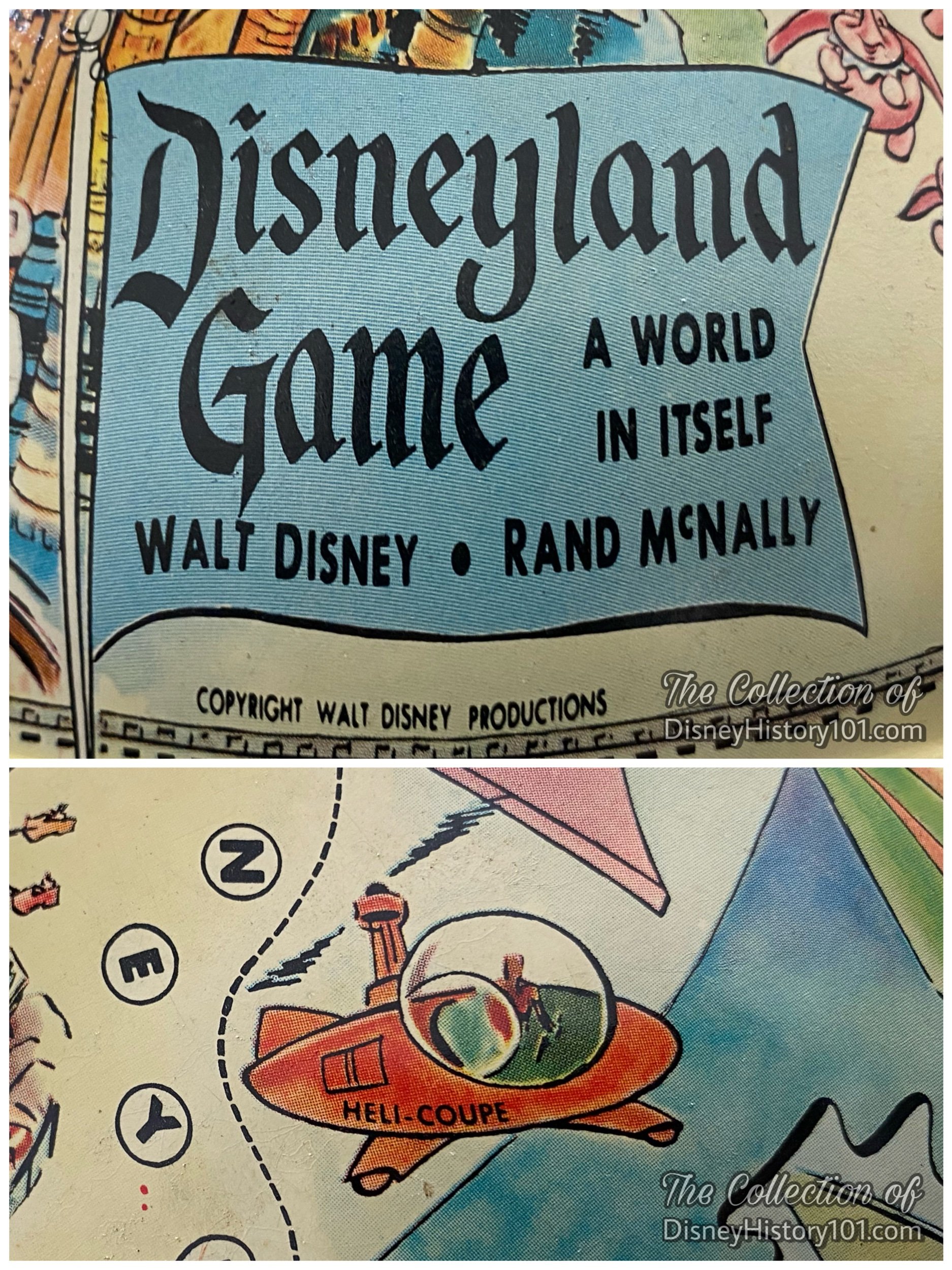

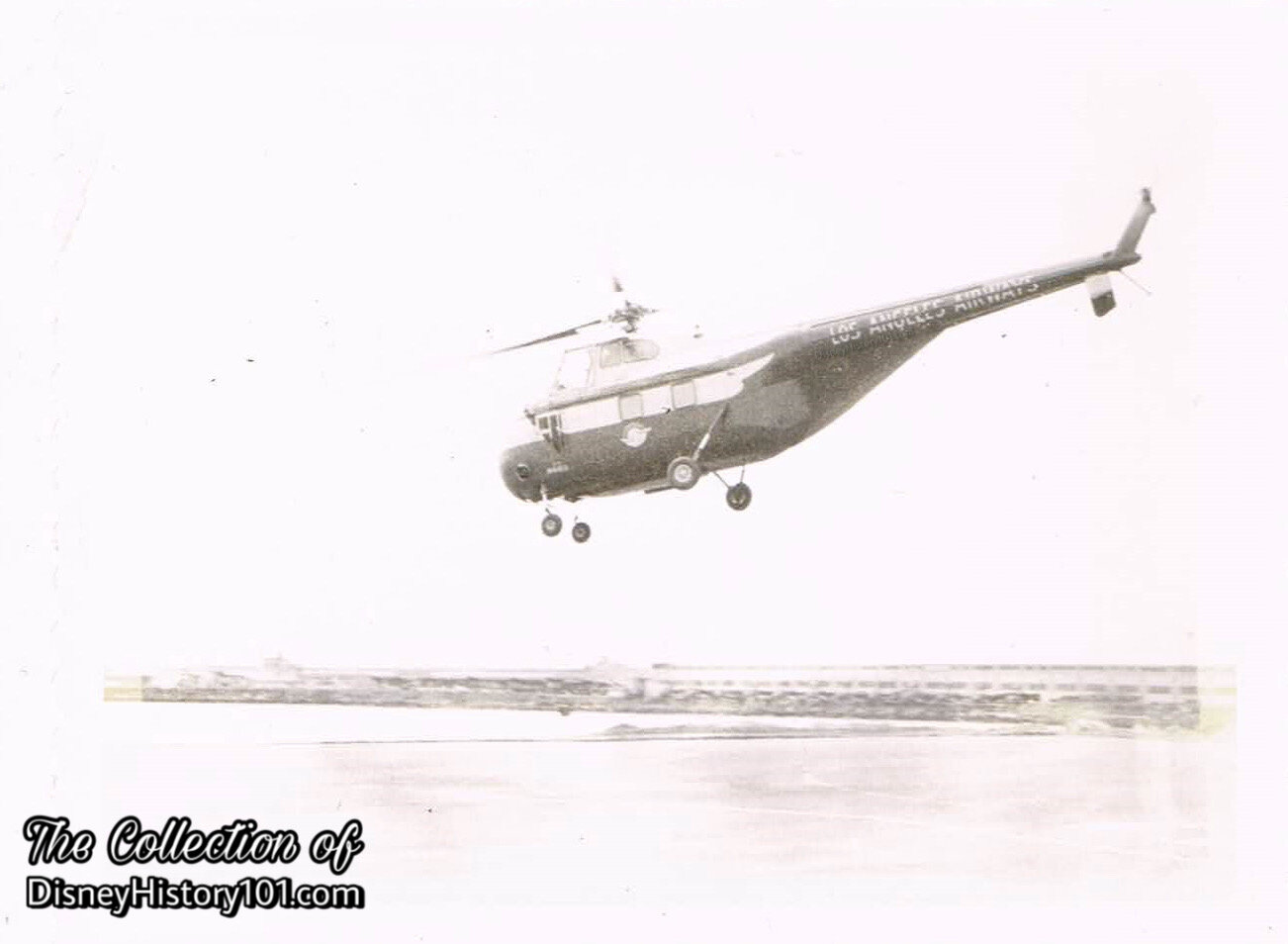
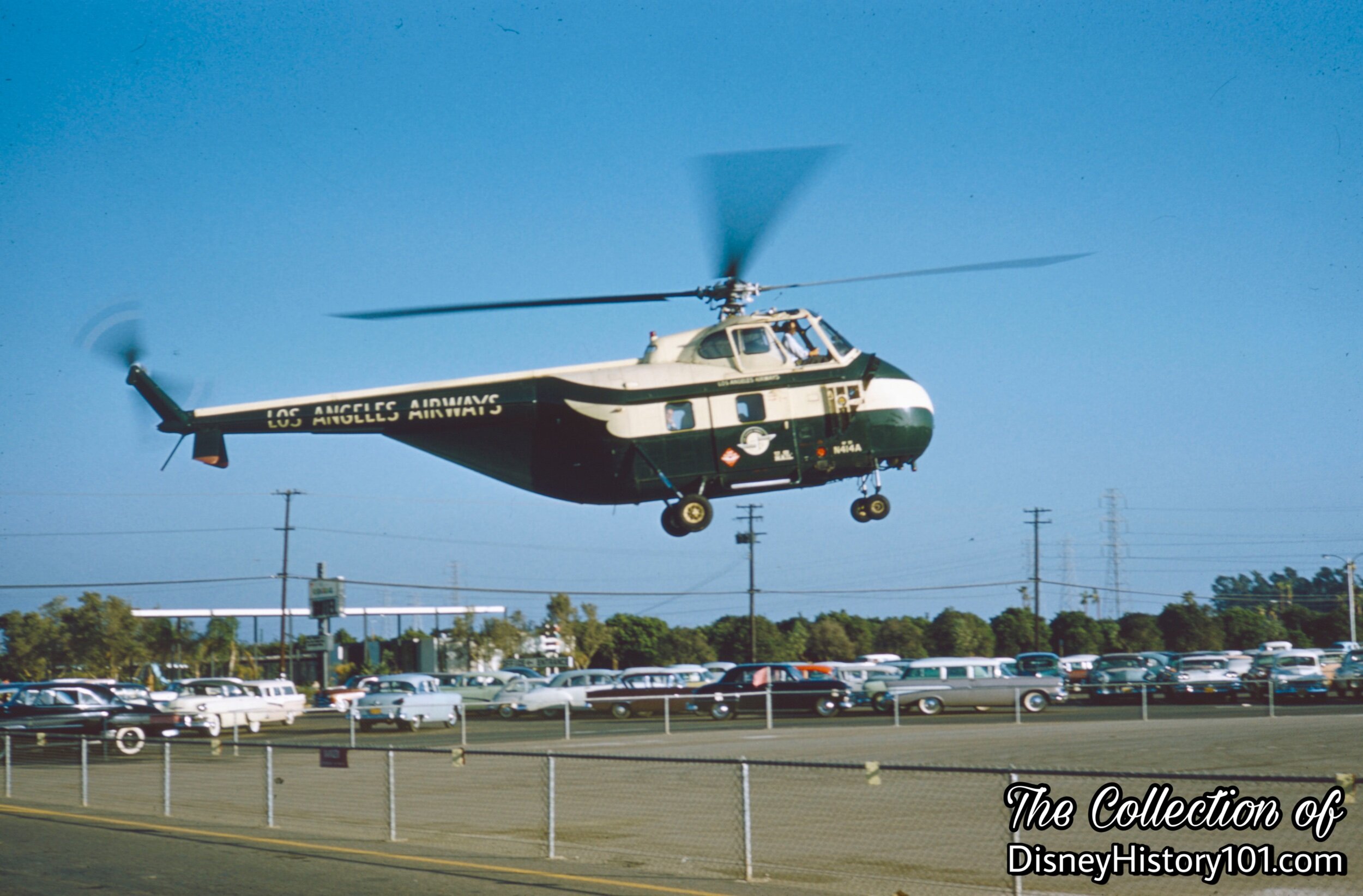
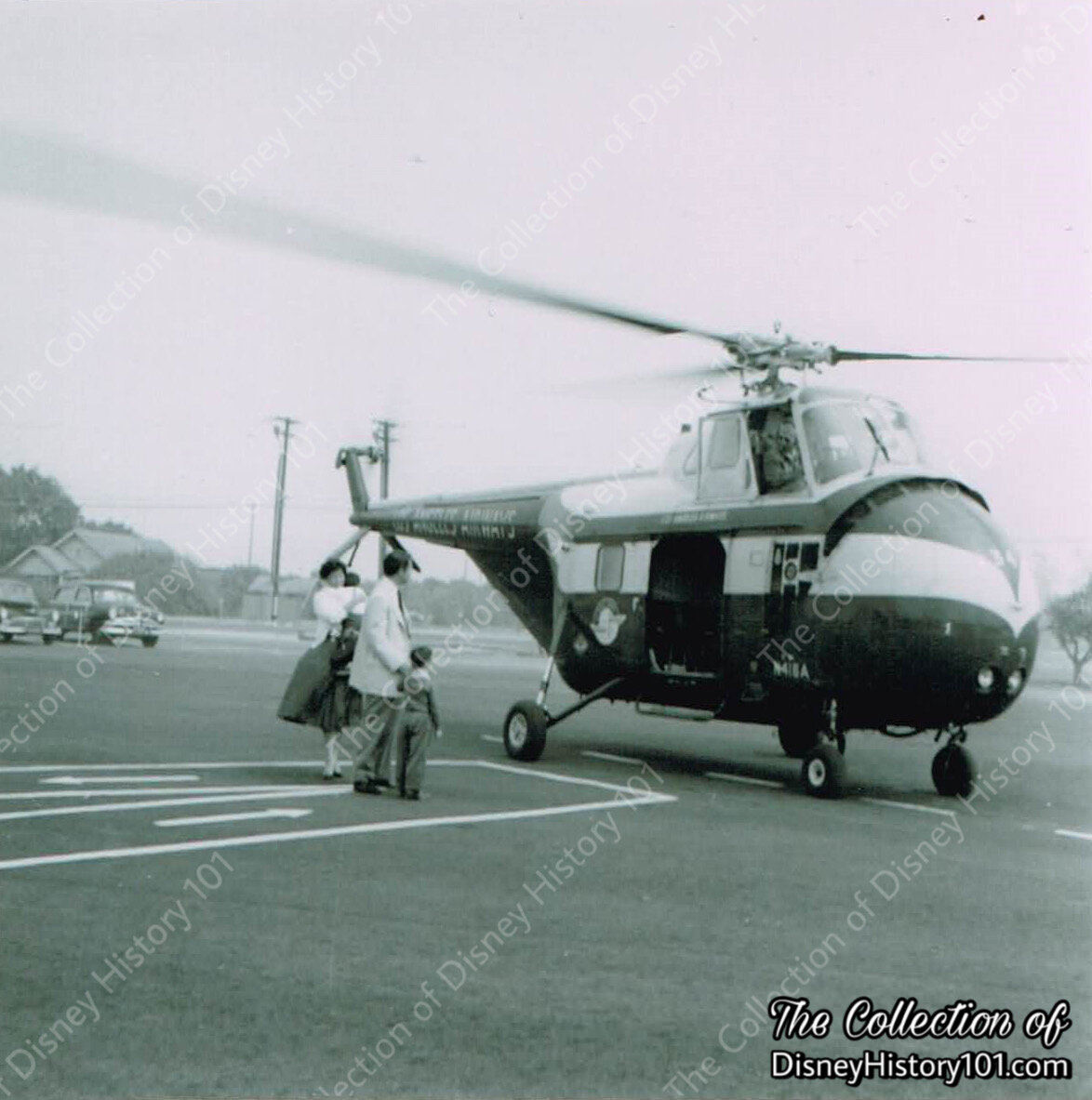
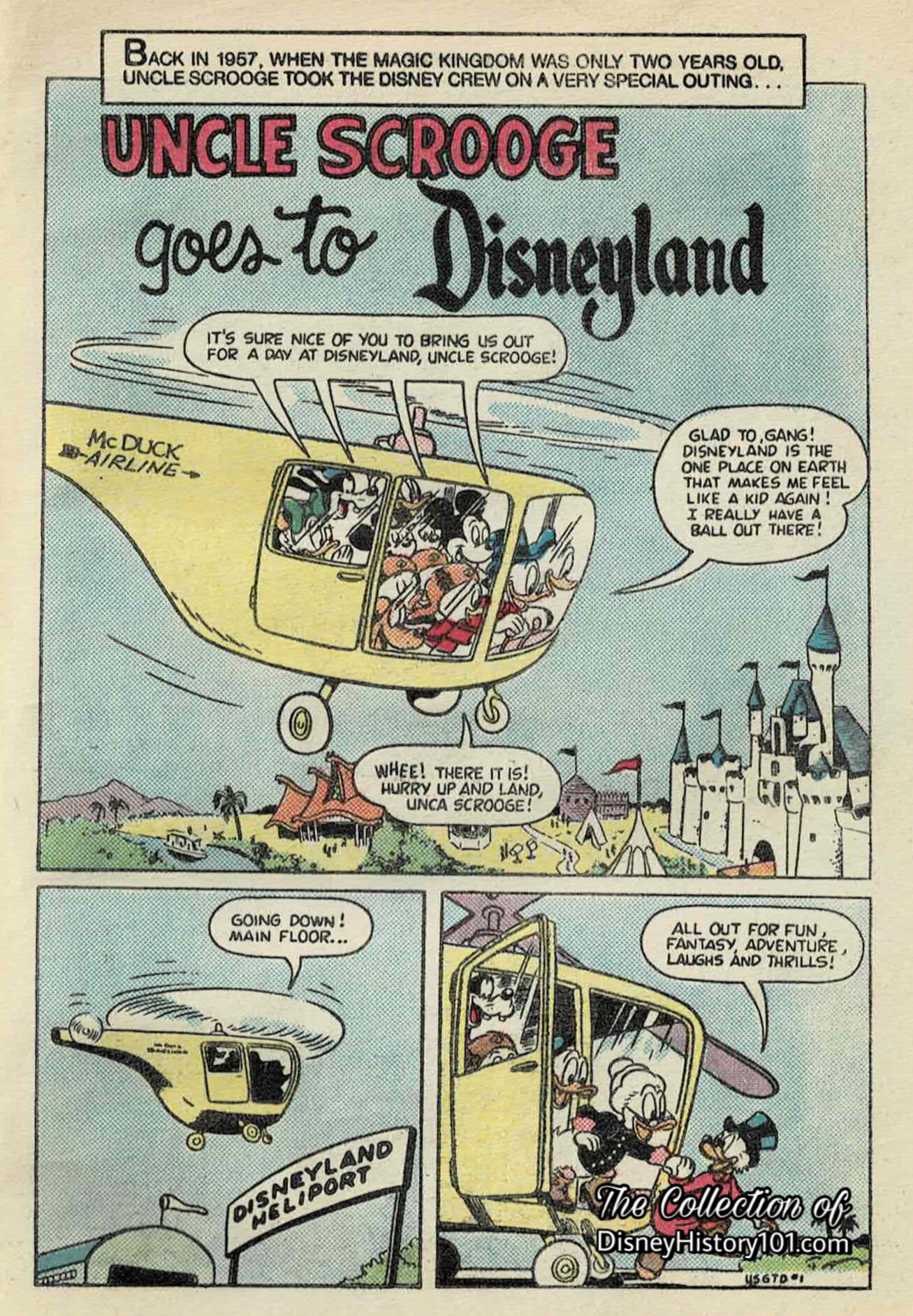
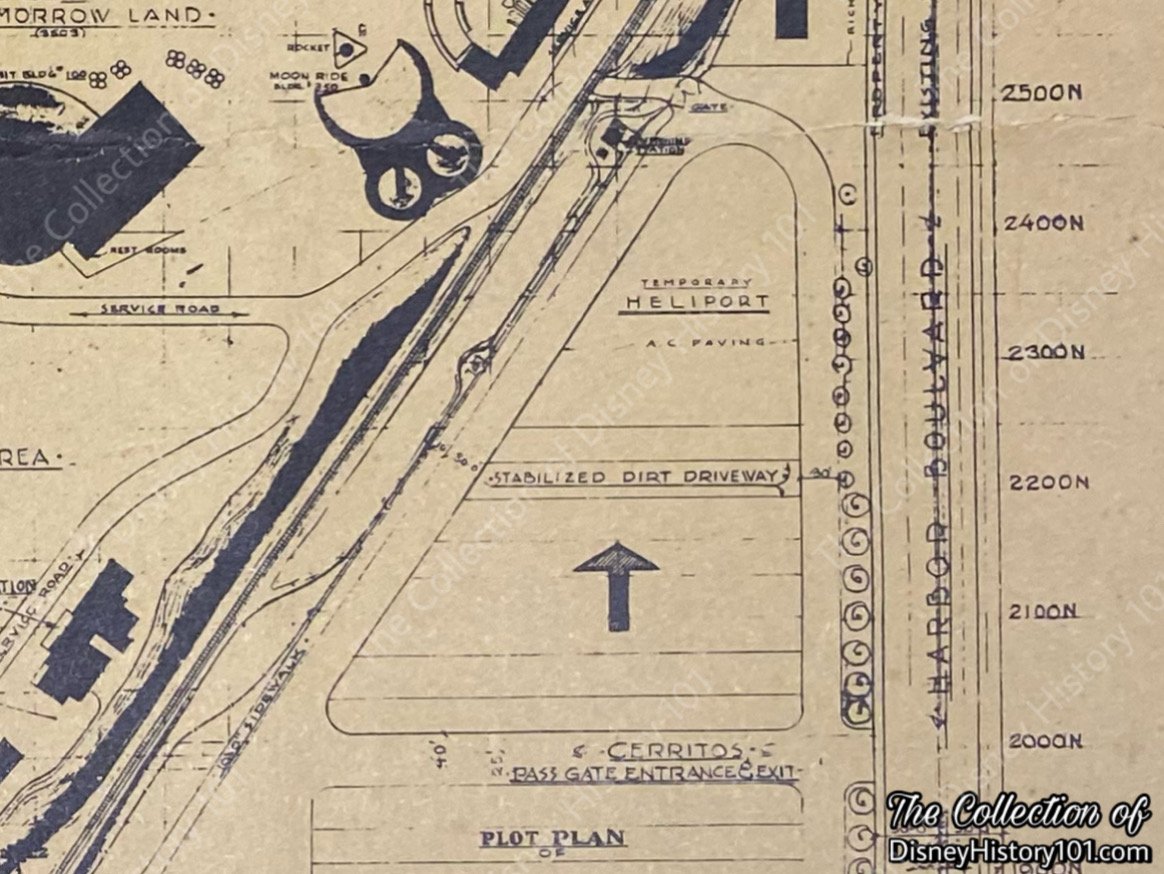
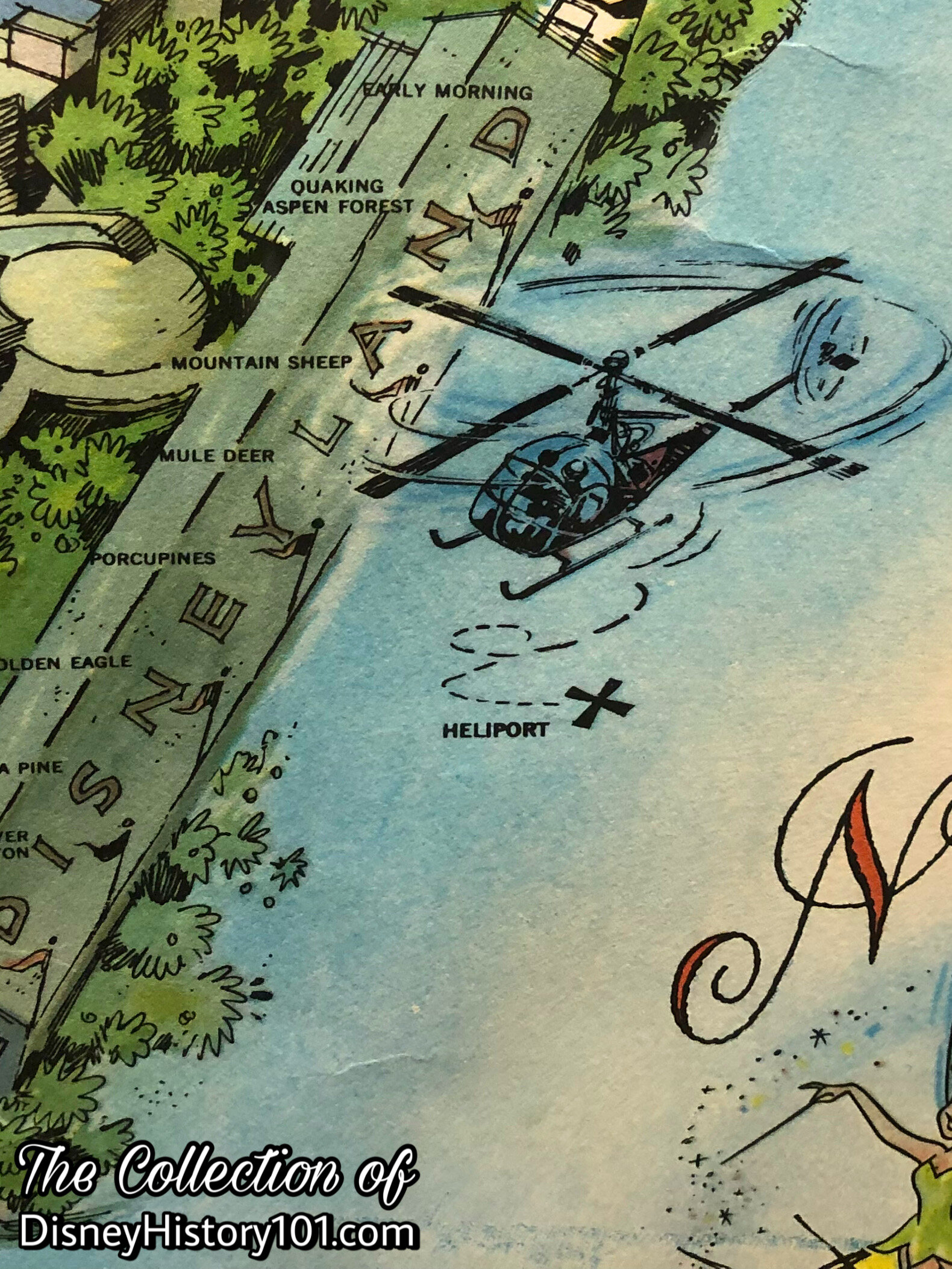
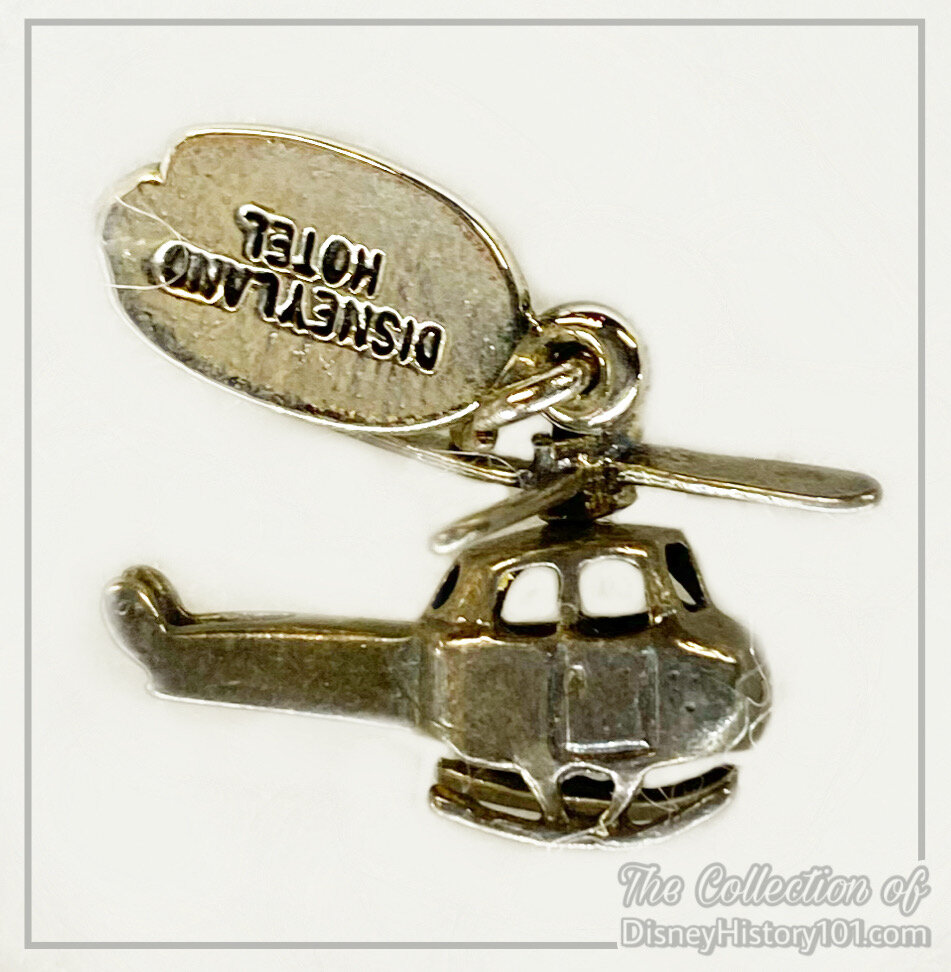
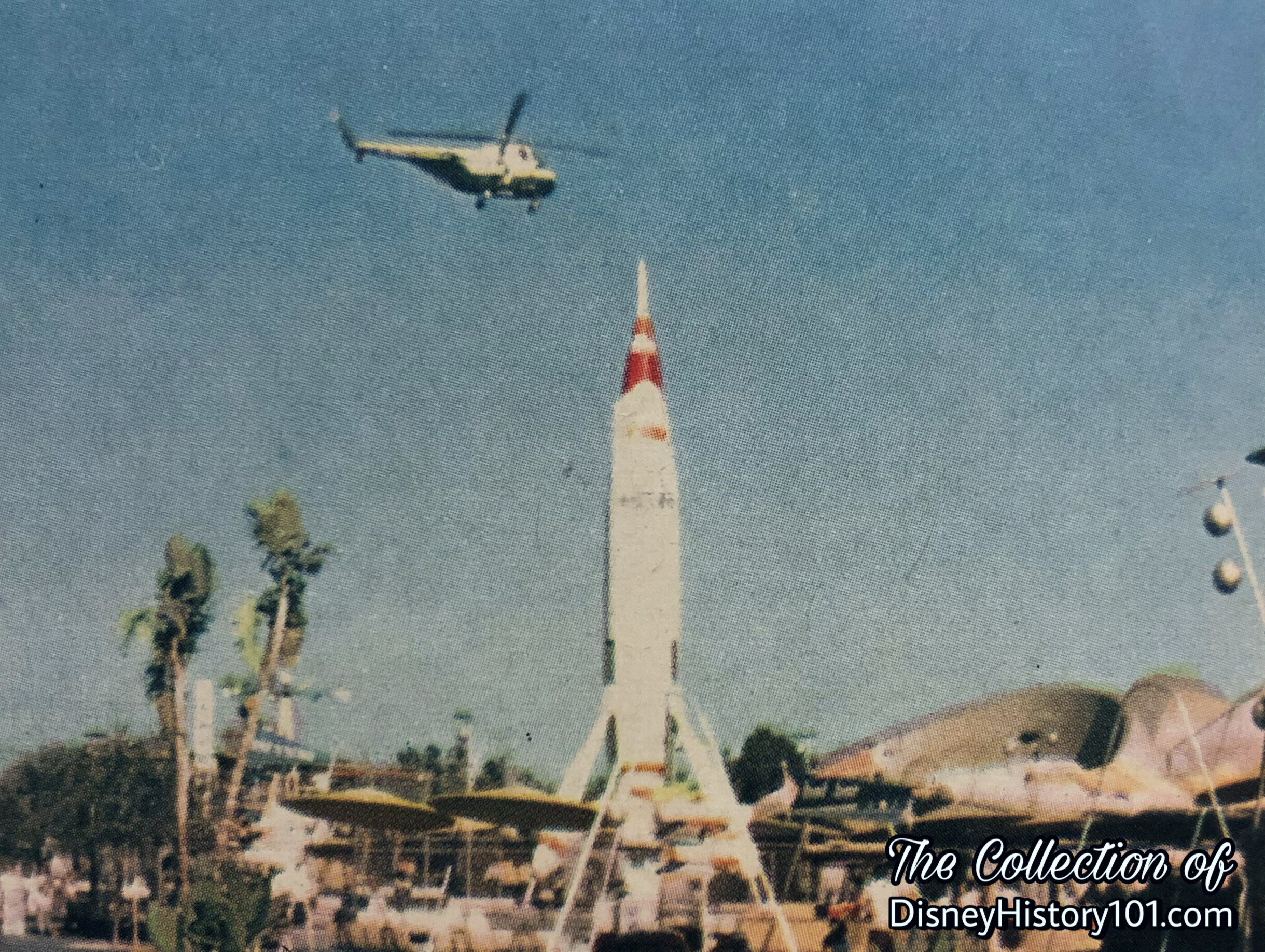
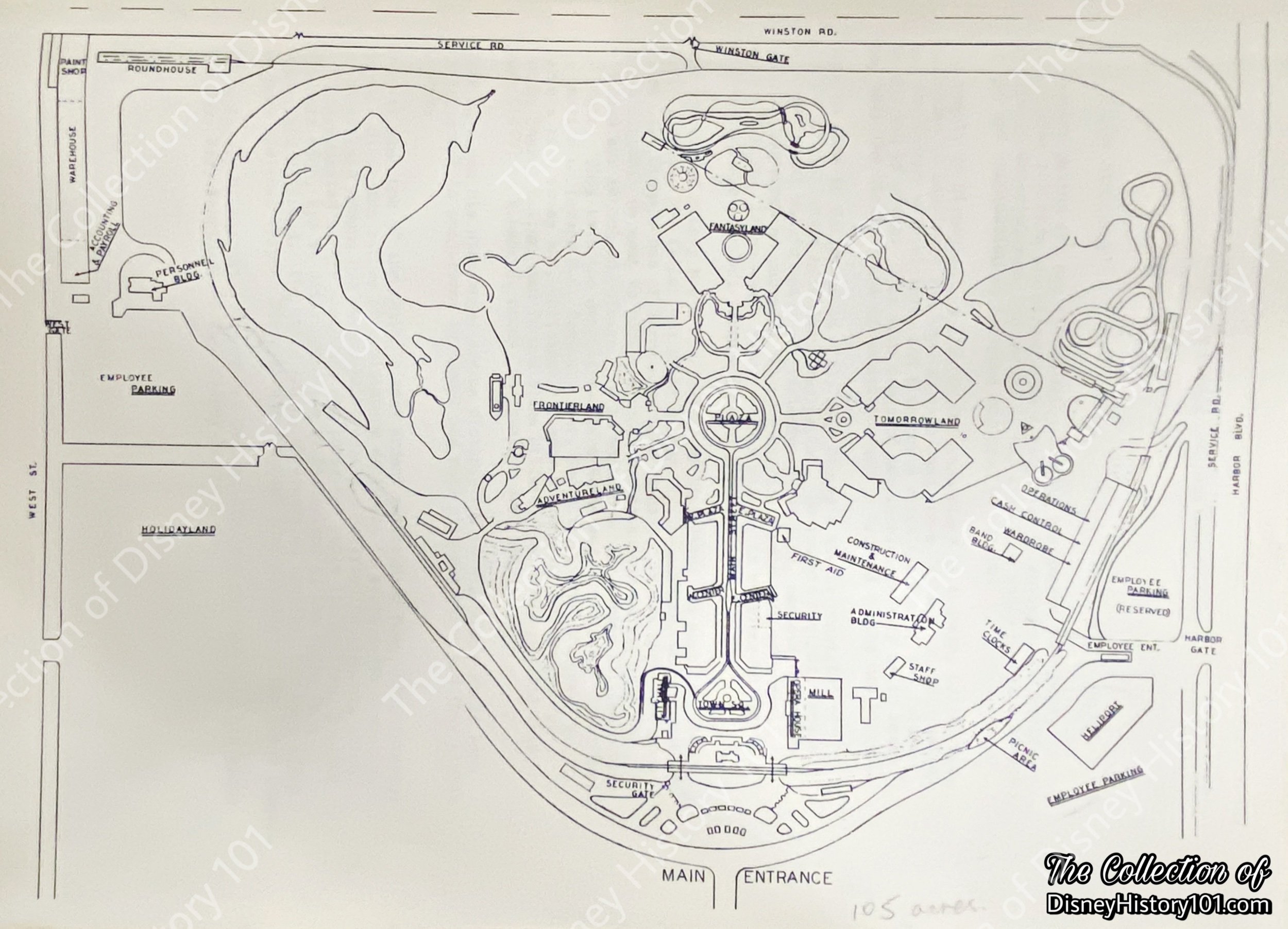
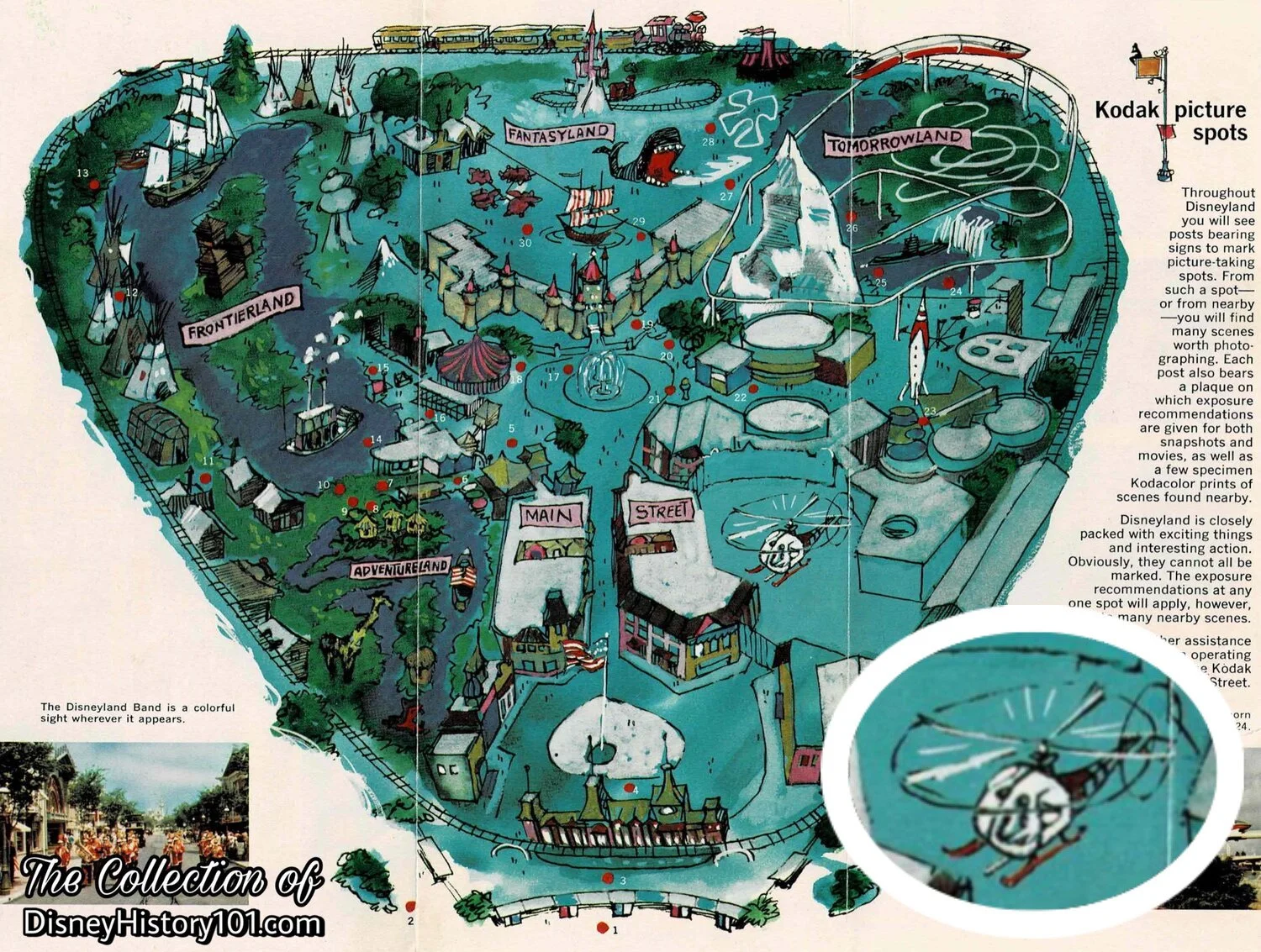
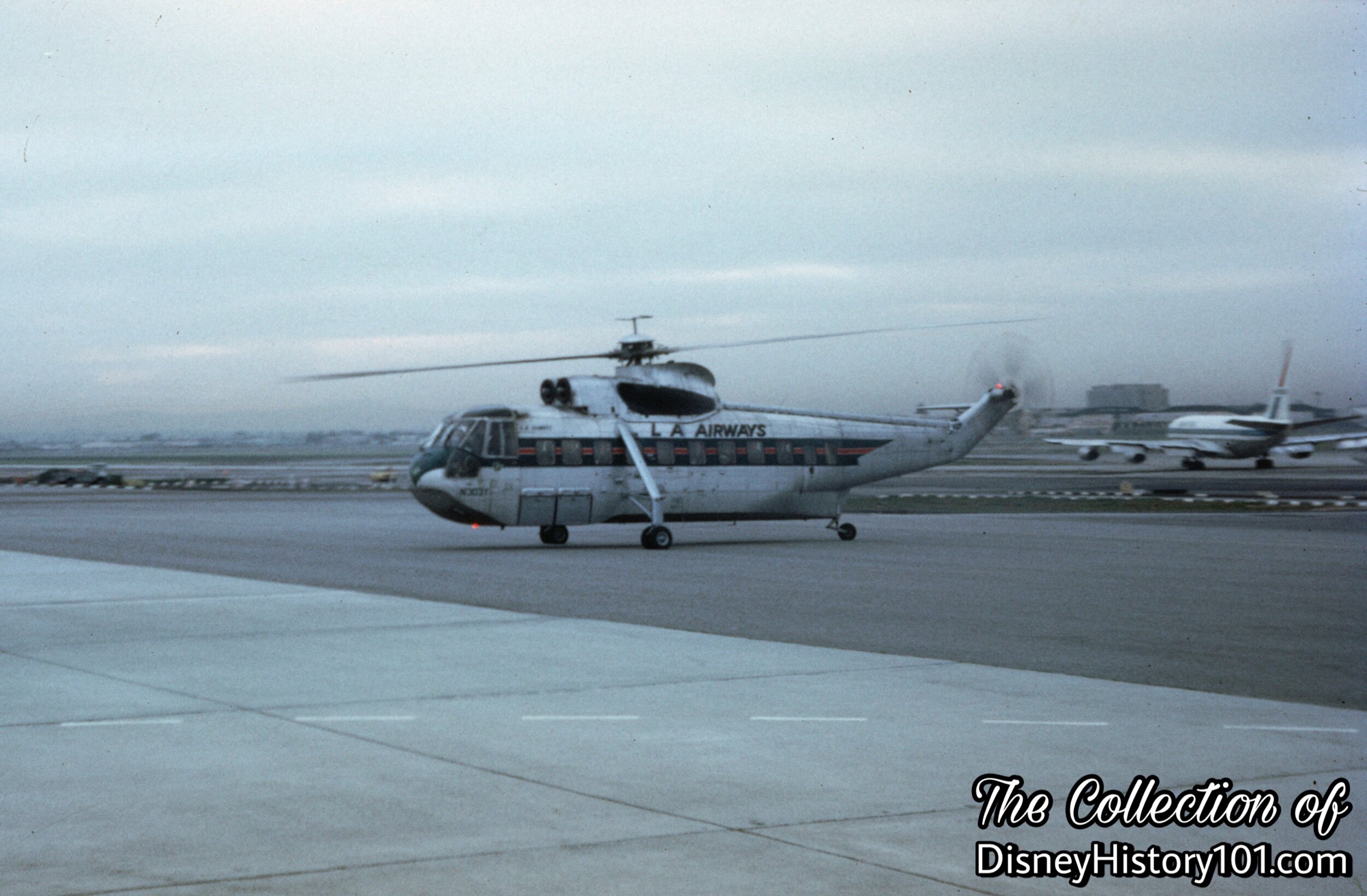
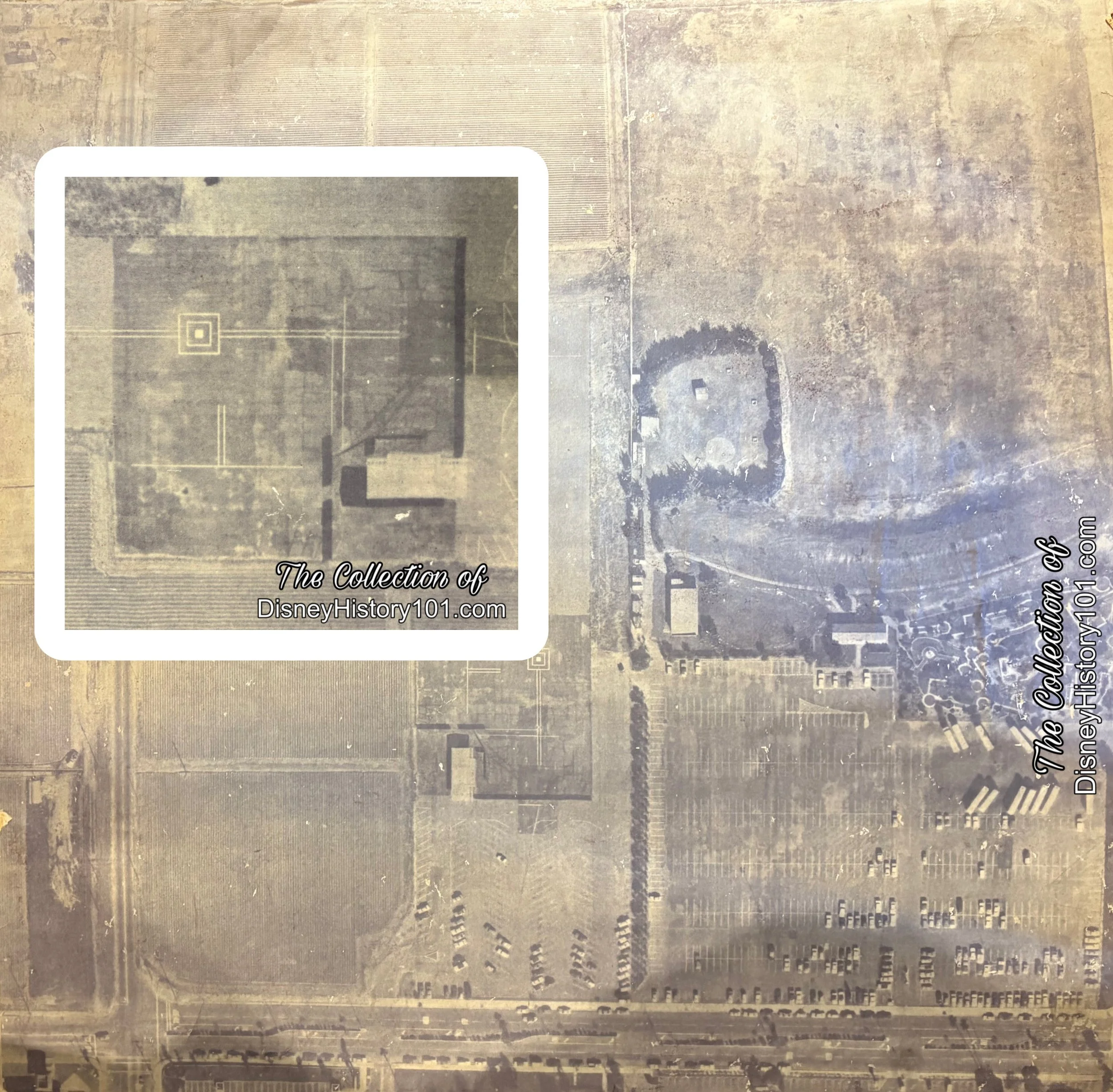
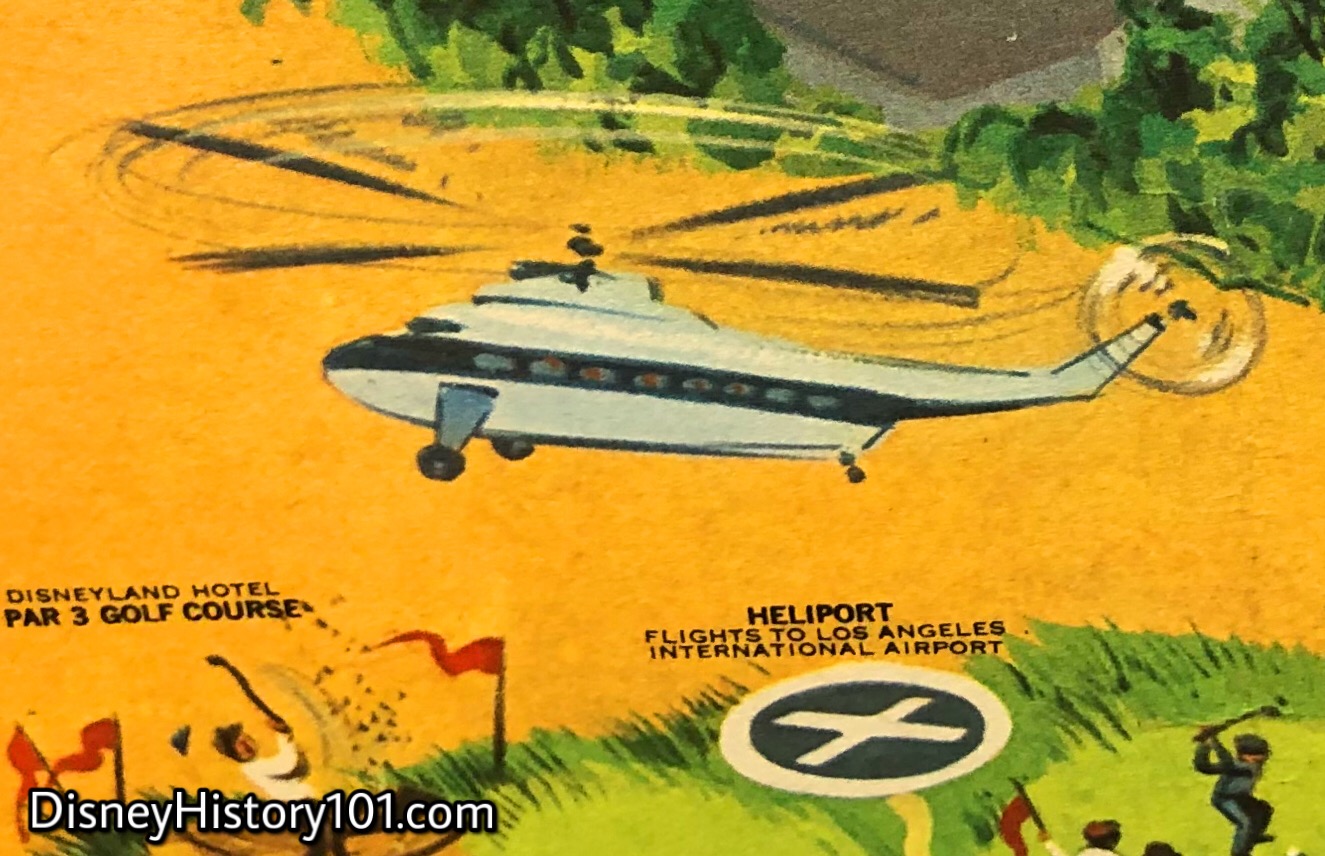
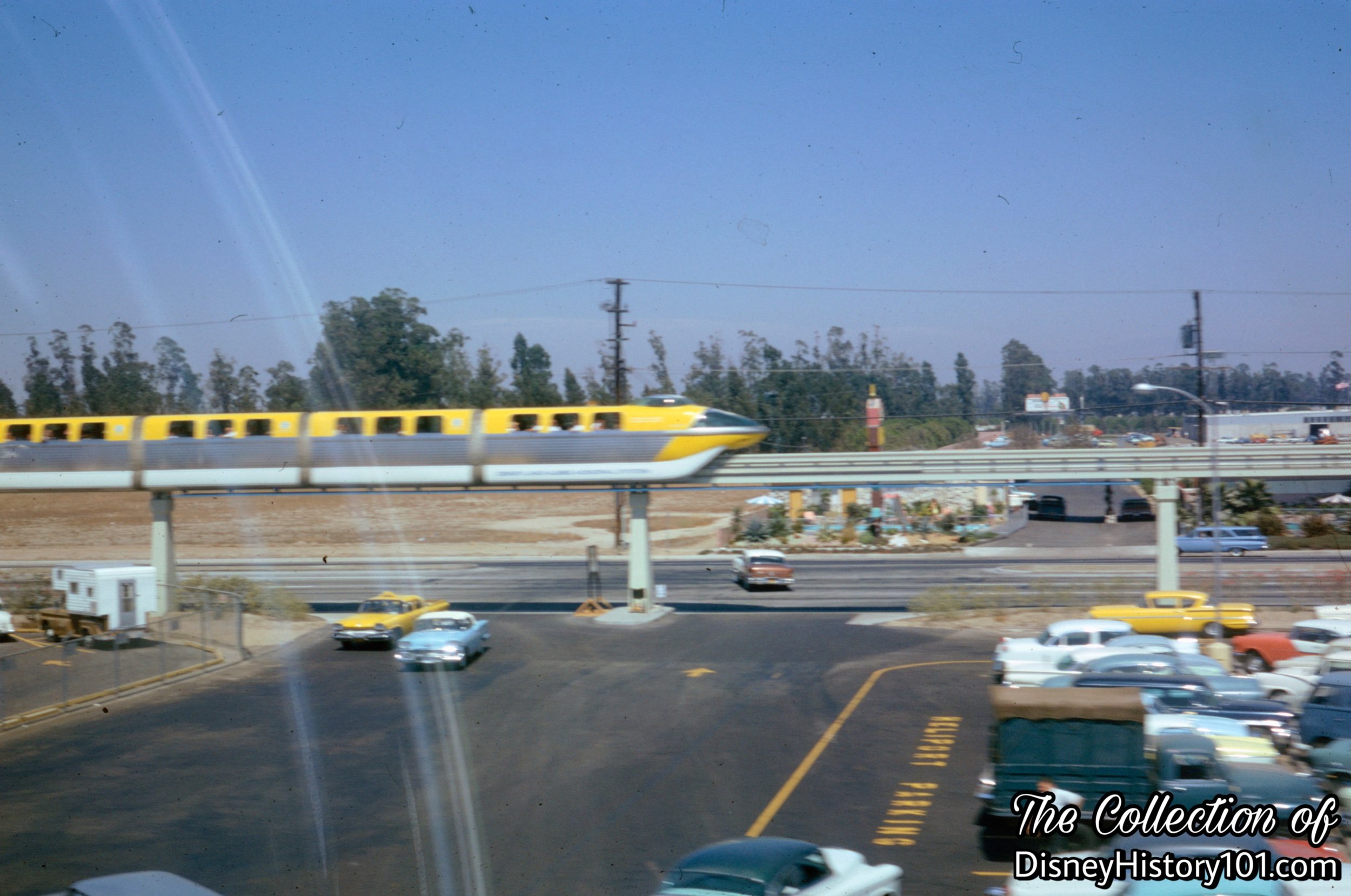
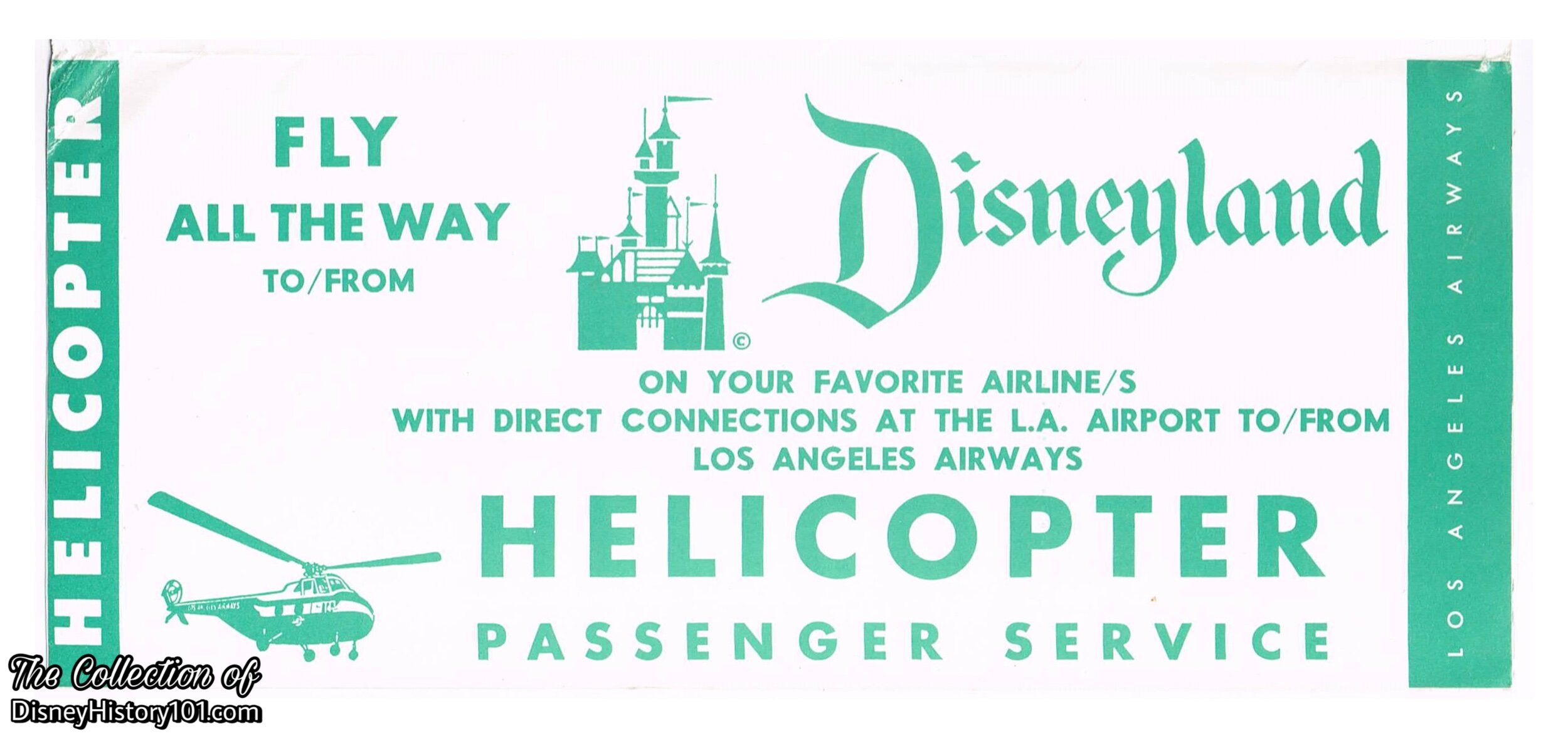
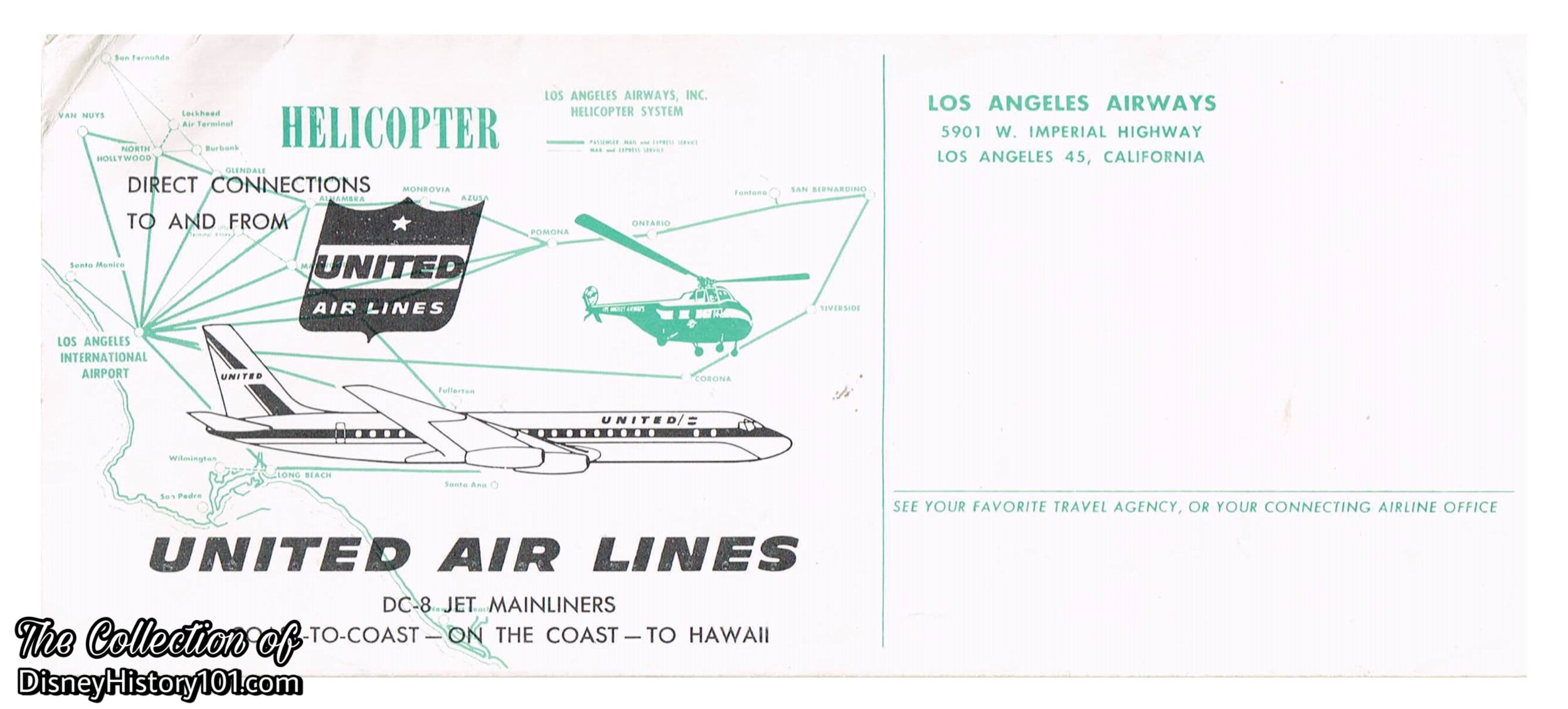
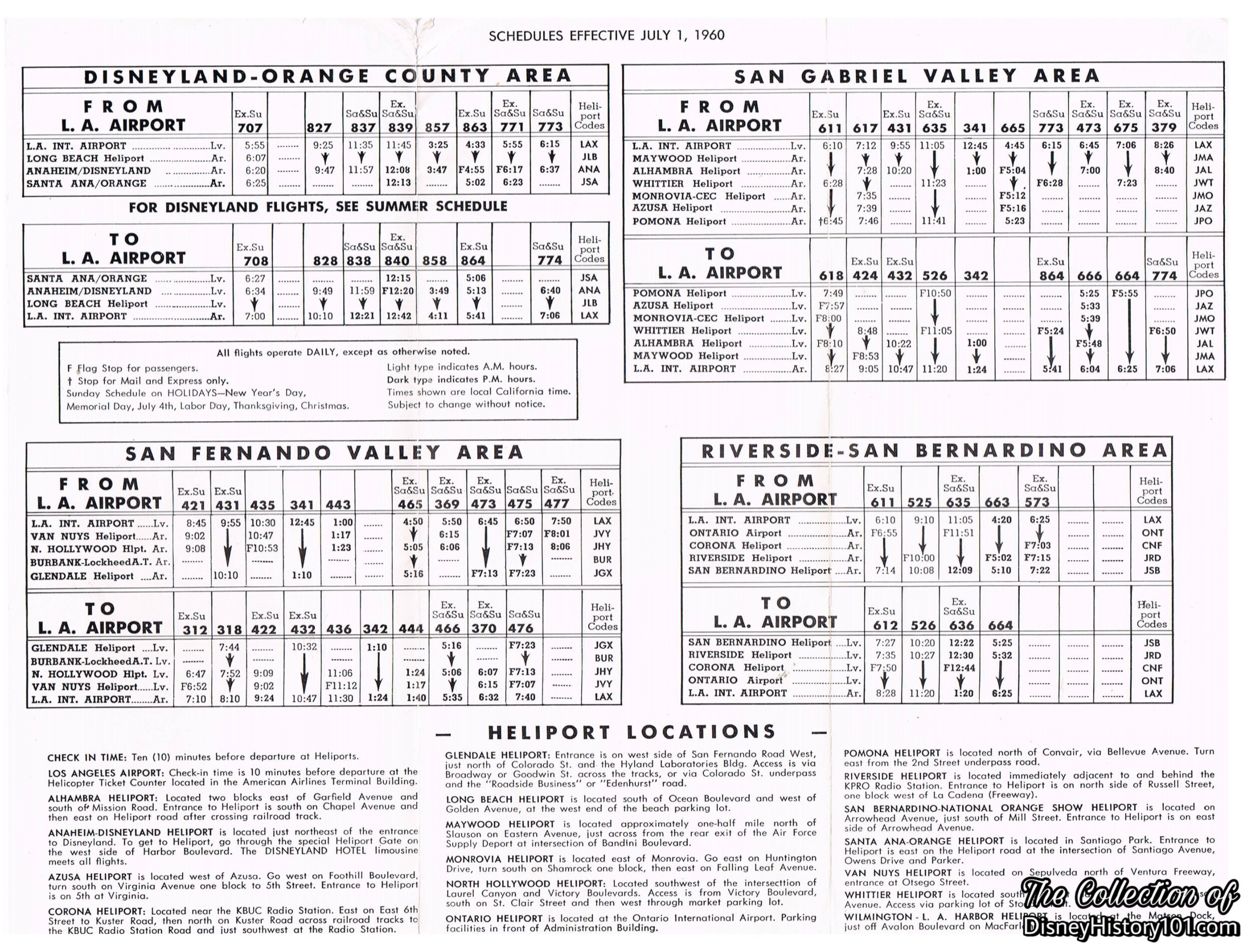
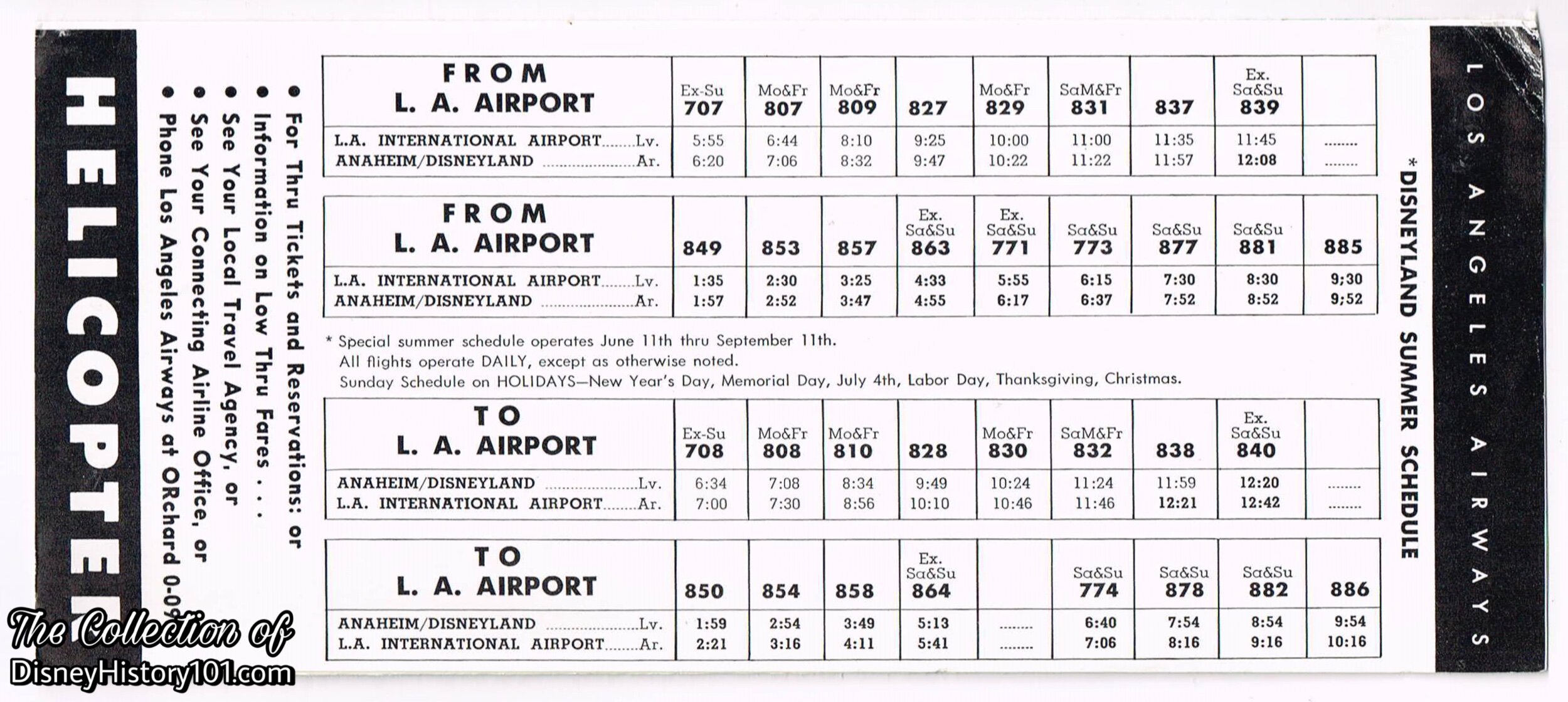
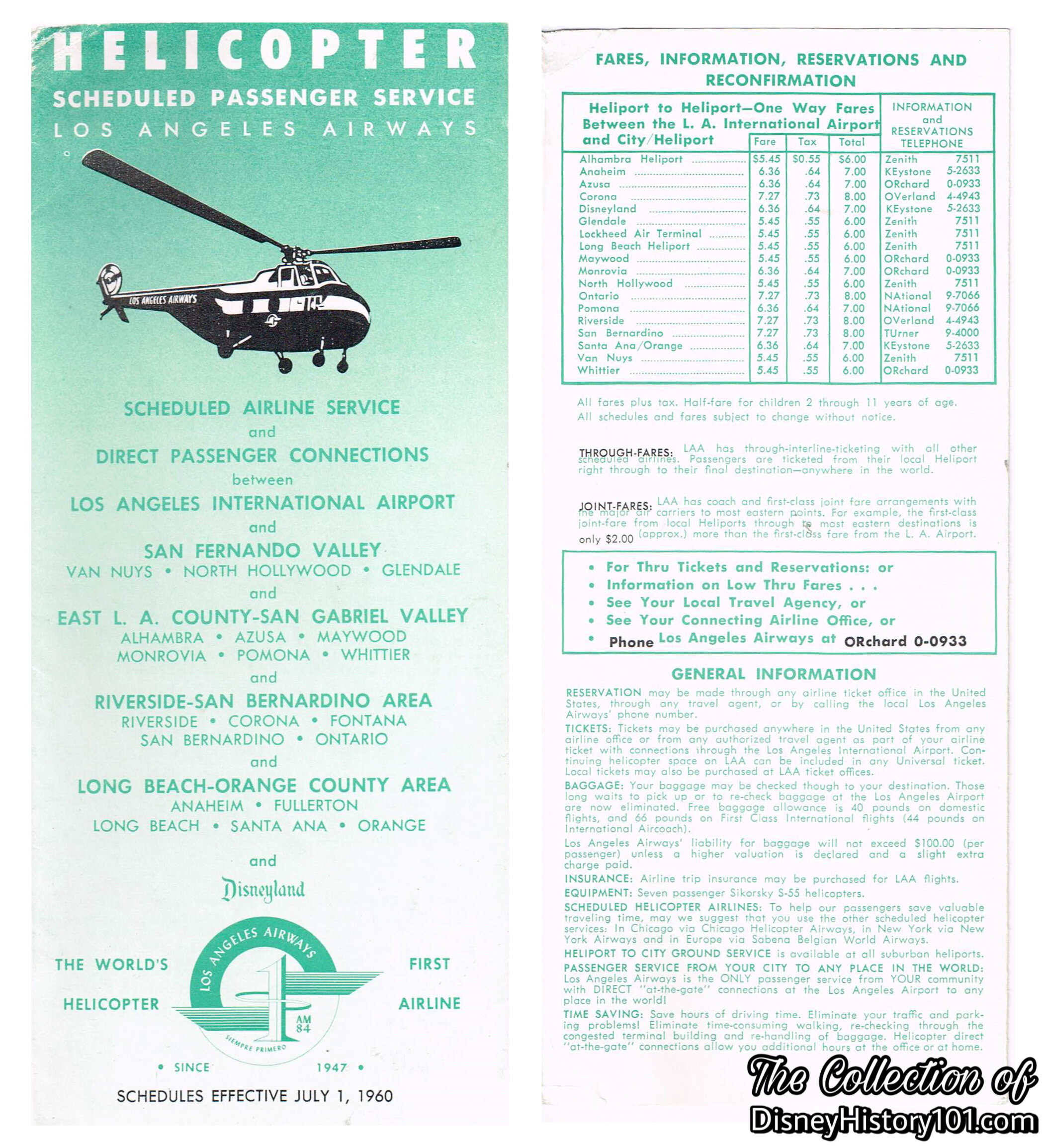
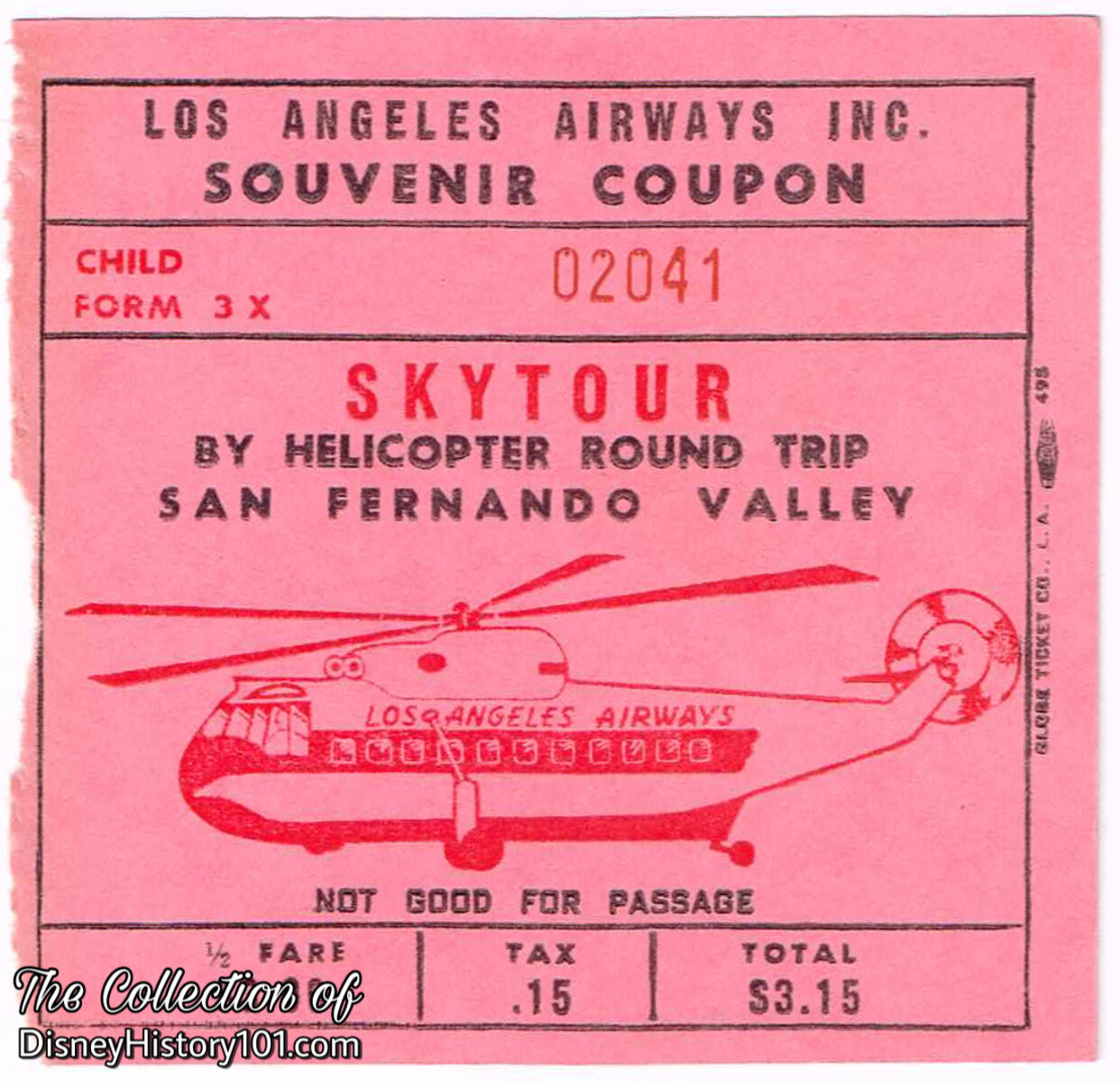
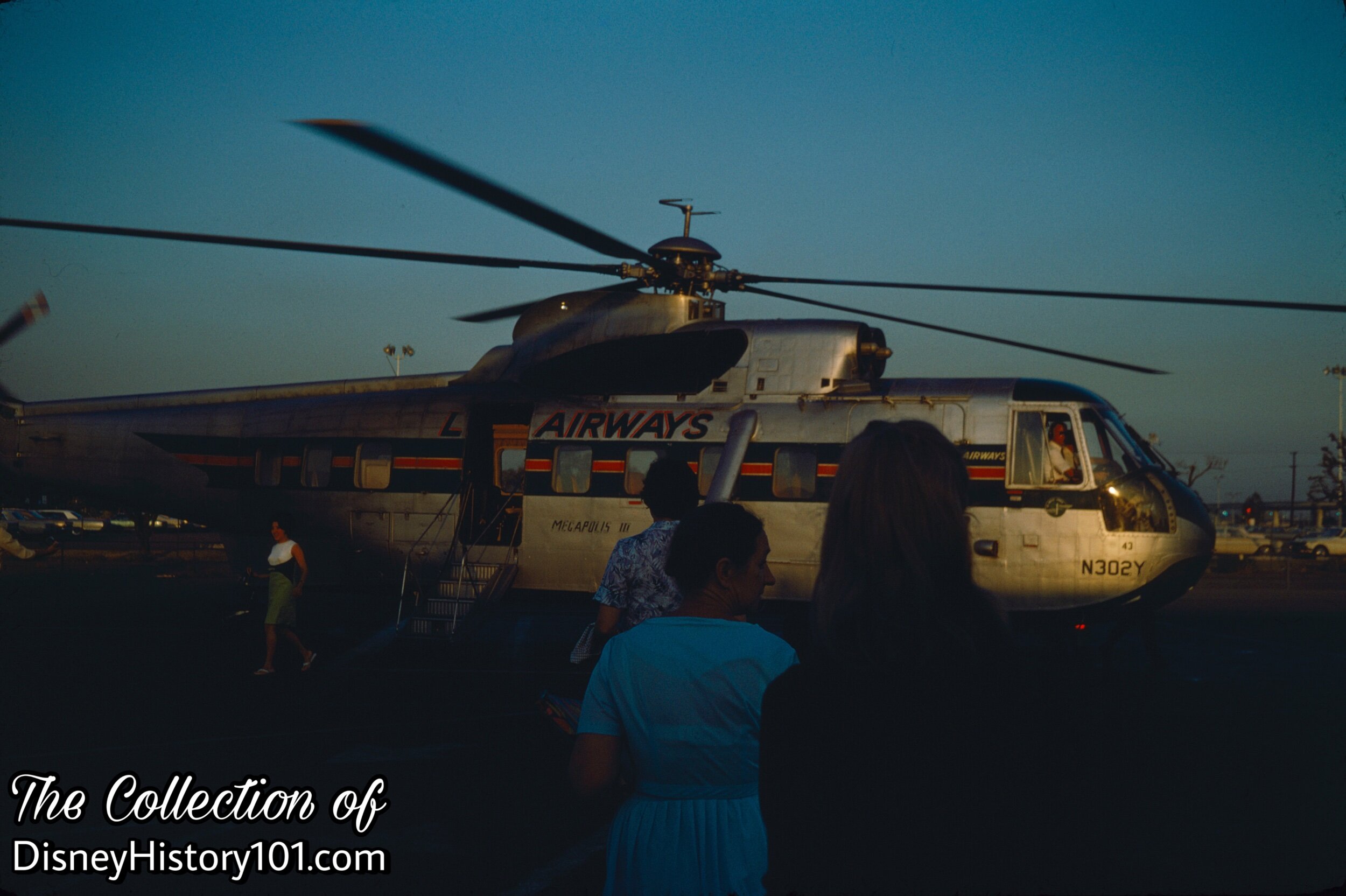
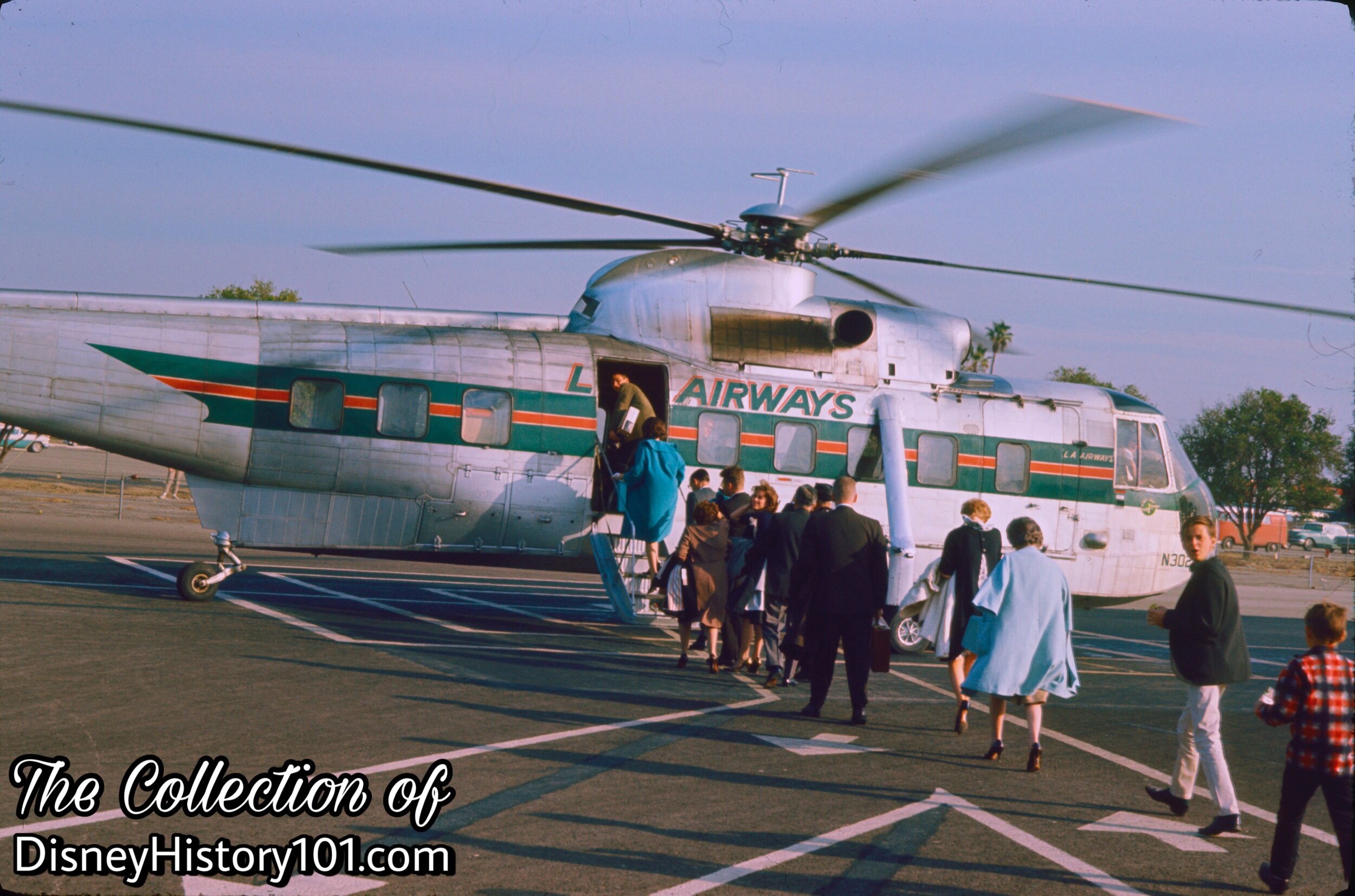
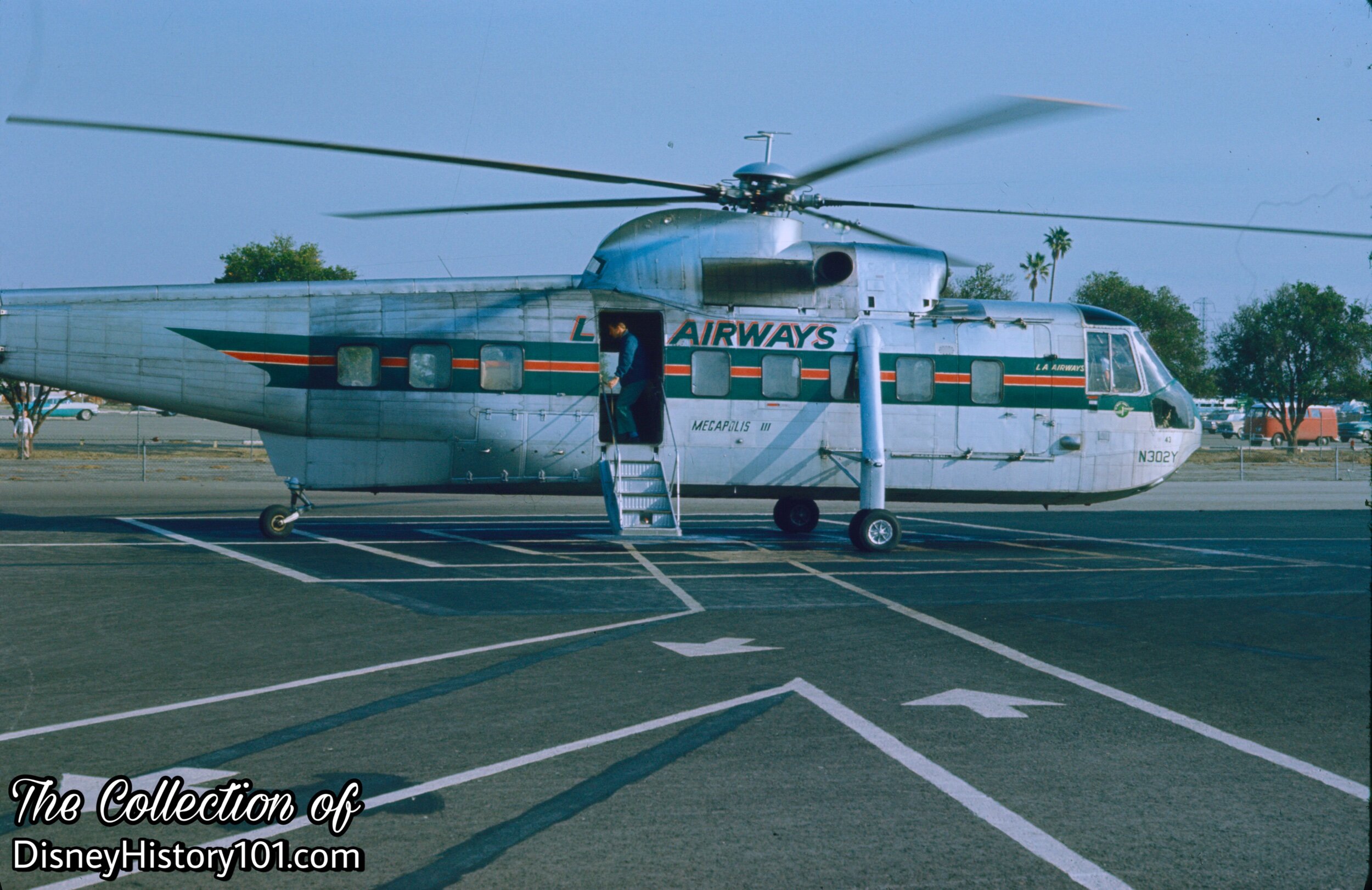
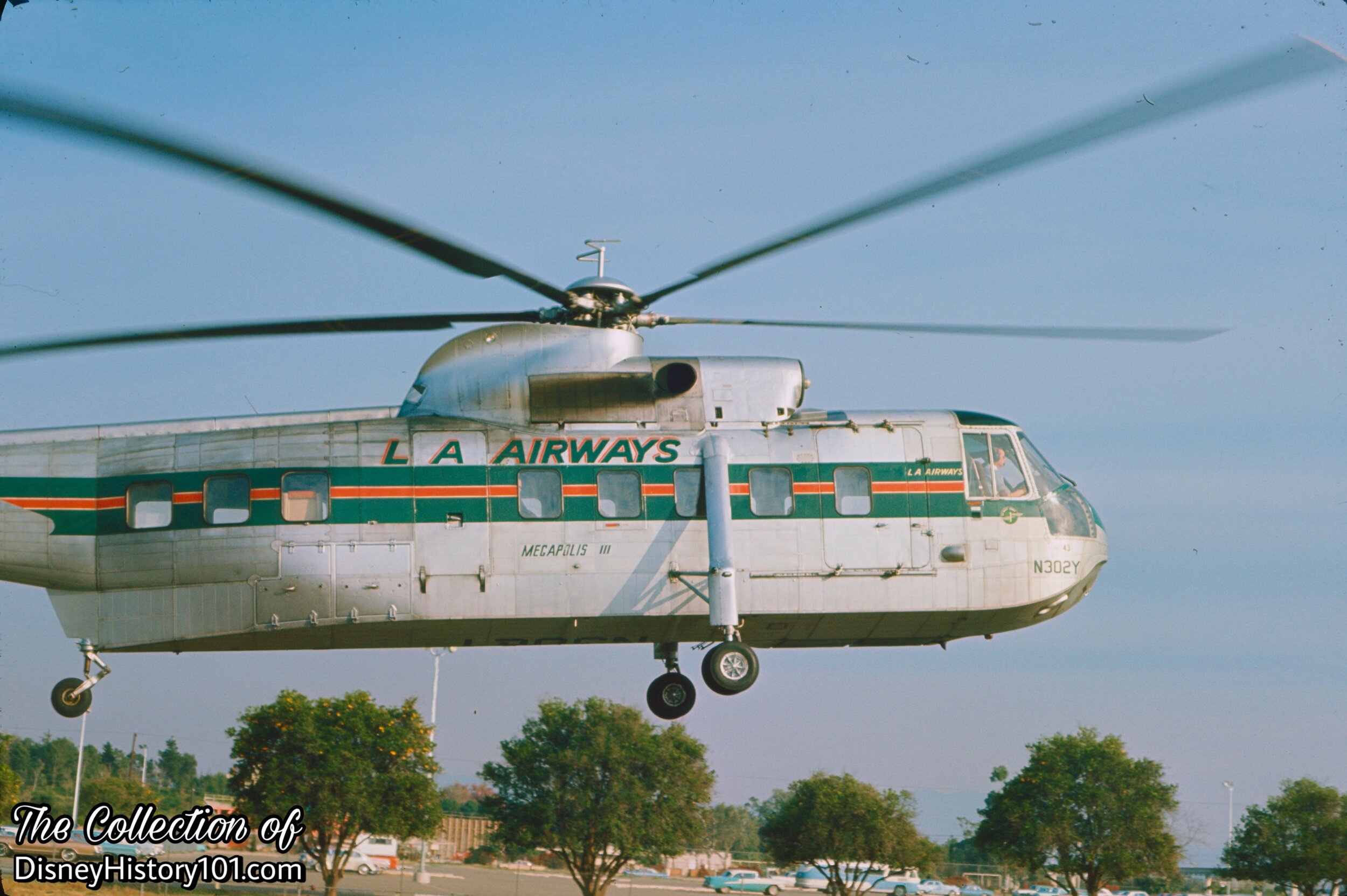
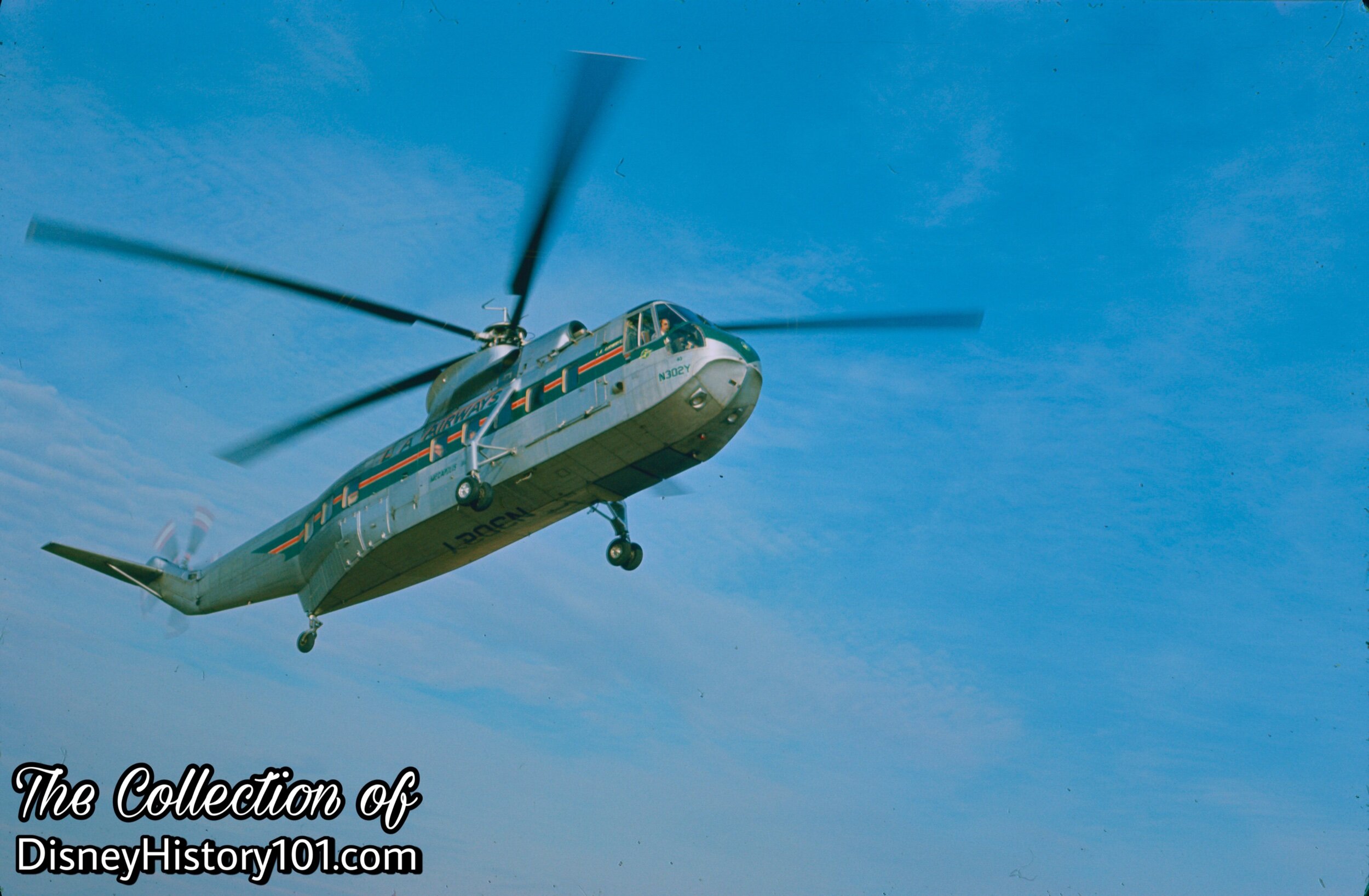
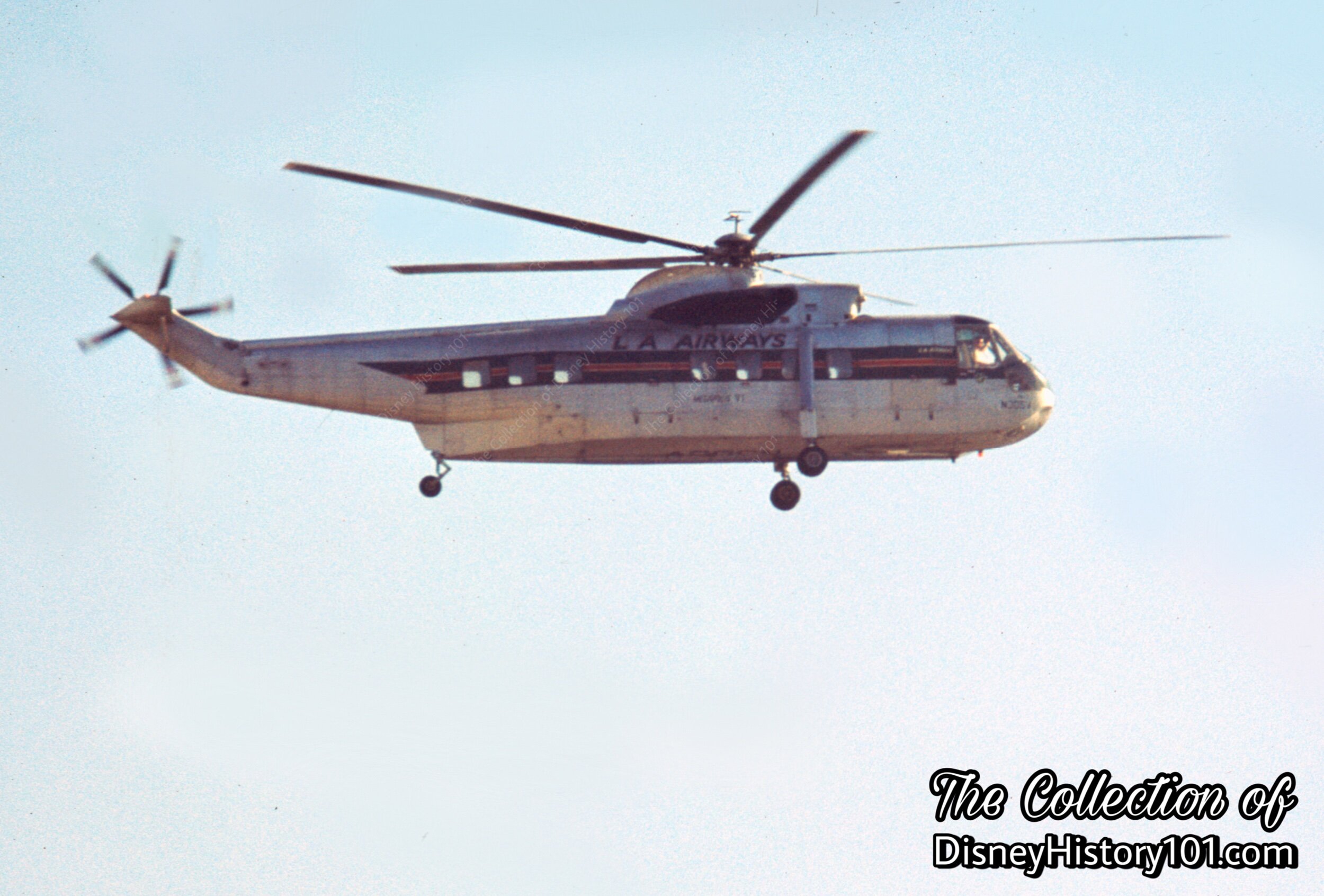
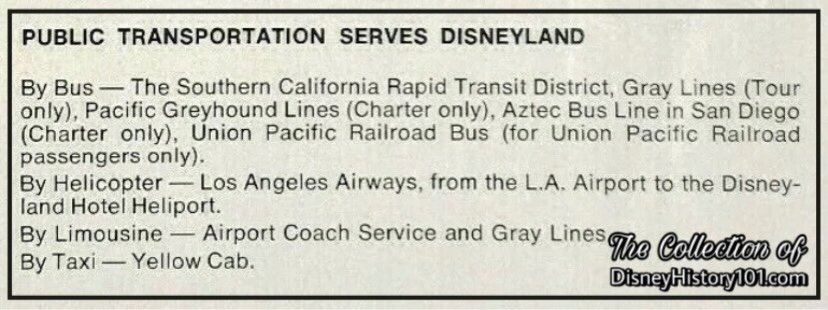
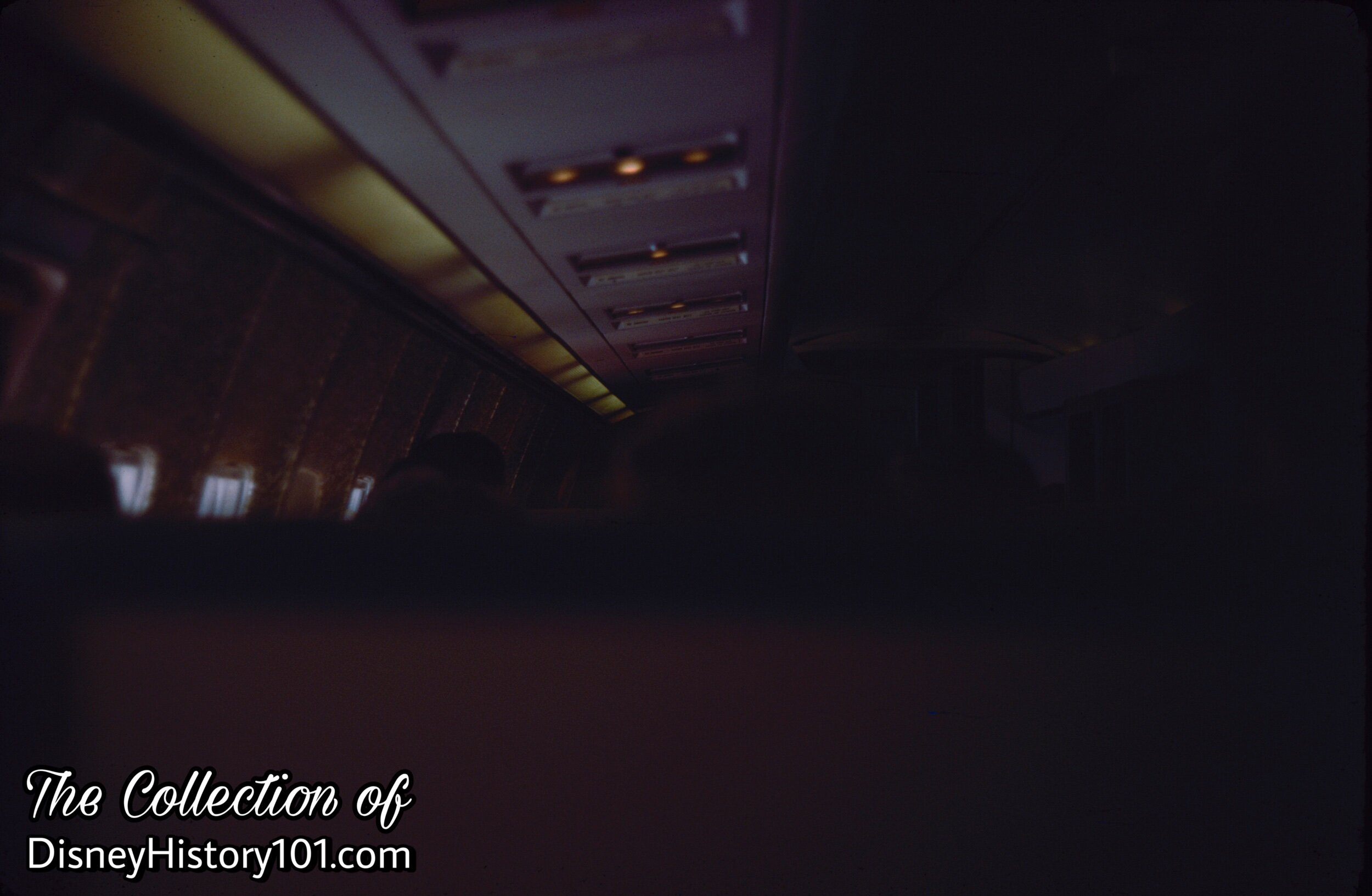
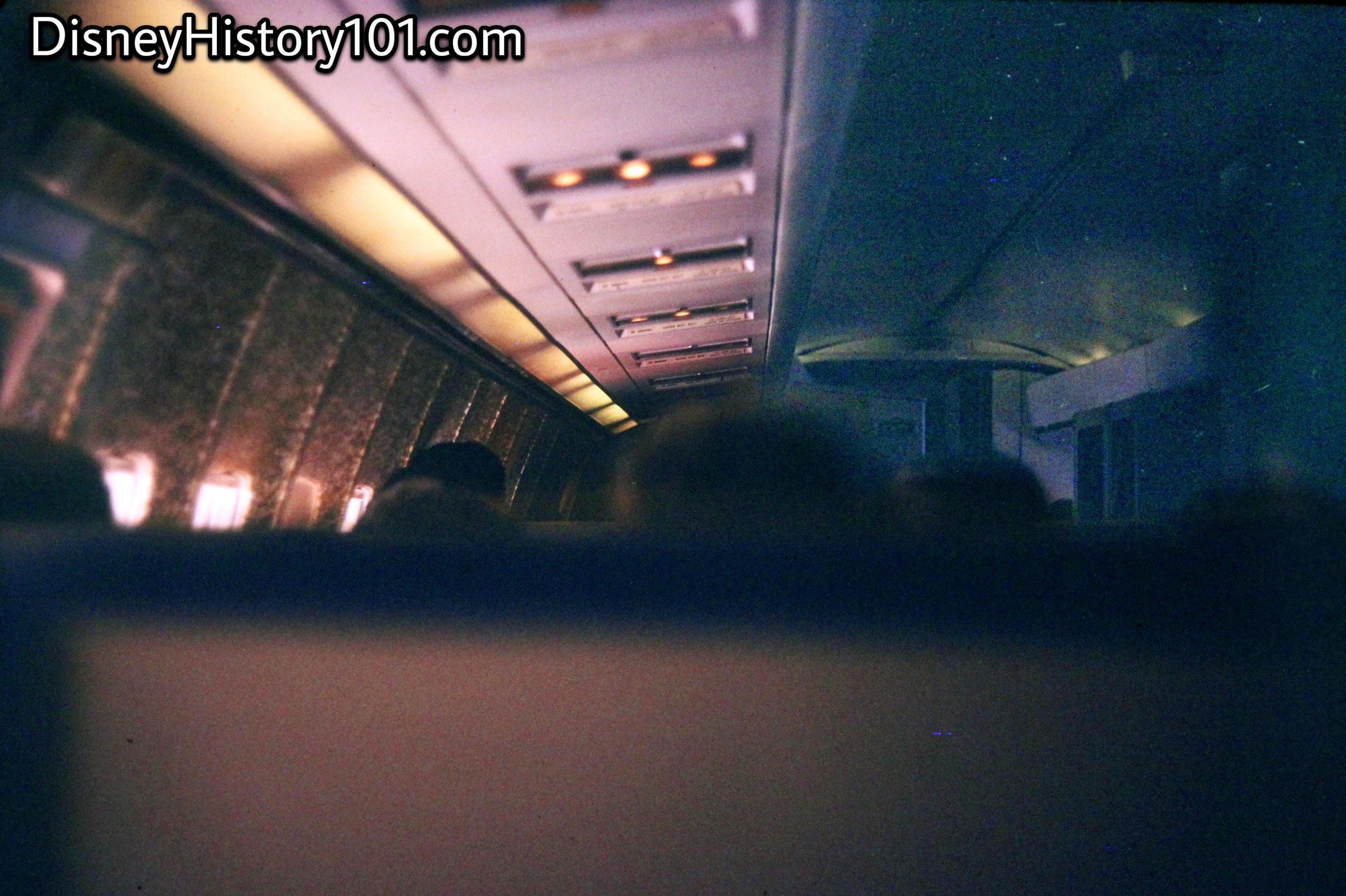
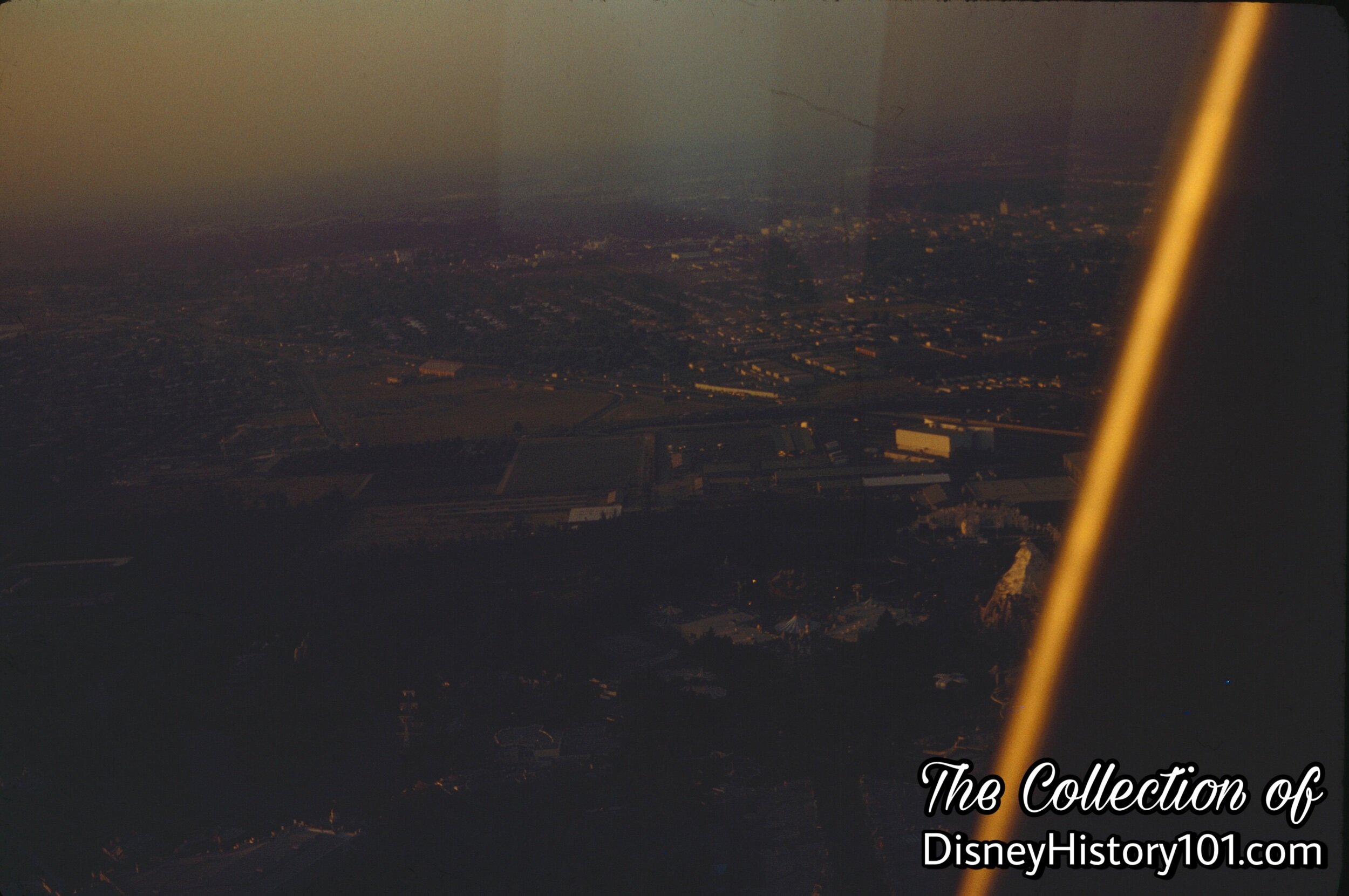
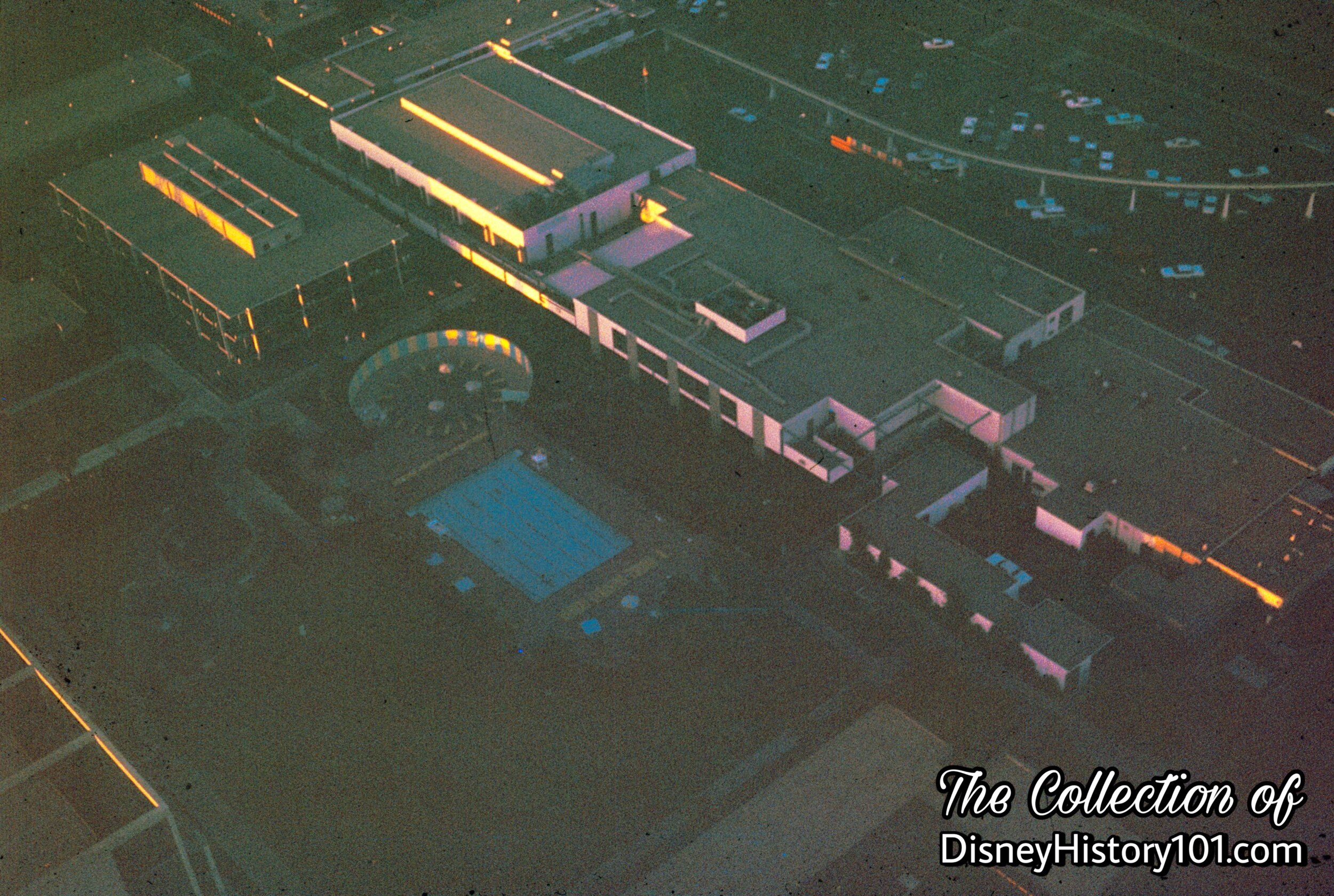
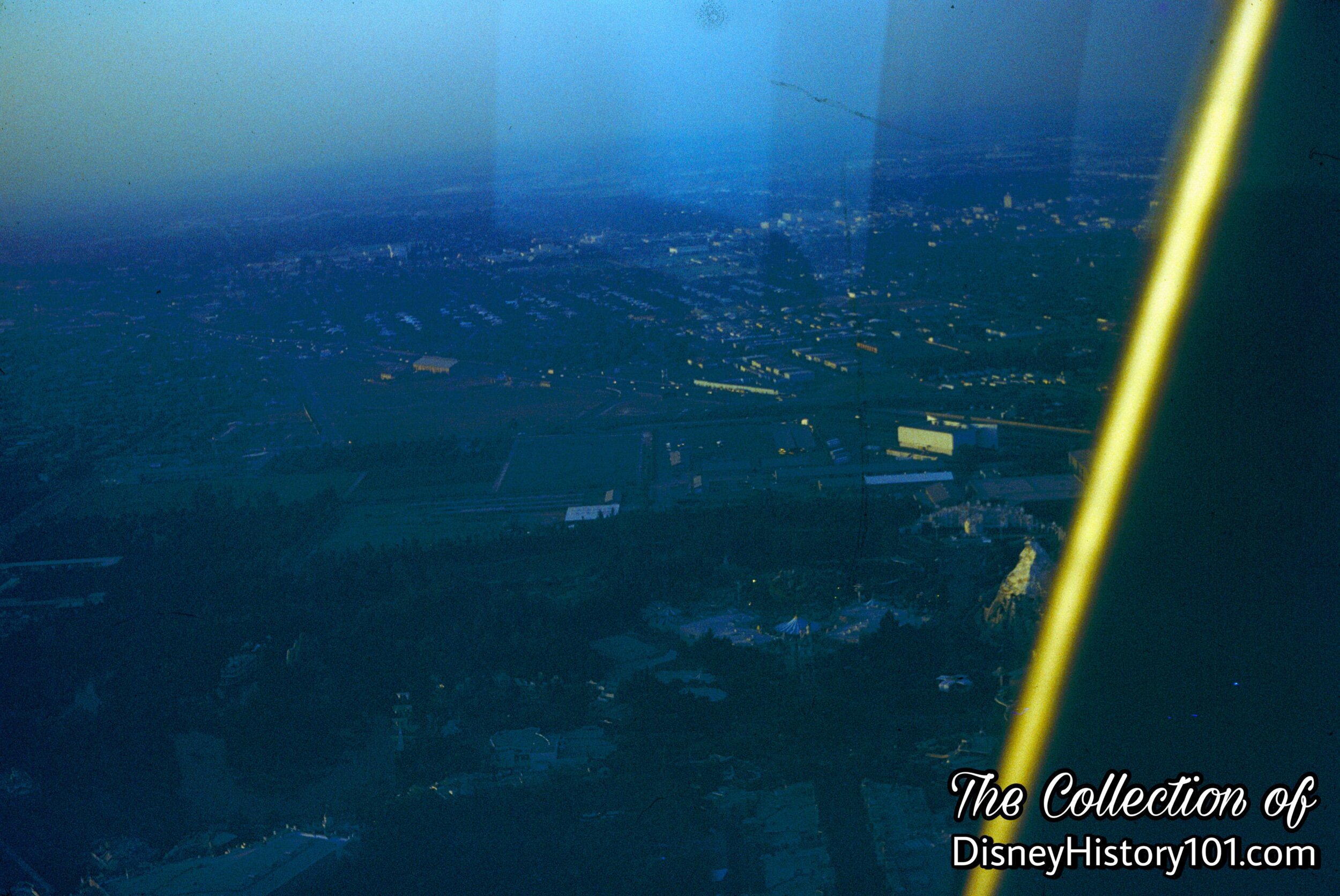
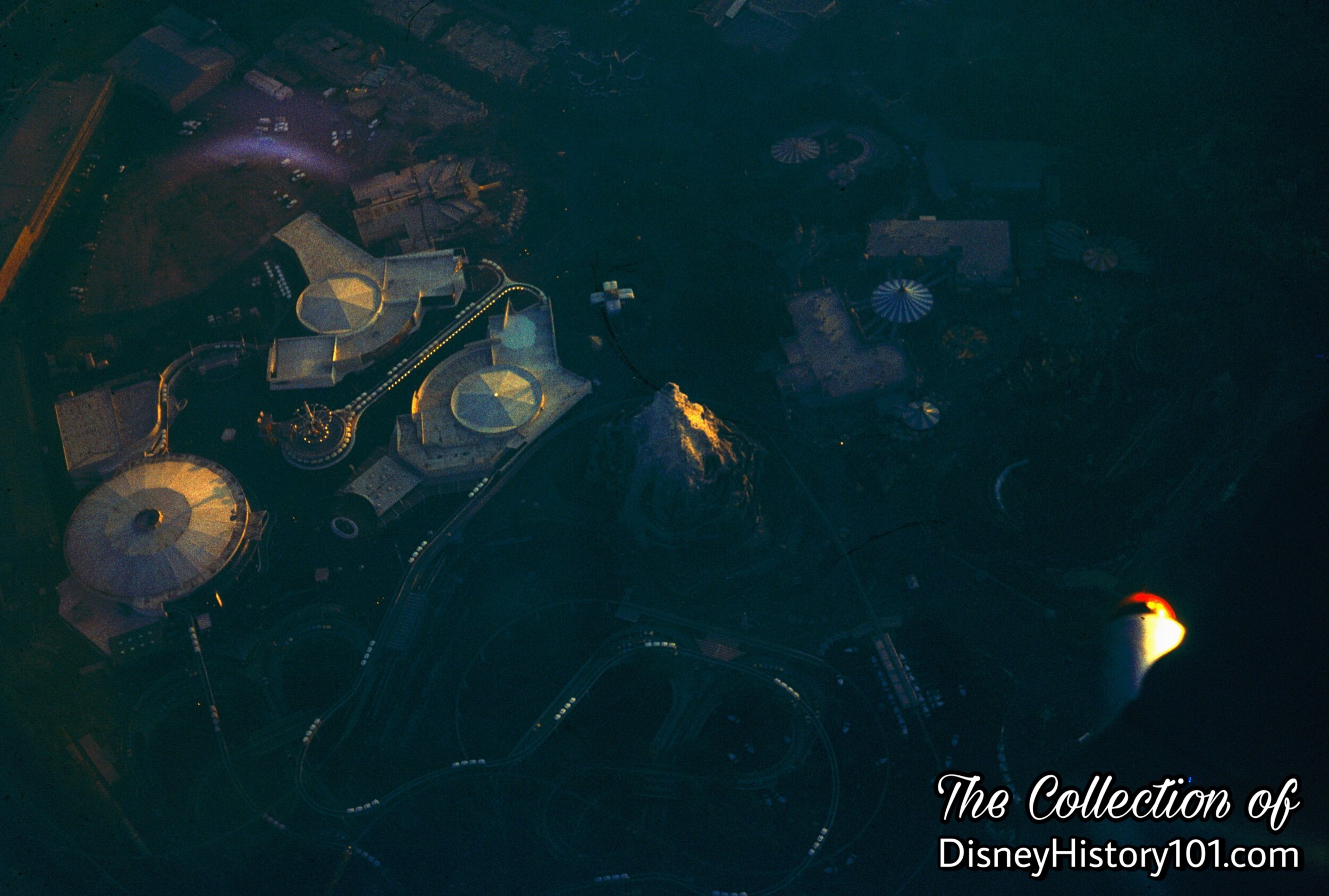
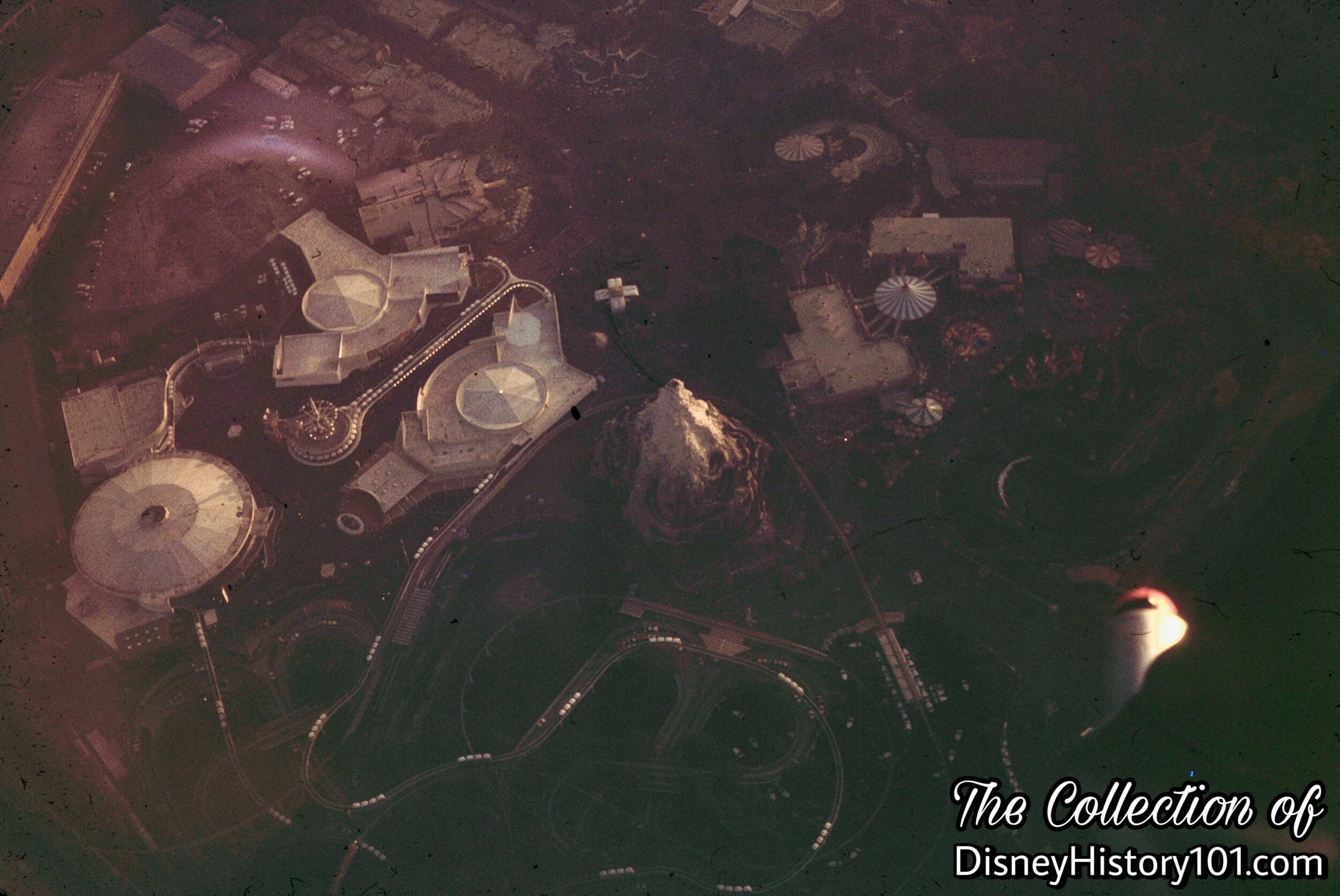

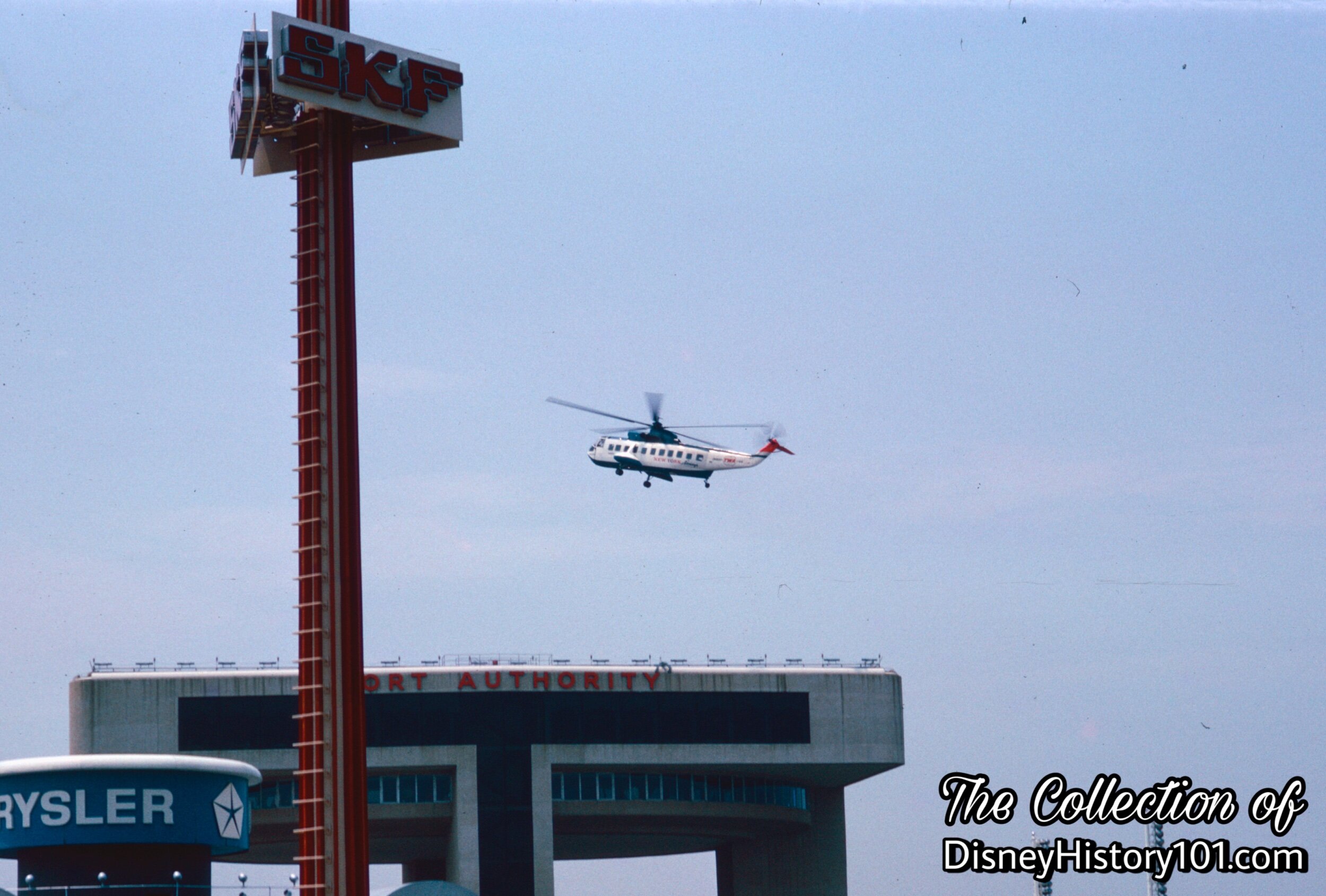
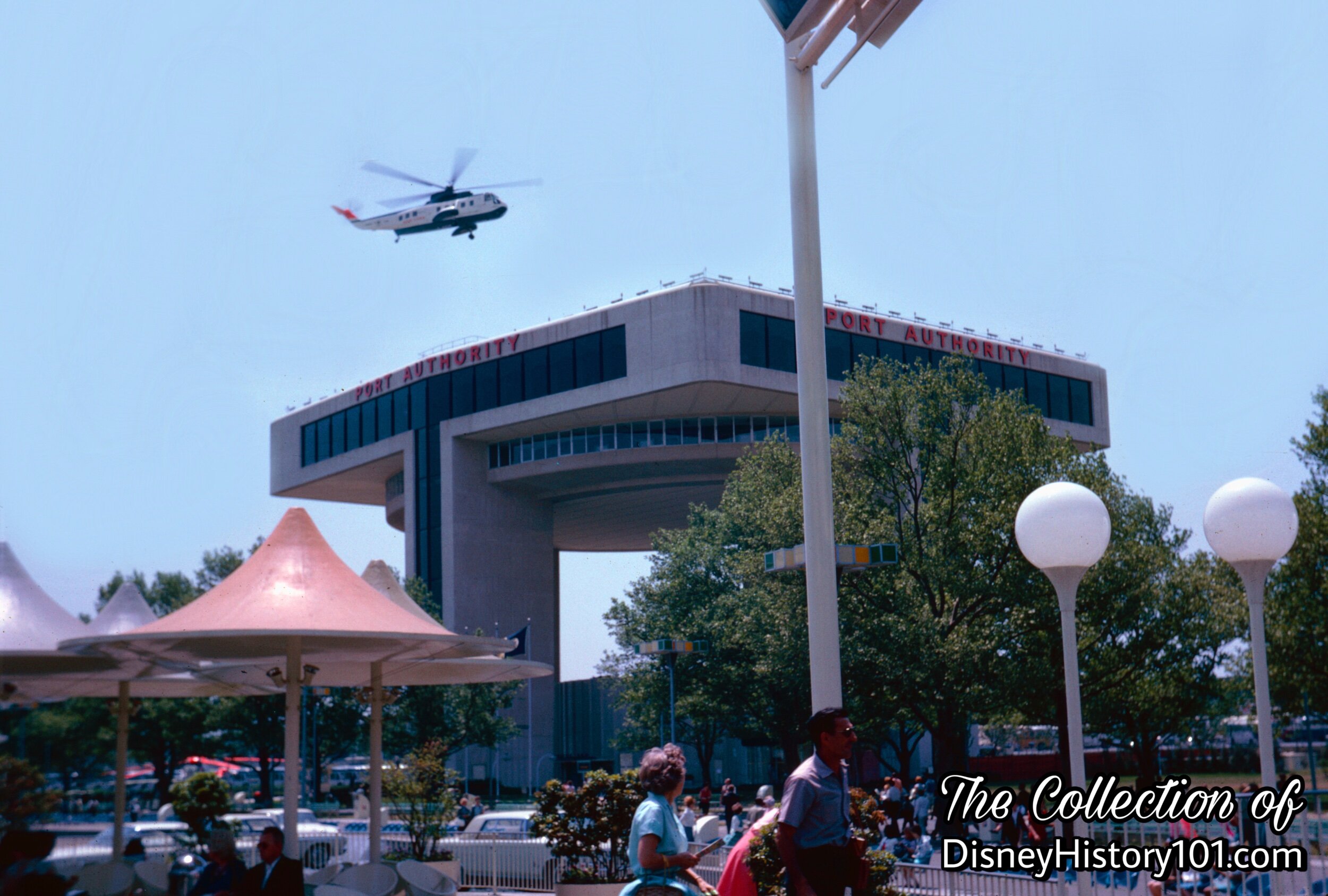
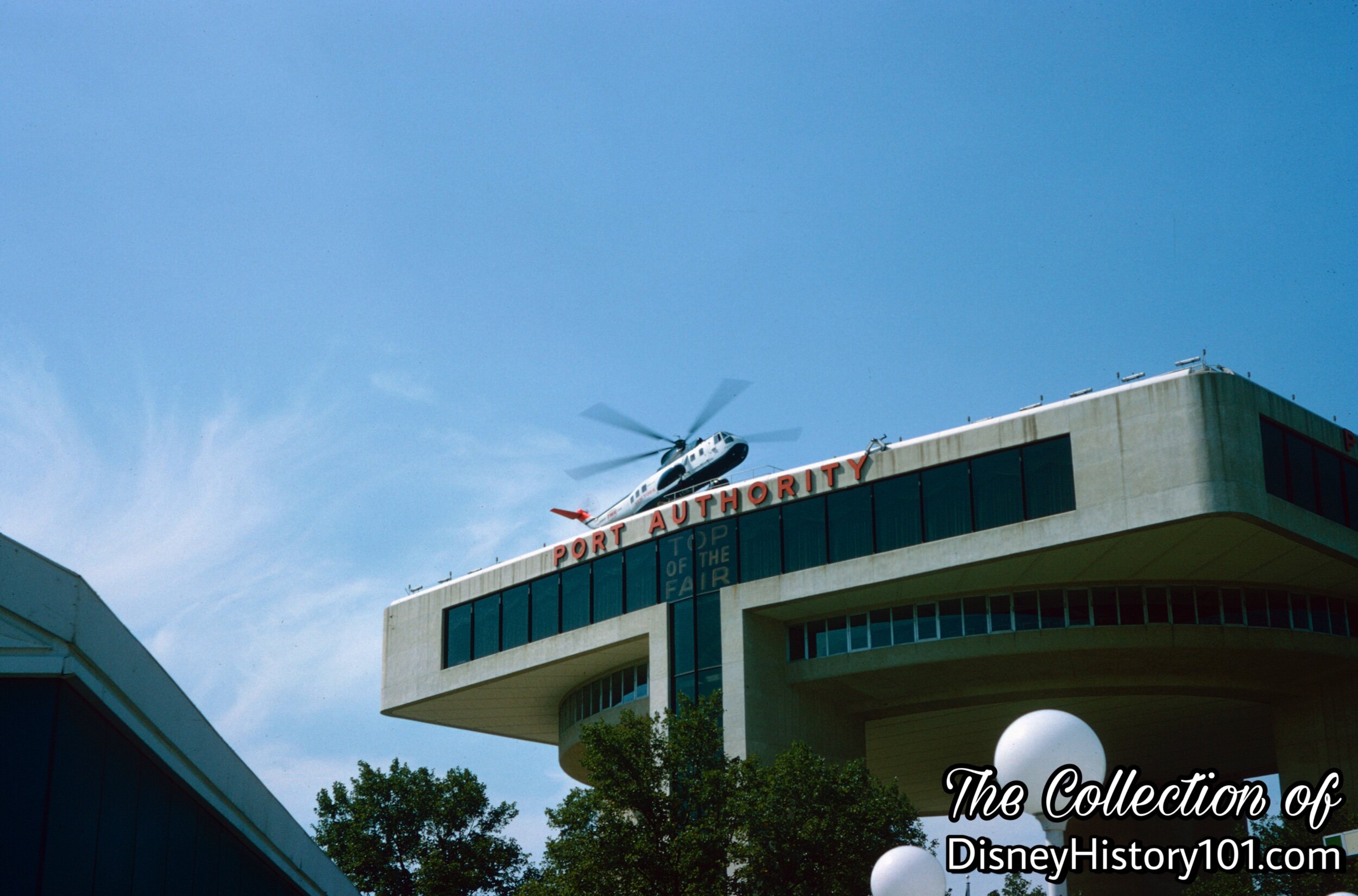
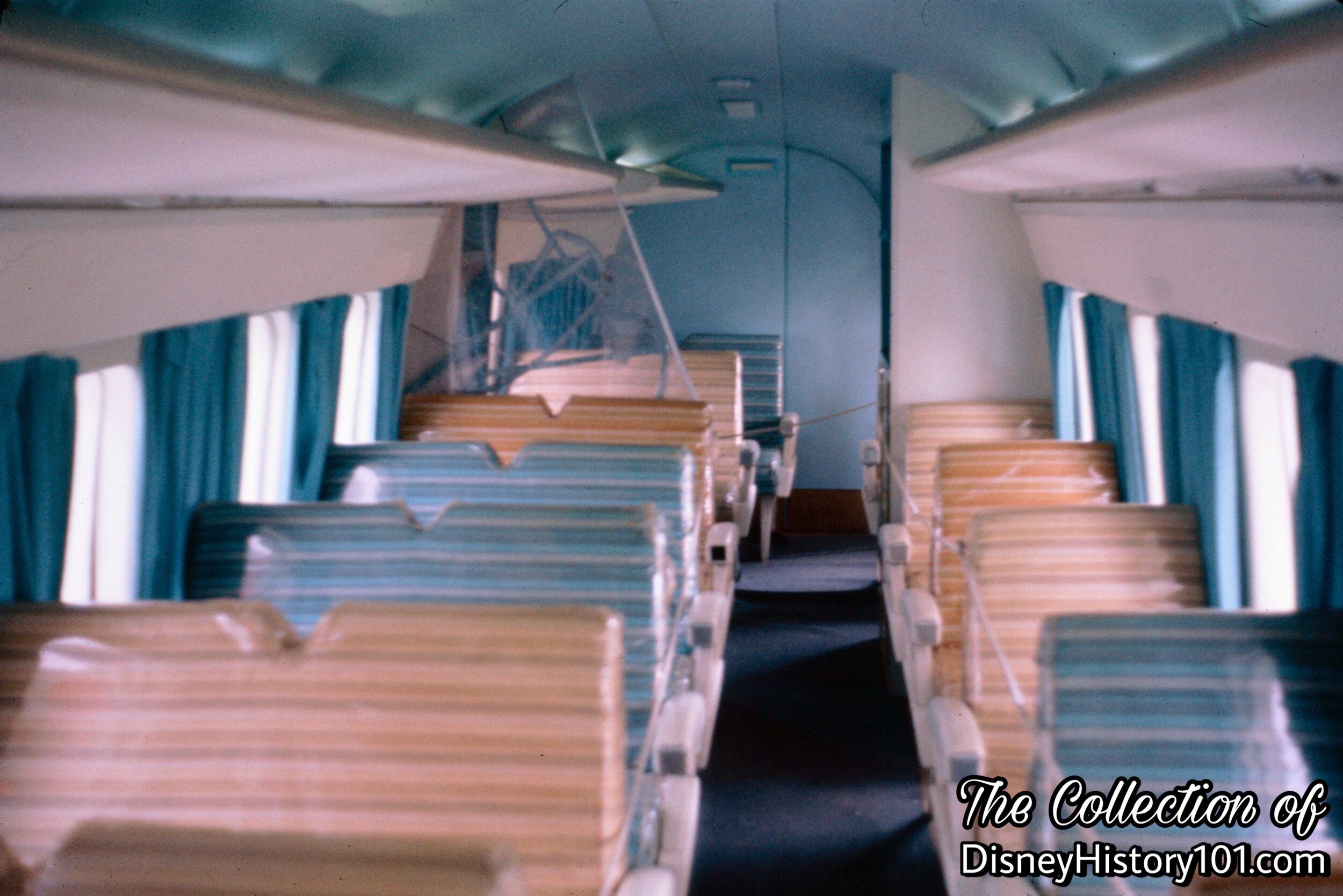
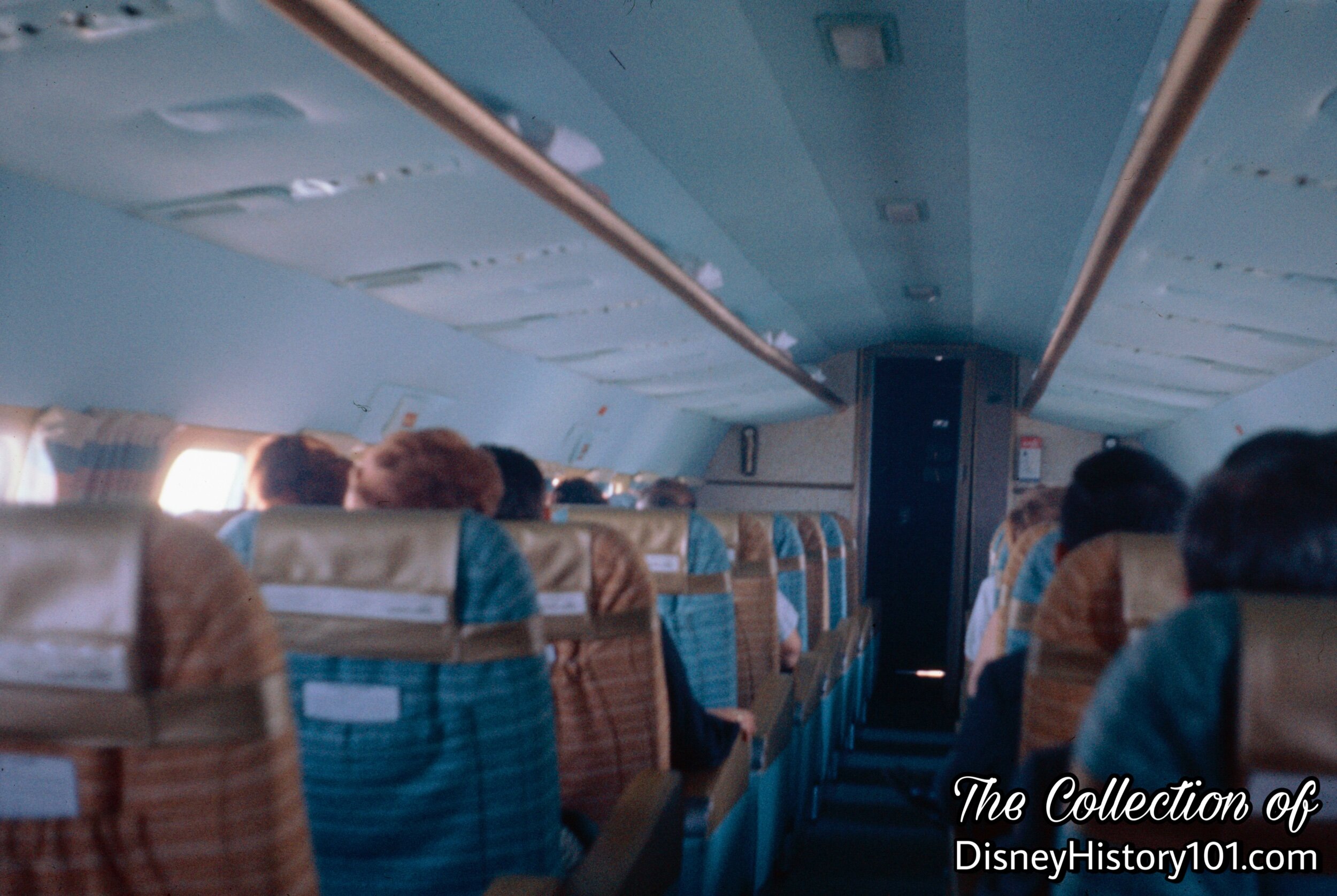
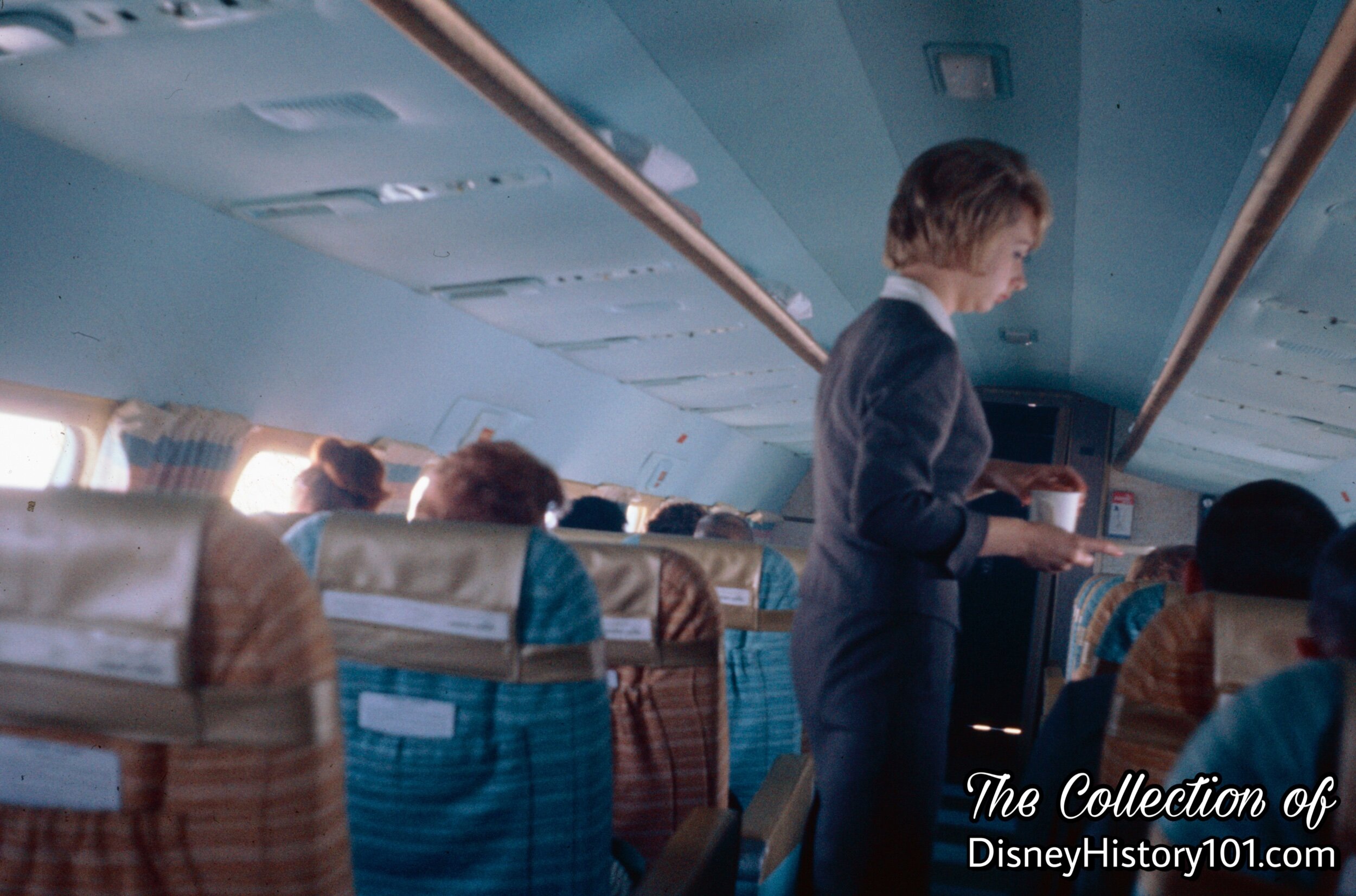
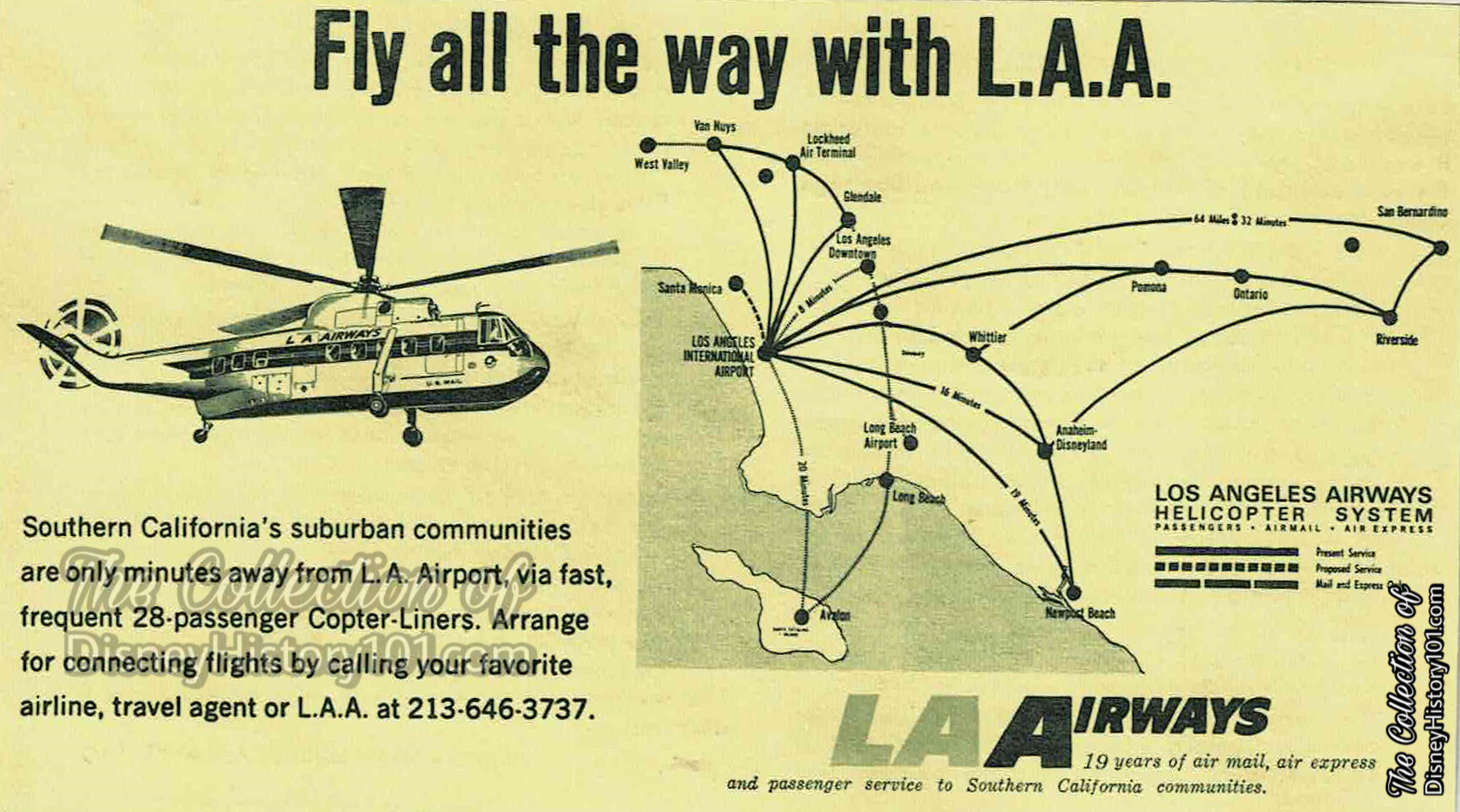
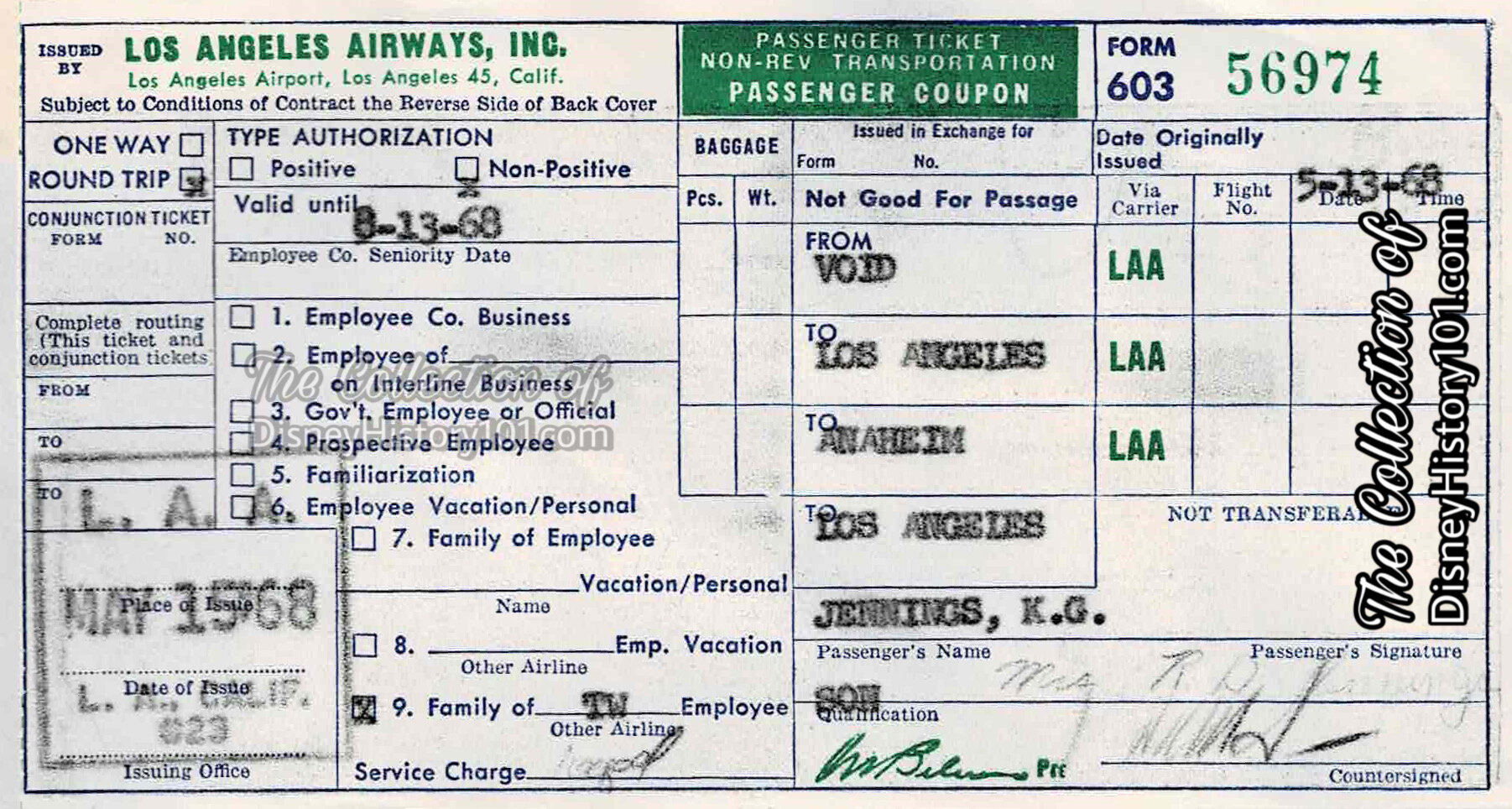
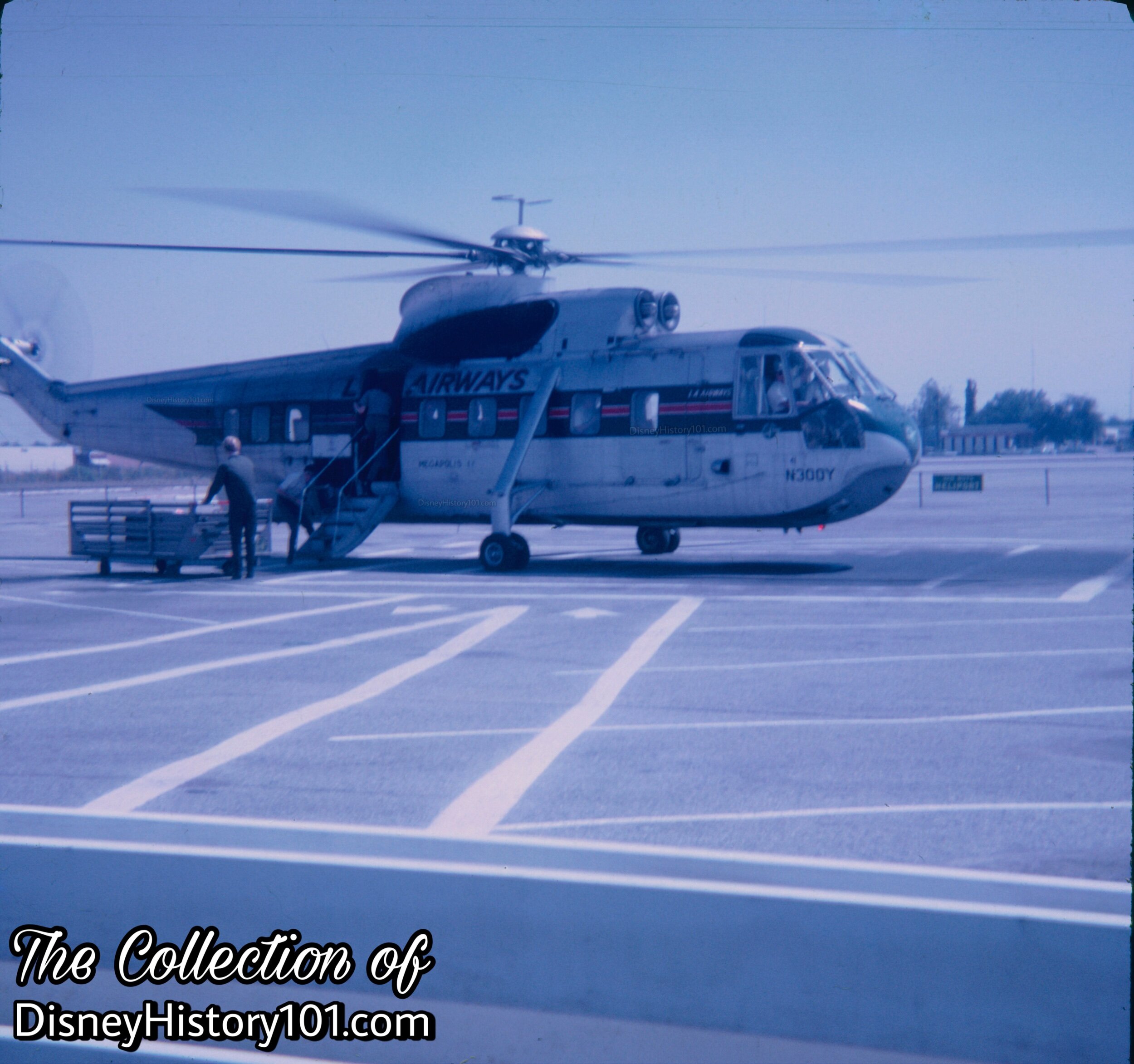
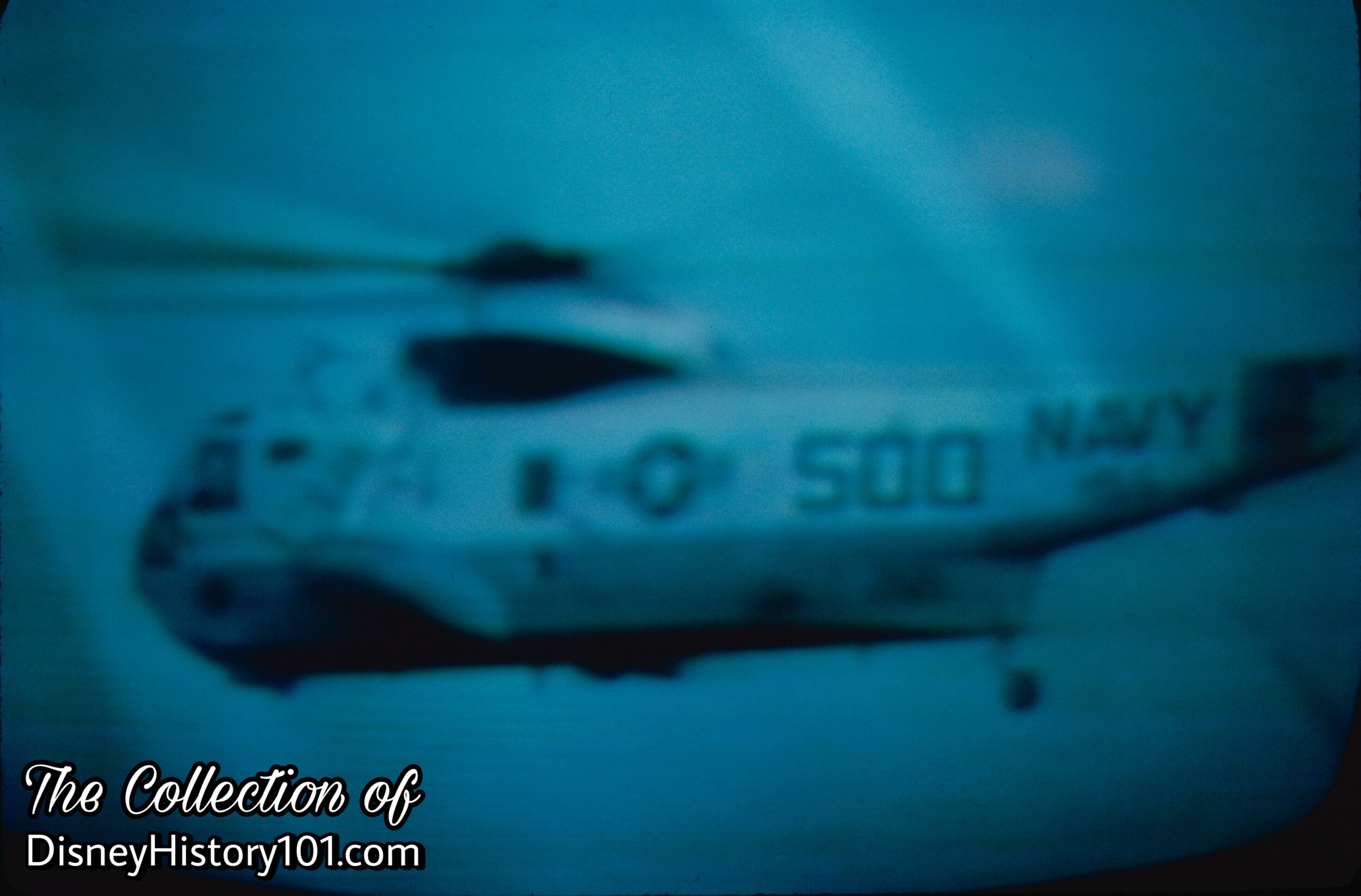
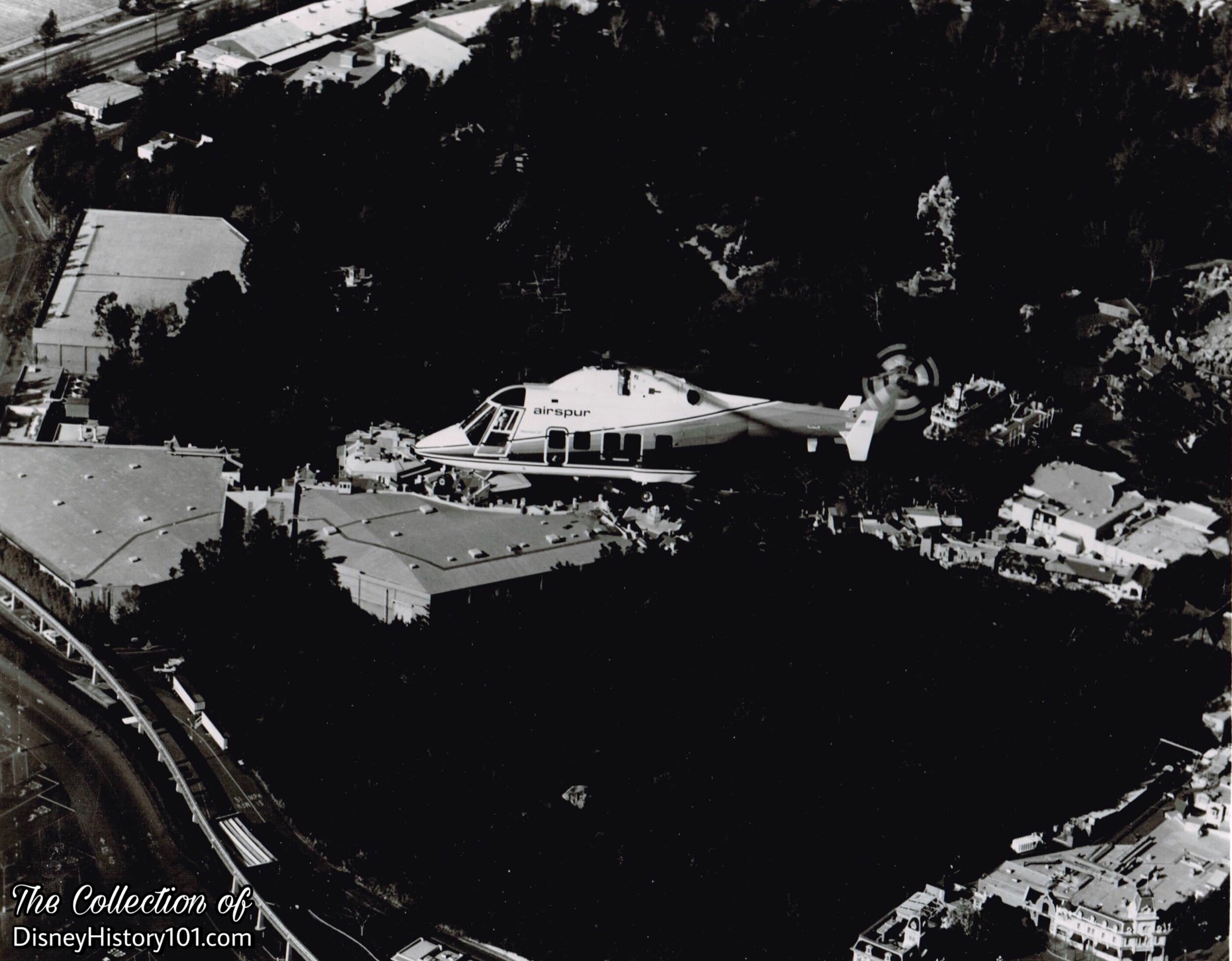
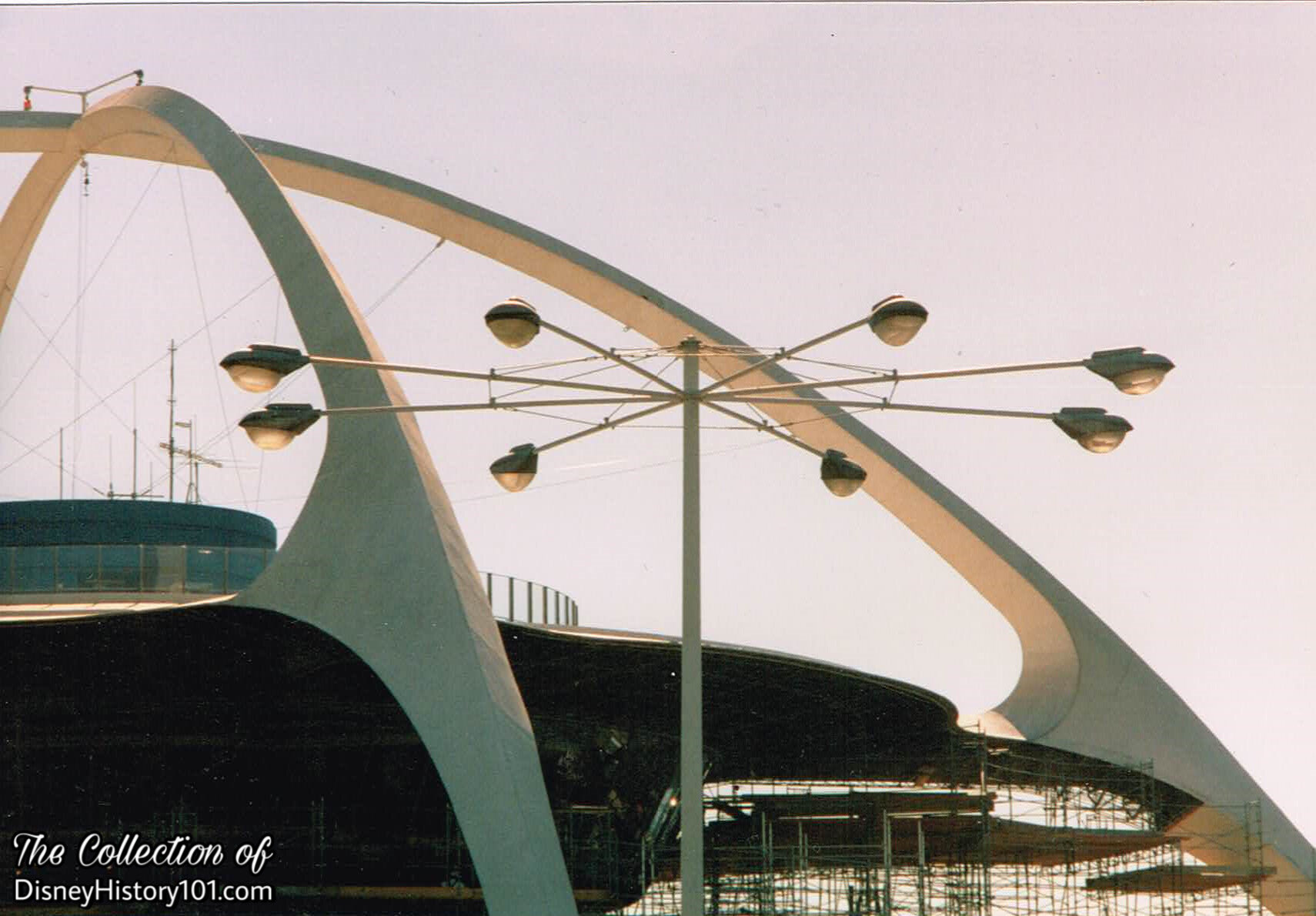
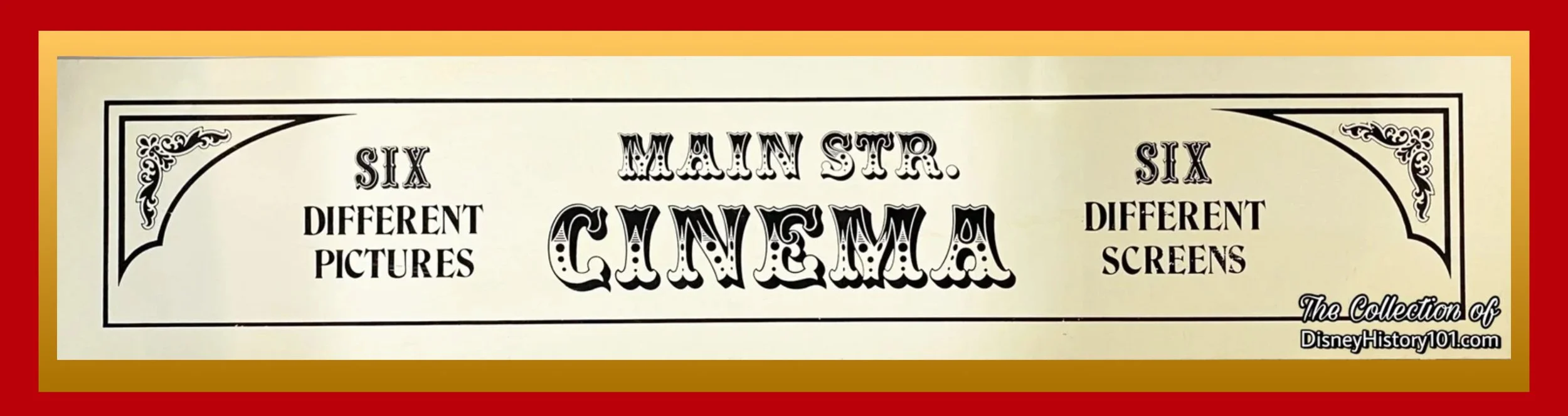
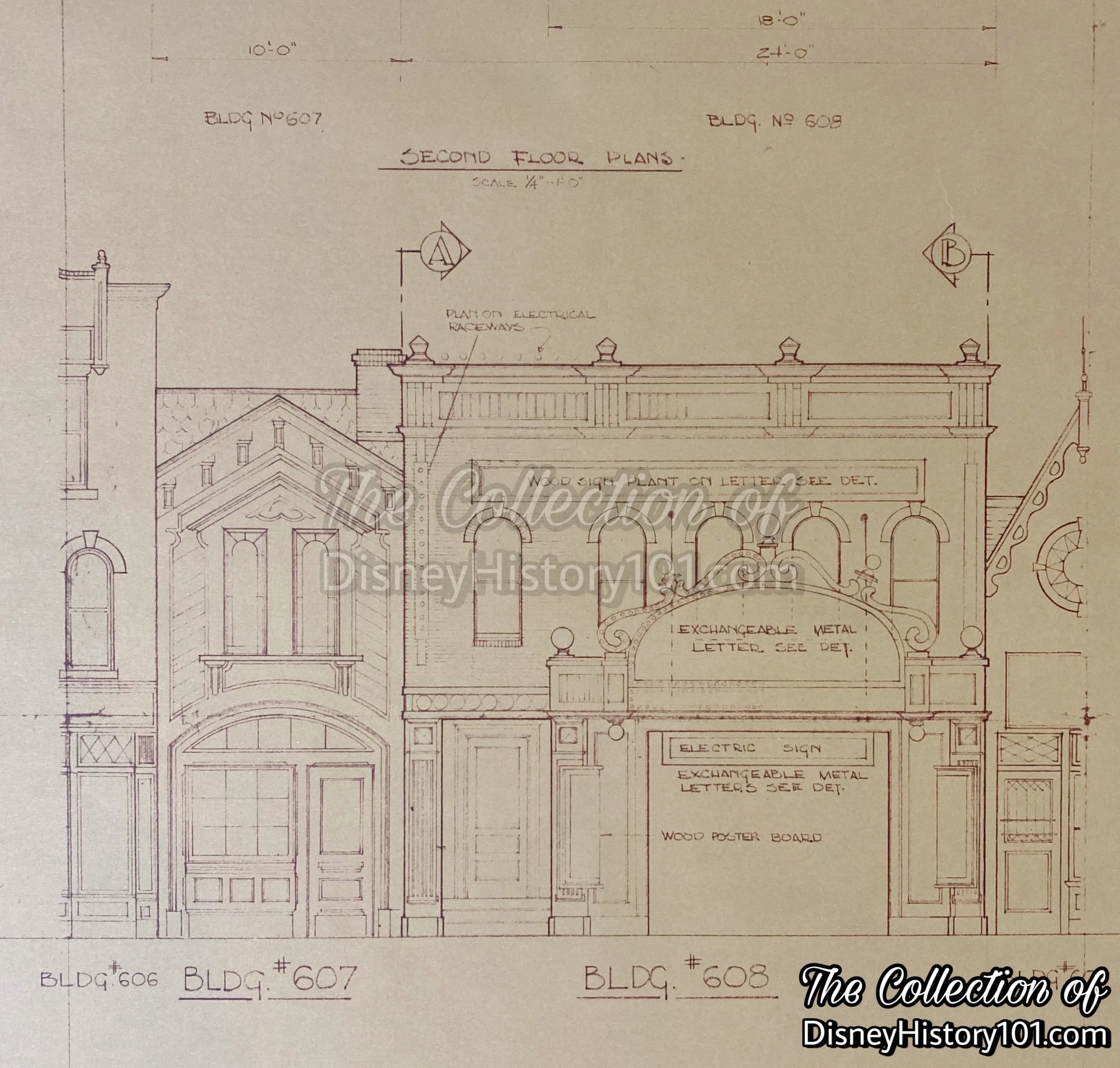
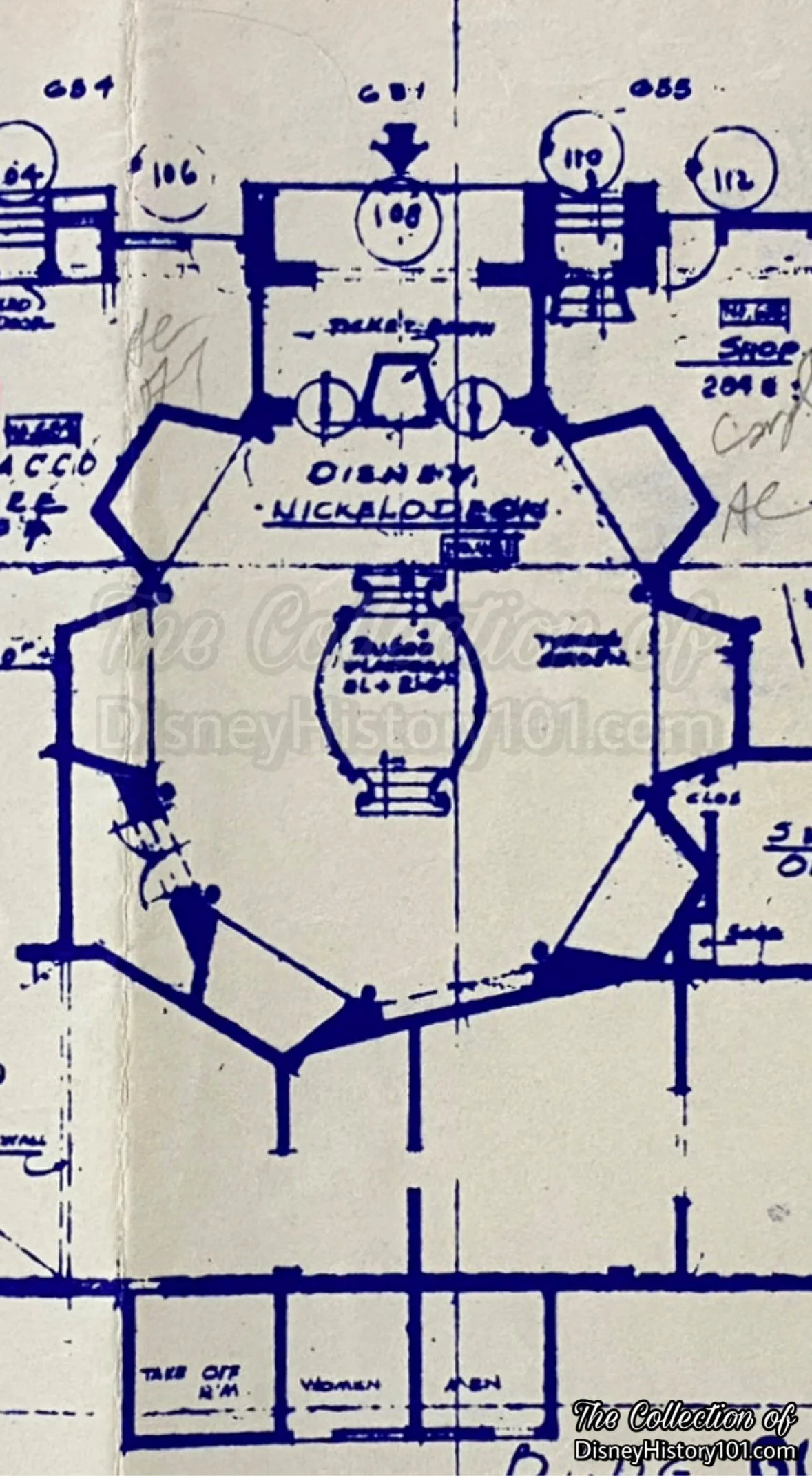
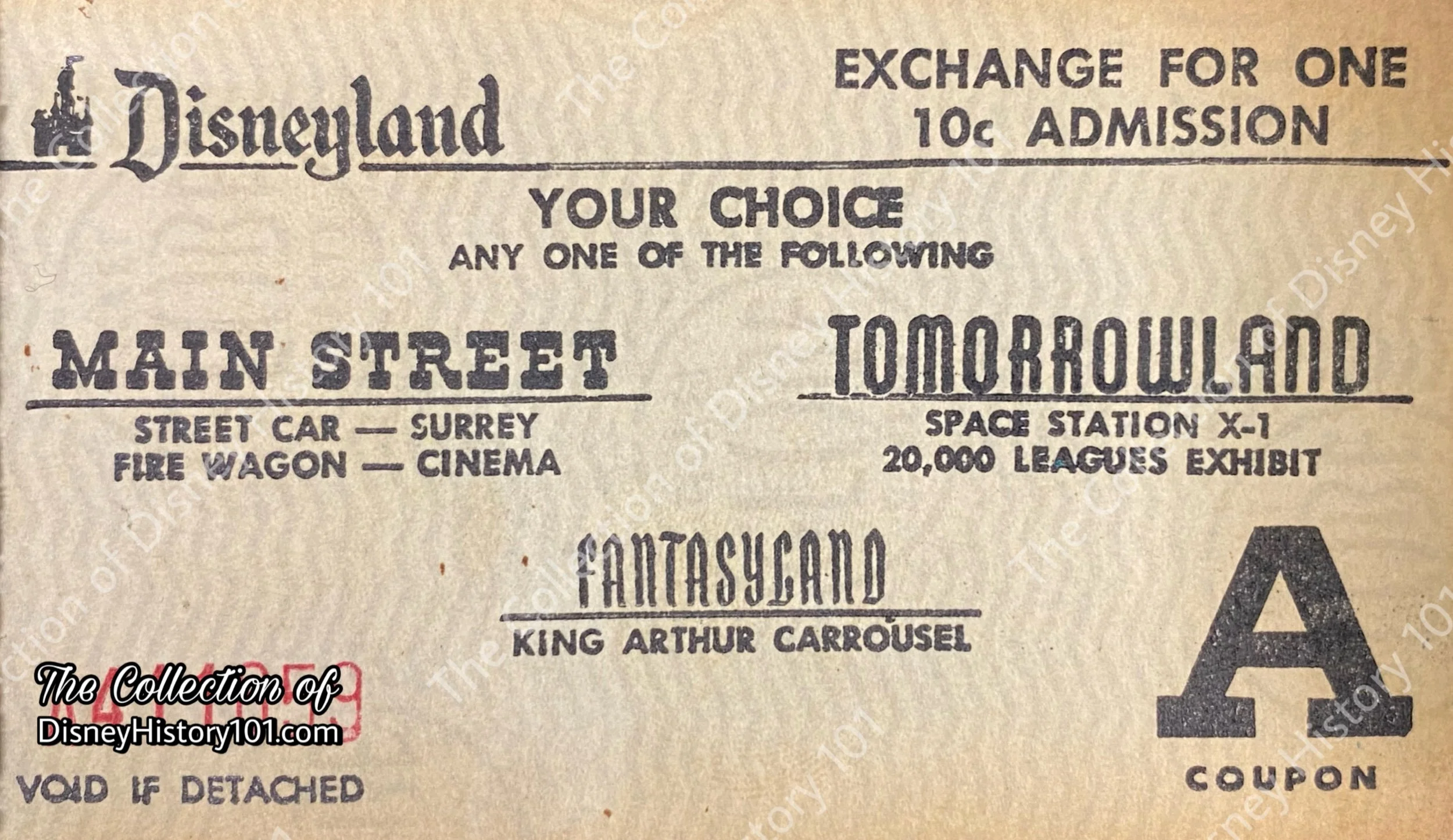
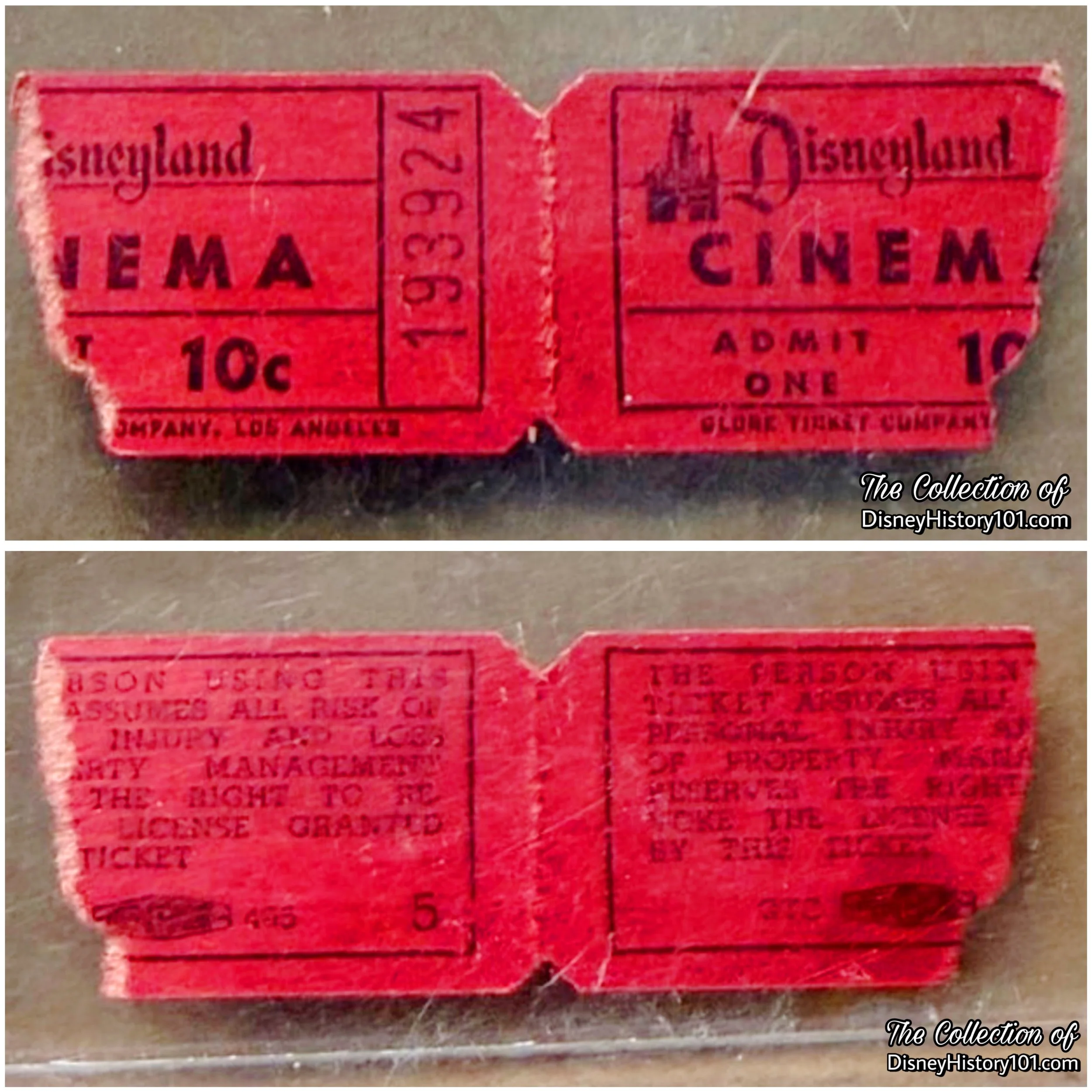
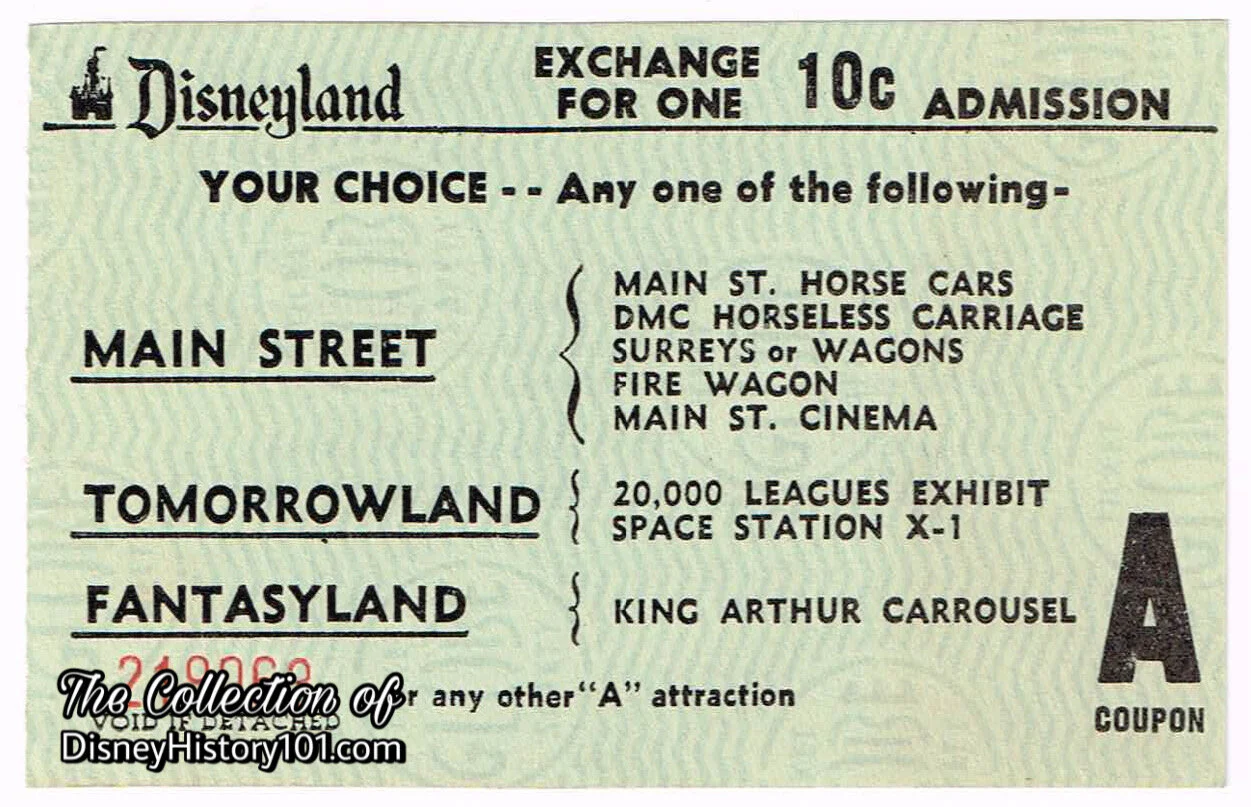
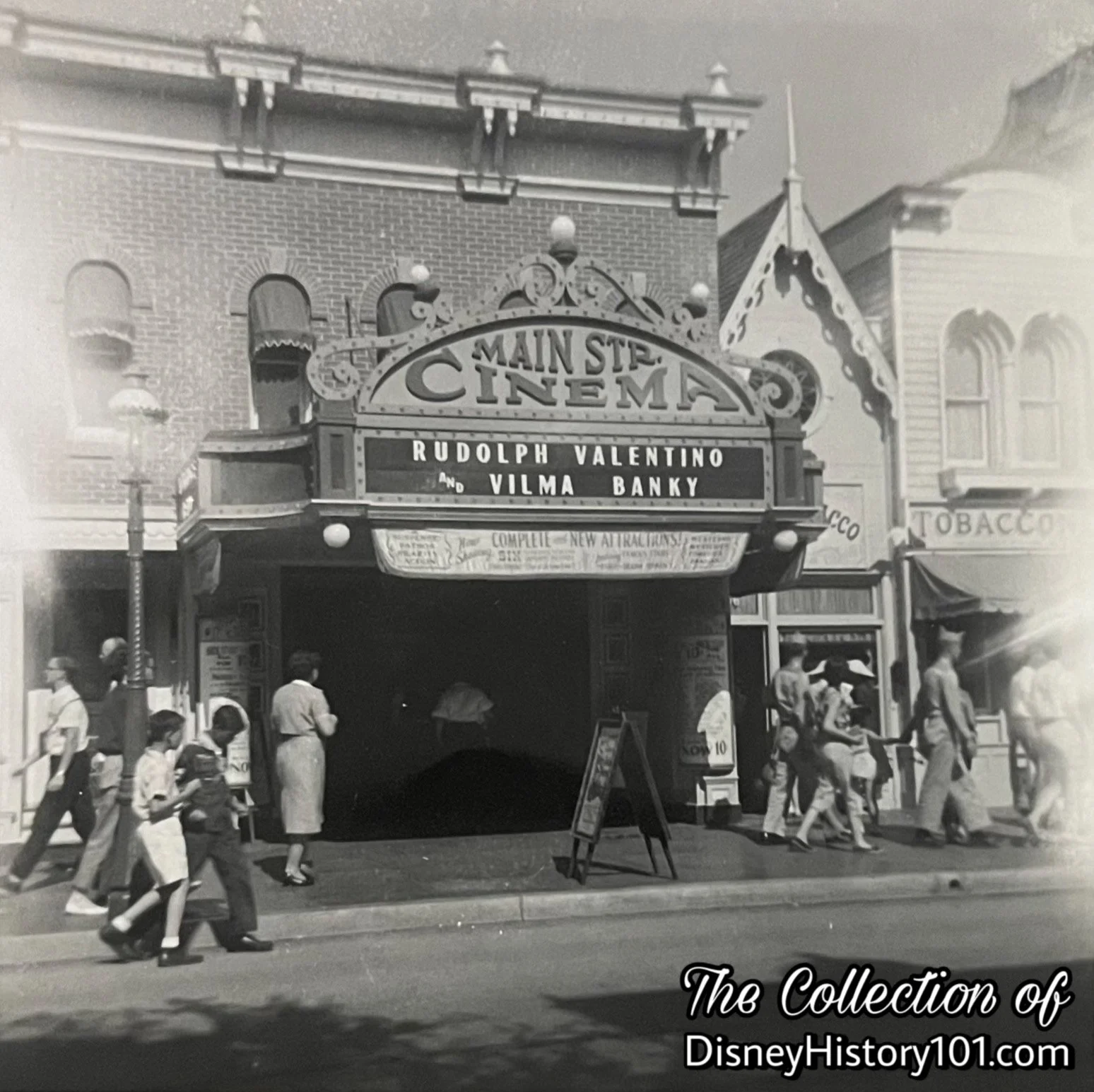
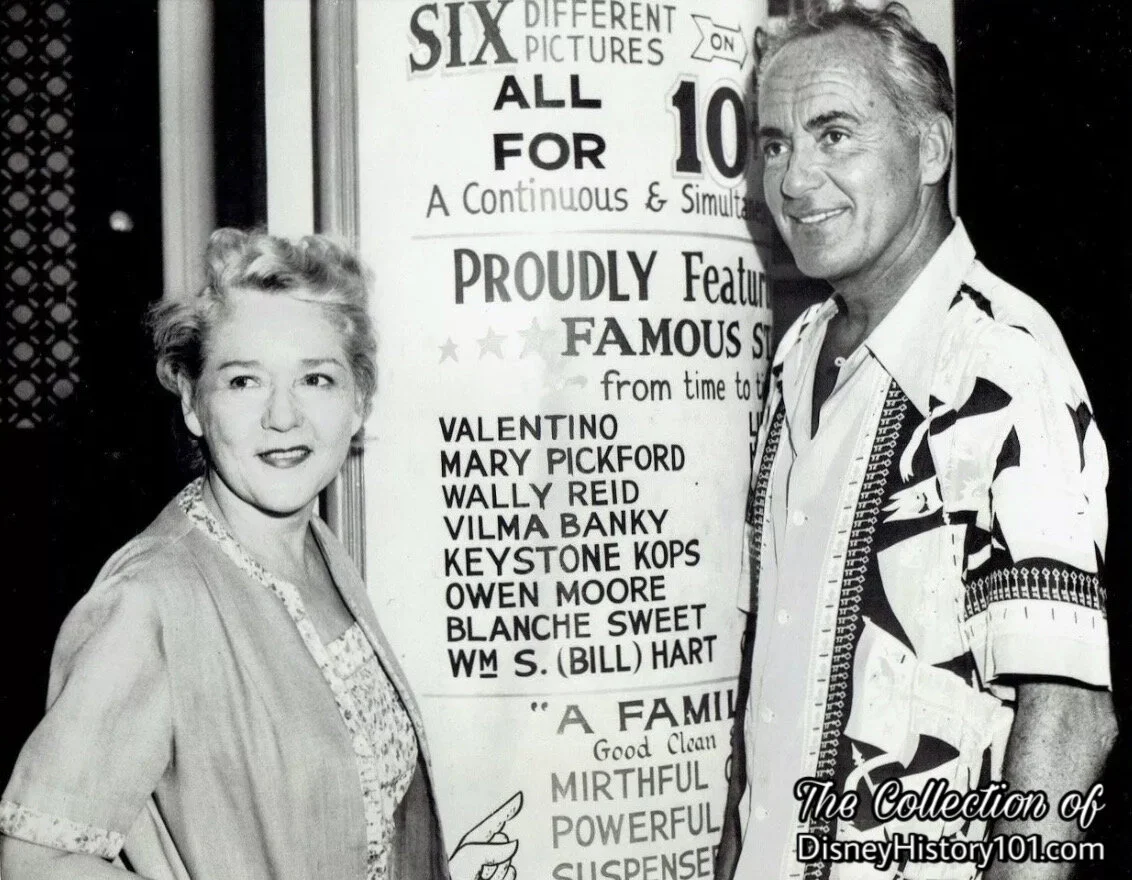
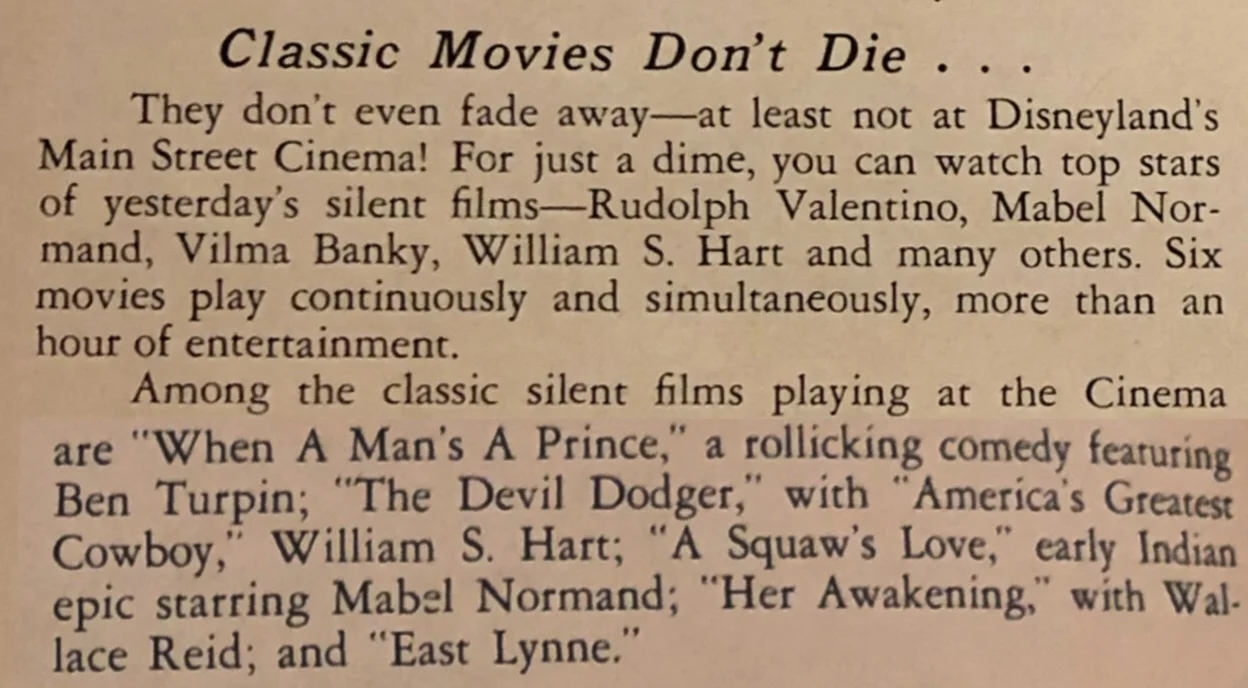
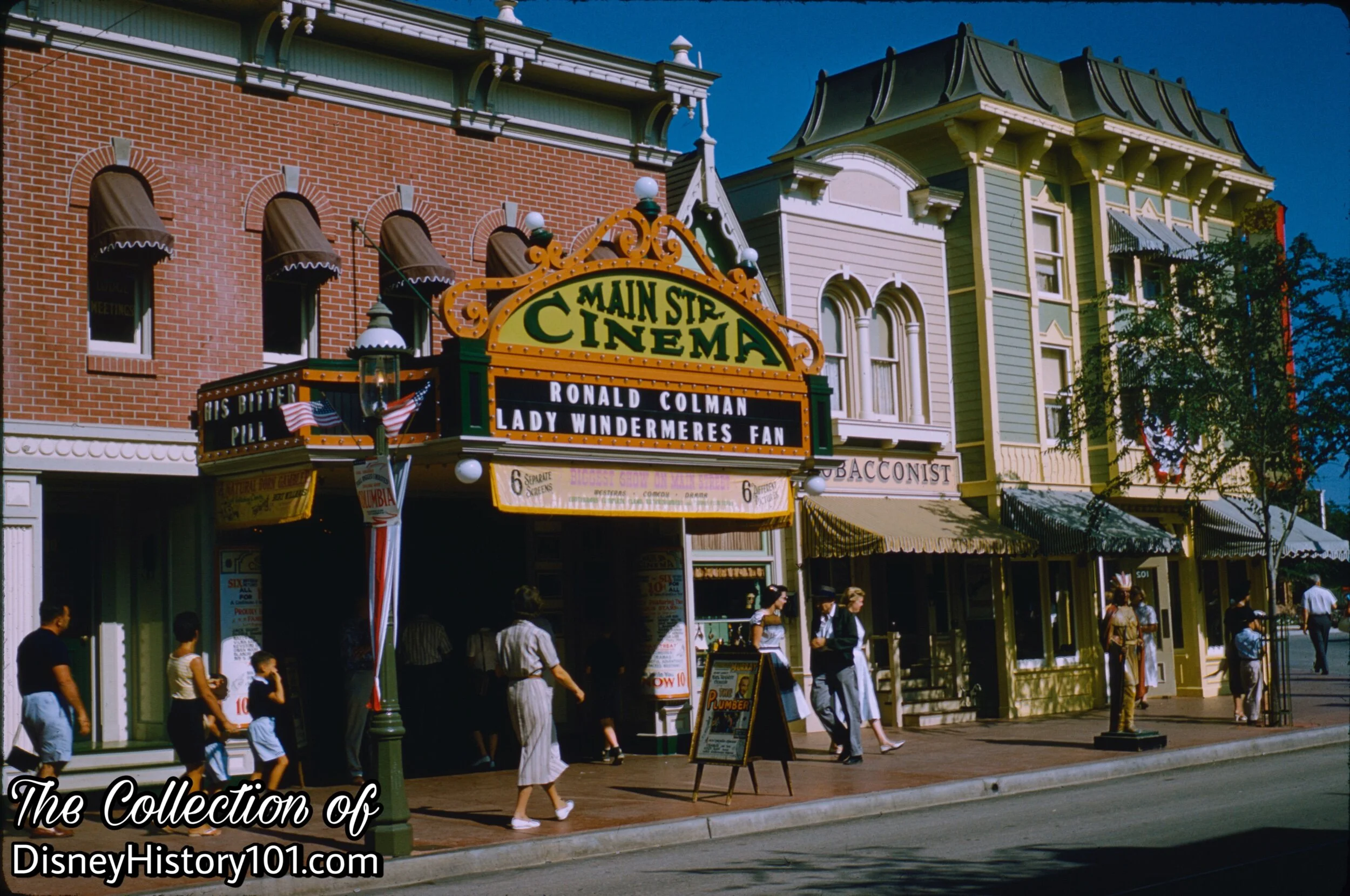
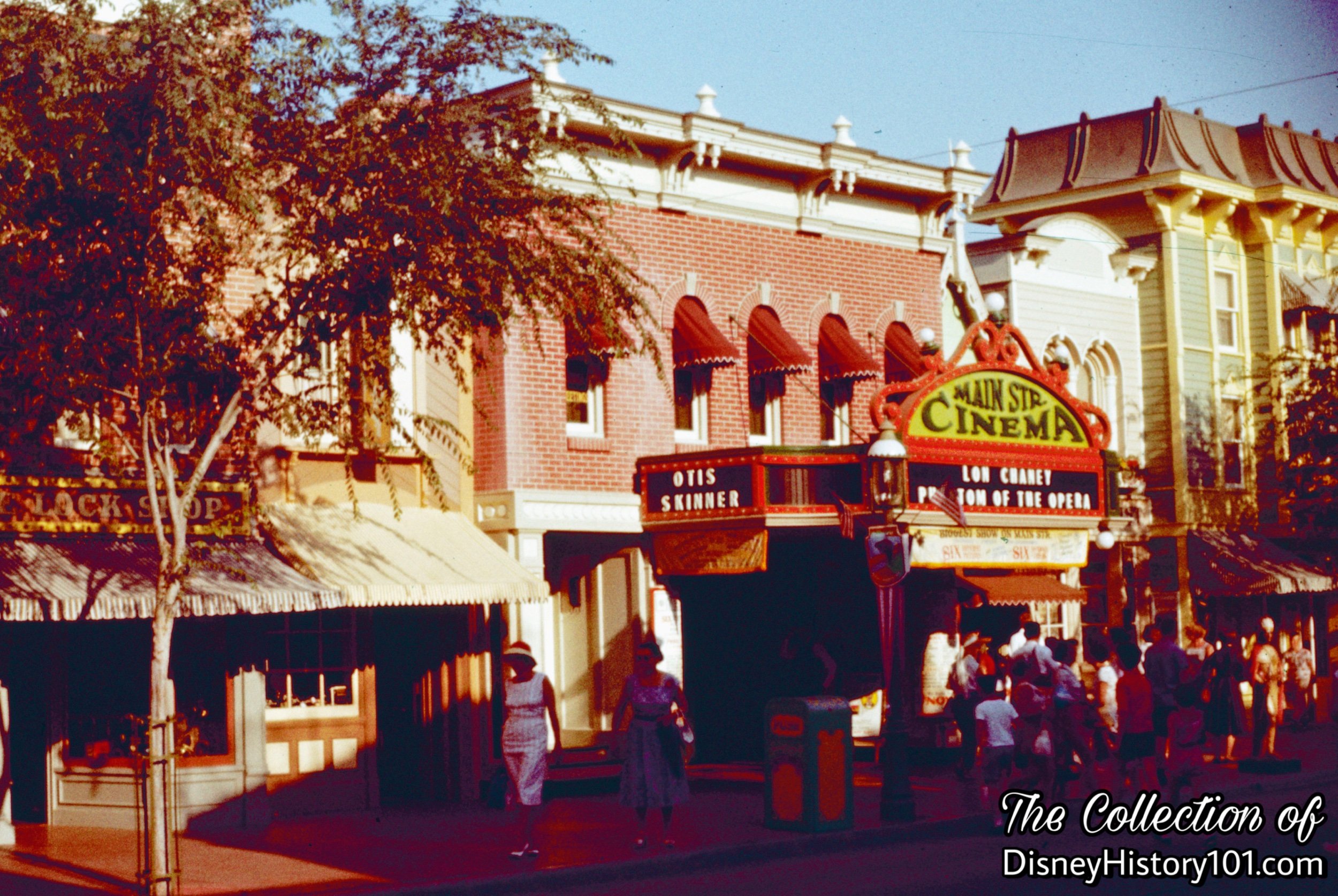
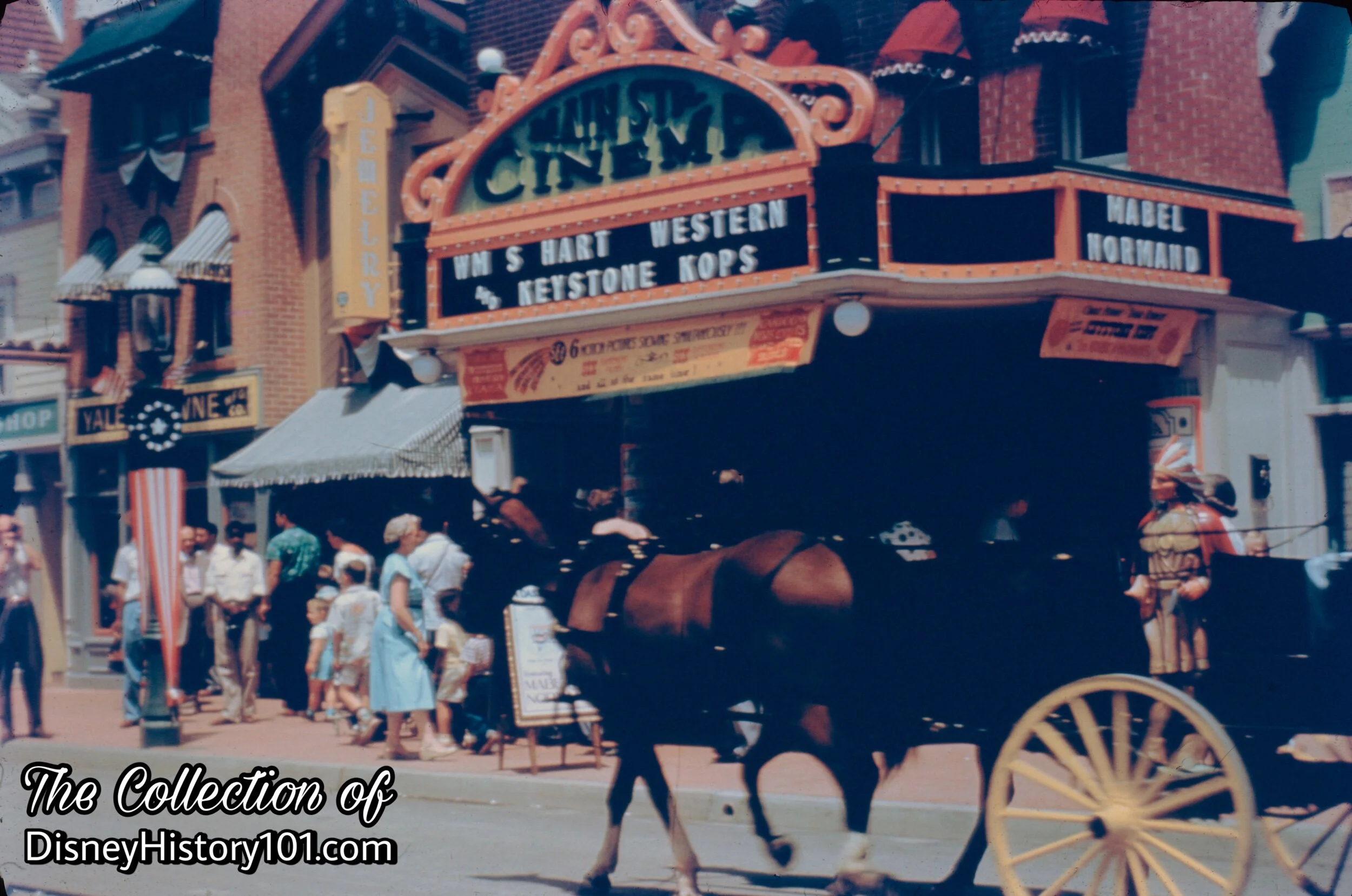
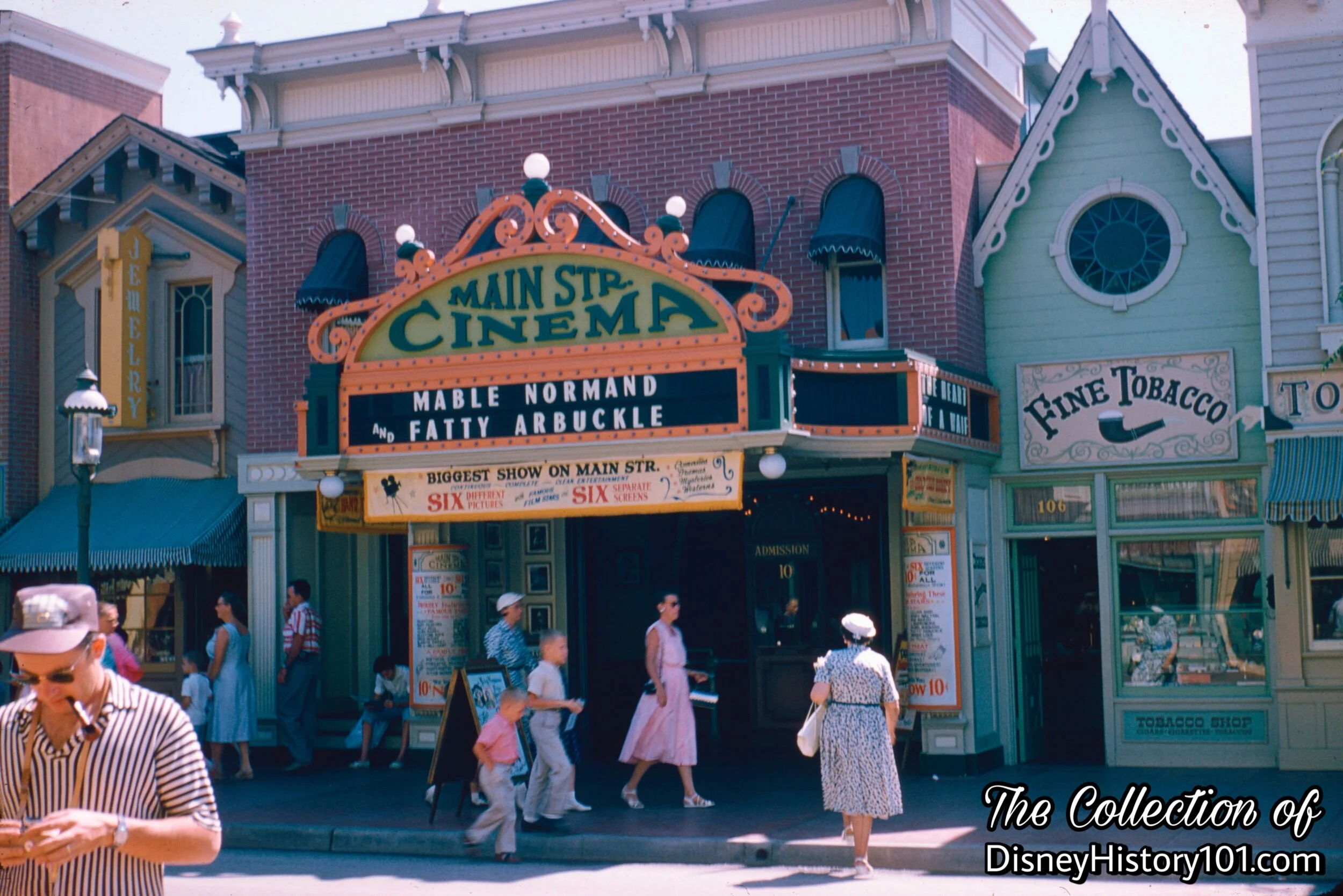
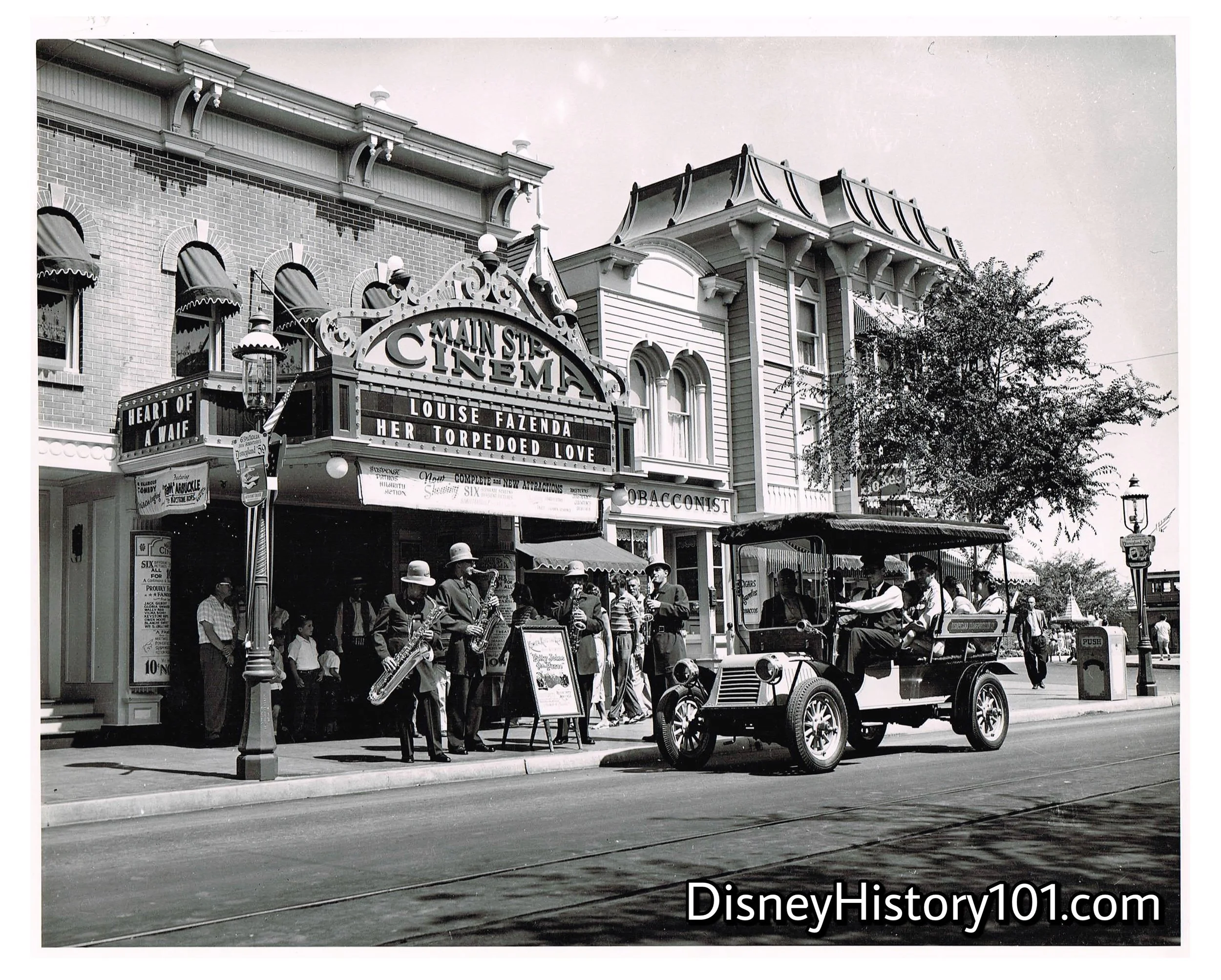
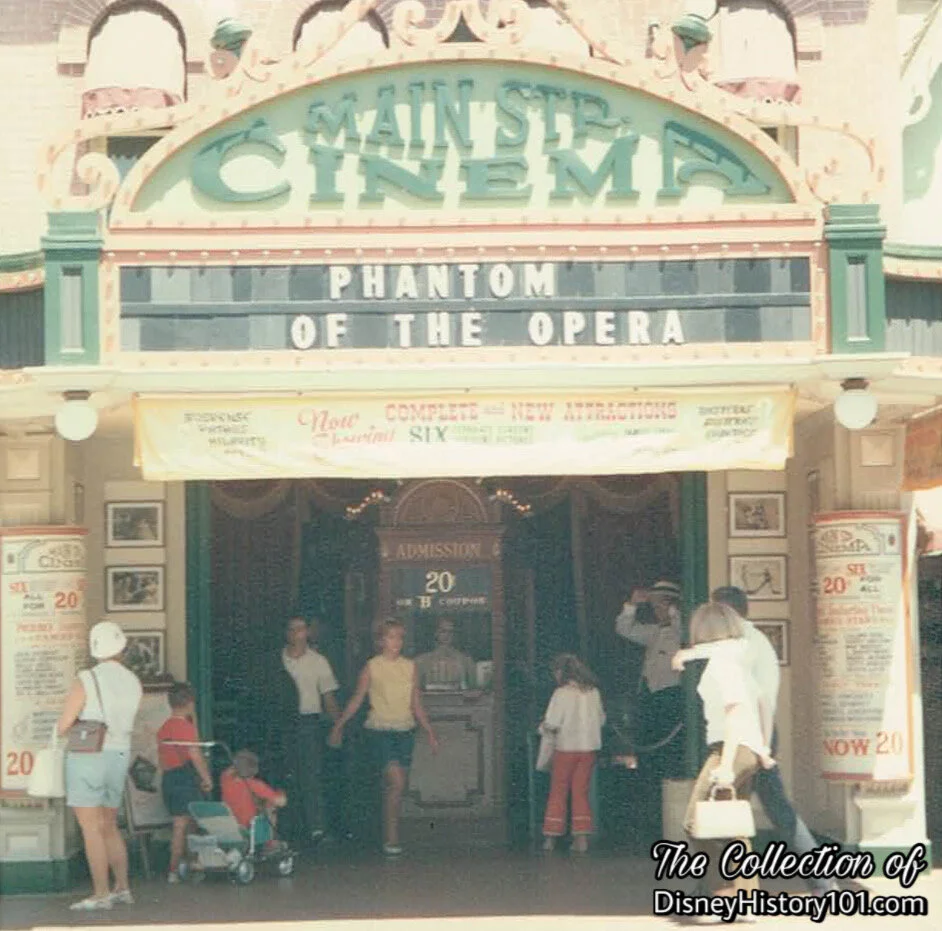
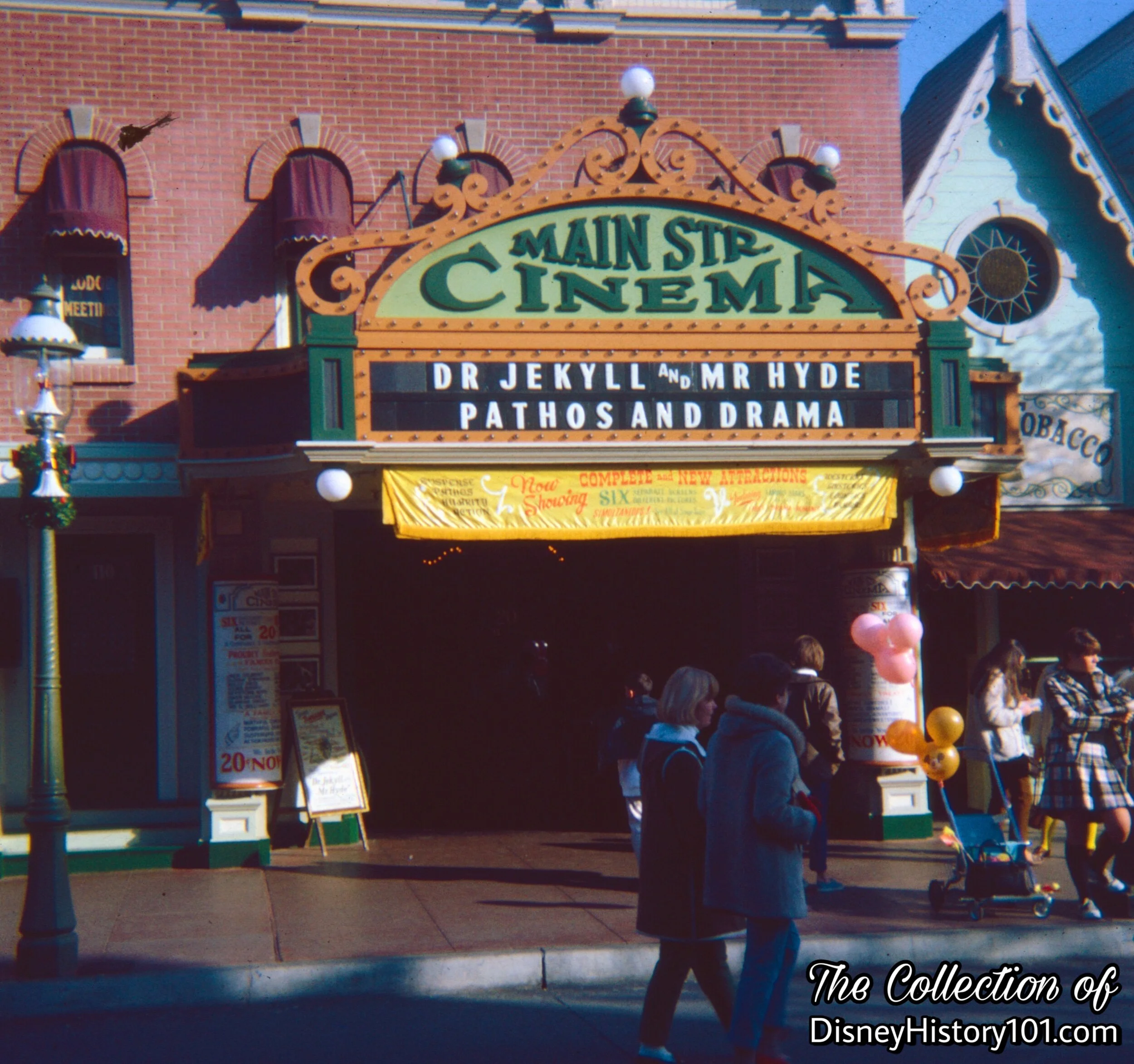
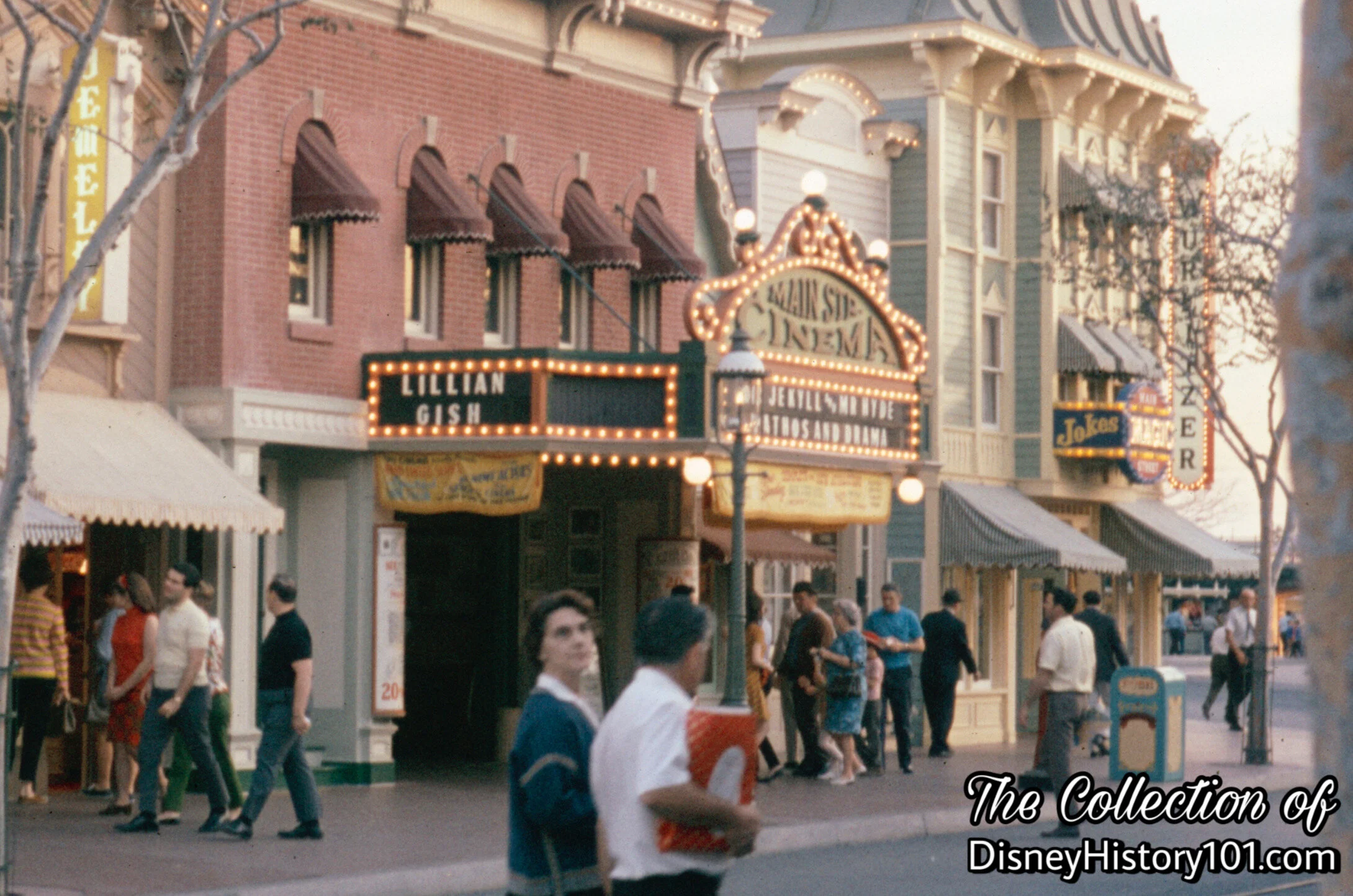
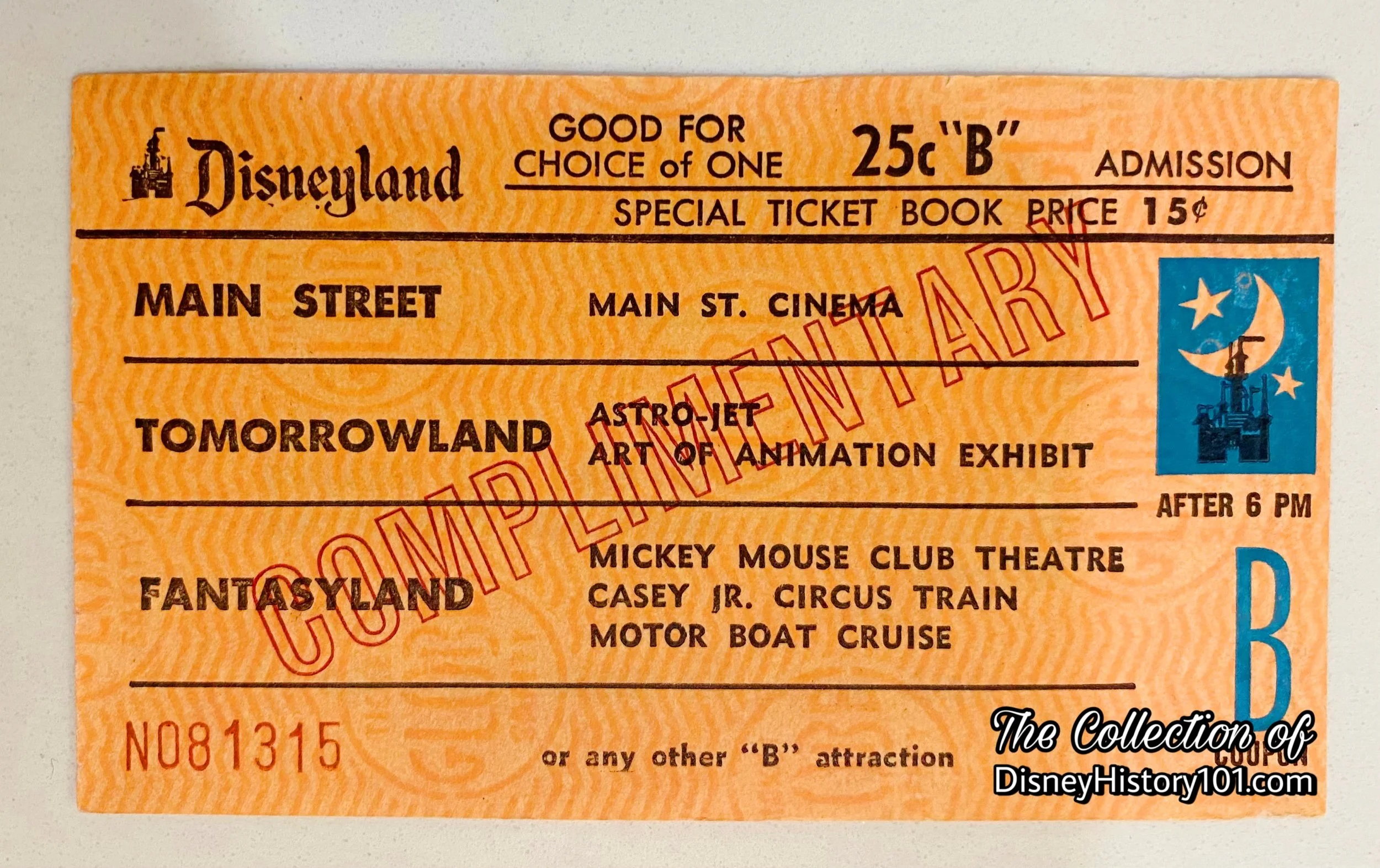
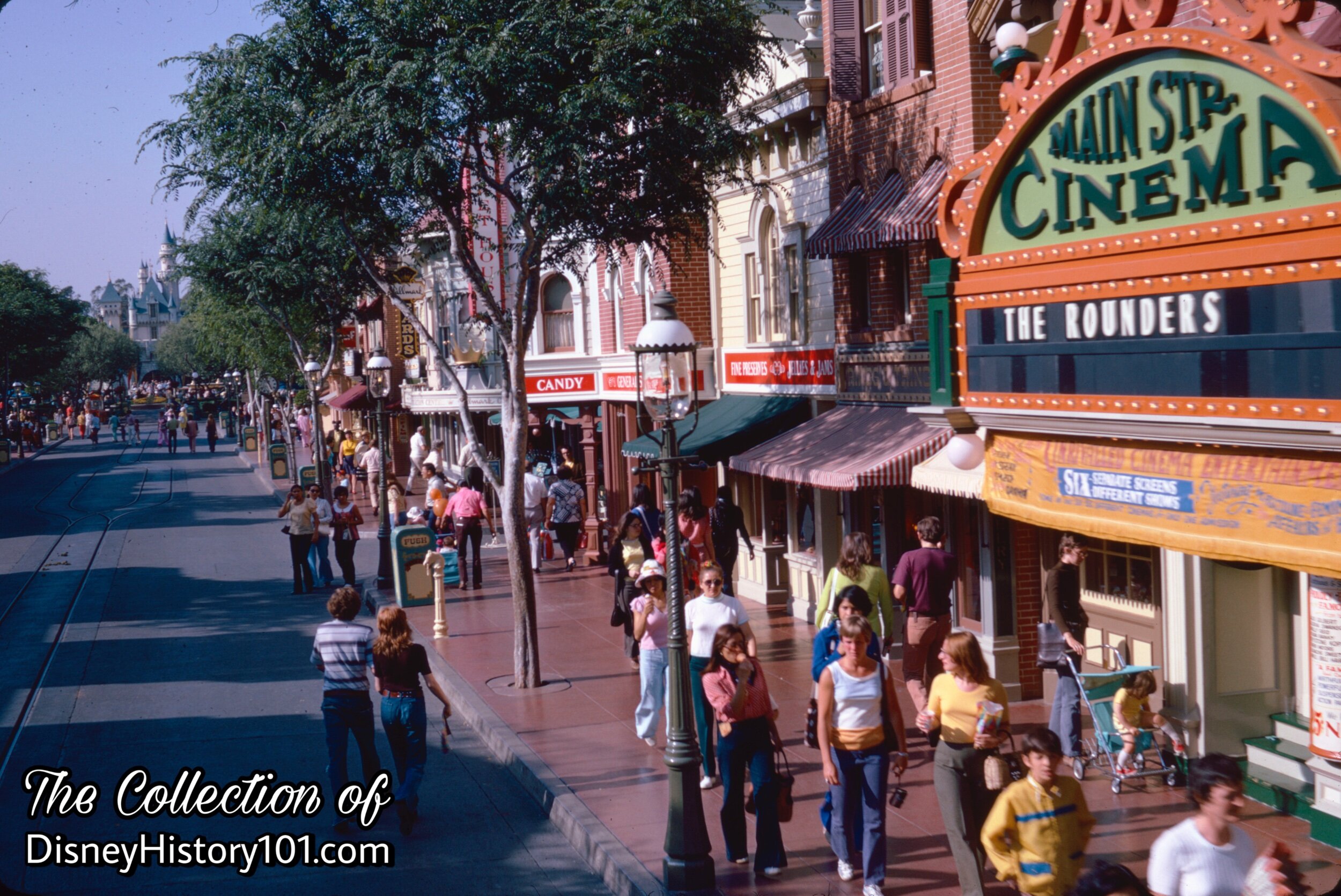
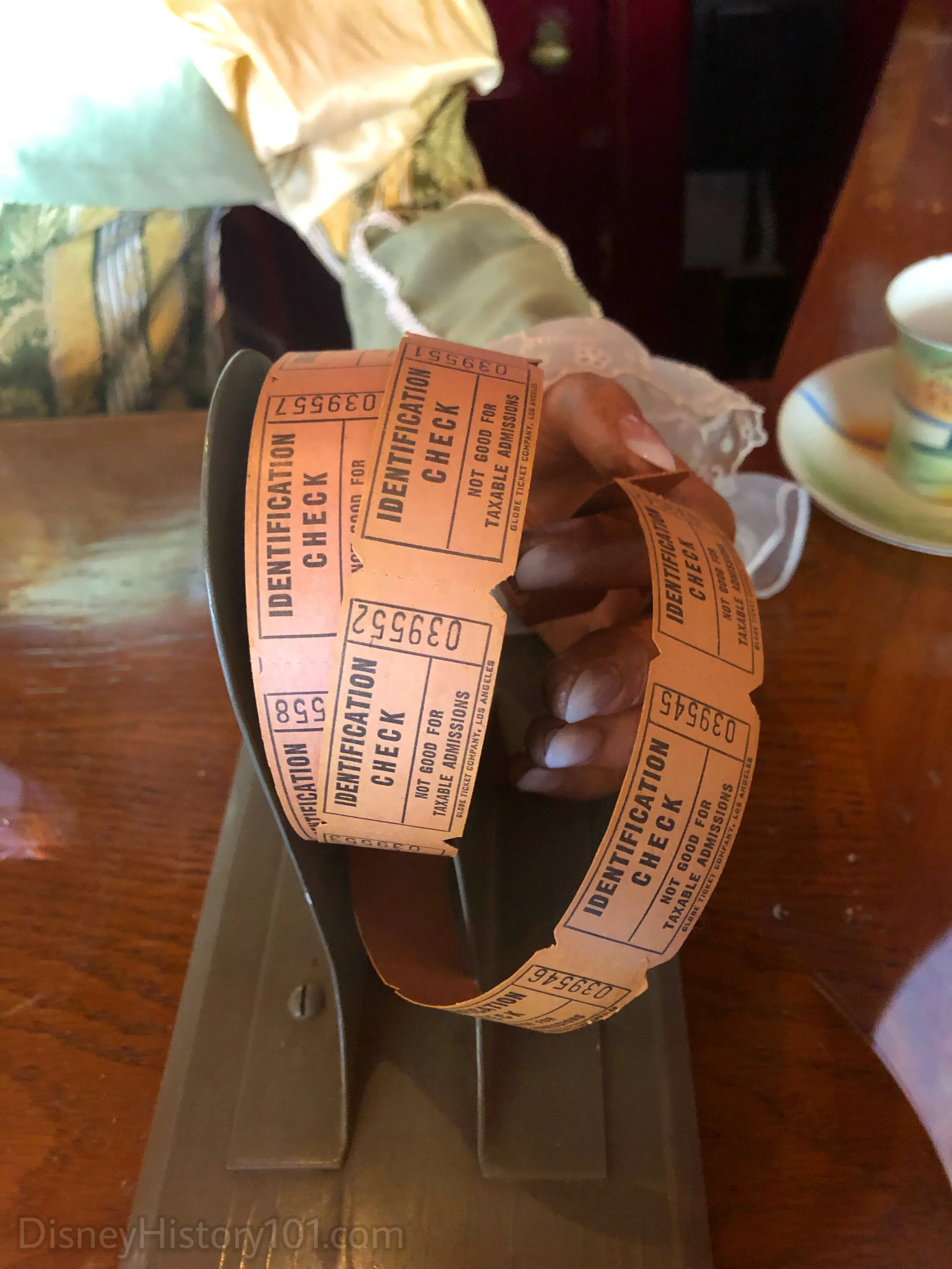
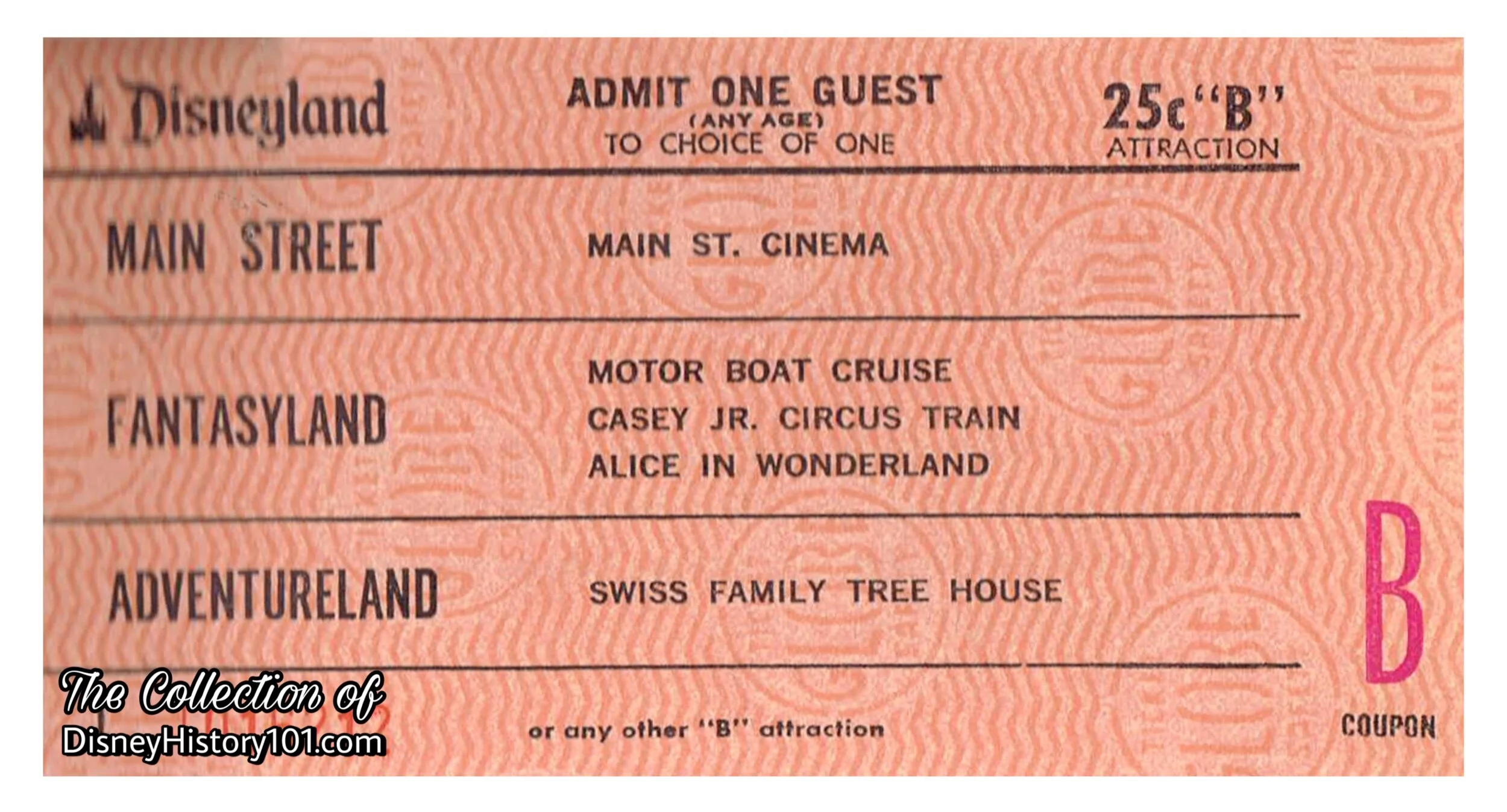
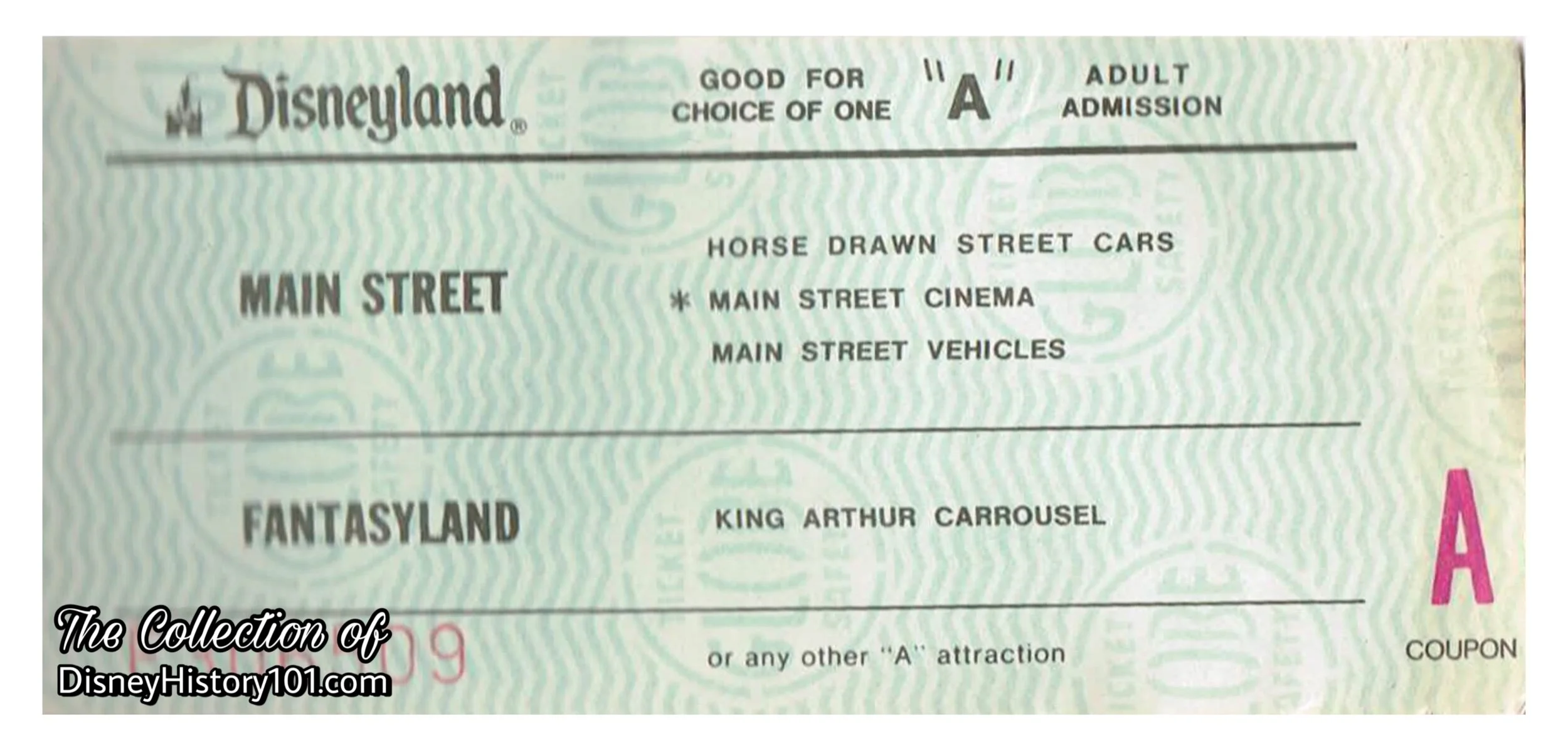
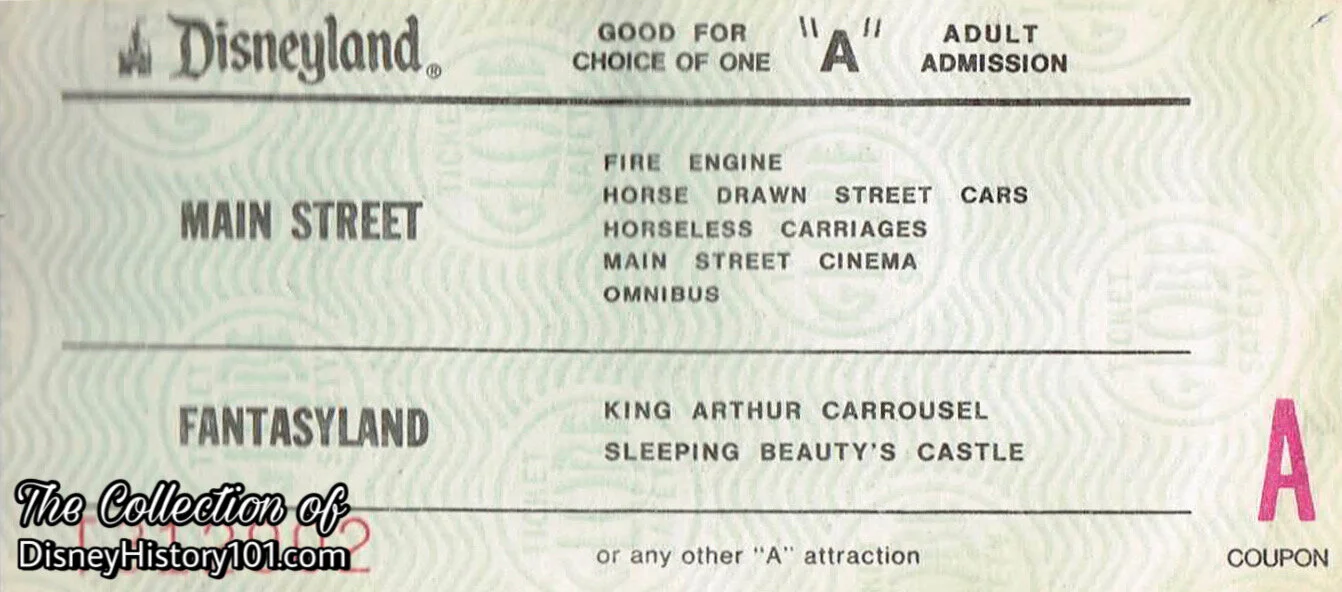
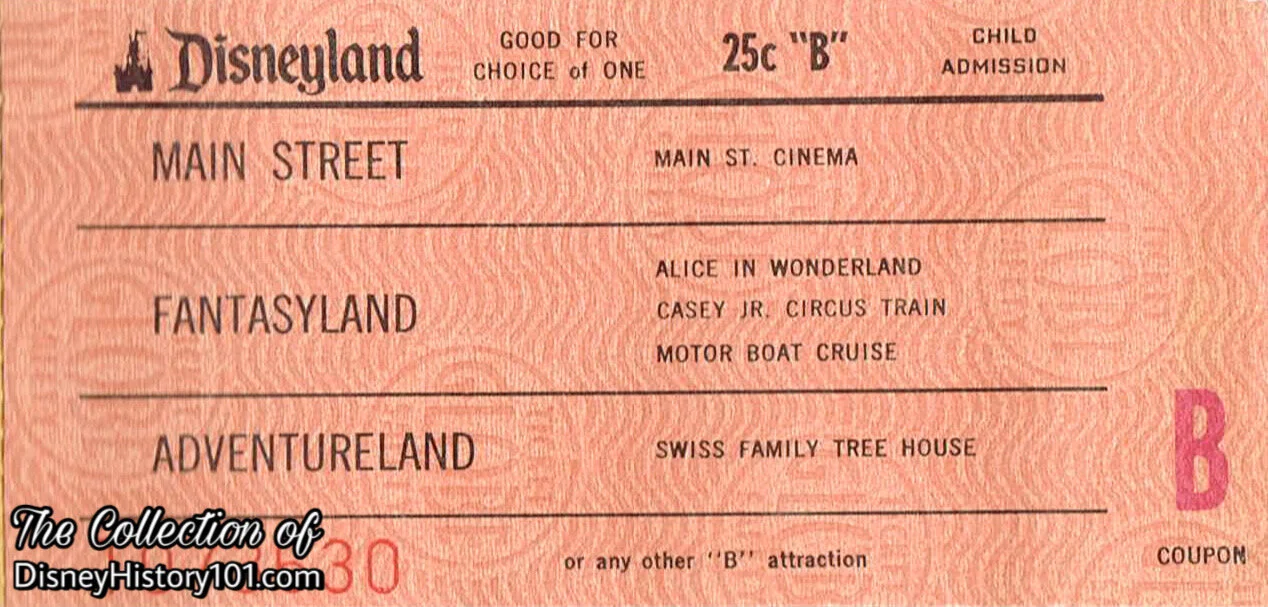
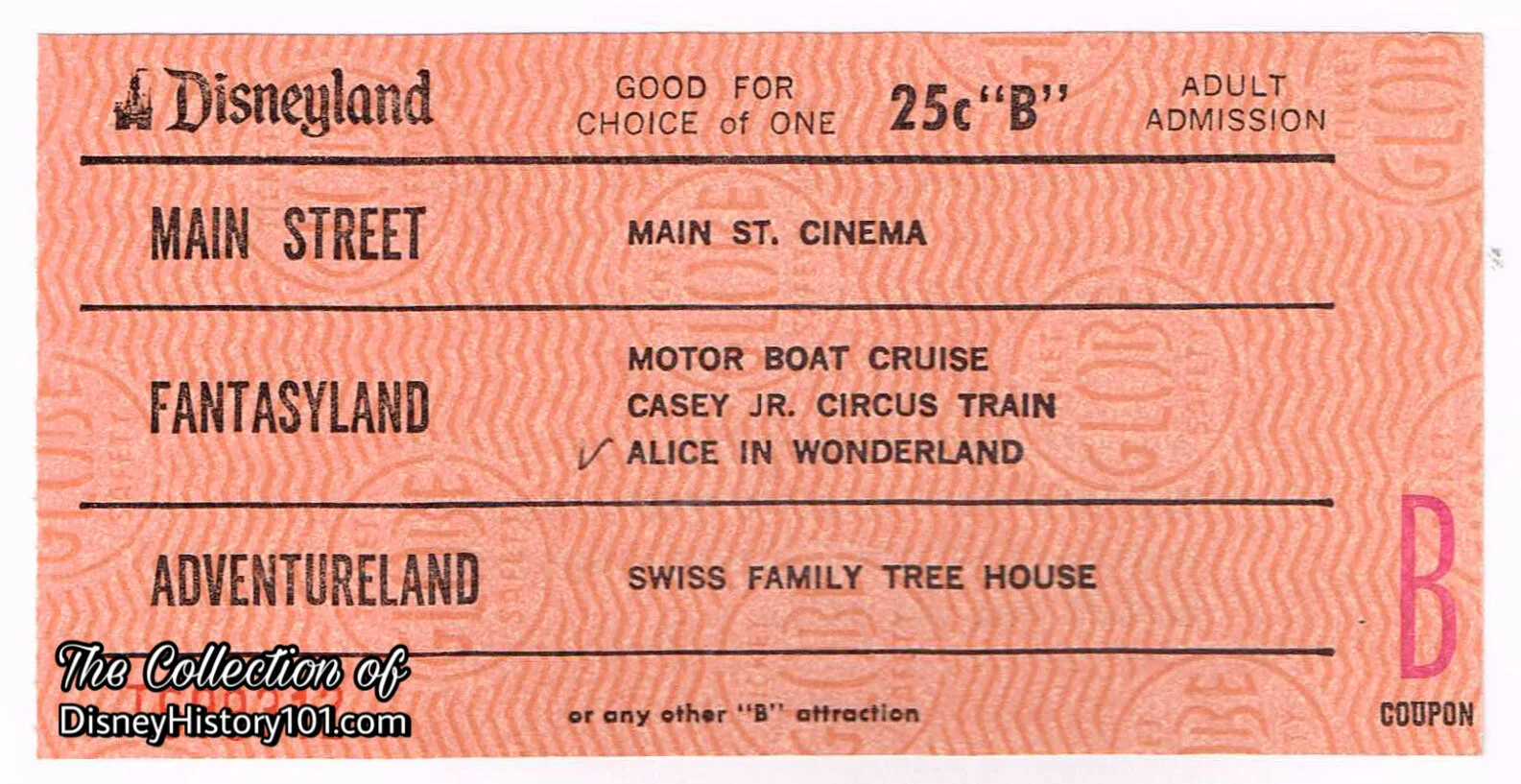
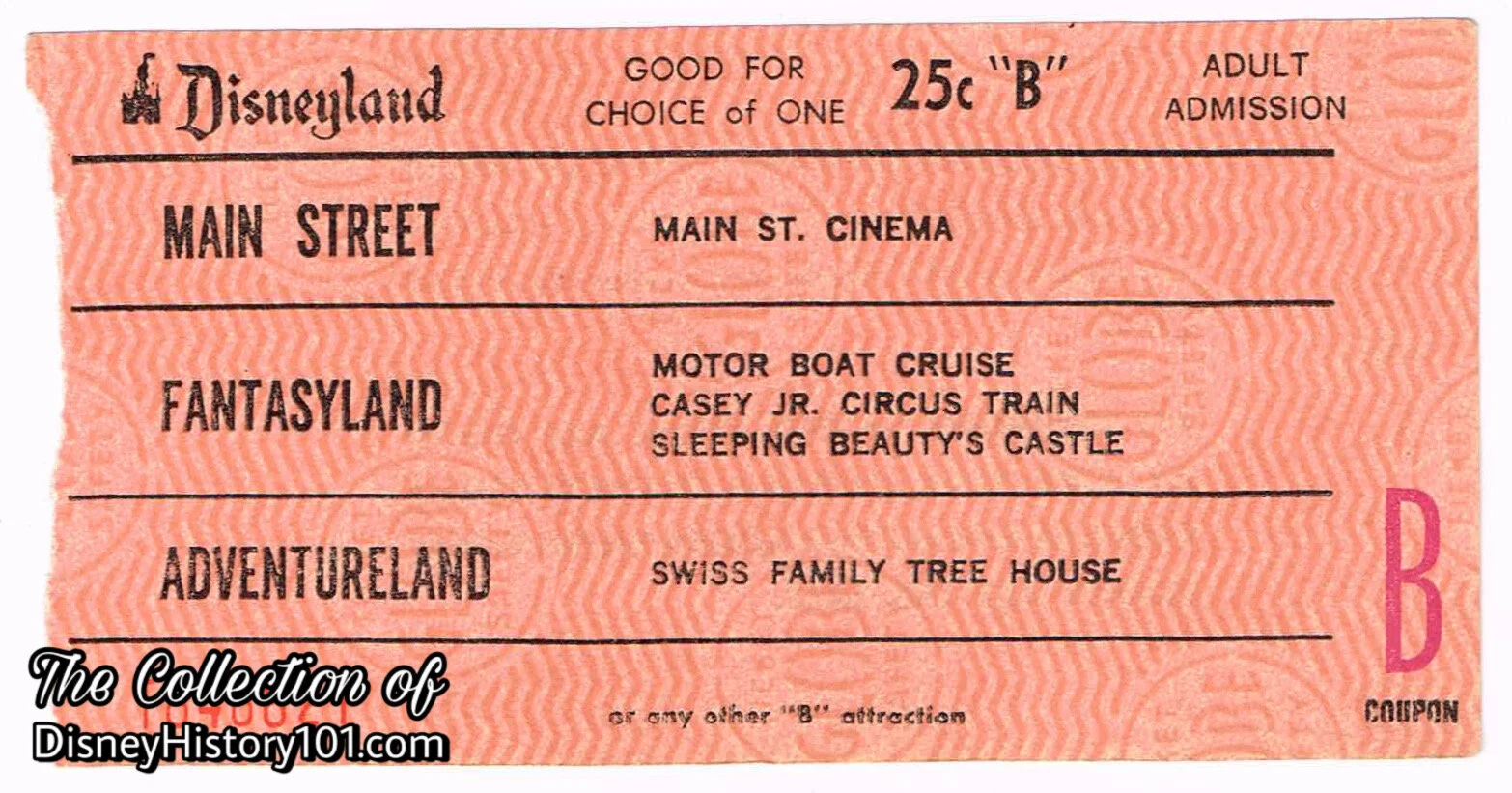
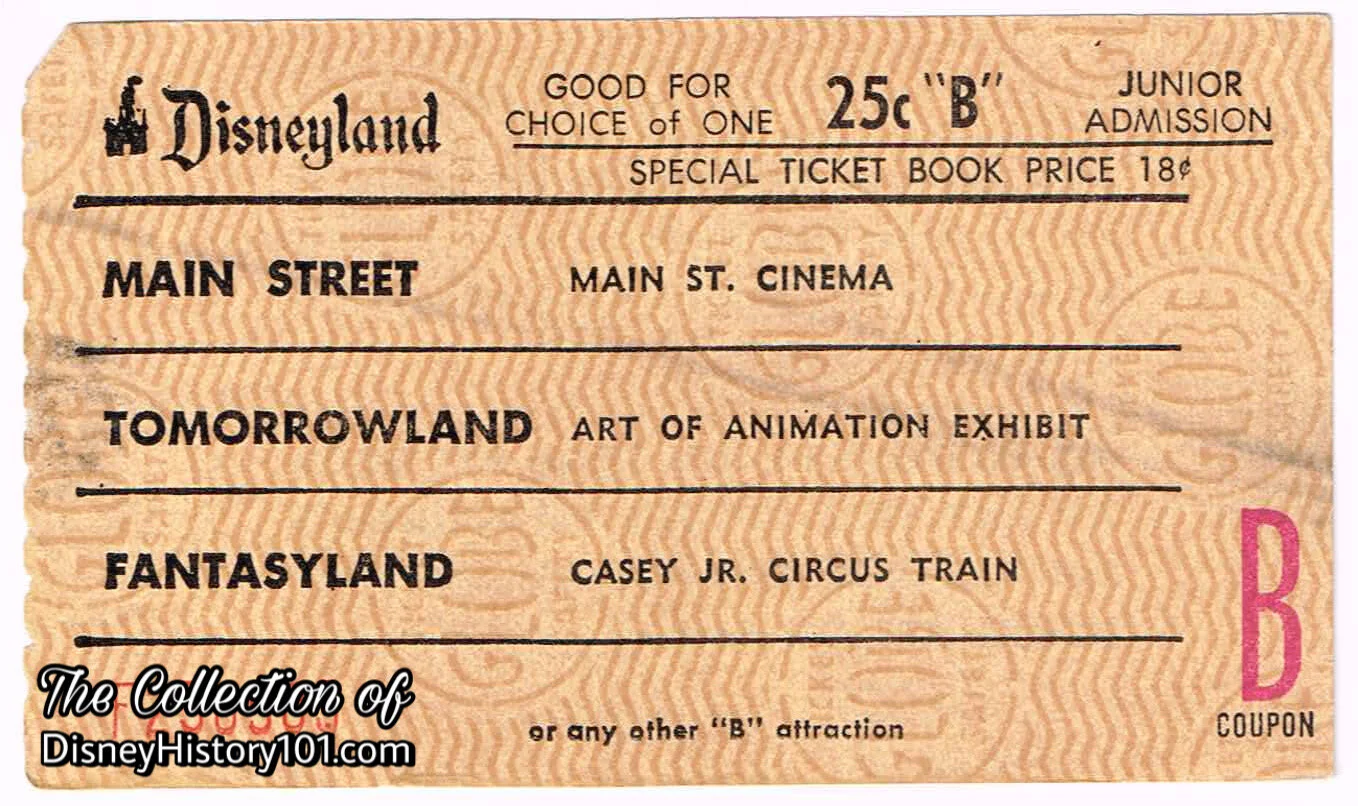
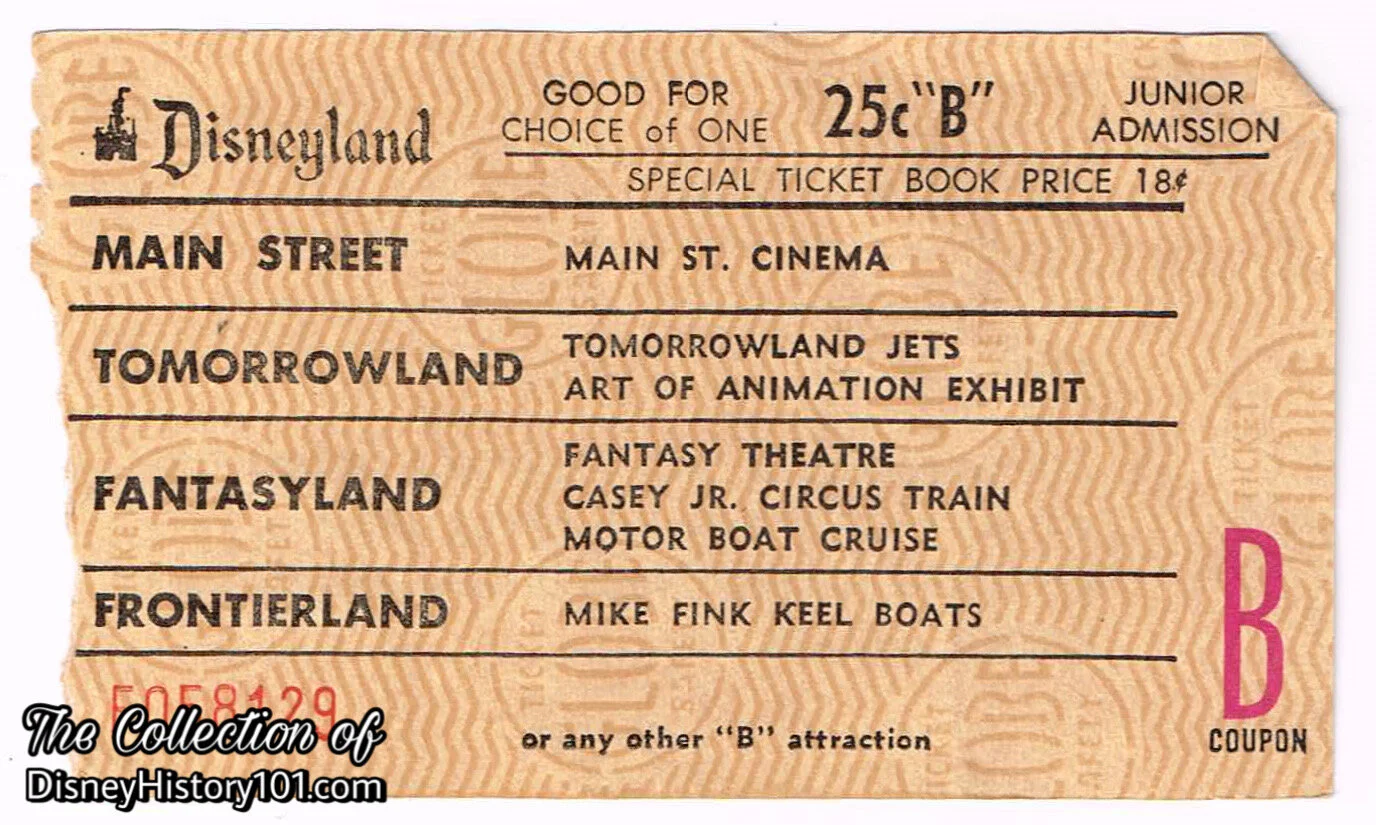
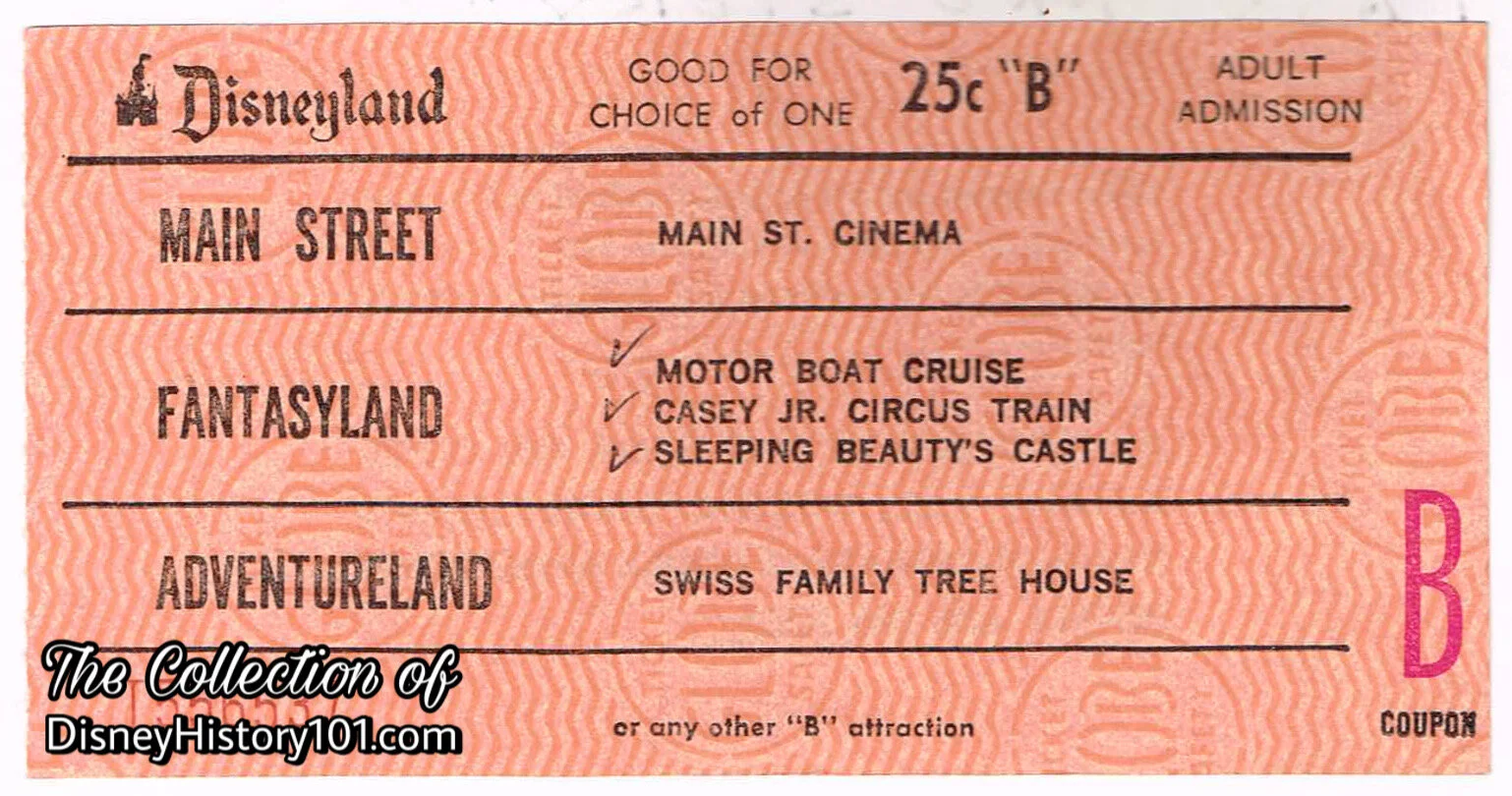
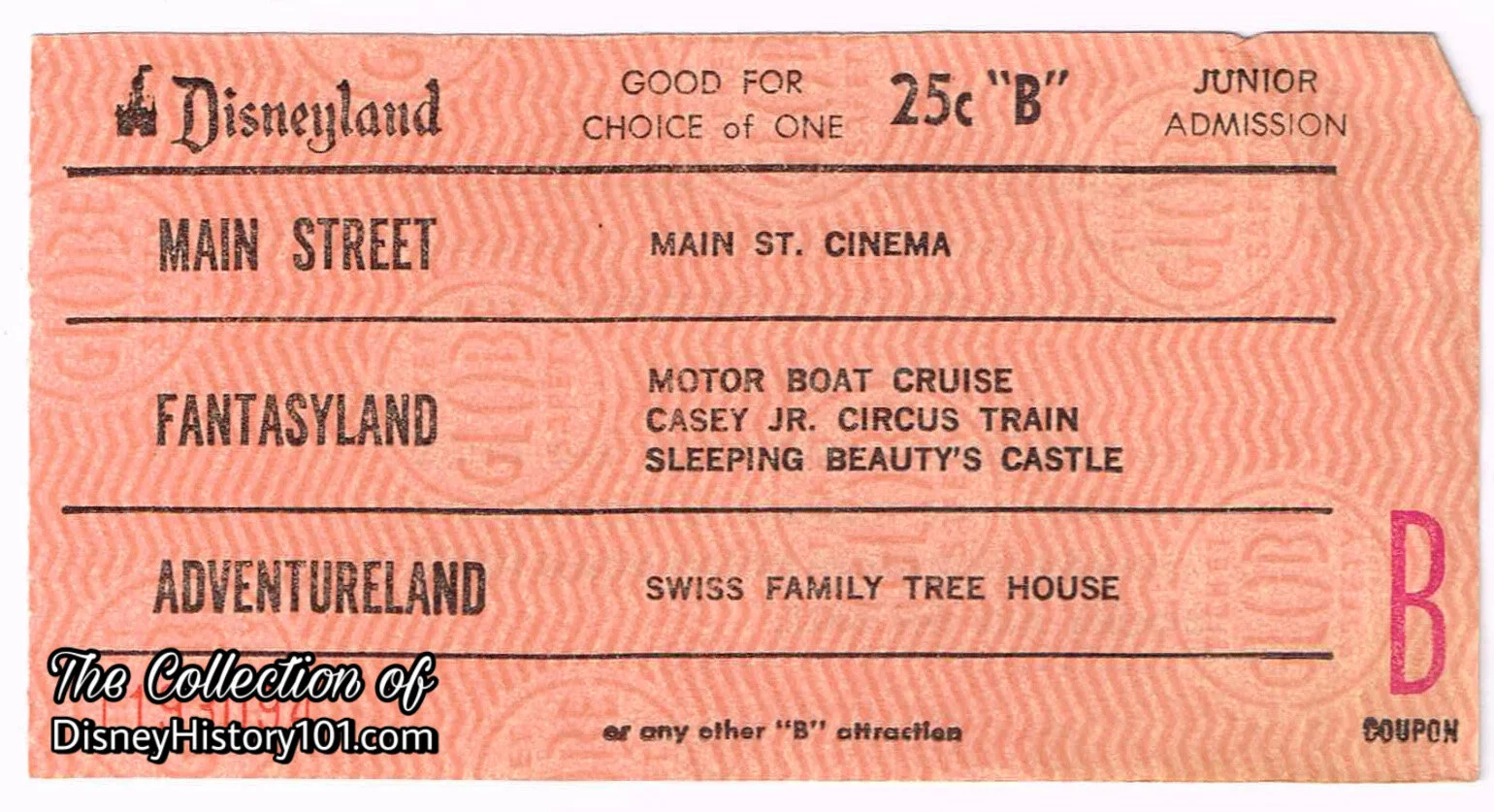
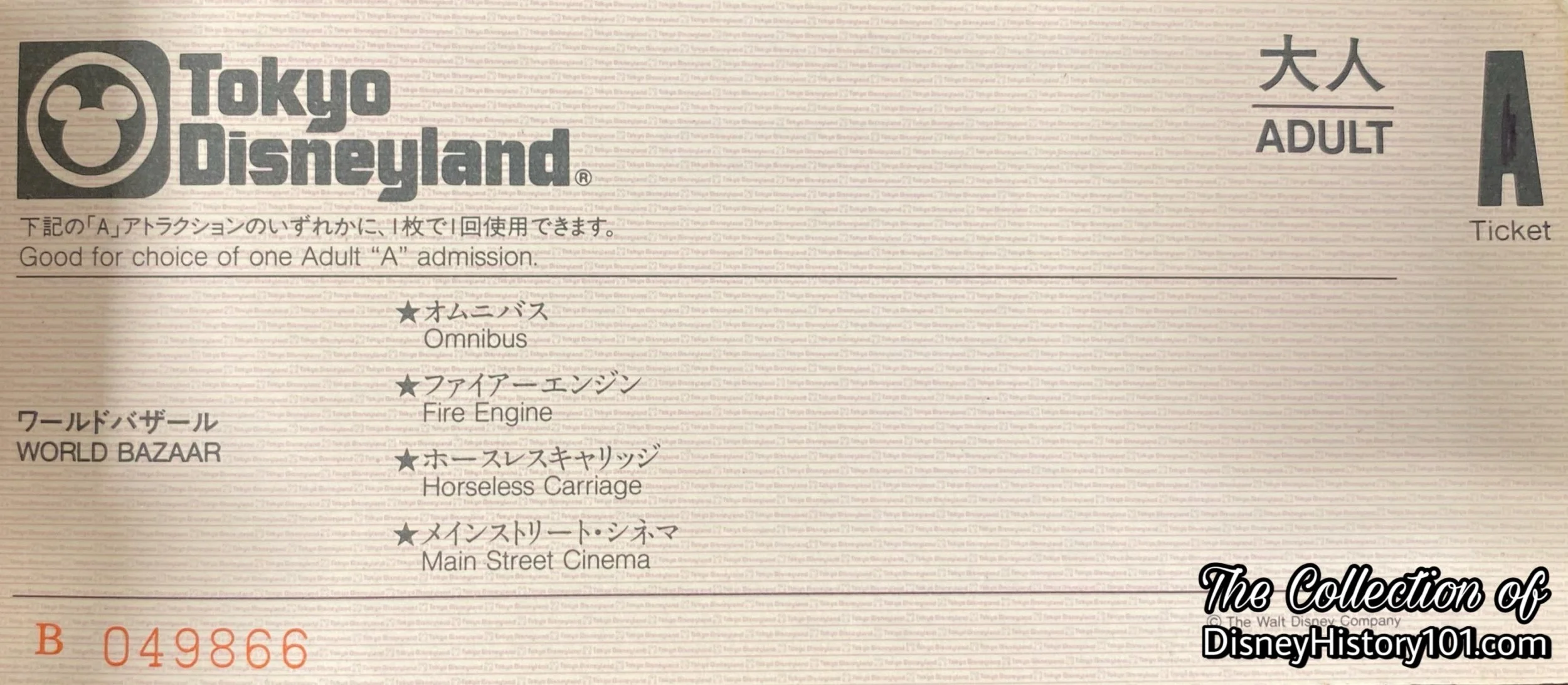
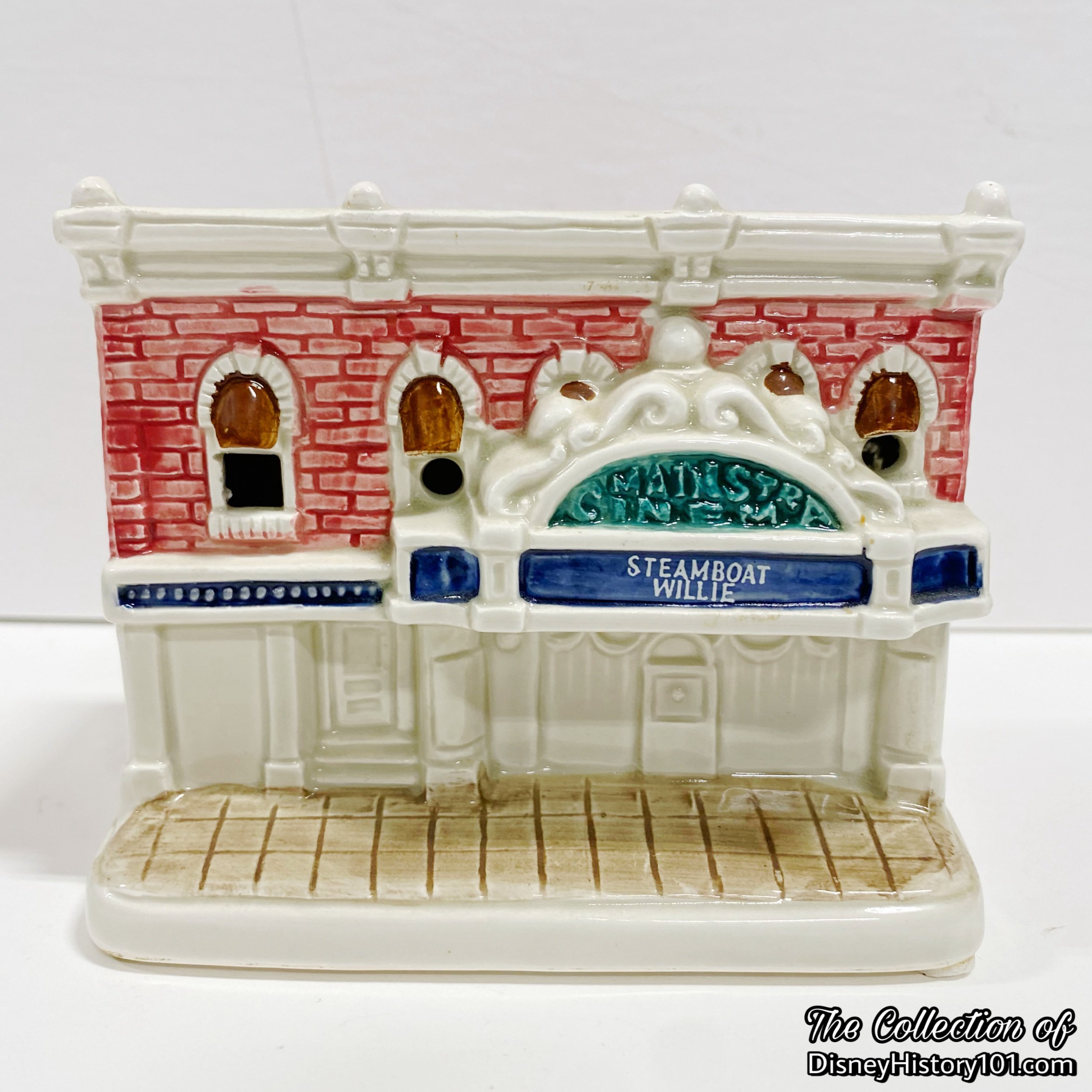
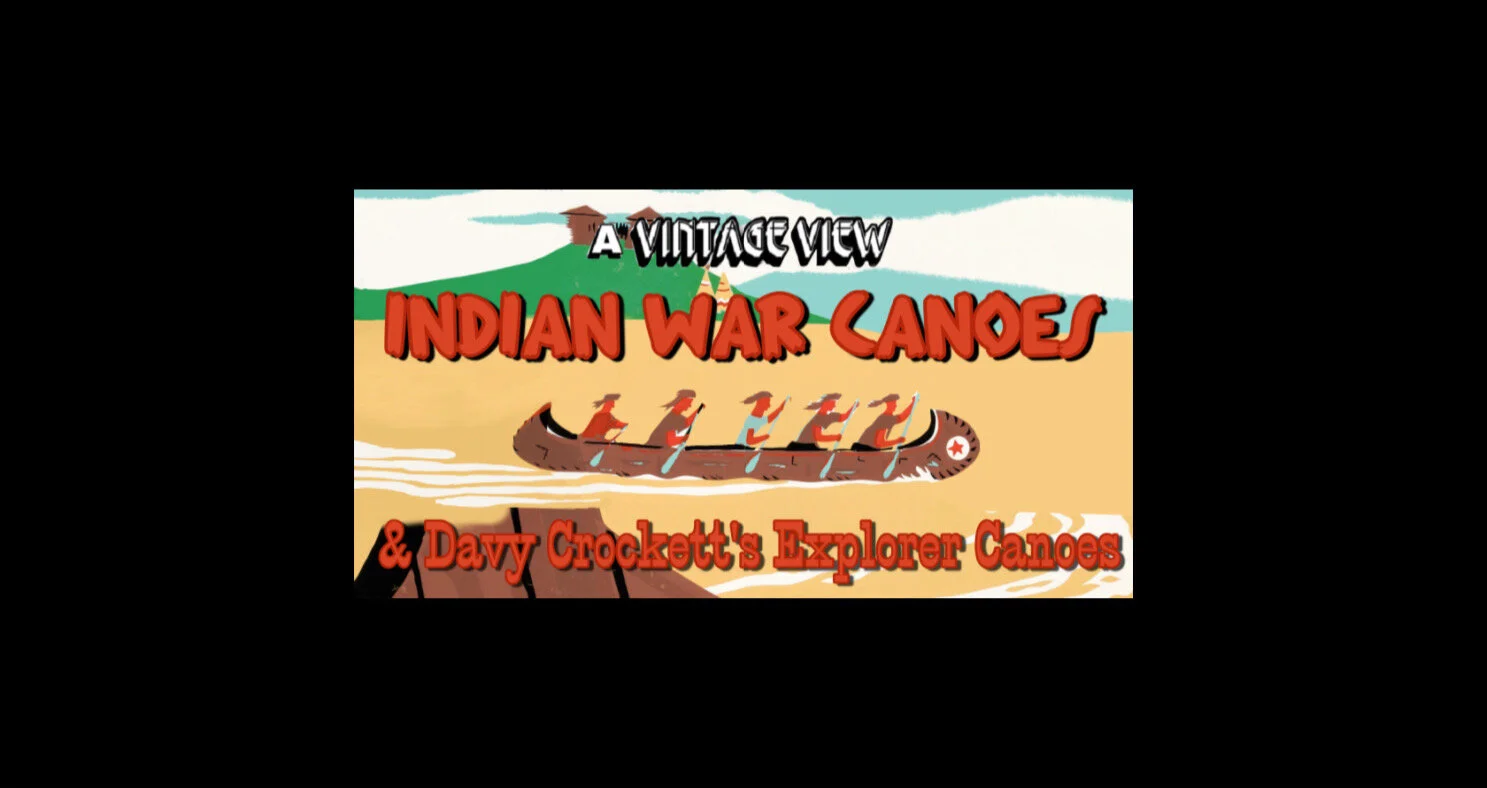
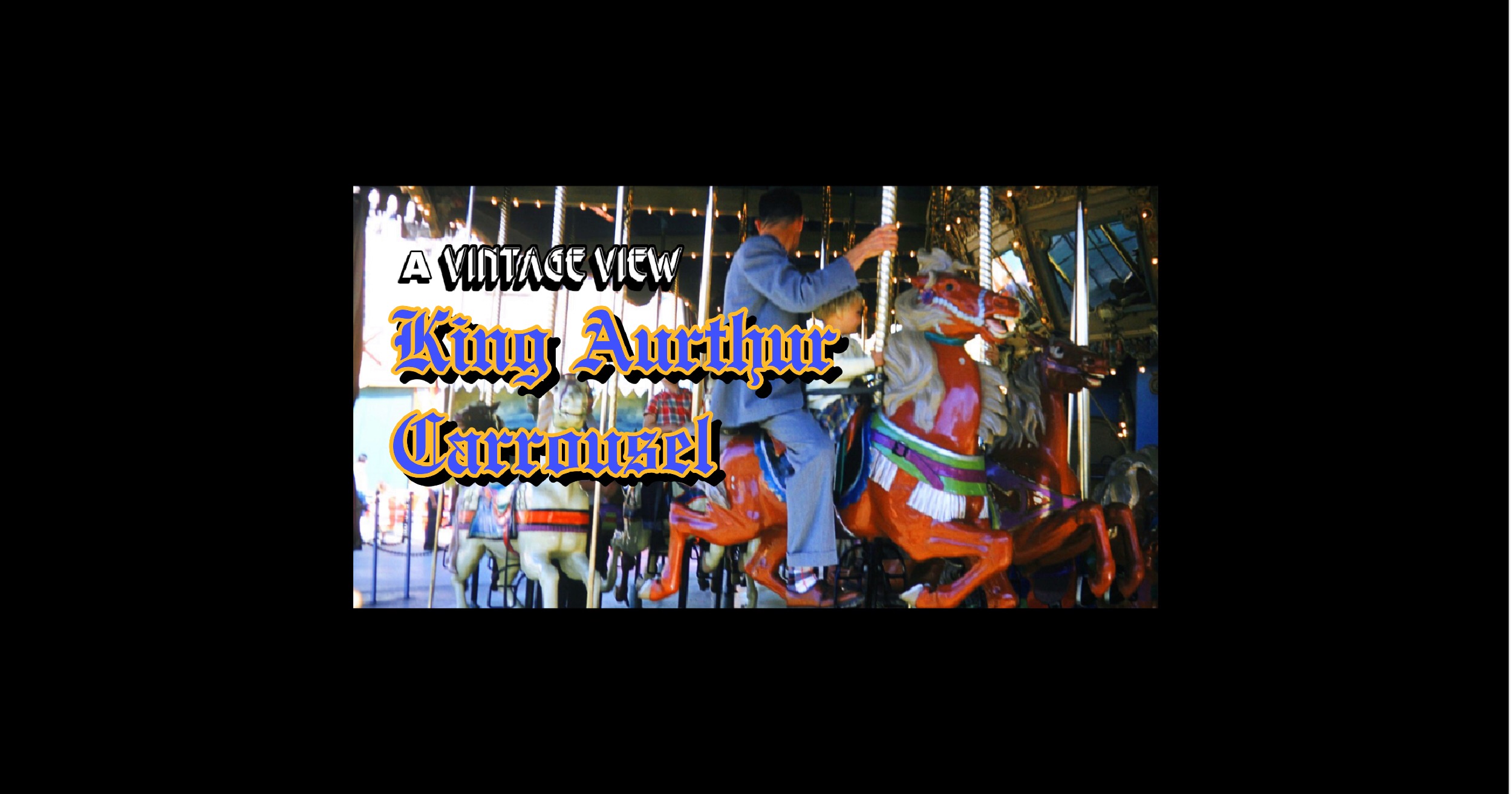
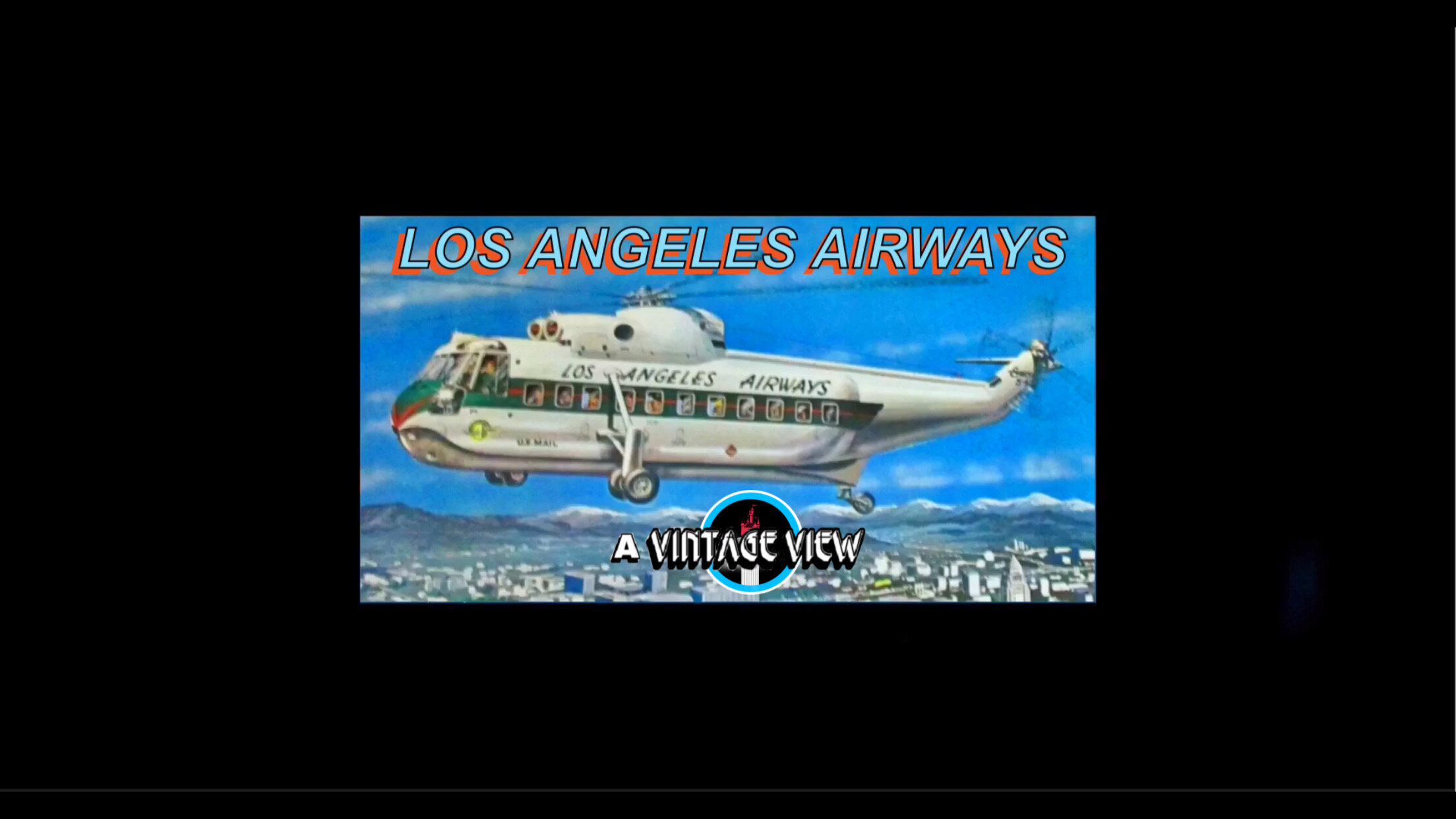
Quisque iaculis facilisis lacinia. Mauris euismod pellentesque tellus sit amet mollis.