Street Address
City, State, Zip
Phone Number
Your GUIDE to DISNEY HISTORY is wherever you are!
Your Custom Text Here
Your Custom Text Here
“Blue Sky for Disneyland City Hall”
Since the earliest planning phases of Disneyland Park, drawings included a civic center and buildings. These early thumbnail sketches and other concept artwork seemed to be unencumbered by restrictions of budget, schedule or the laws of nature and physics. Though guided by Walt, his artists appeared to engage in “free-thinking,” as if implementing the modern “Blue Sky” Imagineering process.
The “Proposed Diagramatic Layout of Disneyland” (Marvin A. Davis’ plot plan, produced for WED Enterprises, Inc. by September 12, 1953) detailed “Town Hall” on the East side of “Main Street.” At that time, Herb Ryman’s “Schematic Aerial View” of Disneyland (originally produced September 26 & 27, 1953) also depicted a City Hall structure in that civic center. One year later, “The Disneyland Story” (a document produced for WED Enterprises, Inc., September 3, 1954) mentioned “you find yourself in a Civic Center or Town Square at the Turn of the Century… here you will see the Town Hall.”
Around this time, artist Harper Goff had already been tasked with creating concepts of the turn-of-the-century Main Street facades. The preliminary designs of Disneyland City Hall was partially inspired by a building from Harper Goff’s hometown of Fort Collins, Colorado and the Bay County Courthouse of Bay City, Michigan. Like some advanced “High Concept,” final designs were quickly generated and approved.
“Architectural Plans”
Next, architectural drawings helped define all designs, production and construction strategies, costs, schedule, and resource requirements. “Disneyland is unique in that some of the world's foremost creative artists and architects control all design at Disneyland.“ Models explored the various dimensional relationships, site-lines, flow patterns, ergonomics, and visual appeal to convey the desired creative intent.
By January 7, 1955, architectural drawings (elevations and site plans) for “Town Hall” on the 200 Block had been completed by a “Lorrecc” and an “H.S.” of WED Enterprises, Inc. for Disneyland, Inc. The drawings were checked by a “WBK,” approved by two individuals, and revised twice - by “R.A.M.” (on March 4, 1955) and E. Jericho (March 9, 1955). These were working (construction) drawings and were the final plans from which the facilities were built.
The City Hall and Fire Station building accounted as one structure and described as a “one and part two-story structure” consisting of a total of “4875 sq. ft.”, and containing “fourteen offices and adequate restroom facilities.”
“Construction”
F. M. Franz, manager of operations for MeNeil Construction expressed: “We feel sure there has never been anything built like this in Southern California, or elsewhere in the United States. Many of the items were constructed from artist’s sketches.”
“Foundations and Framing”
First, a concrete foundation and slab floors were prepared, followed by wood frame construction (while store units would have a combination wood and rigid steel frame). On Main Street U.S.A., the buildings would not be full scale. Ground floors were built about 9/10ths scale. Second floors measured up to 7/10ths scale. The scale on the uppermost floors would be smaller still. Forced perspective would only make the buildings on Main Street appear taller than actually are. Still, the final steel and wood frame of Disneyland City Hall (though at a charming 5/8 scale) was actually more “to scale” than other structures on Main Street.
“Electrical, Plumbing, Air Condition Installation”
“Newbery Electric Corp. took the rapid electrical construction of Disneyland in stride. The electrical installations were supervised by Roy J. Gruendler, manager of Newbery's Orange County district office located at 1335 Santiago Ave, Santa Ana.”
Disneyland City Hall was also serviced by an air conditioning system and possessed complete fire sprinkling systems. By June 30, 1955, related Disneyland Site Work Fire Protection Utilities Plot Plans were prepared for Disneyland Inc., by J.E. Thomasson of WED Enterprises Inc.
“Drywall and Floors”
The rooms had asphalt tile floors, and painted and papered drywall partitions and ceilings.
“Brickwork”
City Hall had simulated brick and stone exterior on its front and side elevations, and stucco on the rear elevation. Much of this “brick” of Main Street Architectural Facades was QuikBrik “real brick applied like plaster,” manufactured by American Cement Products, Inc. (of Detroit, Michigan).
Larson Brothers Plastering Company of San Diego was also a proud part of Disneyland. The company crafted the ornamental plastering and all brick used at Disneyland (including their amazing new plastered brick veneer). The versatile Quikbrick (real colorful and textural brick applied like plaster) was about half the price of ordinary brick. It insulated, beautified, and was meant to “last a lifetime.” Scenes of plasterers carving these “brick” facades on Main Street are seen in a few brief scenes of A Pre-Opening Report from Disneyland.
The exterior of the building also had 1,000 square feet of covered porches and steps.
“Roofing”
According to inserts published in area newspapers during July of 1955, Disney buildings were roofed by Pioneer Roof & Shingle Company (then located at 608 Mateo Street, Los Angeles, California; 7522 Westminster Avenue, Westminster, California). Many roof coverings were a variable, dependent on the architectural design. The roof of City Hall was a steep wood shingle roof with dormers, towers, and ornamental iron railings.
“Storytelling Set - Decorative Fixtures”
All fixtures were placed in their correct motif and many light fixtures of Disneyland were authentic antiques. By July 2, 1955, shadow gags were ordered. Painted signs, window, curtains, and shades were projected to be completed on time. The sound equipment was be installed, with completion of the tape recordings appearing to be fairly tight.
On June 2, 1955, C.V. Wood Jr. sent an Inter-Office Memorandum to Walt Disney regarding the best estimates that could be obtained at the time regarding the status of individual sections of the Park and Opening Day. C.V. wrote: “The City Hall - It will be complete… Police Station - This and the Lost Children’s Play Ground behind it will be complete.”
“The Mickey Mouse Flag”
The first Disneyland Dictionary (printed October 1959) makes a brief (but noted) distinction between the Mickey Mouse Flag and the “Official Flag of Disneyland”: “There are many flags flown in Disneyland - atop buildings, flag poles and many of Disneyland's boats. There are American flags of today and flags of our nation's historical growth, and flags of other countries. There are also Mickey Mouse flags and the official Disneyland flag.”
Several styles of flags are typically flown atop Disneyland City Hall including a 45-star American Flag (in keeping with the turn-of-the-century era) and a Mickey Mouse Flag (over the Police Department).
The Mickey Mouse Flags were copyright Walt Disney Productions and once located over Main Street Depot, the Police Station, the Fire Station, and the Mickey Mouse Club Theater. These were a reminder “for all who come to this happy place,” that “it all started with a mouse.”
“The Official Flag of Disneyland”
Another important flag was the Official Flag of Disneyland, a copyright Walt Disney Product and a unique flag that was located exclusively over the Main Street Depot and above Disneyland City Hall. For a time, this flag was manufactured by Hortie-Van Banner. & Flags of Pasadena (est. 1926). There have been at least four styles of this flag - two rectangle styles (one with the full name “Disneyland”; the other with the “D” monogram) and two styles of swallowtail flags (a short and a long).
“Pre-Opening Operations at Disneyland City Hall”
Disneyland City Hall is one of the oldest buildings in Disneyland, as construction began with Town Square. Day Sechler recalled: “When I first saw Disneyland, the only thing was the four-foot high walls of the City Hall!“ Even while construction of Disneyland was ongoing, Bob Thomas (of Associated Press) visited for a tour with Walt Disney. “‘That will be the City Hall over there,’ he said, pointing to a construction on the West Side. ‘We’ll have our offices there and a press room upstairs.’”
Very early on, Disneyland City Hall became a functioning civic center of the site. The upper floors were used as the Disneyland Operations office even before Disneyland opened, and it was also used as the Disneyland Publicity Office for press-related work (source of “News From Disneyland.” This office was ideal for Eddie Meck as “he could greet the press ... and see the guests,” according to the recollection of Van France (of the University of Disneyland). From this location, Eddie began to sell Disneyland to the world! Sometime after May 17, 1955, WED Enterprises, Inc. staff like G. Scognamillo, George Patrick, Dick Irvine, Bill Martin, and Wade Rubottom moved to “the site” and set up offices in the upper floor of the City Hall through opening.
Eventually, one authorized “Disneyland Information & Nomenclature List” (prepared by Bill Cottrell of Disneyland Inc., by May 25, 1955) listed “official and authorized nomenclature” of Disneyland, and even distinguished the “Buildings in Civic Center” : “Disneyland Police Department, Disneyland City Hall, Disneyland Fire Department, Disneyland Opera House.”
Early merchandise gave a preview of Disneyland City Hall, before construction even began.
“Press Preview Day”
Soon (on July 17, 1955), Bob Cummings first introduced Disneyland City Hall this way : “There’s City Hall - quaint and dignified, with its Post Office! The place where the citizens of the town gather to exchange gossip and hear the latest news of the day.”
“General Information”
Since 1955, Disneyland City Hall has been synonymous with General Information! Here, at Disneyland City Hall was Disneyland’s "Guest Relations Office” behind the information desk, where Guests could receive general Information about Disneyland, from Cast Members were familiar with the parks as a Guest and were able to answer guest’s questions. There was no “stupid” question and every Guest was entitled to his or her opinion. In addition, information about bus and helicopter schedules, and motel and trailer park information could also be obtained at the City Hall on Main Street.
According to the Guided Tour Script (published, 1962), “The large brick building across Town Square is Disneyland’s City Hall. If you have any problems you may take them there, because we all know, City Hall has ALL the answers.”
“Lost Children Department”
In 1956, benches adjacent to signs which read “Inquire Here for Lost Parents” (in locations like the Central Plaza Hub) helped lost family members reunite. [This can be seen in a few scenes of the short film “Disneyland - The Park” (a Disneyland anthology television series short film, originally aired in 1957). Disneylanders were instructed that “Young children must be carefully watched as they easily wander away from their parents… If the parents are not found in a few minutes take the child to First Aid.”
Disneyland City Hall contained the Lost Parent Department, a division of the Disneyland Safety Department. It was also a place where parents could inquire of Lost Children and be reunited with them, and children could claim their lost parents. According to one source : “Kids from one to 100 wander away from each other, and it’s hard to figure out who actually gets lost in the process - parent or child? The problem is being handled through a department known as ‘Lost Children,’ and referred to, by a sign posted at Disneyland City Hall as ‘Lost Parents.’ Located just off Main Street U.S.A., next to the First Aid Offices, it serves as a meeting place for parents and children alike when either becomes lost or misplaced in the busy Anaheim park. Disneyland employees are well briefed on looking out for the lost and to lend a guiding hand when help is needed. On one unusual day a ticket seller reported having twelve children in her tiny booth at one time, all waiting for security guards to pick them up.”
“Actually some children seem to enjoy being lost at Disneyland. And for good reason.” As far back as July 1955, it was “staffed by experienced attendants who maintain a special playground for youngsters,” according to “Welcome to Disneyland,” 1955. As of June 2, 1955, C.V. Wood Jr. sent an Inter-Office Memorandum to Walt Disney mentioning an rarely-talked-about feature of the facility: “The Lost Children’s Play Ground.” By July 1955, it was “staffed by experienced attendants who maintain a special playground for youngsters,” according to “Welcome to Disneyland,” 1955. Attention was drawn to this radical amusement center feature in one photograph of Actress Spring Byington (of “December Bride) and child actor Bobby Diamond (of “Fury”) shot for their 1956 “TV Radio Mirror” article, where the duo are featured taking a little lost boy bye the hand, and leading him “to Lost Children Headquarters - and his folks!”
Upon the grand opening, the Lost Children Department had “colorful benches and tables to play on. Merchandising supplies toys and comic books. And occasionally, a balloon salesman drops by with a few free helium filled models for the gang. Under the faithful eyes of a Matron who stays on duty at all times, the kids are almost too well taken care of.
Len Jones, safety manager in charge of Central First Aid and Lost Children, says ‘St. Patrick’s Day is usually the worst of all. It was last year, we registered over 500 Lost Children and more than 300 more were recovered by their parents before we could get their names into the book.’
When a child is brought in, the matron-in-charge attempts to get as much information as possible, especially the parents’ names. Usually mom and dad are found quite readily. If the missing youngster isn’t claimed in, say two hours, Security is called into the case.
‘On occasion, panic-stricken parents from out of town have returned to their nearby hotel rooms to find their son or daughter safe and sound, just a little exhausted from the day at Disneyland,’ says the head nurse Mary Gilbert.
The maximum age for assistance is ten. If a child older than that loses his parents, he is allowed to wander through the Park, provided he has tickets or money, and is instructed to return to Lost Children in half an hour, whereupon he quite possibly will find his lost parents waiting among the comic books.”
In the present, a sign reading “Lost Parents Inquire Here for Children” features Mr. and Mrs. Darling (whose children temporarily became “lost” with the Lost Boys” of Neverland).
“Other Services”
According to the early souvenir book “A Complete Guide To Disneyland” (published 1956), also mentioned a “First Aid Station.” Other services included Rest Rooms, and public telephones.
Decades later, Disneyland City Hall was also one of several locations where guests could acquire stamps to mail souvenir post cards. By 1987, Disney Dollars (the official currency of Disneyland, available in $1 and $5 denominations) were redeemable for their equivalent U.S. currency at (not Bank of America, but) Disneyland City Hall. This was unique at the time as so many non-Disneyland Disney locations, i.e., Walt Disney World, Glendale Galleria, did not accept Disney Dollars.
Back in 1948, Walt was dreaming about a Park (to be located across the street from the Studio in Burbank). The opening words of the “Mickey Mouse Park” prospectus mentioned that “adjoining Town Hall will be the Fire and Police Stations… The Police Station will be put to practical use. Here the visitors will report all violations… lost articles… lost kids, etc. In it we could have a little jail where kids could look in. We might even have some characters in it.” [“The Spirit of Disneyland”]
Ultimately, Town Square became the civic center of Disneyland, where a number of important structures represented elements of the average turn-of-the-century town. Adjacent to Disneyland City Hall, the Police Station was a free exhibit, giving guests a look at a typical turn-of-the-century jail house. “The Story of Disneyland” [published 1955 by Disneyland Inc.] made mention of “the City Hall and Police Station” exhibit which also served as a “Lost Children” center.
Adjacent to Disneyland City Hall, the Police Station featured a turn-of-the-century jail house. Like the Upjohn Pharmacy or Yale & Town Lock Shop, this was a free exhibit, but it no doubt deterred some would-be shoplifters entering Disneyland’s tunnels. Unbeknownst to most guests, behind the Police Station (in the Backstage area), was an employee Lounge.
The first civic center structure that guests encountered through the tunnels was the Disneyland Police Station (located just south of Disneyland City Hall).
“The Guest Relations Department”
The Guest Relations Department was formed during 1959. Since then, Disneyland Tour Guides would assist with Guest Relations from Disneyland City Hall. In addition to answering telephone calls that would come into Disneyland, the Guest Relations Department would come to be responsible for “complimentary ticket registrations, the Lost and Found, Carefree Corner, and City Hall locations, and a variety of special events that occur throughout the year. Guest Relations also works very closely with WED, the Press, and Community Affairs”, according to Disneyland LINE Vol. 13, No. 3 (published January 22, 1981). In recent decades, Disneyland City Hall Records (of Disneyland recipes, or names of plants, flowers and trees are available to the public.
“Back of House”
The 4,875 square foot interior contained fourteen offices and adequate restroom facilities. Marty Sklar (Public Relations), Tommy Walker and Ben Harris (assistant to Disneyland Entertainment Director Tommy Walker) once had their Production Department Offices on the 2nd floor of Disneyland City Hall. The upper floors are believed by some to have possibly once temporarily housed the Disneyland PBX Offices (while these were assuredly located on the second floor of the Main Street Opera House).
Sound and music are essential to any spectacular show, and the responsibility for maintaining high quality sound at Disneyland falls to the SOUND DEPARTMENT. An attic on the third floor of Disneyland City Hall once housed computers which controlled some of the sound-related show systems for Main Street U.S.A.
Behind the Police Station (in the Backstage area), was an employee Lounge.
“Special Events on The Disneyland City Hall Stage”
Disneyland City Hall has become a stage for winter holiday celebrations. Beginning in 1955, Disneyland City Hall was decorated for the first Christmas - draped in overhead evergreen wreaths. More than a decade later, the City Hall Balcony was utilized as an “Announcer Location” for Holiday Festivals and Parades of Disneyland’s “First Fabulous Decade.” City Hall was also the setting of a Look Magazine photo shoot (in conjunction with new Disneyland 3-D post cards) on May 24, 1966. The steps of Disneyland City Hall were used as a Stage for performances, as when the Disneyland Christmas Carolers (under the direction of Dr. Charles C. Hirt and lead by Mr. Robert G. Hasty), appeared during various times of the day, from December 16th, 1967 thru January 1st, 1968. [“Disneyland Holiday Talent Master Schedule,” prepared for the period of December 16, 1967 through January 1, 1968]
City Hall was utilized for ceremonies, as when Elsa Marquez (the 1-millionth visitor) stepped through the Disneyland Main Gate. Here (from the steps), Jack Sayers (of Customer Relations) “introduced the Marquez family to Sheriff Bill Lacy of Frontierland, Chief Shooting Star of the Indian Village in Frontierland ; TWA hostess, Jo Ann Weidman ; and K-7 John Catone, the ‘Spaceman’ of Tomorrowland. Following the public announcement and introductions at City Hall, Elsa was showered with gifts from Disneyland and Disneyland exhibitors,” according to one newspaper article.
Many celebrities have made appearances at Disneyland City Hall. Among notable VIPs was the comedic Milton Berle inquiring about “lost child” Jerry Lewis. “55er” Frank Martines recalled: “One time Jimmy Stewart got cornered by the fans near City Hall. I'll never forget watching him run across the parking lot, trying to get away!” On another occassion, on a Sunday morning in 1959, Senator (and United States Presidential Candidate) John F. Kennedy and Guinea President Ahmed Sekou Toure met (and were photographed) at Disneyland City Hall.
Those tall Eucalyptus trees behind City Hall, were present in the groves countless years before Disneyland construction began. You see, they were originally utilized as a “wind break” for the orange trees that once grew on the land. Another similar group of trees would be retained near the site of the Casey Junior Circus Train in Fantasyland. Today the landscaping partially functions as frost control and to screen service areas.
Near City Hall, was a posted sign listing the day’s entertainment (Disneyland Marching Band, Frontierland Indians, and “Gonzalez, Gonzalez, and Gonzales”)!
Blue and silver bunting decorates the Disneyland City Hall in honor of Disneyland’s 25th Silver Anniversary!
One of five 45-star flags in Disneyland flies atop Main Street City Hall, while one of the official Flag of Disneyland flies atop the adjoining structure (the old Police Department).
“The Harrison Buzz Price Window”
“We celebrate our people for the memories they created in the past.” Martin Sklar once said “an individual's contribution can usually be found in the final product if one looks closely enough, but the Disney mind frame is to never point out ‘what I did’ to anyone.” However, a few outstanding individuals have been publicly recognized for their contributions and even ceremoniously honored by the Company.
There are thousands of windows at Disneyland.
Who was Harrison “Buzz” Price? Back in April of 1953, a company called Stanford Research Institute was hired by Walt, to began analysis on a suitable and sizable plot of land that had the potential to hold his “Disneylandia.”
You’ll note that the window (above) describes Harrison Price as a “finder,” and that’s because both Cornelius Vanderbilt Wood and Harrison Price (Stanford Research Institute mechanical engineers) helped “find” 10 potential Southern California locations for Walt Disney’s “Magic Kingdom.” Of these suggestions, Walt and these engineers of Stanford Research Institute decided upon a certain rural area in the Ball Road Subdivision of Orange County. This an the agricultural community (located just down the country road from the little Witherill farm), the “right” spot to realize Disneyland!
Jack Lindquist is the honorary mayor of Disneyland. Jack was the 1st president of Disneyland (announced at an awards banquet in 1989) and has a window above City Hall.
Not far from Disneyland, we find a special artifact among a particular library’s rotating collection. It is the trophy reproduction of the Honorary Main Street Window belonging to the first Disneyland President Jack Lindquist (1989-1994). Jack retired from Disneyland during Mickey Mouse’s 65th Birthday, and received an honorary window on Main Street U.S.A., within the Court House. The gold leaf reads, “Honorary Mayor of Disneyland”. Jack had come far from his position spearheading Disneyland’s Marketing Department, back in 1955. For all his contributions, he would soon be named a Disney Legend (in 1994), and in later years would go on to perform much altruistic and charitable work as a Trustee with the local Chapman University.
Today City Hall houses Guest Relations offices - the department that handles Guest concerns, compliments and tour services while Guests are visiting the park.
The Disneyland Main Street City Hall "Mayor's Office" was once (originally) the setting of the Disneyland Police Station.
In the rooms and along the exterior of the building, note the two separate types of lighting: Character lighting, and Functional Lighting. Character lighting such as a chandelier or kerosene lamp, was themed to enhance the overall appearance and complement the interior. These add to the show, but didn’t necessarily create enough illumination for operation. Functional lighting on the other hand, offers substantial light without being obvious, or distracting from the show.
By late 2022, the location has become the Disneyland Merchant’s Guild.
By 1996, City Hall was still offering Guest Relations assistance. While being assisted, it may have been easy to overlook little details surrounding guests.
Inside of City Hall you may notice a bookcase, filled with books like “Walt & You,” by Sidejas and Kimbrell. The book is homage to Ray Sidejas (one-time Disneyland Custodial Guest Services Manager) and Bruce Kimbrell (one-time Disney Institute business program facilitator). The former Walt Disney Imagineering Principal Creative Executive Marty Sklar would probably agree that the small details like these make the story appealing.
The rear of City Hall serves as a Cast Member Assembly Area for Cast Members of Adventureland/Frontierland/West side of Main Street.
“Awards on Display”
By 1965, several resolutions of special recognition were being received by Walt Disney and Disneyland. By that year, resolutions had been received from the Los Angeles County Board of Supervisors and the City of Anaheim. Many other such commendations would be received before the conclusion of the Tencennial Year on a national, state and community level.
By the mid 1960s Disneyland City Hall displayed “several of Walt Disney’s international awards,” according to the “Disneyland Dictionary” (compiled by WED Enterprises, Inc. and WED Public Relations Department, c. 1968). This tradition would continue well beyond Walt’s lifetime. In the present, Disneyland City Hall still holds :
A County of Los Angeles Document recognizing the Disneyland Tencennial Celebration.
A Resolution (by the Senate, California Legislature) No. 335 - for Walt Disney Appreciation Day, unanimously adopted July 13, 1967.
A (March 4, 1980) signed resolution representing the Motion (by the County of Orange County Board of Supervisors) to wish Disneyland a Happy (25th) Silver Anniversary.
A (June 20, 1980) signed resolution (by Tom Bradley, Council President, and 15 District Members) representing the motion (by the Los Angeles City Council) to wish Disneyland a Happy (25th) Silver Anniversary.
A Resolution (by the Senate, California Legislature) recognizing the 30th Anniversary of Disneyland.
Years later, the facility would be home to the Guest Research Department.
The “I Have an Idea” Program (est. 1978) would come to yield many ideas that would influence and shape the efficiency and safety of how things were run. For instance, Disneyland Cast Member Margaret Hebenstreit had the idea to “have Disney cartoons at Lost Children to entertain children who are waiting to be found.” [Disneyland Line, March 1st, 1979]
In the present, Disneyland City Hall still cares for lost children of Disneyland.
City Hall also created tangible memories Guests through merchandise and show.
“Legacy”
Many rehabilitations have both maintained and improved upon the show quality of backstage and onstage areas of Disneyland City Hall. For instance, one rehabilitation included Job #032-50-52 - the c.1959 installation of fifteen 48” fluorescent ceiling fixtures on the second floor, at a cost of $995.66.
Another rehabilitation involved the removal of the original Disneyland City Hall doors which were installed in 1955. After fulfilling a starring role for decades, they were salvaged during a refurbishment. Perhaps you entered through these doors in order to make use of the public telephones, or inquire of Lost Children and be reunited with them. Maybe, you even walked through these doors on your way to Disneyland Guest Relations, Disneyland Operations or the Disneyland Publicity Office. While interacting with any of these departments, you may not have noticed the doors were not full-scale.
Like the rest of Disneyland City Hall, they were constructed at a charming 5/8th scale. It’s also not easy to see that these amazing doors were also “Aged and Grained” with a simulated wood grain.
Today, City Hall is “Guest Relations’ central information source, located in Town Square on Main Street, U.S.A.”
Disneyland City Hall has legacy among Disney Parks worldwide. Why, by the spring of 2003, “City Hall… home to Guest Relations… on the South side of Town Square” was among the concepts for Hong Kong Disneyland. There, guests could “obtain information, ask questions, leave messages and find guidebooks in Chinese-Traditional, Chinese-Simplified, English and other languages.” It would also become “the location for Lost & Found, where guests can inquire about items they have lost during their day in the Park.”
“Blue Sky for ‘Mickey Mouse Park’ Fire Station”
A Fire Station was included in some of the earliest designs for Walt Disney’s themed amusement park. Back in 1948, Walt was dreaming about a Park (to be located across the street from the Studio in Burbank). The opening words of the “Mickey Mouse Park” prospectus mentioned that “adjoining Town Hall will be the Fire and Police Stations. The Fire Station will contain practical fire apparatus… scaled down.” [“The Spirit of Disneyland”] Early thumbnail sketches and other concept artwork seemed to be unencumbered by restrictions of budget, schedule or the laws of nature and physics. Though guided by Walt, his artists appeared to engage in “free-thinking,” as if implementing the modern “Blue Sky” Imagineering process.
Even at this early date, the Main Street Fire Station had its roots in true-life structures. For instance, when Walt Disney Studio artist Harper Goff was tasked with creating Main Street building design concepts for the “Mickey Mouse Park” (an 11-acre plot across the street from Walt Disney Studio), he drew some inspiration from the old buildings of his hometown - Fort Collins, Colorado. Some of those very same structures (some of them two-story) that were present from 1911-1920), were also present when Harper arranged for photographs of Fort Collins to be captured and shown to Walt during the early 1950s. While the Main Street Fire Station was not directly inspired by any singular building, Harper’s memories of them doubtlessly continued influential to conceptual artwork soon produced for the early “Mickey Mouse Park” concepts and ultimately the 160 acres of Walt Disney’s Disneyland in Anaheim, California!
“Blue Sky for the Disneyland Fire Engine House”
The preceding image is an excerpt from Herb Ryman’s “Aerial View Over Disneyland,” which was produced over a weekend (September 26 & 27, 1953). In this excerpt (pictured above), we get a glimpse of the Main Street Fire Station (which appears to be an exhibit of sorts) located in Disneyland’s Civic Center of Town Square.
By July 1, 1954, George Whitney of Disneyland, Inc. directed Amusements, with Ron Miller overseeing analysis, philosophy, capacities, planning, operator training, and amusement procurement. Soon “The Disneyland Story” (a document produced on September 3, 1954), told the story of what guests would experience once entering Disneyland. The opening page states : “Here you will see…the Fire Engine House with the Old Fashioned Fire Engine.” Clearly, a Fire Department has been a part of Disneyland plans since it’s earliest conceptual stages.
Like some advanced “High Concept,” final designs were quickly generated and approved. Some of these viable project Concepts (as this), were supported by a well-developed business case and built expectation. In fact the Disneyland Fire House was included among the portfolio of colored sketches by Herb Ryman, Bruce Bushman, Harper Goff, and others that was prepared for Dick Irvine and Nat Winecoff to take back East to sell the Disneyland concept to prospective licensees.
“Master Planning and Design of the Disneyland Fire Engine House”
Next, architectural drawings helped define all designs, production and construction strategies, costs, schedule, and resource requirements. “Disneyland is unique in that some of the world's foremost creative artists and architects control all design at Disneyland.“ Models explored the various dimensional relationships, site-lines, flow patterns, ergonomics, and visual appeal to convey the desired creative intent. By January 7, 1955, architectural drawings (elevations and site plans) for “Town Hall” on the 200 Block had been completed by a “Lorrecc” and an “H.S.” of WED Enterprises, Inc. for Disneyland, Inc. The drawings were checked by a “WBK,” approved by two individuals, and revised twice - by “R.A.M.” (on March 4, 1955) and E. Jericho (March 9, 1955).
“Construction of Disneyland Fire Engine House”
F. M. Franz, manager of operations for MeNeil Construction expressed: "We feel sure there has never been anything built like this in Southern California, or elsewhere in the United States. Many of the items were constructed from artist’s sketches.” An excellent example is the Disneyland Fire Engine House!
Forced perspective would make the buildings on Main Street appear taller than actually are. On Main Street the buildings would not be full scale. Ground floors were built about 9/10ths scale. Second floors measured up to 7/10ths scale. The scale on the uppermost floors would be smaller still.
City Hall and Fire Station was accounted as a “one and part two story structure” comprised of 4875 sq. ft.
Floor Slabs and Framing - First, a concrete foundation and slab floors were prepared, followed by wood frame construction (while store units would have a combination wood and rigid steel frame). Oren Gallegly was one “55er” who came to Disneyland as a diver-welder, and soon found himself working as a carpenter, building the fire station.
Walls - The interior walls were painted and papered drywall partitions and ceilings.
Roofing - According to inserts published in area newspapers during July of 1955, Disney buildings were roofed by Pioneer Roof & Shingle Company (then located at 608 Mateo Street, Los Angeles, California; 7522 Westminster Avenue, Westminster, California). The roof covering was a variable, dependent on the architectural design. This particular roof was covered in steep wood shingles with dormers, towers, and ornamental iron railings. The floors were of asphalt tile while the walls were painted and papered drywall partitions.
External Finishing - The Disneyland Fire Station hassimulated brick and stone exterior on its front and side elevations, and stucco on its rear elevation. Larson Brothers Plastering Company of San Diego was a proud part of Disneyland. The company crafted the ornamental plastering and all brick used at Disneyland (including their amazing new plastered brick veneer). Like most facades of Main Street USA, that of the Disneyland Fire Department was designed and constructed at smaller scales - 9/10 scale for the first floor and 8/10 scale for the second floor. As for the simulated brick and stone of the exterior Main Street front and side elevations, it was comprised of QuikBrik, “real brick applied like plaster,” manufactured by American Cement Products, Inc. (of Detroit, Michigan). The versatile Quikbrick (real colorful and textural brick applied like plaster) was about half the price of ordinary brick. It insulated, beautified, and was meant to “last a lifetime.” It was used on the facade.
The rear elevation facade was composed of stucco.
Flooring - The interior had asphalt tile floors.
Rough-In Plumbing and Electrical - The building (as each on Main Street U.S.A.) possessed complete fire sprinkling systems. By June 30, 1955, related Disneyland Site Work Fire Protection Utilities Plot Plans were prepared for Disneyland Inc., by J.E. Thomasson of WED Enterprises Inc.
“Newbery Electric Corp. took the rapid electrical construction of Disneyland in stride. The electrical installations were supervised by Roy J. Gruendler, manager of Newbery's Orange County district office located at 1335 Santiago Ave, Santa Ana.”
The entire structure was serviced by an air conditioning system.
By July 2, 1955, shadow gags were ordered. Painted signs, window, curtains, and shades were projected to be completed on time. The sound equipment was be installed, with completion of the tape recordings appearing to be fairly tight. As of June 2, 1955, C.V. Wood Jr. sent an Inter-Office Memorandum to Walt Disney regarding the best estimates that could be obtained at the time regarding the status of individual sections of the Park and Opening Day. C.V. wrote: “Fire Station - With the exception of the upstairs for which the design is still unknown, it will be complete.”
While construction was being completed, Walt described the West side of the “City Square” (to Bob Thomas of Associated Press), this way : “next door is the firehouse, with an old fire wagon the kids can get on and ride around the town. Upstairs will be a room for VIP’s, where we’ll entertain the visiting firemen.’” One authorized “Disneyland Information & Nomenclature List” (prepared by Bill Cottrell of Disneyland Inc., by May 25, 1955) listed “official and authorized nomenclature” of Disneyland, distinguished the “Buildings in Civic Center” : “Disneyland Police Department, Disneyland City Hall, Disneyland Fire Department, Disneyland Opera House.”
“Press Preview and Grand Opening of Disneyland”
Art Linkletter - host of the televised Grand Opening of Disneyland (airing live on ABC, July 17th, 1955), first introduced the Main Street Fire Station this way : “Fire Station - that’s a special interest of the volunteer ‘bucket brigade,’ whose horse-drawn engine and up to date hose and chemical wagon are a source of real local pride!” Yes, this exhibit was reckoned among “Disneyland rides and amusements” that “will delight the very young, the teen-ager, young married couples, the middle-aged, and grandparents alike,” as some of the Vintage Views testify [Anaheim Bulletin “Premier Souvenir Edition - Walt Disney’s Magic Kingdom - Disneyland” Insert ; Friday, July 15th, 1955].
With only slight deviation from the original color scheme (i.e. that of the doors, circular awnings and trim), as well as more durable materials, the Disneyland Fire Department Building facade is virtually similar to that of Walt’s day.
The first Disneyland Dictionary (printed October 1959) makes a brief (but noted) distinction between the Mickey Mouse Flag and the “Official Flag of Disneyland”: “There are many flags flown in Disneyland - atop buildings, flag poles and many of Disneyland's boats. There are American flags of today and flags of our nation's historical growth, and flags of other countries. There are also Mickey Mouse flags and the official Disneyland flag.”
By 1959, The Mickey Mouse Flags were copyright Walt Disney Productions and once located over Main Street Depot, the Police Station, the Fire Station, and the Mickey Mouse Club Theater.
While there have been a number of Disneyland Flags produced for various Stages around the Park, the Mickey Mouse Flag, was later flown over several locations on Main Street Disneyland City Hall, the Santa Fe & Disneyland Railroad Main Street Station, Disneyland Guest Relations, “the Biggest Bass Drum” in the world float (which made appearances in Walt’s day), and the Disneyland Fire Department. These were a reminder “for all who come to this happy place,” that “it all started with a mouse.”
Though this is an exhibit, Disneyland’s buildings were equipped “with sprinkler systems for fire protection,” by 1956, according to “News From Disneyland” (a c.1956 press release document). “Eight manual fire alarm boxes are on the site with connections in security offices and the Anaheim Fire Department.”
The presentation of the Disneyland Fire Station show on the vast DISNEYLAND “stage” was a distinct part of the Disneyland theater concept. Character lighting was themed to the area to enhance the overall appearance and complement the interior, such as a chandelier or kerosene lamp. These add to the show, but don't necessarily create enough illumination for operation.
Regarding most any project pursued, Walt Disney once said: “We have always tried to be guided by the basic idea that, in the discovery of knowledge, there is great entertainment as, conversely, in all good entertainment there is always some grain of wisdom, humanity, or enlightenment to be gained.” While fewer current Disneyland attractions embody the spirit of those words, the story was far different in the beginning, as the Firehouse itself was full of quite a few genuine antiques.
The first “Disneyland Dictionary” (printed October 1959) mentioned that the Insurance Company of North America Companies Exhibit: “Has display of actual antiques; Fire Hats, Water Bucket and axes used at the turn of the Century, as well as model fire fighting apparatus used during this period.”
The fire hats, flathead axes, and other props are authentic, verified by “Did You Know” (published by Disneyland in 1991).
Above the desk, you’ll notice a rarely-seen c. 1860-1861 antique electric Gamewell Fire Alarm Telegraph Co. Firehouse Gong with a beautiful oak case. The bell alone is 12 inches in diameter. “The magnetic electric fire alarm gong which is part of the Main Street Fire House… works on the same principle as the old telegraphic key, and was first used in Boston in 1851. The hunt for this was begun at the obvious place - the fire department. However, none was available in the local area, and Disney searchers were referred to an individual collector, who agreed in part with the gong only after hearing the story,” according to “The Disneyland News” (Vol.1 - No.2 ; August, 1955). According to “Did You Know” (published by Disneyland in 1991), “the elaborate Alarm System is [sic]… also authentic… the Fire Alarm System was purchased from the City of Los Angeles.”
Below (on the desk), is a Fire Alarm Ticker Tape Machine, that would print the location of the Fire Box that was used to telephone the emergency. Just a handful of United States firehouses had one of these machines around 1880, and all of them were located in major cities.
The authentic recreation of the Disneyland Fire House also holds Horse Stalls. “Each horse is named,” according to “Main Street Vehicles”, published 1966 by Disney University. You may recall hearing of George (born at Walt Disney Studios, before Disneyland was completed), or “Atom the Burro” (Disneyland’s first citizen, “born on the Magic Kingdom’s Pony Farm”). Since Disneyland began its first day of operation, each horse would clock “in and out when he works,” including Bess and Jess.
The present exhibit attempts to capture the feel of the early exhibit, with Fire Hats, Water Bucket and axes similar to those used at the turn of the Century. The former Walt Disney Imagineering Principal Creative Executive Marty Sklar would probably agree that the small details like these make the story appealing.
You’ll note a variety of horse tack props (like the Brow Bands with Disneyland “D” monogram) similar in fashion to the kind used specifically by the horses that pulled the Chemical Wagon.
Much of Disneyland’s original equestrian gear was created by hand, under the direction of Owen Pope and his apprentices. Here, we see one of the Main Street Horse Brow Bands, which fits over the horse’s head. These were never used by the horses in Frontierland (as those that pulled the Stage Coaches, or the Conestoga Wagons). These Brow Bands were made specifically for the Percheron, Belgian, and Clydesdale horses that pulled the Main Street vehicles (the Surreys, and Hose and Chemical Wagon, included)! Brow Bands like these were also used by the “scaled-down” Hackney and Shetland breeds used to pull the Surreys, and Hose and Chemical Wagon! To put this in perspective, Brow Bands (like the one pictured above) would have only been used by the “15 draft horses” or “16 ponies” among Disneyland’s some 189 head of horses in 1966.
This portion of the brow band (with the “D” surrounded by bosses) is centered on the front of the horse’s head, between the eyes.
The blinker traditionally holds the owner’s monogram or initials. In this case, the Disneyland “D” was originally placed on blinkers of the Disneyland Main Street Horse brow bands.
As to one particular reason for names, Van Arsdale France once wrote: “Since the horses were not directly on the payroll, they had to be carried as assets. All were given names. They all received names of people in accounting. Lucy Cotton, for example had a mule on the records named, ‘Lucy Mule.’”
Many wonder if Walt ever slid down the authentic Fireman’s Pole. According to Diane Disney’s own words, “I’m sure he didn’t.” However, visitors (like Fess Parker and Buddy Ebsen) occasionally did slide down the Fireman’s Pole. [see “Diane Disney Remembers Dad : Walt’s Secret Disneyland Apartment” by Jordan Zakarin, Huffington Post, February 11, 2012] On even rarer occasions, a few curious folks made their way up the pole. Diane also shared (with Michael Broggie), a story of a “small red-headed boy” who shimmied up the fire pole in order to meet her father, only to surprise Walt (who was reading nearby). Soon after, the additional means of egress was closed up.
Considering all these loyal details, it is not hard to believe why (by the year 1958), the Main Street Fire Station was one of 15 free educational shows and exhibits at Disneyland.
Disneyland has been utilized as a backdrop for many advertising campaigns made for television and publications (like magazines and newspapers). Photographs for the “Schwinn Takes A Trip To Disneyland” catalogue (including this one where the Disneyland Fire Station became a background for the Schwinn Speedster) were shot at Disneyland during the Disneyland Tencennial celebration of 1965.
On a rare occasion, the firehouse was home to a Hand-Crafted Bonsai Association exhibit, during “Festival Japan” (held October 12 & 13, 1985).
In the present, the Disneyland Fire Department has become the Stage for “Hook & Ladder” performances. The Hook & Ladder’s entertaining sight and Dixieland sound are something reminiscent of both Ward Kimball’s Fire House Five Plus Two and the Main Street Saxophone Quintet.
The Disneyland Fire Department/DFD is the Resort's internal fire department. Since the beginning, Disneyland has always been serviced by on-call personnel handling true-life fire fighting equipment. When Disneyland opened, the Fire Department was under Burn's until October, 1956. At that time, it was protected and serviced by a 1954 Willys Jeep (acquired July 17, 1955). It was occasionally parked near the Fire Chief’s Office behind Great Moments with Mr. Lincoln, Backstage of Main Street East).
Then one day in 1956, Ben Meister asked Dick Galentine (of Burns) to join him as Disneyland had taken over the department. The Disneyland Fire Truck was staffed by: Chief Ben Meister, Lt. Earl Considine, and six (6) experienced firemen. By 1959, this department could be summoned during an emergency by dialing EMERGENCY call ext. 229 or Disneyland operator. By 1969-1970, the department also made use of three R.C.A. 2-way 2-frequency radios (Personalfone 150) Model # C.P. C. JIPNHTOA which were assigned to the Fire Dept. Chief. The price/unit for these was $546.00 with batteries and antenna.
As a sidelight, by October 1959, Truman Woolworth (of General Services) was overseeing the Disneyland Safety Departments (both Medical and Fire Departments).
Through the years, the Disneyland Company would have several cutting edge models of fire engines on reserve. Of course, these were true-life engines, not attractions for On Stage. For instance, when the Disneyland Fire Department was located Backstage behind the 700 Block (adjacent to Administration Building in the Service Area near both the Lincoln Theatre and Security) there was a 1981 Chevrolet Pierce Pumper.
To the right is a Controlled Access Barrier (one of two in Town Square) that is part of the Park-wide Emergency Access System and the Firehouse Gate occasionally utilized for crowd control during peak periods and parades. But, most days the doors are closed to the public.
“Right above the Main Street Fire Station is one of Disneyland's best-known, ‘well kept’ secrets-Walt Disney's private apartment. The apartment was built in 1955 as a place where Walt might spend the evenings during the construction of Disneyland. Because Disneyland would be built in 257 working days and because there were no other local lodging areas at the time, the apartment was built partly out of necessity.”
“Construction”
Above the Disneyland Fire Station an efficient, small, 500-square-foot (or, 675 square feet according to one 1958 appraisal) apartment was built, to house a living space room, kitchen, closet, and a 3/4 bathroom. The 3/4 bathroom was a tiny area, complete with a working shower. The shower had four showerheads. There are a couple of theories behind this. The most likely theory is that it was just a luxury Walt had installed for the sake of having it.
The interior of the apartment had carpeted floors, plaster board, paint and paper walls and ceilings. These were serviced by an air conditioning system and possessed complete fire sprinkling systems. All fixtures were placed in their correct motif and many light fixtures of Disneyland were authentic antiques.
“Décor and Furnishings”
The original décor of the apartment was a joint effort between Mrs. Disney and the set designer for Mary Poppins, Emile Kuri. The theme was Victorian. Representative elements of the theme included rose and green colors and the repetition of the rose motif. Walt’s daughter Diane who went to great lengths to preserve many original furnishings from the Disneyland Apartment remembered: “They decorated it in the Victorian style they both knew and loved.”
There were two sofas which were actually hide-a-beds; one for Walt, and one for his wife, Lillian. Each bed used to have portraits of Walt and Lillian's mothers above their respective beds, so there was no late night confusion over who slept in which bed.
Mrs. Disney purchased some items right on Disneyland property, like an ink well set (that still carried its price tag) that was on display below a mirror in the apartment.
Speaking of antiques, the apartment contained an Edison Company Standard Victrolla Phonograph and an original 1890s Regina Music Box Company Corona, Style 35 Disc Player, each purchased by the Walt Disney family from the A.C. Raney collection in 1953. These items were gifts to Lillian from Walt, reckoned “family property” in “Disney Music Box Information” Records and never received a Disneyland Property Control Number.
As with all Disneyland keys produced in 1955, the special Yale Lock to Walt’s Apartment could only be opened by a special YALE Key, which Walt (and evidently, his assistant Dorothy Wrigley) possessed.
Next to Walt's Apartment, VIP guests watched the Press Preview Day Parade from the Restroom rooftop (as seen in televised footage and images captured by photographer Mel Kilpatrick).
“Walt Moves In”
According to the “Disneyland 25 - Happy Birthday to a Dream” newspaper supplement: “Once Main Street was constructed, Walt moved into his own small apartment above the Fire House to be closer to the action.” Disneylander and “55er” Bob Milek remembered “Walt was practically living here in the early days.”
Dorothy Wrigley (Walt’s Secretary, Park Operations Secretary & Disneyland’s 26th employee) helped set up (and regularly stock) Walt’s Main Street Apartment. In the kitchenette, there was a sandwich griller that Walt probably used many times to make his favorite food: grilled cheese sandwiches. There was a ‘Tom and Jerry’ bowl set which is named for a popular holiday drink, not for the MGM cartoon characters that, incidentally, are NOT part of the Disney family.
“Press Preview Day”
From the onset of construction Walt spent-as much time at Disneyland as his schedule would permit-and often times more so. Walt was making daily visits to the site and his apartment, especially on the Press Preview Day. Proving this is an anecdote preserved in the same publication: “Walt… confided to a reporter that he had almost missed the Park’s spectacular debut. Exhausted, he had gone to bed in his tiny apartment above the Firehouse to try for a few hour’s sleep. Because people kept waking him up with problems, he finally locked his door, only to find that later in the morning he couldn’t get the door open. In desperation, Walt finally had to yell for help.” [Disneyland 25 “Happy Birthday to a Dream” Advertising Supplement; published January 20, 1980] Walt clearly made it out in time for the Dedication of Disneyland. This is also where Walt could come to observe his first Guests on that opening day, between ceremonies and interviews.
Next to Walt's Apartment, VIP guests watched the Press Preview Day Parade from the Restroom rooftop (as seen in televised footage and images captured by photographer Mel Kilpatrick).
“Grand Opening”
Hank Dains recalled “the first day we had paying guests in the Park, and Walt was over at the Fire Station looking out the window. And I heard him say ‘Paying guests, I love you... and threw them a great big kiss.’”
“Walt & Lillian’s Retreat”
Walt would spend a lot of time at the park on weekends coming back from Palm Springs.“Most of the time, Walt was here on what he called ‘business’ - observing maintenance and construction on the off-season Monday and Tuesday closure days, and patrolling the Park ‘incognito’ or so be tried to be almost every Saturday, so he could gage his Guest's reaction to Disneyland.”
One indication that Walt was ‘home’ in the apartment would be the closed doors to the Fire Station below. “This was done to ensure no fire bells were ringing if the Disney's were taking an afternoon nap. The fire pole in the station once extended right into the apartment.” As far as historians know, Walt never used the pole as a quick exit from the apartment. Another sign that Walt was in for the evening was an illuminated light located in front of the window facing Main Street.
The apartment eventually become Walt and Lillian’s private retreat in the Park. “In the early days, when Disneyland was still in an experimental learning period, Walt and Lilly would come to the Park to spend a few days in his apartment above the Fire Station,” according to “The Spirit of Disneyland” (published 1985, for Disneyland Cast Members). Staying here may have very well seemed familiar to Lillian, whose father was once the Fire Chief of Lewiston, Idaho.
“The Disney Family Retreat”
You may recollect how Walt described (to Bob Thomas of Associated Press) a particular element of the “firehouse” : “Upstairs will be a room for VIP’s, where we’ll entertain the visiting firemen.’” We’re unsure of how many “firemen” were actually entertained in Walt’s Apartment, but Walt and Lillian often hosted family members. “After Disneyland opened to the public, Walt found the apartment was a good idea as it allowed him a place within the park where he could entertain his family in private or even spend the night before his Saturday ‘inspection days.’”
Sometimes, though, Walt's visits were strictly recreational increasingly so as his family grew. “During Disneyland's first decade, Walt and Lilian Disney had acquired 11 grandchildren and you can bet what weekend outing was very high on those grandchildren's list!“ The Main Street apartment could scarcely accommodate so large a group and the children and, later, the grandchildren, would sleep on the floor. Inside the cabinets there were glass baby bottles which were used by the Disney grandchildren. Joanna Miller (the second eldest child of Diane and Ron) often shares fond memories of her grandfather Walt Disney, including staying in the apartment above the fire station. Diane Disney recalled: “Dad and Mother spent many weekends in the apartment, often with some of their grandchildren.”
Therefore, with Disneyland's first new land, New Orleans Square, already under way, Walt decided to build a larger version of his home-away-from-home up in the otherwise unoccupied second level of the gracious, balconied buildings.
“Walt Entertains a Few Guests”
As the Disneys loved to entertain, a few non-family members were also guests of Walt’s Apartment through the years! According to Mouseketeer Sharon Baird’s account, the Mouseketeers were in Walt’s private apartment when Guests first stepped through the turnstiles below, on the Opening Day of Disneyland. The adjoining Roof Terrace allowed guests to enjoy the air (and the view of Town Square) from the second story. Many guests could be seen on the Roof Terrace during the Opening Day Parade as attested to in "Homecoming - Destination Disneyland" by Carlene Thie with photos by Mel Kilpatrick. Another event (in coordination with the release of a Davy Crockett film) brought both Fess Parker and Buddy Ebsen to Walt’s Apartment.
Original Mouseketeer Tommy Cole recalled: “Our first schoolroom where they would tutor us was above the fire station in Disneyland. It was close to Walt's office, for he had an office above the firehouse. I so remember that and all the back streets, back parts of Disneyland.“
In its early years, while Walt and Lillian were alive, the apartment was as private as anyone's home. Few photographs (as one published in National Geographic, August of 1963) of Walt’s Apartment, were made public, so it was hard for the average Park-goers to imagine what Emile Kuri’s interior decor (now enhanced with trinkets personally selected by both Lillain and Walt) looked like.
Not many Cast Members or guests ever saw the inside of the apartment. Bill Sullivan recalled: “I think my most memorable encounter was when we opened Small World. This was my first experience at being responsible for opening a new attraction. Walt and I walked through the area one night, and talked for about half an hour about things in general and the attraction in specific. In fact, we kept on walking and talking all the way from Small World and down to Main Street to his apartment.”
“Disneyland Cast Member Re-Orientation Tour Groups Visit Walt’s Apartment”
There were a few unauthorized visitors according to Van France: “Everyone was curious about Walt's apartment located above the Fire Station on Main Street. So, for a re-orientation group I was leading, I managed to borrow a key (I can't remember how), and each group would "ooh" and "ah" as we walked through Walt's private quarters. Many Cast Members enjoyed the tour until, on rainy day, the raincoat of one participant brushed against one of Lillian Disney's table decorations. The Cast Member made a courageous reach, and fortunately caught it before it hit the floor.
In addition to the re-orientation traffic, a young Host, the son of one of our executives, had found a key to the rooms, and had used the apartment... I planned to have someone clean and straighten up, but I had somehow forgotten about it, a fatal error just before Walt's weekend visit. When the Housekeeping Hostess entered the apartment in anticipation of Walt's arrival, she found clues that there had been unauthorized intruders. Panic buttons were pushed from Disneyland to the Studio to WED and back. That was the end of our tours of the apartment.”
During 1958, a shade roof lattice was constructed over the 20’x33’ Walt’s Roof Patio. This Roof Patio Addition to Walt’s Apartment (Disneyland Inc. Job #032-50-45) was accomplished through the help of Disneyland & Studio laborers, as well as sub-contractor Cowelco. The covered porches and steps measured 1000 square feet. The labor and materials of the Roof Patio Addition project were later appraised at $5728.42.
By March 15, 1961, the design of louvre shutters (by Art Director Harvey Gillett of WED Enterprises, Inc.) was completed for Disneyland, Inc. and added to Main Street Buildings.
“After Walt Tours Resume”
The Disney apartment is a very special part of Disneyland history. After Walt and Lillian passed away, the apartment remained locked for years.
The Disney apartment was not an attraction for the general public. From time to time, a few select few Cast Members (and some distinguished guests) were invited to take a tour of the apartment. But ultimately, thanks to the magic of Disneyland Guided Tours, many a guest has set foot into Walt’s firehouse apartment. It was and is the distinct privilege of tour guides, to preserve this piece of history, hoping that Guests considered it a privilege to have been able to experience it.
Walt Disney's personal apartment is still decorated in the Victorian style Lillian, Walt's wife, chose for their home away from home. The decorating staff showed impeccable care in mirroring Lillian's original collection and in preserving the style of Emile Kuri. While very few of the current bric-a-brac items actually belonged to the Disneys, Guests are encouraged to not handle old and fragile items or irreplaceable antiques within the apartment (or on the balcony). In order to preserve the sanctity of the apartment, pictures were also initially prohibited then limited. Above, Bob and Don make a sanctioned memory behind the Main Street Fire House (and Walt’s apartment).
Today, Walt’s Apartment is a unique part of our resort history, and a fun glimpse into Walt's life here at Disneyland. In visiting, I am often reminded of an expression made by Martin Sklar, how: “you can't beat the original Disneyland. I always like to remember that this is the only park Walt ever walked in.”
Walt’s Apartment continued to occasionally host events. Club 55 celebrated “40 Years of Adventures” here with a friendly champagne reception and reminiscing, on Saturday, July 15, 1995.
“Legacy”
In order to share the experience of Walt’s Apartment with Disneyland fans, the Walt Disney Family Museum (of San Francisco, California) has created a special diorama in honor of this rarely-seen “dwelling unit”! The Walt Disney Family Museum Trophy Room houses some amazing antiques from Walt Disney’s so-called “super secret hideaway” - the Main Street Fire House Apartment. According to Walt Disney Family Museum docents, some of the furniture and pictures on exhibit were removed from the Fire Station Apartment by Disney family previously. Some pieces (like the lamp) are representations of the antiques that once furnished the apartment. Though the authentic antiques have been cared for (receiving some level of refurbishment and restoration), they can still be seen as they are rotated in and out of the exhibit.
Occasional unique artifacts from Walt’s apartment have surfaced at auctions over the years, including lamps and even swatches of carpet. We once came across this most unique artifact (pictured above) at one of Van Eaton Galleries’ pre-auction shows. This beautifully elegant candlestick (or, “grandfather”) telephone (was actually seen in the few approved press photos of the Disney family Firehouse apartment interior). Even more, this piece was also once the property of ATT (the American Telephone and Telegraph Company, and one-time sponsor of the Circle Vision Theater in Tomorrowland). Walt and Lillian often visited antique shops along their travels, and likely found this on one of those excursions. The phone number for the apartment is even still on the telephone, reading “(714)533-4456”.
This artifact is now part of some private collection.
This sample of wallpaper from Walt Disney’s Firehouse Apartment gives us an idea of one element of the original setting enjoyed by guests.
According to Diane’s account preserved at the Walt Disney Family Museum:
"When dad was in Disneyland during the hours it was open to the public, he was frequently approached by people, usually children, asking for his autograph and a photo. He appreciated this, but it did hinder his progress through the park. To solve the problem, he would sign his name on the sheets of his personalized memo pad and put them in his pocket. When approached, he'd rather secretively hand one out, with a smile, of course, and a word or two, then go on his way. We found a small cache of these in their Disneyland apartment, where he had written them."
If you would like to read more about the Walt’s Apartment, I highly recommend adding Marcy Smothers’ “Eat Like Walt - The Wonderful World of Disney Food” to your personal Disney Home Library! Therein, Marcy has extensively researched and finely crafted a small section of a chapter “Walt Disney’s Disneyland - Main Street U.S.A.” dedicated to “Walt’s Apartment.” Marcy even shared the contents of a “1959 Memo” which “listed the supplies to be stocked in the apartment.” If you would like to bring the magic of Disneyland restaurants and concessions to your dining room table, “please step this way” toward www.eatlikewalt.com where Marcy has shared a few recipes for memorable Disneyland menu options, so you too can “Eat Like Walt.”
The Disneyland Fire Department would have a legacy in Disney Parks worldwide. In fact (by the spring of 2003), the concept of an “old-time” Disneyland Fire Department was being Imagineered for the south side of Town Square at Hong Kong Disneyland, but with a practice usage of space. The structure was planned to be utilized as a “stroller and wheelchair rental” facility.
While there will continue to be such Fire Department buildings on the Main Streets of Disney Parks worldwide, the Disneyland Fire Department (in Anaheim, California) with its upstairs apartment, will forever be the one and only with the personal imprint of Walter Elias Disney. Today, a light remains lit 24 hours a day, all year long, to remind us that Walt is still here at Disneyland, in spirit.
“Walt was reared in the mid-western town of Marceline, Missouri. As with other lands, he wanted Main Street to be a Main Street - authentically recreated to get the feel of a typical small town thoroughfare of the 1900 era with which he was familiar.”
Take a close look at Main Street. “Note the results of years of research to determine and design a composite Main Street of the typical small town of the early century. Note the demanding attention to detail designed and built into every nook and cranny by Walt and his ‘Imagineers’ at WED Enterprises. This same demand for detail is designed into Main Street vehicles.”
At Disneyland there is a "story behind the story" of every attraction, every attraction is a living experience for the guest. Disneyland ride-through attractions or adventures have officially been defined as an “individual show, ride, or exhibit designed to produce an entertaining Guest experience. Disney attractions stir the imagination, enliven the senses, and provide the participants with positive, innovative entertainment, which is the essence of the DISNEYLAND Show.” It is important to review the story of the attraction, tell the story, explain it, and create interest. This is the story of the Fire Wagon.
“Main Street vehicles play an important part in the Disneyland show. First, they are essential to the staging of Main Street, U.S.A. The contrast to the hustle and bustle of our modern world and its streamlined modes of transportation is sharp and penetrating. Suddenly, as a guest comes onto Main Street, the entire mood changes. The years roll backward. back to Main Street, U.S.A., circa 1900. It wouldn't be Main Street without the leisurely clop-clop of a horse-drawn surrey, or the chug-chug of a horseless carriage.”
Second, they serve as much-needed transportation for our guests. They provide a convenient and colorful way to reach the heart of the Magic Kingdom - or back to Town Square after a long day in the Park. Third, hosts assigned to operate these vehicles play an important part in answering questions - giving tips and directions - to guests who are either starting out or winding up their day at Disneyland. Their role falls into what might be called our ‘first impression - last impression’ group. They can start guests off on the right foot - in the right mood, and send them away with a warm feeling - and a desire to come back.
Three years before Disneyland acquired an antique fire engine, guests could “be a fireman” and “answer the alarm” on Disneyland’s very own horse-drawn fire wagon! At the time, there were already several other horse-drawn vehicles in Disneyland - the Main Street Surrey, as well as the Frontierland buckboard & Stagecoach. Grandmother and Grandfather could reminisce about the good old days while riding aboard these “vintage” vehicles of their youthful era. However, among this lot of vehicles, there was just one Disneyland Chemical Wagon.
The Chemical Wagon was one of several horse-drawn vehicles constructed on the Walt Disney Studio Lot. Horse trainer (and temporary Walt Disney Studio resident) Owen Pope helped design this vehicle, while Walt Disney Studio carpenter Ray Fox helped construct this re-imagining of a late nineteenth-century Chemical Wagon.
While one authorized “Disneyland Nomenclature List” (prepared by Bill Cottrell by of Disneyland Inc., May 25, 1955) soon described “1 Horse drawn fire engine” with a “3 horse hitch,” two horses would typically be used to pull the final vehicle. According to “Walt Disney Disneyland” (published 1964): “To recreate a fire engine that might once have answered the alarm in a small American village at the turn of the century, studio men designed a chassis and then poured through standard catalogs for unlikely but practical equipment: a jeep rear axle, a three-speed truck transmission, the power plant of a small pickup truck, standard drive line parts.”
“In 1954, Day Sechler [sic] went to the STUDIO, where he helped Owen Pope make street cars, surreys, stage coaches and even a fire engine.”
Necessary firefighting implements were placed as props, around the apparatus. There were shiny chrome sulfuric acid tanks placed under the driver’s bench. Instead of soda-acid tanks in the rear, guests would sit on one of two rows of benches. The ladders were even rearranged to serve as railings to the passengers.
There’s a story that speaks volumes of more than the craftsmanship of the Main Street vehicles: “A staff member was concerned that the Main Street vehicles would be vandalized. Walt discarded the notion. ‘Don’t worry about it. Just make them beautiful an you’ll appeal to the best side of people. They all have it… all you have to do is bring it out.” [“The Spirit of Disneyland,” page 43 ; Prepared 1984 by Walt Disney Productions.] And so with an optimistic view of Disneyland Guests in mind, these particular Main Street vehicles were born.
While most employees of Disneyland attended an orientation program, during this era, there were many who worked on The Pony Farm at Disneyland, who did not. Van Arsdale France remembered: “I think I managed to schedule almost everyone through orientation, with one exception. My only failure was with the people who were to operate the horse drawn vehicles. This operation was controlled by a crusty man named Owen Pope, whose headquarters were in what is still called ‘The Pony Farm.’ When I cornered him, he explained by saying, ‘Van, you're dealing with people people. We're horse people out here.’ He finally sent me one or two of his men. But, he was. doing his own training program.”
Before the Park opened, the Belgians, Percheron, Clydesdales, and Shire-Percheron cross-breed draft horses that pulled the Main Street vehicles (the Surreys, and Hose and Chemical Wagon, included) were prepared for the noises that they would hear once On Stage on Main Street (and other parts of Disneyland). Van Arsdale France once wrote: “He [that is, Owen Pope] was worried about the horses ‘spooking’ with all the sights and sounds of Disneyland. So, a recording of sounds from arcades and shooting galleries, and yelling kids made up. This was used as an audio aid for horse training. Since the horses were not directly on the payroll, they had to be carried as assets. All were given names. They all received names of people in accounting.
Some pre-opening day licensed merchandise (like the children’s book pictured above) prepared Disneyland guests for adventures in store on July 17th, 1955.
Two days before the televised Press Preview event at Disneyland, a newspaper supplement (published for July 15th, 1955) included this preview of the “horse-drawn hose and chemical wagon.”
The Chemical Wagon (variously referred to as the Horse Drawn Fire Wagon, and the Horse Drawn Fire Engine) was originally 1 of 22 initial major attractions at Disneyland. In fact, in advertisement for the Park’s many adventures, some box backs of Cheerios featured colorful artwork (in the form of “Disneyland Park Light-Up No. 15”) highlighting the “Fire Company Hook and Ladder on Main Street - Disneyland Park”.
The popular Chemical Wagon remained in service to Disneyland for five years (from July 17, 1955 - September 11, 1960), before being retired. During this time, admission for a one-way ride (during 1958), was one “jumbo” “A” coupon (the price of 10¢, for one adult) - the same as the 20,000 Leagues Under the Sea Exhibit, the Omnibus, or the later “motorized Fire Wagon”!
By October 1958, the “Disneyland Dictionary” commented: “There is one (1) horsedrawn fire engine, typical of the 1900’s. (operates in peak seasons.)” As to the route, the same publication states: “Town Square, down Main St., Circles Plaza. Return trip - Plaza, Main Street to Depot. Serves as Main Street transportation.”
A Disneyland Fire Wagon Driver proves that a smile was essential, and a genial and friendly personality was the Disney style.
This young honorary fireman looks like he’s “ready to answer the call”. Are YOU ready to answer the call?
“Yes-Junior, and even Dad can answer an ‘alarm’ and ride to a ‘fire’ behind the department's gallant steeds.”
By September 28, 1958, Bank of America appraised the Fire Wagon (considered a Park Asset) and valued it at $6,056.
The Chemical Wagon was even featured in “The Dutch Boy Disneyland Coloring Book” (published 1957). As mentioned, the popular Chemical Wagon remained in service to Disneyland for five years (from July 17, 1955 - September 11, 1960), before being retired. By the time the Horse Drawn Fire Wagon had ceased operation, it had transported a grand total of 379,969 guests down Main Street U.S.A.!
By 1966, only brief mention of the Horse-Drawn Fire Wagon is made in the pages of “Main Street Vehicles” (published 1966 by Disney University), where it states, “the Horse Drawn Fire Wagon… in the Fire Station at City Hall is authentically reproduced from pictures. The hats, axes, and other props are authentic. The wagon is part of the show, but is not used on Main Street to carry guests.”
Currently the bright red Chemical Wagon is still part of the Disneyland show, but is not used on Main Street to carry guests. It sits inside Main Street Fire Station amidst many fire fighter-related antiques and reproductions, decorated with authentic hats, axes, and other props.
In the present, it seems that the authentic bell has been removed to improve the Show Quality of this free exhibit.
*Some sources (as “Disneyland Admission Media Rides and Attractions” report, page 40, published 1971) cite August 27, 1958
The Main Street Fire Department Engine has become a Disney Parks tradition from Walt Disney World to Shanghai Disneyland. But the story of the Disneyland Motorized Fire Engine begins with one true-life fire engine - the former Los Angeles Fire Department Engine No. 63! After being retired during the late 1940s, the engine was acquired by Walt Disney Productions artist Ward Kimball (c.1949).
During this era, Ward’s “Firehouse Five • Plus Two” performed from his 1916 American La France Fire Engine in Disneyland Parades, and even in the Tournament of Roses Parade! This antique Fire Engine may be the reason for Disneyland’s own Fire Engine according to Bob Gurr’s account.
WED employee Bob Gurr first laid eyes (and hands) on Ward Kimball’s American La France fire engine in 1953, when he was asked to help Ward drive the engine to the local fueling station in order to fill the radiator with water. Early in 1958 (three years after Disneyland’s first operational day), Bob was sitting in the Burbank office of Walt Disney. He had been meditating on what to add to Disneyland’s “turn-of-the-century” land, and recollected Ward’s little ALF engine. Up to this point, the Disneyland Fire Department had a horse-drawn Chemical Wagon that was being utilized for the free exhibit, as well as to offer guests passage down Main Street. It was at this point, that Bob Gurr (knowing the audience) pitched the idea of an antique engine to his boss Walt Disney. For the FULL STORY on Ward Kimball’s Fire House Five • Plus Two engine, please VISIT the following link to Disney History 101’s tour of Los Angeles County Fire Museum!
“Disneyland Fire Engine Design and Construction”
The replica 1916 vehicle was recommended and, but also designed by Bob Gurr with color by Sam McKim. Like the Horseless Carriages, “the Motorized Fire Engine …is similarly a composite design of a hose-carrying fire engine of the turn-of-the-century,” according to “Main Street Vehicles,” published 1966 by Disney University. “The studio’s Imagineers designed a chassis, then used practical equipment like a jeep rear axle, a three speed truck transmission, and standard drive-line parts.” [“Did You Know?” prepared for Disneyland, c.1991.] A 2-cylinder Hercules gasoline engine was installed in the vehicle. “The primary change we made was to place seats where the hose was carried. The Studio men designed a chassis, then pored through standard catalogues for unlikely, but practical equipment - a deep rear axle, a three-speed truck transmission, the power plant of a small pick-up truck and standard drive-line parts. The bell and the siren are authentic, purchased after considerable search. At the turn of the century, gas-driven cars were considered a novelty - and a hazard - lacking the reliability of a horse. Motorized fire equipment was merely supplementary to the more respected steed.” [According to “Main Street Vehicles”, published 1966 by Disney University] Much of that “fire equipment” was acquired through Bob’s $150.00 purchase of a 1938 Chevrolet fire engine, from the Crown Coach Fire Engine Company. Ward Kimball (who owned and operated several antique fire engines) recommended the Bob install Rushmore headlamps on the engine, for a finishing touch.
“Debut & Response”
During 1958, the Disneyland Fire Department took a step forward in time, when it received its first motorized fire engine (appraised and valued between $3,600 and $4,300). By September 28, 1958, Bank of America appraised the Motorized Fire Wagon (considered a Park Asset) and valued it at $12,267. This vehicle would bear the distinction of becoming the last DMC attraction vehicle to be added to Main Street!
For a little over a year, two fire fighting vehicles shuttled guests down Main Street. The Main Street Fire Engine ferried guests on a one-way trip, from Town Square to the Plaza. The new 2000-pound vehicle had an 8-Guest capacity. Eventually (in 1960), the Chemical Wagon was retired, and the Main Street Fire Engine became the “chief” form of transportation! According to one Disneyland Admission Media Rides and Attractions Report [prepared in April 1971, by Disneyland Research Department], 2,787,155 guests had already taken a ride aboard the Fire Engine.
Here’s the Main Street Fire Department during the debut year of the Main Street Fire Engine.
A number of Disneylanders operated the Fire Engine like Ralph Hansen (1967).
The Disneyland Fire Engine was closed weekdays during the winter season of 1962, operating on weekends.
The Disneyland Fire Engine didn’t respond to “code 904,” but it was quite often used in parades and occasionally ferried special guests down the parade route. Among the notable Guests to take a ride aboard the Disneyland Fire Engine were :
•Sergei Gerasimov (Soviet Union Producer) and Georgrii Mdivani (Soviet Union Playright)
•The Tournament of Roses Queen Carole Washburn and her Royal Court, on December 19, 1960
•Richard Nixon and his family, 1961
•President Eisenhower and his wife, 1961
•Kyu Sakamoto, Japanese singing sensation renown for his hit Sukiyaki, was photographed aboard the Disneyland Fire Engine in August of 1963.
•Illinois Governor Otto Kerner (and family), on December 30, 1963 (in conjunction with their visit to the Rose Bowl)
•February of 1964, the Disneyland Fire Engine ferried Aunt Jemima (portrayed by vocalist Edith Wilson) and National Pancake Day Race Contestants in a Parade.
•Bob and Helen Bezucha (the editors of “The Golden Magazine for Boys and Girls”) sat behind the wheel of the Disneyland Fire Truck, and their photo was published in “The Golden Magazine for Boys and Girls” (June of 1965).
•The Disneyland Fire Engine was also used as a prop for a Look Magazine photo shoot (in conjunction with new Disneyland 3-D post cards) on May 24, 1966.
•The last photo of Walt Disney in the Park, was taken while he was aboard the Disneyland Fire Engine during the Fall of 1966.
•Camp Fire Girls Day at Disneyland (on Saturday, March 23rd, 1968) was advertised with a photograph of three Camp Fire Girls (and their Leader) aboard the Disneyland Fire Engine on the cover of Disneyland News (published for March of 1968).
•The c.1987 Interstate Batteries Great American Race Grand Marshall was transported down the parade route in the Disneyland Fire Engine.
•President Ronald Reagan at Disneyland’s Rededication, on January 11, 1990
•Disney Legends Alice Davis, Blaine Gibson, Bob Gurr, Harriet Burns, and Xavier Atencio rode in an event in honor of “Pirates of the Caribbean”, March 8, 2007.
By 1981 Main Street Vehicles contributed $24,000 in revenue (of $94,576,000 area sales) for Center Stage at Disneyland.
“It has been said that a Guest interacts with about 60 Cast Members during a visit. Keep in mind, this estimate refers to ‘interactions’, not all of the Cast Members a Guest actually sees.” This number includes the Hosts and Hostesses that re-create Main Street, U.S.A. with a show that is played up to Walt Disney standards. Hosts show an enthusiastic personality - an appearance, smile, and both outgoing and enthusiastic personality. They wear proper attire, a prescribed wardrobe in good repair and properly worn at all times. Hosts deliver an interesting narration - a good one. They know their facts, state them in an interesting way, and give them with enthusiasm. Hosts have a sparkling and clean appearance, that is essential to Disneyland showmanship. Hosts do their part in keeping their vehicle clean at all times. They are “popcorn picker-uppers”. Their realistic performance is most-important, living their role. The Disneyland Fire Engine Host is a conductor or driver at the turn of the century - only much more friendly and courteous!
By 1996, the Main Street Vehicles (Fire Engine, Horseless Carriage, Omnibus, Horse-Drawn Streetcars, ‘03 Red, ‘03 Yellow, Double-decker touring bus (5/8-scale), and Horse-powered trolley cars were presented by National Interrent.
Every now and then, some licensed merchandise was produced, inspired by the Disneyland Fire Engine. One of the most fascinating pieces that was never produced was an Old Fashioned Fire Engine model kit by Strombeck-Becker, Mfg. During 1955, this kit was discussed between Philip Sammeth of Walt Disney Productions Character Merchandise Division and C.S. Olson of Strombeck-Becker. While the possibility of a Fire Engine model (based on the Horse Drawn Chemical Wagon; proportionate in size to the Stage Coach Model Kit) was explored, it was never fully realized or produced.
One of my favorites (among the licensed merchandise produced) remains this matchbook, which commemorates the D.M.C. vehicles of both the motor-driven and horse-drawn variety. The Dapper Dan’s custom bicycle makes several appearances, as well as the Disneyland Fire Engine.
Disneyland actually looses money on Main Street vehicles, but they are vitally important to the showmanship of Walt’s recreation of Main Street U.S.A. These are essential, operated by the “first impression” and “last impression” representative host of Disneyland.
By the 1990s, the name on the attraction’s sign had been shortened from Main Street Fire Engine to simply, Fire Engine.
The Disneyland Fire Department Engine has received regular maintenance and rehabilitations through the decades. Some (like the new gold-leaf font of the characters on the hood) are more noticeable than others.
THIS is the scene down East Center Street today - the sight of freshly grown flowers in pots filling colorfully covered carts! Though adding to the small-town turn-of-the-century ambiance, these carts are actually a nod to another Disneyland attraction from Disneyland’s first decades. Let’s take a brief stroll down Center Street, and stop to “smell the flowers”!
This was the average early morning scene on West Center Street during the first two years of Disneyland’s operation. West Center Street was located at the center of the length of Main Street, on the west side; leading to Guest rest rooms. Before long, Walt’s promise of an ever-expanding vision would commence, and this quiet turn-of-the-century street would bustle with new attractions and experiences in shopping - outdoor vendors!
During Disneyland’s first year or two, while the Popcorn Cretors occasionally set up outside Gibson Greeting Cards on east Center Street, artists could often be found on West Center Street. Occasionally, the sounds of the Keystone Kops Quartet could be heard there.
But, after the Artists were cleared out of “the Alley,” Disneyland, Inc. opened Job #032-50-37 - the construction of a Flower Market, on West Center Street. The attraction was an efficient, maximum utilization of space. It would include the construction of a flower stand and two flower wagon bodies, planter boxes and liners, wood lattice work by restrooms, and a storage area for the flower stand. The costs were as follows: design ($433.50), labor ($3,250.79), materials ($272.61), outside purchases ($459.92), two umbrella frames and covers ($32.06). Including Studio overhead, construction, and Cowelco subcontract costs, the job cost totaled $5,682.67 once closed.
Soon, new vendors appeared on West Center Street (between the 300 and 400 blocks of Main Street U.S.A.) - florists! West Center Street quickly “blossomed” into “one of the loveliest and most photographed spots in Disneyland...the beautiful Flower Mart on Main Street where guests may enjoy ‘the world’s finest natural flowers not grown by nature.’” Guests taking a stroll down Main Street U.S.A. were naturally drawn to the colorful nook between Upjohn Pharmacy and Carnation Cafe.
The Disneyland Flower Market was operated by Disneyland, Inc. Maps and Guidebooks published during the years of operation have identified this outdoor shop simply as the Flower Market, though the sign above one of the main carts clearly read “Disneyland Flower Market.” Year round, “imported plastic flowers of every description” were sold here, ranging from 50¢ to $2.75 (during the early sixties), and packaged in attractive florist boxes!
The Disneyland Flower Market was one of the preferred Disneyland merchandise locations to work. Anne Salisbury (known to guests as “Flower Market Annie”) was a Merchandise Hostess who had the longest tenure with Flower Market - lasting from 1955 until about 1977 (when she retired). When Annie was first employed by Disneyland, she had three family members who were also employed by Disneyland, and Annie’s own daughter even “blossomed” into one of Disneyland’s first Tour Guides!
While the Flower Market carried plastic flowers of every description, by 1958, Guests could purchase organic flowers at the Disneyland Hotel. Waynes for Flowers offered orchids to Disneyland Hotel Guests, which could be ordered by dialing KE3-1932. Both locations created tangible memories Guests through its merchandise and show.
According to The Disneyland Shopper (published 1955): “Half the fun of buying Christmas Gifts is the atmosphere you shop in. You couldn't ask for more in the way of the spirit of Christmas than to shop in Disneyland. Especially along Main Street will you catch the air of the good old-fashioned Christmas with wreaths of holly, Christmas bells, carolers, snow-frosted windows gaily decorated with fairytale rhymes, and the scent of pine boughs in the air. Ringing through this Magic Kingdom are the Christmas Songs we all love to hear.”
The 1957 TWA brochure “Let’s Talk About… My Visit to Disneyland, Anaheim, California: A Note from Mary Gordon TWA Travel Advisor” mentioned: “We learned that to fully explore Disneyland takes two days, so early next morning we were at the gates of the park again. The second day we spent more time shopping in the 50 inviting shops, and the youngsters bought inexpensive souvenirs to take home to friends.”
During this era, Wilmark helped maintain the Quality of customer service received at this and other Disneyland merchandise locations. As a sidelight, by October 1959, Jim Baker (of Merchandising) was overseeing the Disneyland Food Administration and Souvenir Sales.
The DISNEYLAND FLOWER MARKET had colorful displays of many flowers, all handmade for lifelike appearance and all available for purchase.
During the late 1960s, a Flower Stall was also opened in the Grand Courtyard of New Orleans Square, offering “artificial flowers made from a number of unusual materials not always found in this type of merchandise”.
This was the scene on June 17, 1960 - a bustling Center Street, Dapper Dans making acquaintances, Hallmark Communication Center construction scaffolding across the street, and a “fresh” stock of summer flowers at the Flower Market carts!
Did you ever order a gift bouquet of flowers for a loved one? The Gifts From Disneyland catalogue enabled both guests and those who hadn’t visited to purchase “imported flowers” from Disneyland’s famous Flower Market! By the Winter of 1961-1962, there were “80 different varieties,” thanks to Disneyland’s Merchandising Department, according to a contemporaneous Vacationland column. By 1963, there were 30 different varieties of scented flowers alone, that (despite not being the real McCoy), fool many a passerby.
Inventory of Main Street Flower Mart varied both perennially and annually, throughout the course of the year. April showers, brought a full stock of “May flowers” to Main Street Flower Mart!
Main Street Flower Mart was originally located on West Center Street, between Carnation Ice Cream Parlor and Upjohn Pharmacy.
You’ll find colorful spring bouquets year-round at the Disneyland Flower Market (or, Main Street Flower Mart)! If you did not have the pleasure to pass though this market “bursting with brilliance and fragrance the year around,” know that the artificial blooms were “so realistic that even the bees sometimes get confused,” according to Vacationland magazine (published Winter/Spring of 1965).
During non-peak periods of Disneyland Park attendance, a smaller inventory of stock was displayed on the street. It looks as if an entire cart has been dedicated to fruits and vegetables and another to flowers.
Floral arrangements were also for sale, on display under that awning in the center of the photograph!
The Disneyland Flower Market also carried hanging baskets (seen in the background), pottery, and glass vases for your arrangements. The flower market also carried a variety of embellishments and enhancements, (like the feathered, faux birds seen in the foreground).
During the following season, yet another “fresh” assortment of flowers was offered. During the Summer and Fall months, a selection of summer fruit and roses were offered. How many of you stopped to “smell the roses”?
Notice the corn and grapes in the foreground (on the left), used to embellish and enhance your banquet and dining room tables with a festive quality.
Ah, the bouquet garni - bundles of peppers, garlic, carrots and other vegetables suitable for hanging. These decorative embellishments would bring a colorful touch to your home kitchen!
“So life-like…so beautiful…so almost real”, according to a Disneyland gift catalogue from 1960.
During 1977, the Carnation Ice Cream Parlor added an outdoor dining Patio Area with Gazebo which filled all of West Center Street. It was at this time that the Carnation Truck exhibit was relocated near Central First Aid. As for the Main Street Flower Mart (with its “small unusual plants and man made flowers”), it was moved just across Main Street U.S.A., to a section of East Center Street, nestled between Hallmark Communication Center and Swift’s Market House / C & H Sugar Corner!
The Flower Mart of East Center Street was not as sprawling as its previous (and Carnation Cafe adjacent) West Center Street incarnation!
But there was still a healthy assortment of flowers at this East Center Street location. Just take a look!
The flowers never wilted, but they would eventually disappear. In 1979, the East Center Street Flower Mart (along with their vendors, and their stock) would vanish. By 1984, small plants, unusual artificial flowers, and even stamps could be purchased at the Flower Market on Main Street.
However, the tradition continued at the Magic Kingdom Flower Shop (part of the Emporium on Main Street), where an “alley brightened by multi-colored flowers” consisted of “artificial floral arrangements made from our large selection of dried and plastic flowers and fruits.” The Shop offered miniature “orange, lemon, lime, gardenia, orchid, and palm trees… along with terrariums, hanging pots, earth candles, plant books, and and chimes.”
During 2013, flower carts reappeared on East Center Street in a homage marking the second location of the Disneyland Flower Market. This time around the flowers weren’t for sale, and they weren’t synthetic either. The carts were now adorned with true - life naturally fragrant flowers (much like their Magic Kingdom incarnation)!
The former Walt Disney Imagineering Principal Creative Executive Marty Sklar would probably agree that the small details like these make the story appealing.
The next time you happen to stroll down Main Street, please step this way, and experience a Walt-era attraction that once graced East Center Street - the scent of some of the finest flowers “grown by nature!”
Walt Disney once said, “Music has always had a prominent part in all our products.” [Wisdom magazine published December 1959] With this expression in mind, it isn’t hard to imagine why (since Disneyland’s conception), a marching band - evoking those of a bygone era - has always been part of Walt Disney’s vision of “a typical American town at the turn-of-the-century”! On the LP recording “Walt Disney Takes You To Disneyland,” Walt (himself) describes what he sees “at the end of the street, the marching band appears in full regalia!”
“Disneyland revolutionized outdoor entertainment and established a new approach to showmanship. The concept of a living stage was a radical change from the conventional amusement park, fair or fun zone. A variety of live shows entertained Guests throughout the day.”Many Disney characters - Disneyland Band, mountain climbers, Disney guest bands, and other people contribute to a constant living show throughout the Park. Whether they’re playing concerts in Town Square or marching down Main Street U.S.A., the popular 18-to-20-piece Disneyland Marching Band seems to always entertain Disneyland guests with old-fashioned concerts. Even more the “hometown band’s” gay and entertaining music (of band classics like a grand old Sousa march, and modern standards) has come to embody the “Disneyesque Magic” that keynotes Disneyland’s musical moods and shuts the world of everyday life outside Disneyland’s gates!
Now, I invite you to please “step off” and keep in “step this way” as we explore a few “keynotes” and rare Vintage Views of the Disneyland Band!
The success of the Disneyland Band is owed to its first Band Director - Vesey Walker! Many of us may be too young to remember the man who, (according to the Official Guide to Disneyland, published 1956, only months after the Park opened), had “won world-wide acclaim as band leader.” This “world-wide acclaim” was (of course) due to his resume of previous experiences, not withstanding his new career for Walt Disney’s Magic Kingdom. By this early time in Disneyland history, Vesey Walker may have already been known as “the pride of Main Street,” but the Sheffield, England native got his start 30 years prior, first taking up his baton with the Army Bandmaster School during World War I, and later becoming the Assistant Bandmaster to the 41st Infantry.
When the war was over, Vesey Walker came to America, and soon “found his footing” as bandmaster of the “Milwaukee American Legion Band, winning four national band championships for the American Legion and the International band contest in Geneva, Switzerland in 1934, as well a an Elks national competition and a Veterans of Foreign Wars contest,” (according to Vacationland magazine, published Winter-Spring of 1964). The album of “Walt Disney’s Disneyland Band Concert,” (published by Disneyland Records) continues Vesey’s story this way: “He came to California from Milwaukee (then one of the country’s most renowned cities of concert band music) during the 30s to take over the direction of the Los Angeles Elks Lodge 99 band, the famous “Toppers.” (This was not the first and would not be the last band that Vesey founded in his lifetime, founding the Marquette University Band and some 50 others all together.)
It was likely his performance in a Tournament of Roses Parade of Pasadena, California, that Walt Disney was first impressed with the British Bandmaster’s conducting. As mentioned, Vesey was leading the Los Angeles Elks 99 band (a role that Vesey filled for some 21 years, from 1936 to 1955). It is clear by this time, that Vesey Walker had developed quite a reputation, for he had “won more than 50 state and international prizes.” Amidst these successes, Vesey had conducted many college bands and military bands (like the Milwaukee American Legion Band, which he had led to “four national championships, plus an international one in Geneva”). Kesey led both school bands, and youth bands (like the Los Angeles County Sheriff Biscailuz Boys Band and the Inglewood Boys Band). Vesey’s own son Tommy even went on to become a drum major and Band Leader with the University of Southern California.
According to Vesey Walker’s wife, Walt Disney now inquired about Vesey Walker, and hired him “late in 1954,” to organize the band procession planned for Disneyland’s big televised opening day event, which was just a few months away. The “Disney News” (Fall of 1966) preserves Vesey’s memories of what happened next : “‘Walt asked me to put together a small band for the Park’s opening and a two-week engagement,’ Vesey says.” Next, “Some of the best bandsmen around, many of them alumni of Stan Kenton, Woody Herman, gene Krupka, Tommy Dorsey and even the Ballet Russe and Los Angeles Philharmonic orchestra, got together with their leader,” according to the every same“Disney News” (Fall of 1966).
Cornet musician Ted Tracey recalled: “one day in 1955, the union called and said that a band was being formed for Disneyland and that the job was for two weeks.” Jim Barngrover remembered the date he received “the call”: “On July 10, 1955 the local musicians' office got a call for musicians at Disneyland. It was to last for two weeks and a 16-piece band was wanted. The band was put together by Tommy Walker and Tommy's father, Vesey Walker soon became the first Disneyland Band director.” Ted goes on: “We had a week to rehearse and get ready and workmen were running and stuff was being hammered together...all the time we were rehearsing.”
During their contemporaneous time with Disneyland, Vesey Walker (and son, Tommy Walker) would go on to open their own business - “Walker’s House of Music” (located at 220 North Los Angeles Street, c. 1958). The shop (managed by Gail Beverly) was advertised as a “Band and Orchestra Headquarters”, specializing in instruments, instruction, rentals, repairs, and sales. In addition, Vesey would see his son Tommy go on to serve in Entertainment managerial roles for Disneyland (in Disneyland Guest Relations and as Disneyland Director of Entertainment), in which Tommy was most influential in encouraging the education of youngsters involved in music and arts programs.
Before Disneyland even opened, the Disneyland Band was reckoned among “Disneyland rides and amusements” that “will delight the very young, the teen-ager, young married couples, the middle-aged, and grandparents alike,” as some of the following Vintage Views testify [Anaheim Bulletin “Premier Souvenir Edition - Walt Disney’s Magic Kingdom - Disneyland” Insert ; Friday, July 15th, 1955].
“The Press Preview & Grand Opening”
Cornet musician Ted Tracey remembered: “Cables were running up and down Main Street for the T.V. crews. It was hot! We played the Colonel Bogey March and the Washington Post.”
Beginning in July of 1955, the Disneyland Band was originally organized to perform “only a two-week engagement”. According to “The Spirit of Disneyland” (prepared by Walt Disney Productions, in 1984), this limited contract indicated “the tentative nature of the times.” However the Disneyland Marching Band became so popular with guests. Knowing their audience, Disneyland Operations decided that the Disneyland Band would be “held over.” They would go on to play daily concerts throughout the Park, under the direction of the Disneyland Band Founding Director Vesey Walker. For instance, the Disneyland Band would perform under the Bandstand from 11:30 a.m. to 12:15 and 2:00 p.m. to 3:00 p.m. daily. Coronet musician Ted Tracey remembered how “Sometimes, on Sunday morning, Walt would sit on a Park bench, wearing a slouch hat and listen to the band.”
The Disneyland Band was present nearly seven weeks later, to welcome Elsa Marquez (the 1-millionth visitor) to Disneyland, as they played “Happy Days Are Here Again”, “Davy Crockett”, and “Let Me Call You Sweetheart” at the Disneyland Main Gate. By the spring-summer of 1956, the Disneyland Band soon found themselves giving “Welcome to Disneyland”concerts for large groups (and conventions) of 25 - 5000 guests, in coordination with Disneyland Guest Relations Department (then Directed by Jack Sayers and Assisted by Tommy Walker). “55er” Ted Tracey recalled: “In the early days, the Band dressed in a tent in back of Carnation. it was HOT in the tent and our clothes NEVER dried out. We would strip down to our shorts and from the OUTSIDE, you could see the hairy legs walking around INSIDE!”
Soon, the Disneyland Band’s very first album was recorded at Disneyland (and sold through Wonderland Music Shop, by August of 1956). Vesey and his Disneyland Band (c. 1956) can readily be seen preserved on film (wearing their red, white, and blue uniforms and shako hats, and surprisingly no band name on the drum head), in the “An Adventure in the Magic Kingdom” episode of Walt Disney’s “Disneyland” television series (filmed in 1957, and airing in 1958)! The very same footage (originally filmed in color) was reused in “Disneyland, U.S.A.” (a “People and Places” feature film, released in the U.S. on December 20, 1956 through Buena Vista Film Distribution Company). As a sidelight, the custom (and authentic) wardrobe of the Disneyland Band was likely provided by Warren Ackerman’s House of Uniforms (yes, “uniforms”), then located in Beverly Hills, California.
“Melody Times”
By the year 1956, the Official Guide to Disneyland had figured “the Disneyland Band gives 1,460 concerts annually in Disneyland.” This meant a lot of performances held in various parts of the Park, and not just on Sunday (as was traditionally done around the true-life turn-of the century) but twice, daily. These old-fashioned concerts took place in both Town Square (at 11:00 a.m.) and then under the Magnolia Gardens Gazebo, before heading into the wilds of Adventureland and Frontierland for impromptu concerts. You may recollect seeing the Disneyland Band (clad in their red, white, and blue uniforms and shako hats), performing in a few odd locations during this era - from the backs of King Arthur’s carousel horses, from the lower deck of the Mark Twain sternwheeler, or even maintaining Vesey’s dictated tempo, while spinning and twirling in the Mad Hatter’s tea cups (as seen in “Disneyland U.S.A.”, released December 20, 1956). Next, the Disneyland Band would parade back down Main Street U.S.A. and through the Park (usually from noon to 1 p.m.), before their final performance during the Flag Retreat in Town Square (from about 5:45 to 6:15). The only time their routine performances were interrupted, was during Disneyland’s “Yuletide Season” (which began in 1955, when they performed 2-3 shows daily in the Mickey Mouse Club Circus at Holidayland). By 1959, Art Linkletter (host of “Disneyland ‘59” Presented by Kodak) could say : “The Disneyland Band, Directed by Vesey Walker (and man, he struts) is coming up - the ‘Marching-est Band In The Whole World’ covering every cranny of Disneyland! They play on the river boats, covered wagons, the carousel, and the jungle launches. You name it, they’re there, and so they’re here for the opening of our big parade!” A few years later, (by 1968/1969), the Disneyland Band’s schedule of appearances and route through the Park had changed little. By then, the band usually performed a Main Street Parade and Town Square Concert (from 10:45 a.m. to 11:05 a.m.), then marched through Disneyland and gave a concert aboard the Mark Twain (from 11:20 p.m. to 12:15 p.m.), after which they would head to the Plaza Gardens for a concert (from 2:15 p.m. to 3:15 p.m.), and then finally participate in another Main Street Parade before the Retreat Ceremony (from 5:25 p.m. to 5:45 p.m.)!
Ted Tracey remembered: “One time we had a sax plover, who was always the first to rush off after a concert. The last strains of music would barely fade away when he would grab his music stand and rush off. Well this time, the clarinet player nailed his stand to the floor, and when the auy tiled to charge off, he couldn't move the stand!!”
“Make Mine Music”
Vesey may have found it challenging to teach his own pet Mynah Bird to talk via the recording method. However, like some sort of “musical kaleidoscope” the versatile Disneyland Band performed a variety of requests - “state songs, old-time favorites, children’s tunes and songs from Disney motion pictures”, (according to Holiday magazine, published 1957). Some of their finer music includes “The William Tell Overture”, “Basin Street Blues”, “The Eyes of Texas Are Upon You”, and novelties as “The Clarinet Polka”. Occasionally, new songs would be rehearsed and performed for the seasonal holiday festivals and special ceremonies. From 1955 to 1969, “every President of the United States since 1946 except Lyndon Johnson, 15 princes and princesses, six kings, and a number of Prime Ministers and Premiers, several maharajahs, Congo Tribal Chiefs, Ambassadors, three queens, and a number of noted Russians - save one” have visited Disneyland. (Disney News, Fall, 1969). On some of these occasions, the Disneyland Band would perform special song arrangements, as when a special “Circus band Concert” was performed for members of the National Circus Fans Association, on Friday, June 14th, 1957. On one occasion the Disneyland Band performed a song “written by King Bhumibol of Thailand” before his visit to Walt Disney’s Magic Kingdom. Yes, all sorts of individuals visited Disneyland (from the world over), for an opportunity to hear the Disneyland Band under the Direction of Vesey Walker!
Magnolia Park (located between the Rivers of the World in Adventureland and the Frontierland Station of the Santa Fe & Disneyland Railroad) was the setting of the Bandstand and Gazebo from the Spring of 1956 to 1962. To understand the location of Magnolia Park in relation to other sights and sounds of Disneyland - it was quite common to hear the sounds of the Cambodian Ruins along the Mekong River, smell the aroma of fresh fried chicken (from the Chicken Plantation), and see the passenger and freight trains (of the Santa Fe & Disneyland Railroad) roll by - all at once!
These smiling guests are enjoying a bygone American pastime - a concert in the park - Magnolia Park, that is! From the Spring of 1956 to 1962, Magnolia Park’s resident Bandstand and Gazebo were home to old-fashioned Disneyland Band concerts in the Park during daytimes and holidays. The new encompassing stage was able to support large instruments - even a piano and drum kit. Rows of park benches were added by this time, to accommodate families and large groups of guests desiring to listen to a concert in the Park!
The Disneyland Band (lead by Vesey Walker) gives a morning concert from Town Square, Main Street U.S.A., (c. 1957)
Vesey Walker’s Disneyland Band was also known to act as “musical ambassadors from the Magic Kingdom” (as they were so-called in the biography of “Strike Up The Band”, released 1969 by Vista Records). “Appearances have included the…Hollywood Bowl Concerts, Anaheim’s big Halloween Parade, and Disney motion picture premiers in Hollywood and other cities.” The Disneyland Band performed for the Ground-Breaking Ceremony for Jack Wrather’s first Disneyland Hotel Tower (in 1961), and (led by Mickey Mouse) they helped dedicate Anaheim Stadium and salute the California Angels by marching from Center Field on Saturday, April 23, 1966! Up to 1969, the Disneyland Band had even marched in the Pasadena Tournament of Roses Parades (an event that Band Leader Vesey Walker was well-acquainted with).
When Holidayland opened at Disneyland, it was a common sight to see popular Disneyland acts performing from the stage within “the world’s largest candy-striped circus tent”. The Disneyland Indian Village representatives, the Trio Gonzales mariachi band, and Golden Horseshoe Revue cast all had their turn in the Holidayland spotlight. The Disneyland Band also performed in Holidayland numerous times during its presence from June 16, 1957 - September, 1961. In this Vintage View, a Pepsi-Cola sponsored event (in honor of the Jaycees youth organization) featured a performance by Vesey Walker and the Disneyland Marching Band!
Those PBX operators upstairs received a free concert every morning, as the Disneyland Marching Band played in front of the Main Street Opera House! As guests entered the Park, occasionally a young admirer (pictured) may wander near the Band Leader. Vesey Walker had a habit of allowing these young admirers to lead the band, while he gave expert advise in the form of a few “pointers” on conducting! This was usually done “around the flagpole in Town Square” (according to Vacationland of Winter-Spring, 1964), and occasionally (in the early days of Disneyland) near the Main Street Opera House. On October 4, 1956), the five-millionth Guest - four-year-old Debra Rutherford (of Quincy Washington) helped lead the Disneyland Band. Another instance of Vesey helping a young Guest lead the Disneyland Band was on Easter Day (of 1956), which has been preserved in “Disneyland U.S.A.” (released through Buena Vista Film Distribution, December 20, 1956).
After performing a concert in Town Square, the Disneyland Band (lead by Vesey Walker) would continue to march its way through the rest of the Park.
Vesey Walker and the Disneyland Band were immortalized on a number of souvenir post cards during their era.
Here, the Disneyland Band performs from the Magnolia Park Bandstand (which has been relocated to the middle of Disneyland Plaza), while some exciting developments take place just west of Sleeping Beauty Castle!
By the spring of 1959, the Disneyland Band was performing 1,692 concerts annually. As mentioned, the band was first directed by Vesey Walker who had won world-wide acclaim as a band leader. The band consisted of 18 top musicians from name bands throughout the country.
In the distance, Vesey hands the baton to a young guest, allowing him to lead the Disneyland Band!
Vesey Walker leads the Disneyland Band marching block from the Hub, and down Main Street U.S.A.
"Toot, Whistle, Plunk and Boom" goes the Disneyland Band!
This picturesque scene played out daily, and one Disneyland Flag Retreat Ceremony was even featured on the cover of Vacationland, Fall of 1964.
Walt acknowledged “Everything here at Disneyland and the Studio is a team effort.” It was once written about Director Vesey Walker : “The versatile and highly mobile band which he directs at Disneyland is made up of top-class professionals, many of whom came here after notable accomplishments in other areas of the music world.”
Many popular musicians have had the good pleasure to have been accounted among the members of the Disneyland Band! You may recognize the names of such top-class professionals as “Jim Barnsgrover…Forrest Clark…Stan Kenton, Woody Herman, Ray Anthony, Gene Krupa, [and] Tex Beneke.” In fact, you may have heard some of these perform solos on their own, or with their very own band at Disneyland. For instance, “Cass" Aroke of the Disneyland Band performed nightly at the Gourmet Restaurant.
In these formative years, other members of Vesey Walker’s Disneyland Band now included the Clarinet section members (Jack Williams, George Landier, and Bernie Flymen), Saxophone section members (Don Baker, Eddie Stelnicki, Cornet section members (Herman Terrando, Warren Gale[who would become Assistant Disneyland Band Director in 1974], Eddie Shiner, Ted Tracey (who went on to become Staff Arranger and Librarian), Trombone section members (Jim Barngrover Jr., Ozzie Stock, Eddie Thomas, Horn musician (Ed Liston), Baritone Horn musician (Cass Arpke), Tuba section members (Jim Sexton, Donald M. Heaston), and Drums section members (Morris Castleman, George Richter). Drummer Sonny Anderson (who would become Disneyland Entertainment casting Director) performed on one of the Disneyland Band record albums.
The number of Disneyland Band members constantly fluctuated over the years of Vesey Walker’s Direction. For example, the band had 18 members (during the winter of 1957/1958), 16 members by the Spring of 1959, and by 1961 the Disneyland Band had a total of 20 musicians! However, from 1964 to 1969 (and just before Vesey’s retirement in 1970), the Disneyland Band was advertised as a “17 of the nation’s finest musicians” and later (again) as a“16-man aggregation”.
By the summer of 1966, the Disneyland Band included newer (and familiar) faces - Al Francis (a regular on clarinet) occasionally filled in on drums, Ralph Gary, Jim Barngrover, Ted Tracey, and others!
One of the newest members (late under Vesey’s Walker’s Direction) was Robbie Robinson (of Marceline, Missouri), who ultimately worked with the Disneyland Band for 23 years (beginning in 1961/1962), and retiring in 1985. Robbie had the good privilege to speak with Walt Disney on a number of occasions, and the two (no doubt) had much to talk about over their old home town.
The Disneyland Marching Band would also perform an appropriate selection of folk songs aboard the Mark Twain Steamboat.
During the late 1960s, the Disneyland Band often marched through Disneyland (from 11:20 a.m. to 12:15 p.m.), ending with a concert aboard the Mark Twain Riverboat. This common sight was reminiscent of “Walt Disney’s Disneyland Band Concert” (the Disneyland Band’s 1956 “on location” record album cover. We can almost hear the Riverboat Medley (“Waitin’ For The Robert E. Lee”, “Cruisin’ Down the River”, and “Here Comes The Showboat”) now!
The Disneyland Band (occasionally billed as the “Disneyland Town Band”) was accounted among the $1,000,000 worth of 150 entertainers that filled out Disneyland’s big show during the 1960s! By this time, their prior “parade through the Park” would change (to conform to a structured schedule of appearances), and three “Sub-Groups” of the Disneyland Band would start to make appearances in different parts of the Park - the Saxophone Quartet (of Main Street U.S.A.’s Plaza), the Polka Band (of Fantasyland), and the Strawhatters (of Frontierland’s Orleans Street, and New Orleans Square). These would be distinguished by costumes and uniforms specifically designed to carry out the atmosphere of each land. In the following sections we will briefly examine these Disneyland Marching Band “breakaway sets”.
Today at Disneyland, Atmosphere Entertainment complimenting the theme of areas is staged to entertain Guests on an immediate and personal level. According to Dave Smith (previous Chief Archivist Emeritus of the Walt Disney Archives), “In its early years, Disneyland did not have the atmosphere bands that are used today. In fact, in 1955 there was only the Disneyland Band and the small band in the Golden Horseshoe… It would be several years before other bands appeared on a regular basis.” [Disney Facts Revealed by Dave Smith, 2016] But eventually, twice daily the band divided into three (3) groups:
1) Dixieland Strawhatters at Frontierland Gazebo
2) Town Band in Tomorrowland, Fantasyland, and Adventureland
3) Keystone Kop Saxaphone Quartet on Main Street
Cops in long blue coats and bucket hats completed the startling illusion.
The Keystone Cops Quartet was a breakaway “Sub-Group” section of the Disneyland Marching Band associated with the of the turn-of-the-century locale. In this way, the Keystone Cops Quartet was similar to the Dixieland “Hatters”(not to be confused with the Strawhatters) of Frontierland, as well as the “Town Band” of Fantasyland and Tomorrowland).
Before Main Street had a barbershop quartet, this quartet of Main Street’s Policemen (or, Constables) performed unique “sweet an low” instrumental arrangements in several select areas of the turn-of-the-century locale (twice daily, in the afternoons), during the late 1950s and 1960s.
The Keystone Kops Quartet also favored the sidewalk in front of the Main Street Cinema because of all the passing traffic coming right down the middle of Main Street U.S.A.
The Keystone Cops Quartet was renown for playing their golden saxophones in close harmony (on the street). All that laced with comedy, on the streets of Main Street U.S.A.! In the previous Vintage View they can be seen performing next to the Bank of America building (just through one of the tunnels to Main Street; on the East side of Town Square). Here, “Main Street’s Keystone Kops provide sidewalk entertainment for Disneyland guests,” even when some of the sidewalks are inaccessible. Their saxophones were also heard throughout the Park’s Plaza! The Keystone Cops Quartet can readily be seen preserved on film, in some footage of “Disneyland, U.S.A.” (a “People and Places” feature film, released in the U.S. on December 20, 1956 through Buena Vista Film Distribution Company). The Disneylander (May 1957) honored four by name - George Landier, Johnny Schmidt, Bernie Flymen, and Eddie Stelnicki.
Here, the Keystone Kops Quartet heads to the location of their next performance in the Plaza.
Near one of the entrances to the Main Street Emporium, the Keystone Kops Quartet prepare to play.
The Keystone Kops Quartet also performed for guests dining on the patios near the Plaza.
This isn’t a Keystone Kops Quartet uniform, but this particular ensemble was worn by Disneyland Security. It is similar in style to those worn by the Disneyland Marching Band members of the popular “breakout set.” Let’s take a closer look at the careful details applied to this turn-of-the-century-inspired costume.
Lastly, the custodian-style hat tops off the ensemble!
Though they have their origins in England, custodian-style hats like these were worn by officers in larger metropolitan cities (like New York) during the turn of the century. Here, we get a close-up of the fine craftsmanship of the crest atop the Victorian-style hat. Perhaps you recall inspecting the crest while “Mitch” the Keystone Kop (or, some other Constable) wrote you a ticket on Main Street U.S.A.!
The quartet (of all the Magic Kingdom’s saxes) had a legacy (of sorts) in the Main Street Saxophone Quintet (Gary Scudder, Barry Streeter, Dave Friedrichs, Alan Palmer, and Jeff Phillips) which premiered during the Disneyland Family 25th Anniversary Reunion held in April of 1980. During July 20-26, 1987, both the Keystone Quartet and the Sax Quintet were performing in the Park simultaneously. In 1991, the band’s saxophone section donned striped jailbird uniforms as they were transformed into the “Duckburg Burglars” for their “Disney Afternoon”-inspired afternoon sets on Afternoon Avenue.
The Fantasyland "Polka" Band was a seven-piece breakaway “Sub-Group” band from the Disneyland Marching Band. The Disneylander (VOL. 5, NO. 6; JUNE, 1961) announced their arrival: “Added to the Fantasyland scene will be the brightly attired ‘Schnickle-Fritz’ Polka Band which will parade and serenade our guests.”
They could often be identified by their Bavarian hats and lederhosen. Their unique “toot, whistle, plunk & boom” was heard around Fantasyland and the Matterhorn, and the subset was even involved in occasional evening events like New Years Eve Celebrations.
Photographs for this catalogue (one of which included the Polka Band and a guest aboard a Schwinn Hollywood) were shot at Disneyland during the Tencennial celebration of 1965. A year later, the Disneyland Band was also one subject of a Look Magazine photo shoot (in conjunction with new Disneyland 3-D post cards) on May 24, 1966.
When New Orleans Street opened with Disneyland in 1955, the Strawhatters (a Disneyland Band “Sub-Group”) added to the surrounding ambiance for Frontierland’s riverside restaurants. This they originally did - twice daily - from beneath the wrought iron Gazebo in Frontierland! “Disneyland U.S.A.” (released by Buena Vista Film Distribution in the U.S., December 20, 1956) catches this rare sight, as the Strawhatters take a break in their set, while the Disneyland Band performs aboard the Main Deck of the passing Mark Twain! The Strawhatters also performed alongside the Disneyland Band, once a day, from the Magnolia Park Bandstand. The band released one record album with four tracks on two sides - “Fidgety Feet”, Muskrat Rumble”, Jazz Band Ball”, and Mississippi Mud”.
According to the Strawhatters’ “Dixieland at Disneyland” record album (released 1957 through Disneyland Records) :
“The five members of this lively group [were]… hand-picked professionals, all of whom had established reputations with America’s “name” bands before coming to Disneyland.
Jim Barngrover : Plays Trombone. Worked with the bands of Jack Teagarden, jan Garber, Joe Venuti, Ray Herbeck, and Tommy Dorsey.
Jack Williams : Plays Clarinet. Started his career at Majestic Ballroom, Long Beach. Played with Ted Staeter, Jan Garber, Jack Teagarden and the Dorseys.
W.B. ‘Sonny’ Anderson : Drummer. Native Californian. Formerly Freddie Slack, and had as his own band, the Long Beach Municipal Band.
Wally Ruth : Saxophone and Piano man. His credits were acquired with Freddie Slack, Rudy Vallee, Warner Brothers Studio - ‘Pete Kelly’s Blues’, ‘Star Is Born’, and the Hit Parade. Seven years with Spade Cooley on KTLA-TV.
Warren Gale : Trumpet. Played in Long Beach, California since 1939, with exception of 3 years in Army Air Force Bands. Spent 6 months with Will Osborne’s Orchestra.”
Though the Frontierland Gazebo (later called the “Dixieland Bandstand”) disappeared during 1961, the Strawhatters (wearing striped blazers) continued to swing out “St. Louis Blues” and other Dixieland classics in Disneyland! Dixieland at Disneyland events were held frequently (with a number of performers being featured). It was common to see artists like Bob Crosby and his Bobcats, Teddy Buckner, Doc Souchon, The Fire House Five Plus Two, Nellie Lutcher, Santo Pecora, Matty Matlock, Turk Murphy, Kid Ory, The Young Men From New Orleans featuring the banjo man Johnny St. Cyr, and even old “Satchmo” himself - Louis Armstrong - performing from atop various watercraft while making their way down the rivers of America. For many of these artists, Dixieland at Disneyland events were like a reunion of old friends. Louis Armstrong’s Disneyland debut (in 1961) was also the first time that he and Kid Ory had performed together in 41 years.
When New Orleans Square opened in 1966, the Strawhatters continued to make appearances, even performing alongside newer bands, like the Royal Street Bachelors! The Strawhatters appeared in visual media like “Disneyland Showtime” (a c.1970 Wonderful World of Disney episode), providing the melodies for Br’er Bear and Br’er Fox to dance. Today, the Strawhatters have a legacy - the Straw Hatters! The band currently performs both in New Orleans Square and Main Street U.S.A.
A young Guest wears a boater hat while enjoying the Dixieland melodies of the Strawhatters.
The Disneyland Strawhatters and other performers would entertain guests from beneath the awning during the daytime. Occasionally (during Dixieland at Disneyland events), they would perform while floating across the Rivers of America aboard a Tom Sawyer Island rafts!
“Here we go a-marching and a-shouting merrily!” Yes, “The ‘harum-pa-pa’ of marching music quickens the steps and widens the smiles of Disneyland guests as the Disneyland Band parades up Main Street”, with Band Leader Mickey Mouse leading the march, at the beginning of the procession! It must be Vesey Walker’s day off.
(A Complete Guide To Disneyland, 1956)
The band was well-polished by 1964, and with their audience in mind, the collective members of the Disneyland Band would become renown for performing “Dixieland, pops, marches, novelty tunes, and almost any other kind of music requested by its legion of admirers. Noted for its versatility and polish, the group has memorized more than 250 pieces and has a repertory of hundreds more,” according to Vacationland magazine (published for the Winter-Spring of 1964). The Disneyland Band also performed seasonal arrangements for their marches down Main Street (before peak attendances of Guests from around the world) during the Christmas holiday season (as during the inter of 1963). Vesey Walker and the Disneyland Band were recognizable, partially owing to appearances made in both theatrical features (like “Disneyland U.S.A.”, released December 20, 1956), and television specials (like “Disneyland ‘59,” and the 5th episode of “Meet Me At Disneyland”, airing on ABC in July of 1962).
From 1955 to 1969, “every President of the United States since 1946 except Lyndon Johnson, 15 princes and princesses, six kings, and a number of Prime Ministers and Premiers, several maharajahs, Congo Tribal Chiefs, Ambassadors, three queens, and a number of noted Russians - save one” have visited Disneyland, (according to Disney News, Fall, 1969). If Vesey Walker had “won world-wide acclaim as band leader” as the Official Guide to Disneyland (published during 1956) heralded, then such praise was only compounded by the early-to-mid-1960s!
It was common to see the Disneyland Band starring in publicity shots, as one photograph which featured 19-year old Tahitian native Tarita (Marlon Brando's co-star of Mutiny on the Bounty) marching alongside Vesey Walker. By 1964, the Disneyland Band had “performed from all 50 American states and more than 100 foreign nations. And, with Vesey holding the baton, it has greeted dignitaries ranging from King Mohammed V of Morocco to former Presidents Harry S. Truman and Dwight D. Eisenhower.” According to “Disney News” (Fall of 1964), “His most recent accolade [in 1964], and perhaps the most important, was the reaction from the nation’s bandmasters at this year’s national convention of the American Bandmaster’s Association [A.B.A., in Wisconsin] when, as he completed an appearance as guest conductor, they gave him a standing ovation.”
At some point around this time, Vesey fell ill. By December of 1965, Wally Boag (Backstage Disneyland Editor) noted the “Vesey Walker's remarkable recovery from an illness that would have permanently floored the average man.”[Backstage Disneyland, Vol.4 No.4]
During 1966, Vesey Walker was invited to perform (as Guest Conductor) on the I.T.R. Railway in Illinois, before being led by Mickey Mouse at a Pre-game “Walt Disney and Disneyland Salute to the California Angels” at the new Angels Stadium on Saturday, April 23rd, 1966! Vesey Walker would march with his band for two more years. From December 16, 1967 to January 1, 1968, the “famous band, under the baton of Jim Barngrover” would entertain guests in different part of the Magic Kingdom. The founding director, Vesey Walker would direct the afternoon concerts from December 24th thru 31st. Aside from the Christmas Parades, the band would “march through the different lands and play small concerts.” The Disneyland Marching Band performed sets at the General Electric Carousel, Small World, around Fantasyland, aboard the Mark Twain, and with the new Jungle Book Parade that occurred in Adventureland. On January 1st, 1968, the Disneyland Marching Band appeared in the Tournament of Roses Parade, “in conjunction with the Helm’s Bakery float, ‘The Wonderful World of Walt Disney.’” [“Disneyland Holiday Talent Master Schedule,” prepared for the period of December 16, 1967 through January 1, 1968].
When Vesey wasn’t directing the Disneyland Marching Band, he periodically enjoyed competing in periodic D.R.C. sponsored golf tournaments against fellow Disneylanders like Ray Van De Warker, in his leisure time. This he did until his retirement in 1968.
The Disneyland Band donned their old red, white and blue uniforms that they once wore during Disneyland’s first year of operation.
As several models of KODAK Instamatic camera models were available for rental, guests captured an abundance of Disneyland Band memories during this era.
The Disneyland Band looked most “at home” assembled around the Flag in Main Street USA’s Town Square.
The Disneyland Marching Band took part in numerous Flag Retreat Ceremonies. During later winter seasons, they were occasionally joined by the Disneyland Christmas Carolers (under the direction of Dr. Charles C. Hirt and lead by Mr. Robert G. Hasty), from December 16th, 1967 thru January 1st, 1968. [“Disneyland Holiday Talent Master Schedule,” prepared for the period of December 16, 1967 through January 1, 1968]
Guests line the crowded streets for the afternoon parade lead by Mickey Mouse and the Disneyland Marching Band.
With Vesey announcing his retirement in 1968, the Disneyland Band members would need direction, but the choice was not difficult. By 1968, the second Disneyland Band Director (and Vesey Walker’s successor) was distinguished by his Performance Excellence, and selected - Jim (or, James) Christensen. Jim had been “a staff arranger and trombonist with the West Point Band and director of the prize winning University of Wisconsin Marching Band. Prior assignments as arranger-conductor in television, radio, records, commercials, and road show productions resulted in nation-wide acclaim” for Jim Christensen. Not withstanding this impressive resume, Jim also become an Assistant Director to the Disneyland Band during Vesey’s era, even directing the (then 17-piece) band for the recording the 16 tracks of “The Disneyland Band” (a record album published 1969, by Vista Records). A number of popular selections from “Walt Disney’s Jungle Book” and “Walt Disney’s Mary Poppins” were among the album’s tracks. These were also performed by Director James Christensen (on Woodwinds), Bud Smith, Francis P., Al F., Dick S., Joe Miller, D. Baker (on Trumpets), Herman T., Joe, Warren Gale, Ed Erickson (on Trombones), Assistant Director Jim Barngrover, Robbie Robinson, Don Gustafson (on Baritone), George Werner (on Tuba), Randy Anglin (on Percussion), and George Richter, and John Whited.
As to the 15-year anniversary, coronet player and Staff Arranger Ted Tracey remembered “My most memorable experience was the 15-year Anniversary... I felt like I was one of the family.”
Jim Christensen was capable to serve as Director to the Disneyland Band, as well as “composer-arranger-conductor” for the band. By the summer of 1973, the Disneyland Band was performing popular songs (as the “Mary Poppins Medley,” “Grim Grinning Ghosts,” the Circlevision theme “America the Beautiful,” and “The Old Home Guard” the latter arranged by Sonny Anderson) Tuesday thru Sunday. Songs performed also included Jim’s original compositions - “Clarinet Party” and “Trombone Concepts.” By this same time (1973), the Disneyland Marching Band was (again) a 20-piece band (with new snare and bass drummer Joe Shaw), had marched (rank and file) at last 2,000 miles, and performed over 5,000 concerts.
The band was still a Park Wide Atmosphere Band. Their daily schedule (around November 26, 1972 - December 15, 1972) included (1) a Main Street Parade & Town Square Concert, (2) a Parade through Frontierland, Mark Twain Concert, Adventureland, Castle Concert; exit Tomorrowland, (3) Character Parade, (4) Concert in Plaza Gardens, (5) breaking into Strawhatters, Keystone Kops, Polka Band, Town Band, (6) Retreat, Town Square, and (7) another Character Parade.
Jim Christensen would move on to serve as Director of Bands for Disneyland and Walt Disney World Band. As mentioned, during this time, the Disneyland Band’s Assistant Director role would be filled by (another Jim) Jim Barngrover Jr. (a Disneyland Band trombonist of Vesey Walker’s era). A few years later (during the summer of 1977), Stanford (Stan) Freese would Direct the 20 virtuosos of the Disneyland Band, to play ragtime and contemporary tunes (ranging from those of the Beatles to Harry James and Glenn Miller). Stan would become Walt Disney World Assistant Band Director.
Then, on Friday, November 11, 1977, Vesey Walker (the founder of the Disneyland Band) passed at the age of 84. For all the joy he brought to Disneyland guests for fifteen years, he would be mourned by millions who had the pleasure of meeting him or at the very least had watched him perform.
Jim Christensen would go on to conduct the Disneyland Band for twelve years, until his final performance for the first “Disneyland’s 25th Birthday Parade,” (held just before his retirement from Disneyland in 1980).
By this time, the Disneyland Band uniforms would differ depending on the season. “dressed in smart white (summer) or deep crimson (winter) uniforms the band salutes each new day at the Magic Kingdom with a vibrant and music filled march down Main Street U.S.A.” according to “The Disneyland Band” record album (published 1969, by Vista records).
Music stands were pre-arranged in picturesque Main Street U.S.A.’s Town Square, where benches offered guests a view of the Disneyland Marching Band’s morning performances. The Disneyland Band never sat, but always stood during the Flag Retreat Ceremony in the afternoon.
By 1972-1973, the Disneyland Band provided atmosphere to different areas of the Park, on four schedules.
Who’s the leader of the band? Mickey Mouse was known for leading processions down Main Street U.S.A. and around the Plaza, before heading toward Town Square, and taking time to interact with guests!
The Disneyland Band would perform the National Anthem as the flag is lowered by a member of Disneyland Security. After the ceremony, the last number performed is usually a rendition of “Til We Meet Again”.
Some time before this Vintage View was captured, Vacationland magazine (Vol.20, No.4 ; published Spring of 1977) published an article about the present Disneyland Band entitled “The Disneyland Band - Music in Sweet Accord”. During this era, the Disneyland Band gave quite a few “send offs” for 20 year employees of Disneyland.
In “step” with Disneyland’s 25th, the Disneyland Marching Band received special blue costumes (with silver highlights), and matching military style “shako” hats with plumes of white feathers on top!
A few Disneyland Band Members march along an opening parade unit for one of Disneyland’s 25th Anniversary Parades.
On July 17th, 1982, the Disneyland Band had stepped off more than 2,900 miles since their first march on opening day in 1955. And so, on July 17th, 1982, at 4:00p.m. (less than thirty years after their Disneyland debut), the popular Disneyland Marching Band had marched for three decades and given its 50,000th performance from the fabulous Carnation Plaza Gardens! This historic performance of the then-20-piece marching band, was highlighted by a special introduction by the Dapper Dans, as well as concluding presentations by representatives from the City of Anaheim, Ron Dominguez, and Ron Logan. In between, the Disneyland Marching Band’s 50,000th Performance included the following sets :
(1) Remember When
(2) Main Street U.S.A. (in collaboration with the Dapper Dans)
(3) Original Disneyland March (Legionaires of the U.S.A.)
(4) Waitin’ for the Robert E. Lee
(5) On The Mall
(6) Barnum
(7) Tribute to the Fifties
(8) Star Spangled Spectacular
(9) Whispering-Groovin’ High
(10) Nashville Concerto
(11) Glenn Miller Medley
In honor of their 50,000th performance, Charles Boyer immortalized the Disneyland Marching Band in a work of art that was released as a lithograph (limited to 1800).
In honor of their 50,000th performance, Charles Boyer (one of Disneyland’s own resident portrait artists) immortalized Band Director David Warble and the Disneyland Marching Band in a work of art entitled “27 Years and The Band Played On”! This piece was released as a lithograph (limited to an edition of 1800). Charles tribute also graced the cover of Disneyland LINE (vol.14 ; no.28), July 15, 1982. Because of their limited quantity, these were initially offered through a lottery and the remainder were subsequently offered to Disneyland Cast Members (for $7.50 each) until supplies were depleted. (Disneyland LINE, August 19, 1982, Vol.14, No.33)
By this time, the Disneyland Band performed for the Flag Retreat Ceremony four days a week, during Monday, Wednesday, Thursday, and Friday of June 13 - 17, 1983. However, on Tuesday, the band was replaced by a “taped version” of their ceremony fanfare. Yes, the Disneyland Band truly “played on” - even on days when they were absent from the Park.
Though Vesey Walker had retired from Disneyland more than a decade prior, he (and his little marching band) had certainly “started something”, and it was now marching strong into its third decade running by 1986! Now, the Disneyland Band was conducted by David R. Warble, and occasionally performed “Orange County Young Listener Concerts” in cooperation with the Orange County Music Administrators and the Orange County Philharmonic Society. The Disneyland Band consisted of a number of brass instruments (trombone, sousaphone, trumpet, and tuba), a variety of woodwinds (flute, piccolo, clarinet, saxophone), and several types of percussion instruments (bass drum, snare drum, and cymbals). Though many of Vesey’s members had been with him for more than ten years (at one point), with the exception of Warren Gale, the Disneyland Band now consisted of newer members who had not performed under the direction of (the late) Vesey Walker during Disneyland’s first decade. By this time, the Disneyland Band consisted of the following members :
Eric Marienthal - Woodwinds
Bill Liston - Woodwinds
Sal Lozano - Woodwinds
Mike Whitman - Woodwinds
Lemoyne Taylor - Woodwinds
Roger Bissel - Trombone
Art Dragon - Trombone
Les Benedict - Euphonium
Warren Gale - Trumpet & Associate Producer
Gary Halopoff - Trumpet
Greg Prechel - Trumpet
Brian Atkinson - Trumpet
Joe Shaw - Drums
Ray Templin - Drums / Piano
Vesey Walker passed away during November of 1977, knowing nothing of the Disneyland Band’s third director. The Disneyland Band had now come to run through a number of forms including “marches, polkas, jazz, [and] waltzes”, according to Disneyland LINE (Vol.14, No.28 ; July 15, 1982). By 1986, the Disneyland Band was conducted by Director David R. Warble, and the band occasionally performed “Orange County Young Listener Concerts” in cooperation with the Orange County Music Administrators and the Orange County Philharmonic Society. The Disneyland Band consisted of a number of brass instruments (trombone, sousaphone, trumpet, and tuba), a variety of woodwinds (flute, piccolo, clarinet, saxophone), and several types of percussion instruments (bass drum, snare drum, and cymbals). By this time, theDisneyland Band consisted of the following members : Eric Marienthal - Woodwinds, Bill Liston - Woodwinds, Sal Lozano - Woodwinds, Mike Whitman - Woodwinds, Lemoyne Taylor - Woodwinds, Roger Bissel - Trombone, Art Dragon (who would go on to Direct the Disneyland Band) - Trombone, Les Benedict - Euphonium, Warren Gale - Trumpet & Associate Producer, Gary Halopoff - Trumpet, Greg Prechel - Trumpet, Brian Atkinson - Trumpet, Joe Shaw - Drums, and Ray Templin - Drums / Piano! Though many of Vesey’s members had been with him for more than ten years (at one point), with the exception of Warren Gale, the Disneyland Band of 1986 consisted of newer members who had not performed under the direction of (the late) Vesey Walker during Disneyland’s first decade.
In addition to the Strawhatters, other Disneyland Band Sub-Groups (or, “breakout groups”) emerged during this era. As the Disneyland Marching Band would perform in front of the Main Street Opera House, the Frontierland Marching Band could be found decked out in Frontier duds, performing near Frontierland’s Davy Crockett Arcadeduring the 1980s. Kindly former Cast Members helped us identify this as one such unique Frontierland group : “Those are Disneyland Band members on a break out set.” Apparently, they would break off into a “bass section and a woodwinds section”, “in order to provide better park coverage”. “On the far left is Art Dragon who eventually became leader of the Disneyland band.” Now, if we could only identify this group by name!
(The Collection of Bob Penfield ; The Walt Disney Hometown Museum)
(The Collection of Bob Penfield ; The Walt Disney Hometown Museum)
Two years later (during 1988), the Disneyland Band marched in yet another momentous event - a Disneyland parade in honor of Mickey Mouse’s 60th Birthday! Nearly a decade later (in 1997), Bob Penfield (in full regalia) led the Disneyland Band before his retirement ceremony.
The Disneyland Band has a legacy of sorts, becoming a Disney Parks tradition. For instance, Tokyo Disneyland opened on April 15, 1983, with its very own Tokyo Disneyland Band. Other Disney Parks have also carried this Disney tradition.
By 2015, the Disneyland Marching Band was down to 16 members (one of whom had been with the band for 44 years). As Disneyland’s 60th Anniversary marched ever closer, it was decided to “reimagine” the Disneyland Marching Band. So, the present, seasoned, Disneyland Marching Band alumn gave one final performance on July 16th, 2015 - a day before Disneyland’s 60th Anniversary!
Disneyland has always taken note of its anniversaries. But never has there been another tribute to Disneyland’s “family” of employees like the Disneyland 25th Family Reunion Celebration!
“It’s our year, and it’s your year too!” 1980 was the year that Disneyland celebrated its 25th Anniversary! “I was there!” and “I was at the biggest birthday party in the world!”, were the slogans on souvenir buttons and hats gifted to guests on July 17th, 1980. All Disneyland employees were welcomed to join the Disneyland Family Reunion, as “we’ve all grown up together, and because you’re a special part of our family.” The event was marked by twice-daily “encore” performances of the “Disneyland 25th Birthday Parade” (also called “Disneyland's 25th Anniversary Family Reunion Parade”), special Kids of the Kingdom performances, memorabilia merchandise, a memorabilia exhibit at the Main Street Preview Center, a special “Re-Union” newspaper, encore performances by past entertainers, and a “25 Hour Party” (Disneyland was open until 1:00 a.m.)!
Long before the festivities began, developments were underway to assure that the 25th year was a milestone year for Disneyland!
The Disneyland Band received a whole new wardrobe.
A new Main Gate was a project several years in the making - a collaboration of WED Imagineering and Disneyland Industrial Engineers, Disneyland Planning Department, and Main Street personnel!
Other plans included “Celebrate the Lands” (a seven-week individual salute to the themed lands), a memorabilia exhibit at the Main Steet Preview Center, and even the production of an informative 46-second Pre-Rope-Drop Announcement (for the Main Street Area), designed to welcome guests to the 25th Birthday celebration of Disneyland. All of these plans in addition to other festivals (like Festival Japan, Festival Mexico, Festival Canada) and celebrations (like Encore Nights) that would occur during the 25th anniversary year!
“Here’s a place made of dreams, a kingdom full of magical things!” What better reason would there be to commemorate Disneyland’s 25th Year with twice-daily performances of the “Disneyland 25th Birthday Parade” (also called “Disneyland's 25th Anniversary Family Reunion Parade”)! Some of the following “Vintage Views” feature the various parade units which celebrated the spirit of Disneyland’s individual lands with plenty of floats and character guest stars in the “25th Birthday Parade”. Mickey Mouse, Donald Duck, Pluto, and Goofy lead a cast of 150 performers who bring alive a quarter-century of memories for each of the Park’s seven theme lands. After a year and a half in the making, the Disneyland Entertainment Division production debuted on January 5th.
A “25 Hour Birthday Party” was held at Disneyland - the party (similar to that of New Years’ Eve) began at 12:01 a.m., and lasted for 25 hours, from Wednesday, July 16th, 11:30 p.m. until Friday, July 18th, 1:00 am! Admission was $12.50, and included unlimited access to all attractions, free parking, free family pictures, birthday hats, noisemakers, and buttons, and a special Birthday Meal with free birthday cake. A giant birthday cake was installed in the Hub planter bed. Special shows highlighted 25 year of dance styles, with performances by The Dirt band, Billy Preston and Syreeta, Skiles and Henderson, Papa John Creach, and the S.O.S. Band, Becky Hobbs and Lee Dresser, Rupert “Pina Colada” Holmes, as well as Les Brown and His Band of Renown. All of this, in addition to 59 major attractions was certainly a reason to celebrate!
The Disneyland Entertainment Department prepared to bring back “selected ‘oldies but goodies’ as well as present stars who first got their start here in the Magic Kingdom,” according to The Disneyland Line (December 13, 1979). The Plaza Gardens hosted “Happy Birthday Disneyland” - “a fun lovin’ band of Disney characters,” afternoons (at 1:30, 2:30, 3:30, 4:30, and 5:30 PM)! Disneyland presented the “Top 40 Night” on June 7th, 1980. The stages around Disneyland featured various big bands for the nightly entertainment, in addition to special performances by the Kids of the Kingdom, The All American College Band, with appearances by 30 Disney Characters, and a few encore performances by past entertainers. Popular performers included K.C. & The Sunshine Band and Teri De Sario (on the River Stage), Shalamar (on the Space Stage), Sunshine Balloon (on Tomorrowland Terrace), Papa Doo Run Run (in the Plaza Gardens), Polynesian Revue (at Tahitian Terrace), and Teddy Buckner & His Jazz All-Stars (on the French Market Stage).
Memorabilia merchandise, a memorabilia exhibit at the Main Street Preview Center, a special “Re-Union” newspaper, helped commemorate the experience. After all, this was also a time for Disneyland’s participating corporate sponsors (i.e. AT&T, Gerber, Bank of America, Elgin, Orville Redenbacher and others) to celebrate 25 years of Disneyland!
A televised special made use of Cast members - many of them were featured on camera. Former Disneyland Cast Member George Trullinger recalled his involvement and experiences while contributing to the Disneyland 25th Anniversary Year : ”I worked Jungle Cruise ‘79-’81, and was sent to work that parade a few times…[I] also participated in the last scene of the 25th Anniversary TV special, hosted by Danny Kaye… I was very lucky to meet a lot of celebrities during my time at the Park. To celebrate the 25th, they had a private party night, that was truly a night of stars, mostly people who had done films and television for Disney. I did meet Michael Jackson early one morning before the Park opened. He had been riding Pirates of the Caribbean before the rope drop, and I bumped into him running to my opening shift.”
The Disneyland 25 Fantasy in the Sky Spectacular immediately followed the first Main St. Electrical Parade, approximately 9:40 p.m., July 17th, 1980. The show was coordinated by Fred Duffy. An opening announcement was followed by the ignition of “Disneyland 25” aerial set-piece at approximately 450’ altitude, presented over “Zip-A-Dee-Doo-Dah.” Next a fanfare and intro of the aerial fireworks show Disney section begins. This was followed by a specially augmented patriotic finale.
In addition to Disneyland’s current entertainers, “Mousekedays” brought members of the original Mickey Mouse Club (Cubby, Sharon, Tommy, Lonnie, Bonnie, and Sherry) to the Space Stage in Tomorrowland for the Mickey Mouse Club 25th Anniversary Revue - a singing and dancing tribute to the 25th anniversary of the Mickey Mouse Club! Show times for the latter were at Noon, 1:00, and 4:00 p.m.!
The traditional and modern 25th anniversary year gift is silver, so Disneyland’s 25th color theme was silver (and blue). Buttons bearing the silver and blue “Disneyland 25” logo (like this one), were given to guests upon entry at Disneyland Main Gate!
There was (of course) much (non-complimentary) commemorative merchandise offered during the year-long birthday party.
Disneyland coupon books were still around for Disneyland’s 25th anniversary year, but would be gone two years later.
City Hall was draped in blue and silver bunting for Disneyland’s 25th!
Gas lamp posts (decorated with the Disneyland 25th plaques and matching bunting) lined Main Street U.S.A.!
“We’re 25 years old today!” Decorative fiberglass signs like this with shimmering blue and silver letters were fixed to Main Street USA’s light posts for the celebration, and reminding passerby of the Park’s important milestone!
Special silver and blue bunting lined the pathway from the Compass Rose to “the happiest land of them all”!
Other guests of “Disneyland 25 Years” include the water fowl that regularly visited Swan Lake!
The Music Festival (in force by this name, during the late 1970’s) generally spotlighted youth bands, marching bands, choirs, singers, and drill teams across several weeks. As a “sidelight,” it is believed that this Music Festival Program cover illustration is the work of Gene Calmelat Disneyland Illustrator.
In addition to their usual Main Street marches, concerts in Town Square and the Plaza, as well as their involvement in the Flag Retreat Ceremonies, the Disneyland Marching Band performed in Disneyland’s 25th Birthday Parade! In “step” with Disneyland’s 25th, the Disneyland Marching Band received special blue costumes (with silver highlights), and matching military style “shako” hats with feathers on top! For all of its memorable highlights, Disneyland guests were encouraged : “Don’t let this parade pass you by” (Vacationland, Summer, 1980). As one of his final acts as Disneyland Band Director, Jim Christensen would direct the band for the Disneyland’s 25th Birthday Parade just before his retirement from Disneyland during 1980.
Yes, a brand new parade was created, “guaranteed to stir up memories of days gone by,” according to The Disneyland Line (December 13, 1979). In preparation, one of the most technologically advanced sound systems was installed by the Disneyland Engineering Designers “in conjunction with WED and Walt Disney World… The “revolutionary sound system [was] destined to demote all present systems to the realm of obsolete… During the quiet hours, when the Park was closed, a trench was dug along the Parade route. Into this trench, at 23 locations, high powered antennae were embedded. These are signal receivers for a computer-commanded operation that will give our Family Reunion parade the sound of the future,” according to The Disneyland Line (December 13, 1979).
The Disneyland 25th Anniversary Parade was ushered in with a royal entourage of knights riding “steeds” atop floats (which kept the “horses” in stride). I would like to add just a little “sidelight” about these floats - this unit was originally used during Fantasy on Parade, 1966!
These little horses marched in Fantasy on Parade, of 1966.
“‘Clang, Clang, Clang’ went the trolley, ‘Ring, Ring, Ring’ went the bell” of the Horse Drawn Street Car of Disneyland’s 25th Birthday Parade, “FAMILY ON PARADE” Main Street Unit!
The turn-of-the-century Disneyland Cast follows, “walking right down the middle of Main Street, U.S.A., where it’s the heartbeat of America, the heartbeat of a holiday!”
The Big Band stands under the bandstand gazebo and serenades the crowds with “A Bicycle Built For Two”.
British-Indian elephant Colonel Hathi (formerly of the Maharaja’s Pachyderm Brigade) and his Dawn Patrol, march along the route of the afternoon parade.
Disneyland’s 25th Anniversary Parade also featured an Adventureland Unit with King Louie’s monkey court, a steel drum band and Tahitian Terrace hula dancers!
“It’s calling to you - Adventure!”
The Surrey leads our next unit, a tribute to Walt Disney’s last addition to Disneyland - “New Orleans Square”!
One former Disneyland Entertainment Department Cast Member (Karen Dedrick, pictured left) shared with one of our historians : “I performed during the 25th Anniversary Parade…I started out as a floater, so I did a different part every day for most of the year. Then in the Fall I was placed in the New Orleans Square Dancers Unit for the rest of the year…Remembering the night of the celebrities’ private party it was so surreal to look out and see them watching us. I remember seeing Carl Malden, Caesar Romero, Annette and many others that I can’t recall.”
The members of the “Hay Ride” unit would periodically leap from the wagon and have a good ol’ fashioned “ho down”!
The next unit is a “Roller Disco” - themed float, which was sometimes lined with characters (and at times lined with musicians)!
“Just around the corner is a Fantasy-land” (Fantasyland Unit, that is) highlighted Walt Disney’s cast of animated characters from feature films like Alice in Wonderland and Peter Pan!
Cinderella waves to the crowd while riding inside her magnificent Crystal Coach pulled by six toylike Shetland ponies.
Mike Leslie (of the Pony Farm) travelled “about 12,000 miles just to round up the extra horses needed for the parade,” according to Disneyland Line (January 17th, 1980). All of Mike’s work payed off when, (according to Vacationland, Summer, 1980 ; page 16) it was observed that “the most memorable unit of all is the appearance of a six-horse team prize black Percherons pulling the shining 1907 steam calliope that was first seen in the 1955 opening of the park. It’s the silver and blue icing on the cake of an impressive salute to the first quarter-century of the Magic Kingdom.”
There were a total of 10 Percherons (with eight working, while 2 had the day off). Seven of these “were purchased especially for our 1980 25th Anniversary celebration,” according to one Disneyland LINE magazine column (published 1979). Before the festivities commenced, these seven were entered in multiple “Draft and Pleasure Driving Horse Show” competitions at the Los Angeles County Fair (which occurred September 23rd - 25th, 1979).
But soon, the big day came and Horse Walkers were assisting the shiny six-horse finale unit along the Disneyland “Family on Parade” route. We must take this time to also mention the diligent Unit (though not pictured), which kept the streets of Disneyland swept clean during the parade performance!
Finally, the traditional 1907-style steam-powered Disneyland Dragon Calliope with its pipe organ (and pianist) stops to delight crowds periodically! You may recollect that this was one of nine circus wagons that Walt Disney purchased from Bradley & Kaye’s Kiddieland amusement park in Beverly Park. Walt had this particular circa 1907 circus wagon redesigned, utilizing parts from other circus wagons. The result of the $50,000.00 overhaul, was the one-of-a-kind “Dragon Calliope”!
The Dragon Calliope was first seen in the opening day parade and went on to be featured in numerous events over the years, beginning with the Mickey Mouse Club Circus Parade in 1955. The Dragon Calliope was also featured in at least one Walt Disney Production - “Toby Tyler or Ten Weeks With A Circus” released in Sarasota Florida on January of 1960. The Dragon Calliope was also notably featured among the circus-themed units in the Independence Day Parade of 1962. Two years later, Walt Disney donated the circus wagons to the Circus World Museum in Baraboo, Wisconsin, but he kept his custom-built Dragon Calliope!
Now (in 1980), the calliope received a minor refurbishment. None of the original insides were altered, except two fine whistles which were installed, (in order to increase its musical ability two full octaves)! The Disneyland 25th “Family On Parade” would be one of the Dragon Calliope’s final Disneyland appearances (reappearing for seasons of Circus Fantasy from 1986-1988). When the parade ended, the Calliope (along its polished pipes) was shipped off to Walt Disney World (in Florida) to play a part on the Walt Disney World Tencennial celebration, before being utilized in Disneyland’s Circus on Parade!
Casey Junior brings up the rear (in the final unit). You may recall that this version of Casey Junior (looking very much like the “Toys For Tots” logo) appeared in a Fantasy on Parade during Walt Disney’s lifetime. This year, he is flanked by a cast of characters from Walt Disney’s newest animated feature film Robin Hood!
“Come on , my friends!
Let’s sing along…
Disneyland is Your land!…
Where ev’ry wish will come true,
ev’ry thing you ever do!”
In earlier Fantasy on Parades, Casey Junior would make his way along the parade route until he reached the Main Street Station. Upon his arrival, he would then release hundreds of balloons into the air! This year, Casey releases silver and blue balloons in honor of Disneyland’s 25th!
A portion of the parade debuted as the opening unit of the 91st Annual Tournament of Roses Parade, on January 1st!
The Disneyland 25th Parade Float also made a local appearance in perhaps one other parade outside Disneyland, to celebrate the “silver anniversary”.
Yes, the Disneyland - 25 Family Reunion was also celebrated at the Magic Kingdom in Walt Disney World, Florida! There, a version of the Disneyland 25th Parade opening unit float also made an appearance, topped with a Cast of family celebrants.
According to “Walt” (published by Walt Disney Productions, 1975), Walt Disney once said, “The important thing is the family. If you can keep the family together - and that’s the backbone of our whole business, catering to families - that’s what we hope to do.” Keeping in step with Walt’s values were the multitude of activities planned for the 7,600 staff members during periods of anniversary celebrations as those held during Disneyland’s “silver anniversary” of 1980!
Owing in-part to Cam Alexson (Disneyland Advertising Manager), both a televised Disneyland 25th Anniversary Commercial Recording (filmed on November 20, 1979), and a special broadcast recording starring Danny Kaye and sponsored by Kraft (filmed Saturday, February 9, 1980) made use of Disneyland Cast Members! Many true-life Cast Members were featured on camera in this “happy-ever-after land,” to help celebrate Disneyland’s 25th Anniversary (and the image above was featured on the cover of “Today at Disneyland” brochures). A special early screening of the 25th Anniversary Birthday Commercial debuted Saturday, December 9th, 1980, 9:30a.m., in the Fantasyland Theater.
Caption - The previous “Vintage View” belonged to a former Cast Member who stands with their good friend Jerry beneath the “A” in this scene of the Disneyland family, from the Danny Kaye Kraft Special.
Former Disneyland Cast Member George Trullinger recalled his involvement and experiences while contributing to the Disneyland 25th Anniversary Year : “I worked Jungle Cruise ‘79-’81, and was sent to work that parade a few times…[I] also participated in the last scene of the 25th Anniversary TV special, hosted by Danny Kaye… I was very lucky to meet a lot of celebrities during my time at the Park. To celebrate the 25th, they had a private party night, that was truly a night of stars, mostly people who had done films and television for Disney. I did meet Michael Jackson early one morning before the Park opened. He had been riding Pirates of the Caribbean before the rope drop, and I bumped into him running to my opening shift.”
Of course, the spirit of Disneyland is about people - the individual roles of the Disneyland family that work together efficiently and effectively to produce the grand dream of the Disneyland show. Walt once spoke of the community known as the Disneyland family: “Togetherness, for me, means teamwork. In my business, many minds and skillful hands must collaborate. The more diversified our labors and interest have become in the modern world, the more surely we need to integrate our efforts to justify our individual selves and our civilization.” [“The Spirit of Disneyland”]
“Disneyland’s 25th Anniversary Show“
Disneyland Cast Members were invited to Disneyland’s 25th Anniversary Show - a special event honoring Disneyland - held Monday, February 25, 1980, at the Avery Fischer Hall, in the Lincoln Center for the Performing Arts, New York! The show was presented by Donald F. McHenry - a representative of the United States of America to the United Nations. UNICEF recognition was presented to Richard A. Nunis (Executive Vice President of Disneyland), and Nancy Englert (1980 Disneyland Ambassador) introduced “Disneyland is Your Land” (a special musical presentation honoring Disneyland’s 25th birthday).
Not withstanding the first major strike to occur at the beginning of the year, the Disneyland family festivities commenced. Due to an Attendance Projection Revision, Jerry Wright suggested that the operating hours for the Family Reunion Celebration (Gala Night) be changed to Friday, April 11, to 7:30-12:30. All Disneyland Lessees & Supervision were notified.
Soon, the Family Reunion Night (on April 11) offered evening entertainment to very special VIP guests as a tribute to Disneyland’s 25th anniversary year! Yes, all Disneyland employees were welcomed to join the Disneyland Family Reunion, as “we’ve all grown up together, and because you’re a special part of our family.”
“25th Anniversary ‘Disneyland Family Open House’“
Up to this point many Disneyland Cast Members may have never seen Main Street Electrical Parade Elliot’s inner “dragon works,” the Club 33 Trophy Room, or “the little computer that keeps a minute-by-minute count of attendance.” For four magical evenings, a total of 17,022 Disneyland Cast Members enjoyed an authorized night off as they became VIP Guests themselves. Upon being welcomed by Dick Nunis at the Main Gate, these were invited to explore the expertise of these Disneyland Backstage and On Stage areas (and more) that produce the unique Disneyland Show. The 25th Anniversary Family Open House was truly unique, as nothing like this “once-in-a-lifetime” event had ever been offered.
Now, Disneyland Cast Members became Guests and could finally get an“opportunity to see how the magic is created”! Park operating hours were specifically reserved for Disneyland Cast Members and not open to the general public. Disneyland Trams departed from the hub every seven minutes, transporting Guests on a unique backstage tour. Along the route, the tram made five stops. The following stops were made along the tour : (1) “Main Street U.S.A. Stop”, (2) the “Building Trades Stop” (featuring the Staff Shop, Paint/Sign Shop, Cycling Shop, Mill, and Country Bear Show Operations), (3) the “Parade Area Stop” (featuring Entertainment Rehearsal Hall, Parade Float Building, and Parade Costume Building), (4) the “Warehouse Stop” (featuring the Refreshment Center, Warehouse, Mechanical Building, Service Station, Garage, and Circle “D” Corral, with its Carriage Lot), (5) The “Decorating Stop” (featuring Decorating, Landscaping, Retlaw Maintenance Services, and Small World Boat Storage). Areas that were generally not open to all Cast Members - Main Street Area Offices, the Great Moments With Mr. Lincoln Projection Booth, the Primeval World Diorama, The Bakery, The Center, The Disneyland Fire Department, the Golden Horseshoe Stage and Dressing Rooms, Big Thunder Control Tower, the “Mark Twain” Steamboat, Custodial Offices, the Adventureland/Frontierland/New Orleans Square/Bear Country Offices, The Tokyo Disneyland Planning Center, Tokyo Disneyland Work Center, Club 33, New Orleans Square Main Kitchen, Pirates of the Caribbean Control Tower, The Haunted Mansion Ballroom Scene, Country Bear Jamboree Show Operations, Space Mountain Control Tower, Coke Terrace and Underground Tunnel, Submarine Dock, America Sings Entertainment Offices, and Tomorrowland/Fantasyland Offices. In addition, Disneyland’s Cast was also encouraged to visit the Administration Building (featuring the Wardrobe Issue, Wig Room, Work Room, Costuming, Offices, Entertainment Administration, Disney University, Creative Services, Finance Offices, Anniversary Tunnel, Executive Offices, Community Affairs, Financial Management, and Security)!
“Tokyo Disneyland Planning Center”
Of note was the Tokyo Disneyland Planning Center. As part of the Family Open House, the Tokyo Disneyland staff opened the doors of the Tokyo Planning Center and Work Center, and offered a descriptive tour of the facilities. This was a unique opportunity to see how a "Theme Show" is planned and created.
The success of the unique Disneyland Show was a direct result of the quality and dedication of the thousands of people who produced it - yesterday, today and tomorrow. It was because of this unqualified success that Disneyland was presently involved in one of the most challenging enterprises ever attempted by Walt Disney Productions — Tokyo Disneyland! In 1974 Disneyland Management was approached by a Japanese leisure industry company, the Oriental Land Company, with a proposal to construct a Disneyland in Japan, on Tokyo Bay. Envisioning yet another means of promoting the Disney ideal of ‘the finest in family entertainment,’ Disney entered into intensive negotiations with the Japanese company. After several years of discussions, an agreement was finally reached and the contracts signed in March of 1979.
From the very beginning, the main concern in the creation of Tokyo Disneyland was that the quality that many strived to achieve at Disneyland must be retained. To ensure that standards were met in all facets of the new Park, the Tokyo Planning Center was established in August, 1979 in a suite of offices overlooking New Orleans Square and the Rivers of America. This placid setting belied the high level of activity generated by this division.
Working in close affiliation with WED and MAPO, the Tokyo Planning Center was constantly aware of every detail involved in the massive enterprise. The Project Master Plan, manpower planning, Tokyo Disneyland organizational structure, key management personnel training at Disneyland and the Summer Work Experience Program were just a few of this division's responsibilities.
Souvenir maps (of these locations and descriptions) were distributed to all members of Disneyland’s Cast. Disneyland Cast Members and their family members also enjoyed a complimentary Family Open House Dinner, September 22, 23, 29, and 30, 1980, at 4:30 p.m. The complimentary meals were served in three locations - at Plaza Inn, Plaza Pavilion, and Carnation Plaza Gardens. Cast Members can still enjoy reminiscing the event, as Disneyland LINE magazine (Volume 12, No. 39 ; July 17, 1980) preserved highlights of Disneyland’s 25th Birthday and Family Reunion!
“Disneyland 25 Family Reunion Picnic”
Disneyland LINE magazine announced the sale of Disneyland 25 Family Reunion Picnic tickets (Adults : $3.50 and Children : $2.50) in Cast Activities. The picnic was held at the Phoenix Club, on August 9, 1980! Disneyland’s family, friends, and a few of its cast of characters attended. There were prizes, entertainment, and “all you can eat”!
“26th Annual Disneyland Christmas Party“
In December, nearly 10,000 Disneyland Cast Members and their family members stepped through Disneyland’s turnstiles for the 26th Annual Disneyland Christmas Party on Monday, December 7th. For the evening, Disneyland management, WED and MAPO, and Walt Disney Studios took the responsibility of operating attractions and merchandise locations in addition to serving food.
“Disneyland Silver Jubilee Christmas Dinner-Dance“
Two weeks later, the Disneyland Silver Jubilee Christmas Dinner-Dance offered Disneyland Cast Members and their families one final opportunity to meet new friends and get reacquainted with old ones. The dinner-dance was held in the Grand Ballroom of the Disneyland Hotel, on December 21, 1980, from 6:30 p.m. until midnight. Tickets were $12.50 per person. Featured entertainment included cocktails, dinner, and dancing, with special guests the Lennon Sisters, Stan Freese, the Disneyland Orchestra, and local radio personality Jim Lowe, all under unique holiday-themed lighting effects!
Disneyland LINE (Vol.12 ; No.29) would celebrate “Disneyland 25” for current Cast Members to relive Disneyland’s first twenty-five formative years. Though Disneyland’s “silver summer” and “silver anniversary” would fade, the guest and Cast memories would remain for a lifetime, thanks to the “outstanding success” of “all of our Disneyland people” in hosting guests (according to Dick Nunis)!
Tim Brandt (Disneyland Security) and Priscilla (Disneyland First Aid) meet Dale during Disneyland’s 25th Family Reunion Private Party, proving that Disneyland is “for boys and girls, and moms and dads” and that the primary product of Disneyland has always been happiness!
Tim Brandt (Disneyland Security) and Priscilla (Disneyland First Aid) meet Little John during Disneyland’s 25th Family Reunion event!
Tim Brandt (Disneyland Security) and Priscilla (Disneyland First Aid) meet Prince John during Disneyland’s 25th Family Reunion event!
Tim Brandt (Disneyland Security) and Priscilla (Disneyland First Aid) meet Bianca during Disneyland’s 25th Family Reunion event!
Tim Brandt (Disneyland Security) and Priscilla Reynolds (retired Disneyland First Aid “Health Services” Cast Member of 26 years) meet Pluto during Disneyland’s 25th Family Reunion event!
Walt acknowledged “Everything here at Disneyland and the Studio is a team effort.” A big part of the success of the Family Reunion lay in the teamwork which contributed to the overall efficient and effective showmanship of the Disneyland Entertainment Department and Disneyland show. After the festivities were through, the Disneyland Entertainment Department parade Cast Members could look back on the fulfillment of their individual roles and responsibilities which contributed to the overall environment consistent with defined Disney behaviors. These Cast Members posed for a final photograph commemorating their contributions toward the overall success and “Performance Excellence” of both Family on Parade and the Disneyland show!

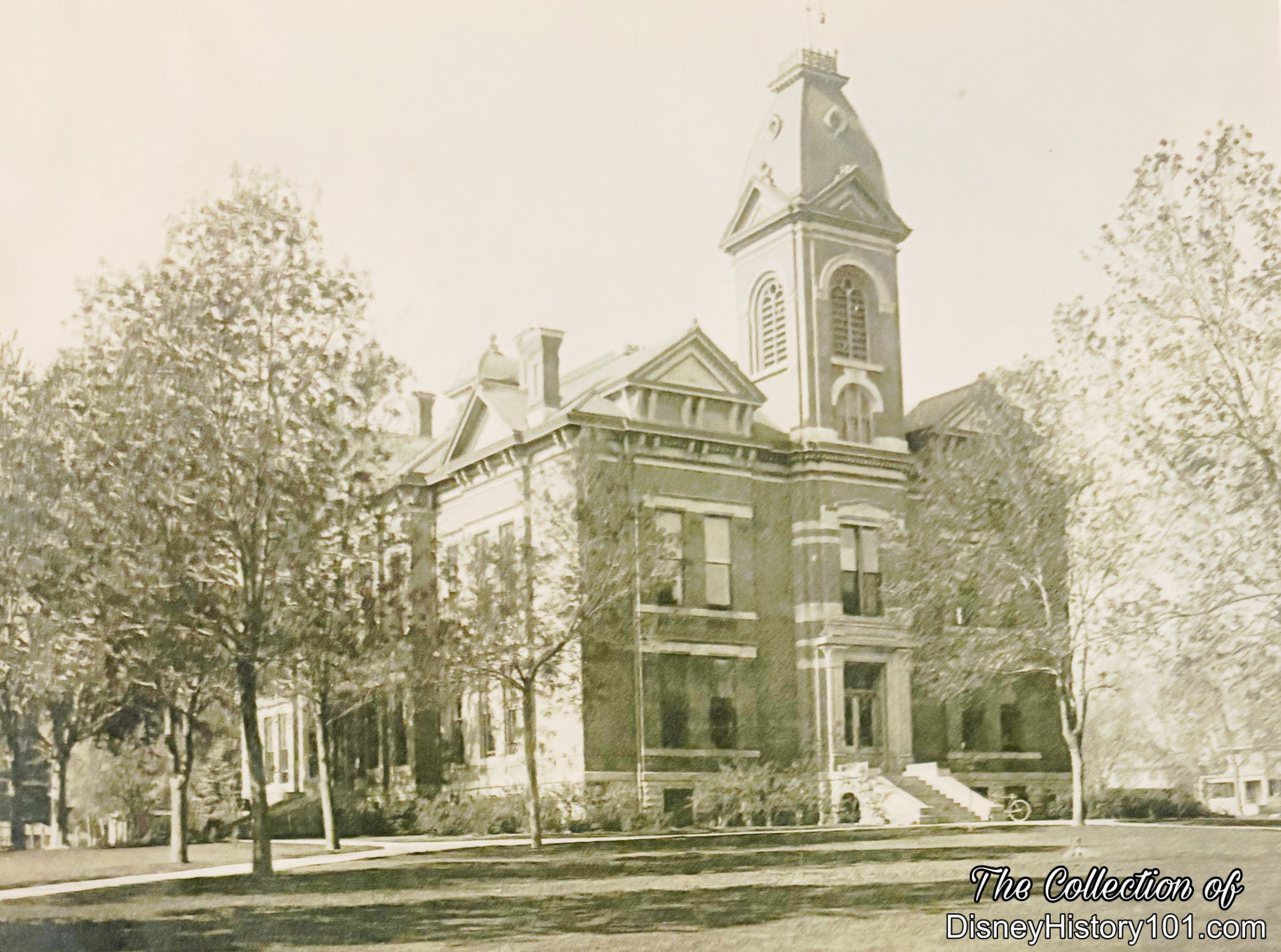

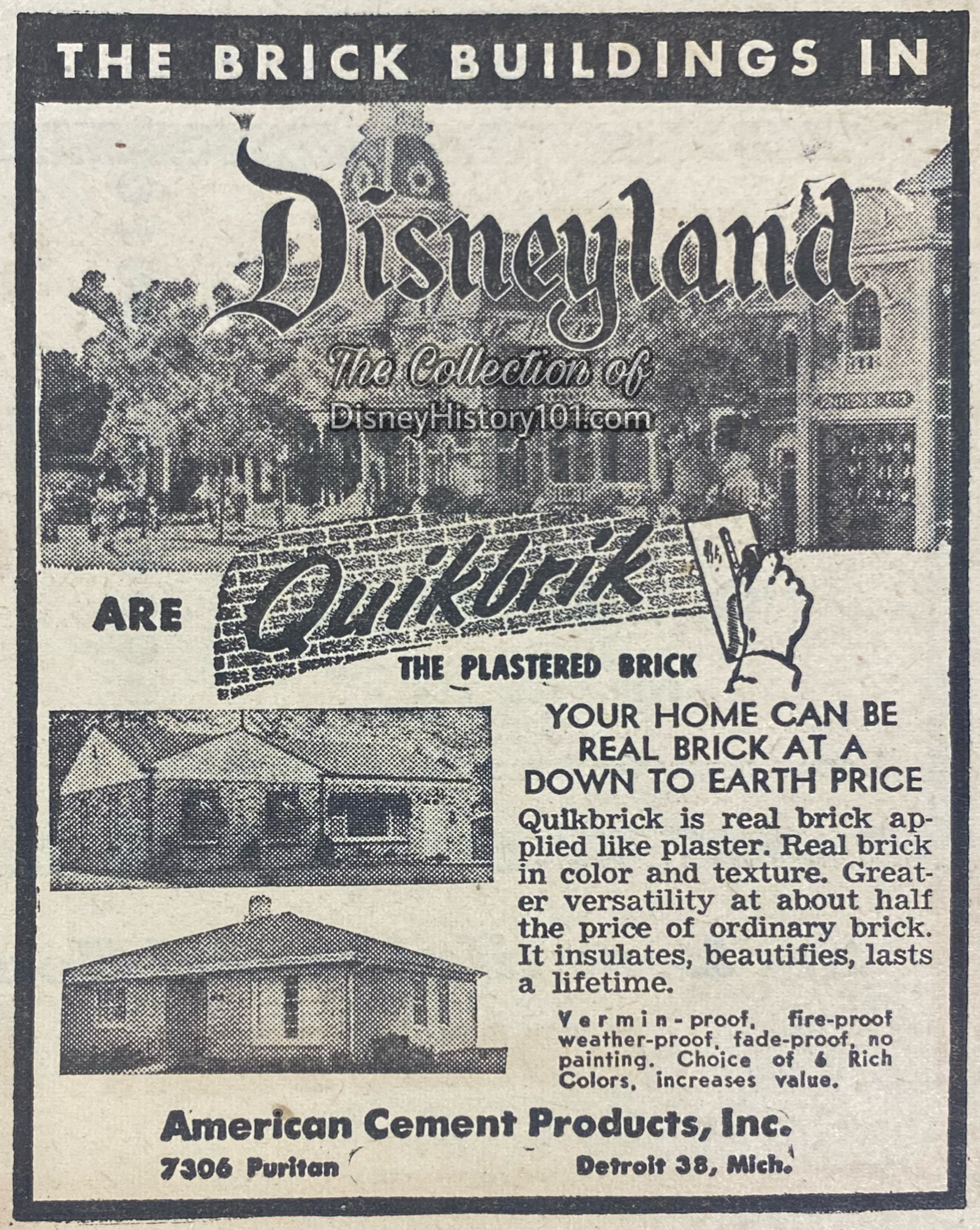
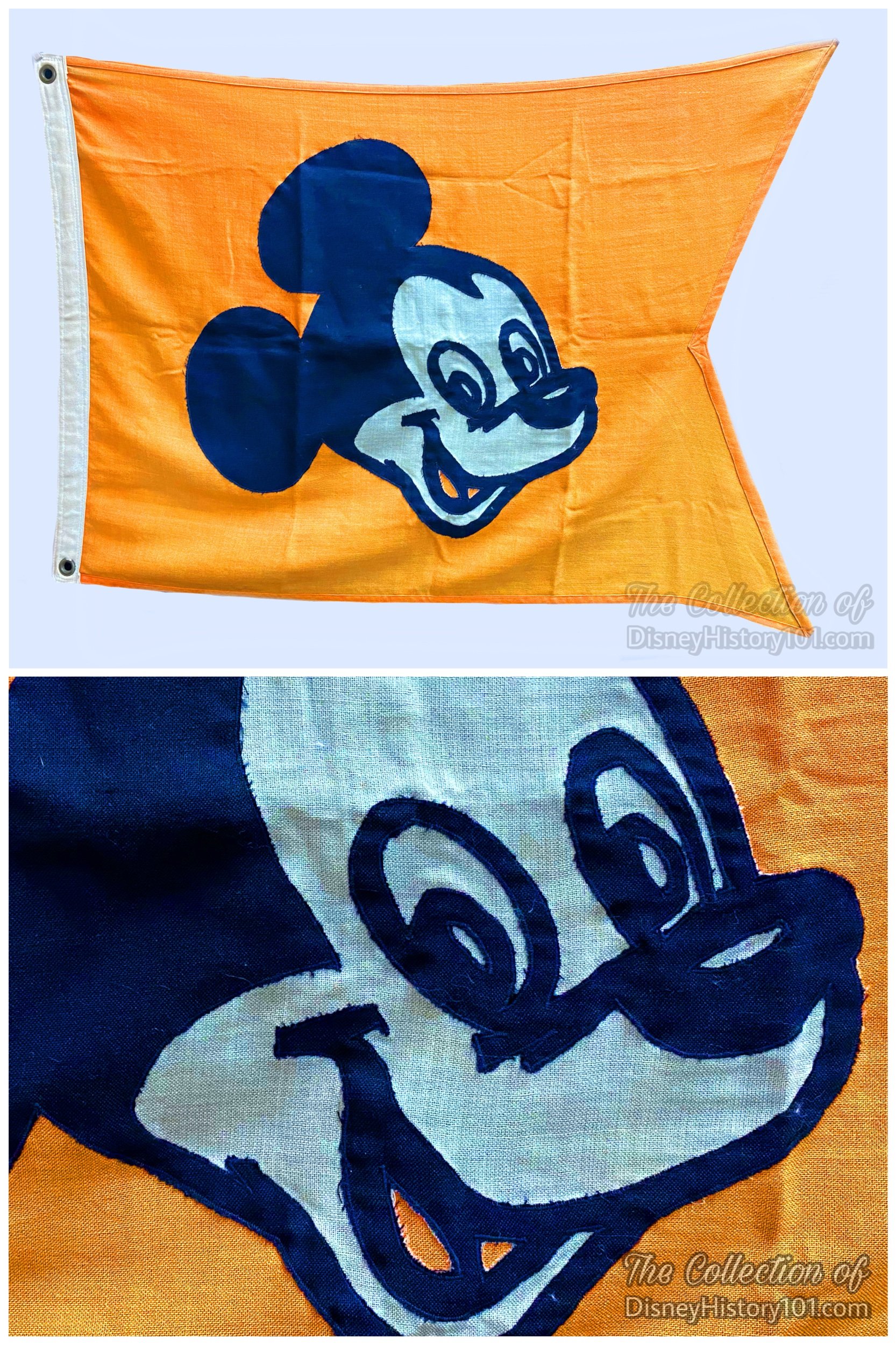


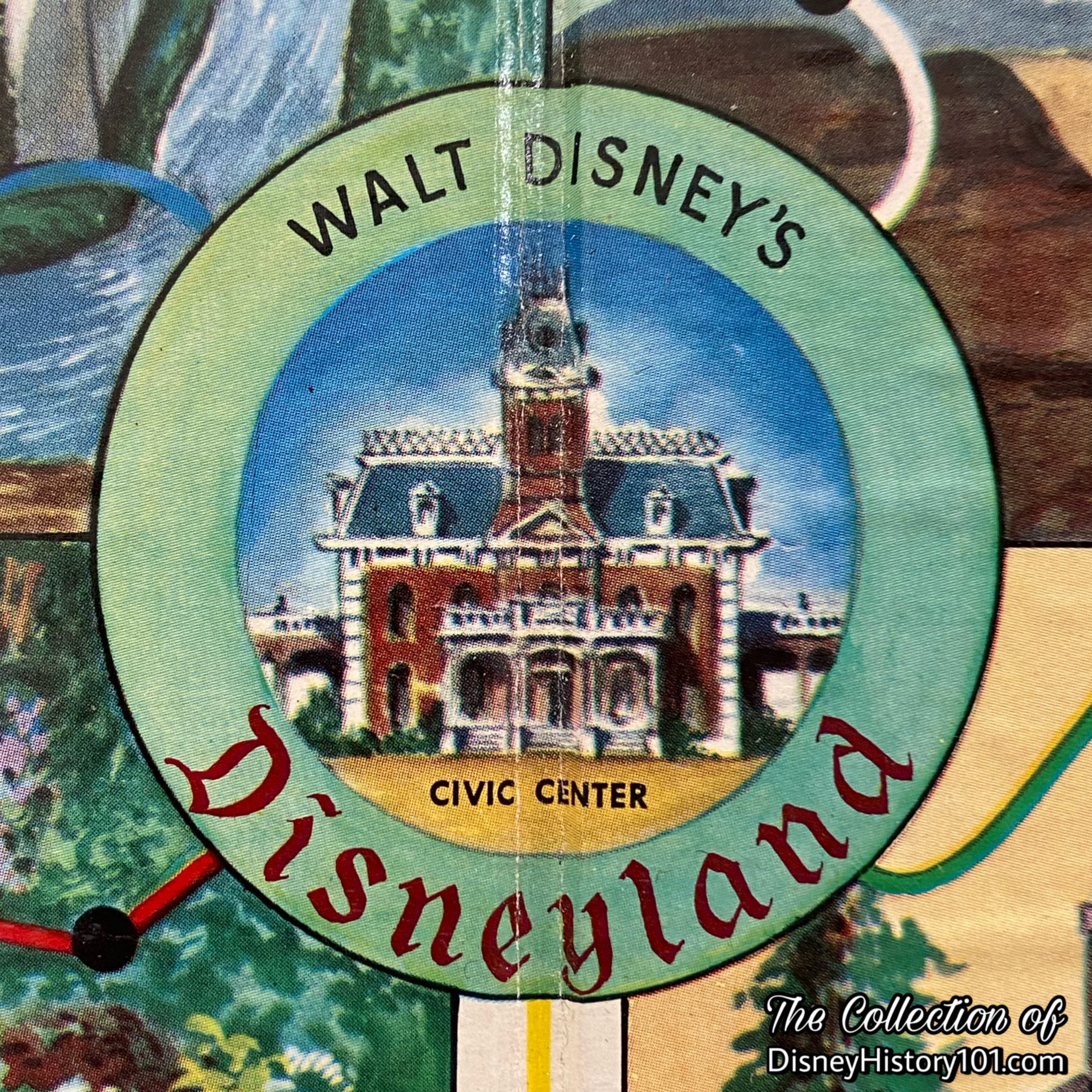

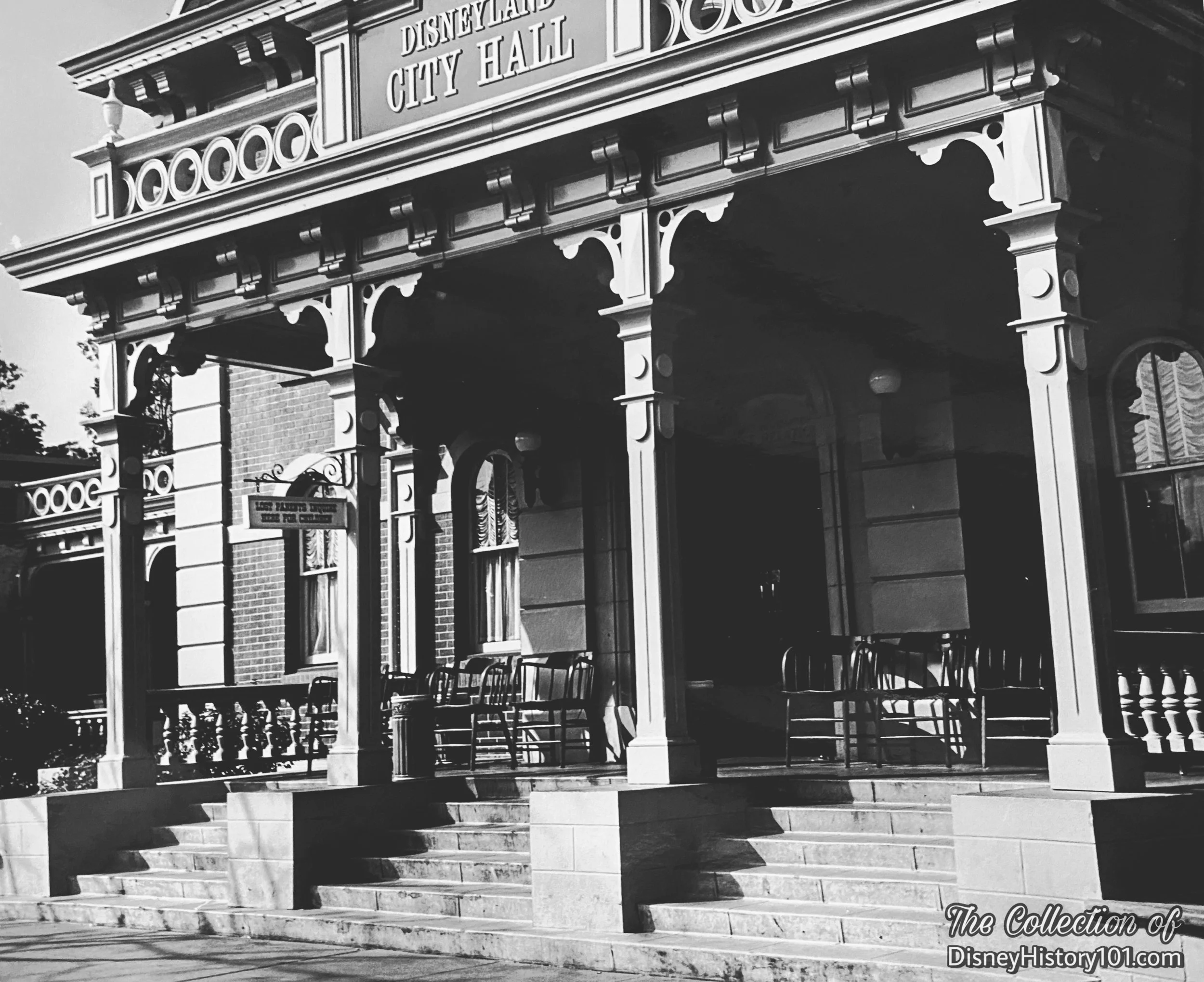


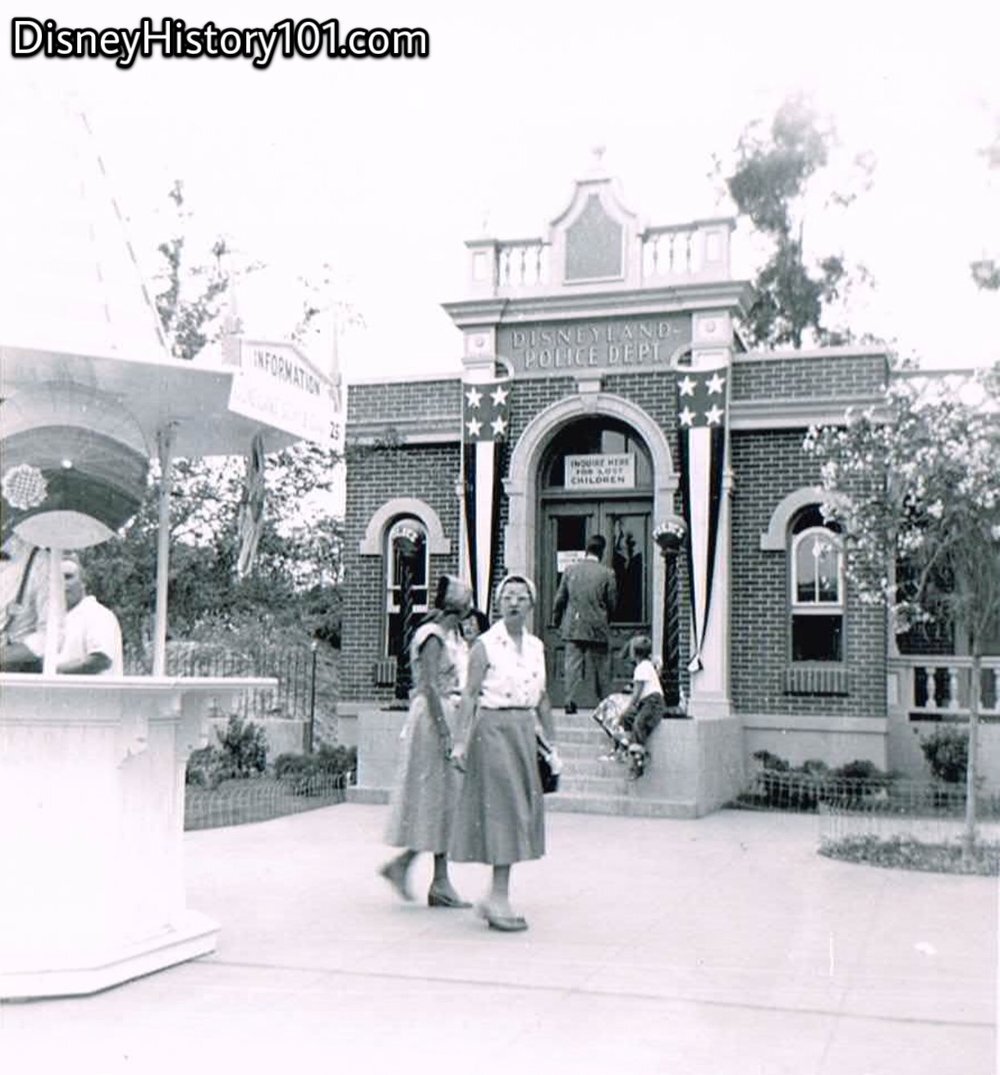


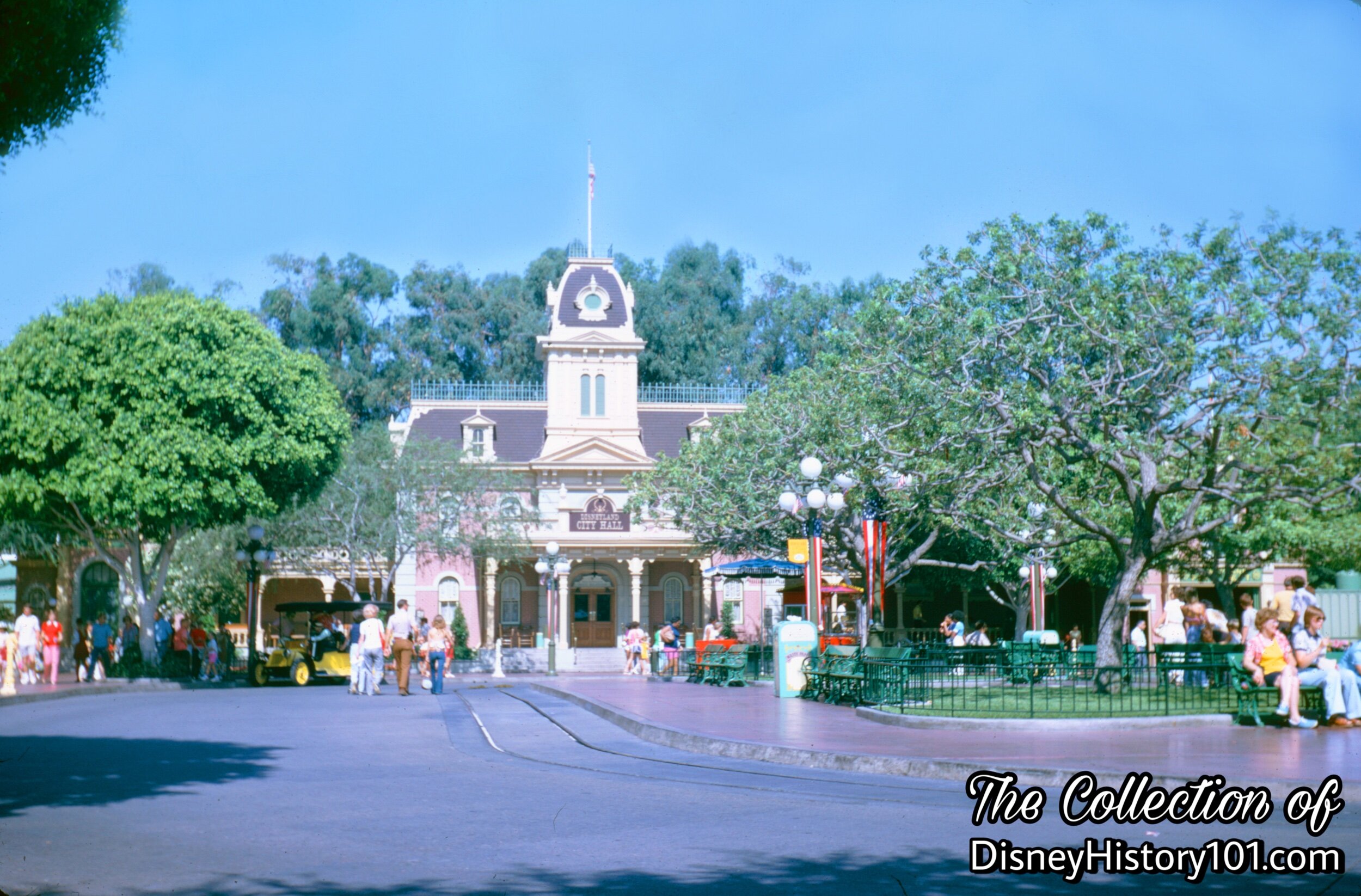


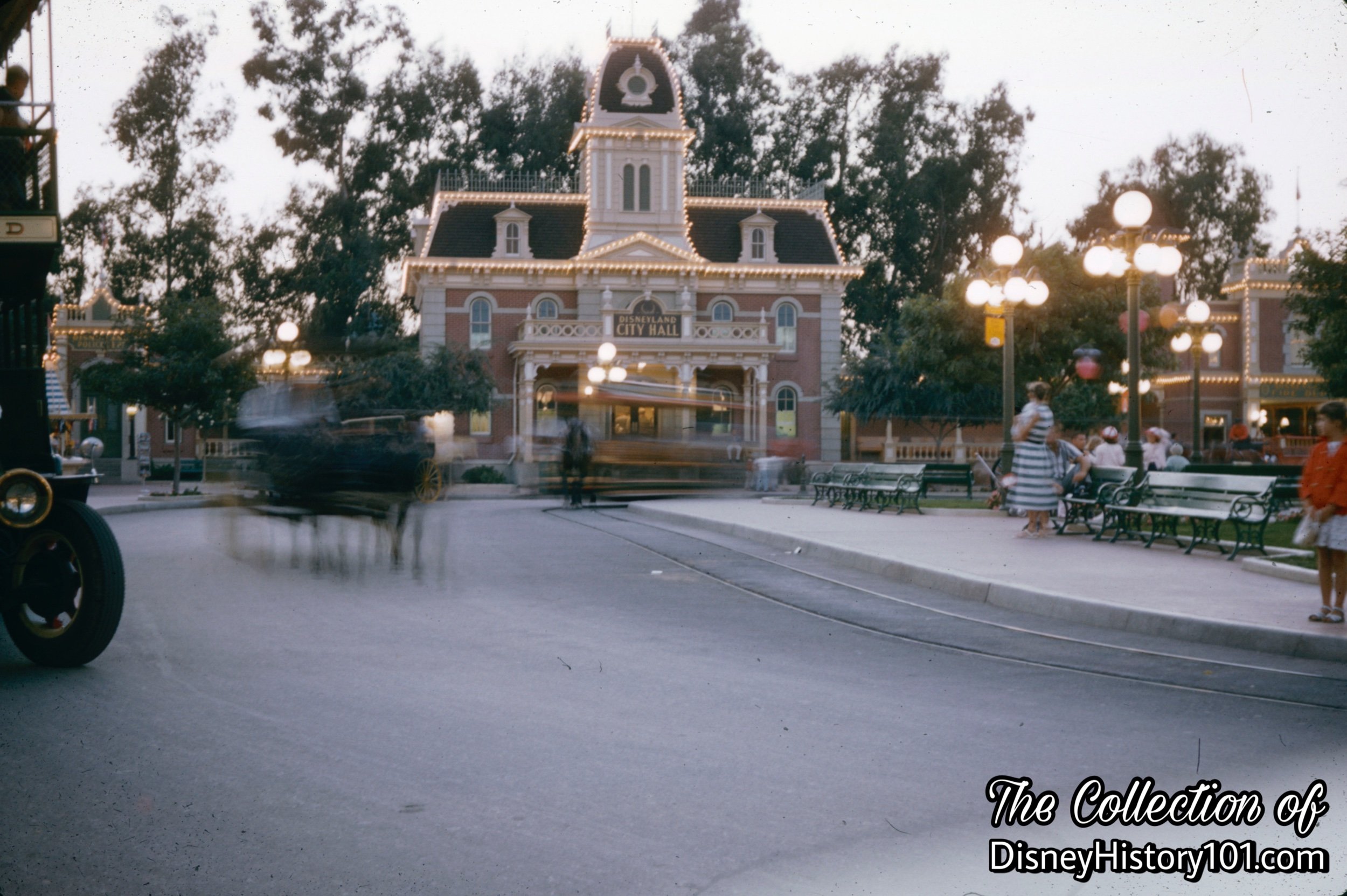
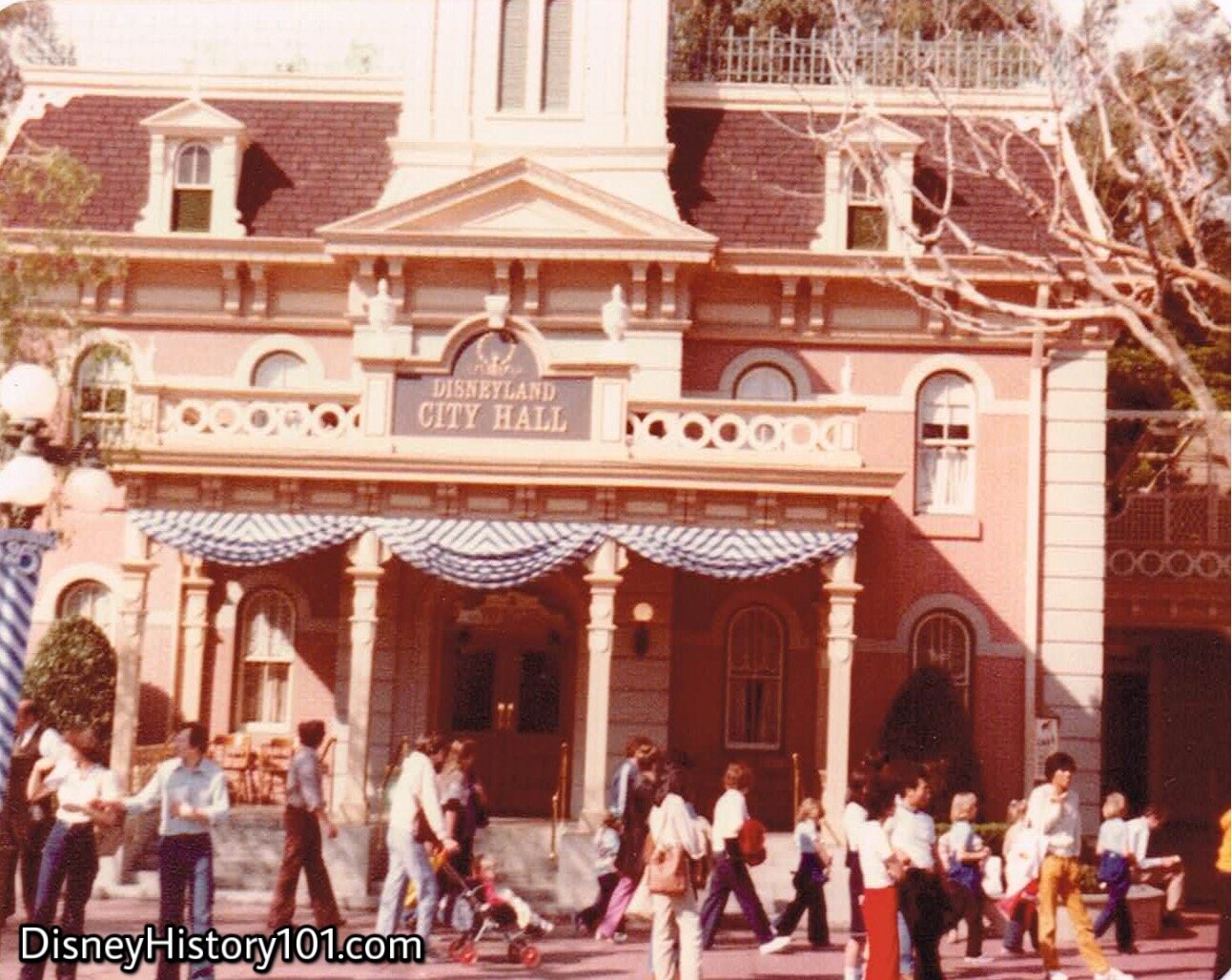


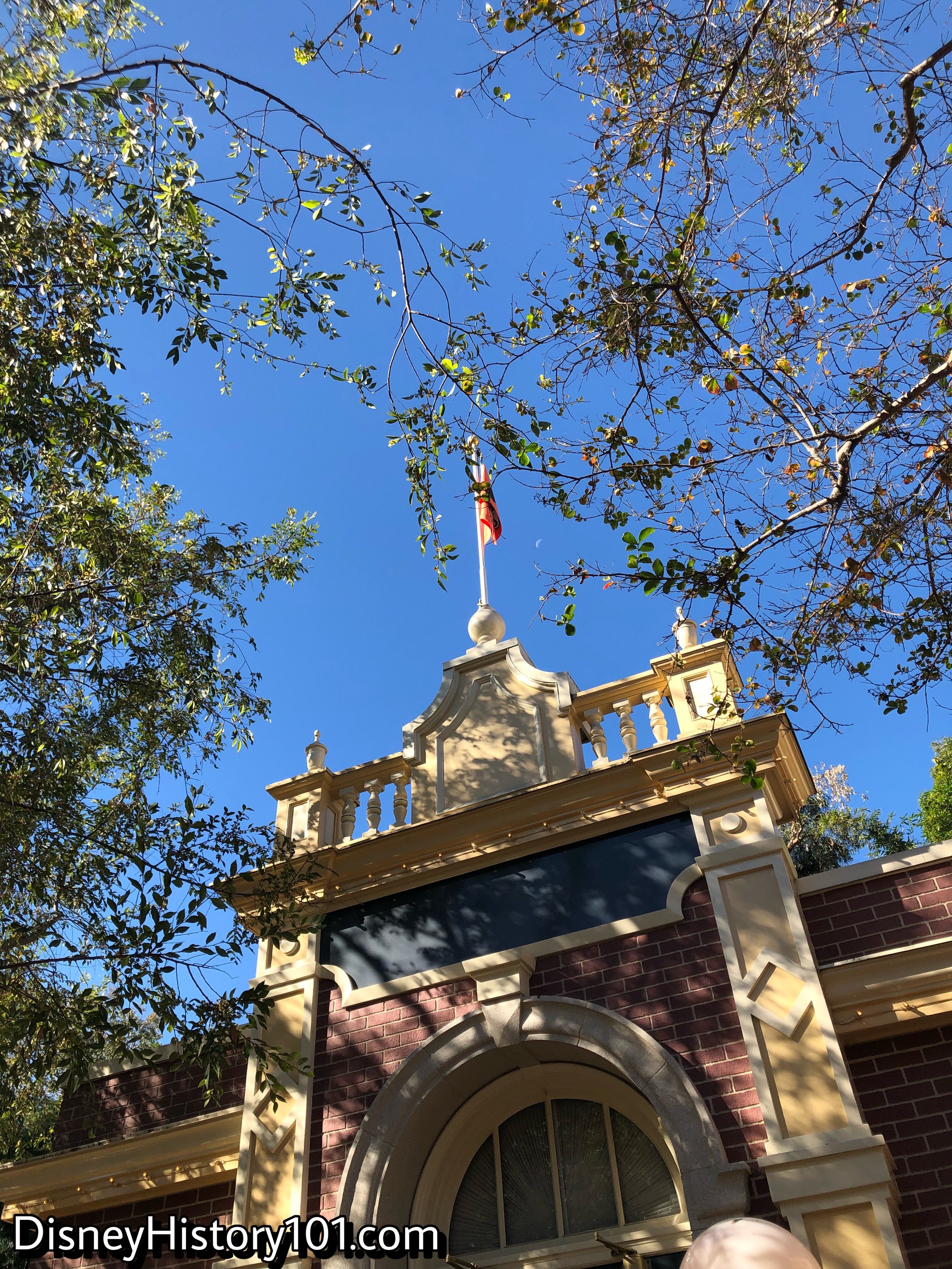

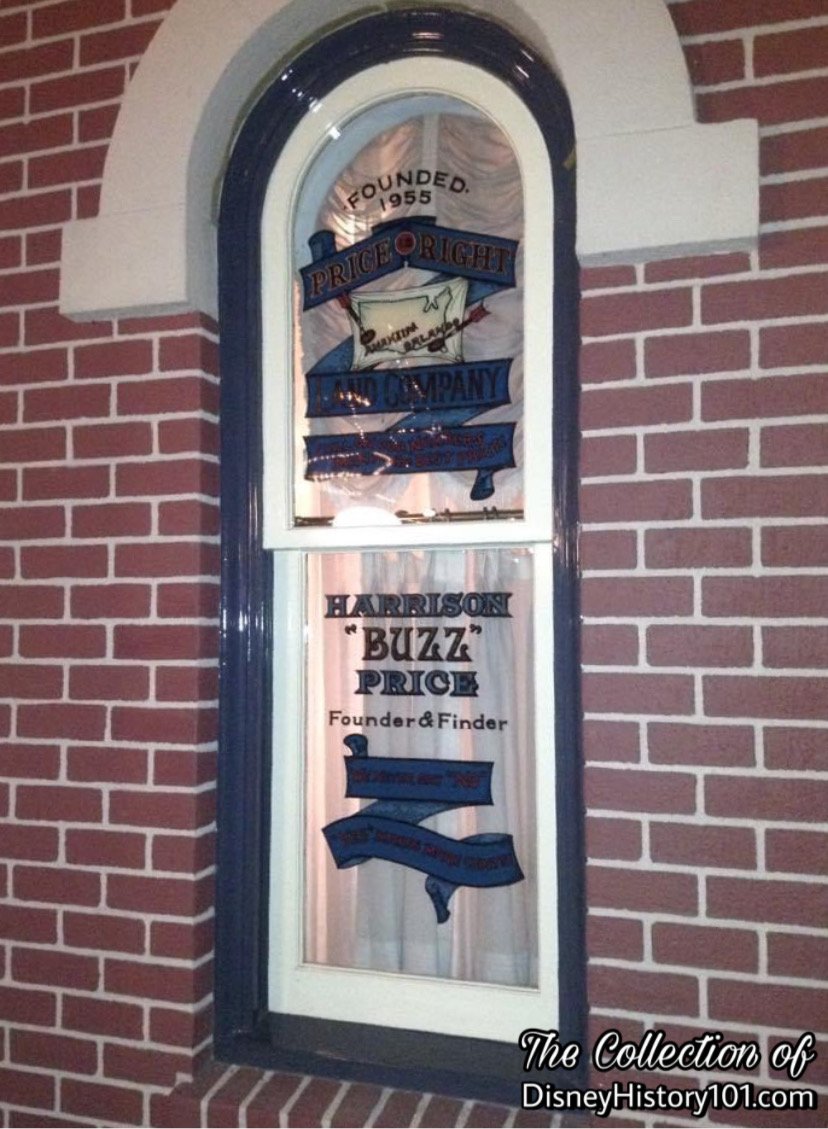
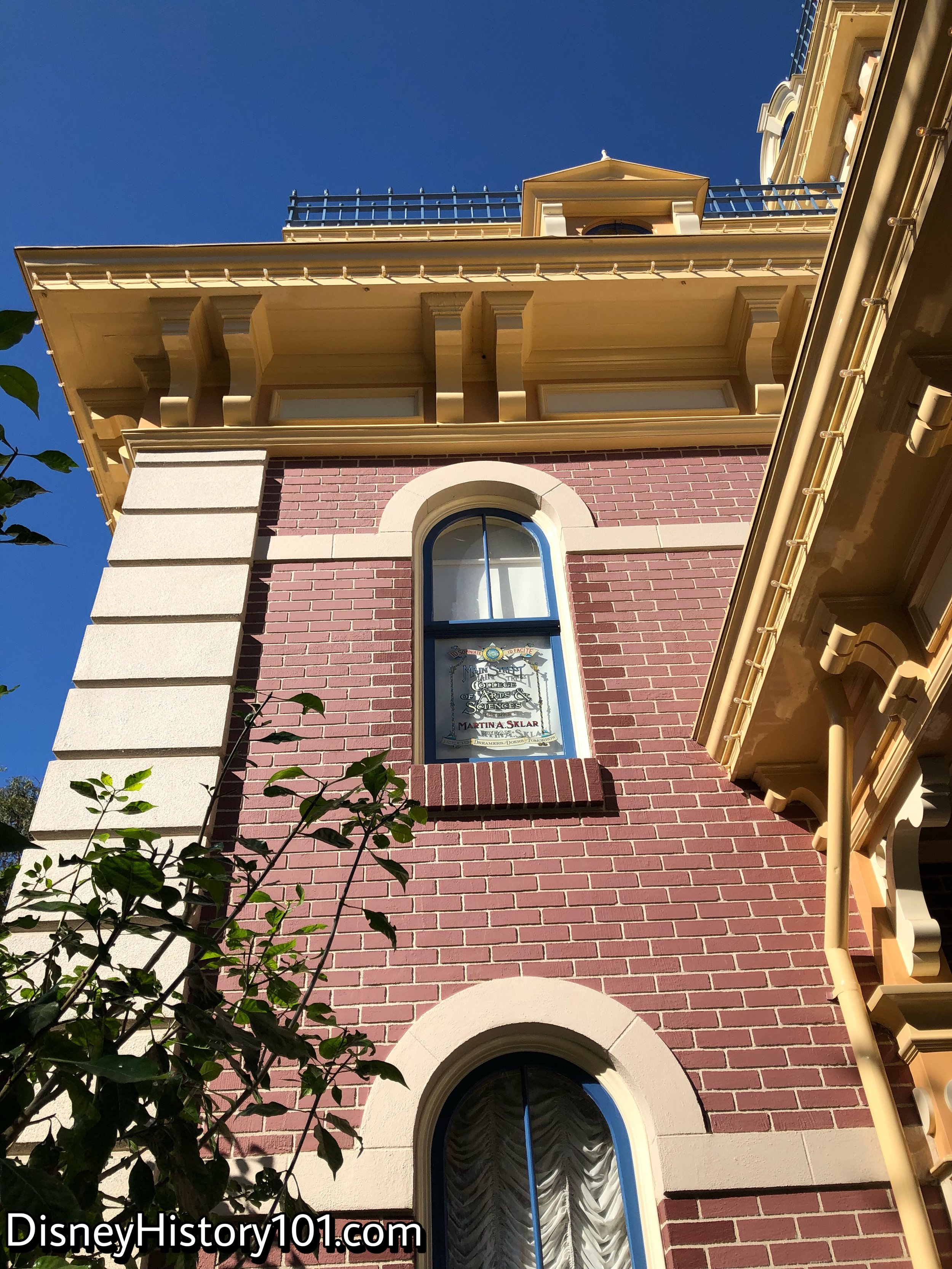
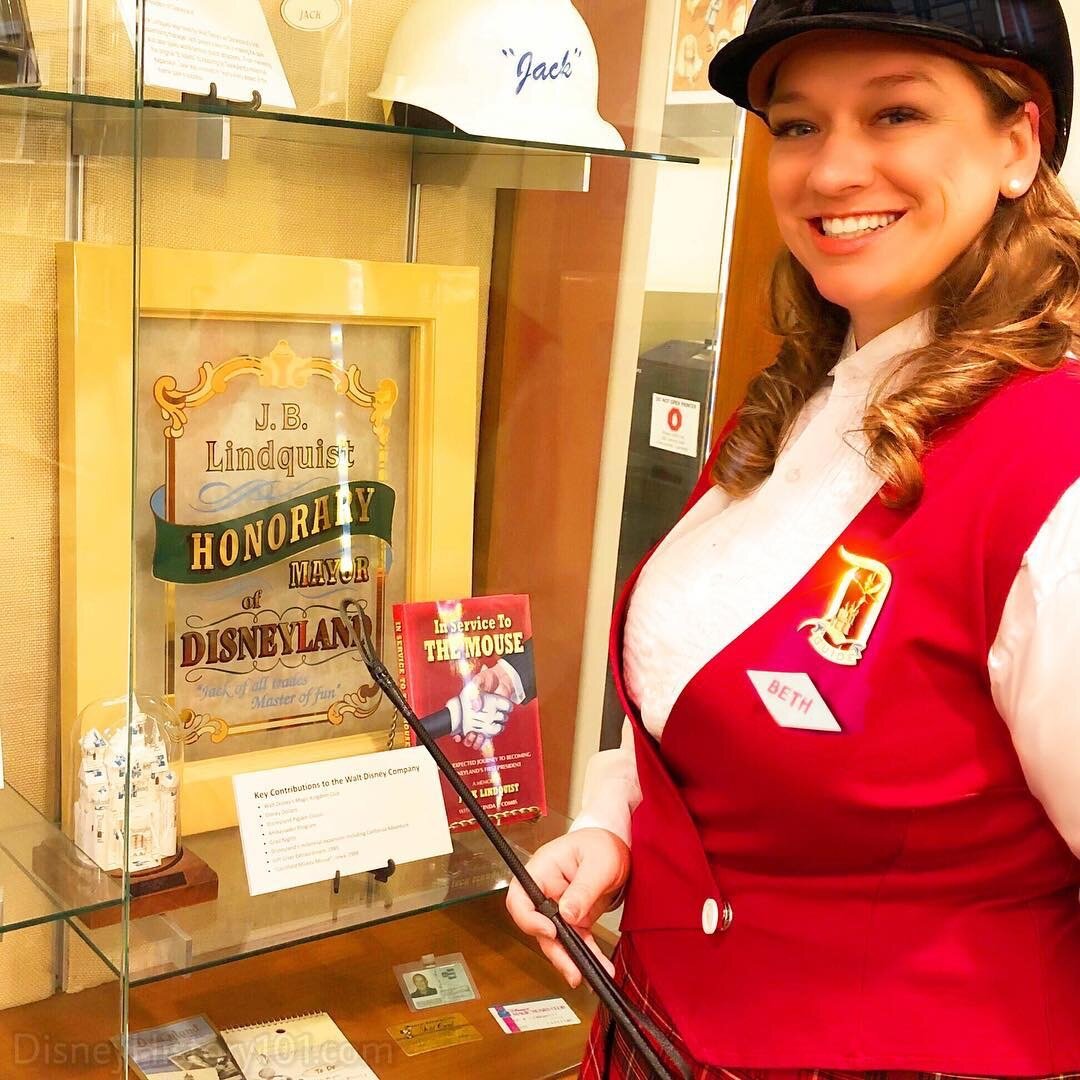

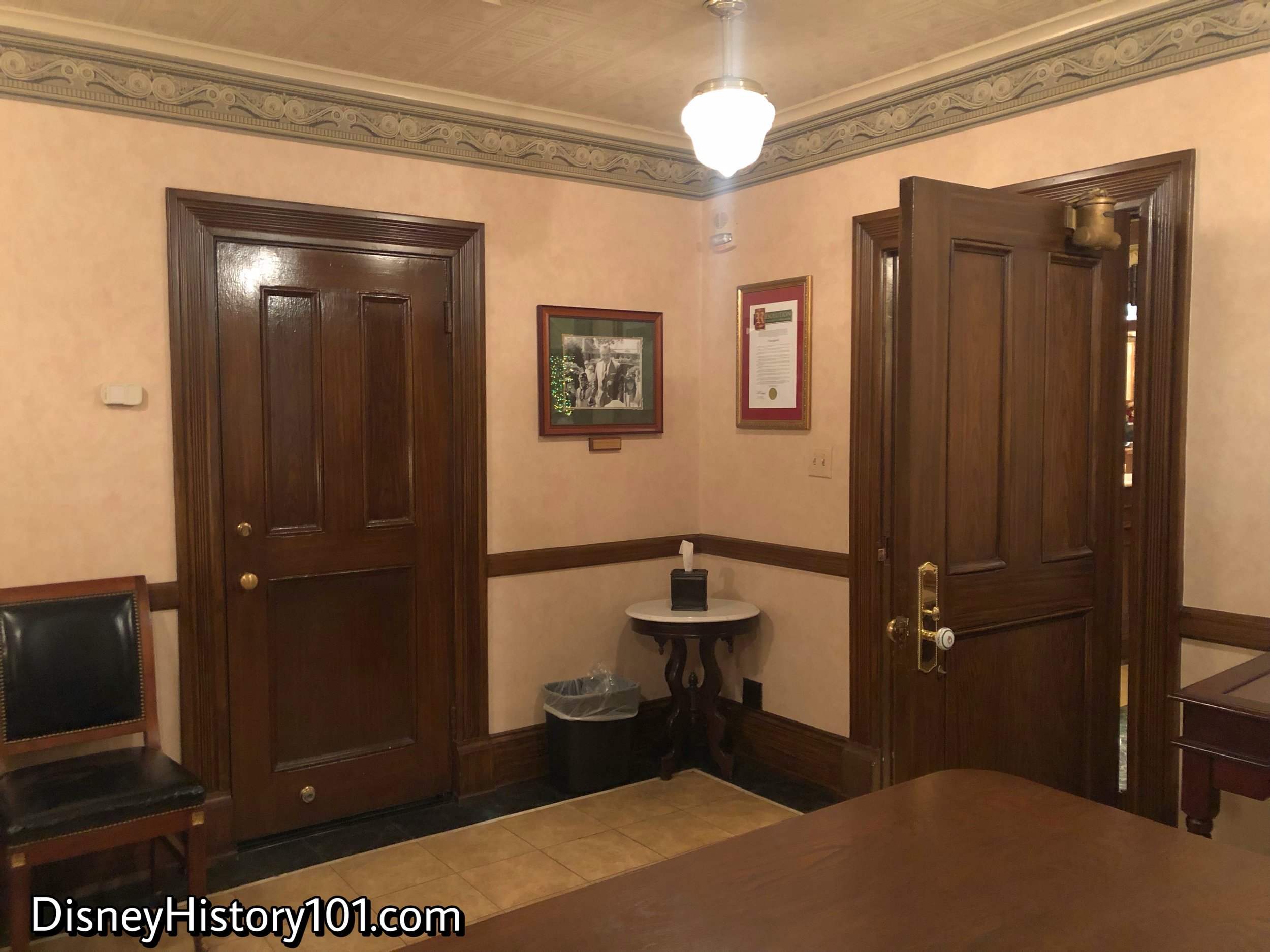


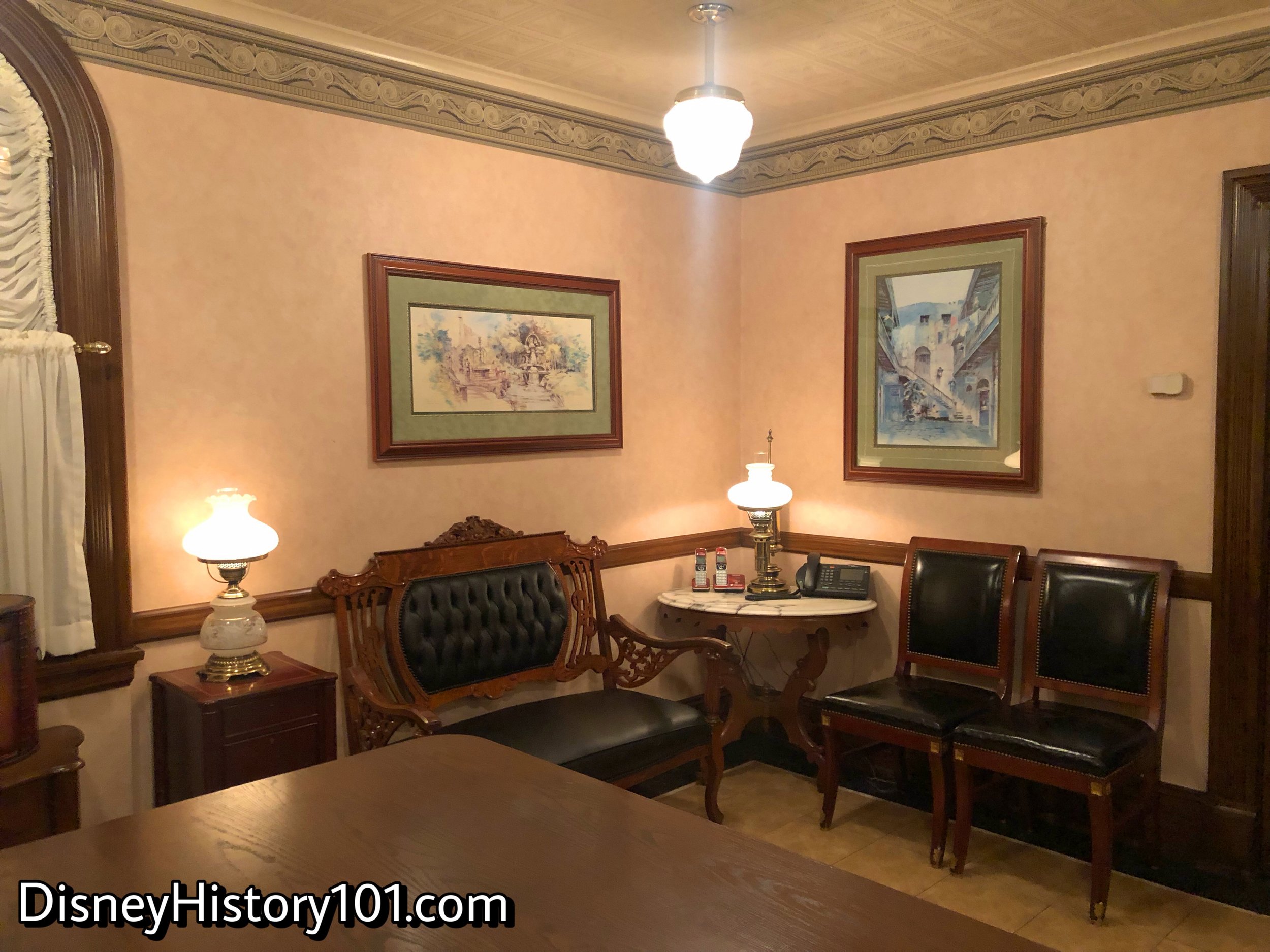


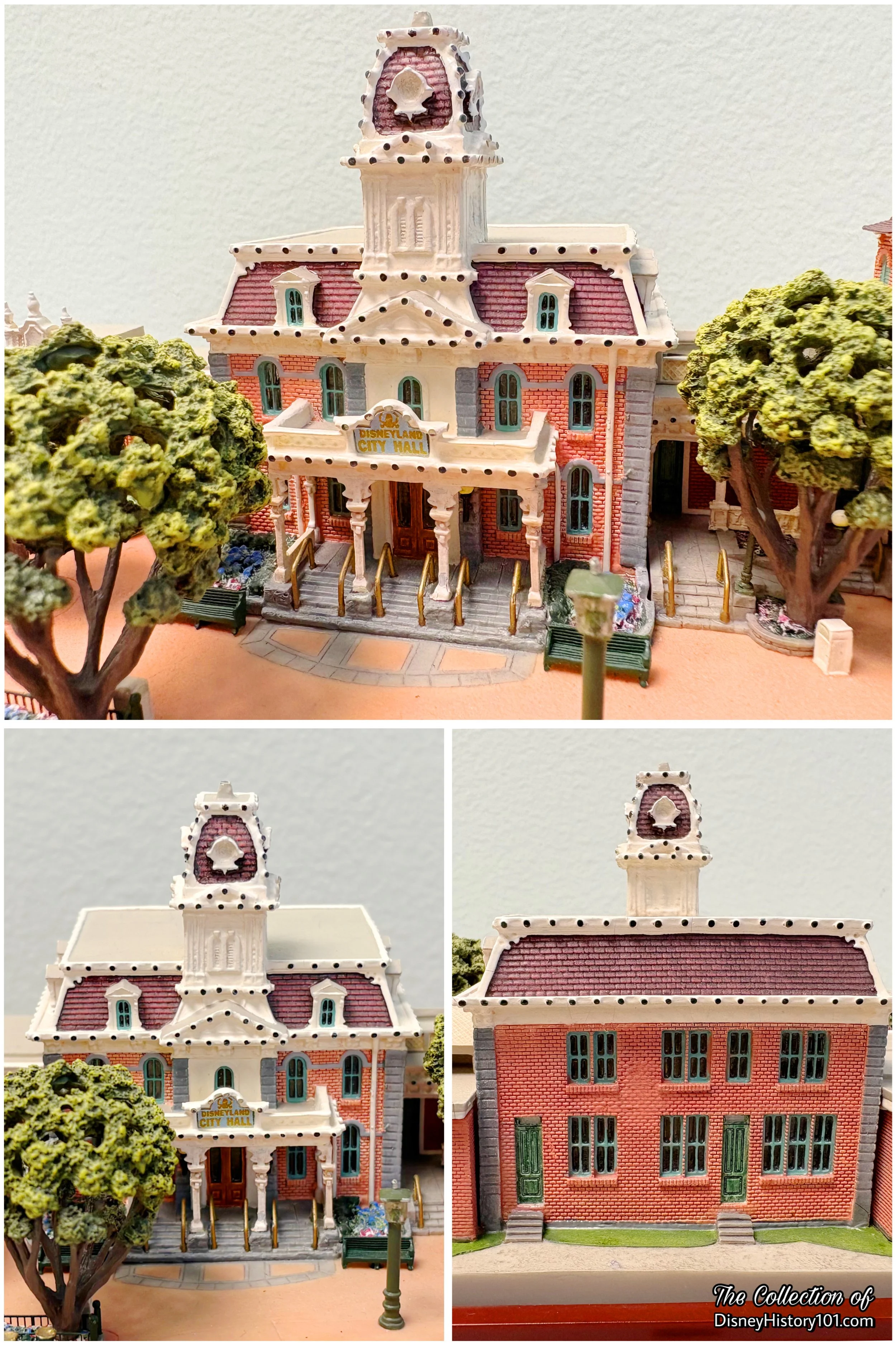



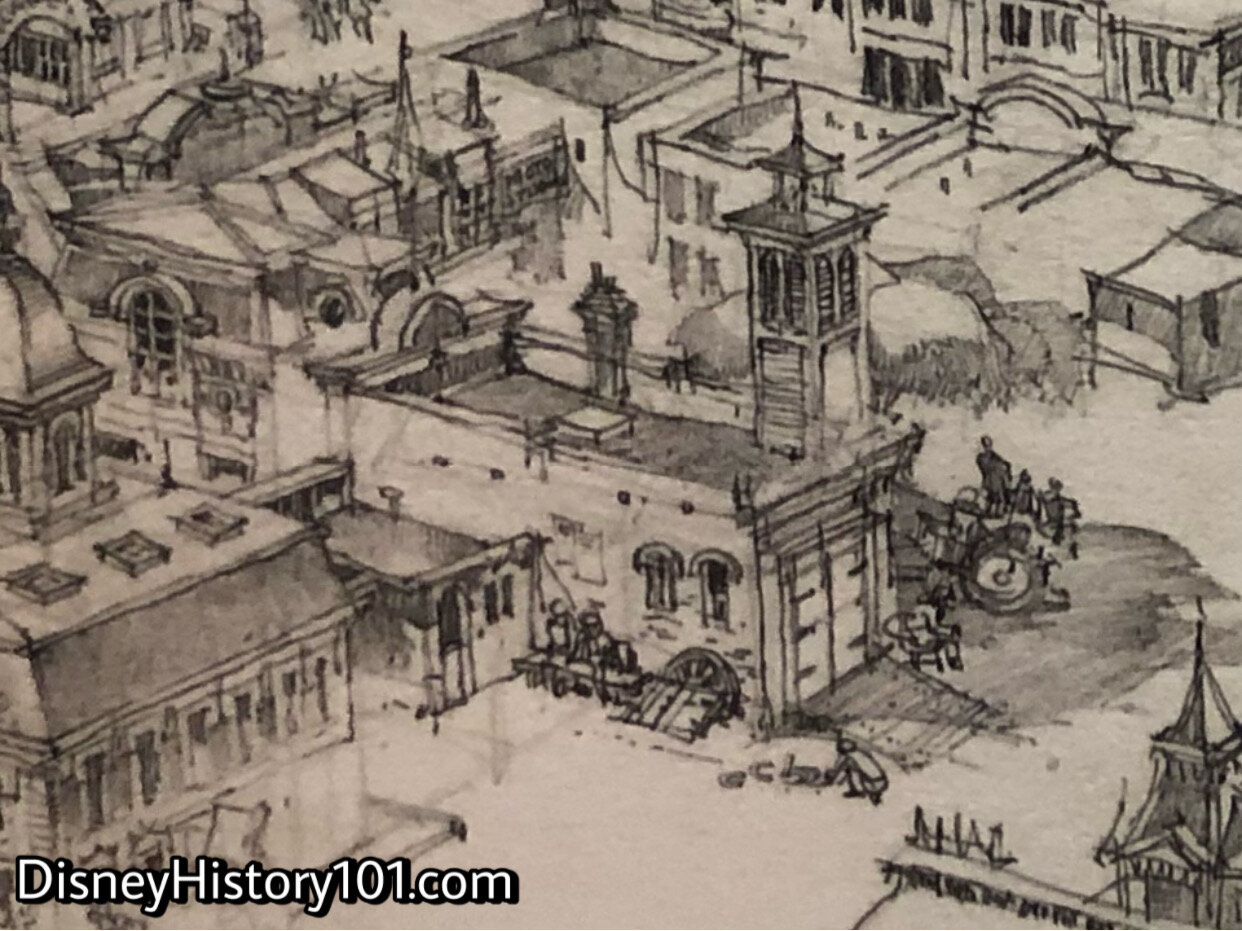
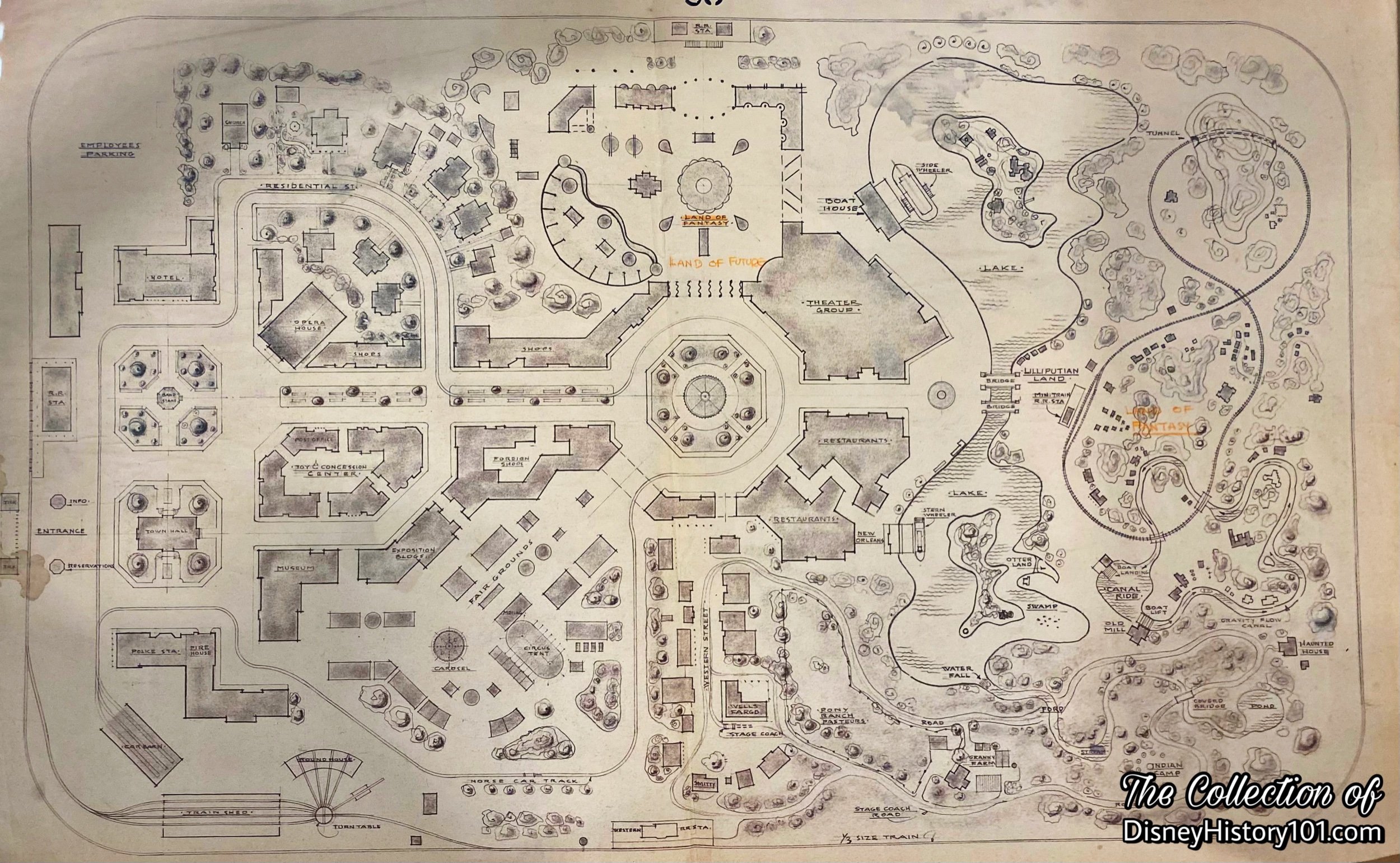
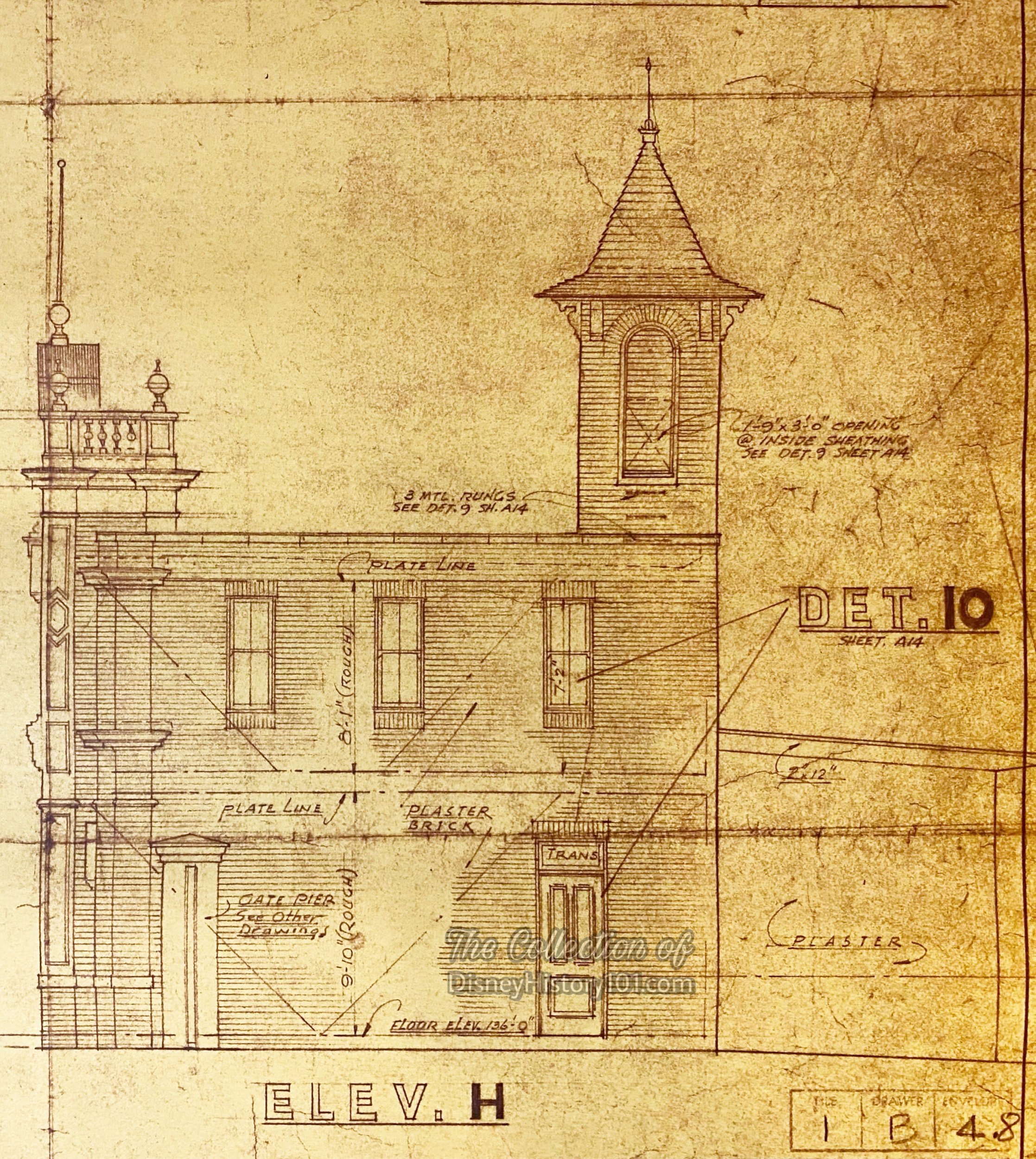
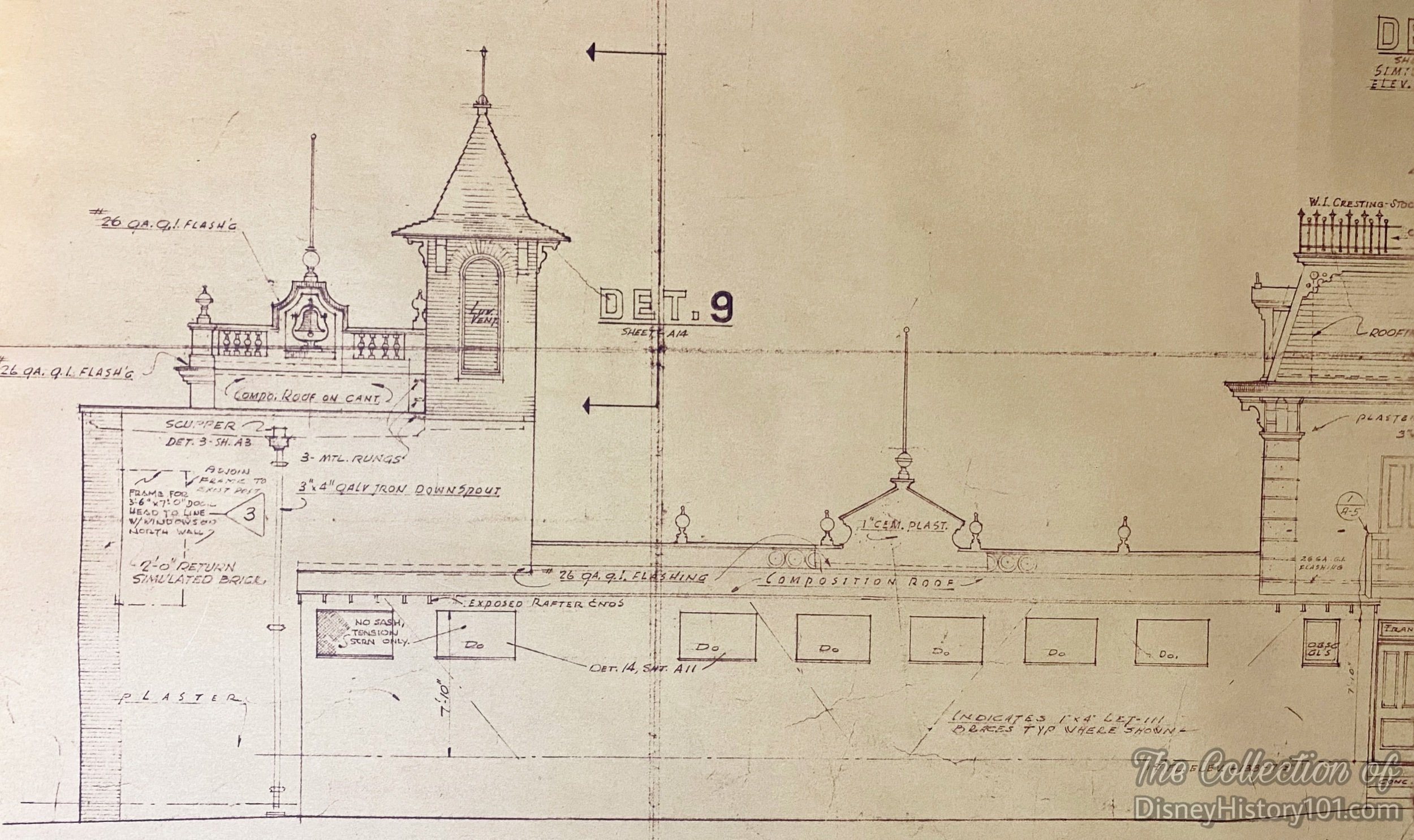
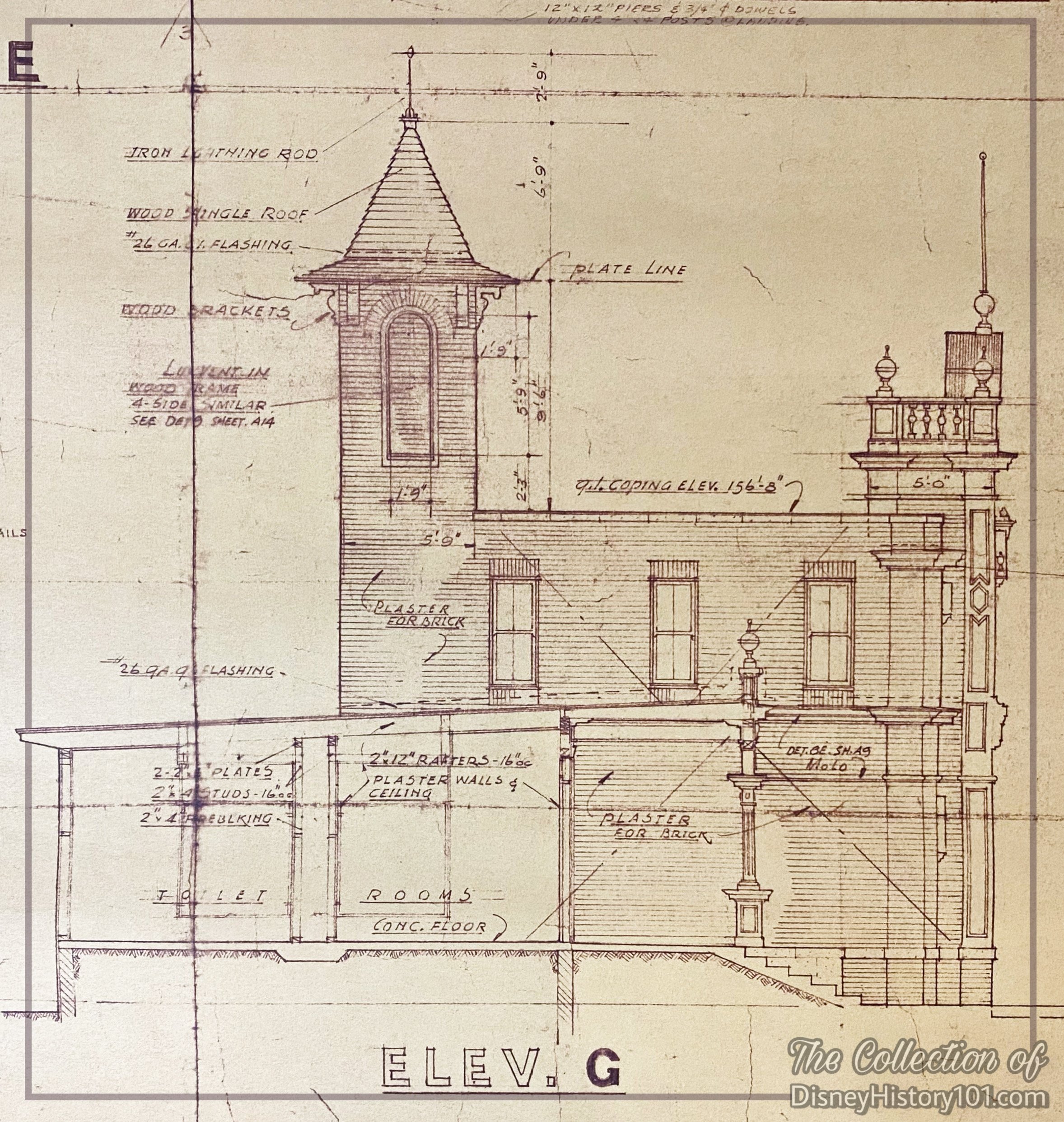
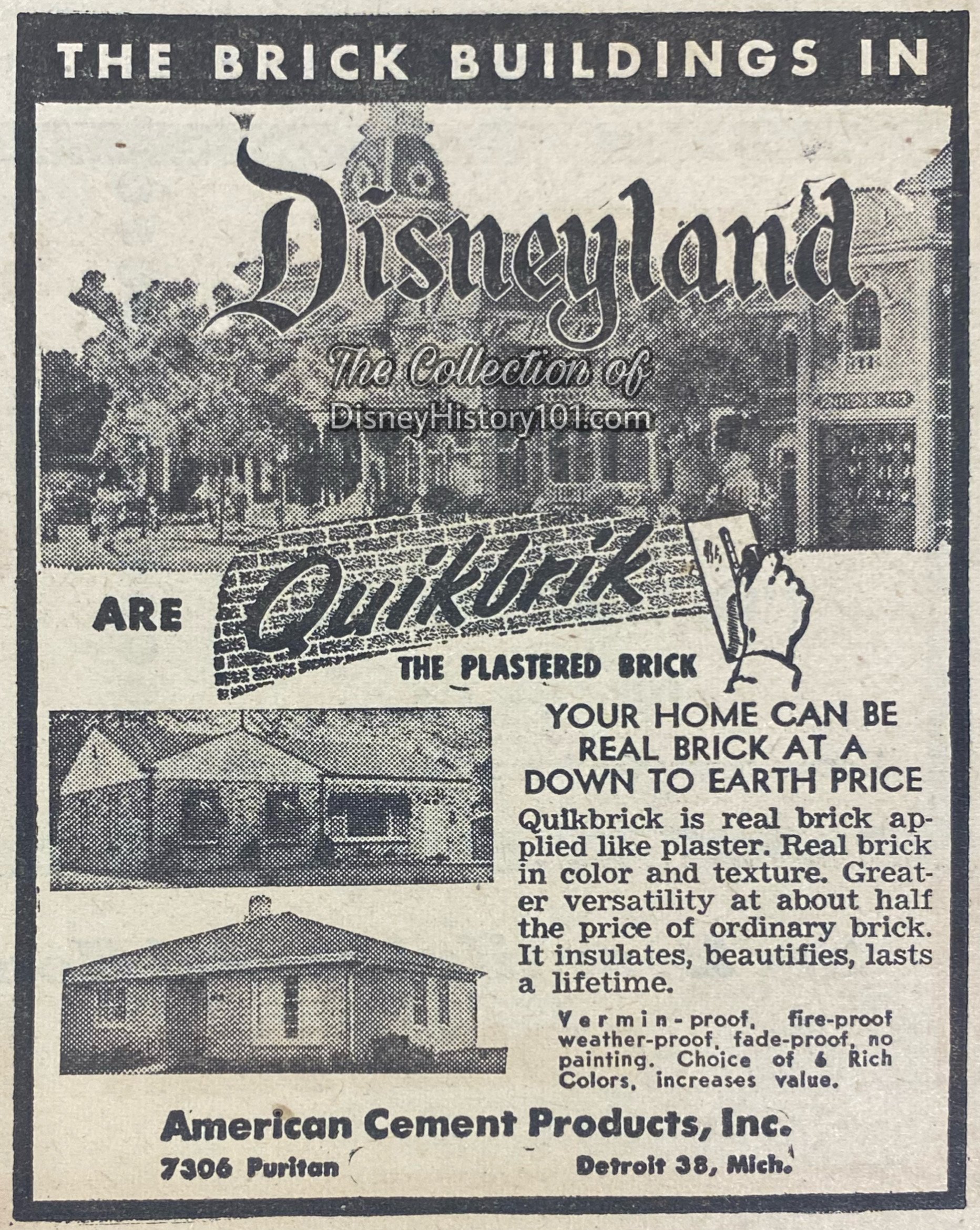
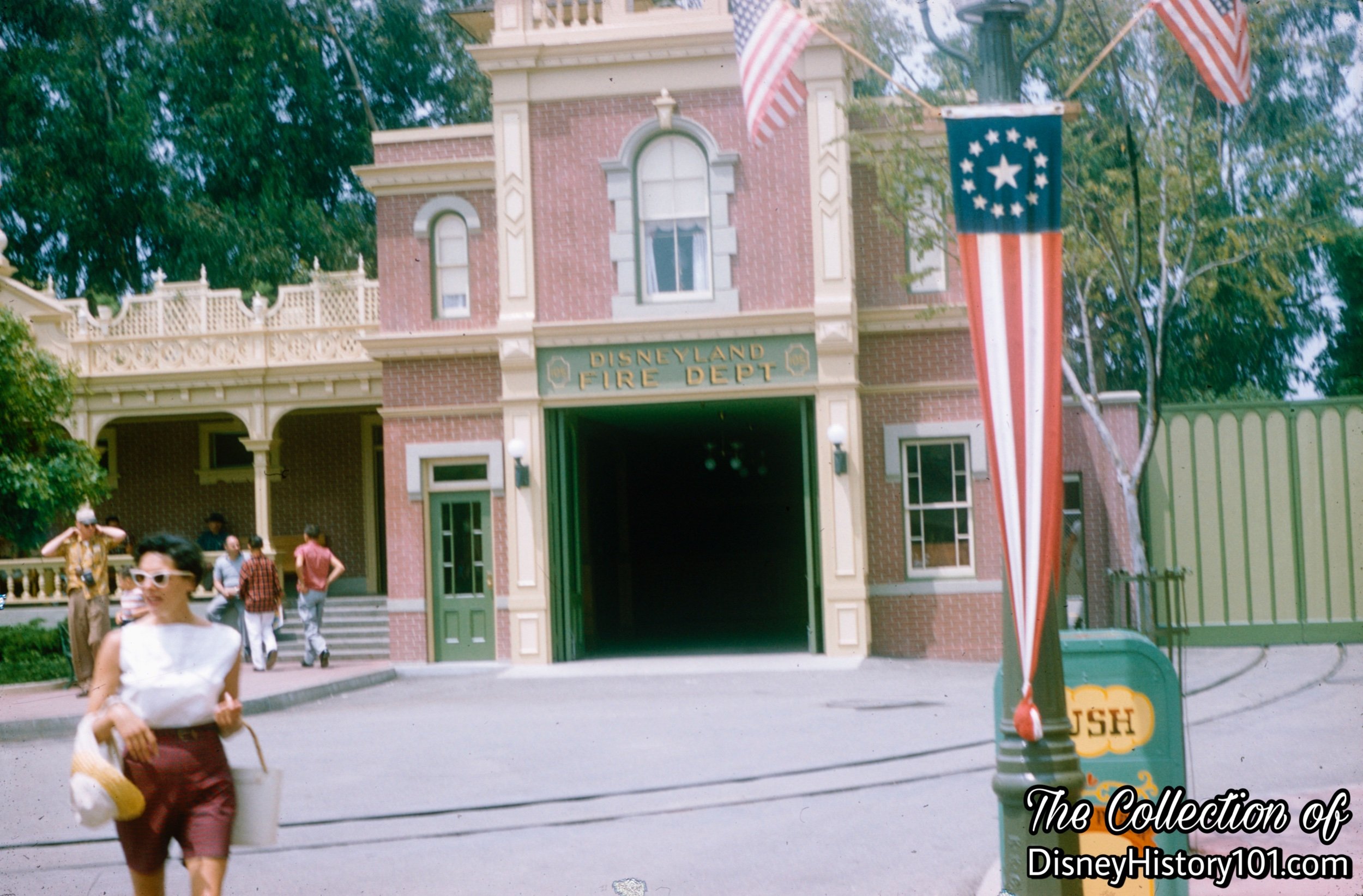
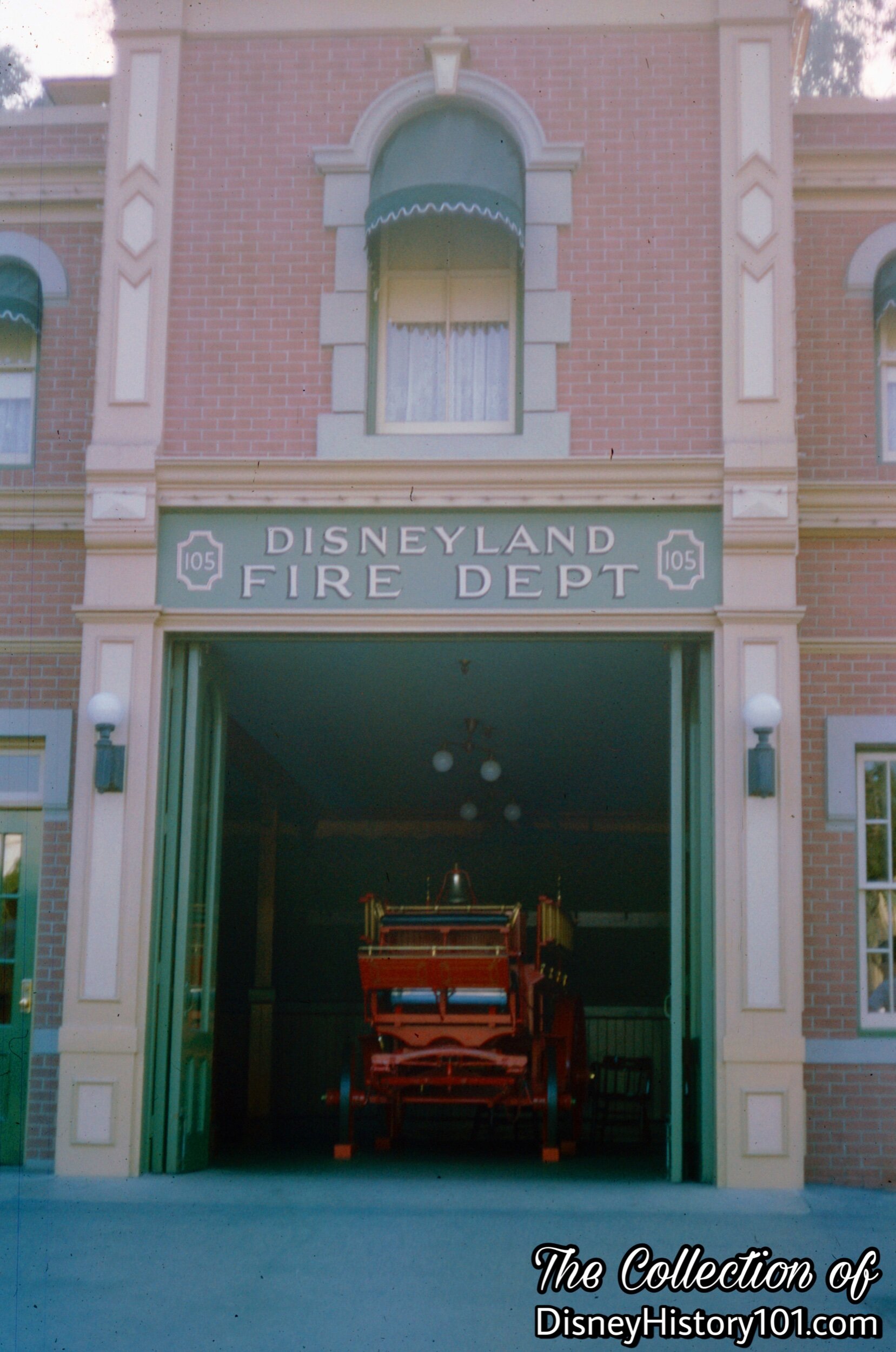
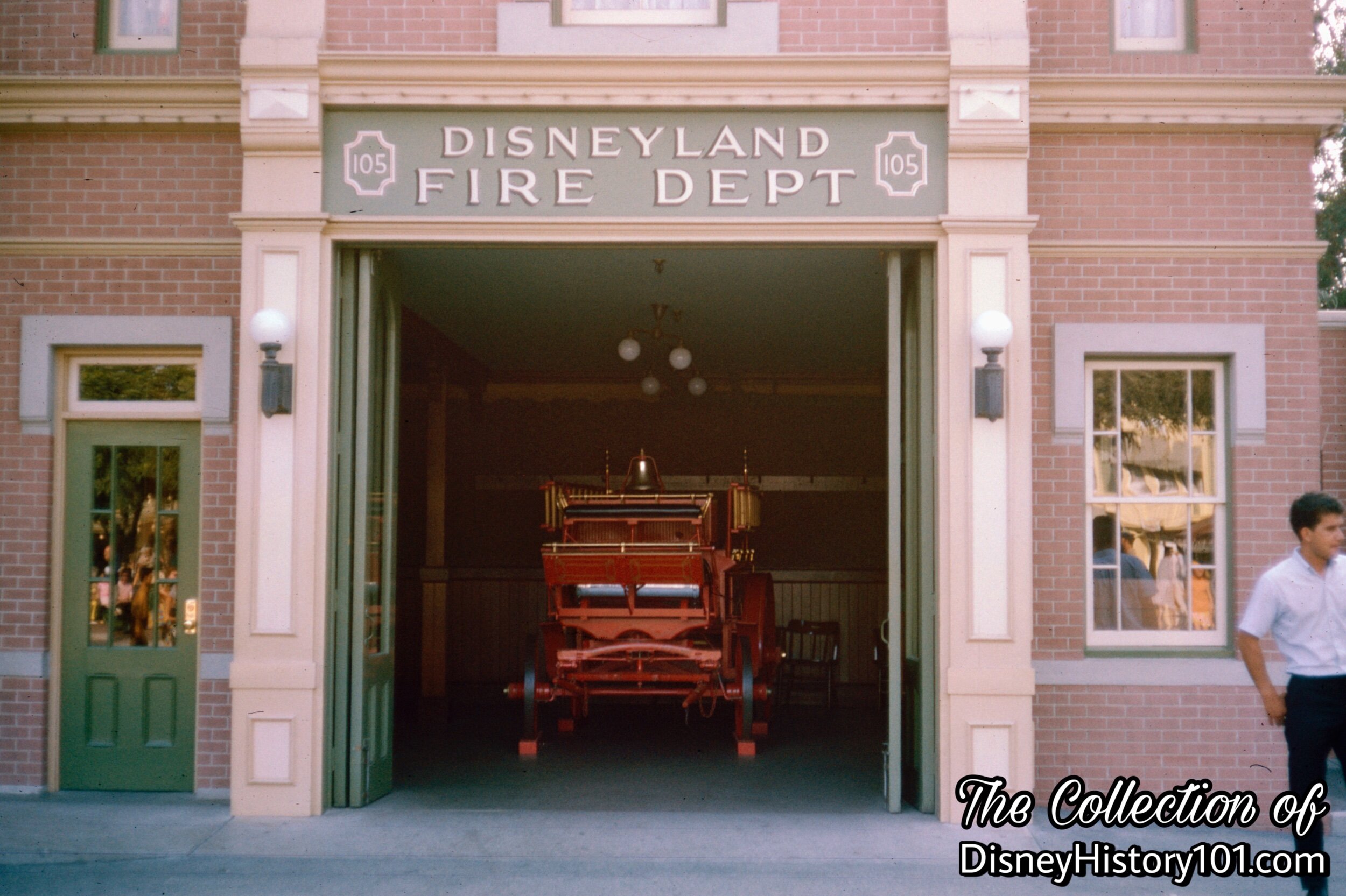
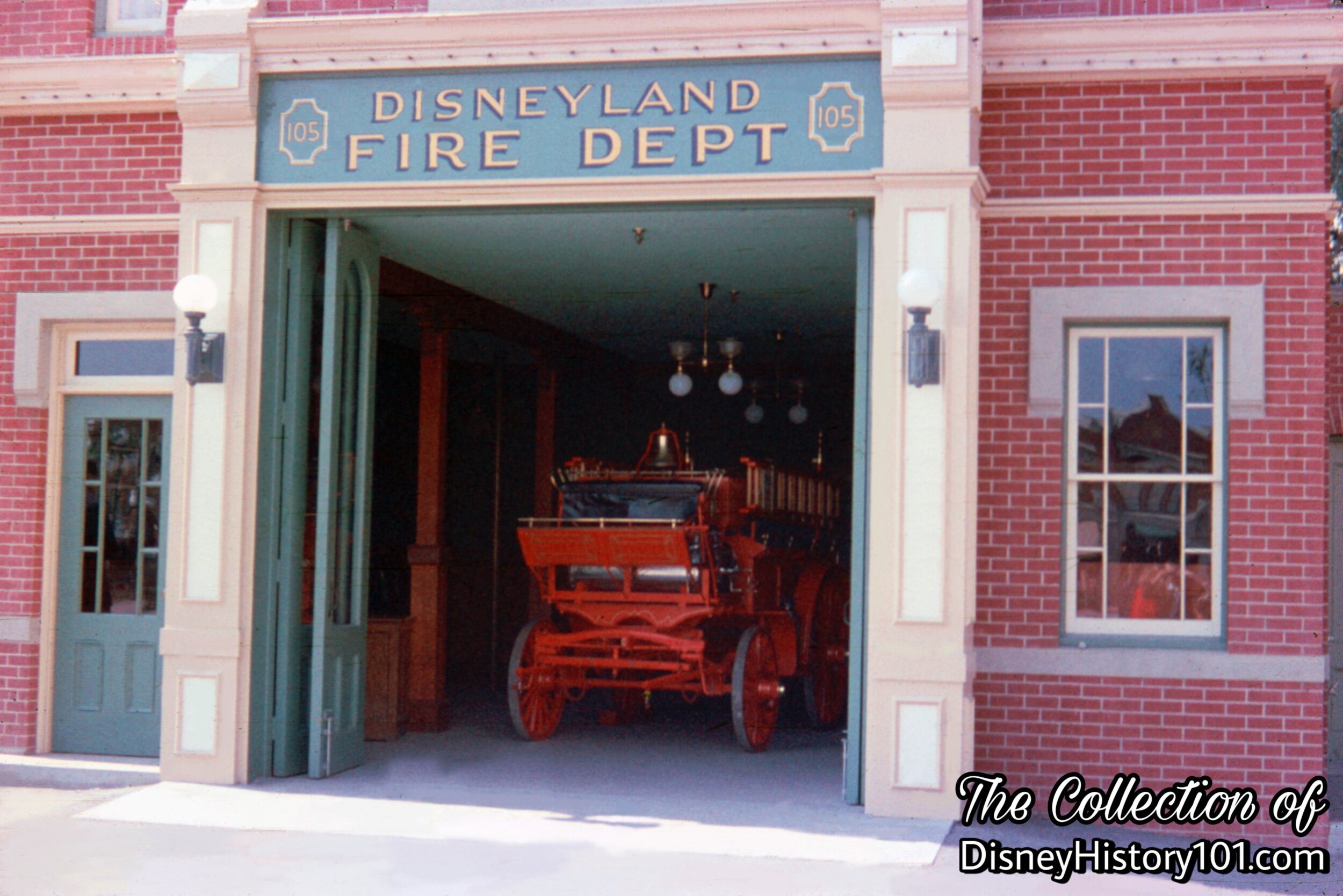
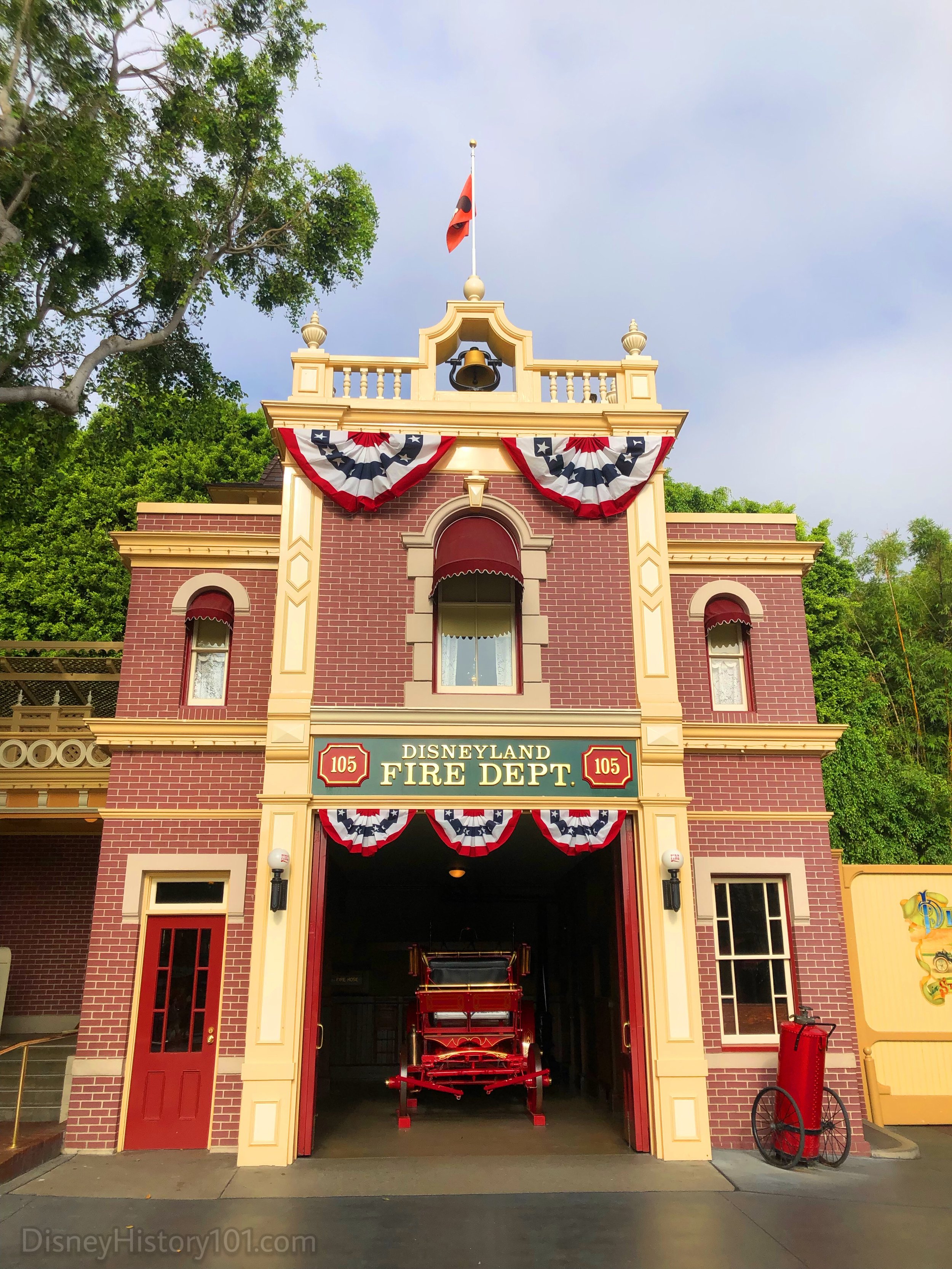
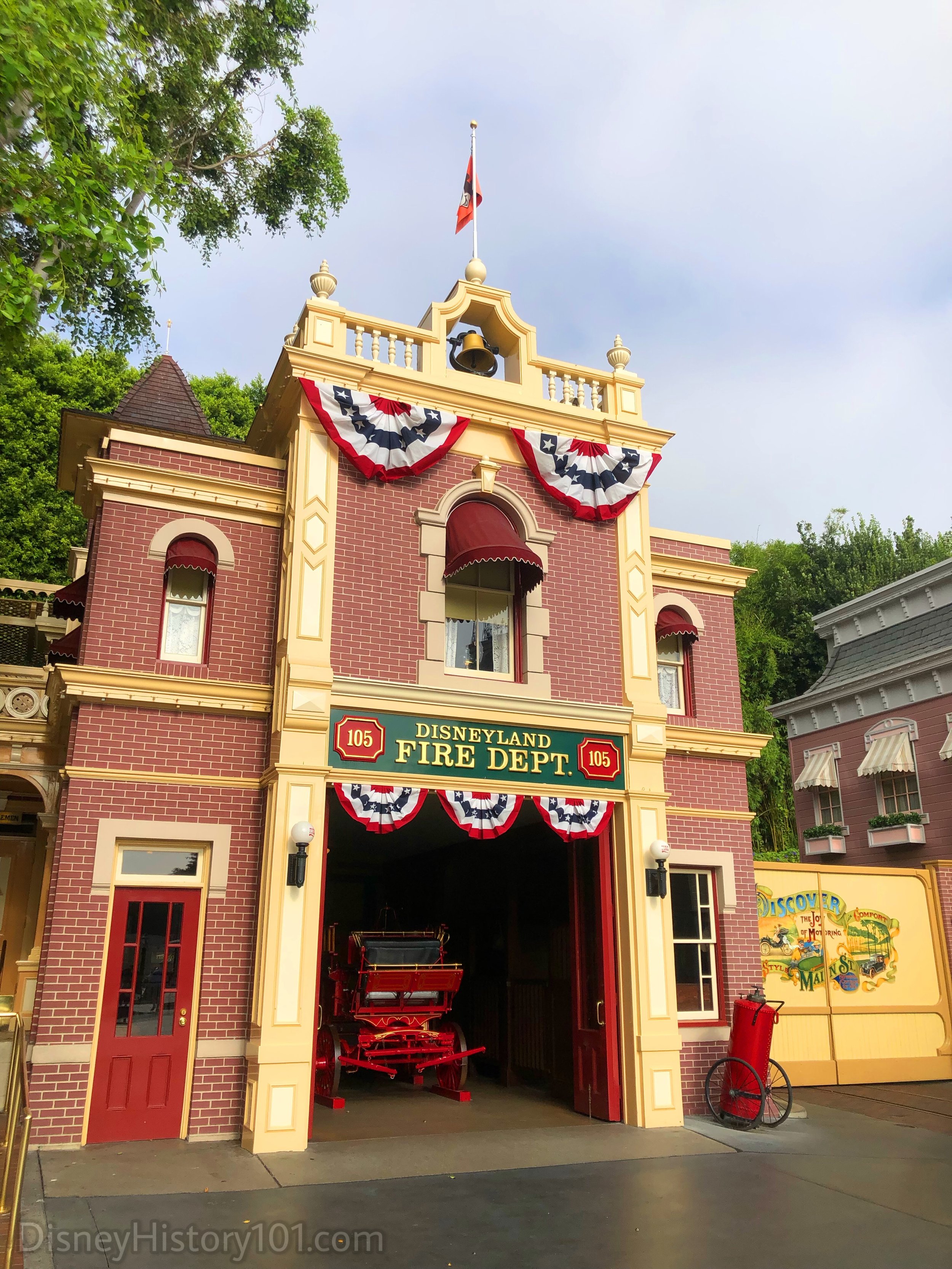
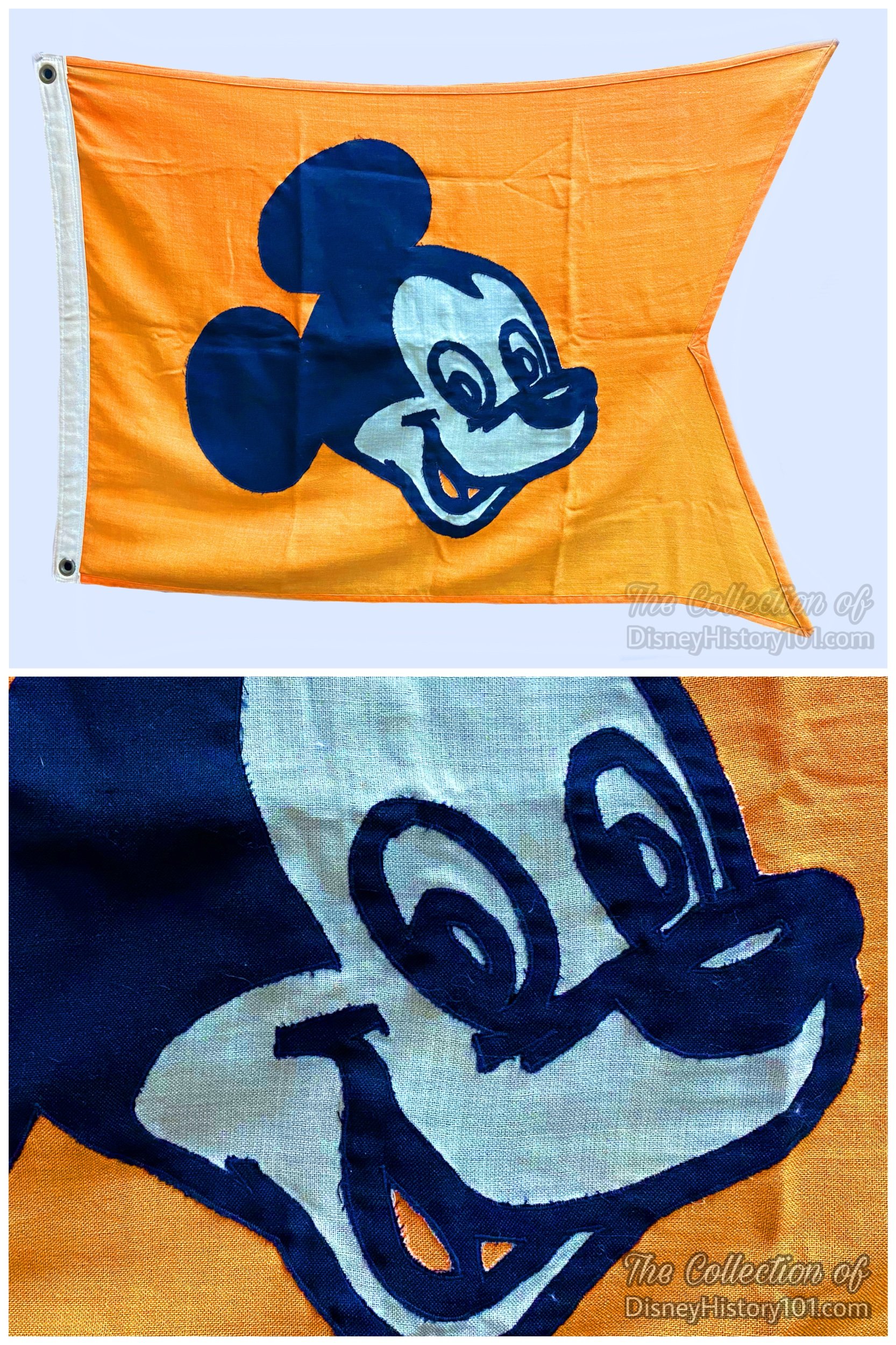
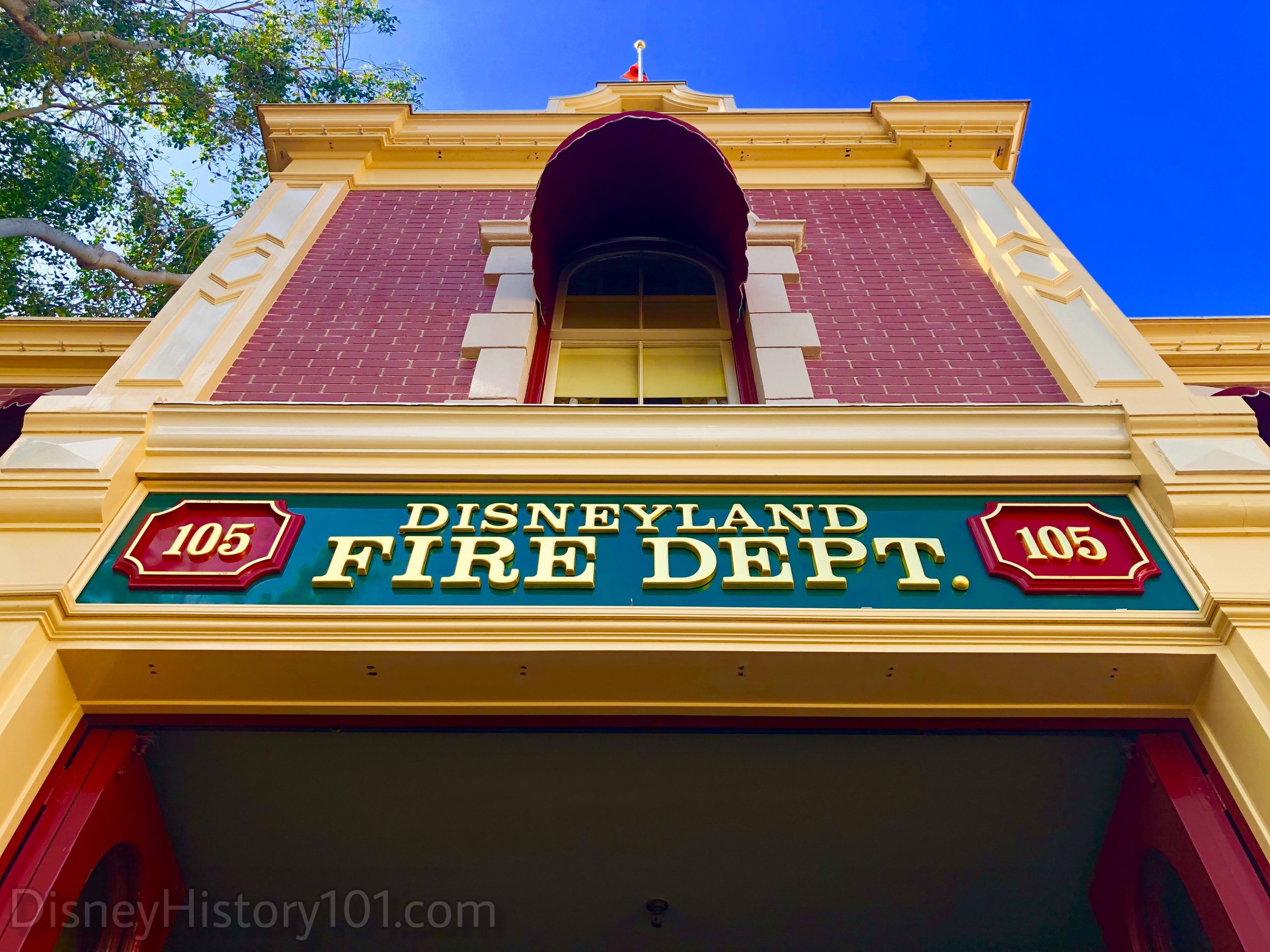
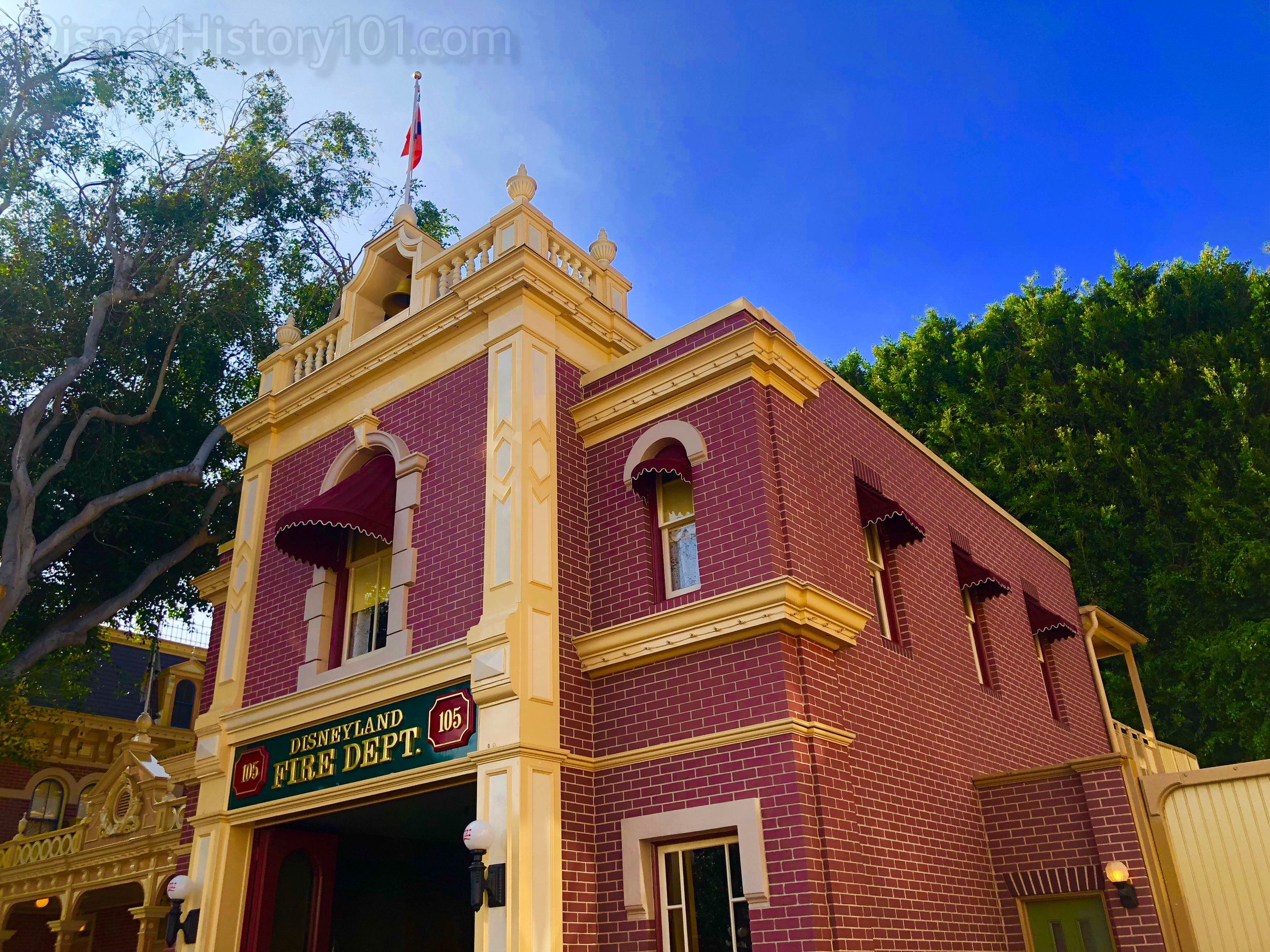
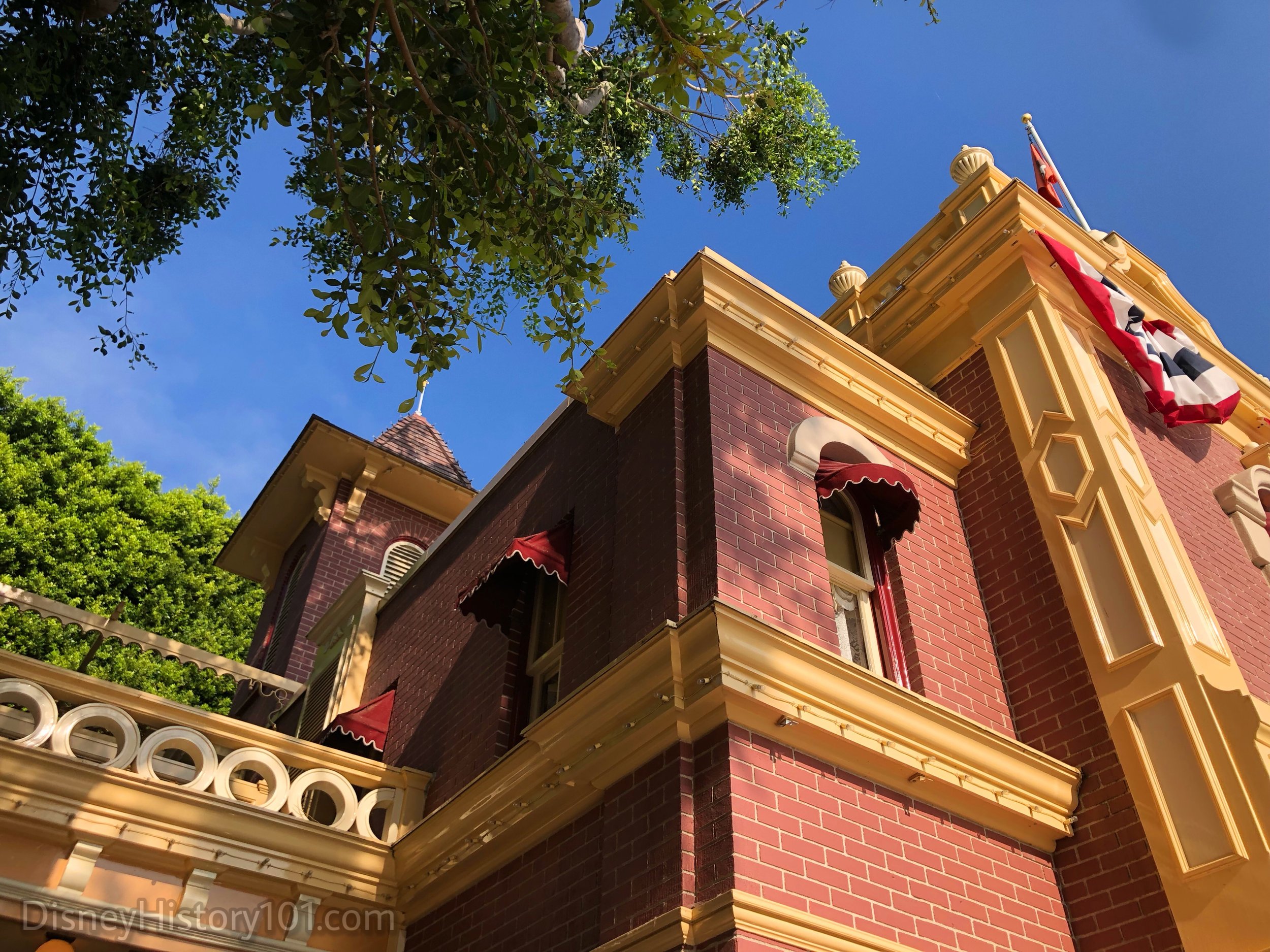
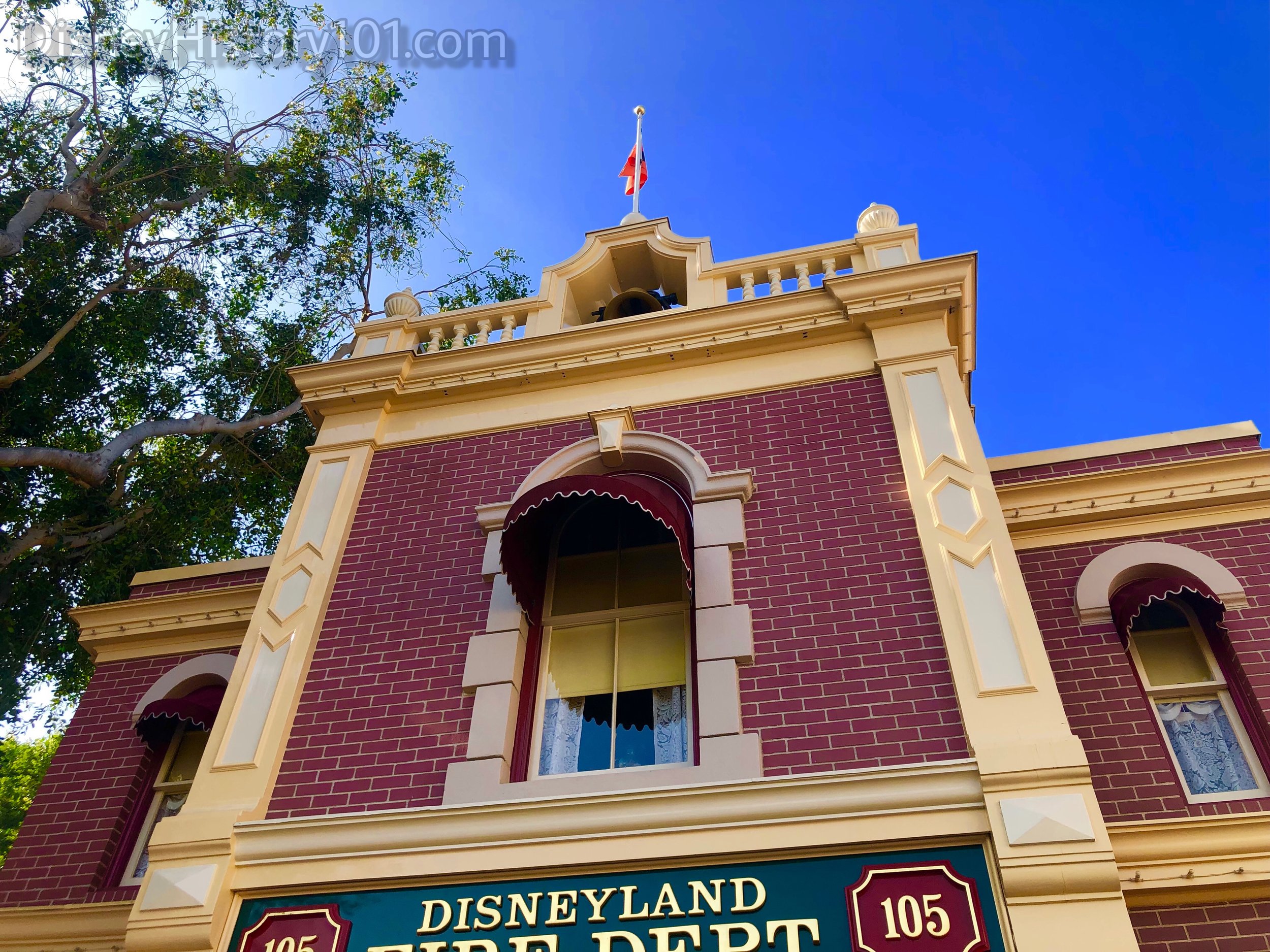
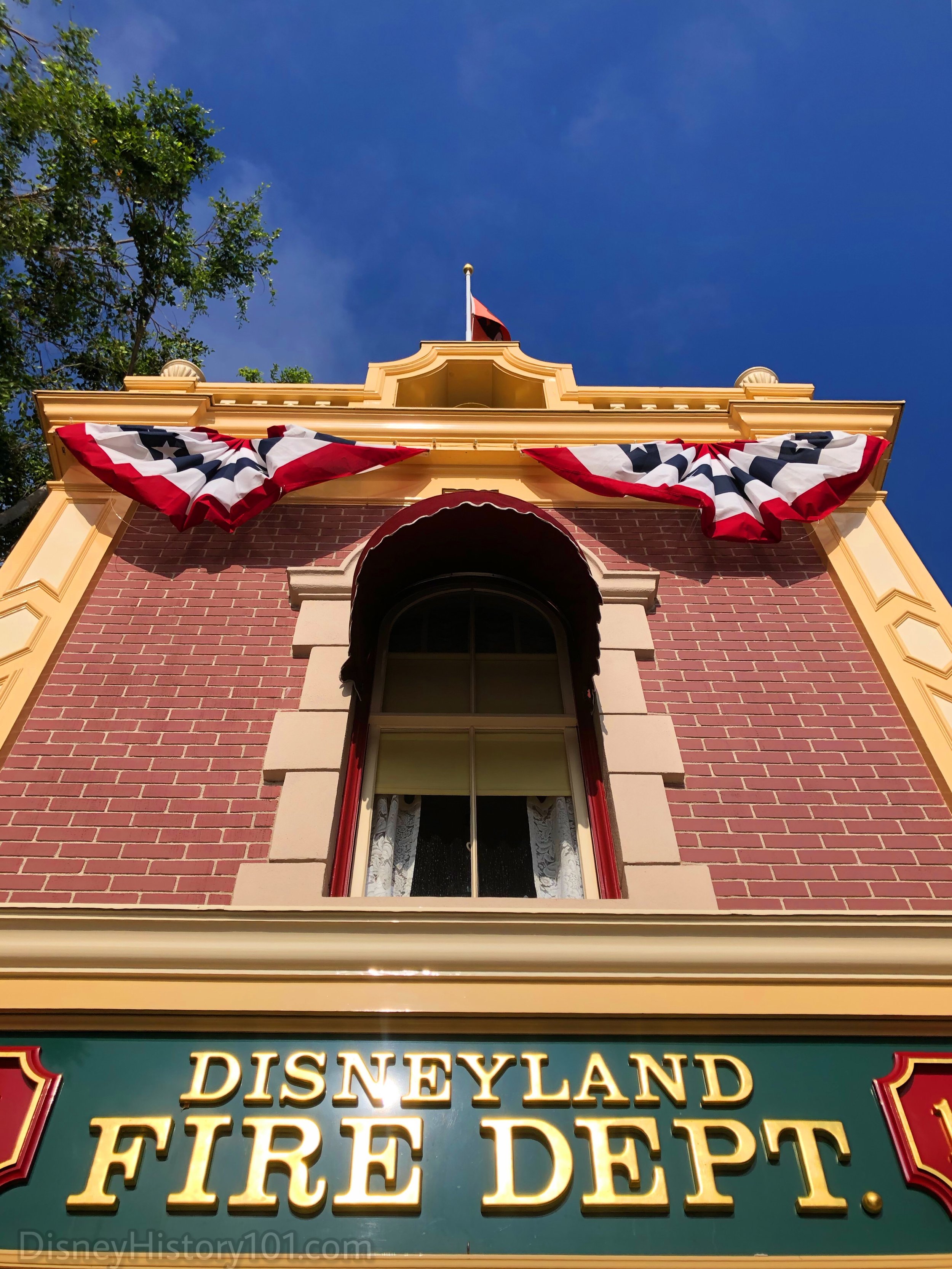
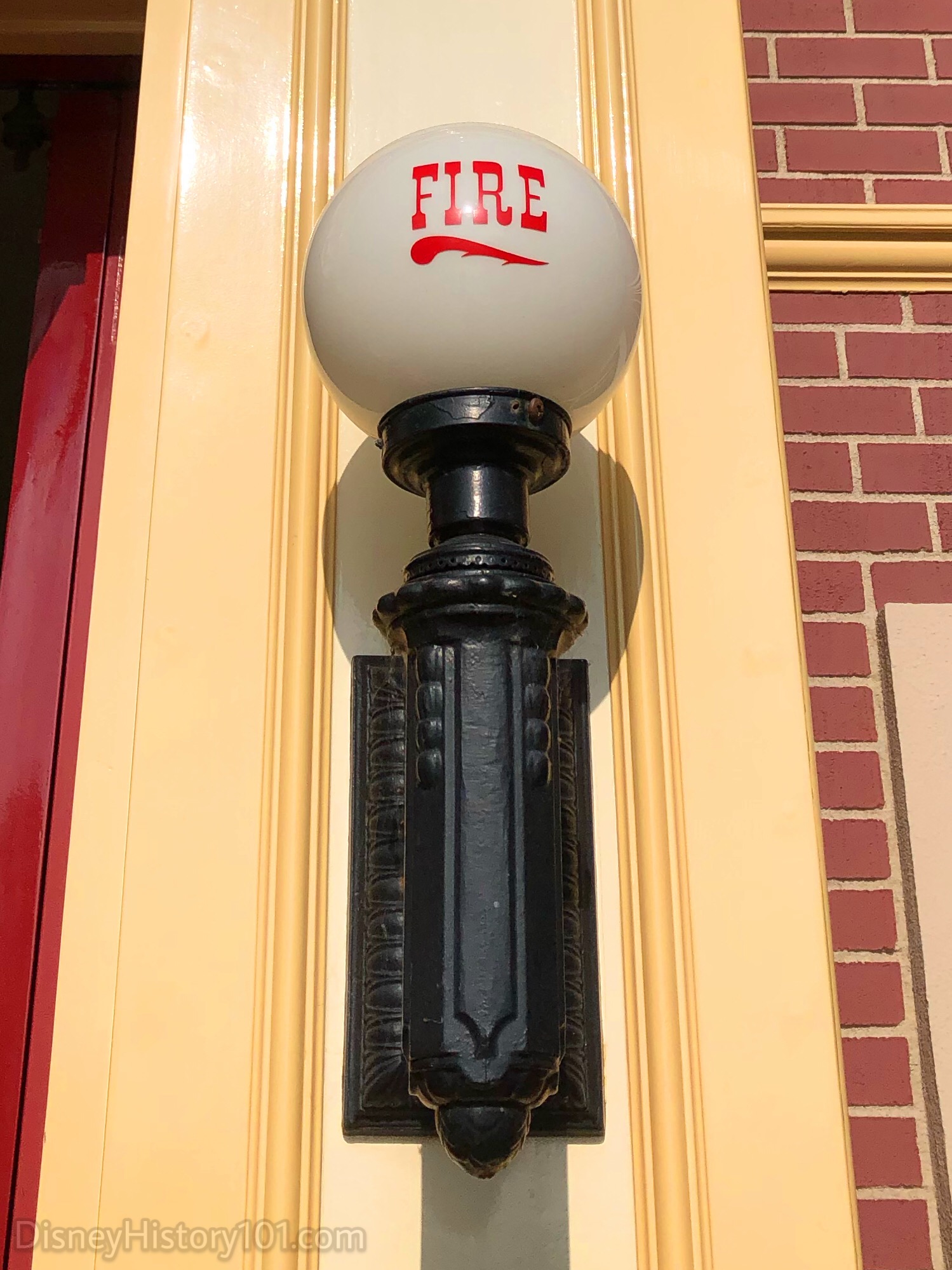
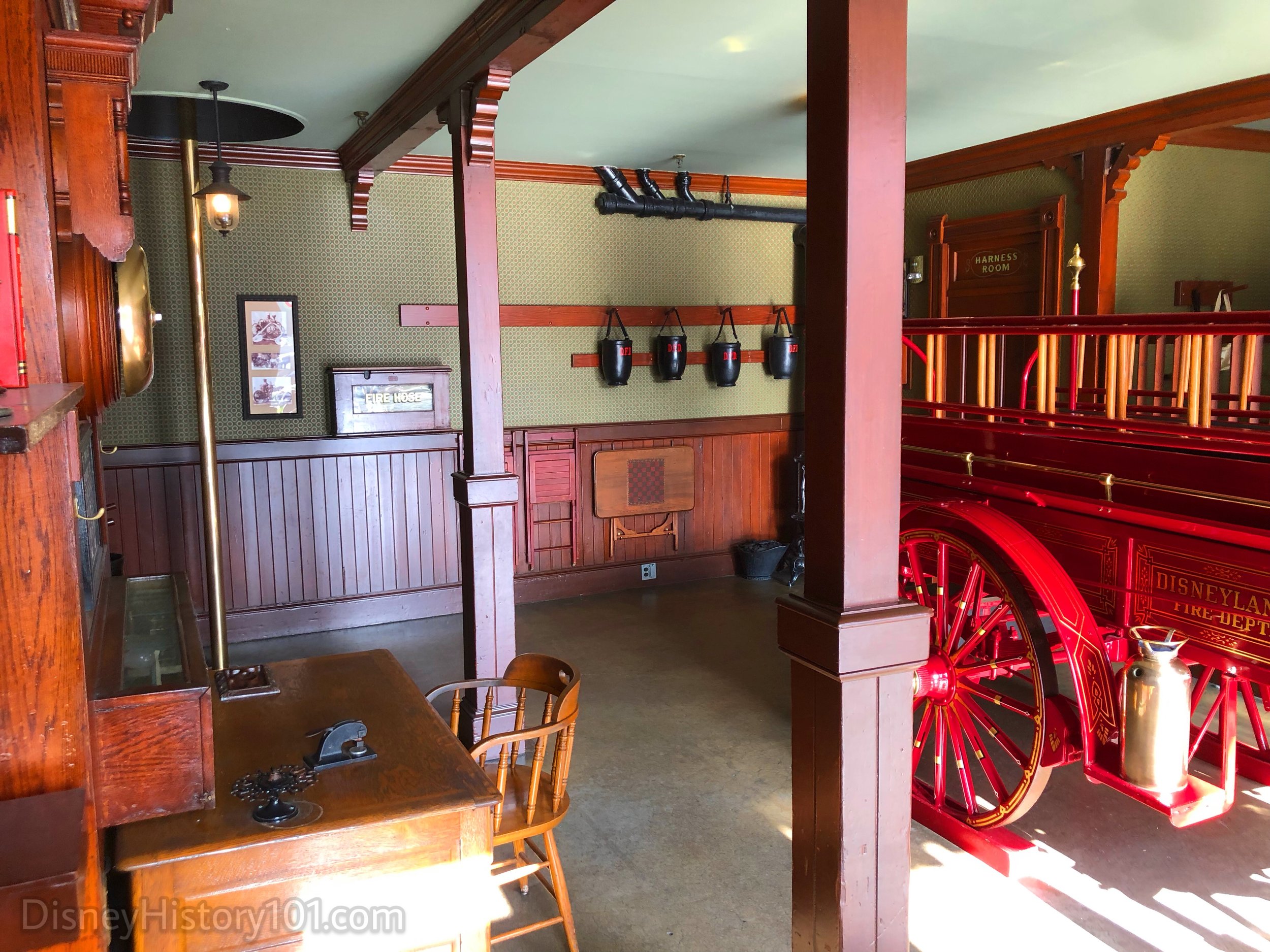
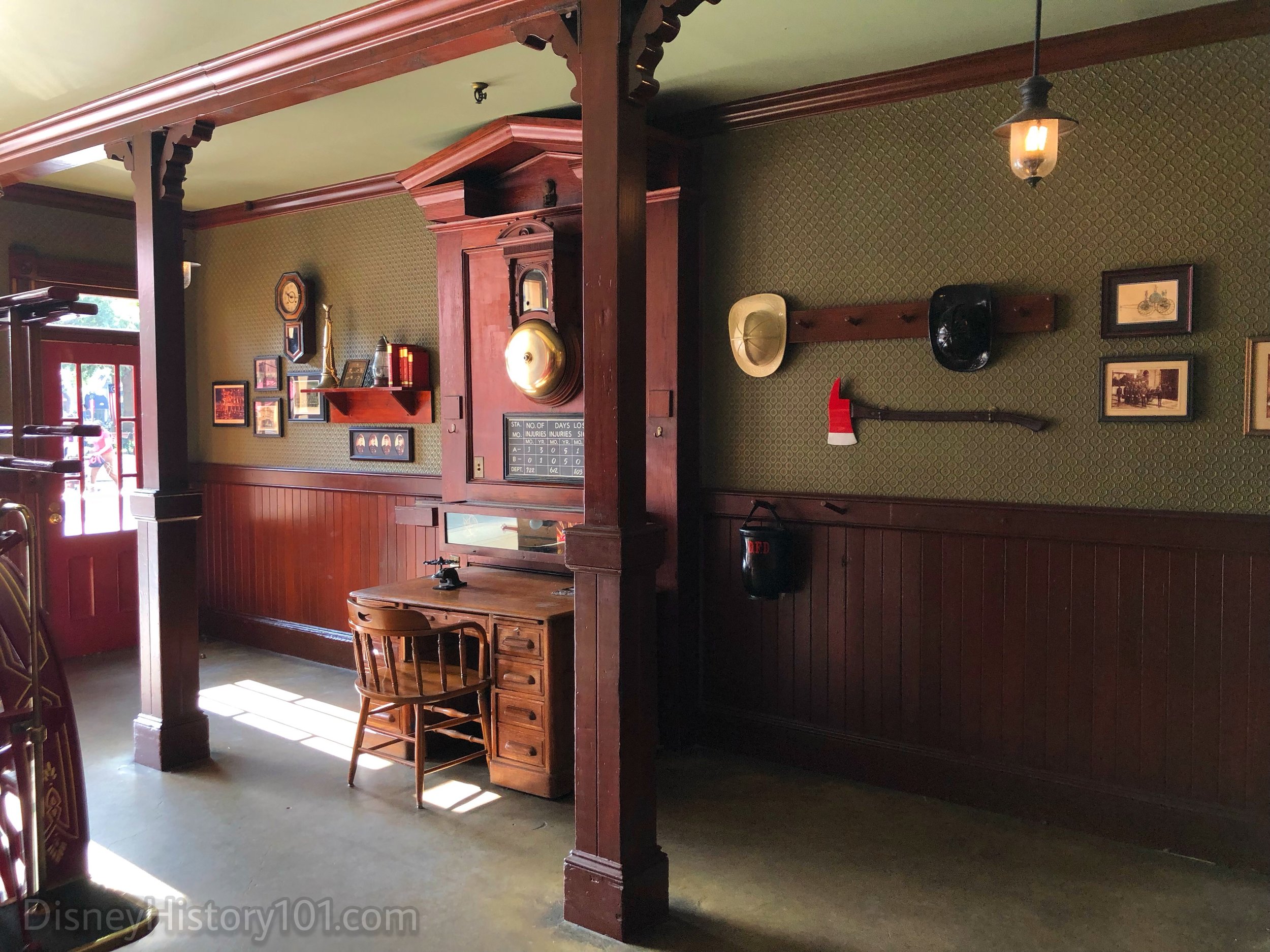
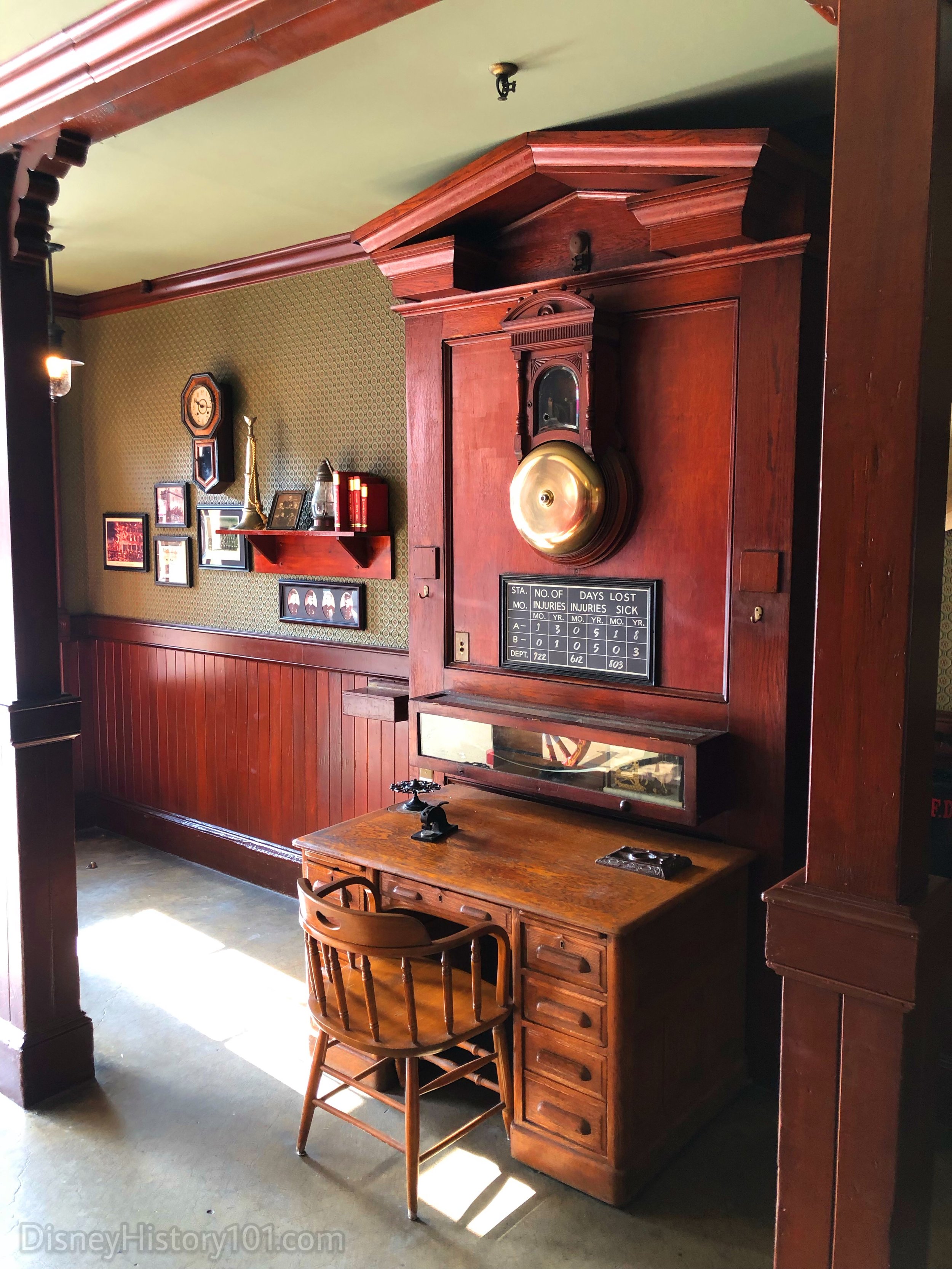
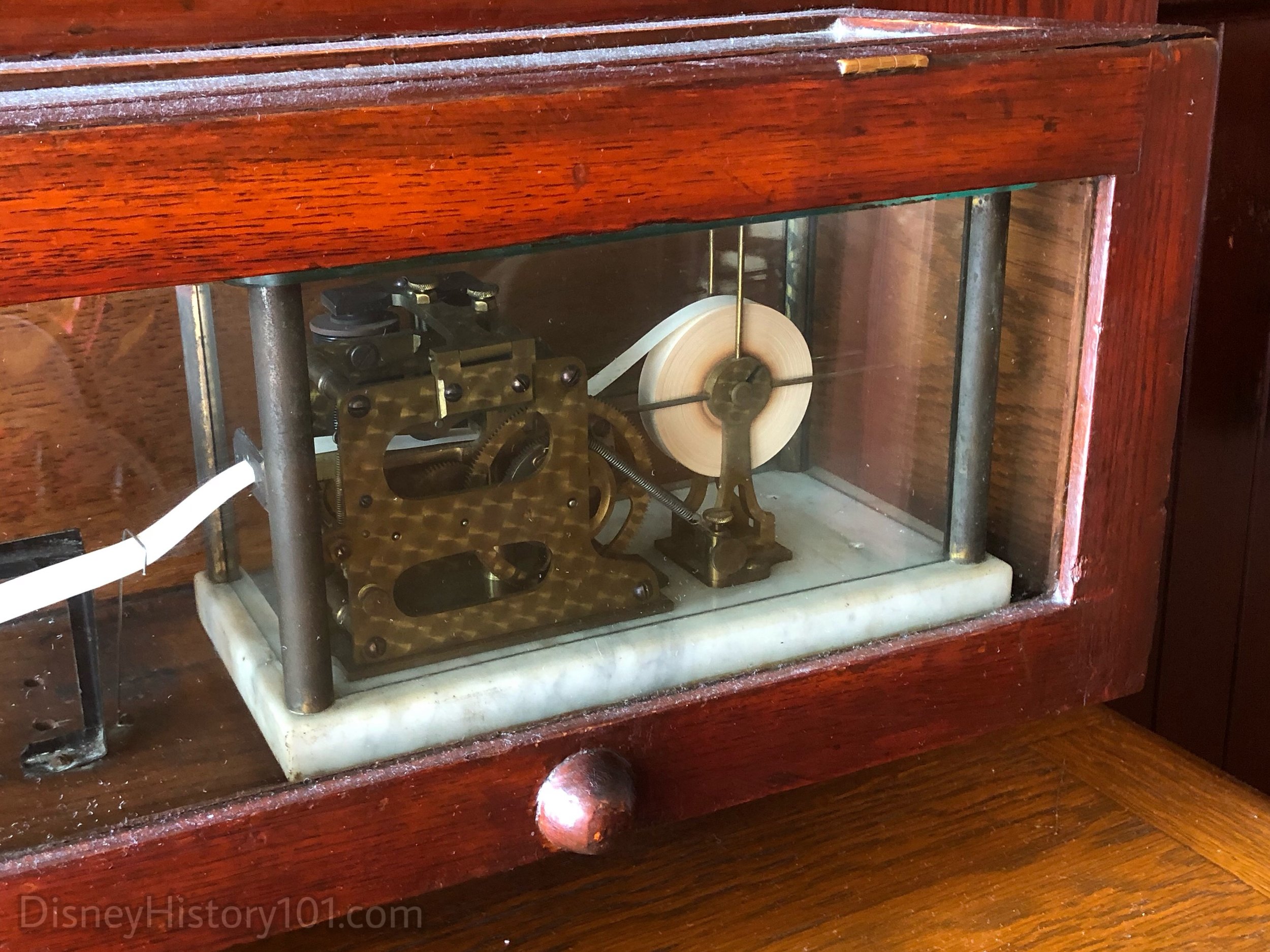
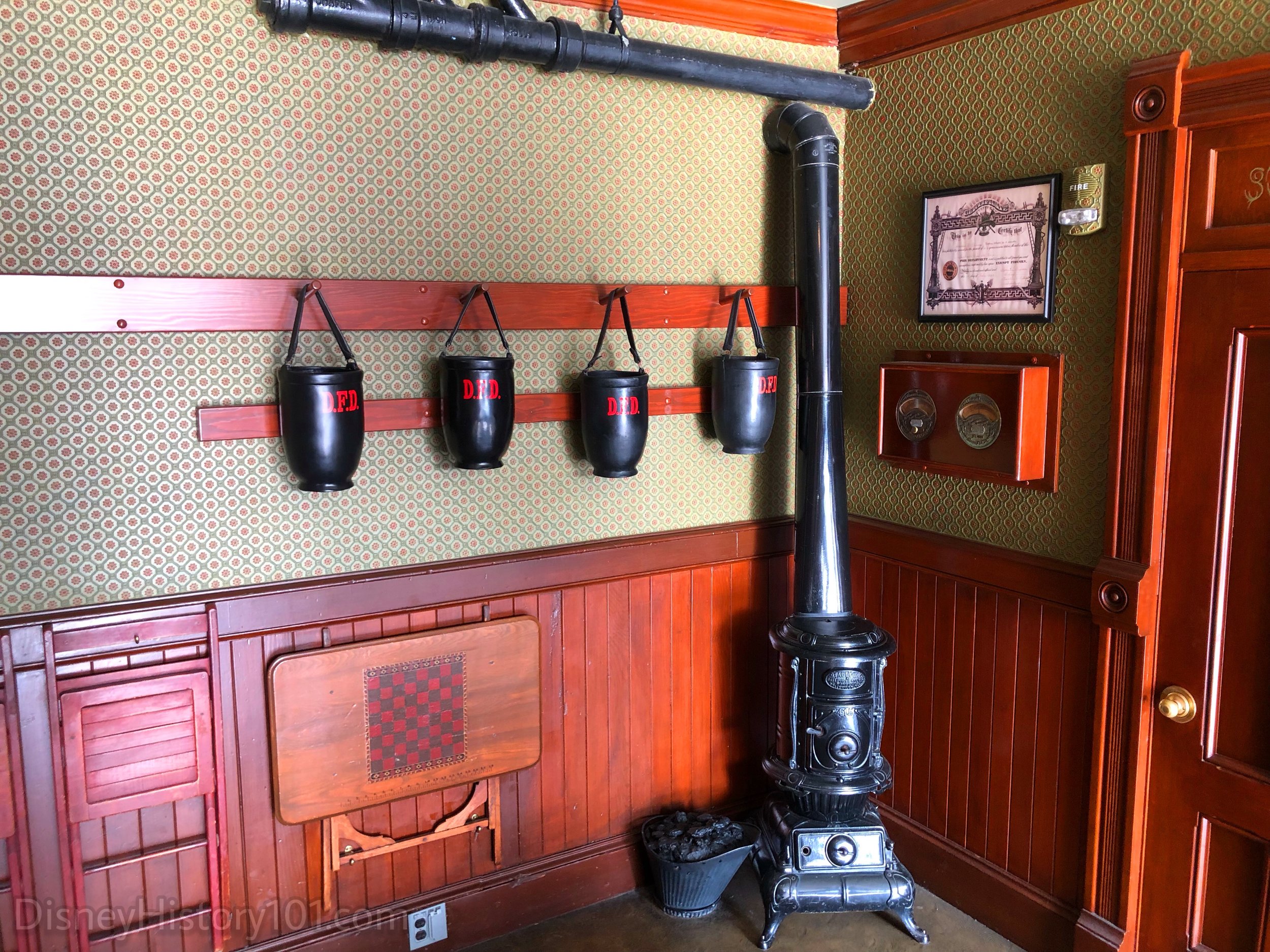
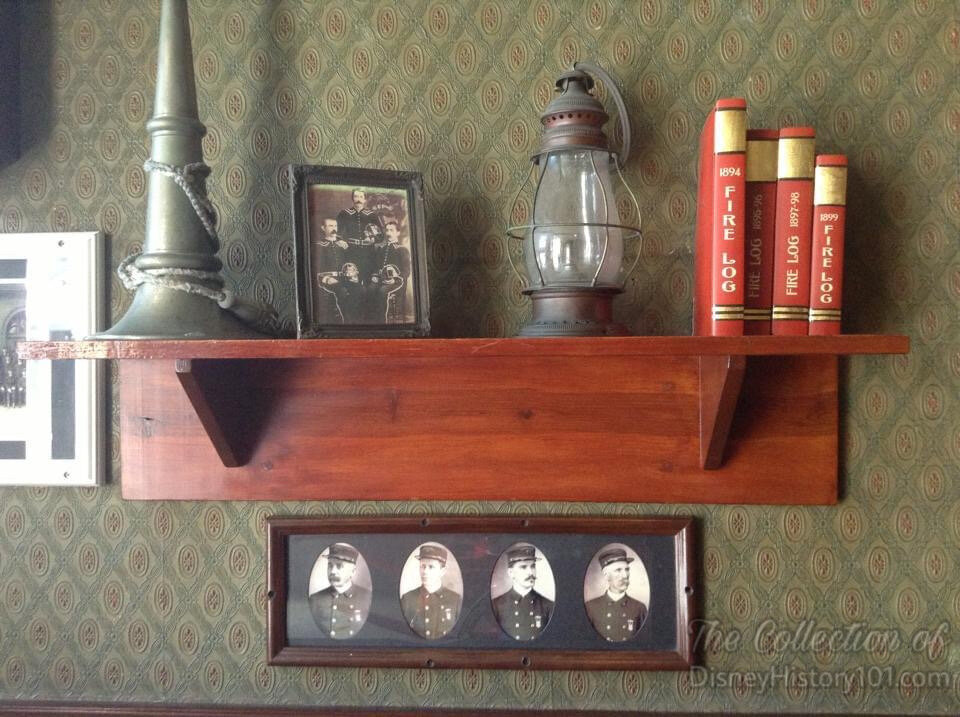
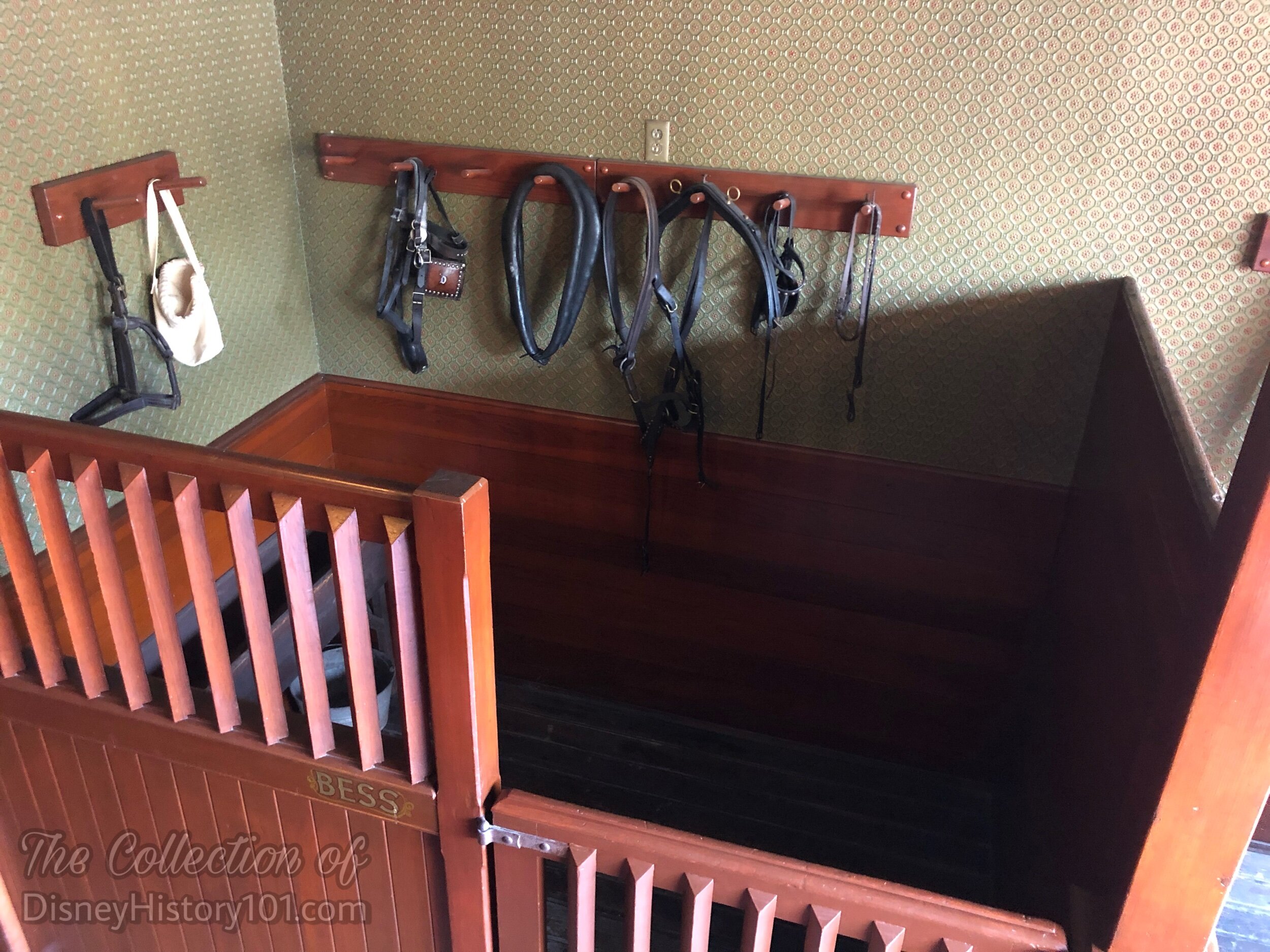
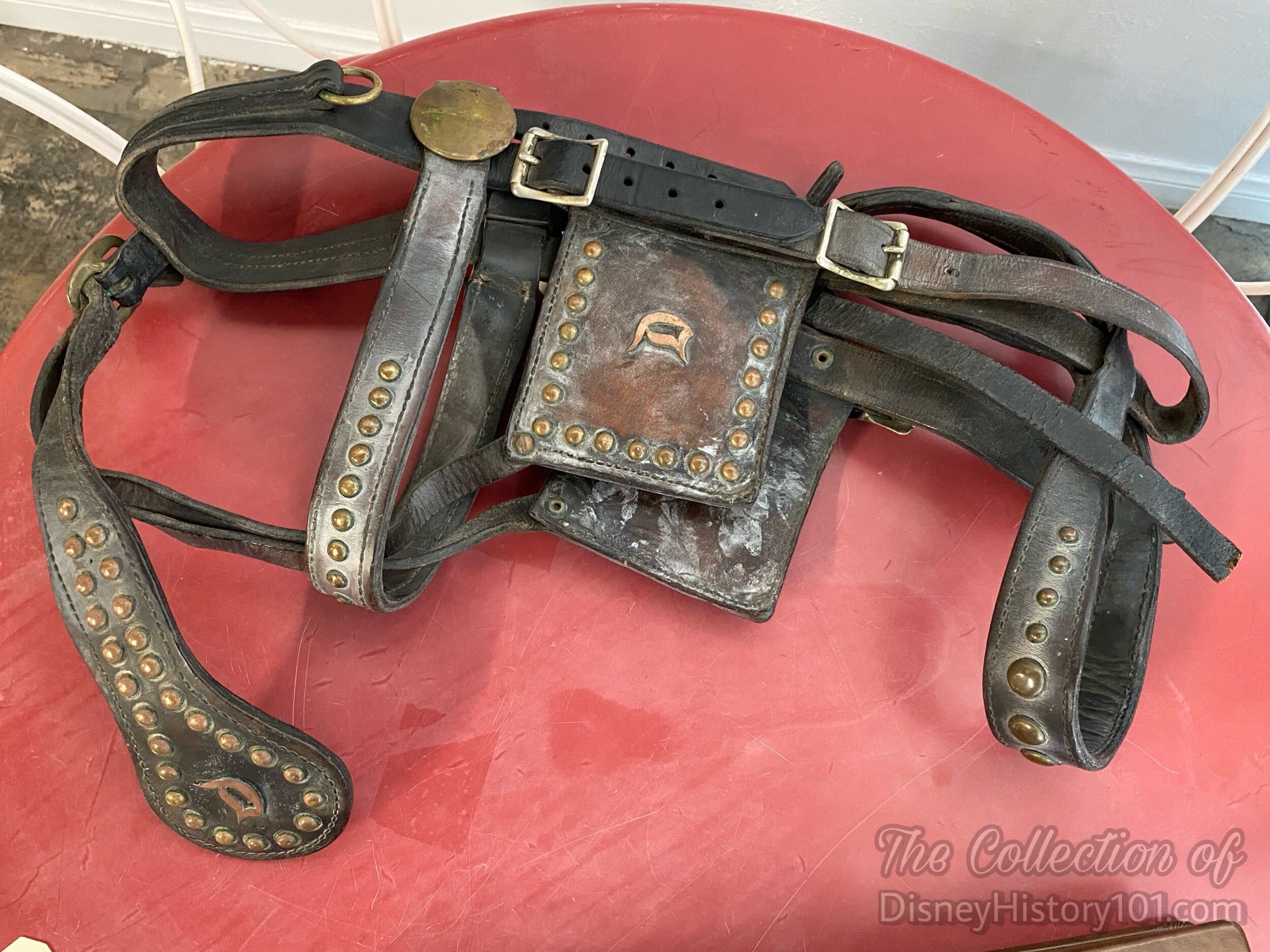
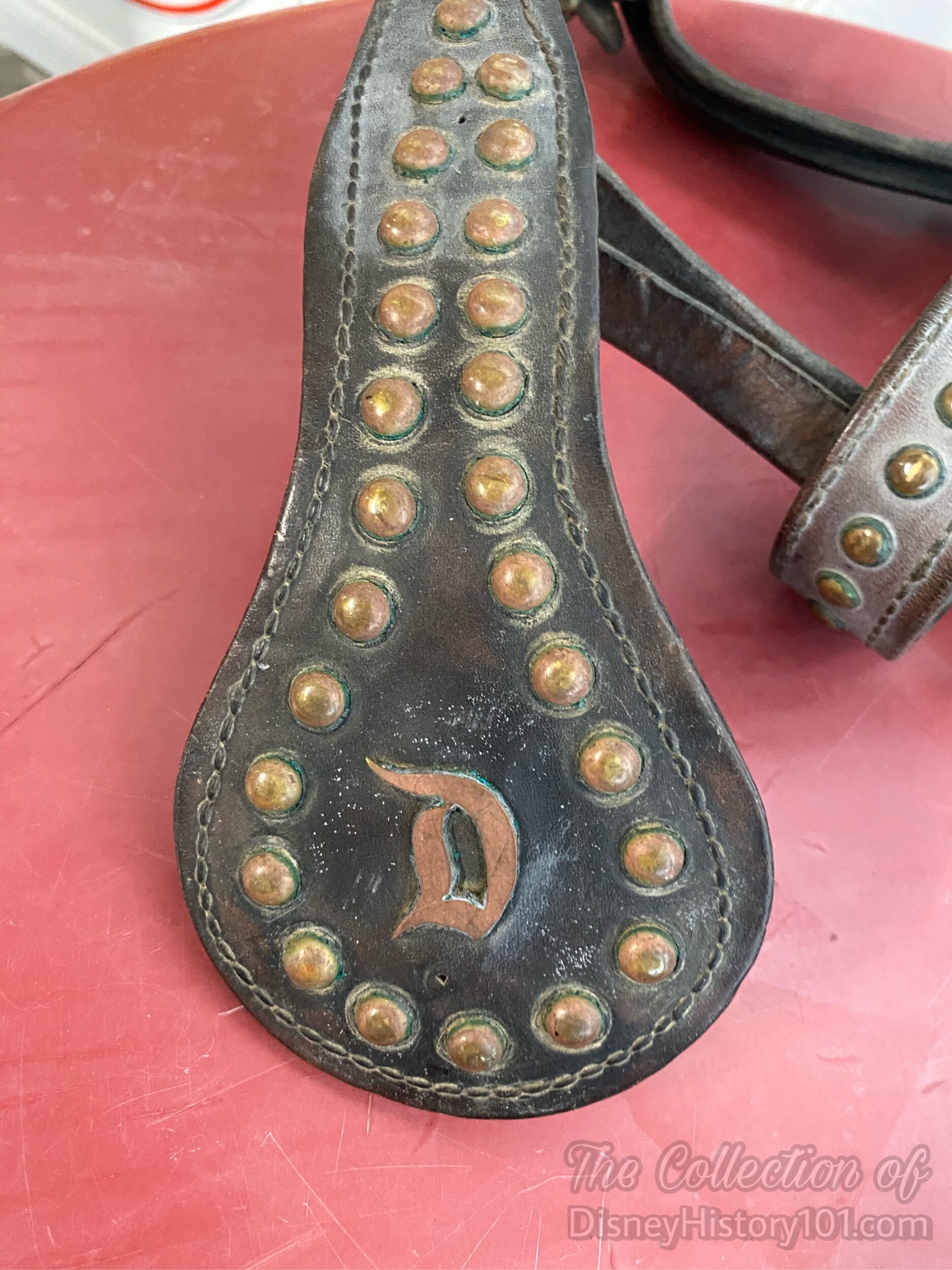
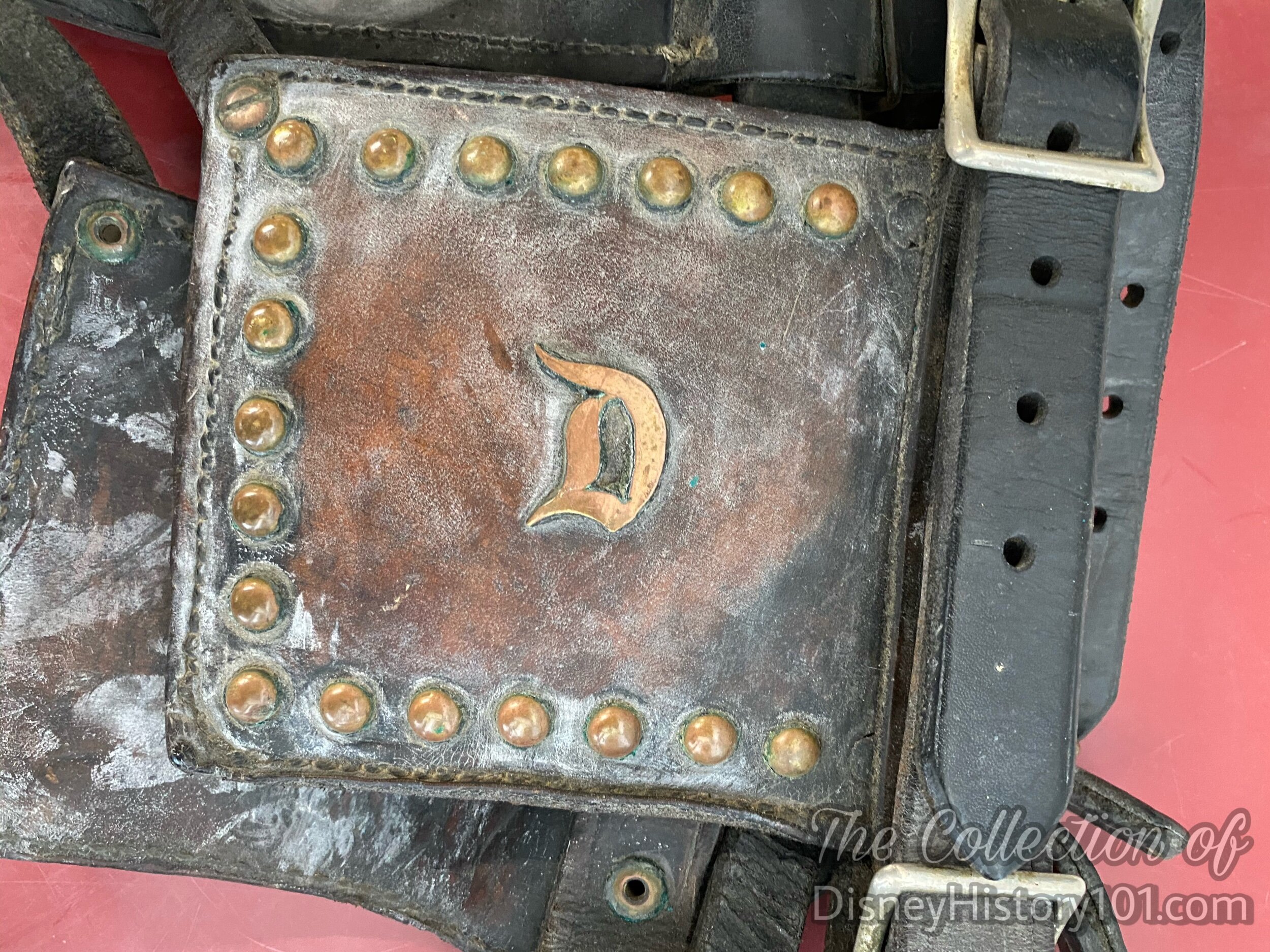
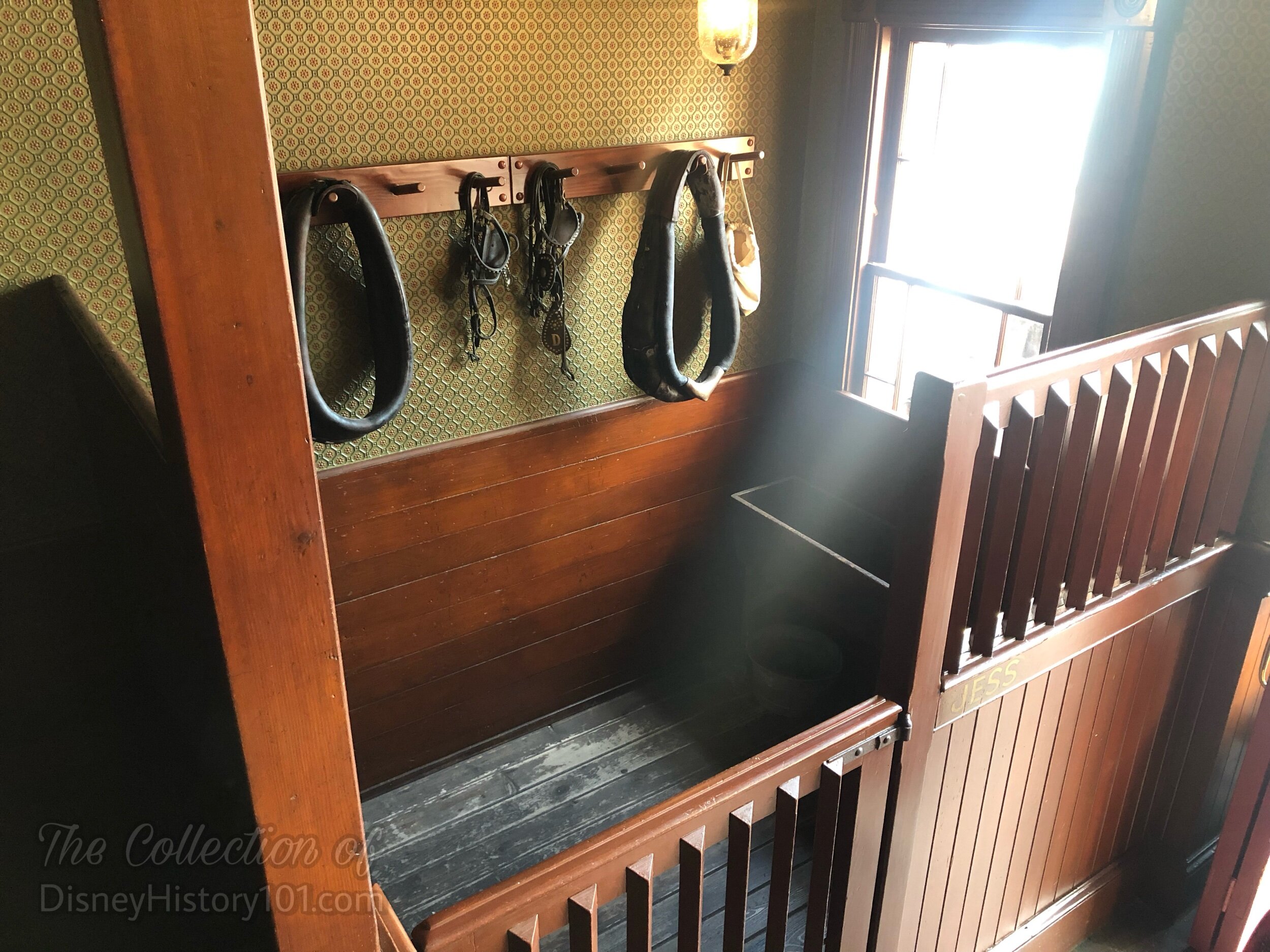
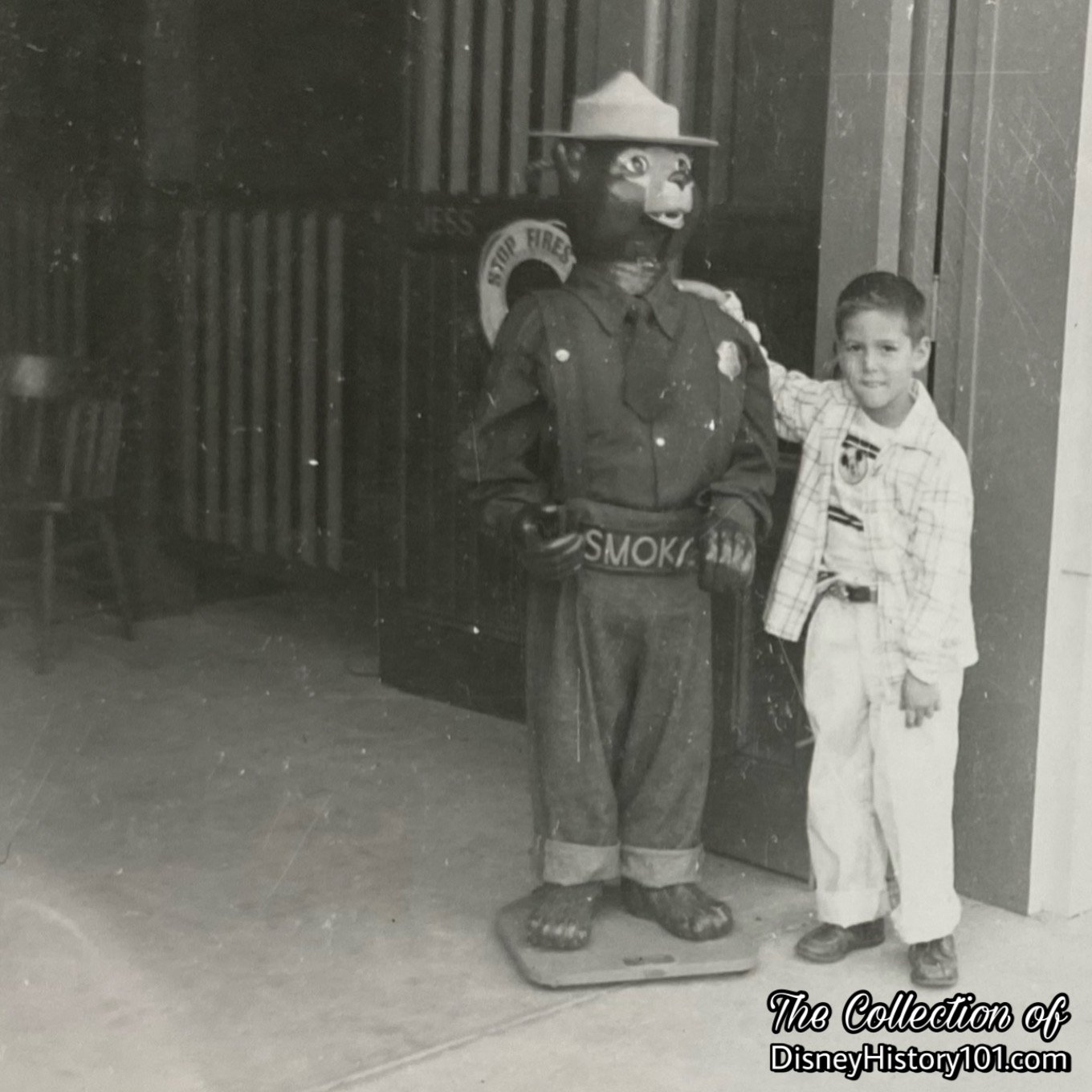
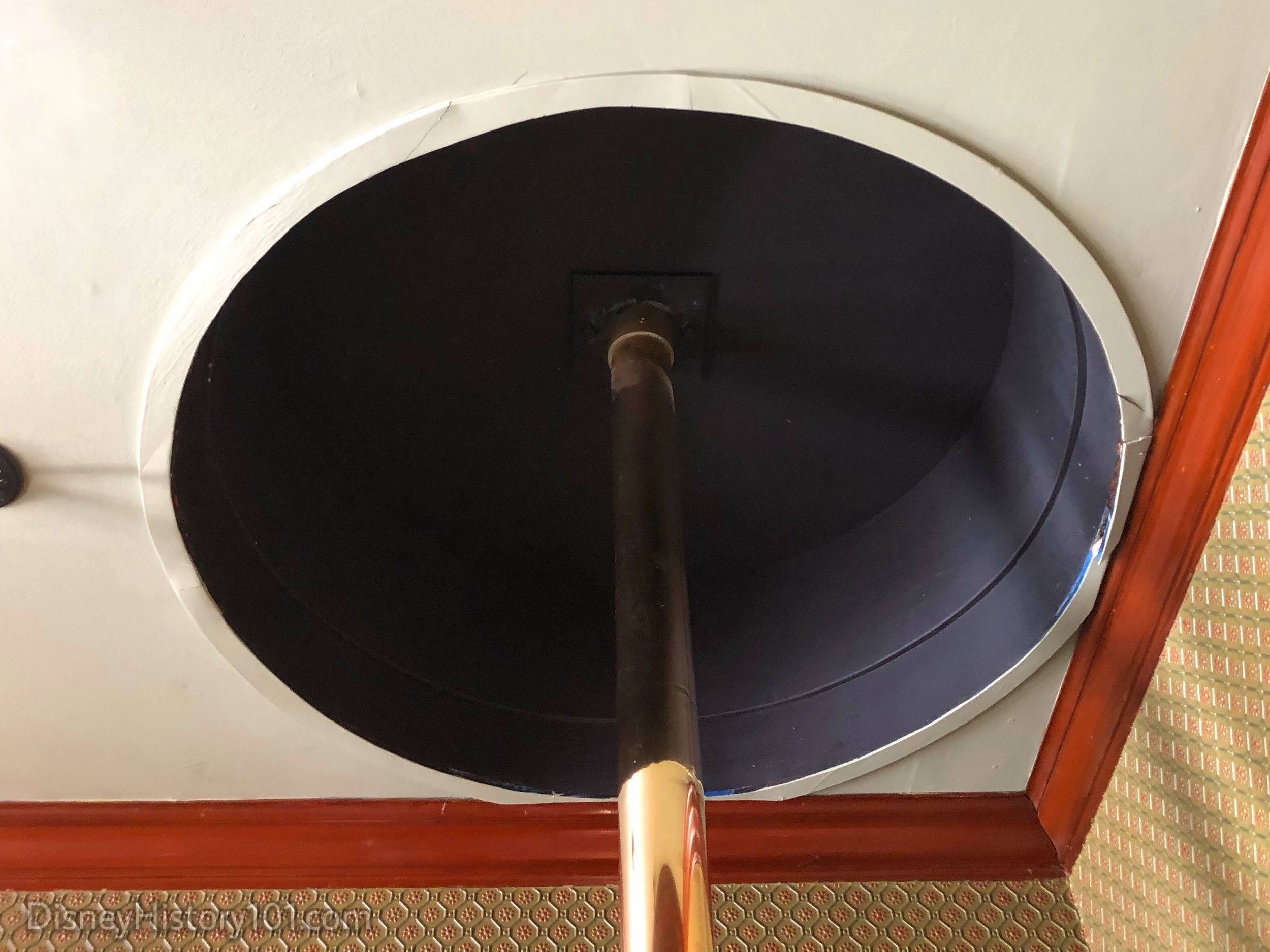
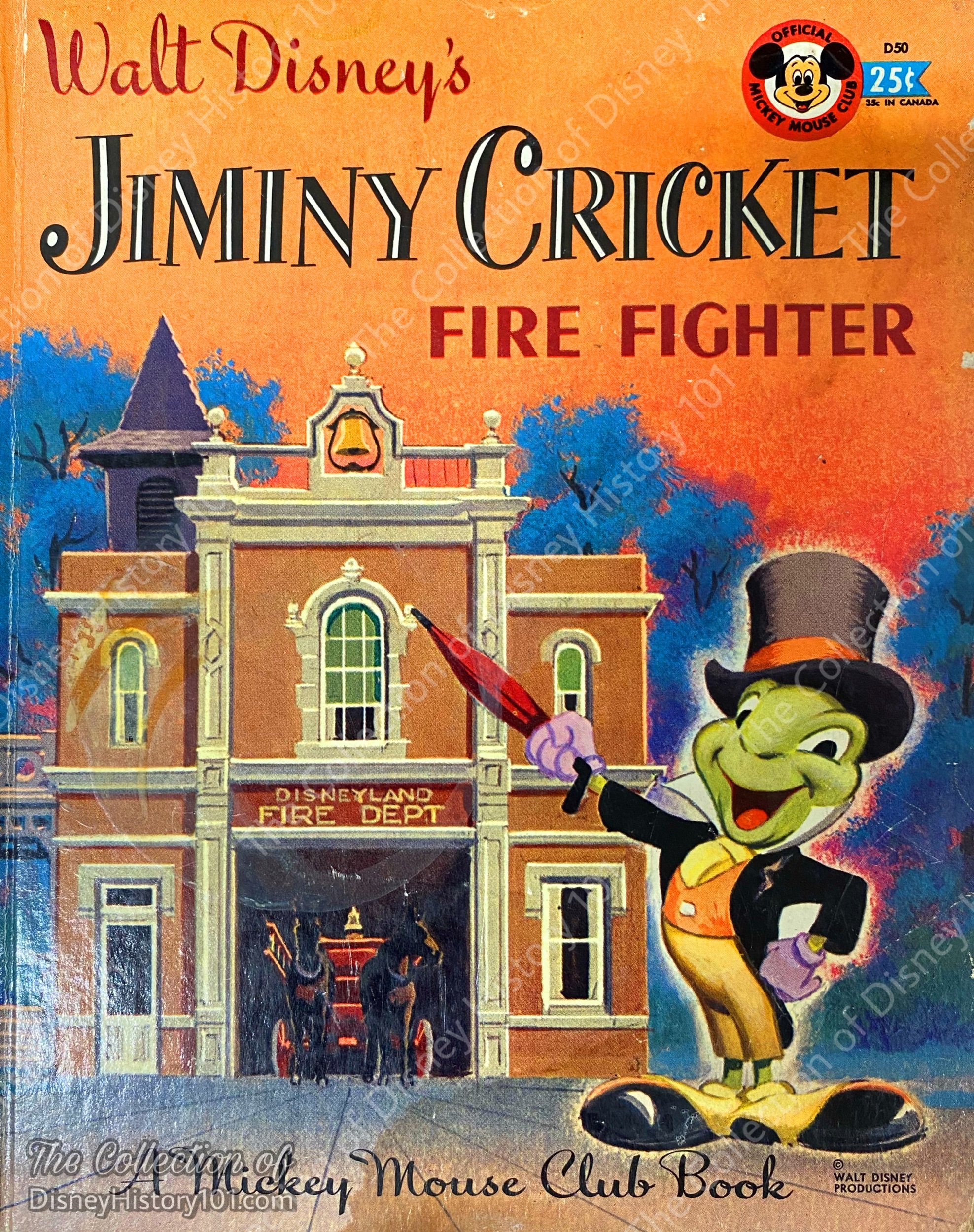
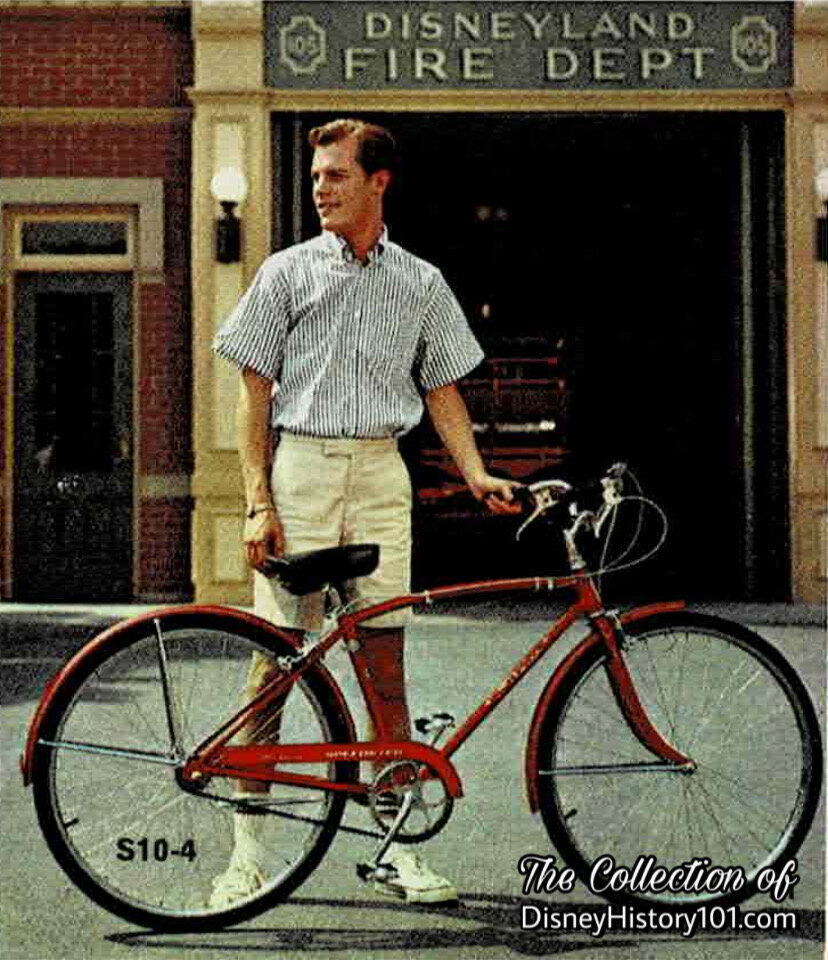
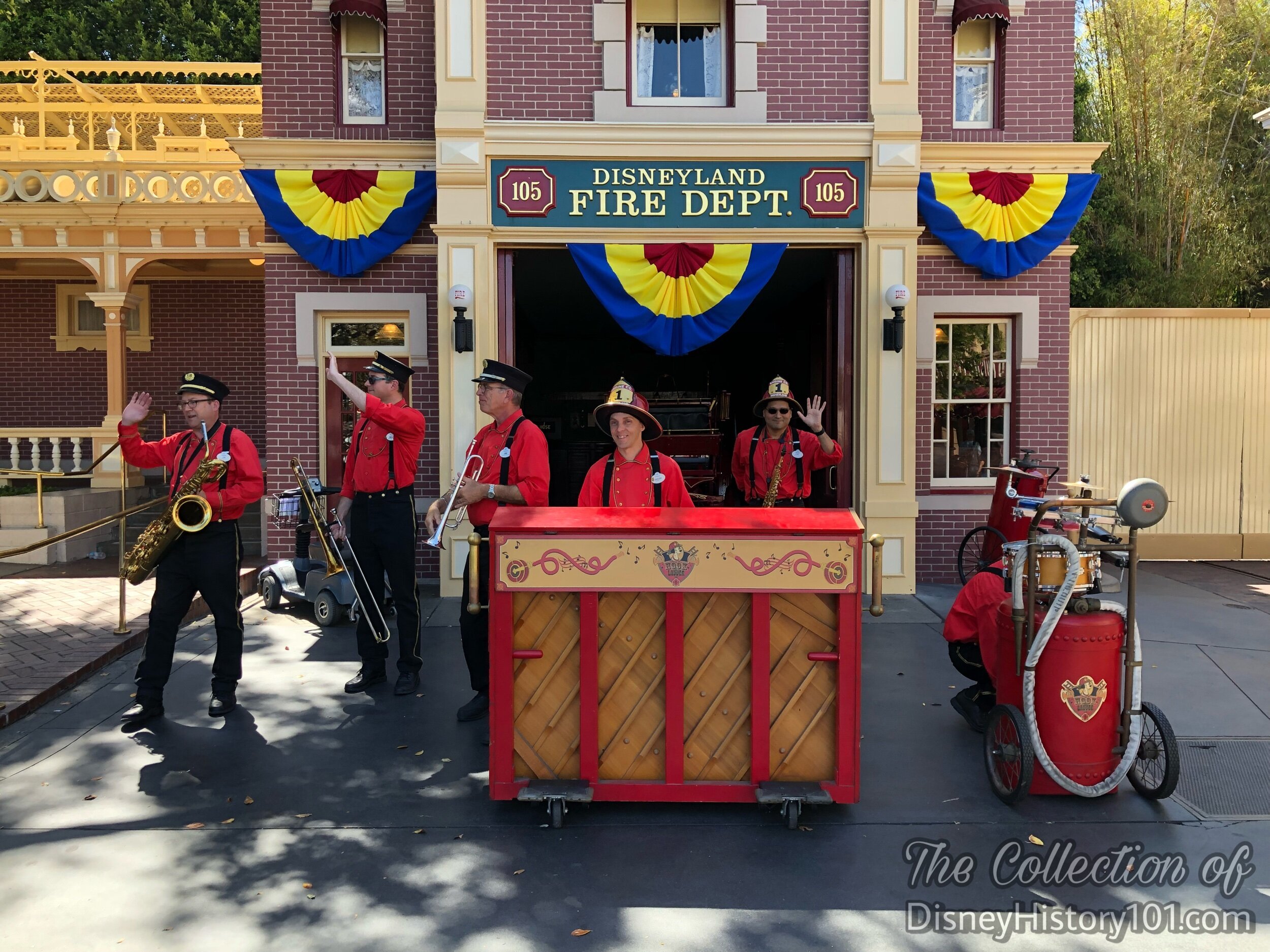
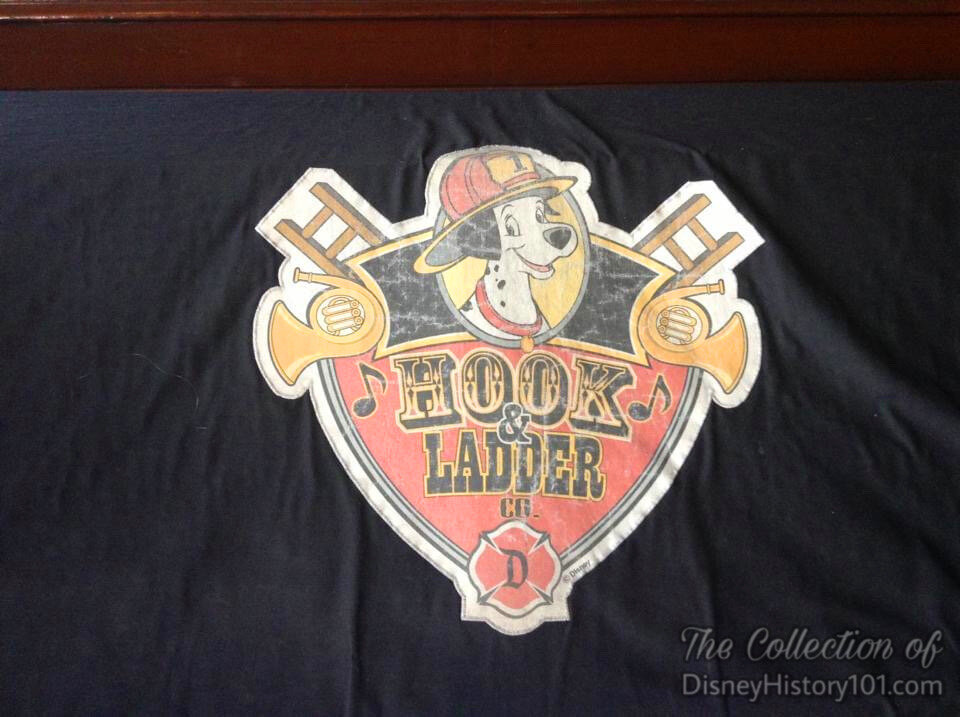
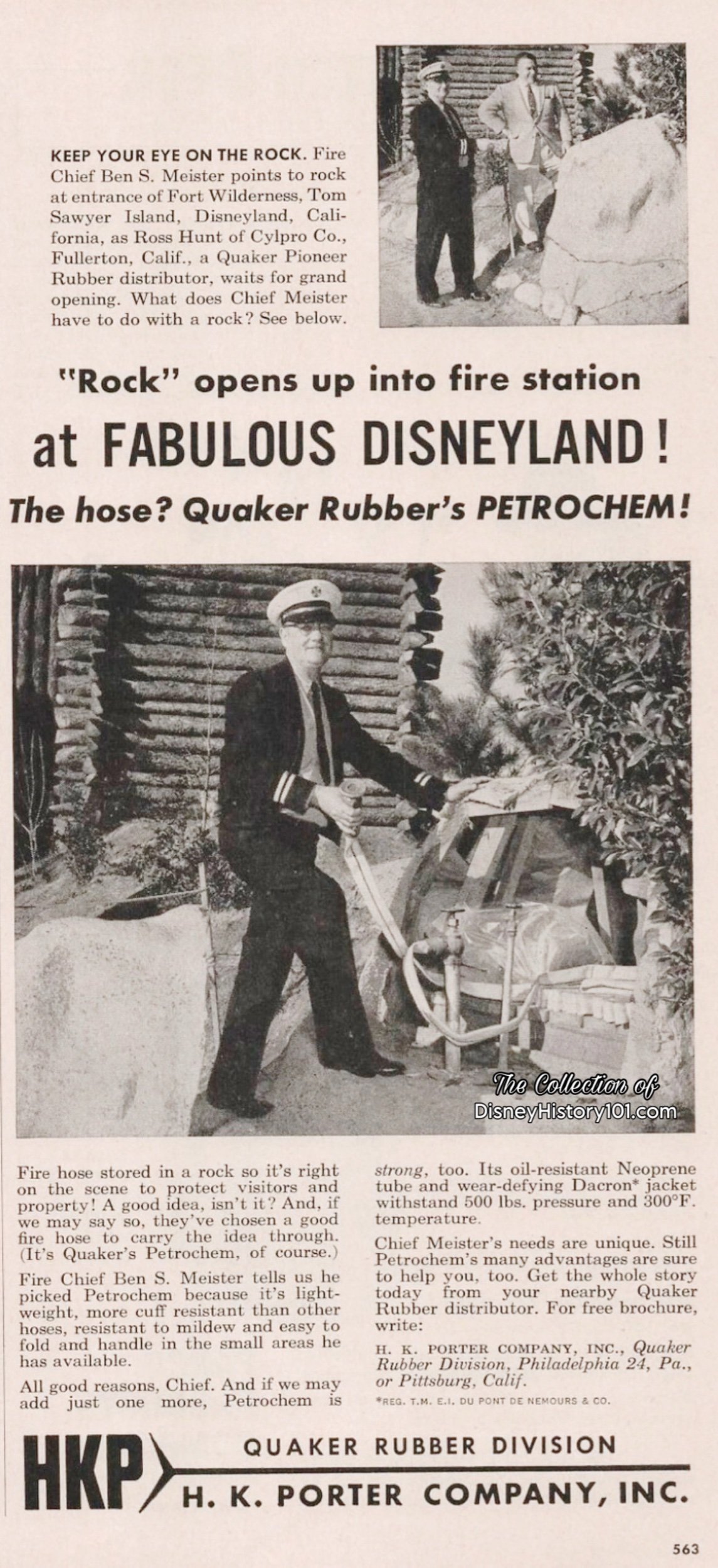

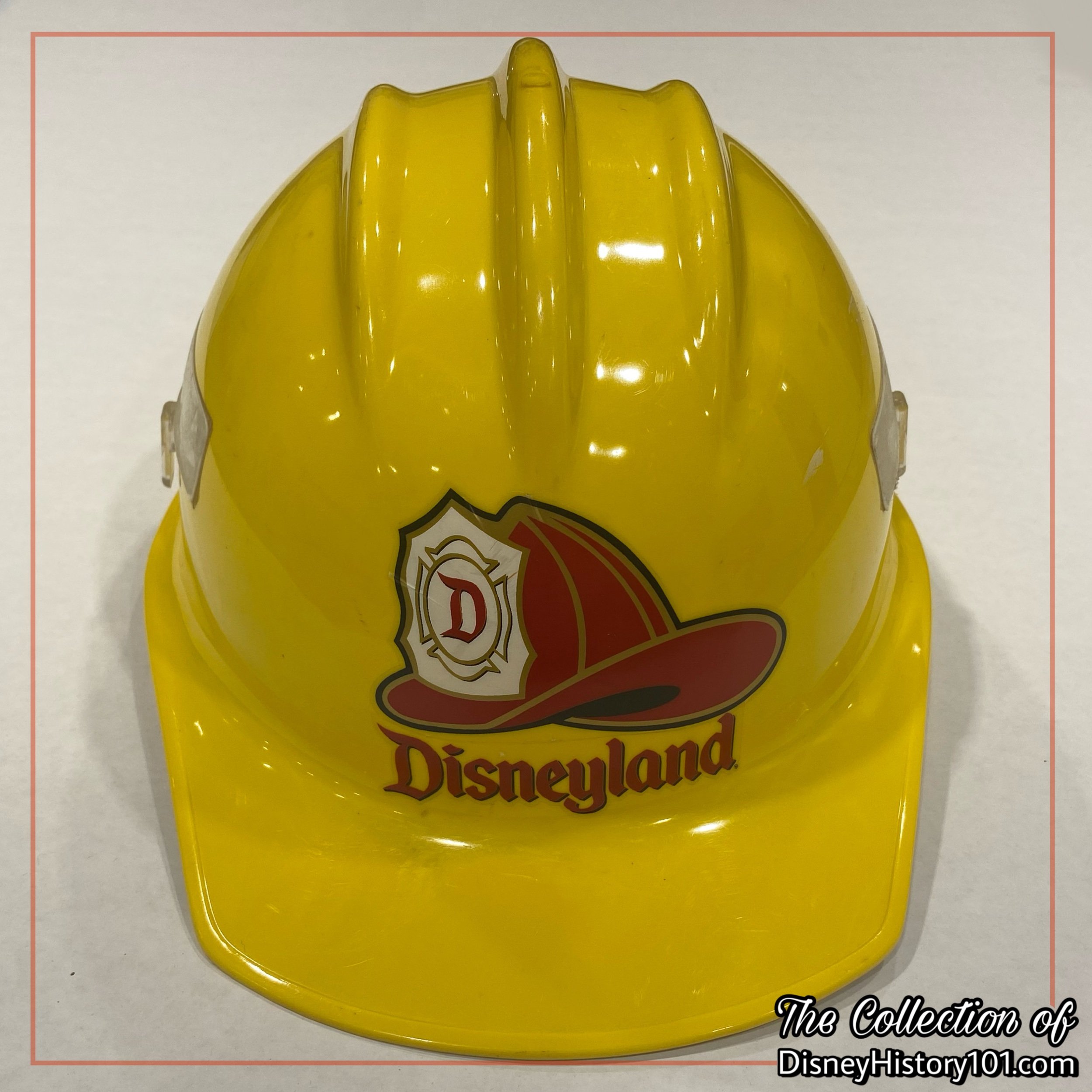
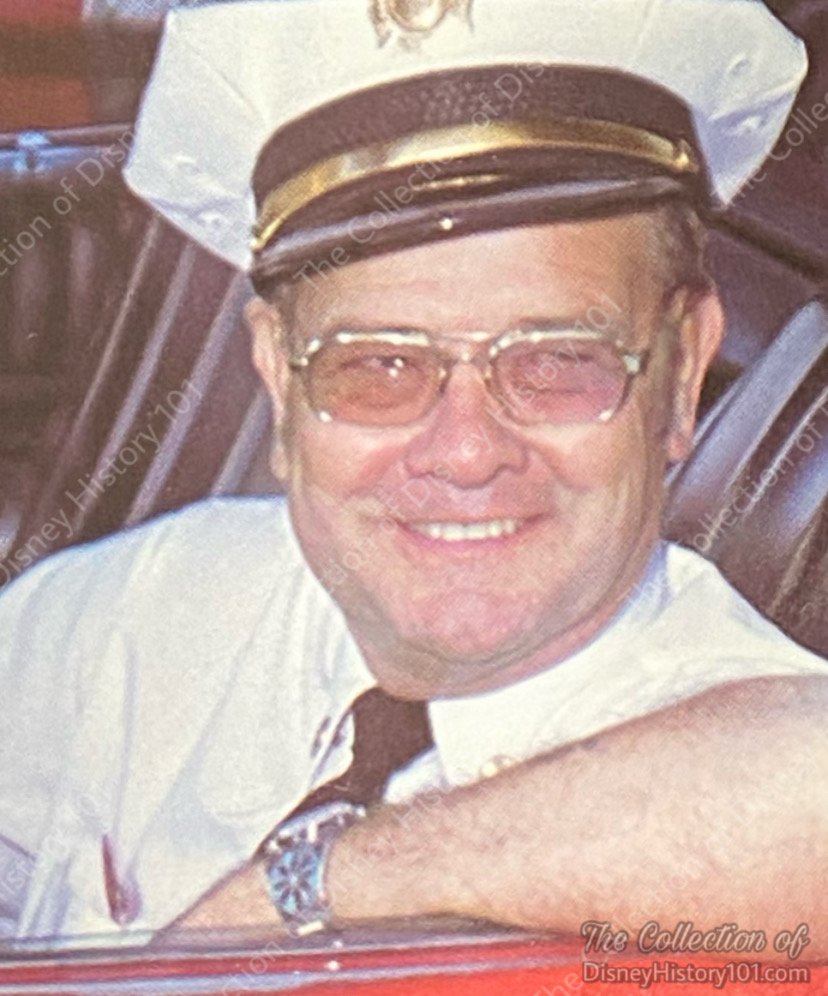
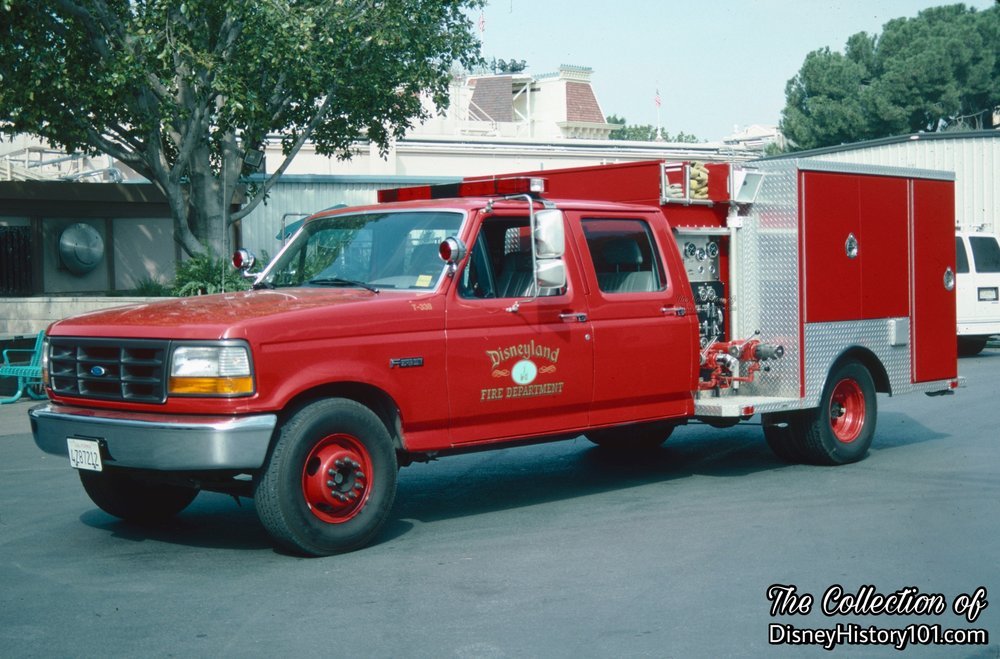
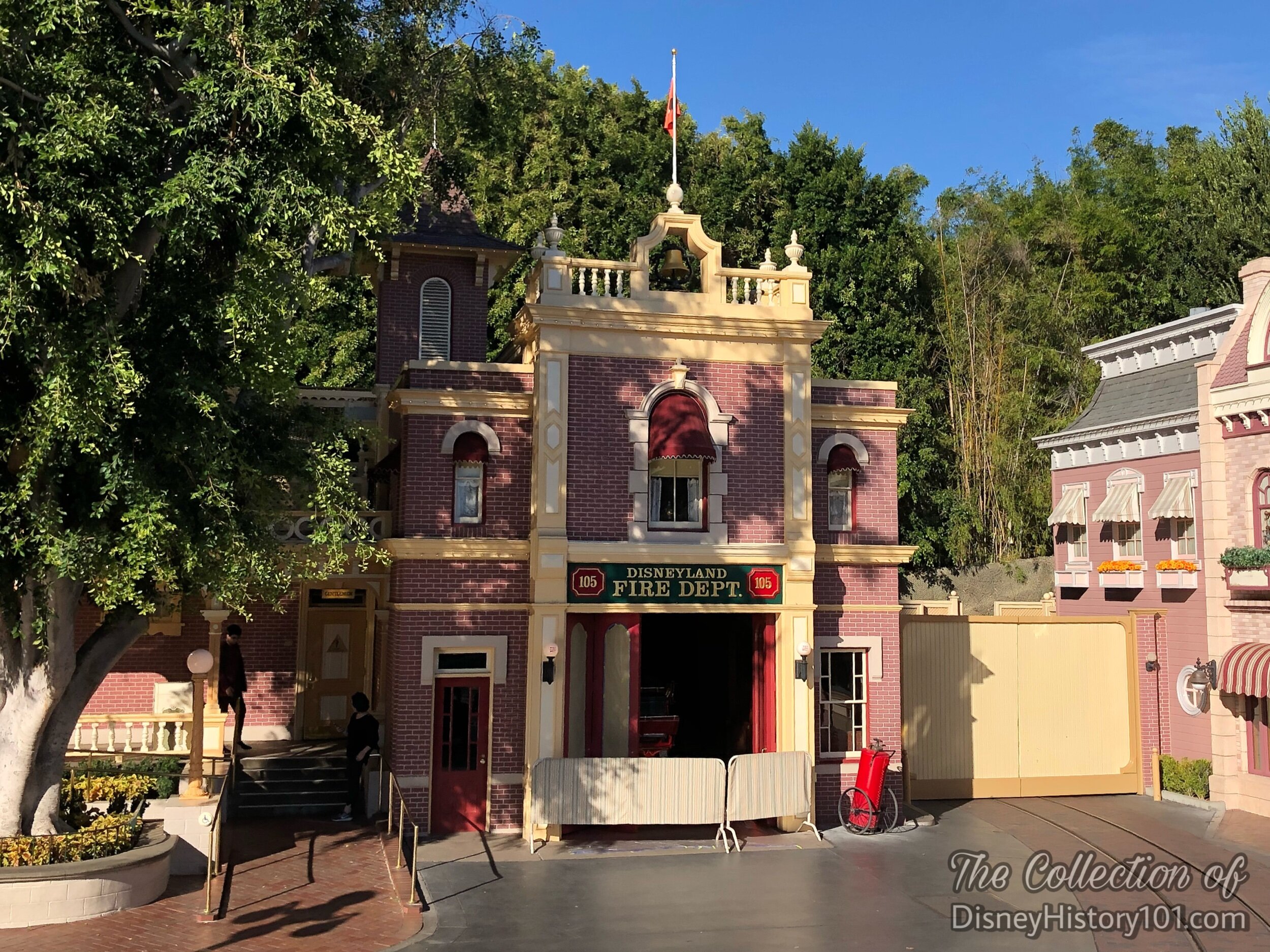
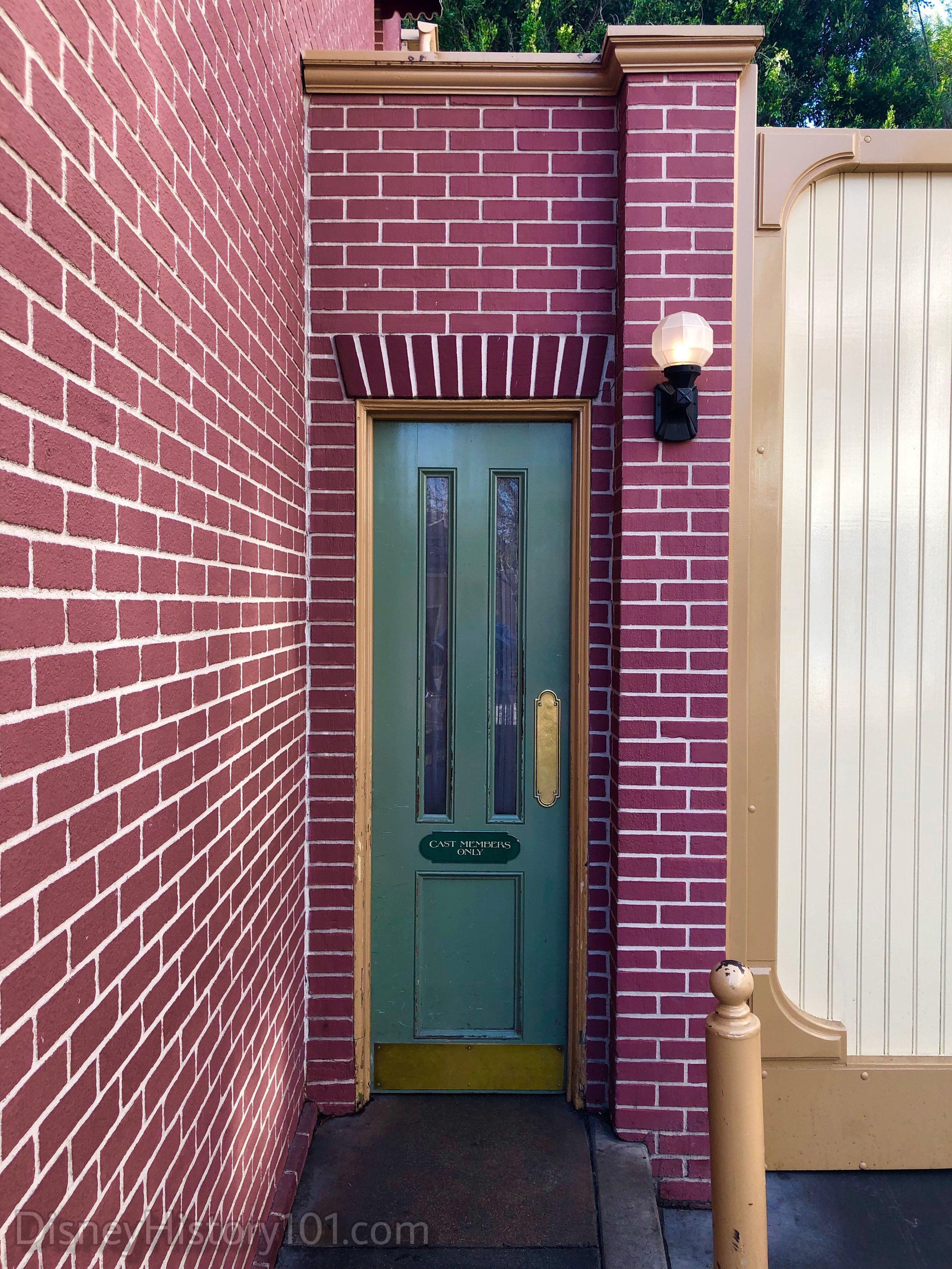

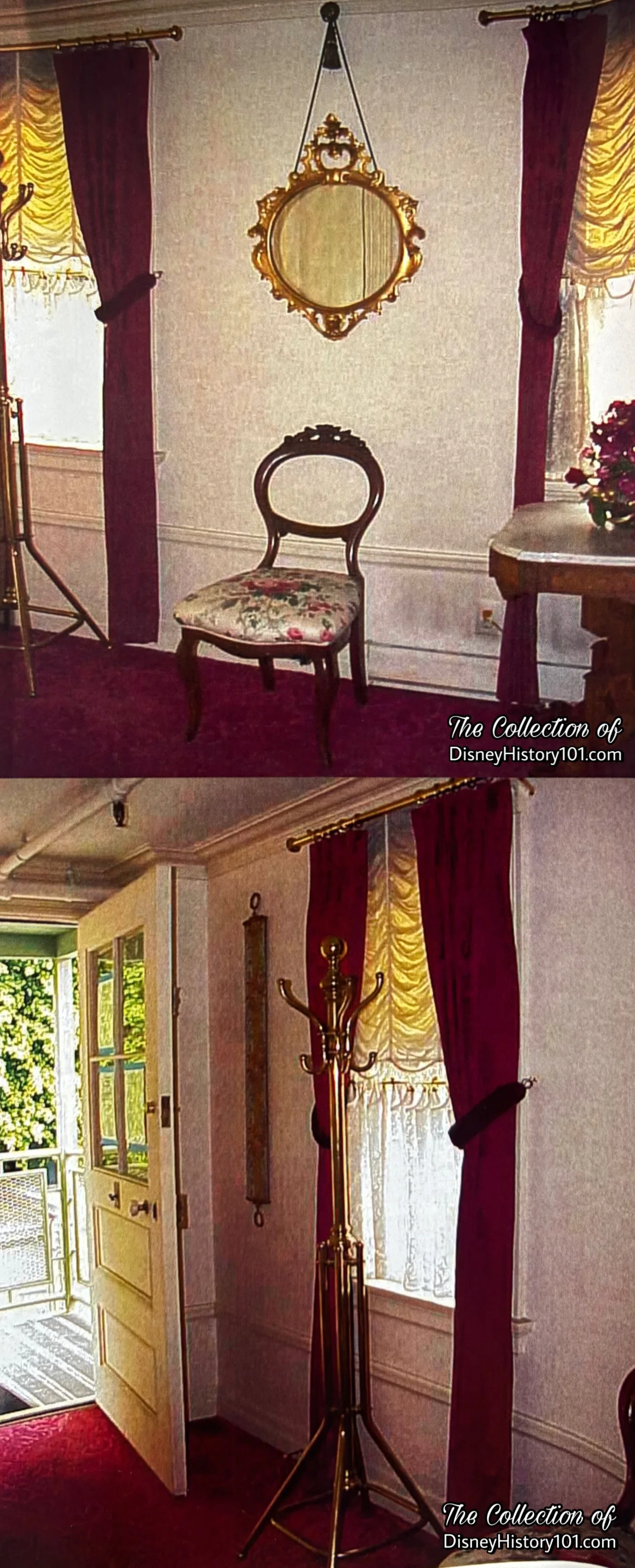
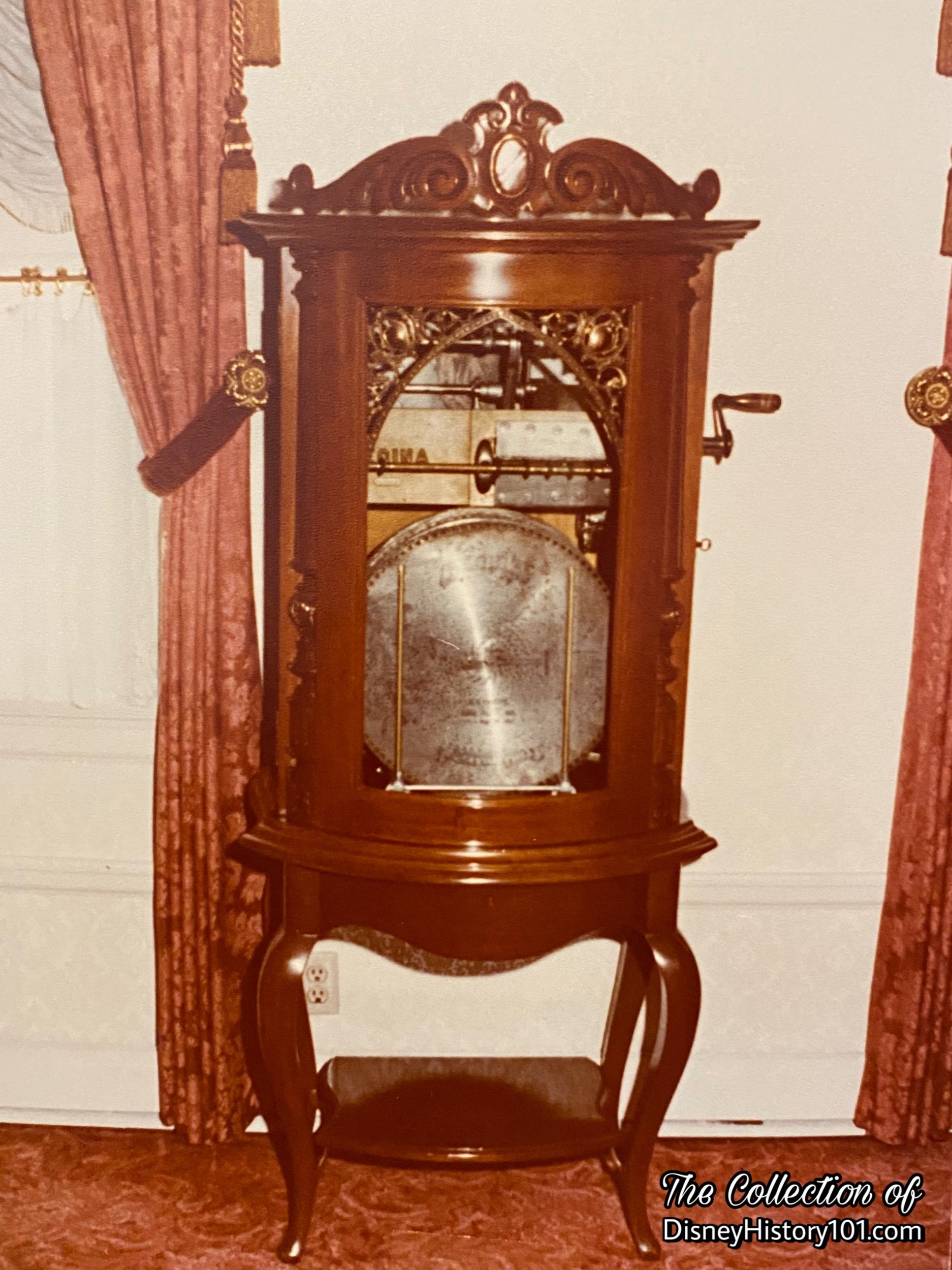
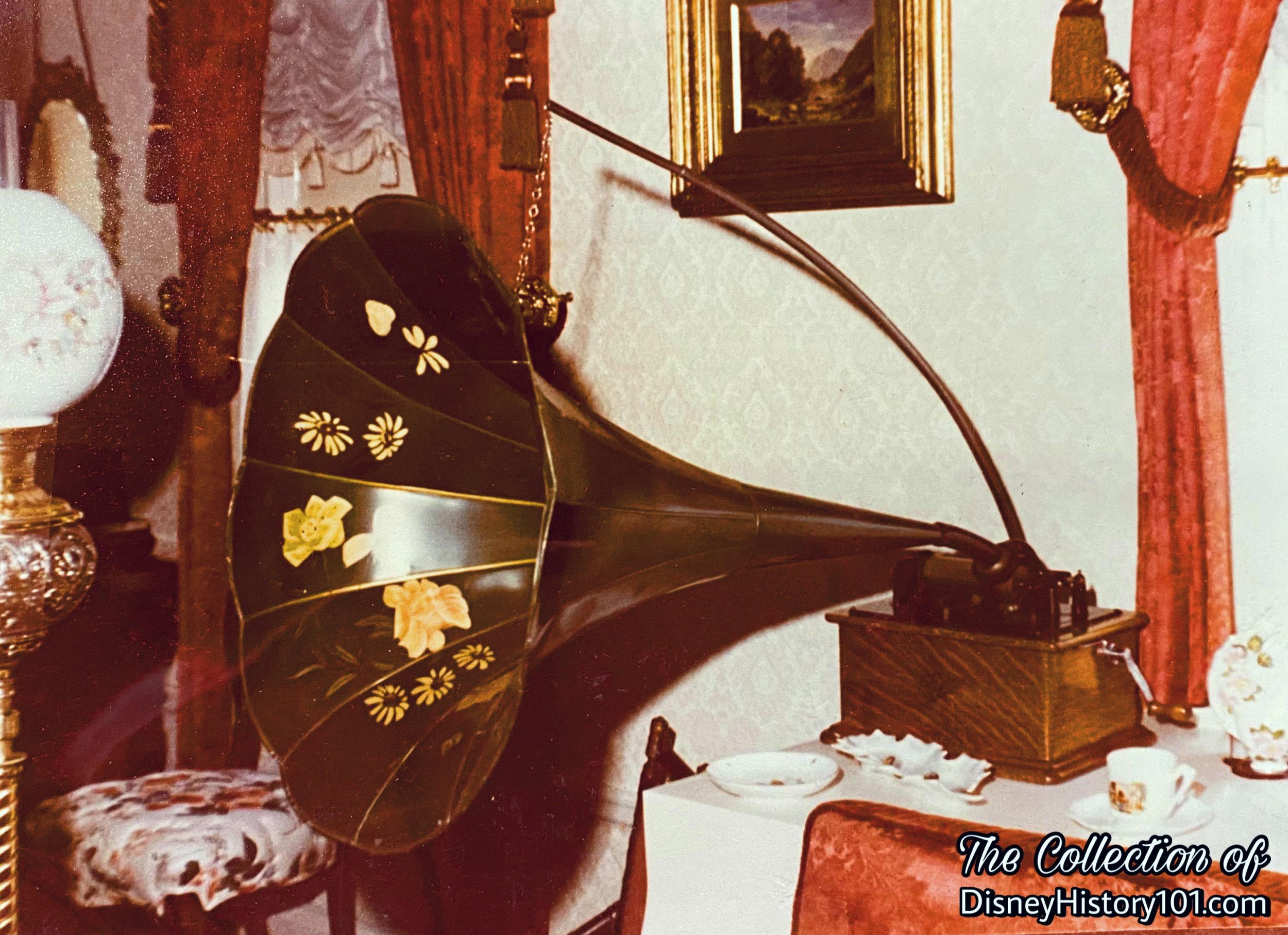
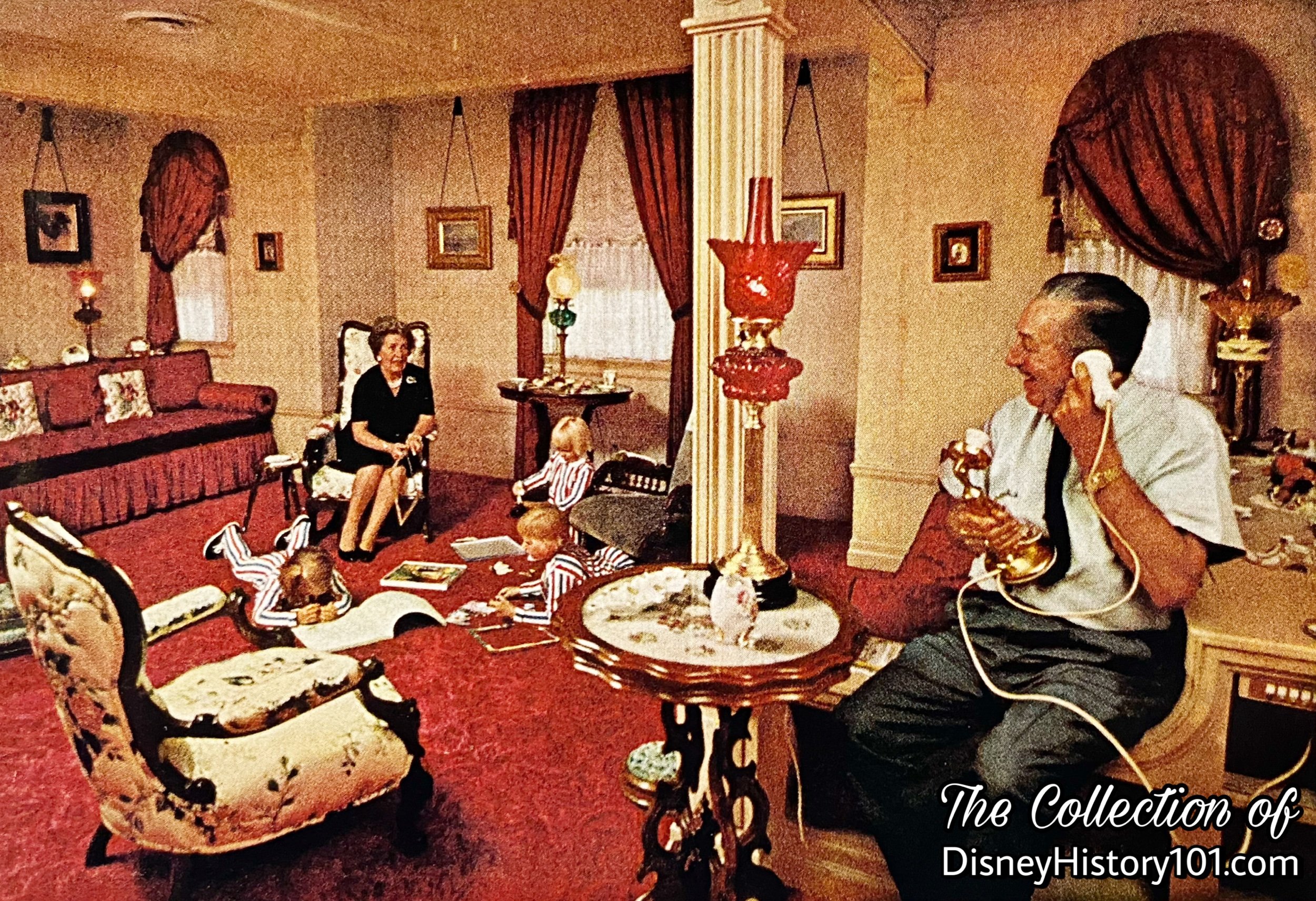
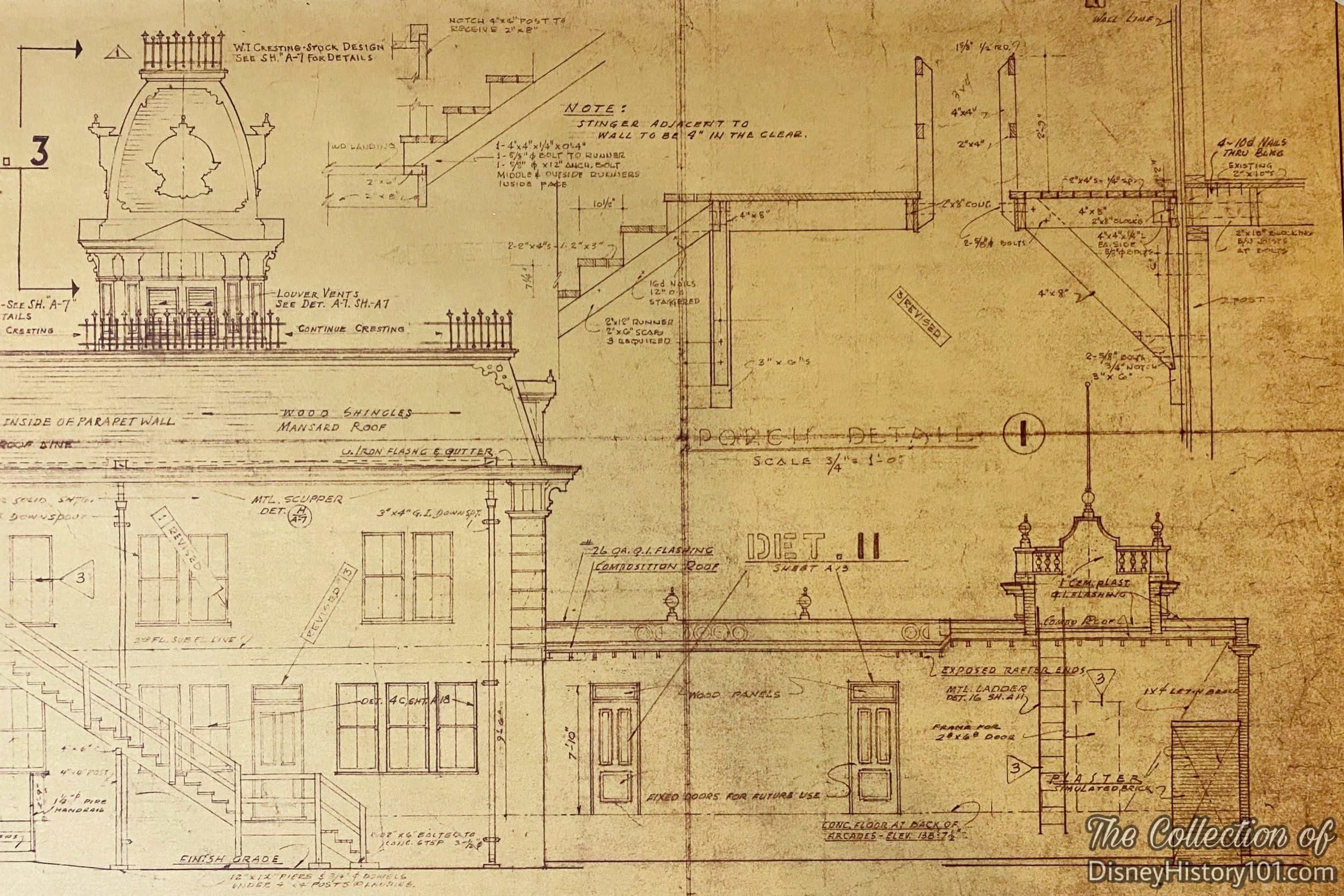
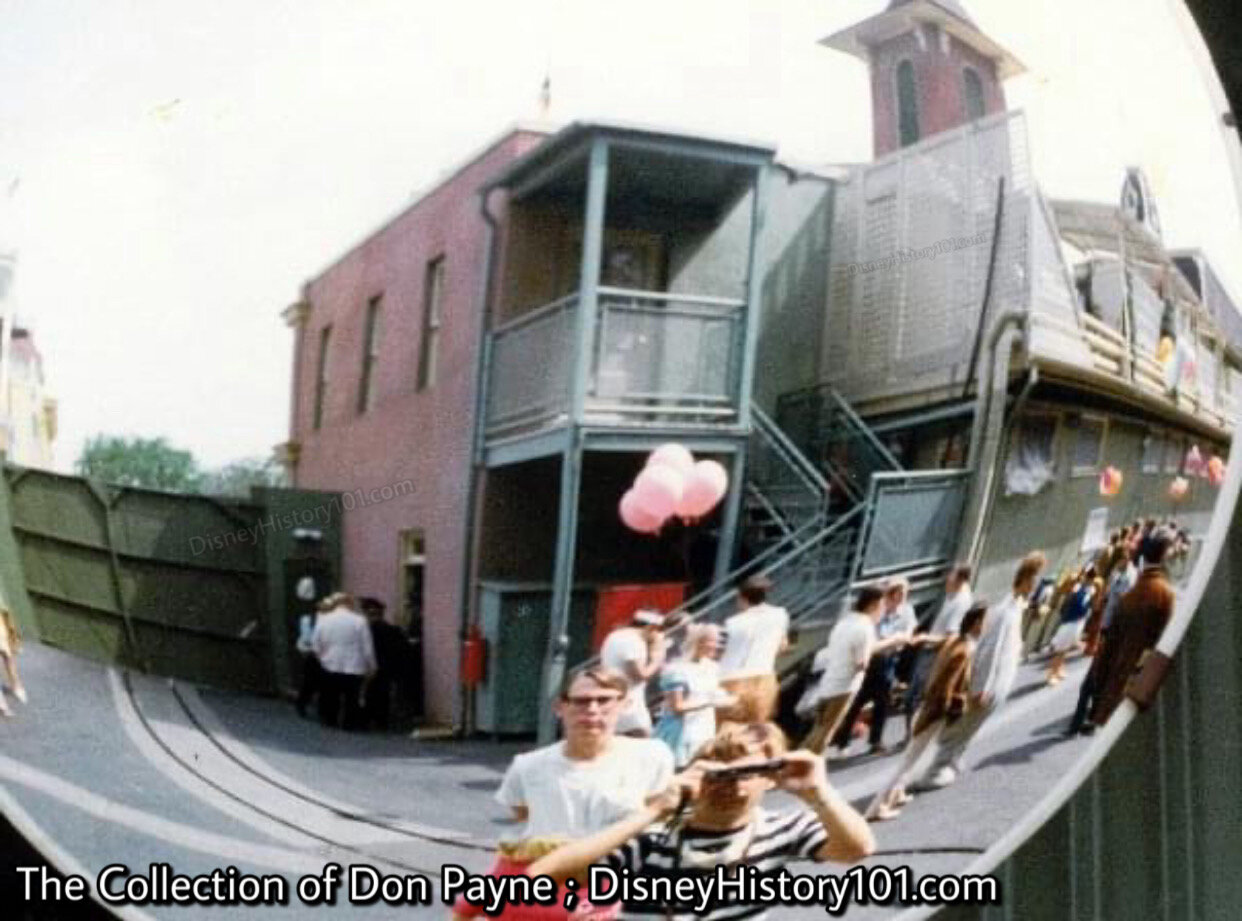
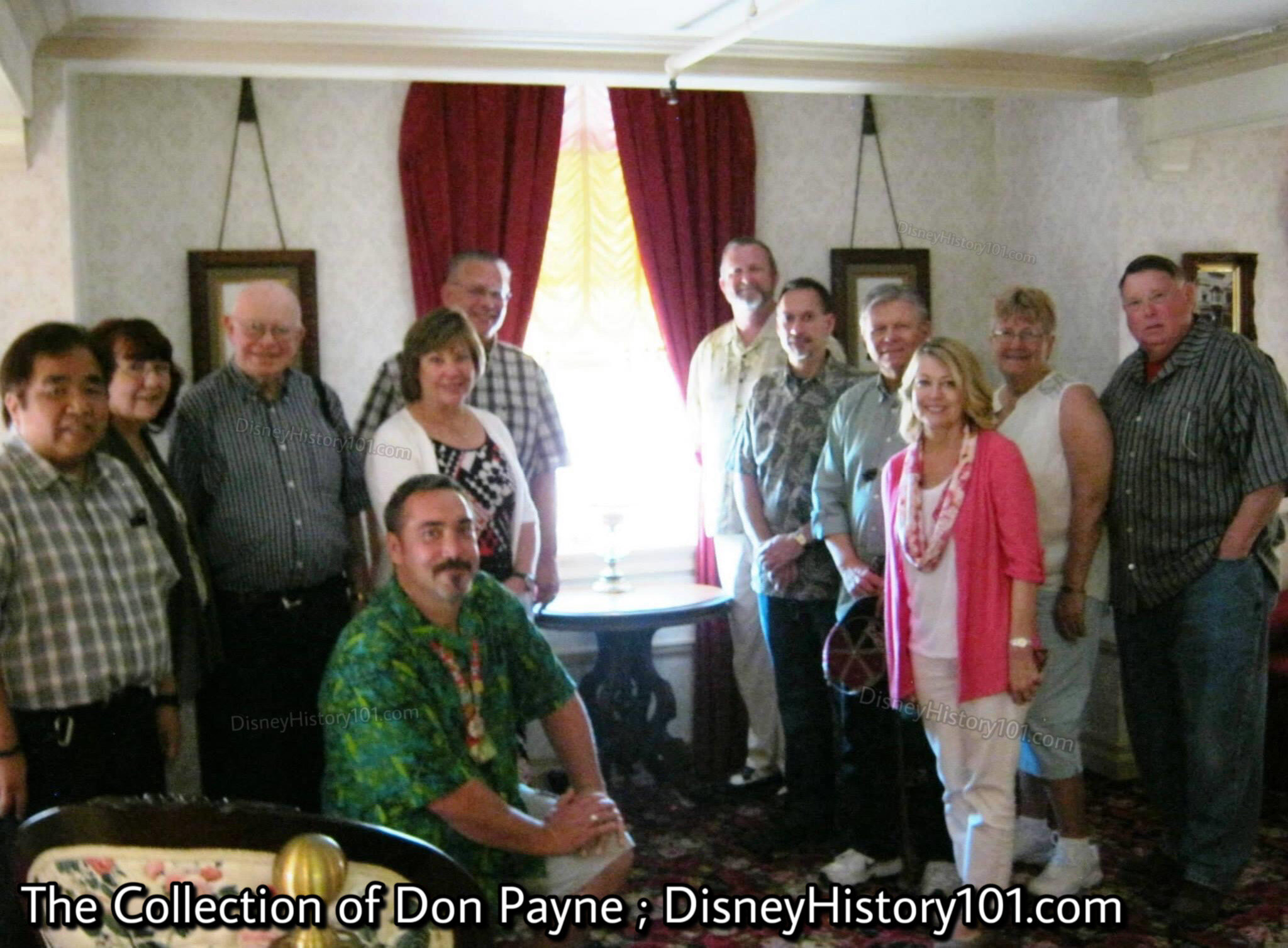
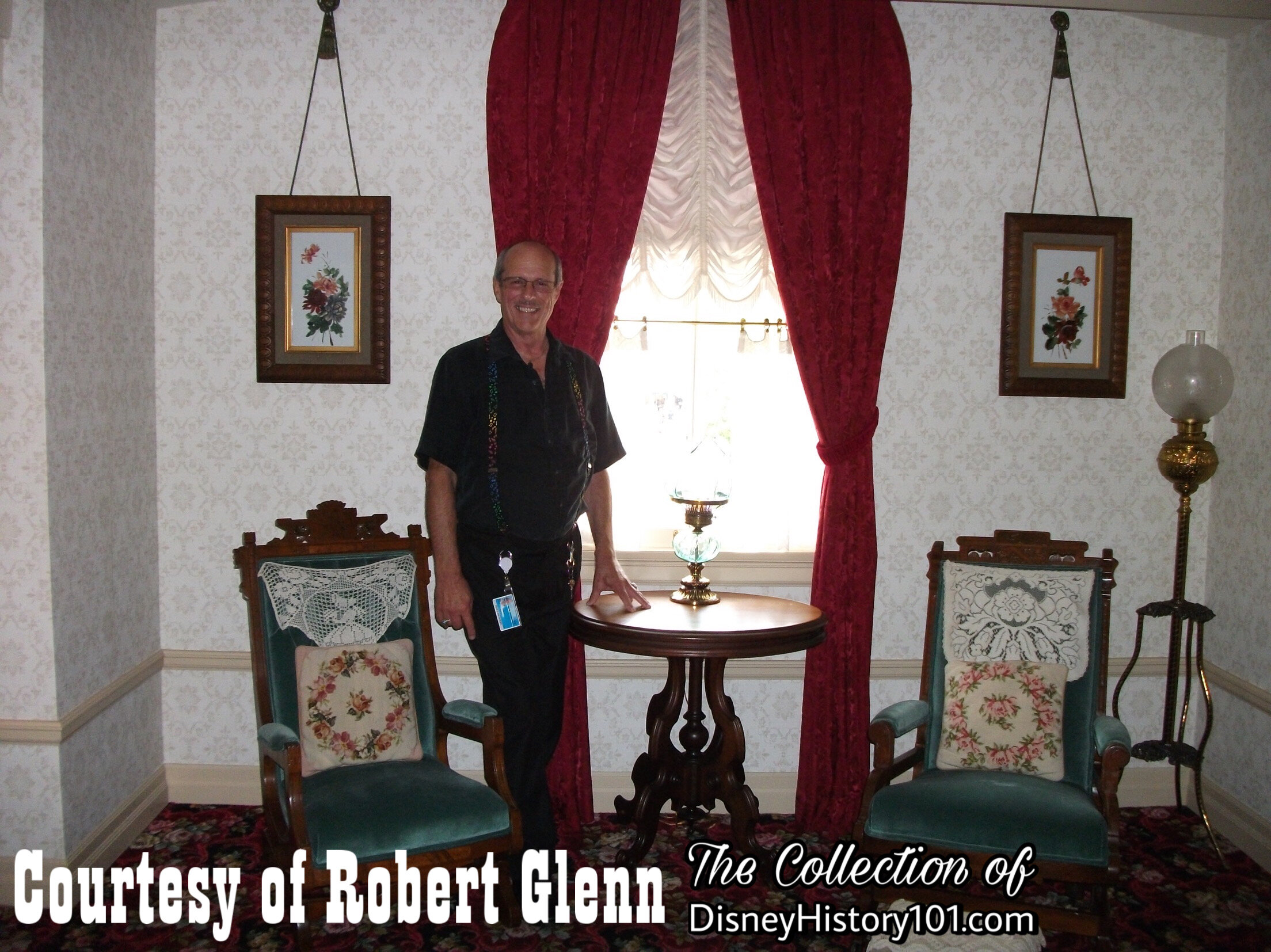
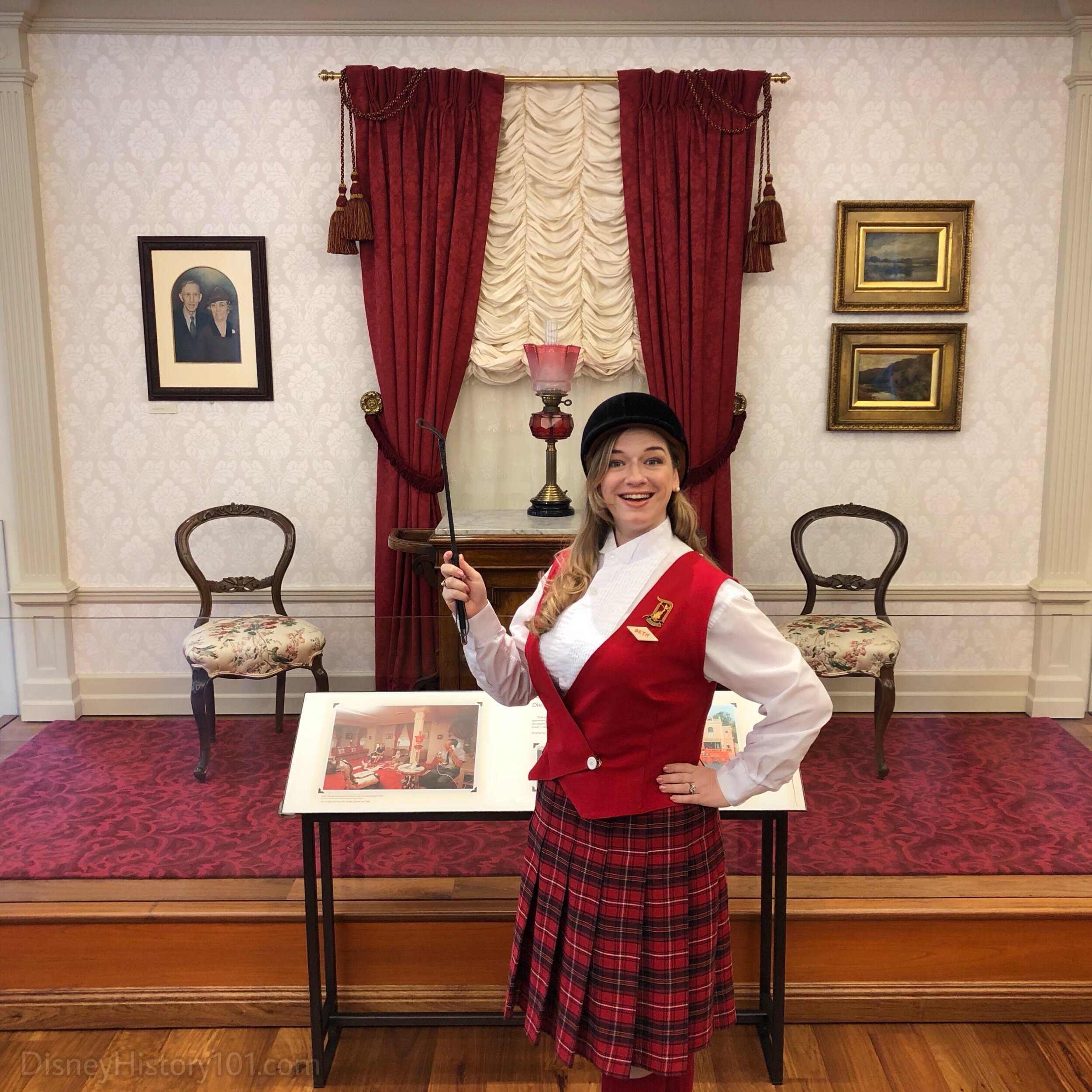
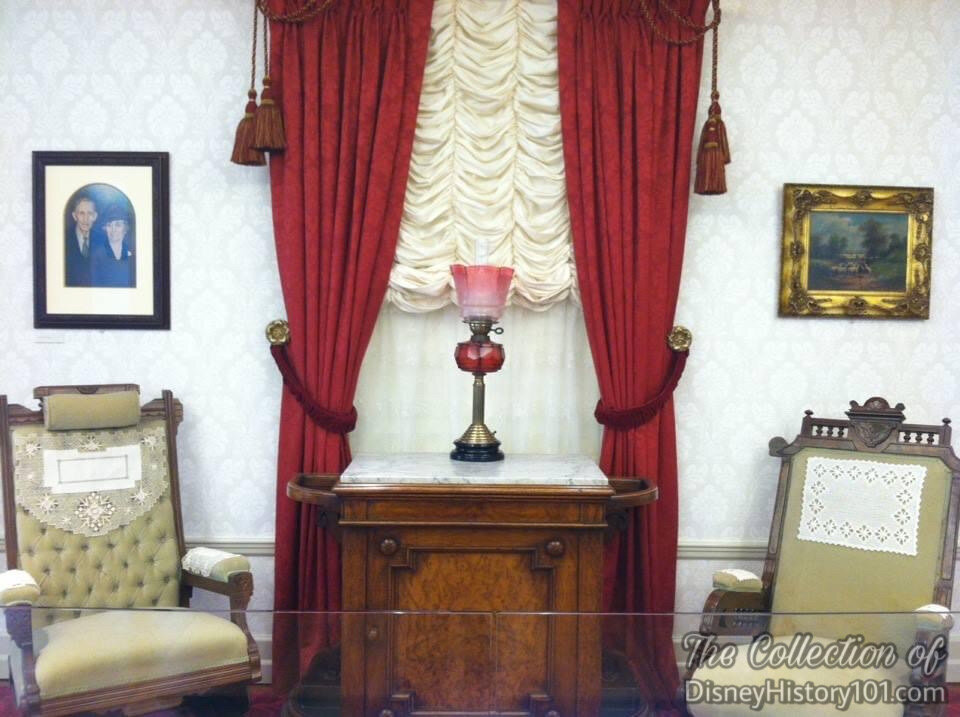
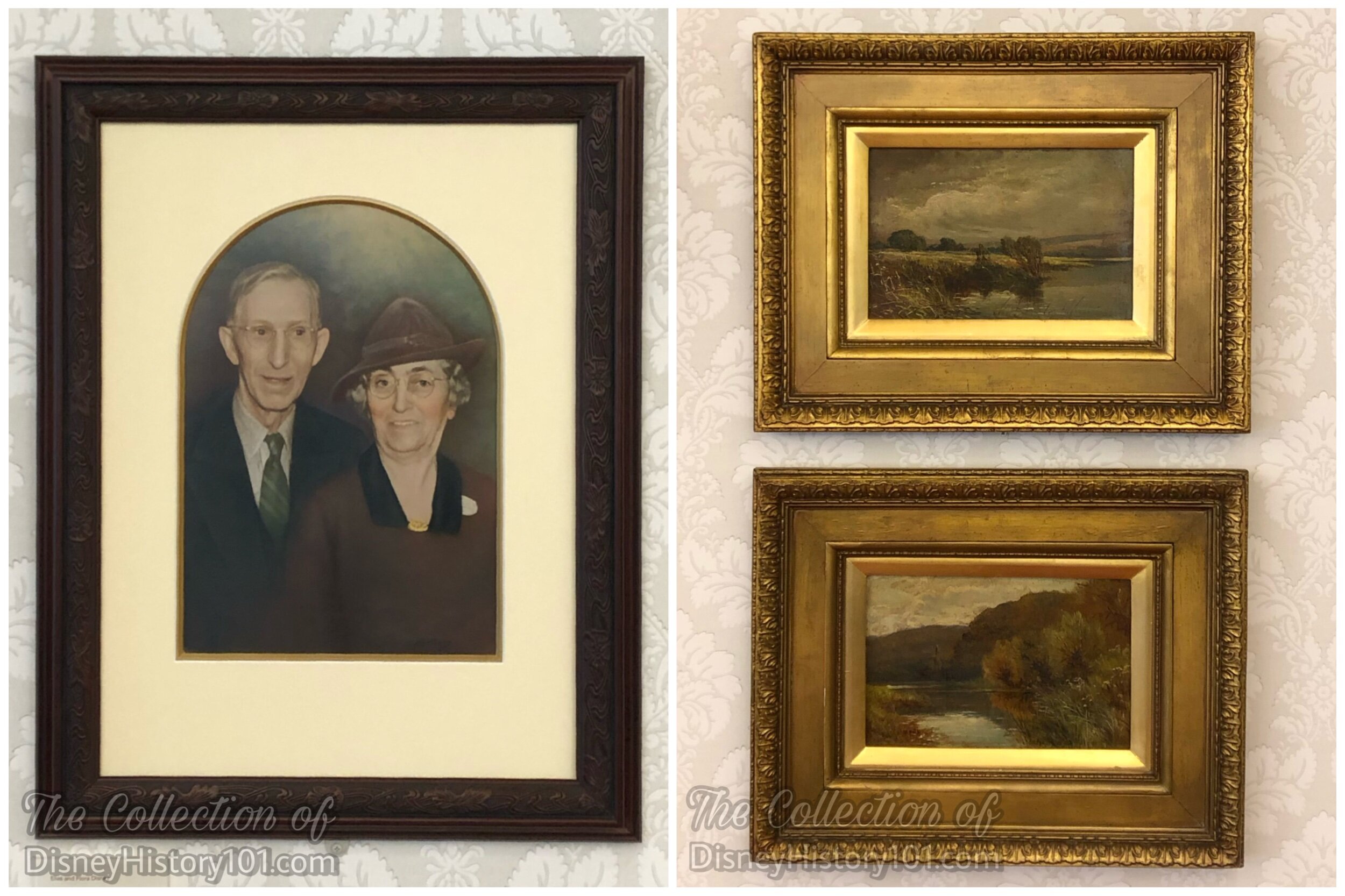
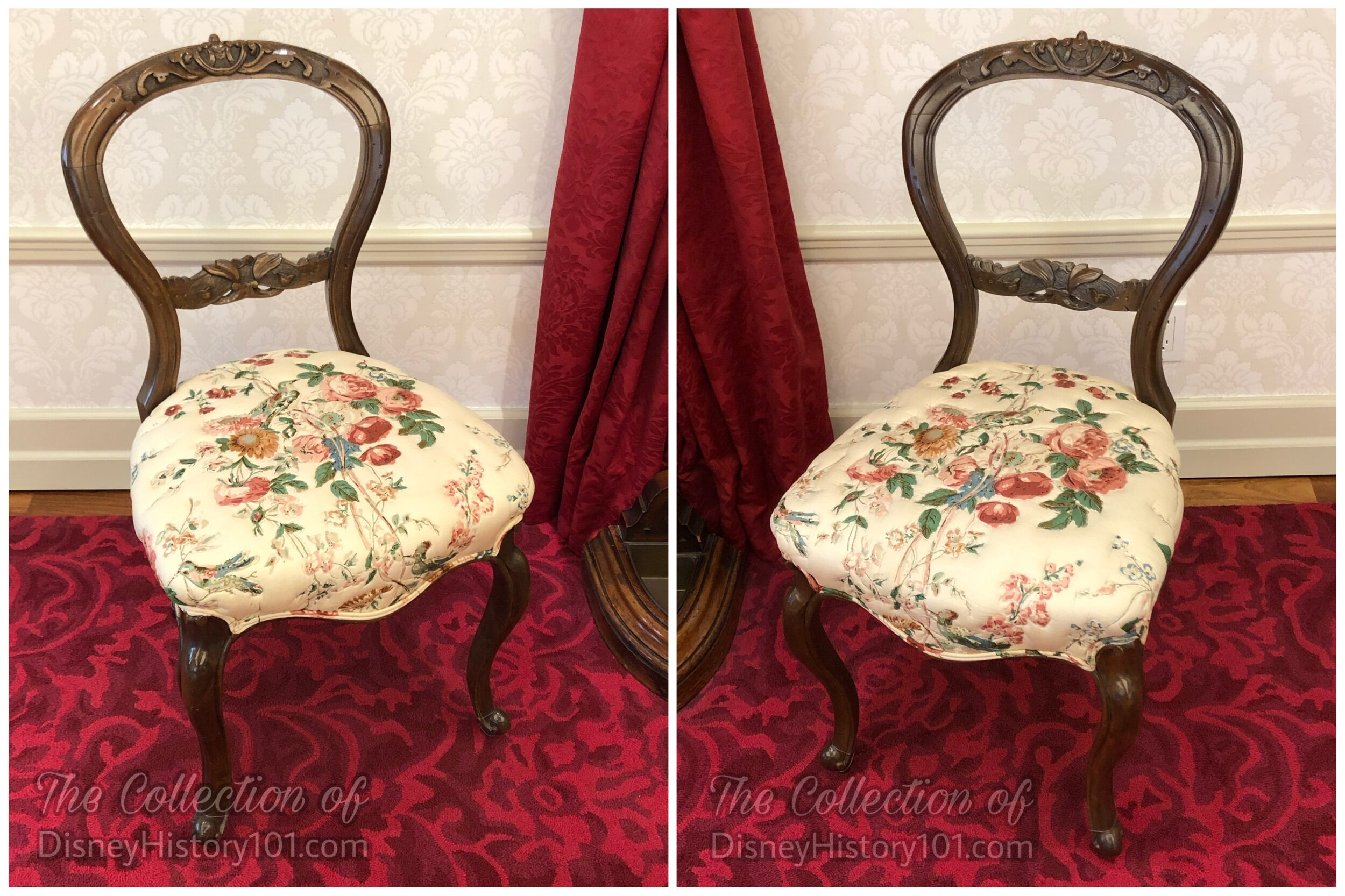
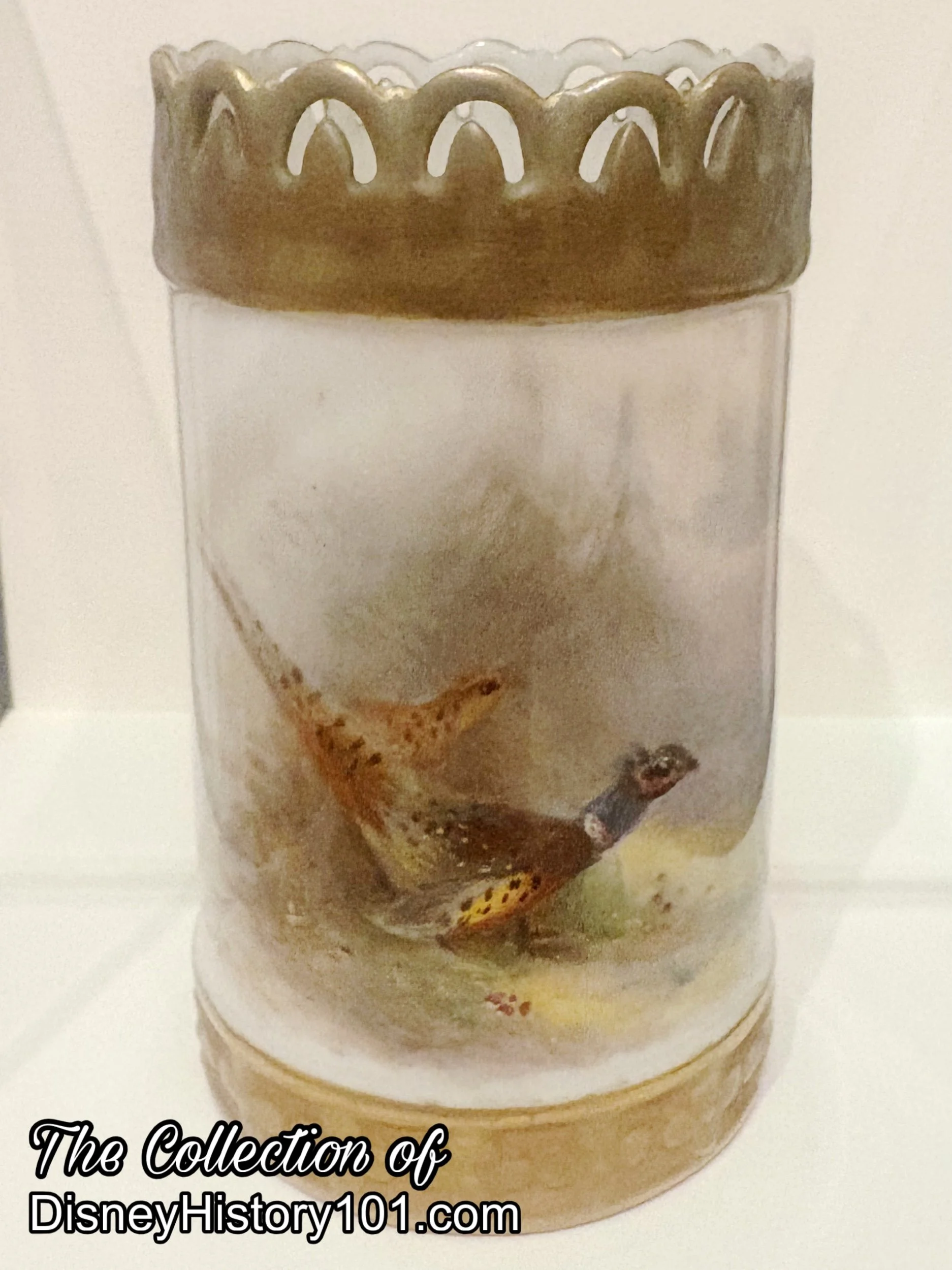
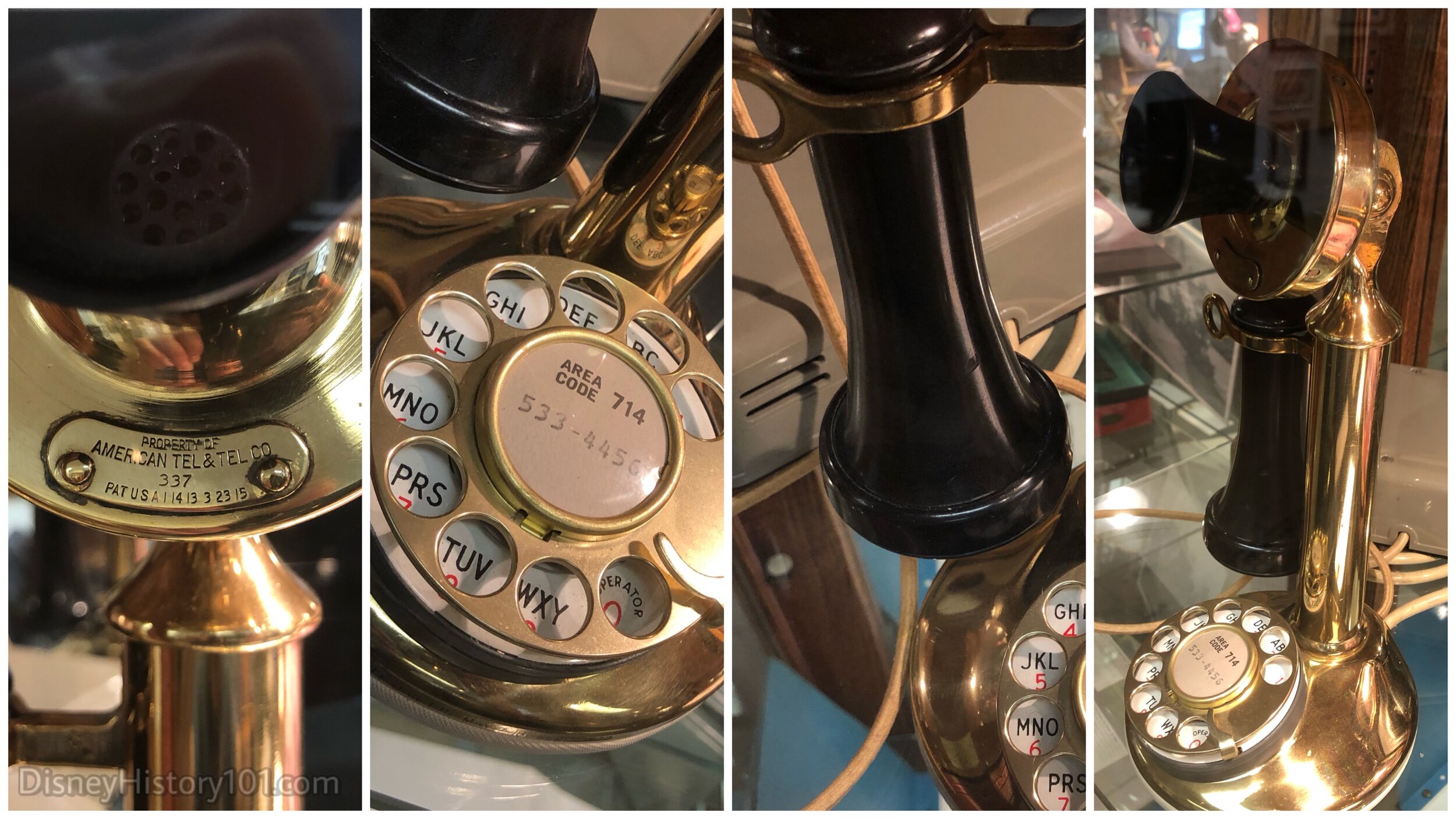
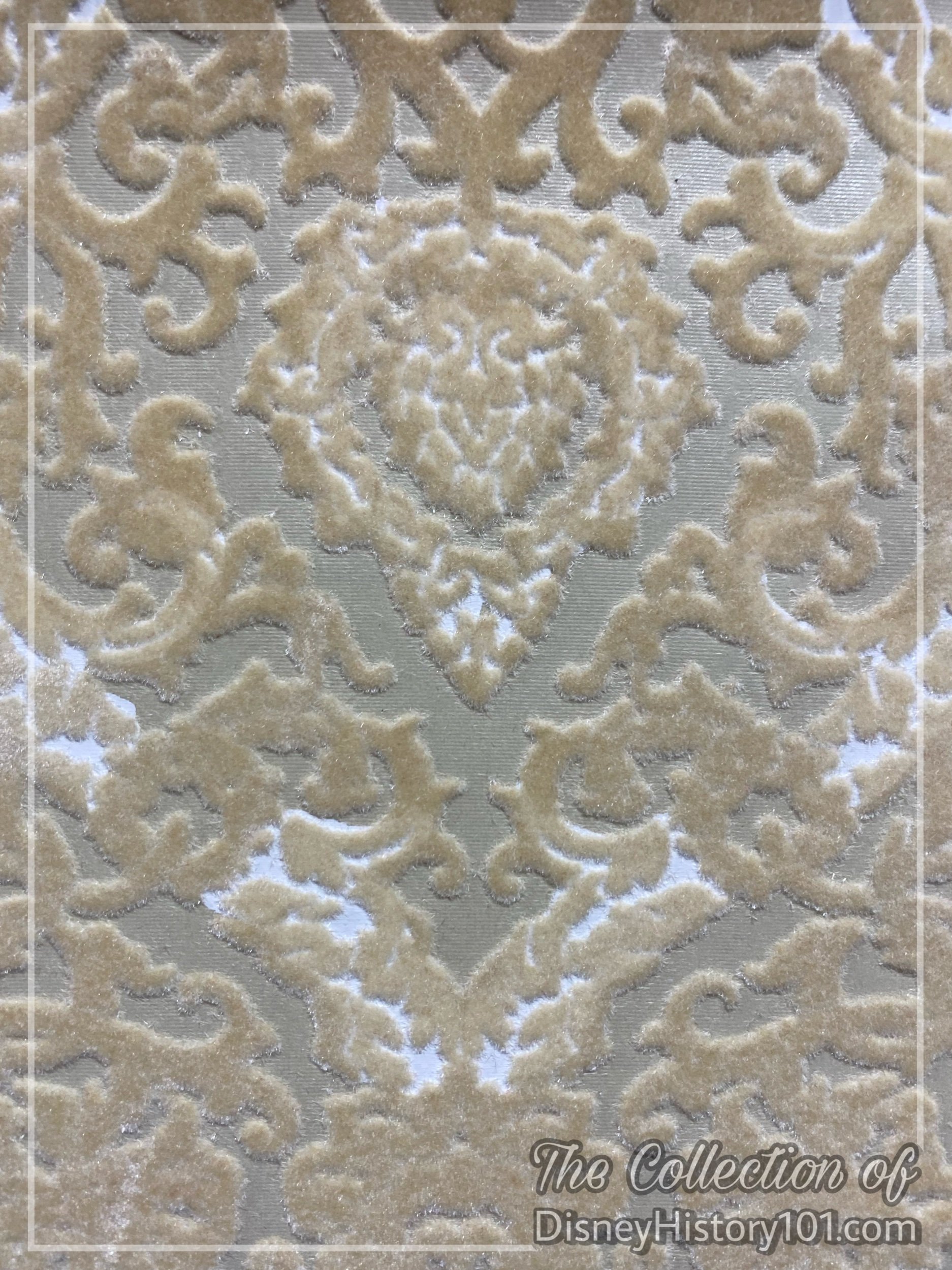
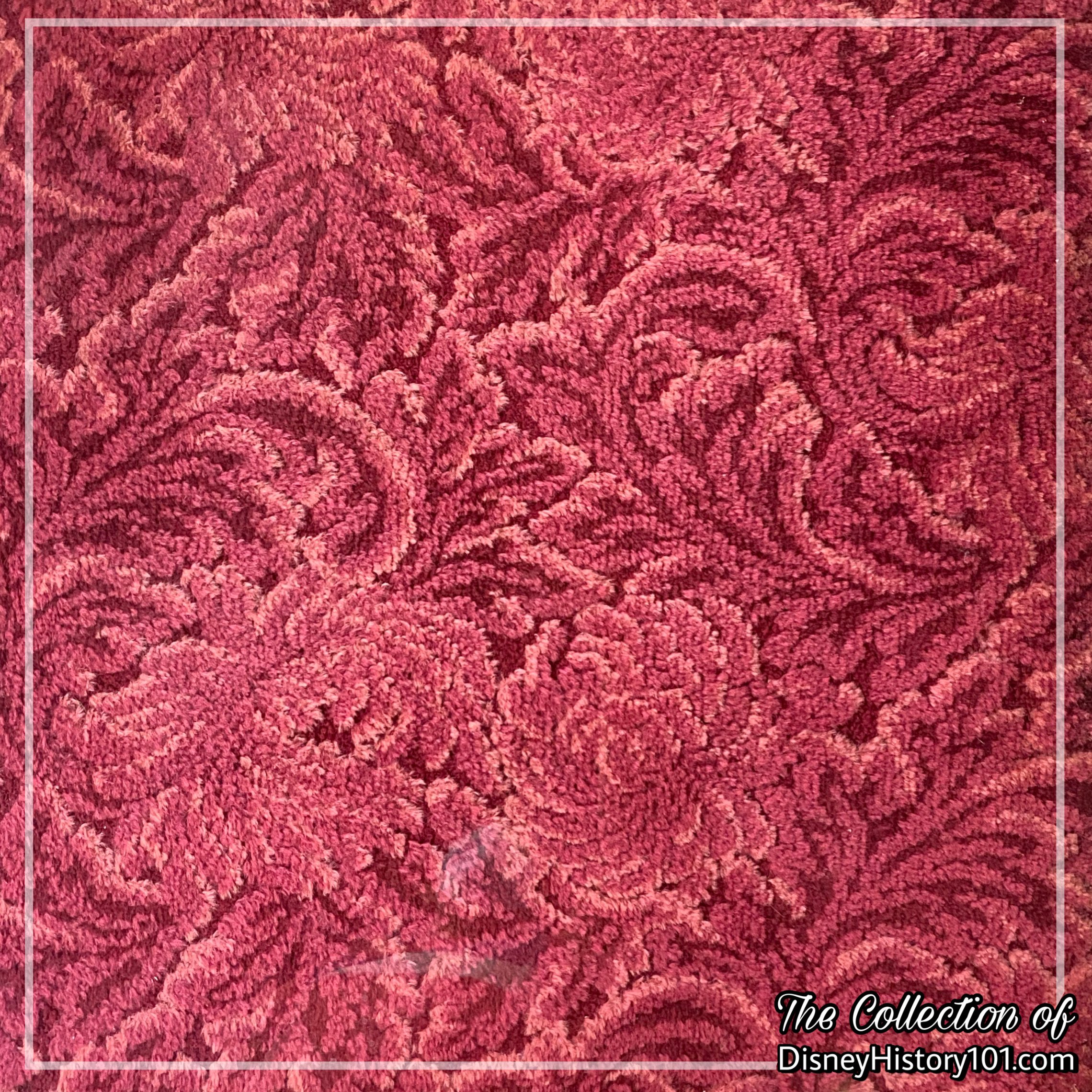
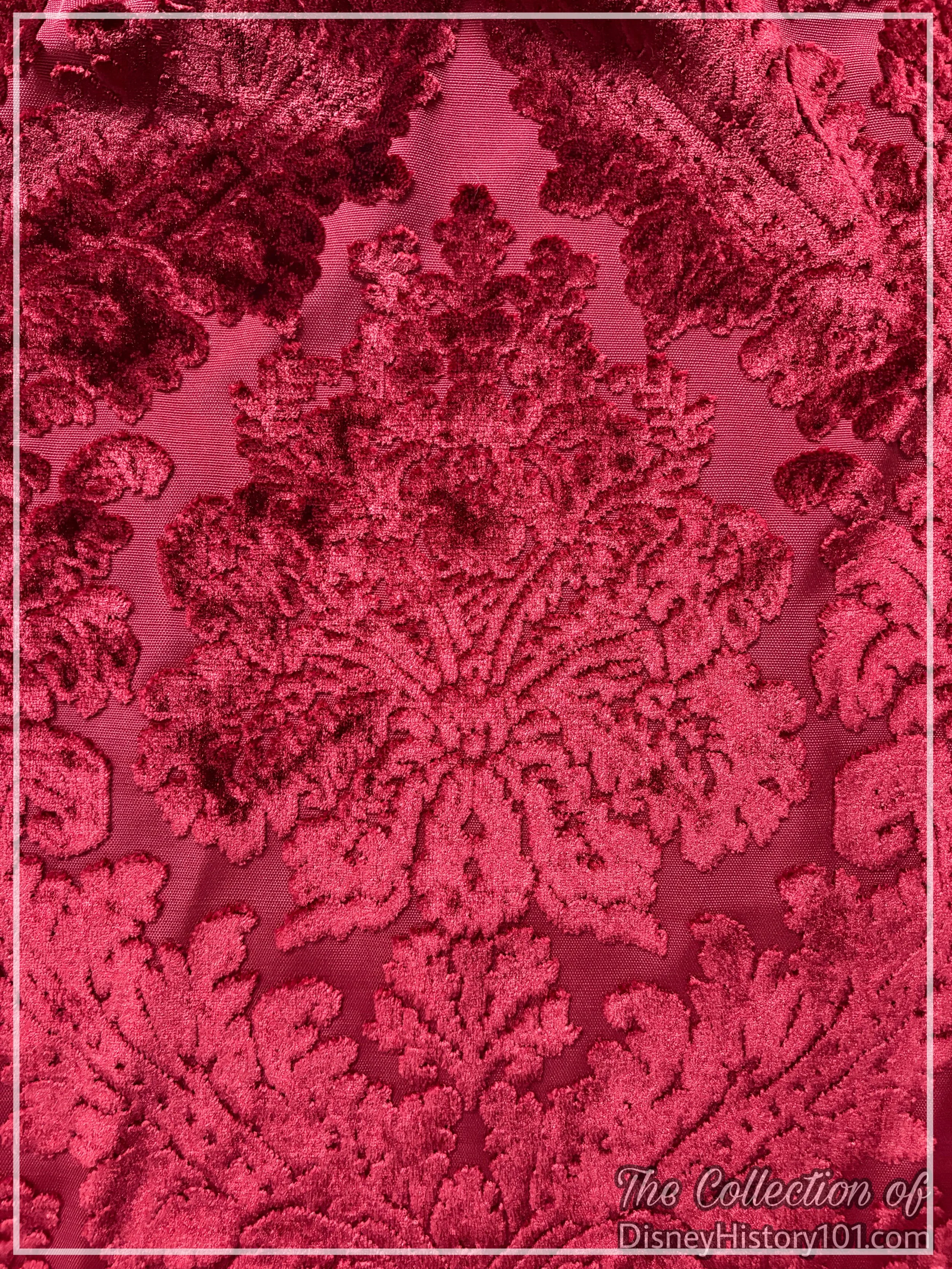
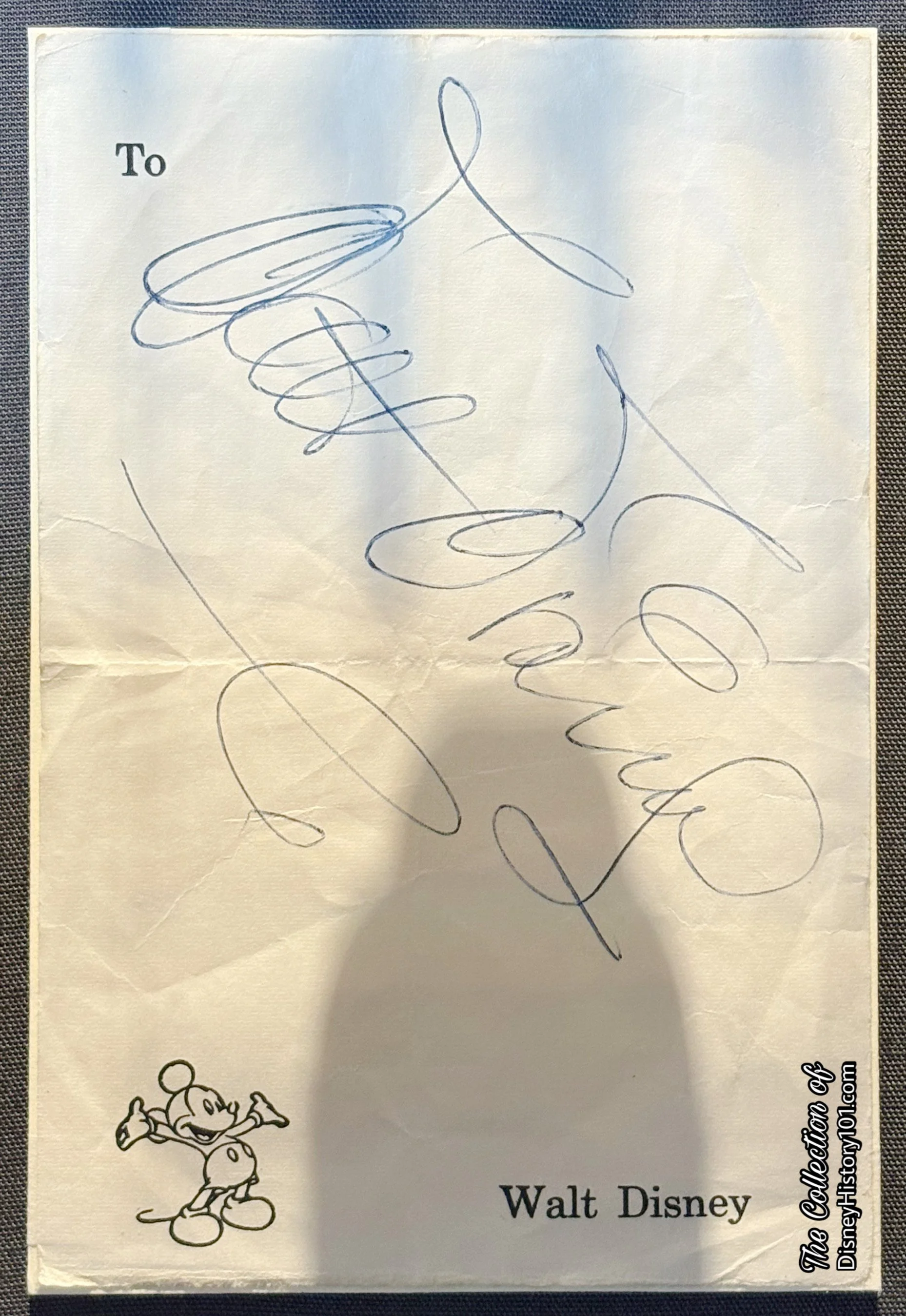
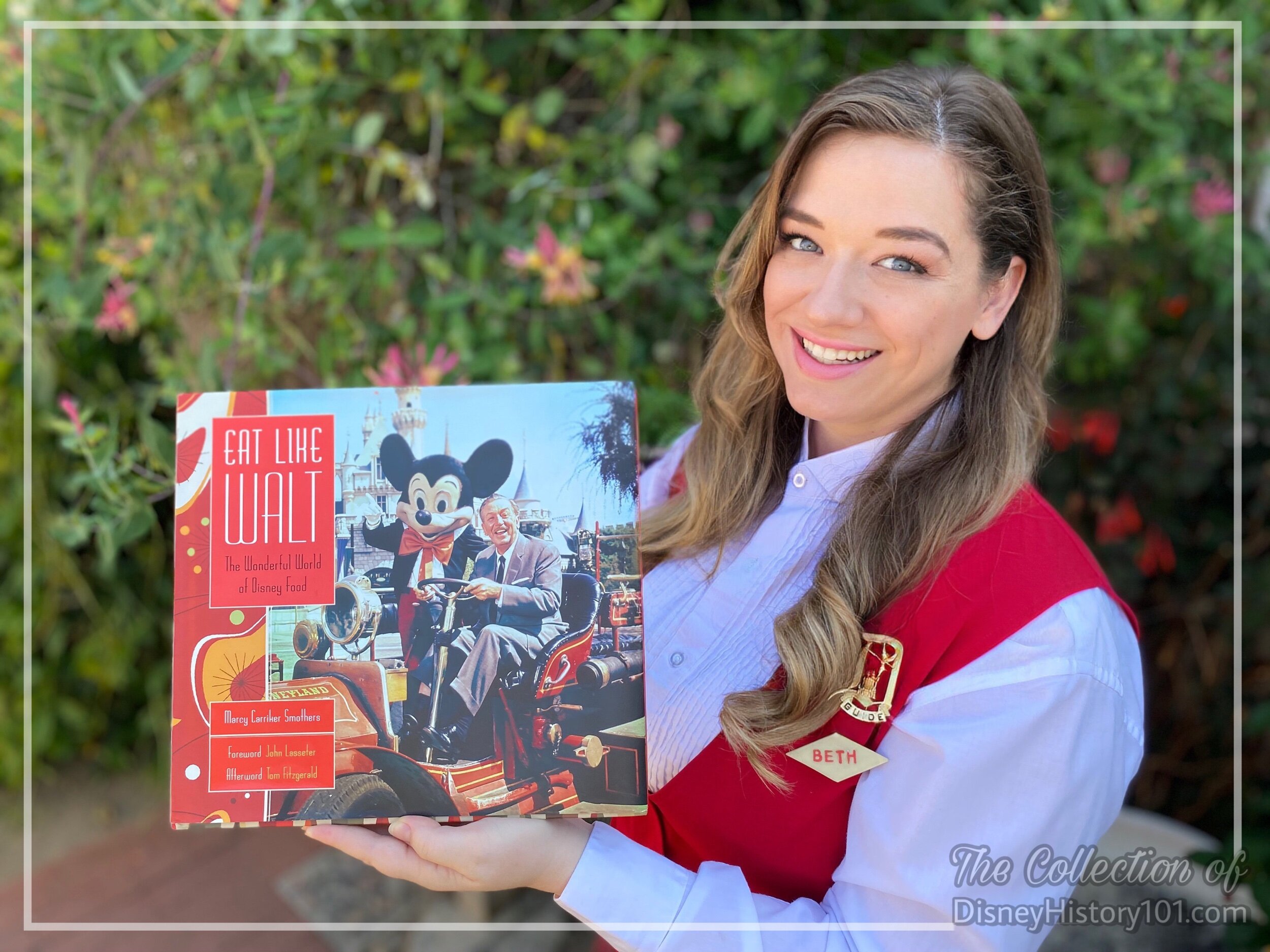
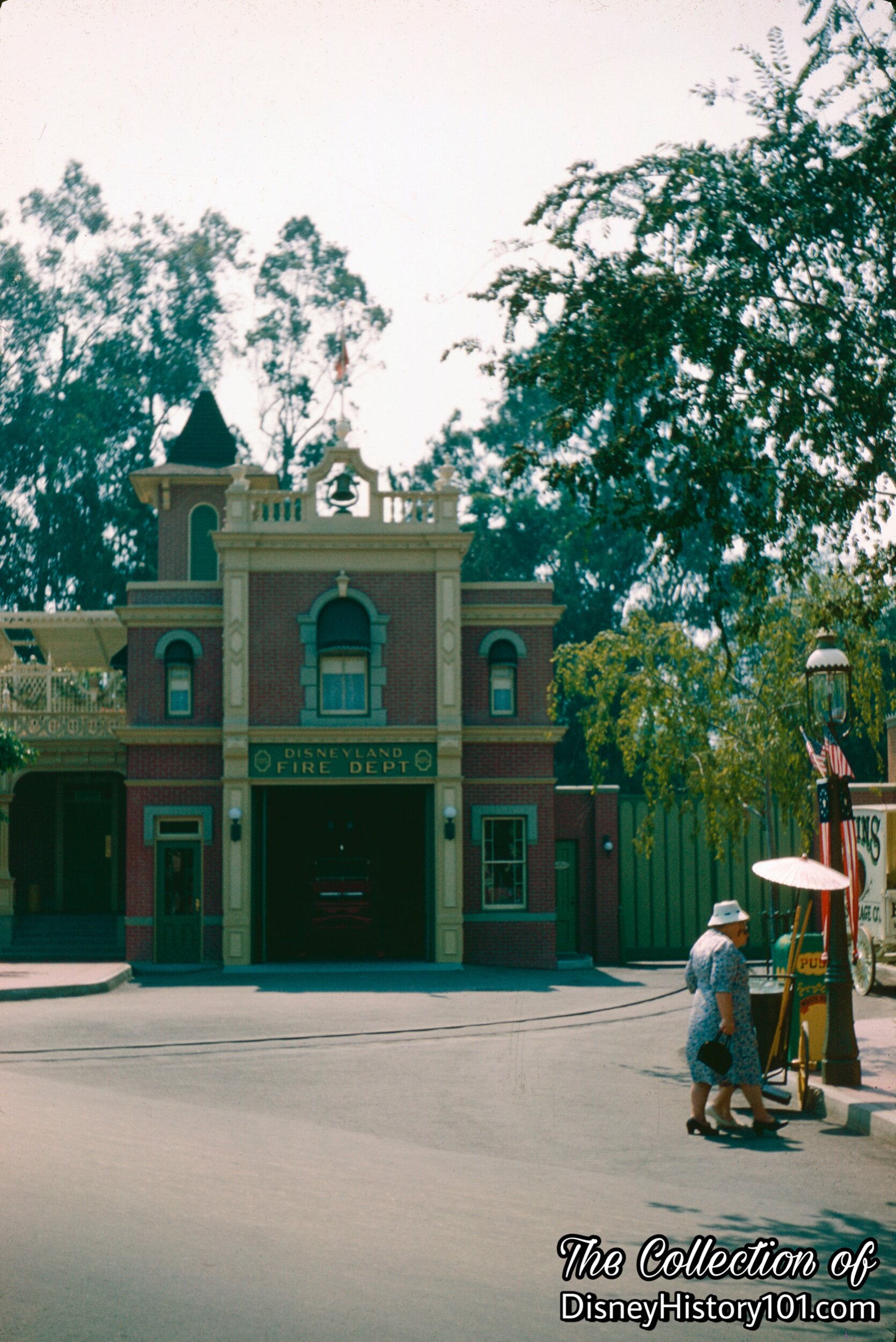
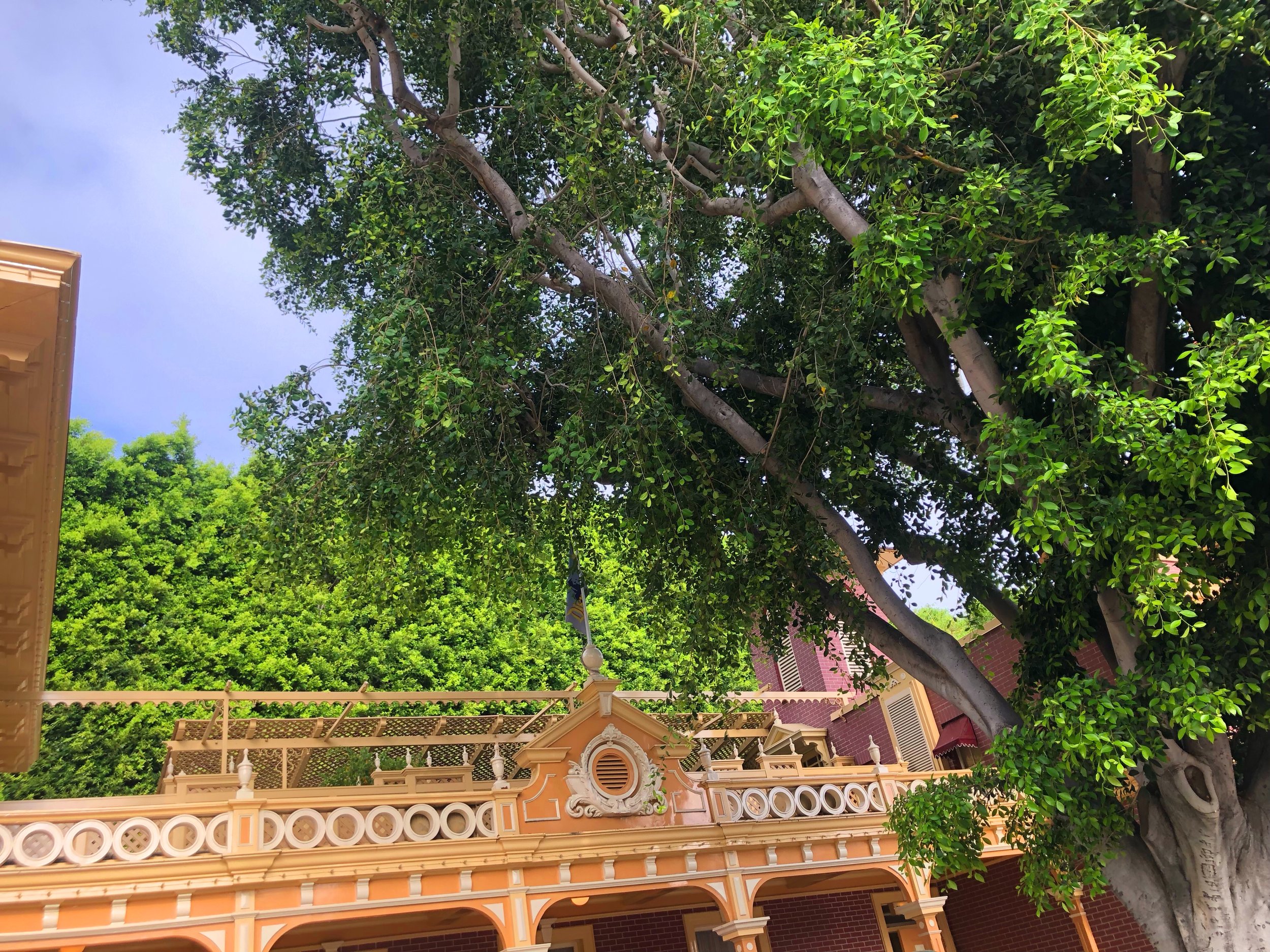
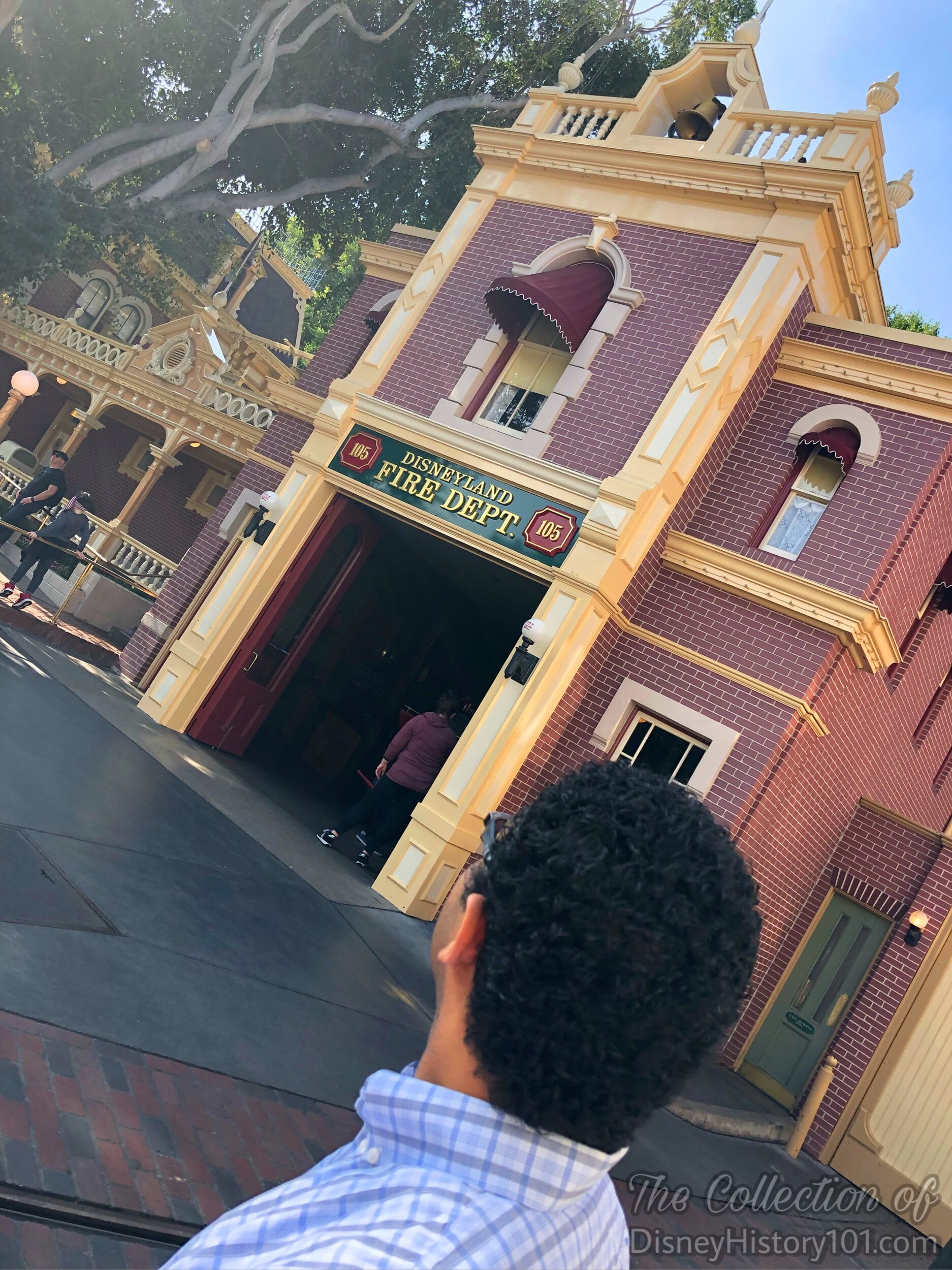
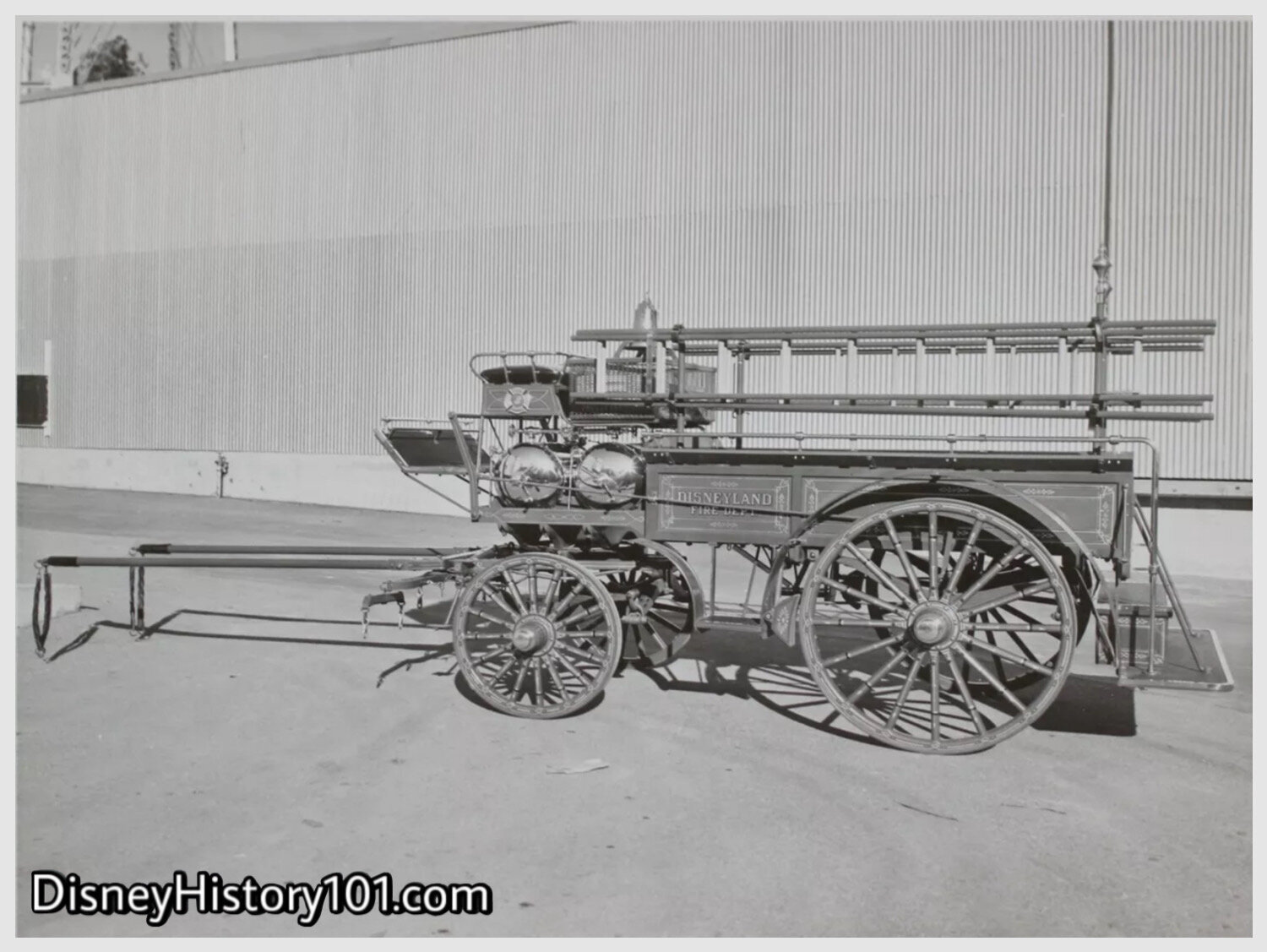
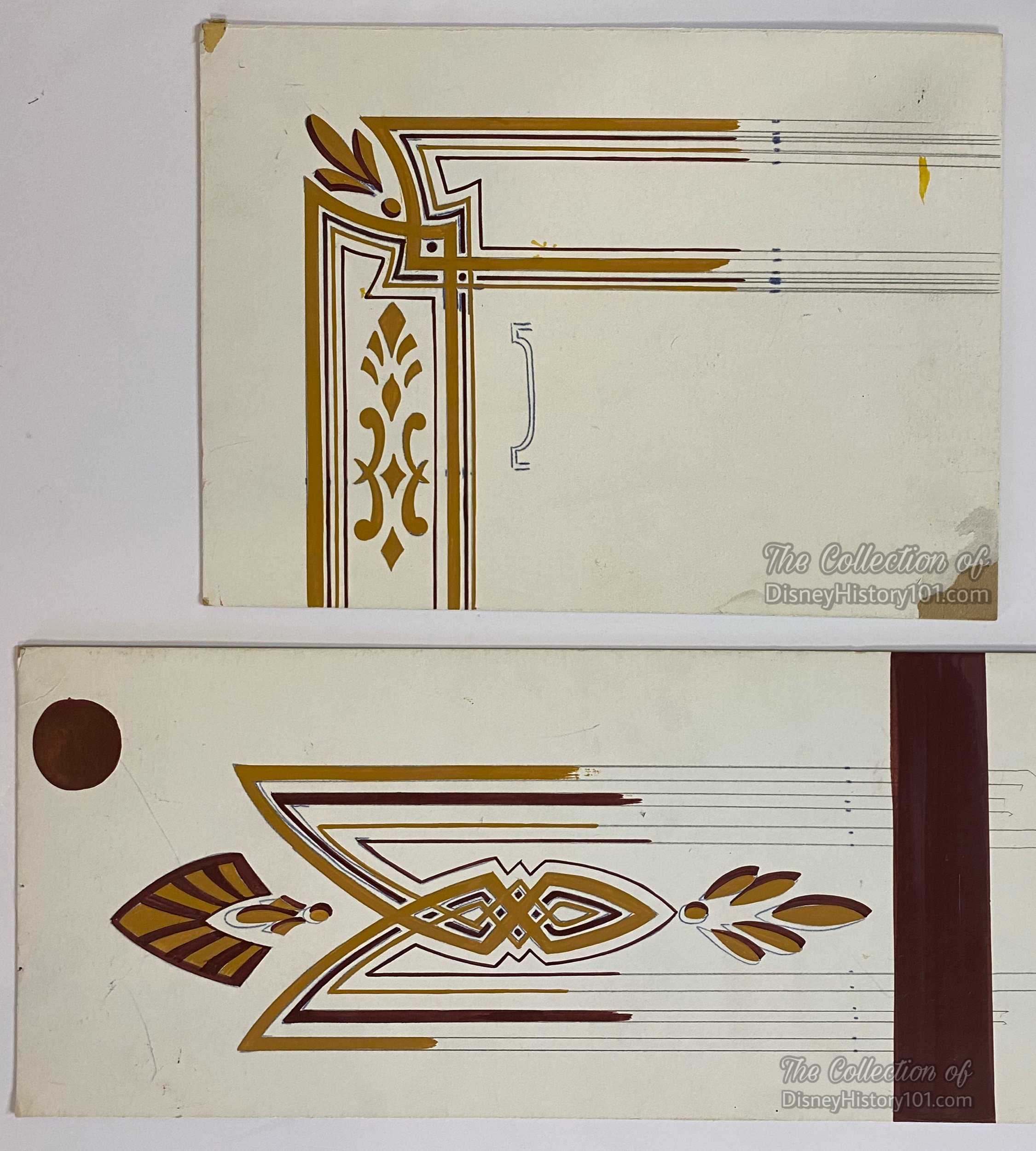

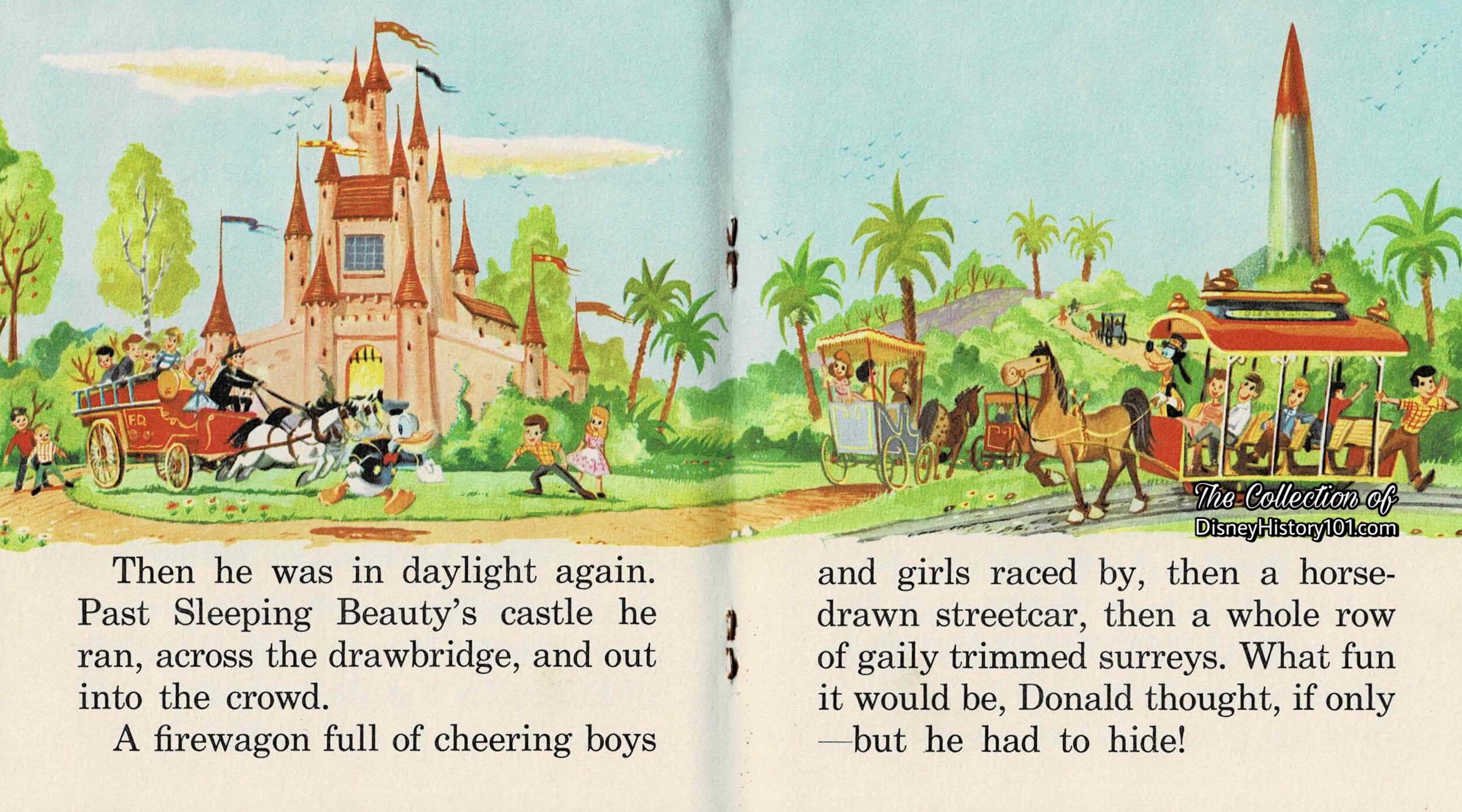
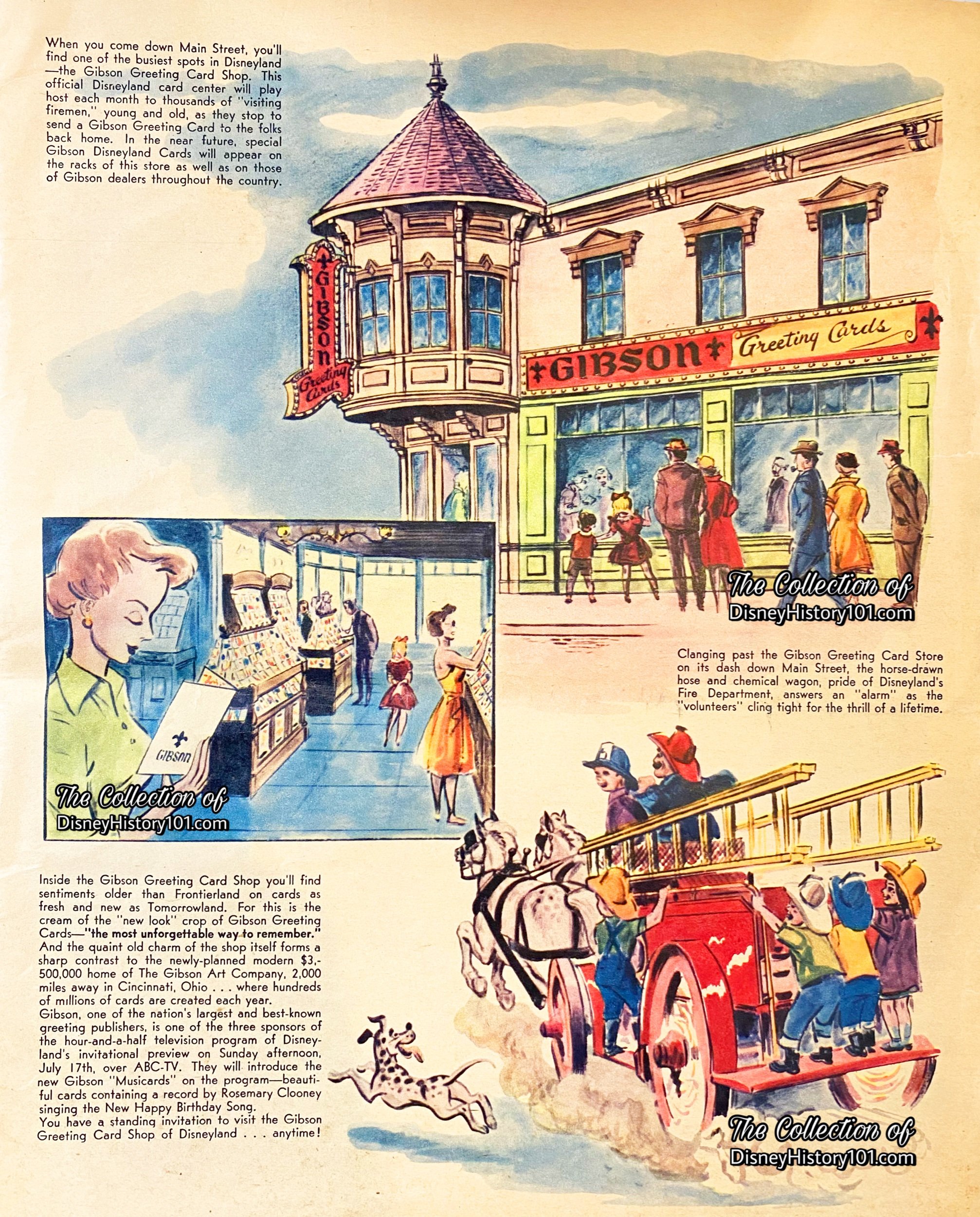
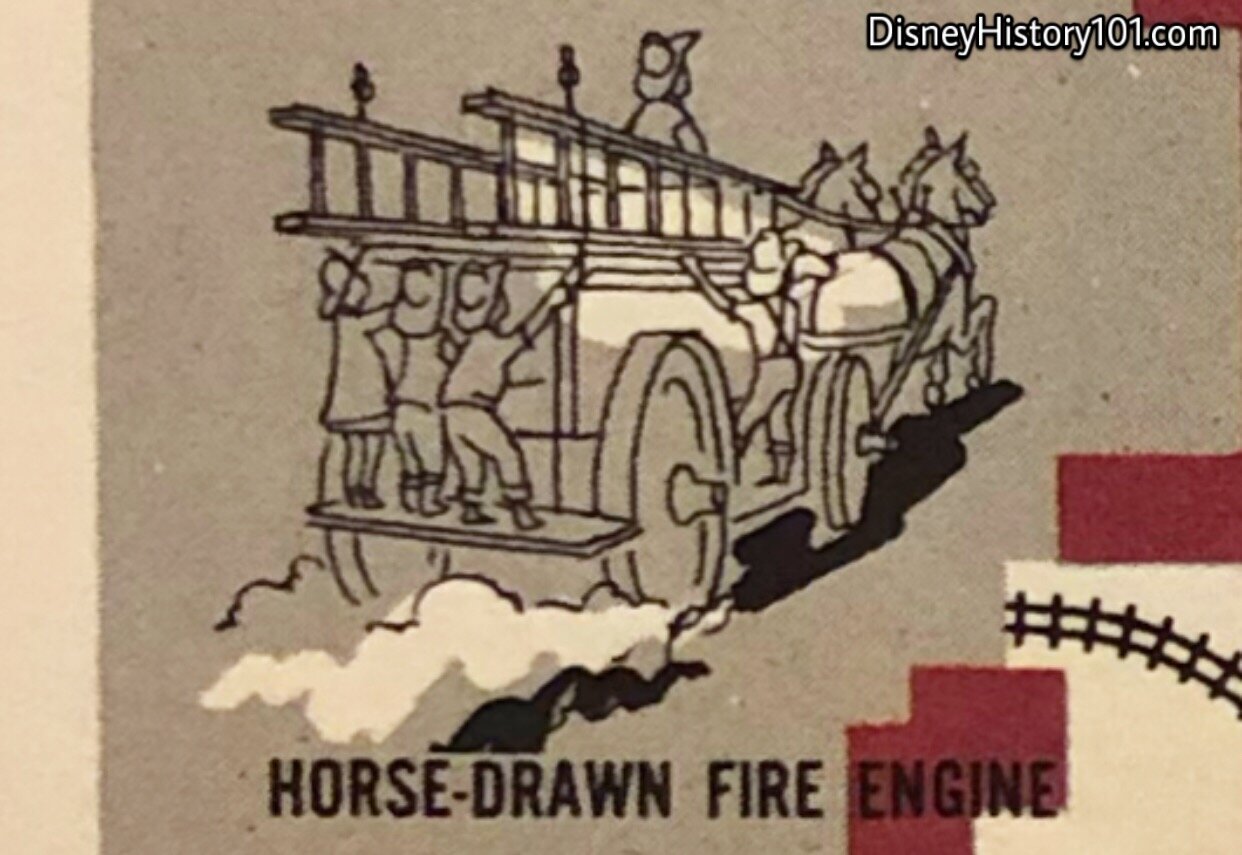

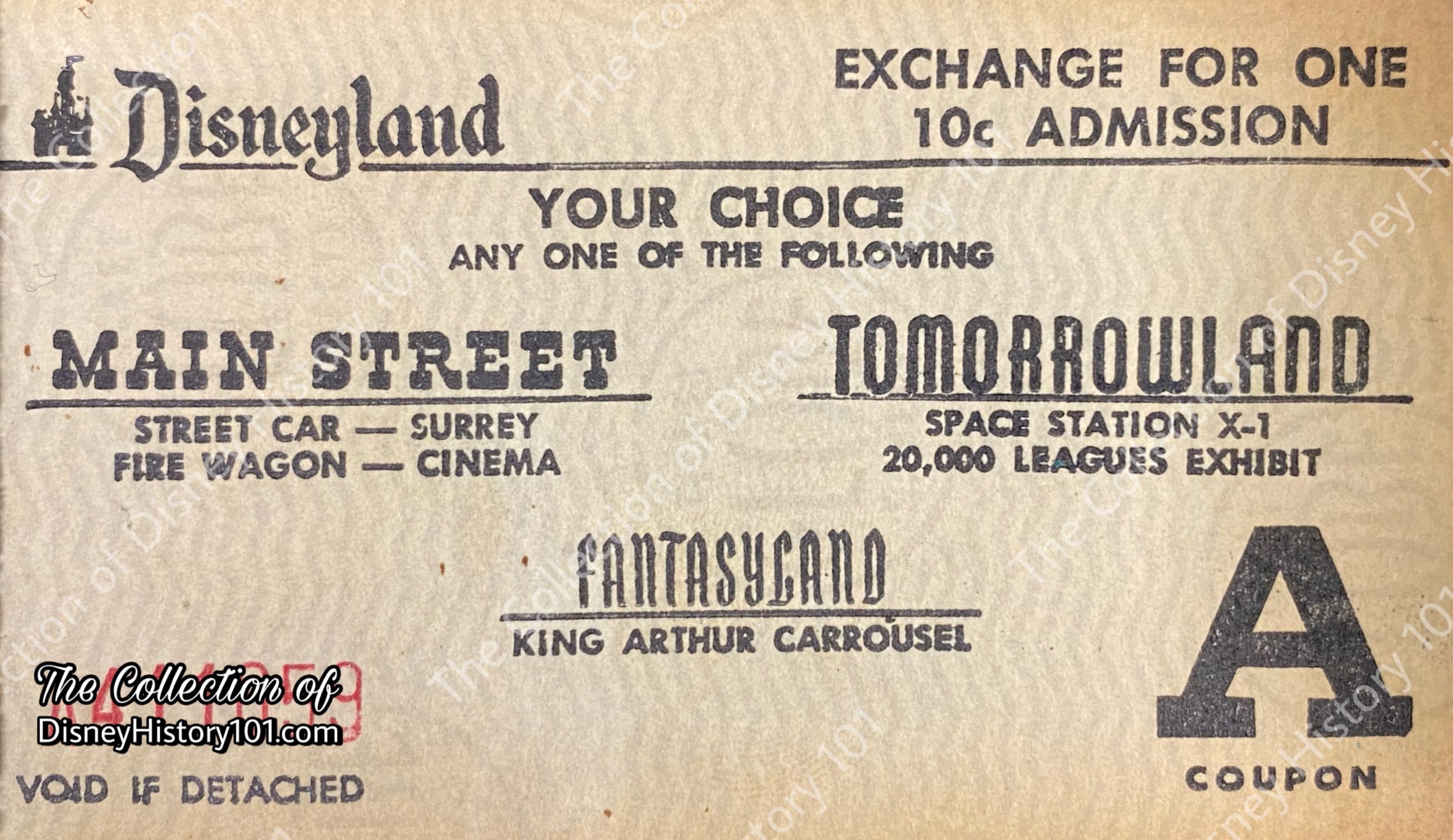
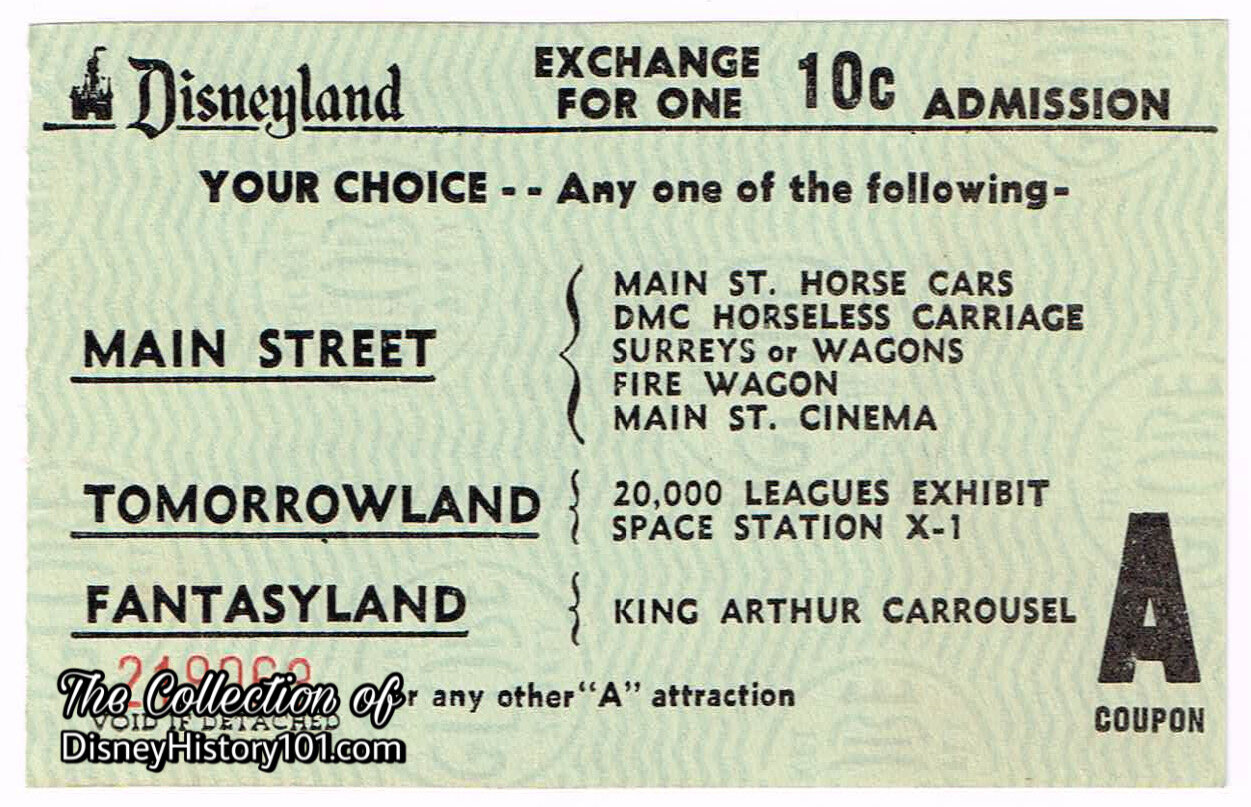
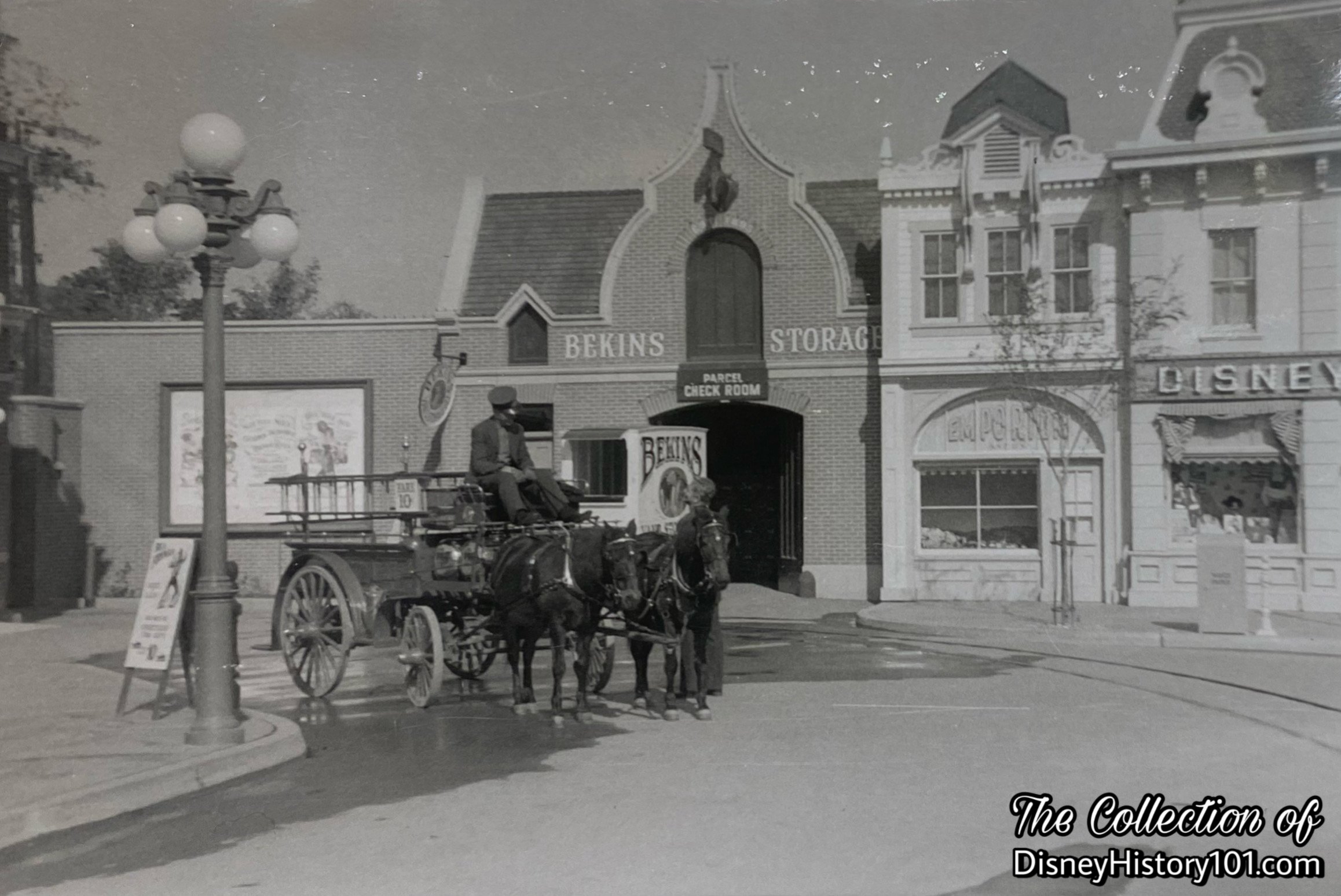
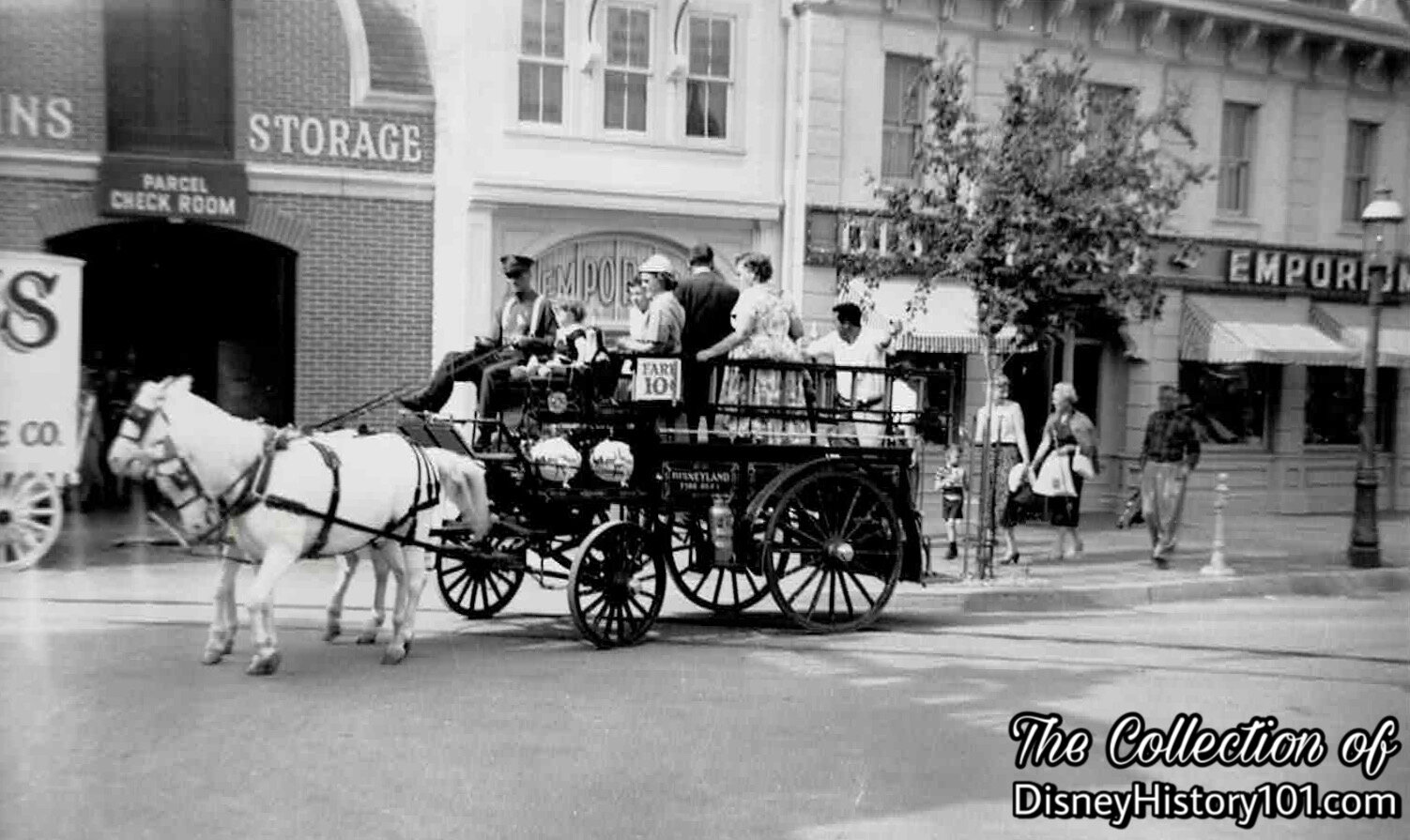
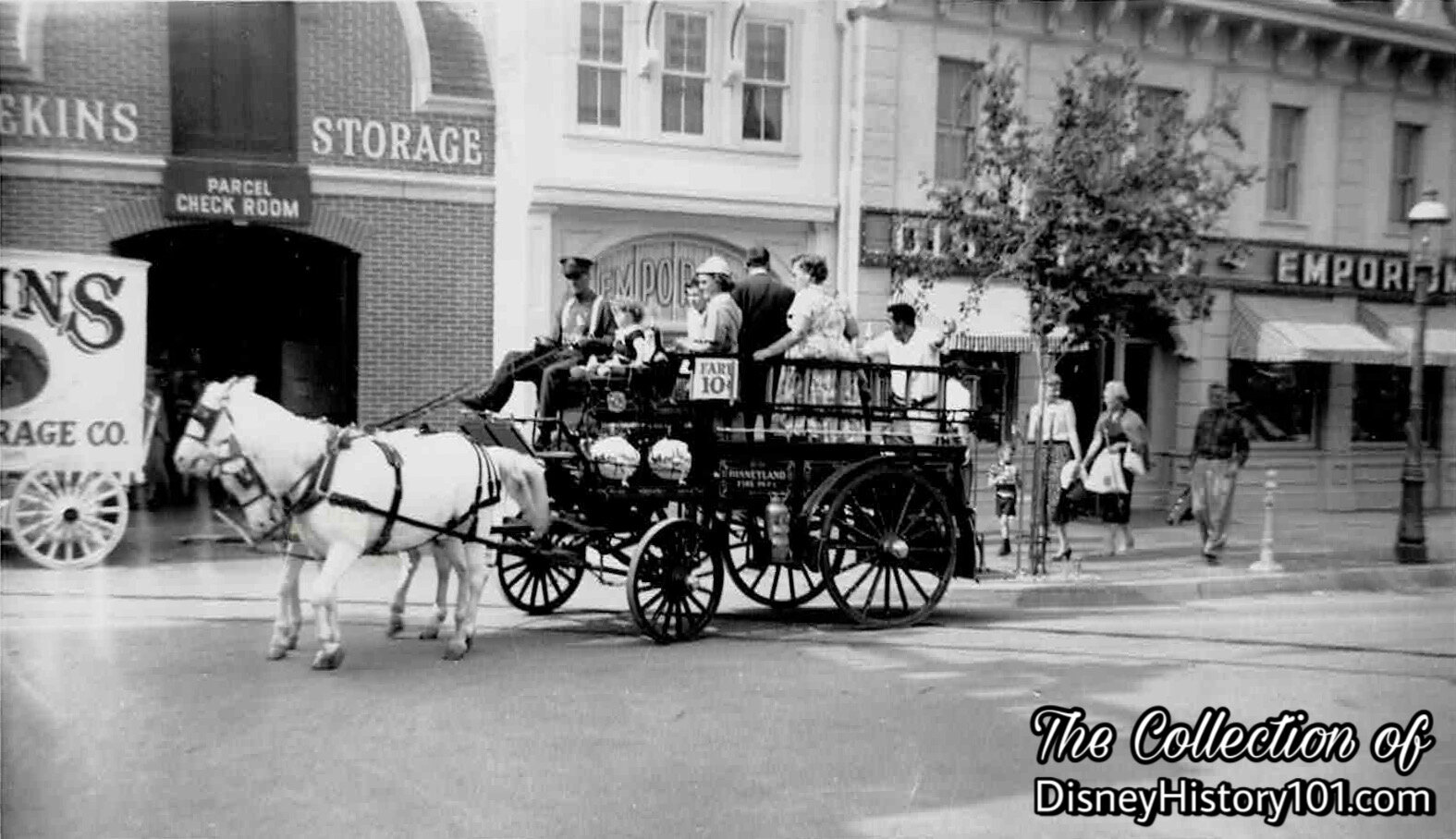
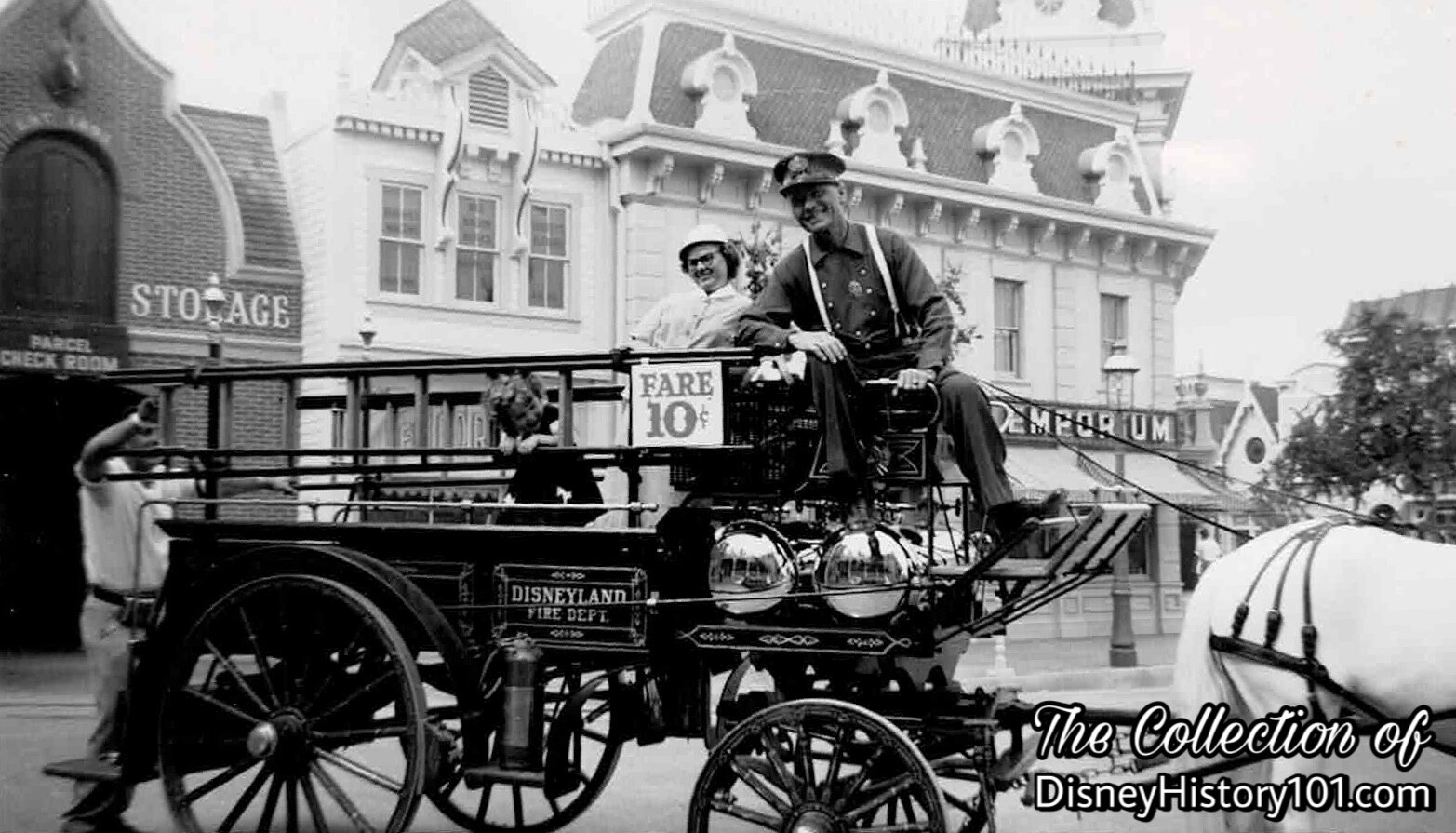
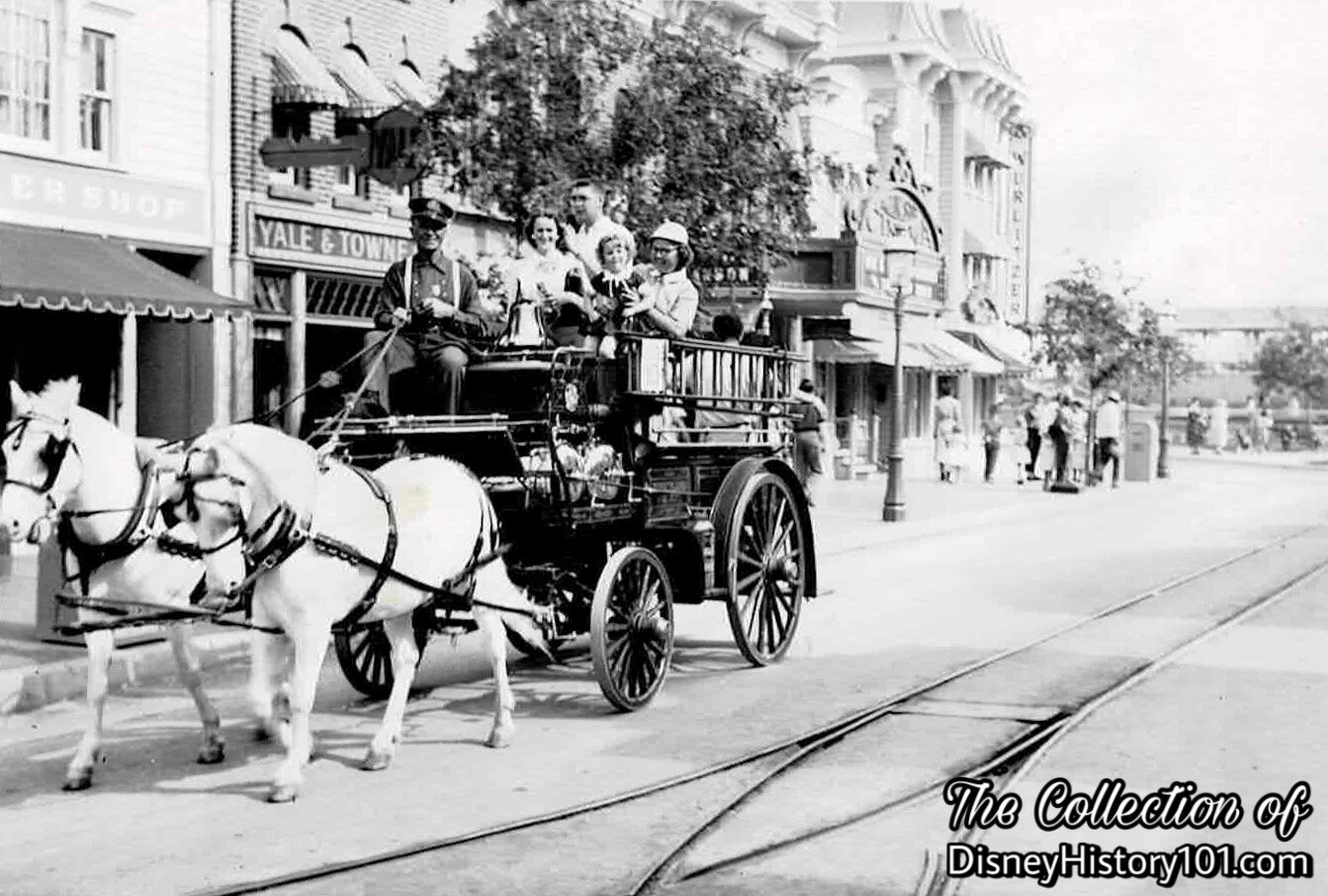
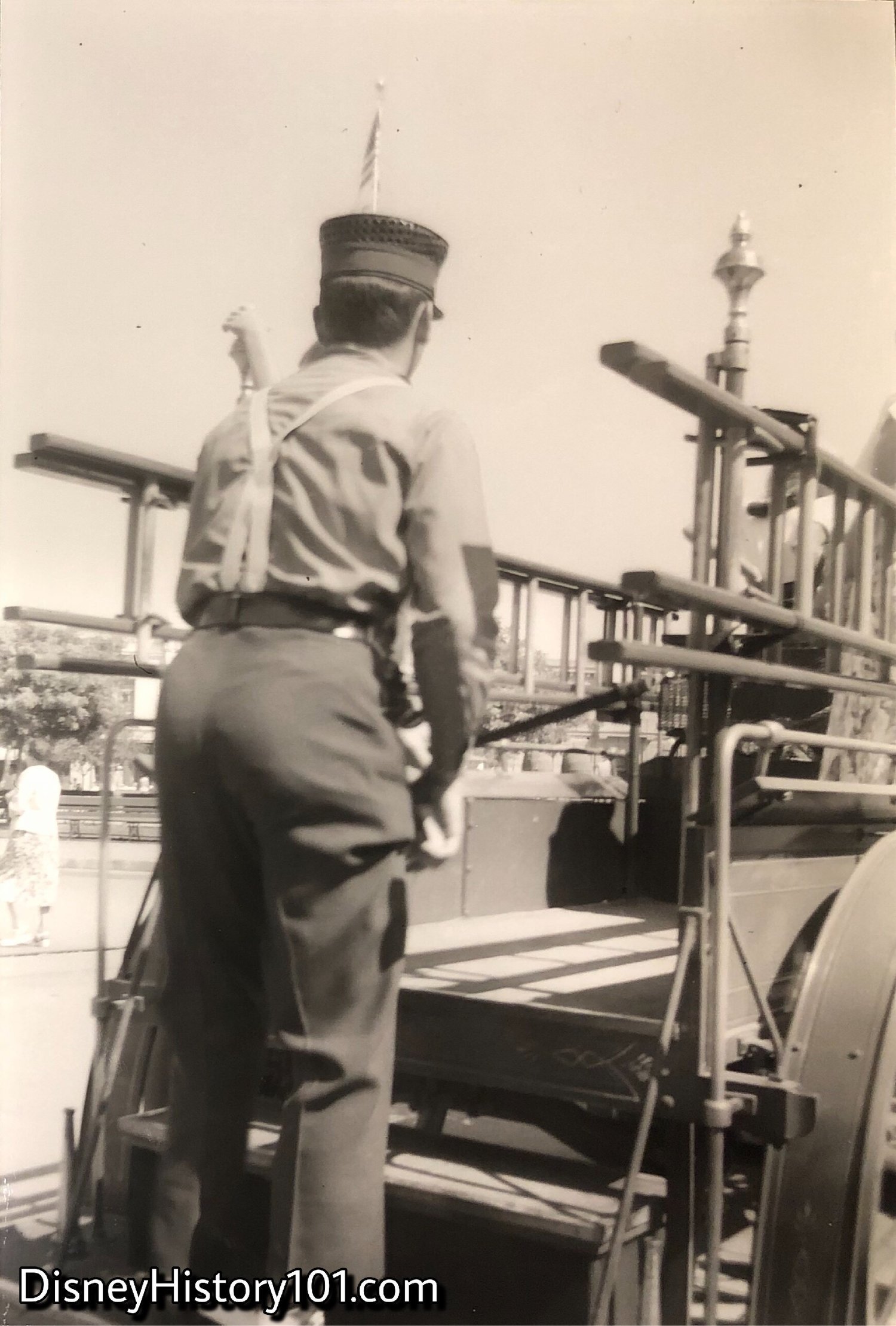
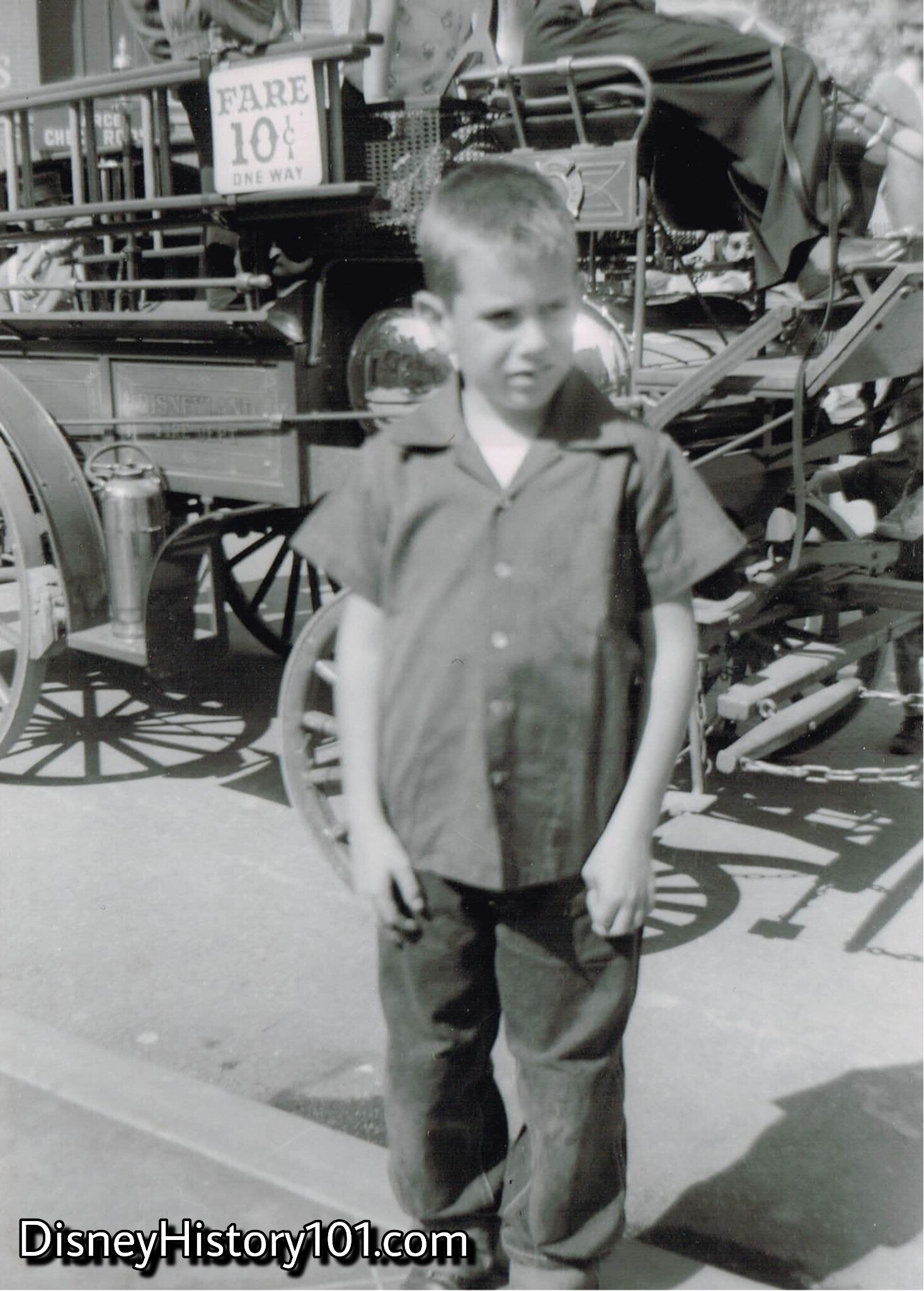
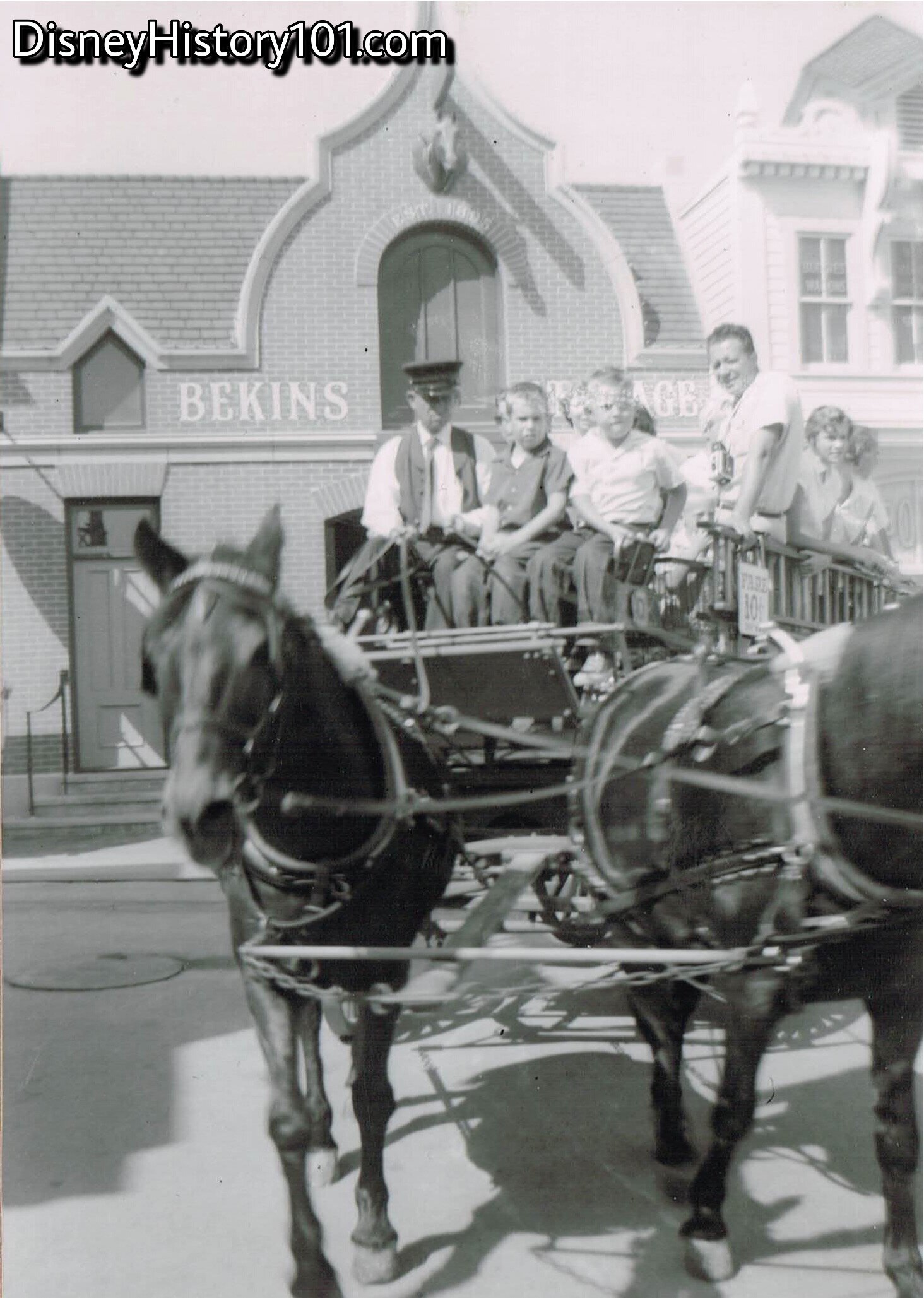
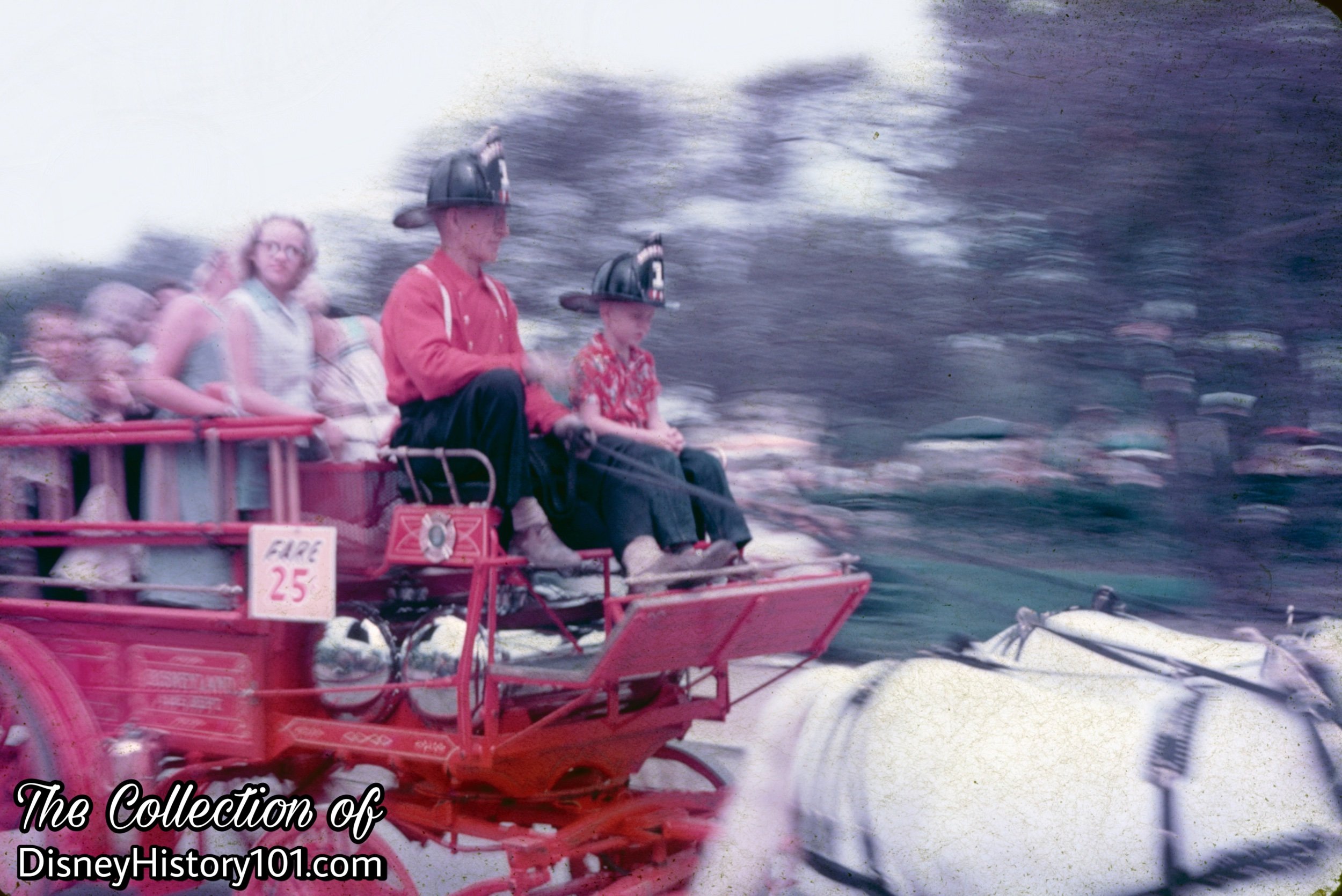
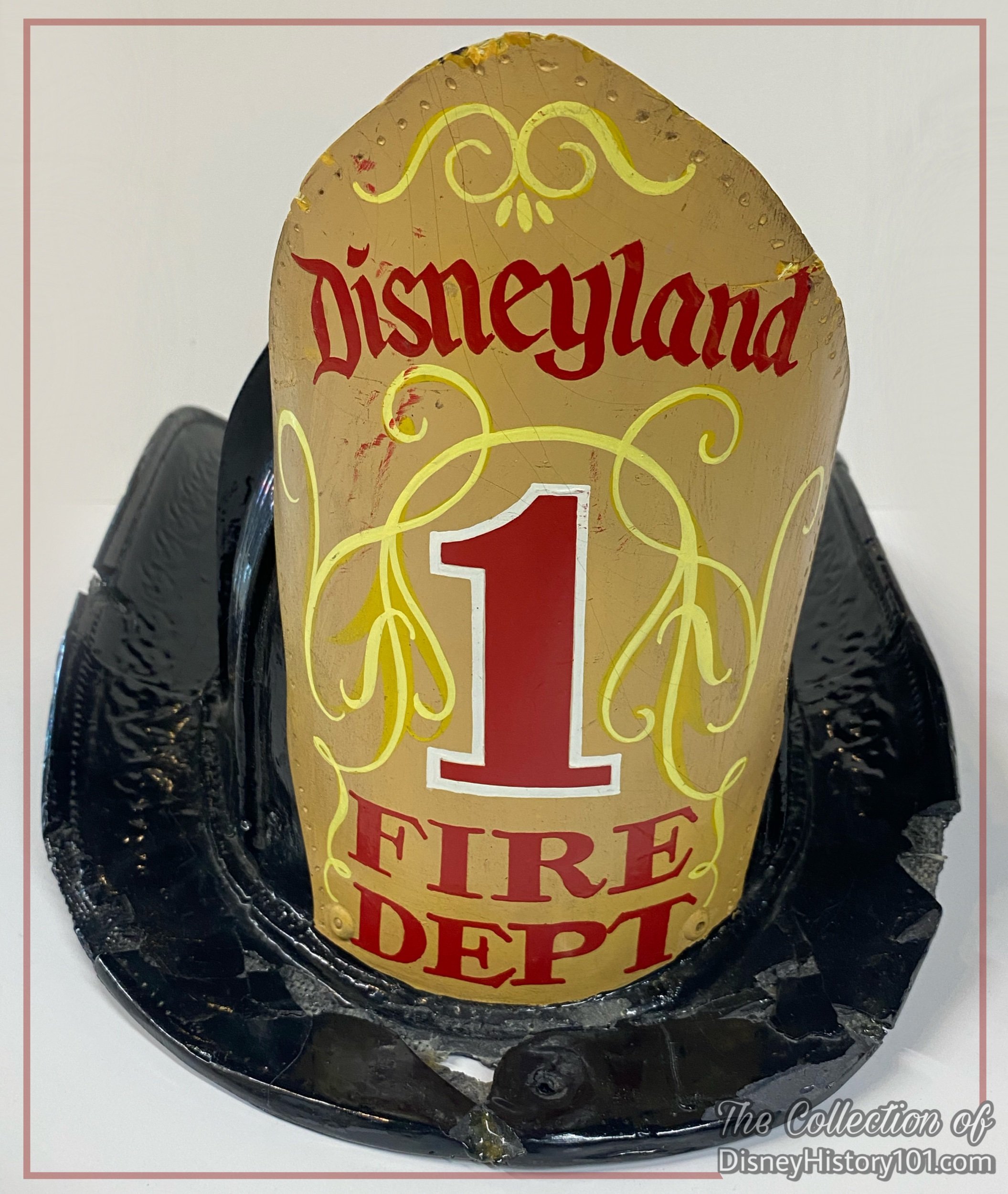
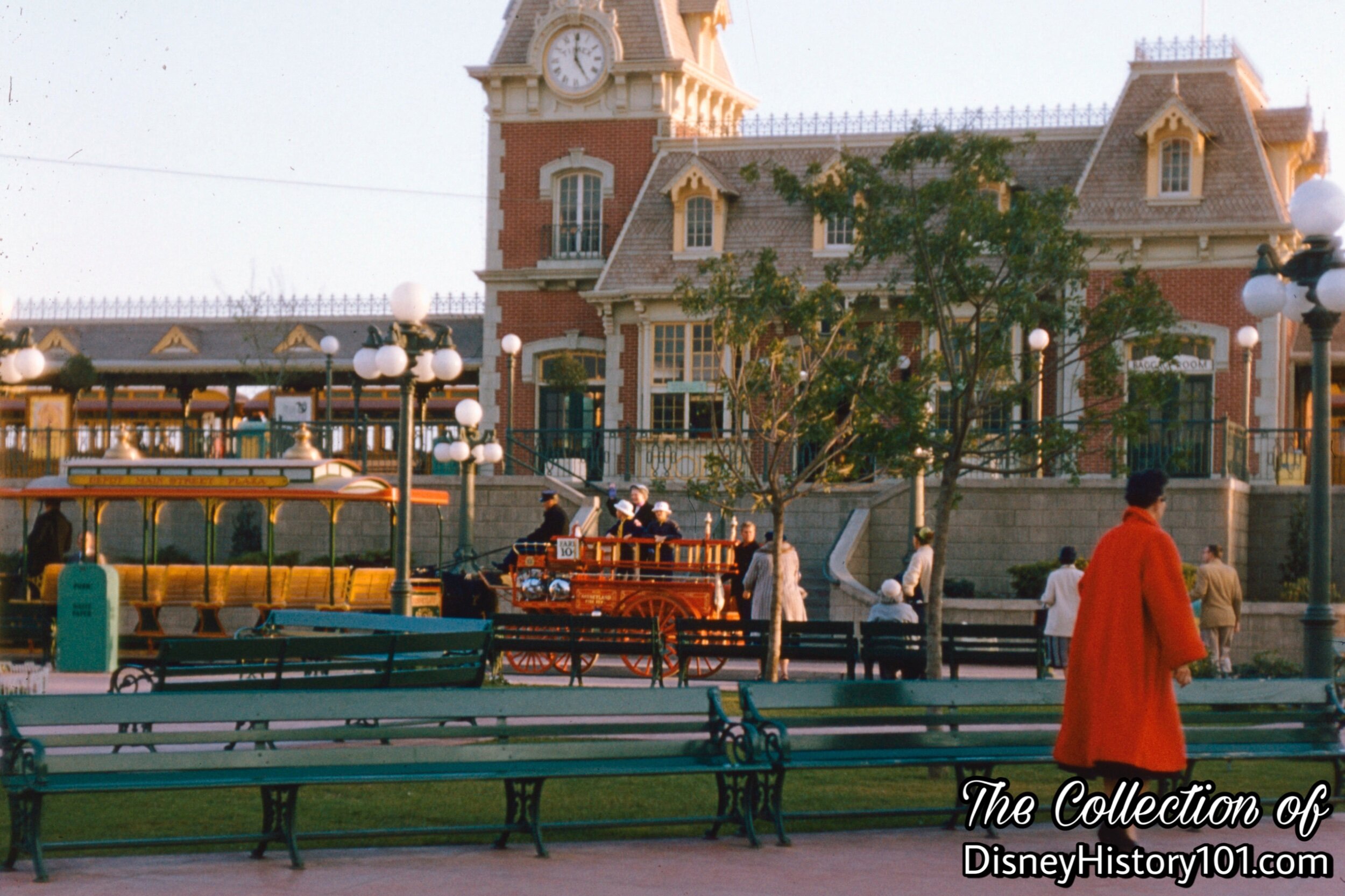
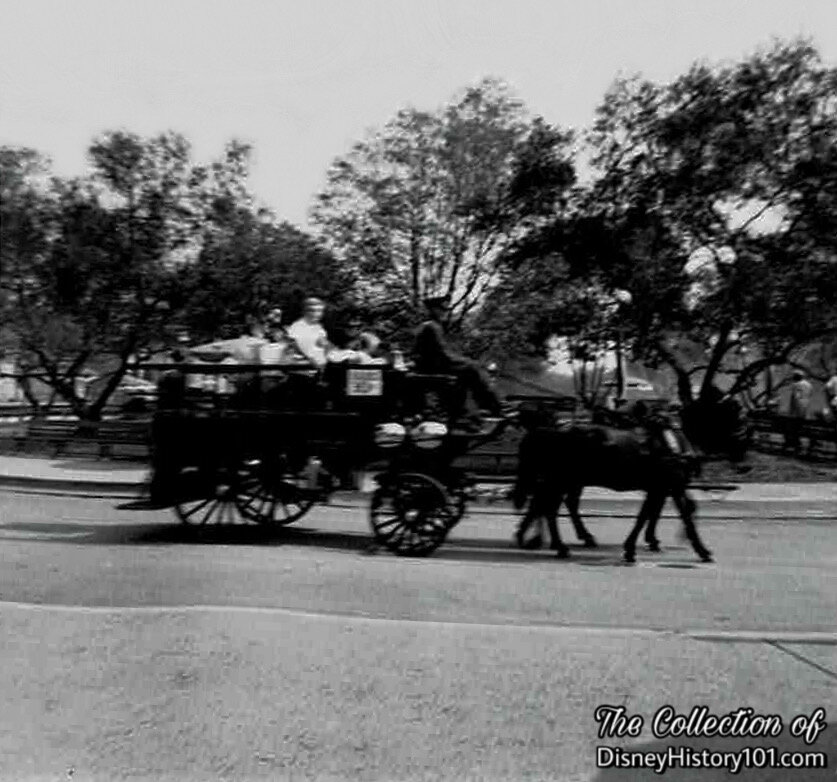
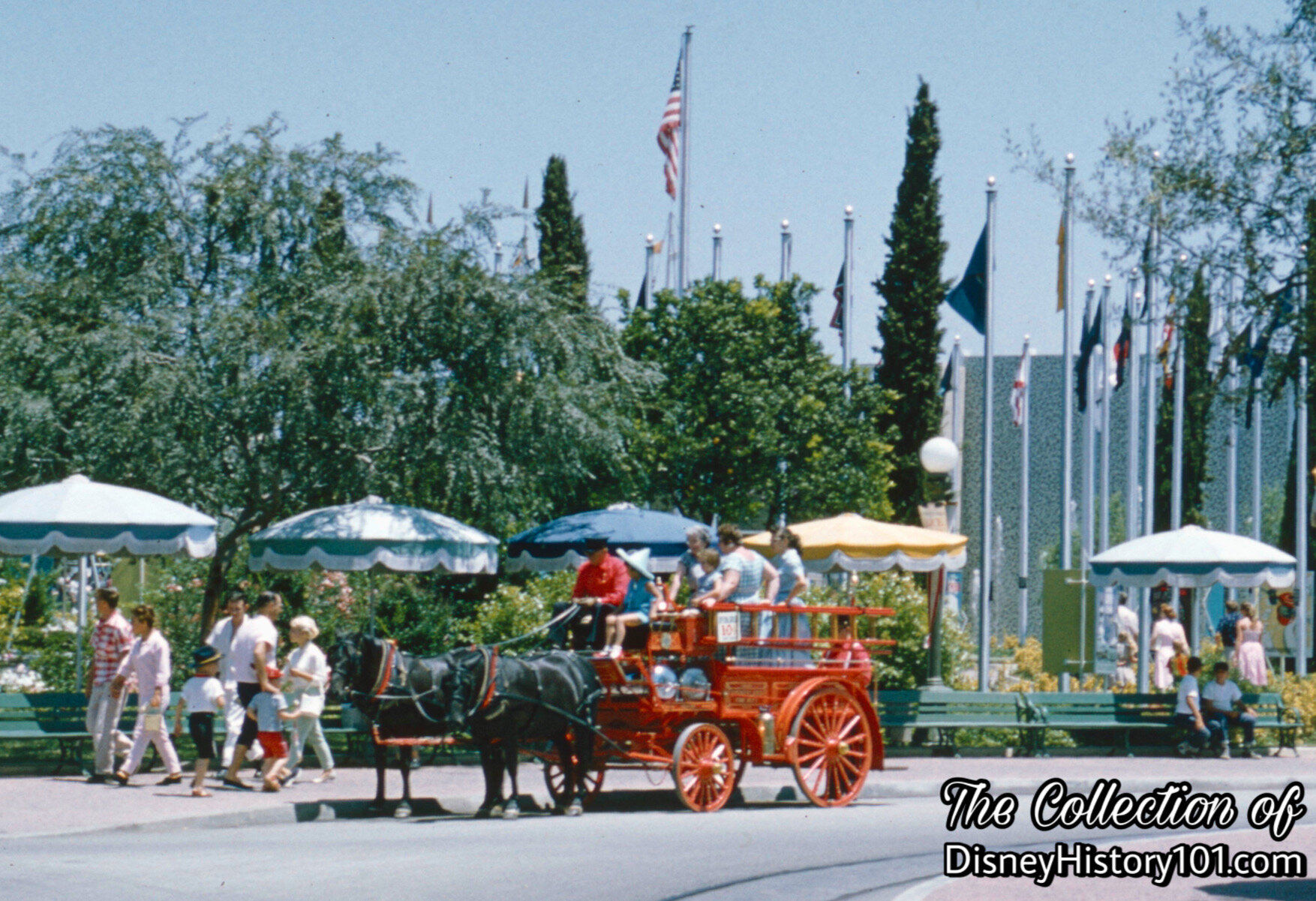
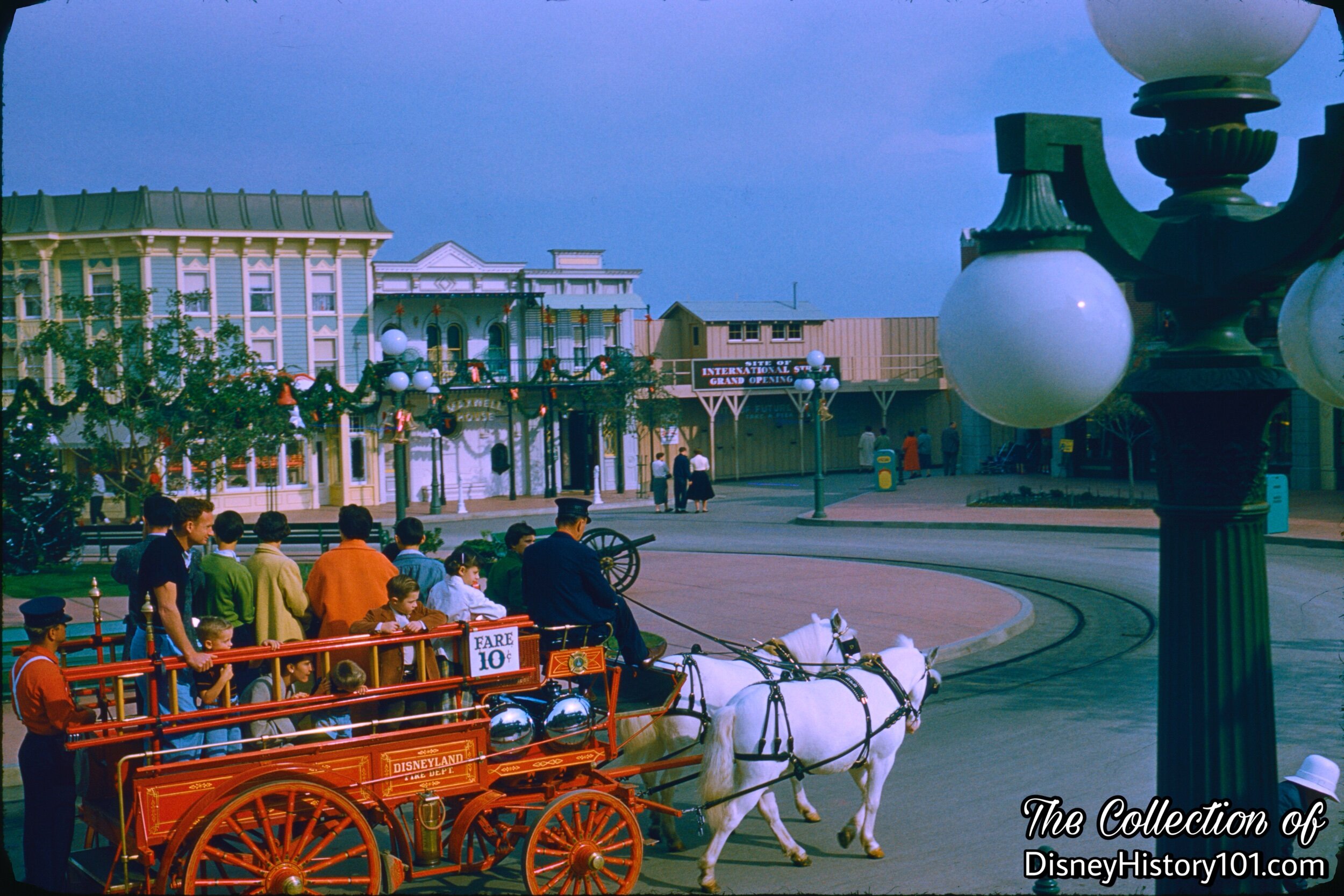
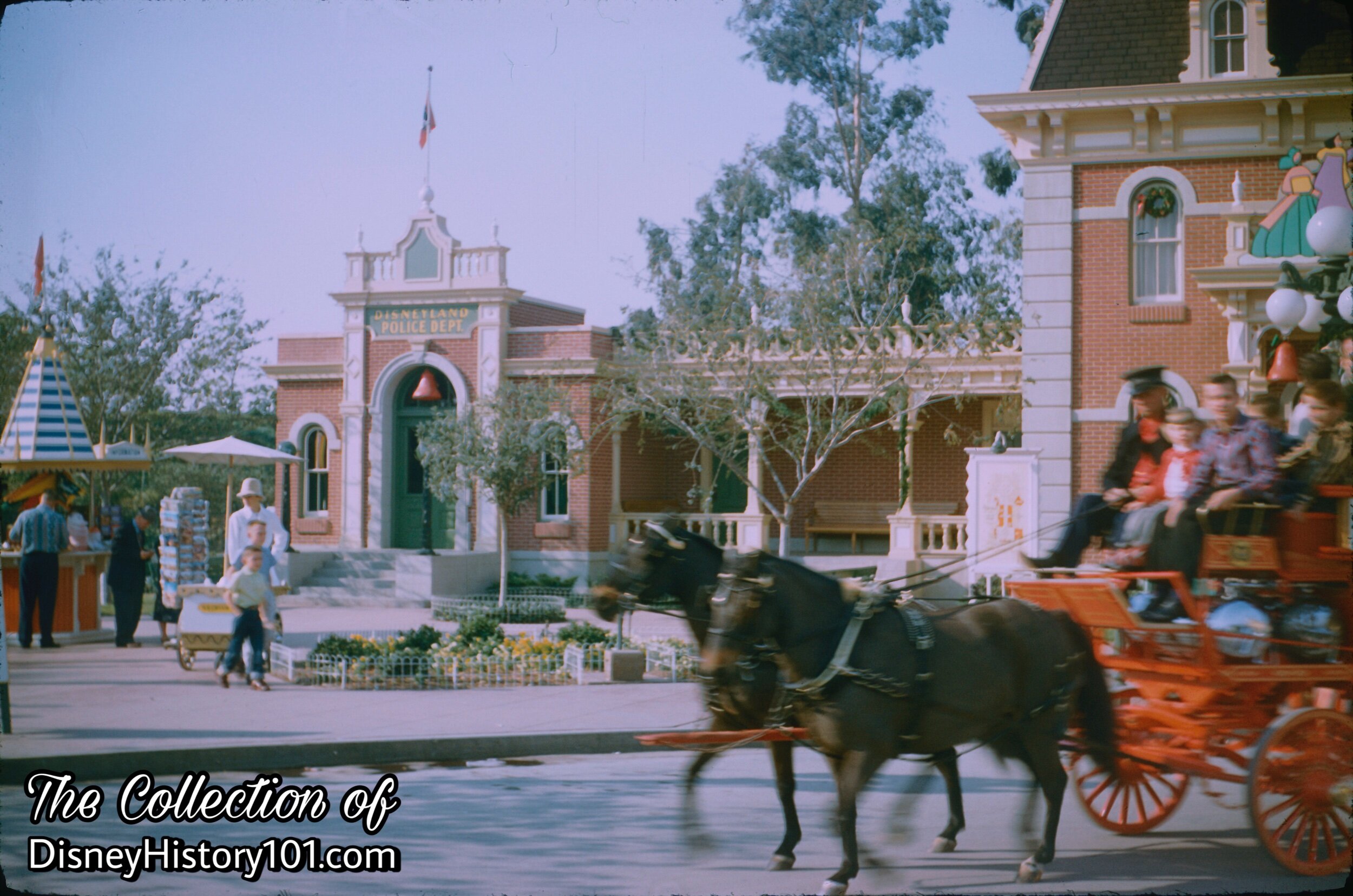

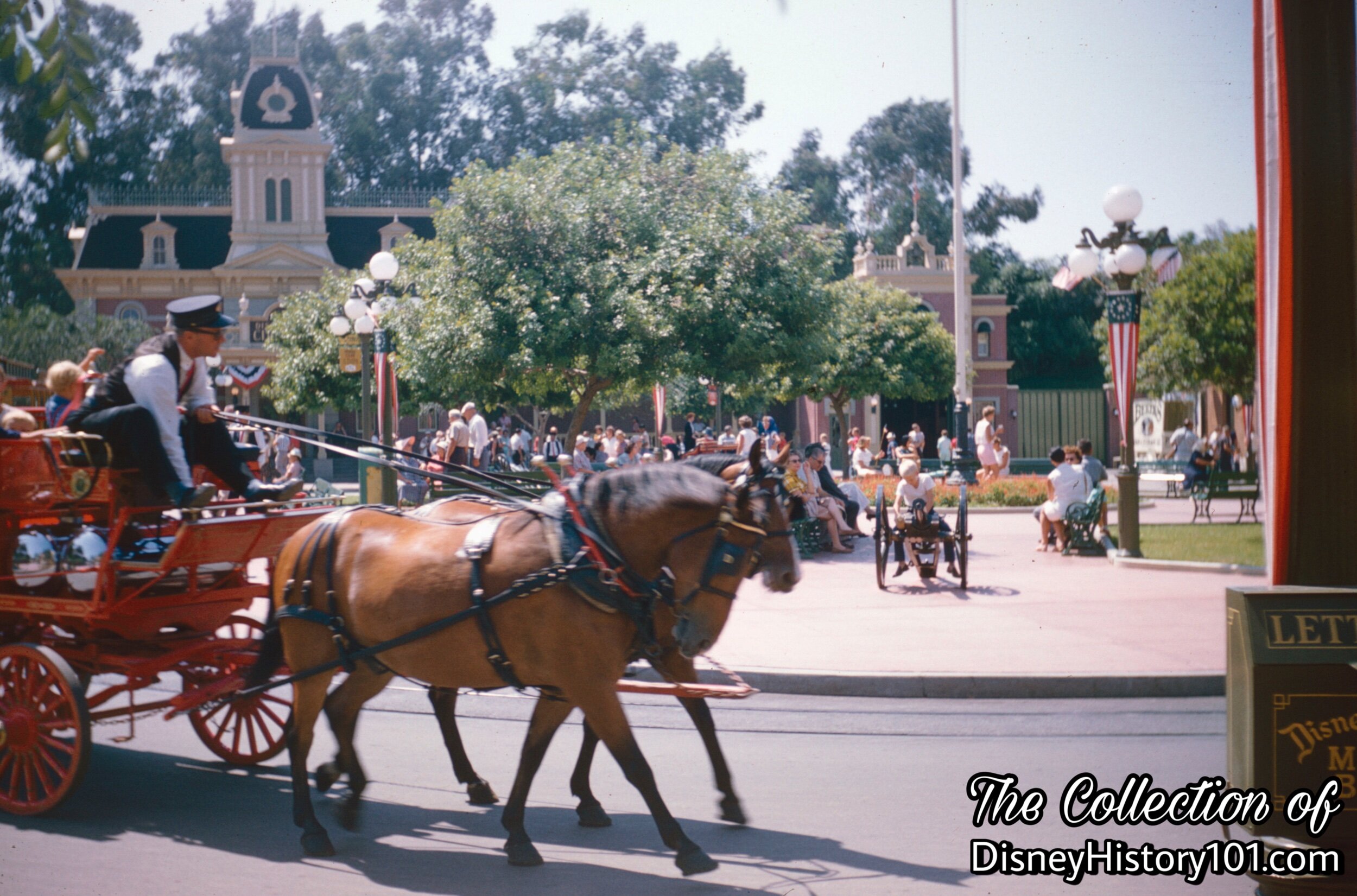
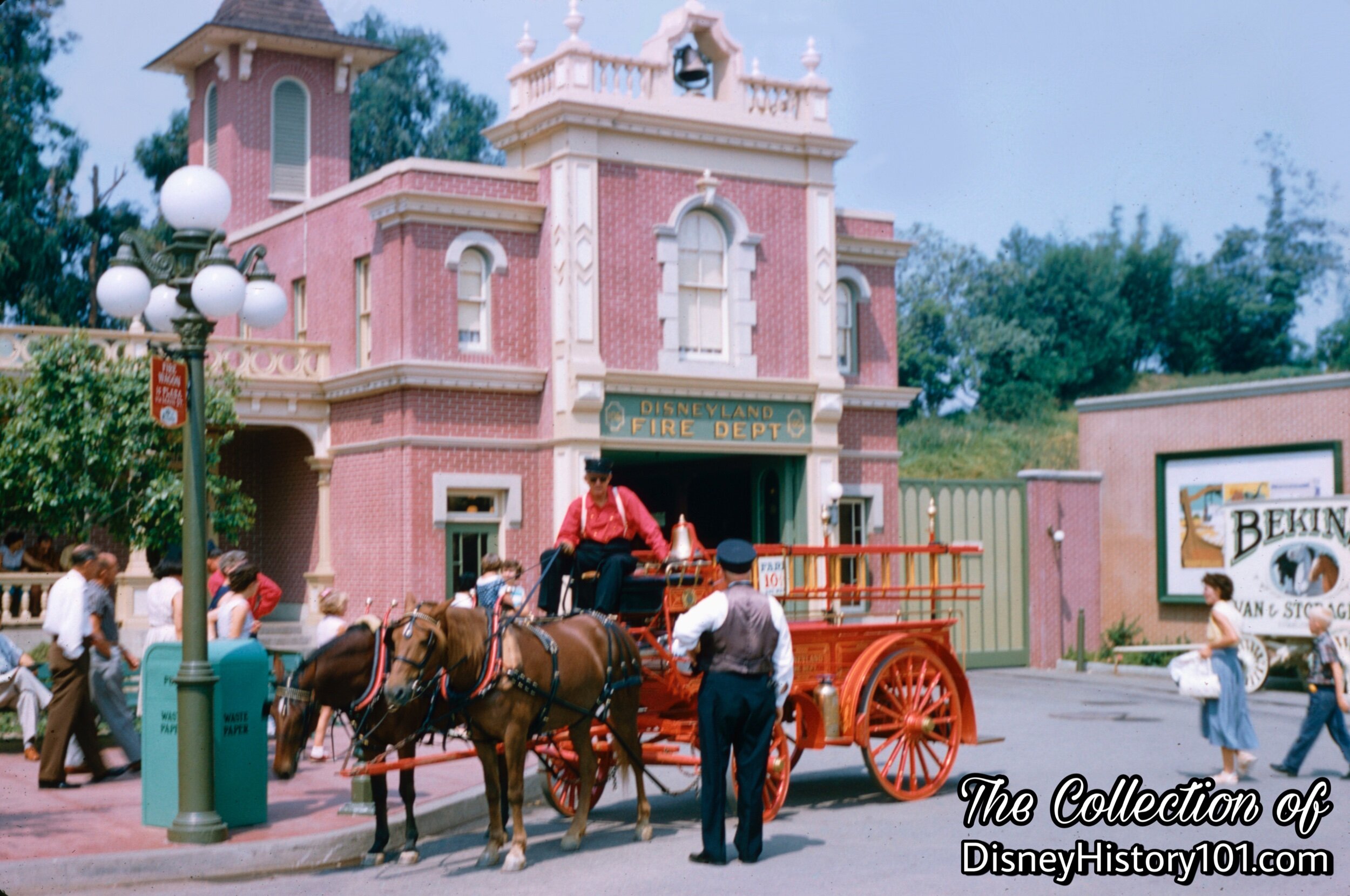
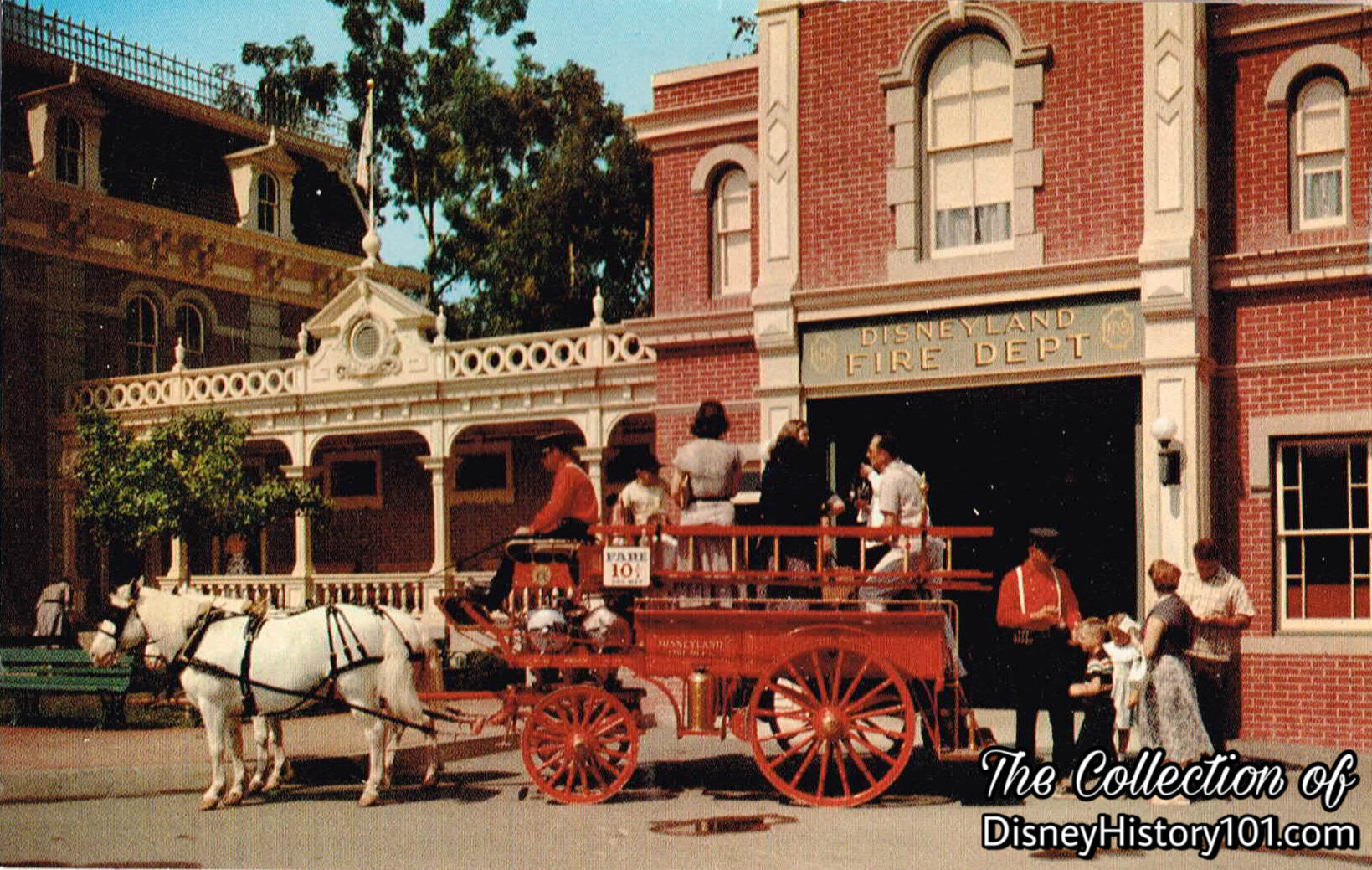
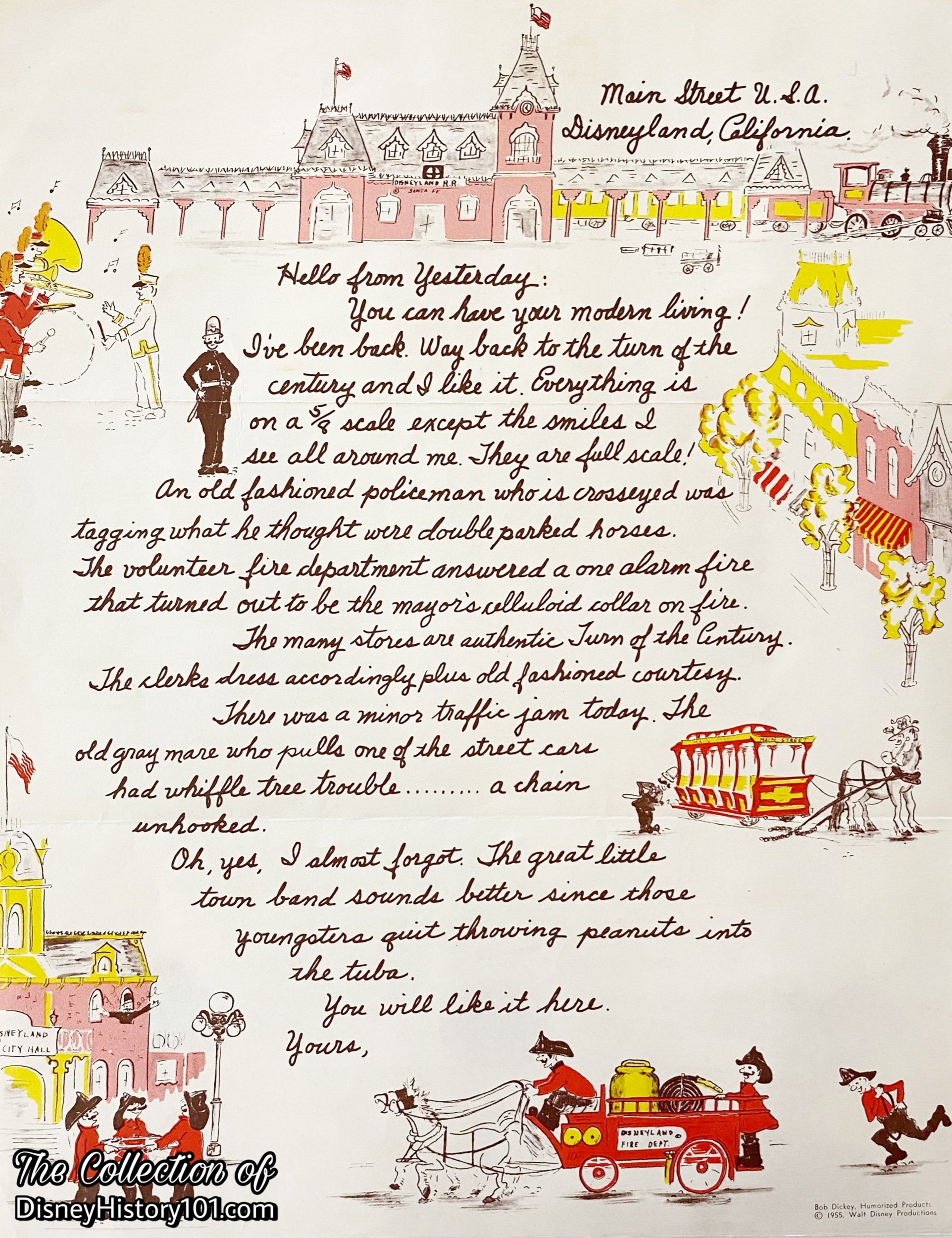
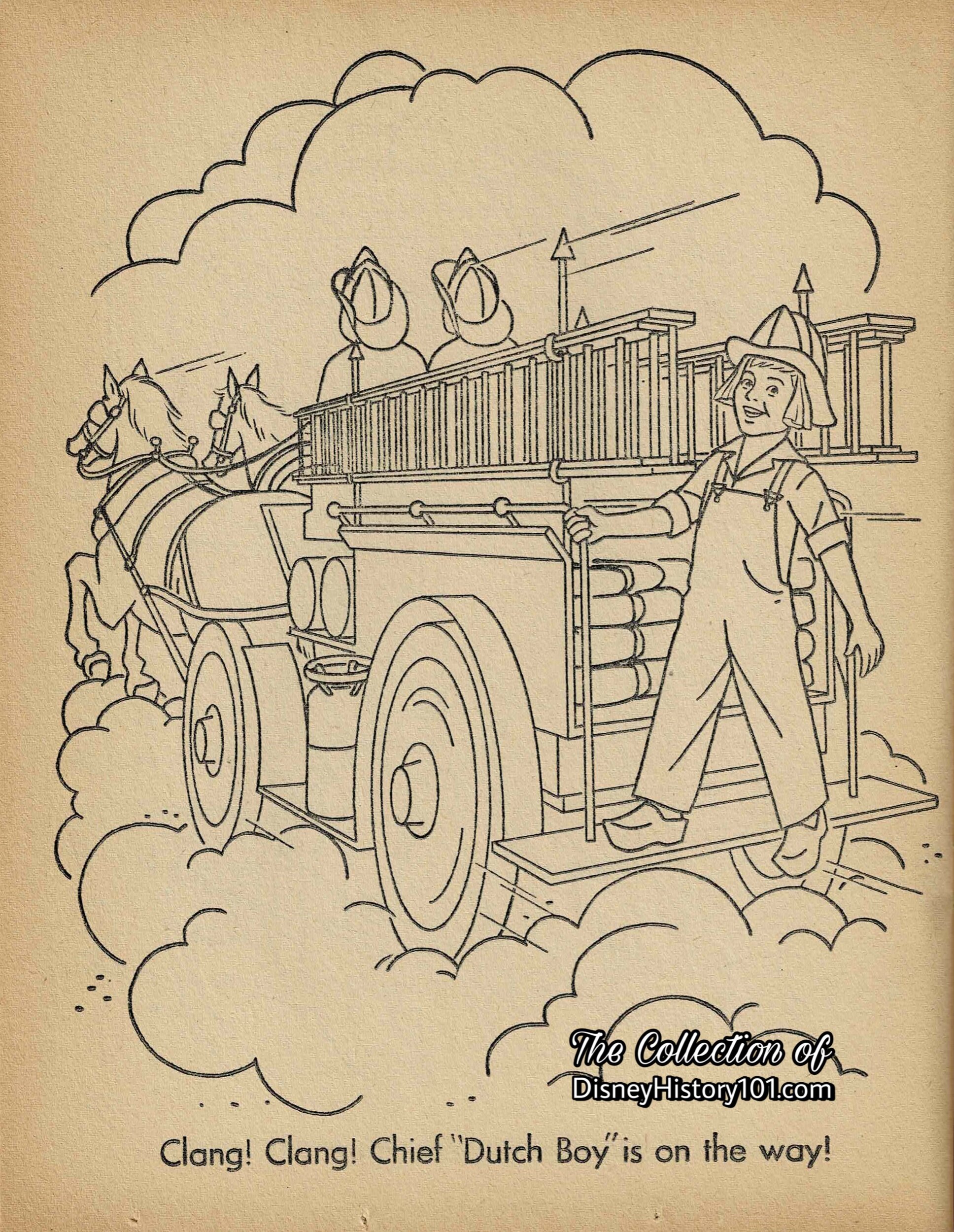
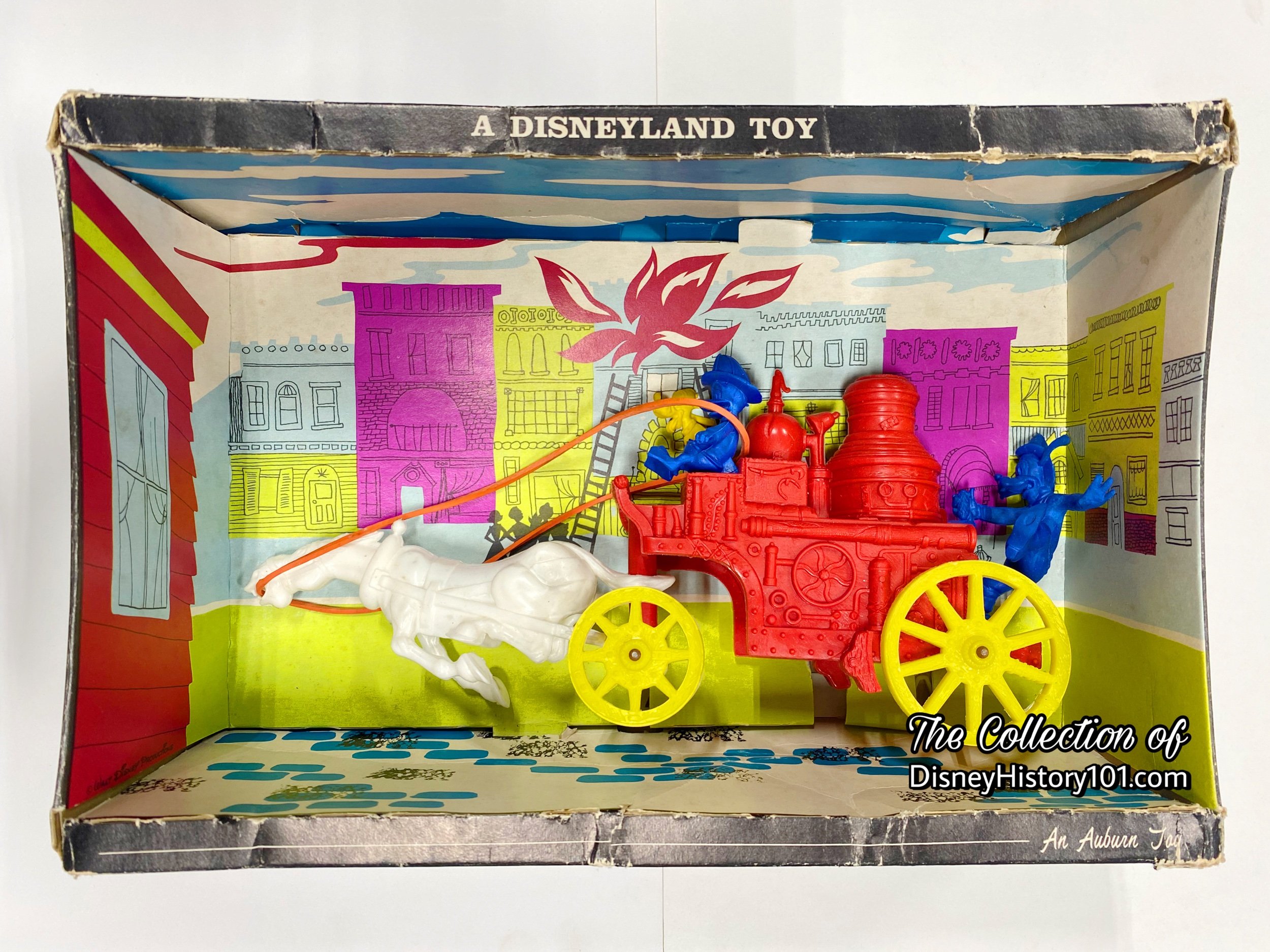
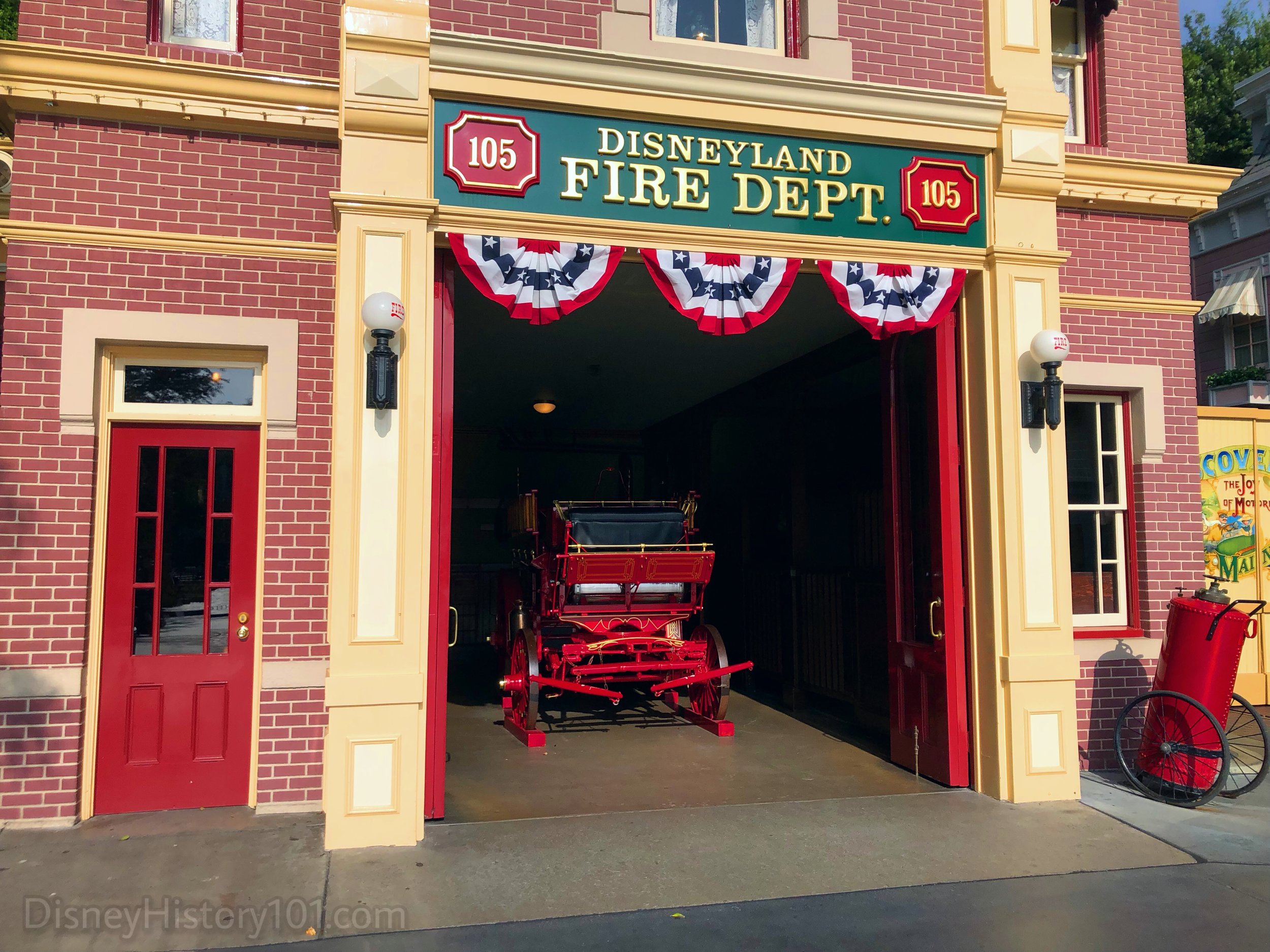
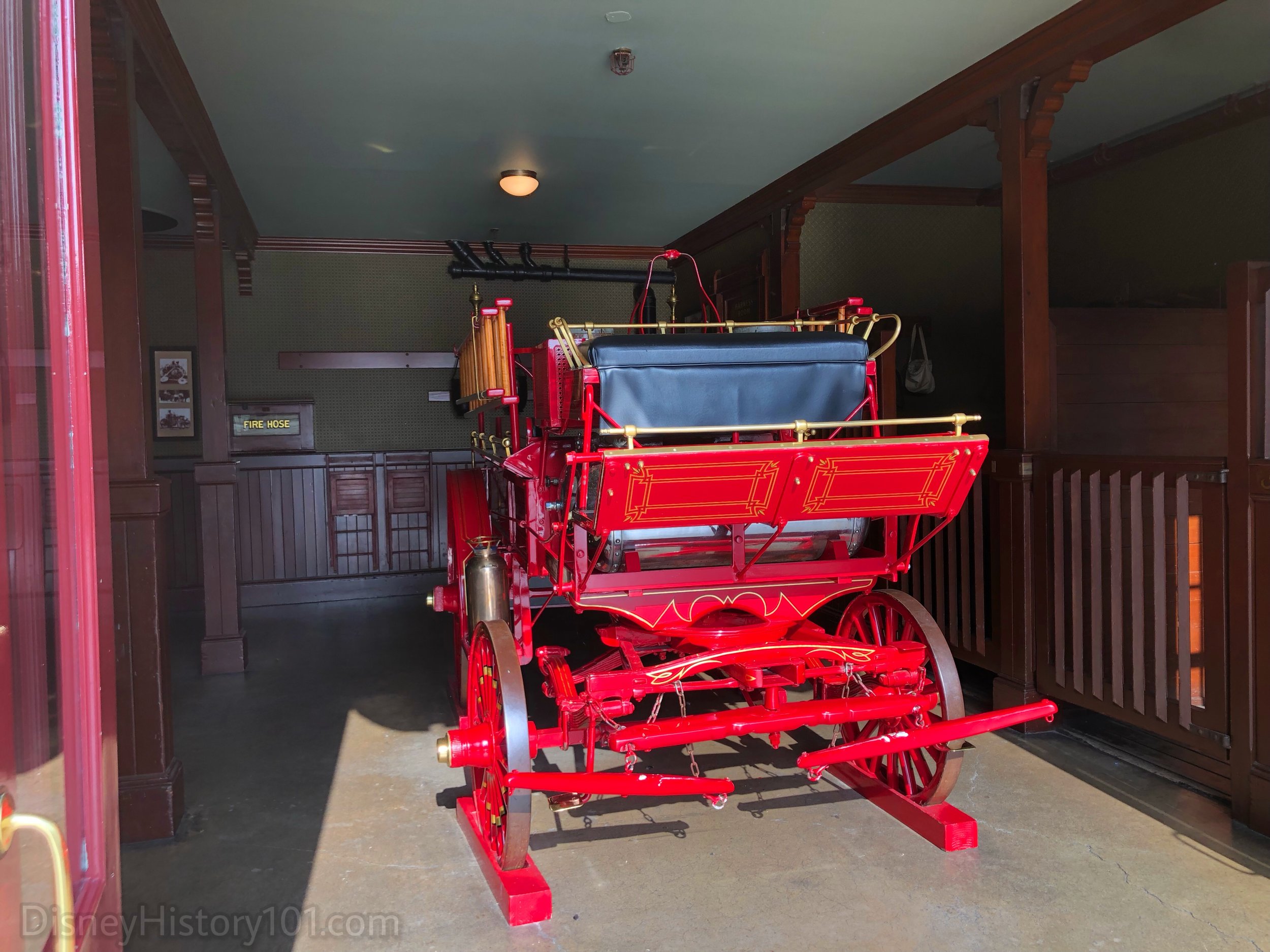
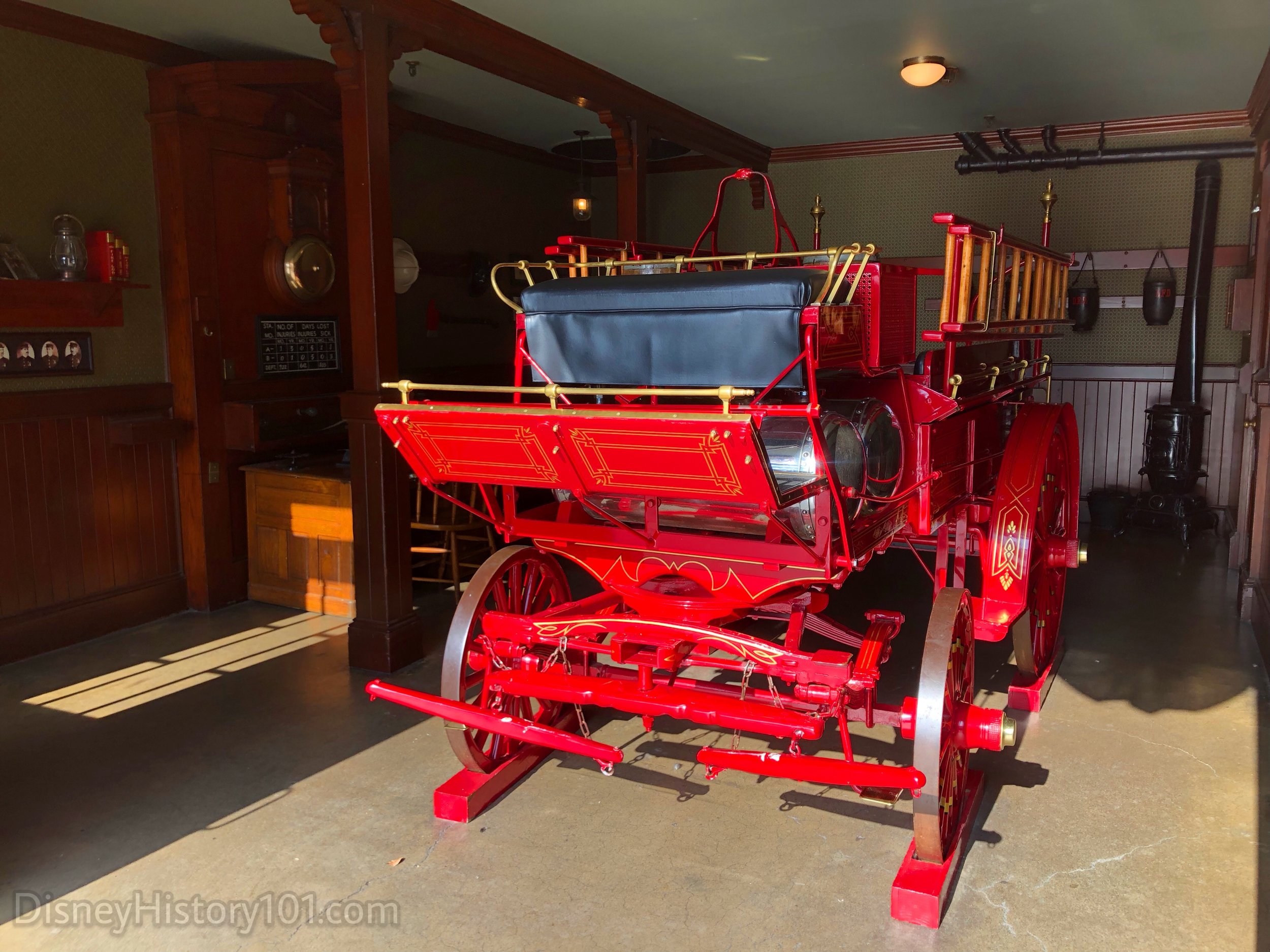
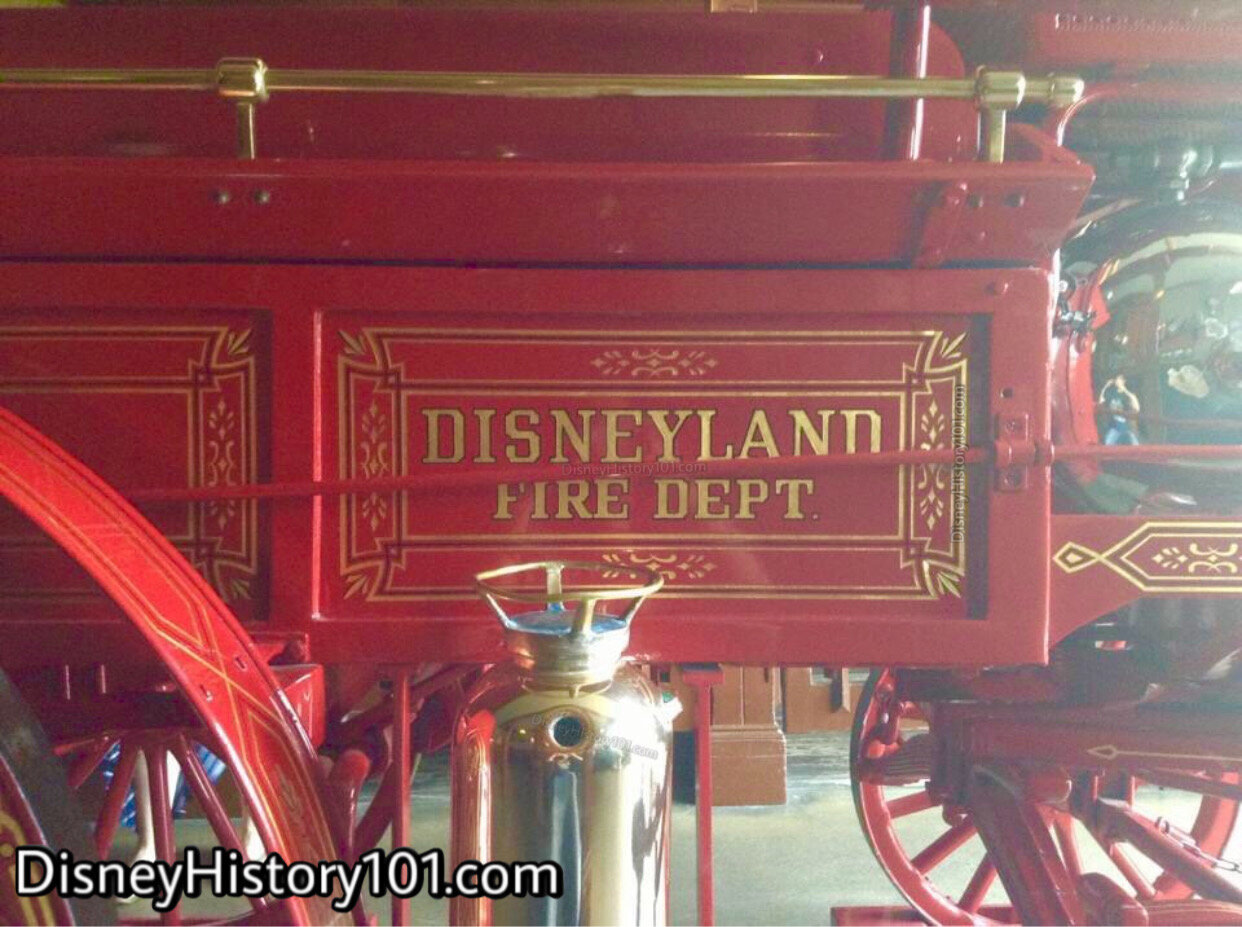
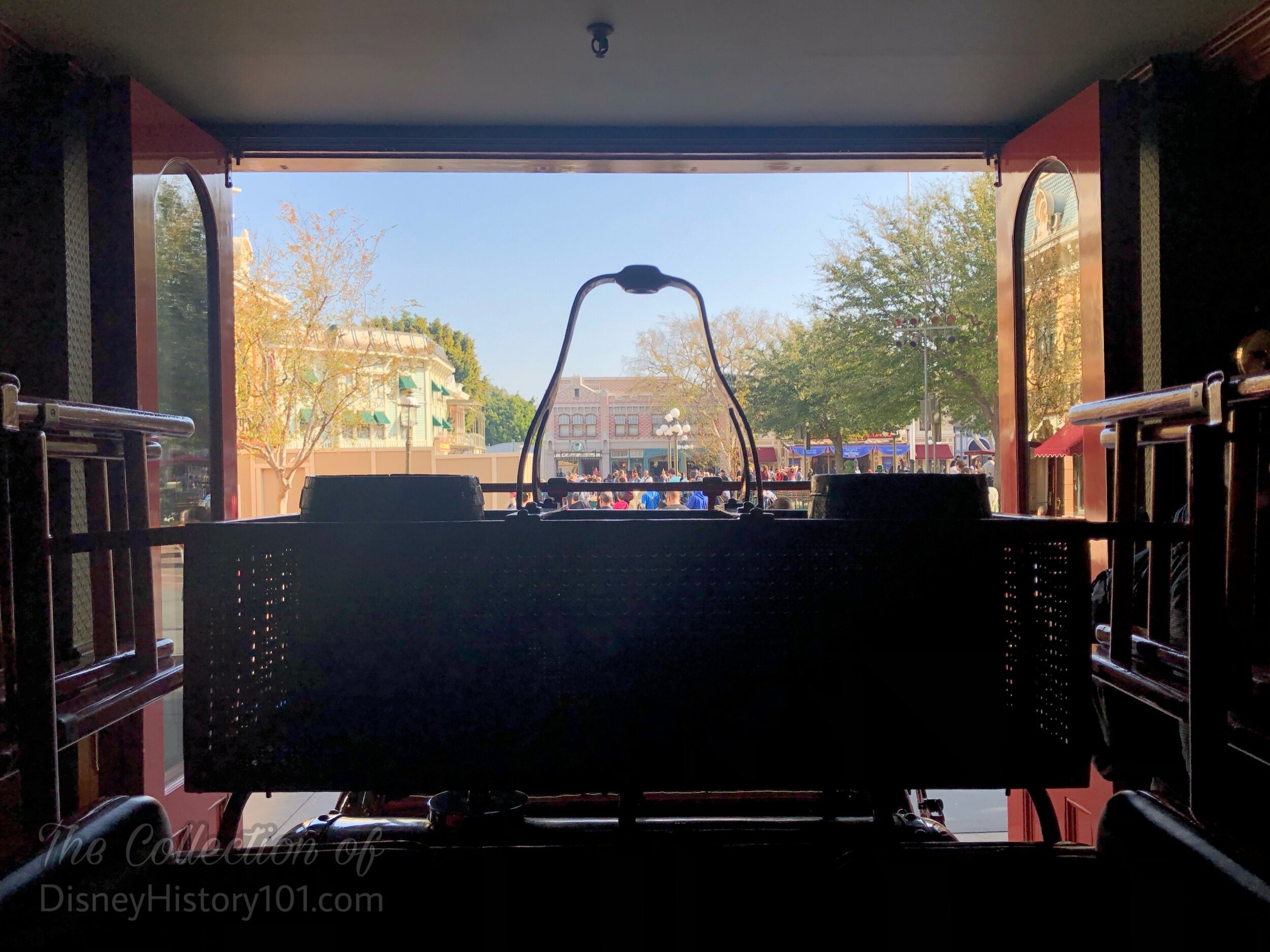
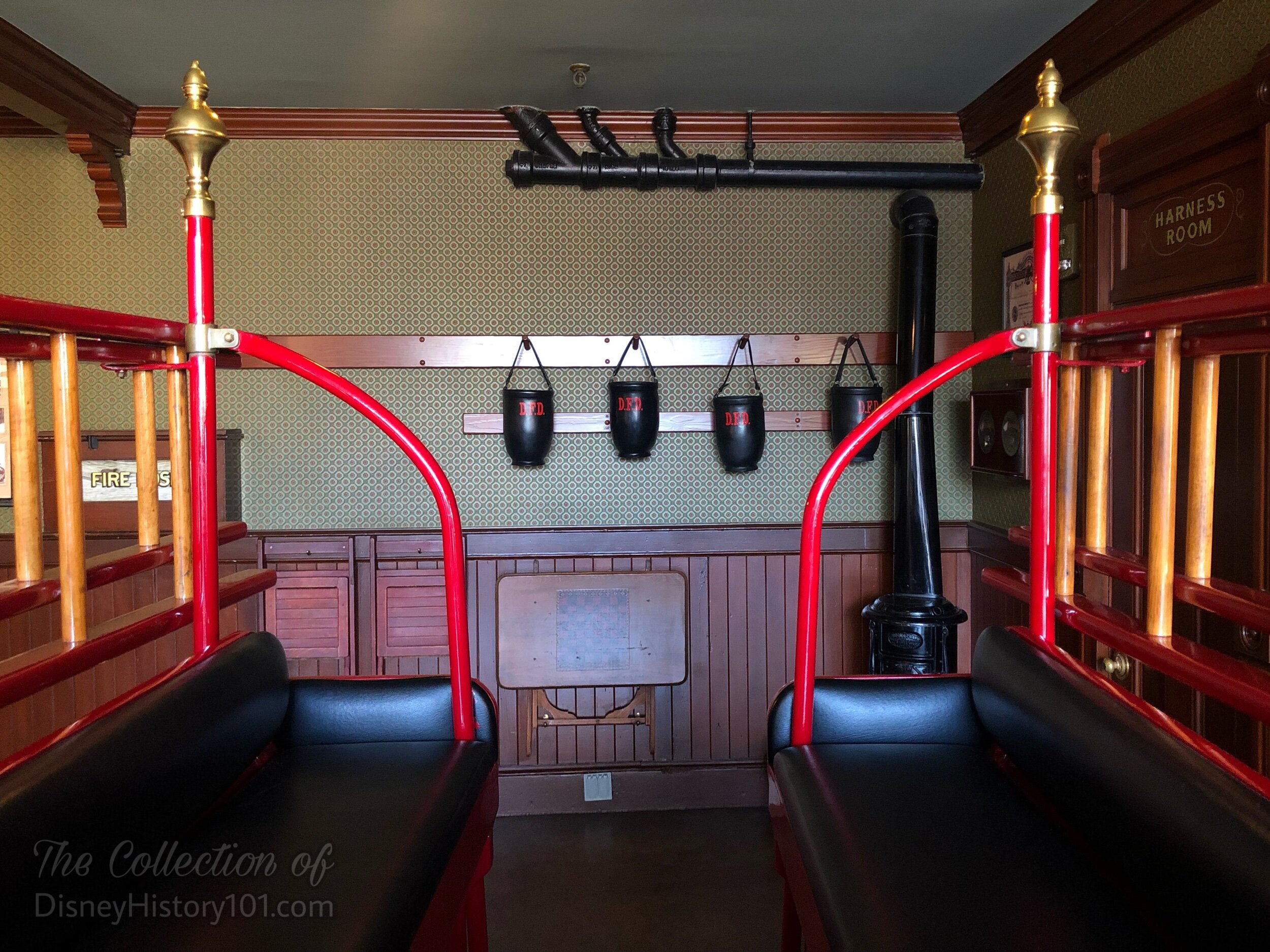
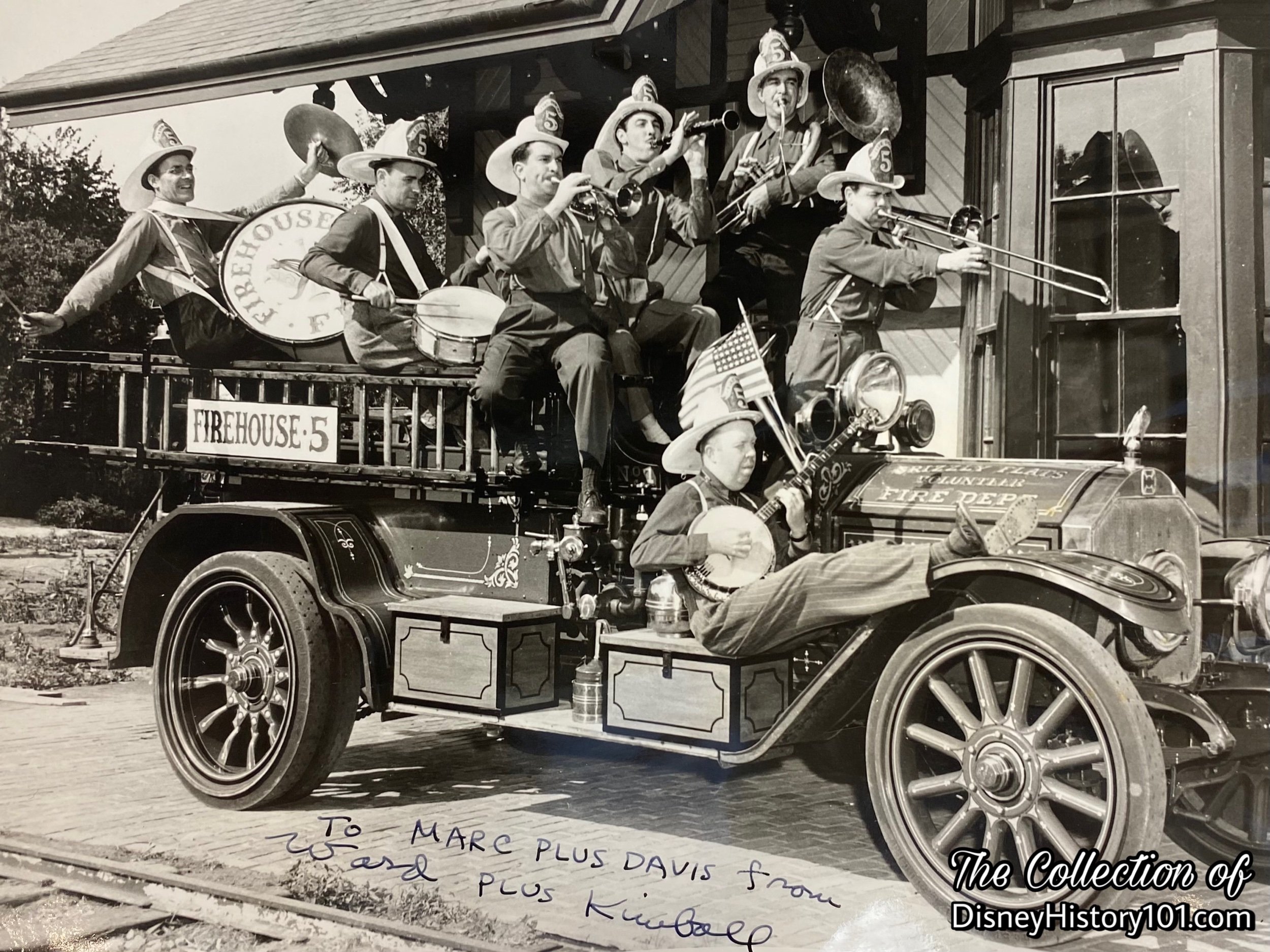
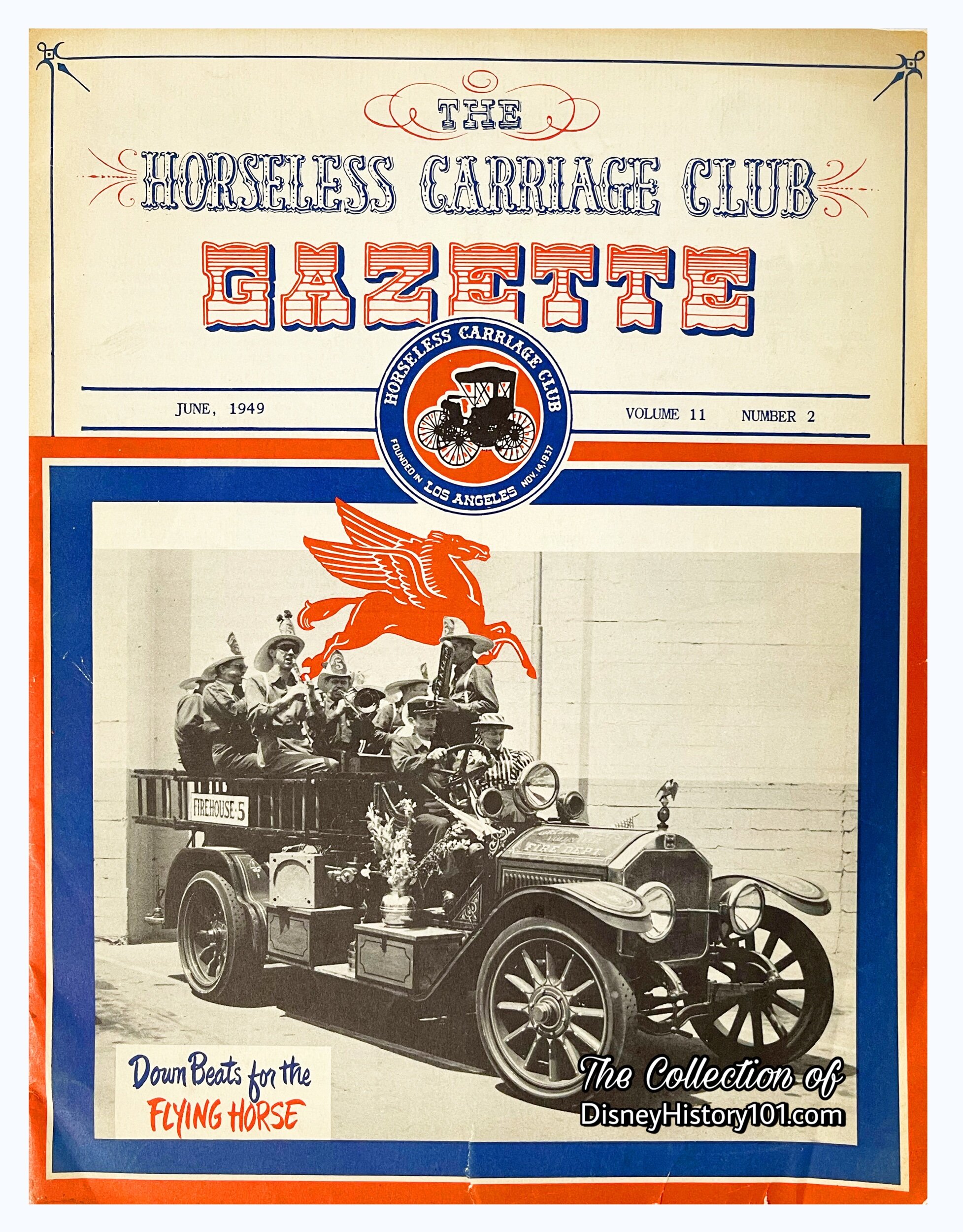
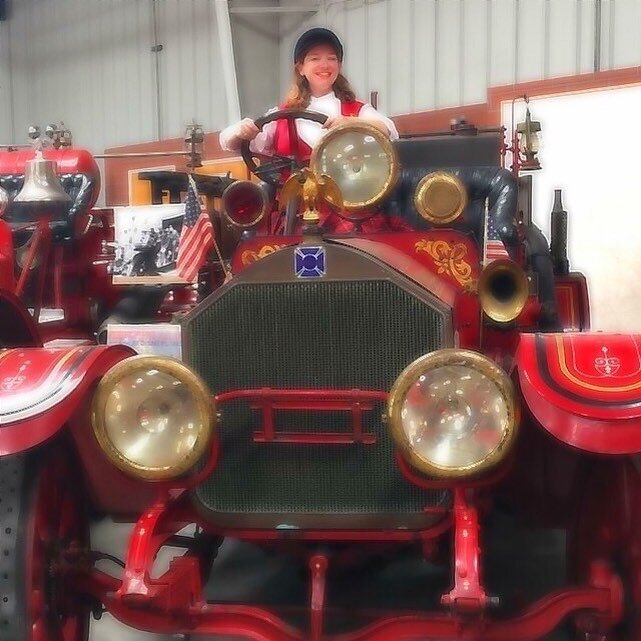
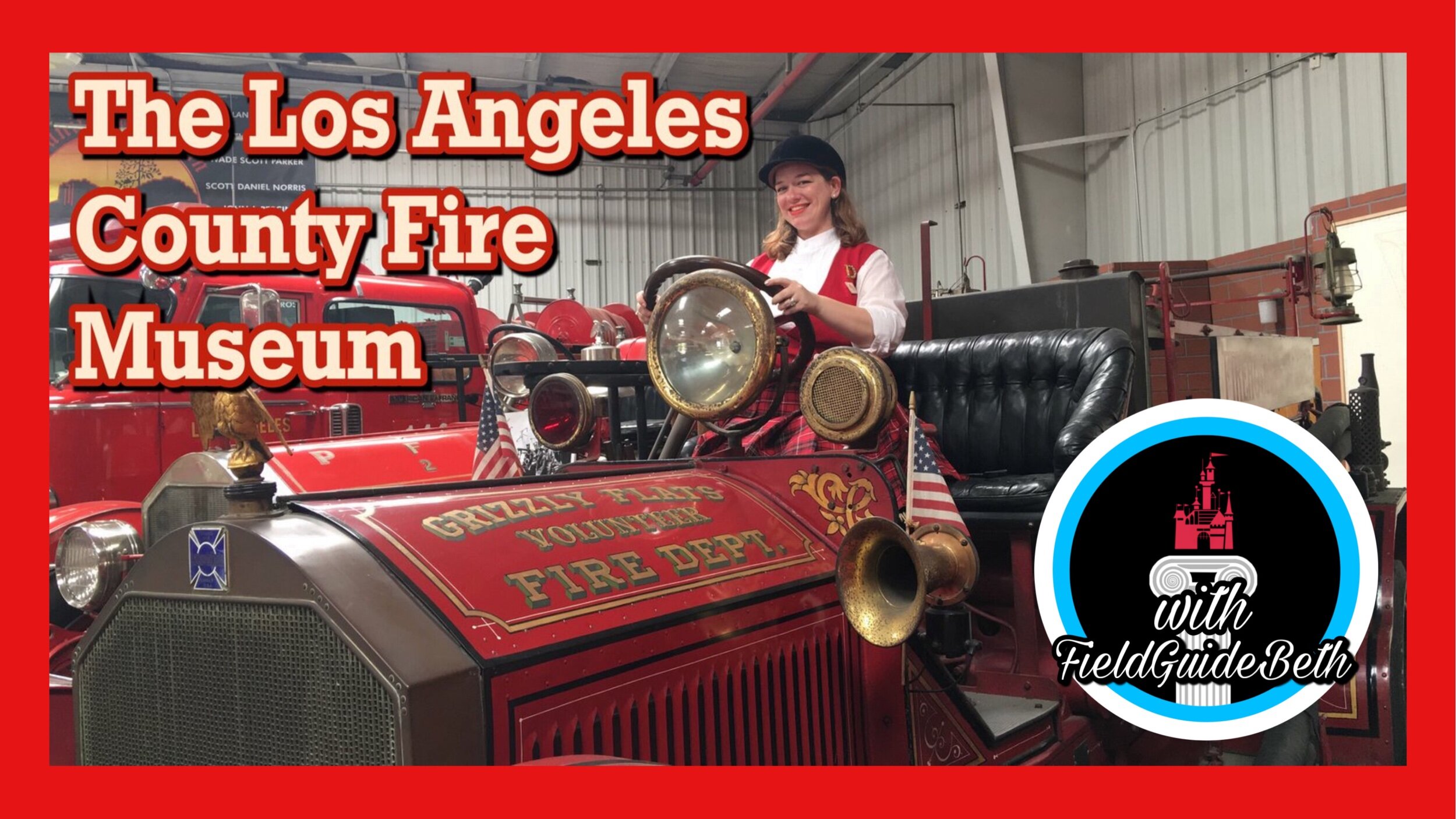
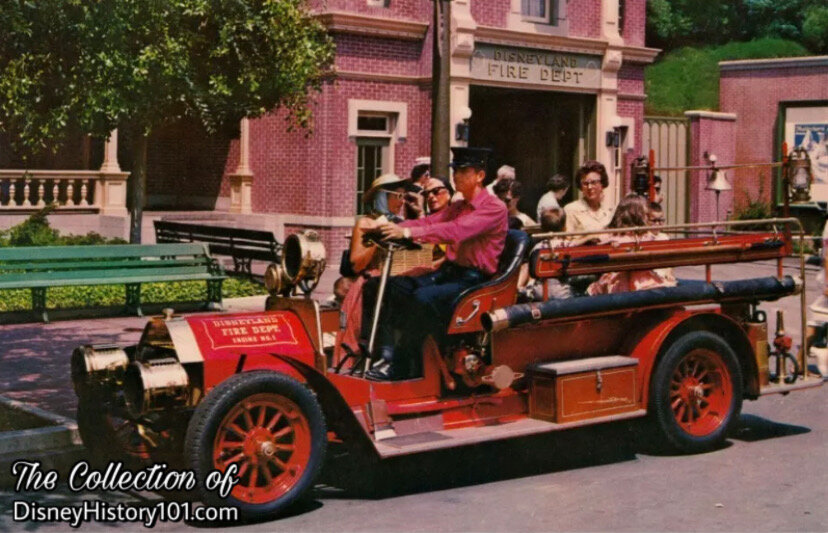
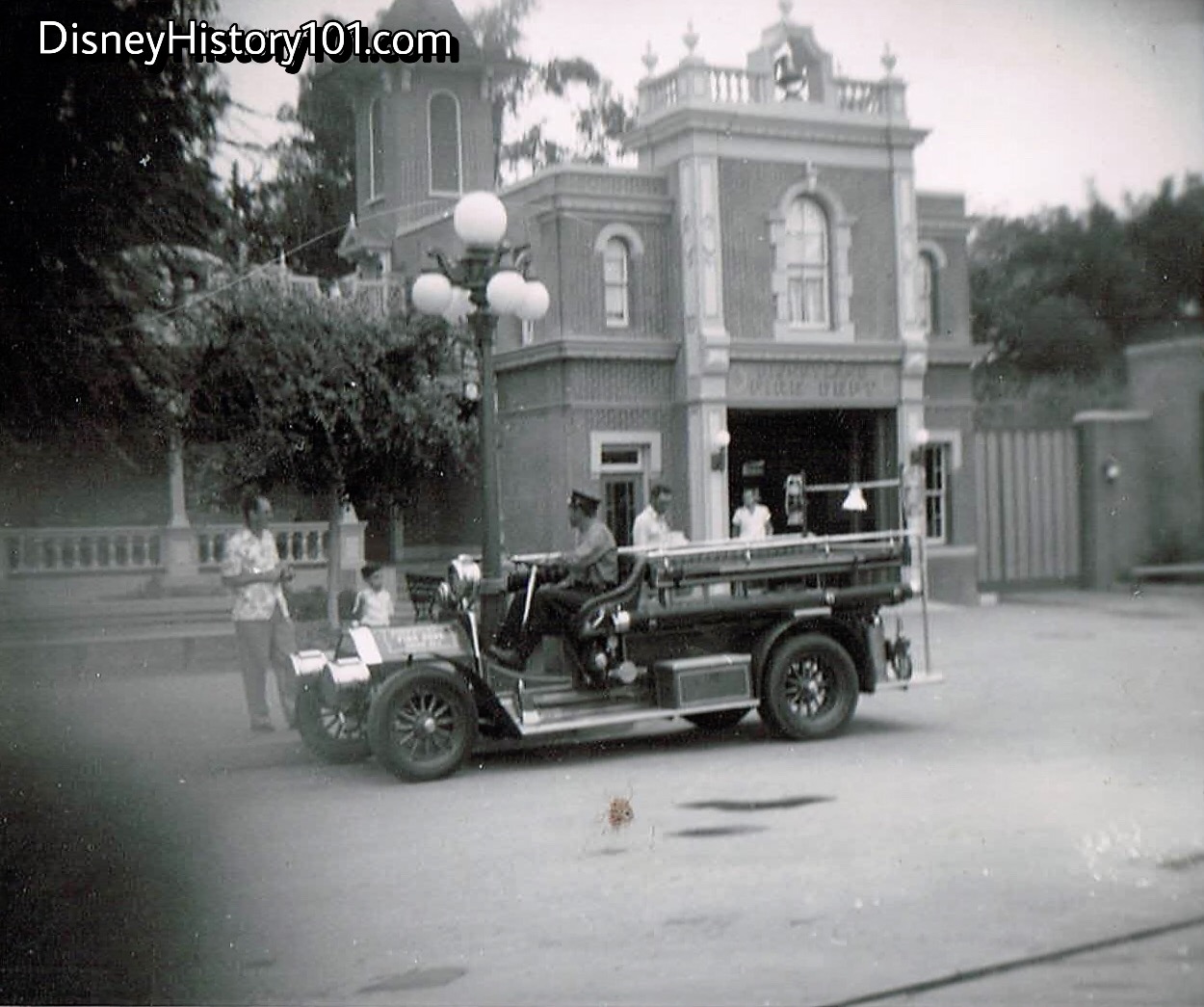
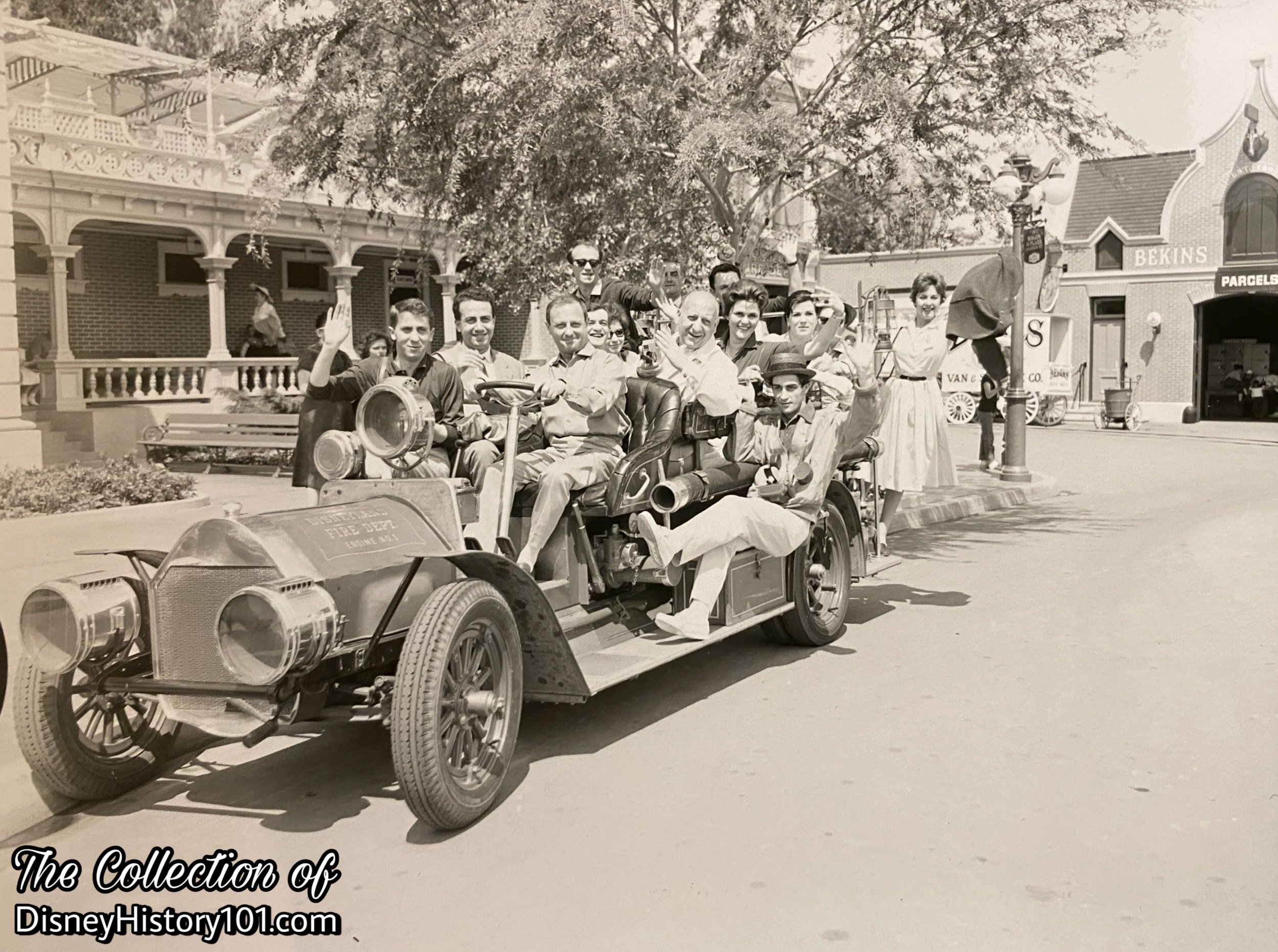
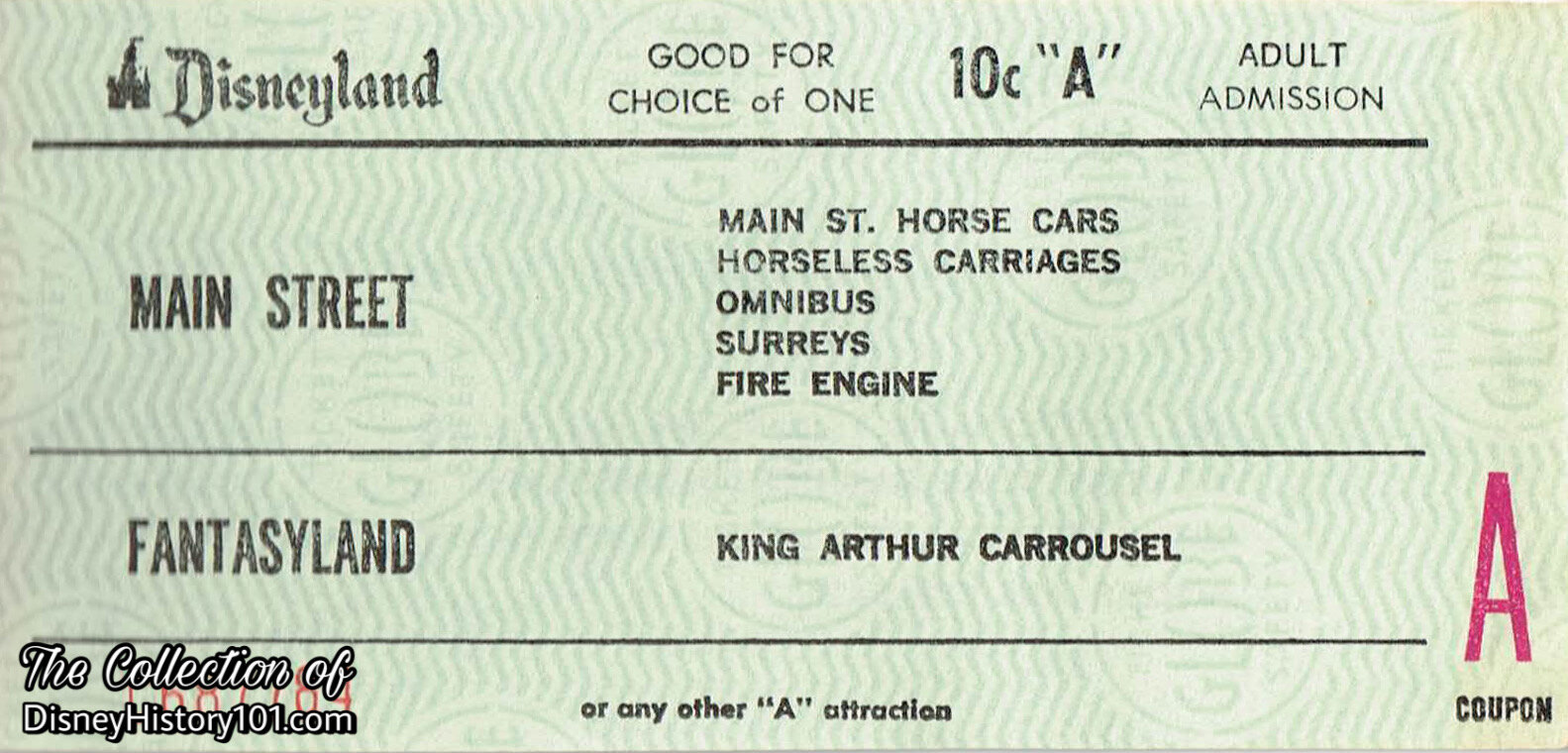
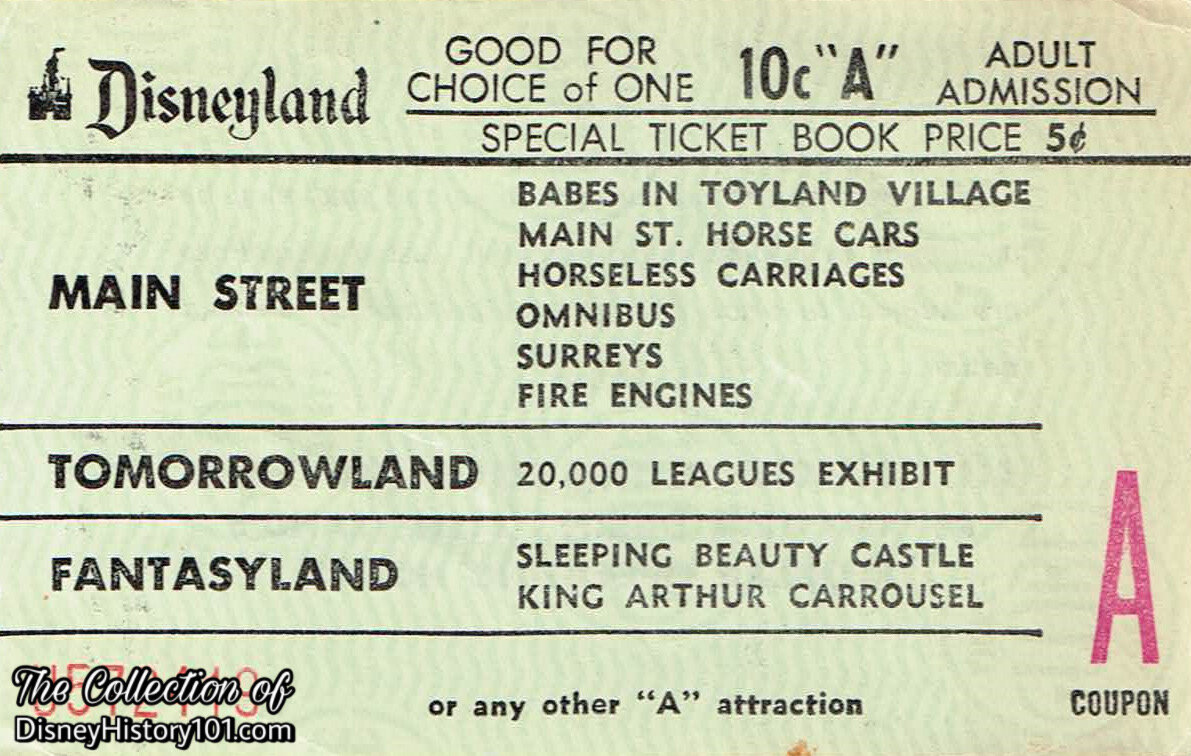
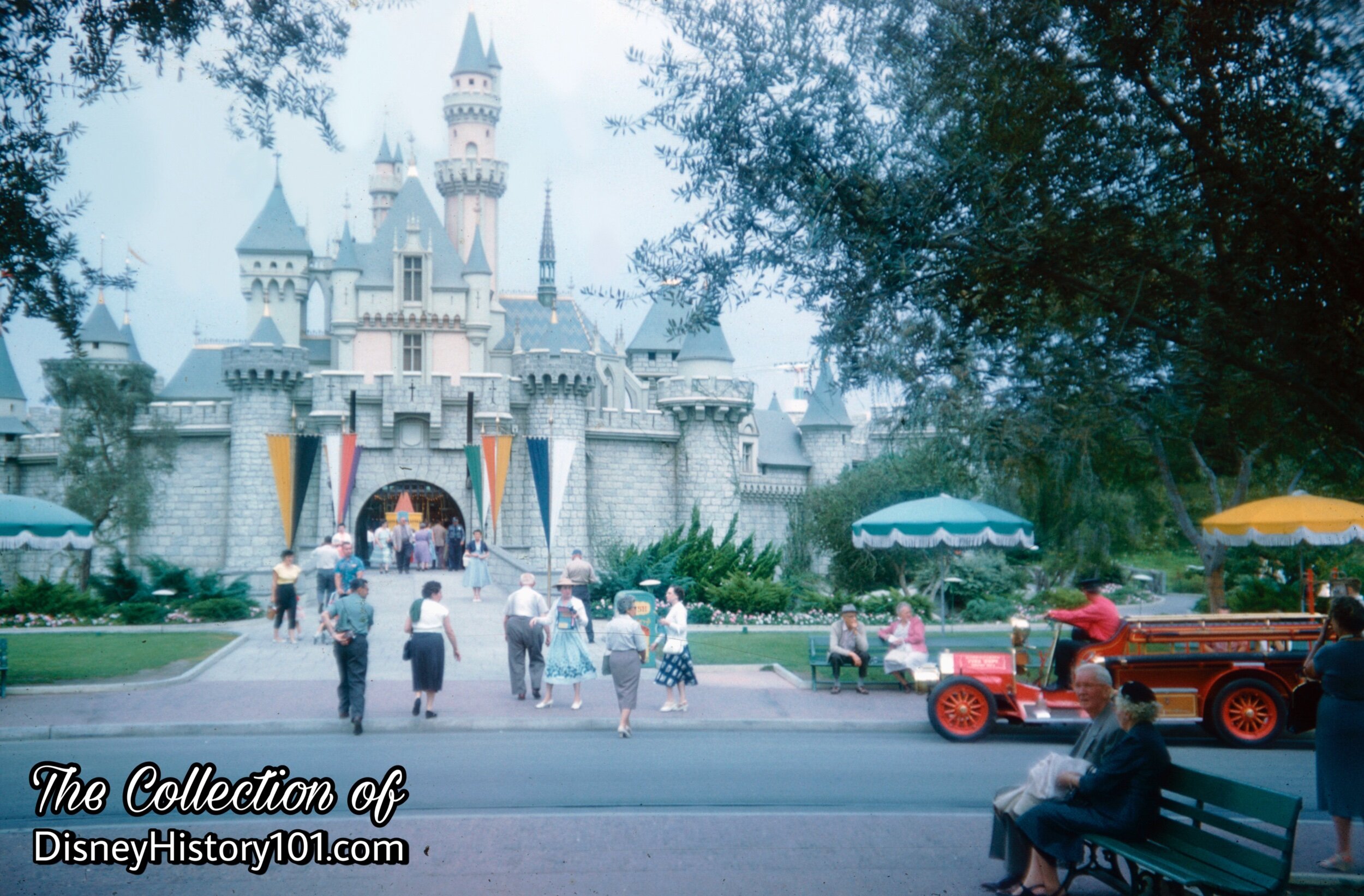
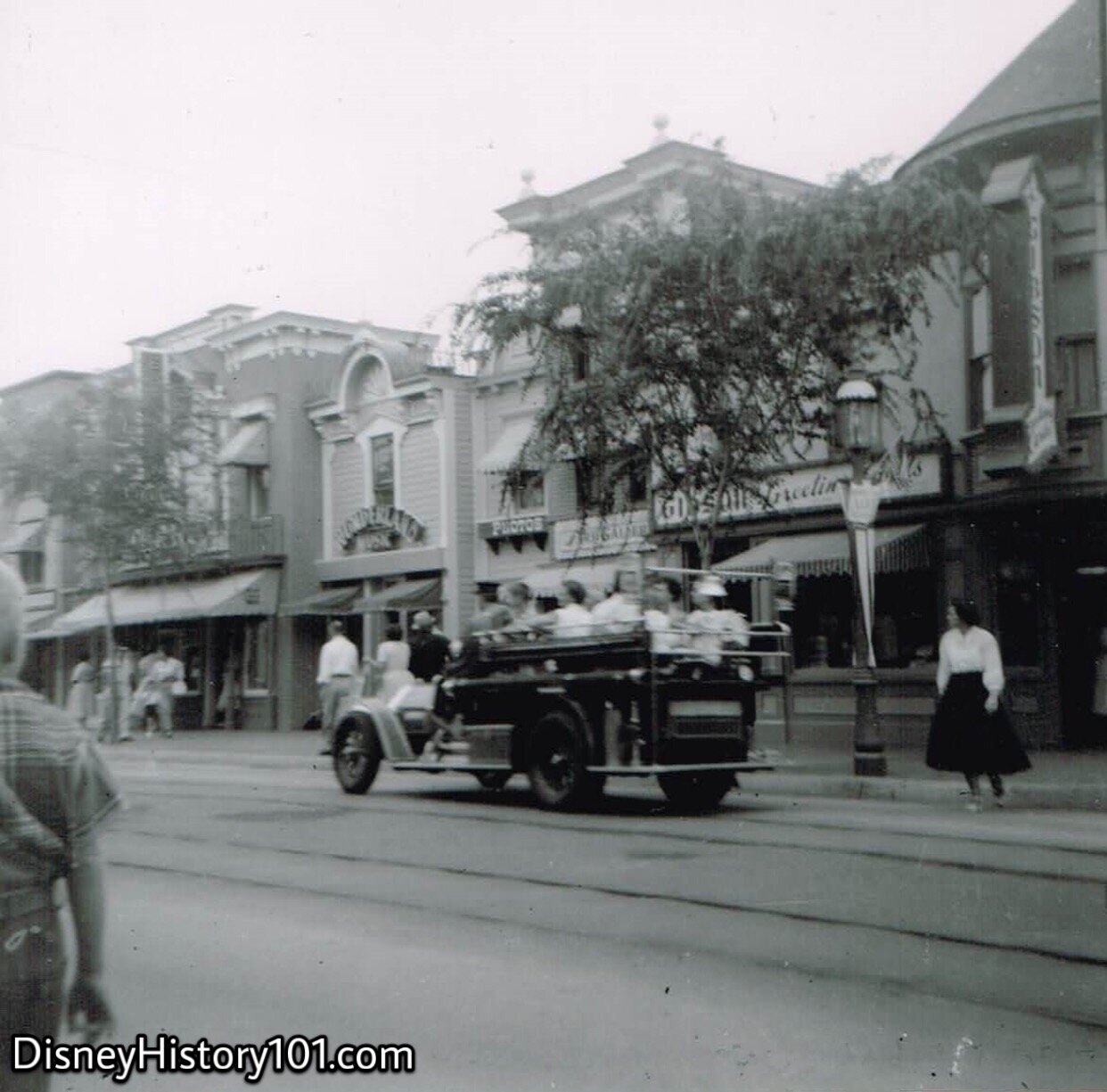
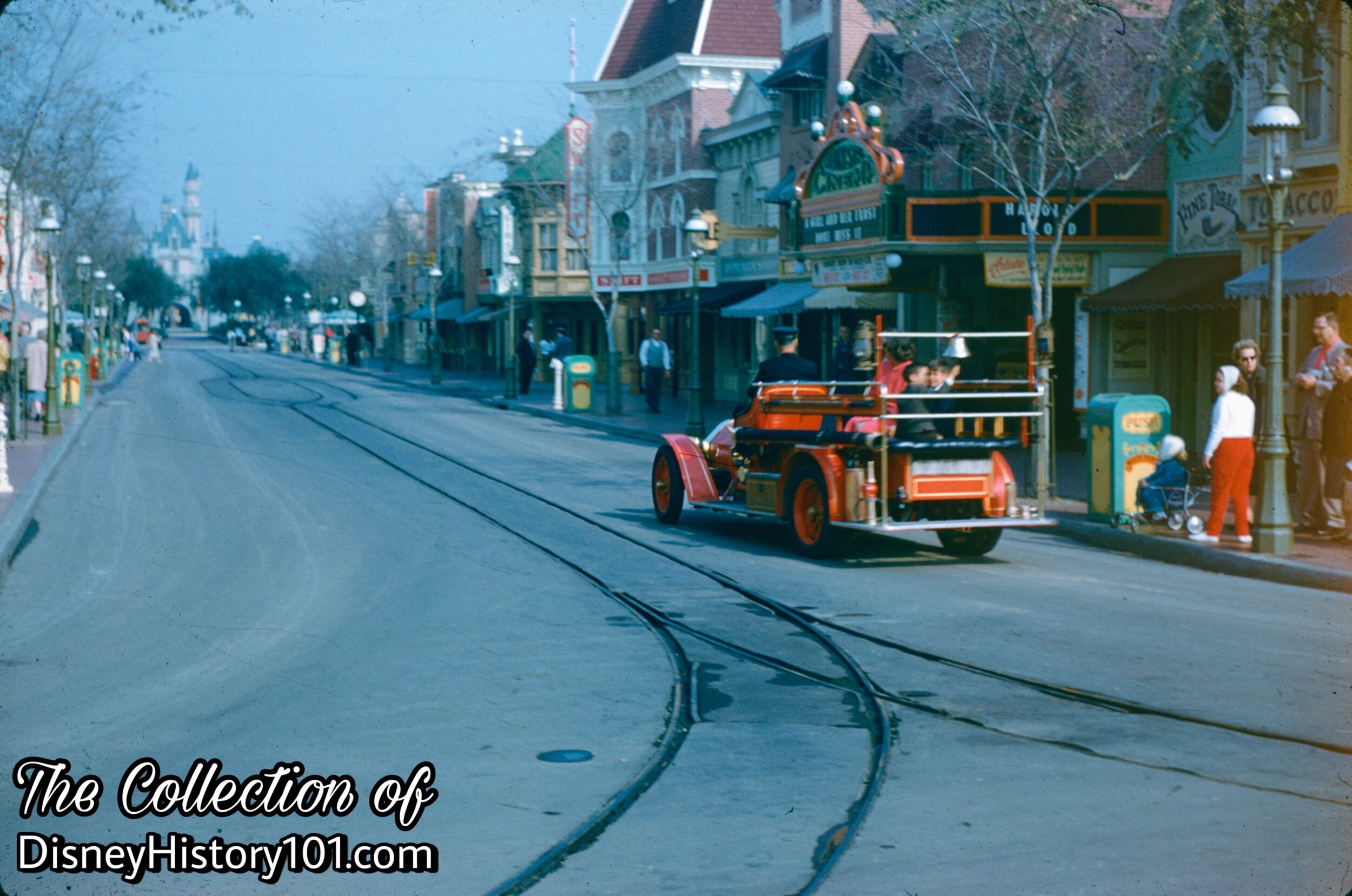
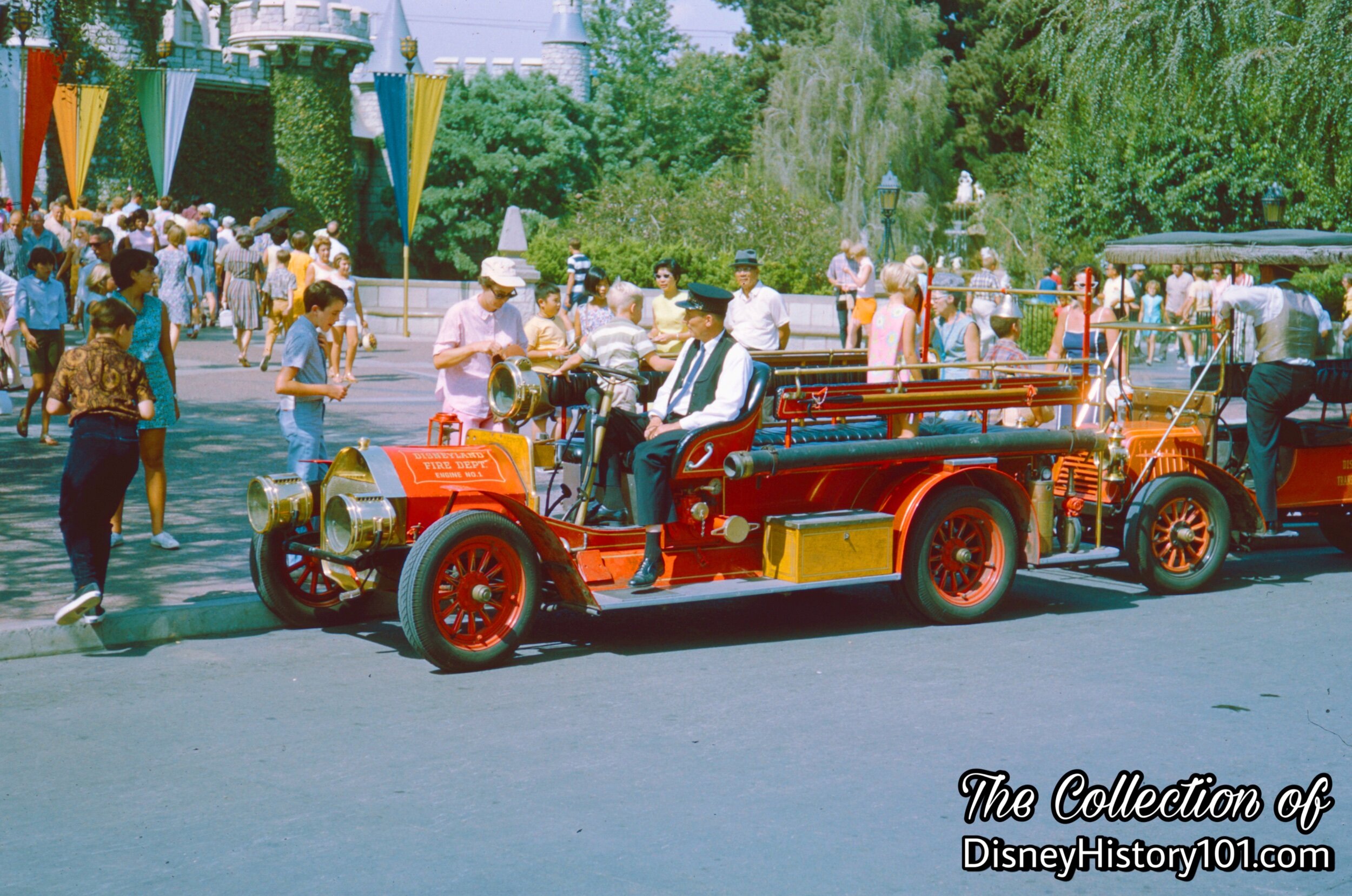
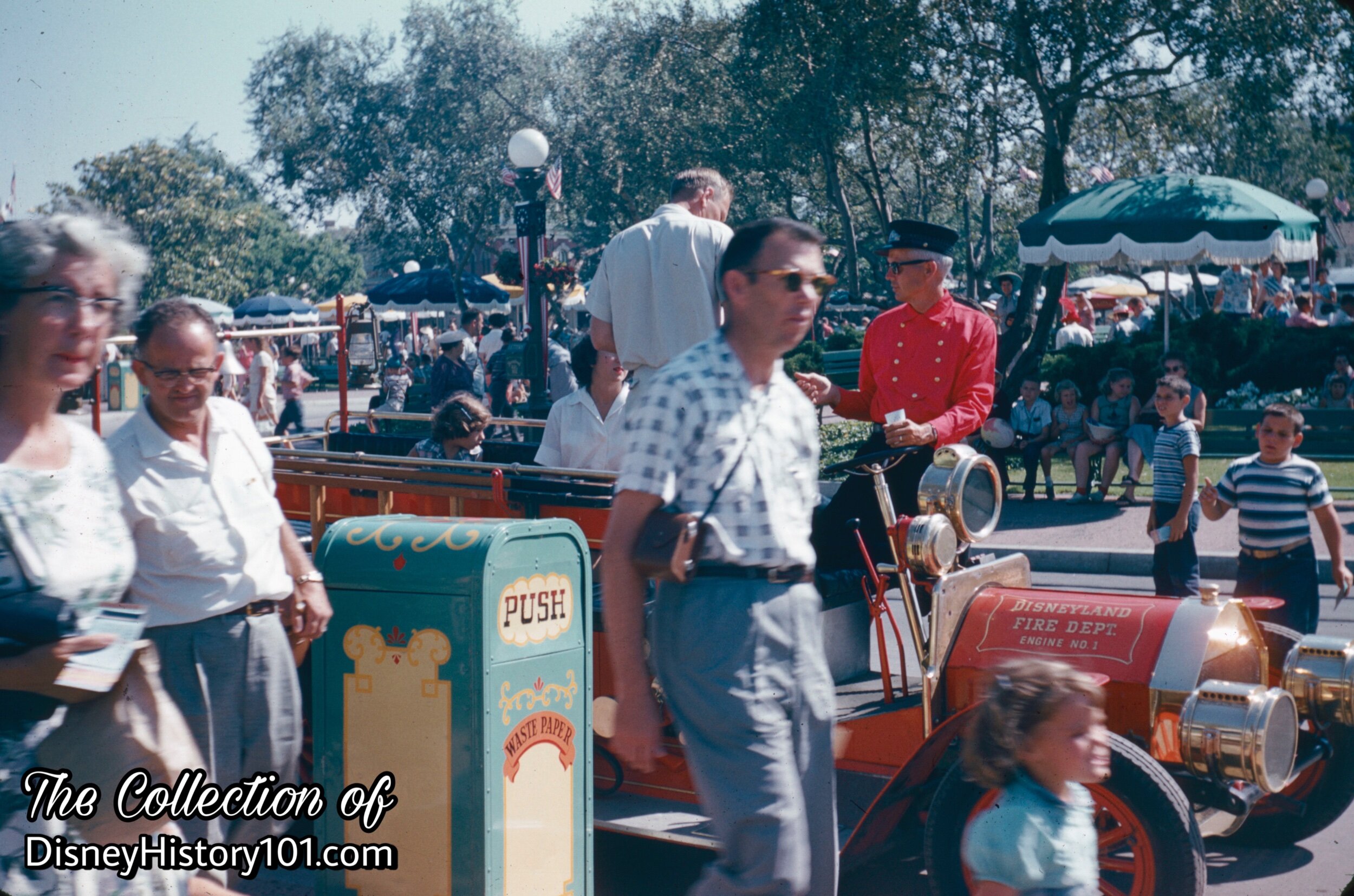
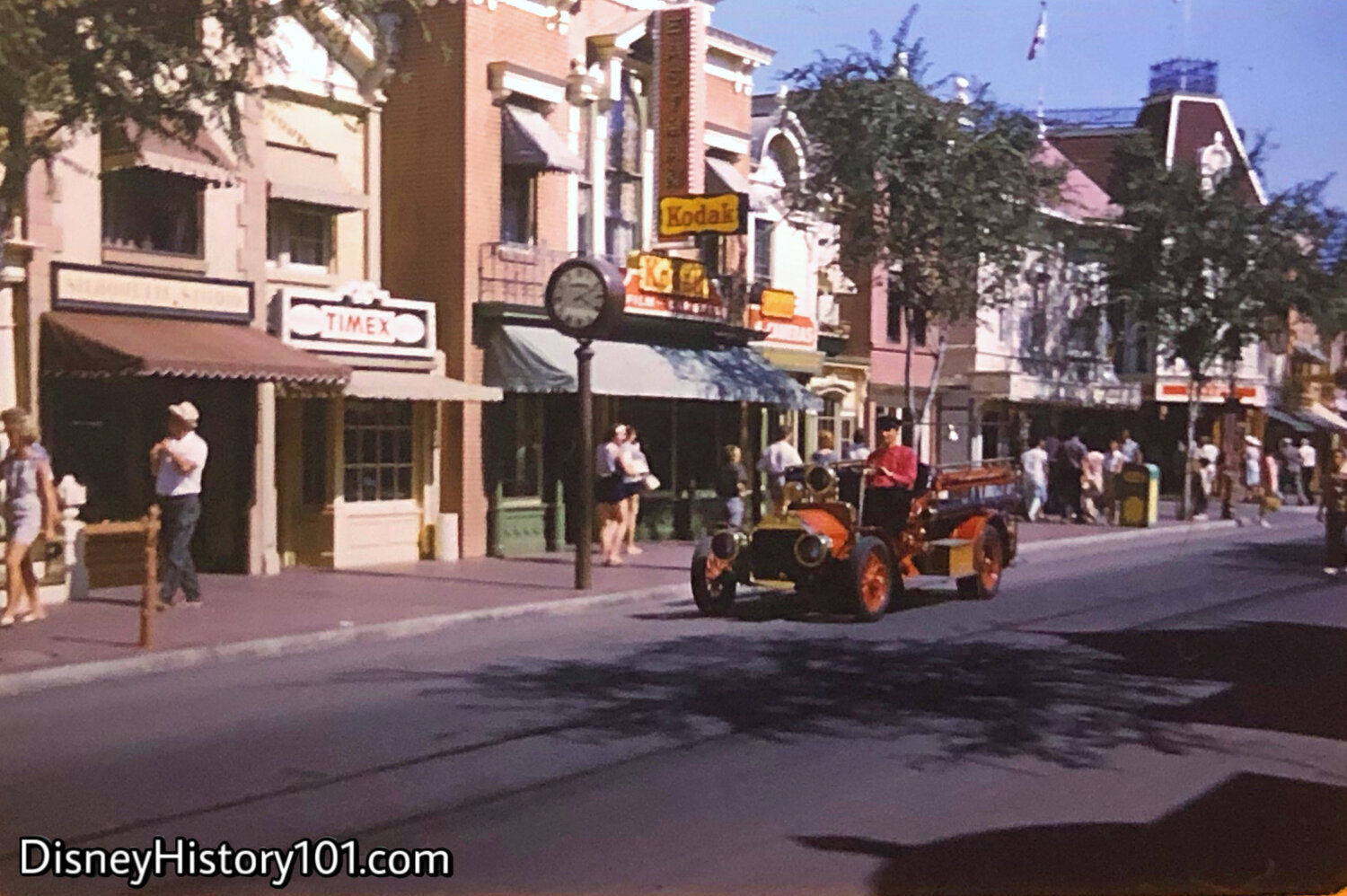
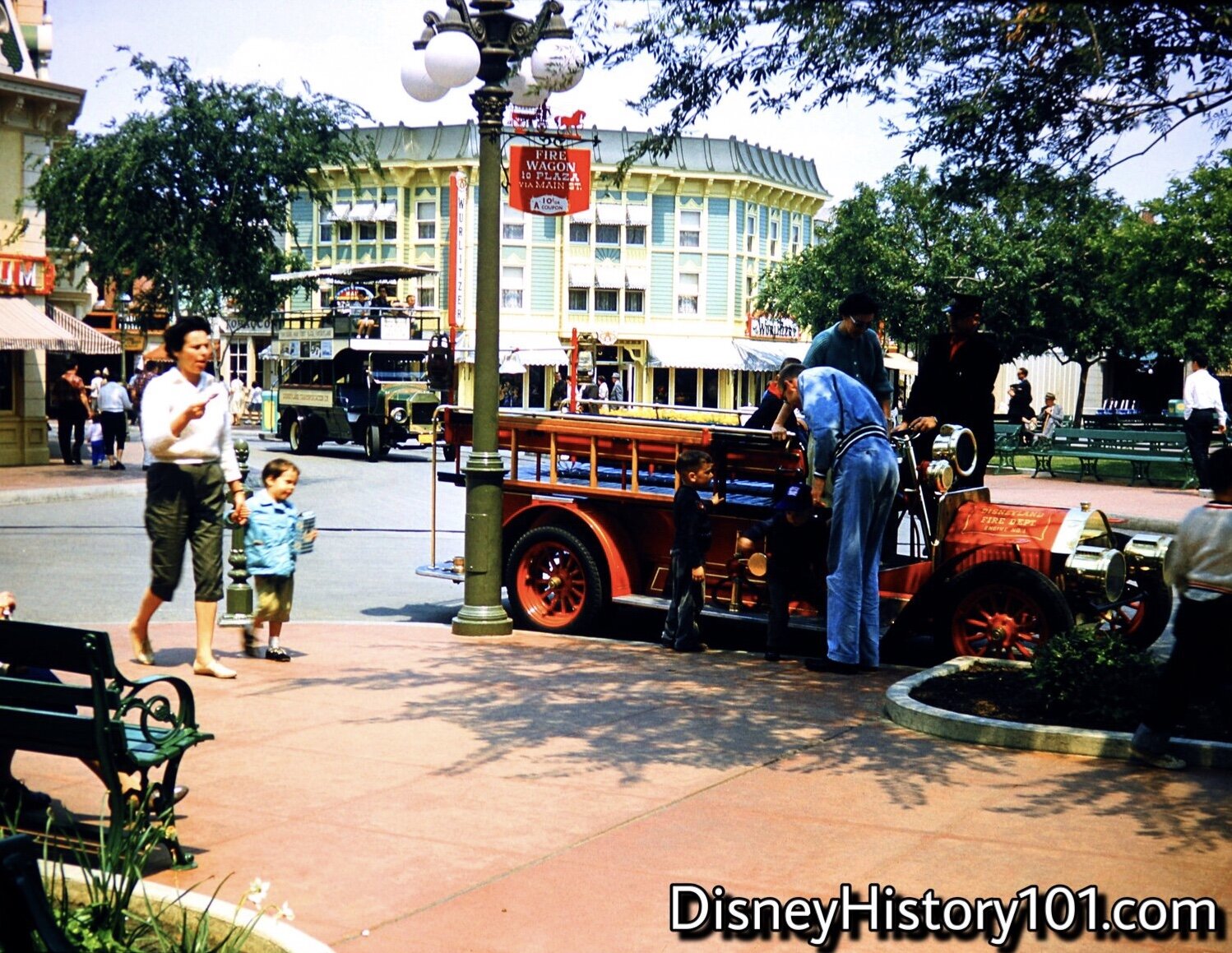

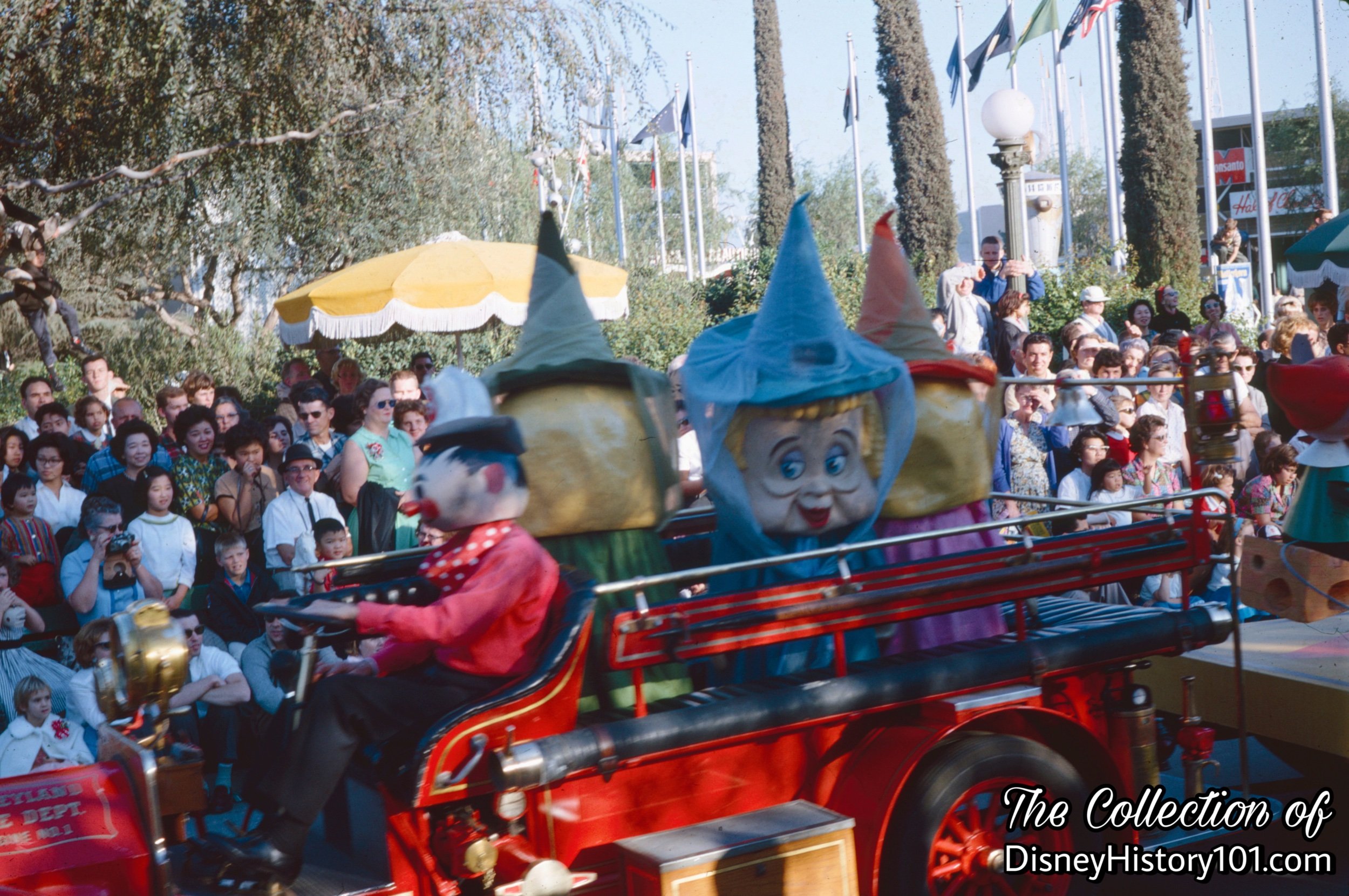
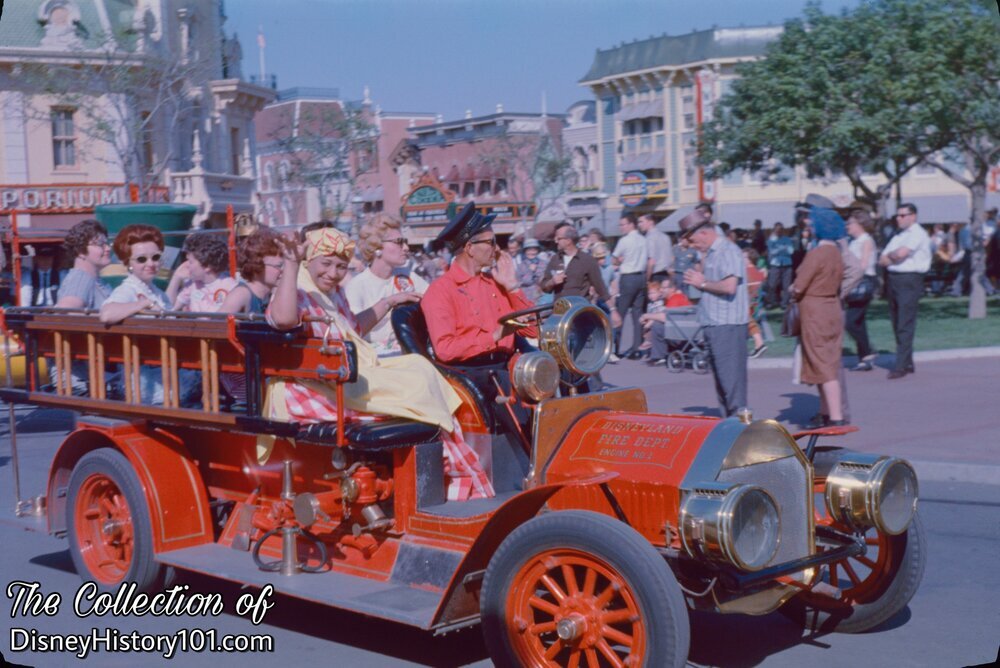
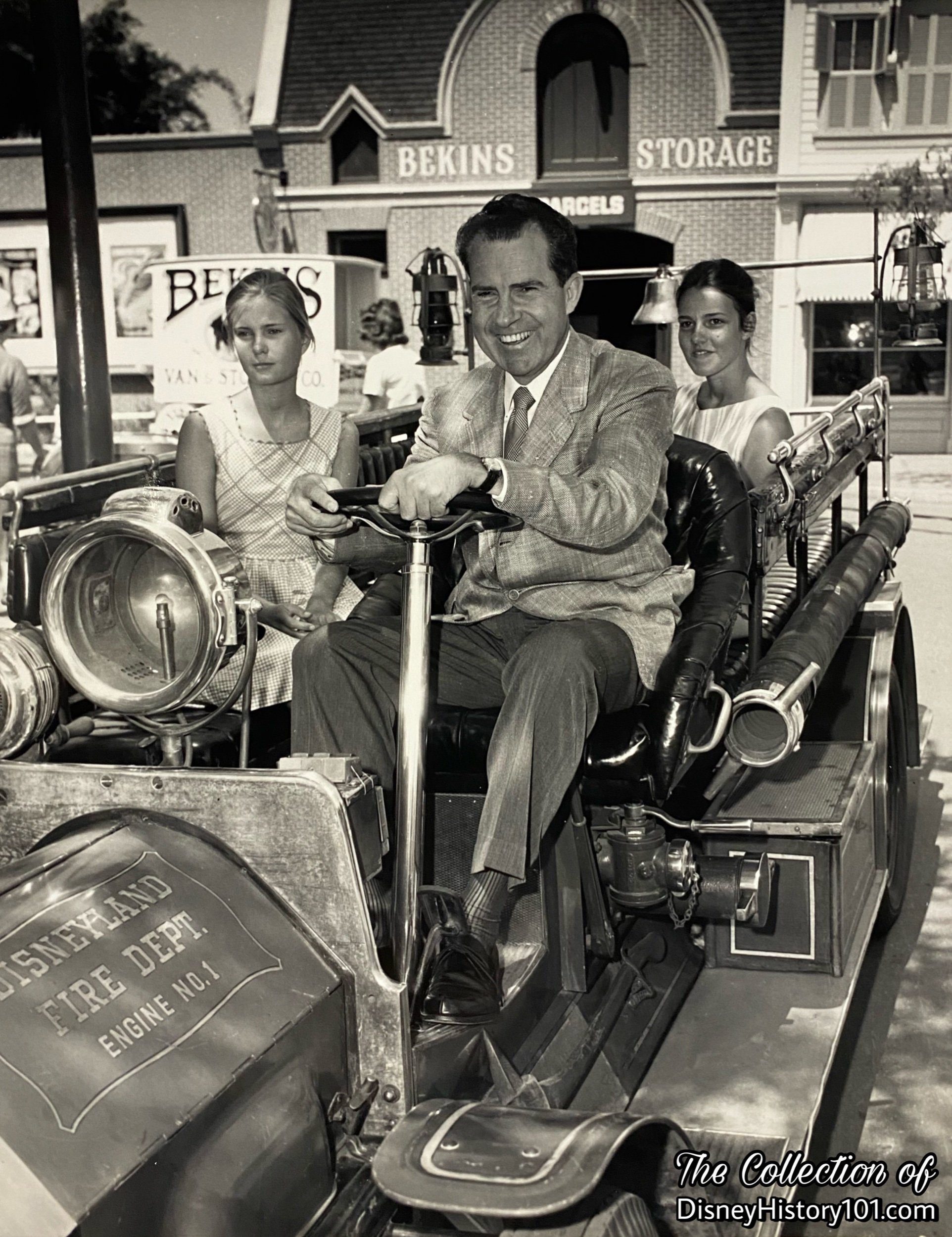

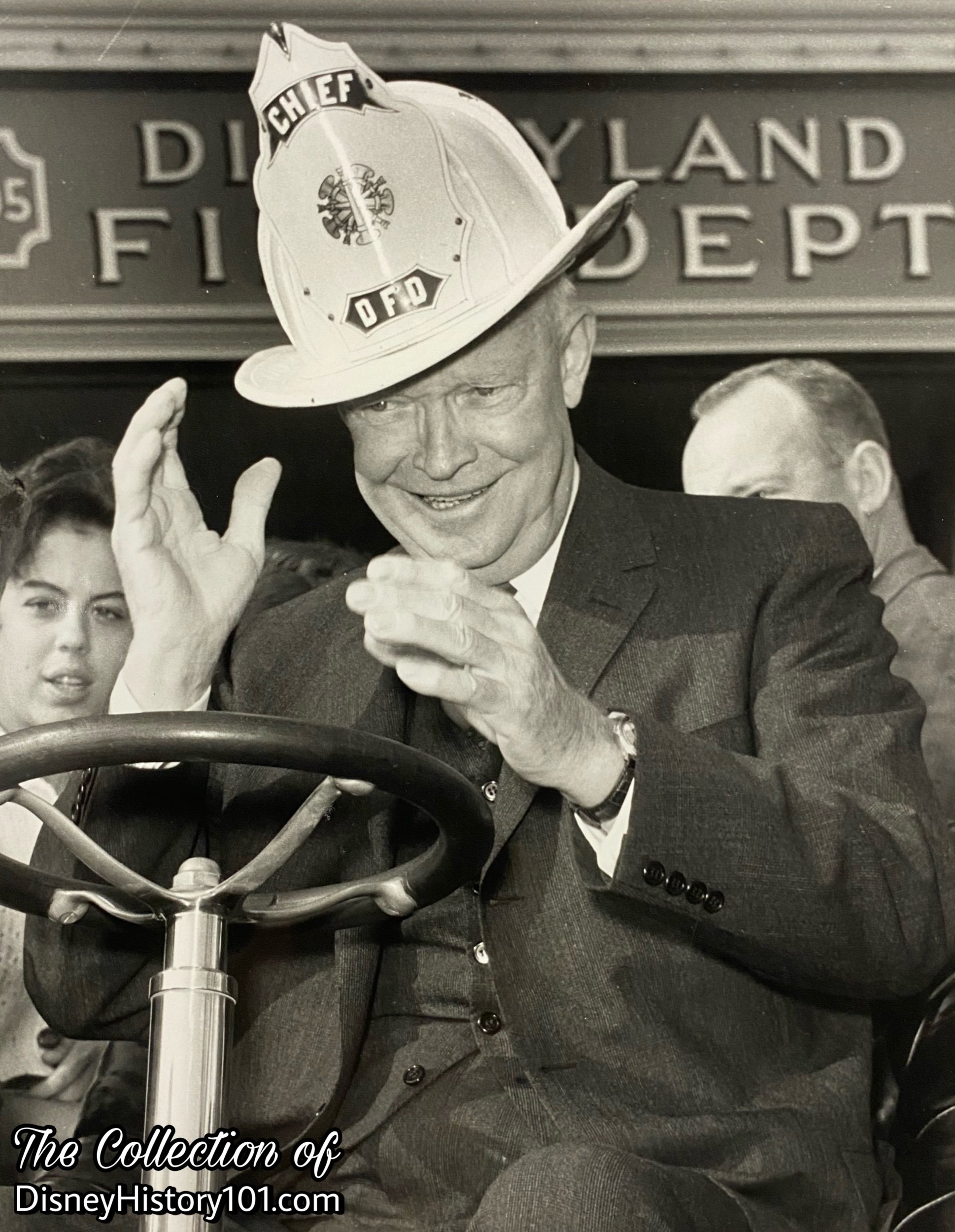
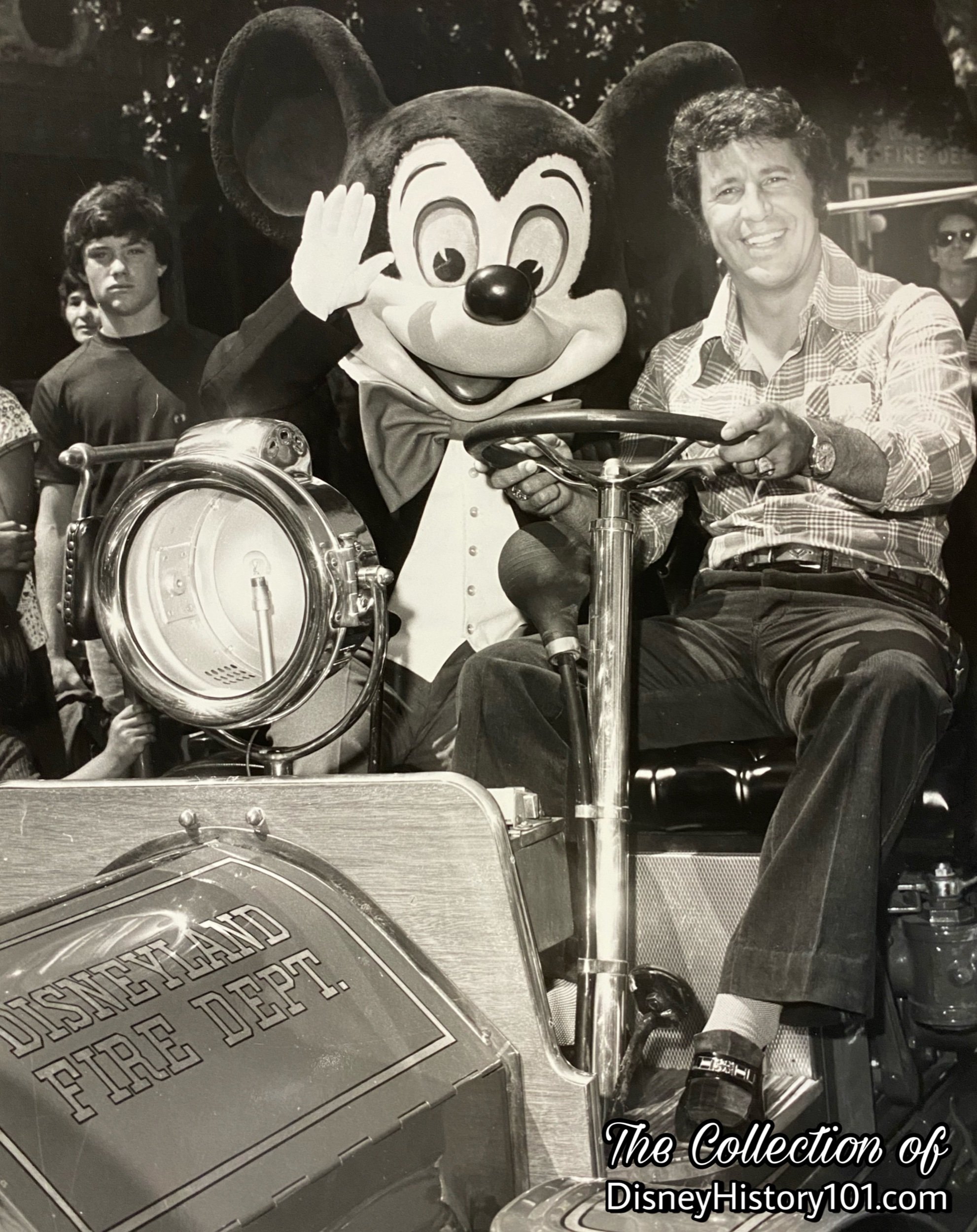

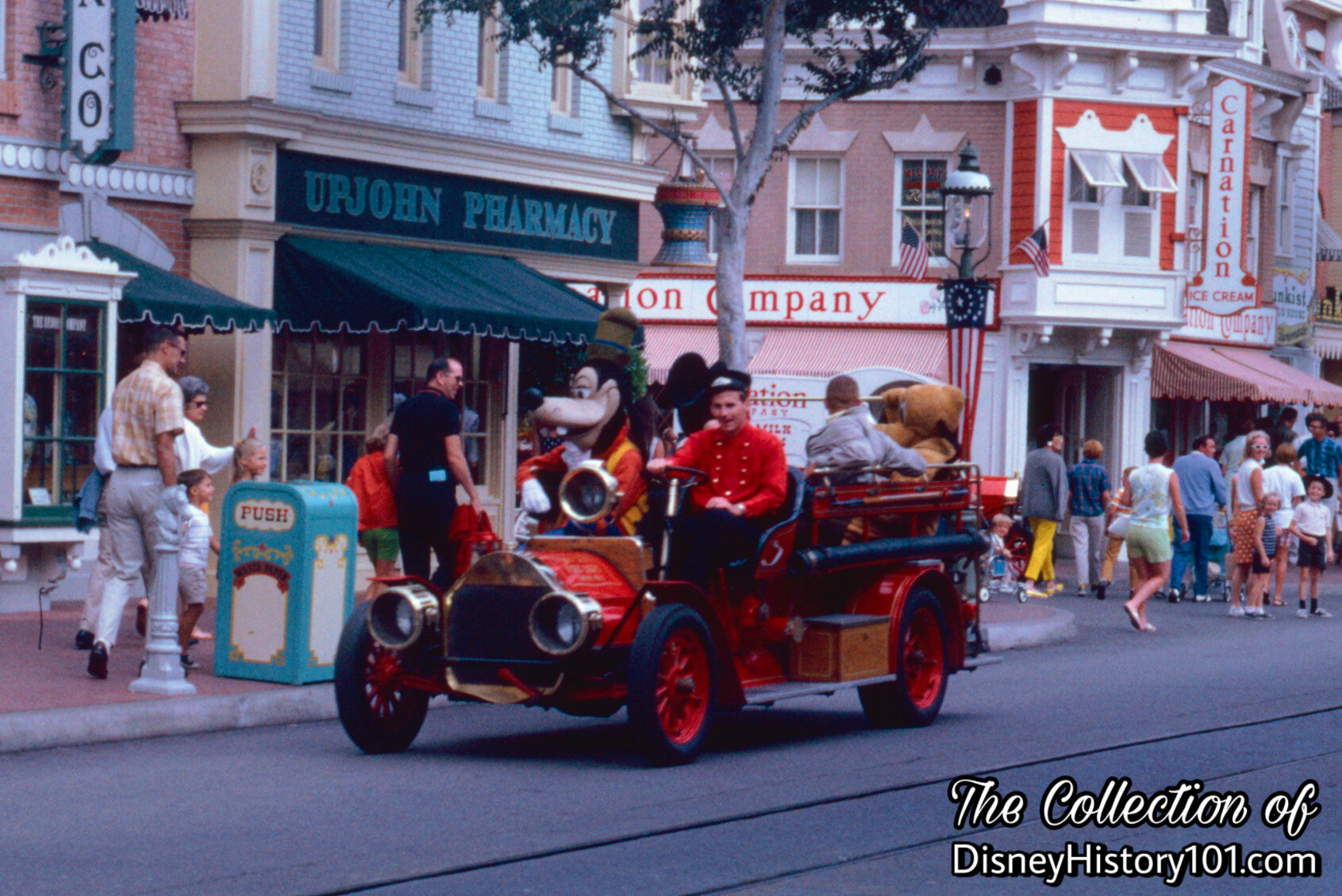
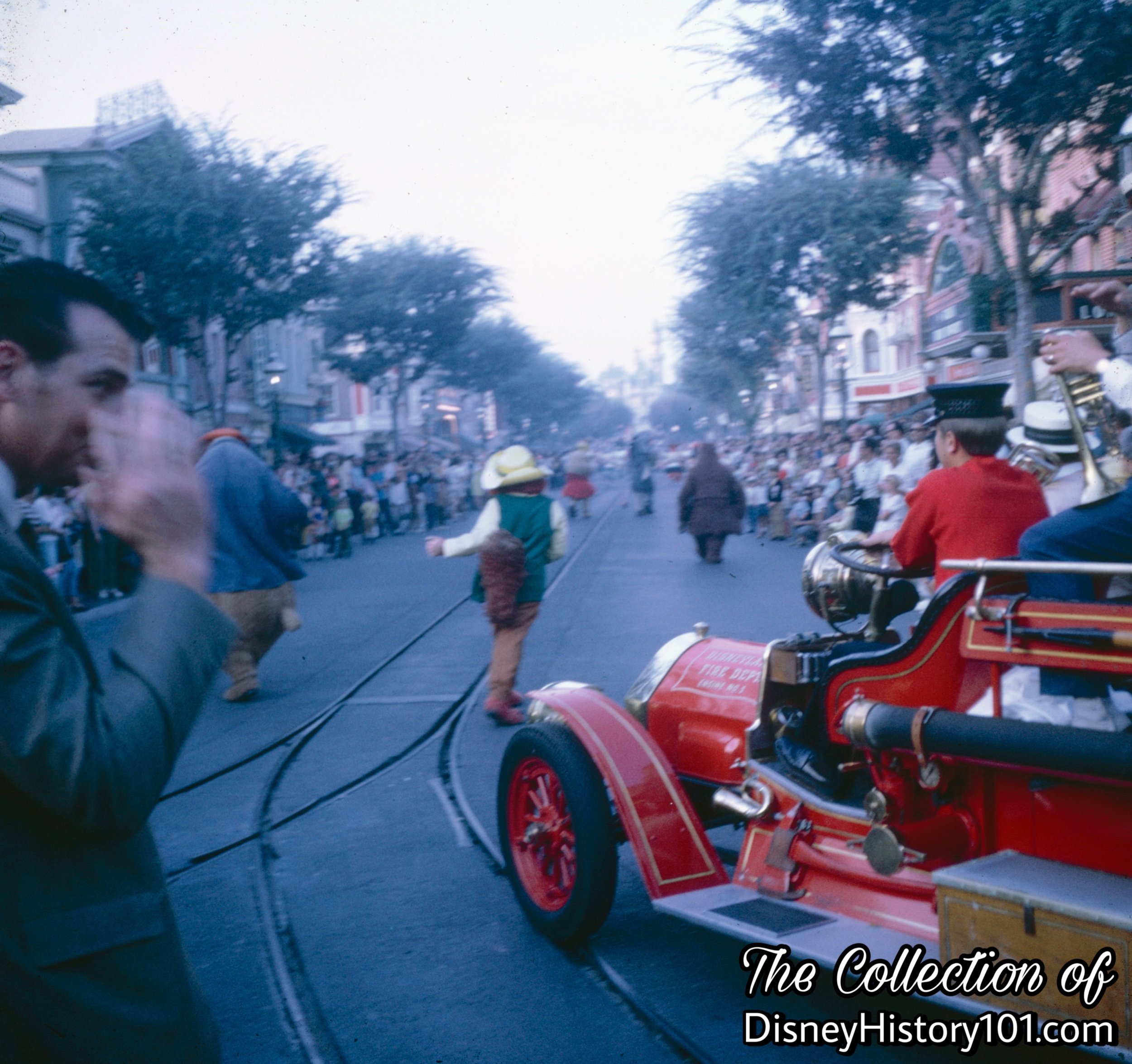
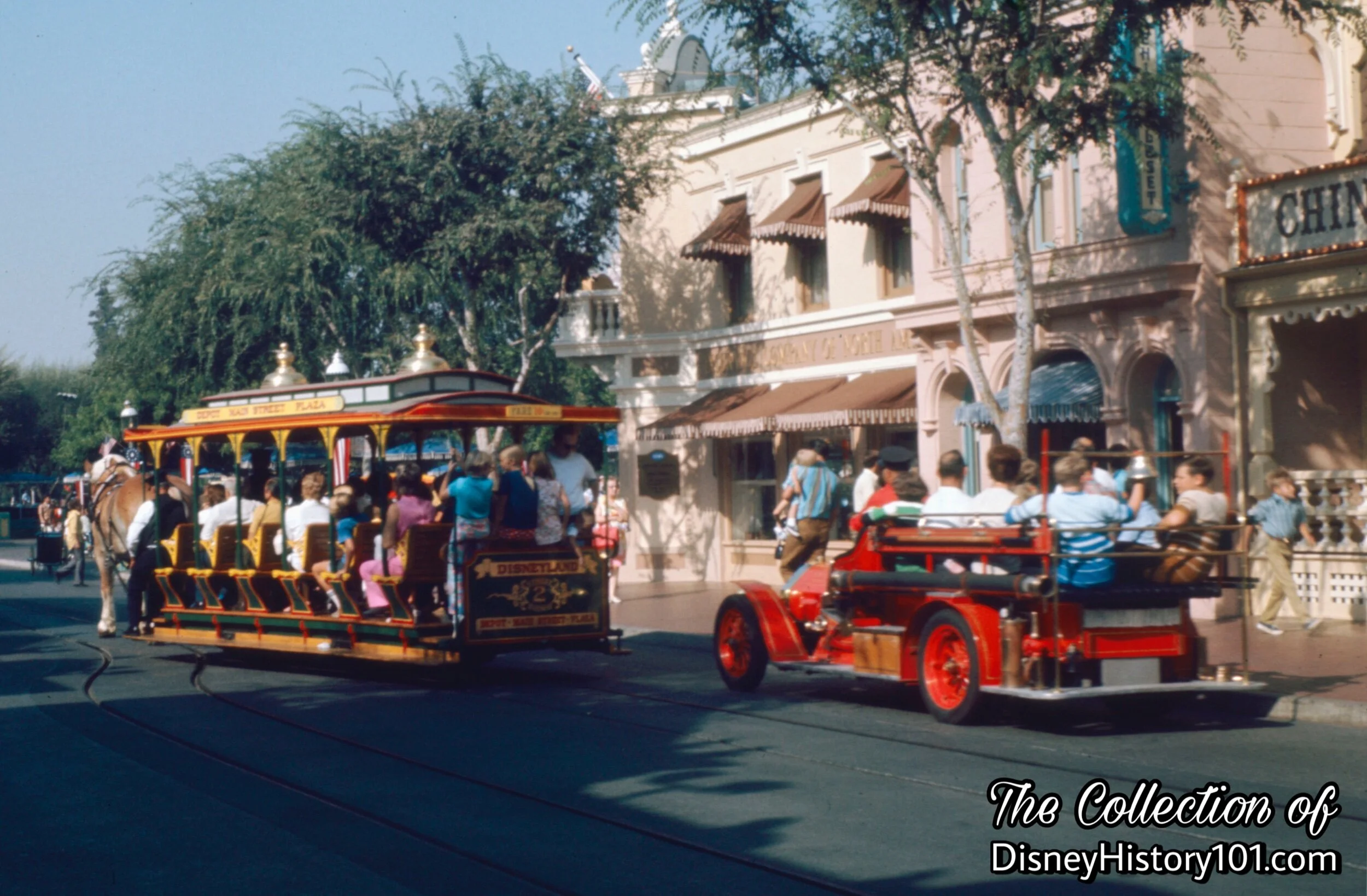
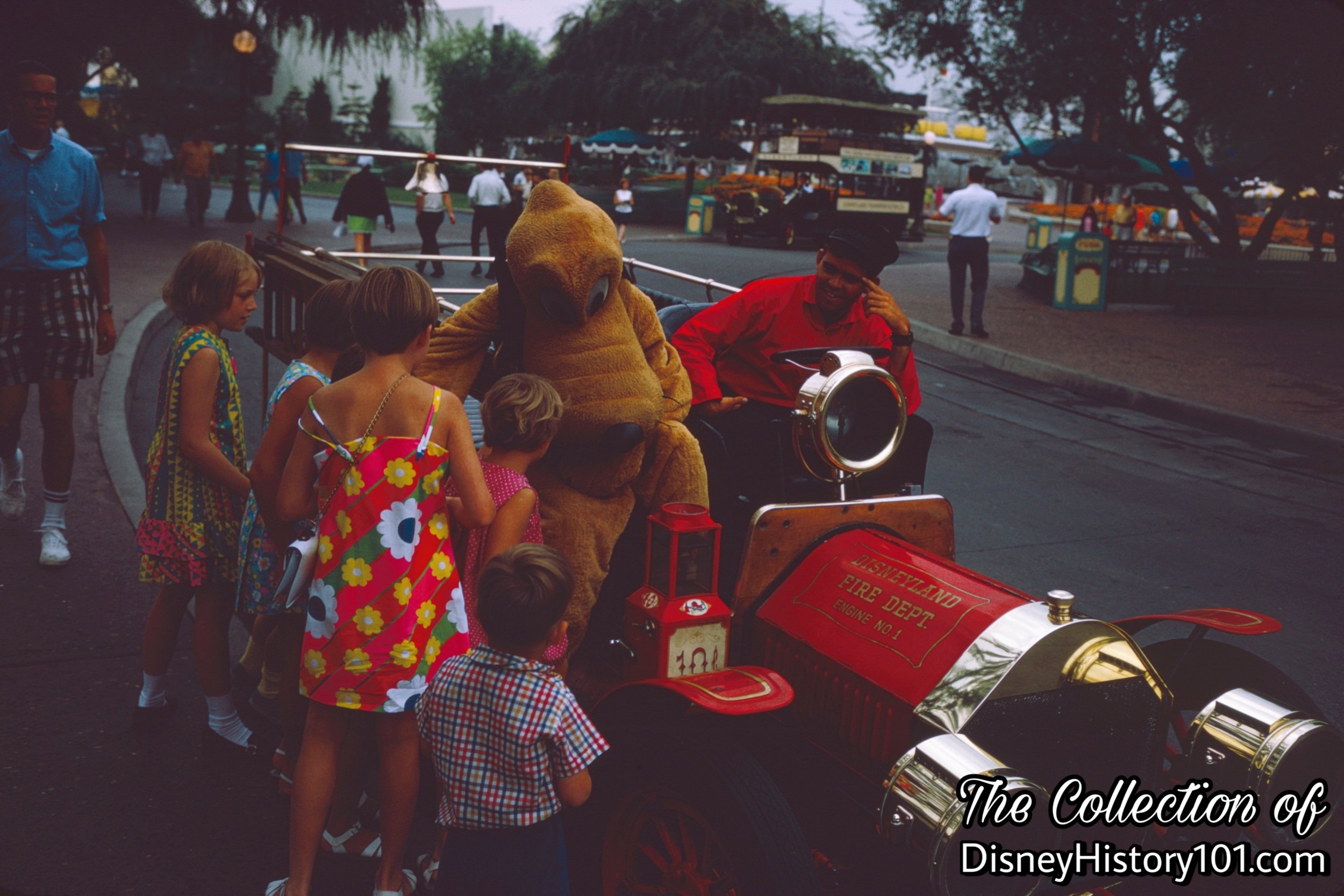

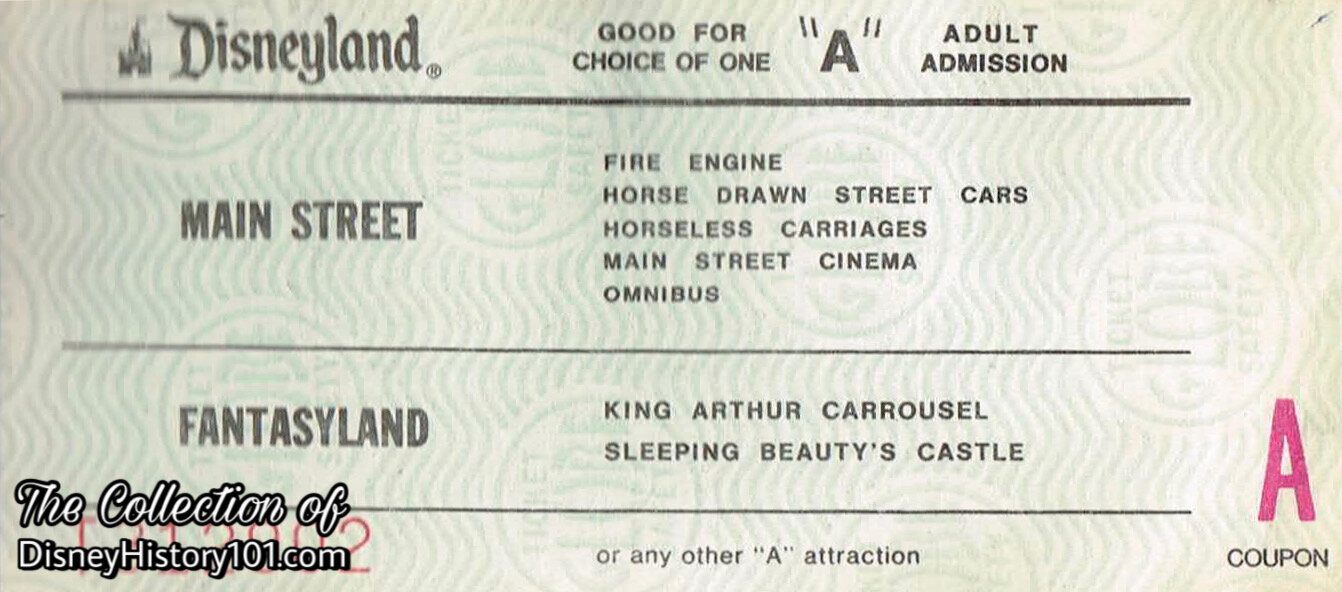
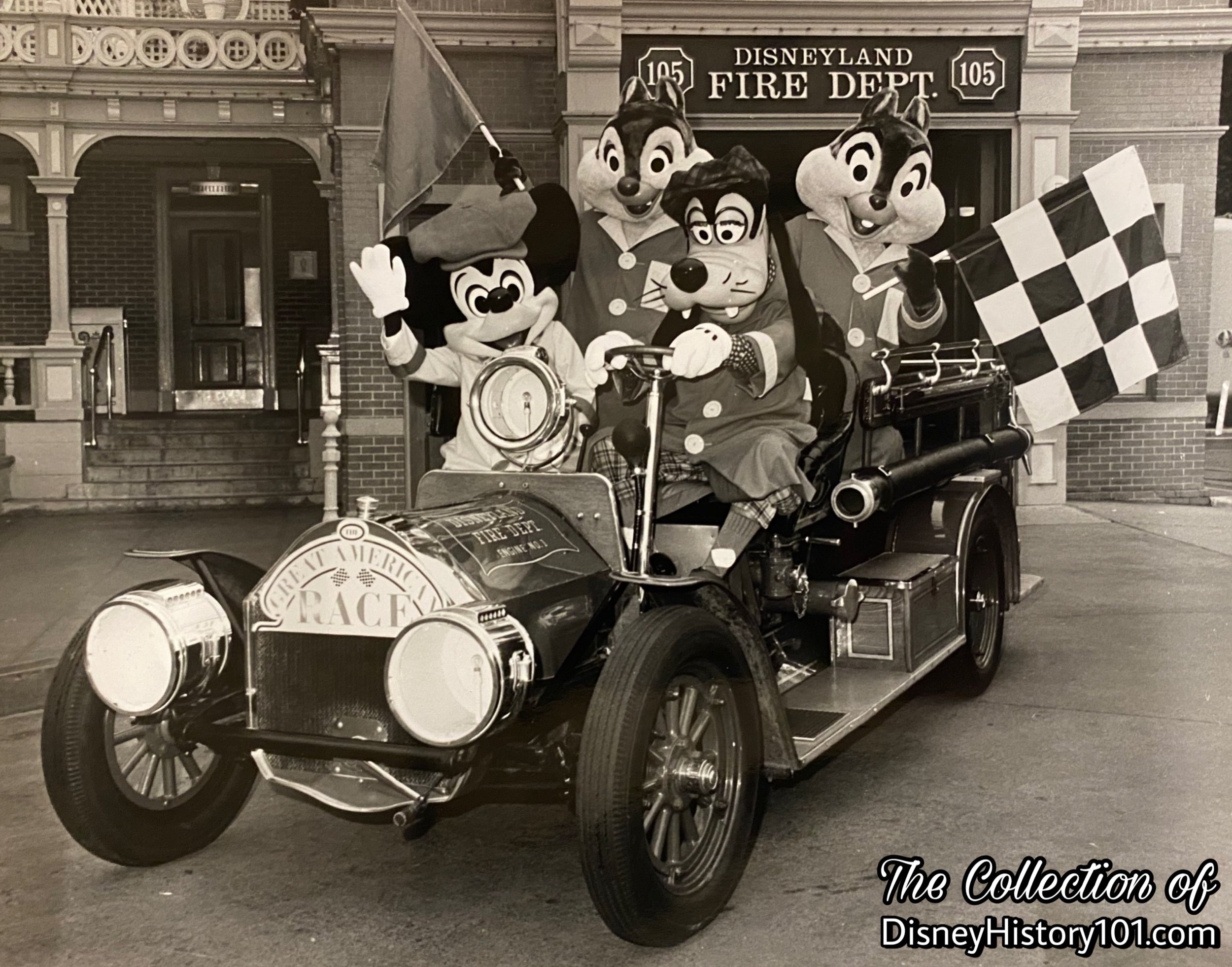
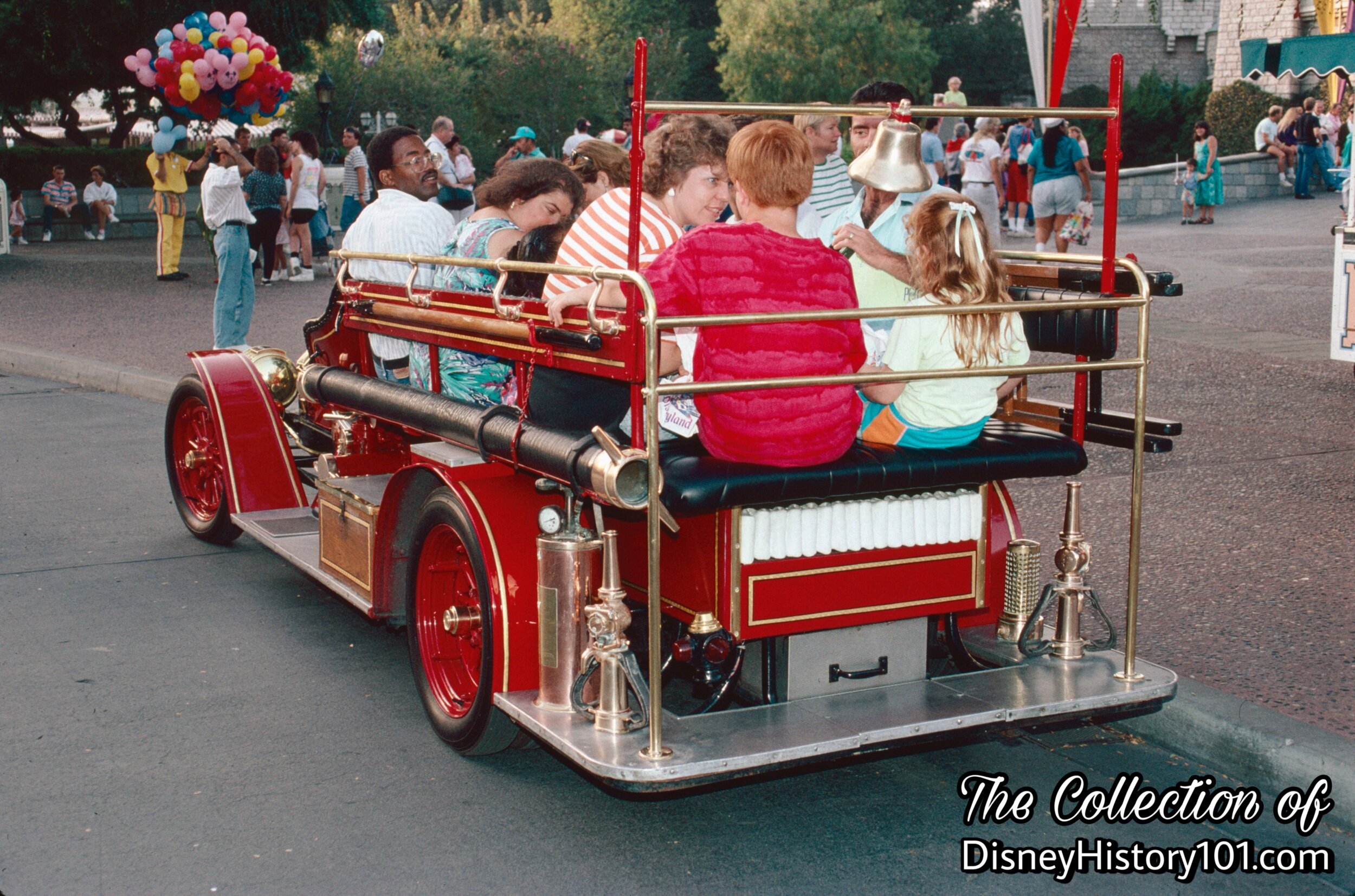
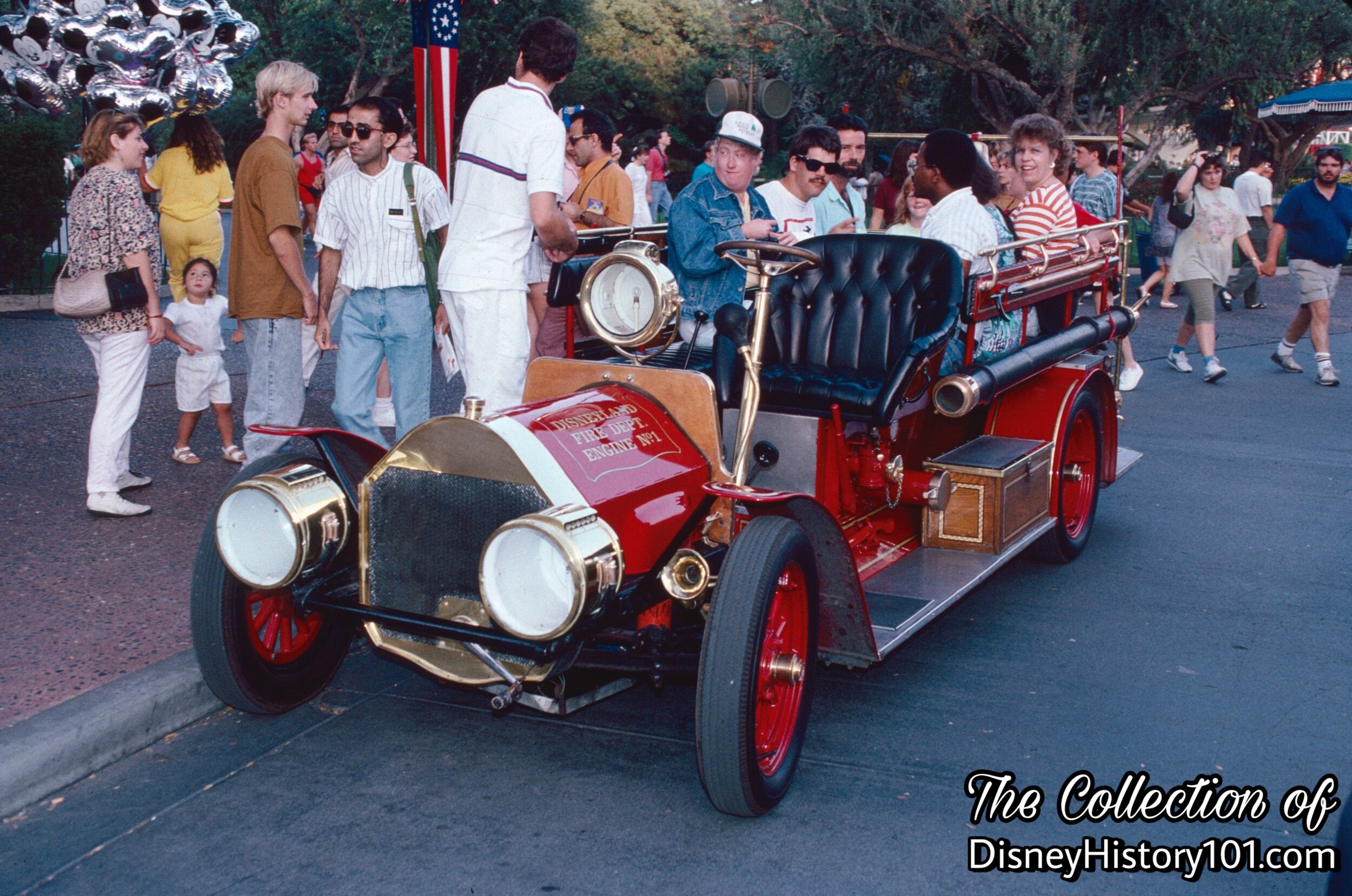
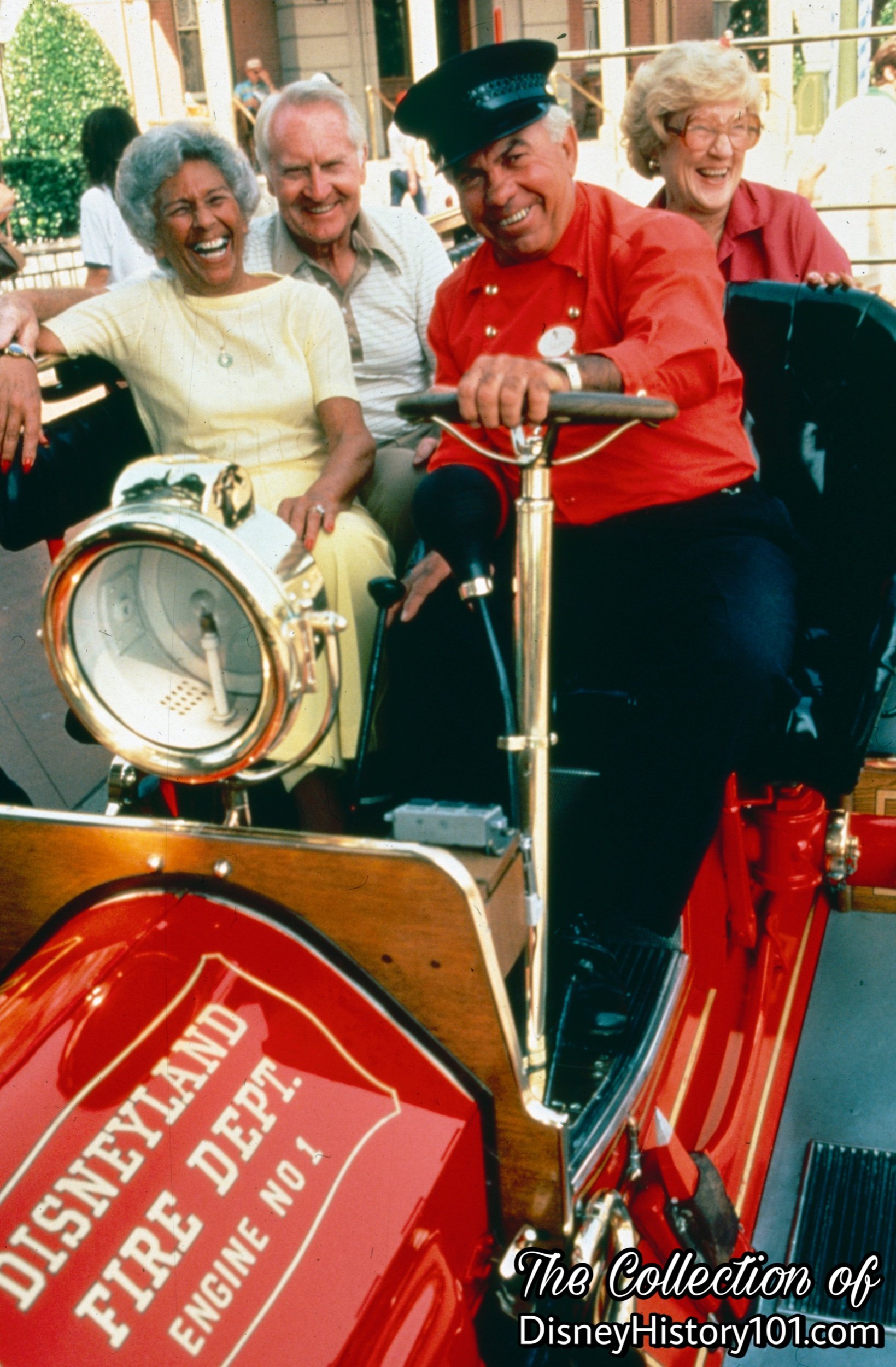
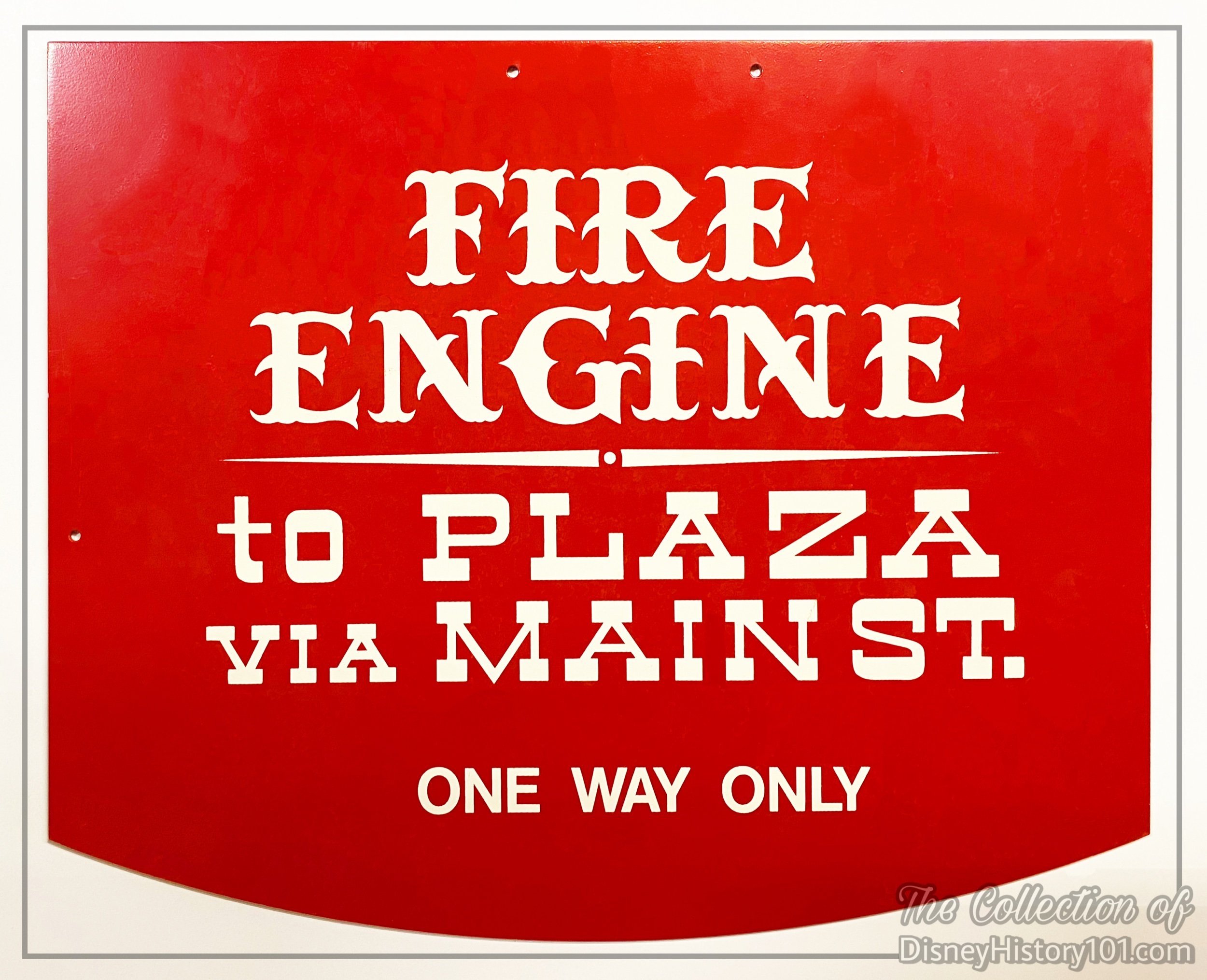
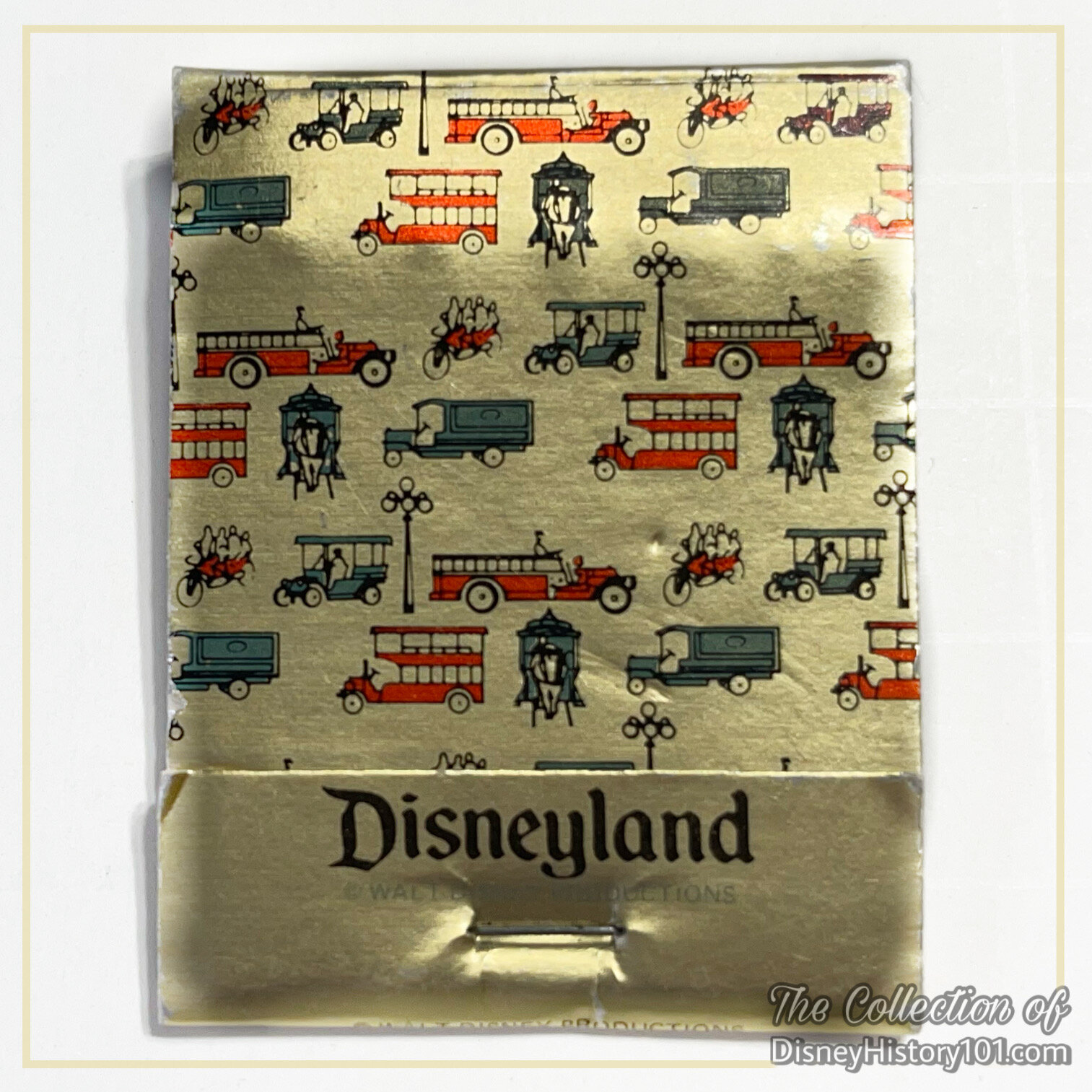

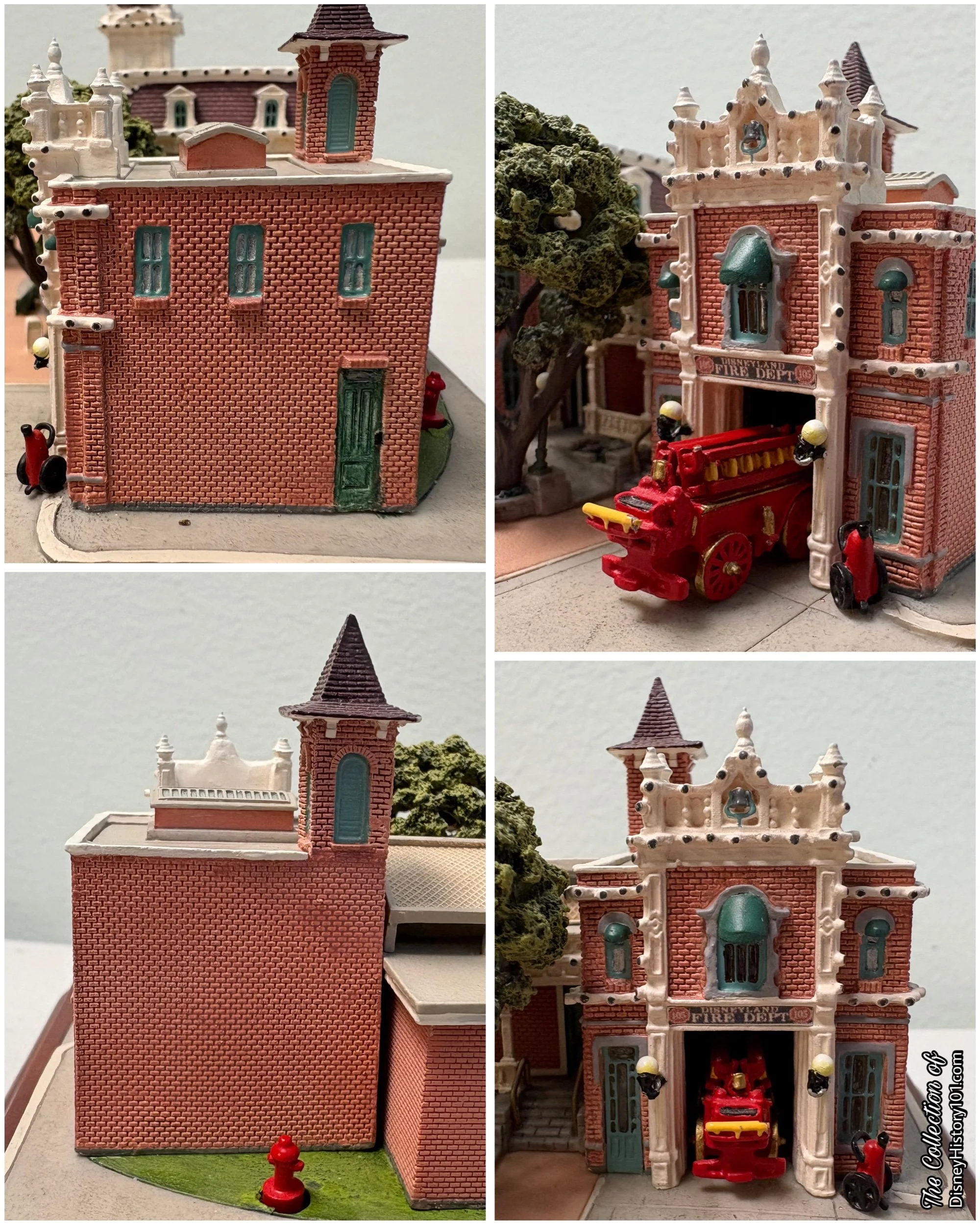
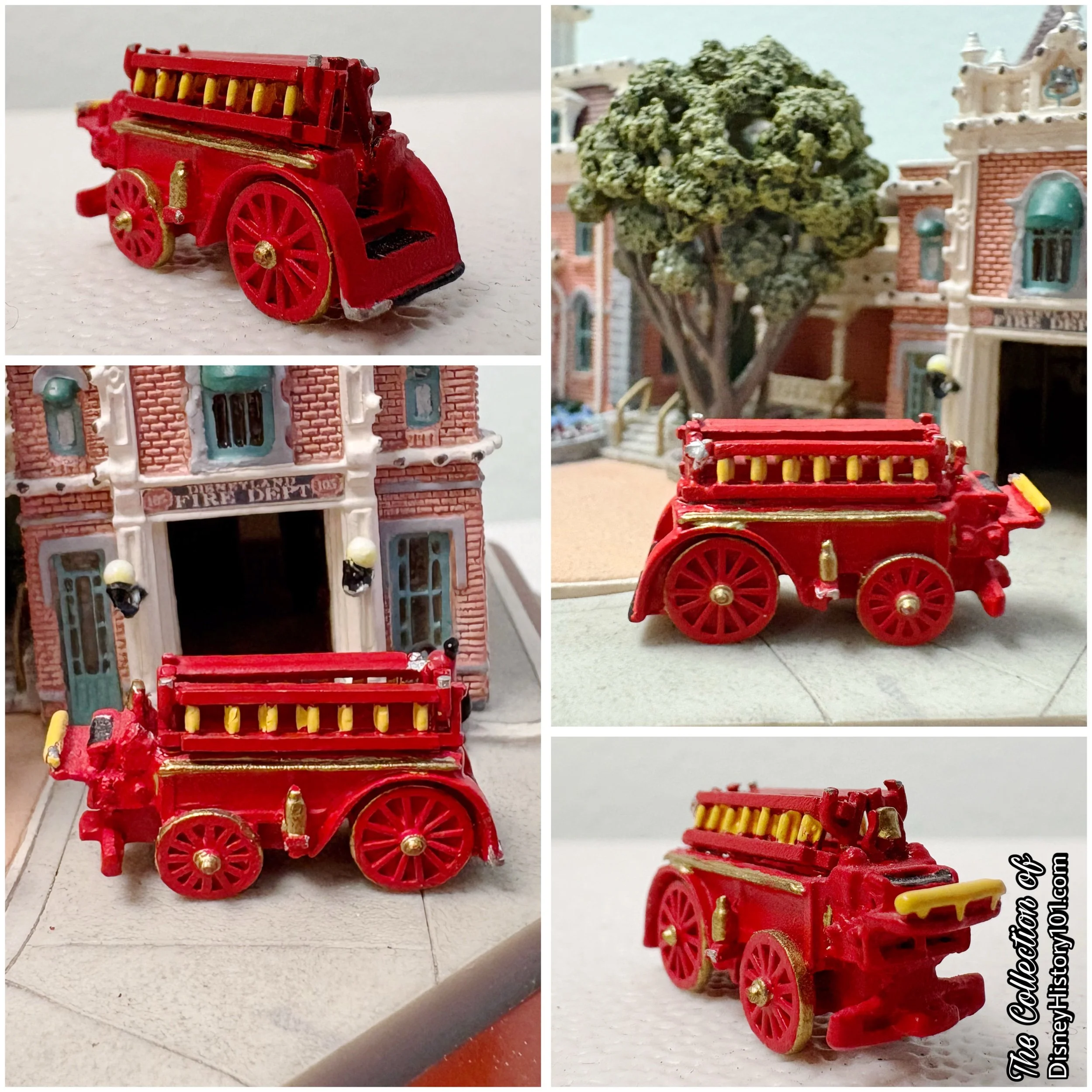
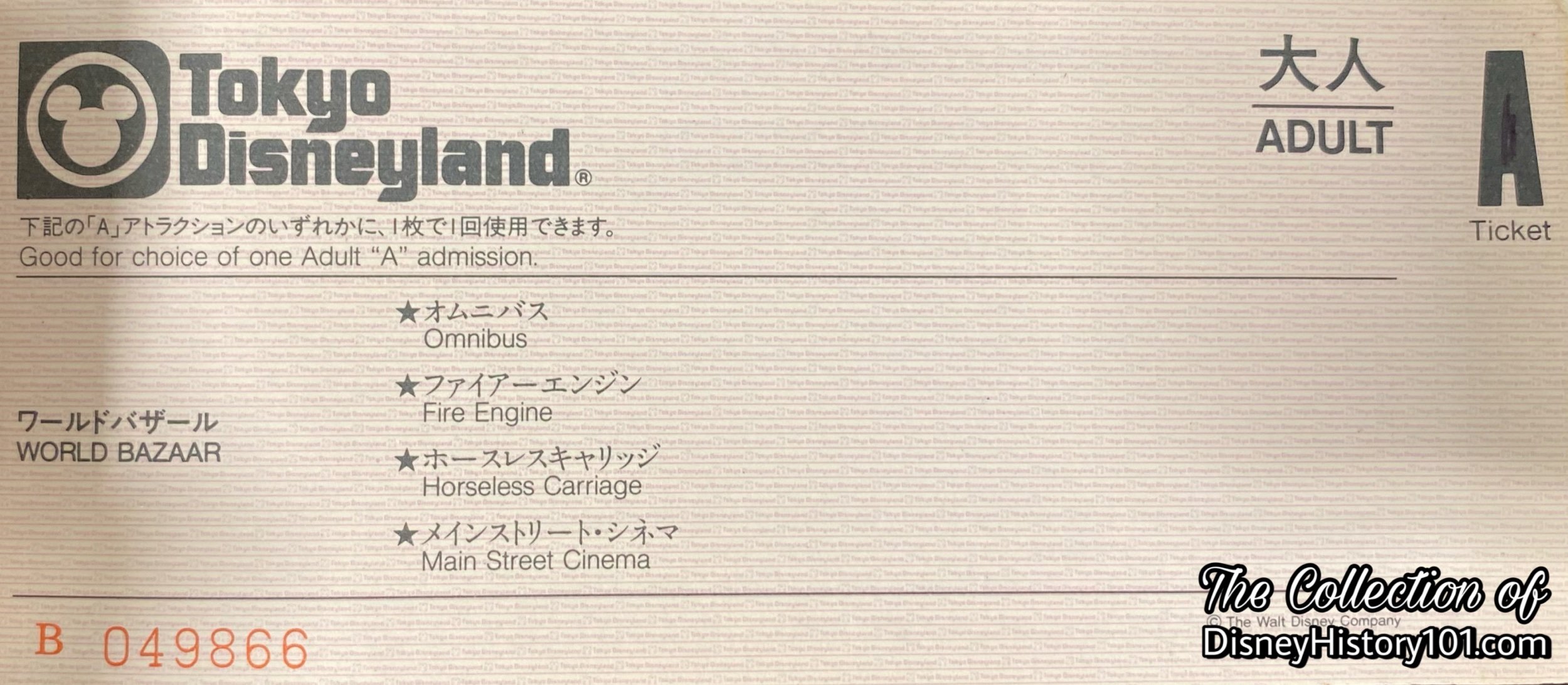
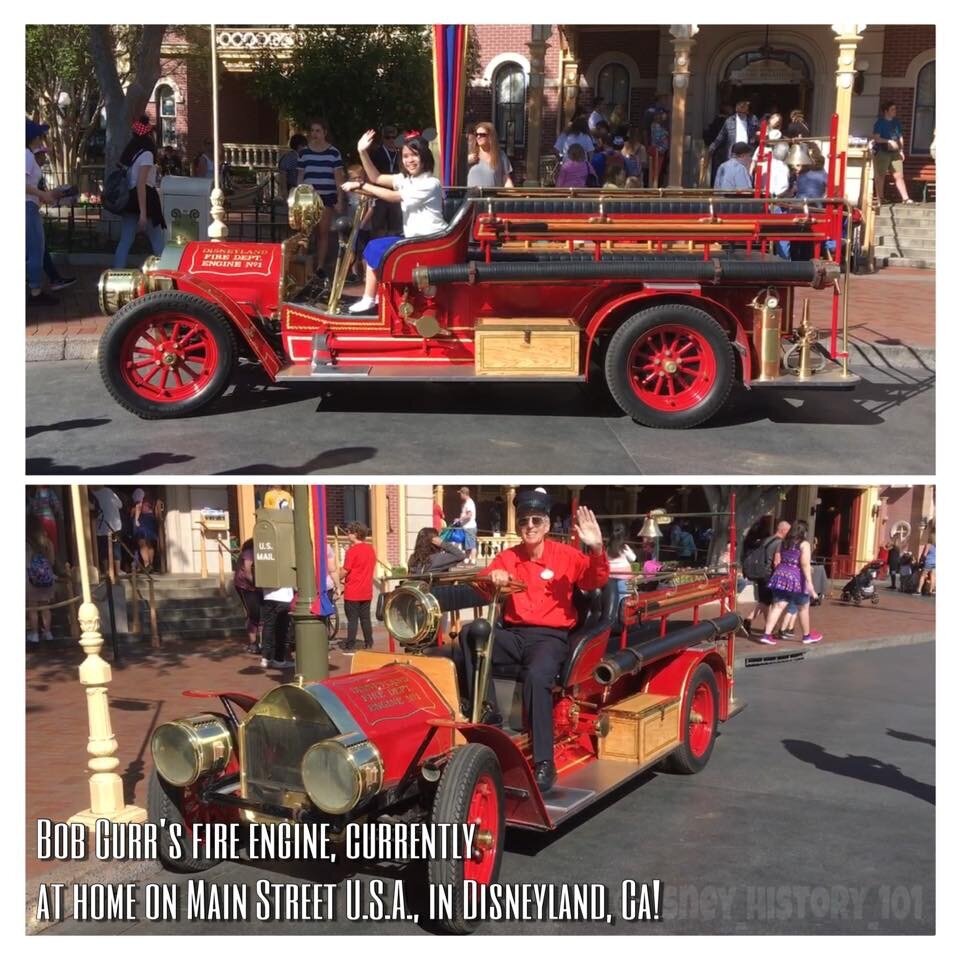
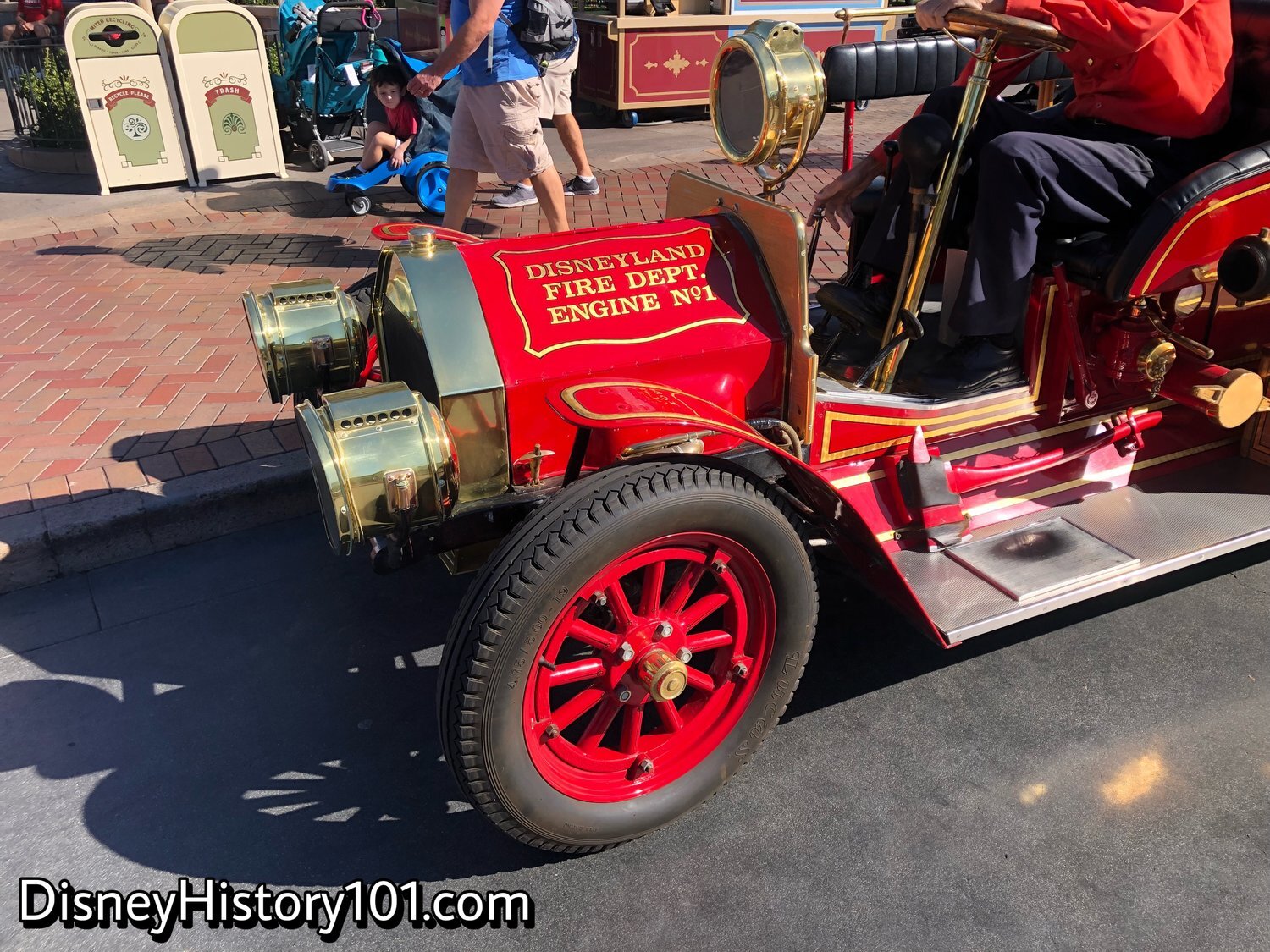
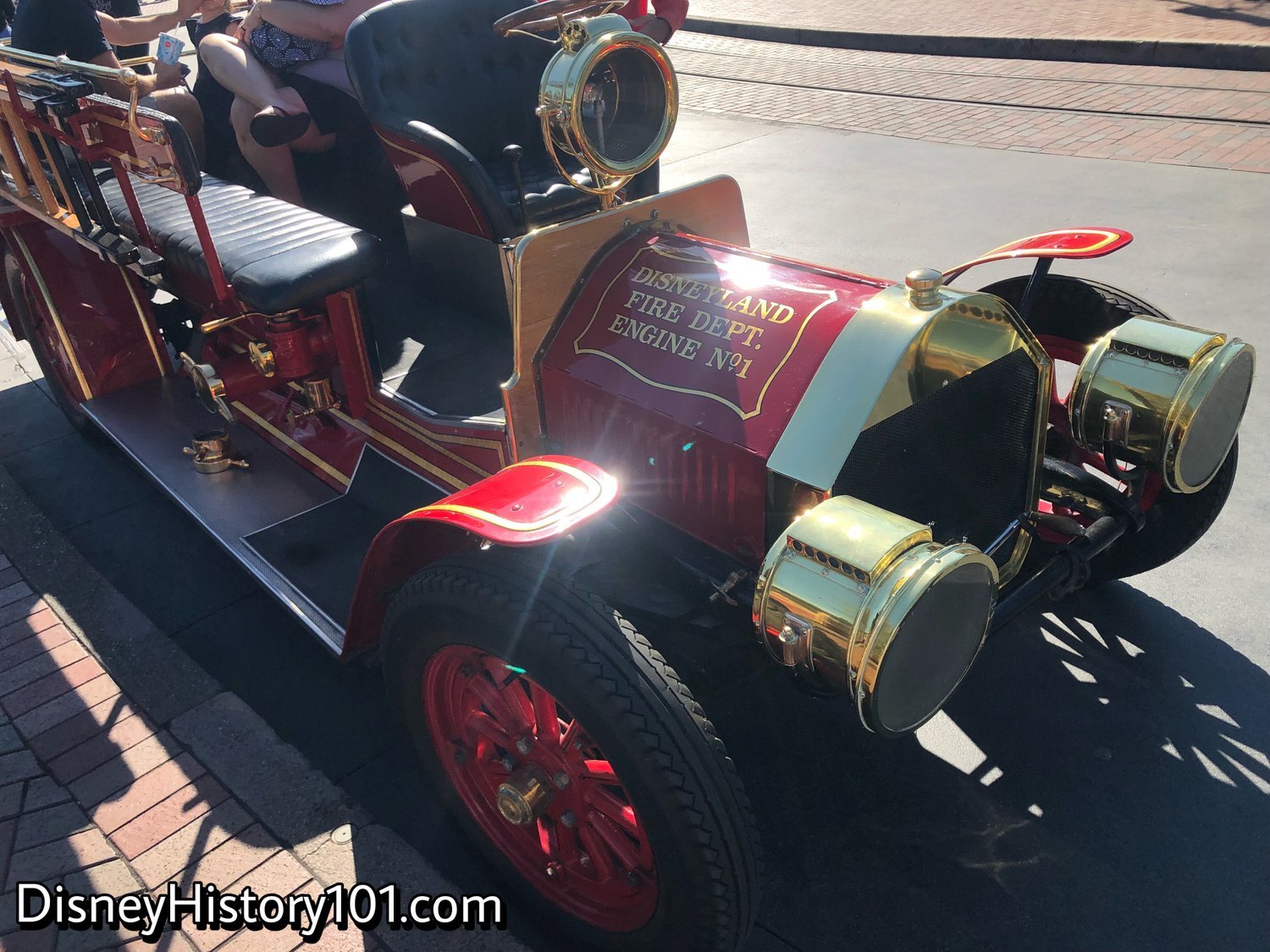
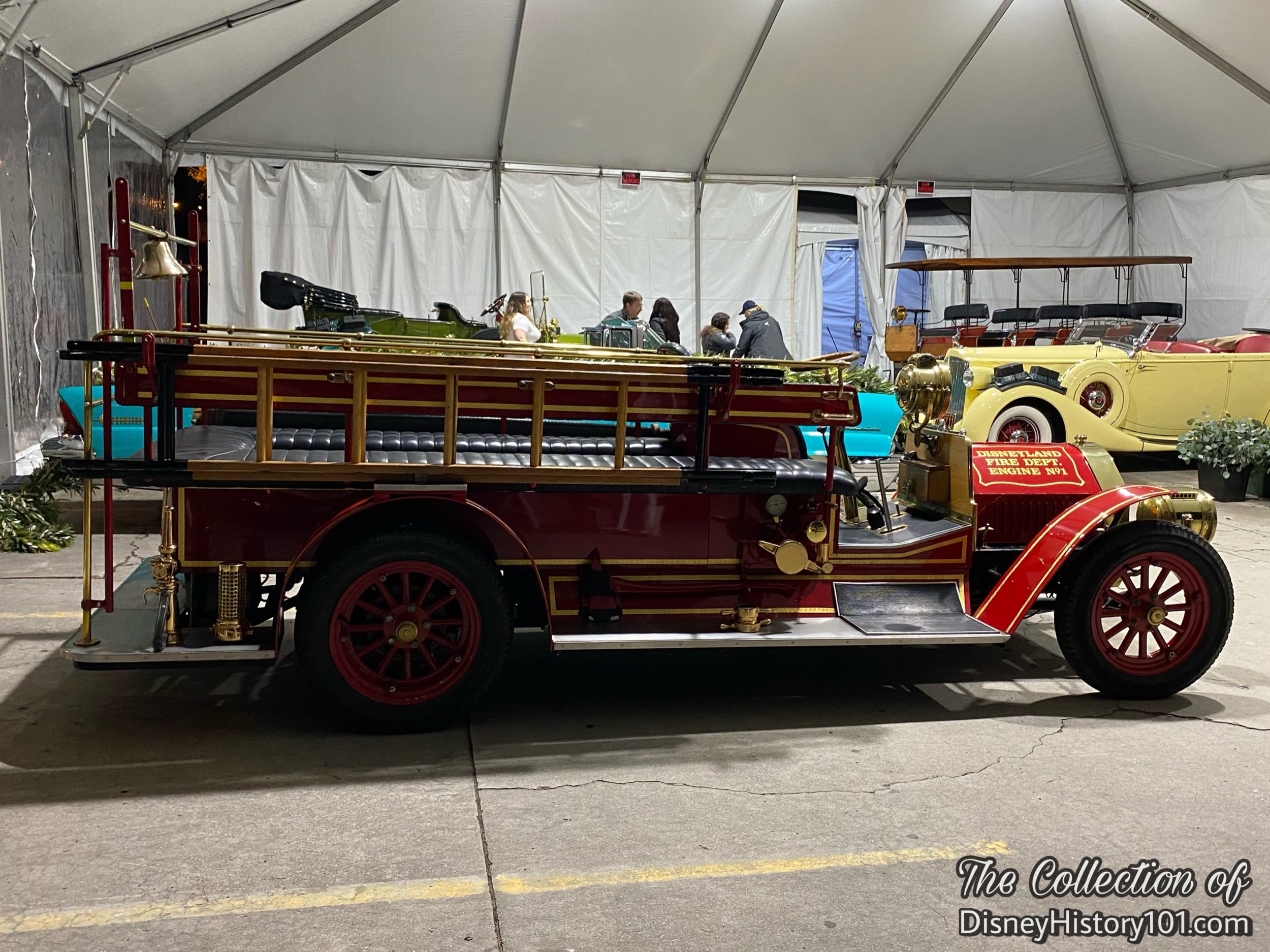
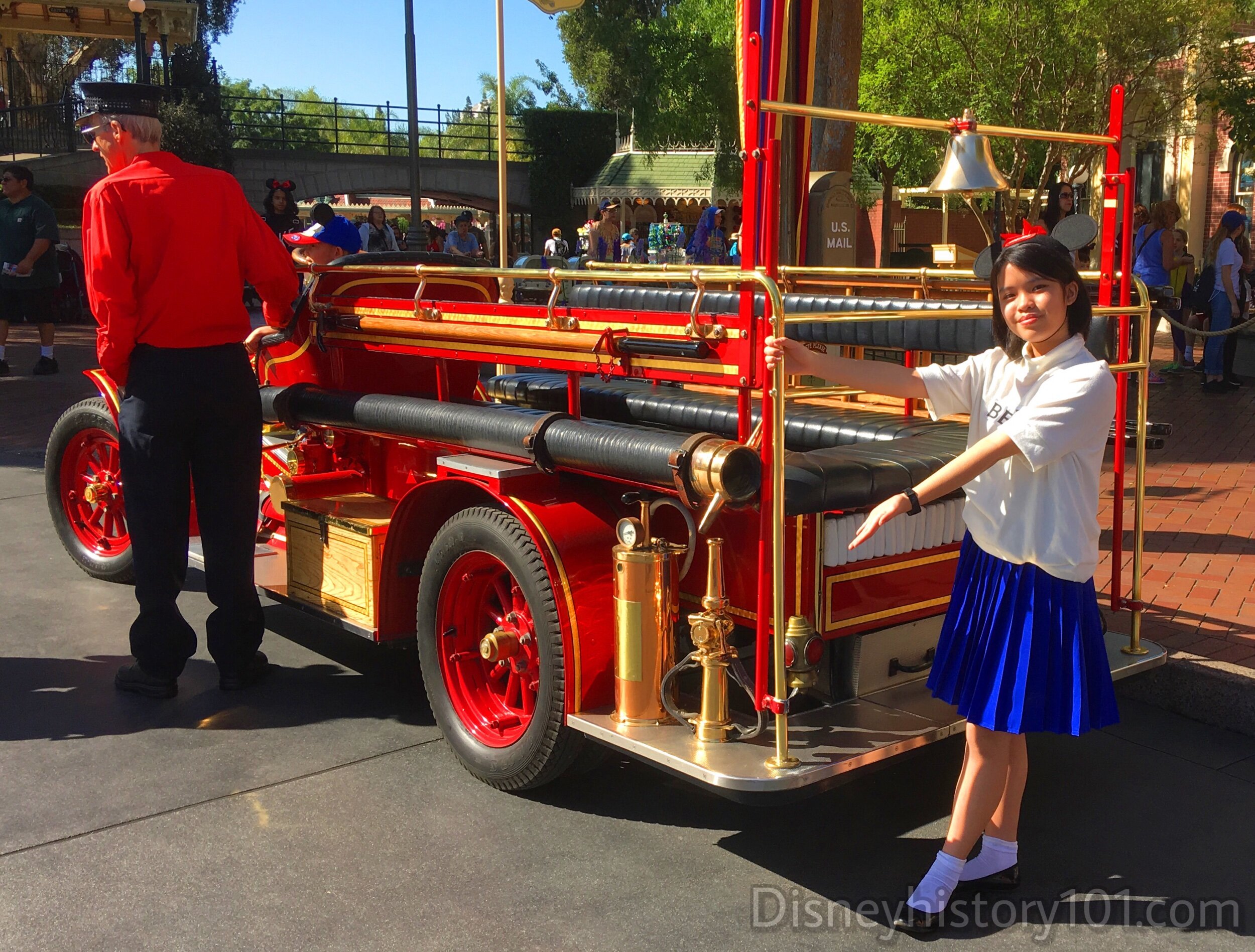

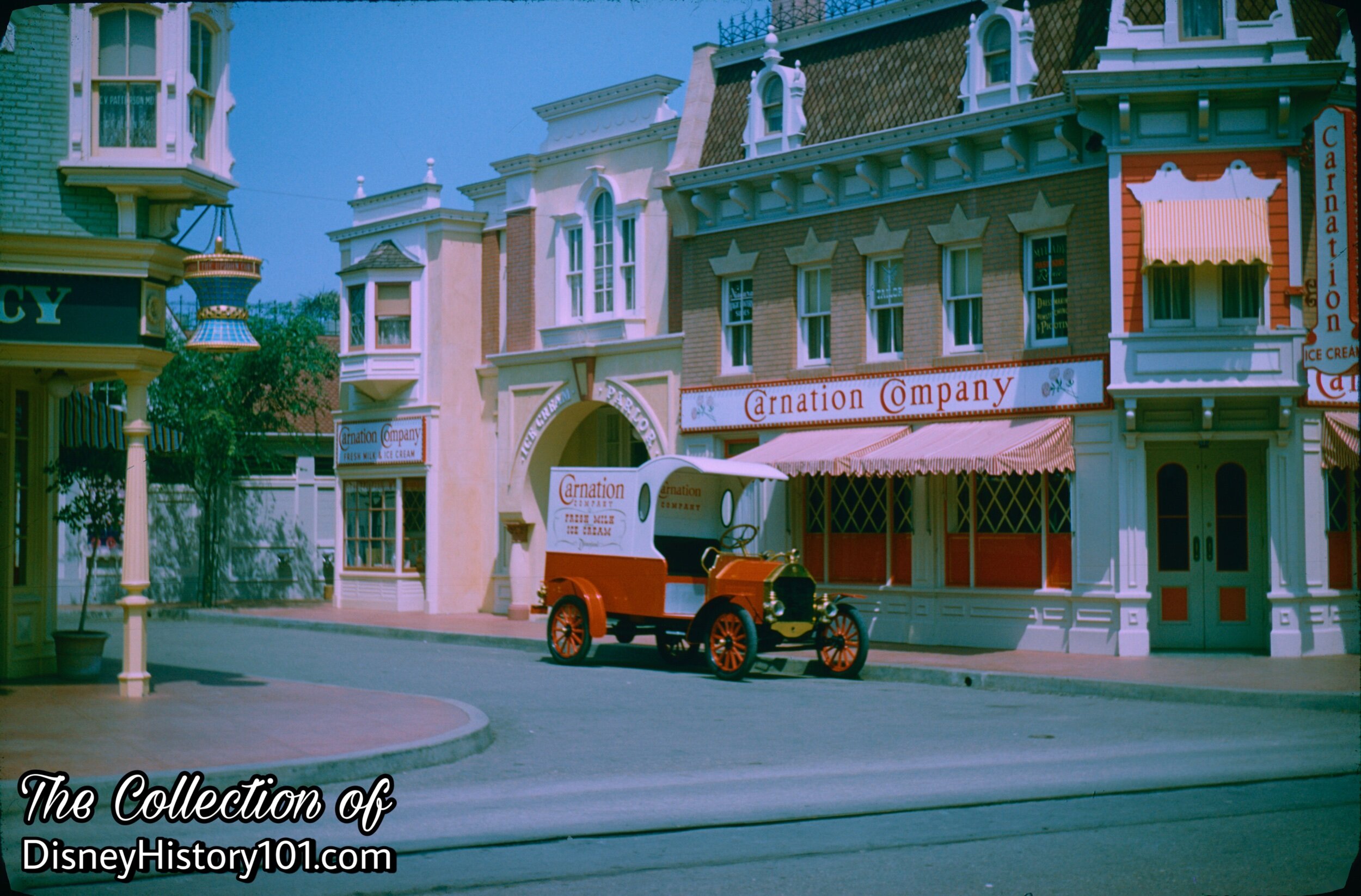
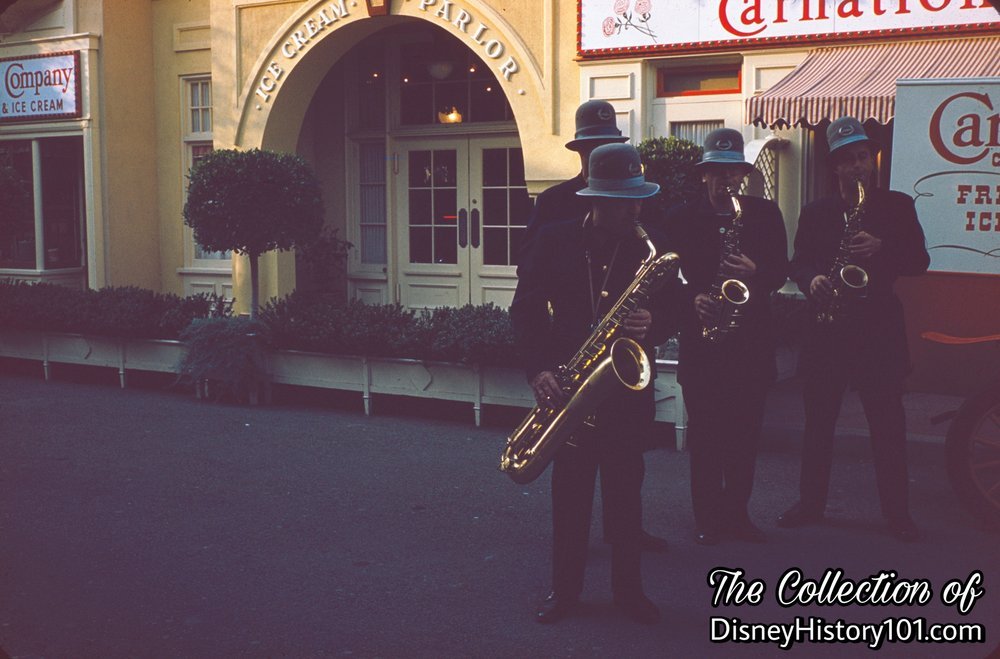

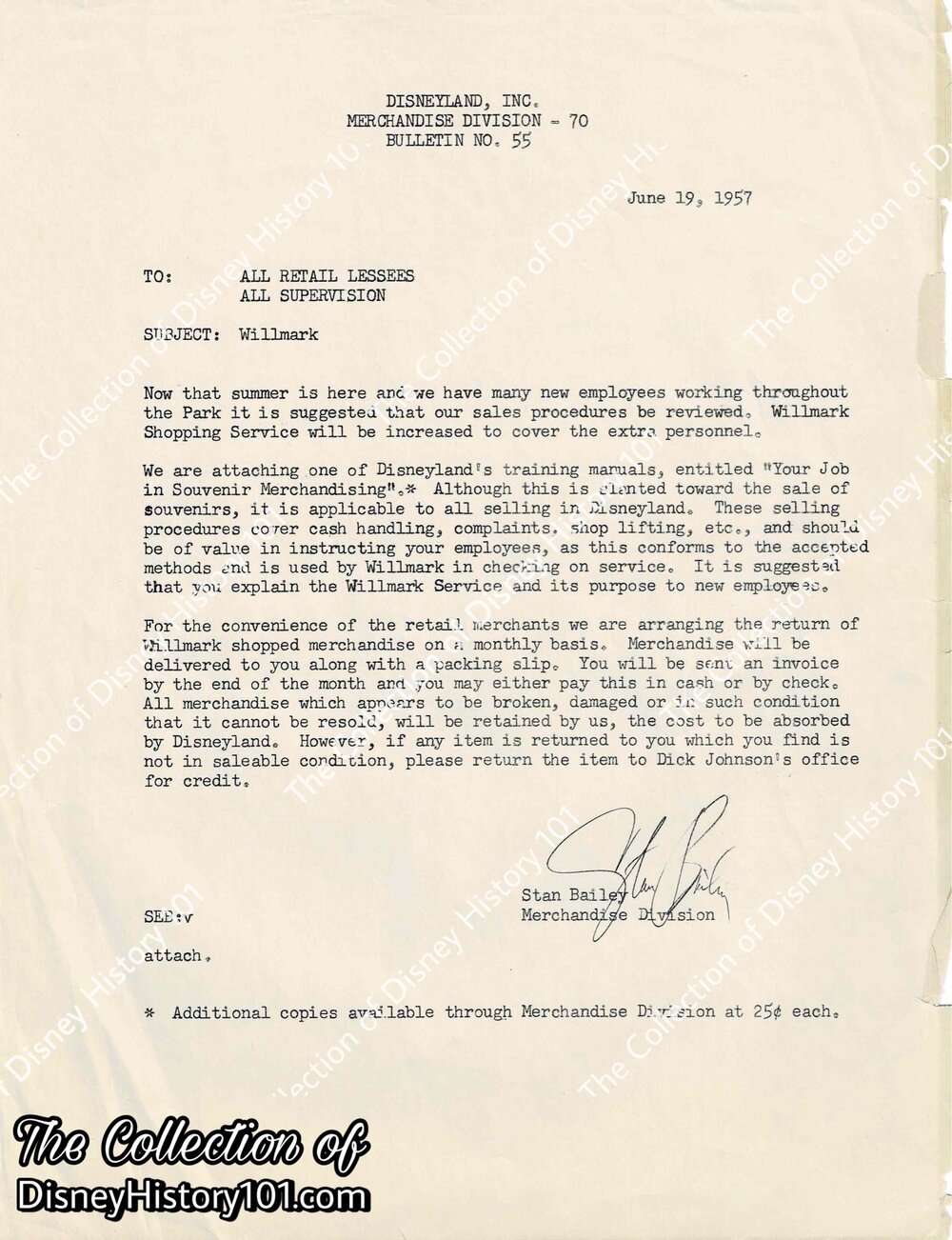
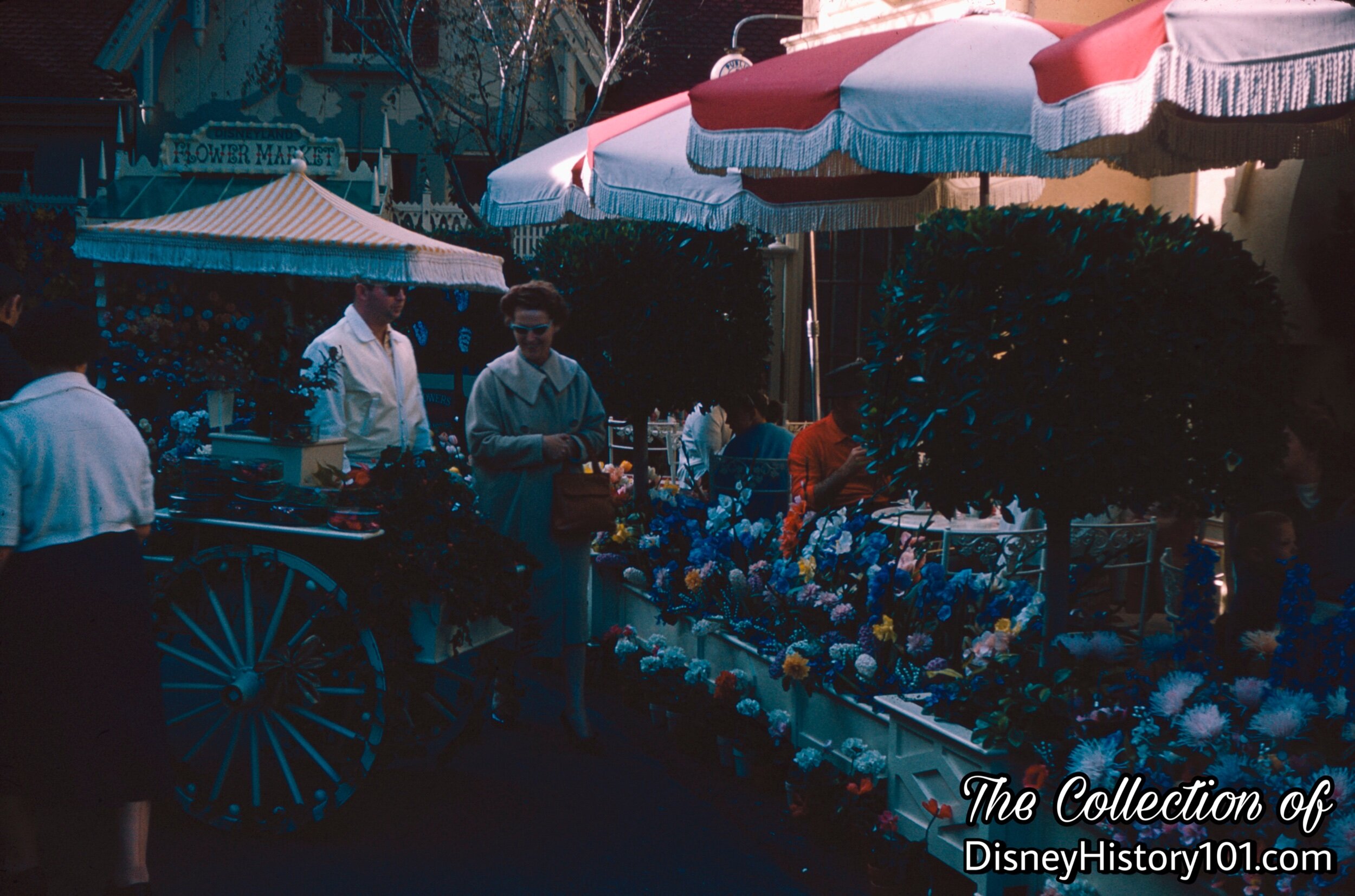
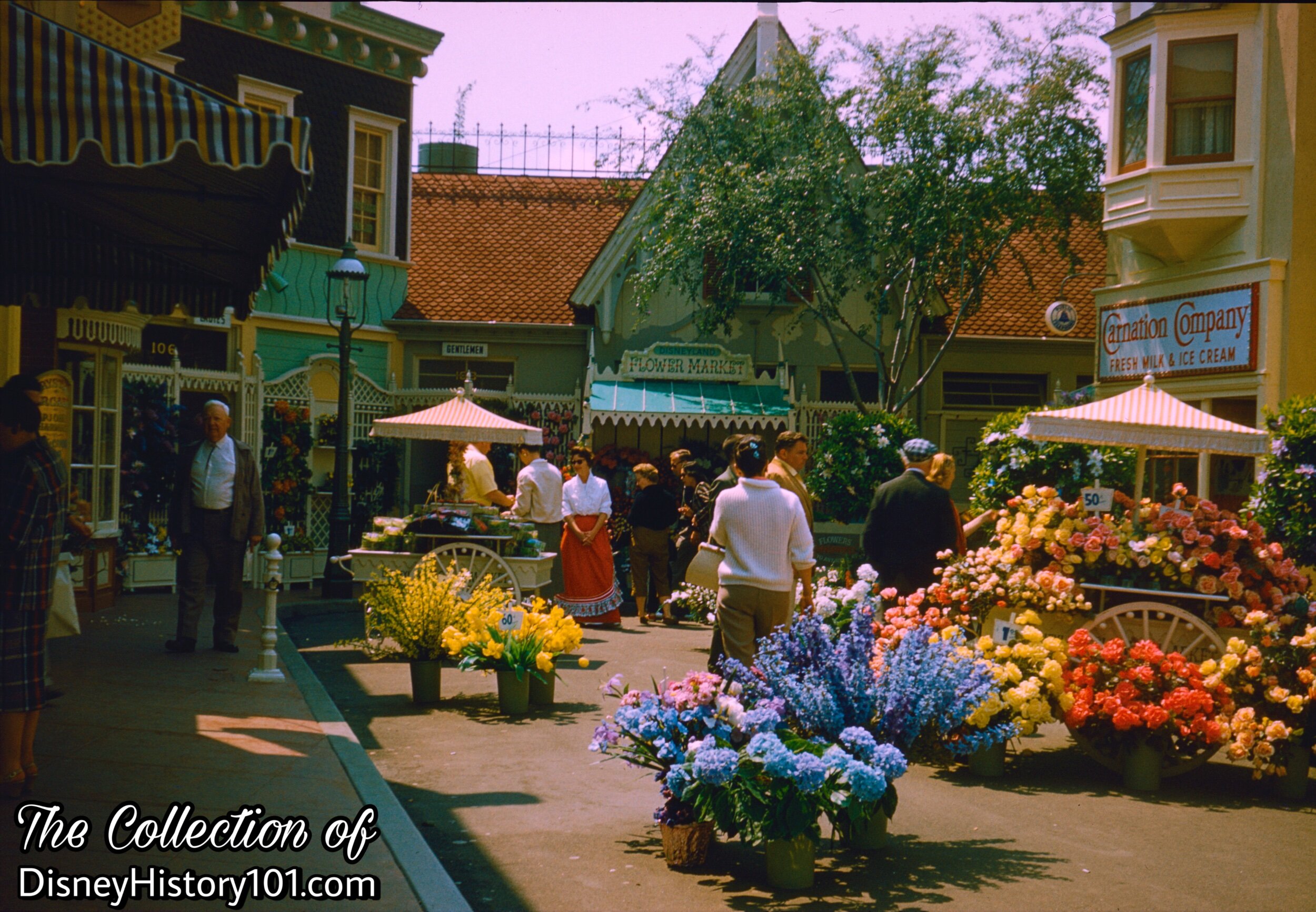
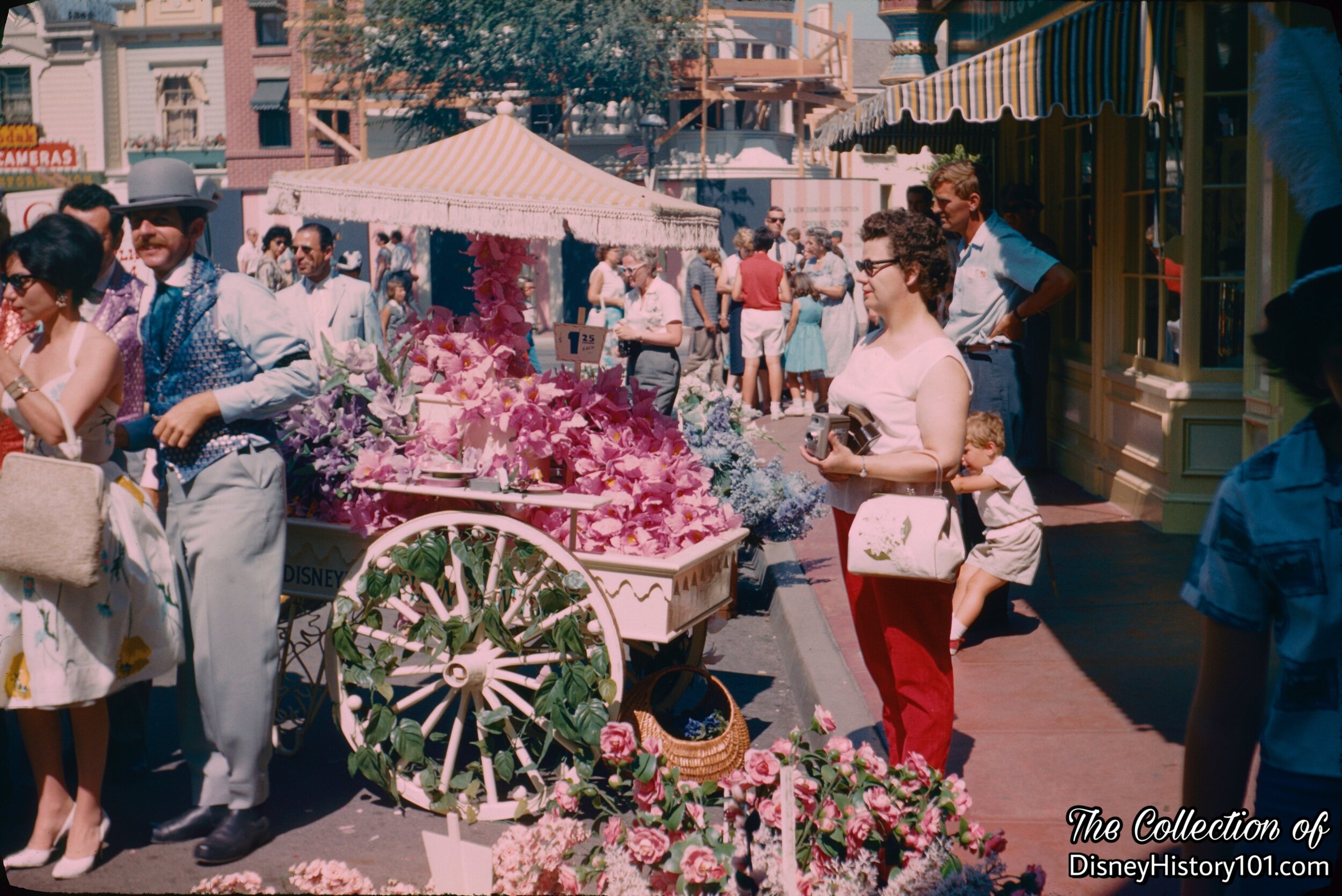
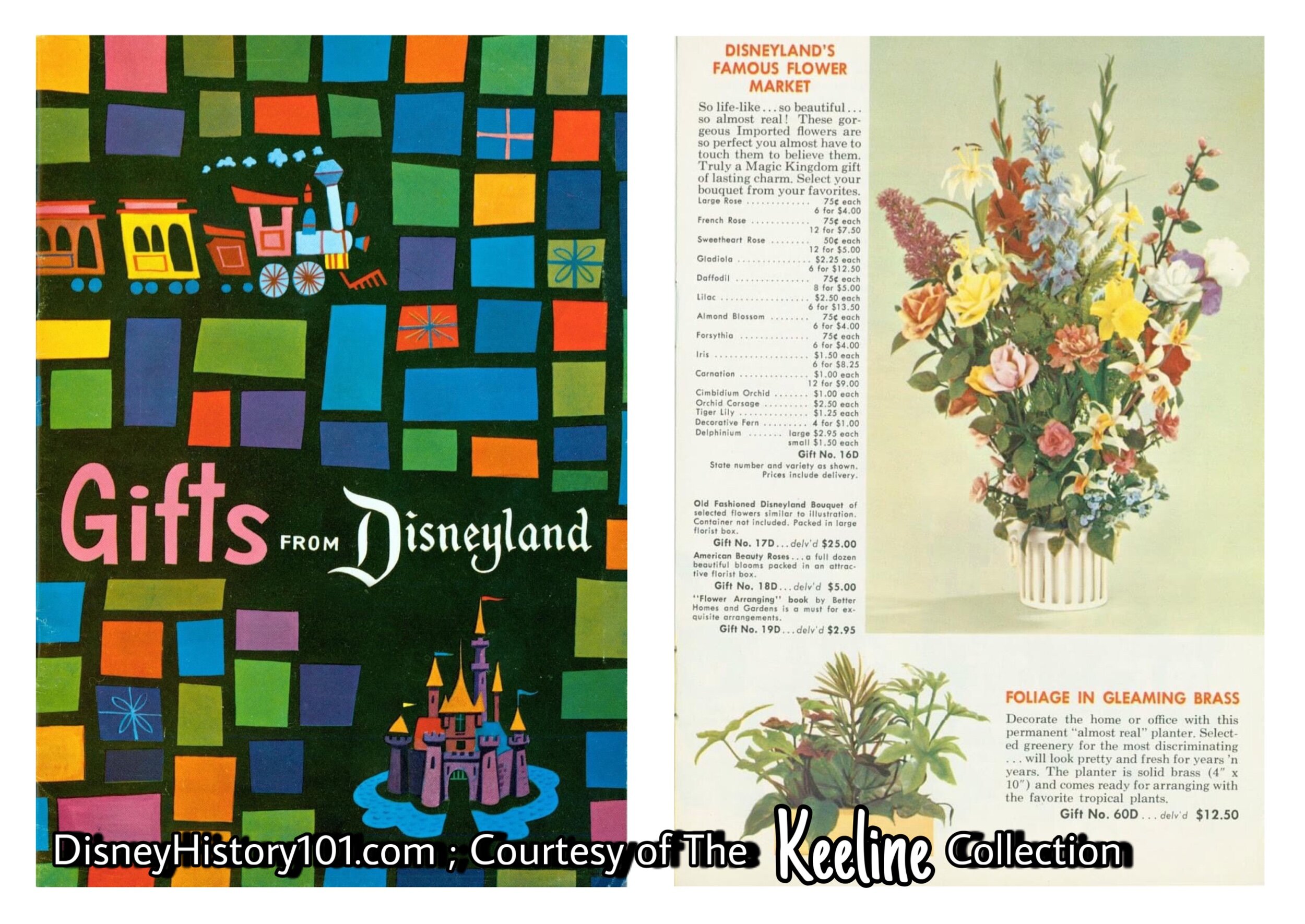
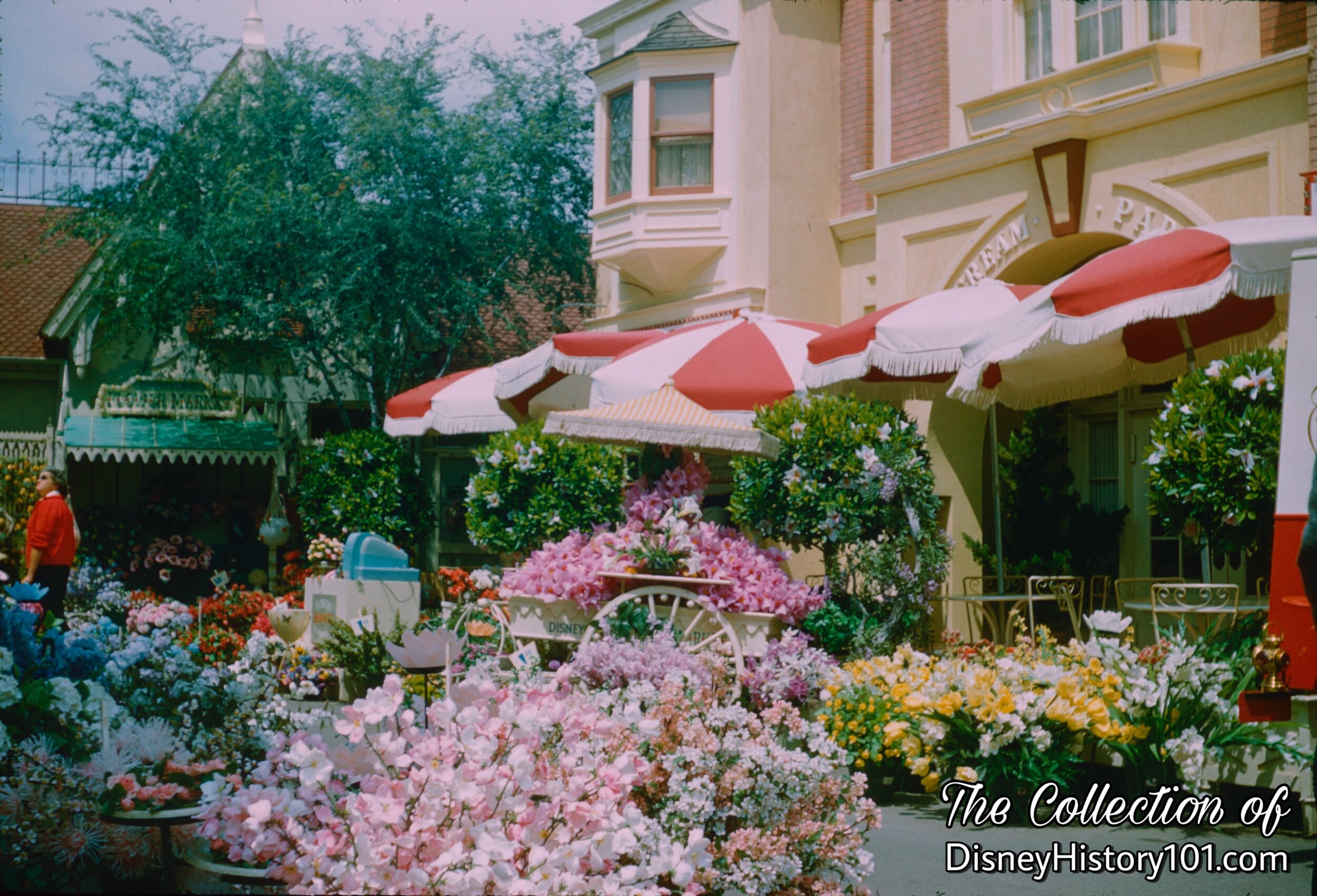
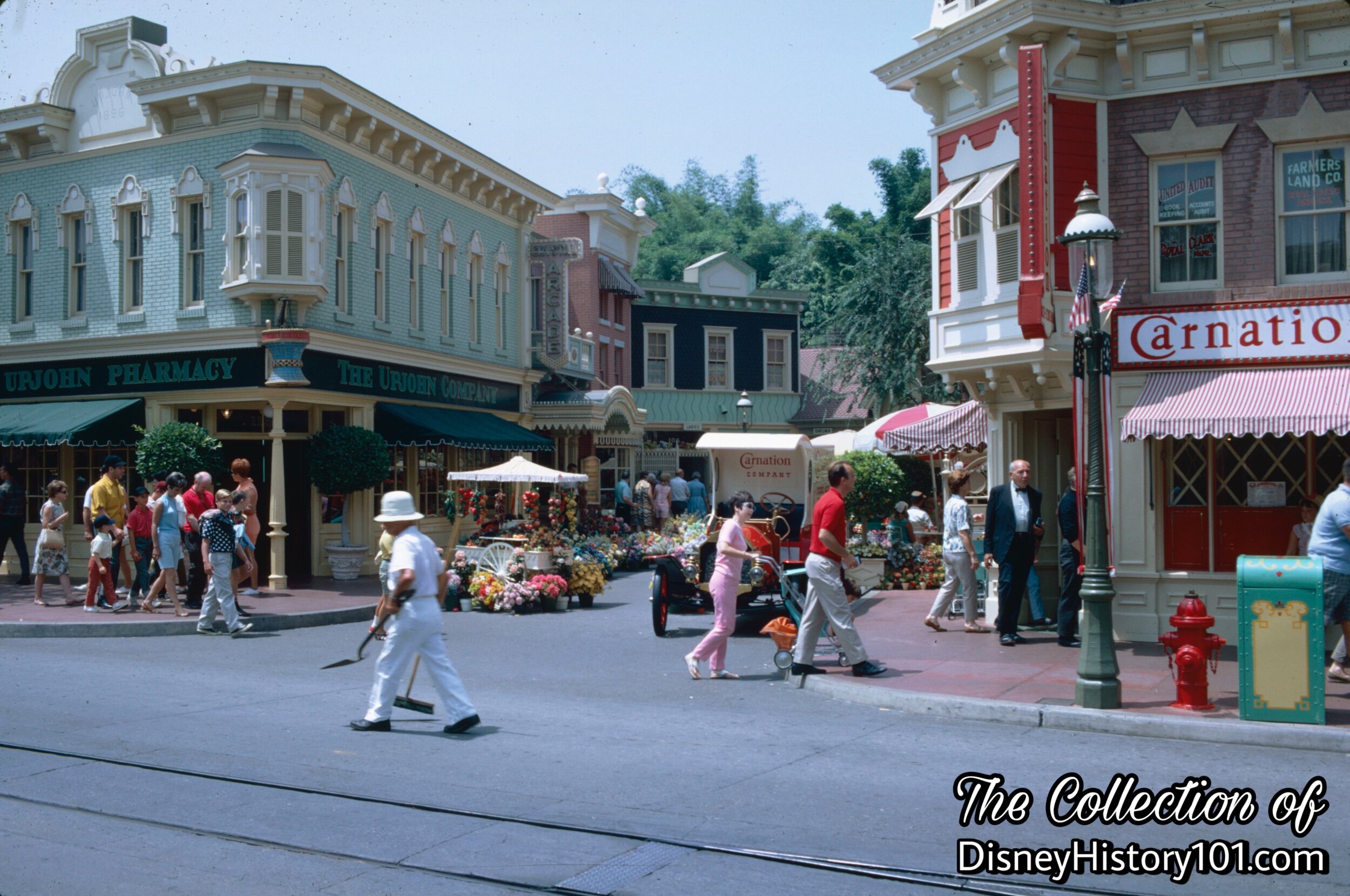
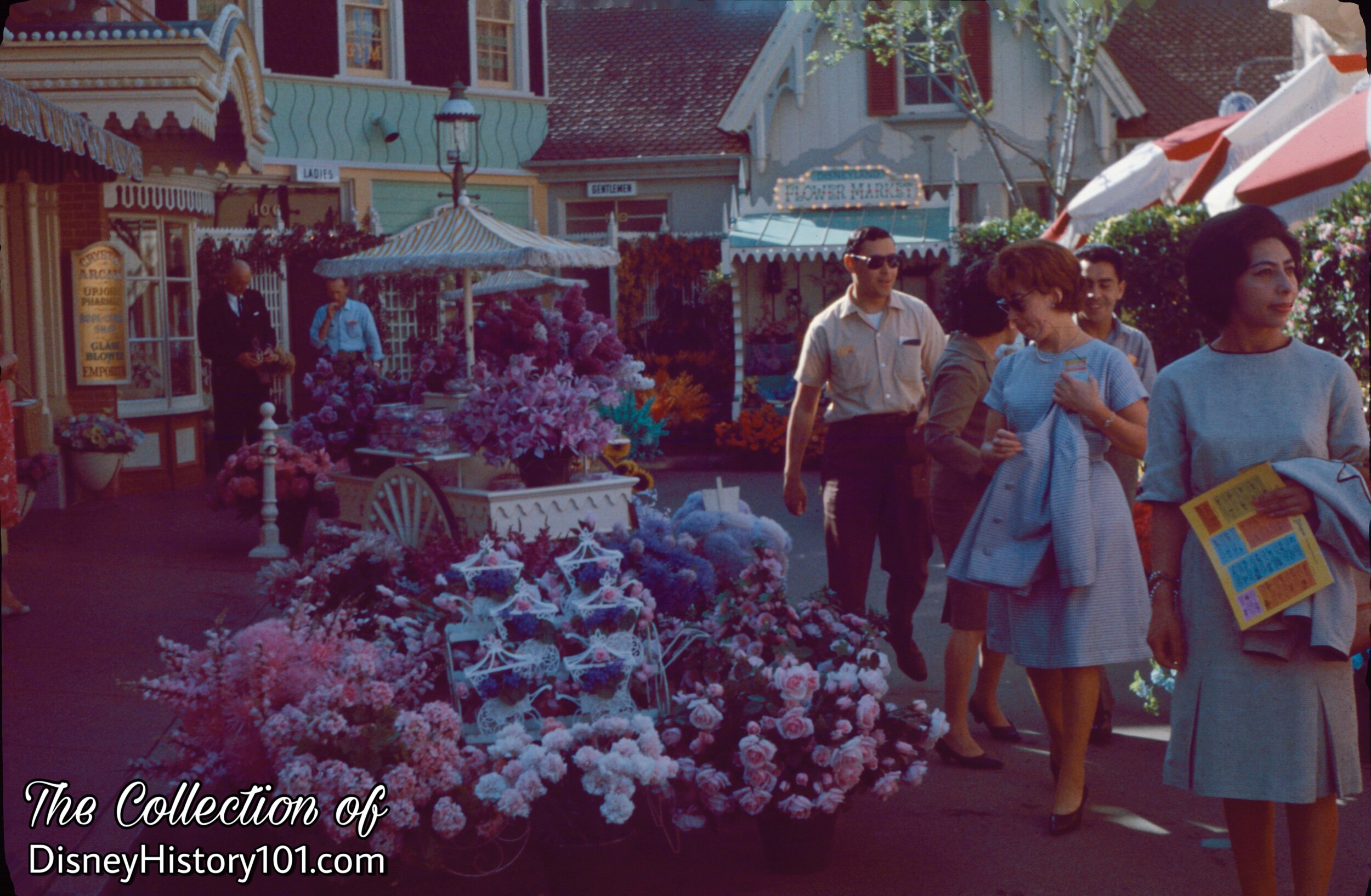
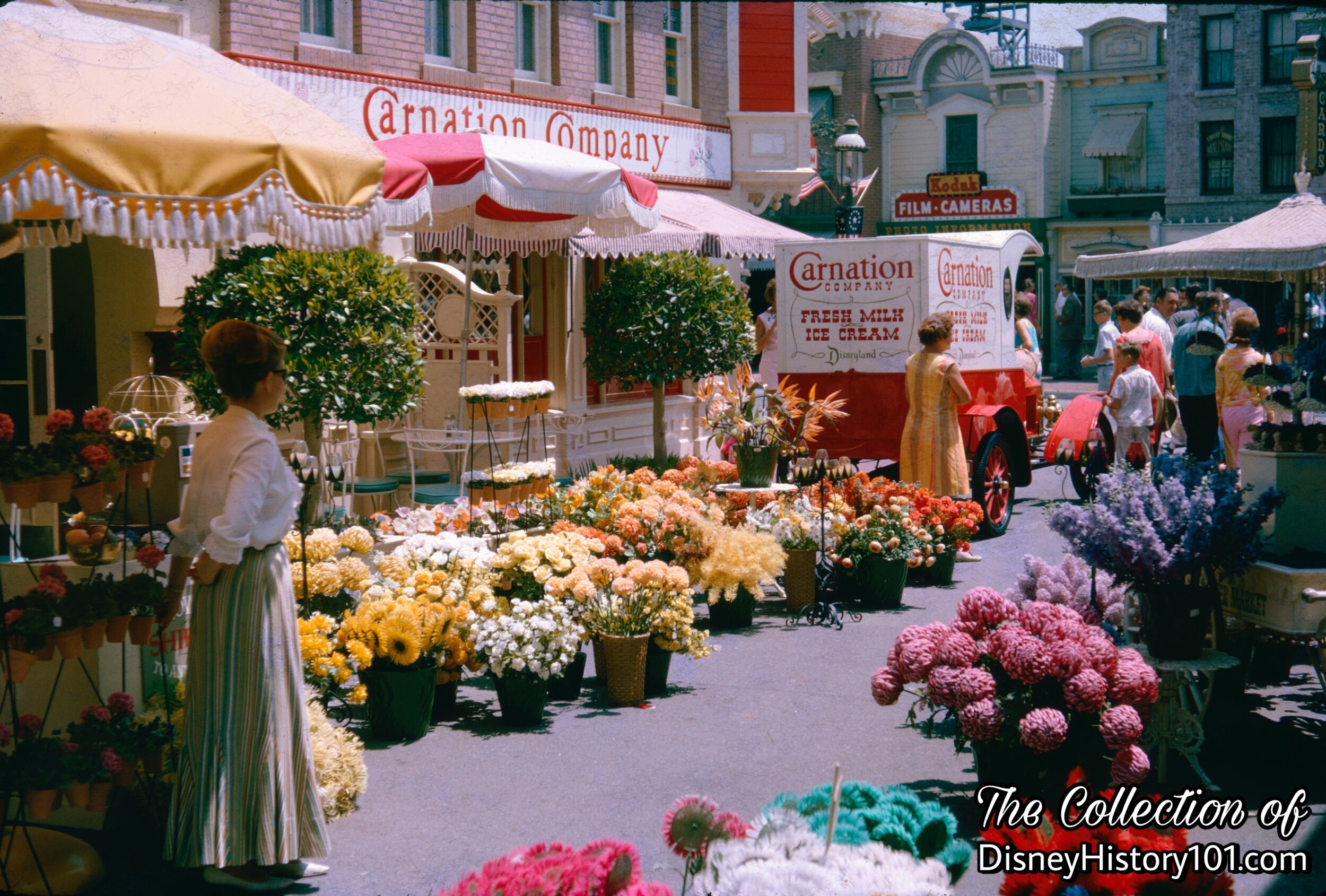
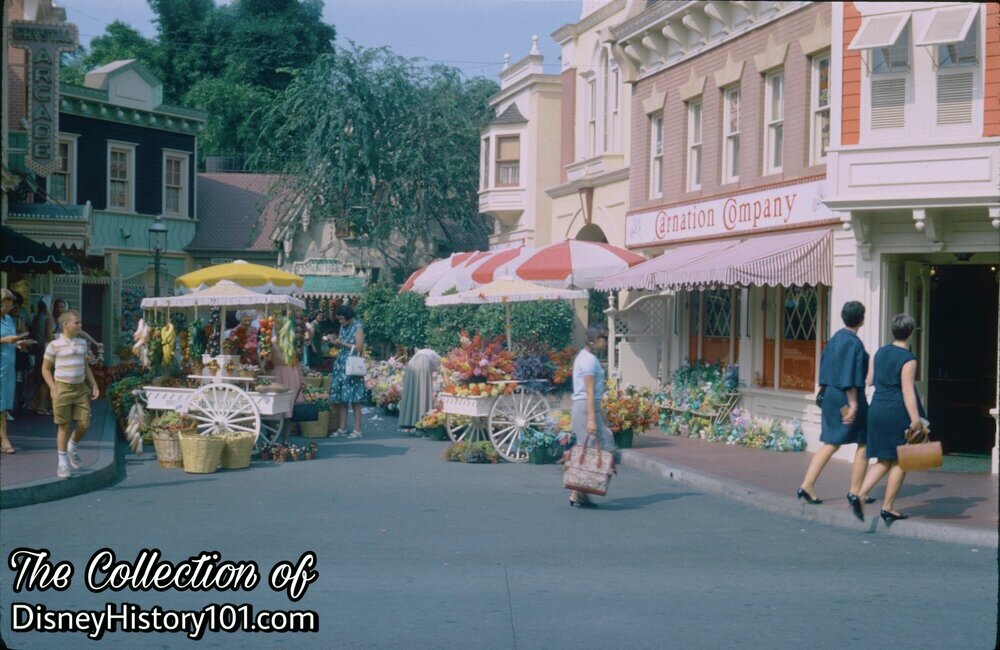

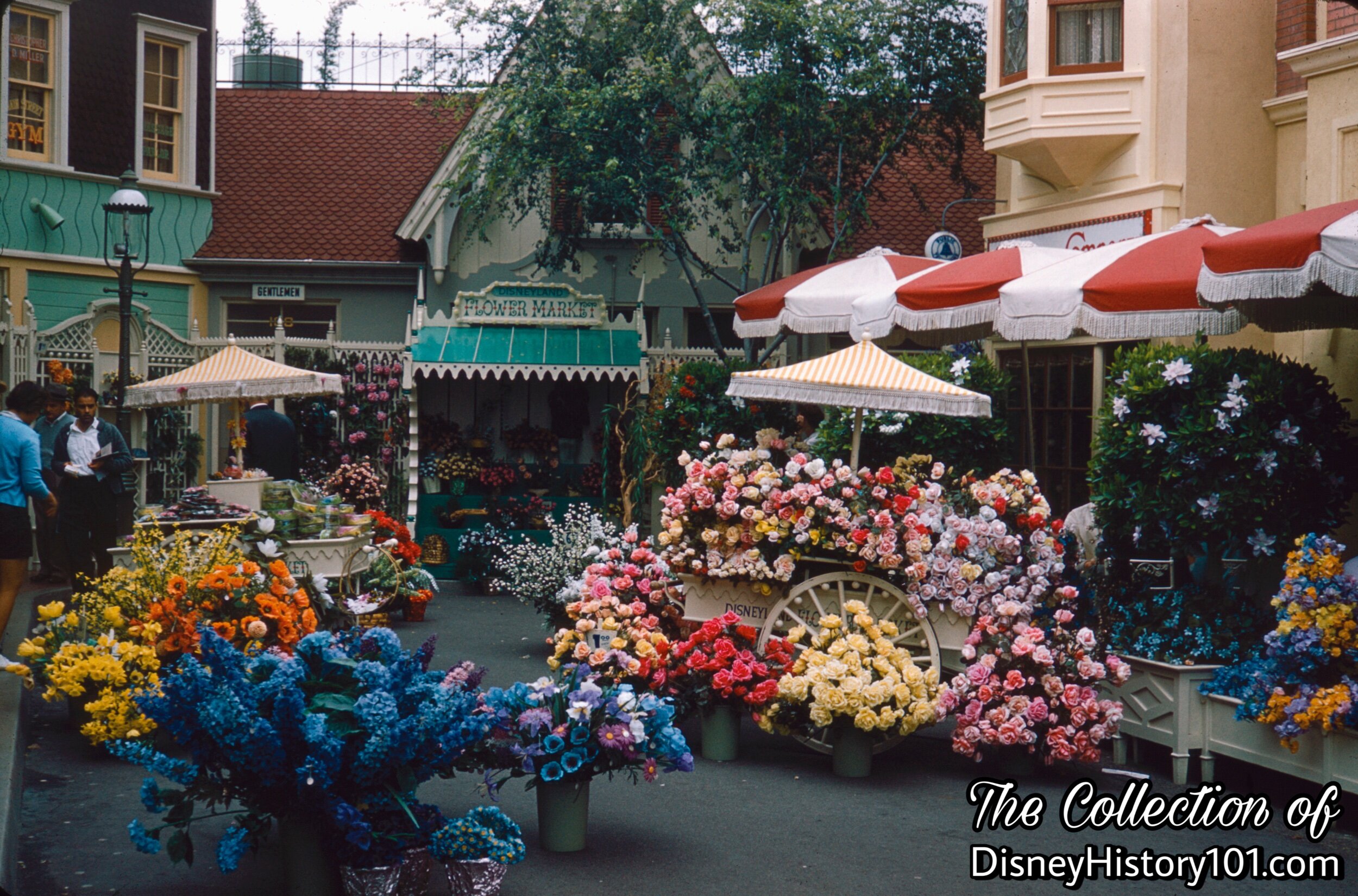

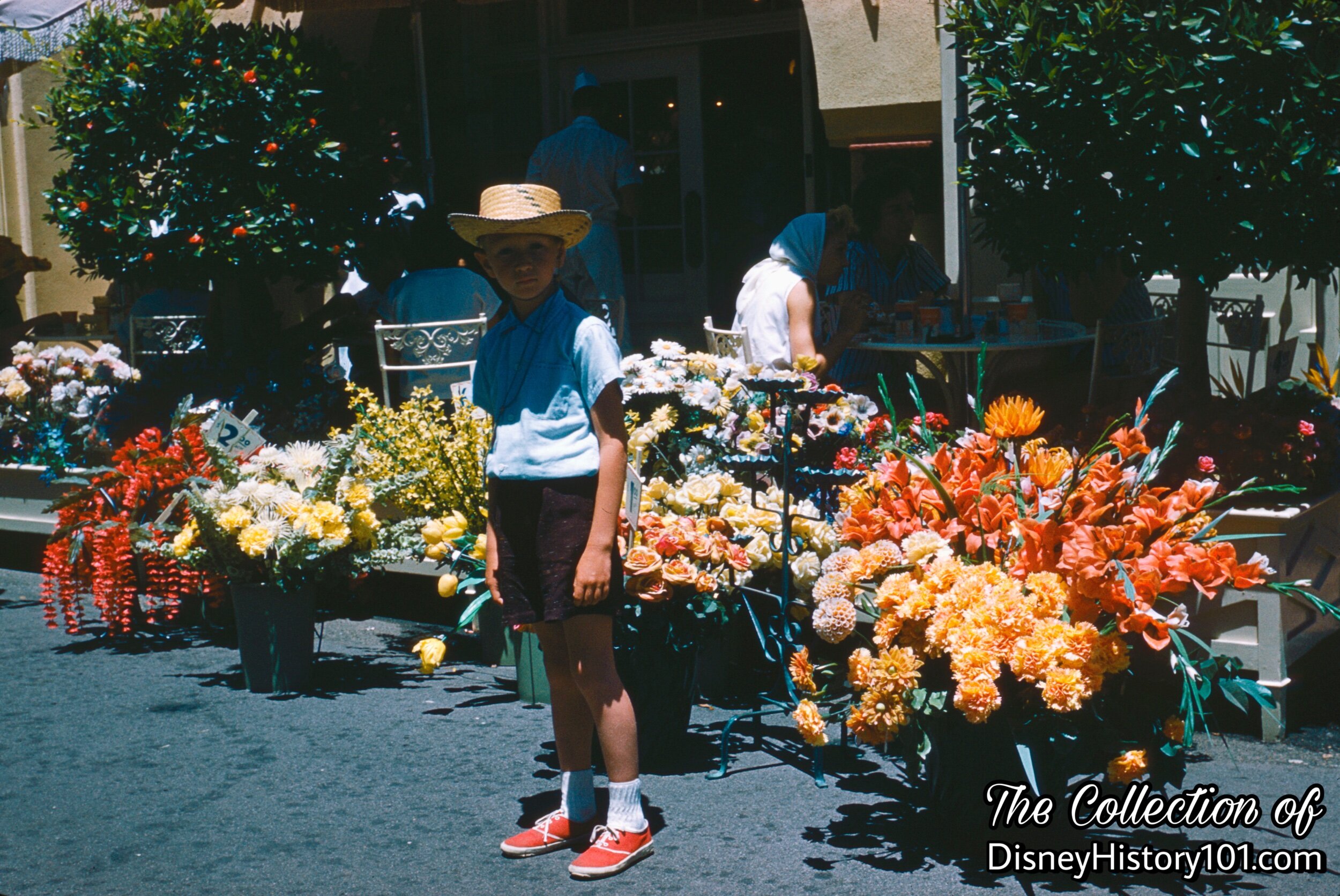
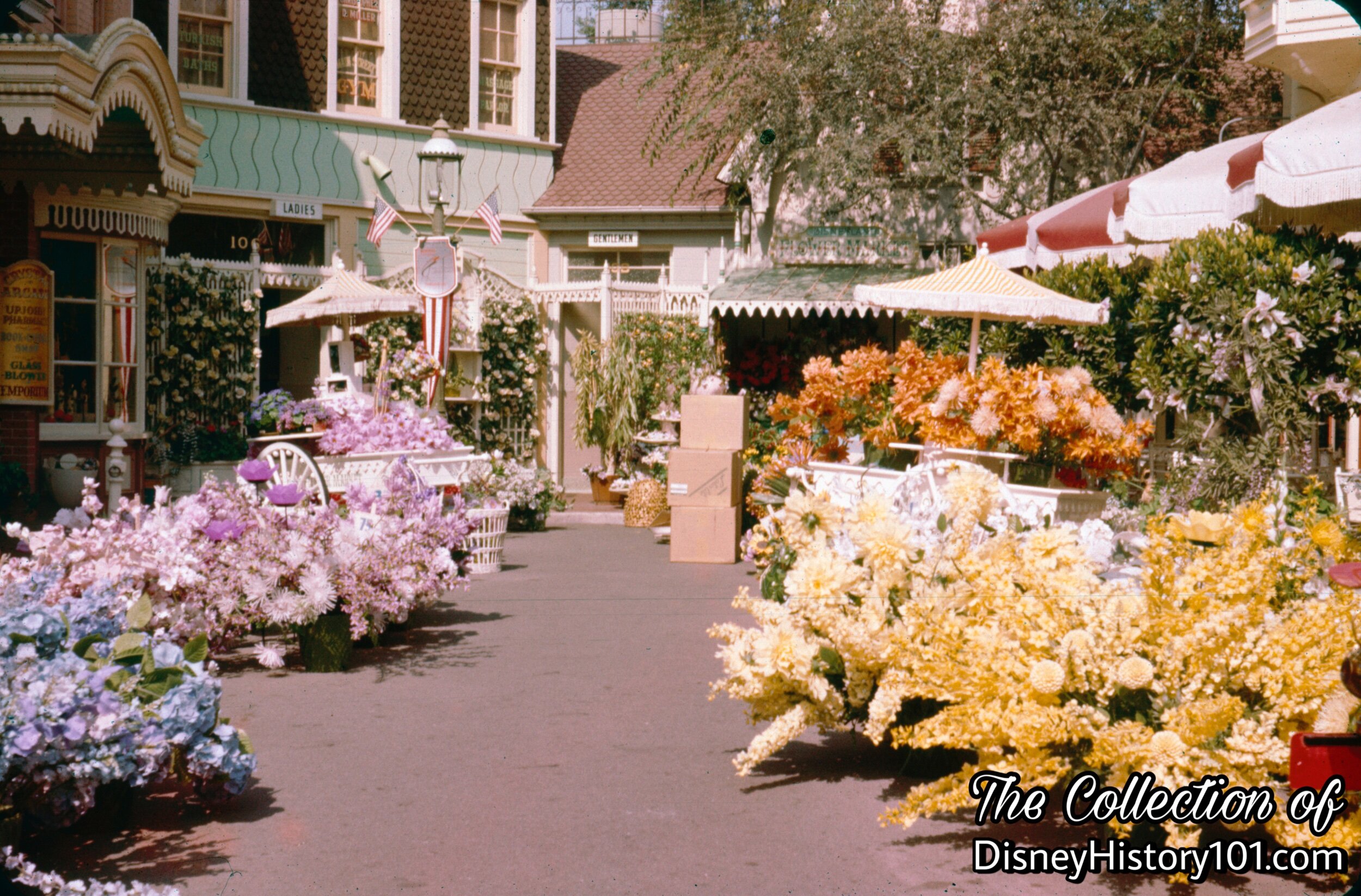
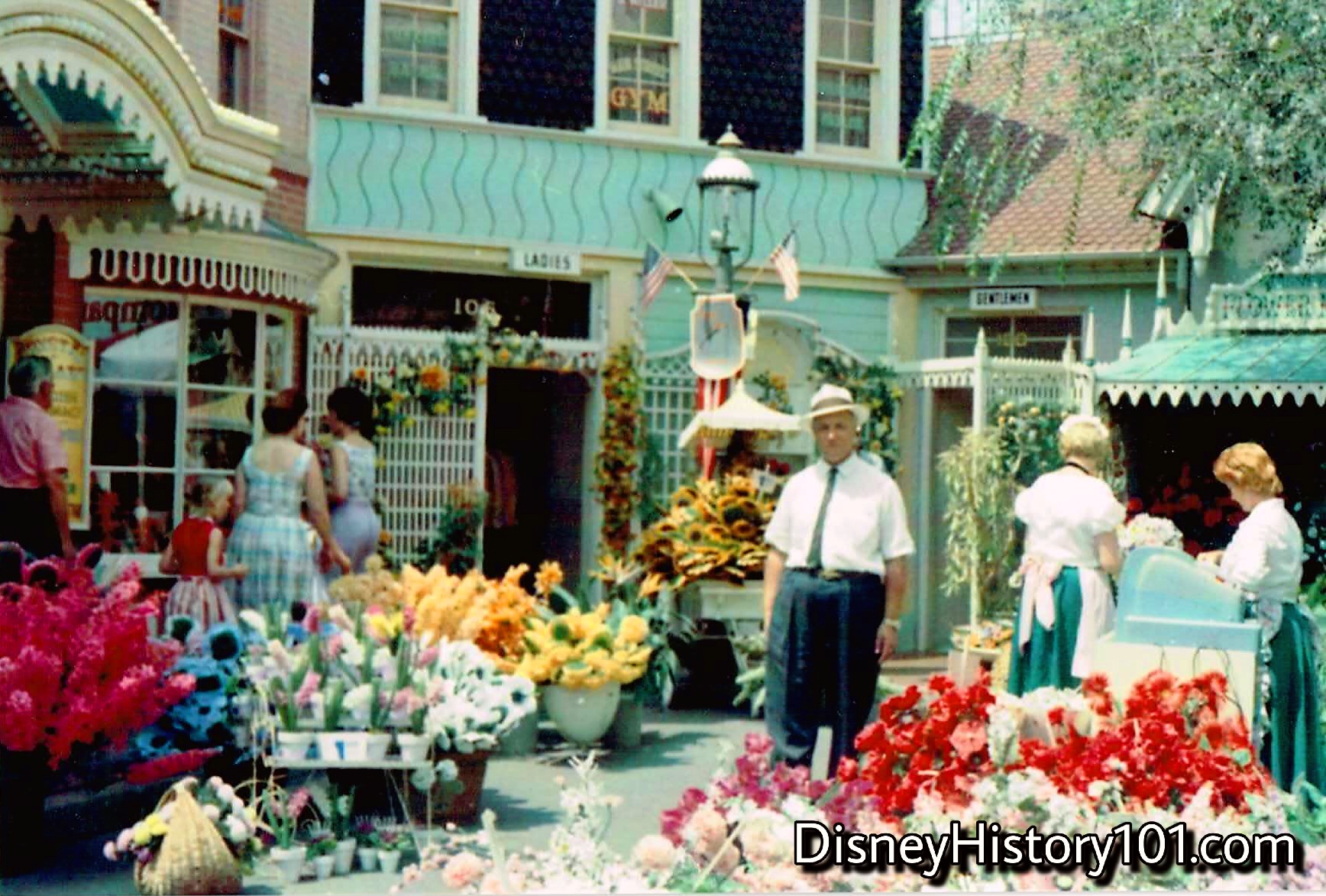

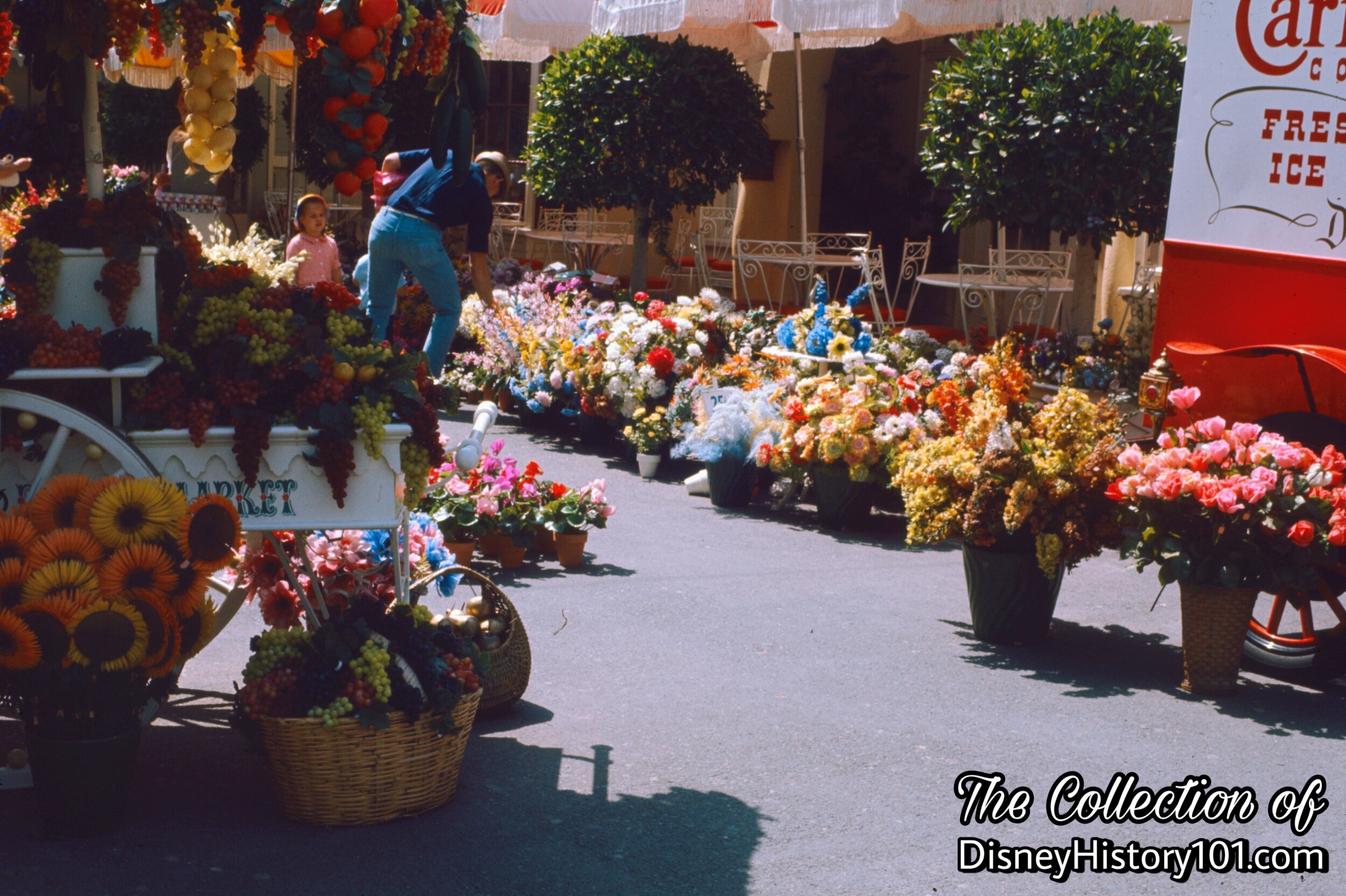
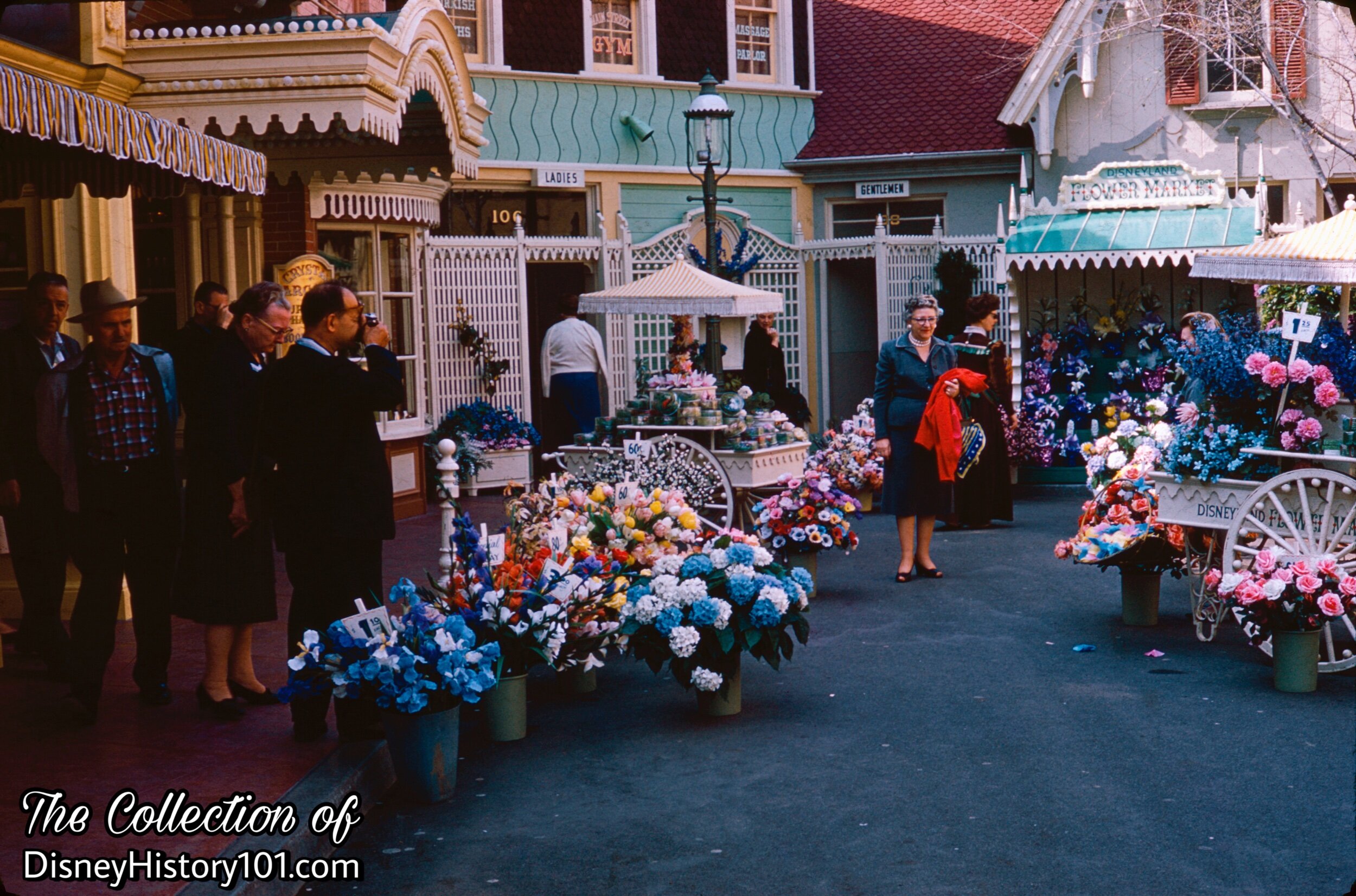
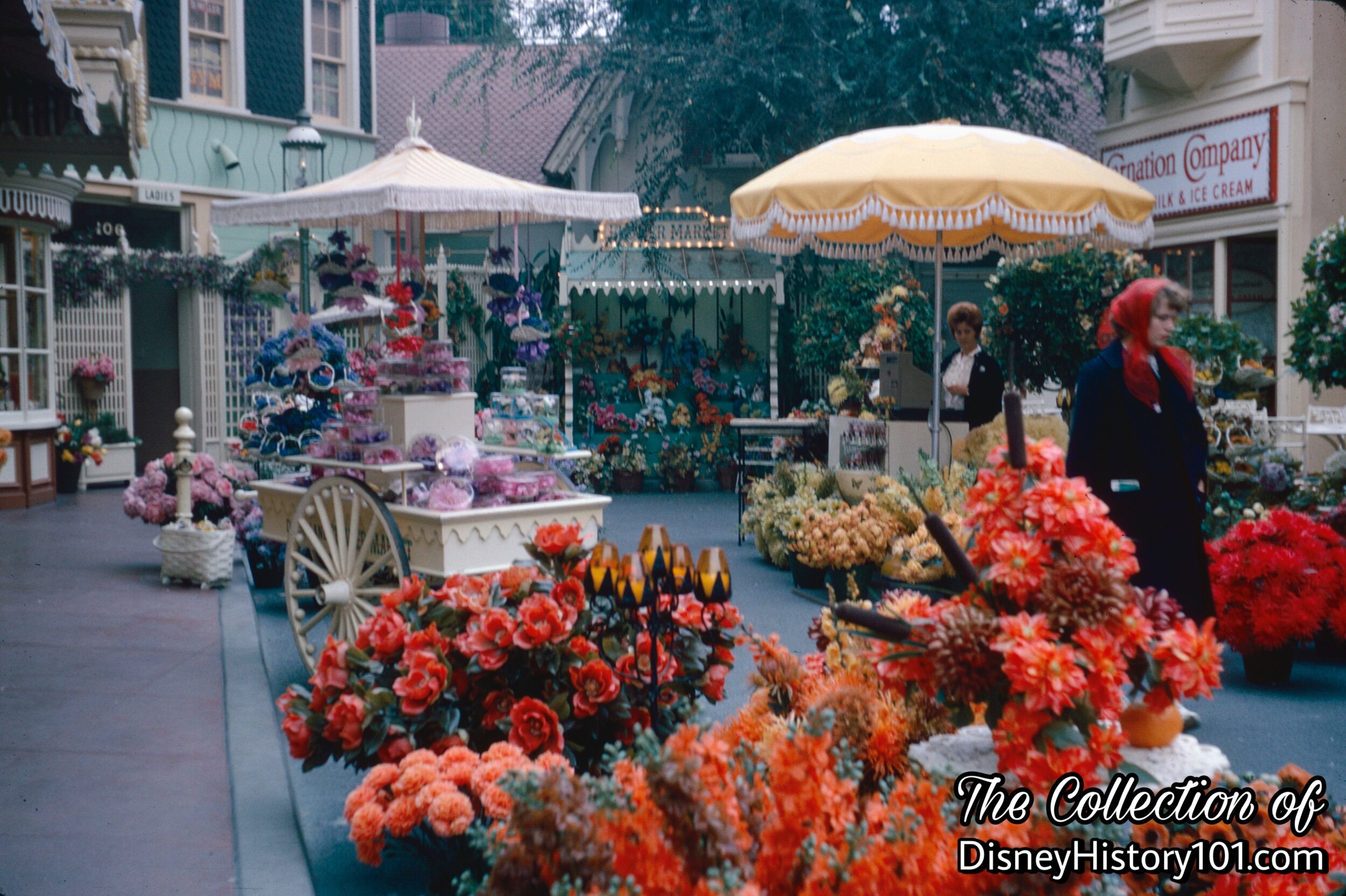
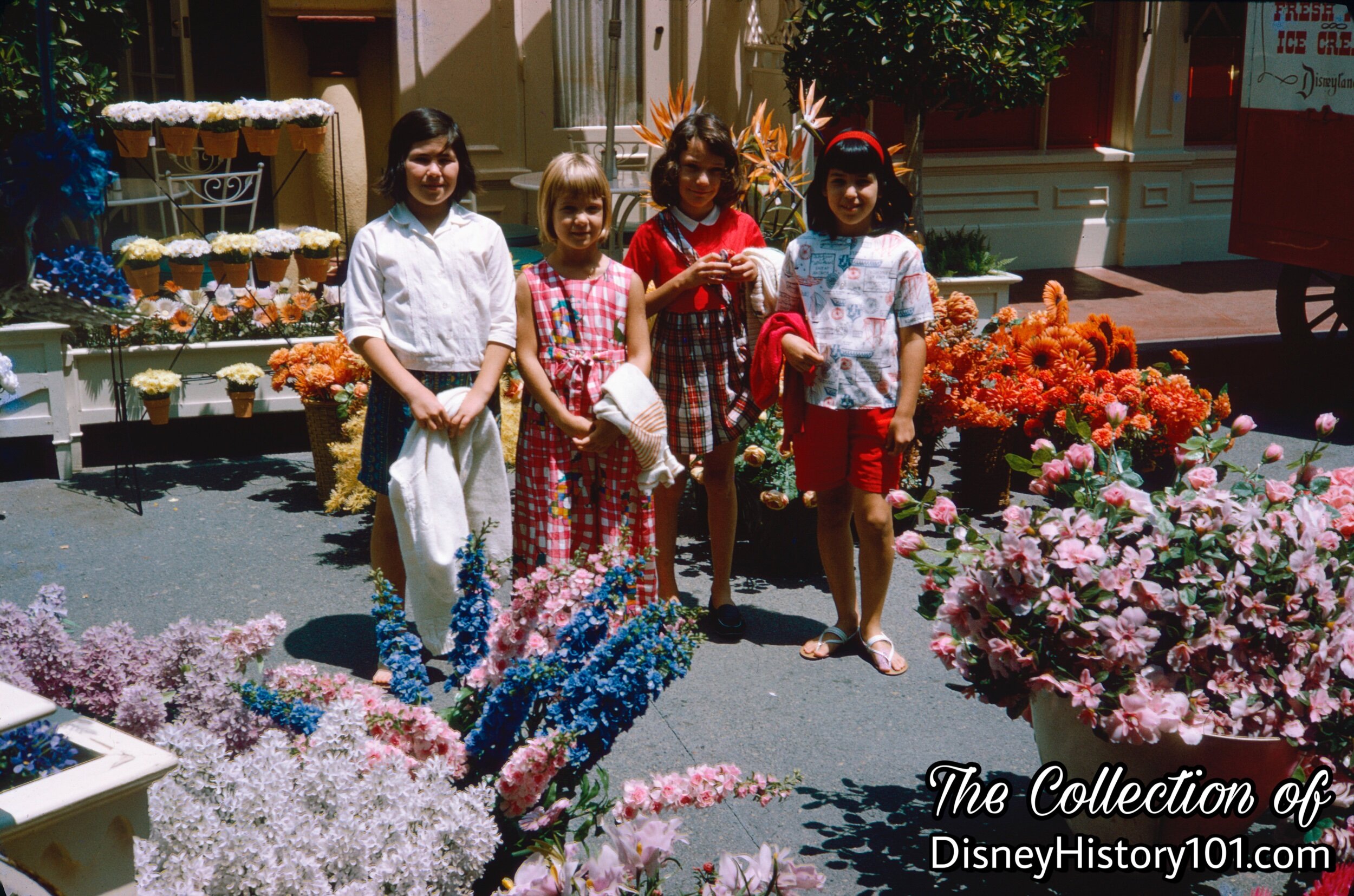
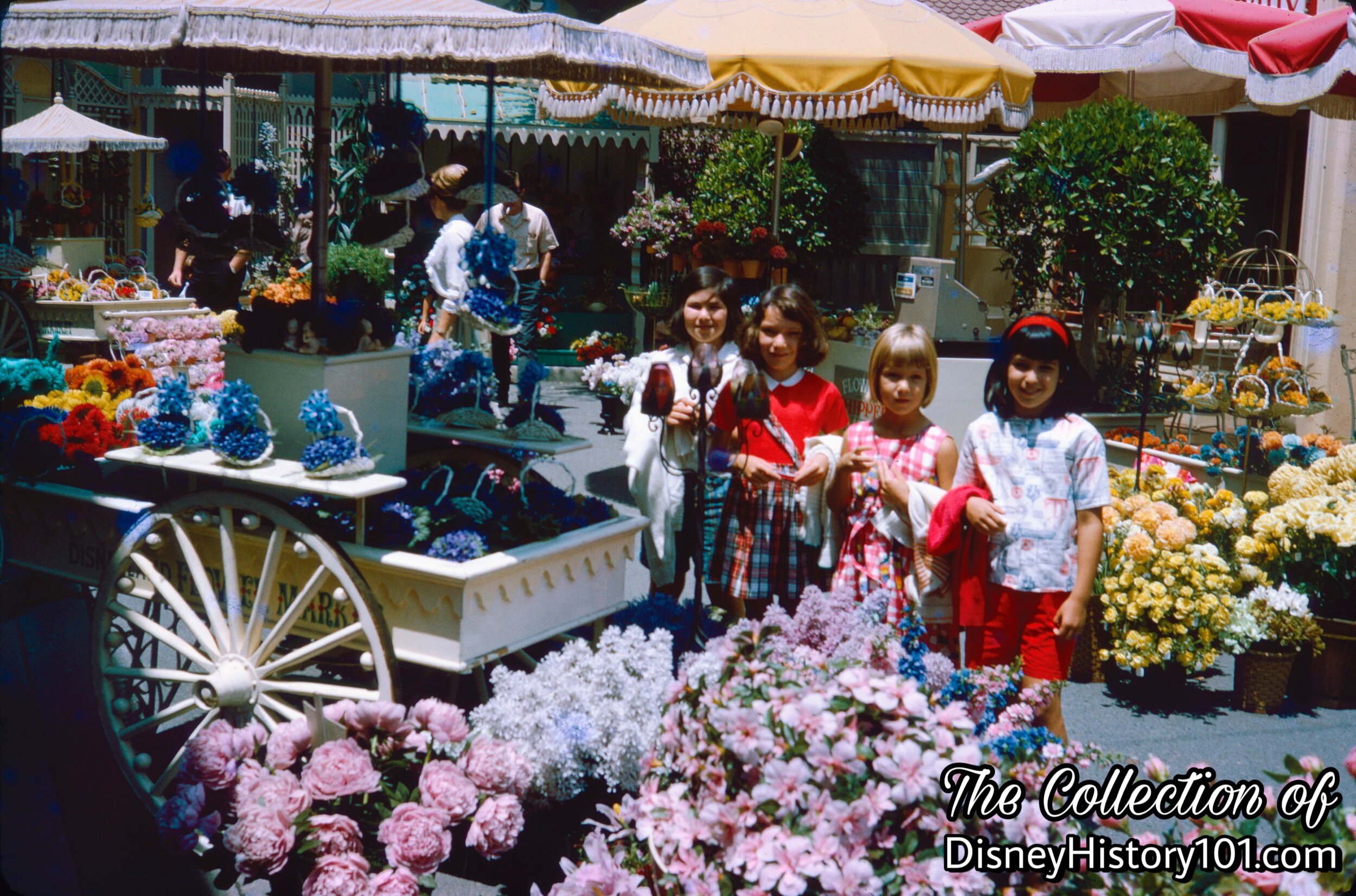
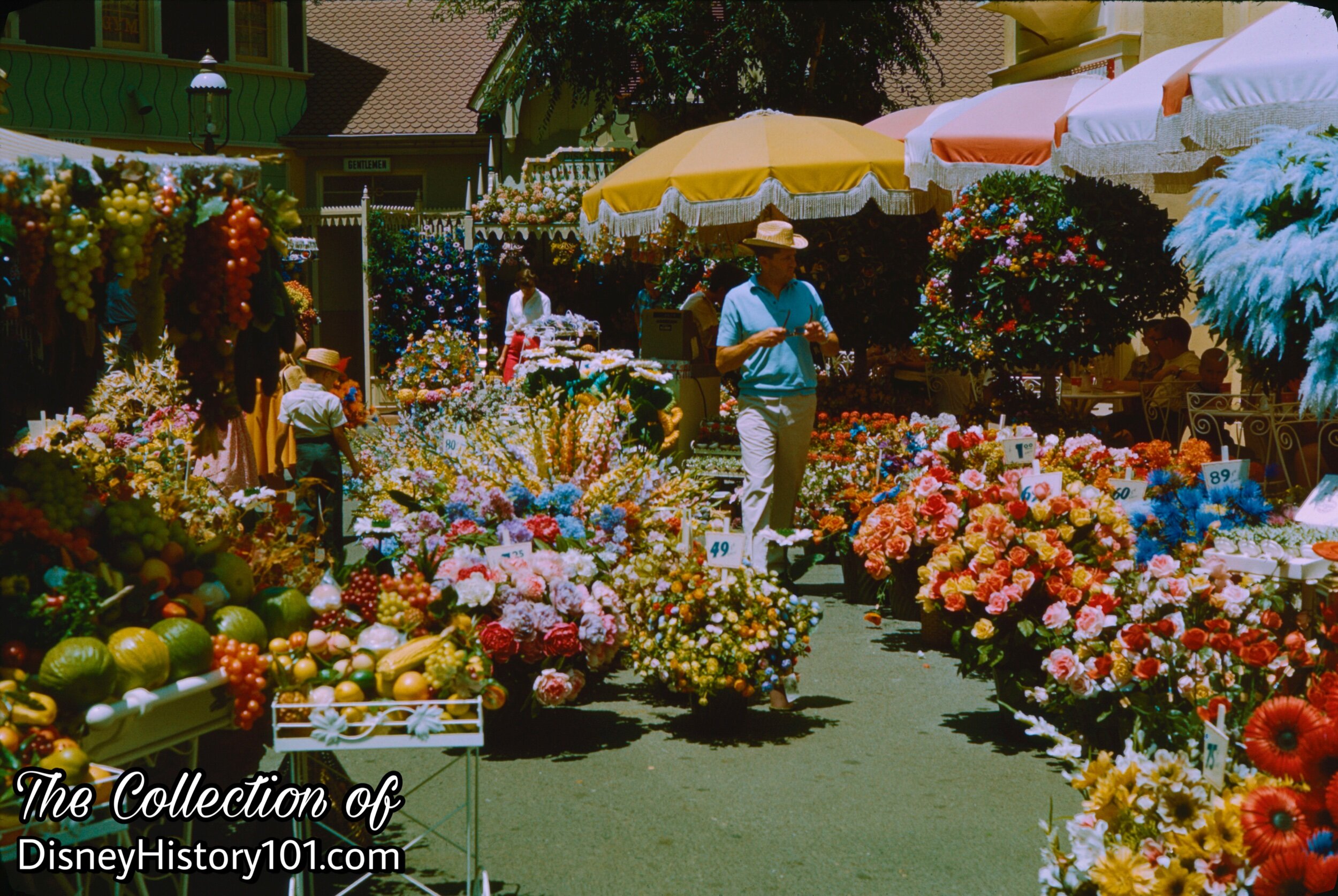
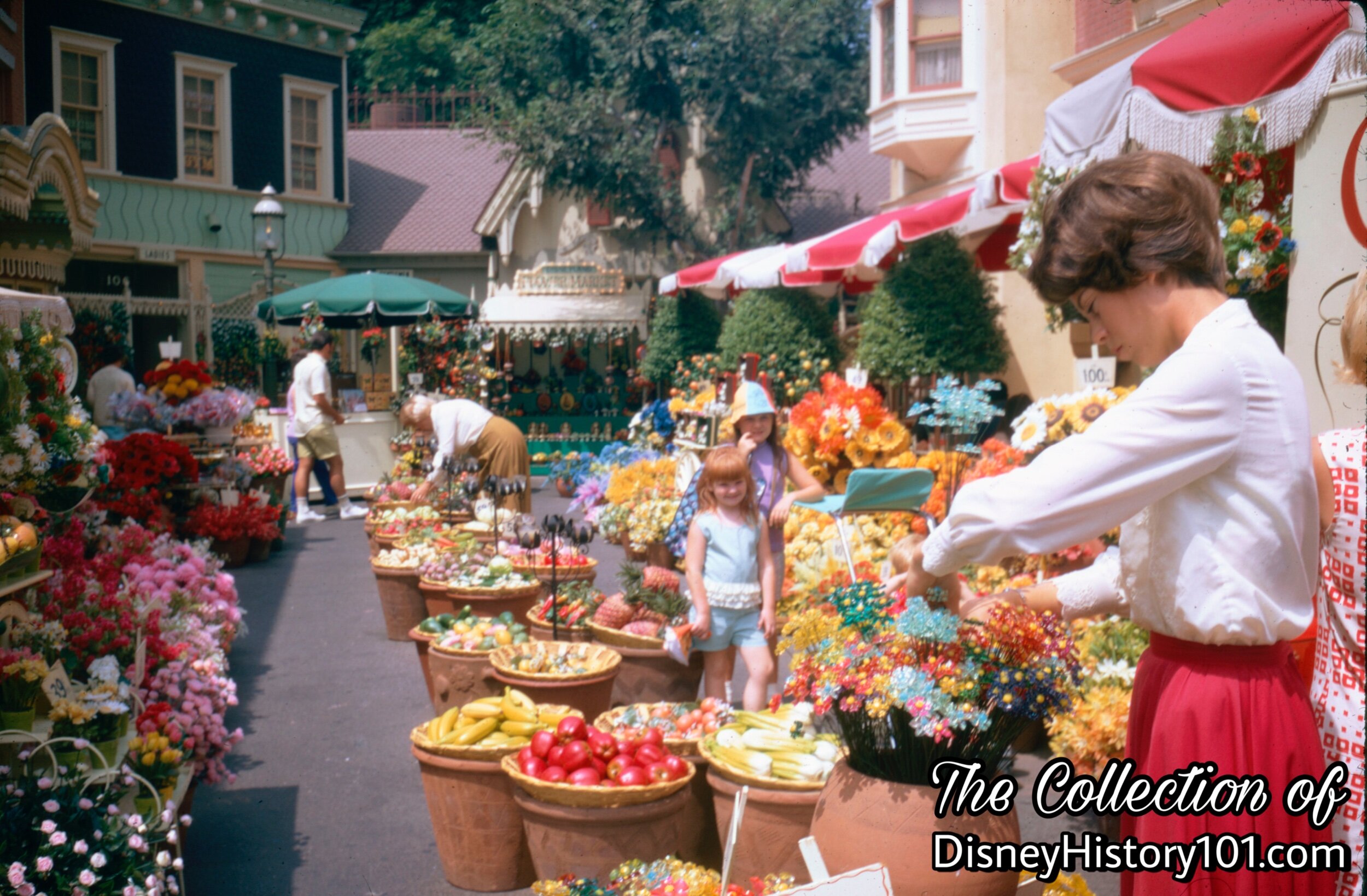
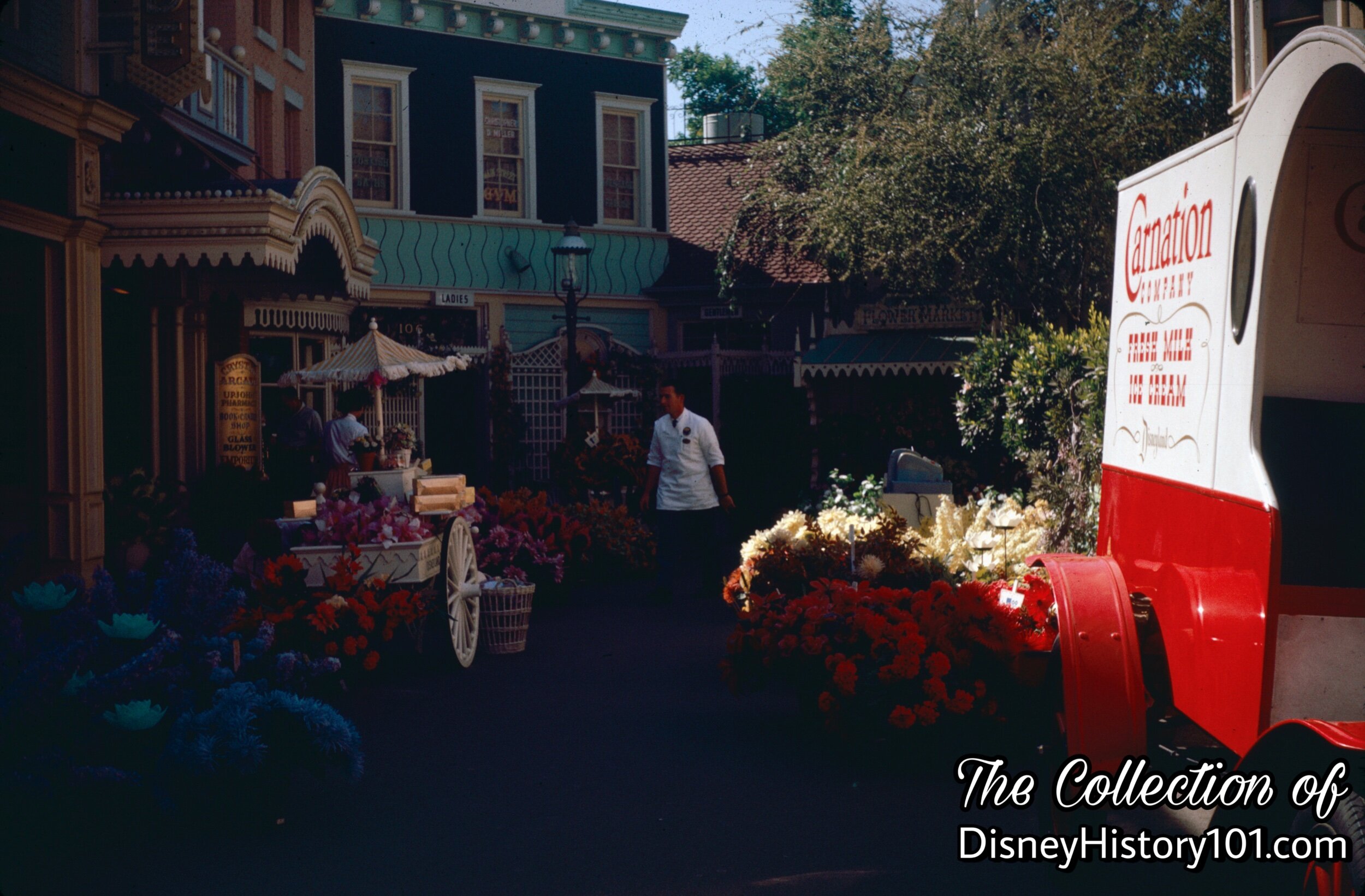
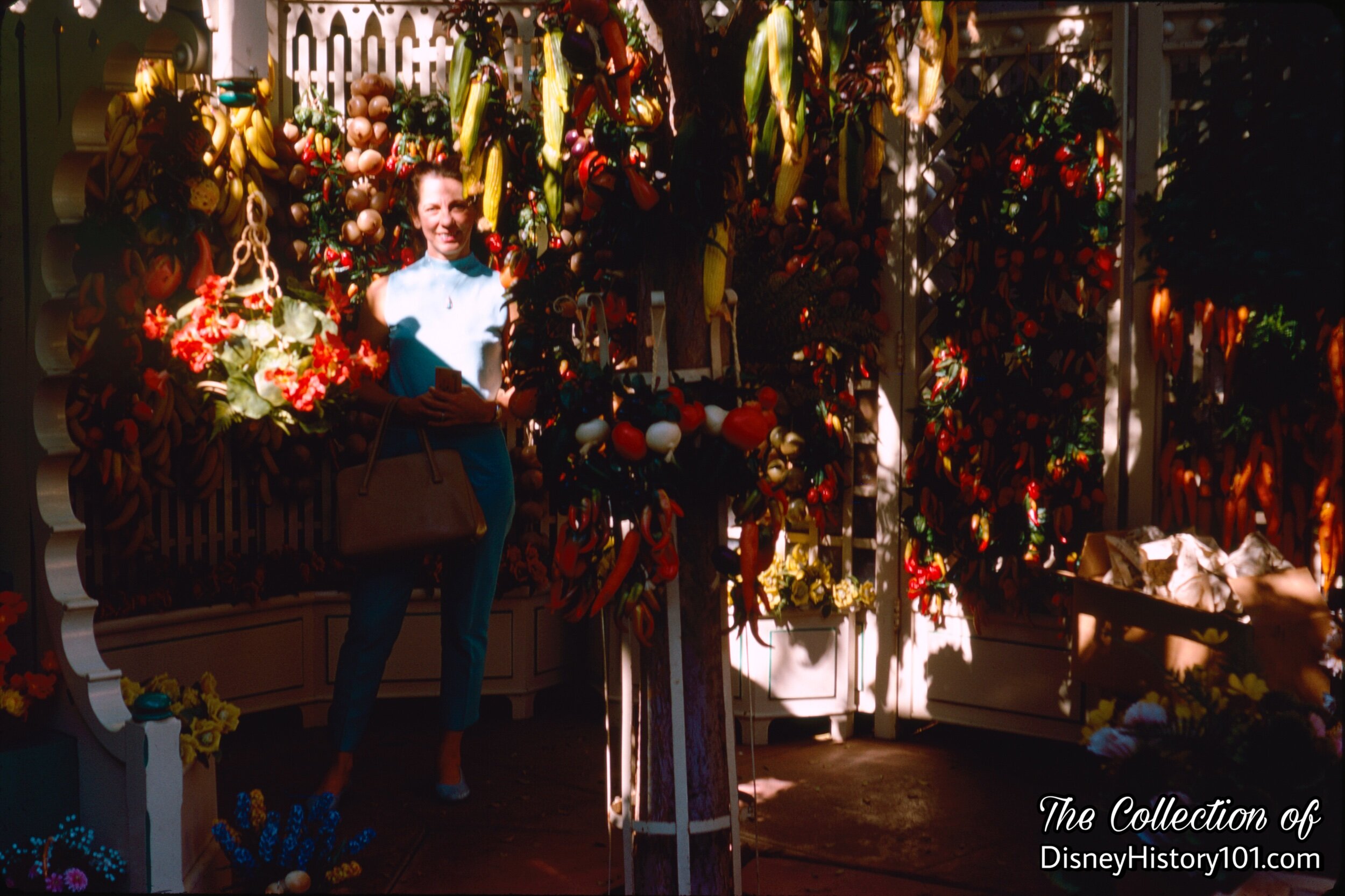
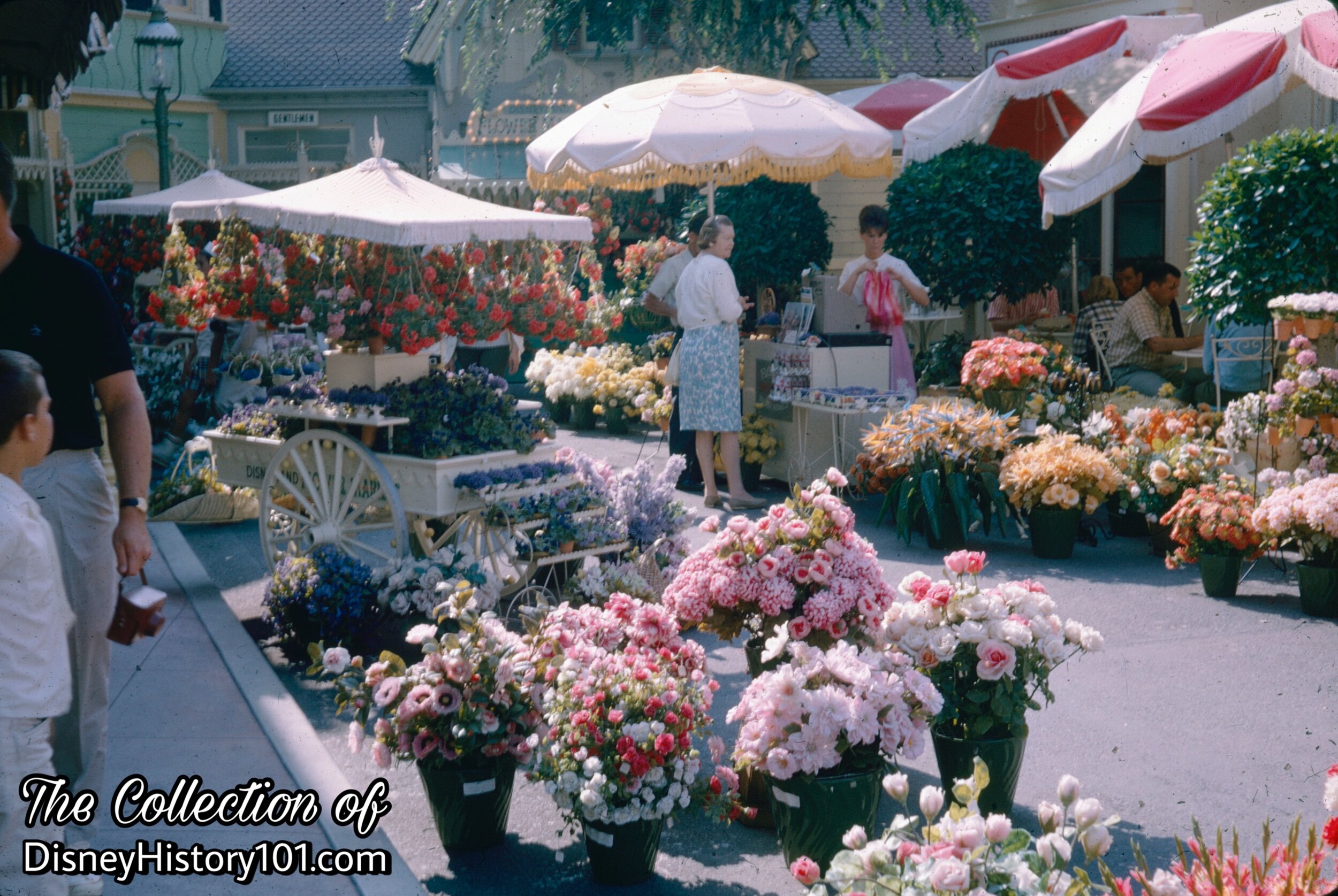
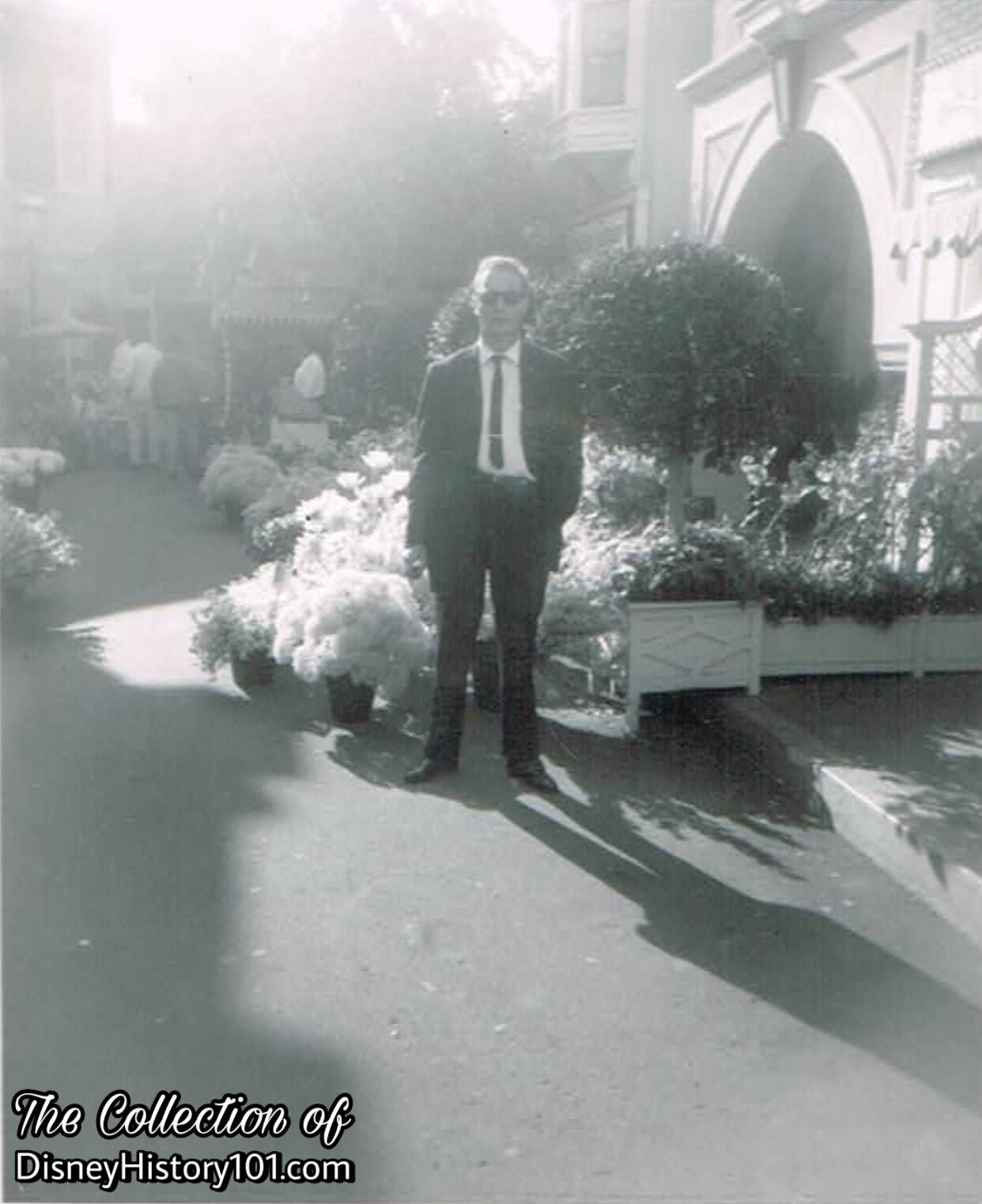
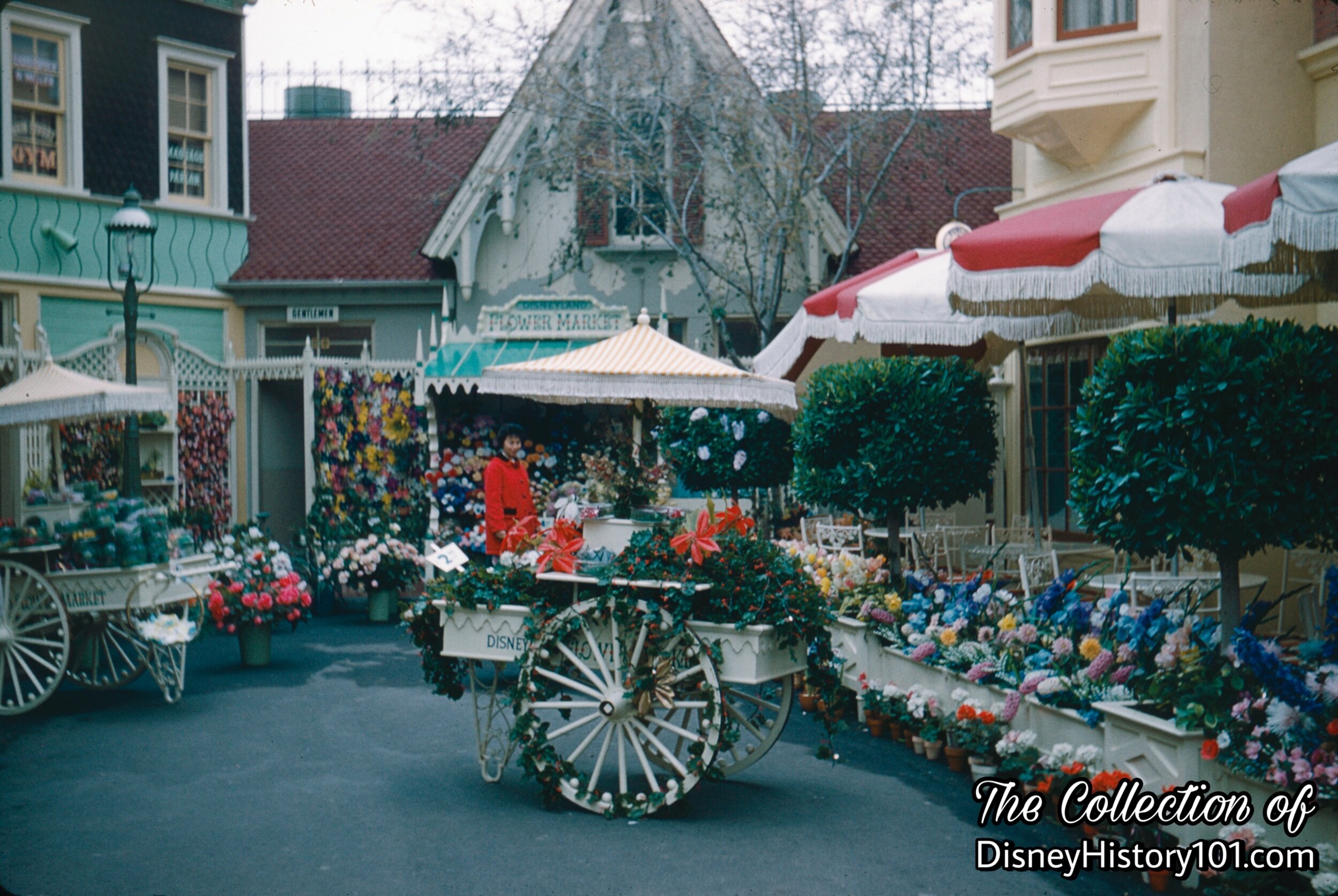
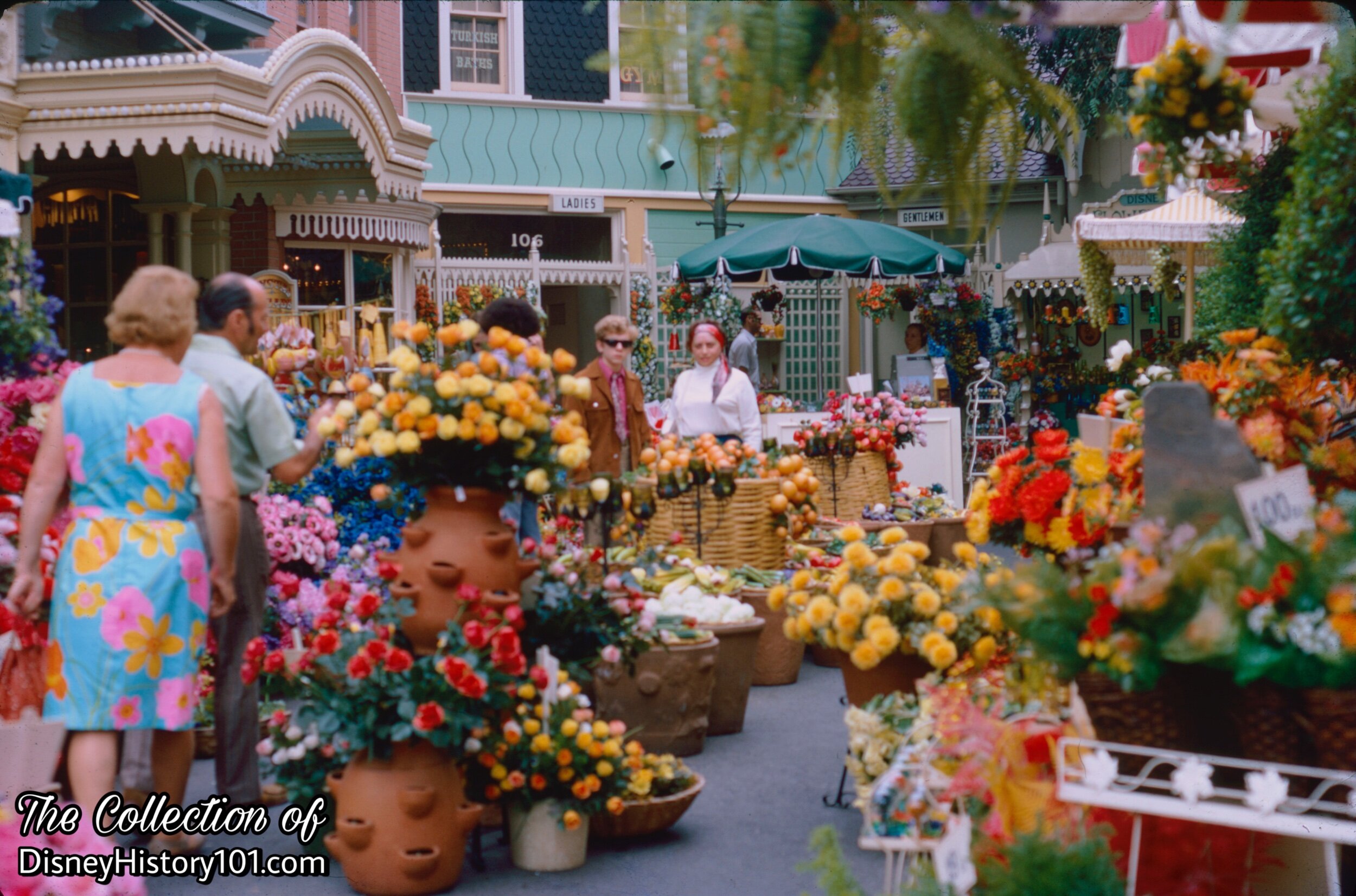
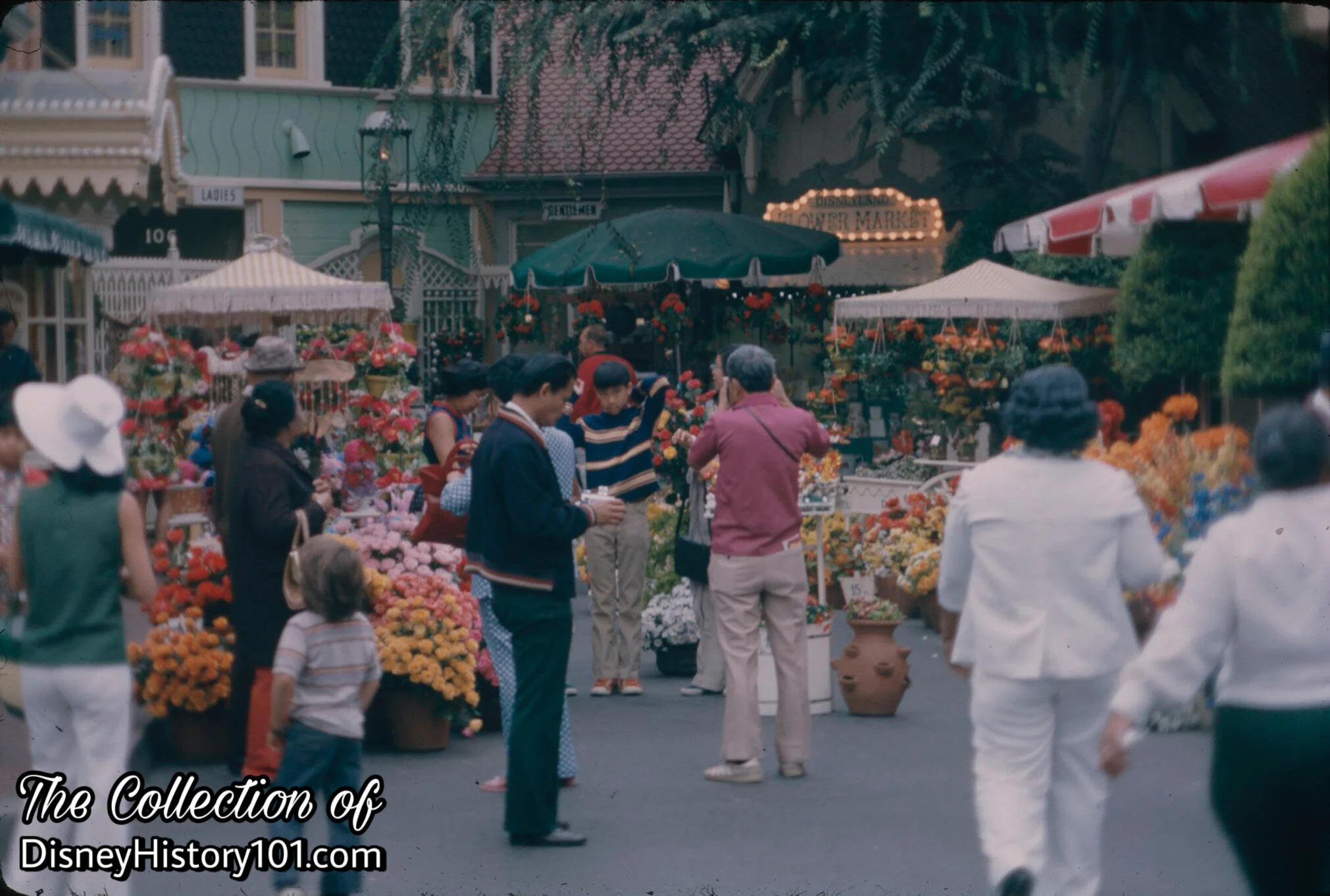


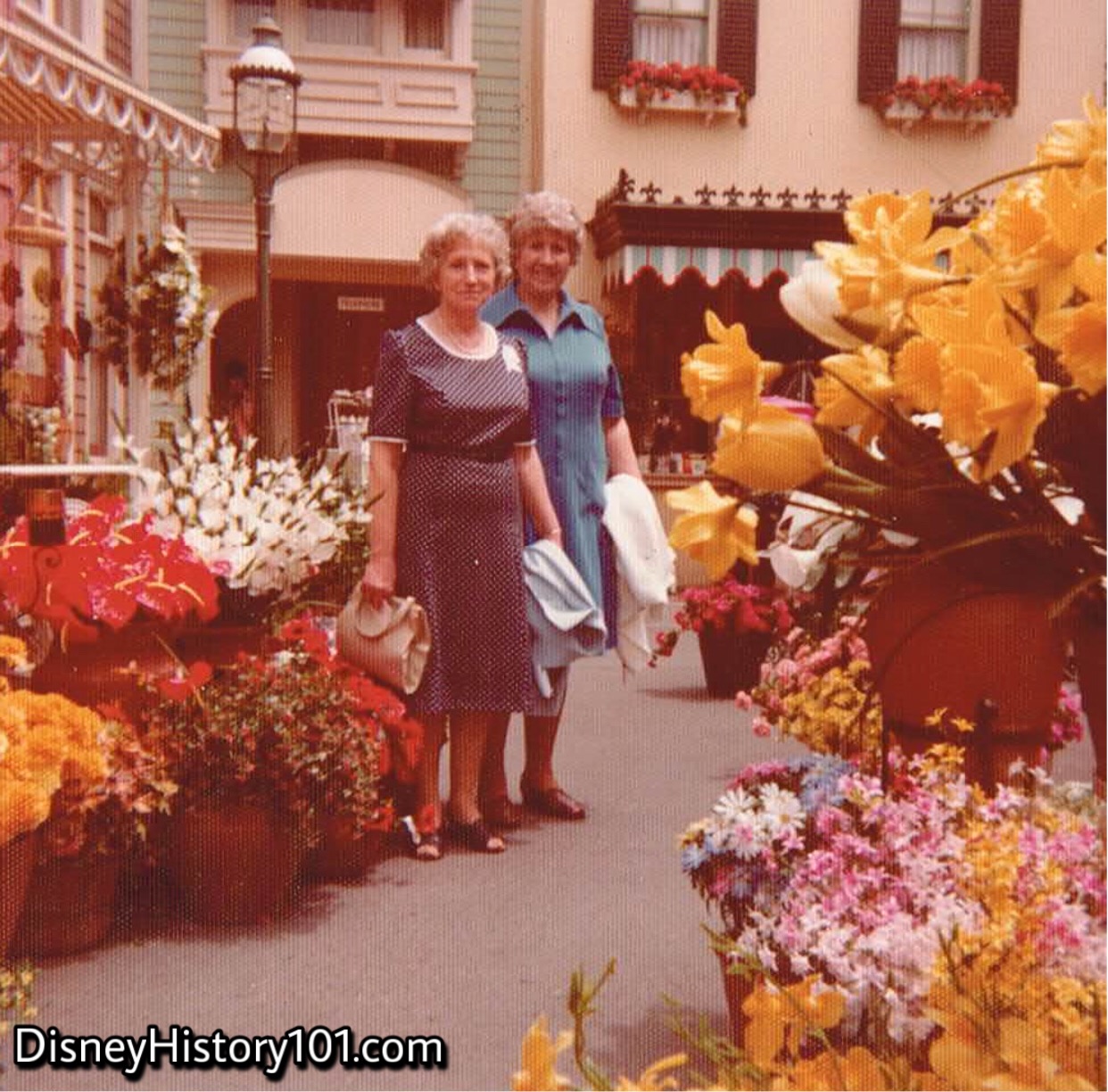
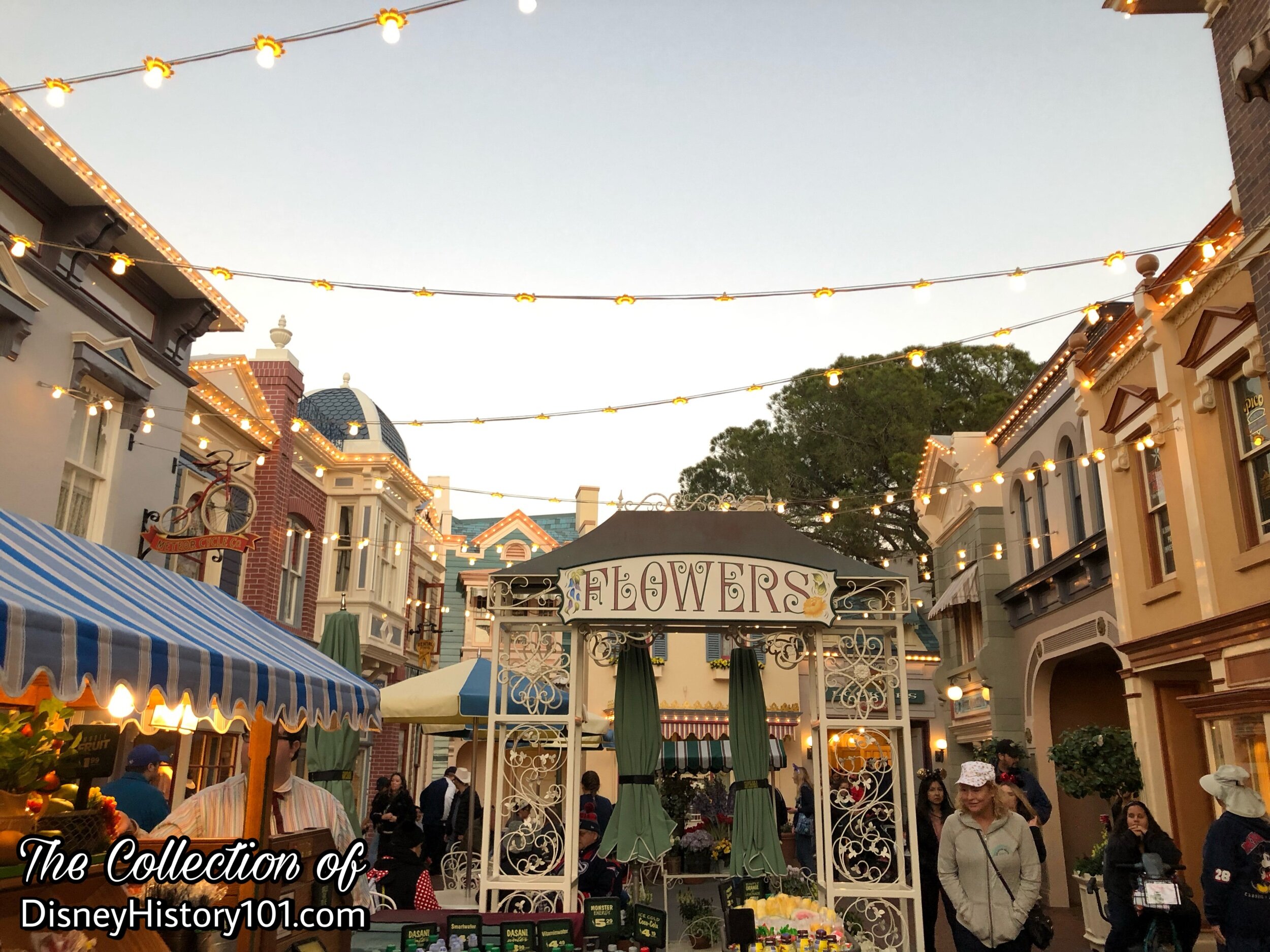
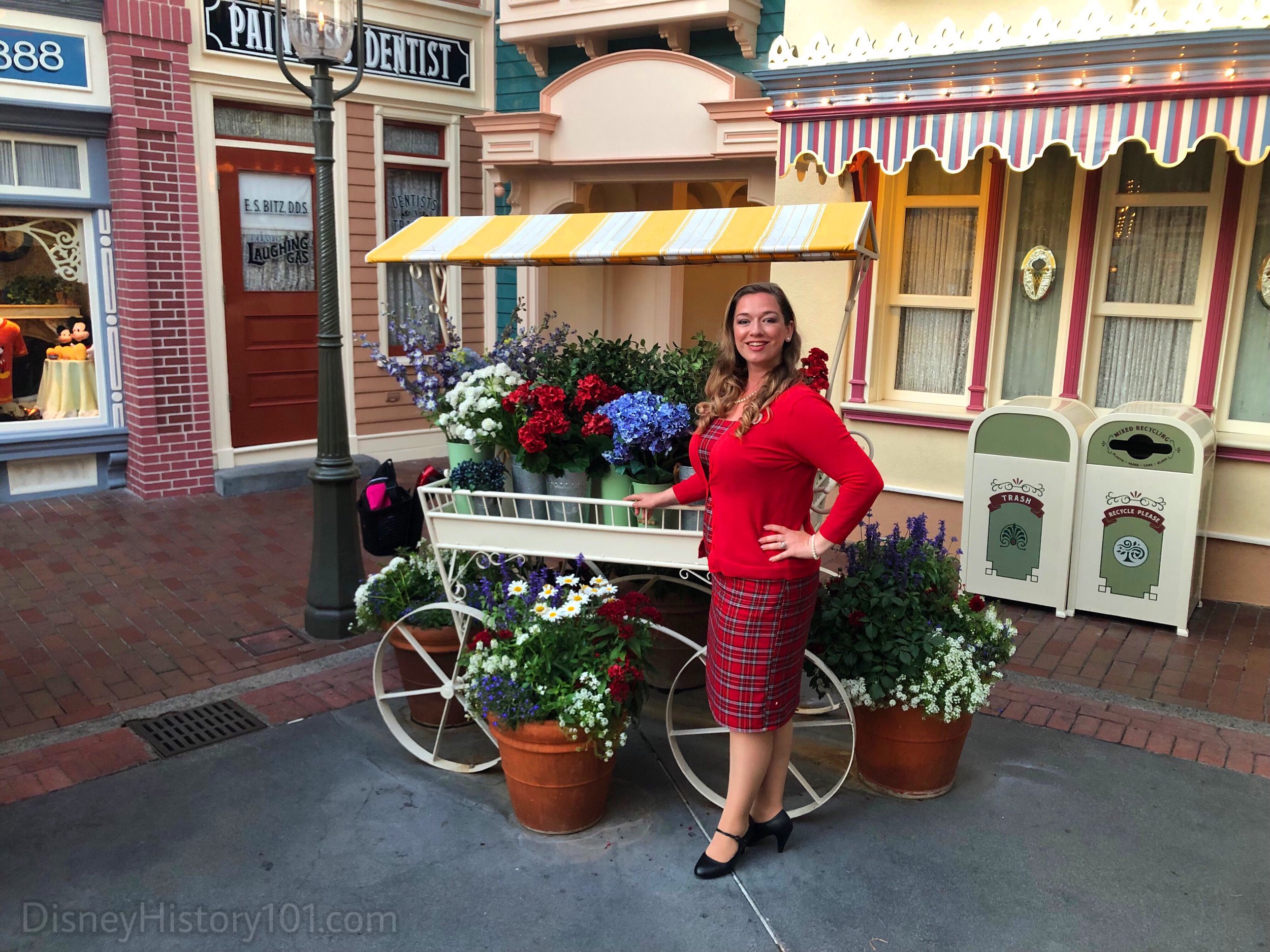
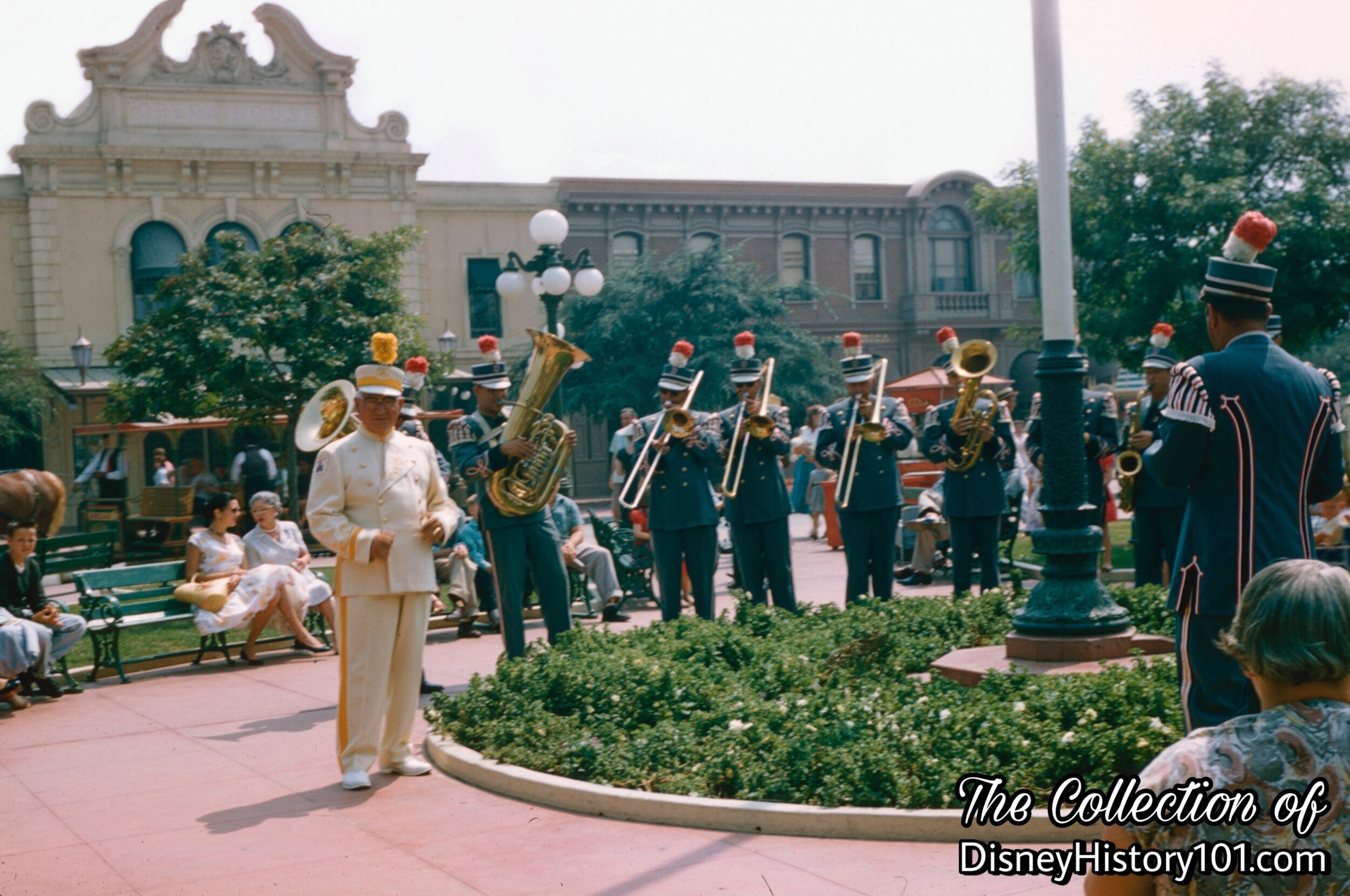
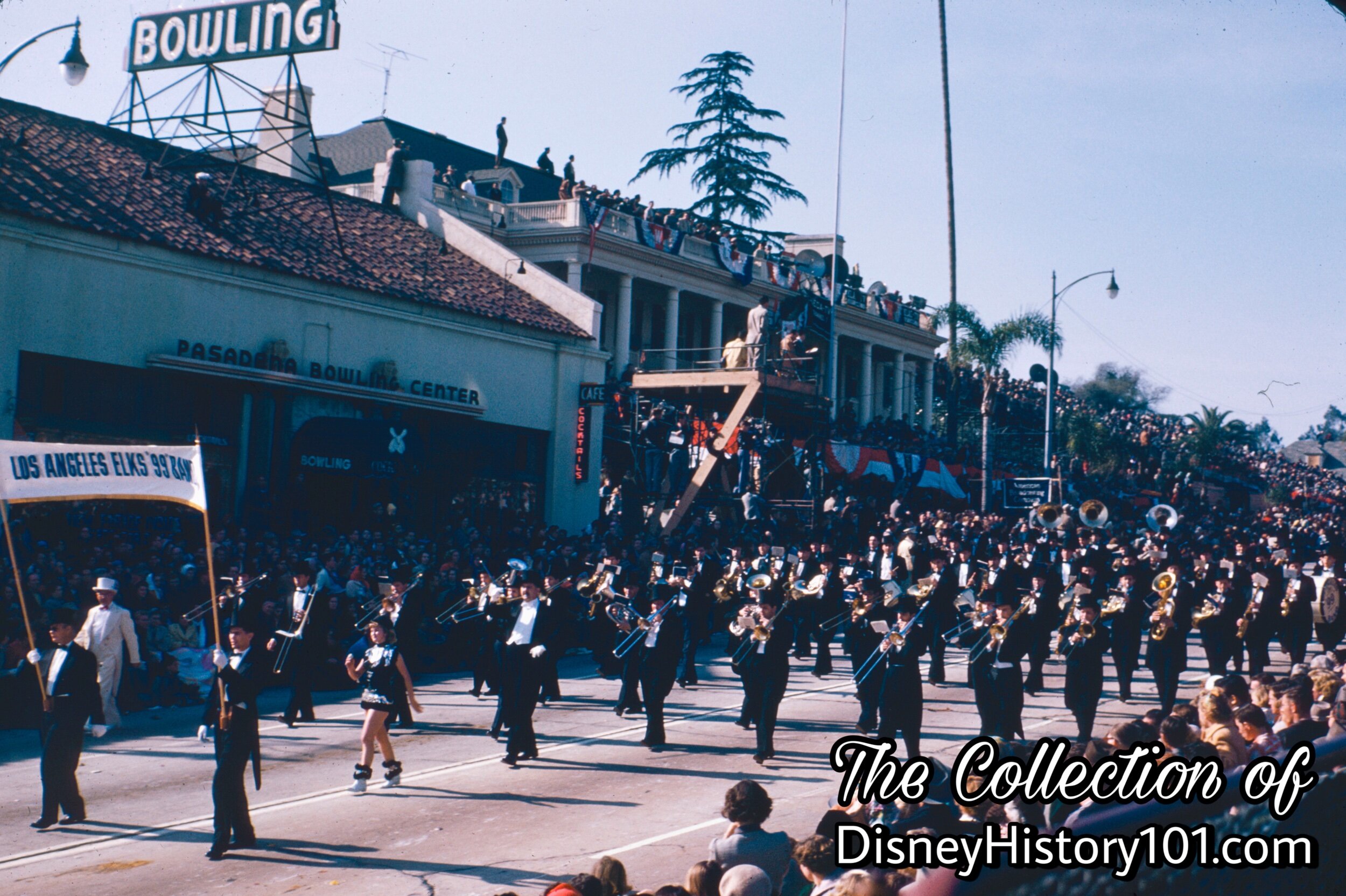

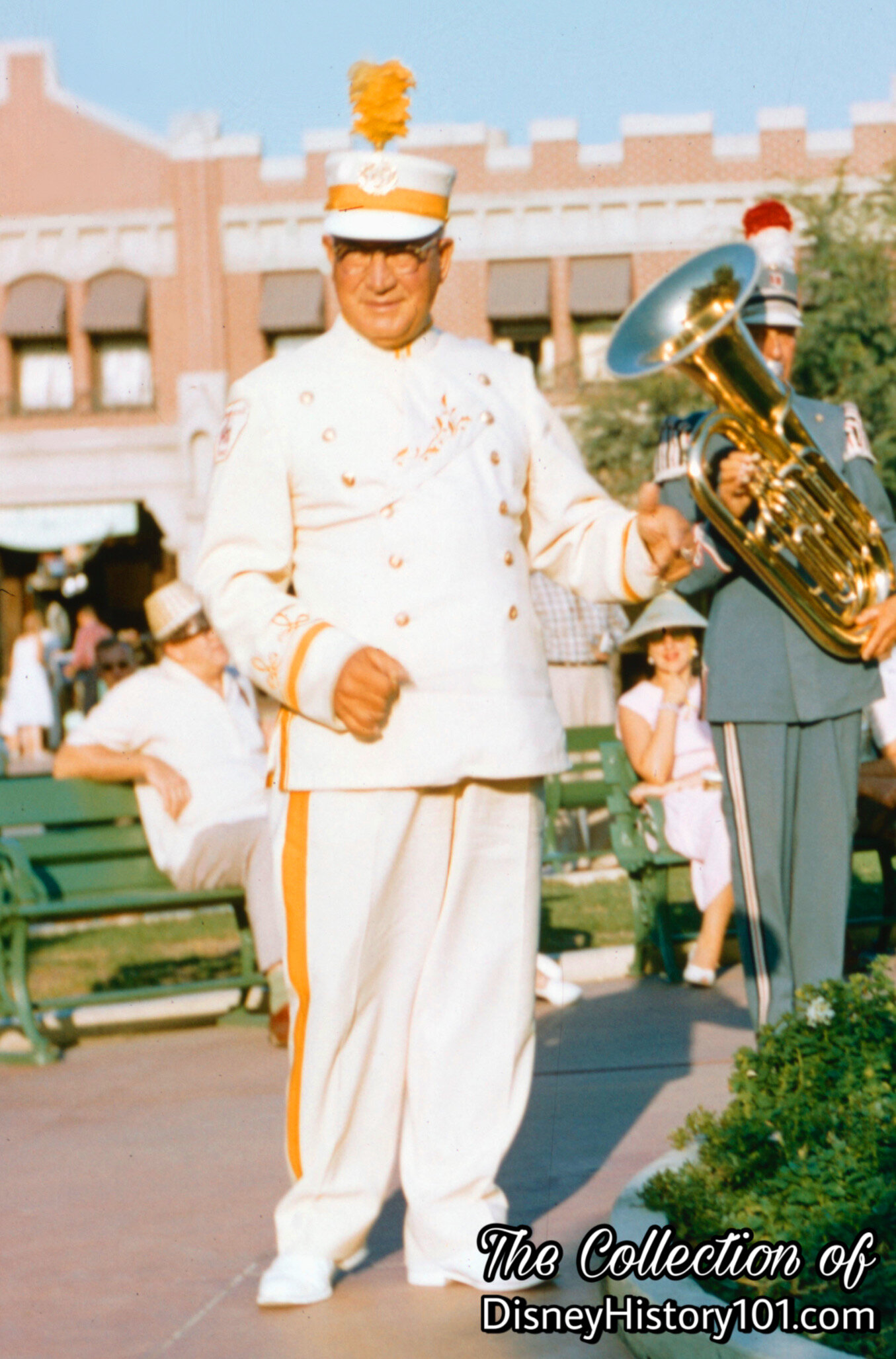

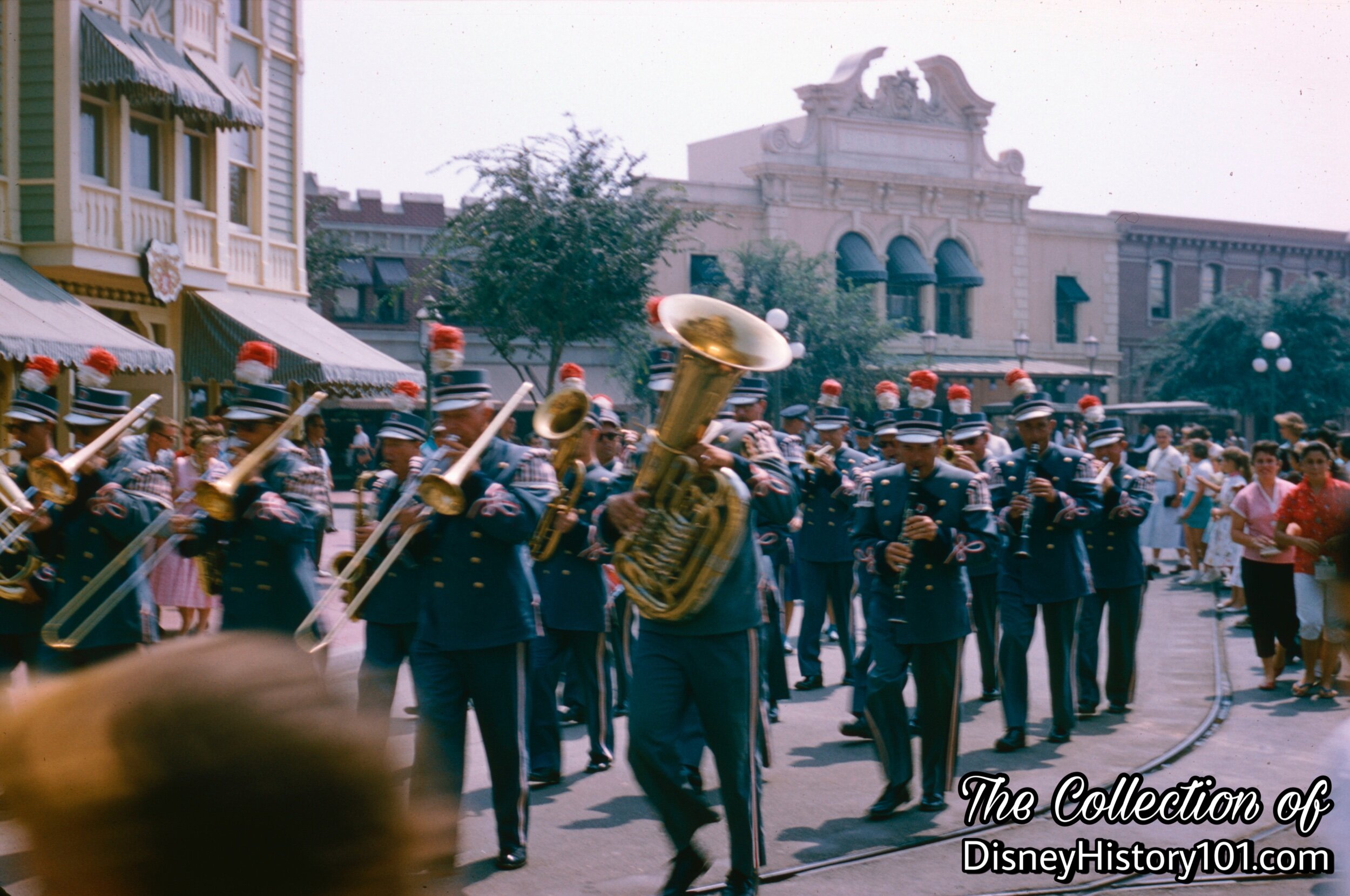
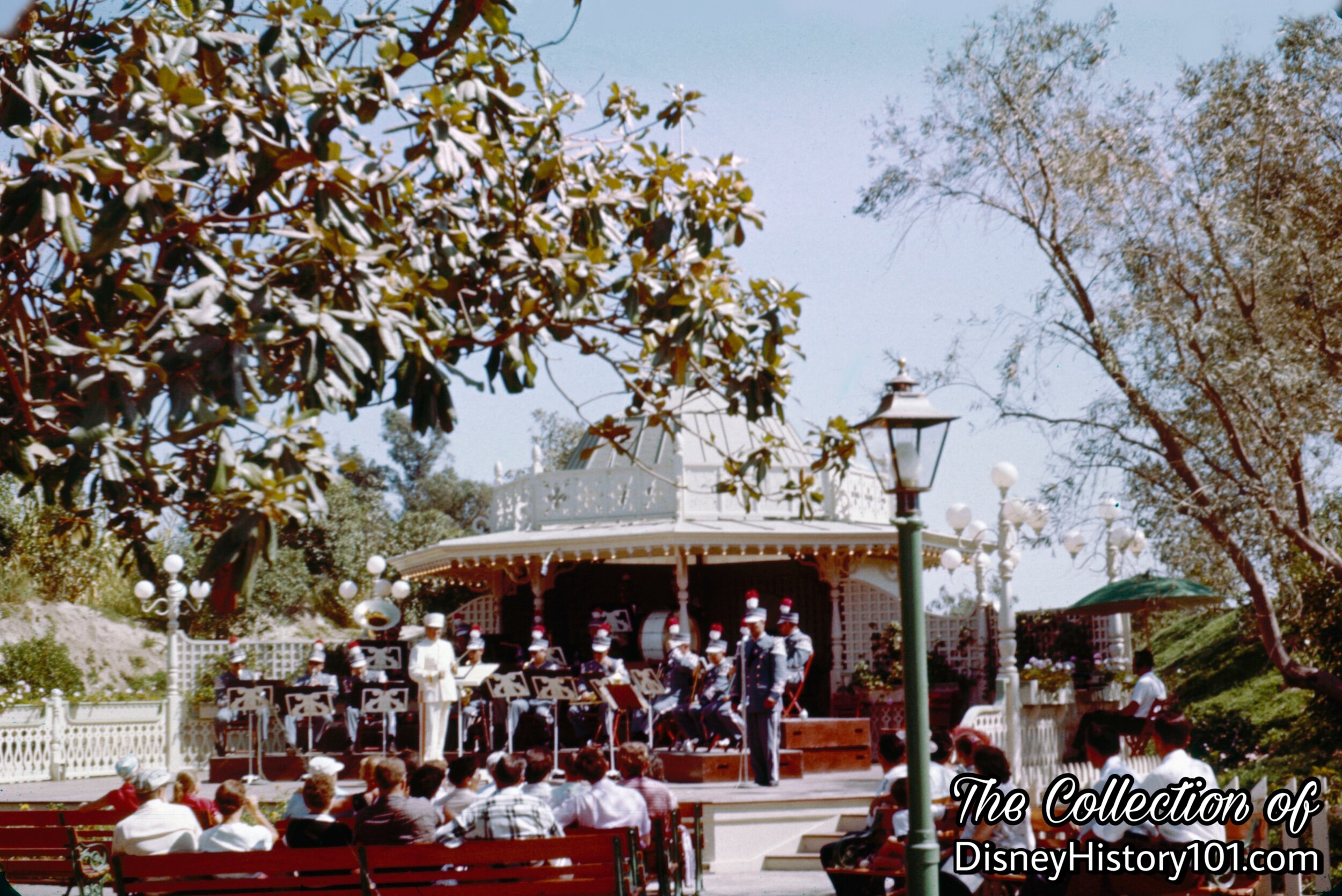
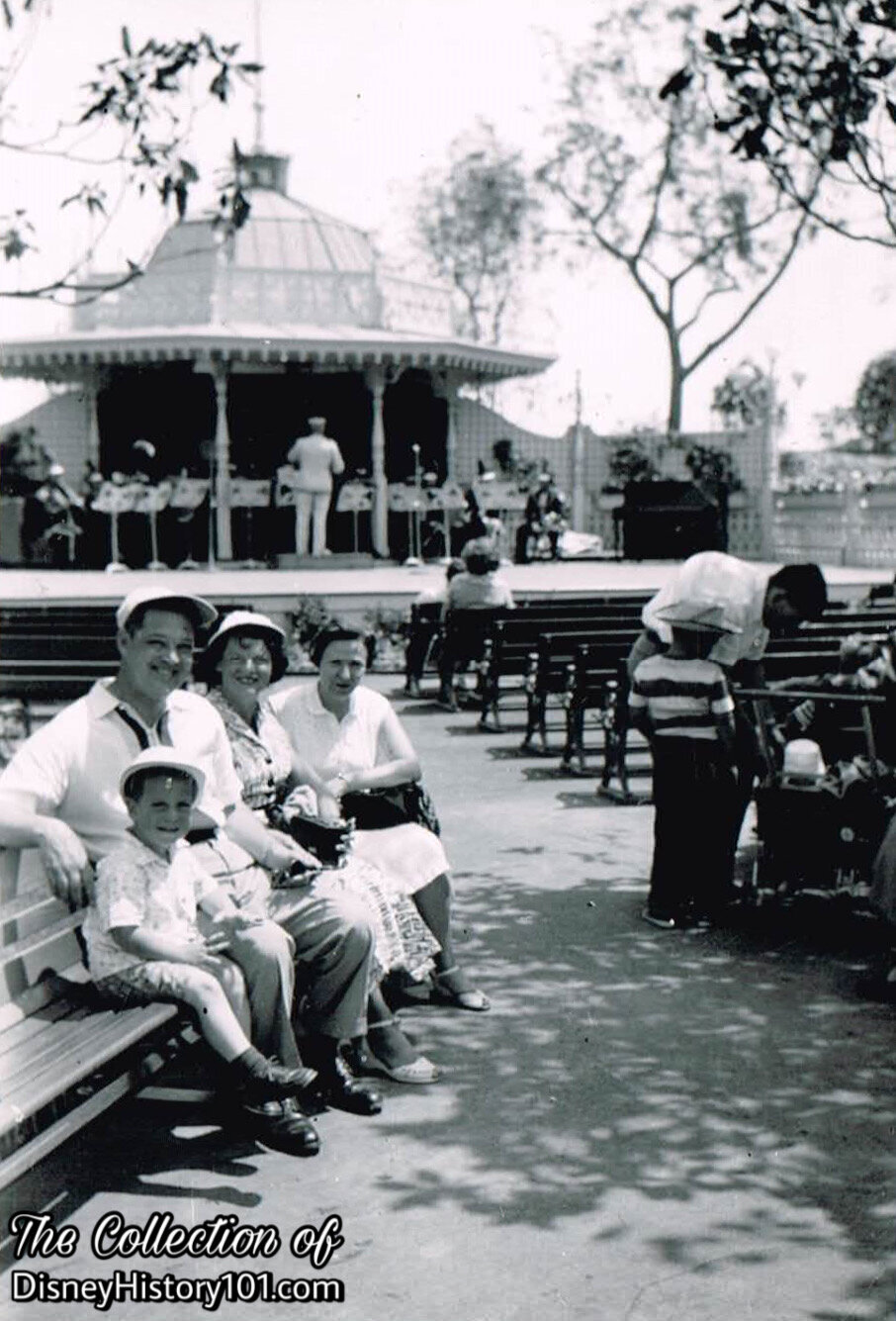
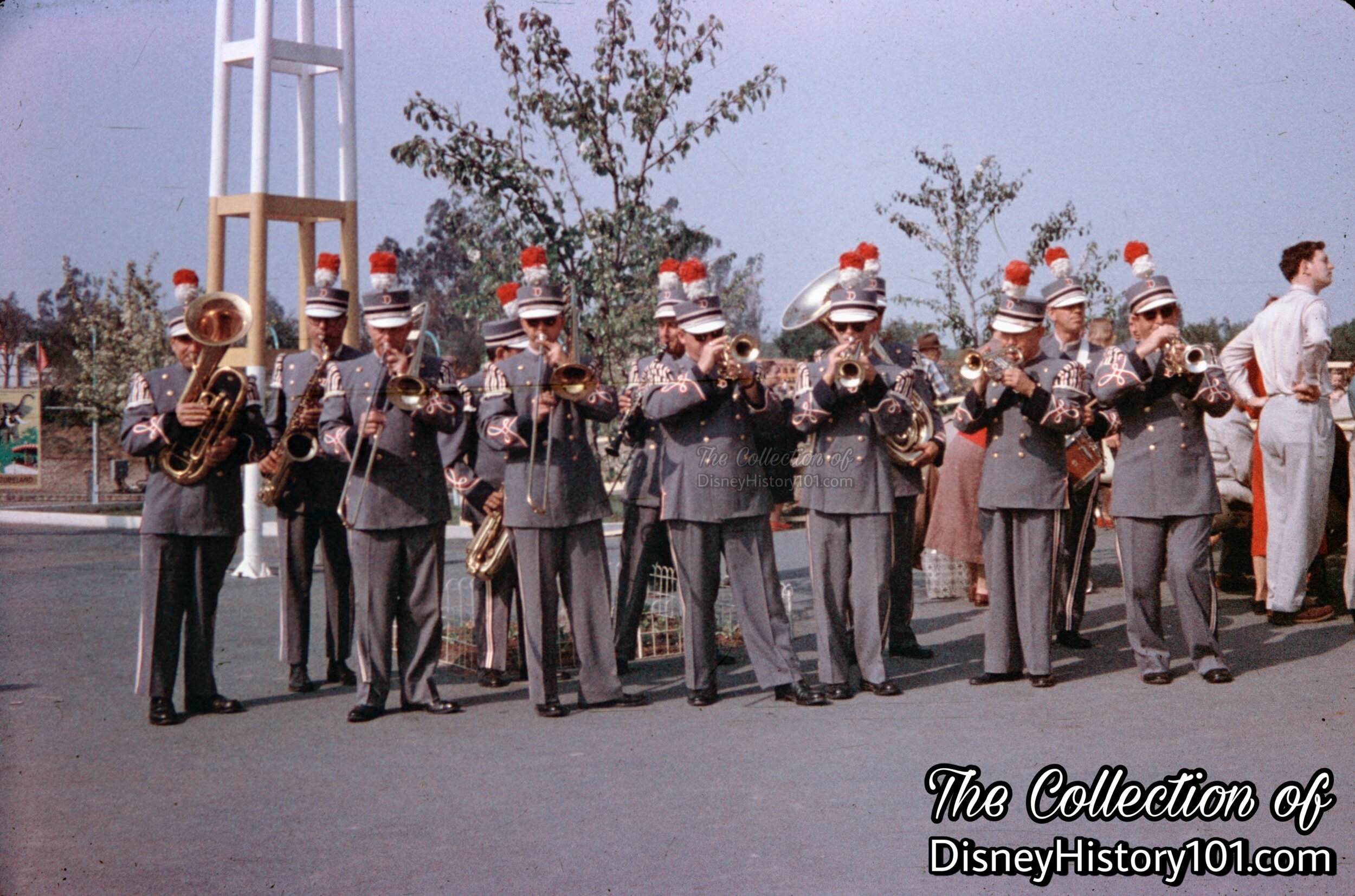
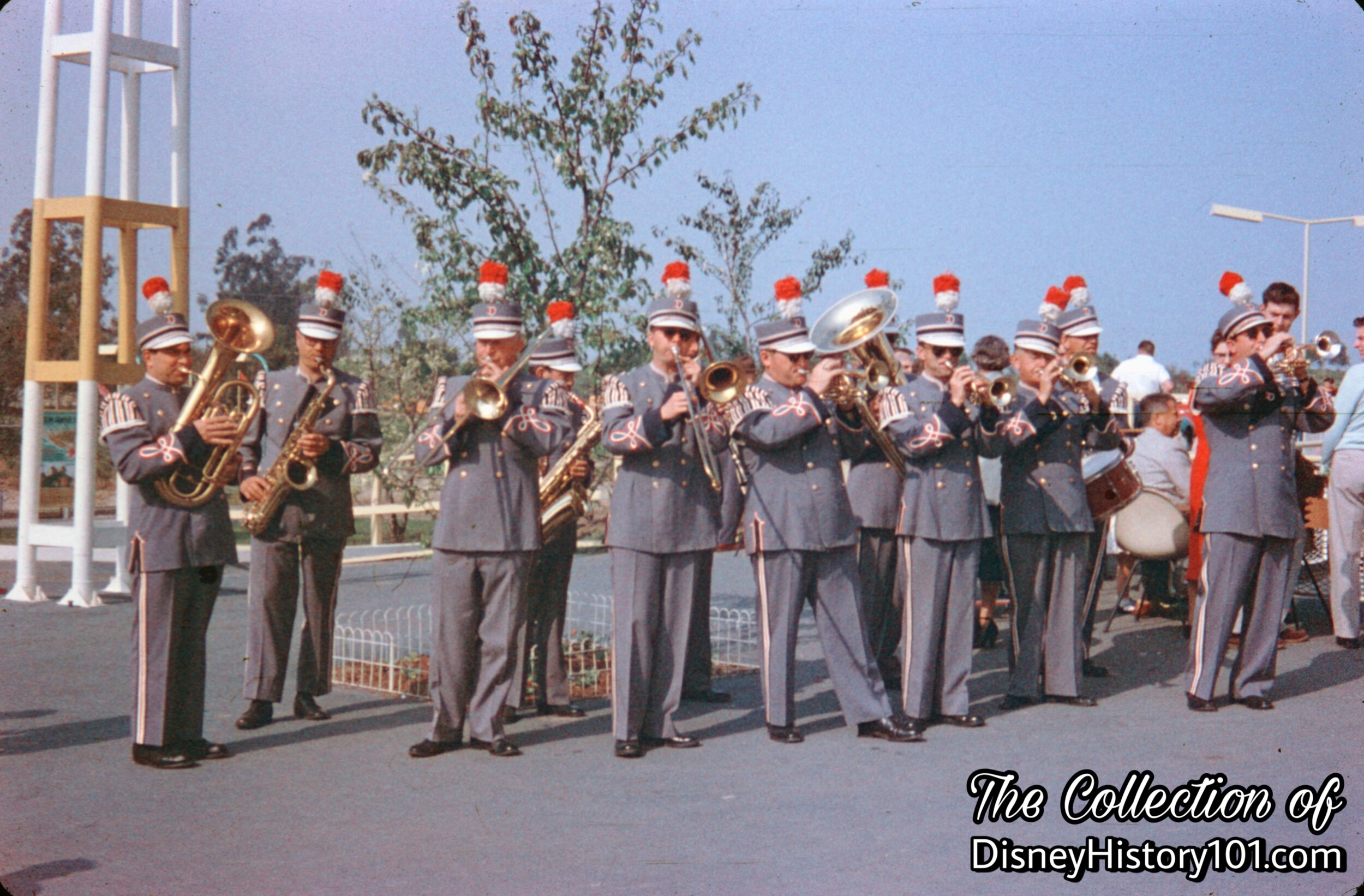
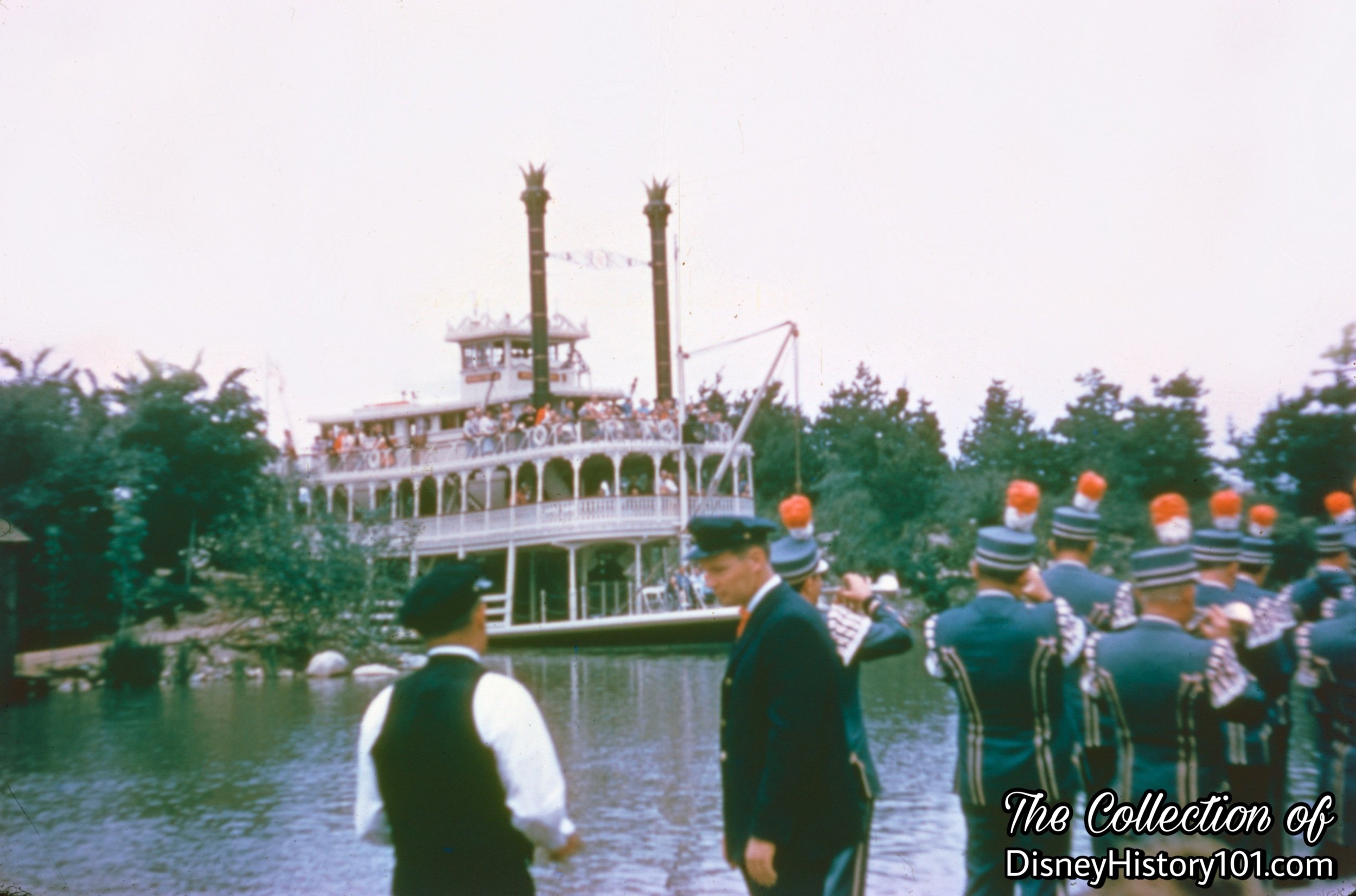
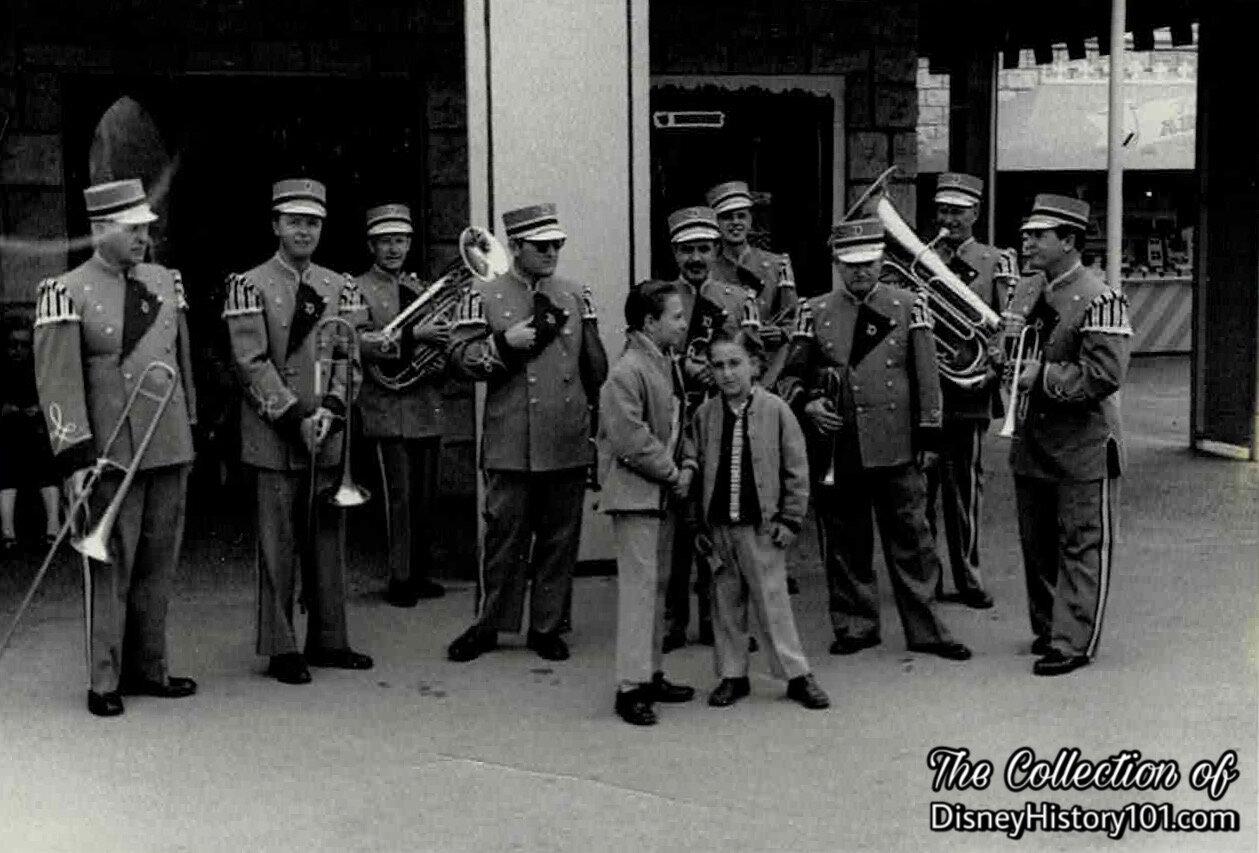
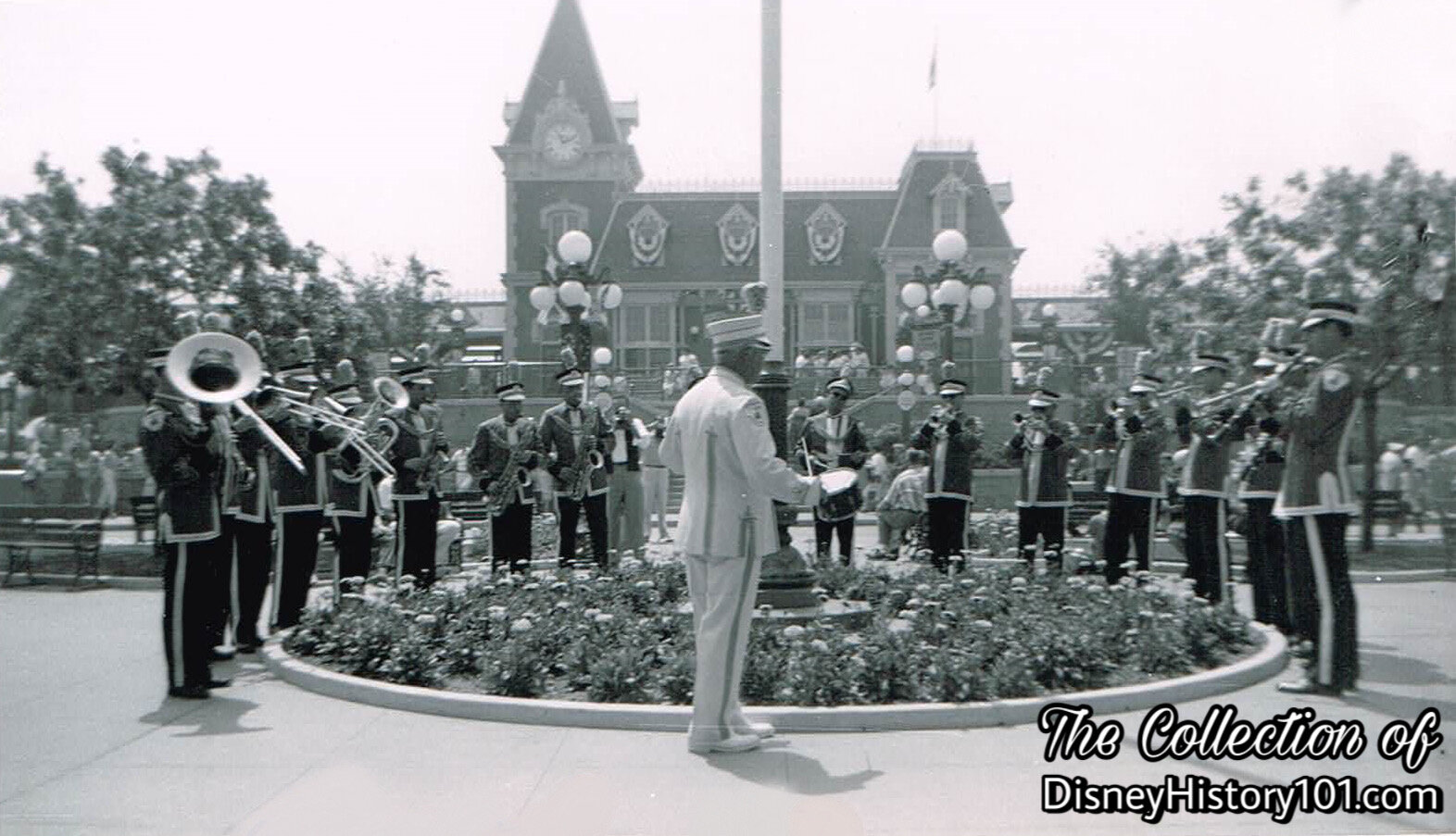
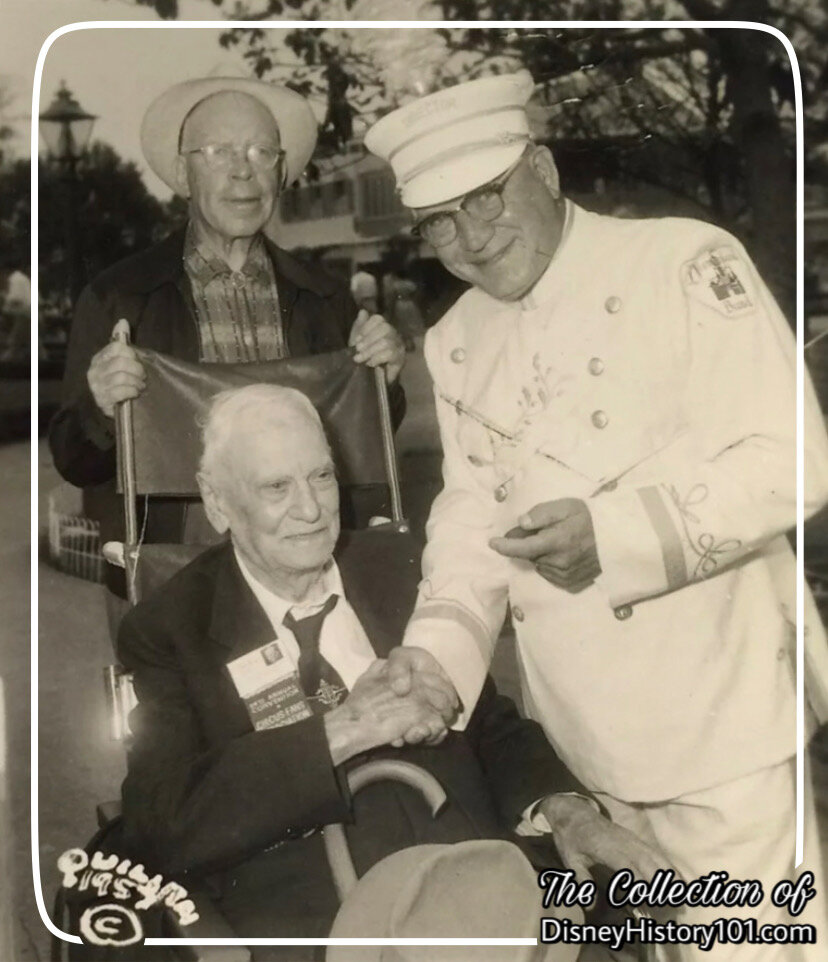
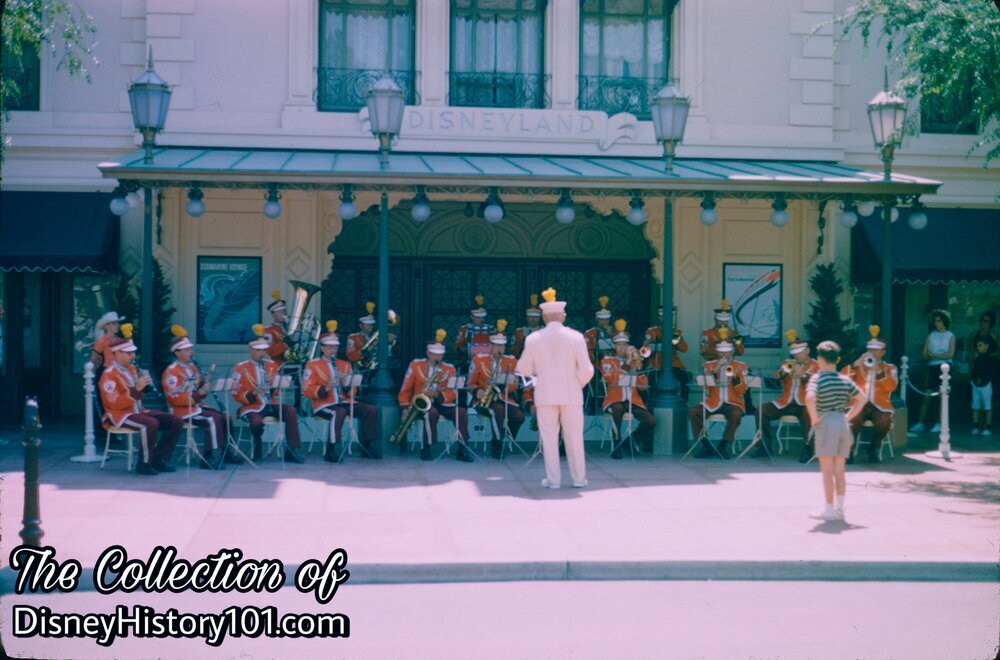
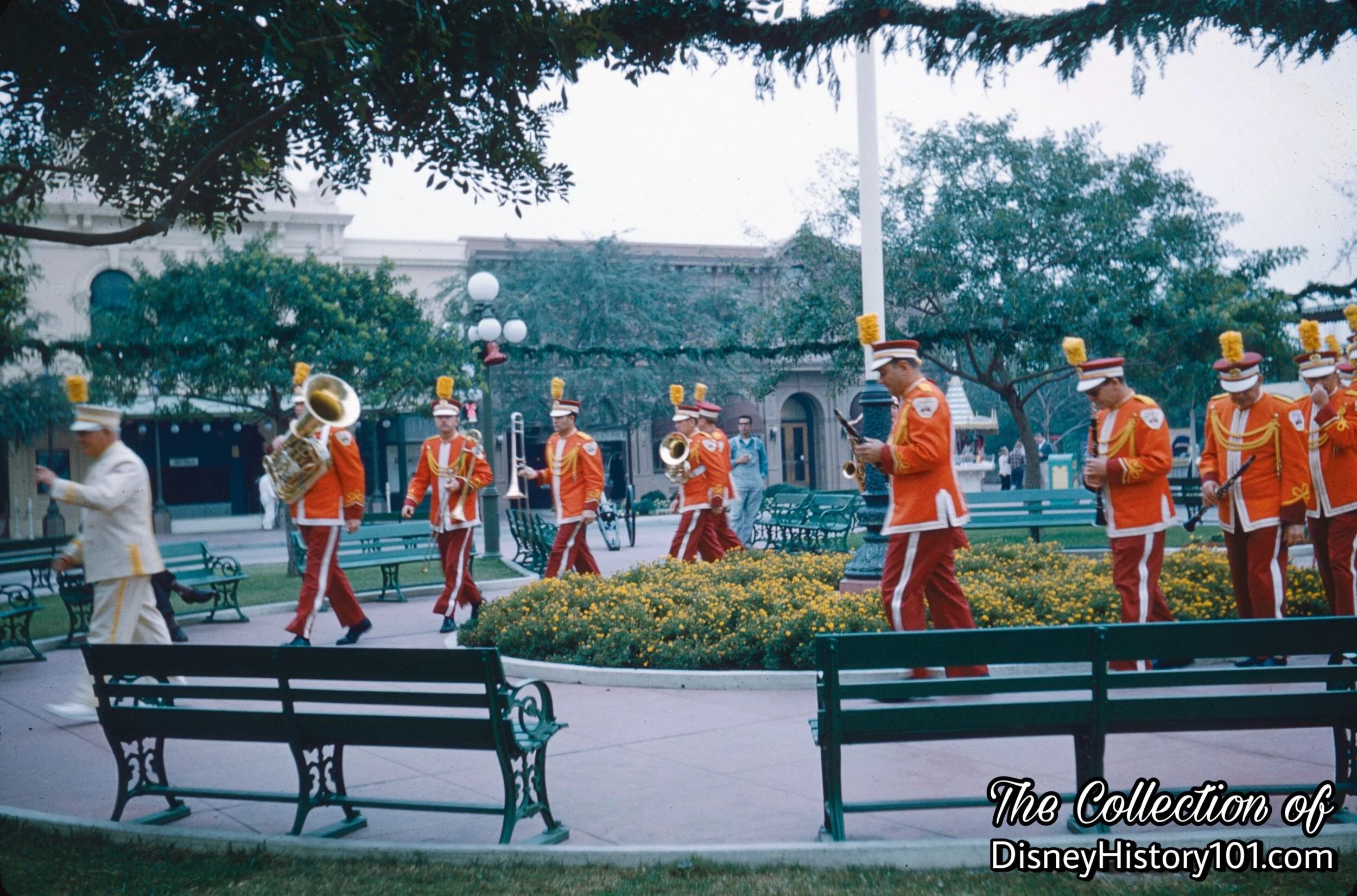
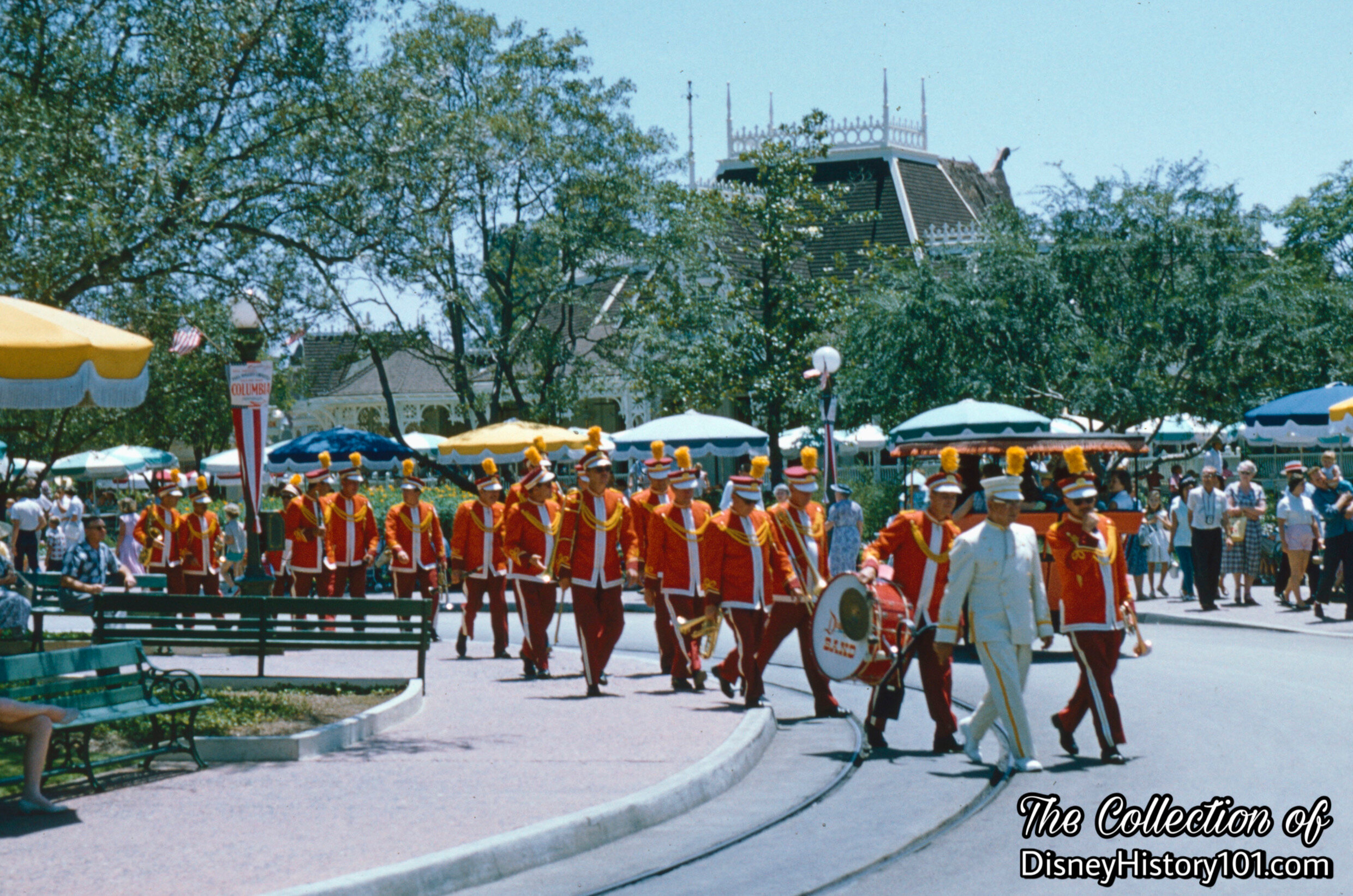

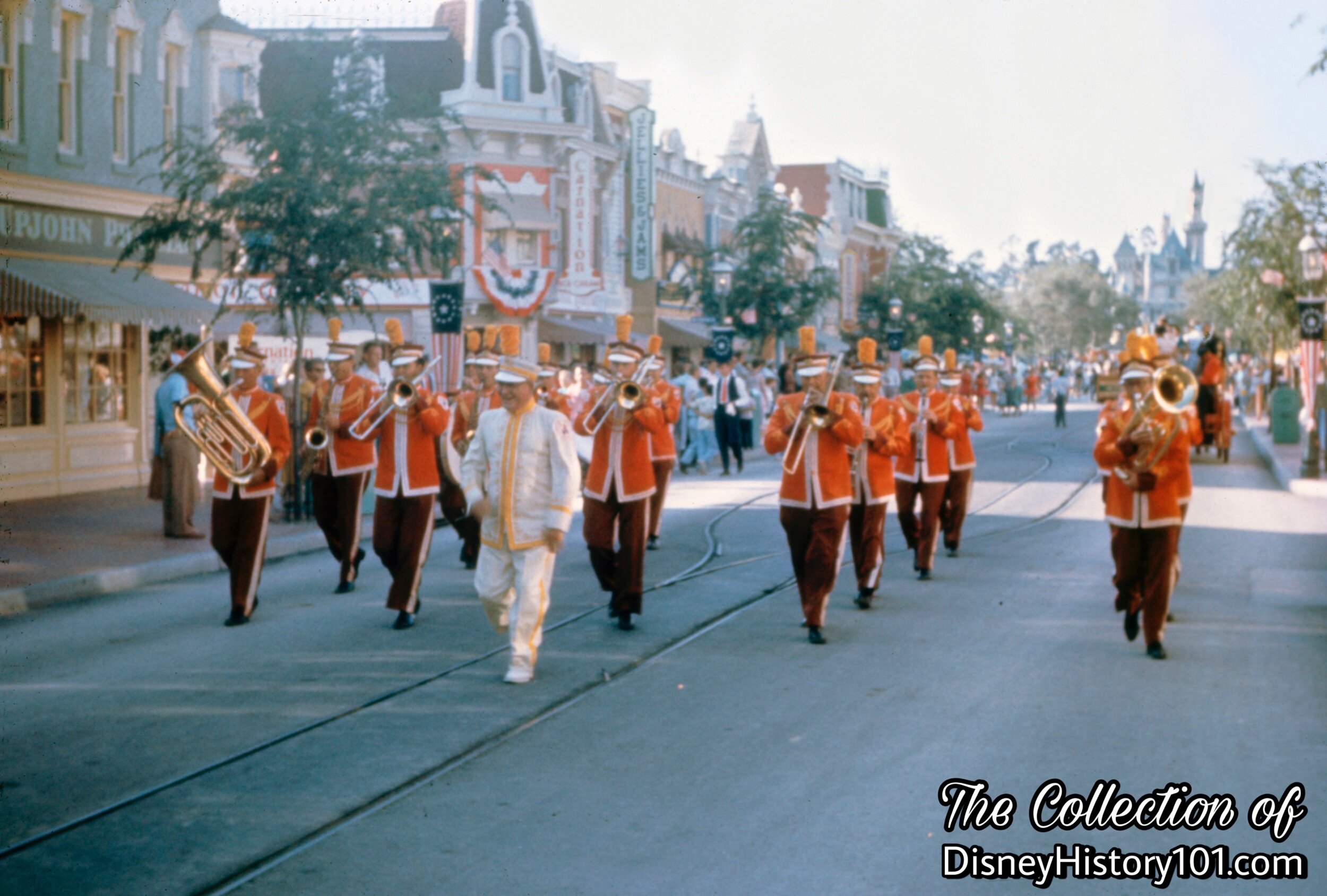
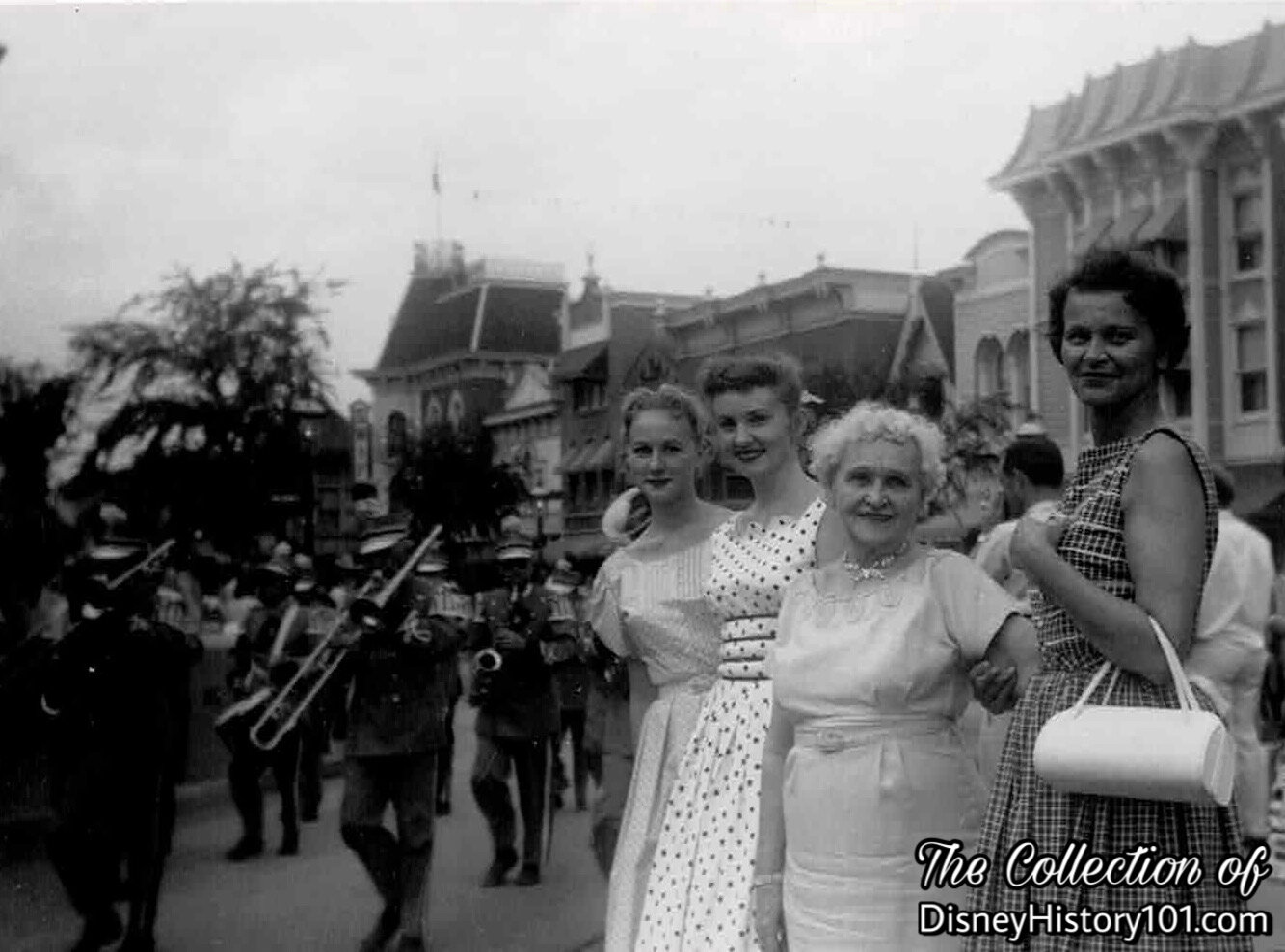
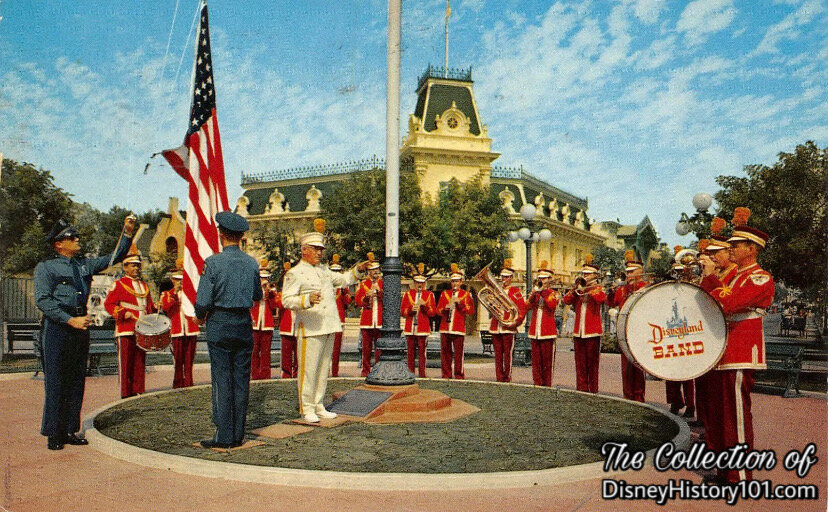
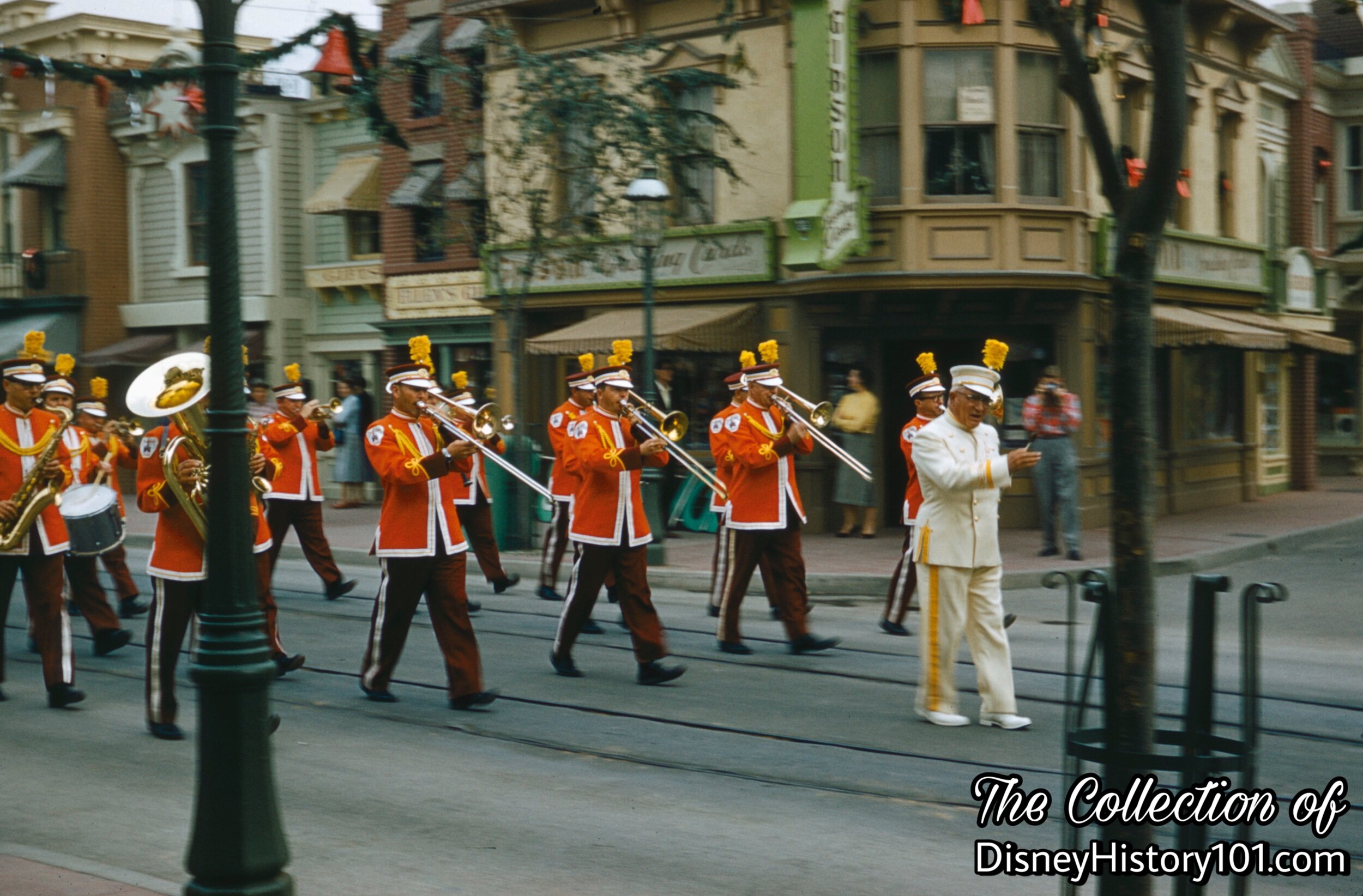
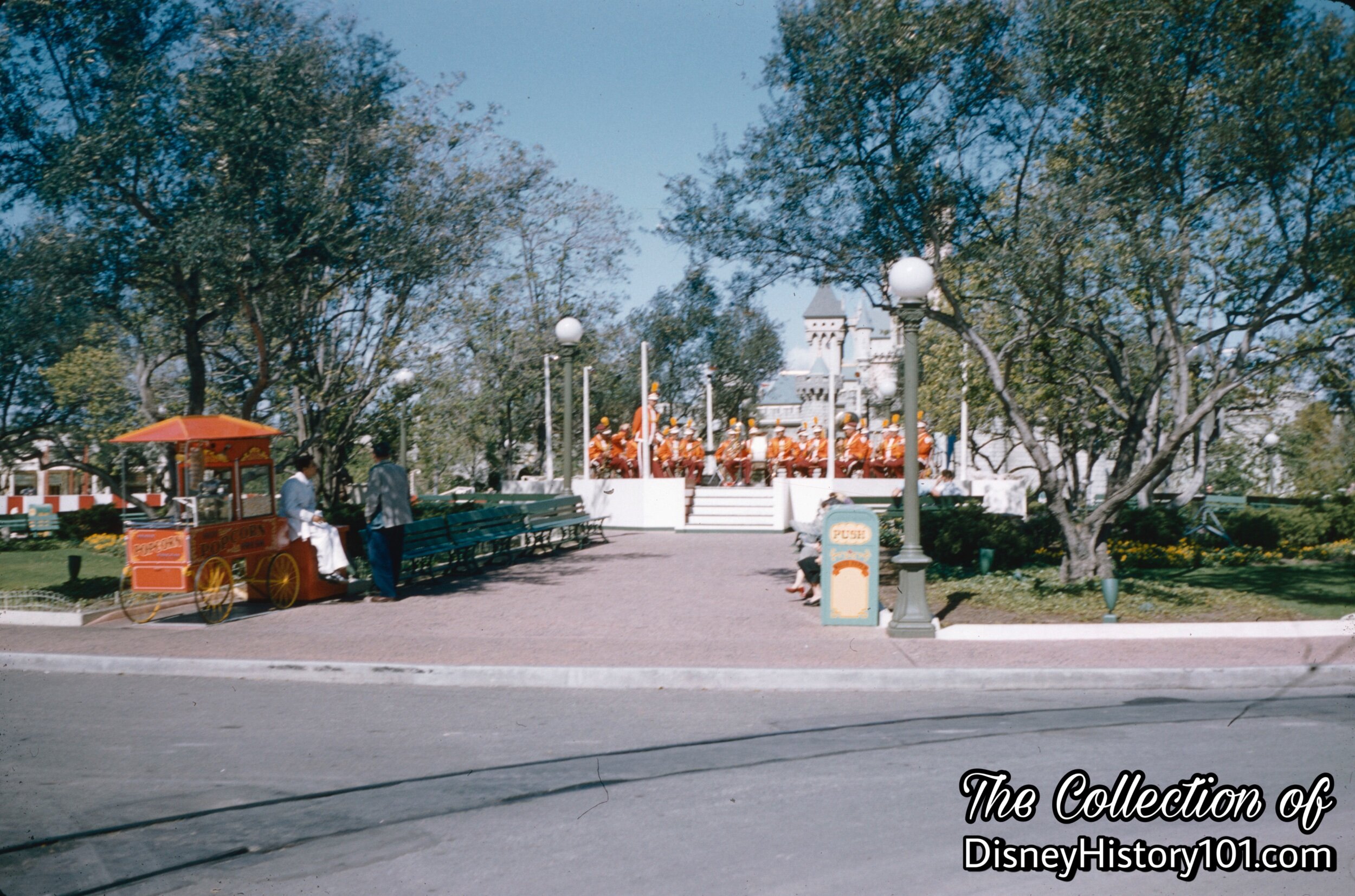
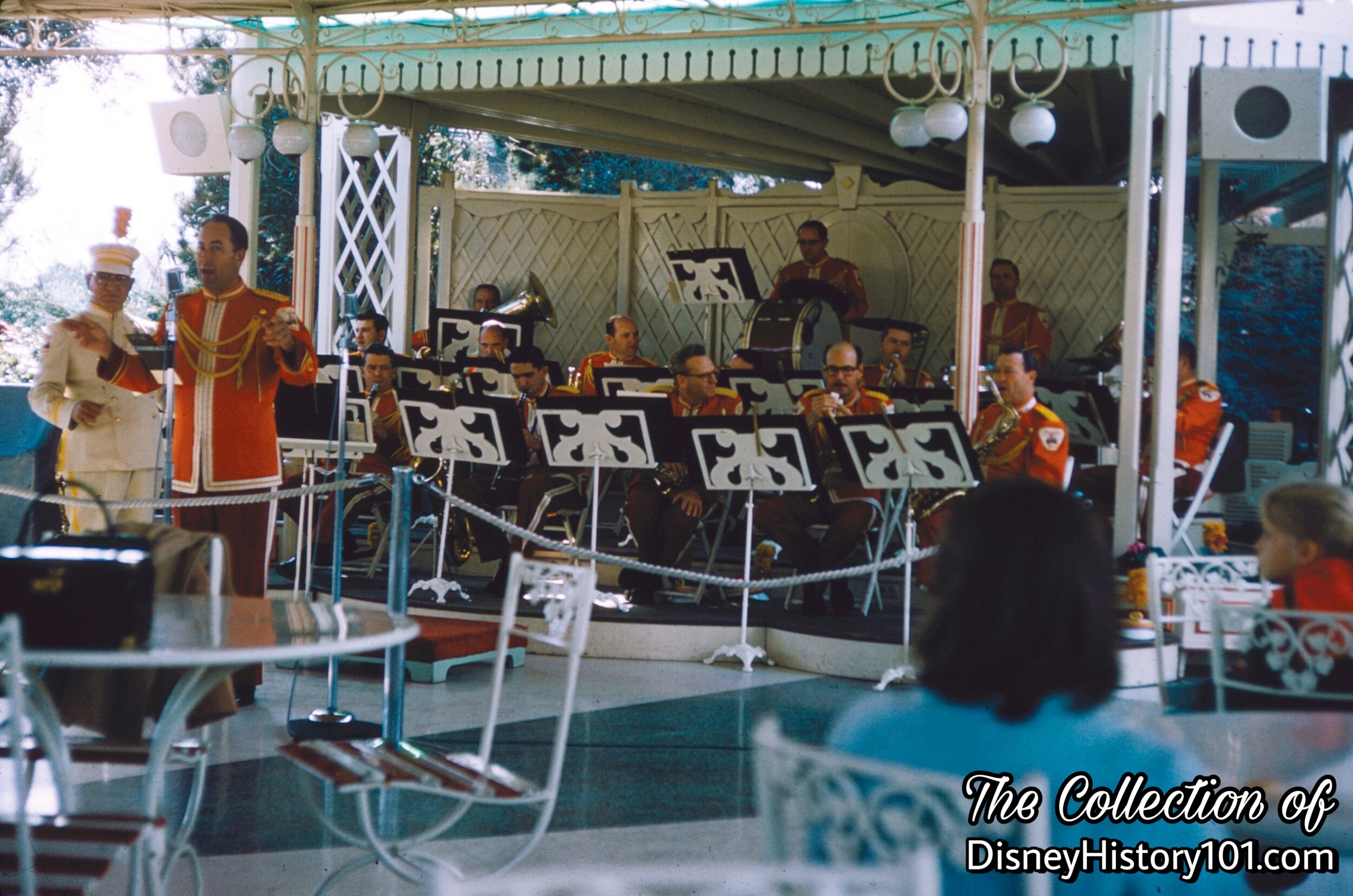
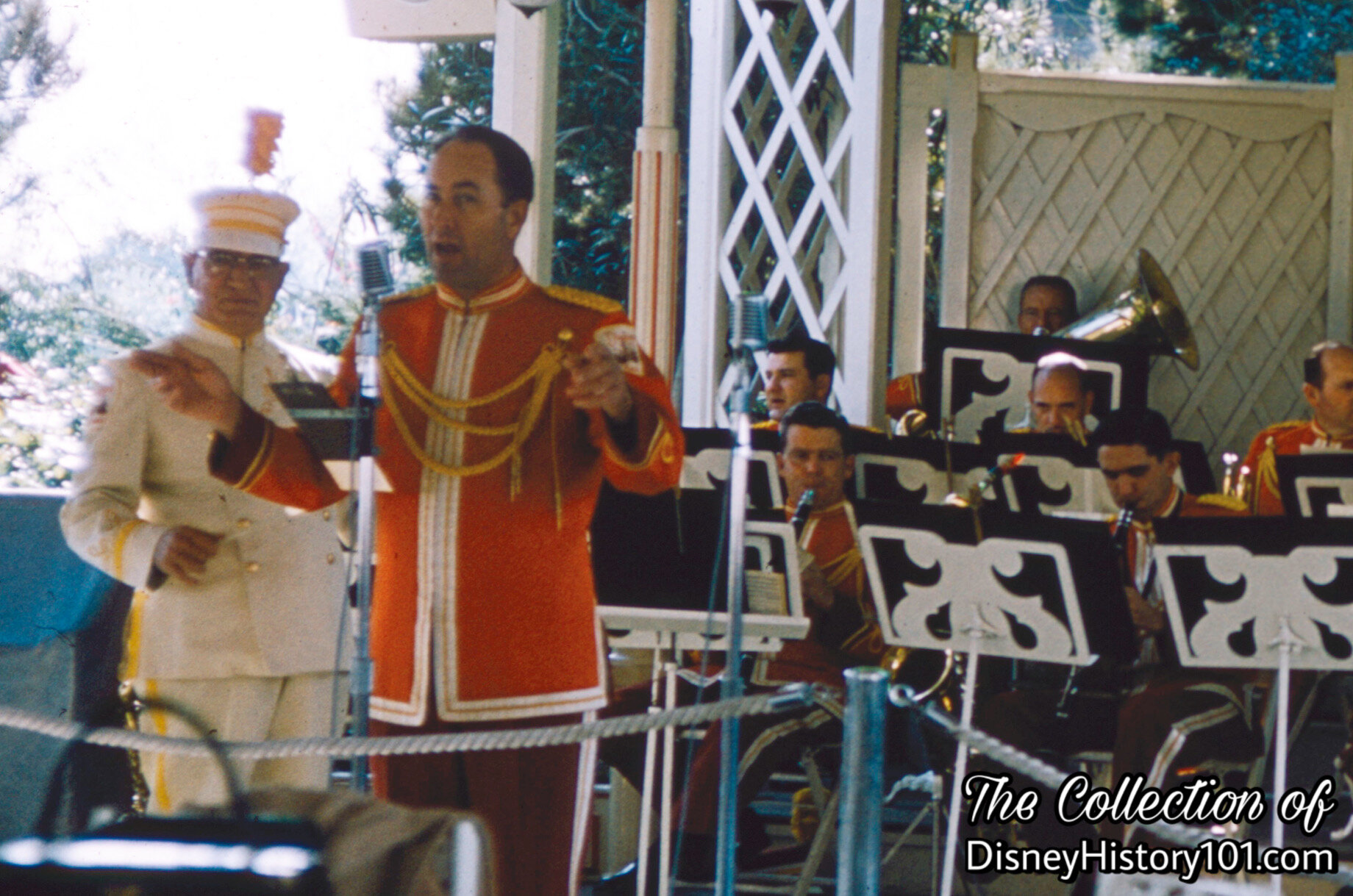
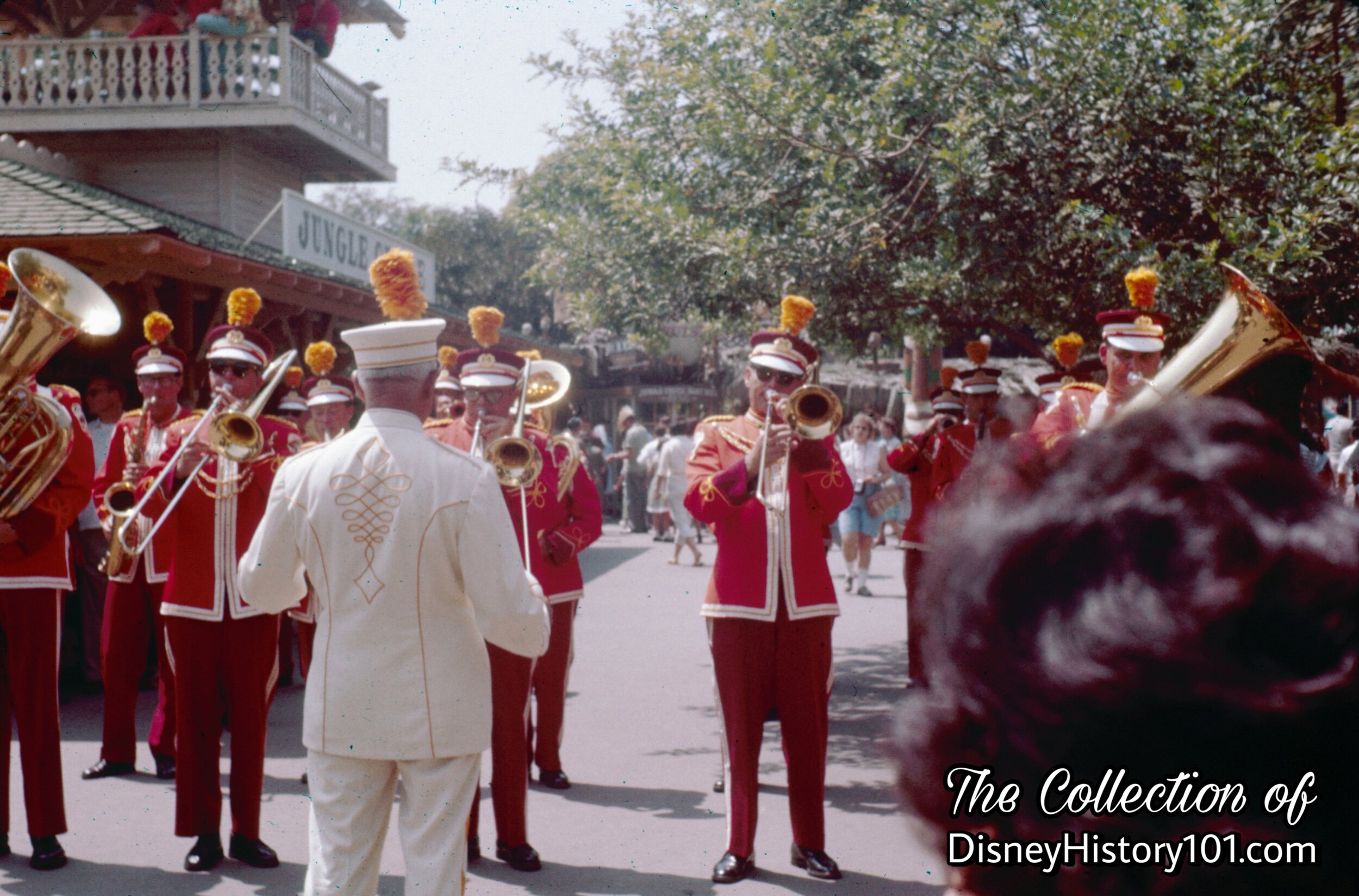
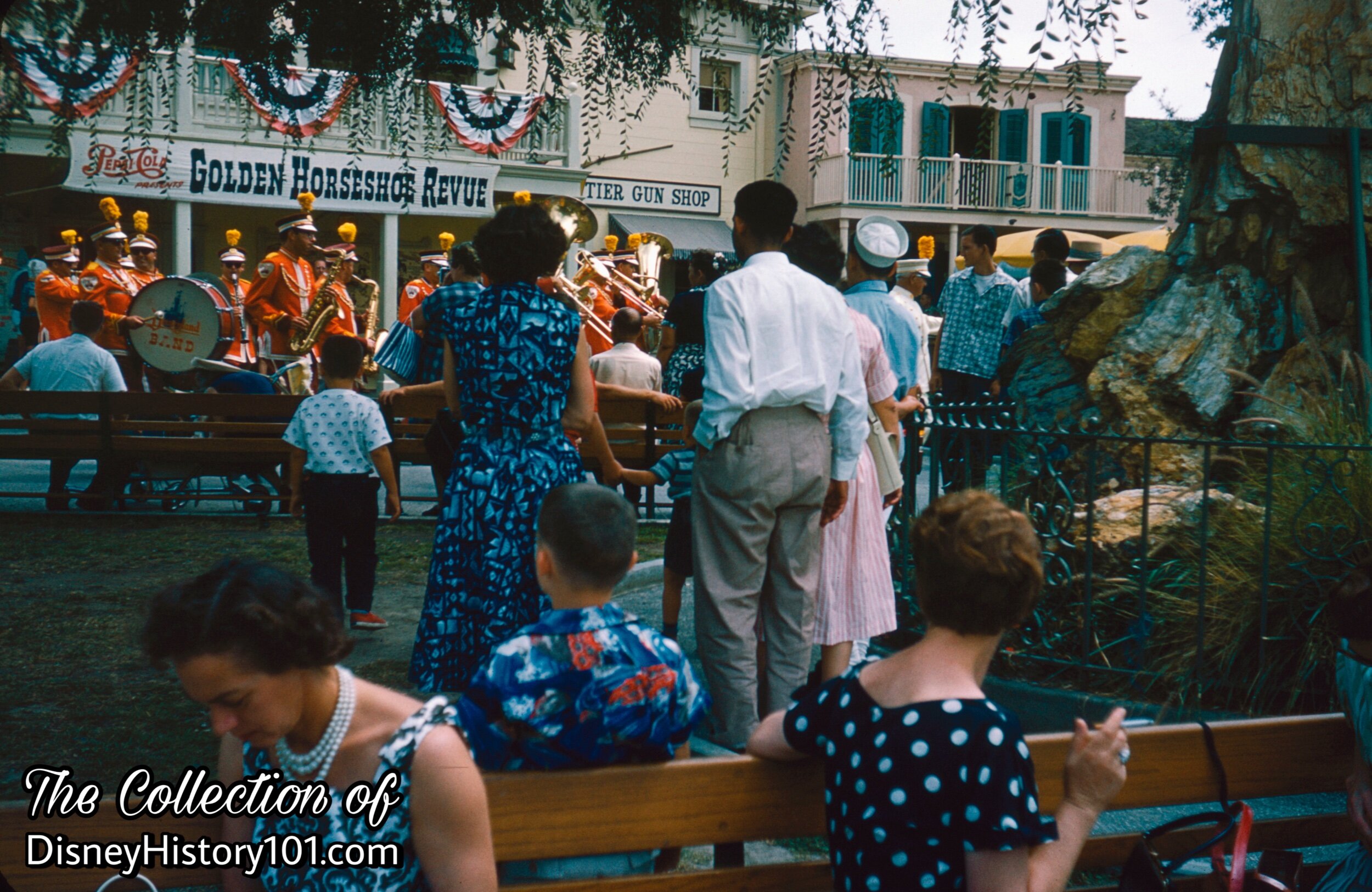
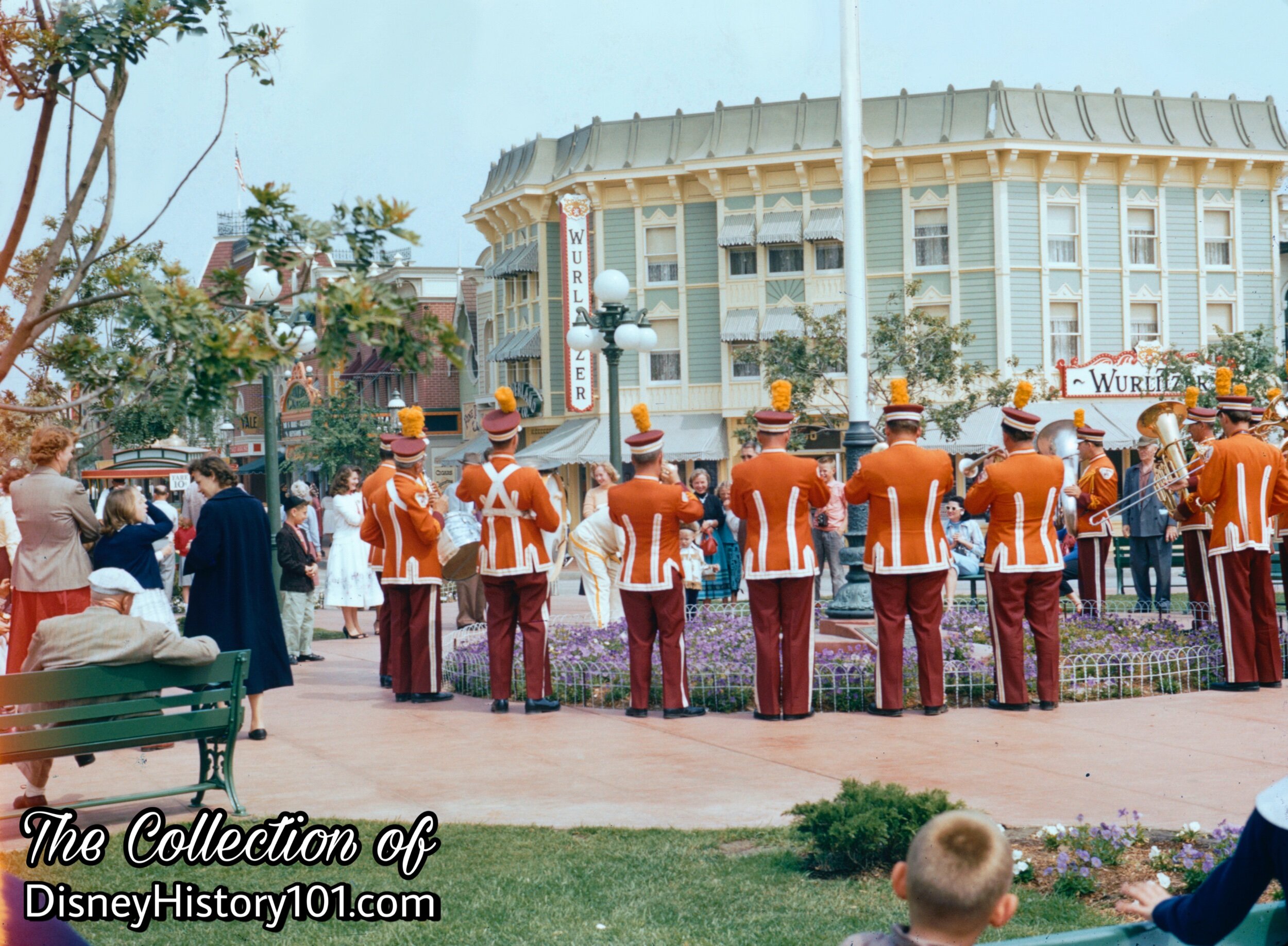
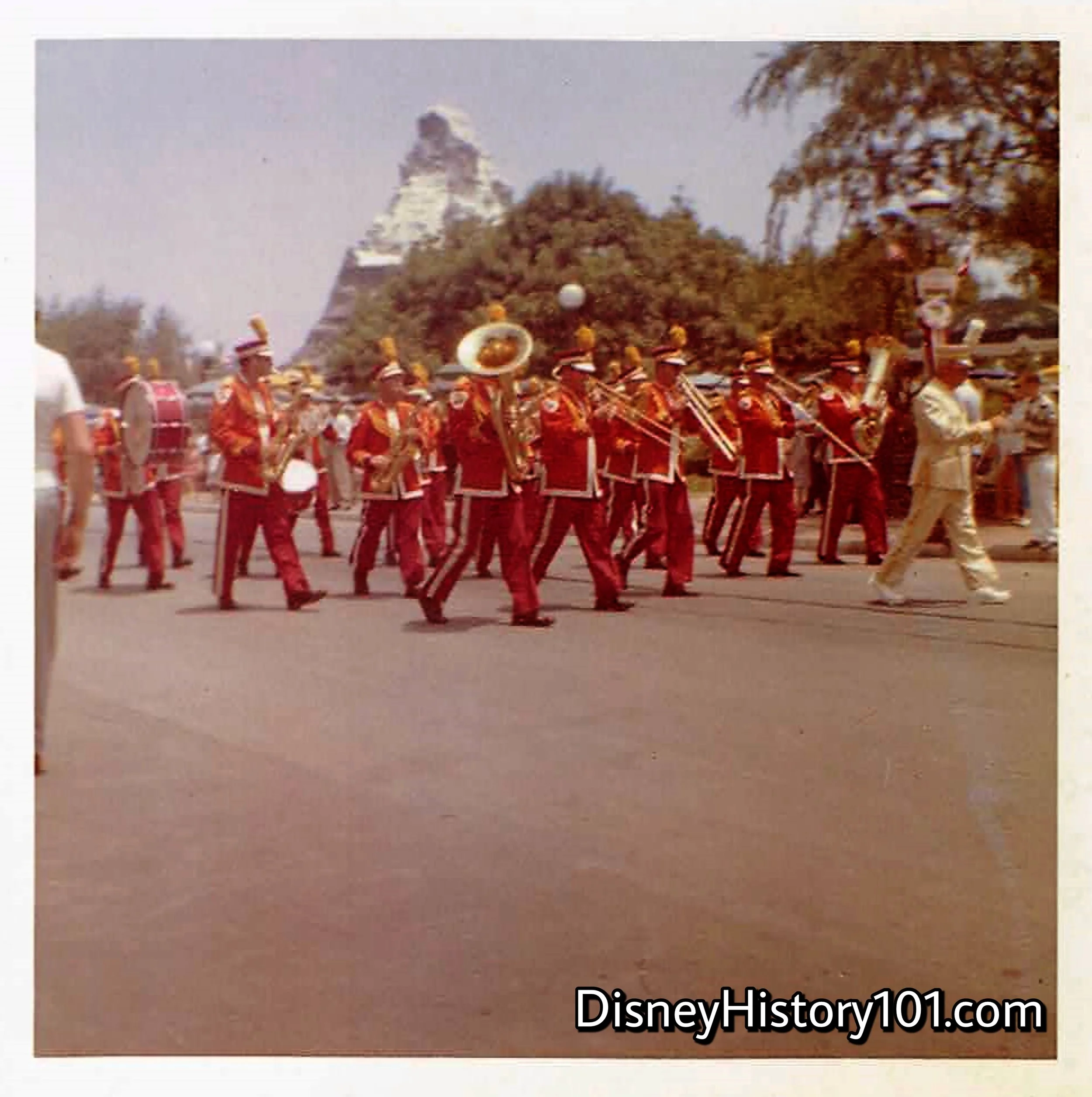
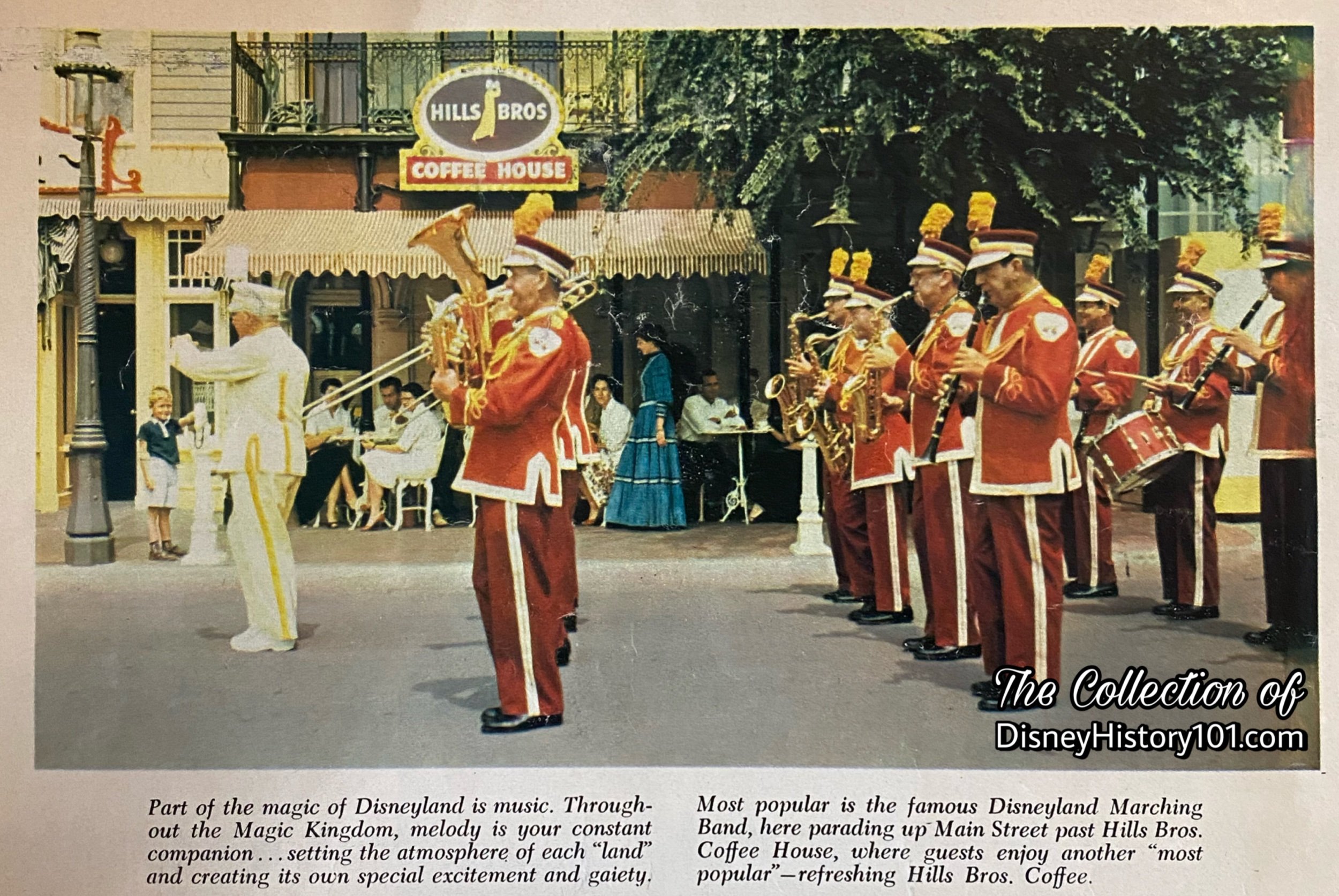
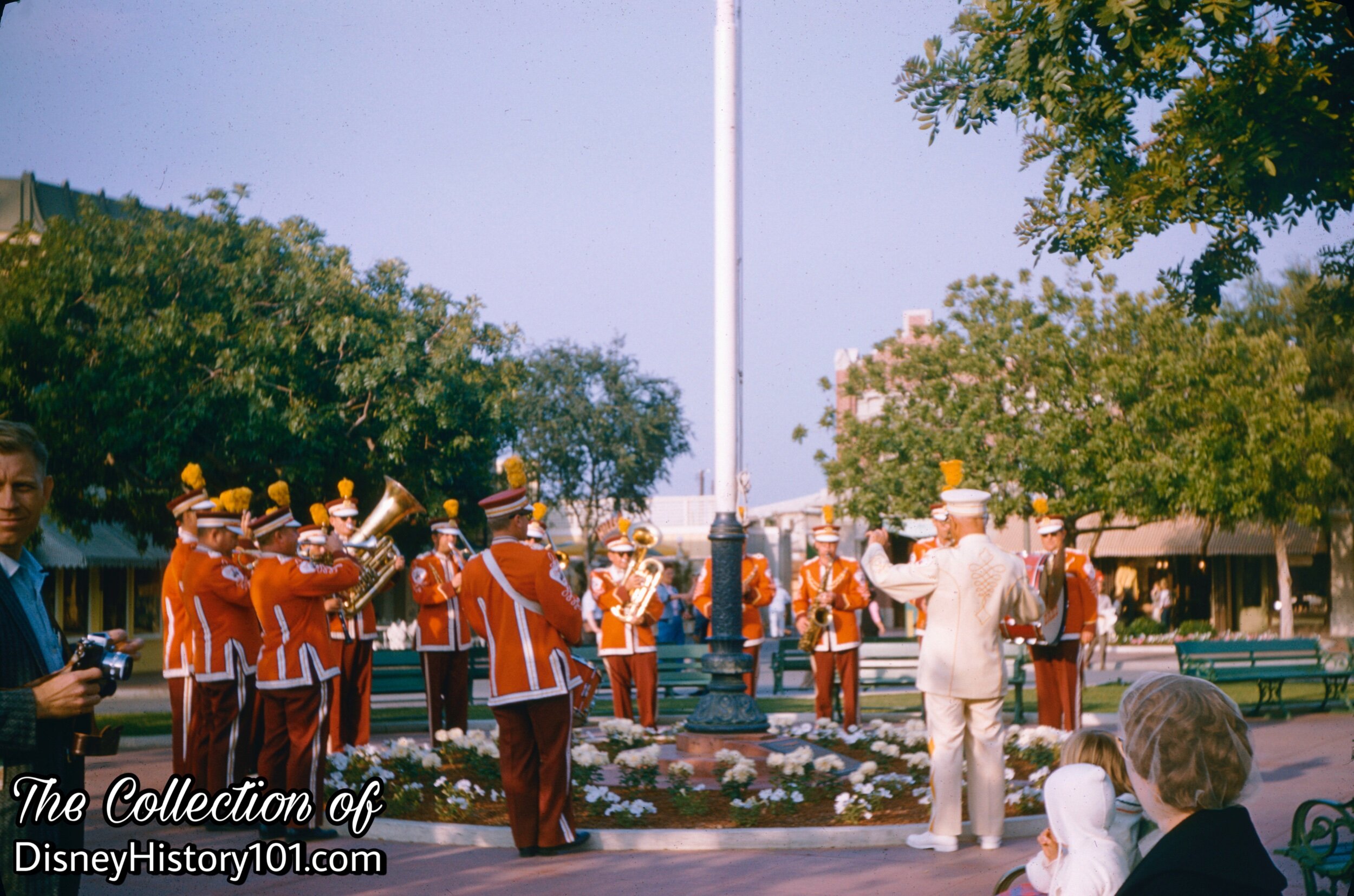

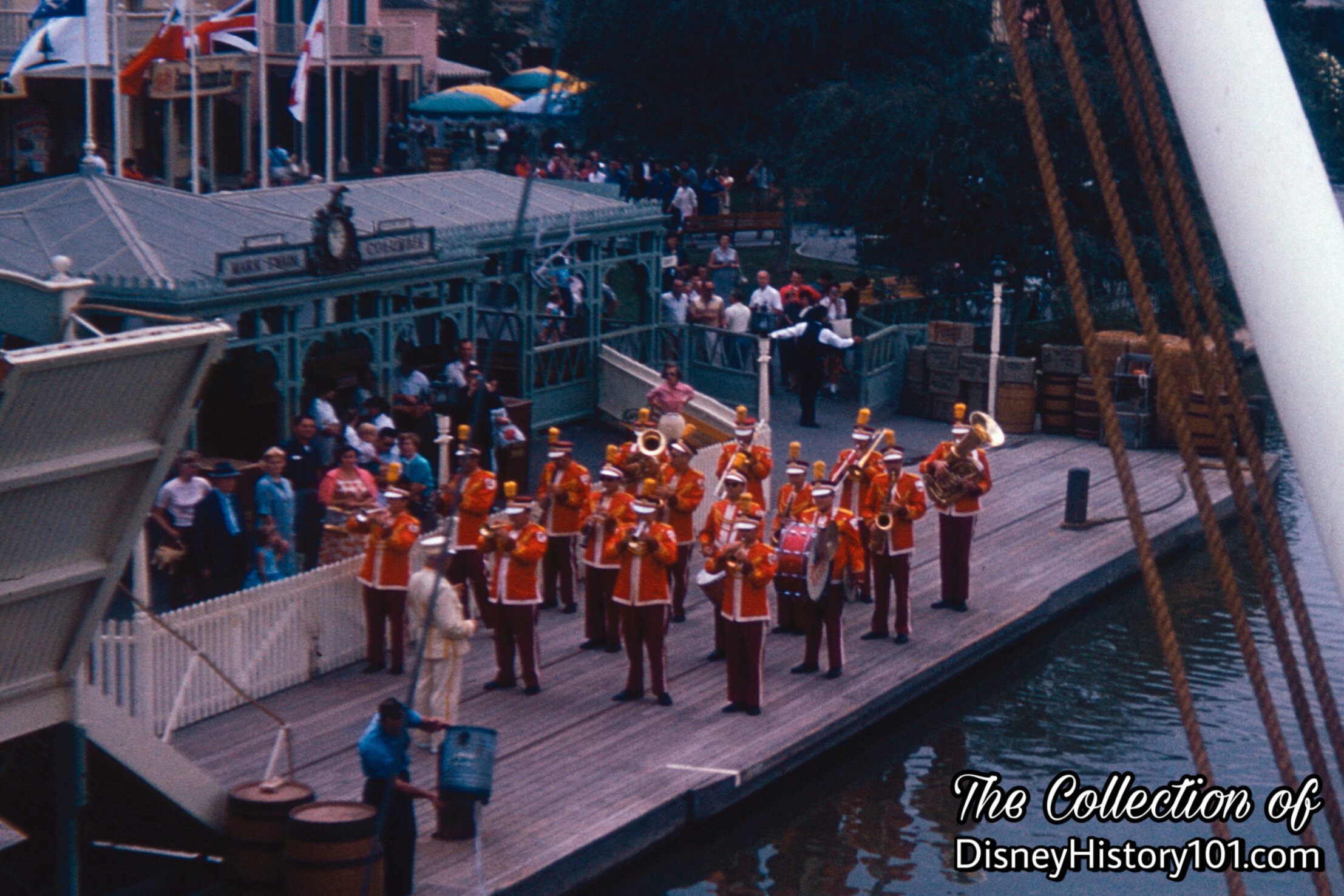
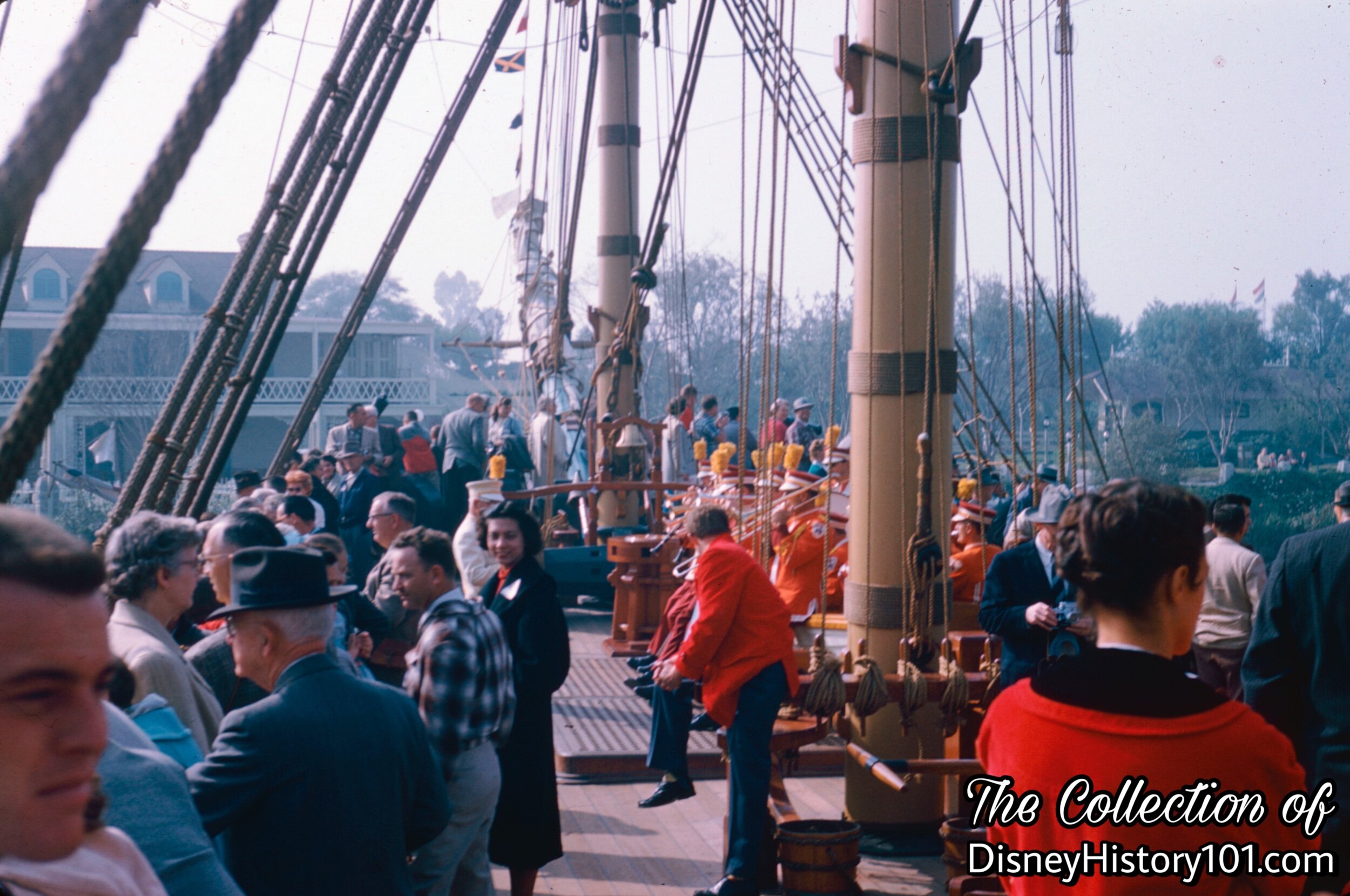
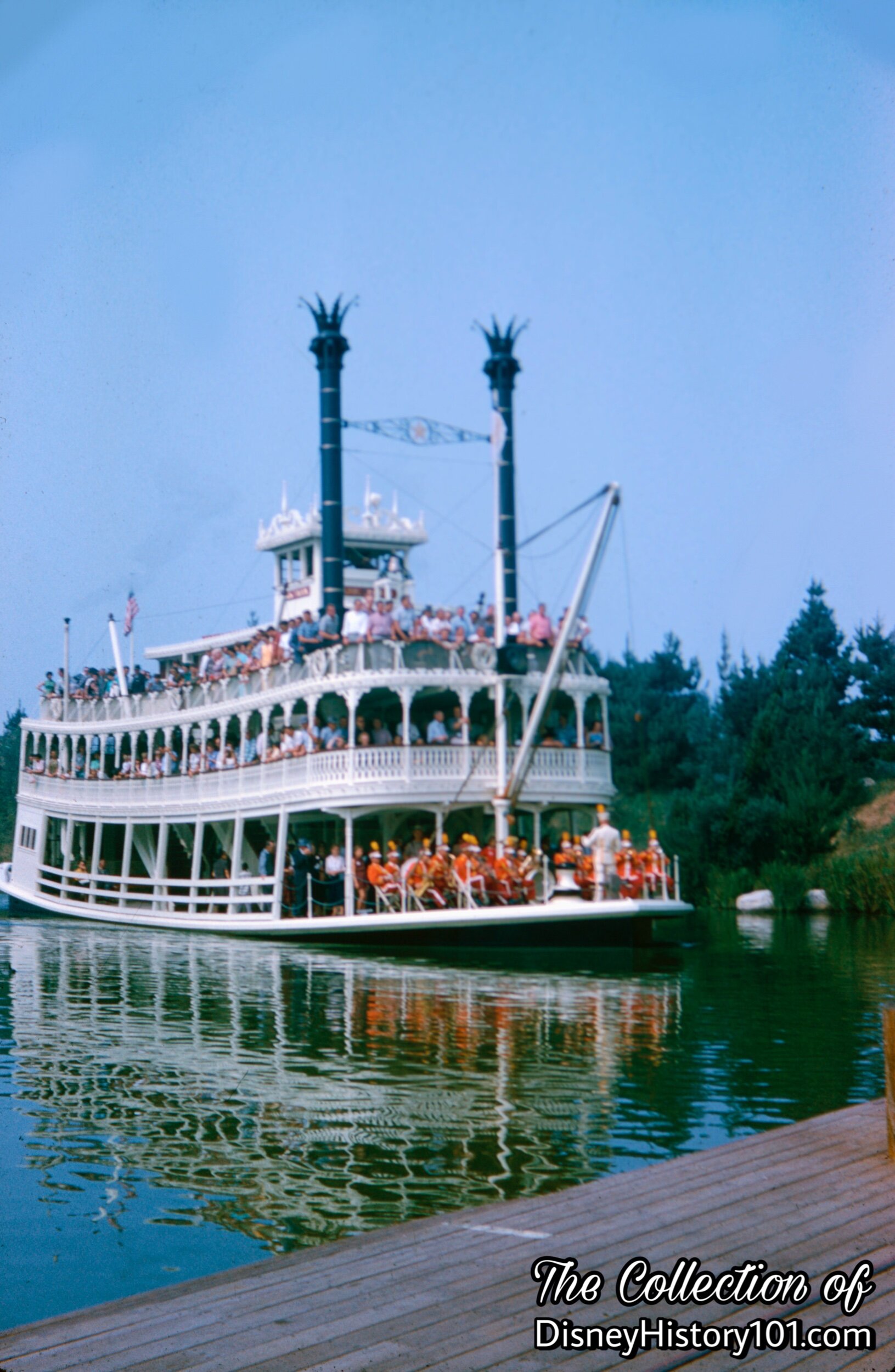
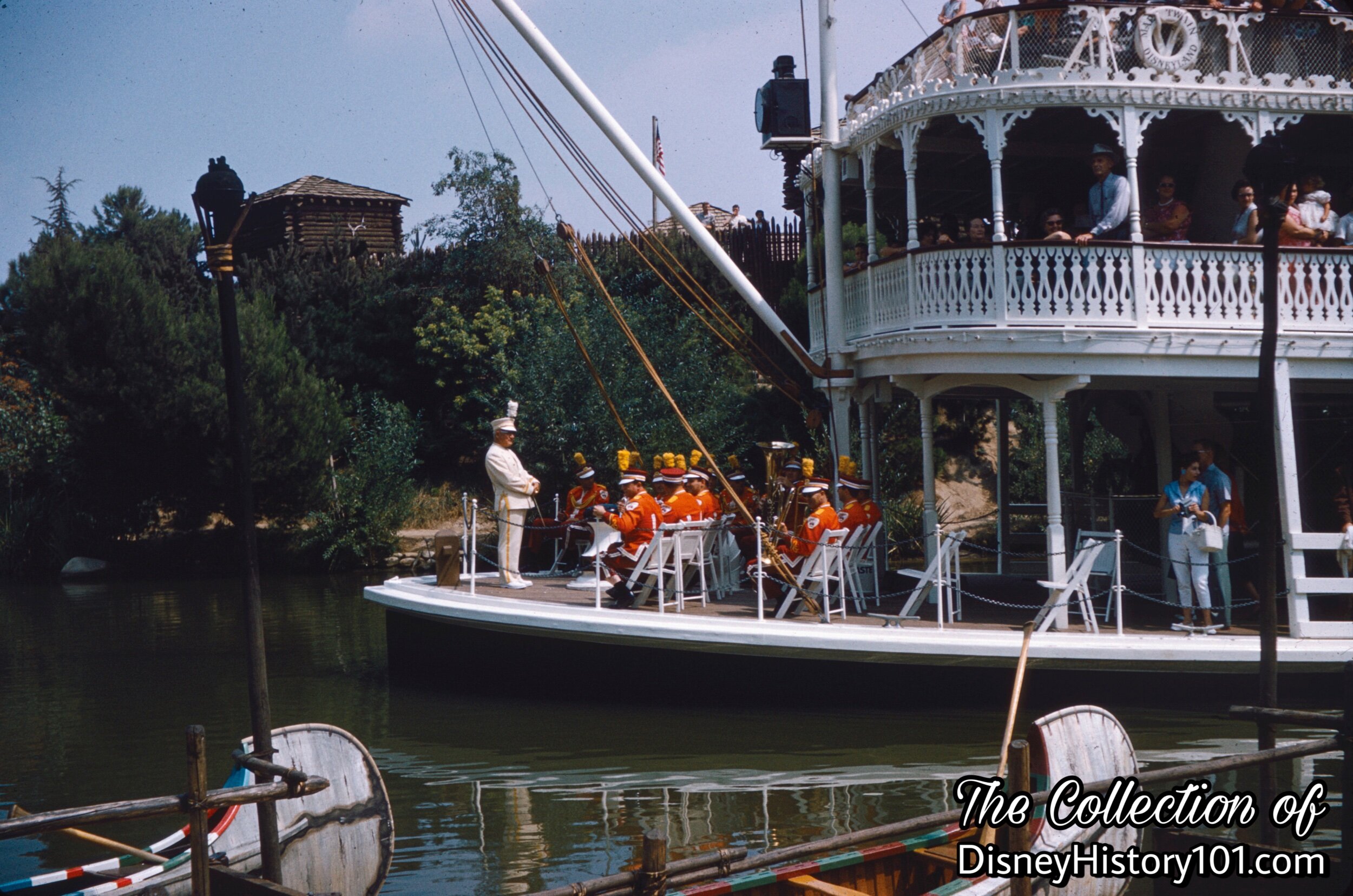
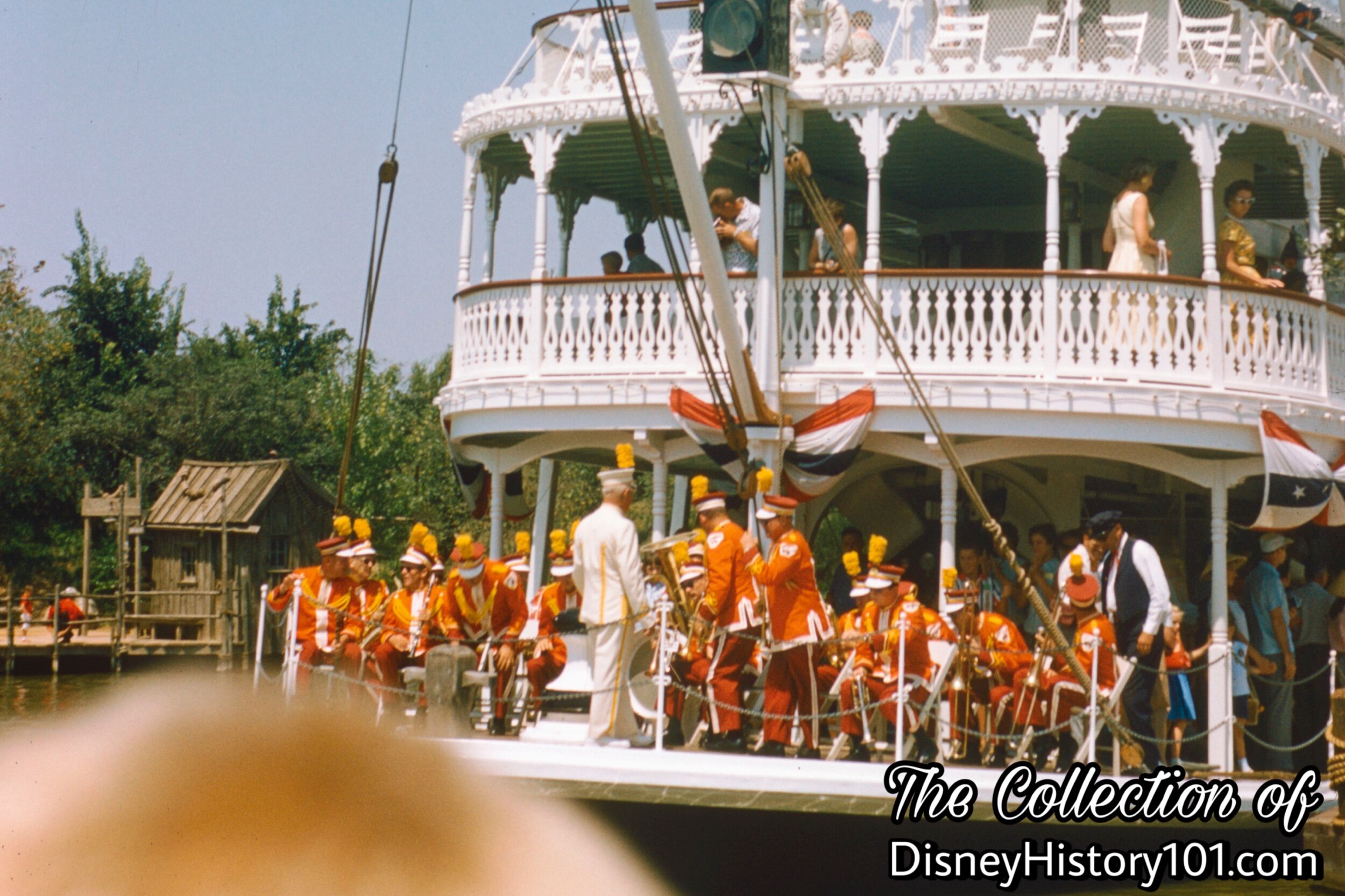
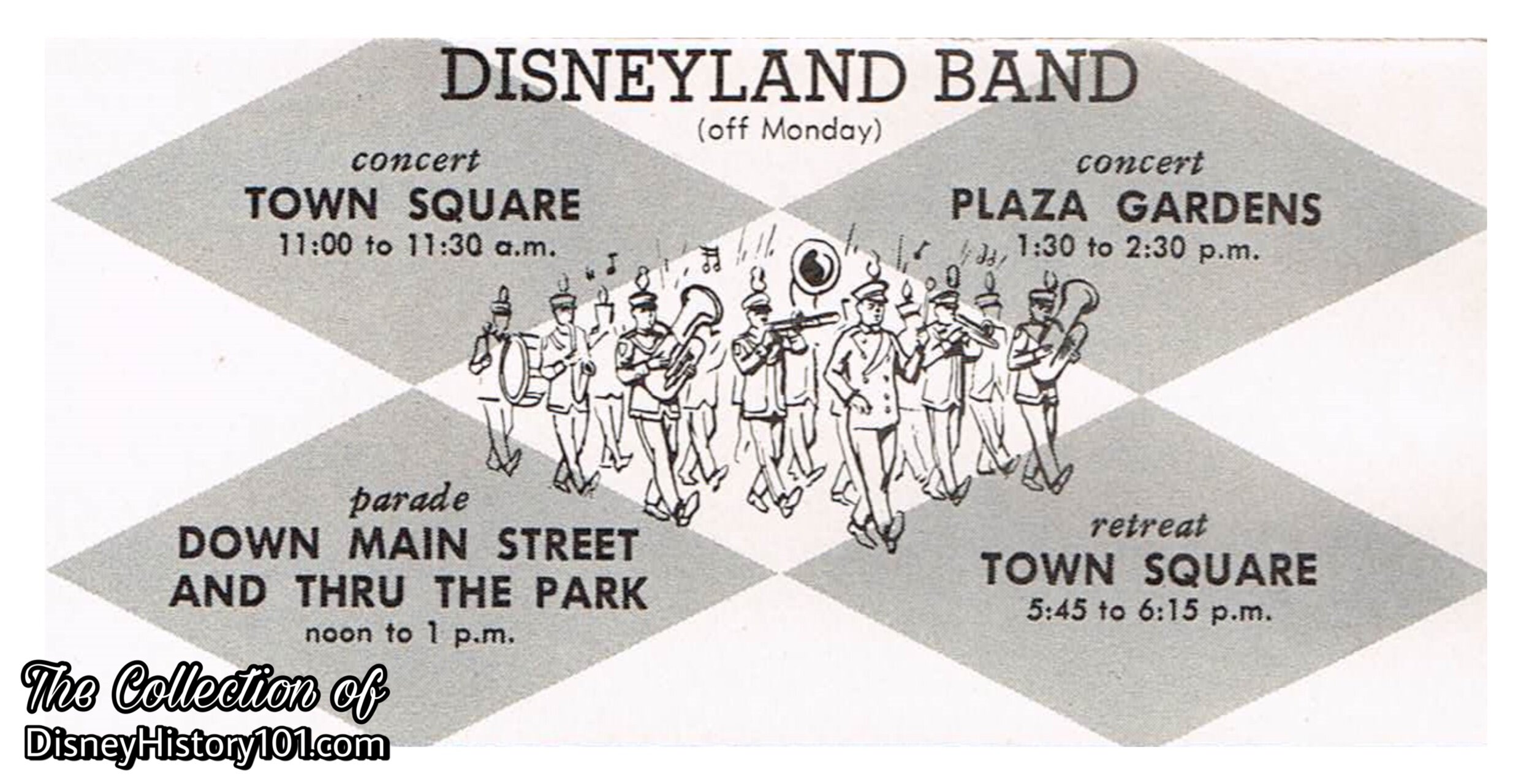
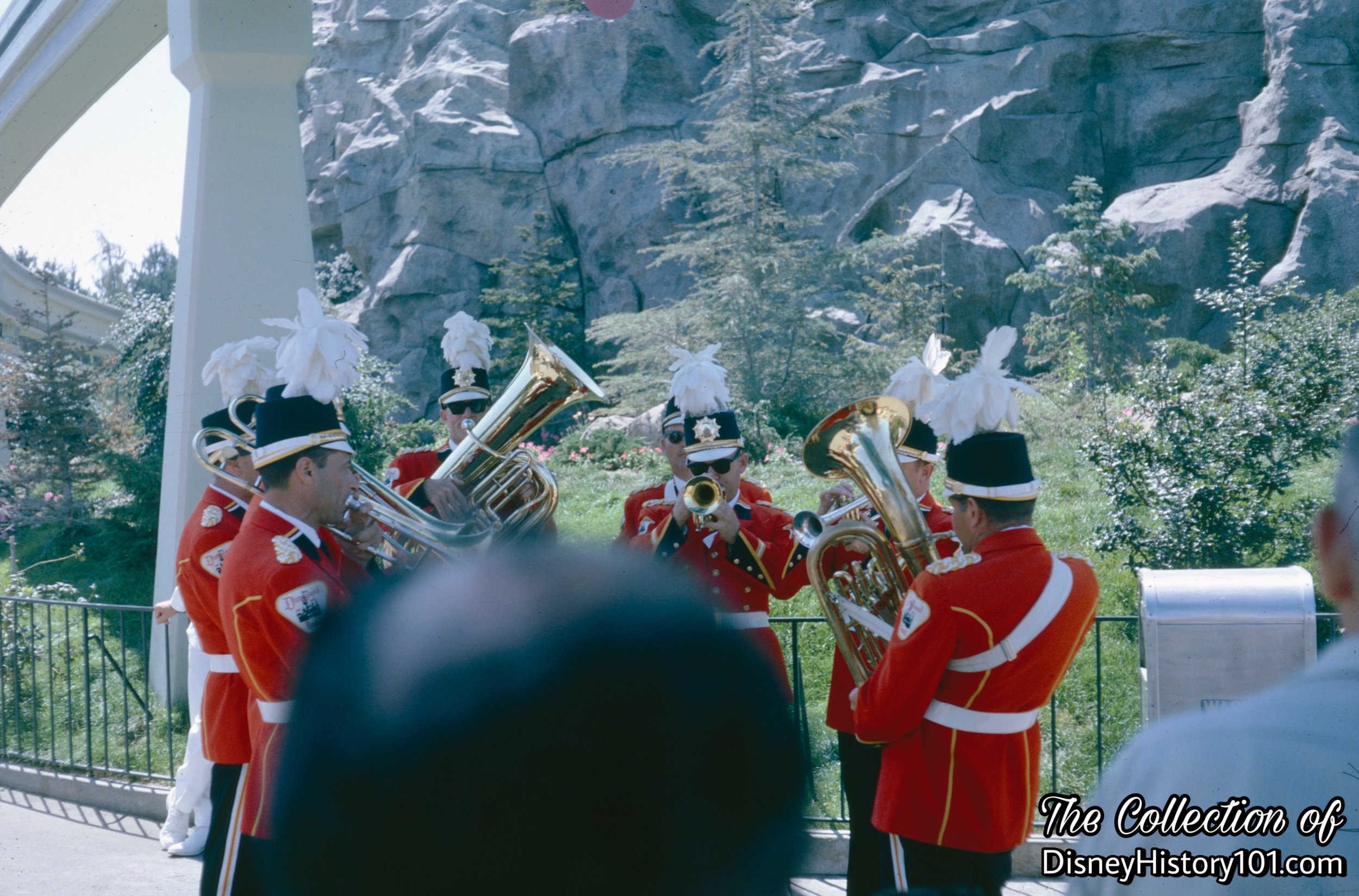

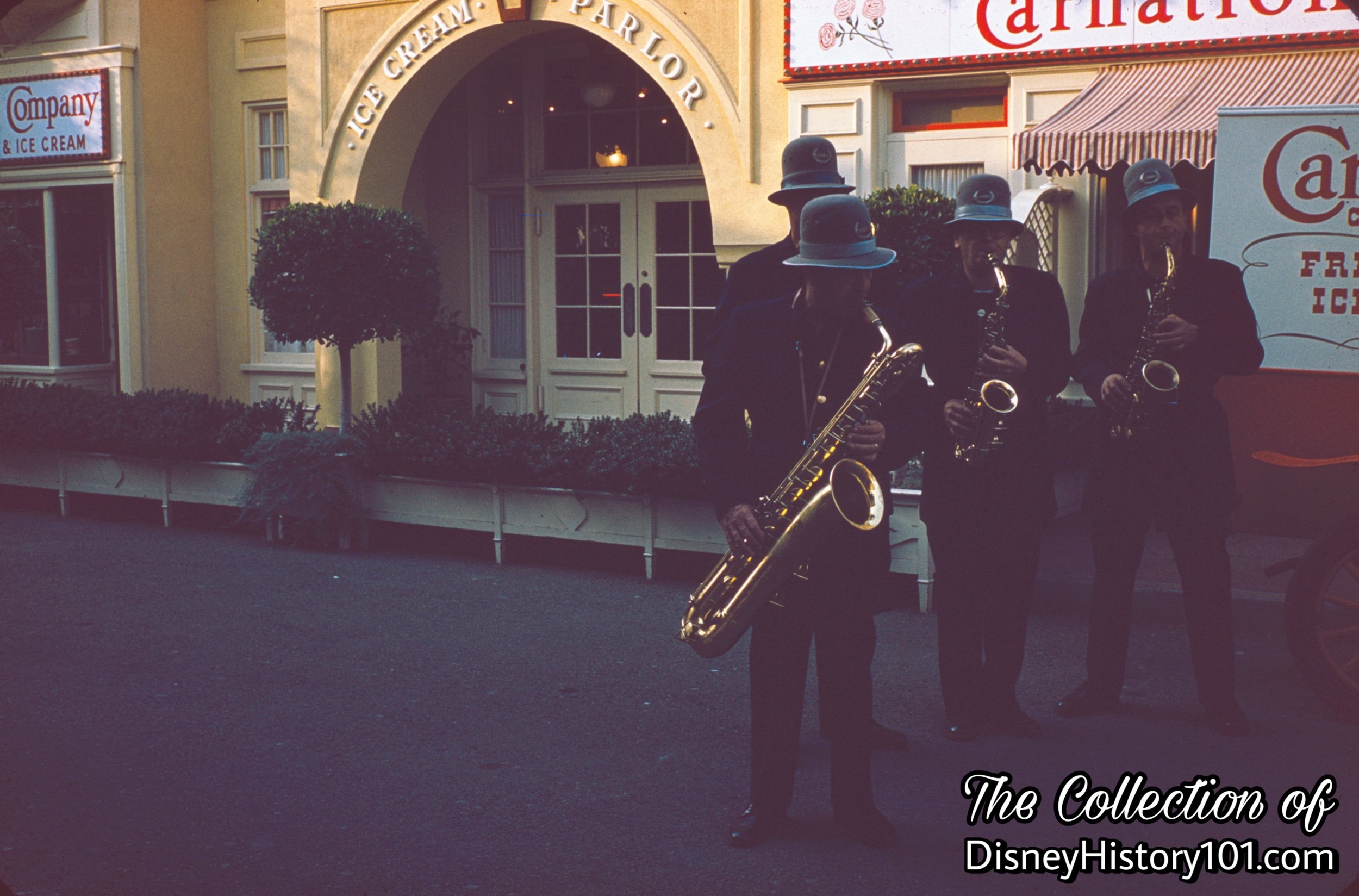
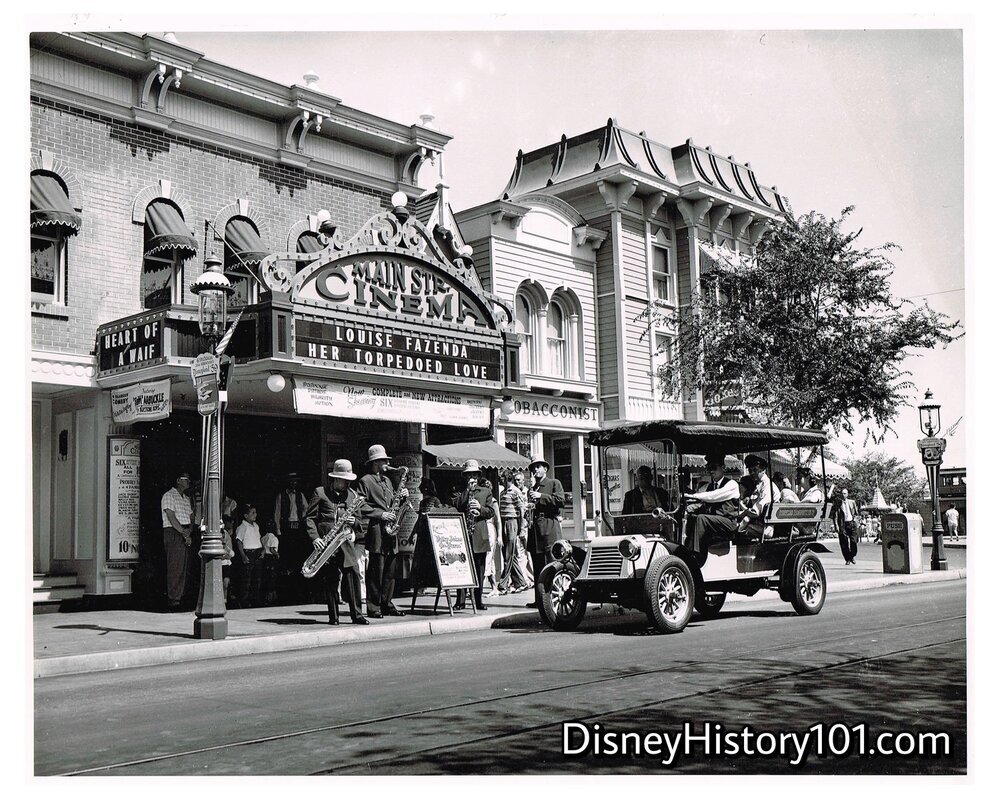
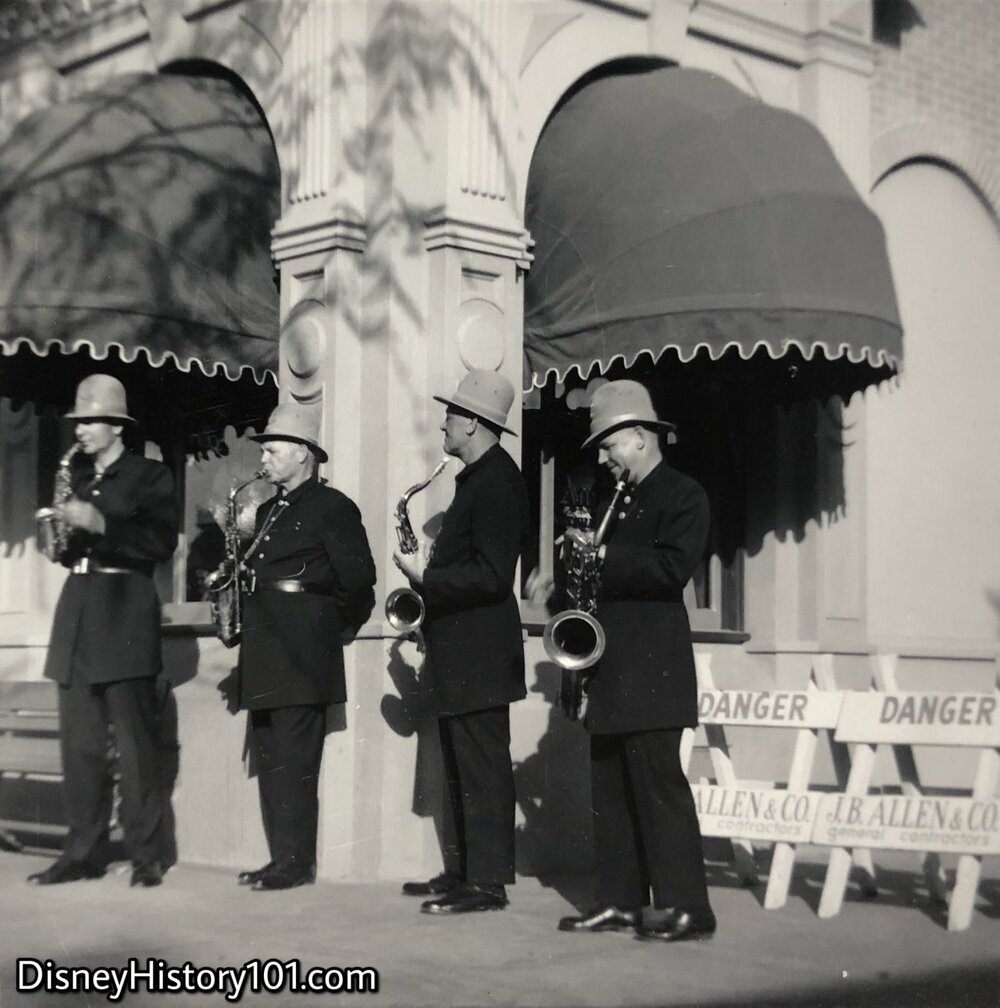
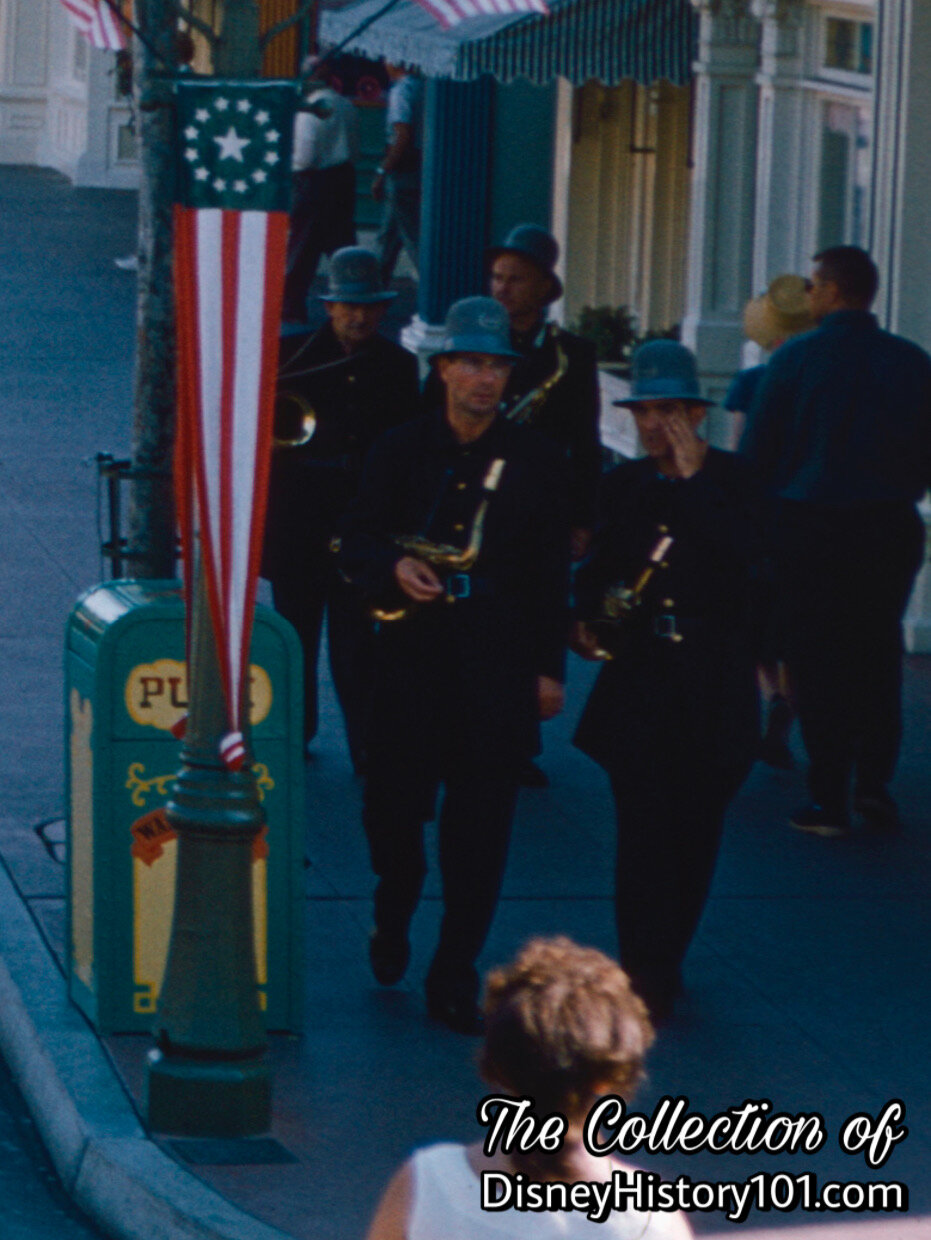
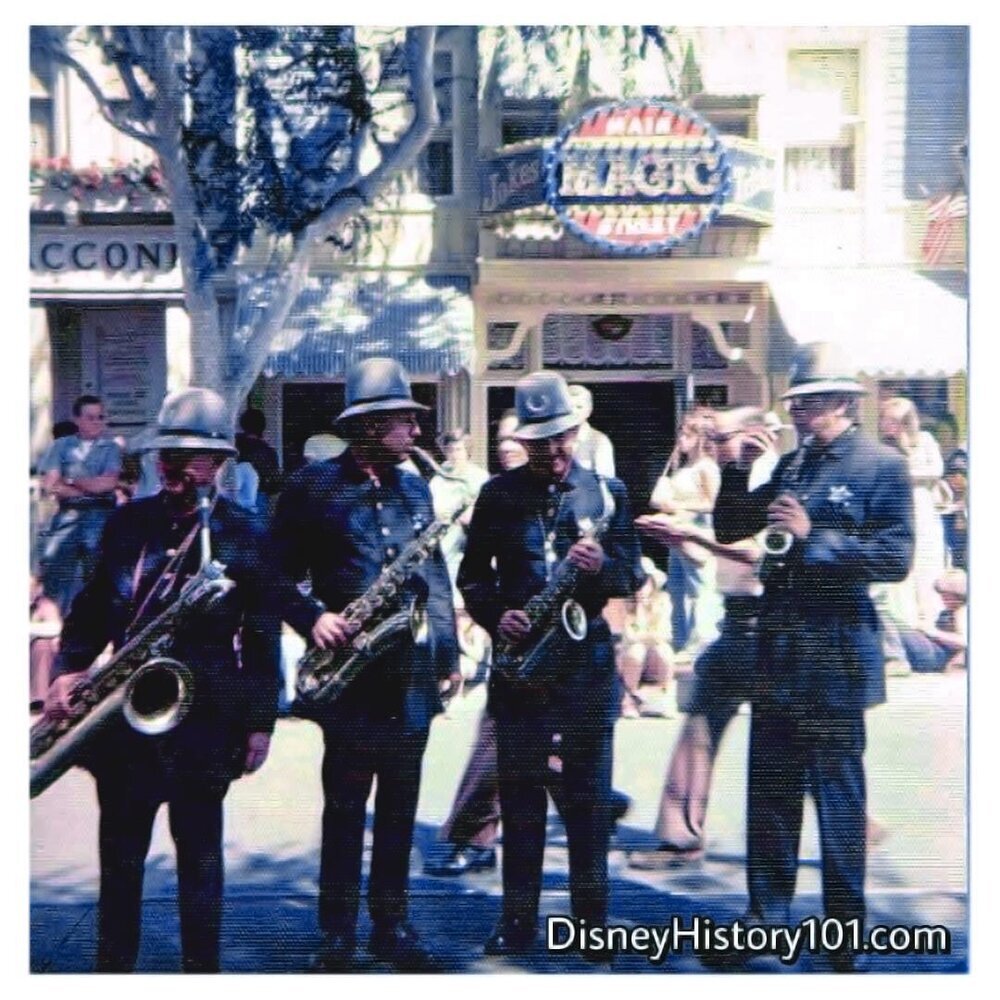

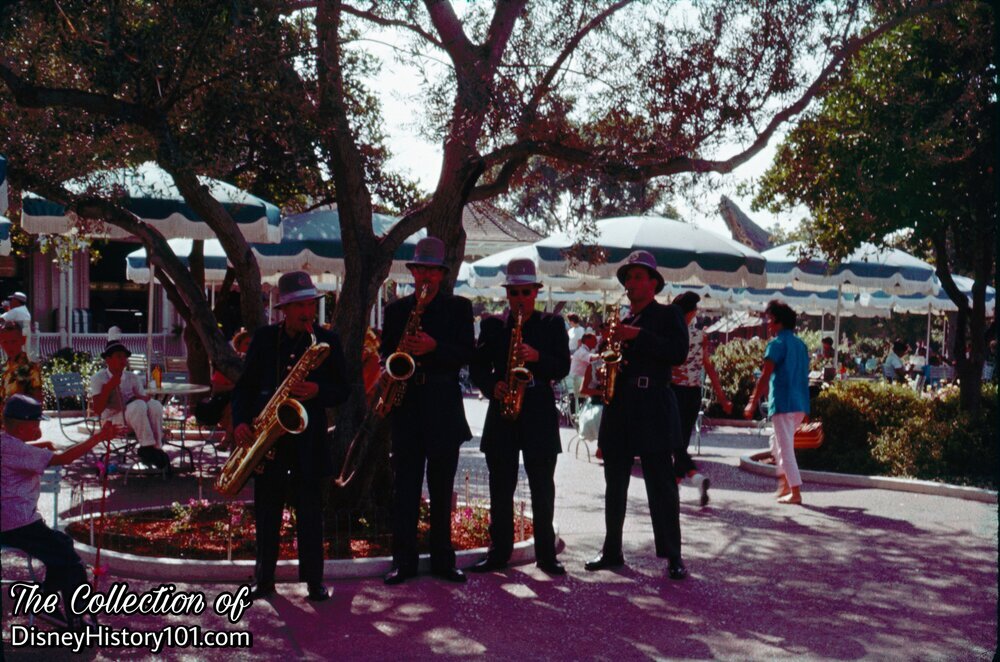
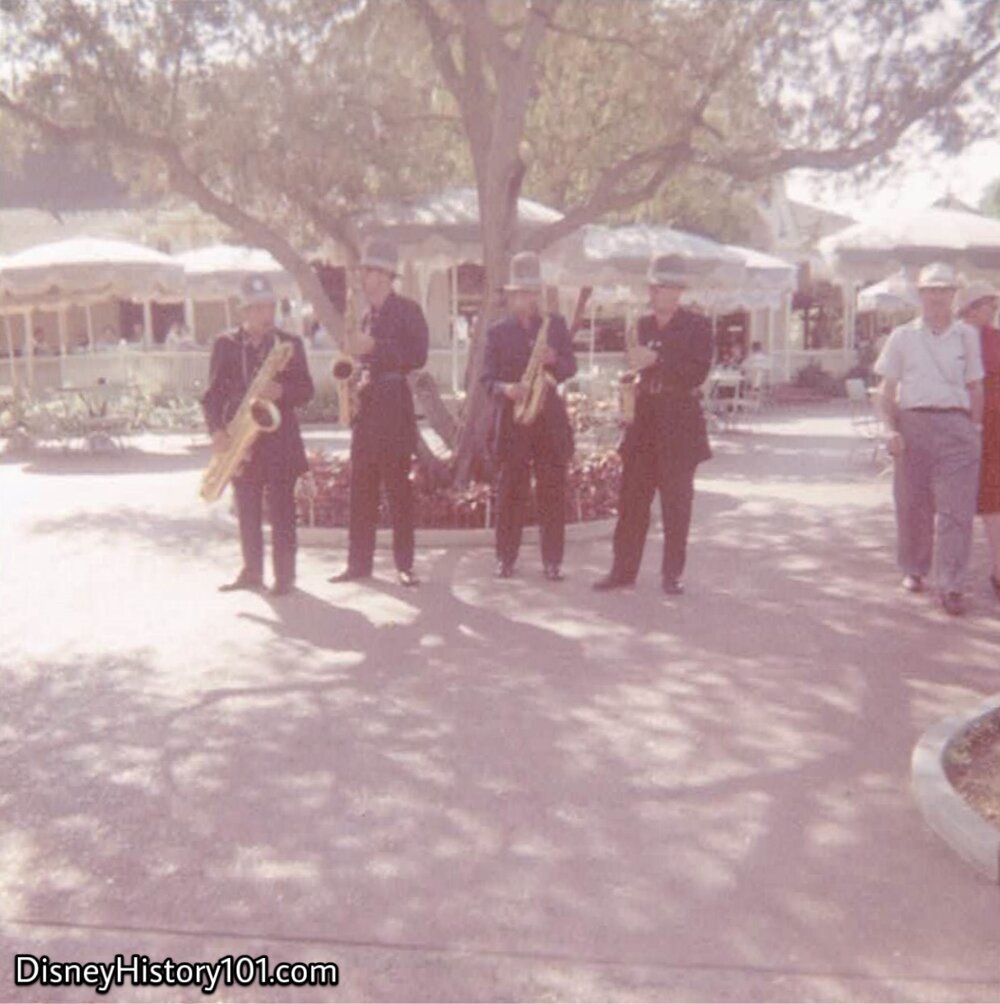
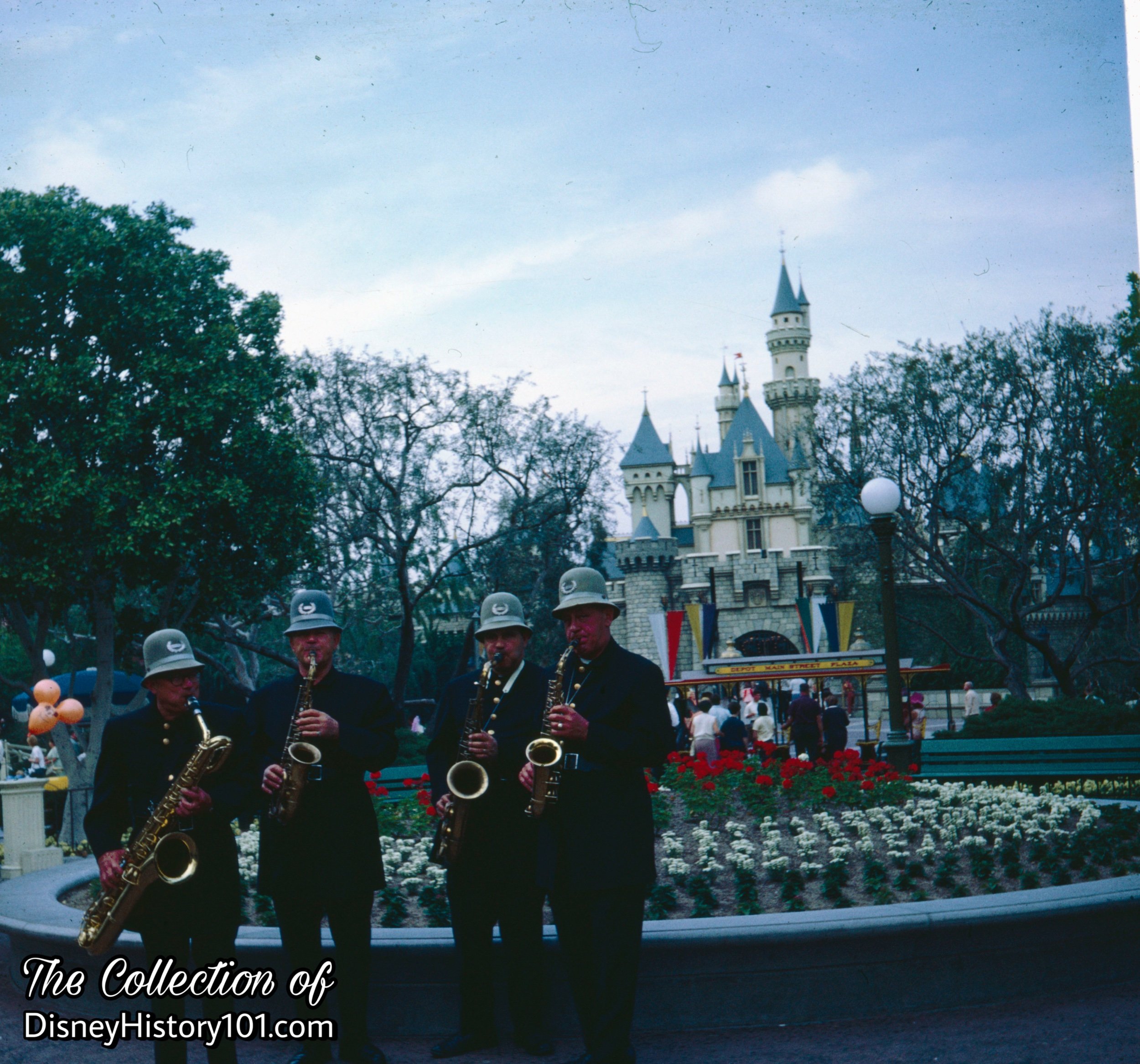
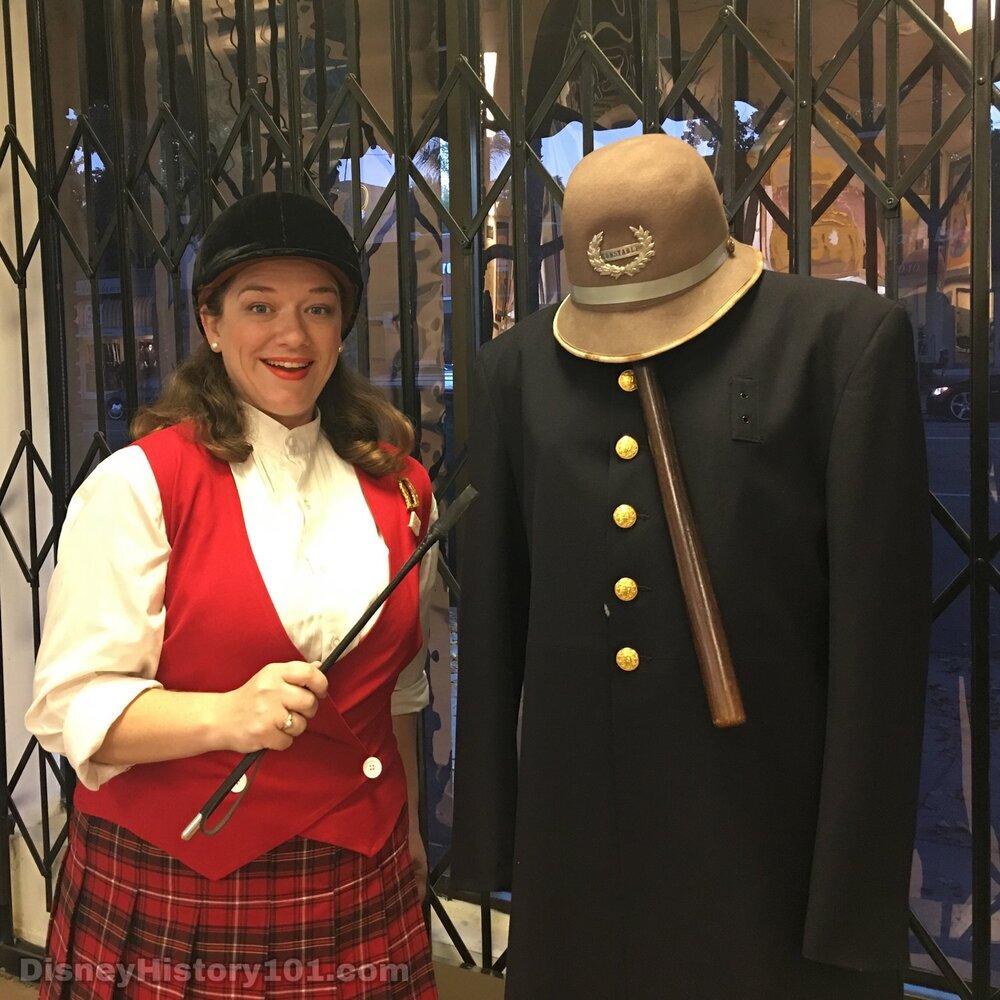
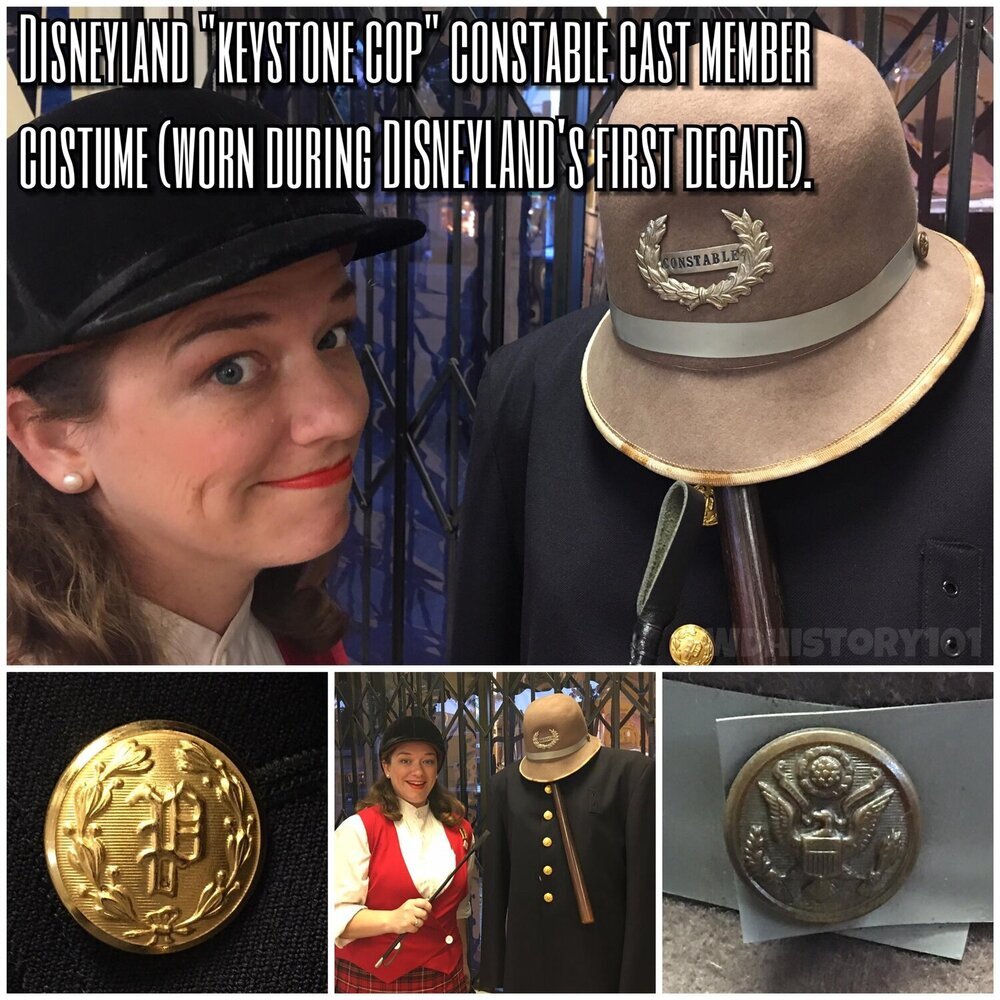
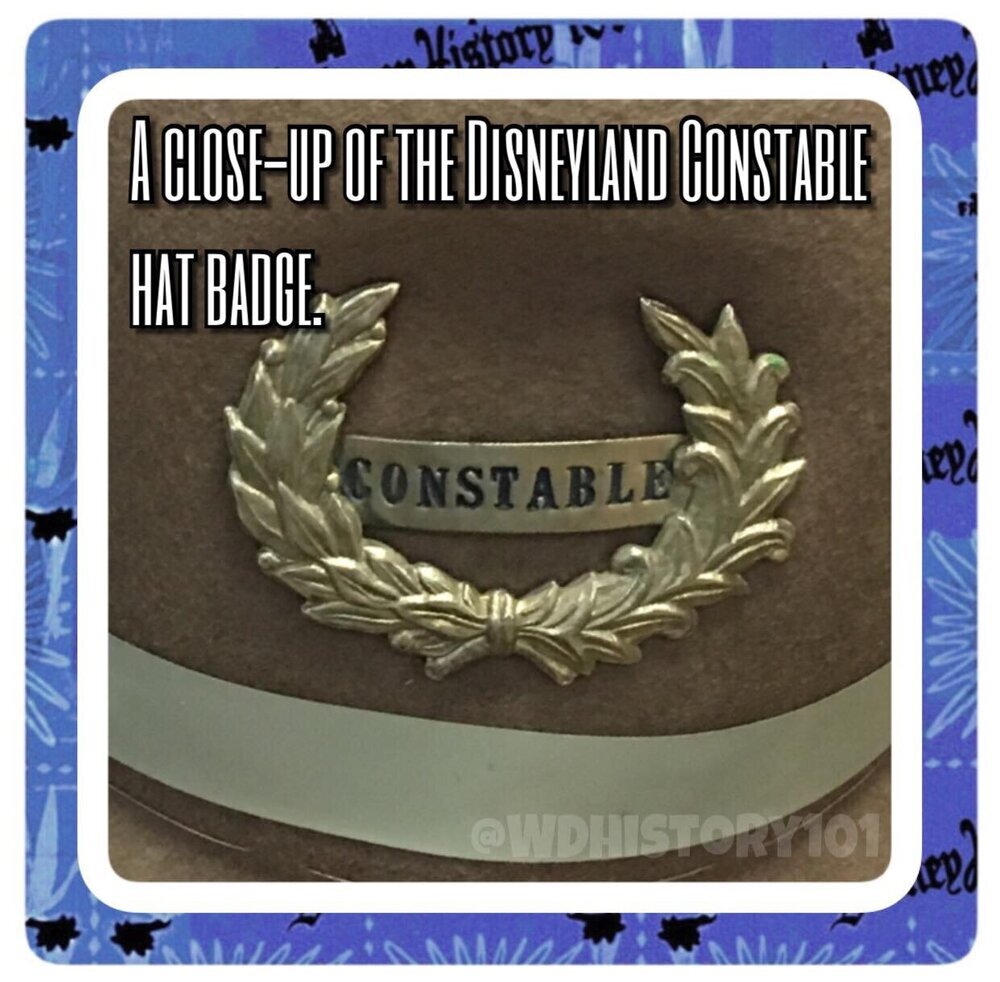
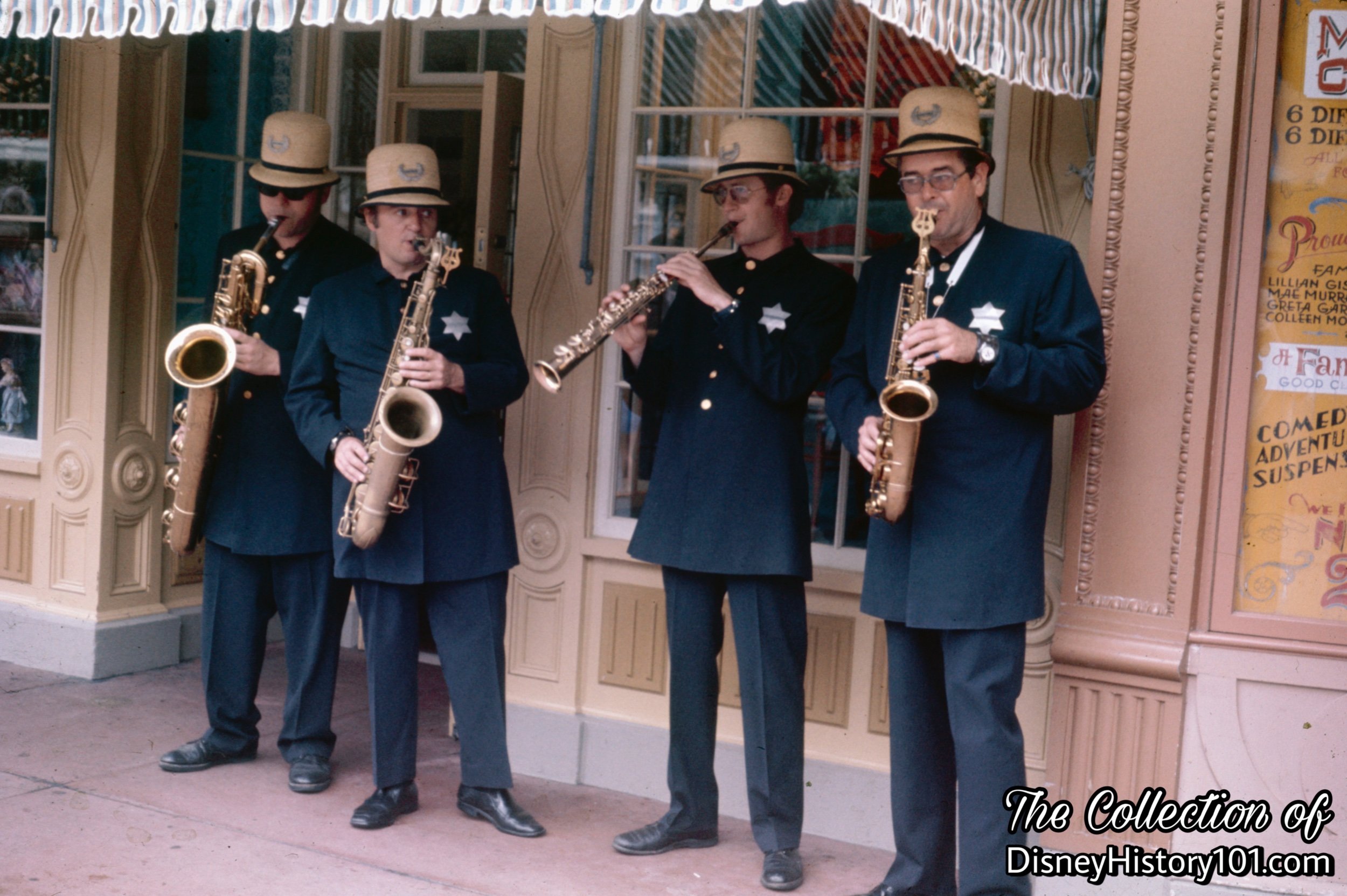
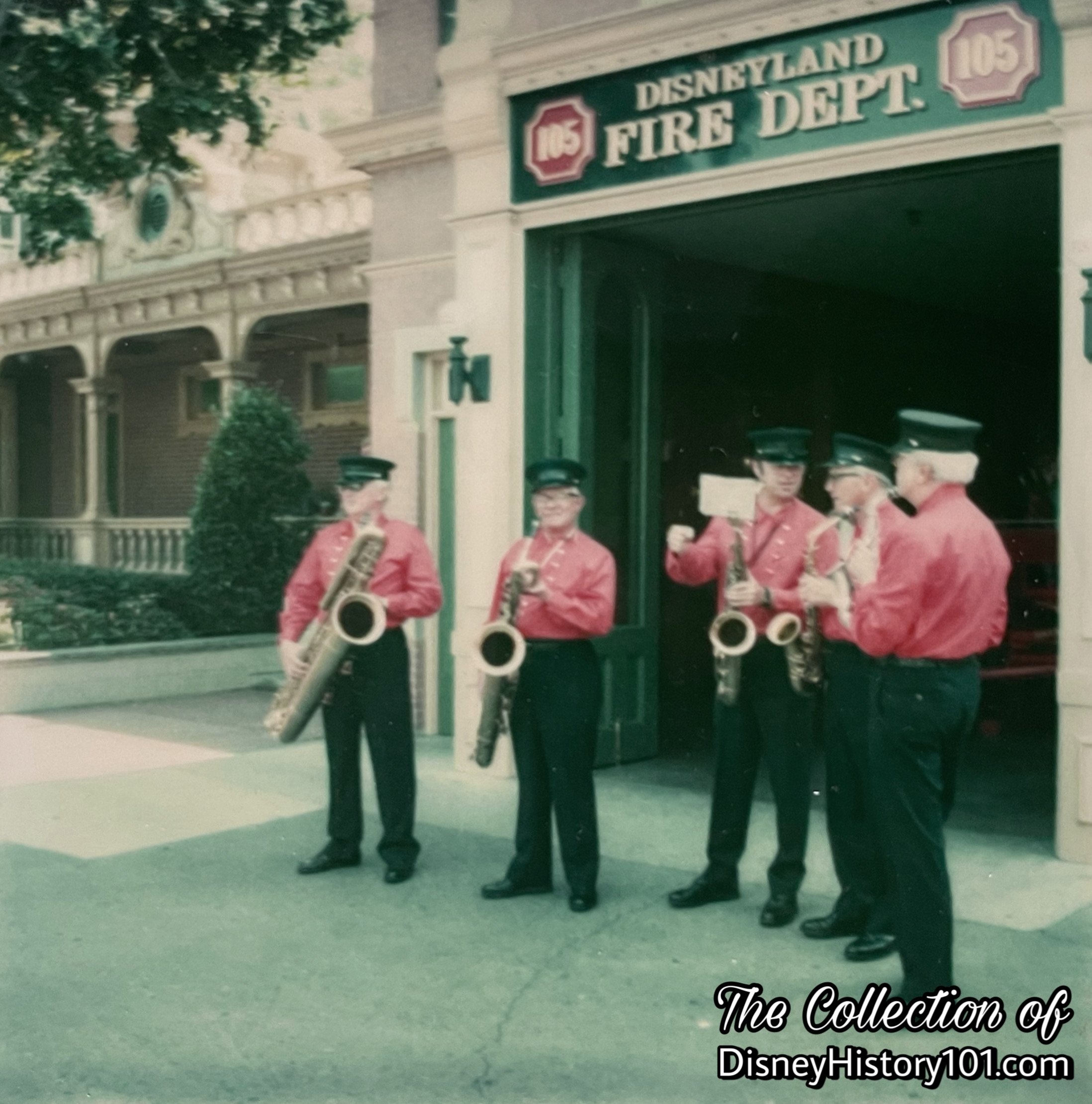
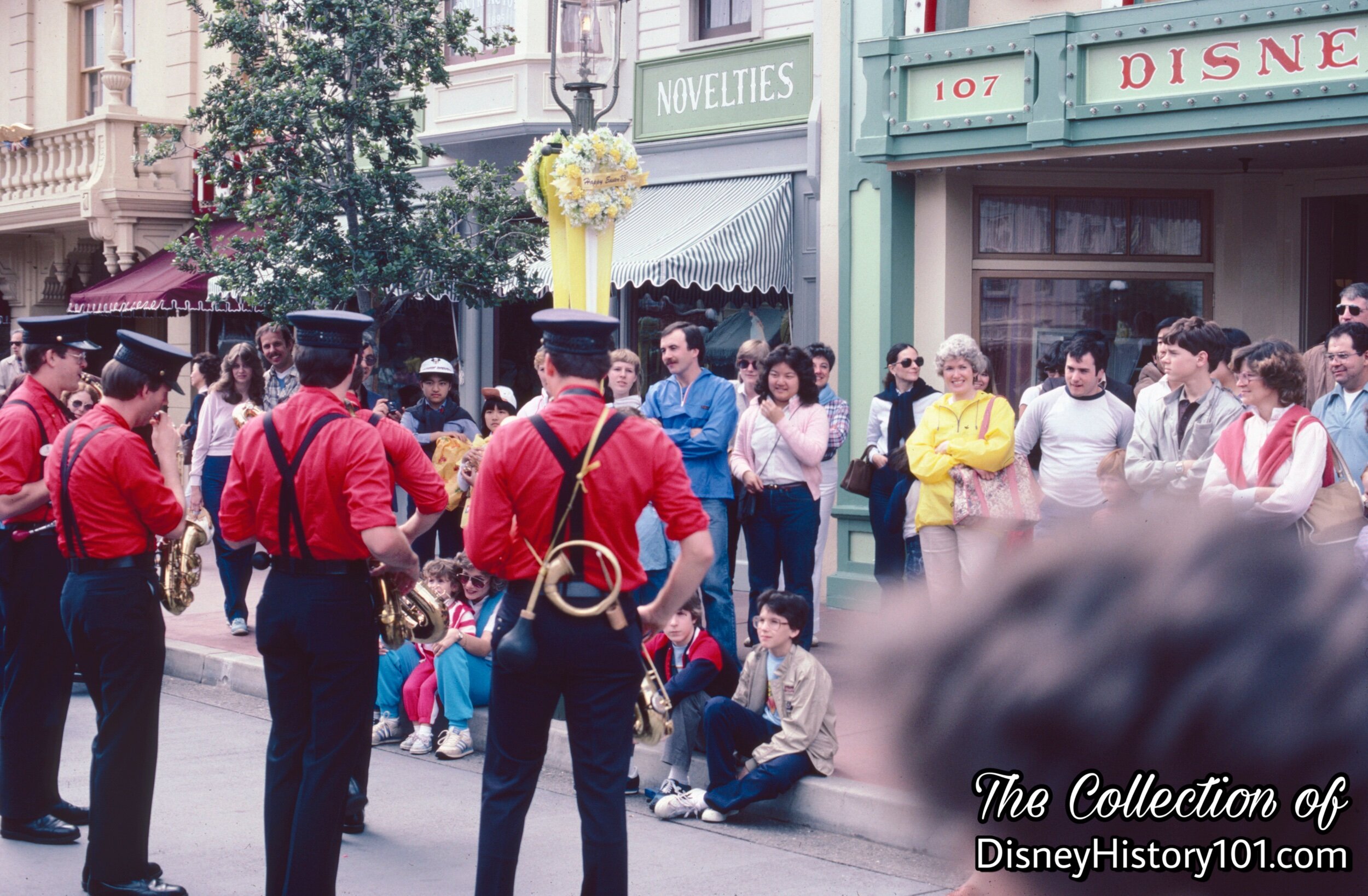
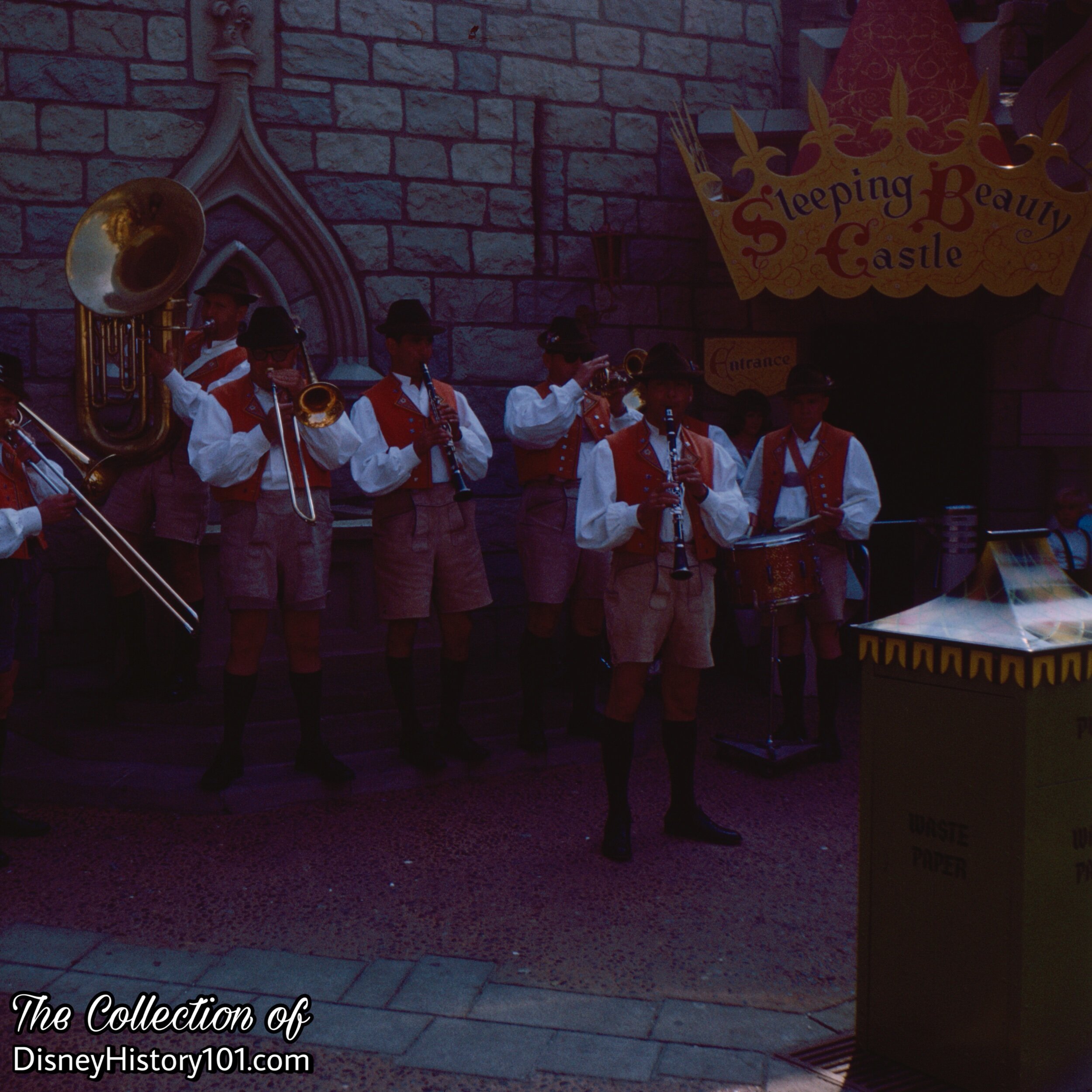
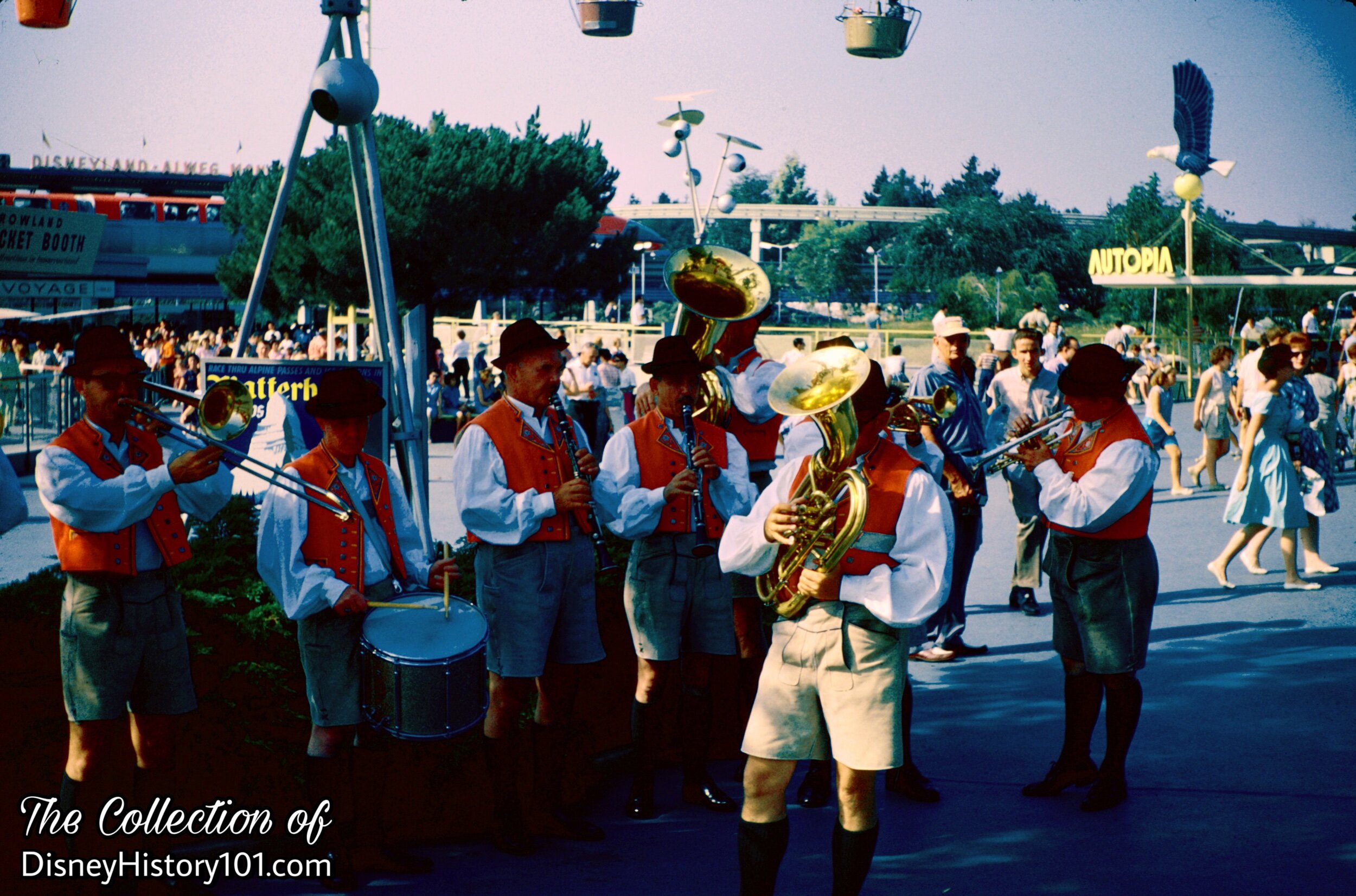
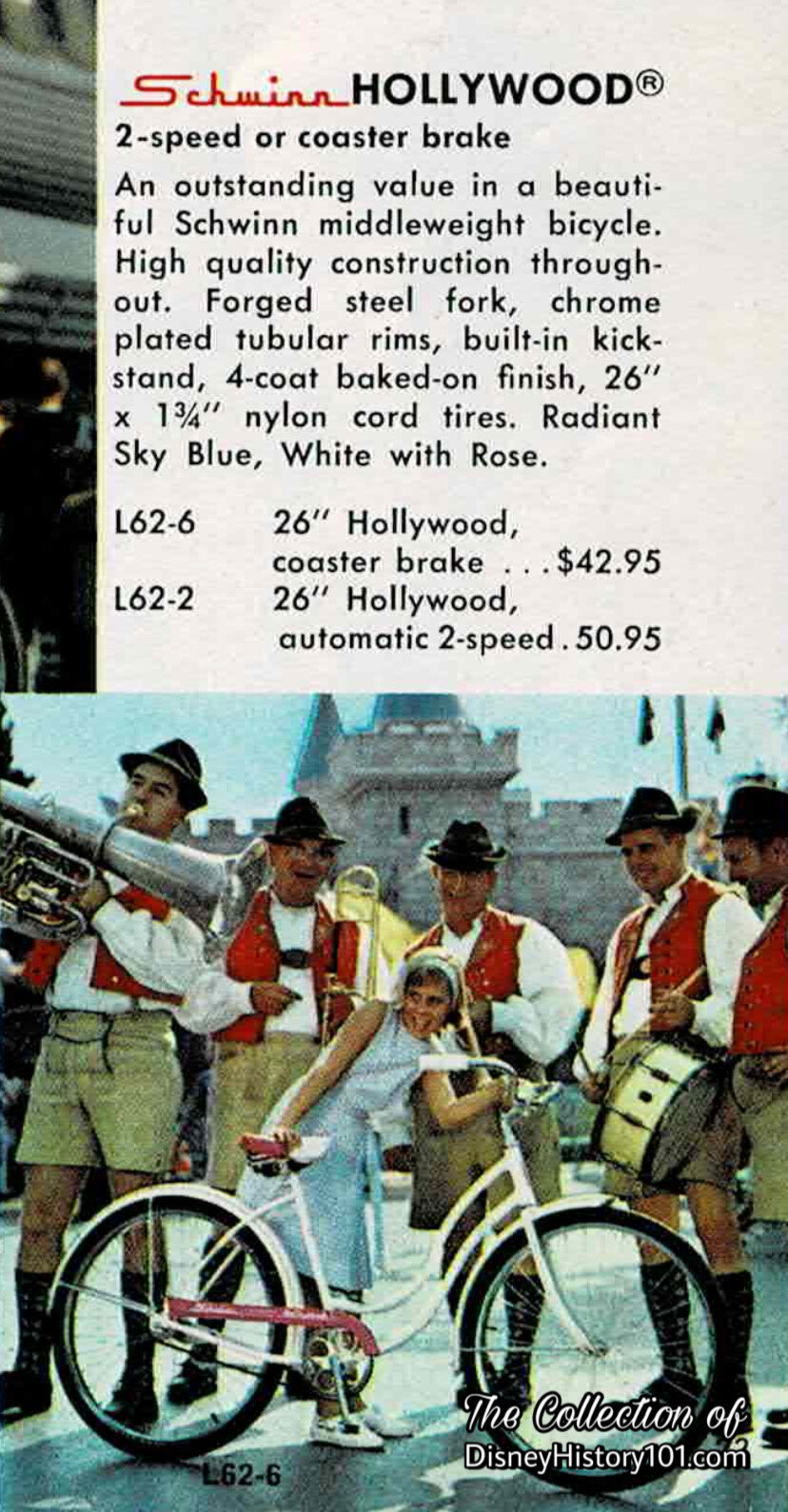
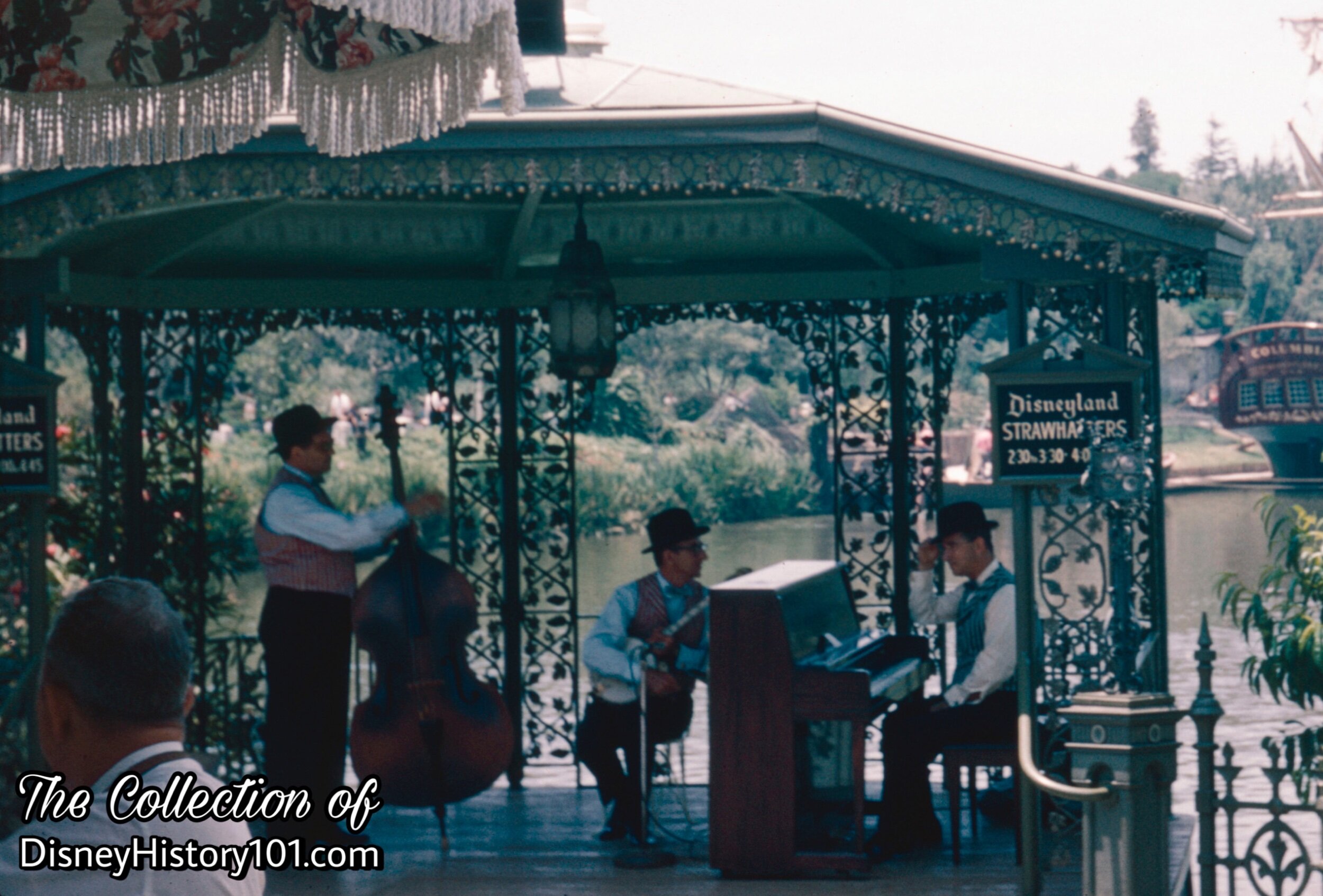
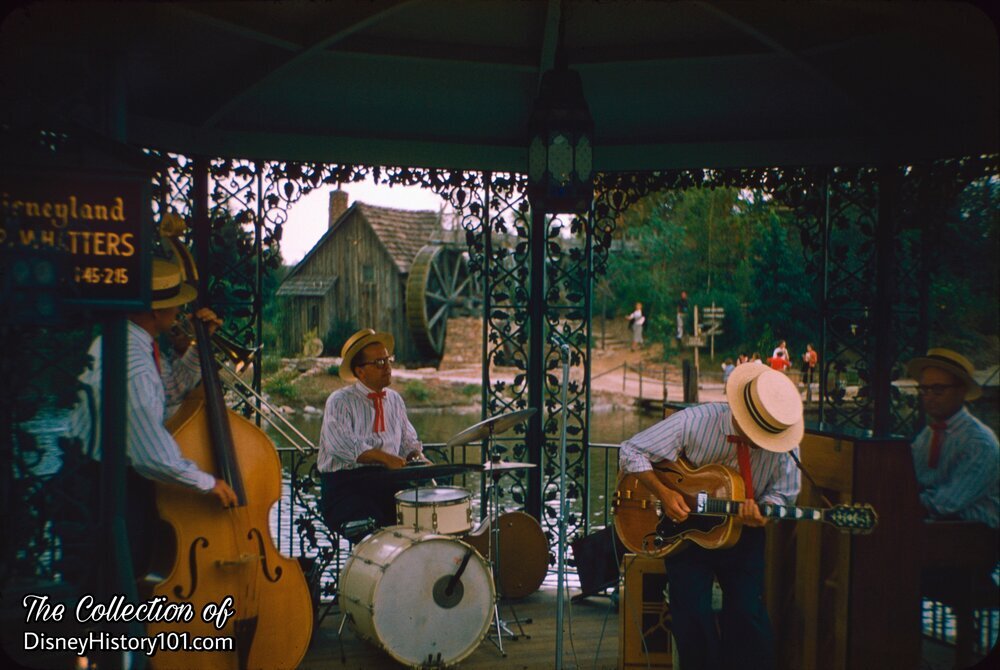
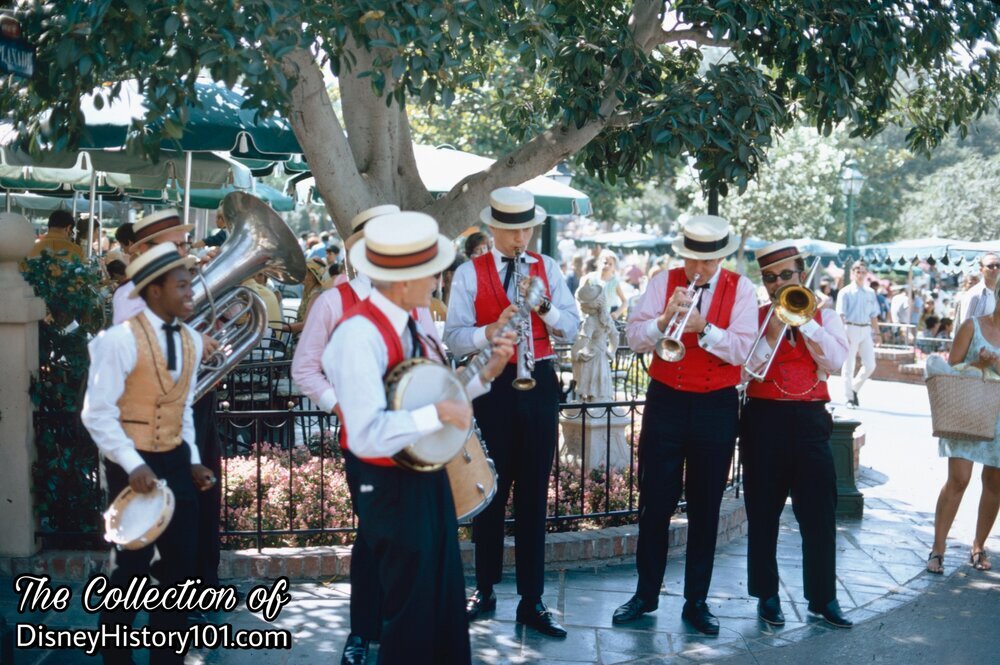
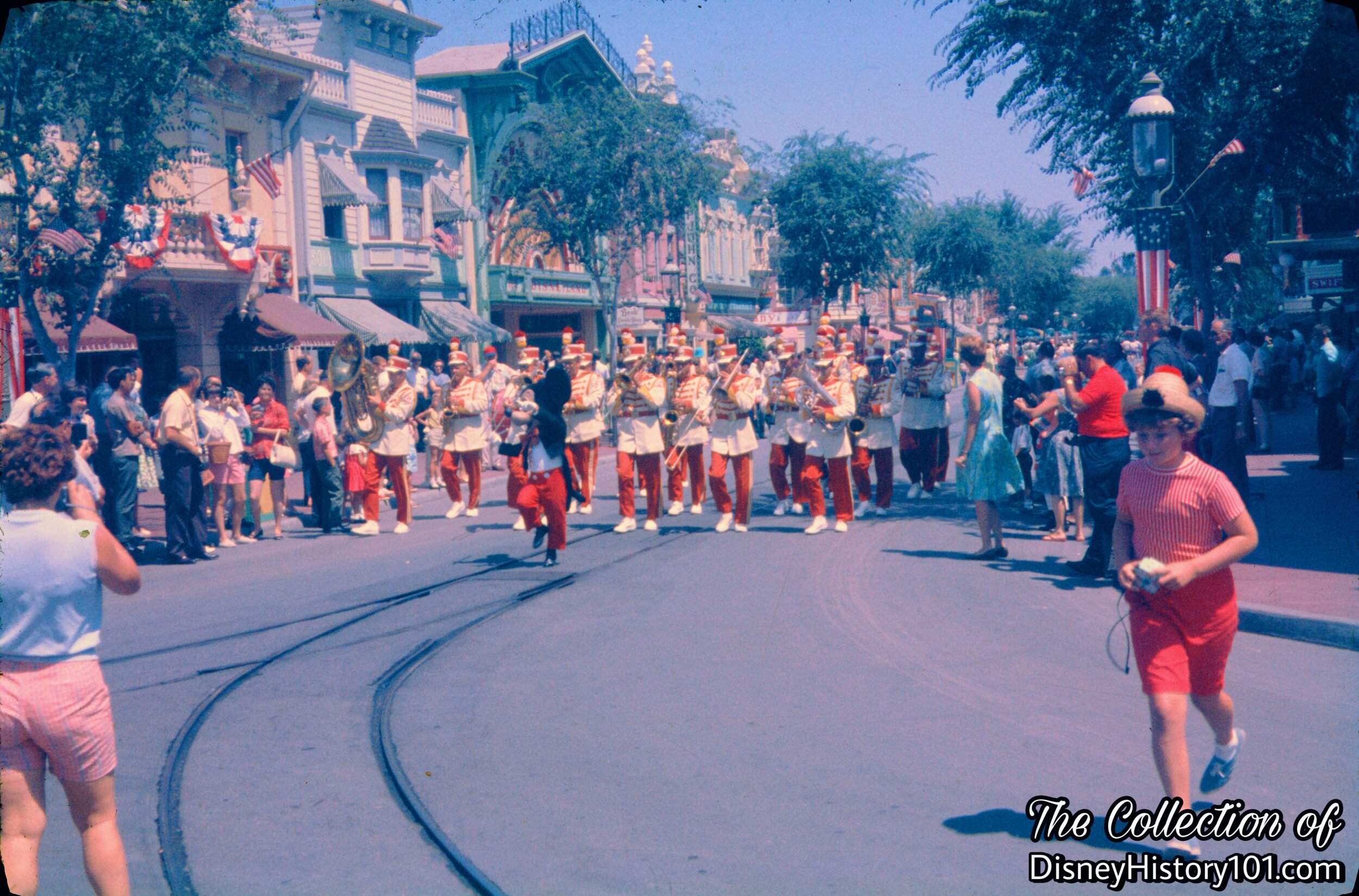
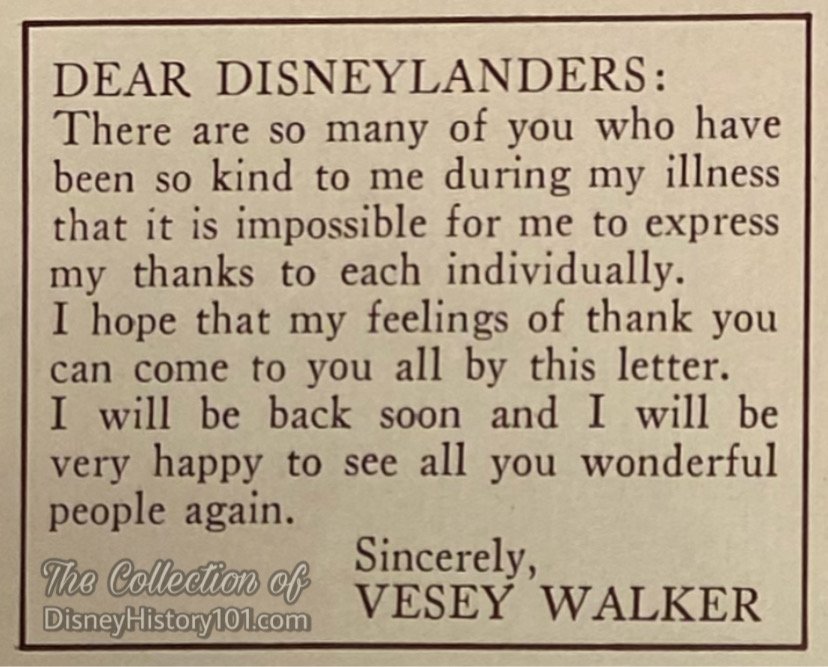
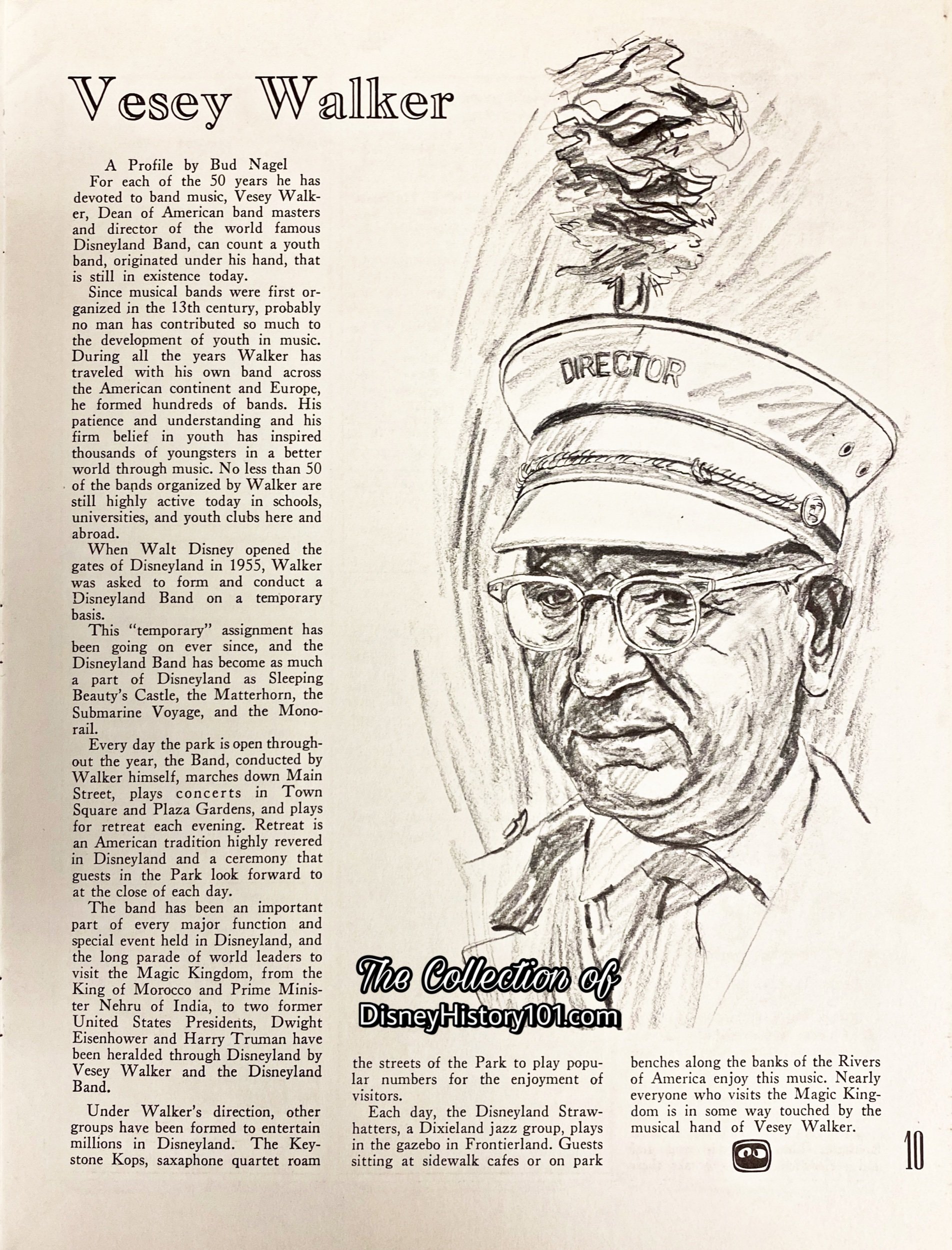

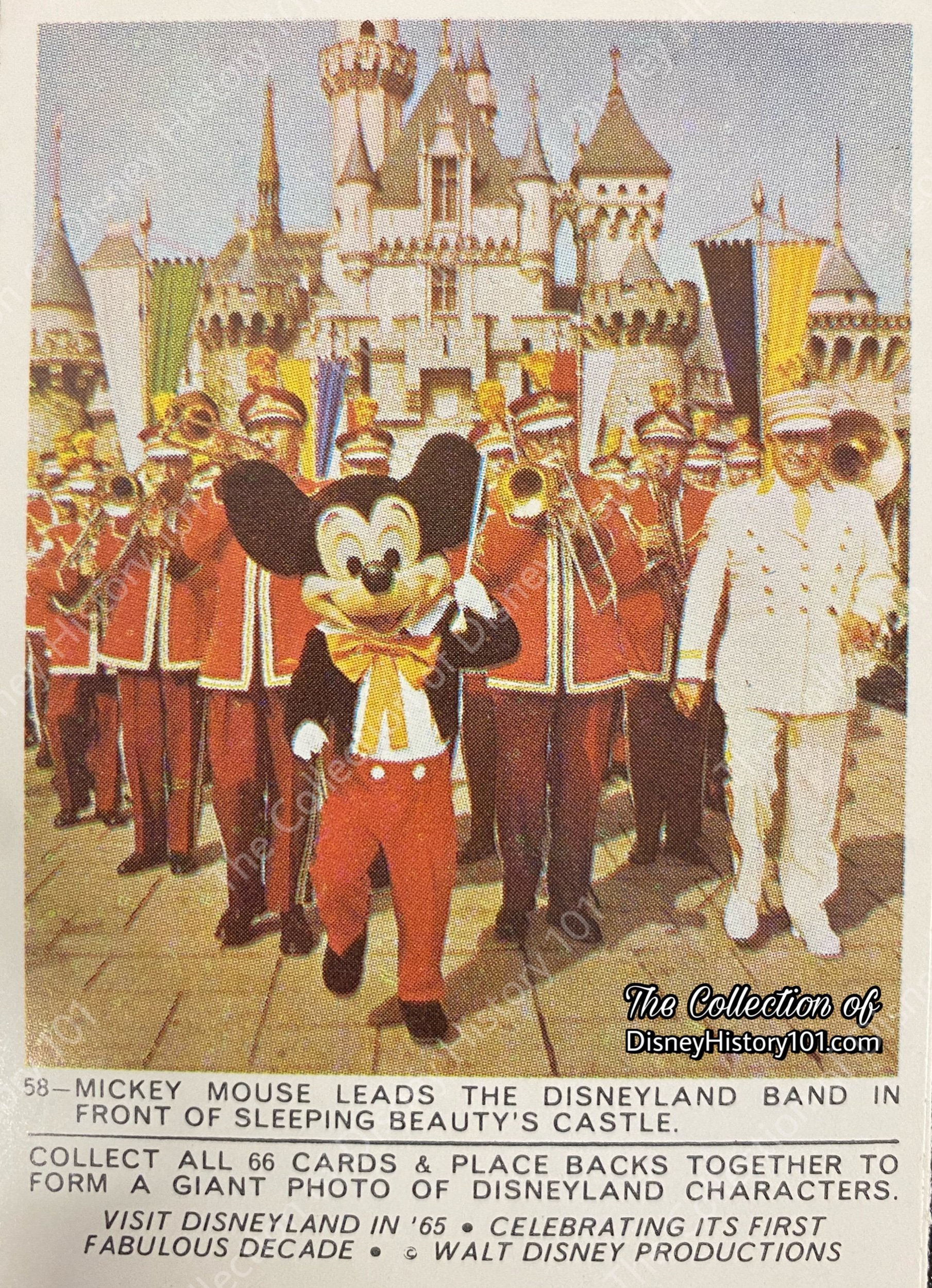
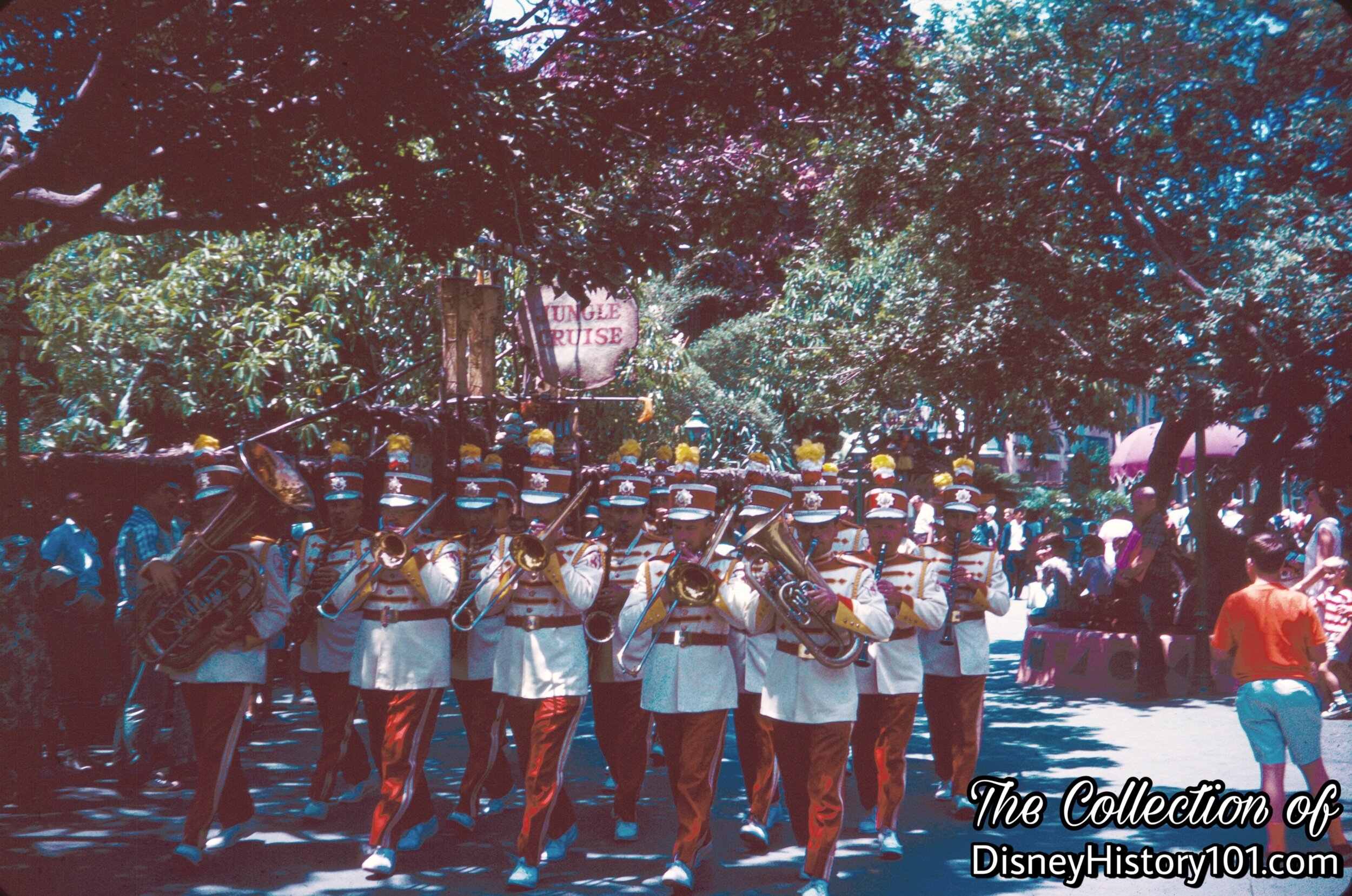
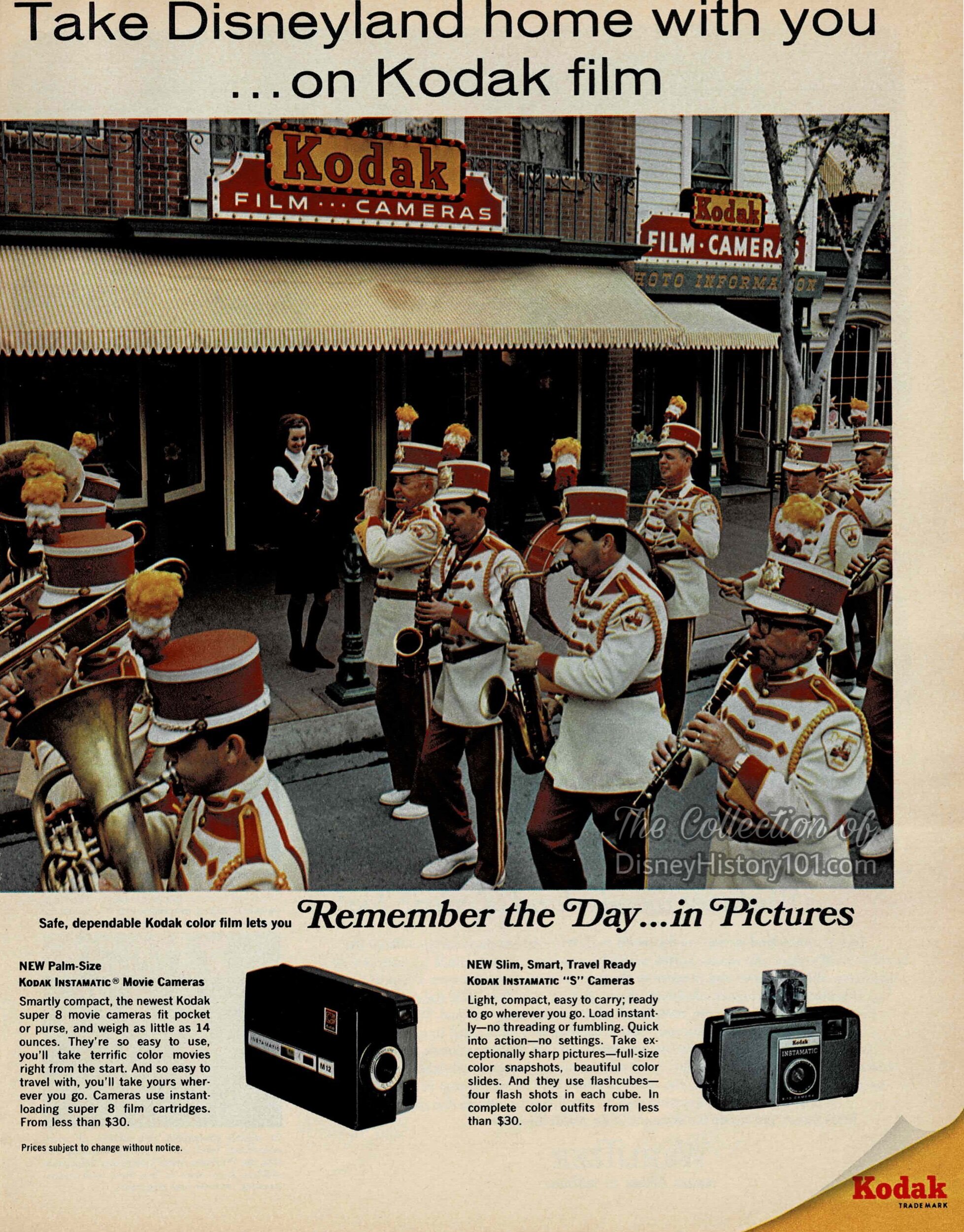
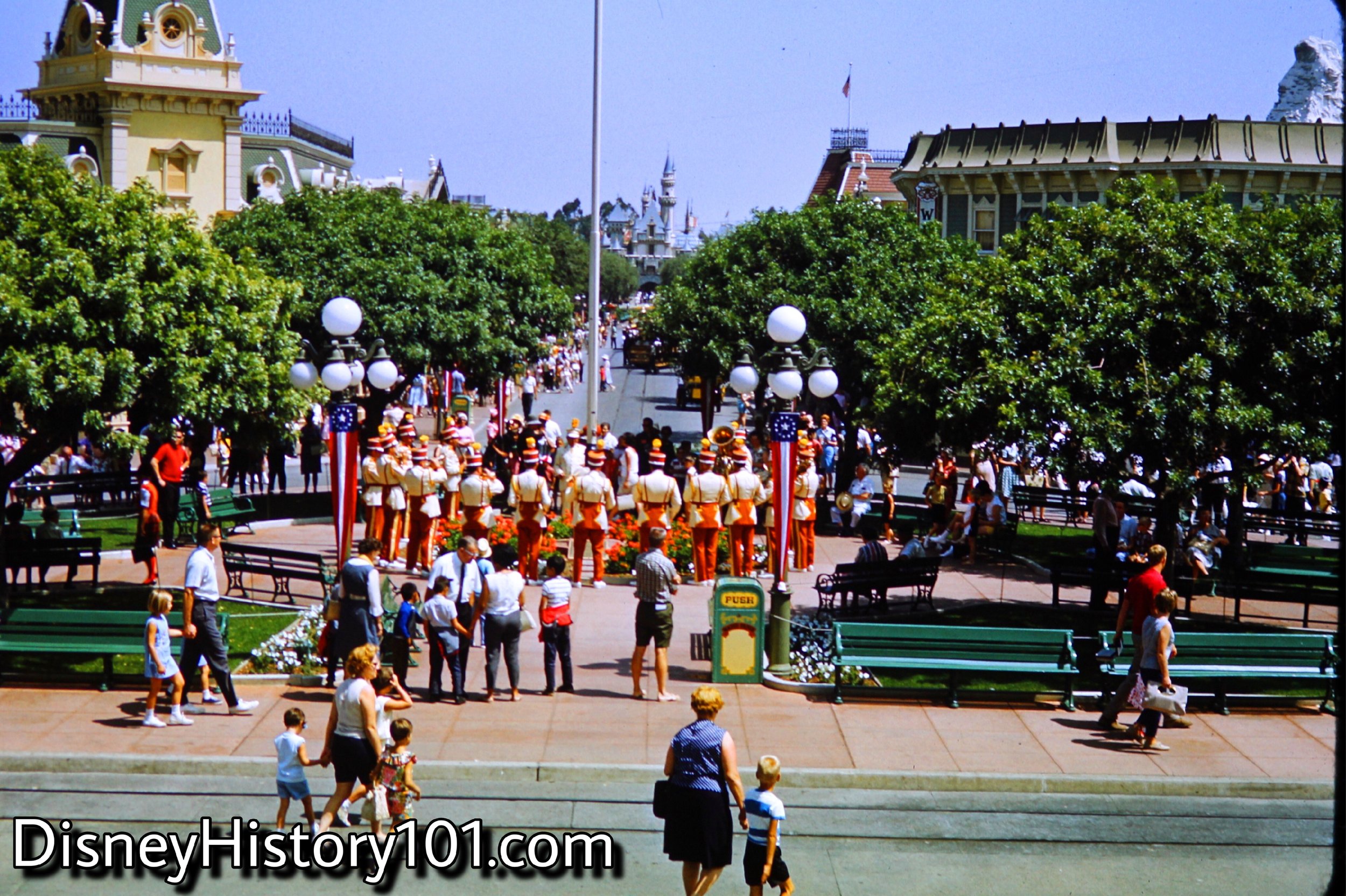
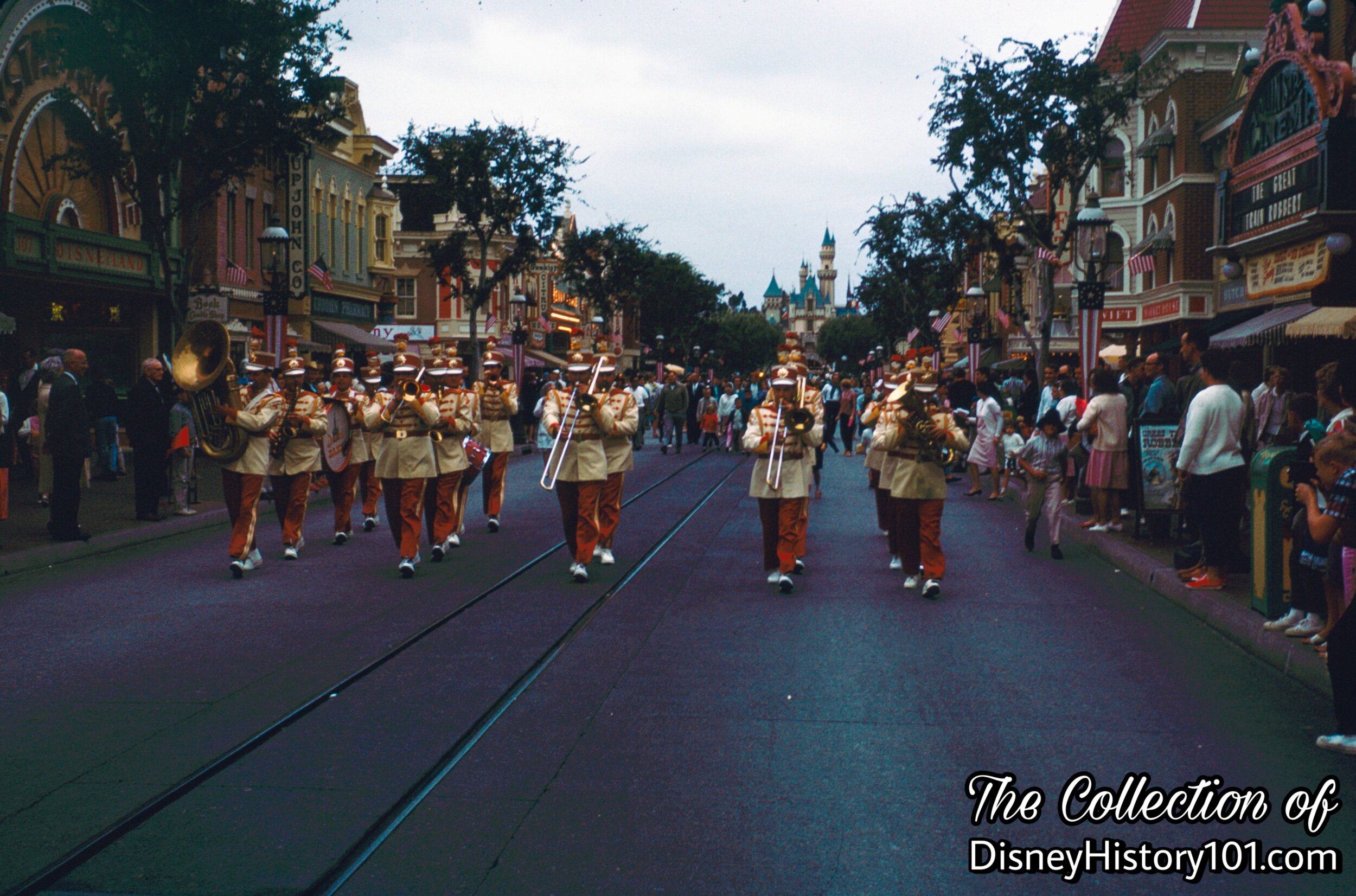
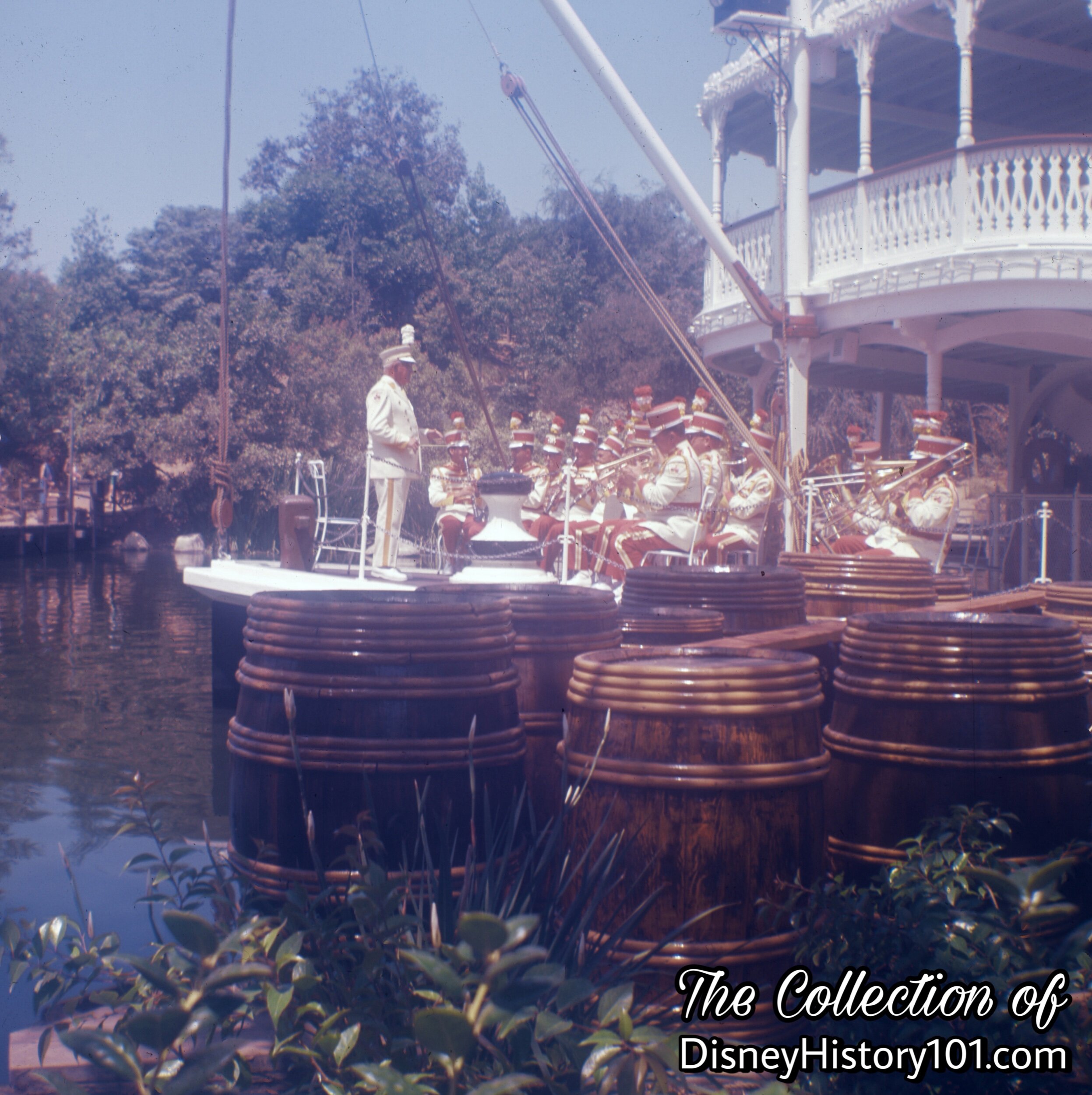
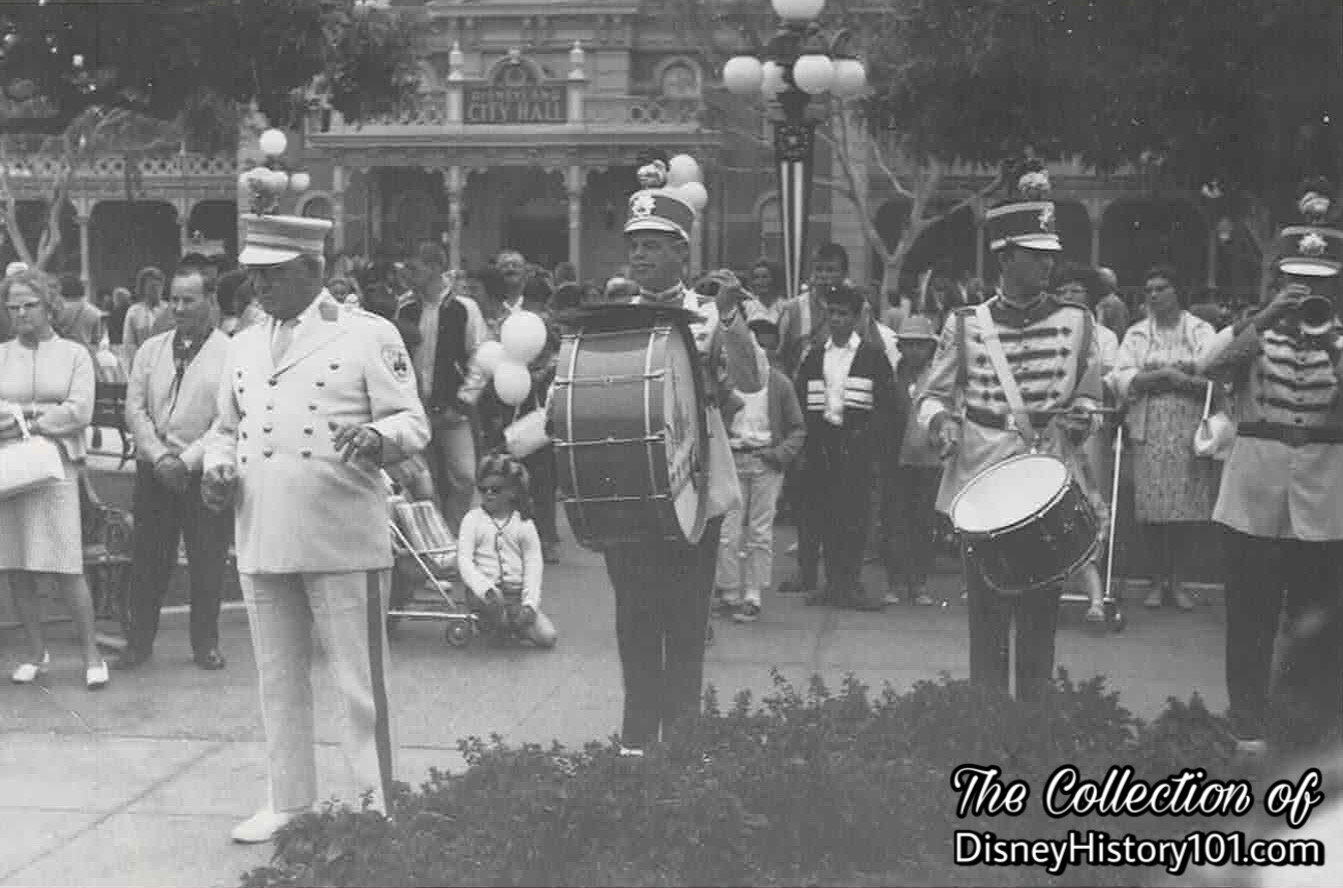
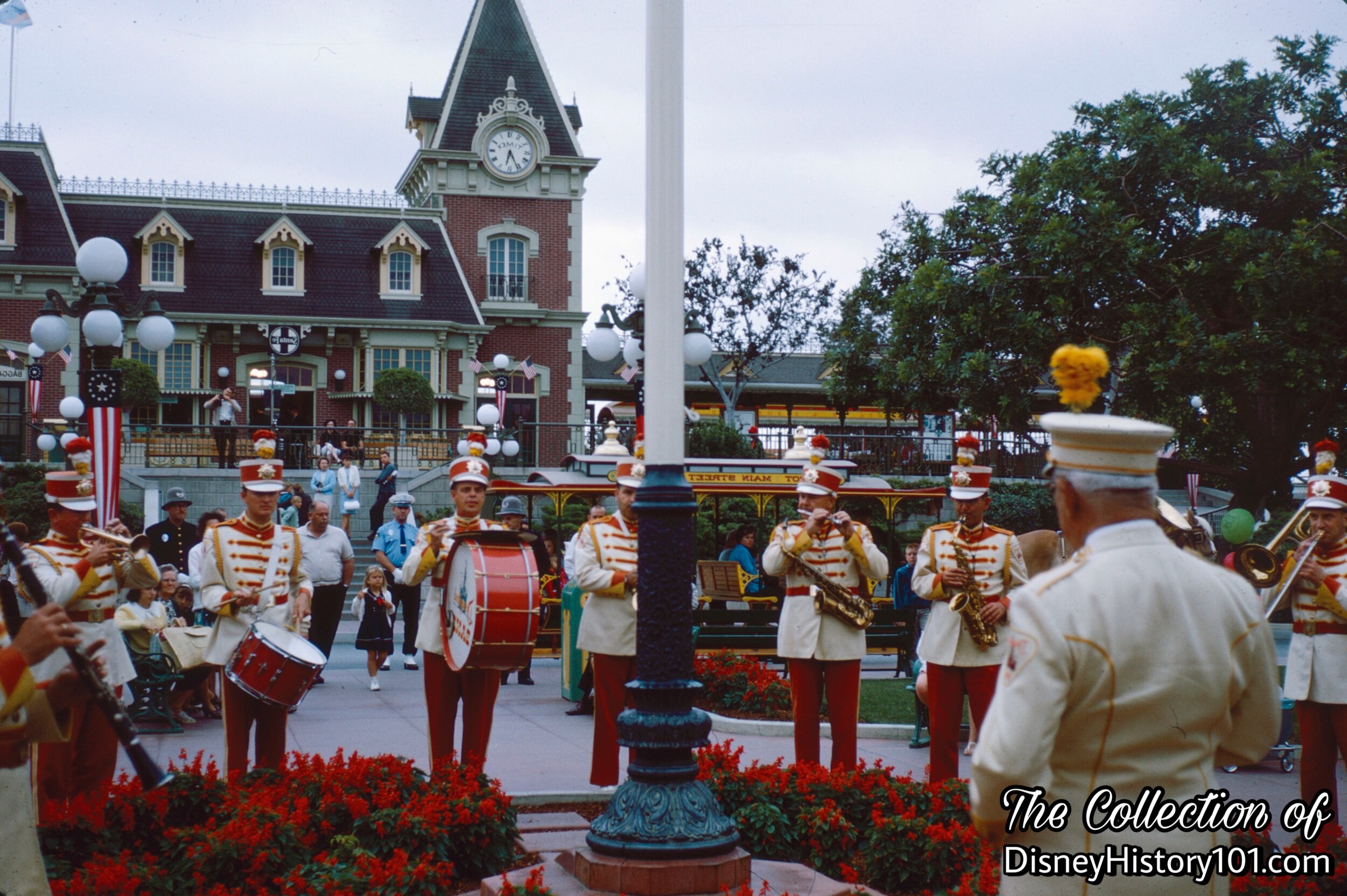
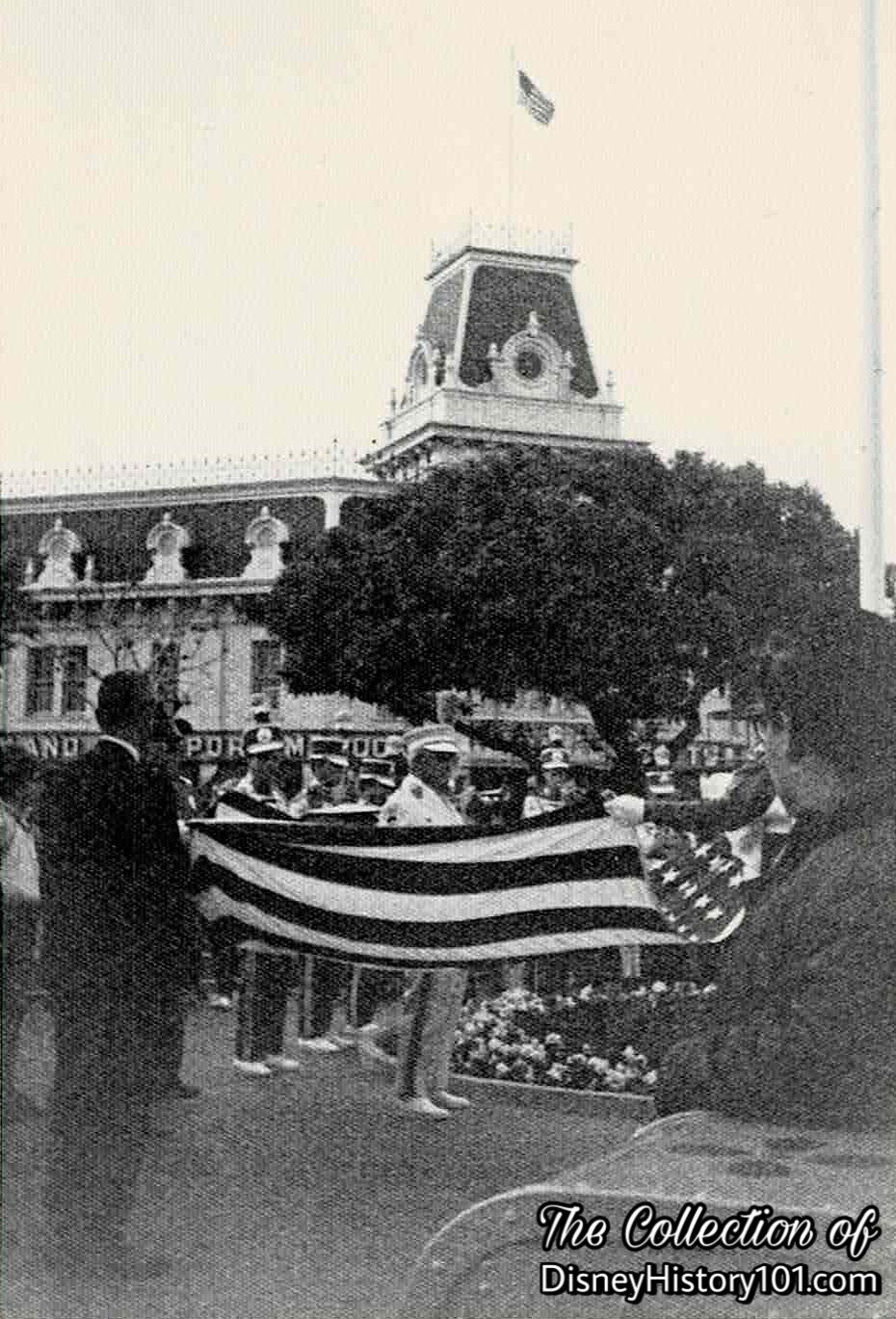
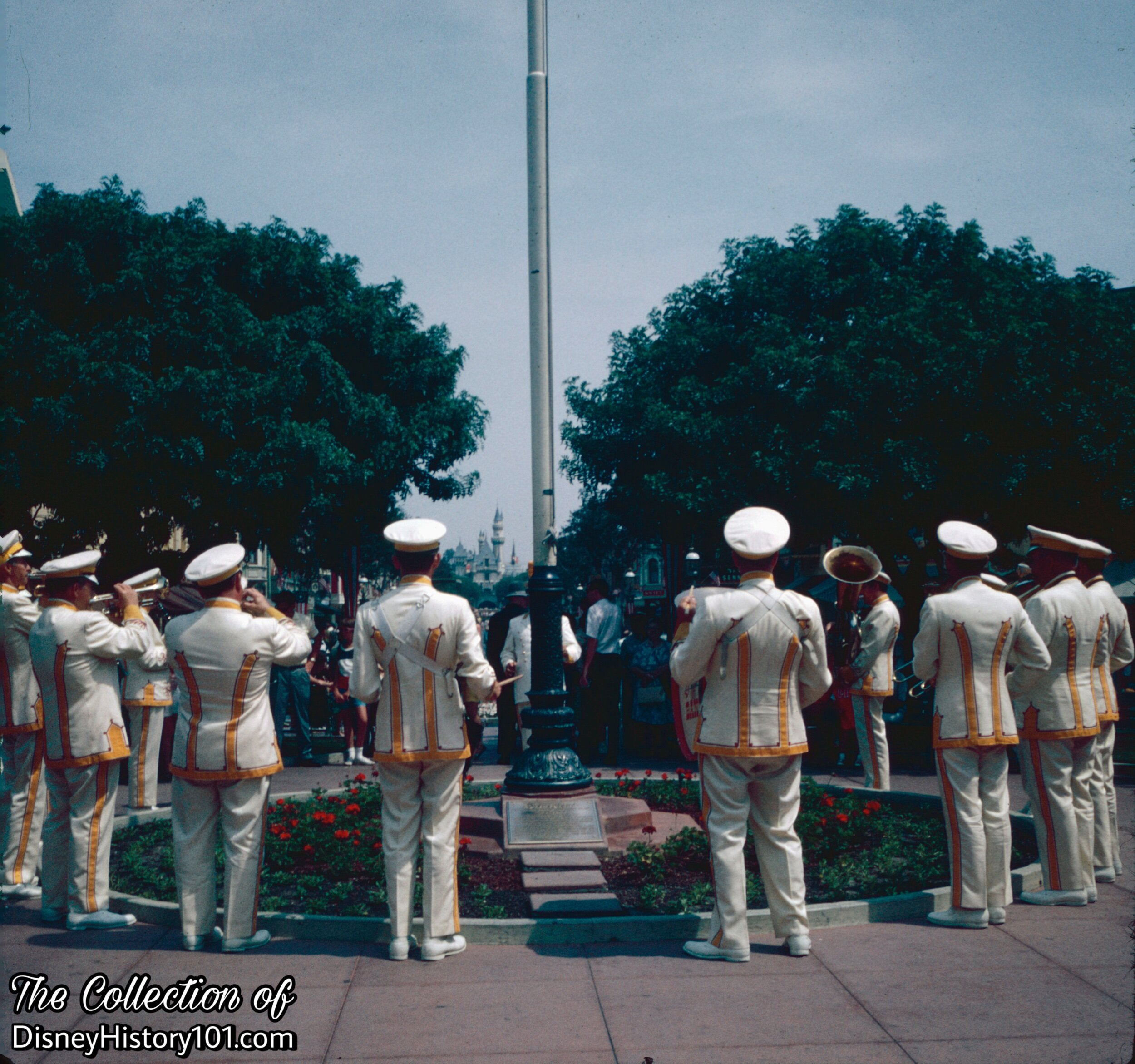
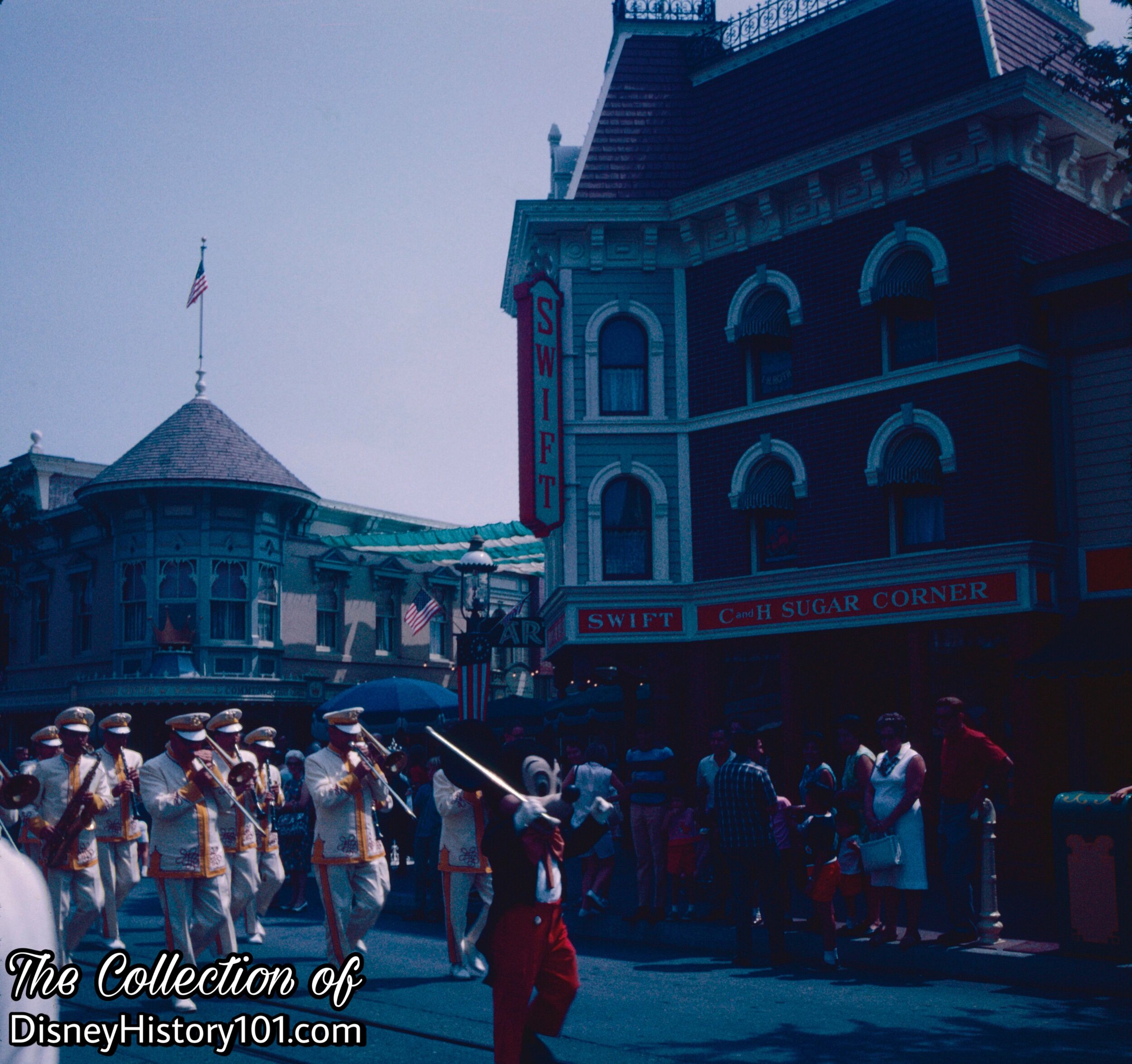

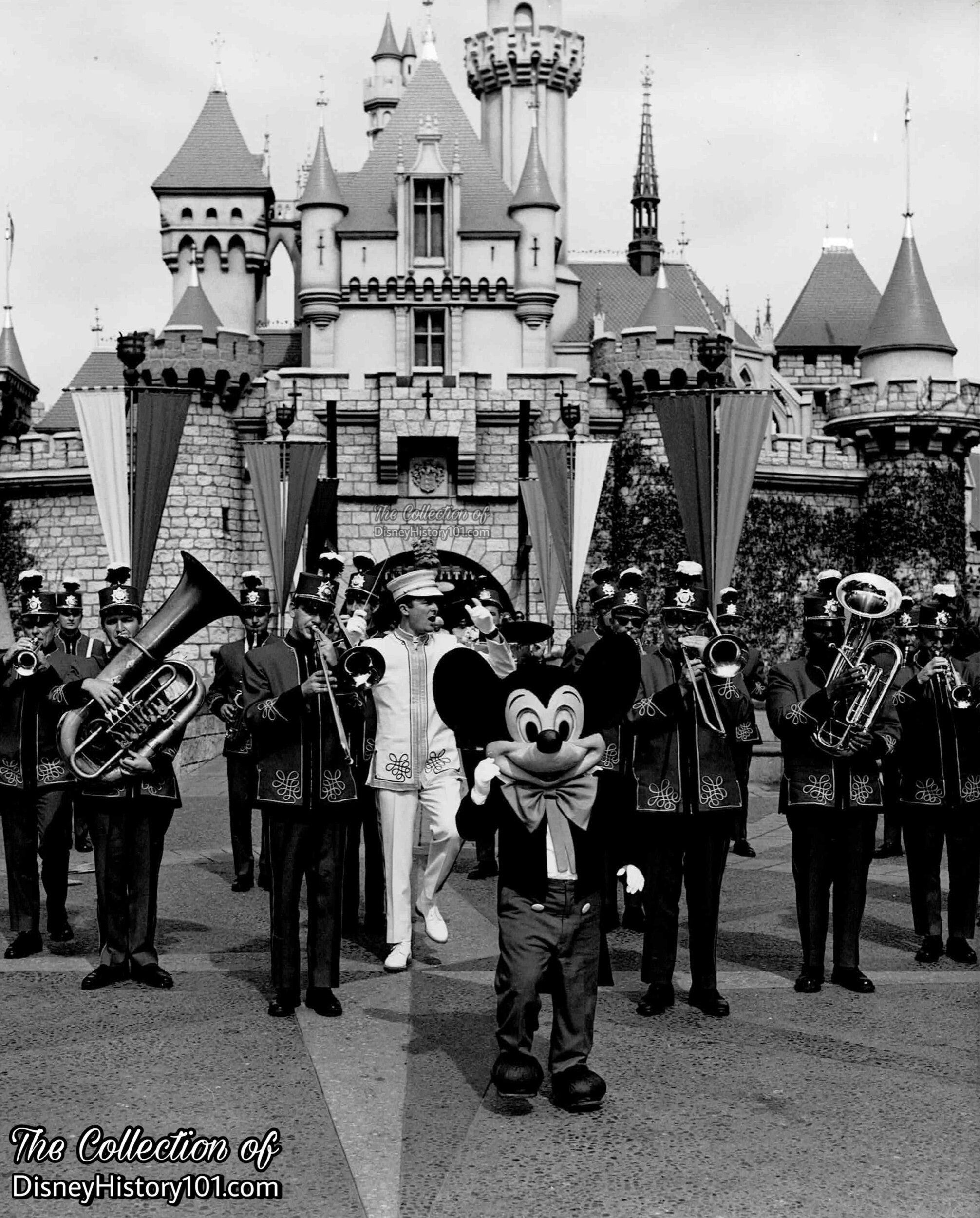
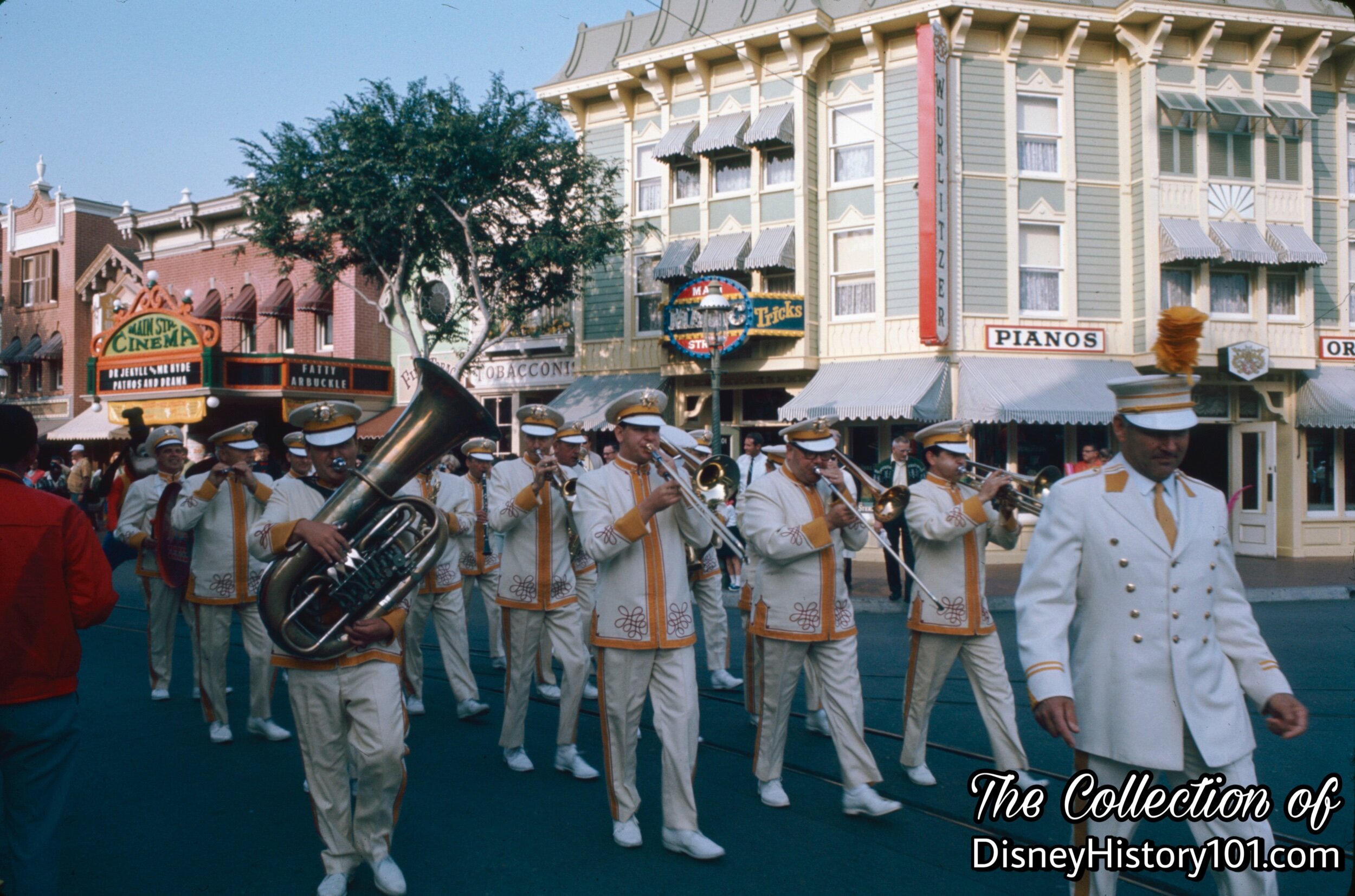
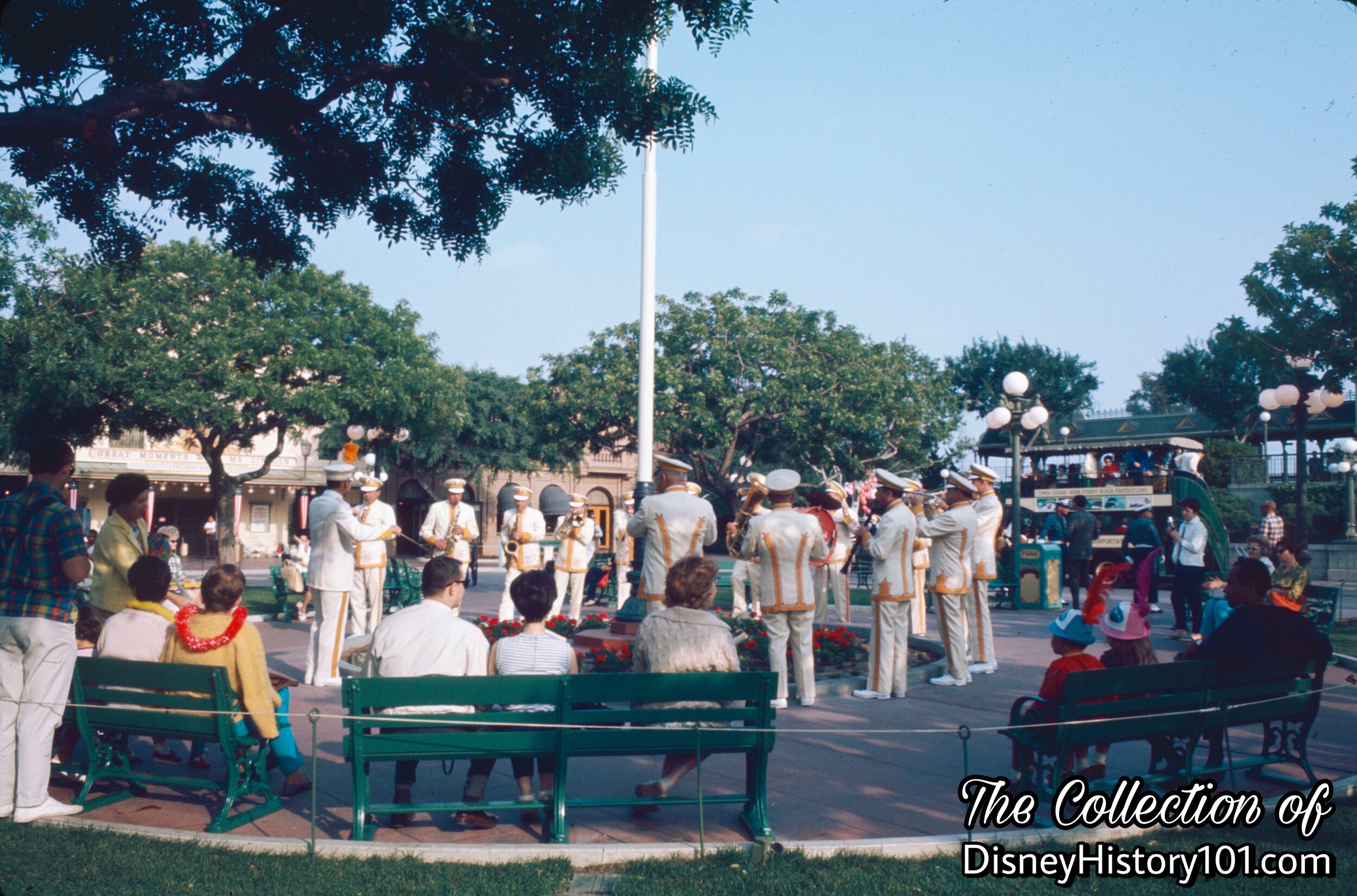
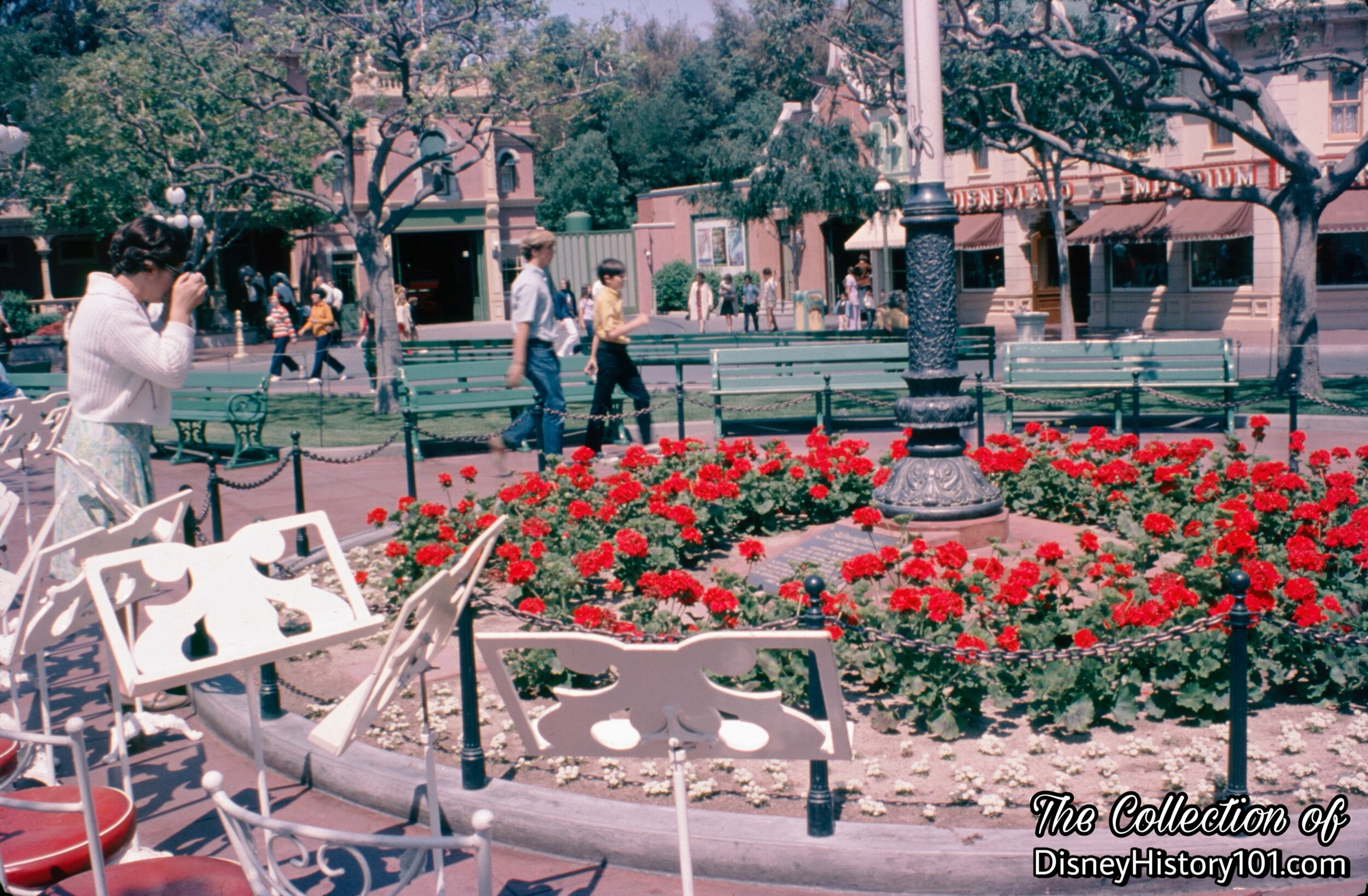
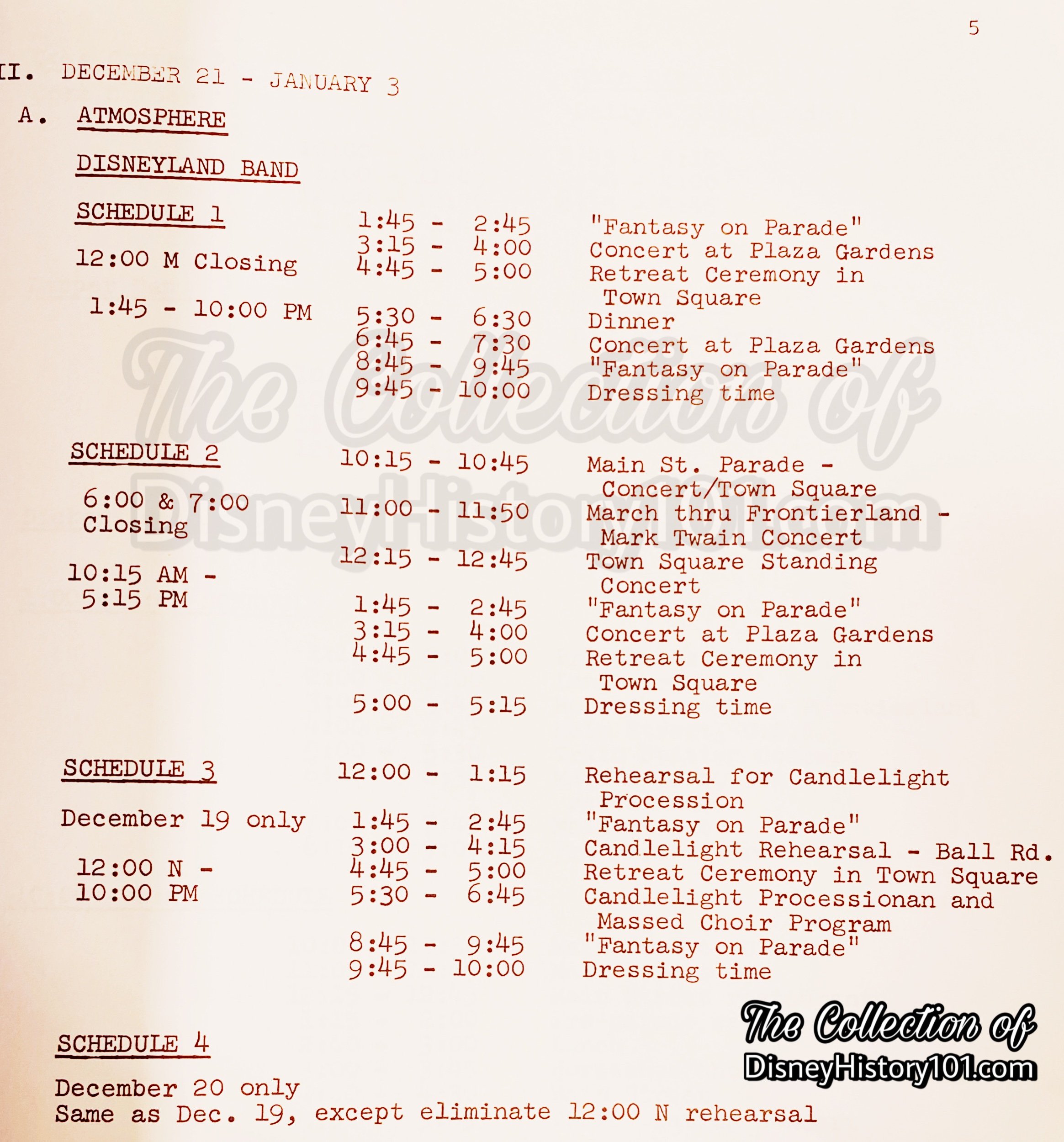
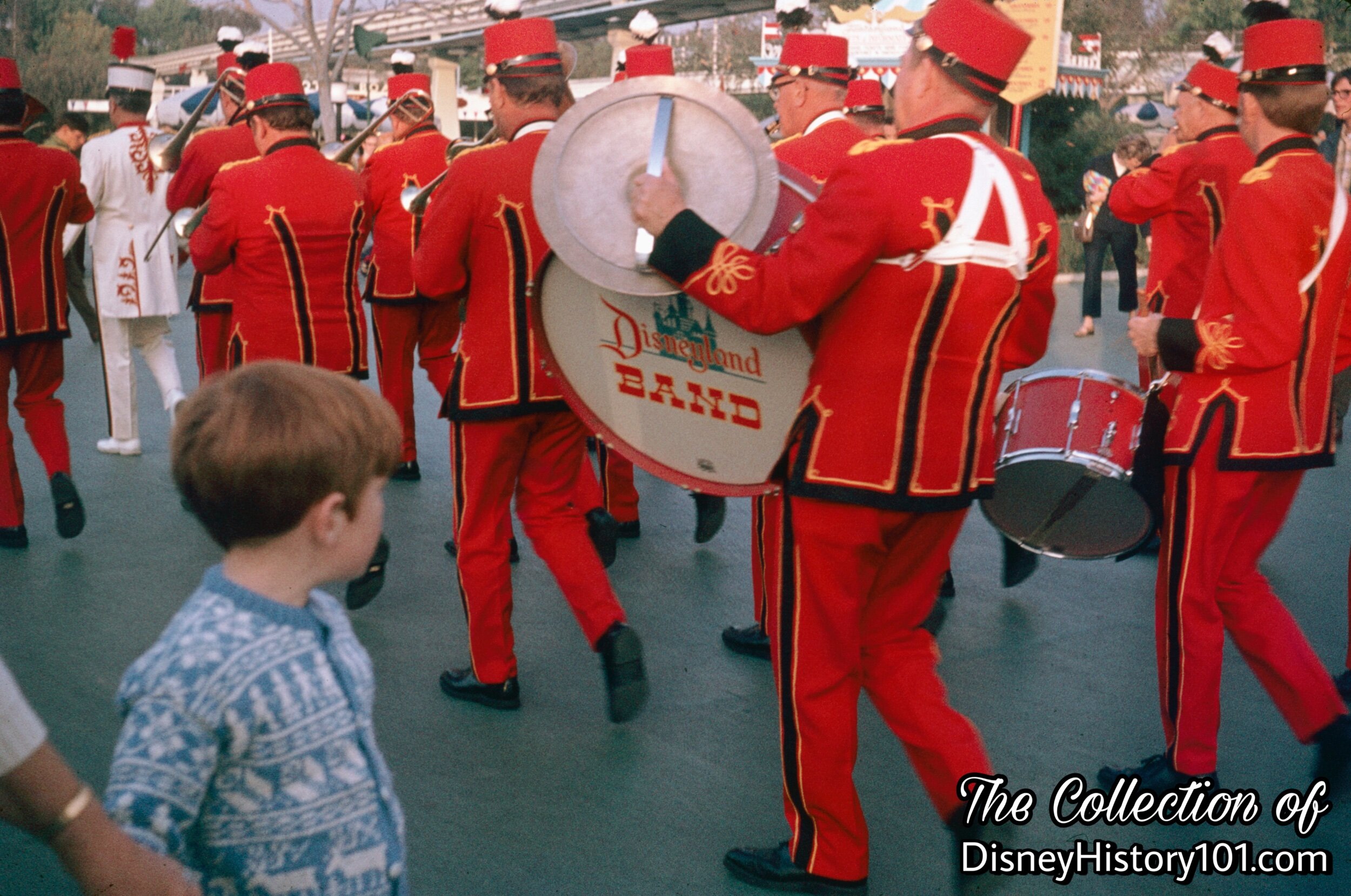
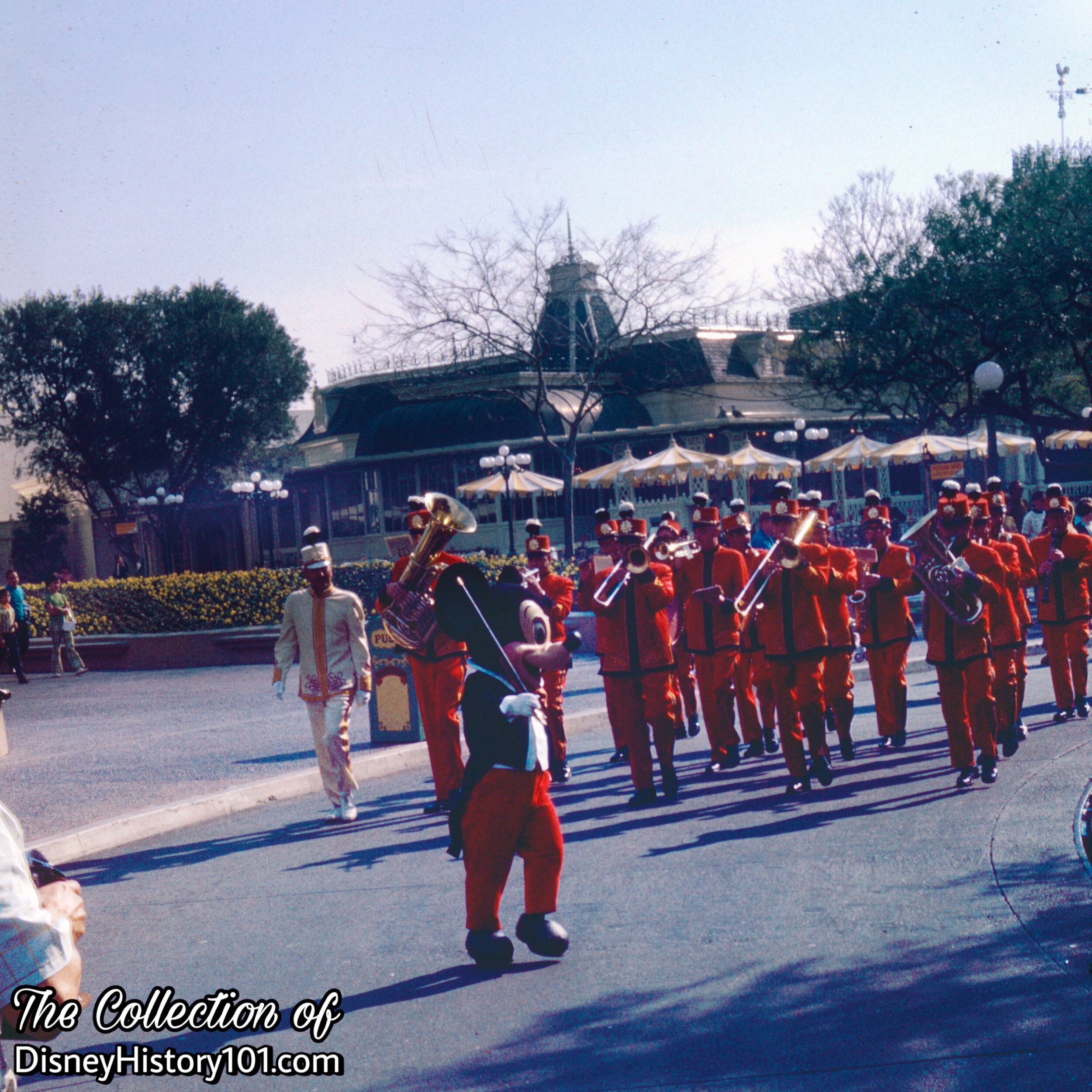
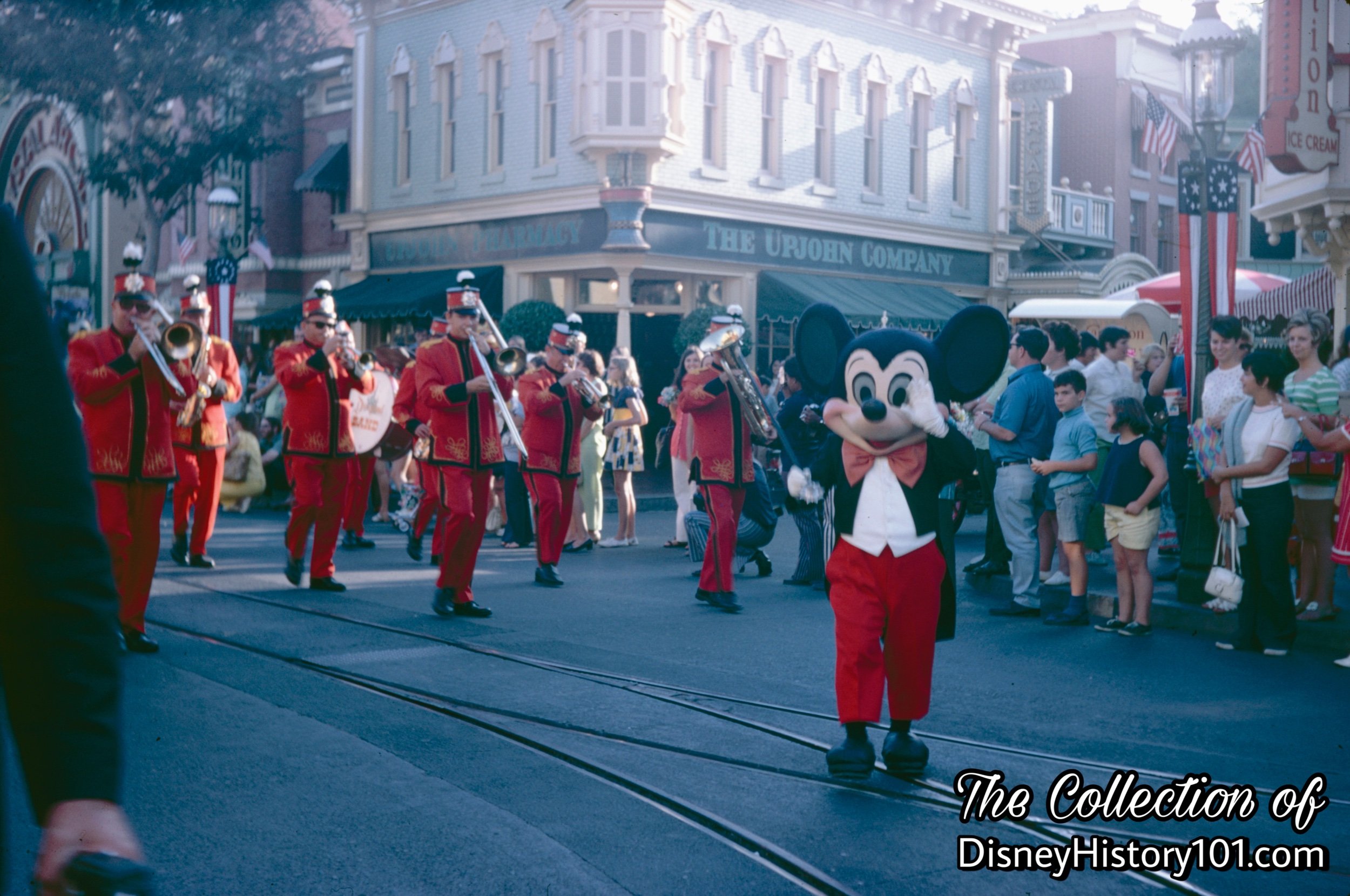
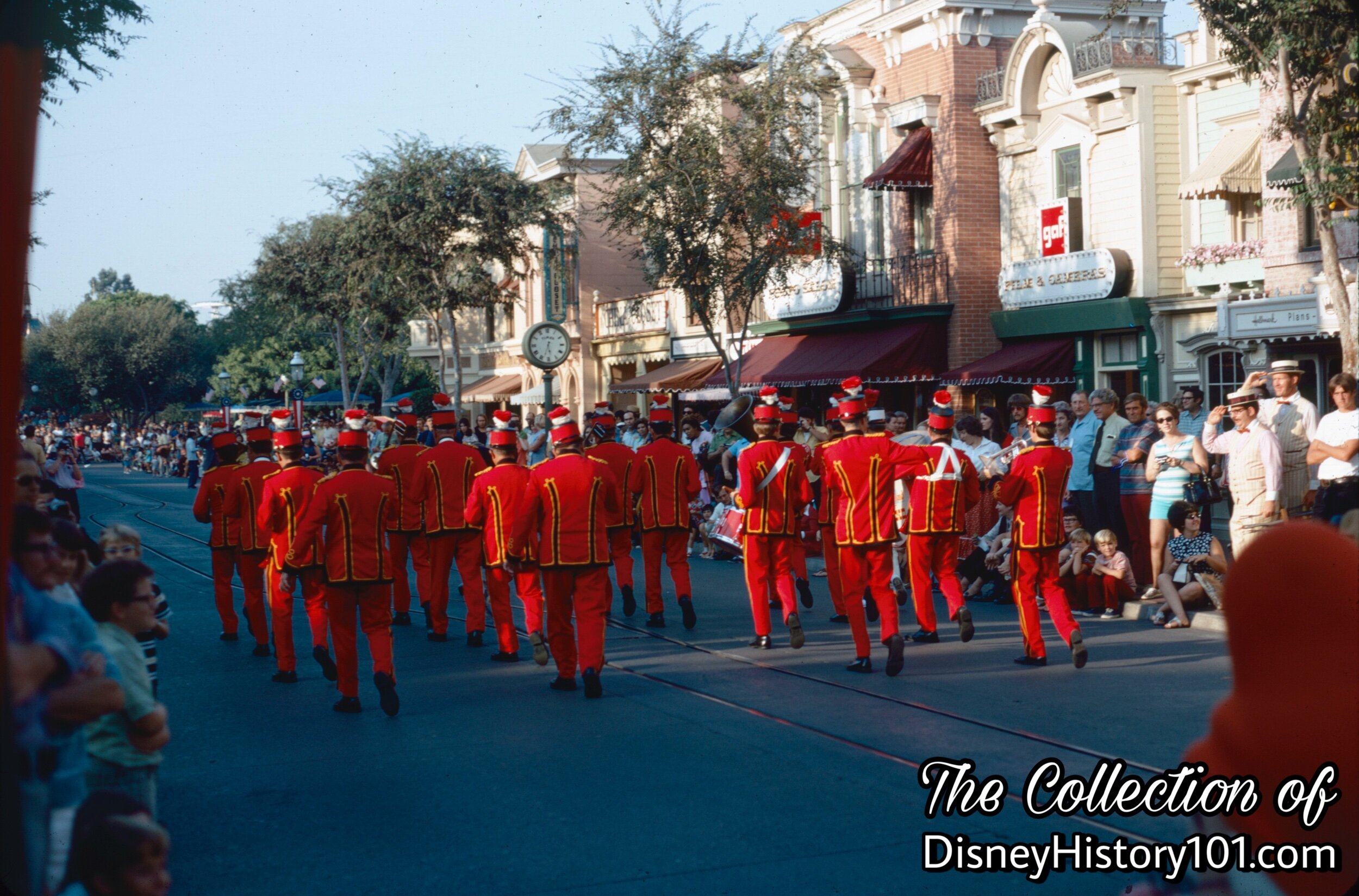
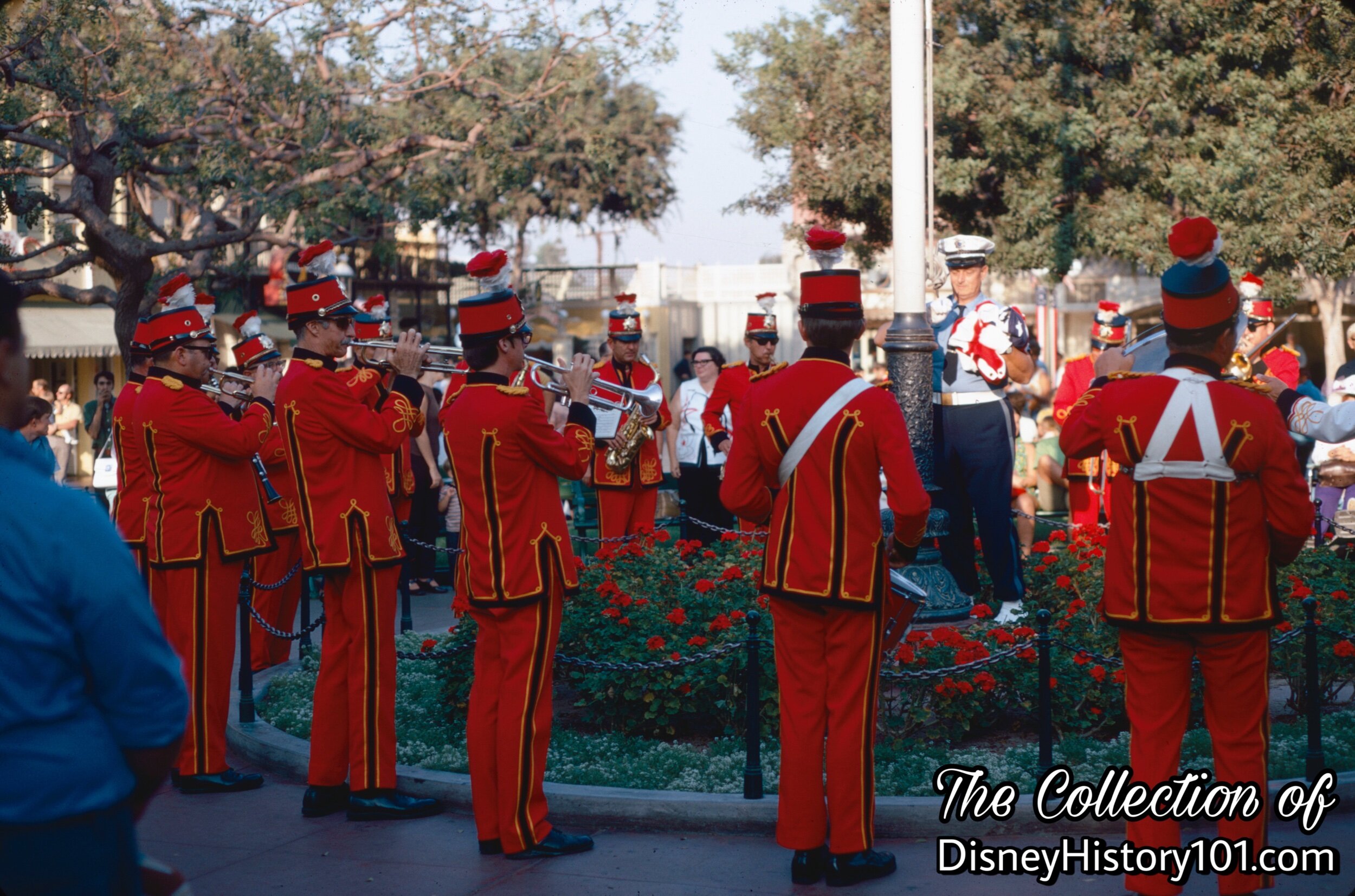
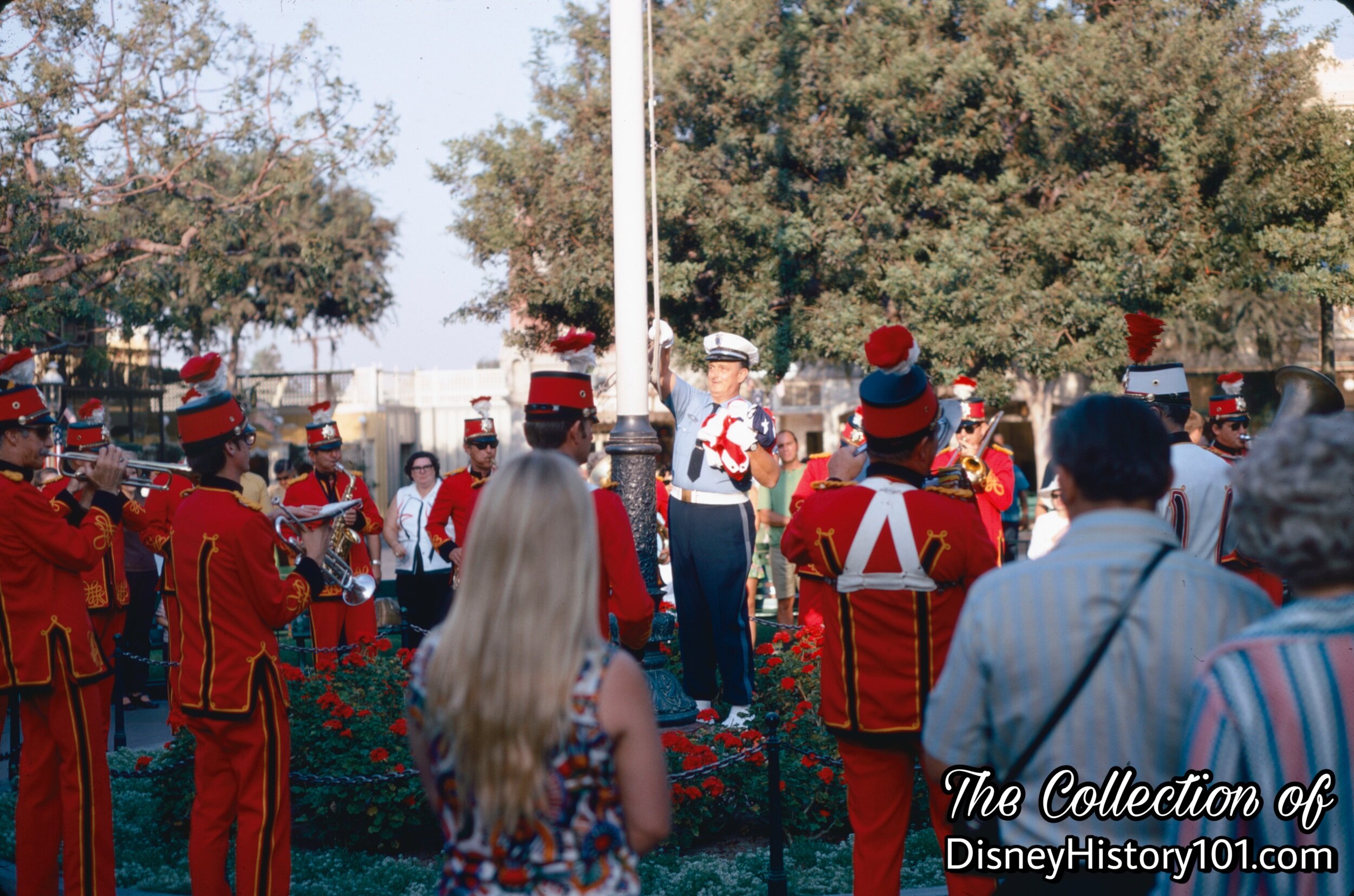
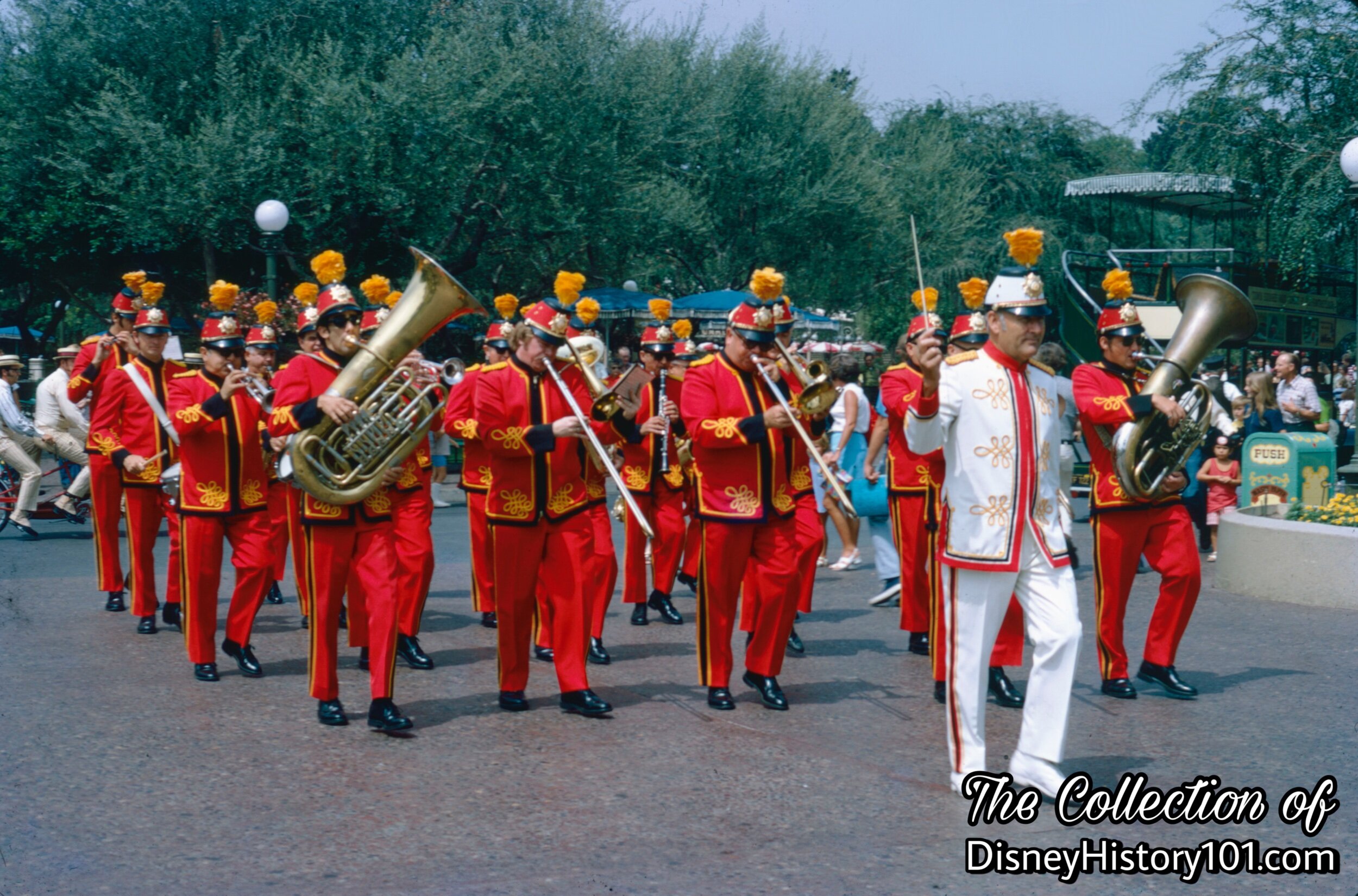
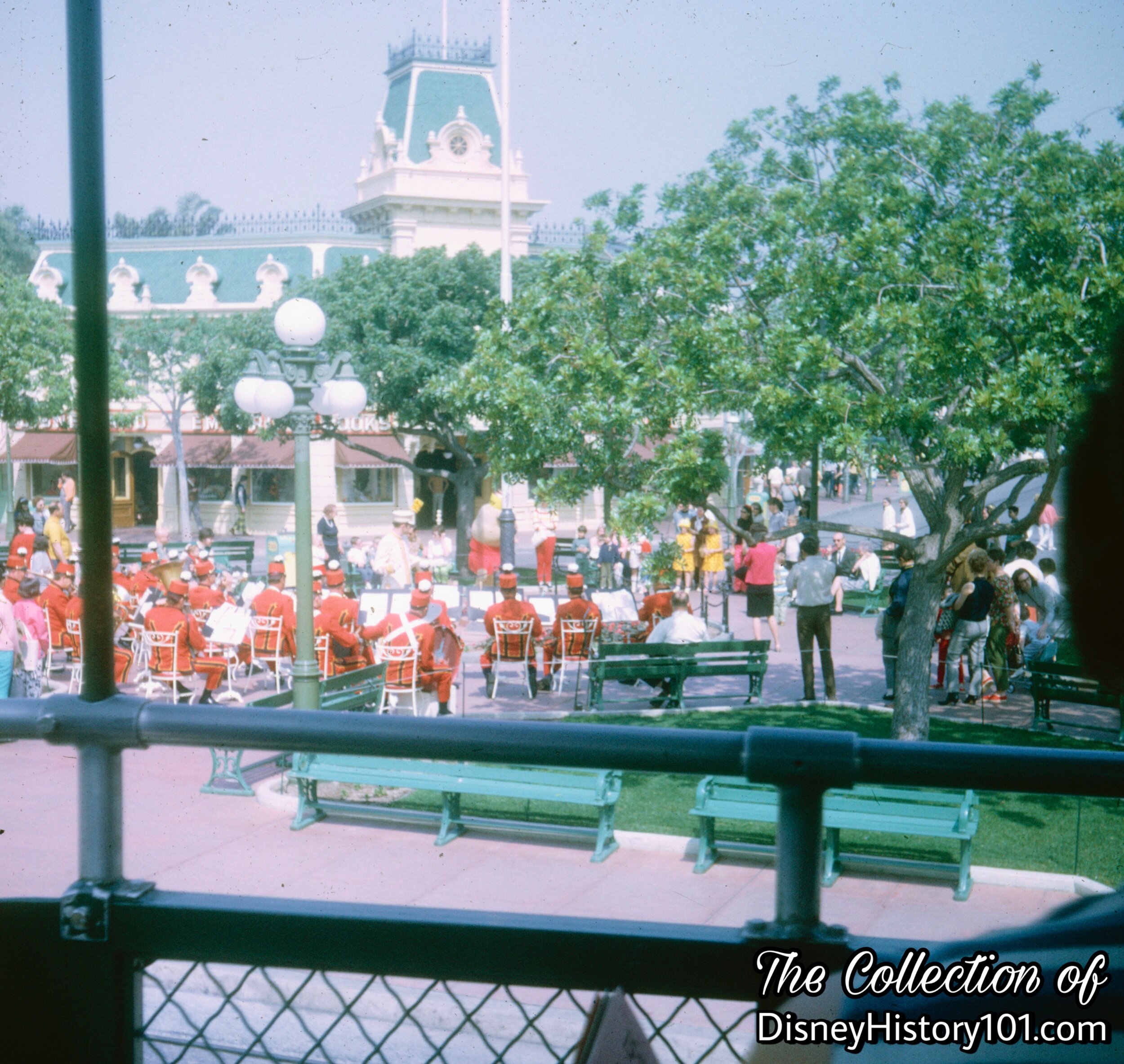
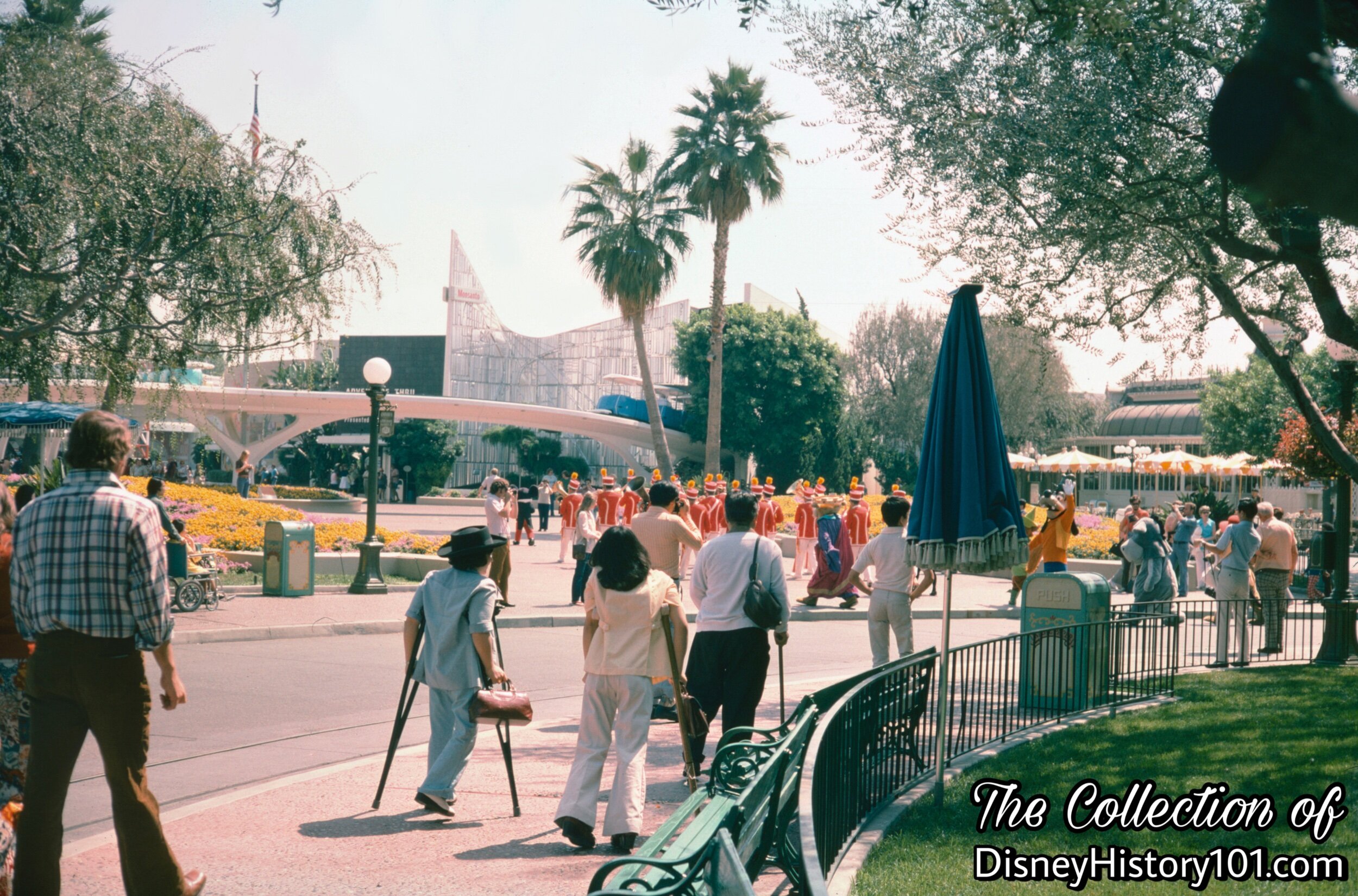
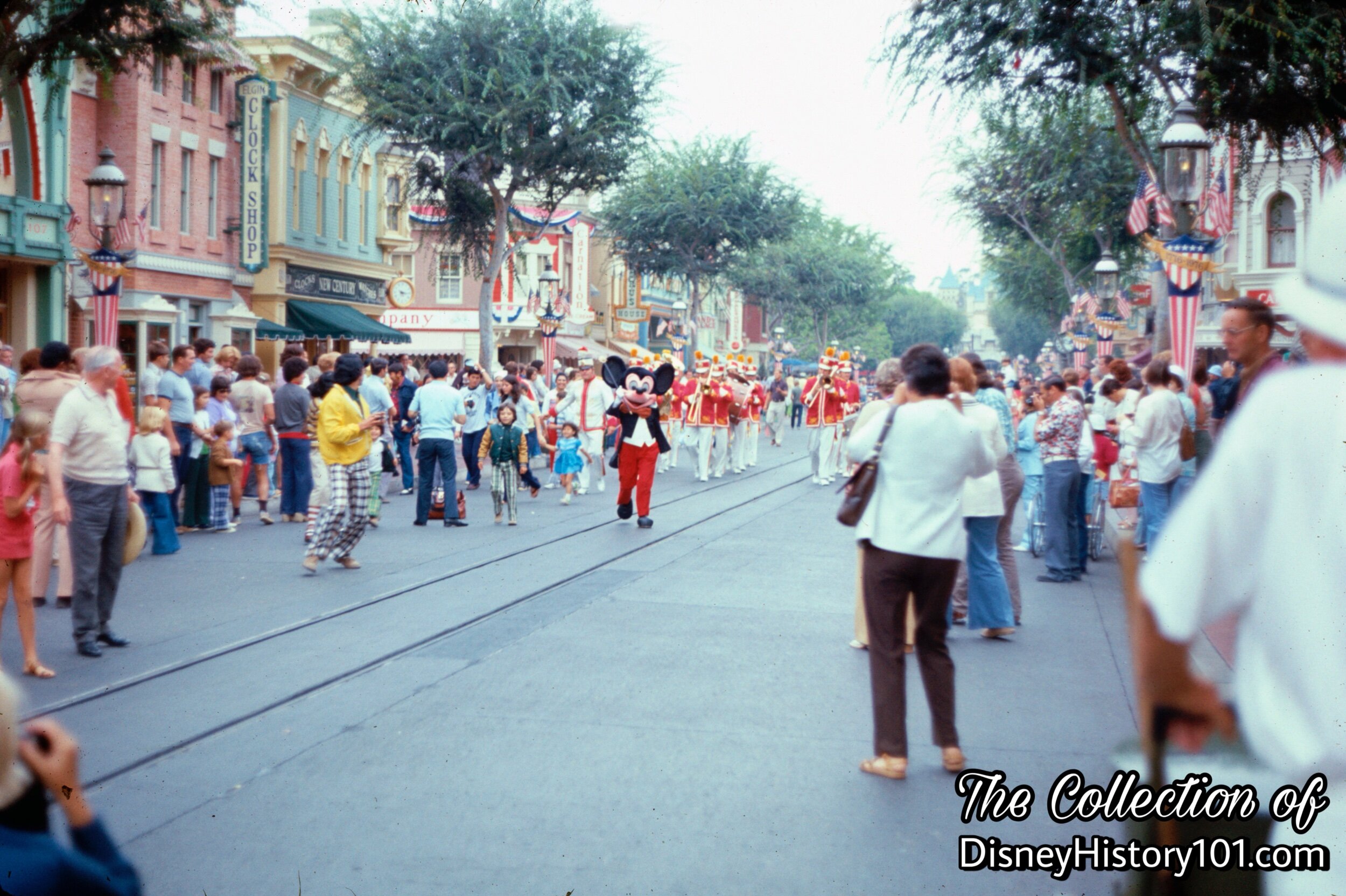
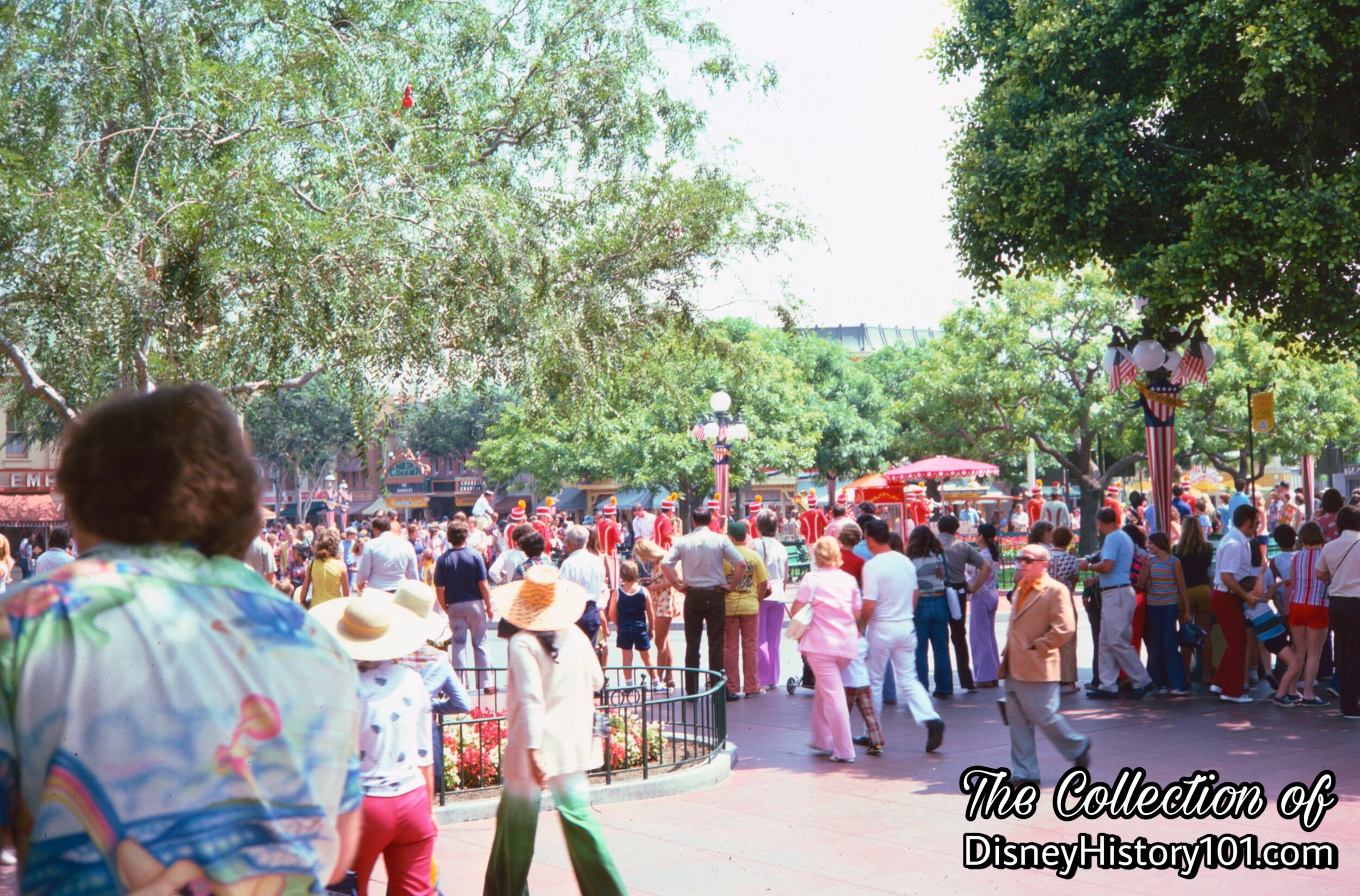
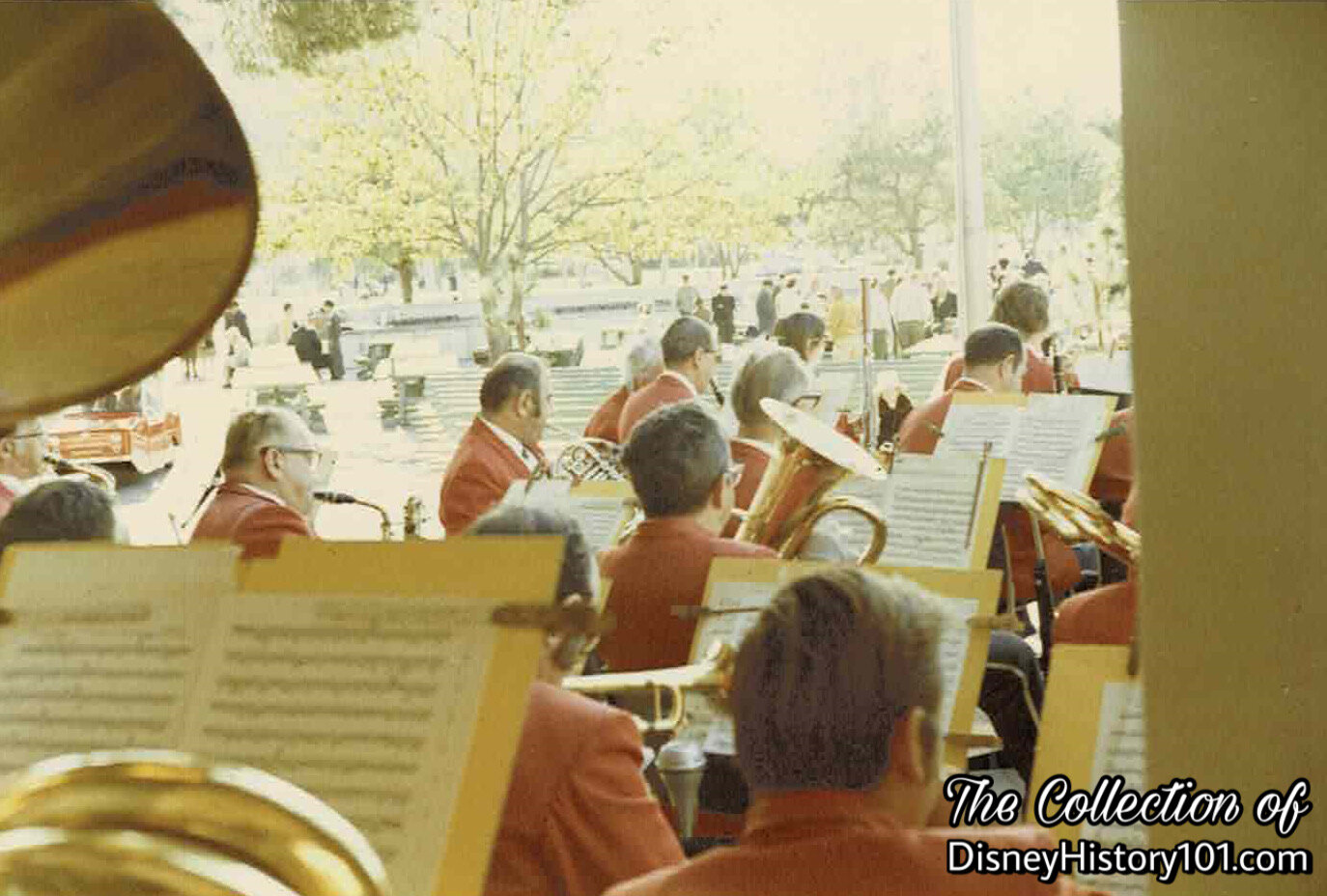
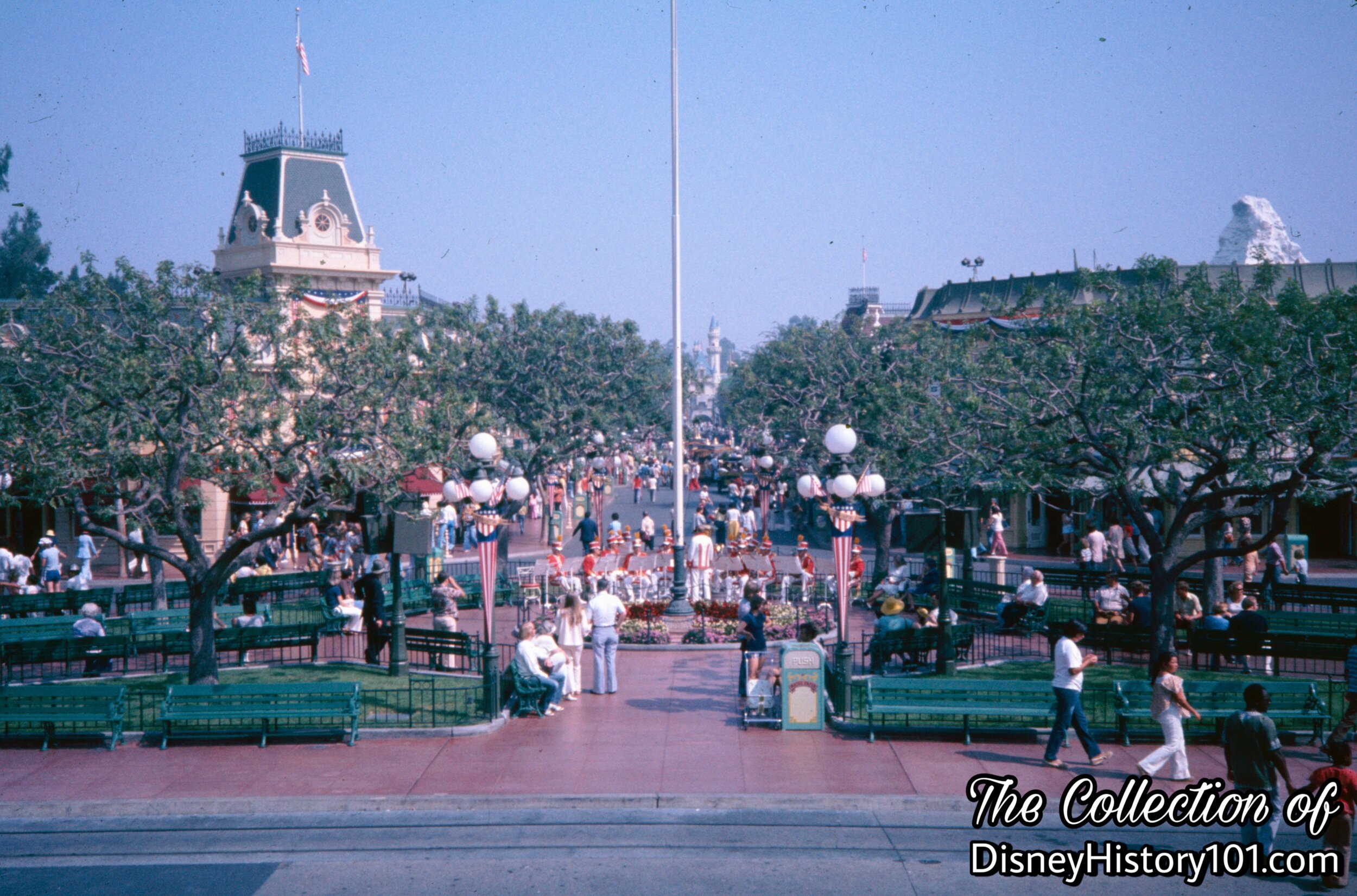
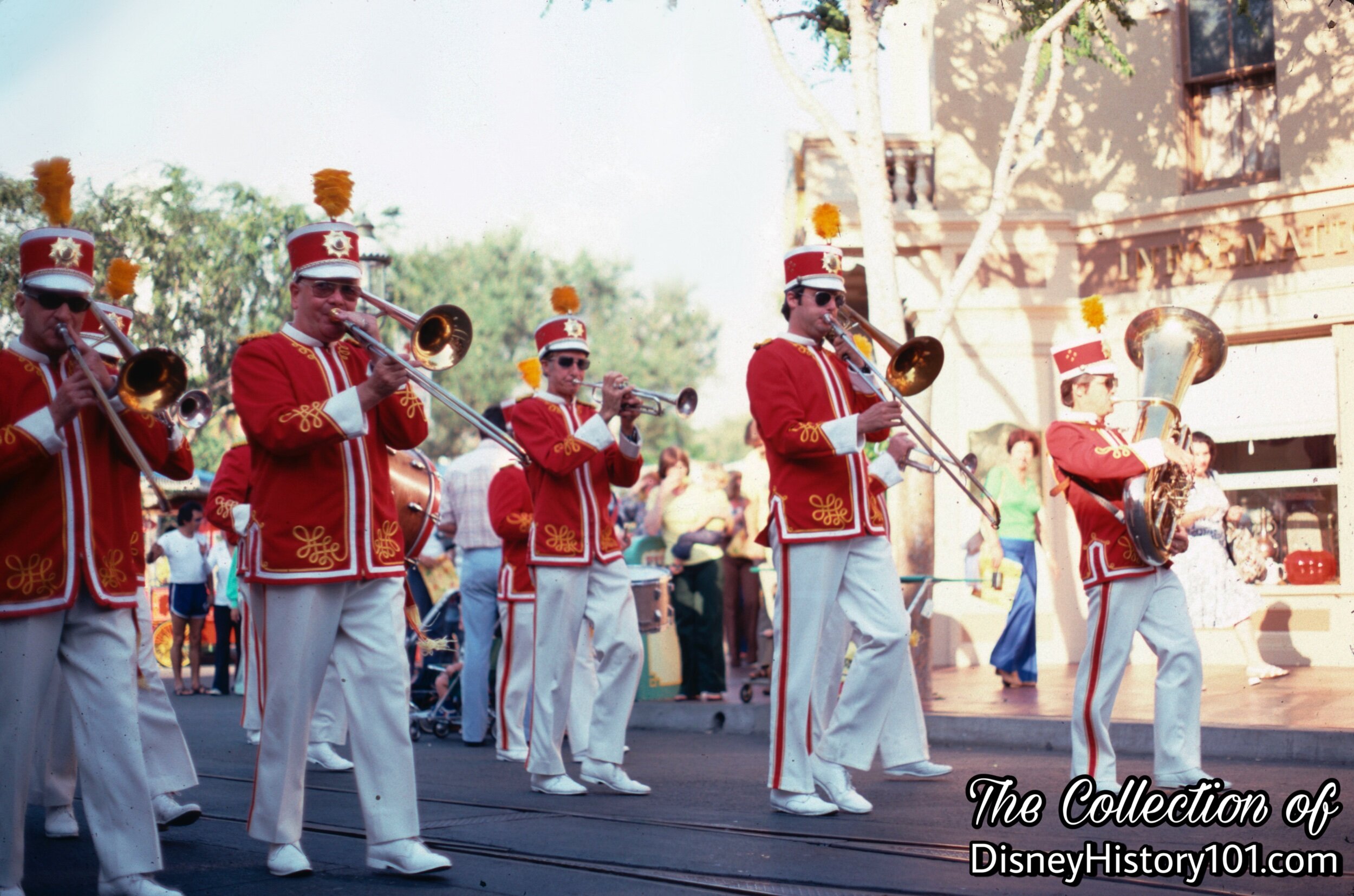
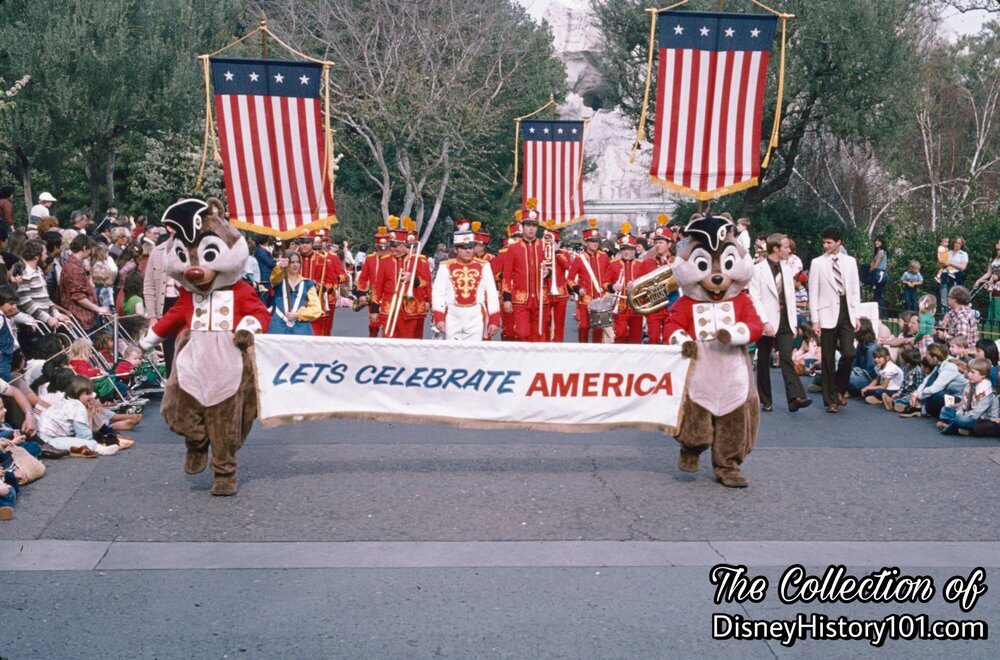
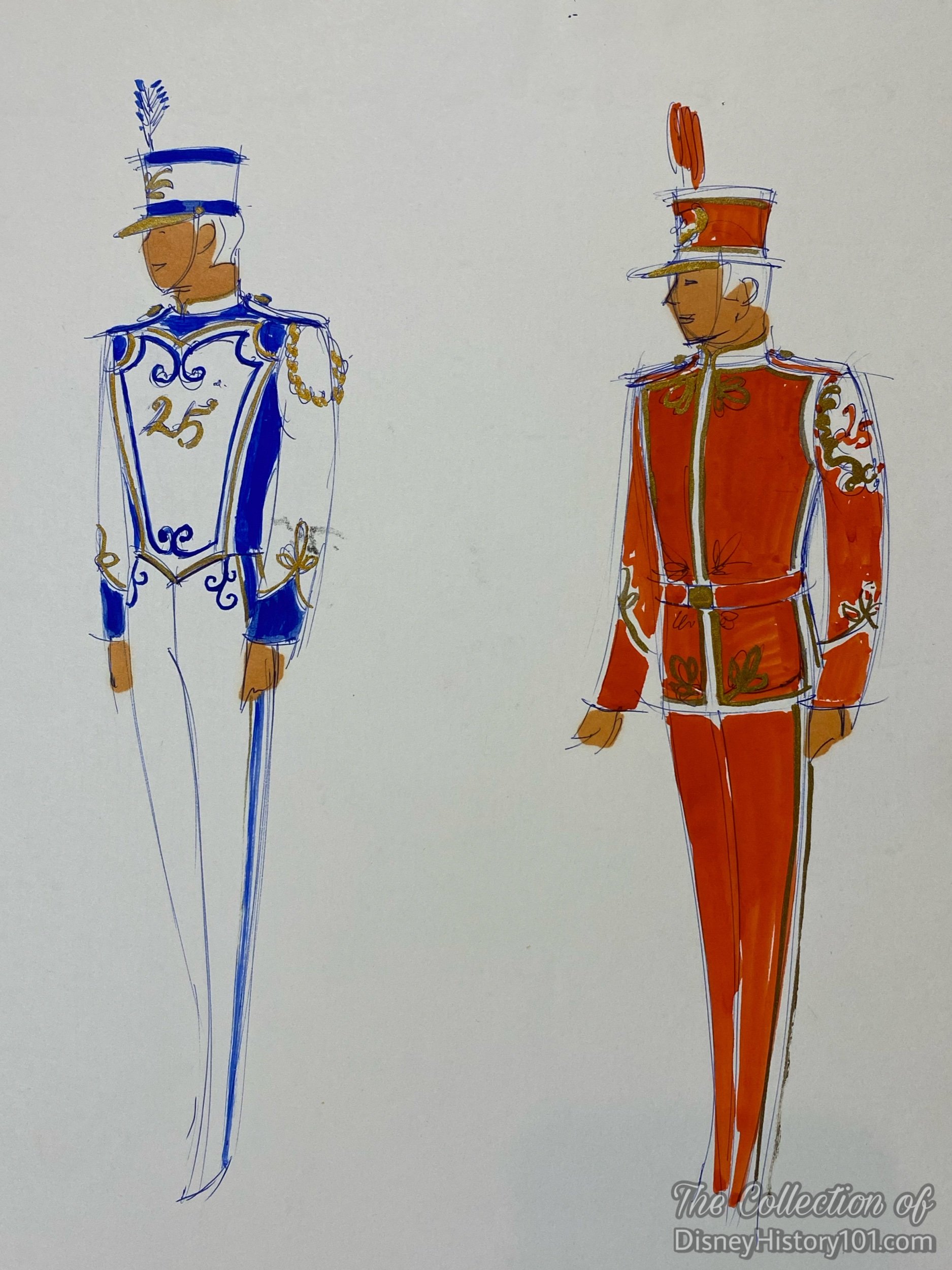
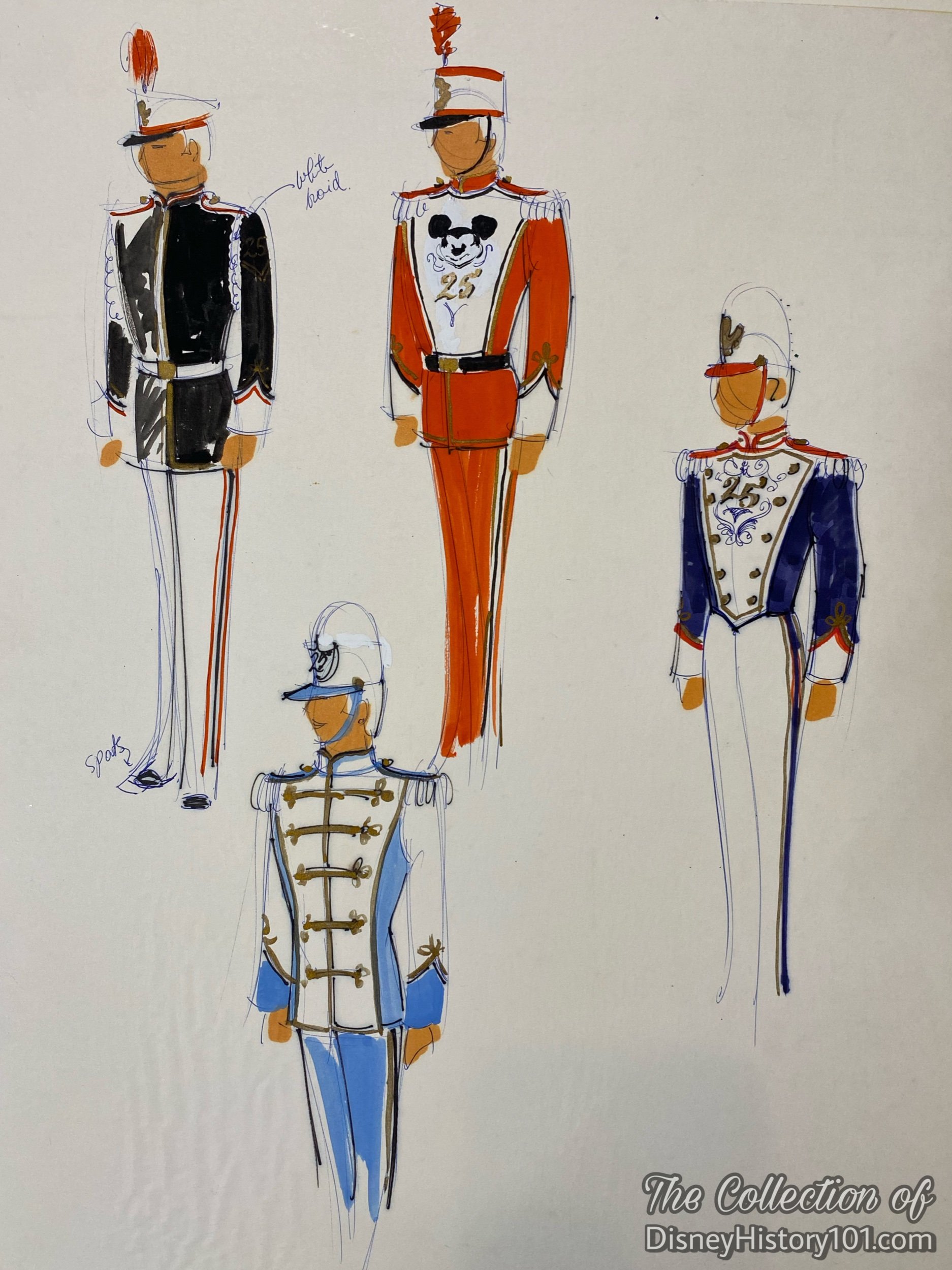
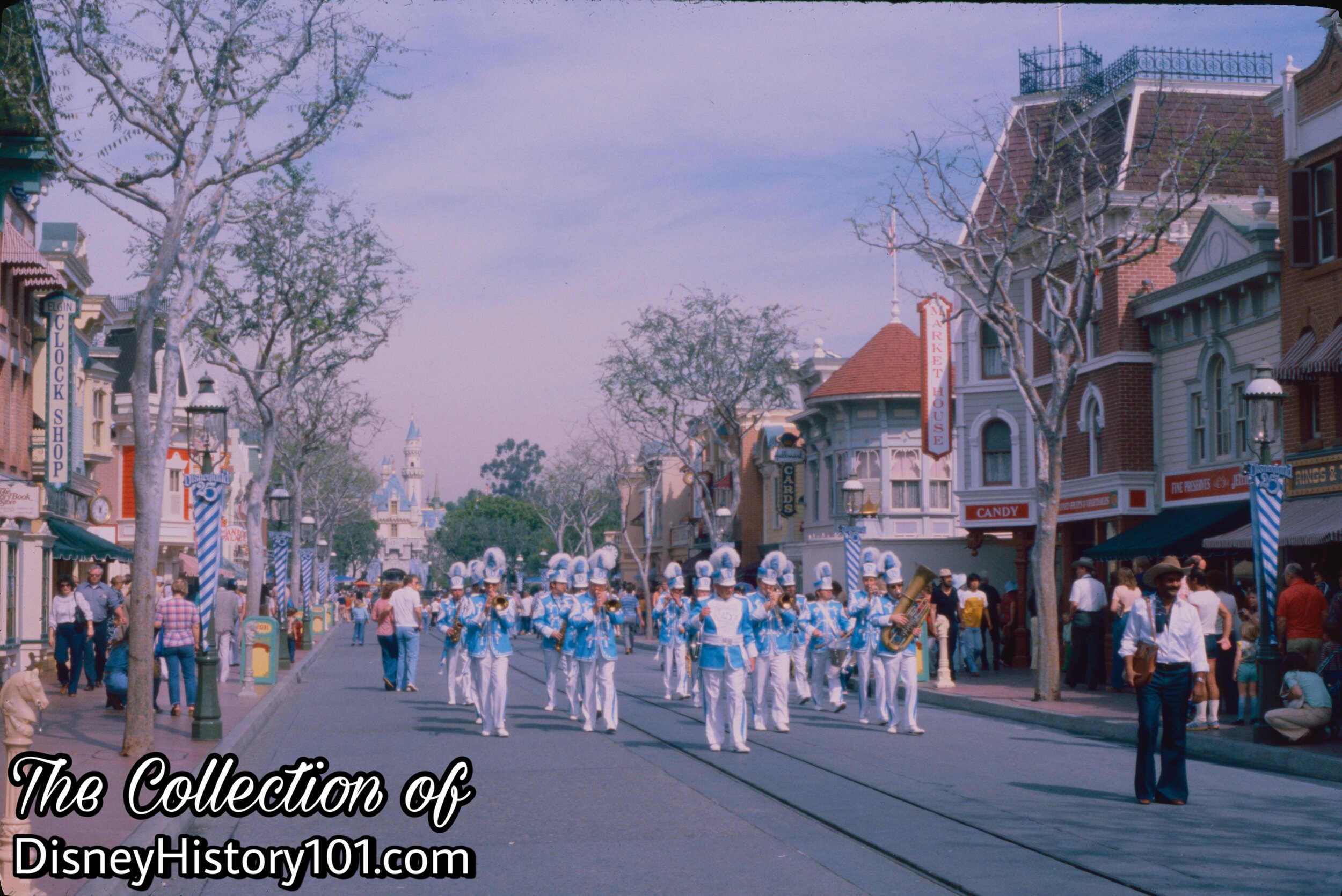

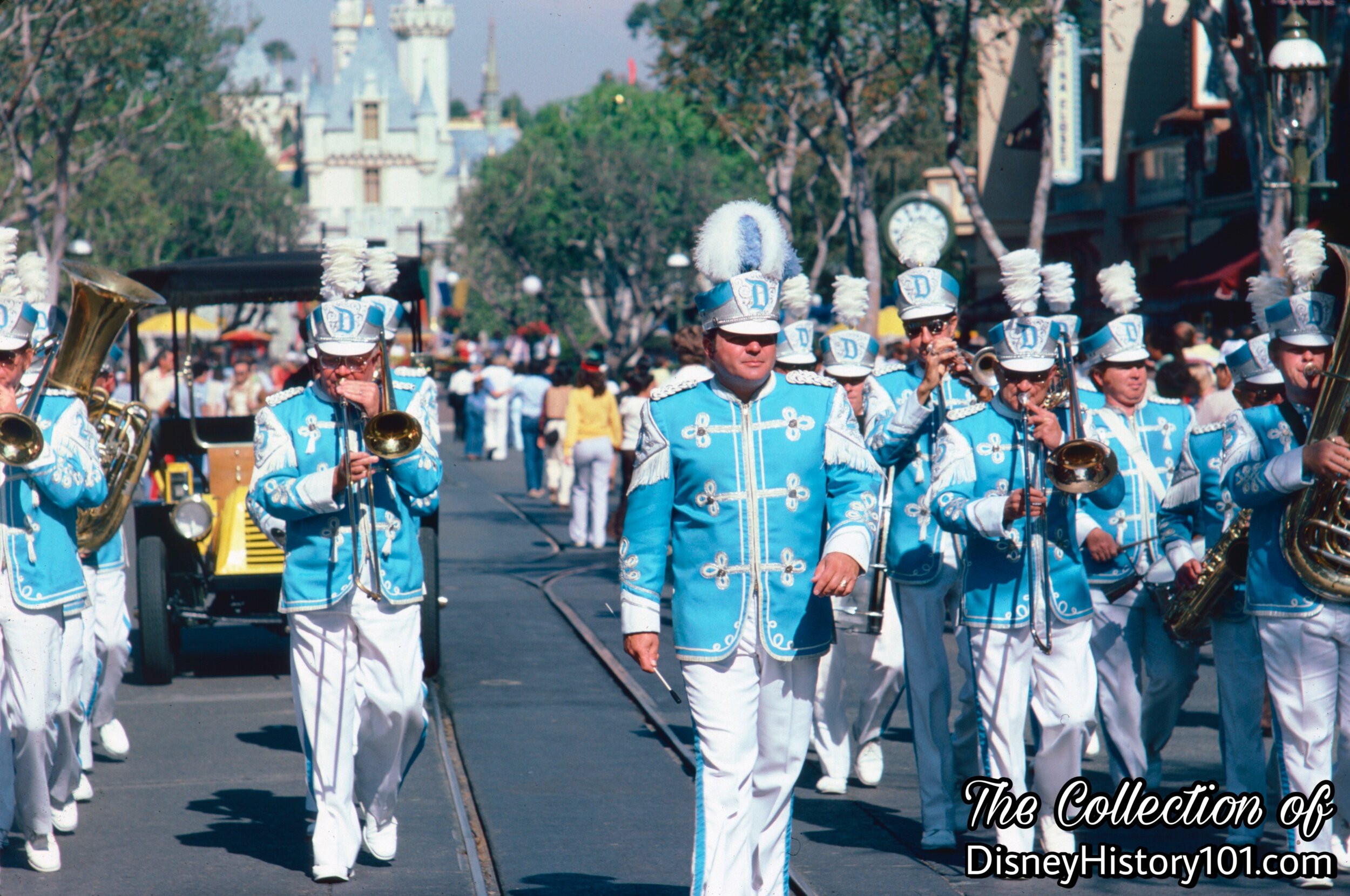
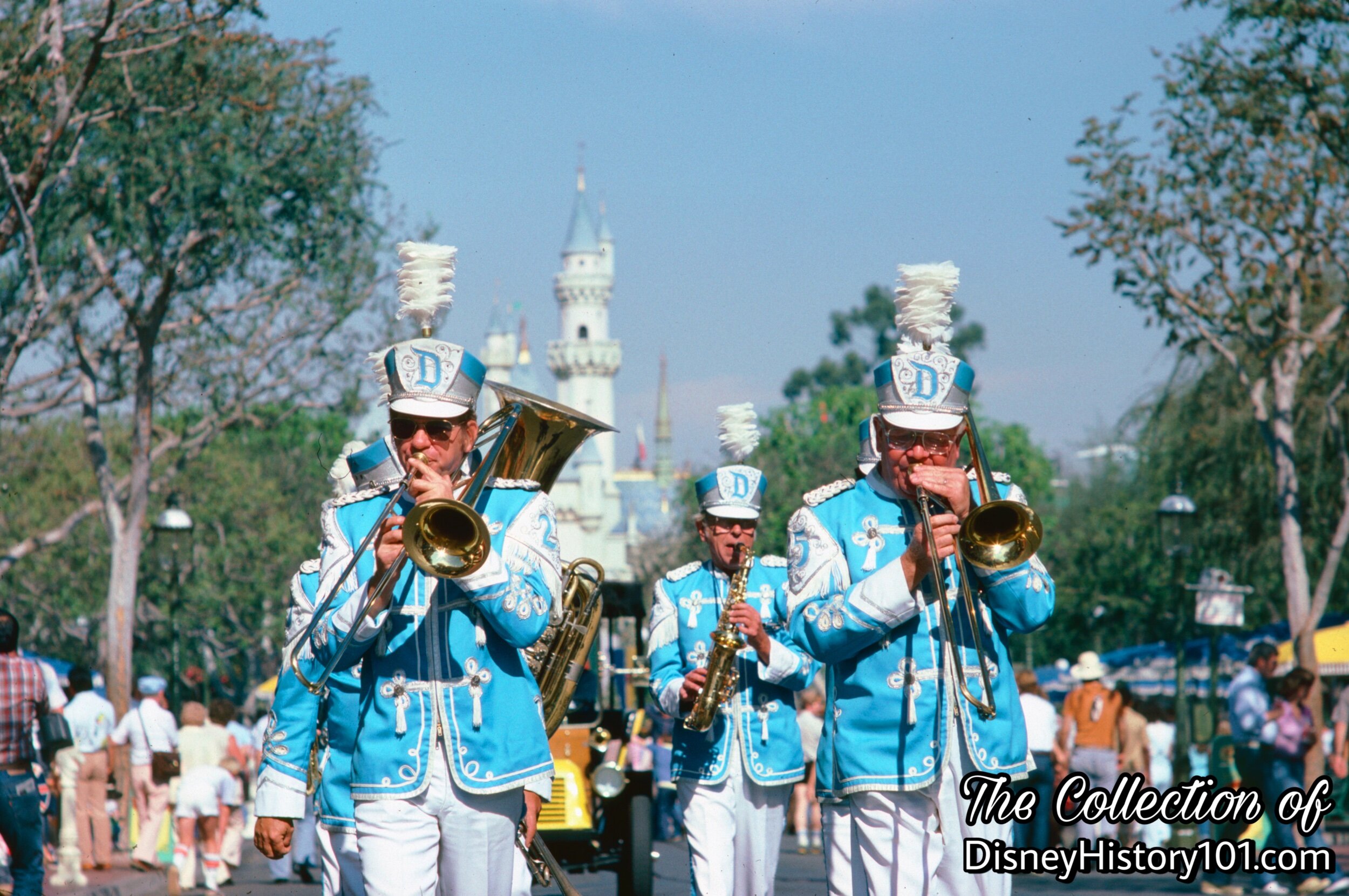

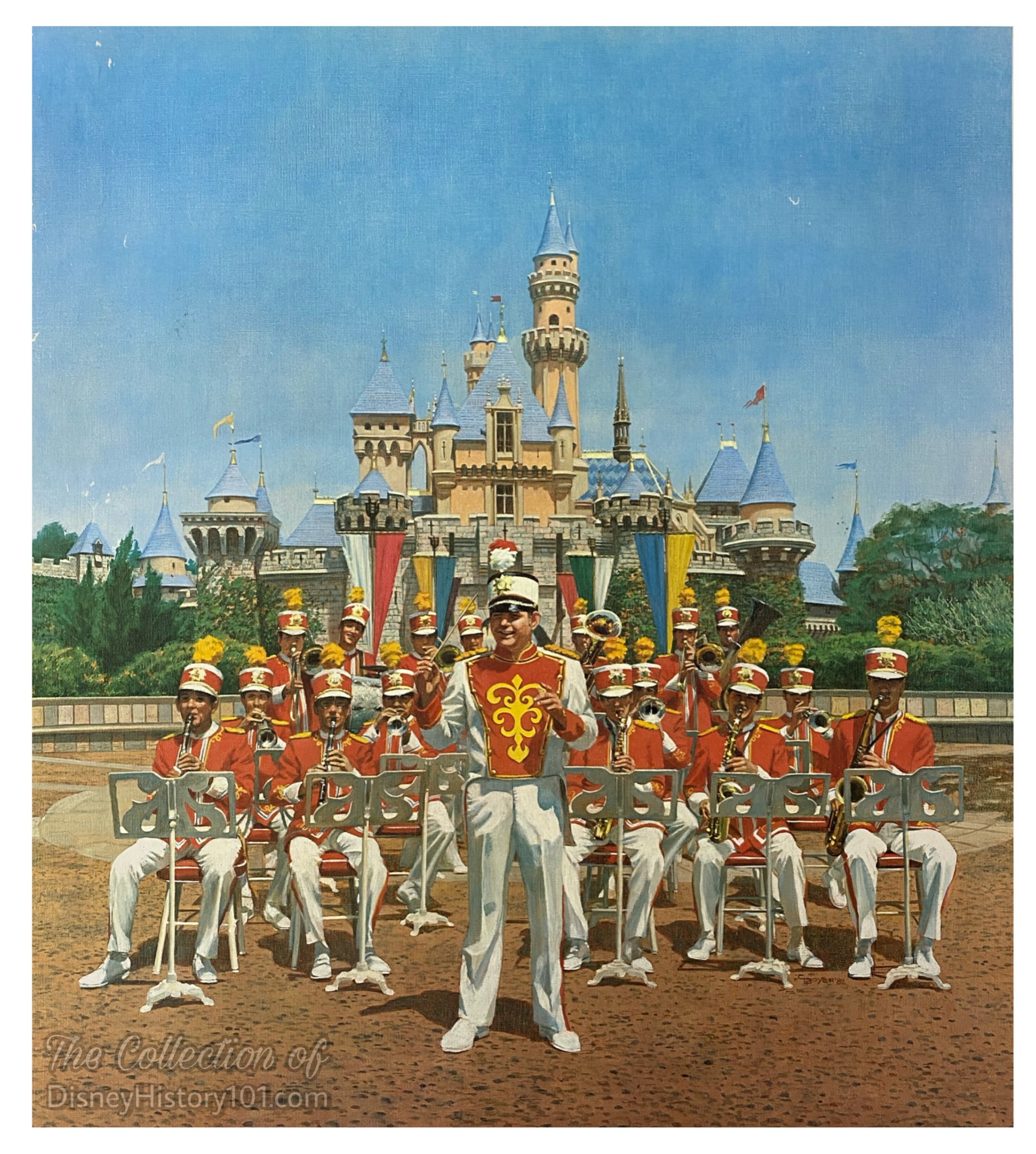

![Vesey Walker passed away during November of 1977, knowing nothing of the Disneyland Band ’s third director. The Disneyland Band had now come to run through a number of forms including “marches, polkas, jazz, [and] waltzes” , according to Dis](https://images.squarespace-cdn.com/content/v1/5b3d7f804eddec6e826be0c9/1609123005966-3ROWZTJSJU16I1DFCYQE/03C196FD-98F2-493B-8D47-74D69558A036.jpeg)
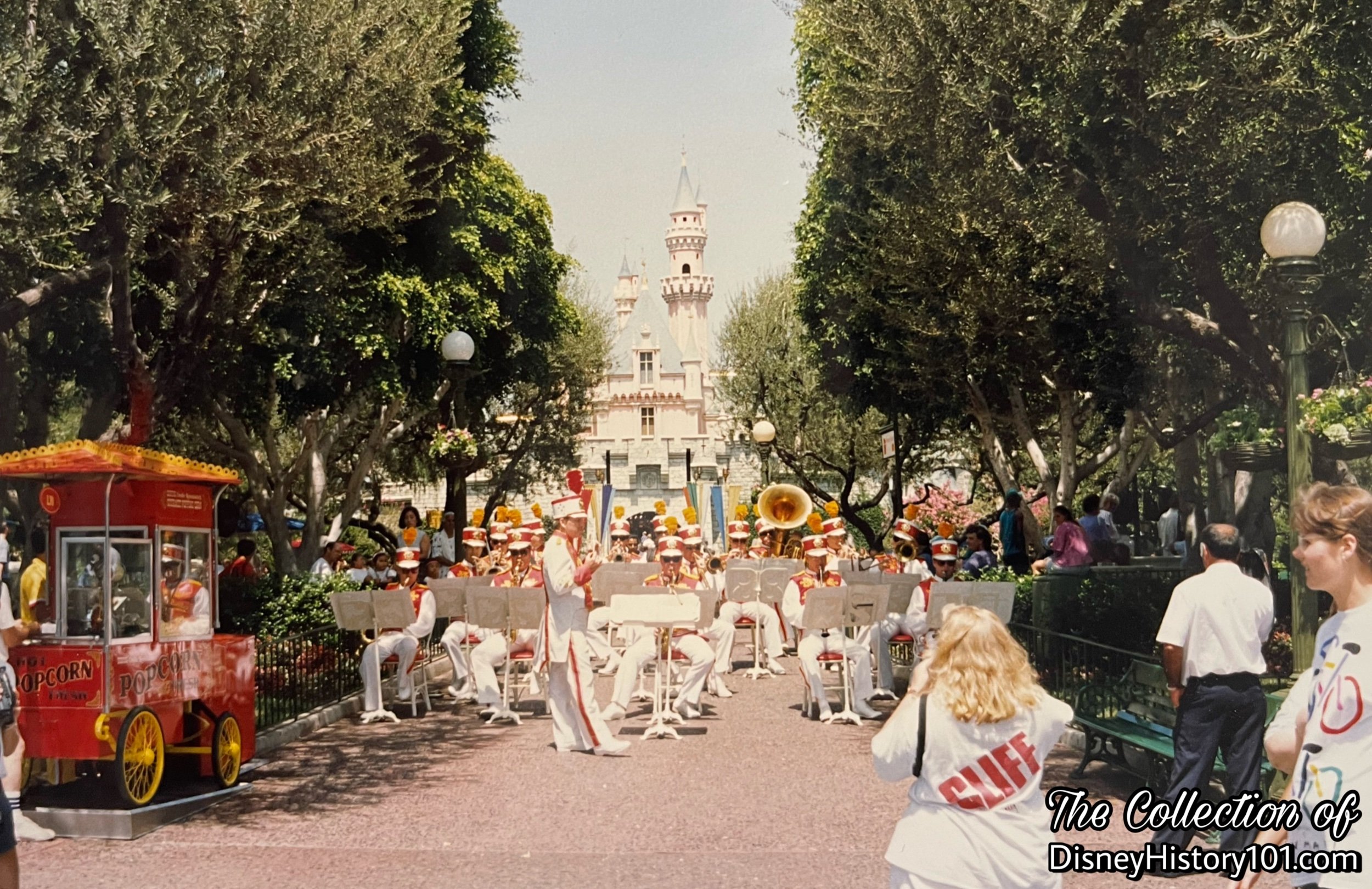
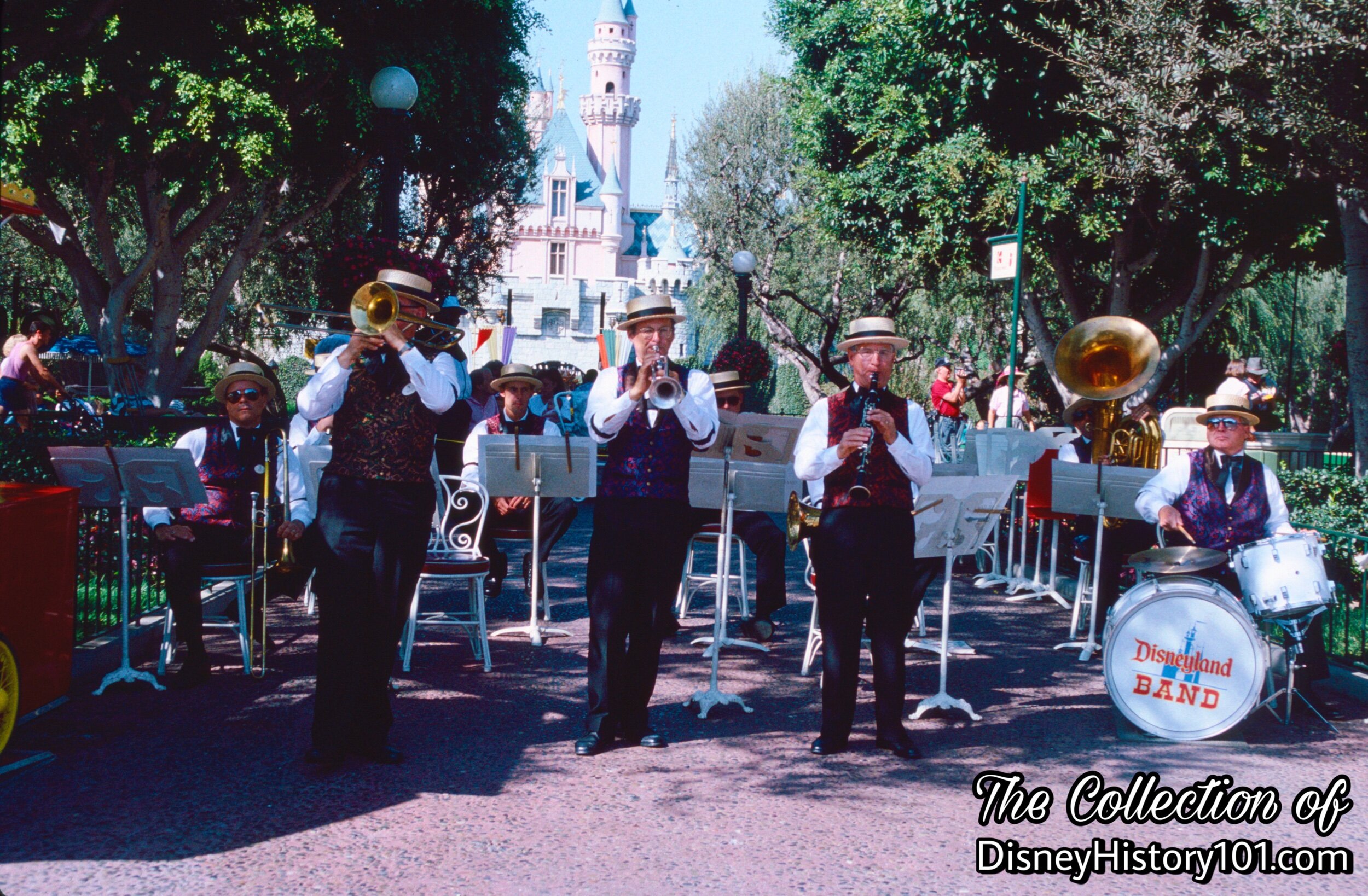
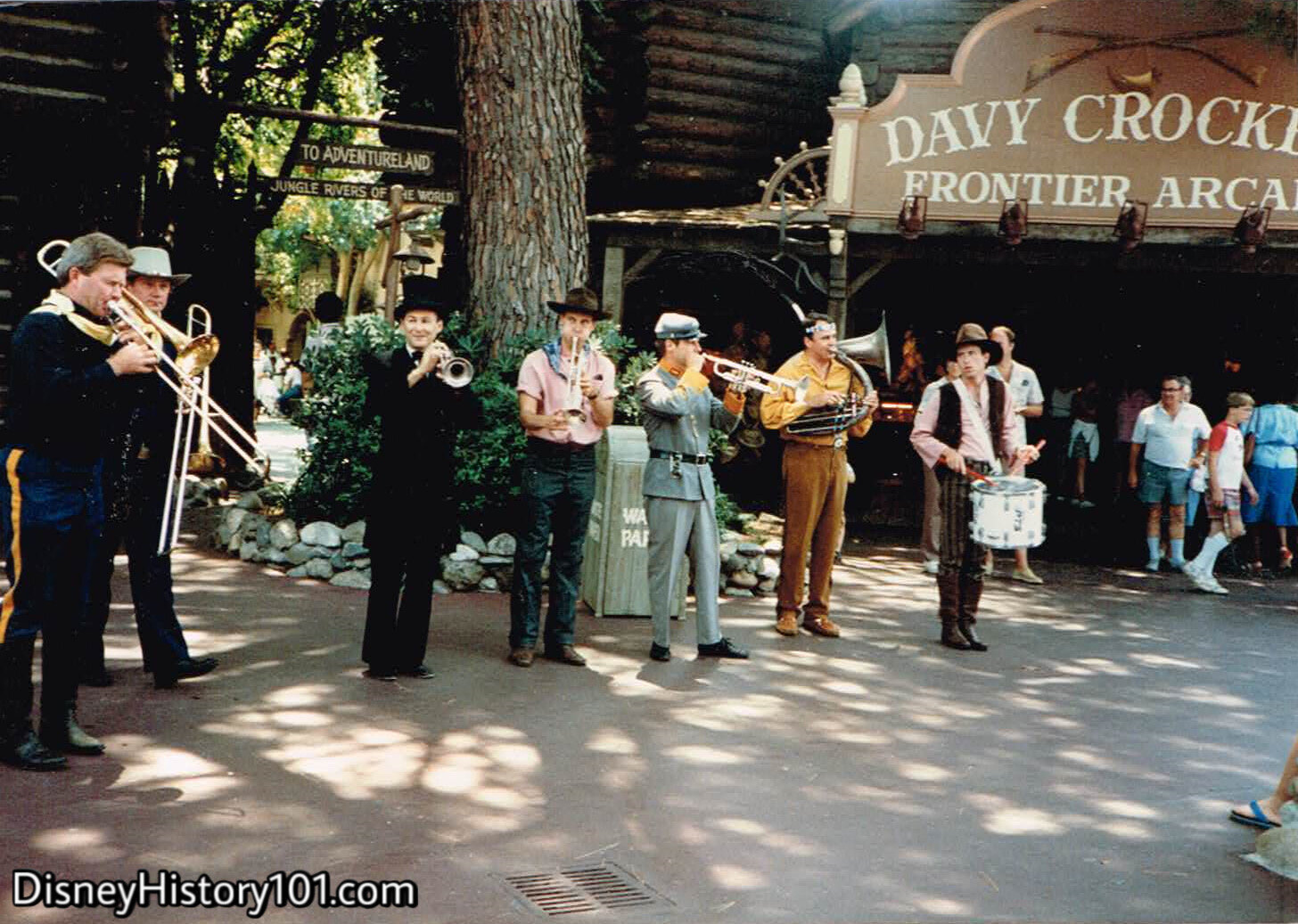
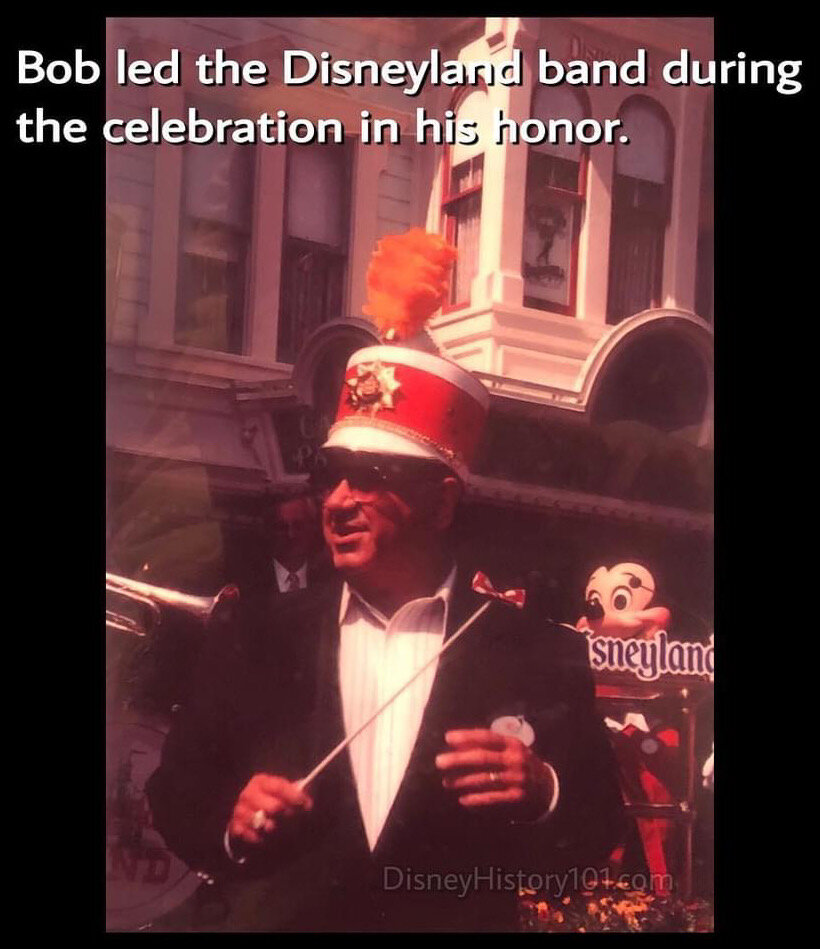
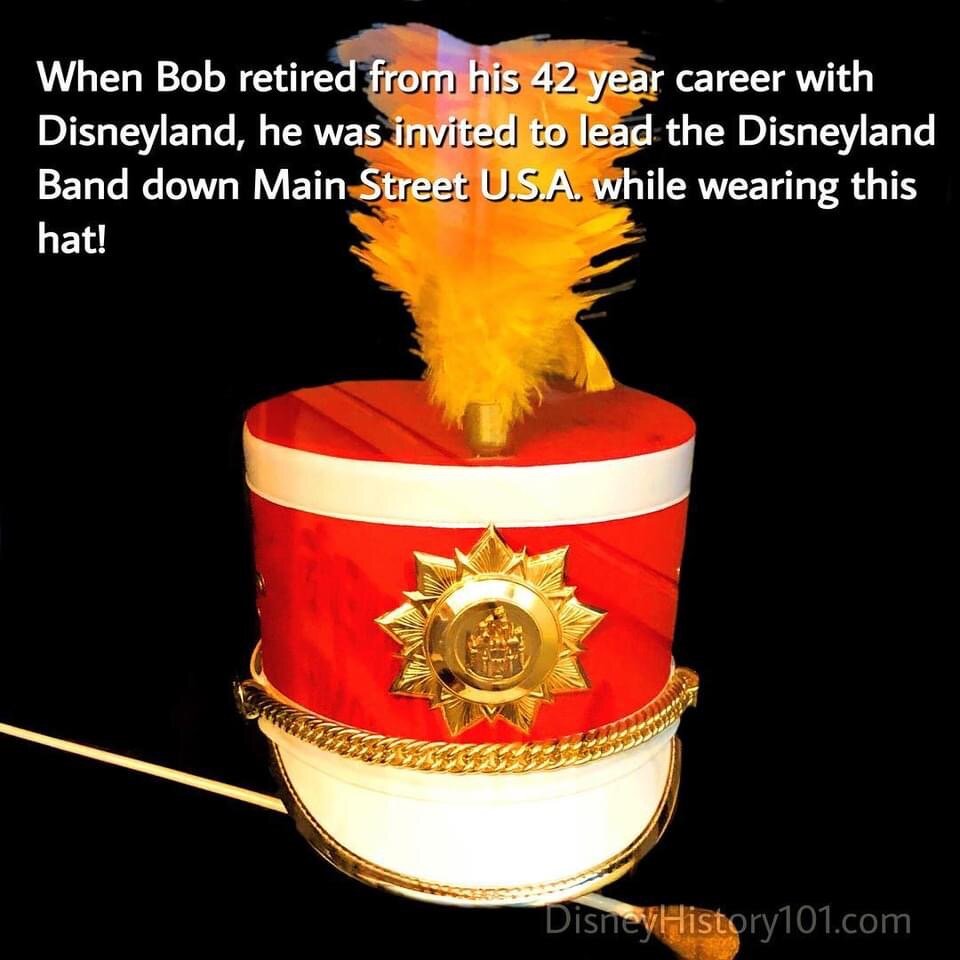
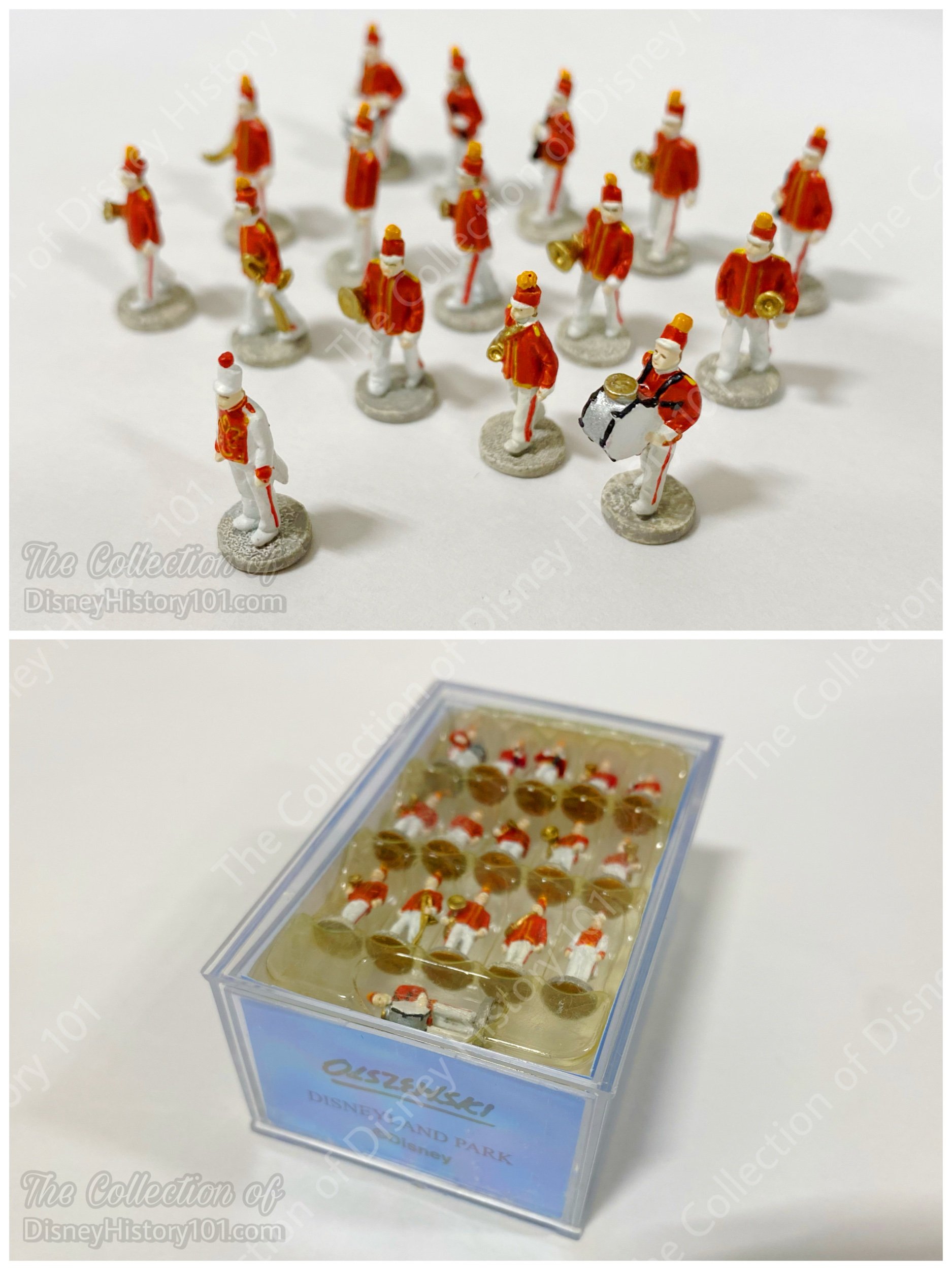
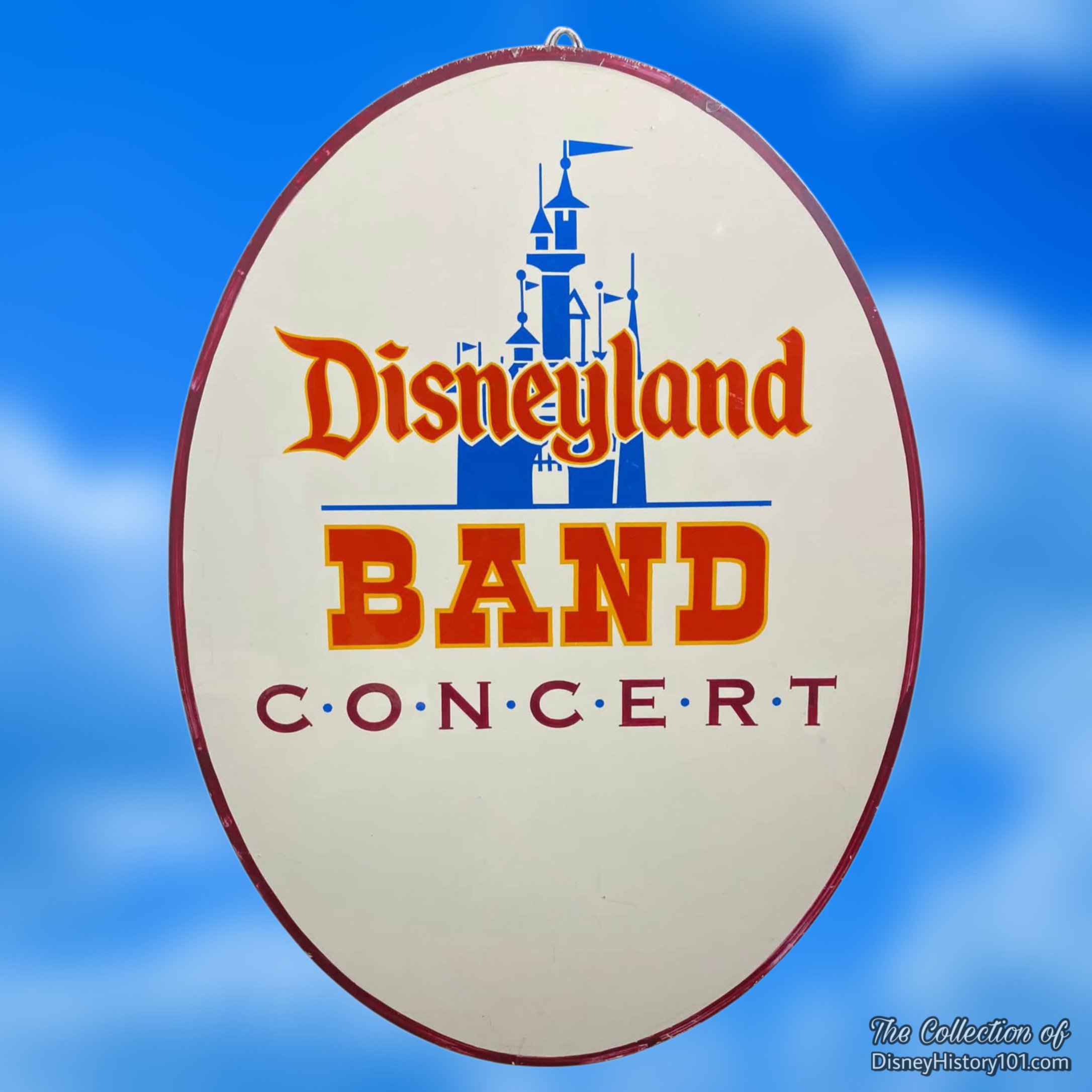
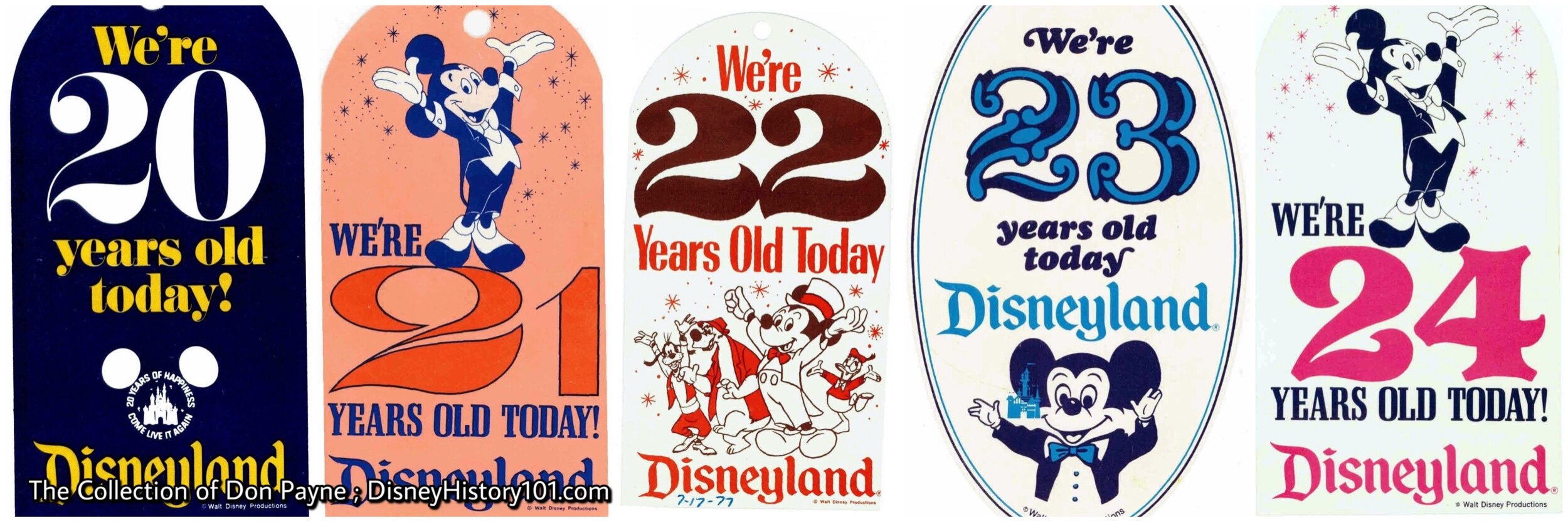
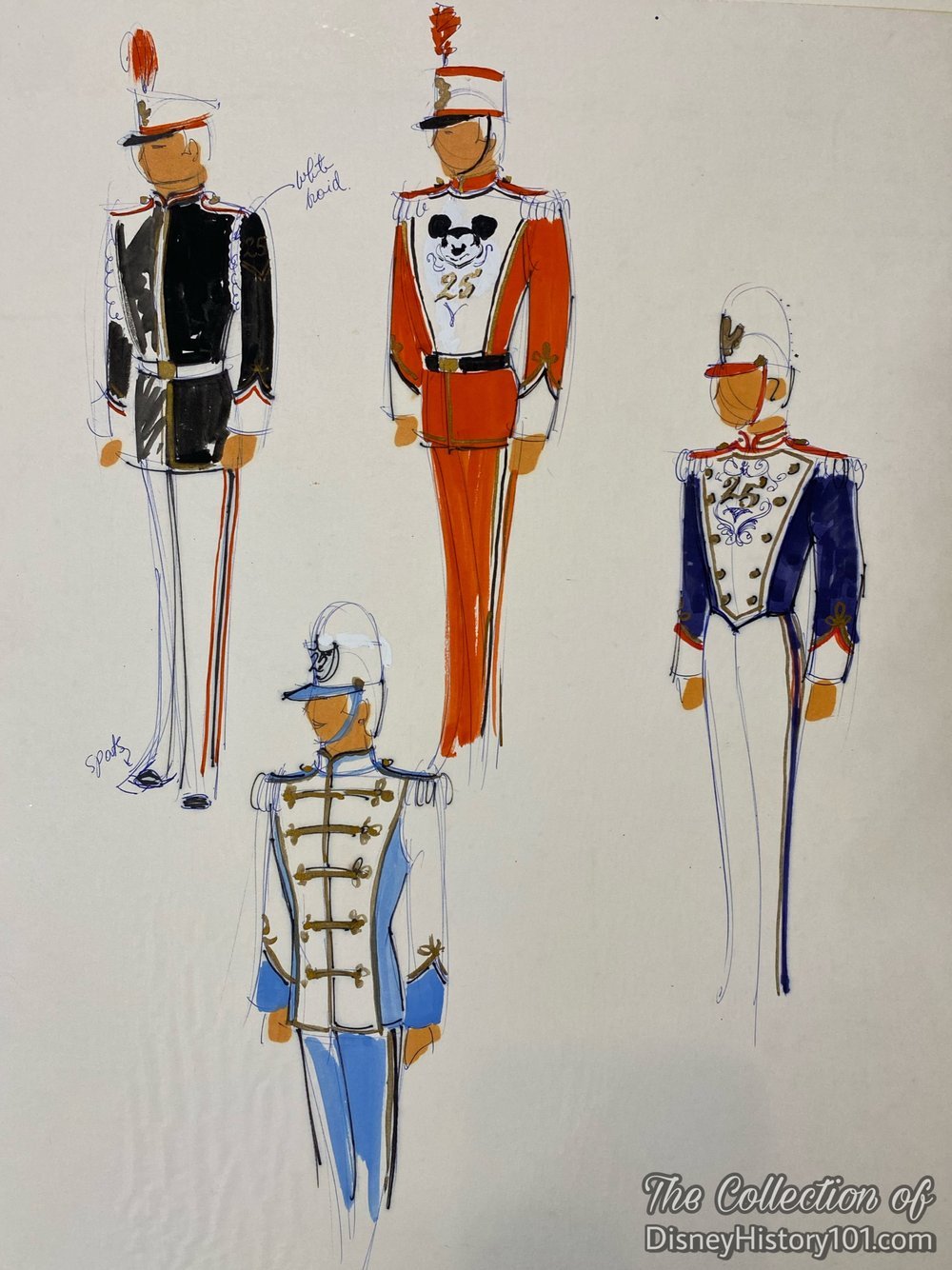
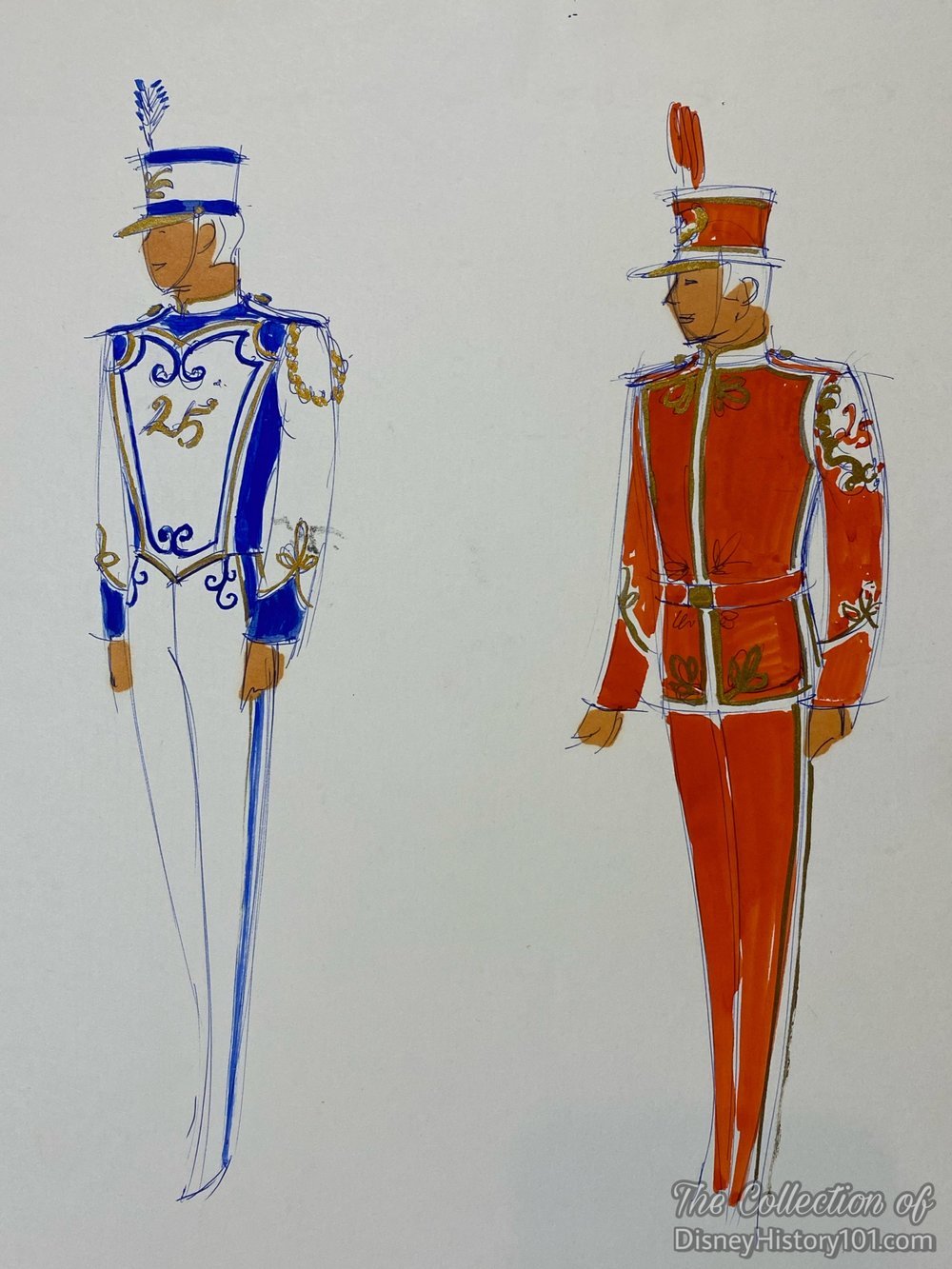
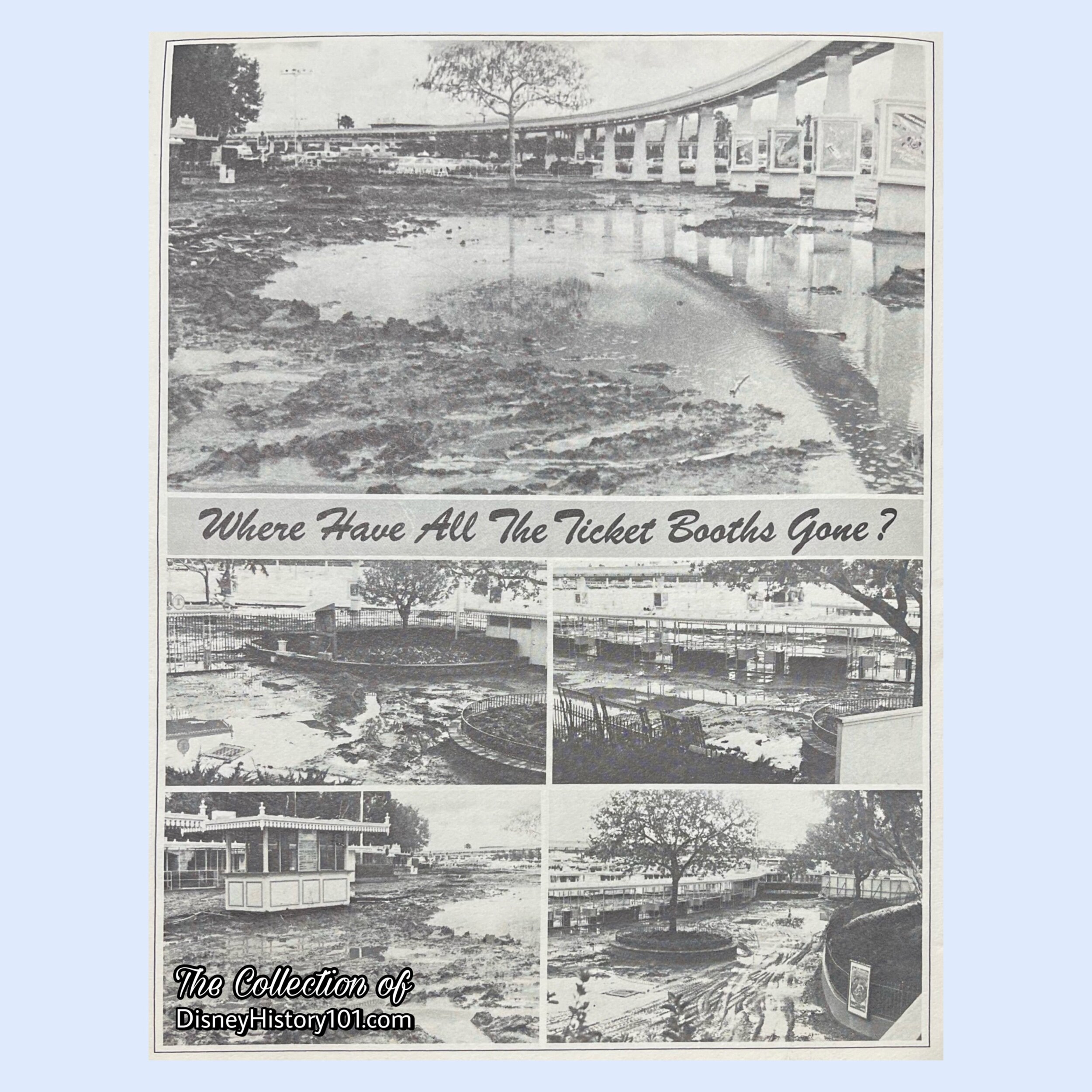
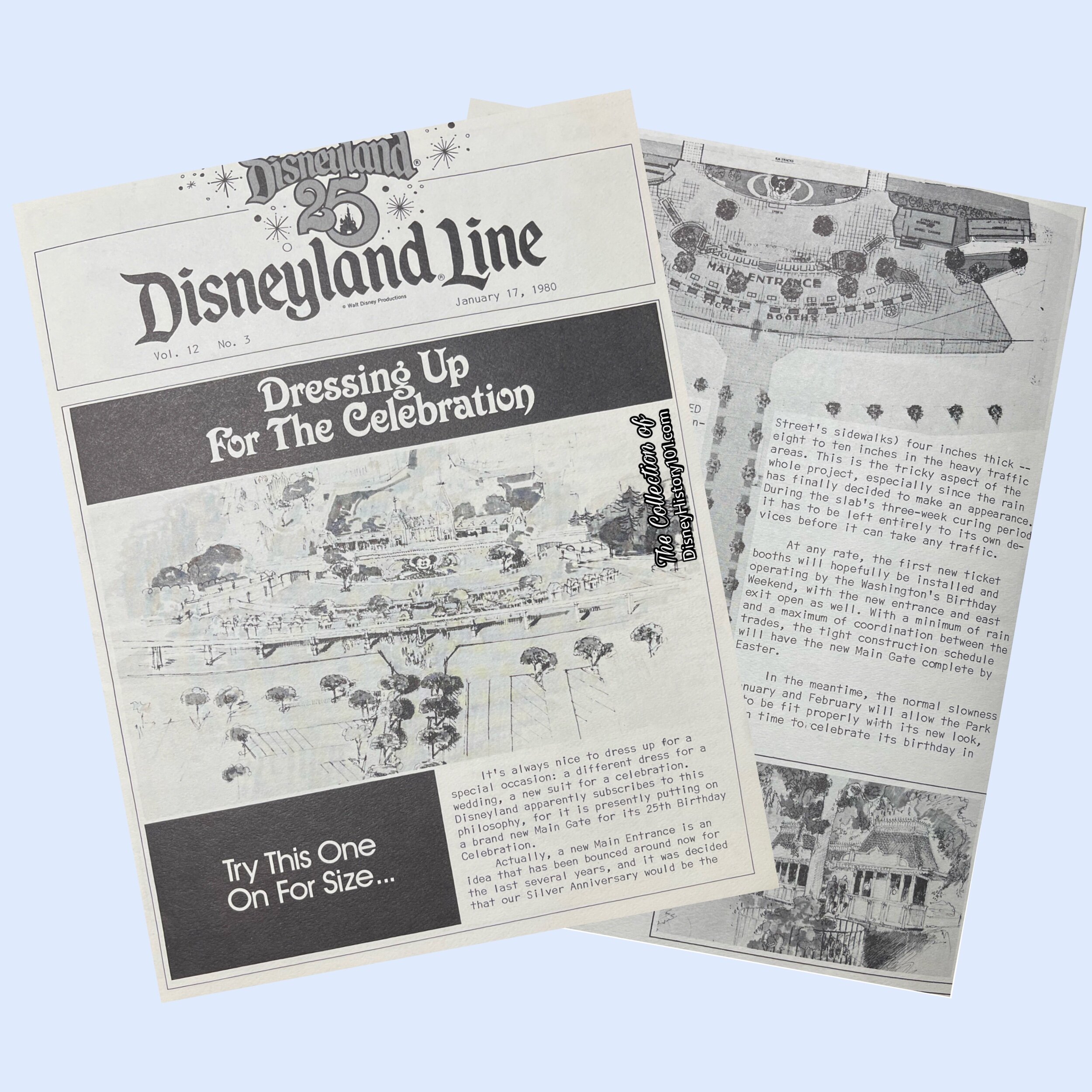
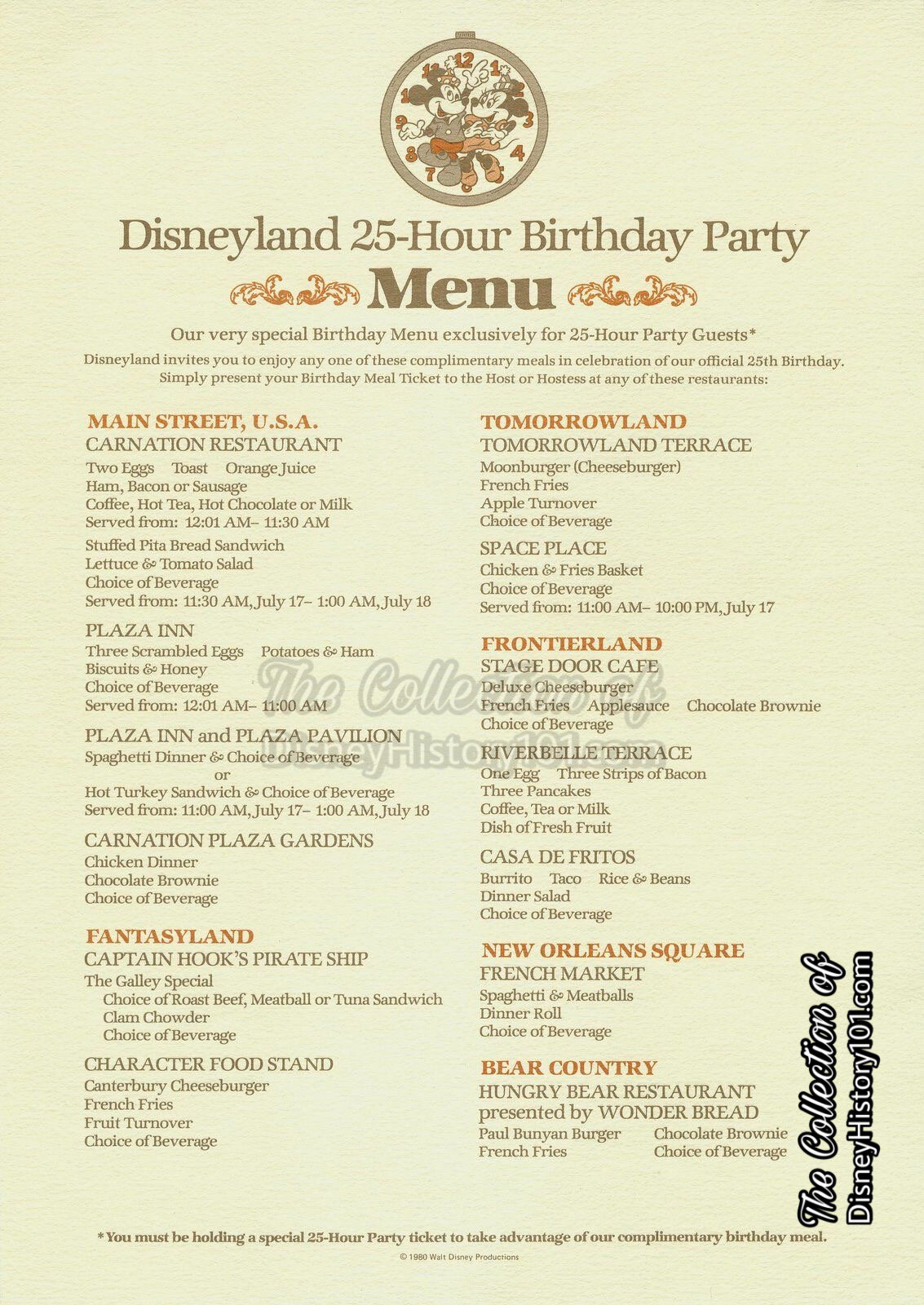

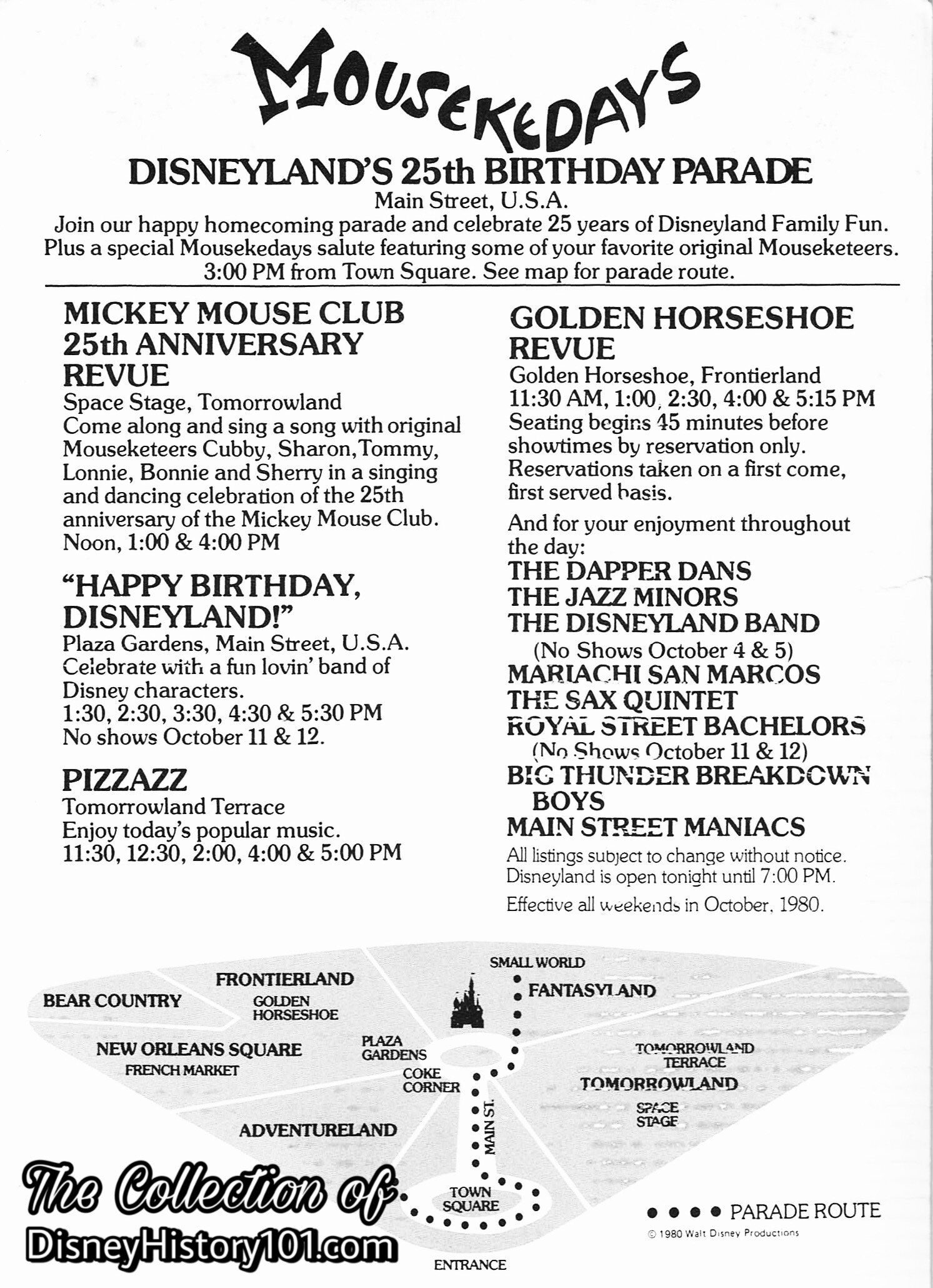
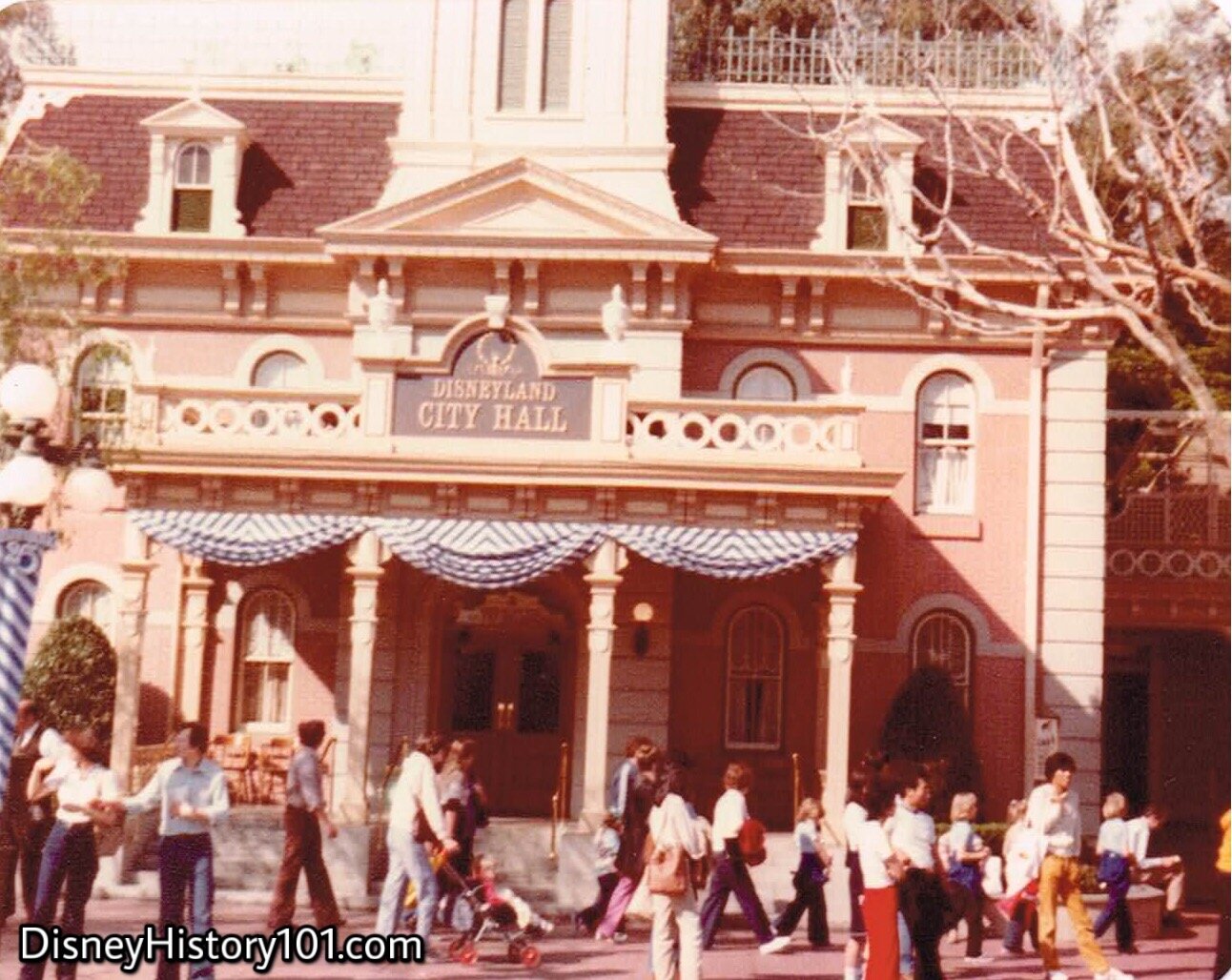
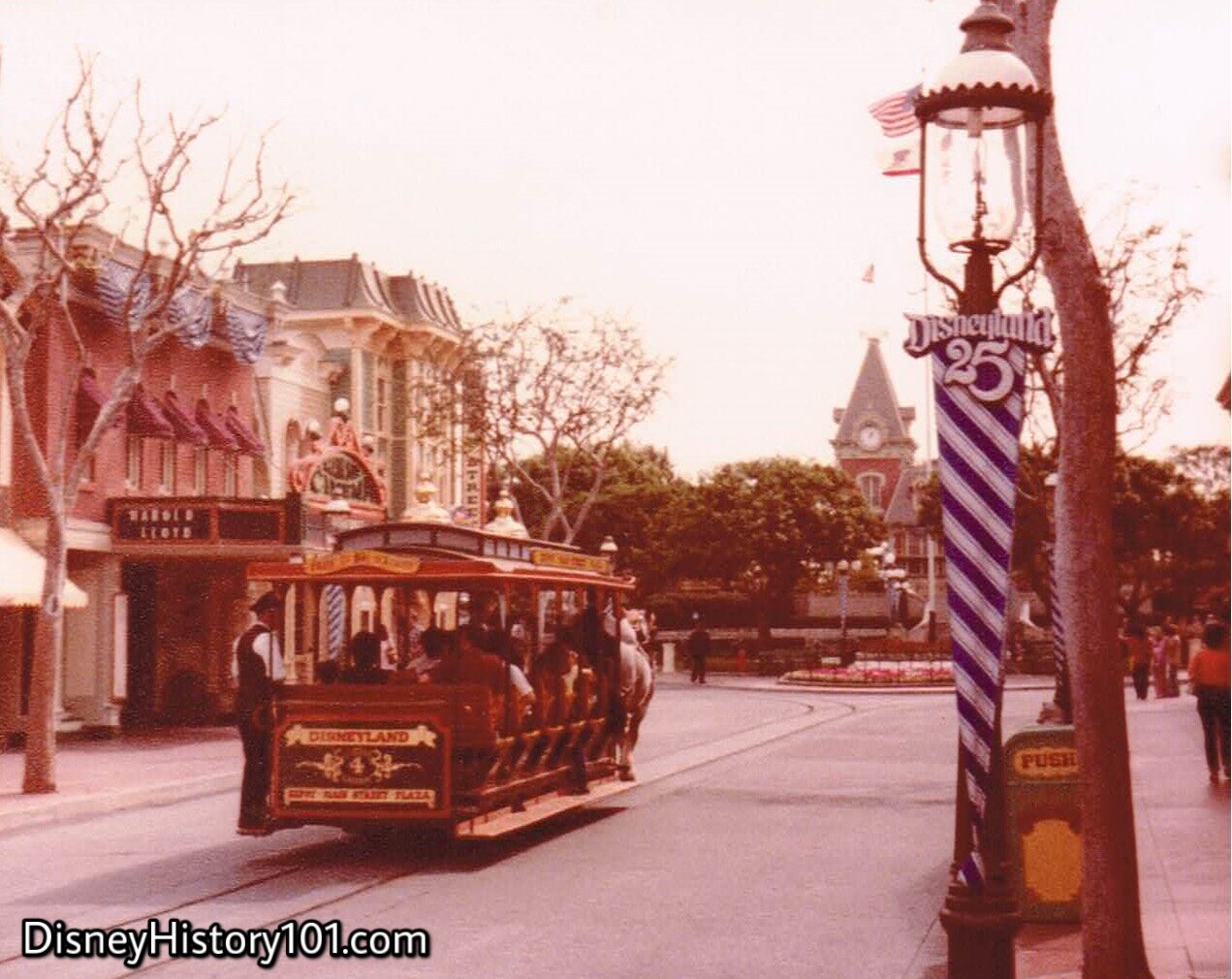
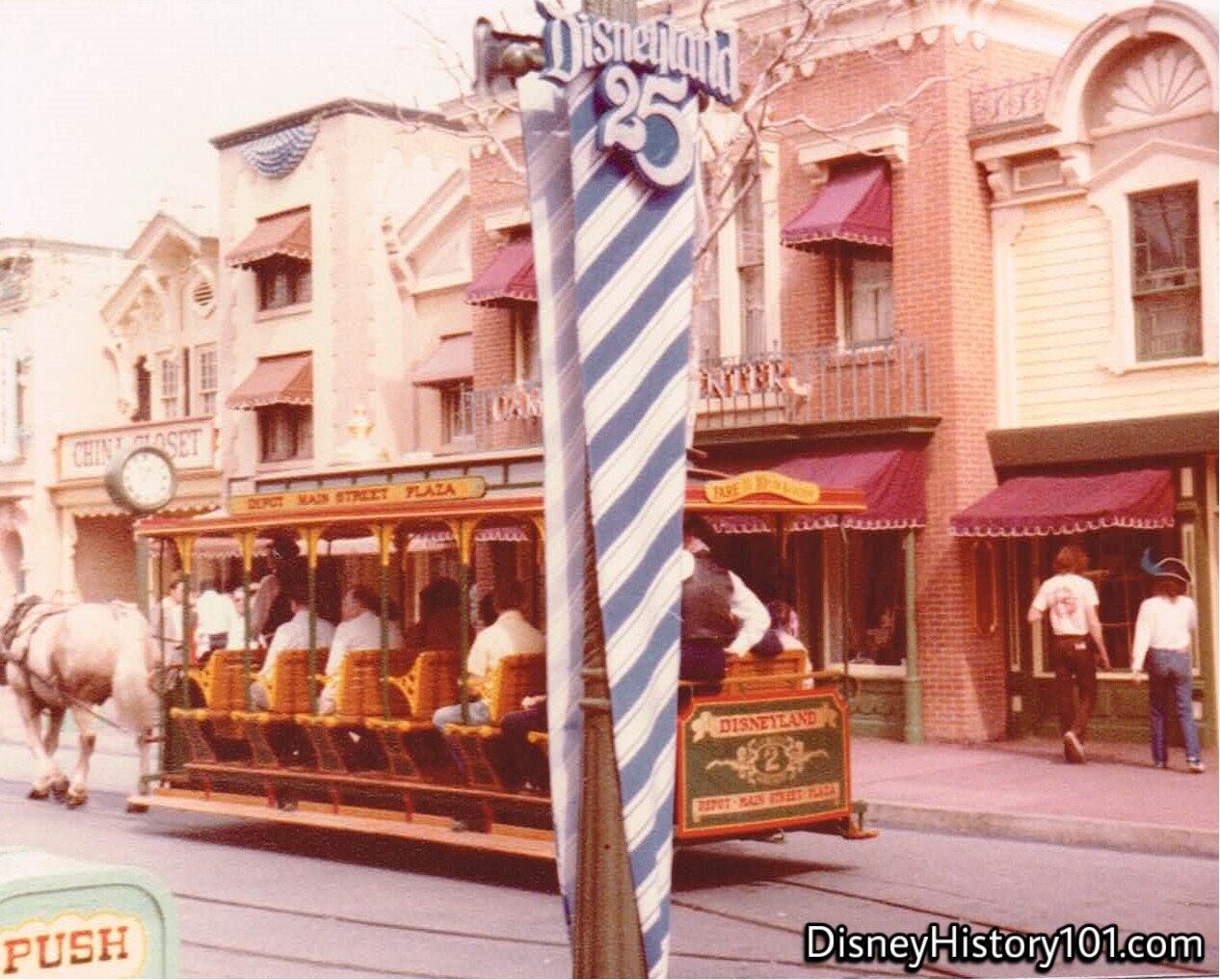
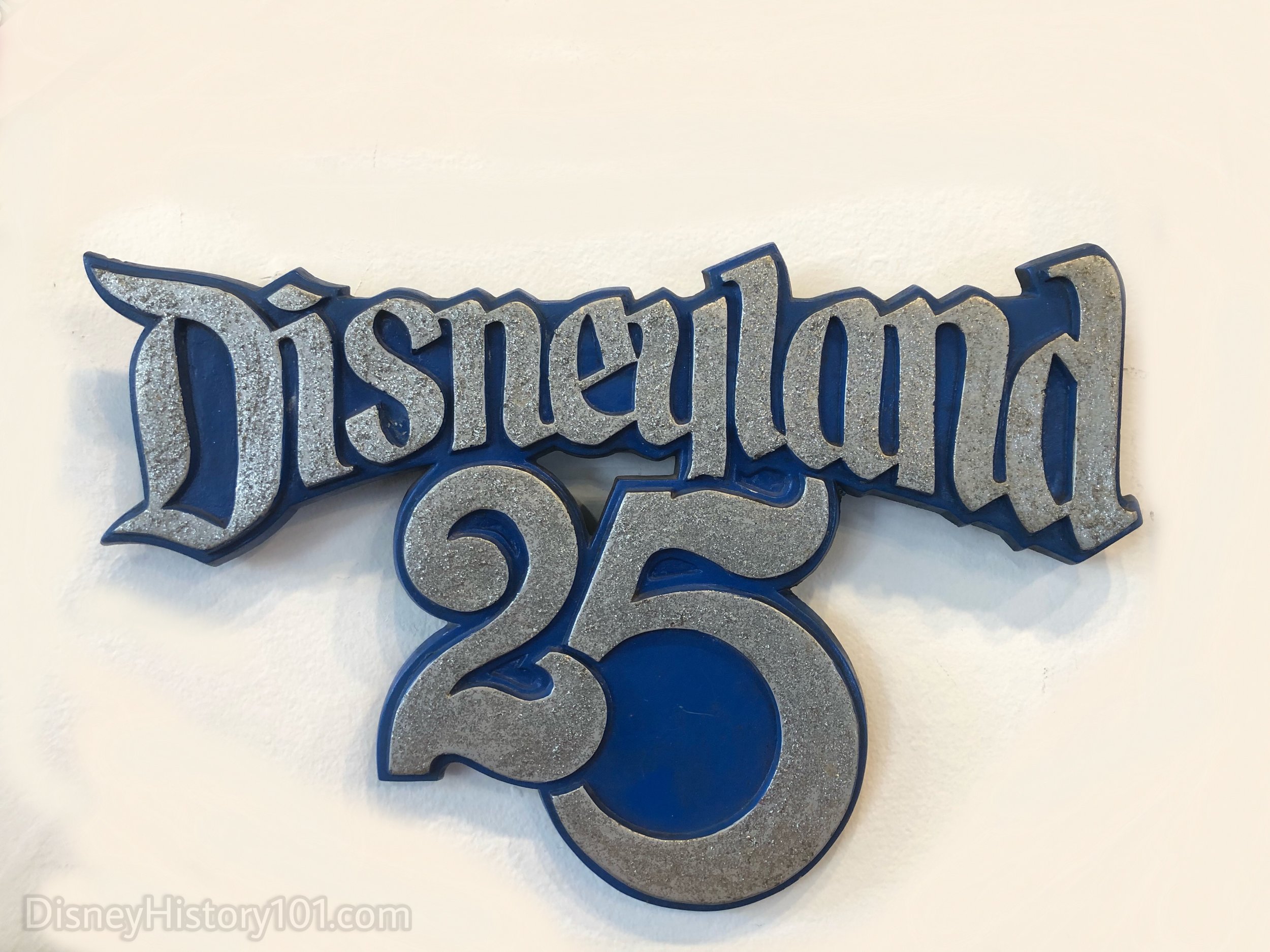
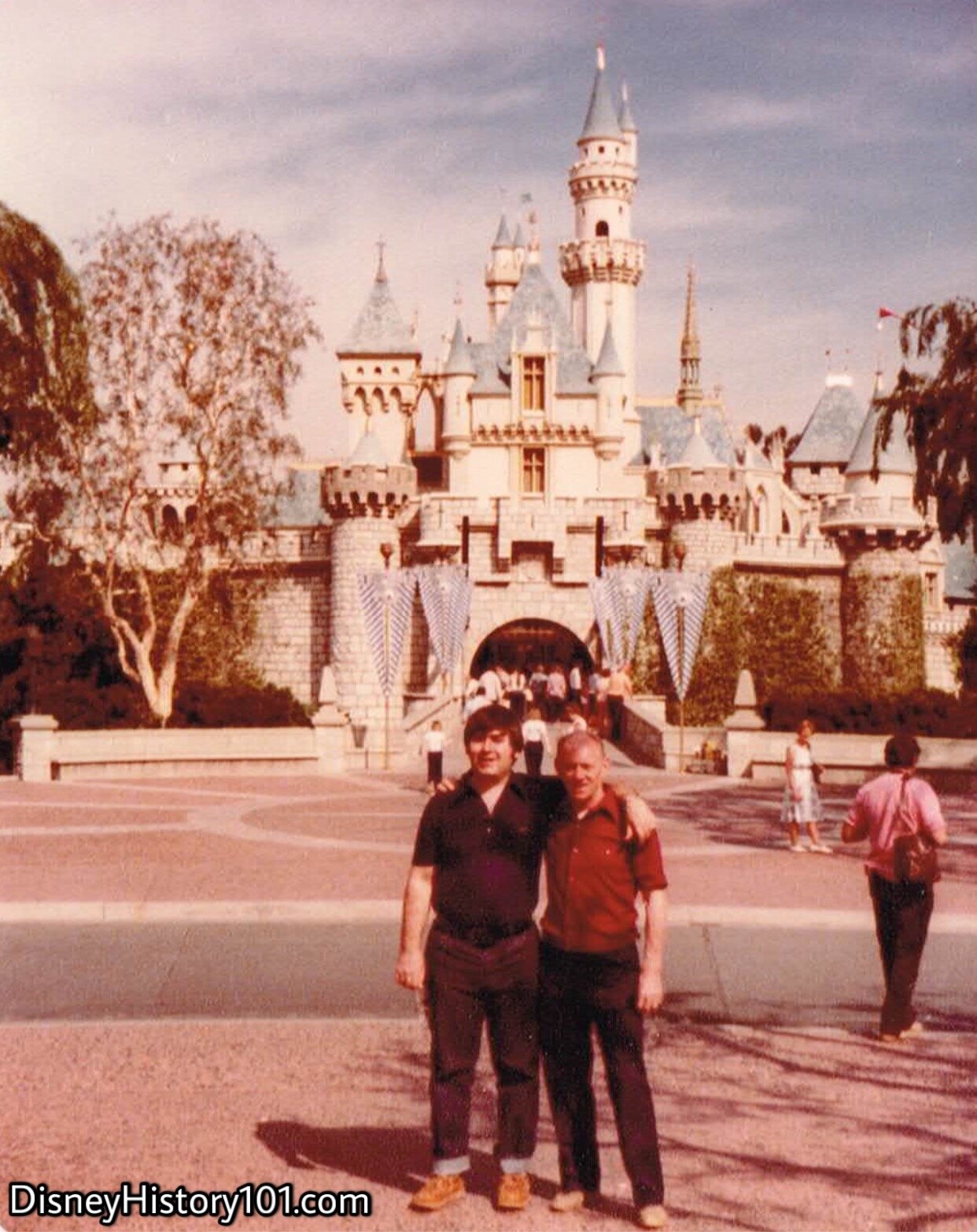
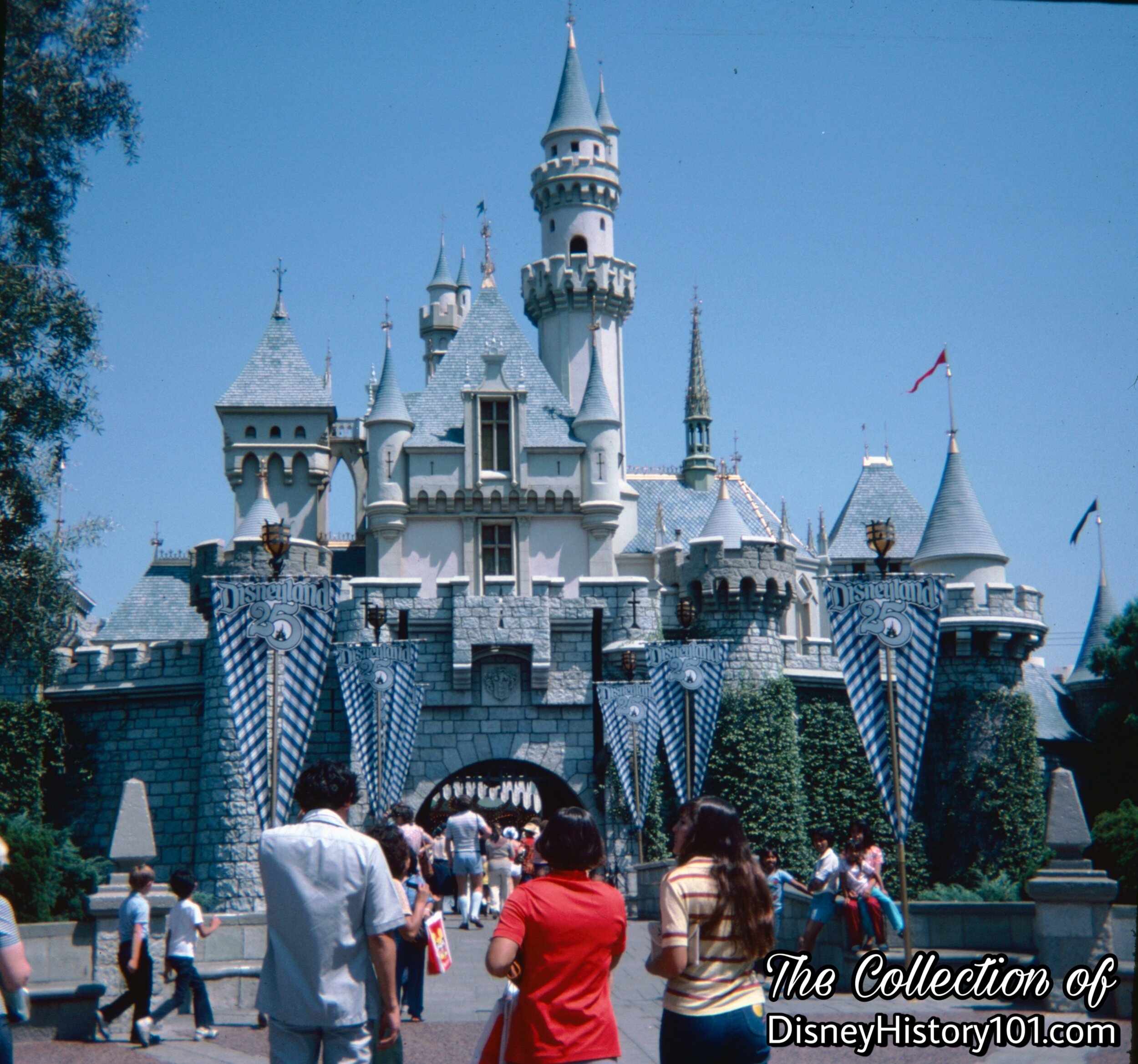
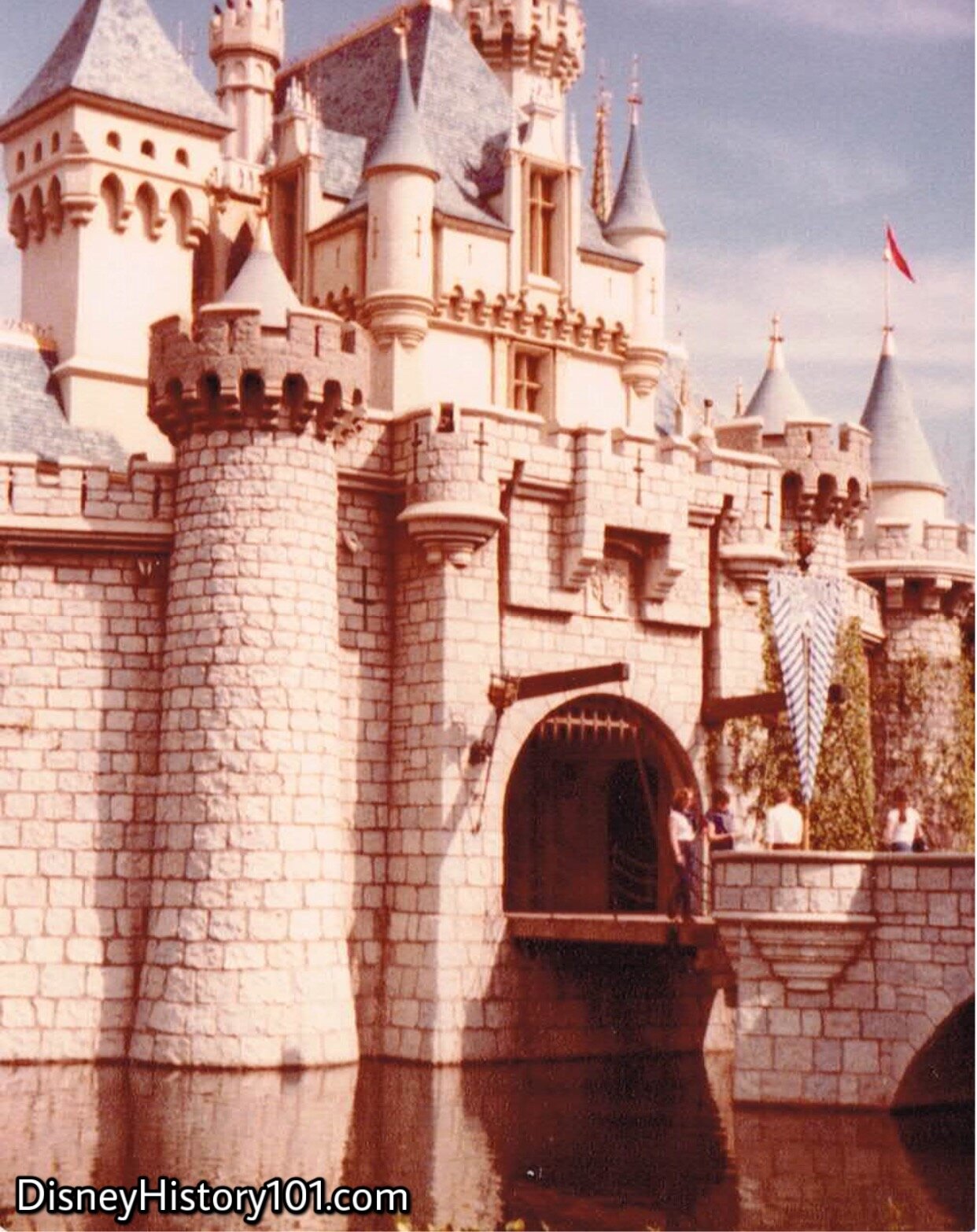
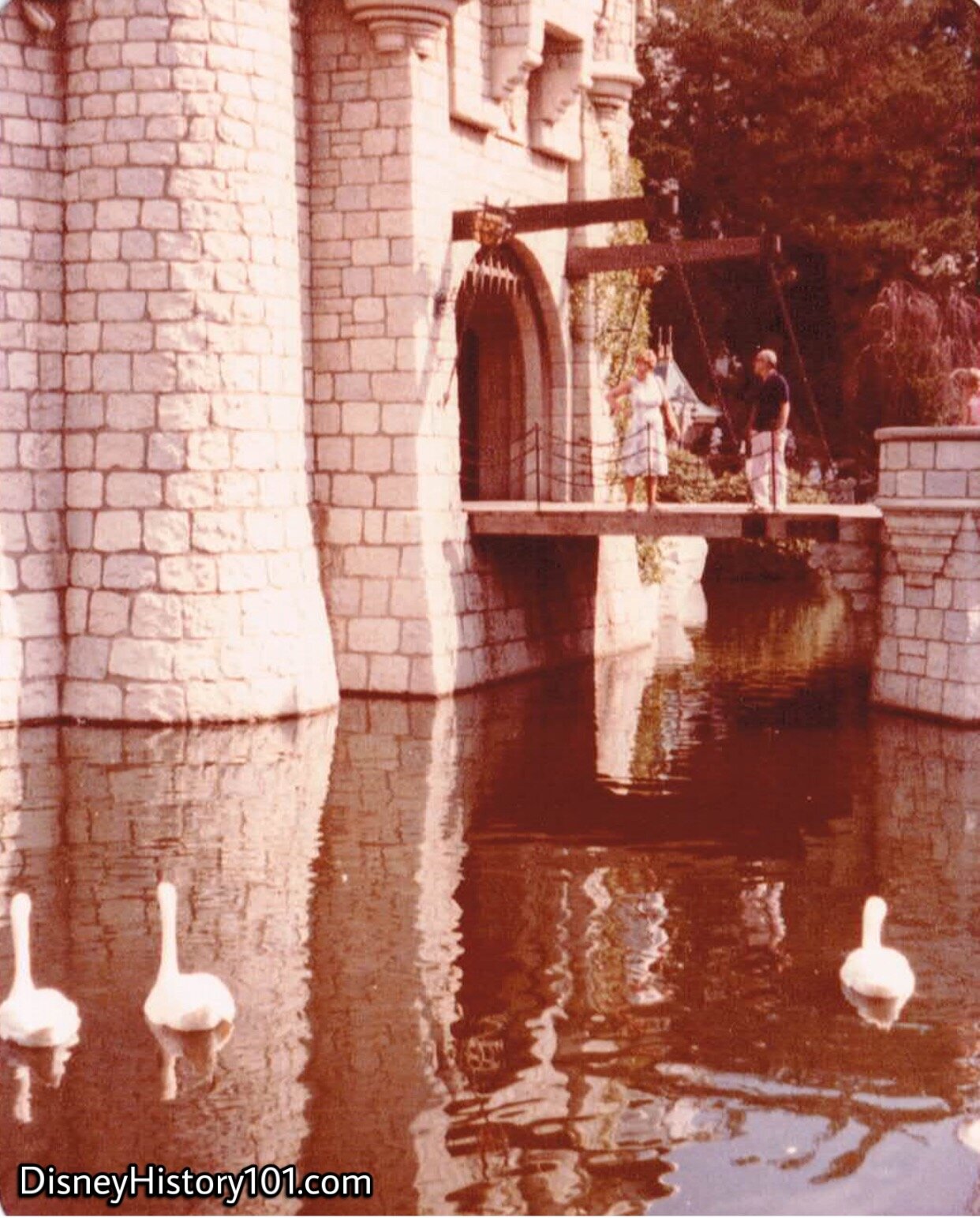
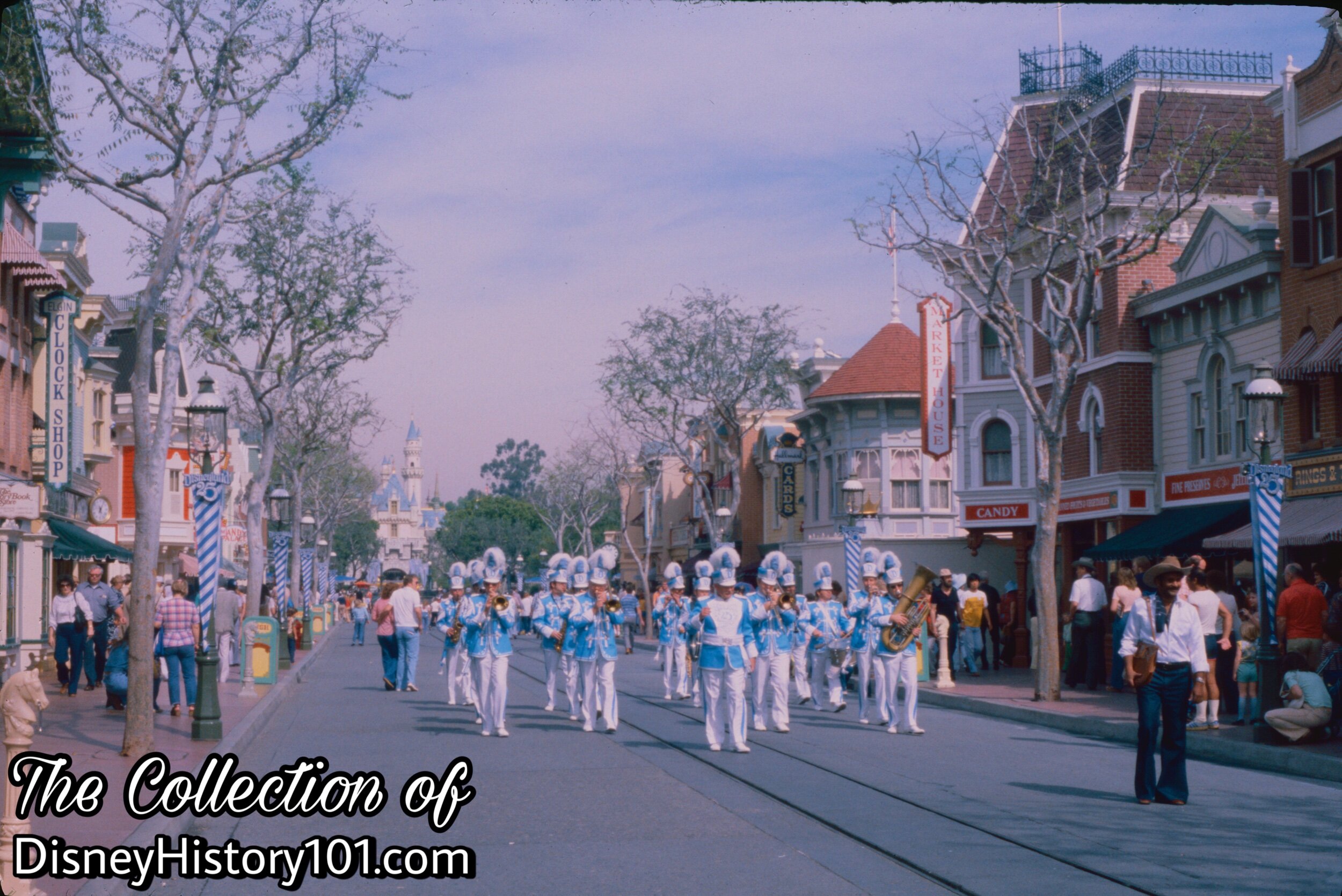
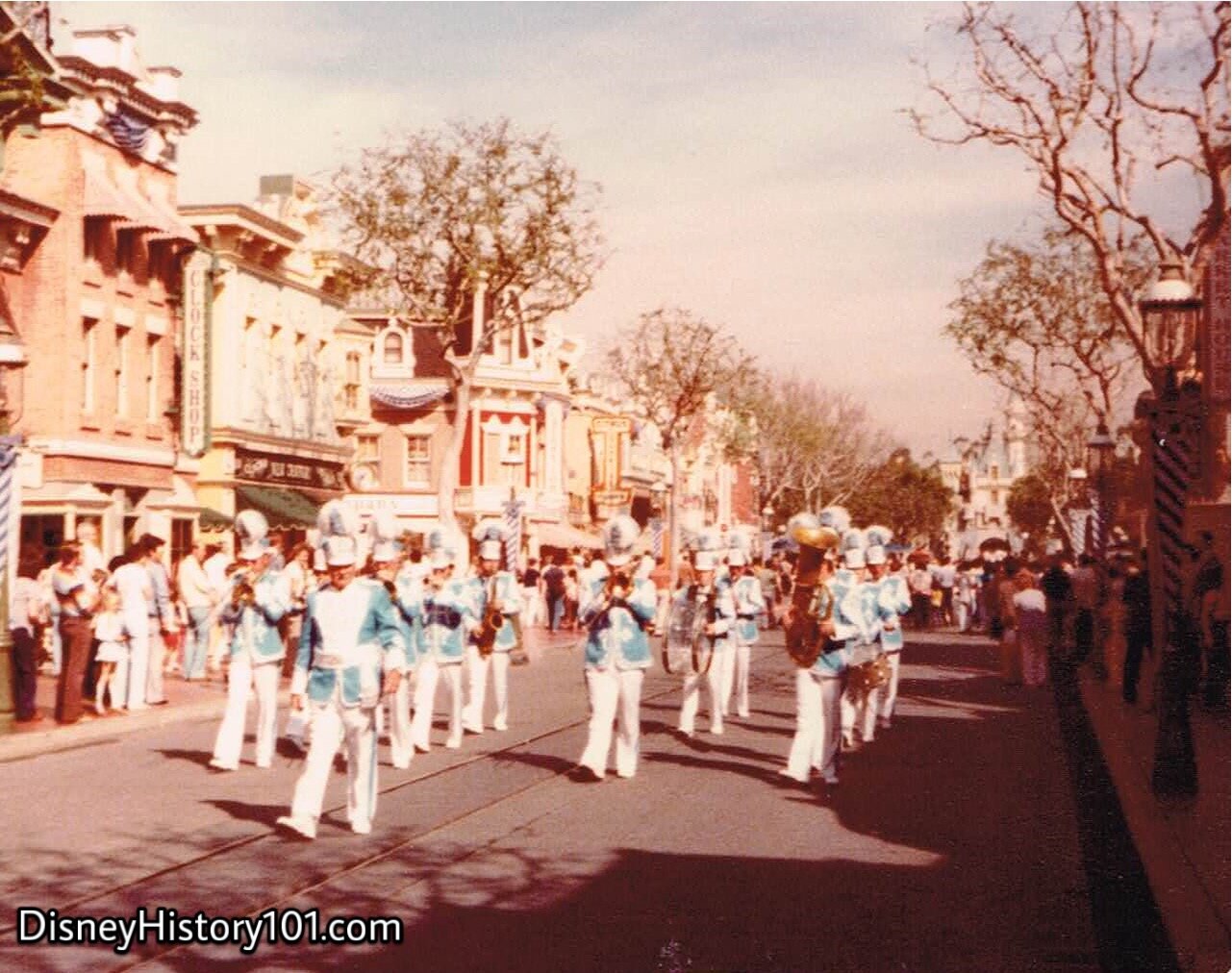
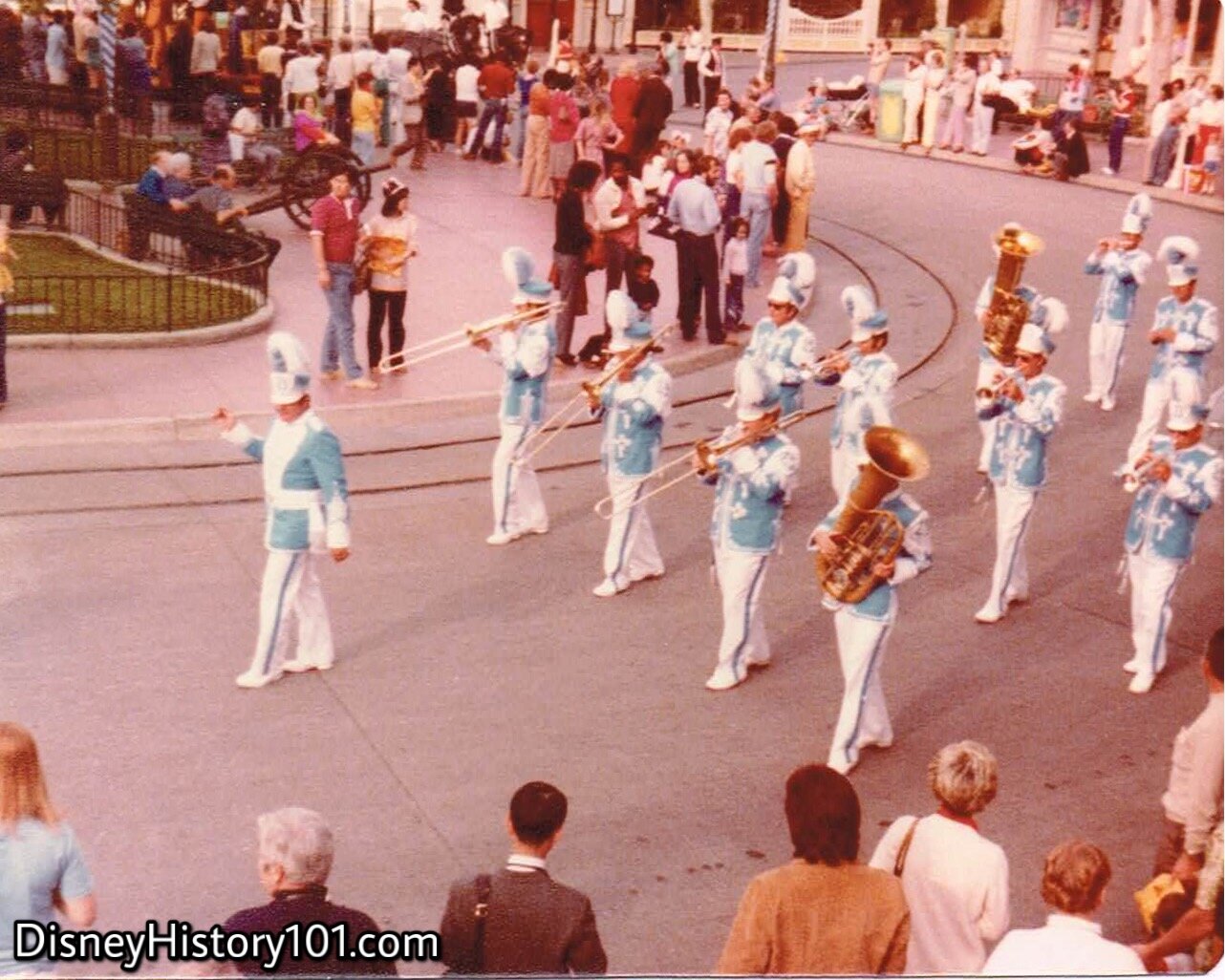
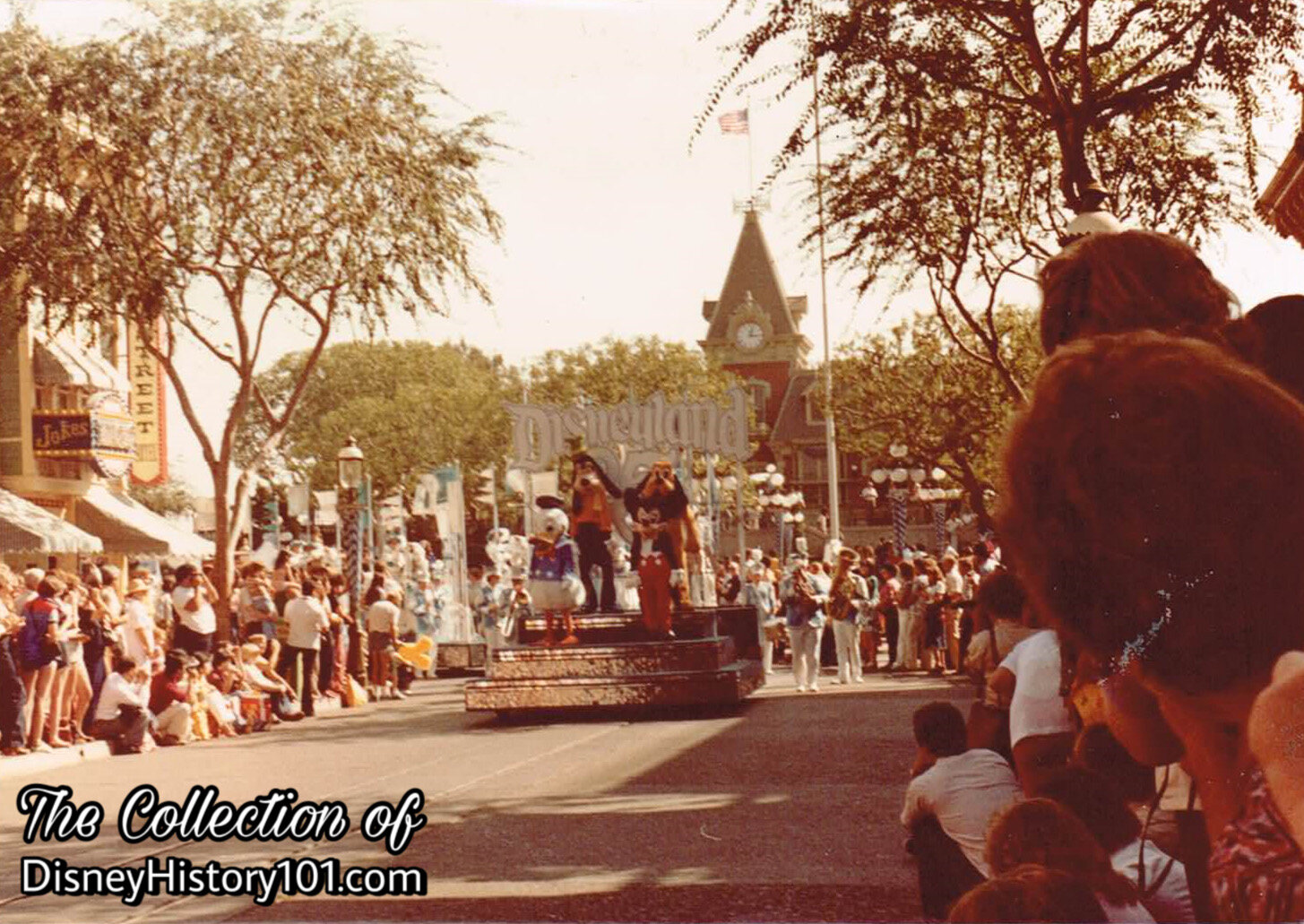
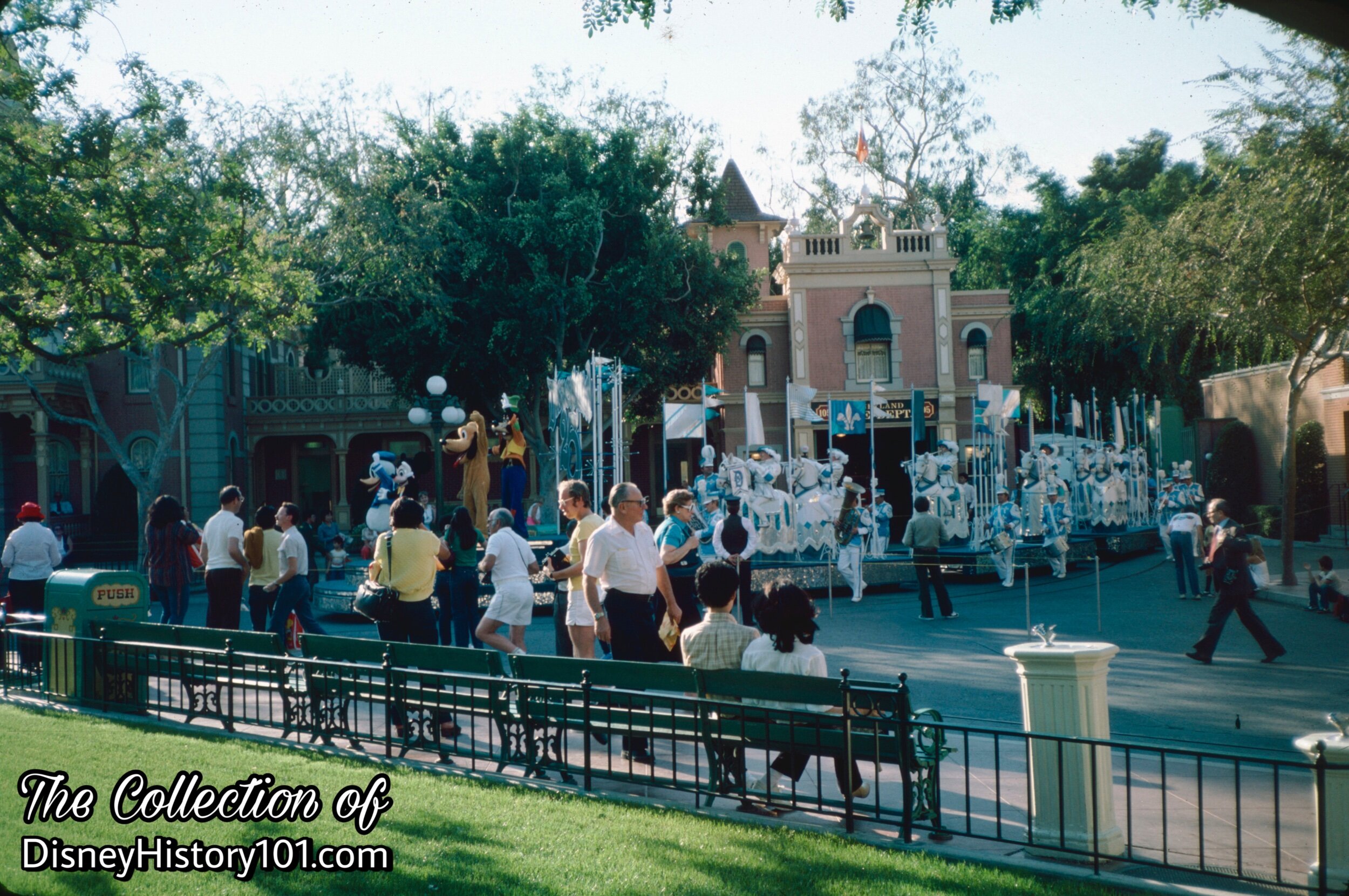
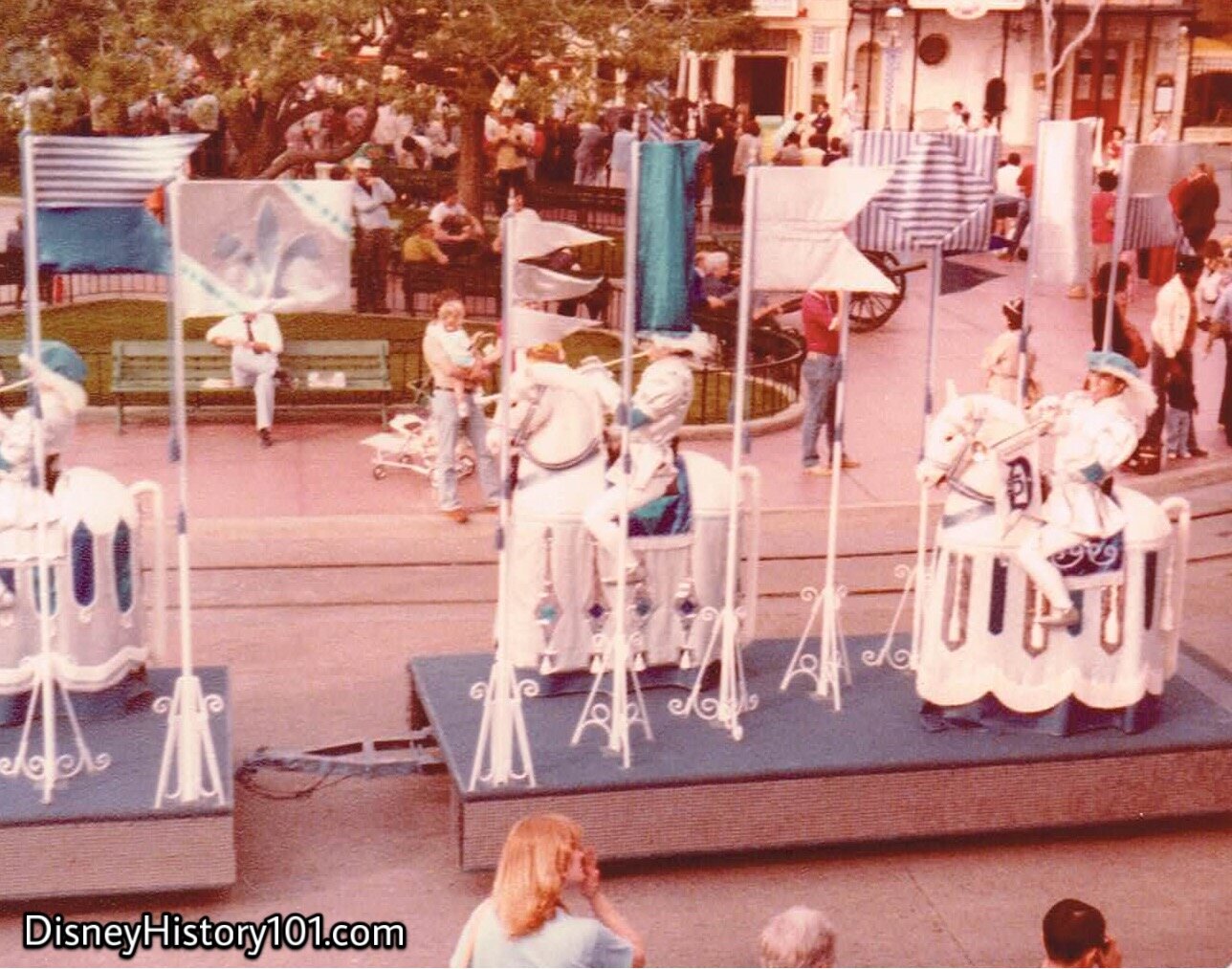
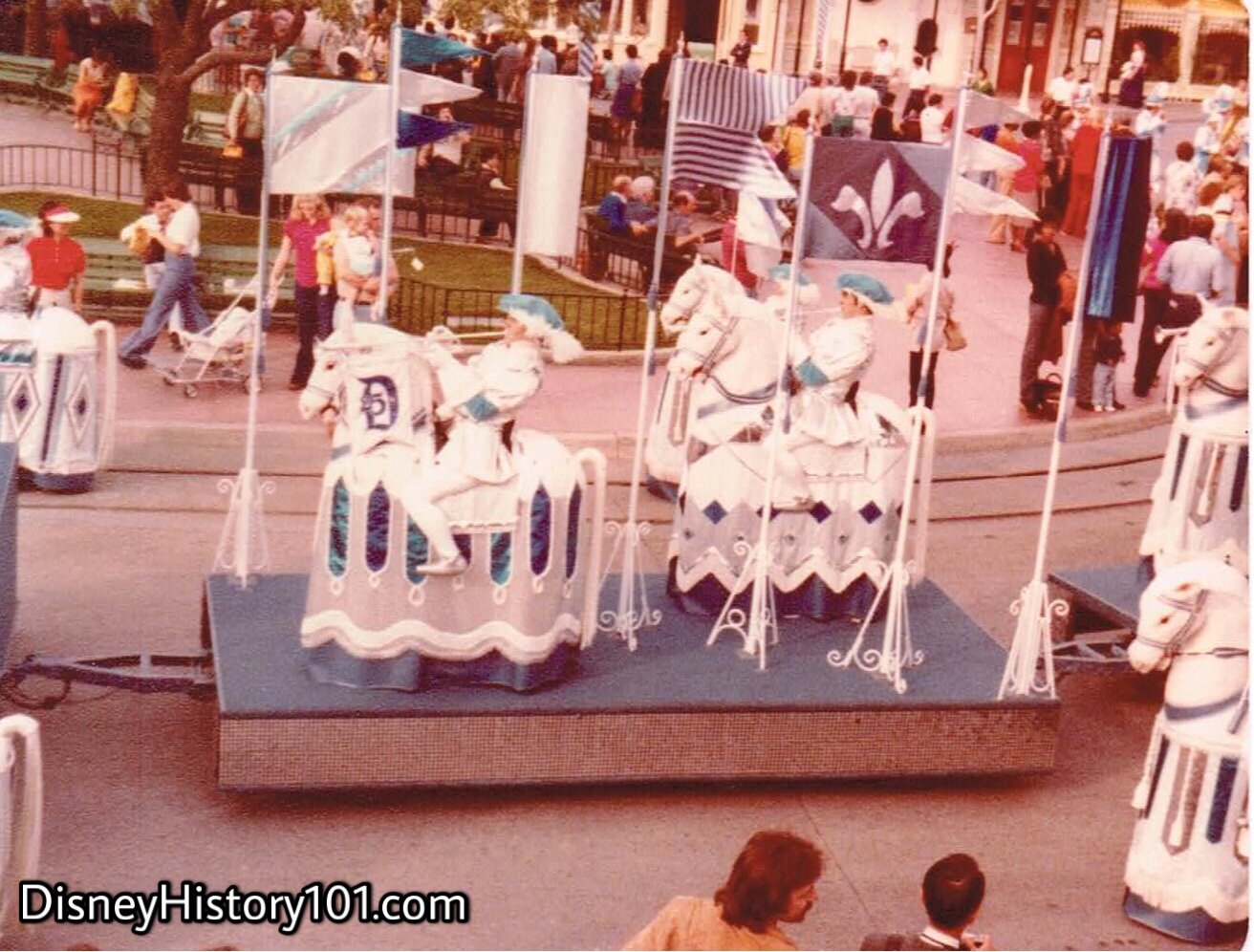
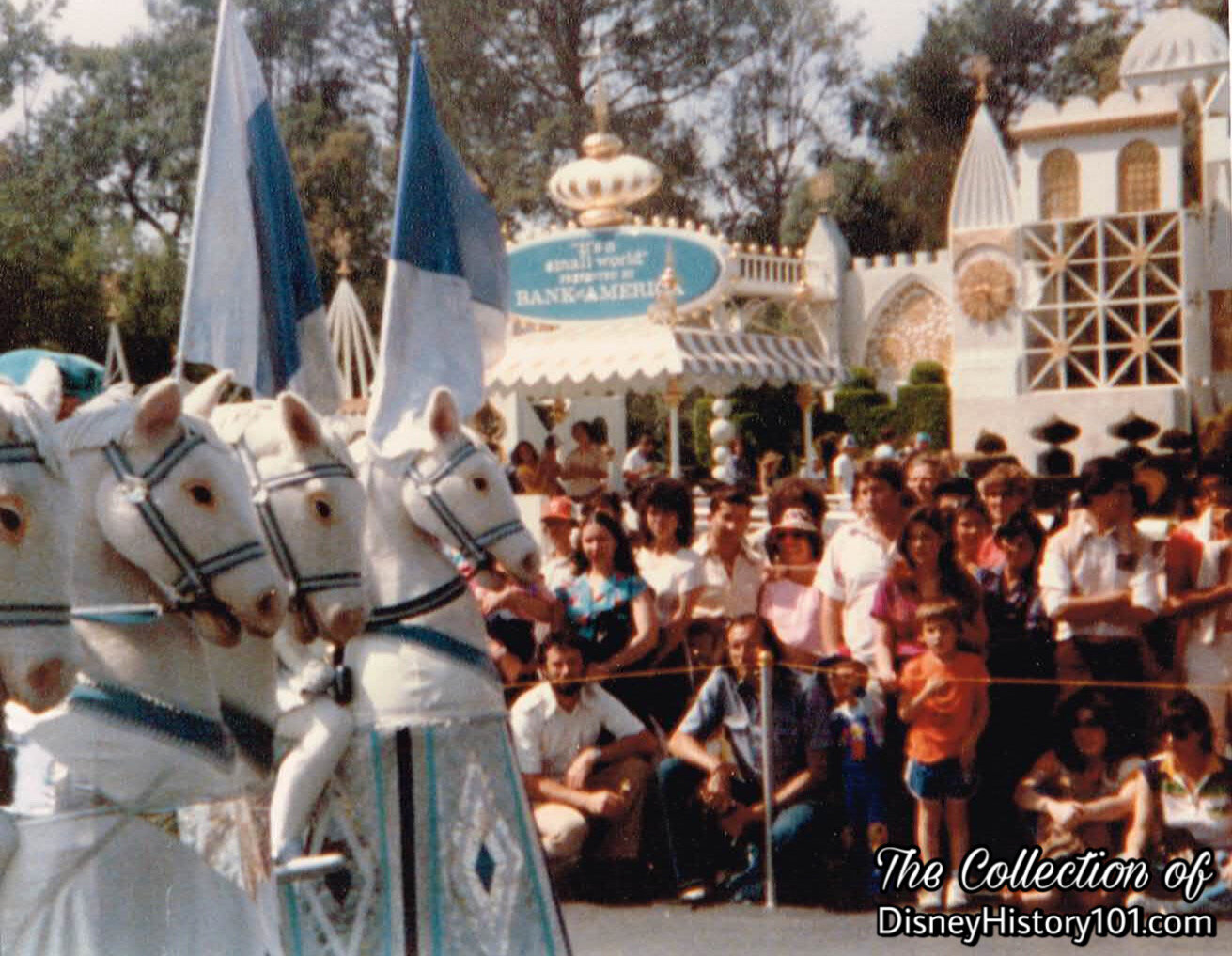
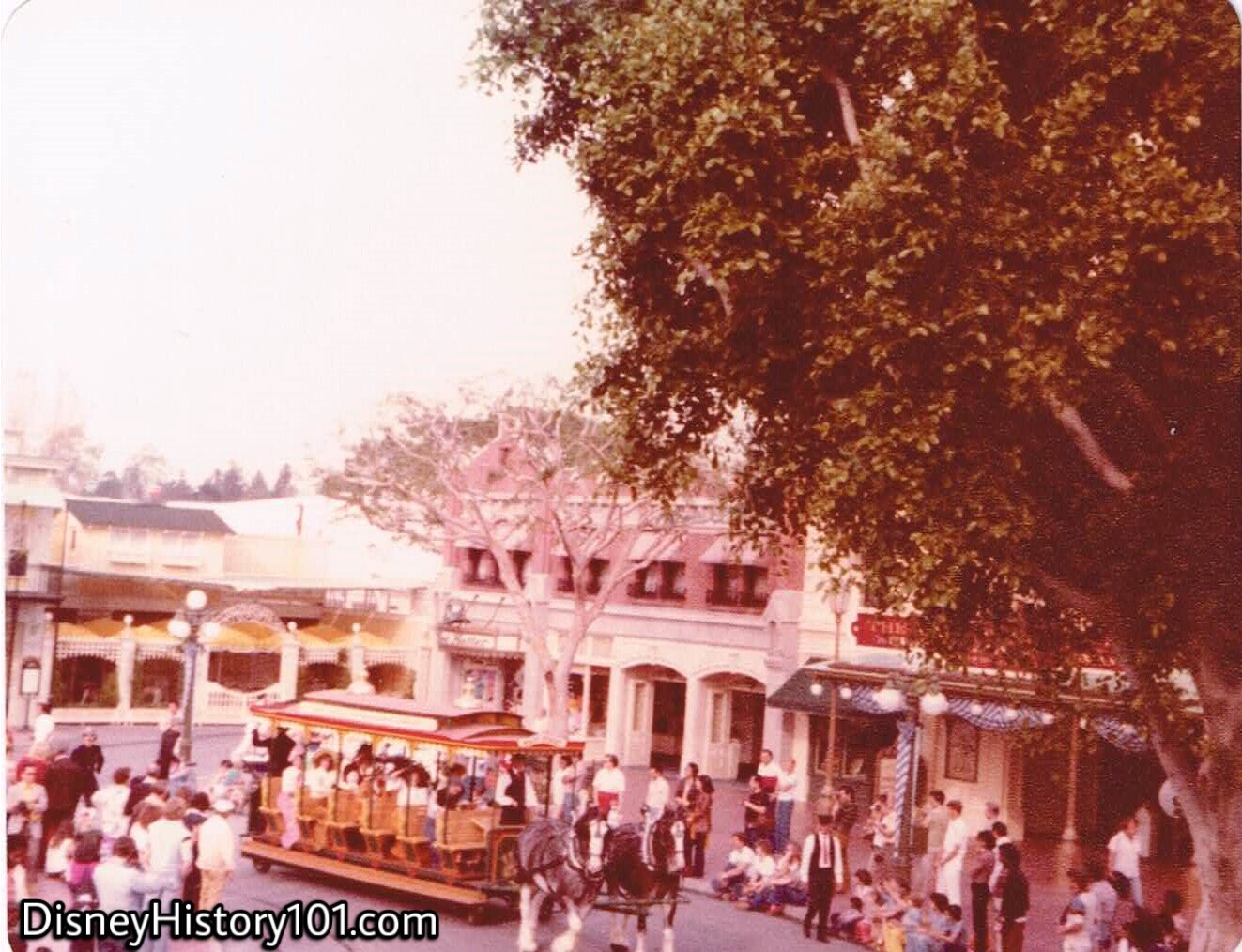
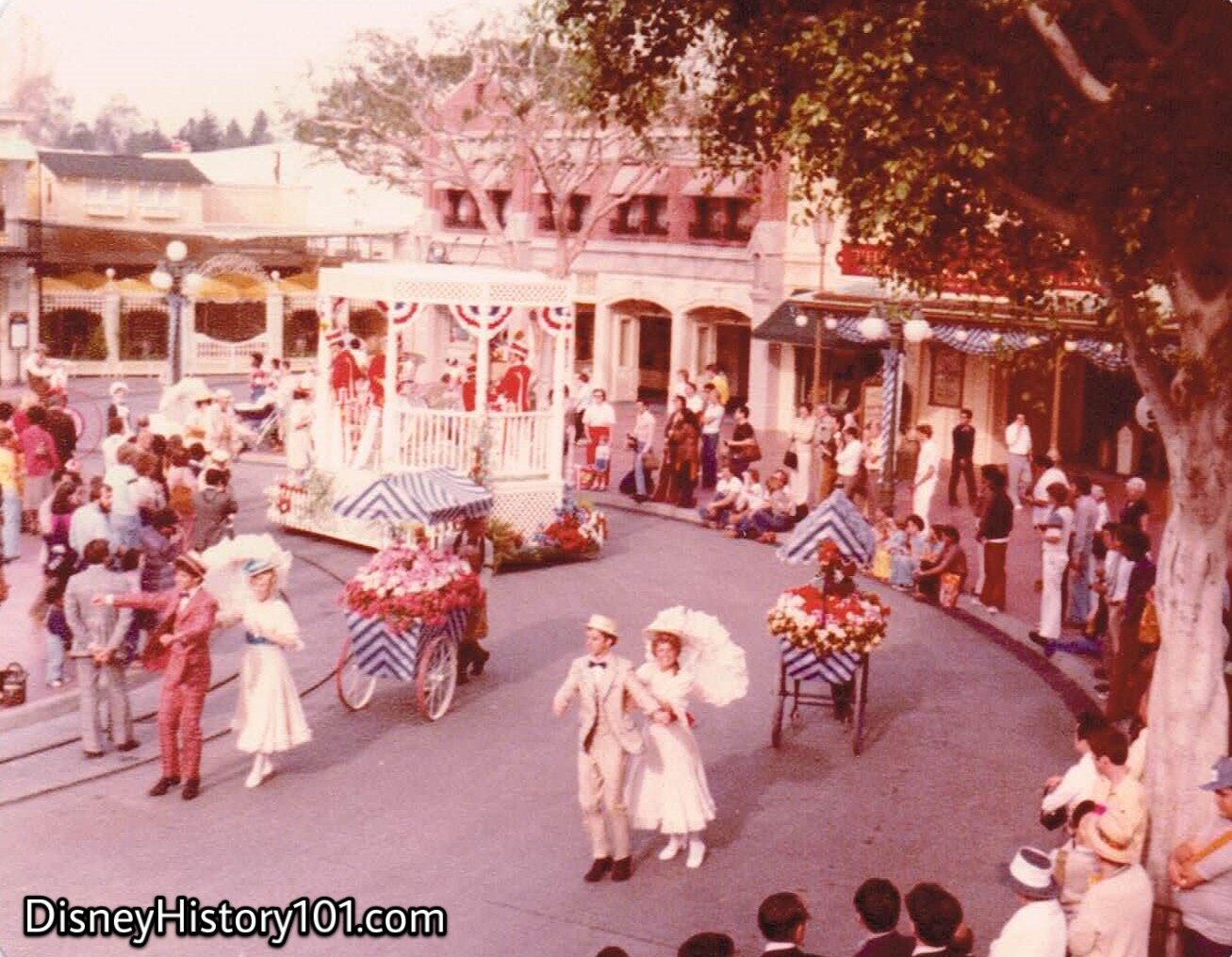
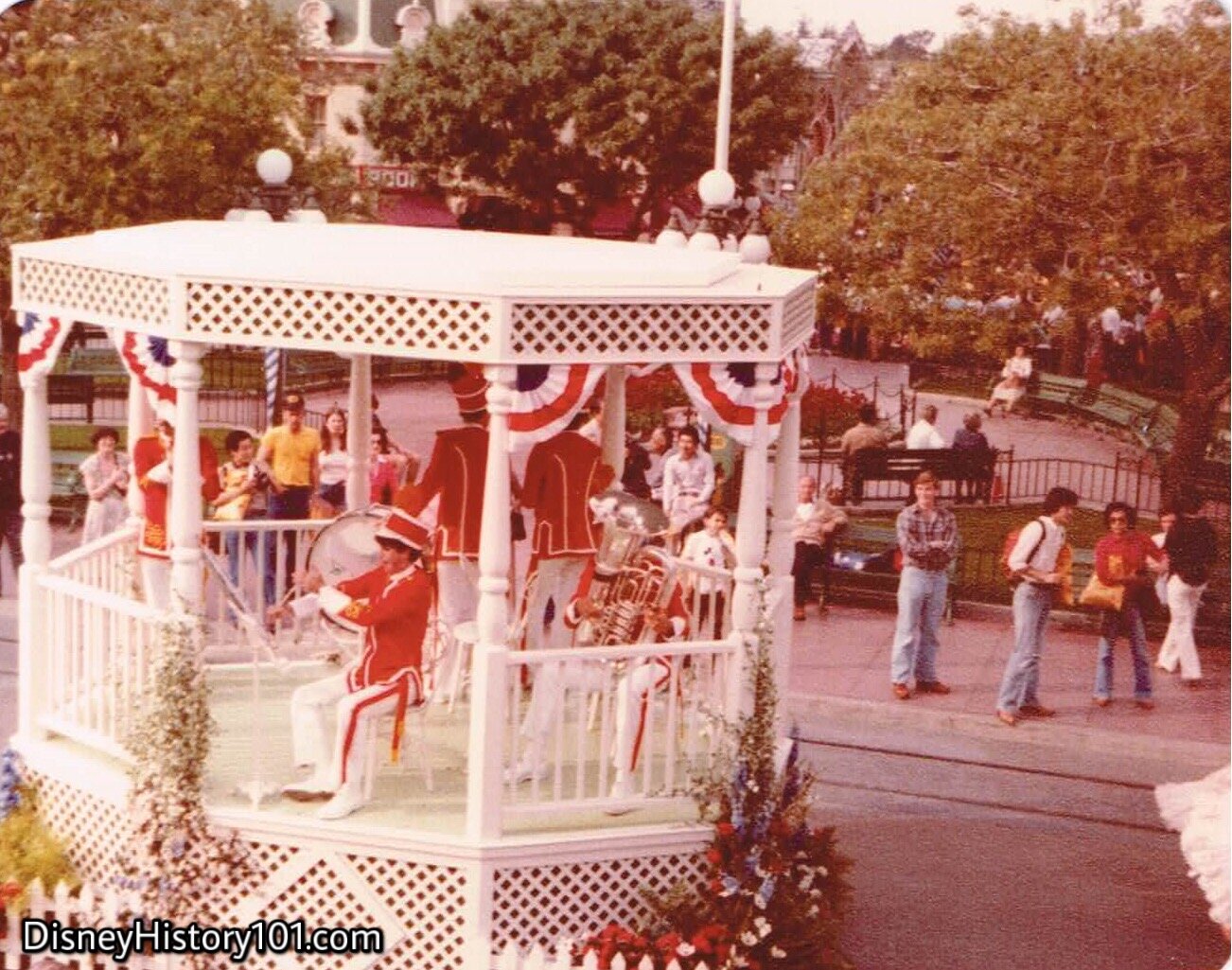
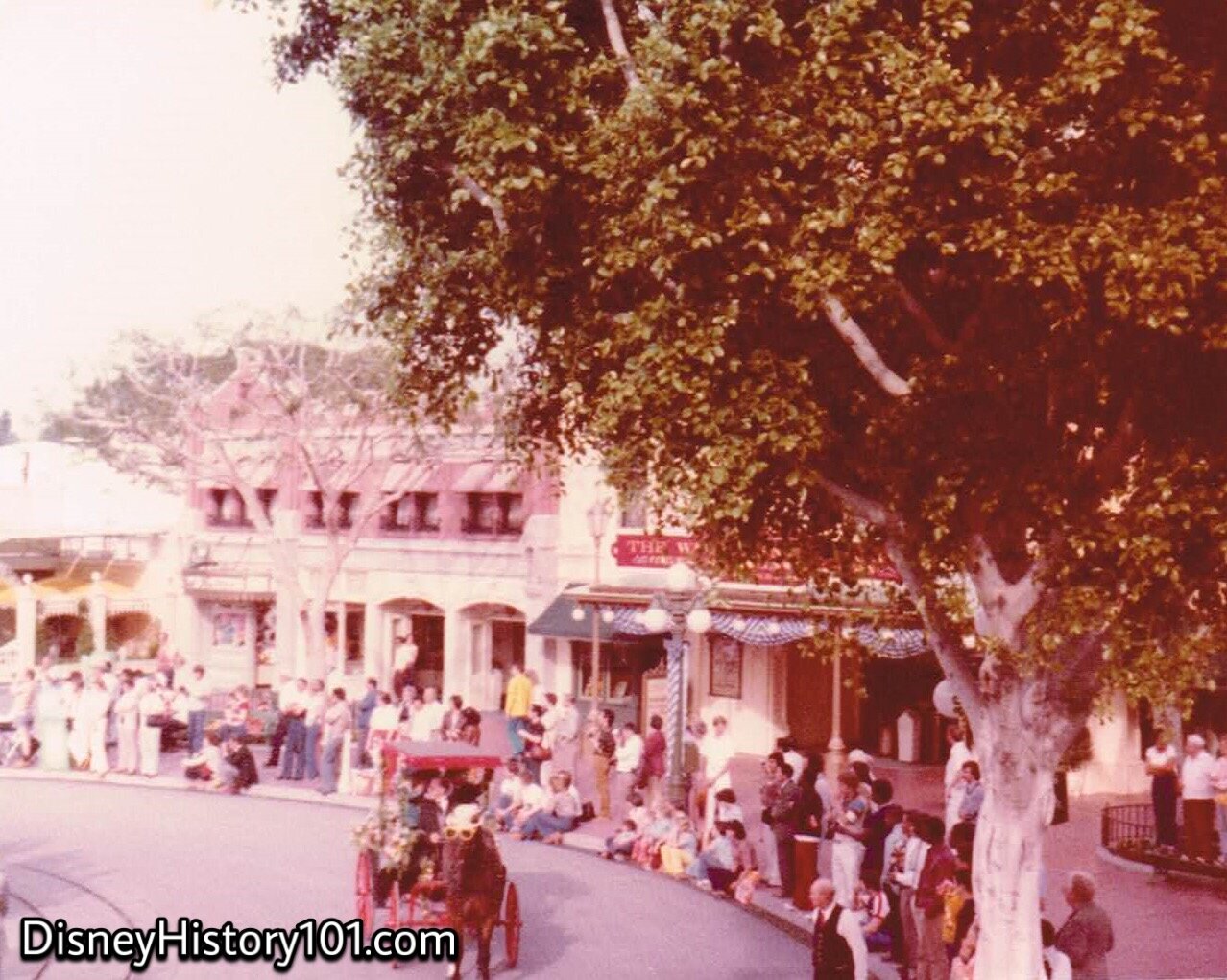

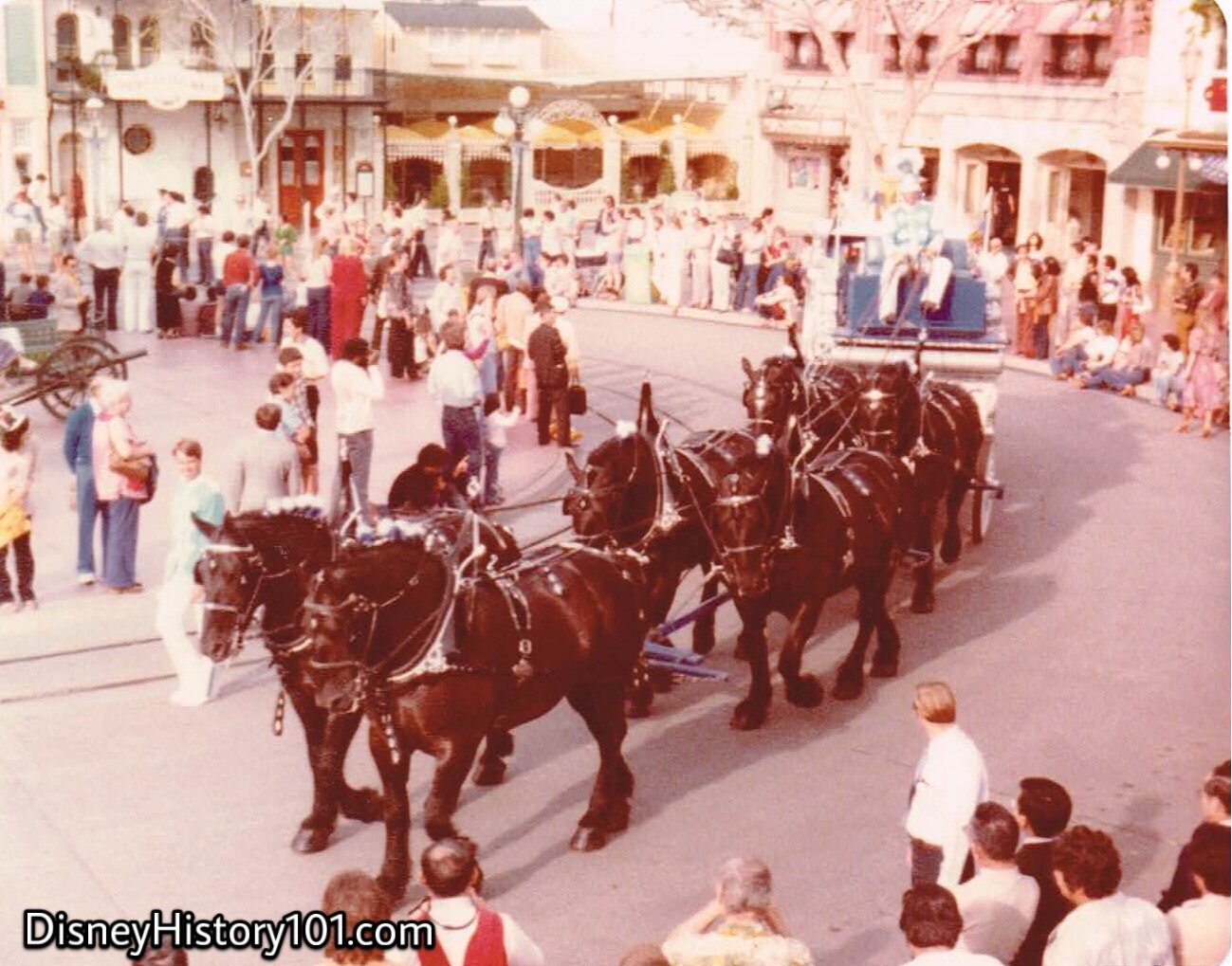
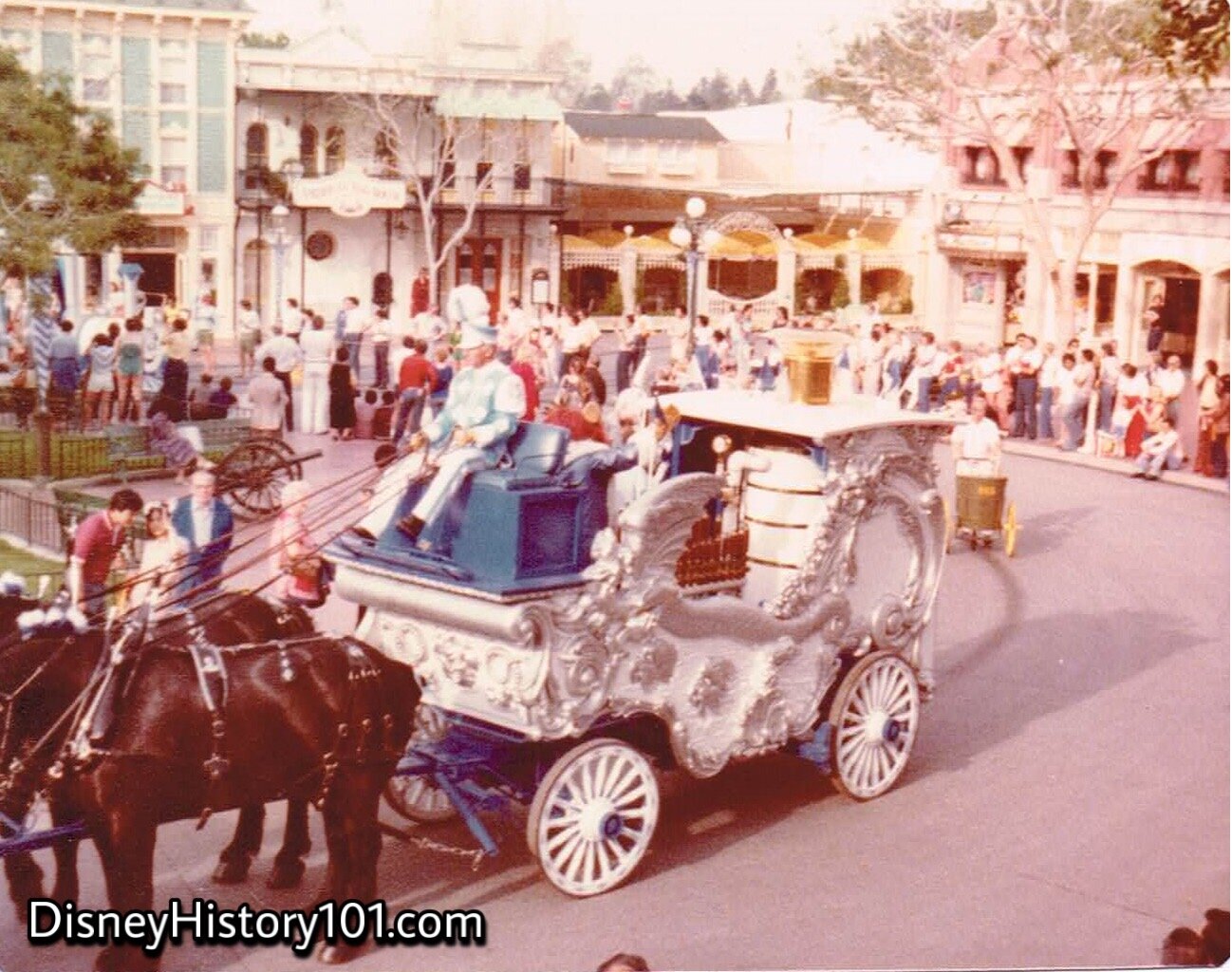
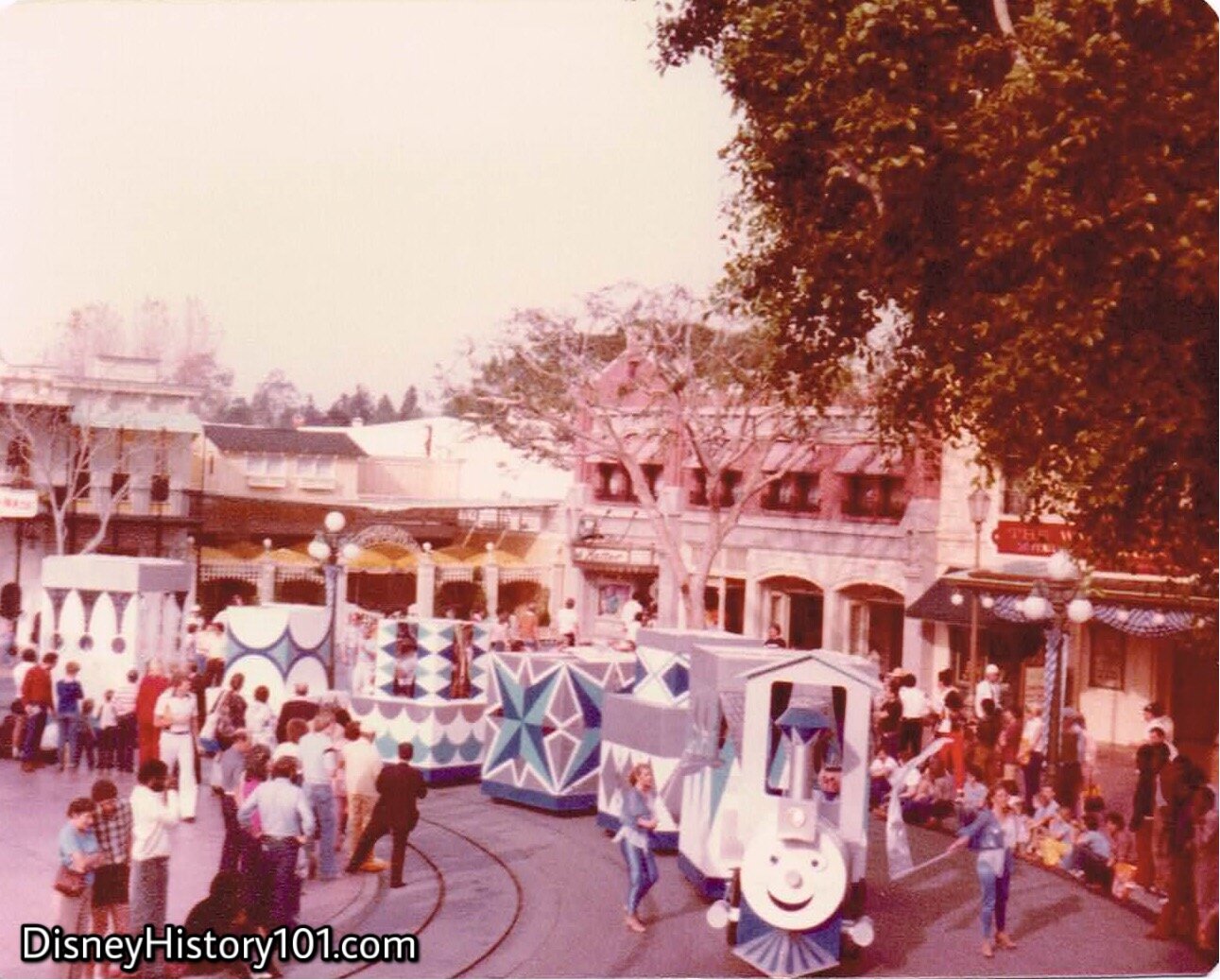
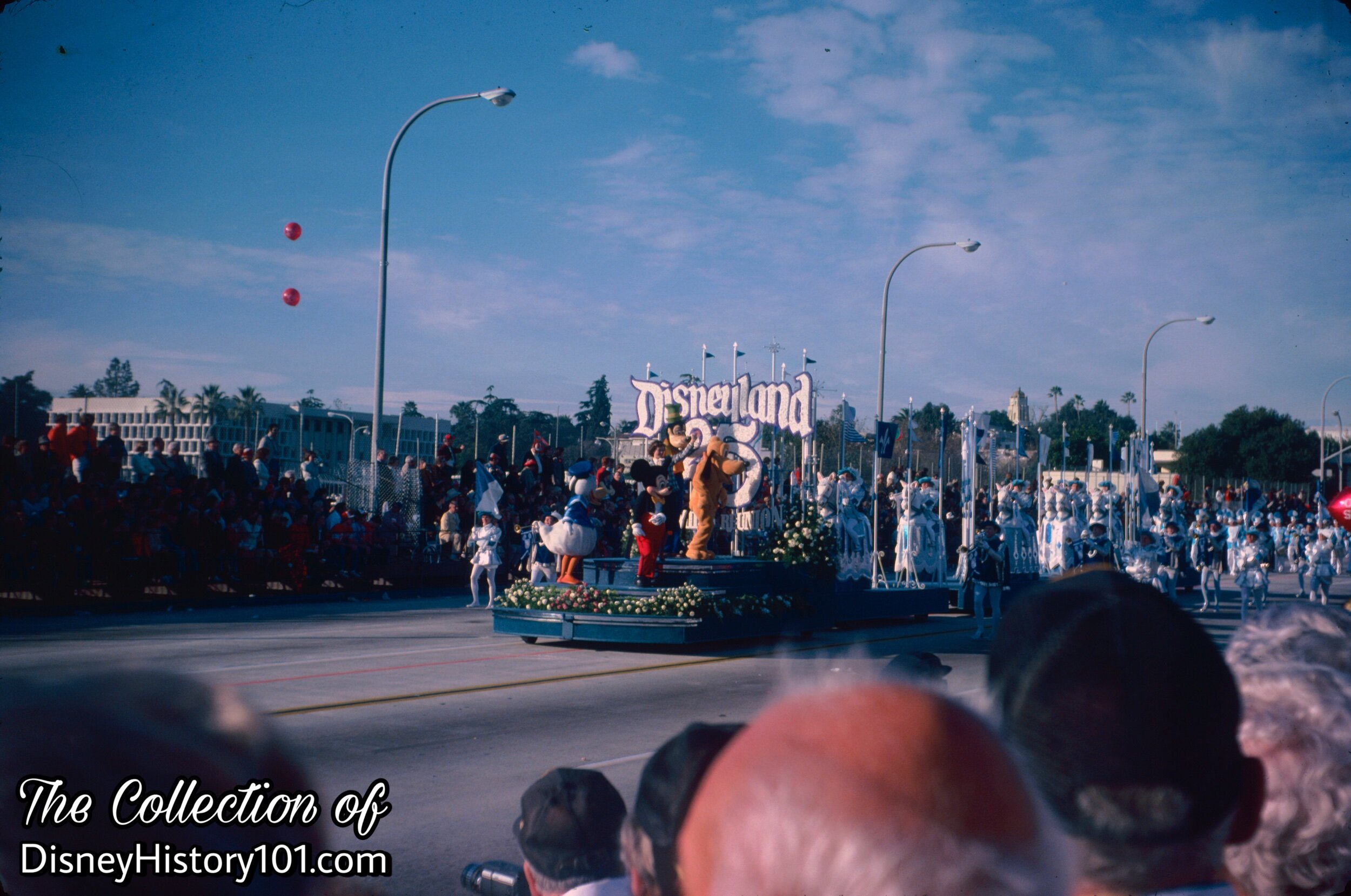
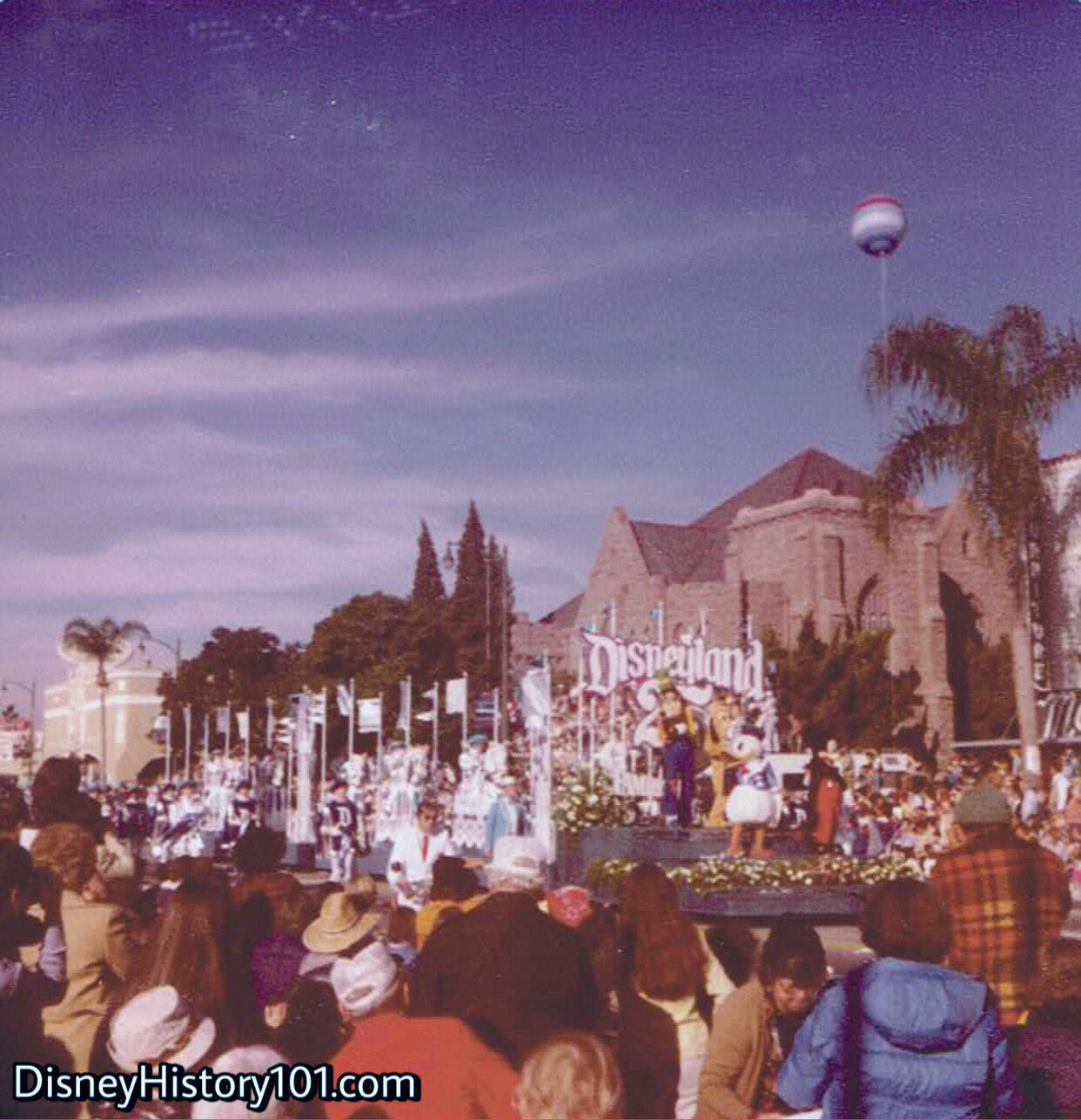
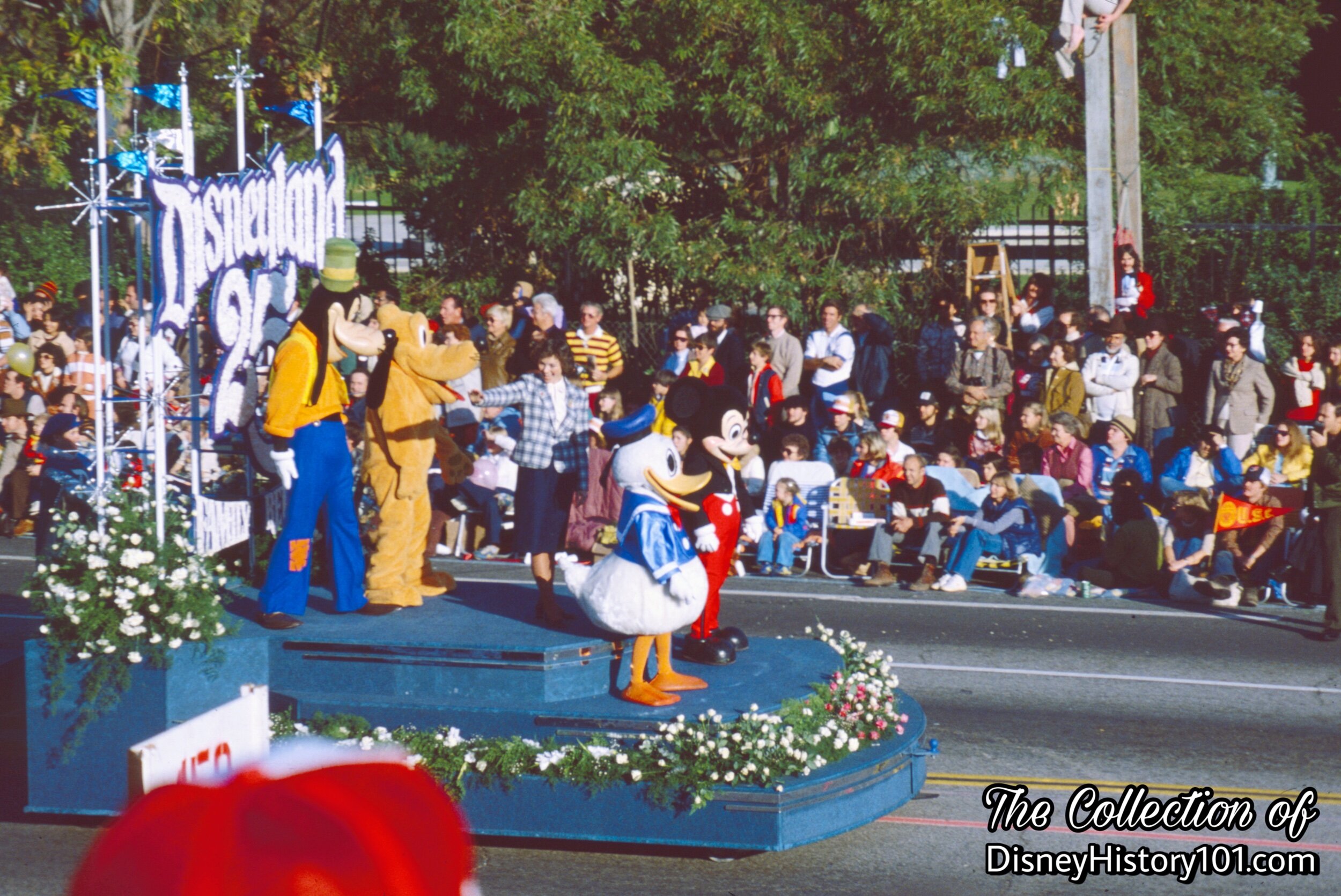

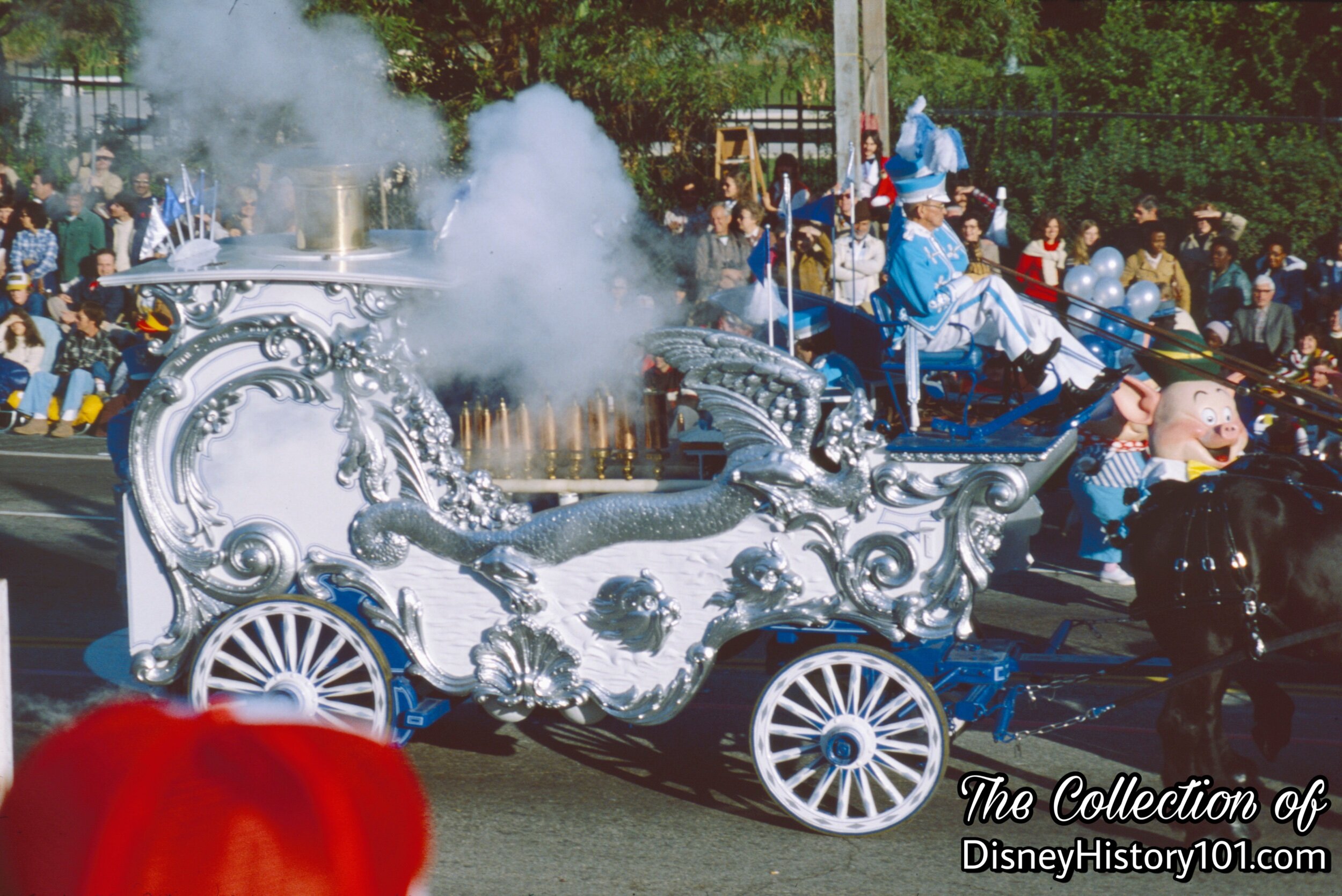
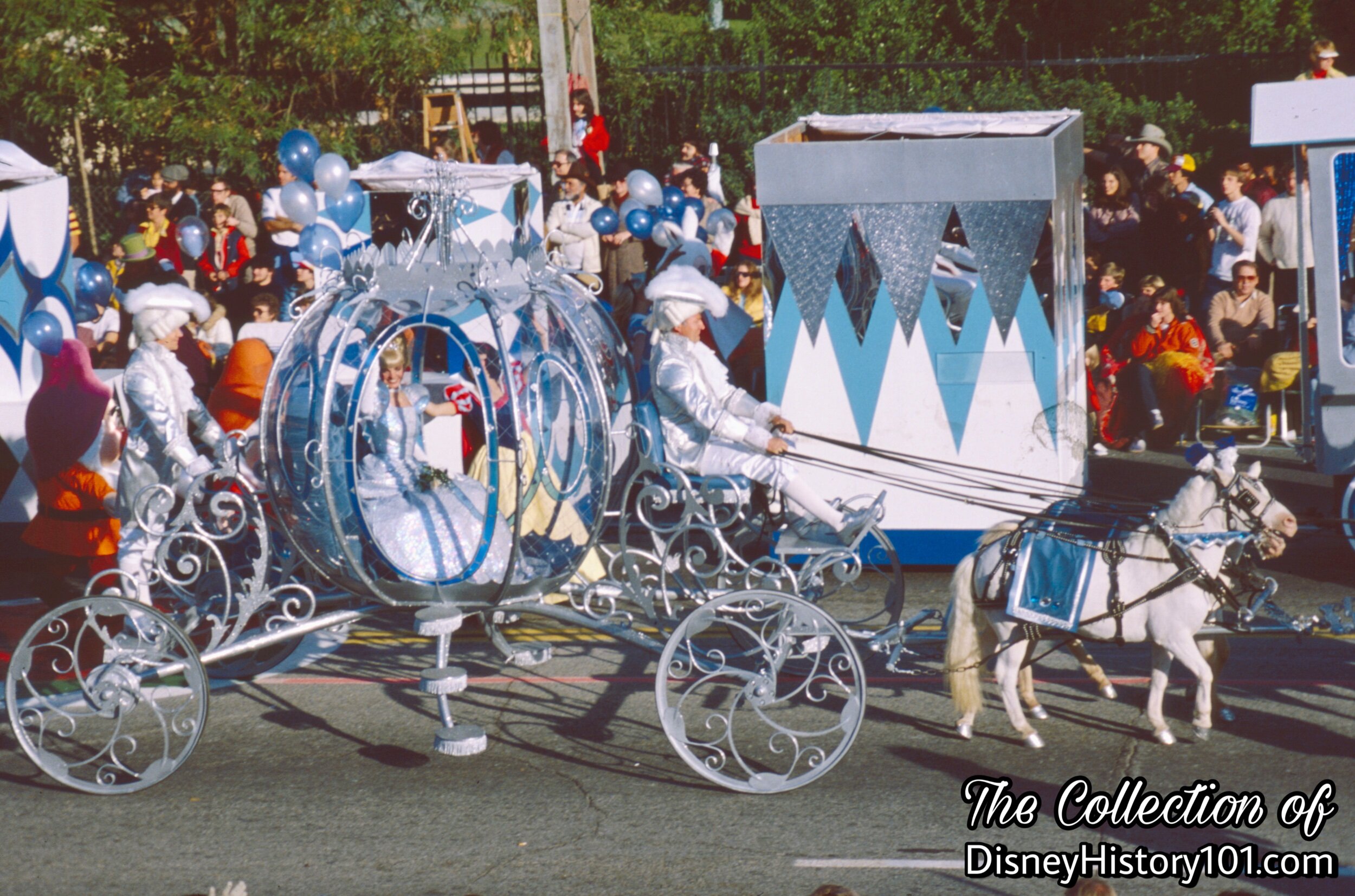
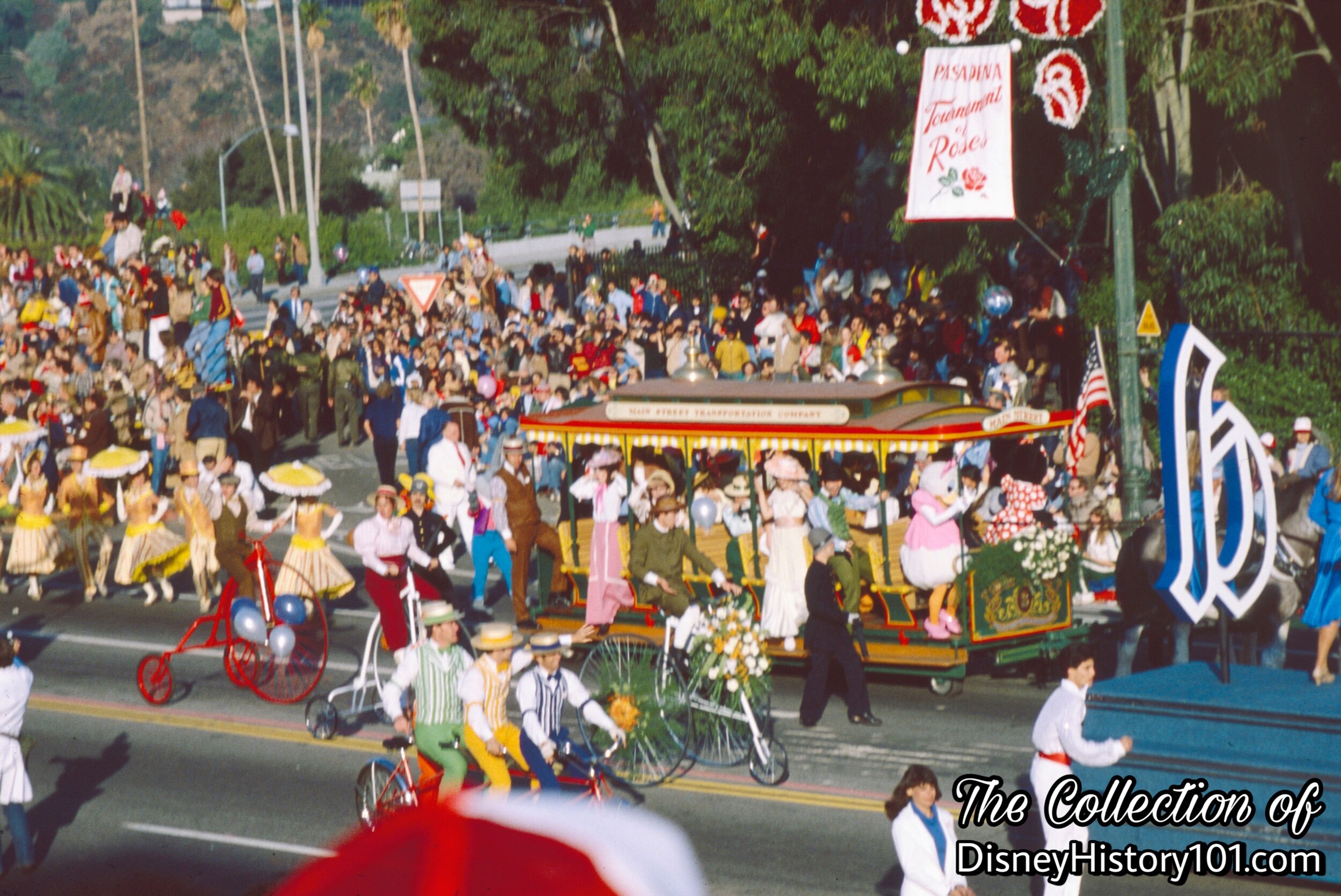
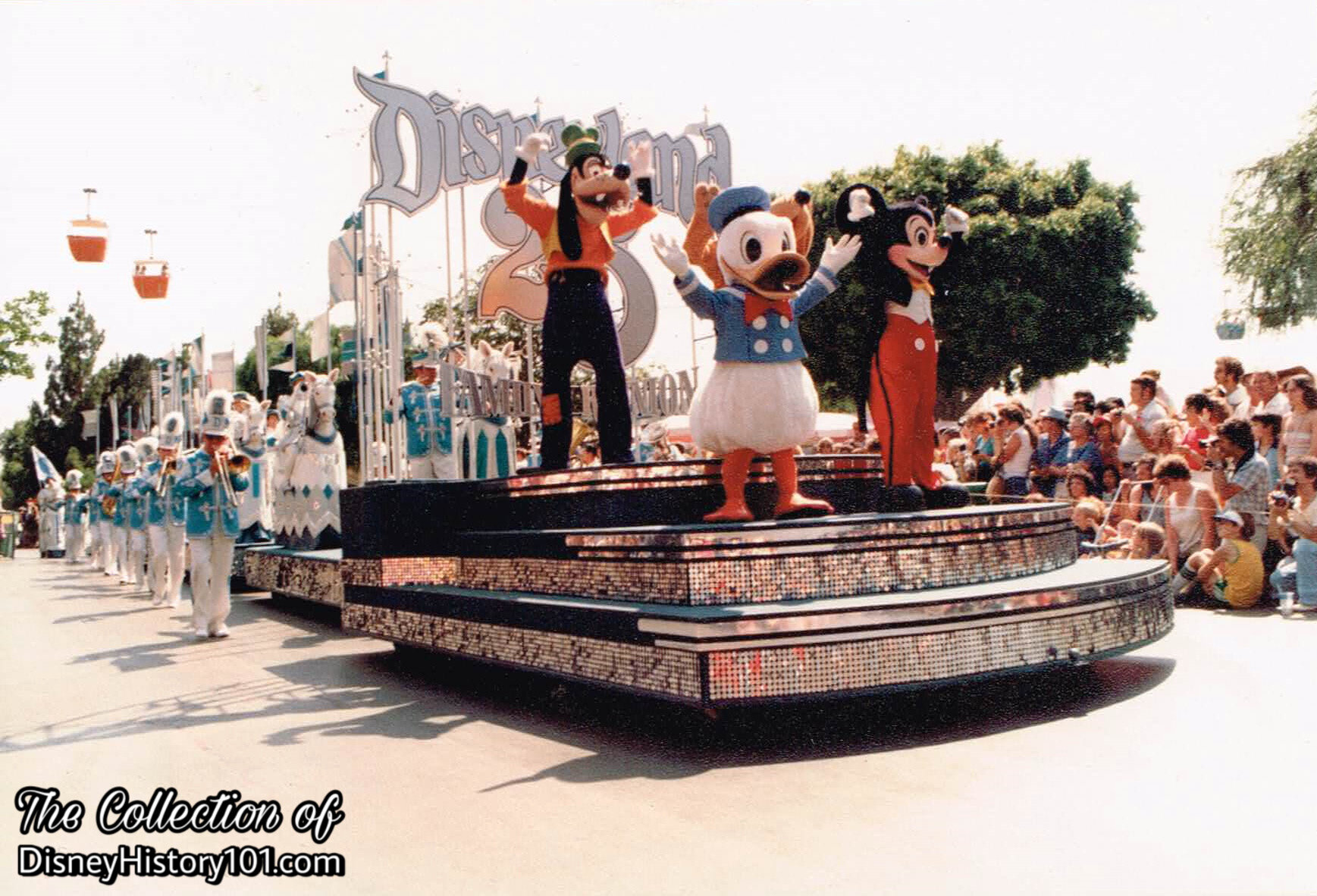
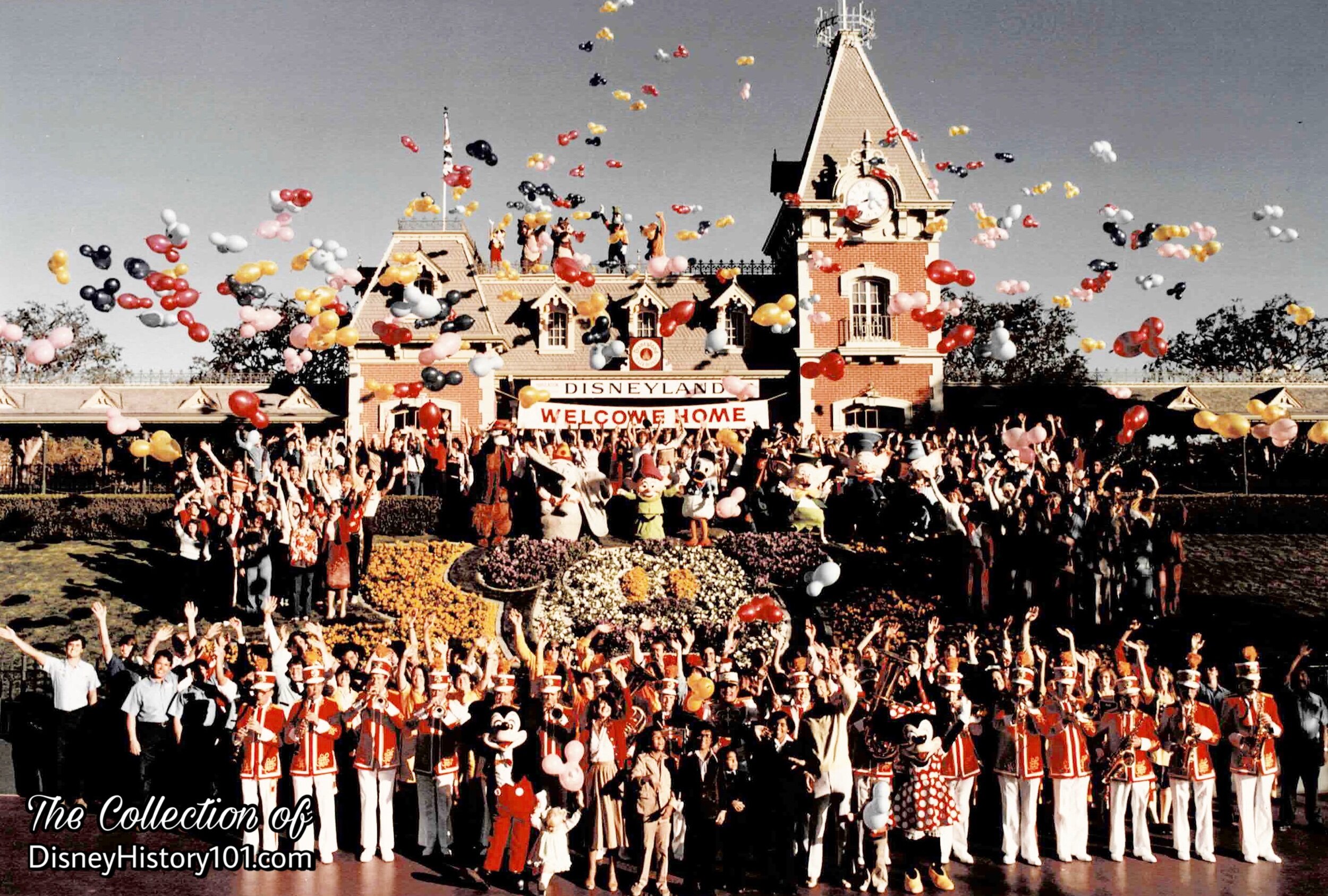
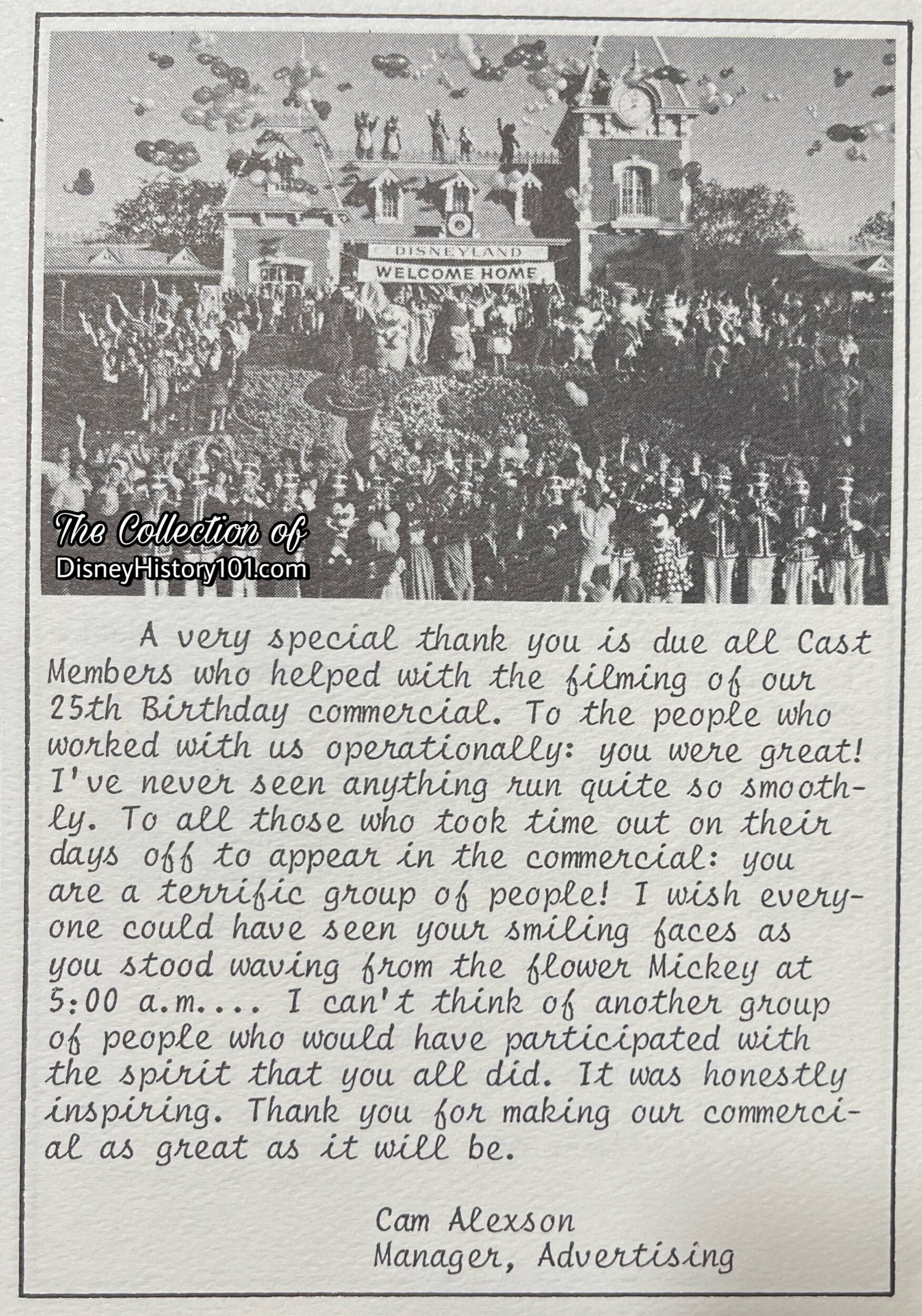
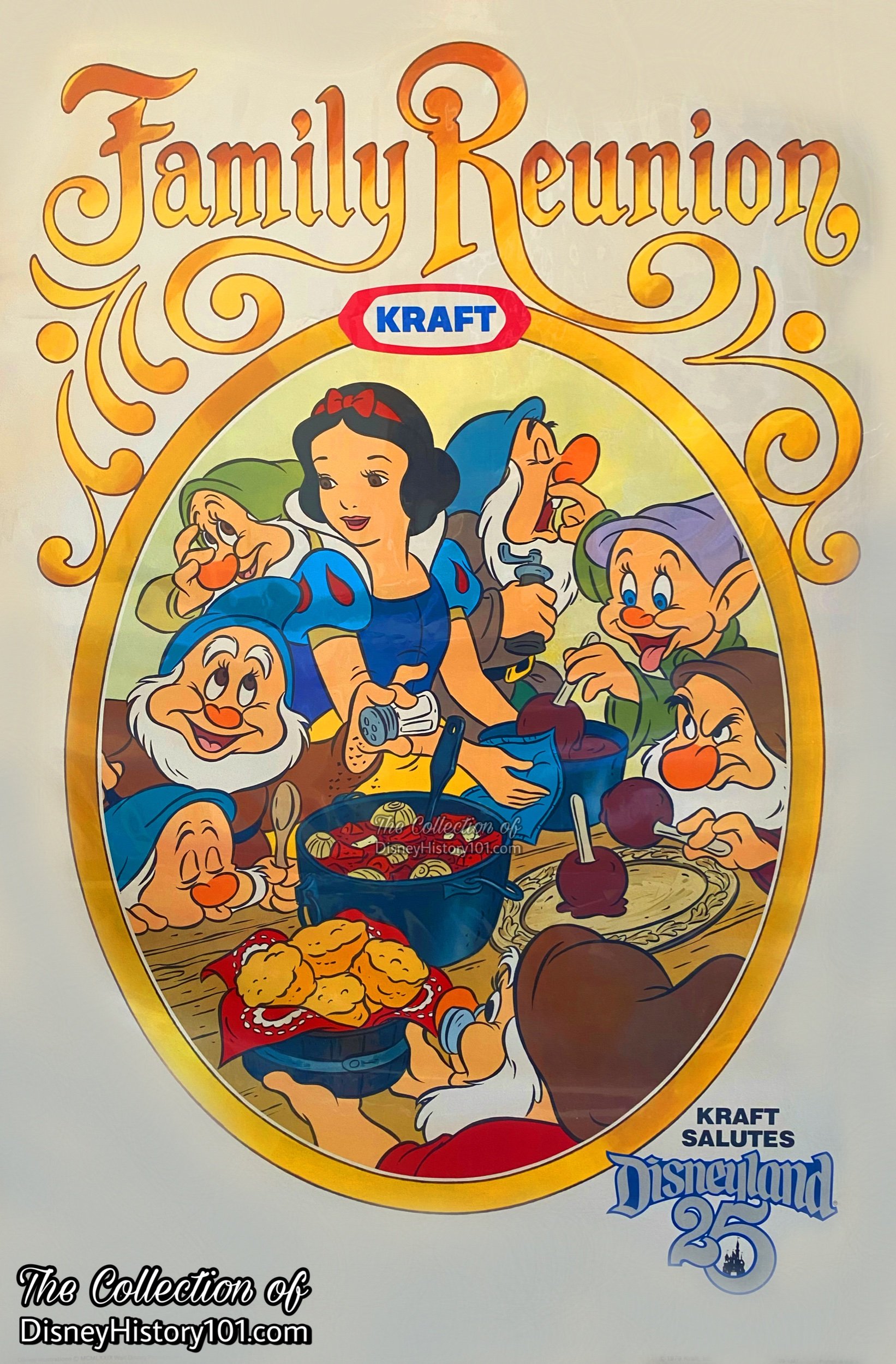
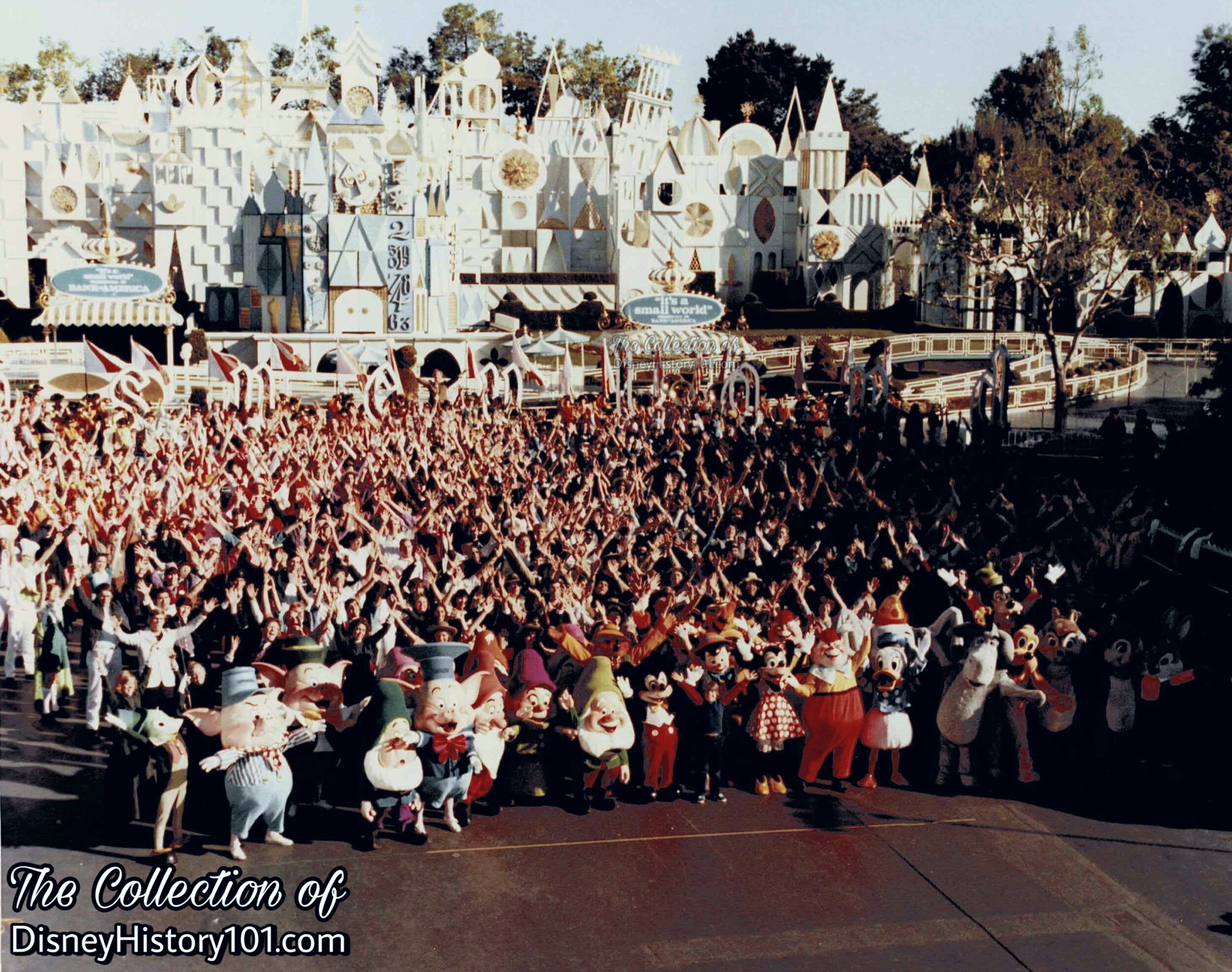
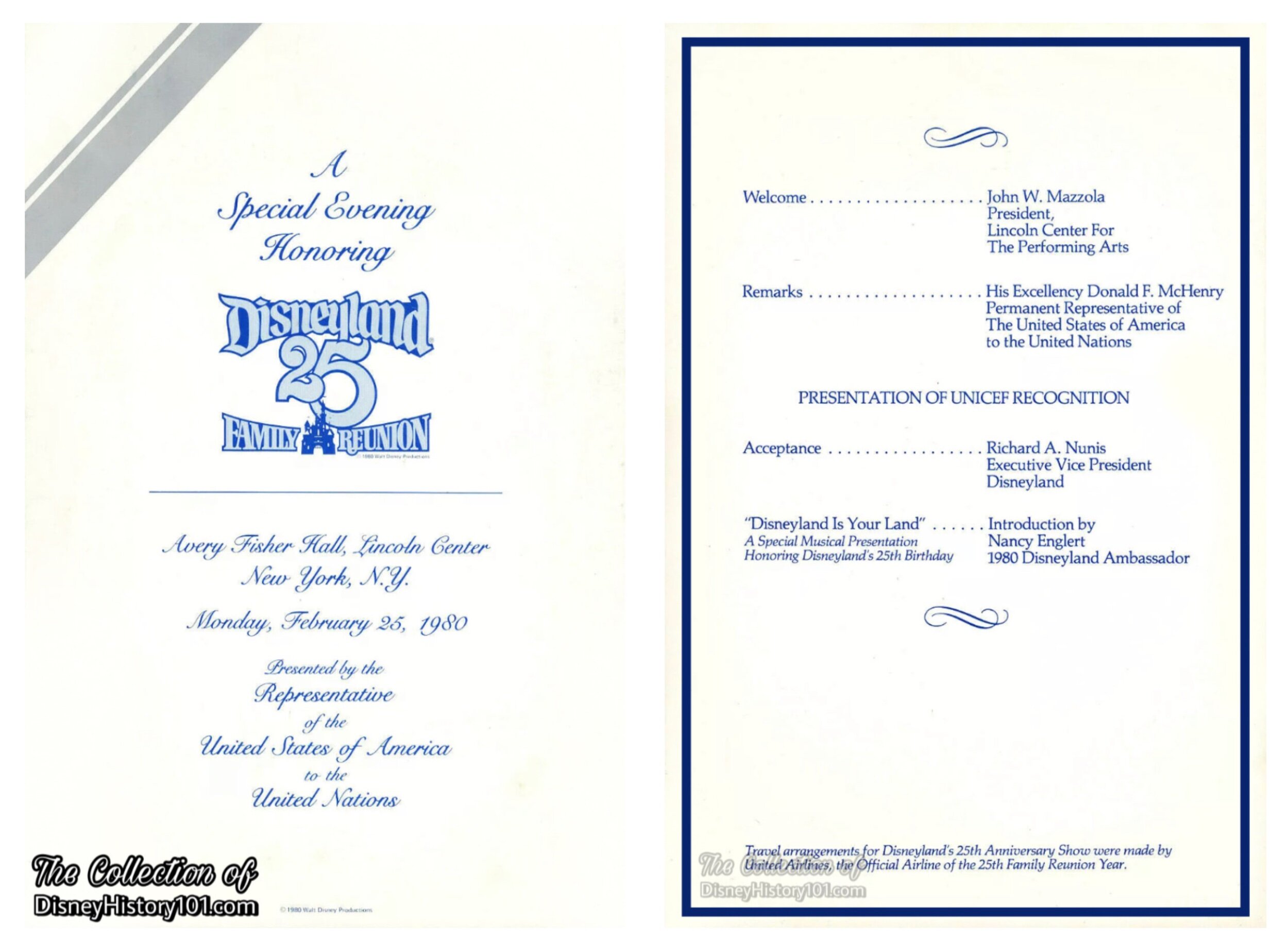


Quisque iaculis facilisis lacinia. Mauris euismod pellentesque tellus sit amet mollis.