
Your Custom Text Here
Presented by America’s investor - Owned Electric Con…
Presented by America’s investor - Owned Electric Con…
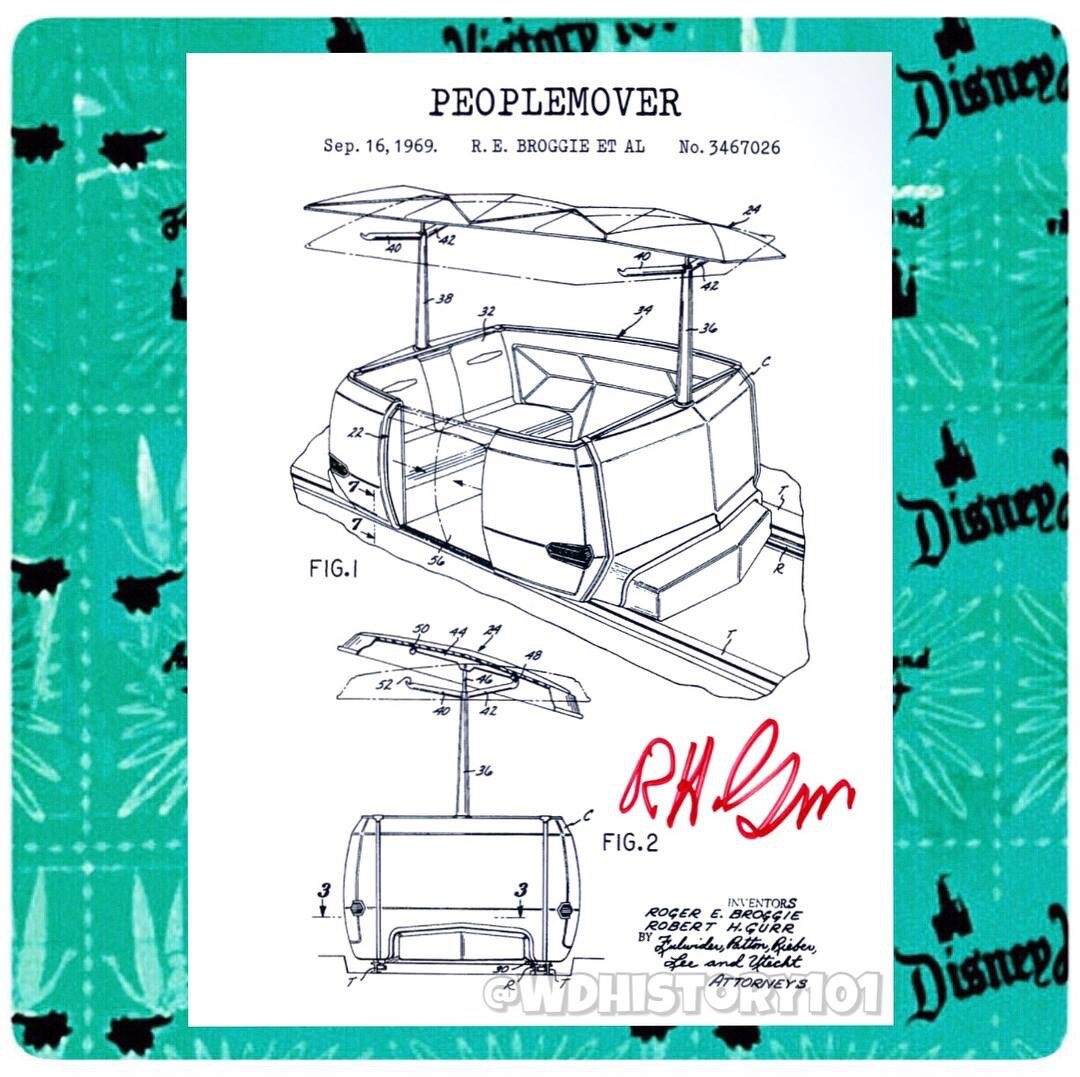
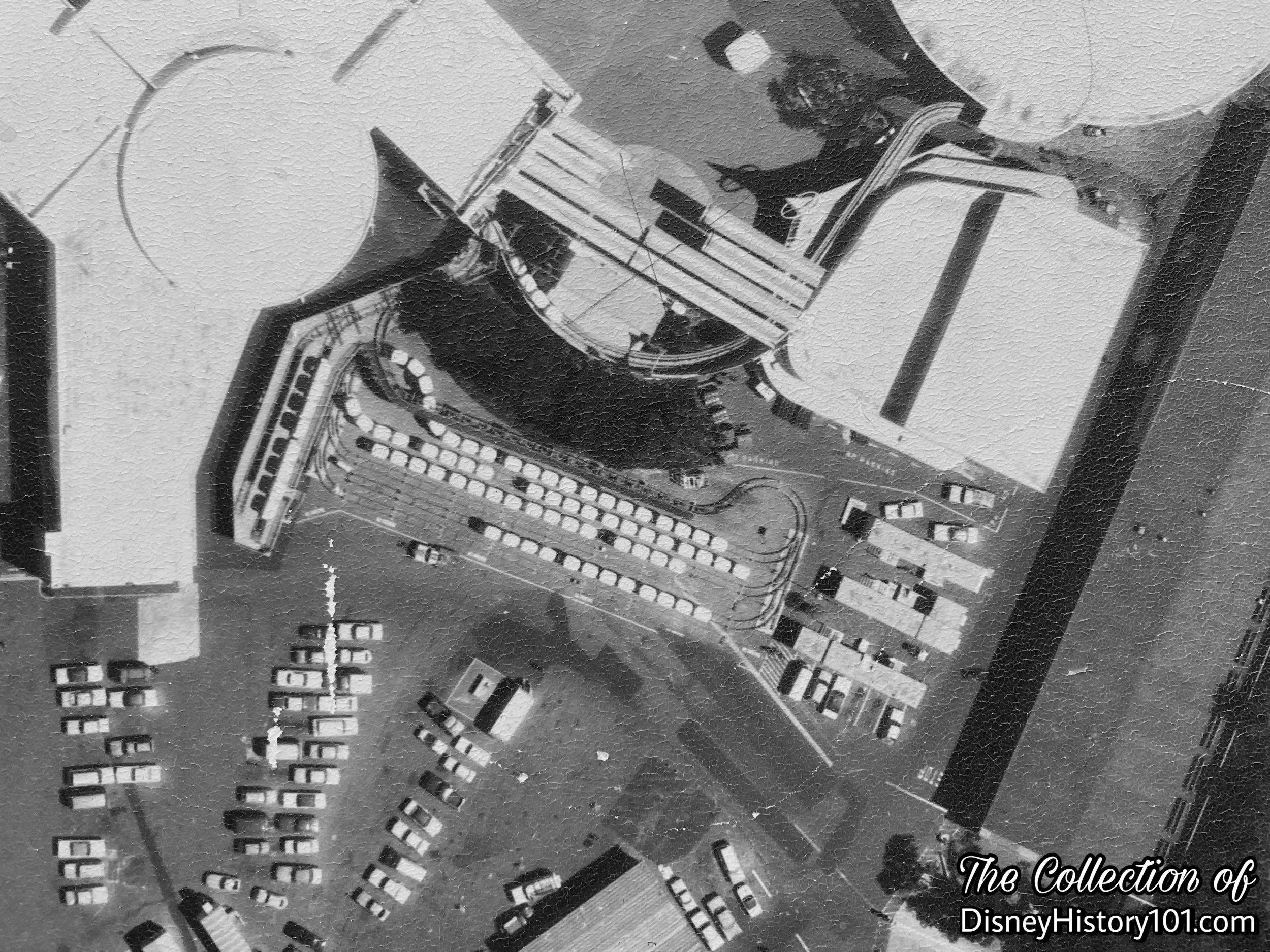
PeopleMover Patent No. 3467026 Drawing Fascimile
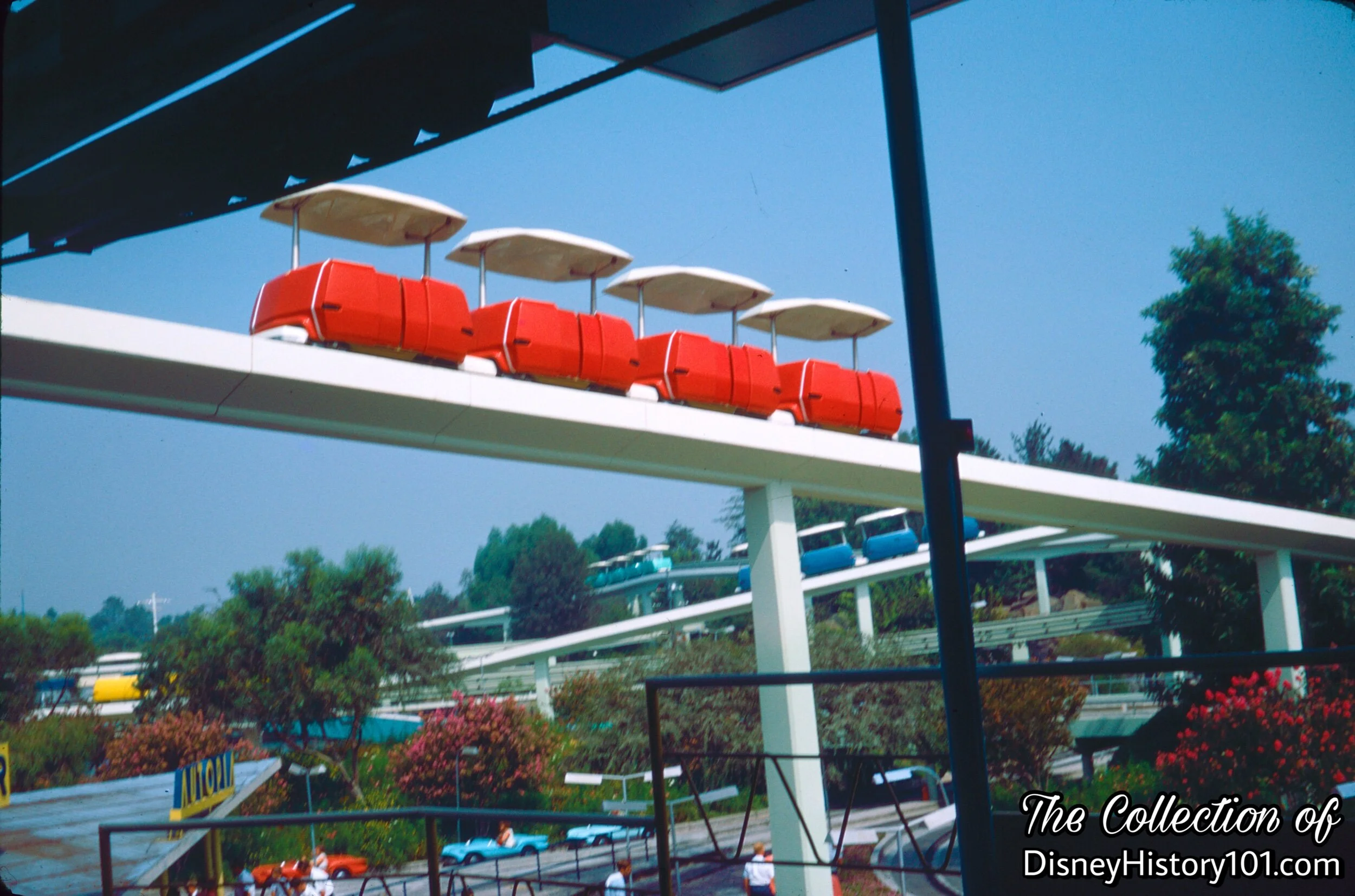
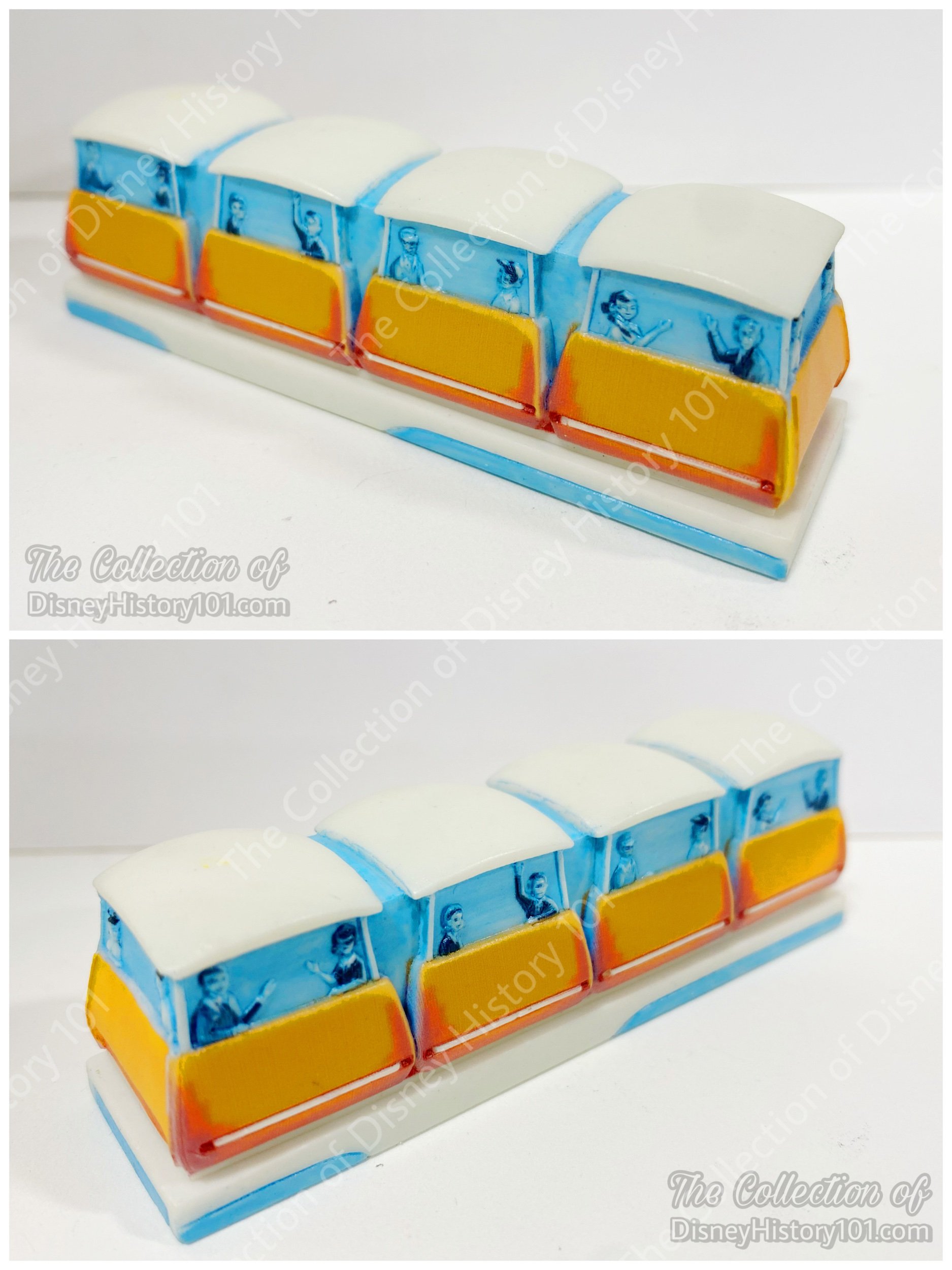
Without a “drive” (or, motor) housed in the PeopleMover vehicles, four car trains of the passive vehicles moved quietly along, propelled by equipment mounted on the guideway conveyance system.
(June 12*, 1967 - August 21, 1995)
*Some sources (as the “Disneyland Admission Media Rides and Attractions Report” published 1971-81) cites July 12, 1967.
One can easily slip into the jargon of “ride,” but at Disneyland there is a "story behind the story" of every attraction, every attraction is a living experience for the guest. Disneyland ride-through attractions or adventures have officially been defined as an “individual show, ride, or exhibit designed to produce an entertaining Guest experience. Disney attractions stir the imagination, enliven the senses, and provide the participants with positive, innovative entertainment, which is the essence of the DISNEYLAND Show.” It is important to review the story of the attraction, tell the story, explain it, and create interest. This is the story of the PeopleMover.
"Blue Sky for Tomorrowland - A World on the Move"
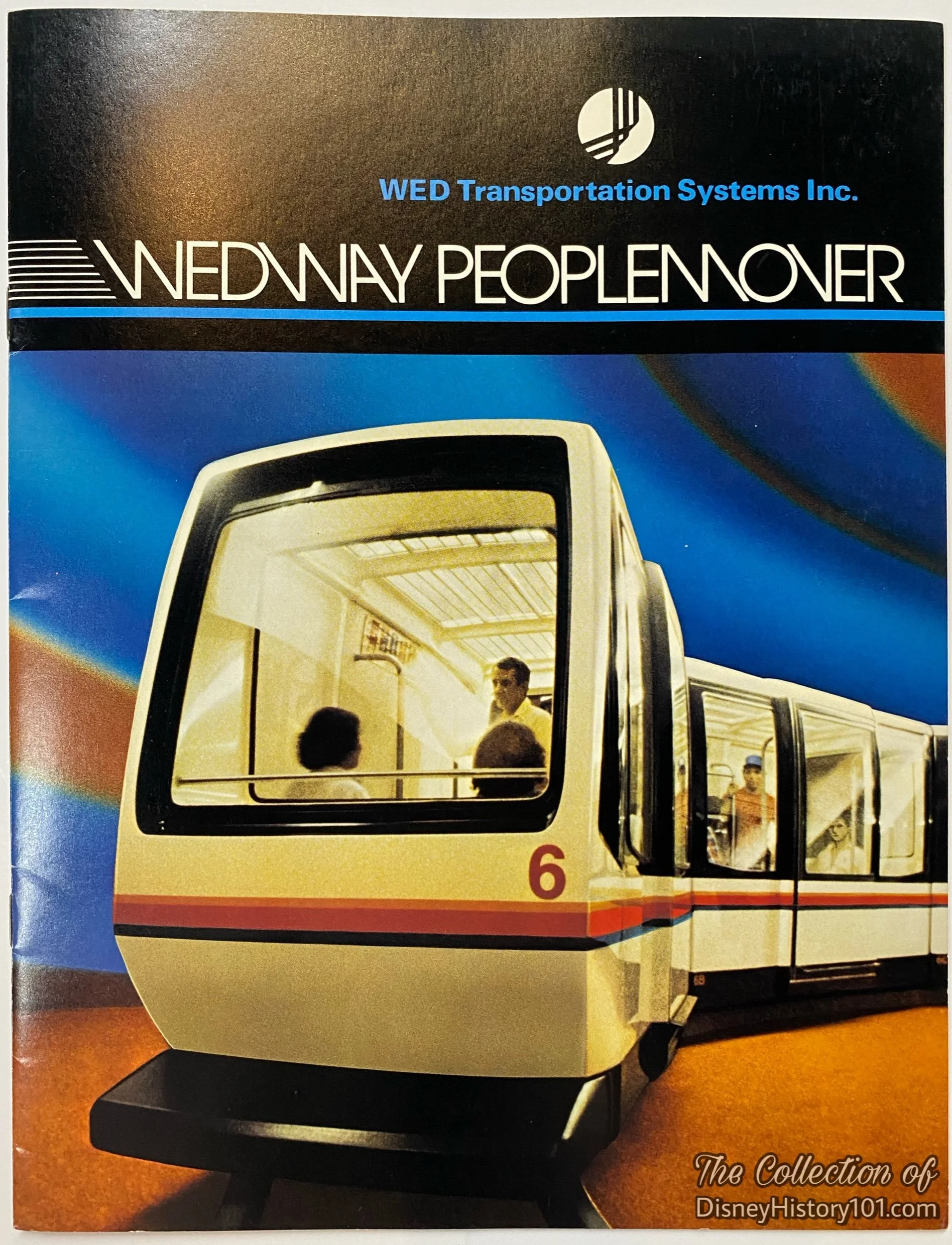
By the early 1960s, Disneyland had grown into a proving ground for design talent, future products, and transportation systems. According to a Wed Transportation Systems, Inc. brochure: “In 1964, the first Disney-designed PeopleMover system carried guests through the Ford pavilion at the New York World's Fair.” The PeopleMover transportation system (like the Monorail system before it) was designed as a potential practical “answer to intra-city transit problems,” according to the Walt Disney Productions Annual Report prepared for 1965, where it was also mentioned that it will “weave in and out of new exhibits sponsored by some of America’s leading companies” and “will soon be installed in the New Tomorrowland section of Disneyland.” It factored into Walt’s dreams for EPCOT shuttling people from the metropolitan central core to various areas.
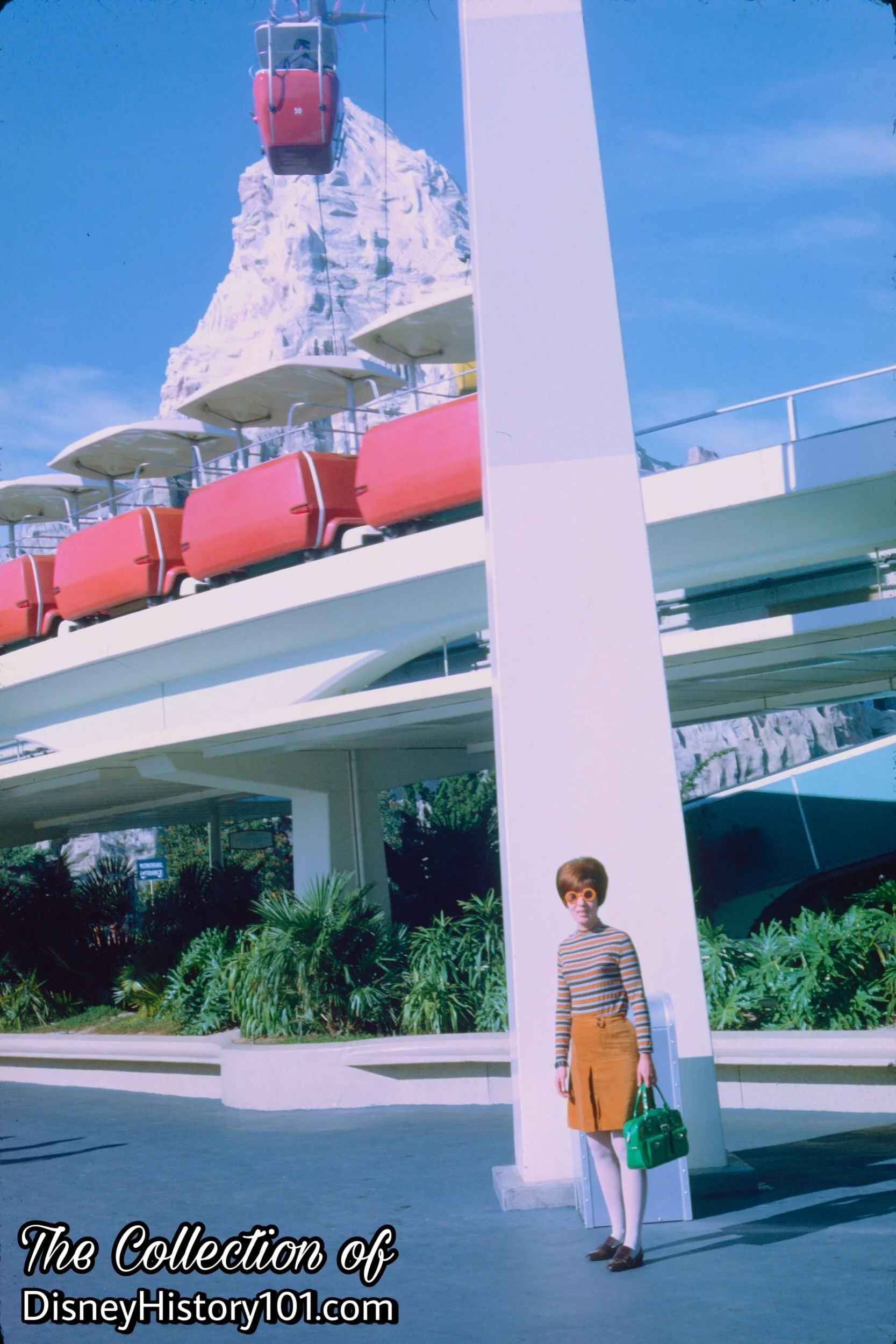
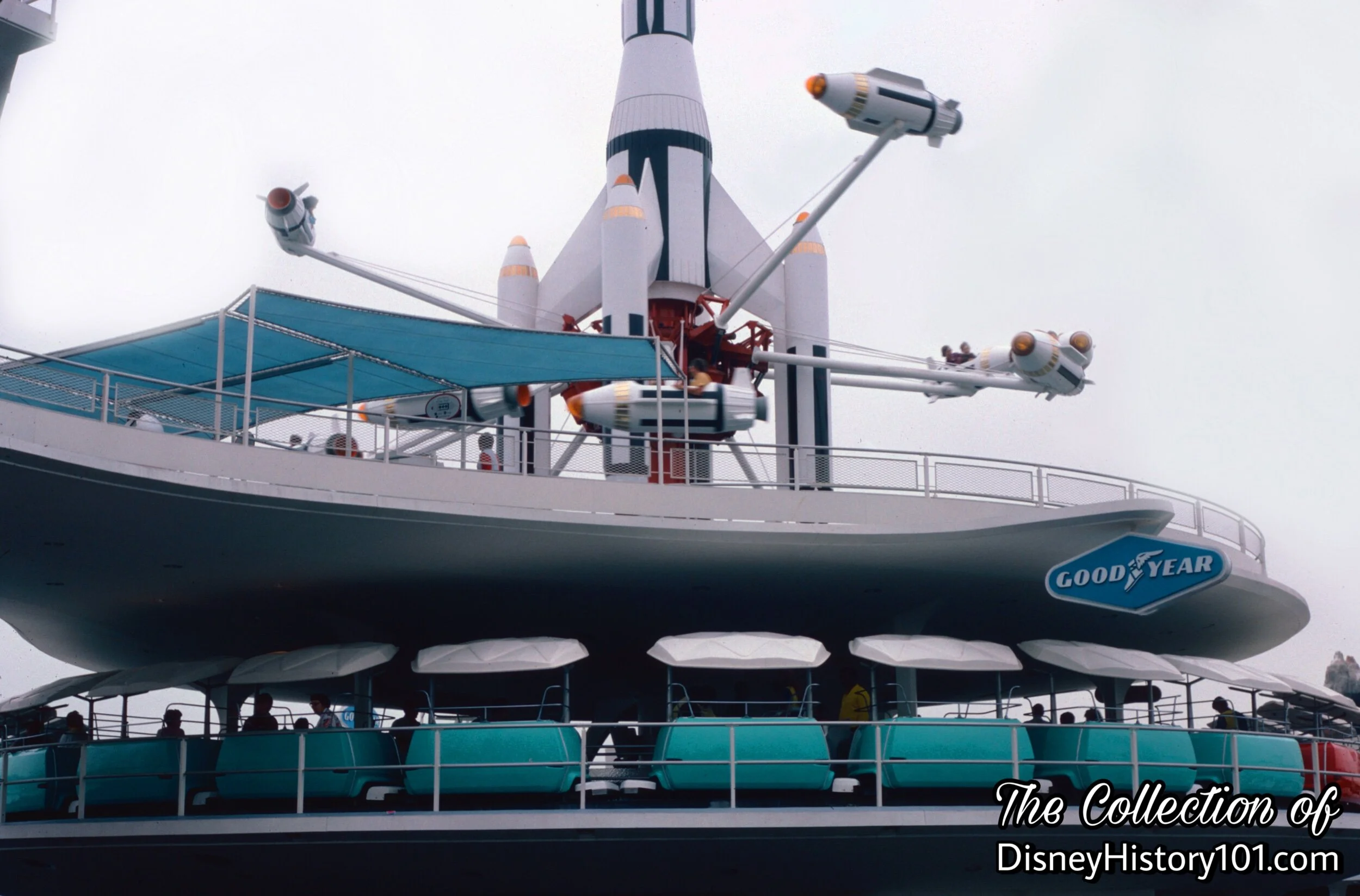
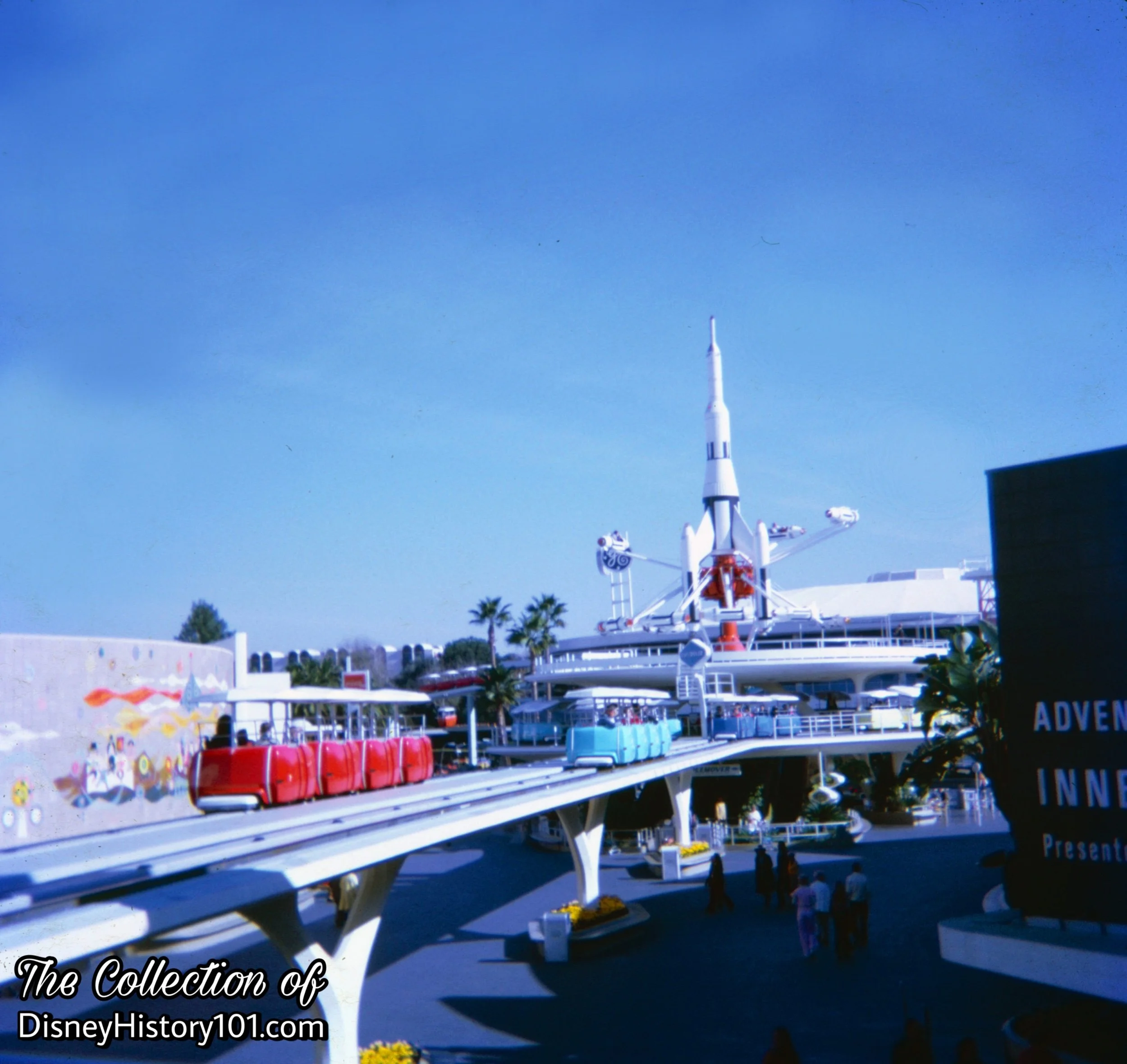
By 1967, NewTomorrowland was “a world on the move” and no attraction summed this point more than the innovative four car trains of the WEDway PeopleMover! Obviously, the fastest way to move people over the extended areas of Disneyland is with moving vehicles. Now, Disneyland Guests would have the opportunity to step aboard the rotating platform (of the trio-level PeopleMover Station), and board a PeopleMover vehicle bound for a scenic and panoramic view of the indoor and outdoor attractions of New Tomorrowland. Along the way, the “‘invisible driver’ points out some of the many exciting adventures awaiting Tomorrowland visitors”, according to Vacationland (of Spring, 1973).
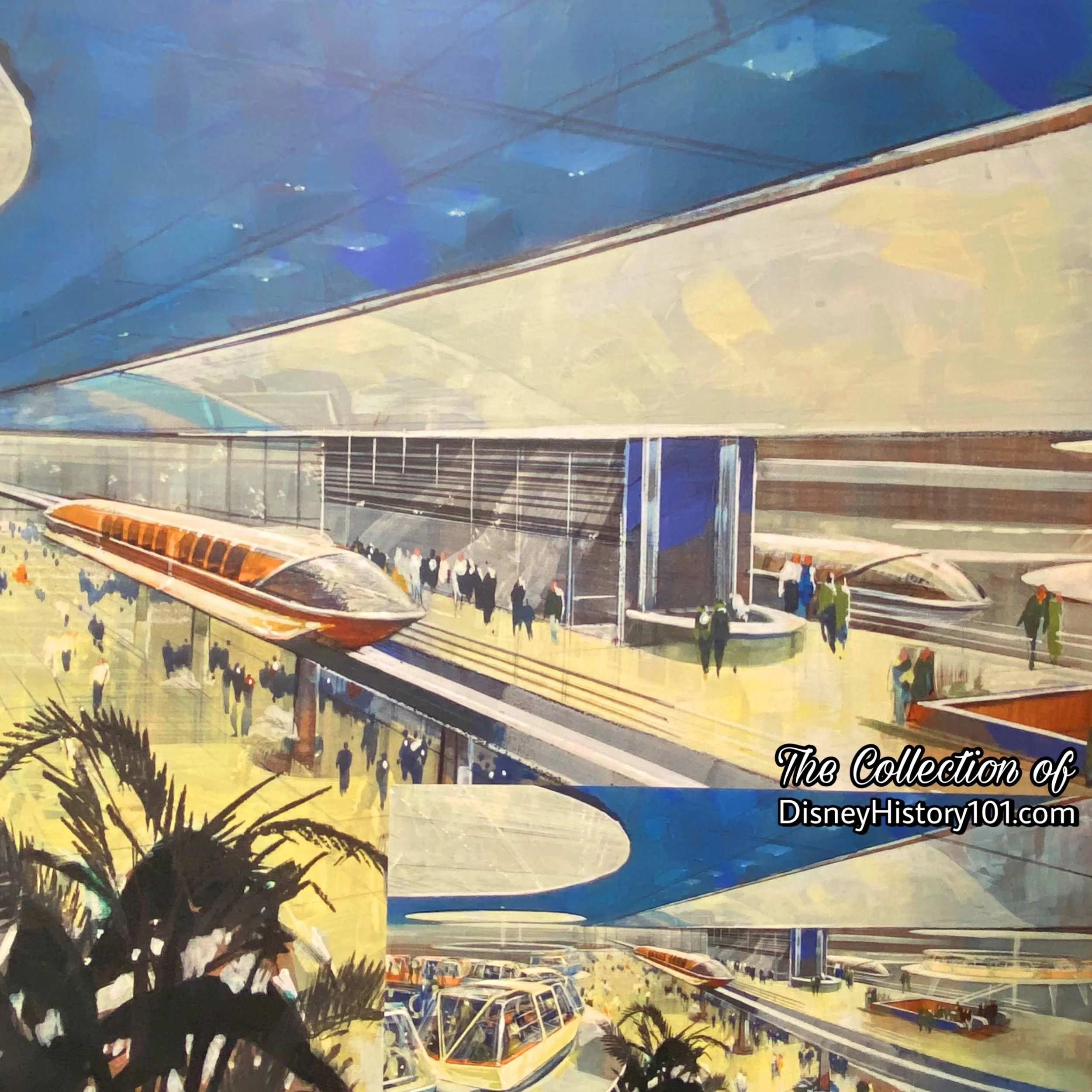
1965 : Concepts were created for the Disney-designed PeopleMover vehicle systems and track layout. George McGinnis and Herb Ryman created an untold number of “suggestions” in watercolor, pen, and gouache from about 1964-1967. Some of these suggestions involved unbuilt attractions (like the “Magic Theater” and the adjoining “Wonder Rotunda” which would have brought a portion of the 1964-1965 New York World’s Fair Ford show to Disneyland.
The Walt Disney Productions Annual Report to Shareholders and Employee (for the fiscal year ending October 2, 1965) reported: “The WEDway has attracted the attention of Goodyear, a company with extensive background and interest in transportation.” Soon, a Disneyland Inter-Office Communication (dated November 9th, 1965 and composed by Jack Sayers) informed all concerned : “A meeting was held last week at WED with Walt, Mel Melton, Dick Irvine, and John Hench to review the 1967 Tomorrowland development, in view of Ford’s withdrawal and other pending lessee matters… Goodyear would have billboard sponsorship of the WEDway and it was decided that at a certain point in the ride the cars could pass through a light-controlled area where there would be a Goodyear Exhibit. There also would be billboard identification, references to their sponsorship during this ride, etc. The fee would be $100,000 per year, term five years.”
Goodyear Tire & Rubber Company parts were previously used to bring the Autopia, Monorail, Speedramps, Mad Tea Party, Main Street vehicles, and Motorboat Cruise to life. Now, a “startling new concept in transportation” - the PeopleMover - (presented by Goodyear) gives guests a grand circle tour of Tomorrowland. This business relationship would lead to more sponsorships, when Goodyear sponsored the Tomorrowland Speedway at Walt Disney World.
1966: During 1966, WED Enterprises, Inc. opened projects (No. 0040-001 & 003) for two WEDway People Mover. These projects encompassed a WEDway PeopleMover test track which was constructed on land between MAPO and WED (Total Actual Design Cost: $18,365/Write Off: $11,013) and another WEDway PeopleMover constructed at Disneyland (Total Actual Cost: $634,997/Write Offs: $11,013;$184,195;$171,258). A Prototype of the WEDway People Mover system was in operation at WED Enterprises in California with cars at approximately ⅝ scale.
During this time Walt visited the Park. “55er” Joyce Belanger recalled seeing Walt “just before he went to the hospital for the last time. He was standing, watching the attractions… almost like he knew he'd never see them again.”
Internal materials published in 1966 mentioned: “With four major new attractions nearing completion for summer, 1966, openings at Disneyland, Walt and his staff at WED are looking toward 1967 - 1968.“ Plans for New Tomorrowland and the PeopleMover were moving forward when the unexpected occurred. Many Disney personnel who were present, remember the tragedy that occurred on Thursday, December 15, 1966, at 9:35 a.m., when their brother, their friend, and leader, Walt Disney died. Soon after, Roy O. Disney, President and Chairman of the Board of Walt Disney Productions addressed the staff with an official statement, in which it was conveyed:
“Walt Disney spent his entire life and almost every waking hour in the creative planning of…Disneyland… and the other diversified activities that have carried his name through the years. Around him Was Disney gathered the kind of creative people who understood his ways were always unique and he built a unique organization. A team of creative people that he was justifiably proud of… Many have been with us for over thirty years. They take great pride in the organization which we helped to build. Only through the talent, labor ad dedication of this staff could any Disney project get off the ground…
Much of Walt Disney’s energies had been directed to preparing for this day. It was Walt’s wish that when the time came he would have built an organization with the creative talents to carry on as he established and directed it through the years. Today this organization has been built and we will carry out this wish.
Walt Disney’s preparation for the future has a solid, creative foundation. All of the plans for the future that Walt had begun… the expansion of Disneyland… will continue to move ahead.”
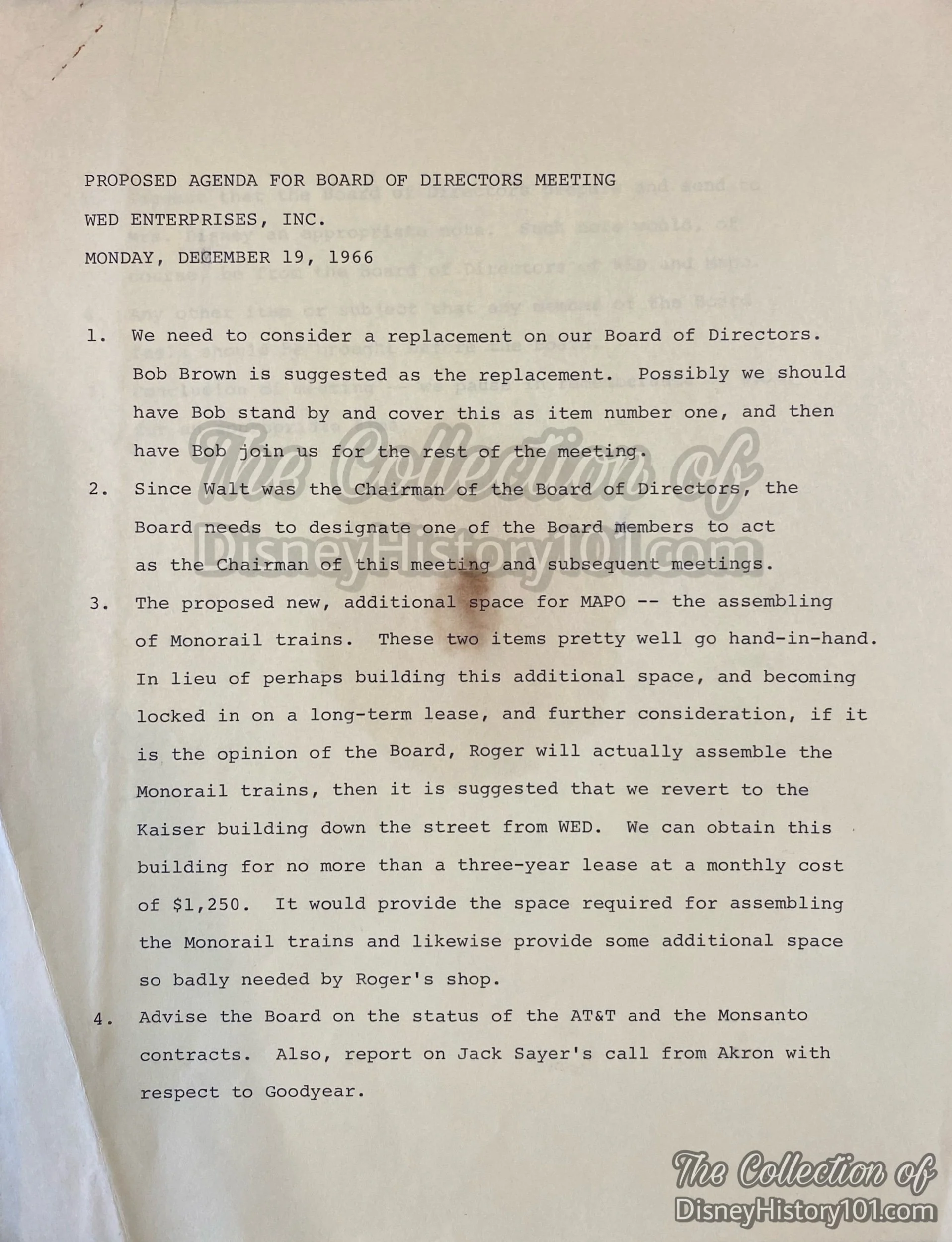
And so, not even a week after the passing of a friend and leader, Walt Disney), the WED Enterprises, Inc. Board of Directors met for a special meeting agenda on December 19, 1966. There, the fourth subject involved advising to “report on Jack Sayer’s call from Akron with respect to Goodyear.”
WED Enterprises, Inc. Board of Directors Meeting Proposed Agenda, December 19, 1966.
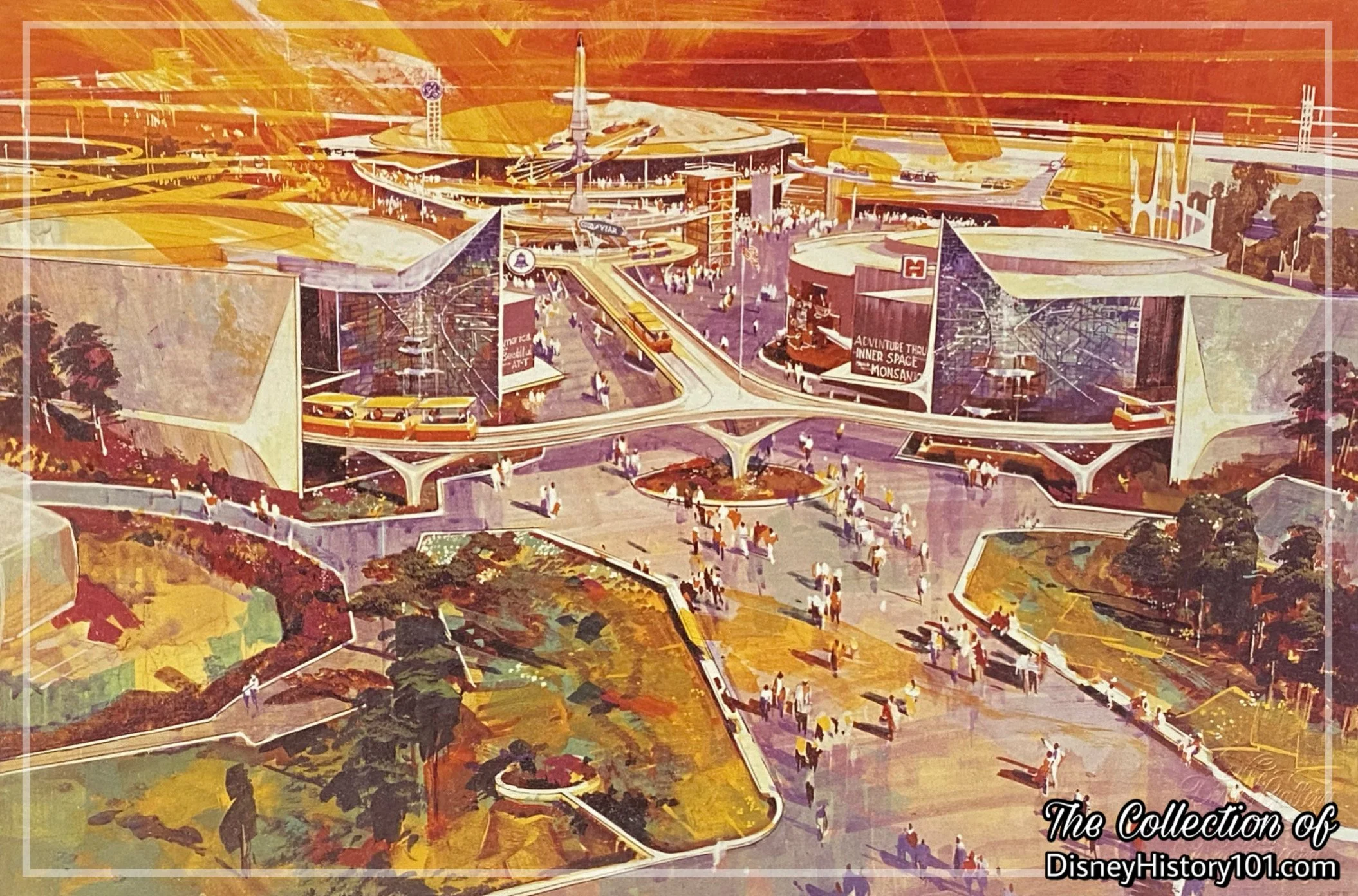
According to “Progressland at Disneyland: a proposal for the General Electric Company from Walt Disney Productions” ©1965: “The word for 1967 is Tomorrowland -a New Tomorrowland. When the present Tomorrowland was designed, in the early 1950's, Early Bird, Gemini and Apollo were space age terms of the distant future. Even the household word ‘astronaut’ was still to be coined. Times-and-tomorrows have changed. So recently Walt Disney and his creative staff have taken a new look at the Tomorrowland area. To research ideas. Walt and his team visited Houston, Huntsville and Cape Kennedy, discussing the latest Space Age wonders with astronauts and scientists, including Dr. Wernher Von Braun. The result: a decision to close the entire Tomorrowland section of Disneyland in the Fall of 1966 for complete redevelopment - the re-building and enlarging of an entire area of Disneyland to provide for dramatic and exciting new attractions and exhibits. In New Tomorrowland, … a unique new People Mover the WED-way, will carry guests on a scenic tour throughout New Tomorrowland -even weaving in and out of new exhibits sponsored by leading American industry. (Douglas Aircraft, the Bell System and Monsanto, for example, are all discussing expansion of their popular attractions.)“
Some of these viable project Concepts (as seen above), were supported by a well-developed business case and built expectation.
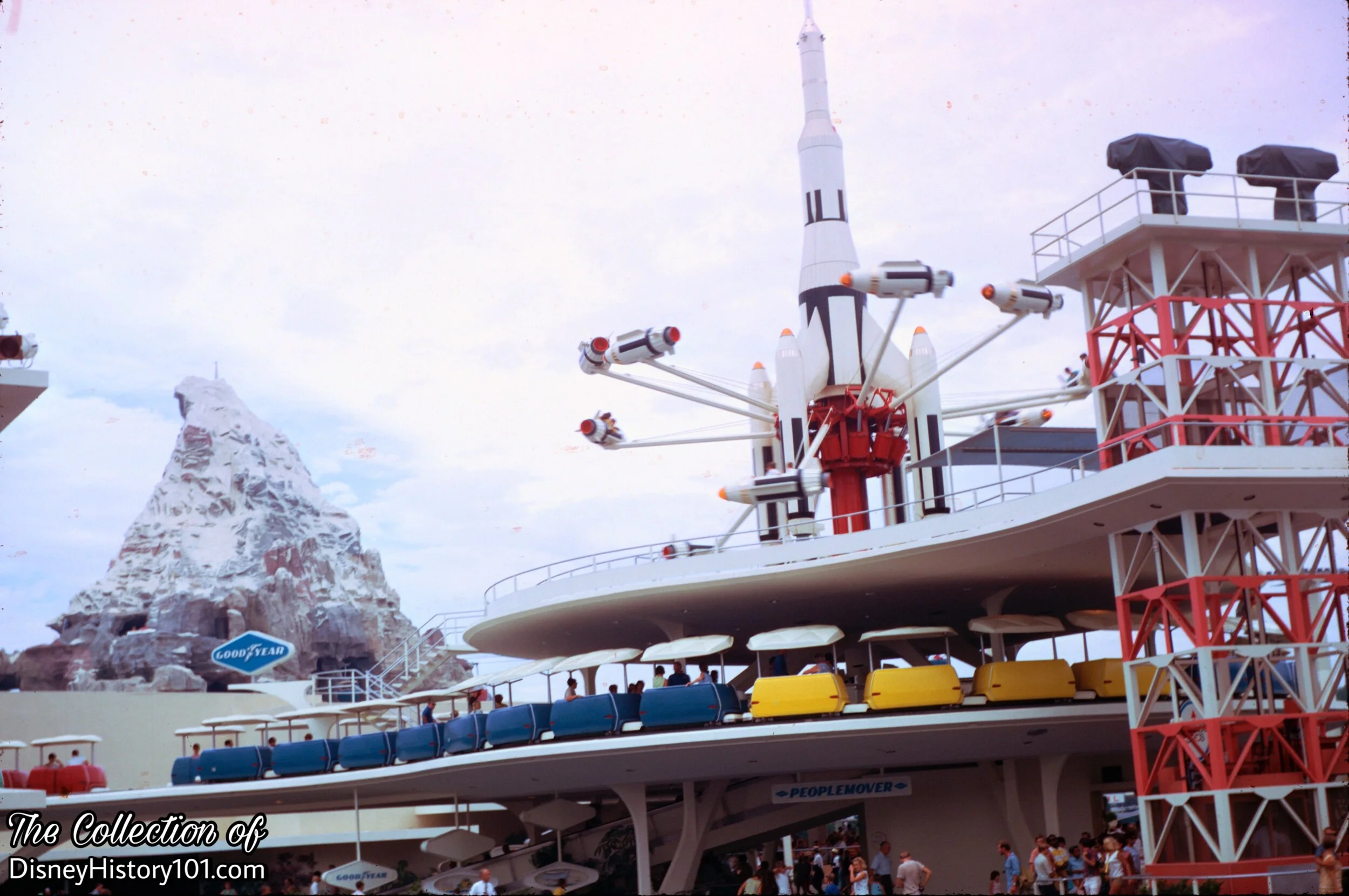
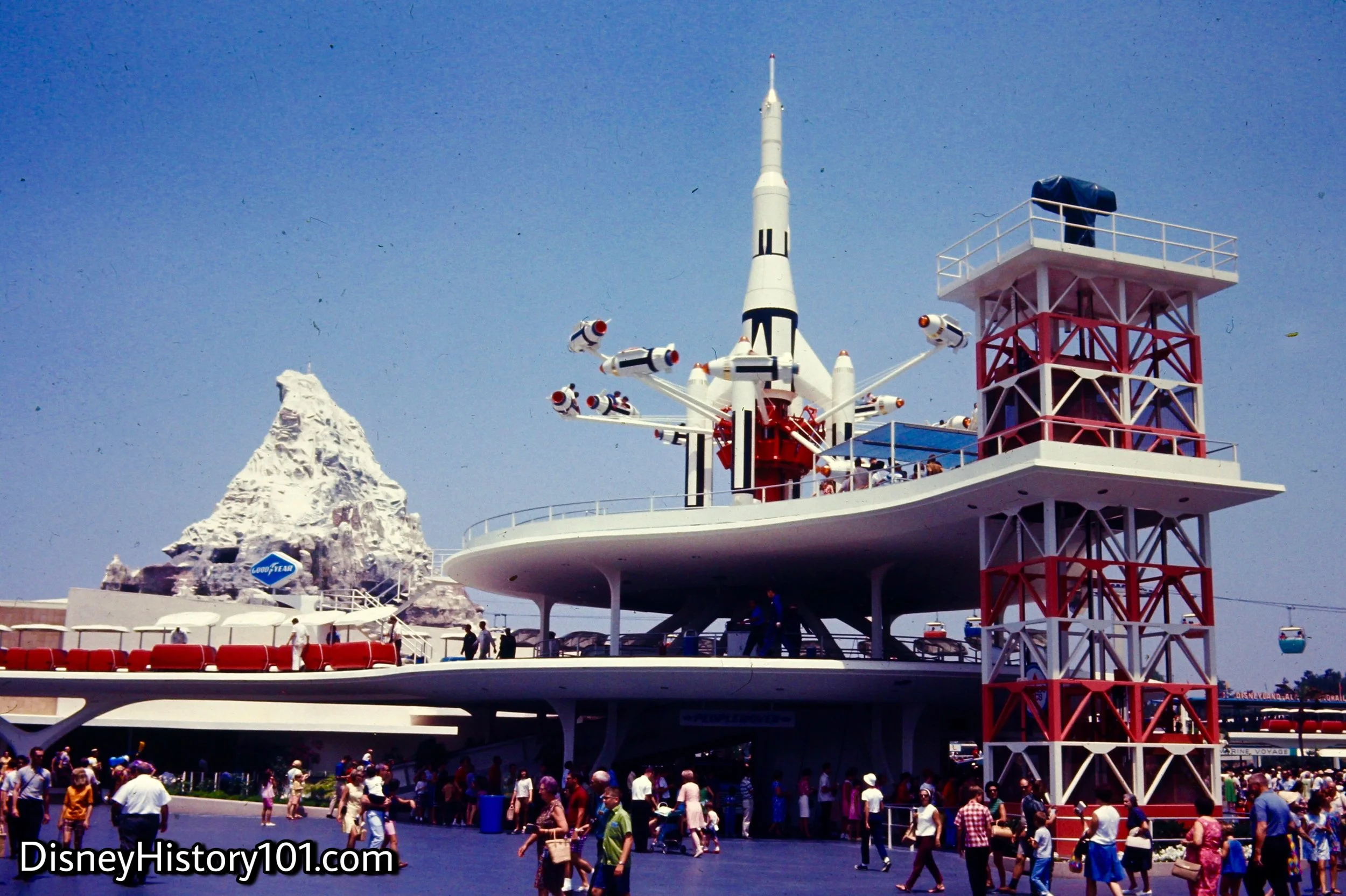
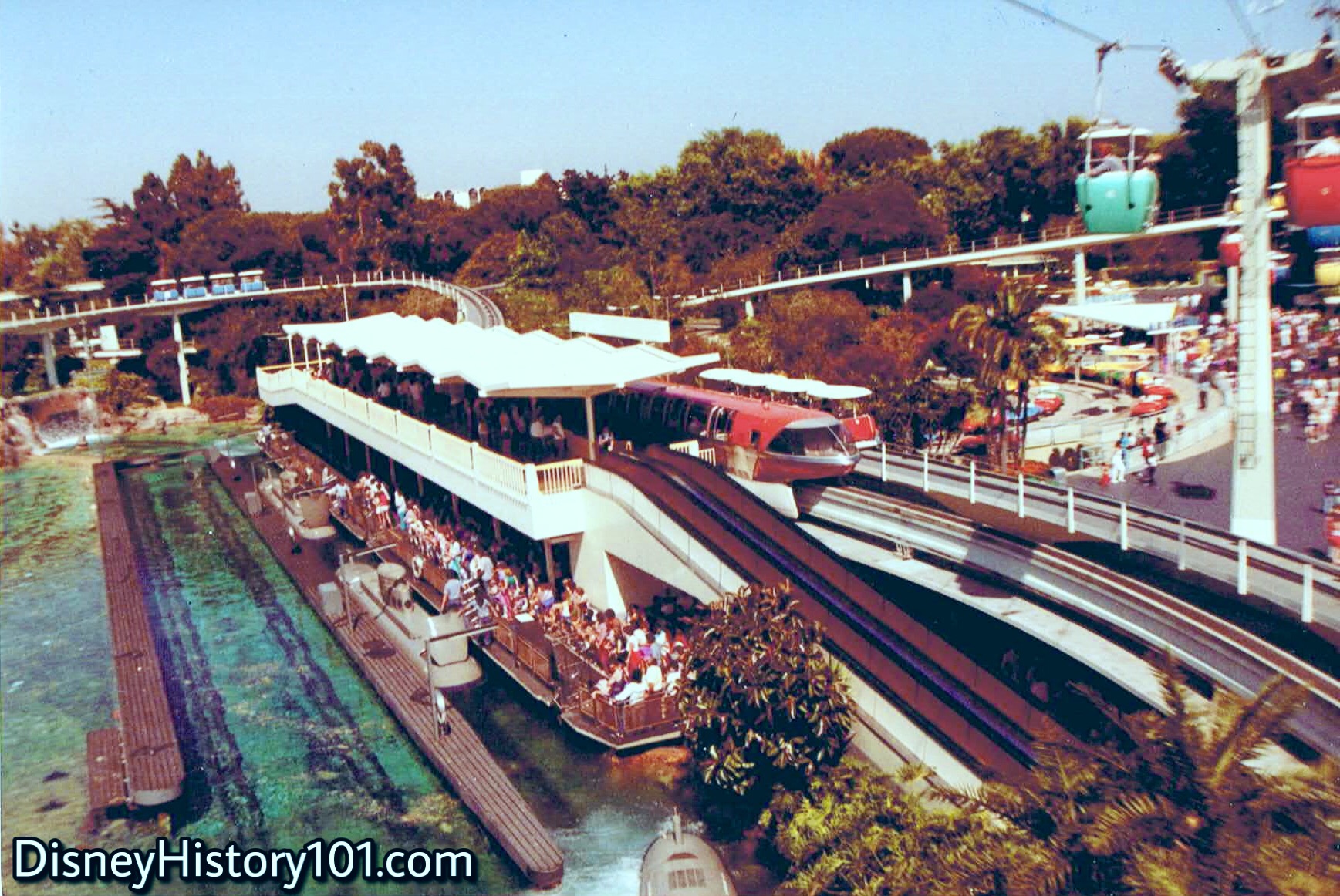
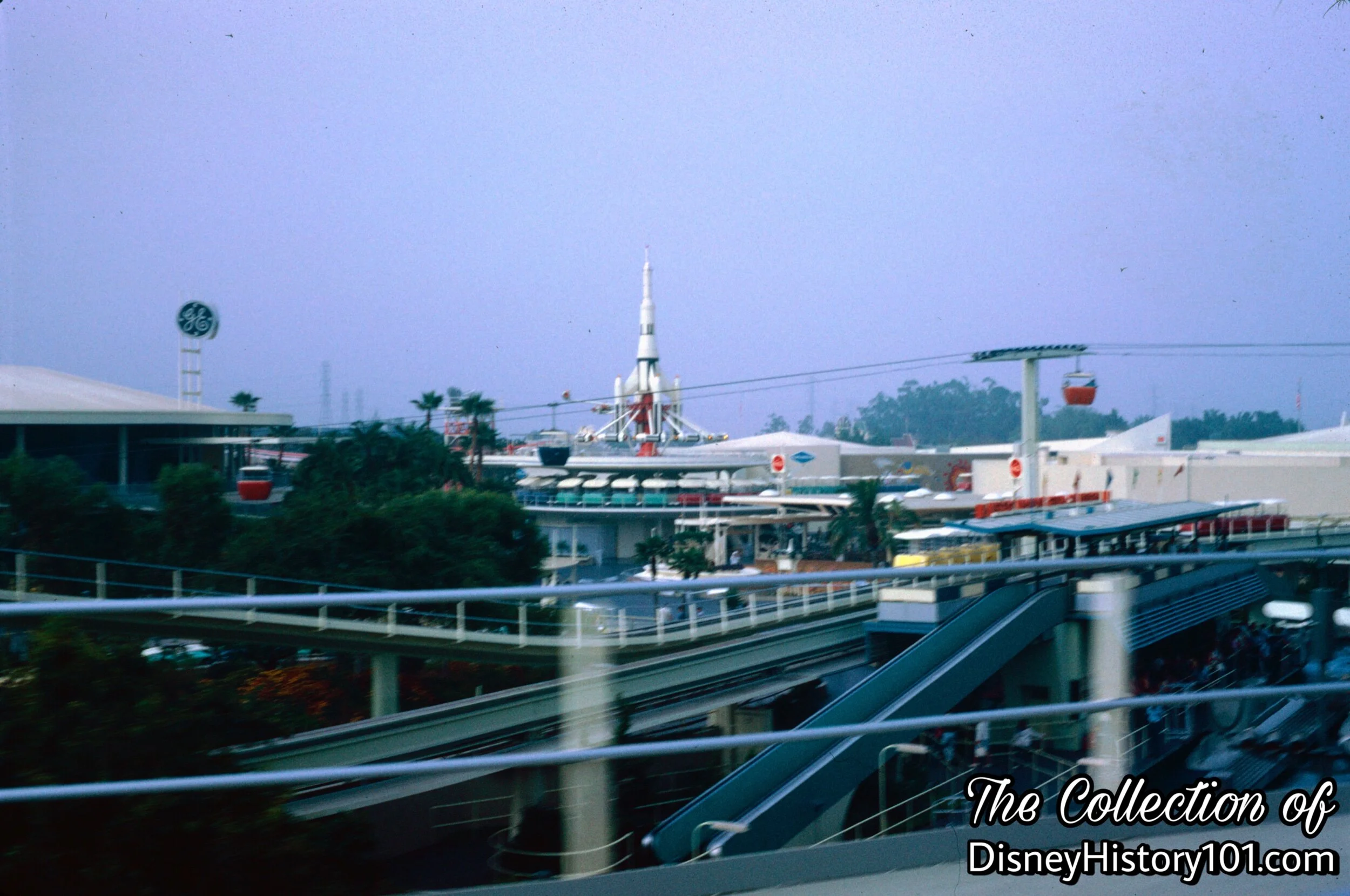
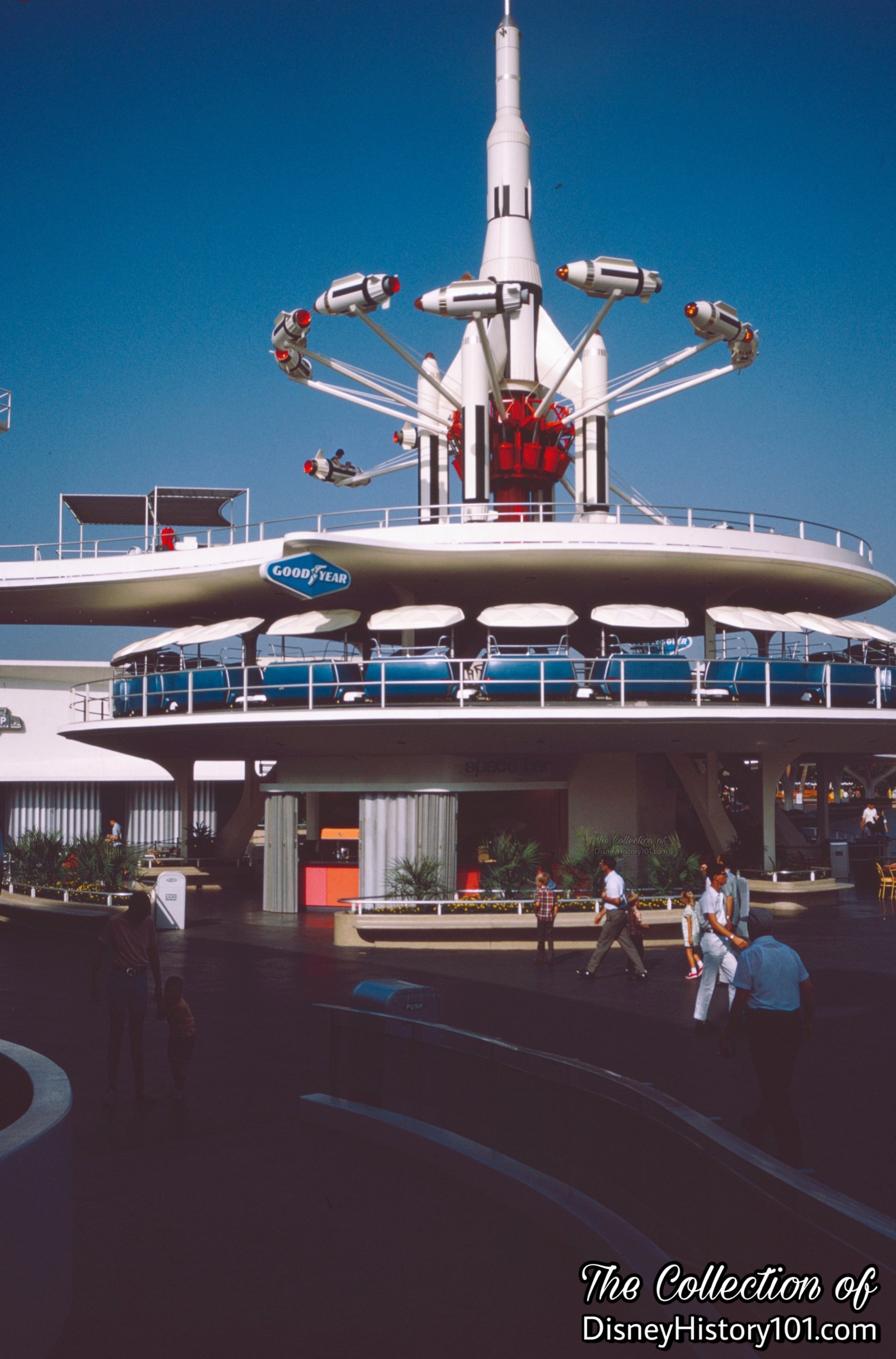
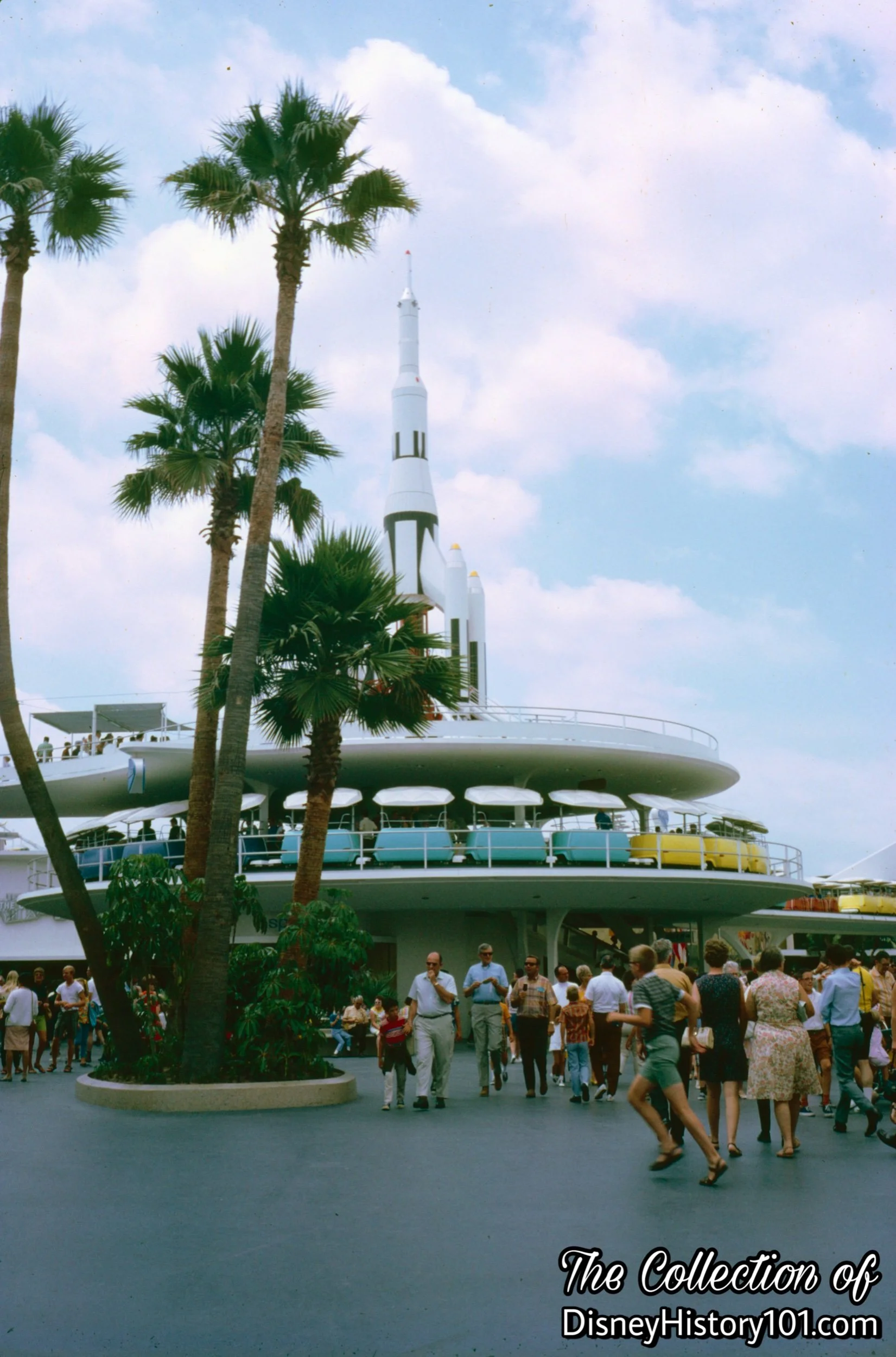
1967 : The tri-level PeopleMover Station was the theme center and pivotal point of new Tomorrowland.
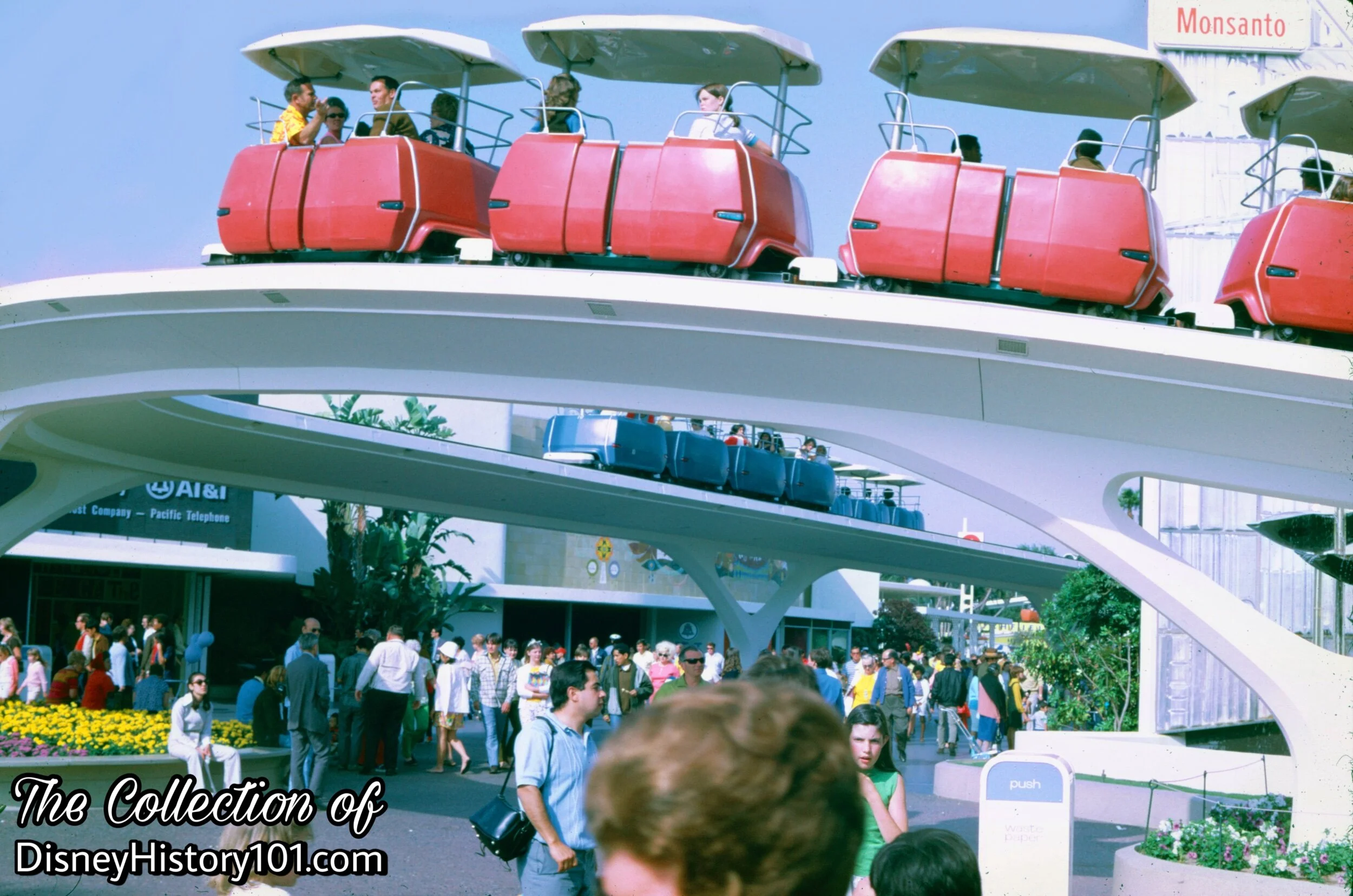
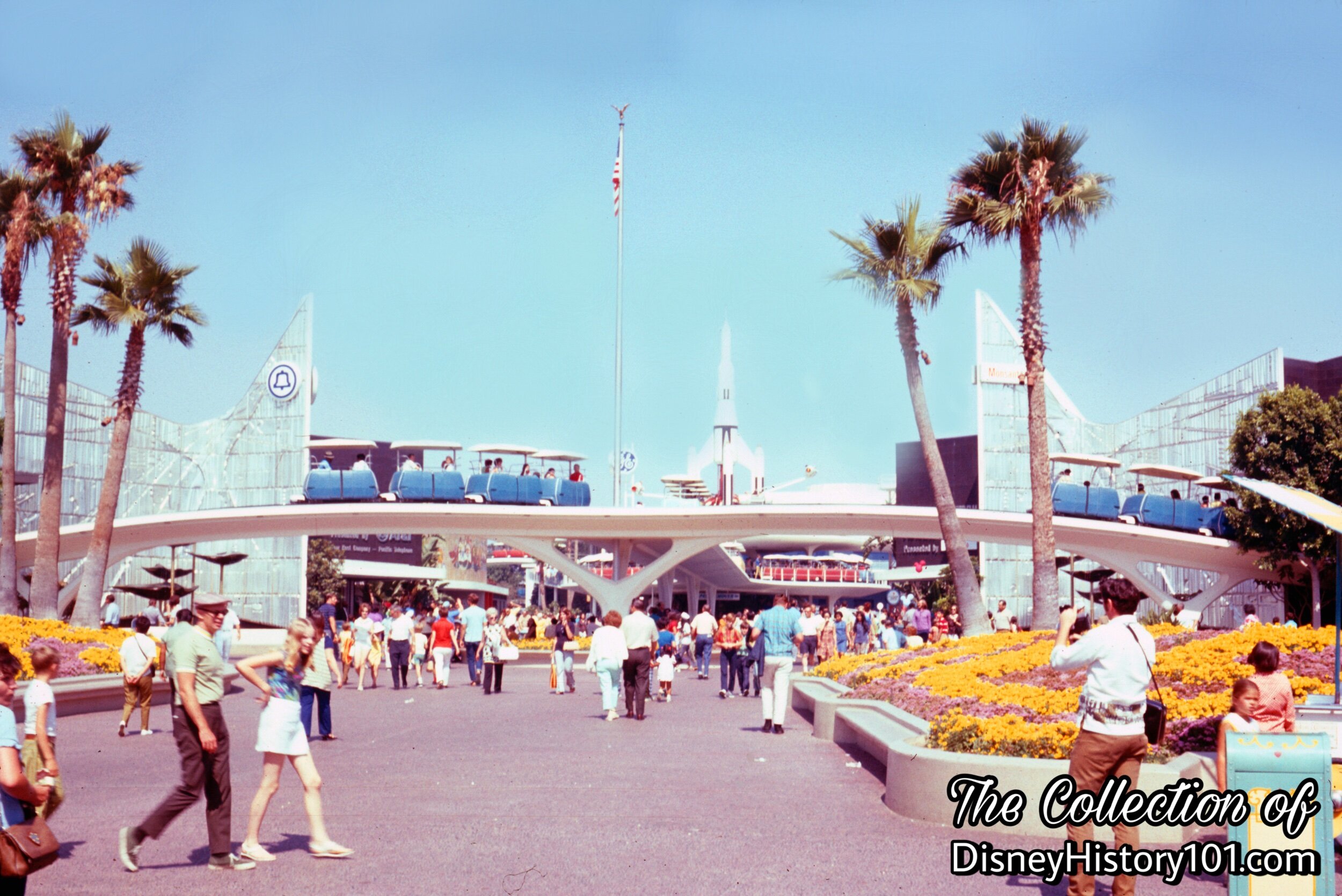
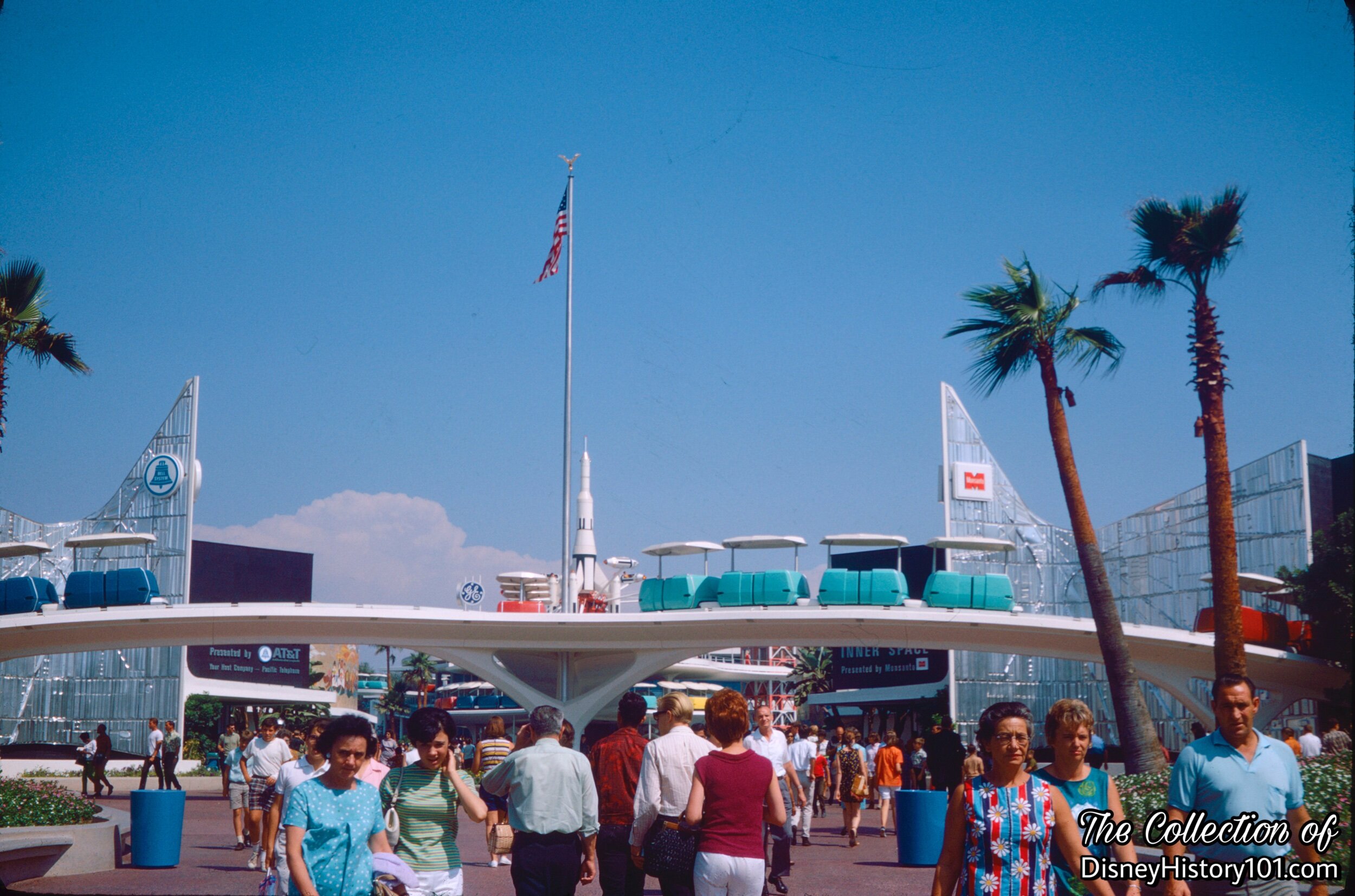
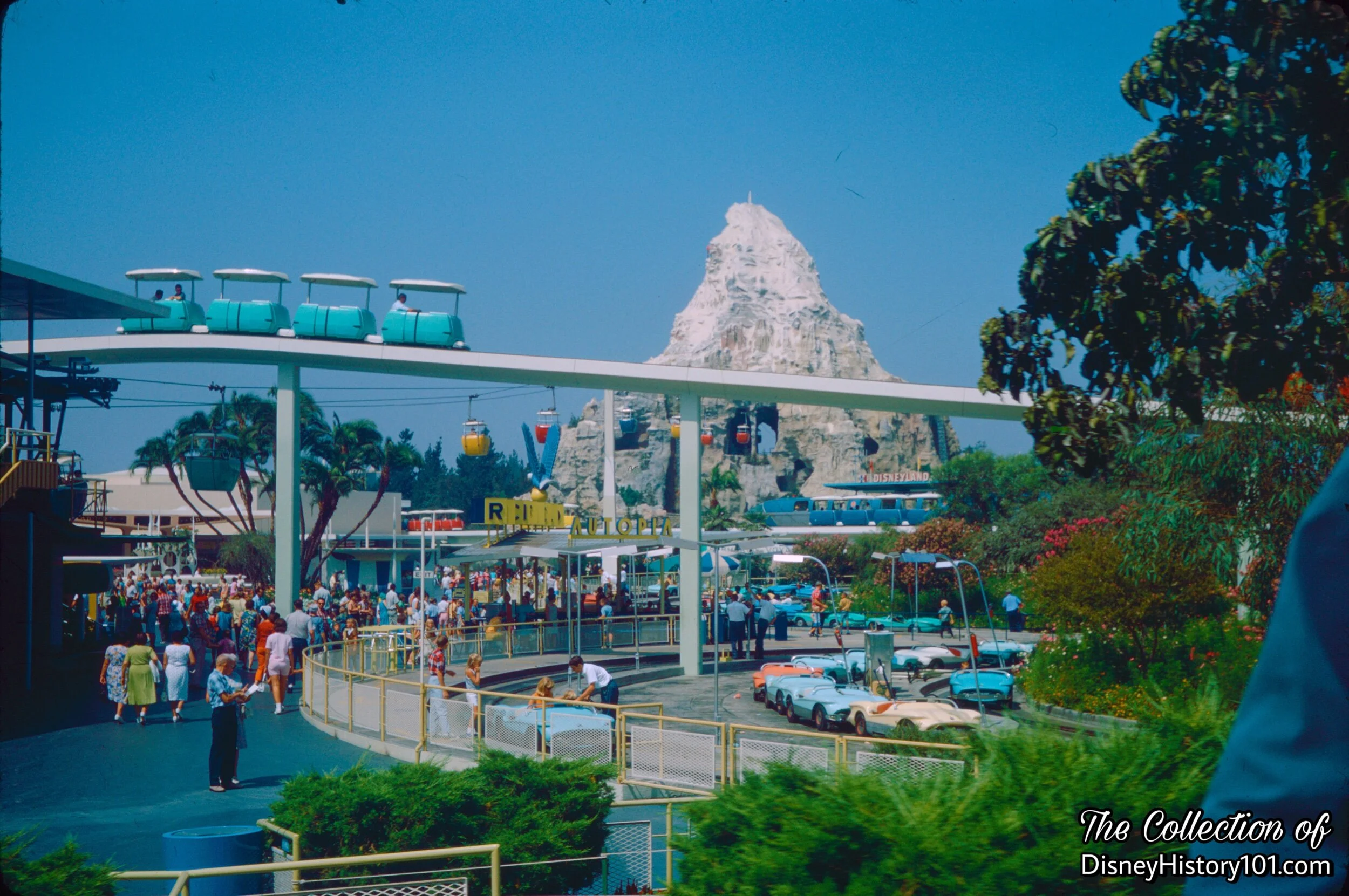
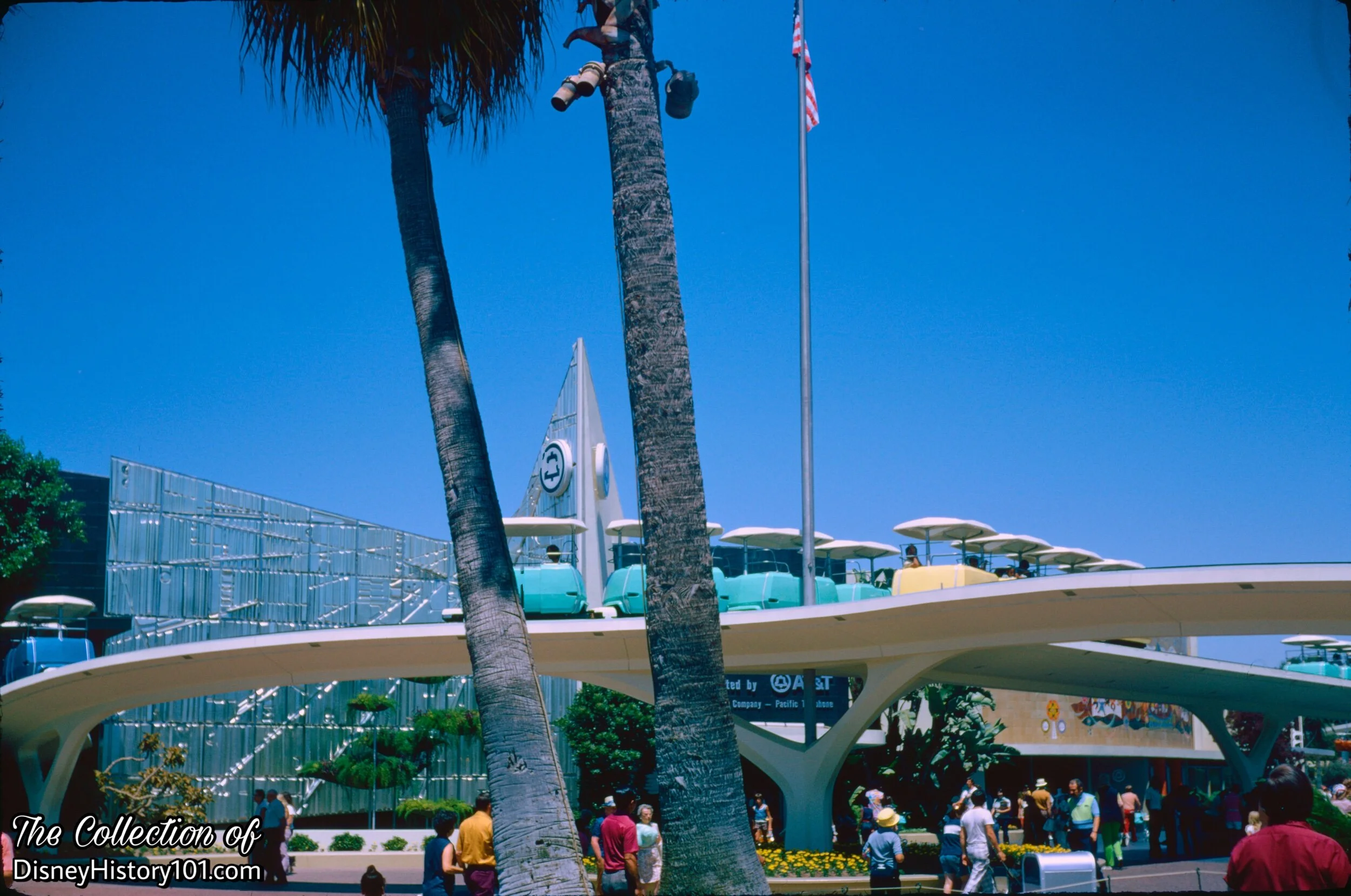
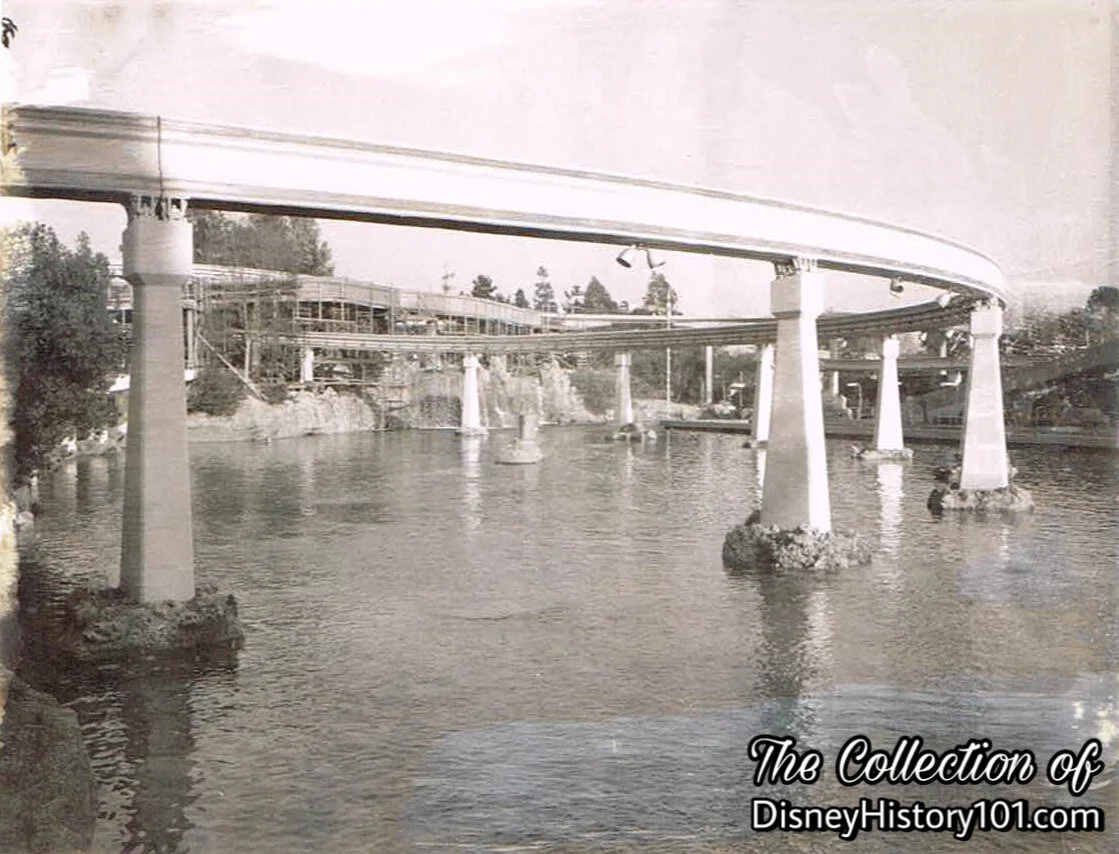
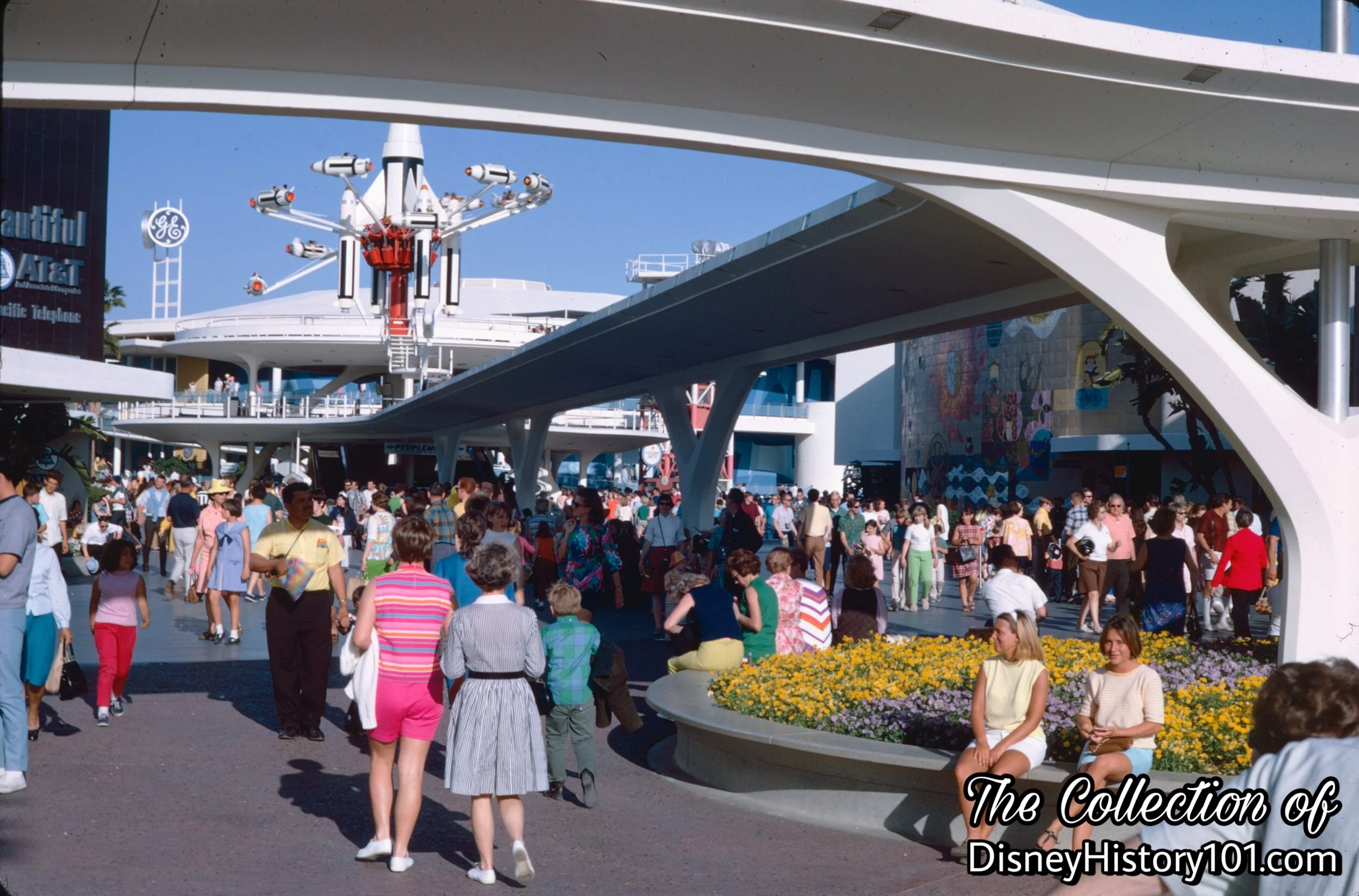
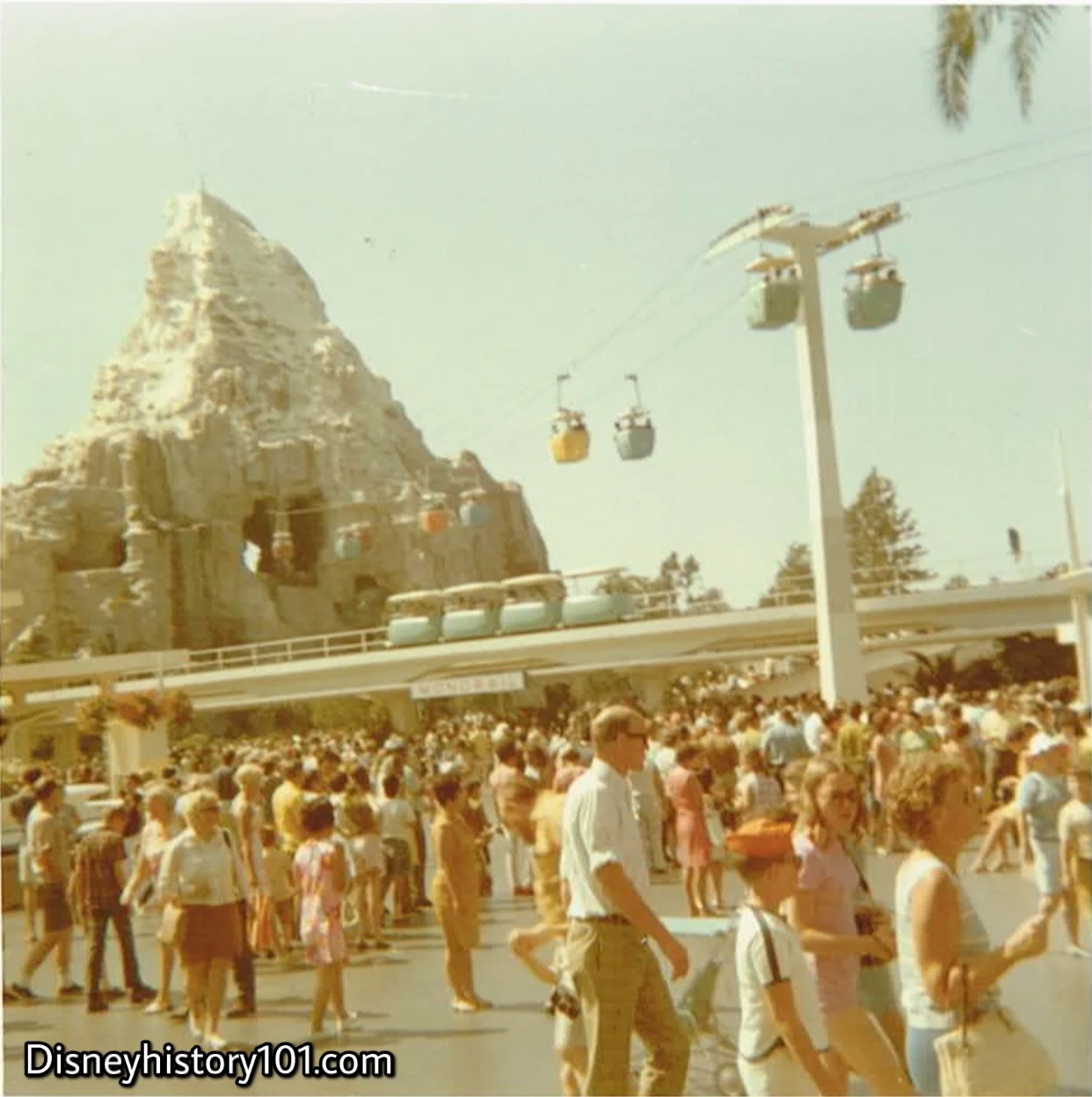
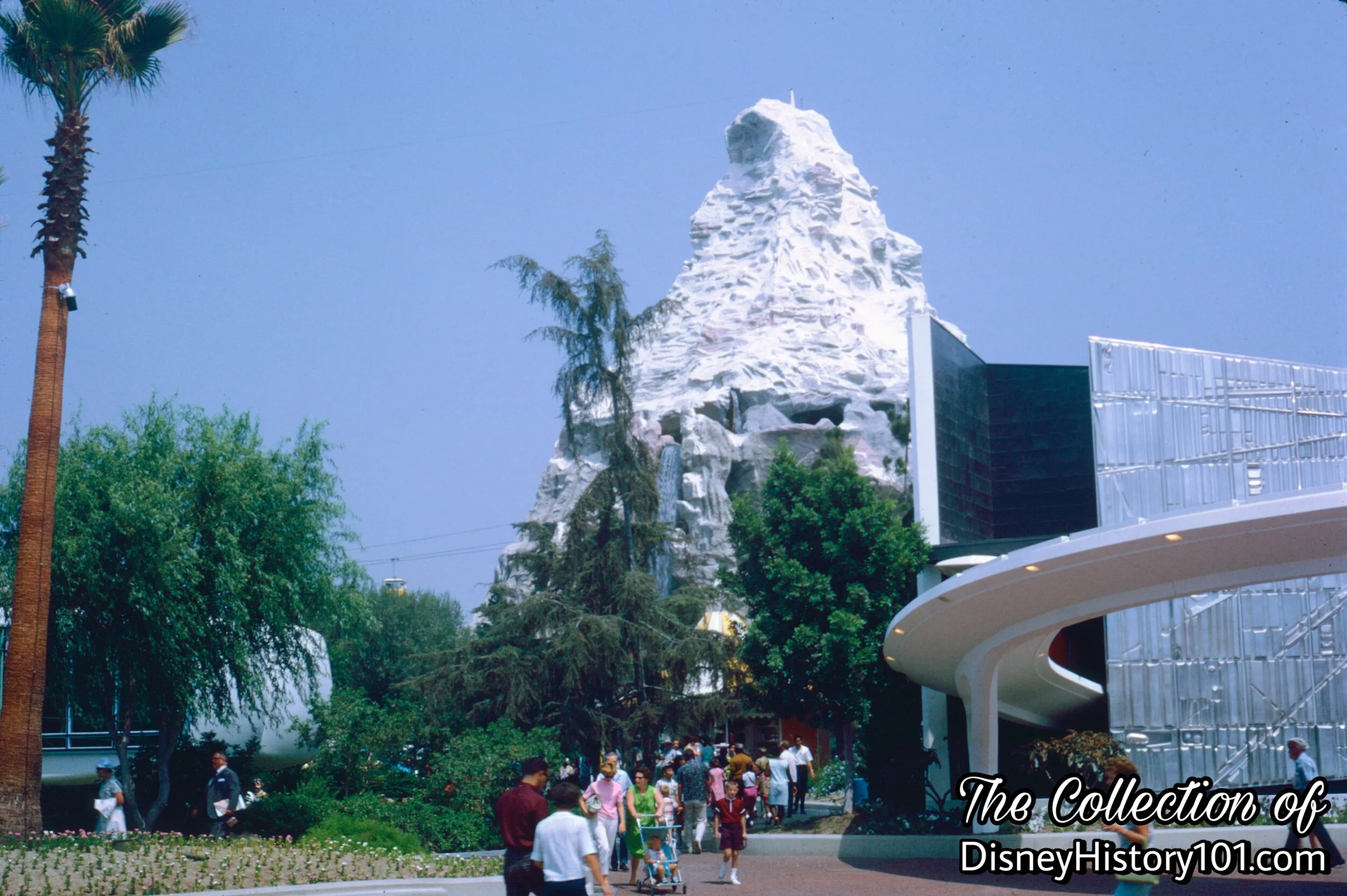
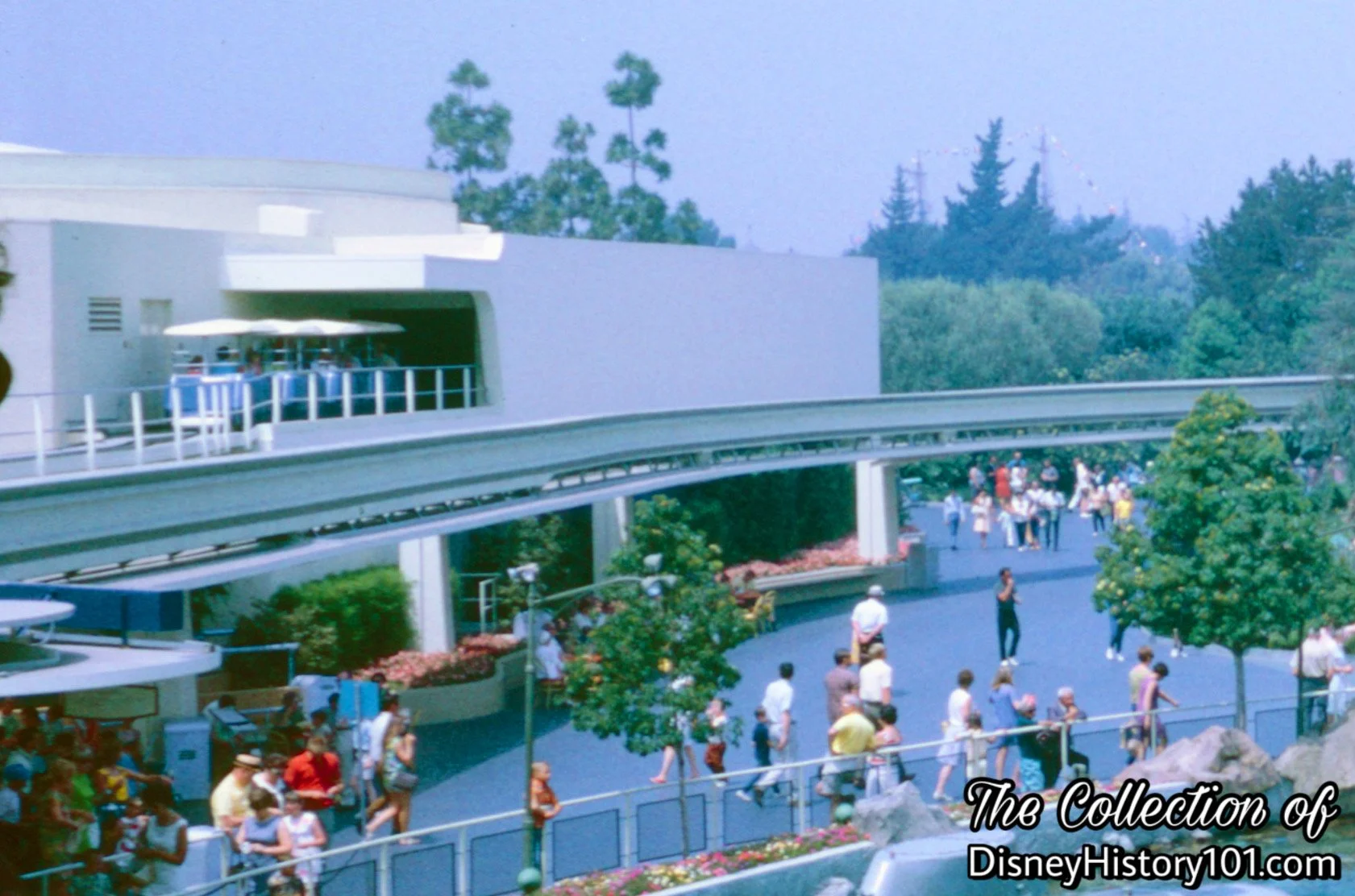
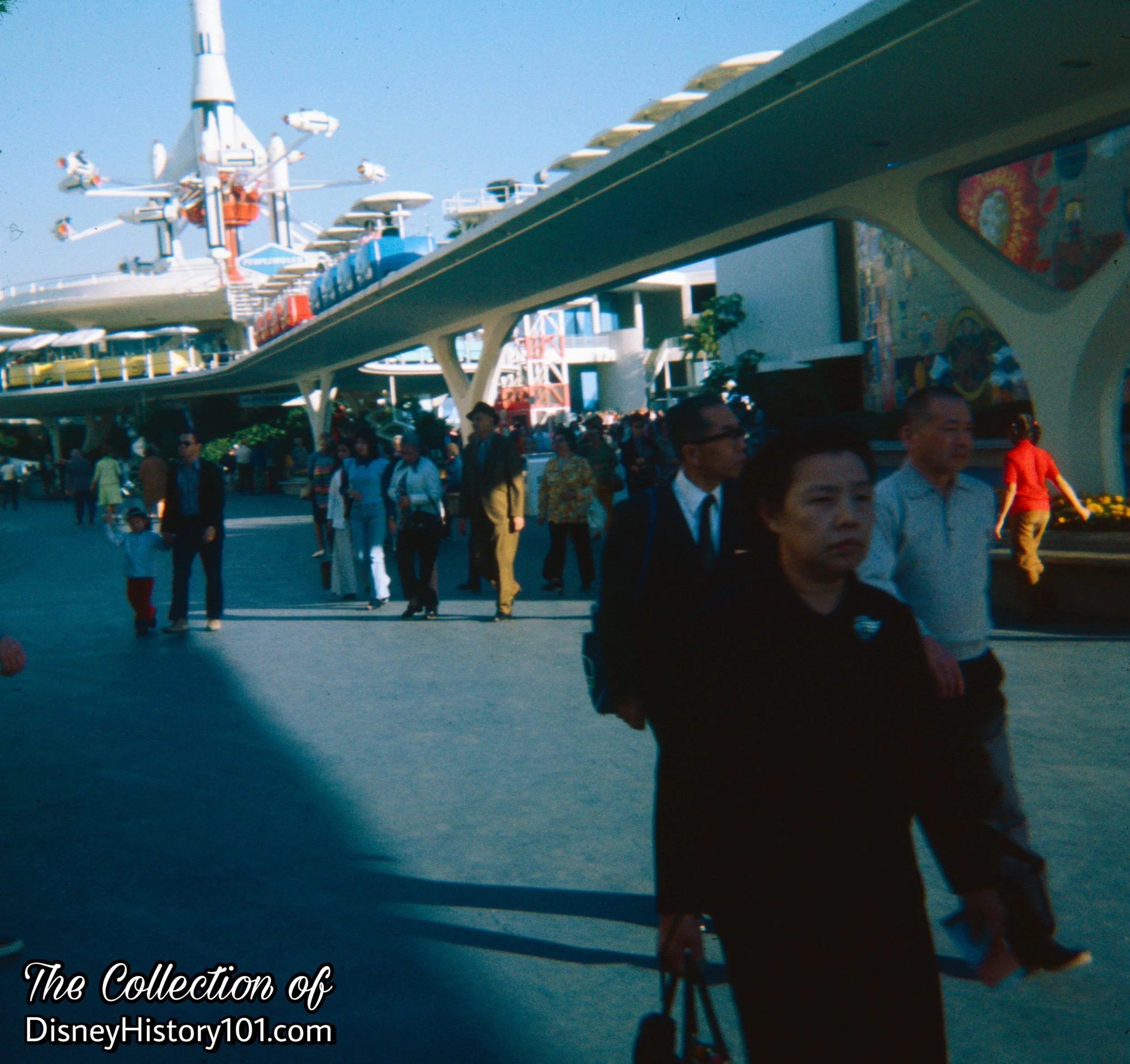
According to “INFORMATION ON DISNEYLAND'S NEW TOMORROWLAND - A WORLD ON THE MOVE” (©️ 1967 Wed Enterprises, Inc): “Tomorrowland is entered from the Magic Kingdom's central Plaza through an archway formed by the sweeping, ribbon-like People-Mover guideway that is supported by graceful, symmetrical pylons…
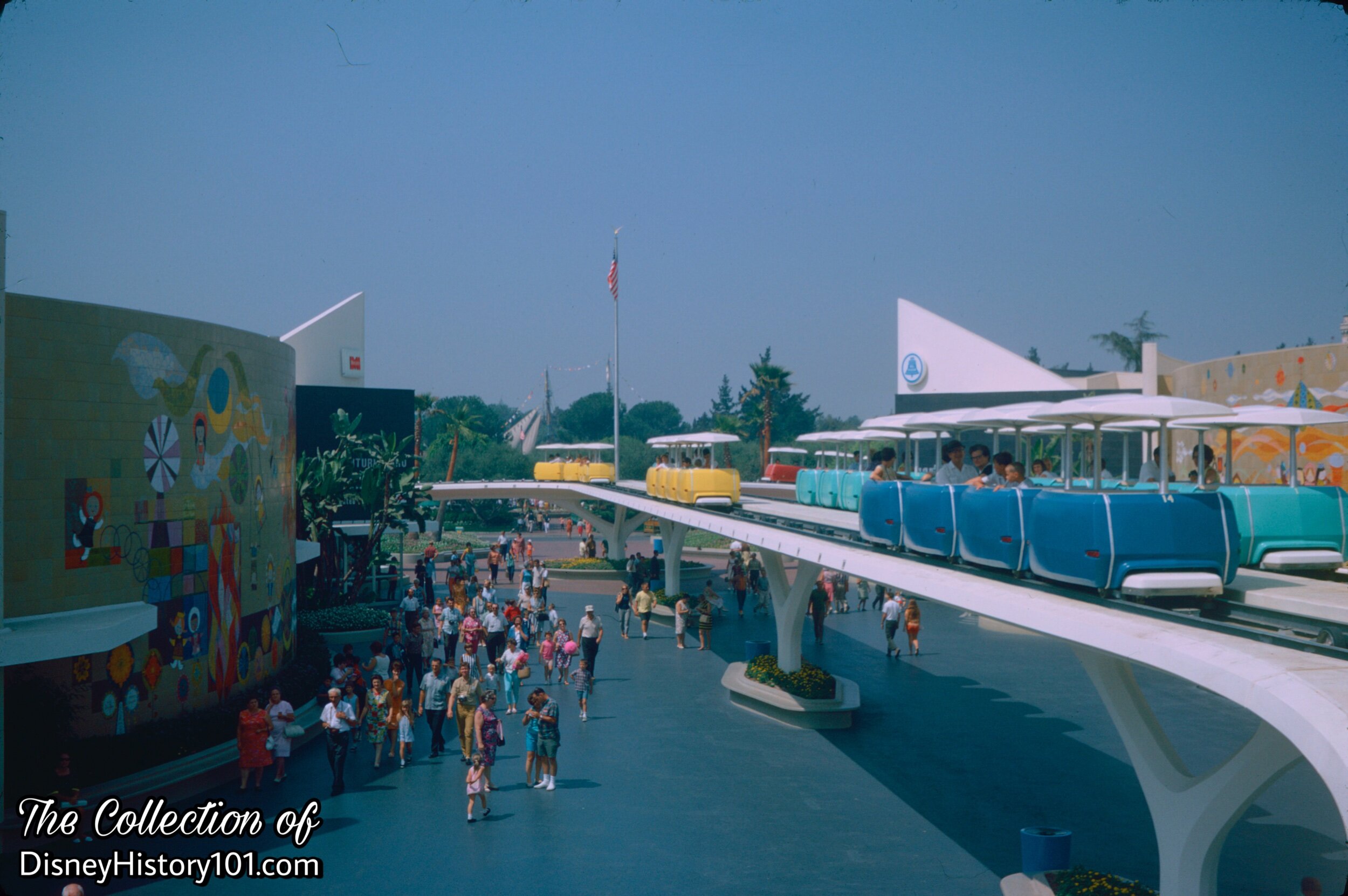
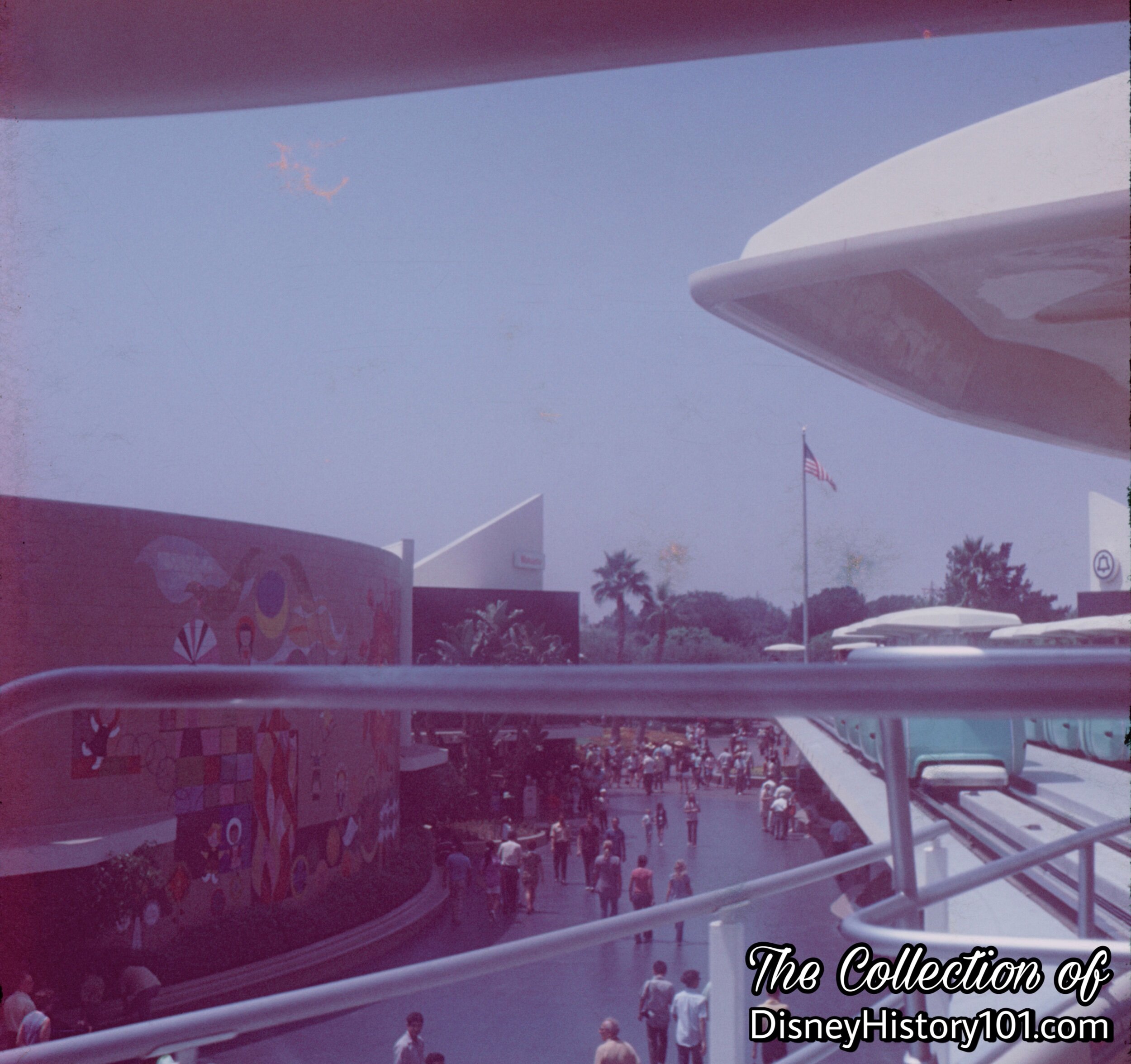
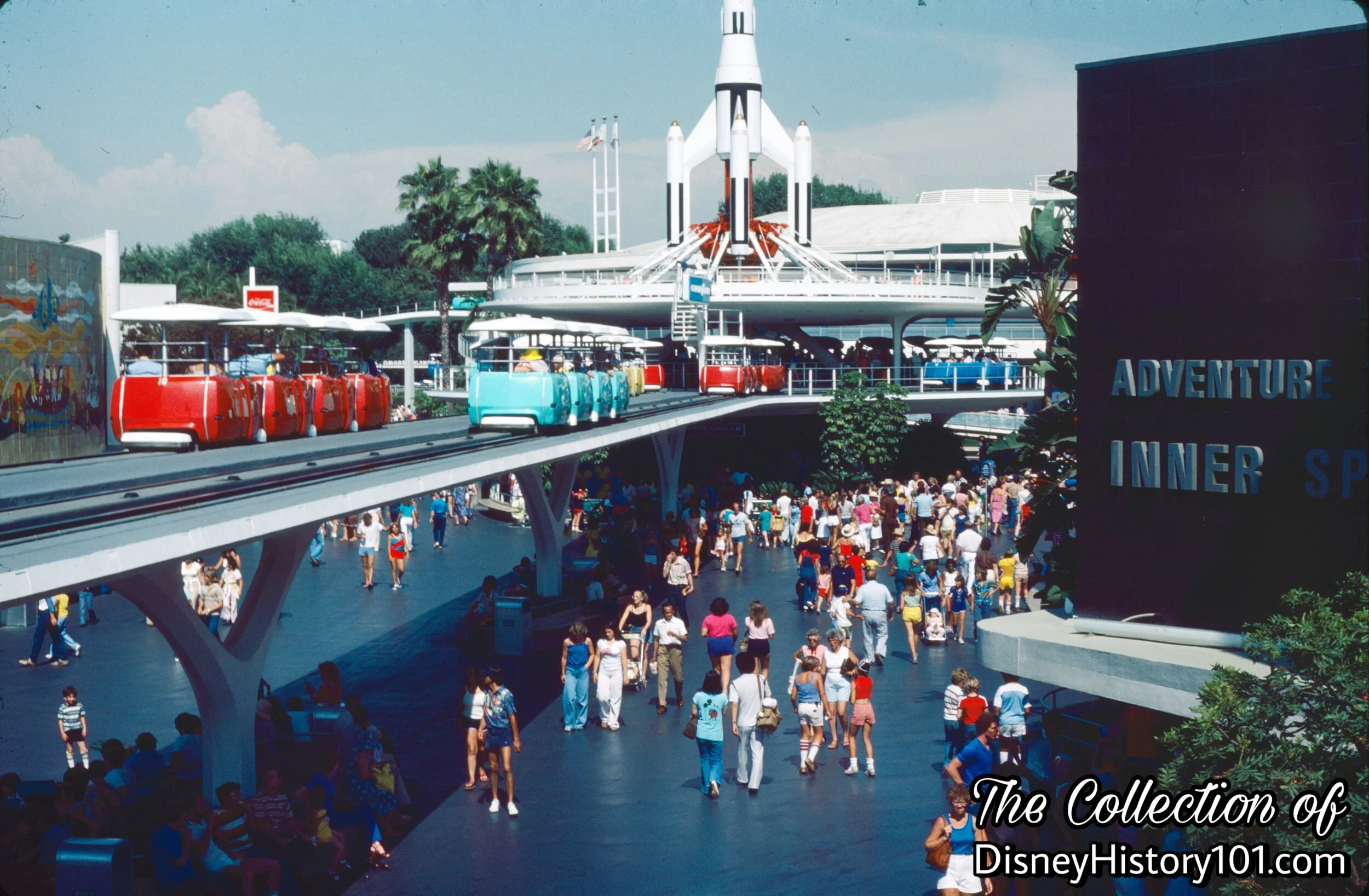
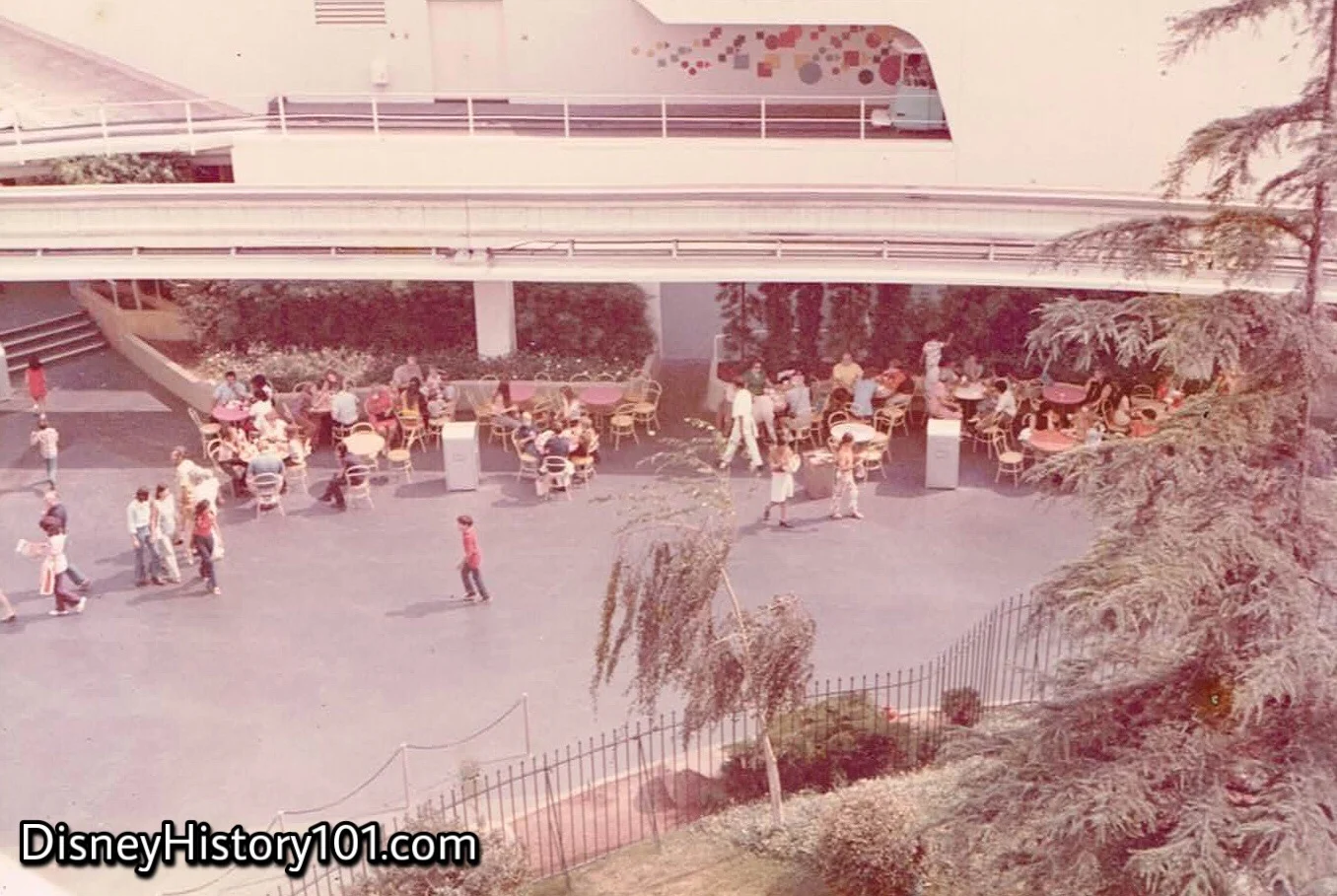
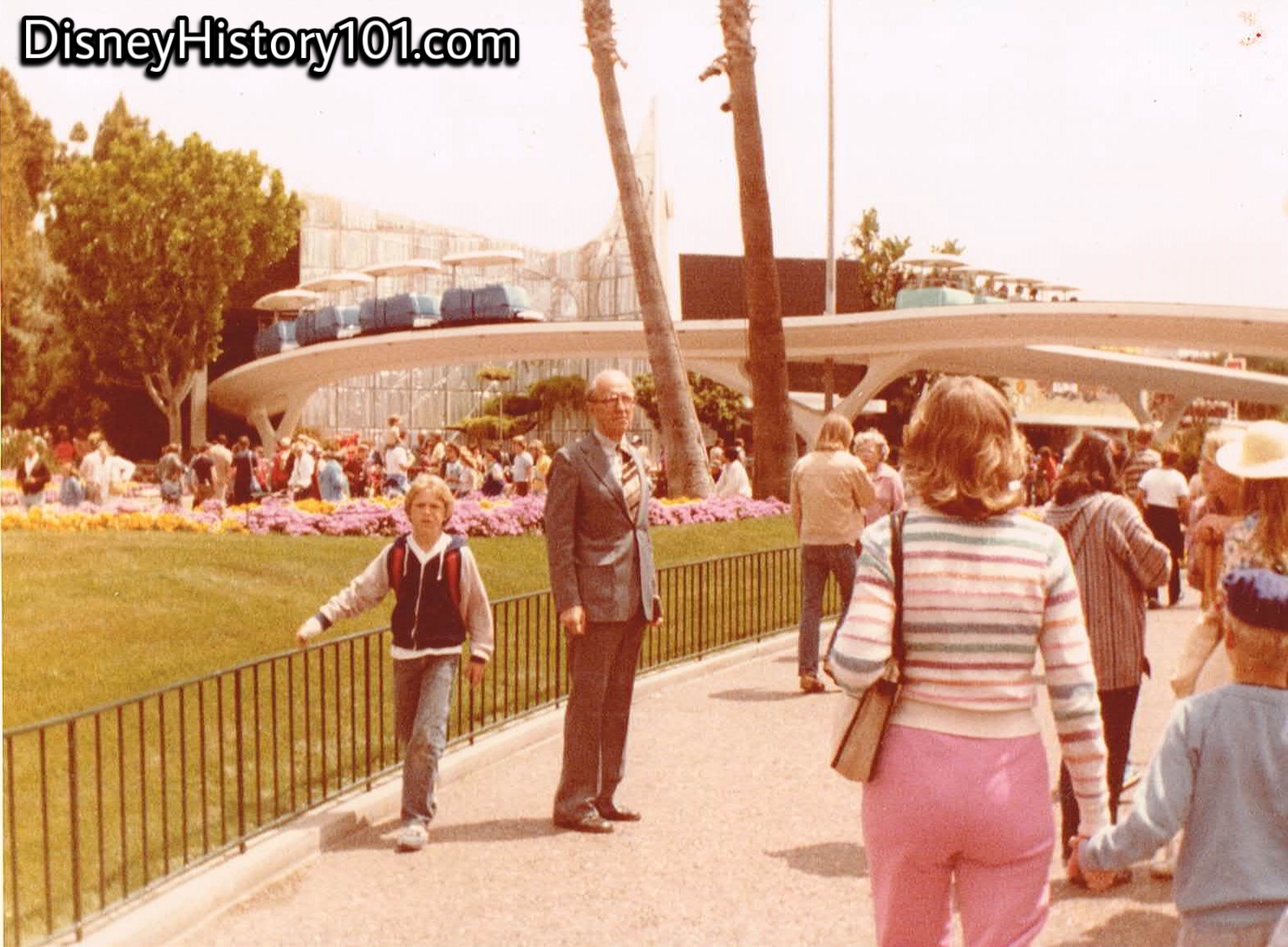
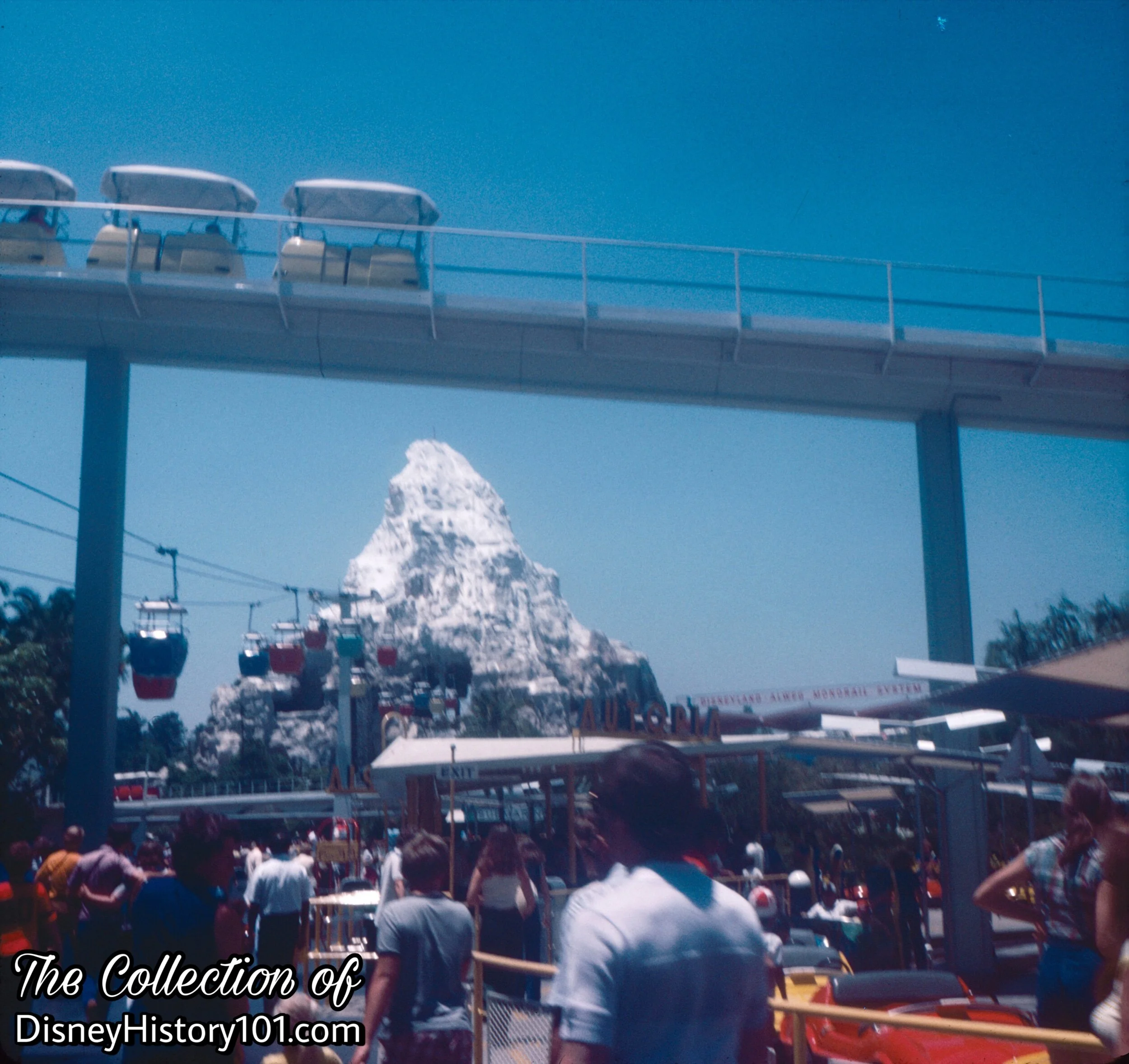
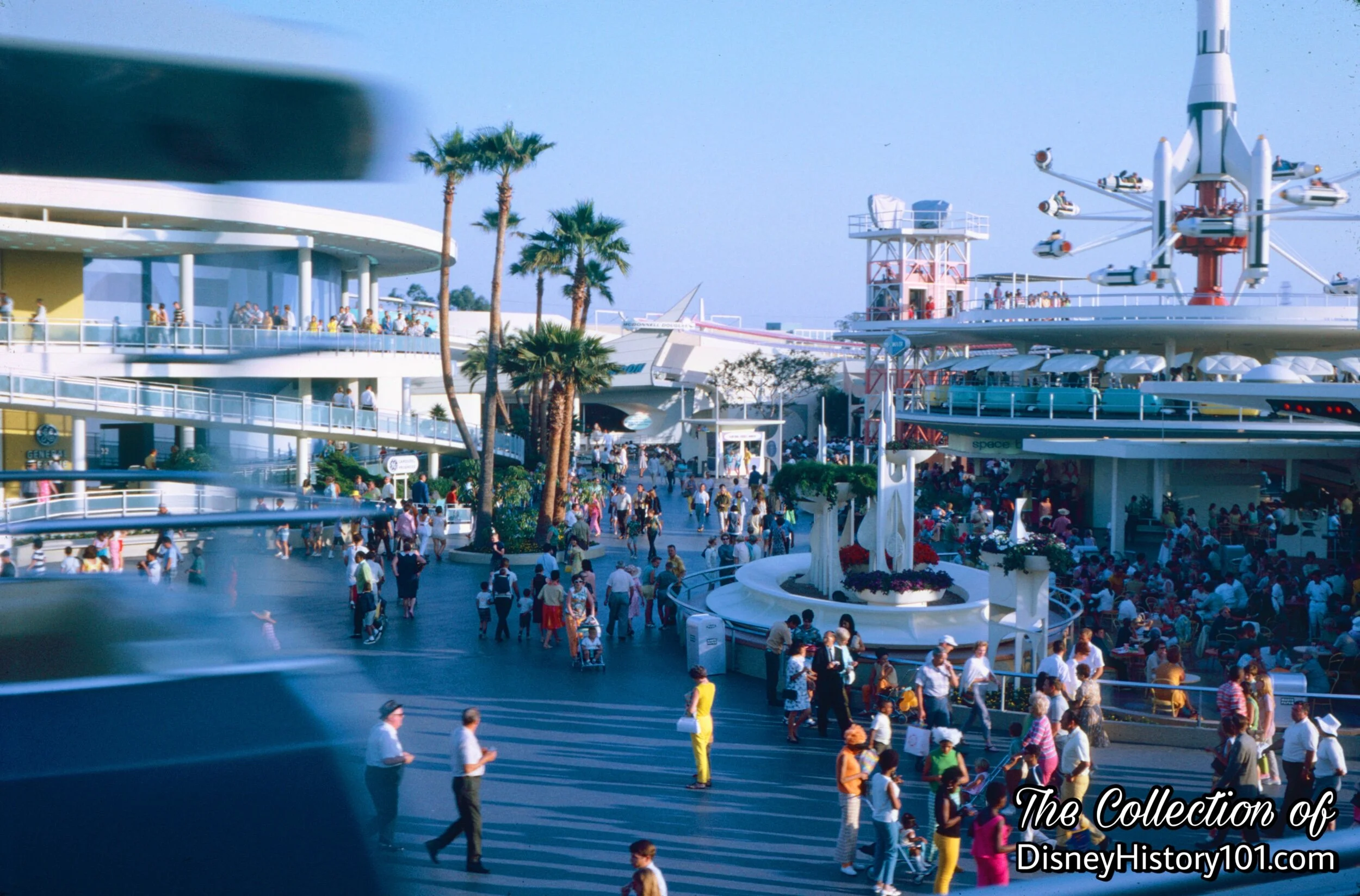
Moving through the entrance, Disneyland guests stroll along a mall formed between two pavilions. Overhead, in the center of the mall, is the silently-cruising PeopleMover, carrying passengers on a scenic tour throughout Tomorrowland…
Passengers on this versatile new WEDway Transportation System experience: step-saving comfort in motorless four-car trains of this conveyance. The never-stopping unique PeopleMover carries guests on a scenic cruise throughout Tomorrowland and inside the new area's pavilions for special previews of major attractions. Presented by Goodyear.”
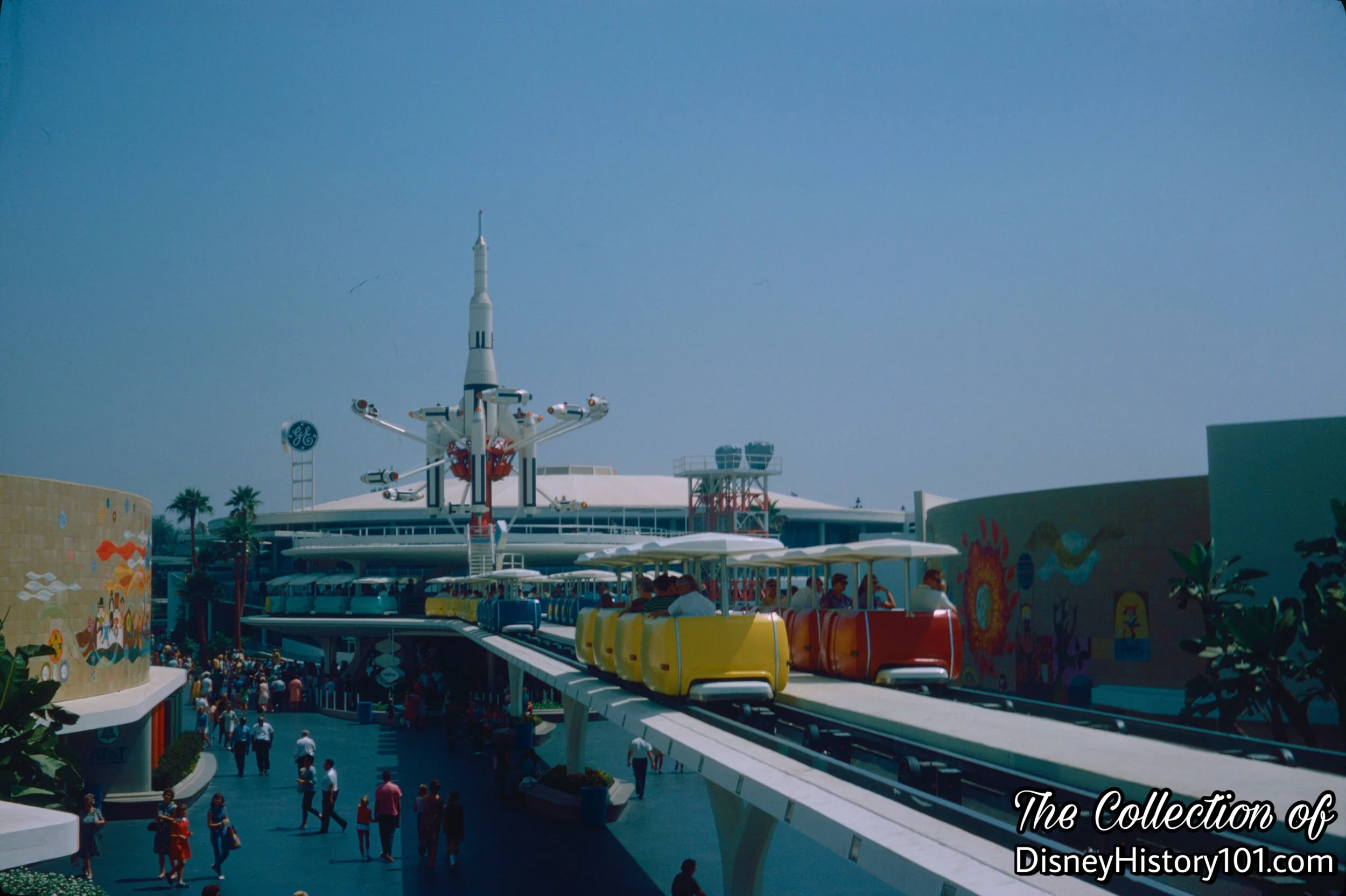
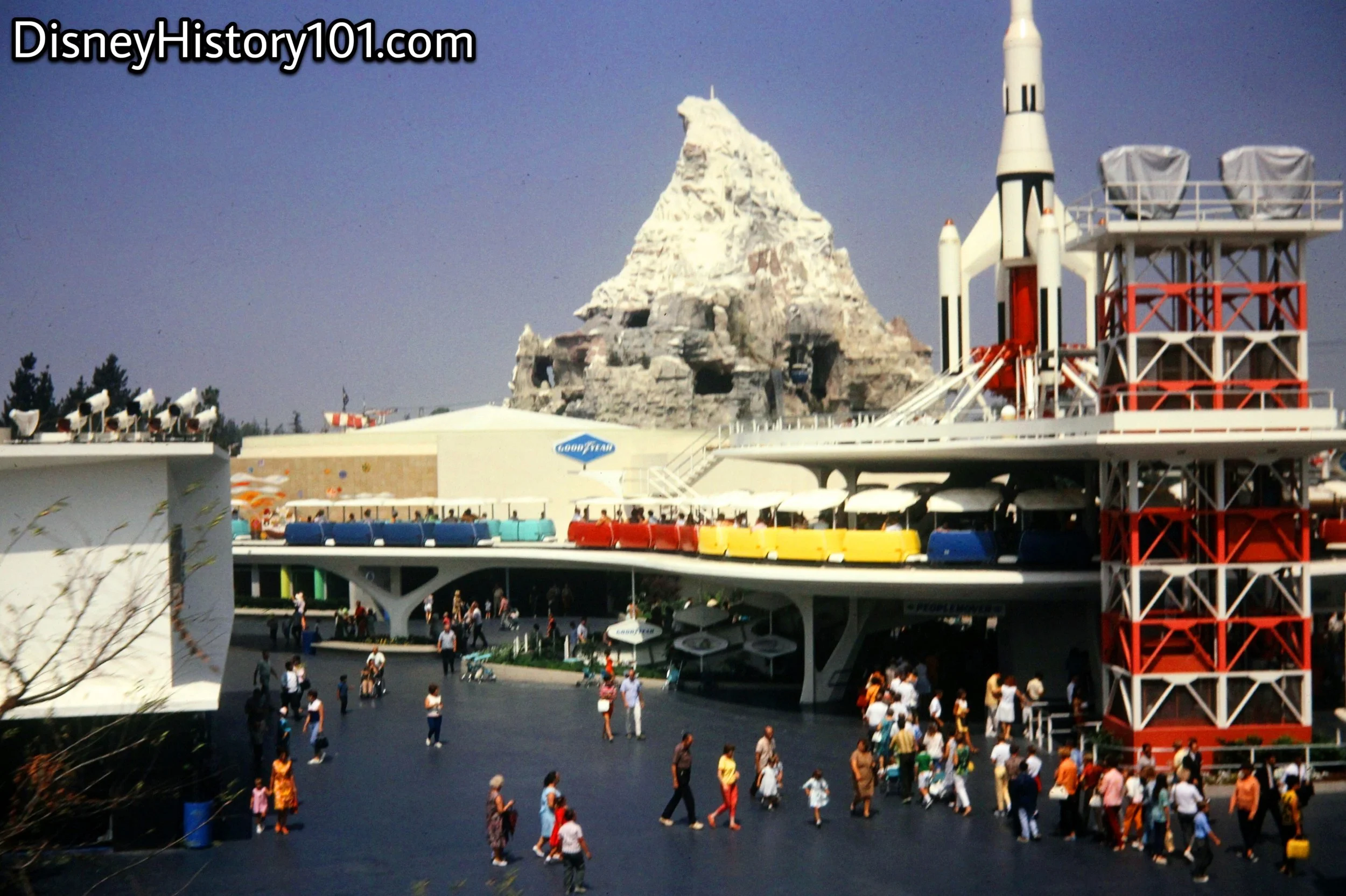
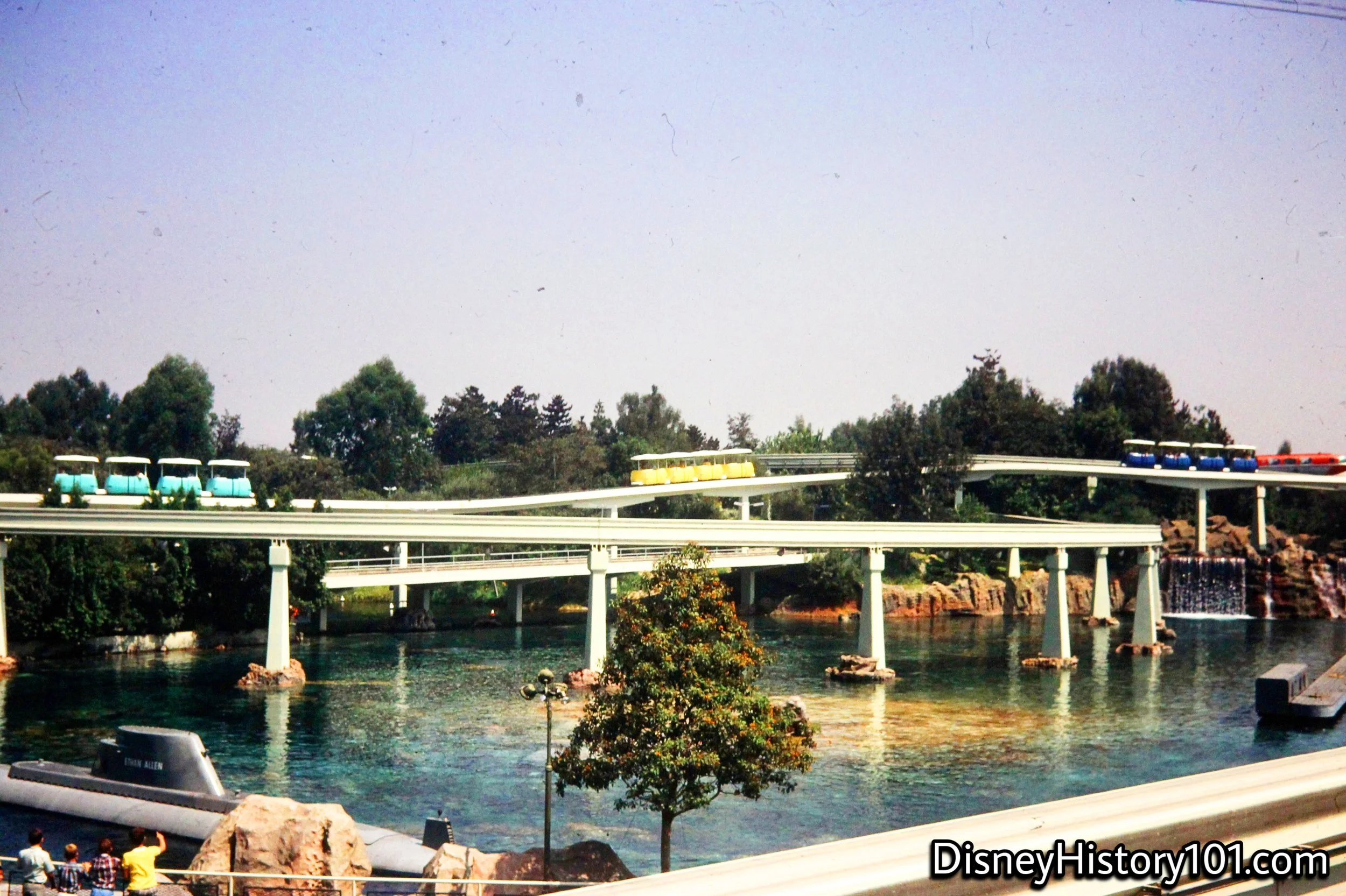
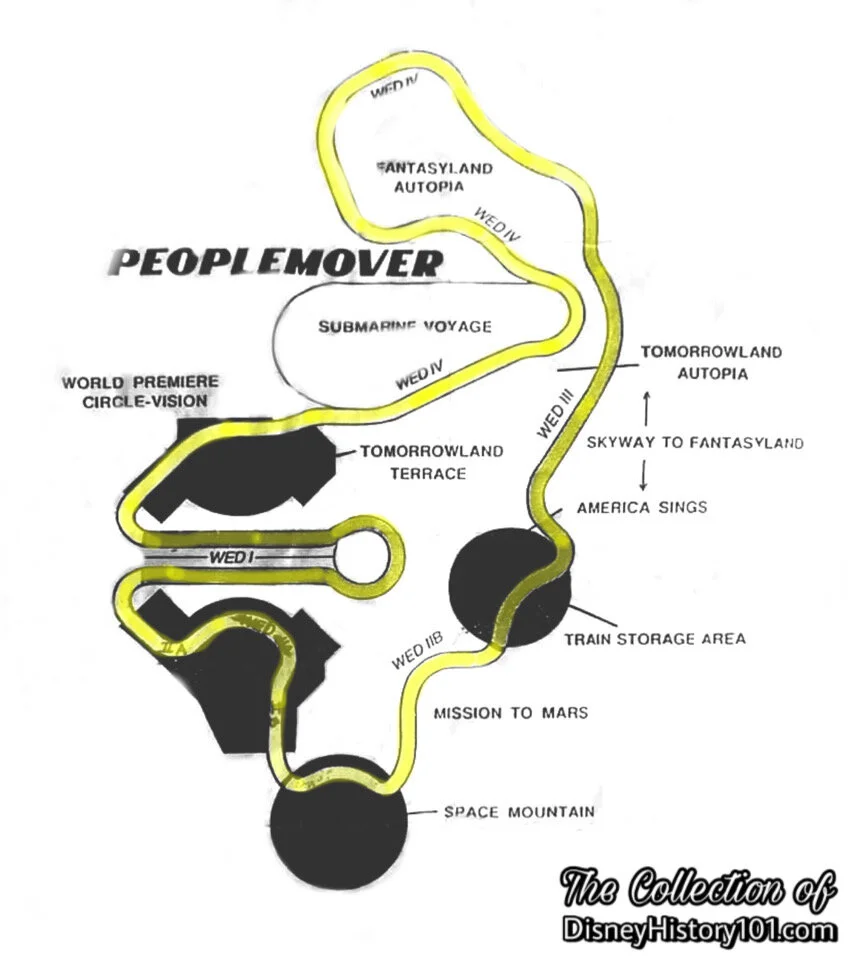
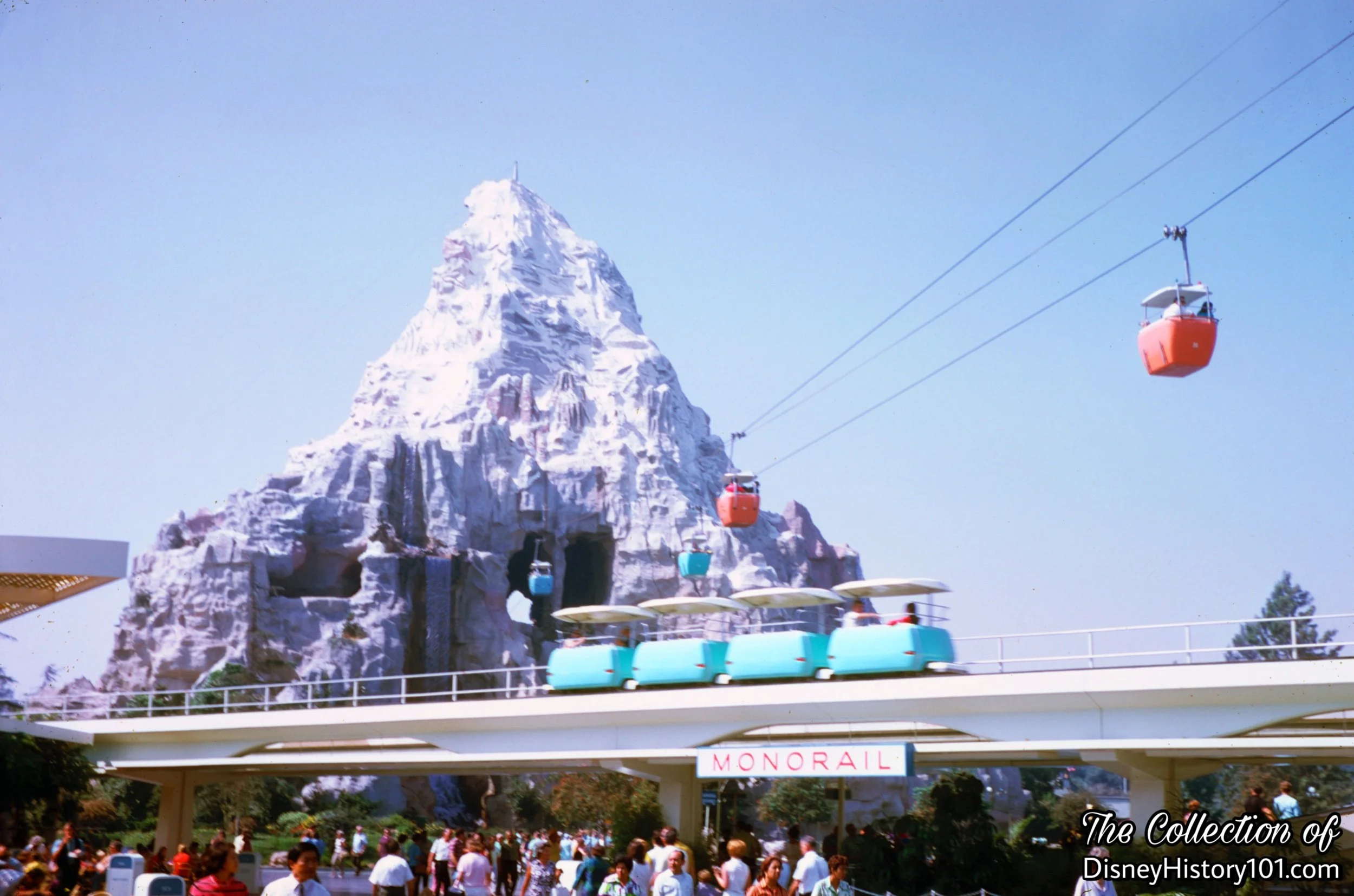
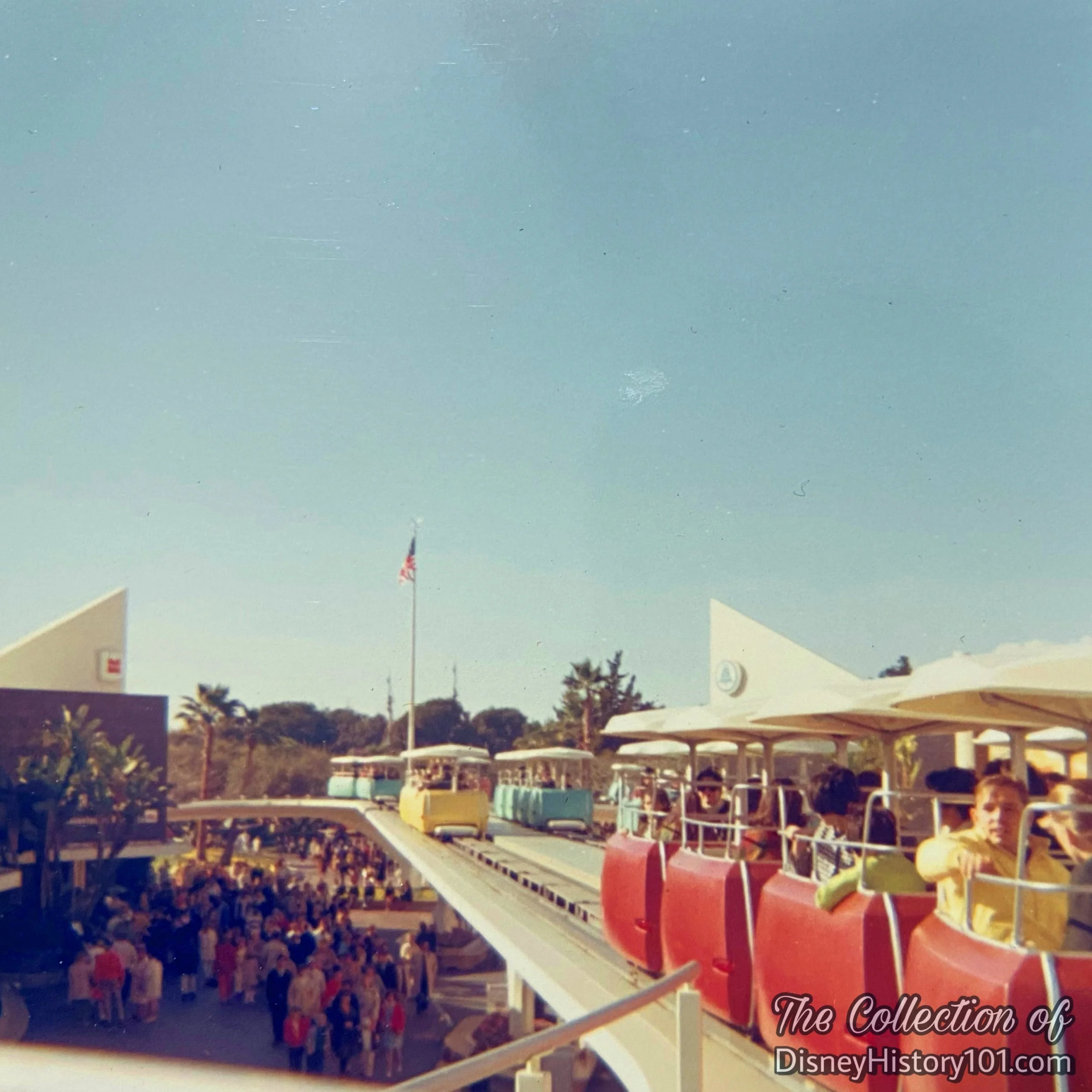
Now by 1967, the PeopleMover was one of eight new Disneyland attractions which carried total Park investment to $95 million. During the first six months of 1967, the WEDway PeopleMover was continuously developed and tested by the electrical mechanical technicians of MAPO, Inc. (a subsidiary division of WED Enterprises, Inc.), then located at 1432 Grand Avenue in Glendale, California. By the summer of 1967, the PeopleMover offered rooftop views of Tomorrowland and exciting preview of attractions via 62 trains (of four cars each) carrying up to 16 guests per train! This year, the PeopleMover trains transport (or, “move”) approximately 4,880 guests per hour (during peak summer periods), over more than 4,000 feet - that’s three quarters of a mile! The PeopleMover trains were passive cars which were propelled by electric linear induction motors (which were housed in the guideway every nine feet), in order to move along the rails at seven miles-per-hour. These were boarded from the trig-level PeopleMover Station, what was called a“theme center and pivotal point” of Tomorrowland.
During the summer of 1967, an unfortunate incident occurred when guests “were climbing from one car to another car passing through a tunnel.” After the incident, the PeopleMover was temporarily closed during August of 1967, according to the Santa Ana Register, 8/22/67.
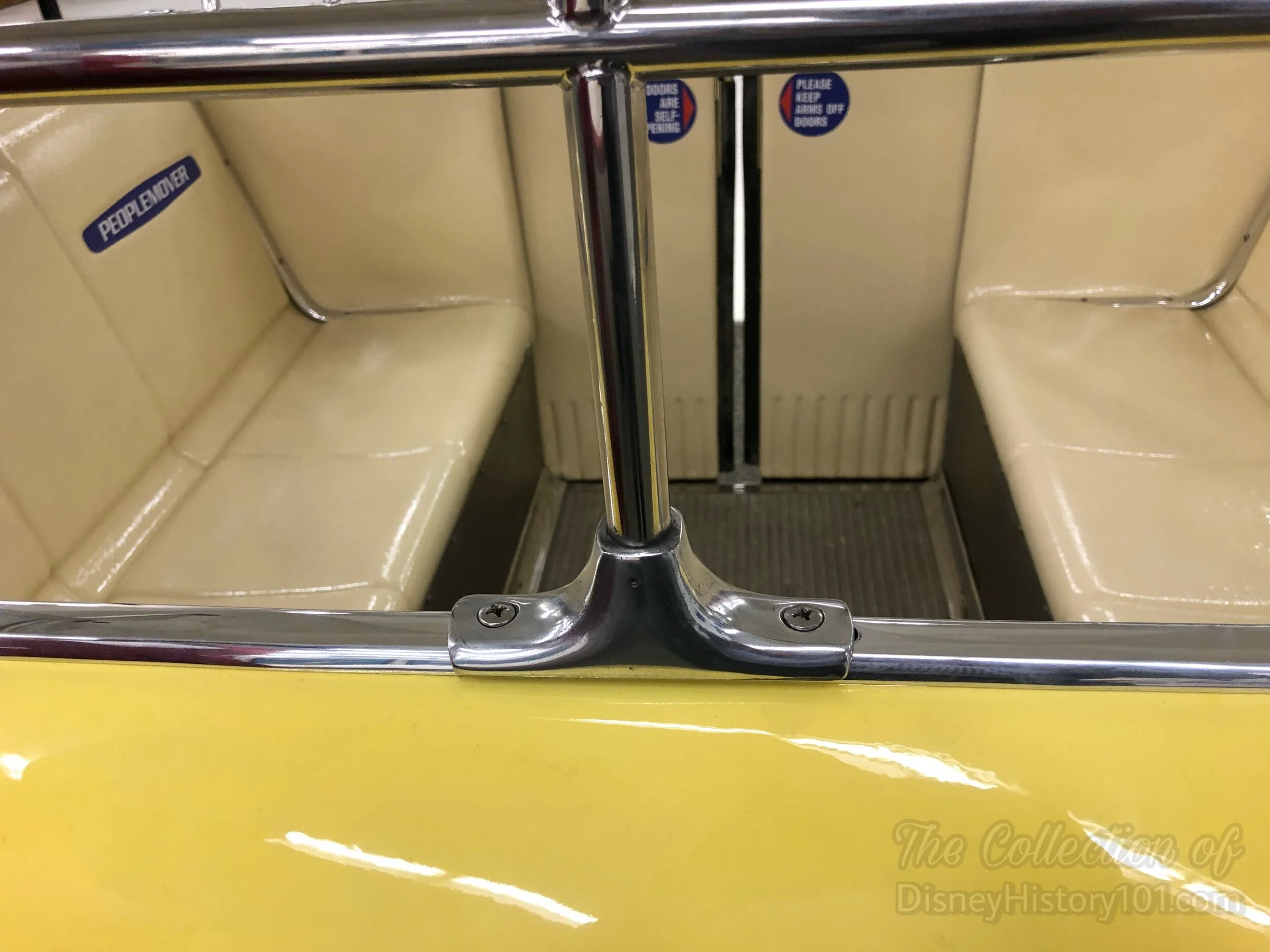
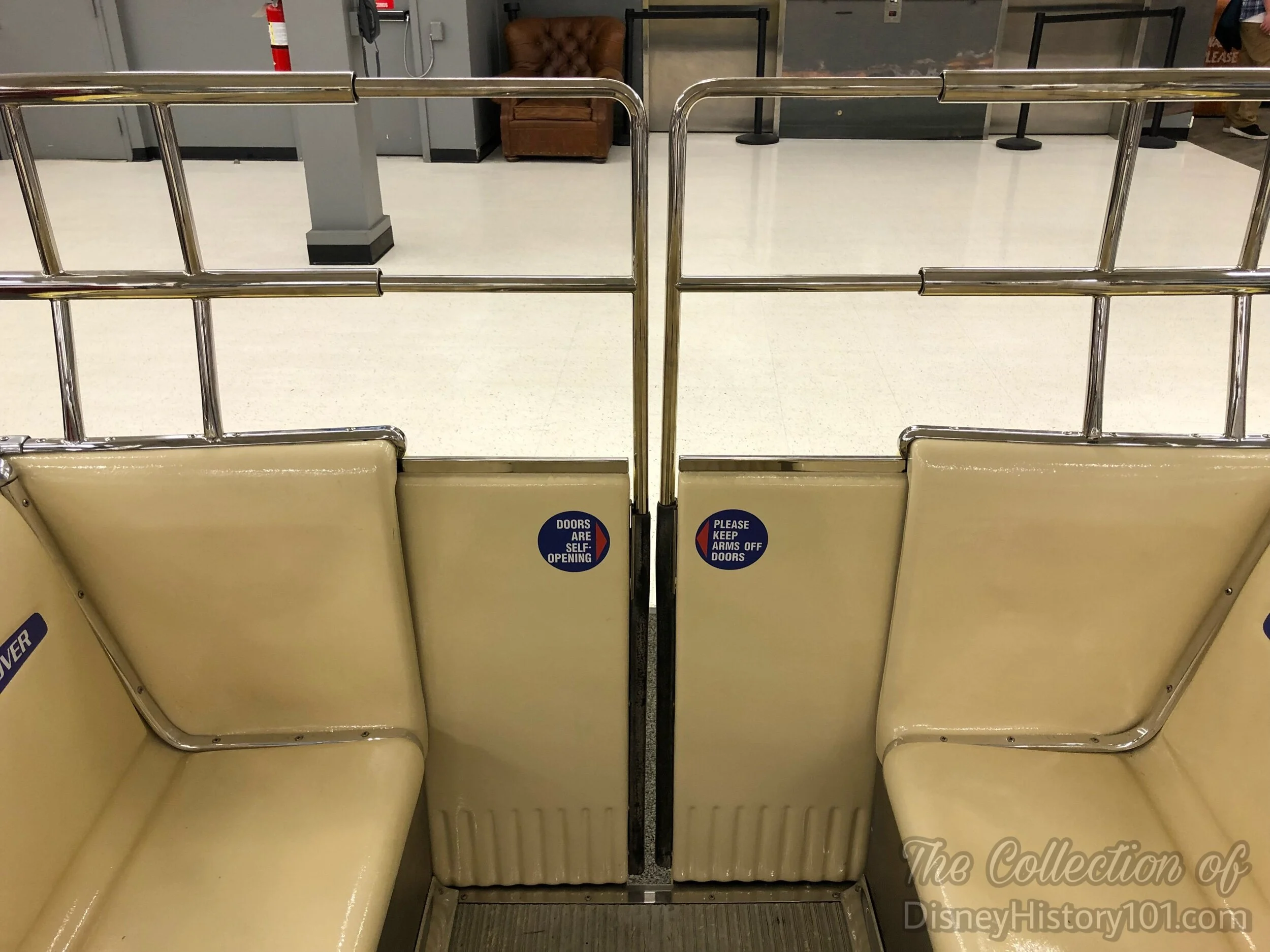
1968 : During a period of major improvements (during January to June of 1968), bars were added to the PeopleMover vehicles - bars that would prevent guests from hanging their arms (and other body members) from the vehicles! By this era, there were 62 trains -each comprised of four cars. During peak periods of summer the trains transport approximately 4,880 guests though Tomorrowland!
1972 : Many notable Disneylanders had a privileged part in the Pack Mule rotation - the set order of operating positions established by the attraction's Working Lead. One such was Tom Pletts.
“Tom Pletts Remembers the PeopleMover 1972”
“March of ‘72…my records show just my summer assignment : the PeopleMover….Making safety announcements, checking the track, coordinating the start-up and re-set, managing the flow of guests and assisting their boarding and de-boarding, checking the functions of the vehicles, checking the spacing, filling out operational reports, unlocking and evacuating the cars on all the track areas if necessary, and cycling everyone off in the event of rain making traction dangerous. As I remember it.”
1976: January 5, 1976, the PeopleMover was closed.
1977 : Added excitement thru the Superspeed Tunnel and Space Mountain (added May 27, 1977). The film ran in a loop cabinet, a cabinet holding film in a loop in place of feed and take-up reels. By this year, the track and vehicles were regularly maintained by the Disneyland Cycling Shop Staff.
1981: The WEDWay PeopleMover - Back in Decmebre of 1977, the Stanford Research Institute presented a Final Report of the WEDway PeopleMover system to the U.S. Department of Transportation. The report presented an assessment of the WED Community Transportation System Division’s WEdway PeopleMover system at Walt Disney World, with facts and figures related to system productivity, performance despite down-time, etc.
The linear-induction motor-powered transportation system installation was planned to open at the Houston International Airport in June of 1981. ”The fourth generation WEDway PeopleMover at Houston Intercontinental Airport was opened in August 1981. In competitive bidding with four other technologies, the City of Houston selected the Disney system after ranking it technically superior and the most cost effective. Based on the same passive vehicle linear induction propulsion system as was used in the WALT DISNEY WORLD WEDway PeopleMover, the Houston Airport PeopleMover has the added features of full-stop stations using elevator-type doors; larger fully enclosed vehicles; and speeds up to 15 mph. Operating 22 hours a day on a 1.5-mile loop, the Houston system achieved a 99.6% reliability over the entire first ten months of operation, making it one of the most dependable, fully automated people movers in service today. This record was established with only two Disney maintenance technicians on each of three shifts. Including clerical and management support, the total maintenance and operating staff consists of 11 people. Installation of the system required two years and was undertaken by a joint venture with Turner Construction Company. The DISNEY-TURNER Team provided a total turn-key project under one entity offering a unique blend of construction and systems design experience.” [WED Transportation Sustems Inc., c.1982]
1985 :
“Maintenance”
The PeopleMover Machinist would ready daily the “Third Shift Report” and Defect Sheet, go to Peoplemover Train storage, read the log book, noting all entries from the previous shifts, and visually inspect during ride check-out. The PeopleMover Machinist would then notify the M-41 of any further work to be done or parts needed prior to opening. The PeopleMover Machinist would make a standard inspection of all trains in storage area as needed and make sure the one train is complete before starting on next one. The machinist would then assist the other crafts with repair of Peoplemover Trains. The PeopleMover Machinist would coordinate with Maintenance Services the hauling of parts to and from Main Shop and/or Cycle Shop and make ready for operation all trains that come back from rehab. The PeopleMover Machinist would assist on all Peoplemover Downs and delayed openings. As time allows, the Peoplemover machinist would assist the M-43 with the opening inspection of Subs, if called for. The PeopleMover Machinist would maintain the parts supply for Peoplemover Trains. Also, the Peoplemover machinist should at least, once a week with attraction lead, walk the attraction and take a round trip on attraction.
The PeopleMover Machinist would check the overall appearance. All Downtime Reports and discrepancies would be turned in to the Foreman daily. Finally all work done on the Peoplemover Trains was entered in the log book daily.
Disneyland Park Operations Crew M-43 Machinists would read the daily “Third Shift Report” and Defect Sheet. make a standard opening inspection of all Speed Ramps in the Tomorrowland area, check it’s overall appearance, check for any discrepancies and notify M-1 Machinists and the proper department supervisor. Notify M-41 of any further work to be done or parts needed prior to opening. M-43 Machinists would respond to all Downs and delayed openings in T/L area whether or not it was mechanical. Upon arriving at a down attraction, they would determine what the failure was, determine which crafts were needed, determine an estimated time needed to repair, notify M-1 Machinists of all available information, and assist other crafts to repair attraction as needed.
The PeopleMover received another improvement when new safety bars were added to the cars.
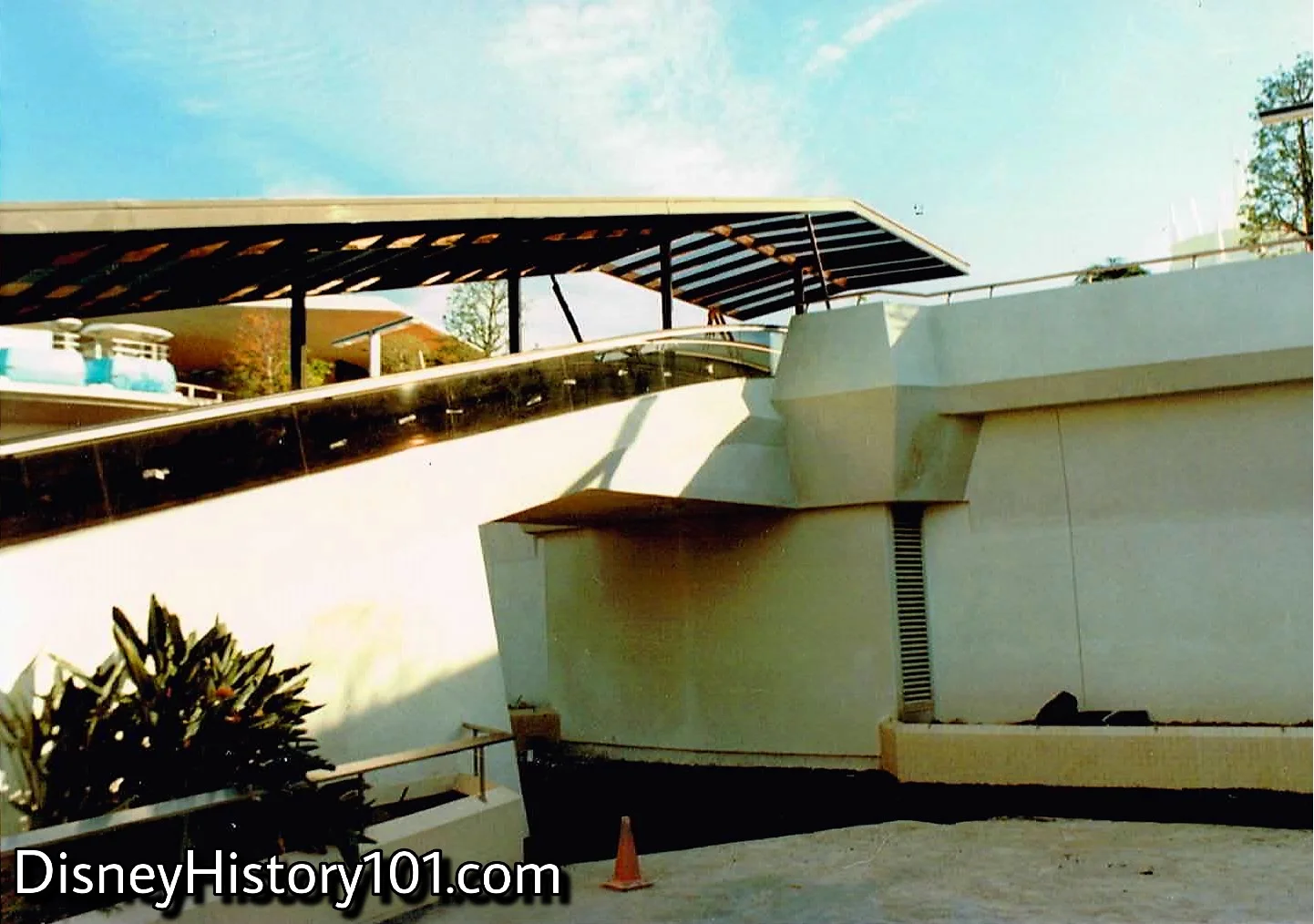
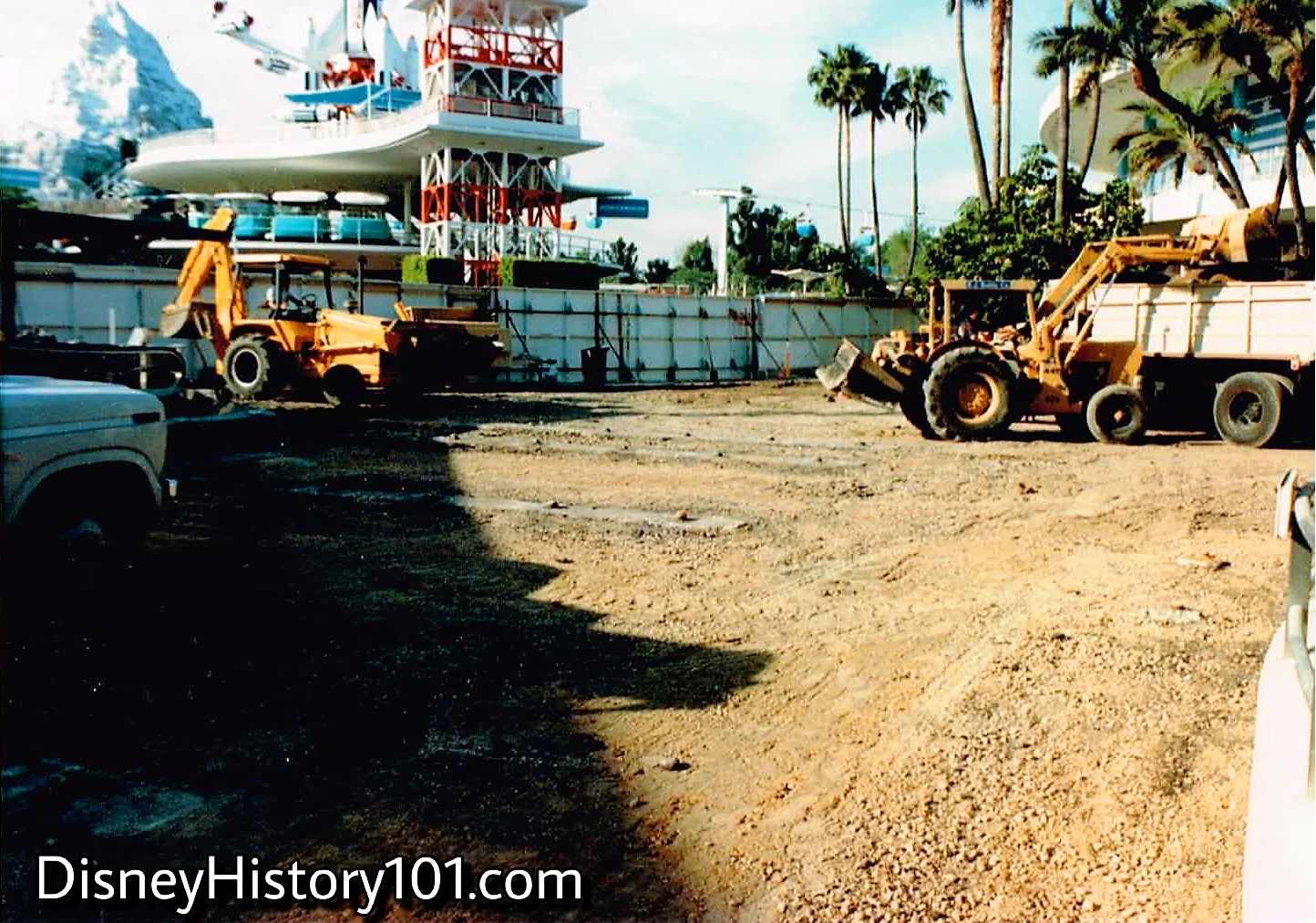
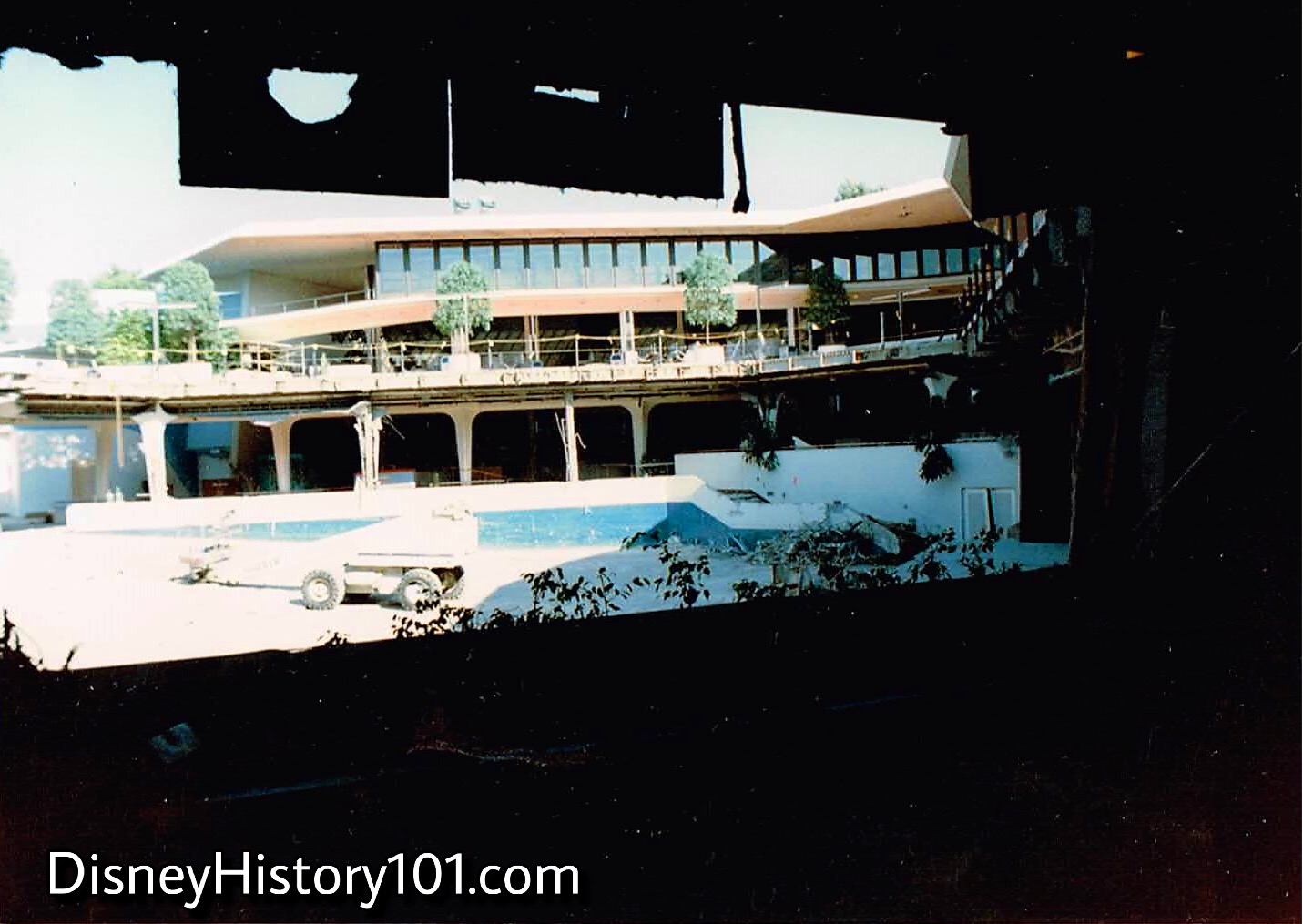
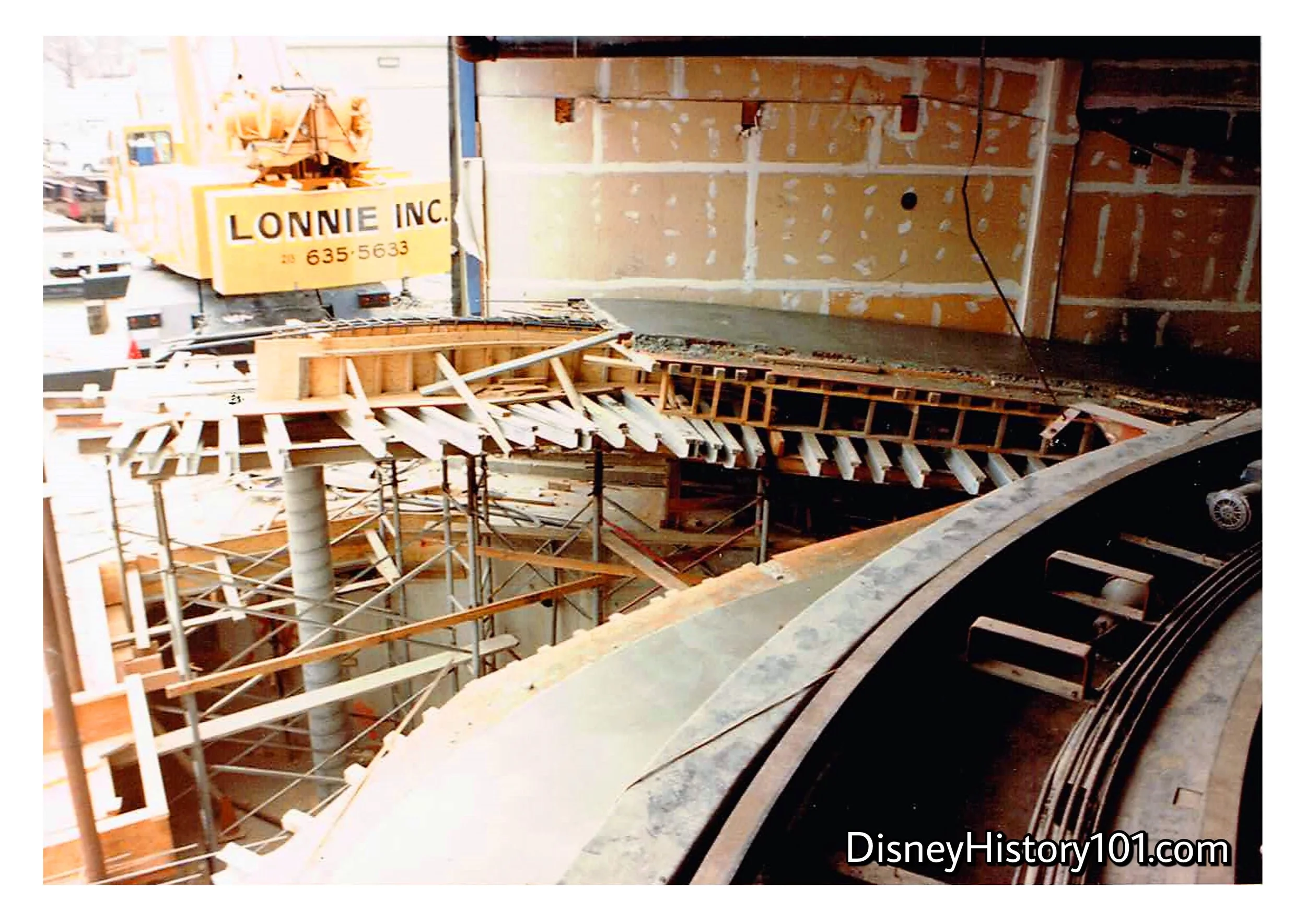
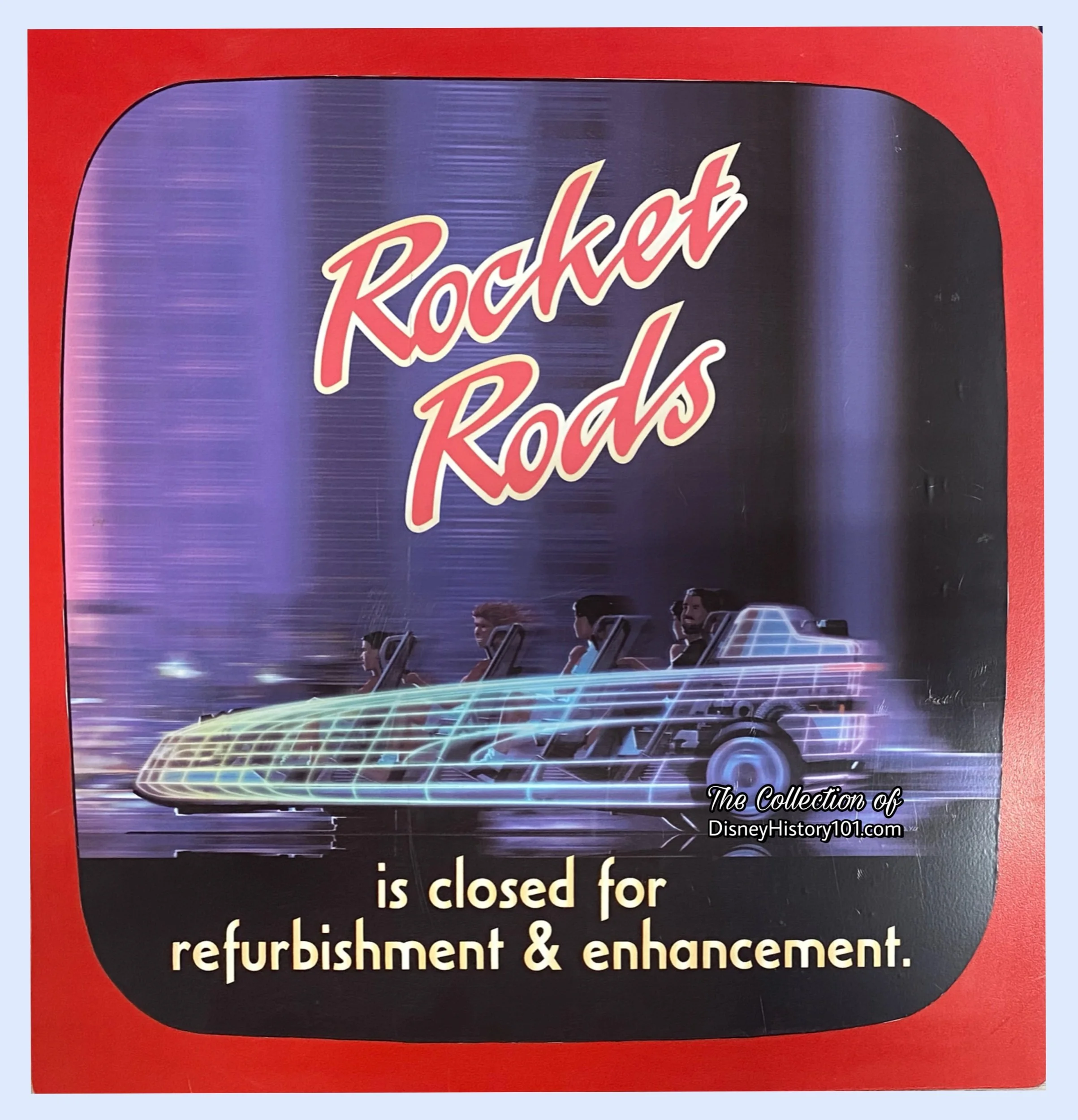
1997 : The PeopleMover had operated for 28 years. But by late January of 1997 New Tomorrowland Rocket Rod Loading and Unloading Demolition architectural drawings had been checked and were awaiting approval. George McGinnis had previously helped design the Monorail Mark IVs & Vs along with other Tomorrowland elements, but had retired from Walt Disney Imagineering Creative Development. George was brought in to consult on the Rocket Rods.
2003 : DID YOU KNOW that on the morning of June 25, 2003 (at 9:09 a.m.), a call went out near the Tron Tunnels of the PeopleMover : “Sound 10 to Base, Emergency! . . . 904 in progress, Tron Tunnels . . . Evacuating into Tron Two right now. Getting all the people out of the cars as quickly as I can.” The voice was that of Dale Janish of the Sound Department, and the reason for the announcement was that of a fire and smoke which hda ignited near the tracks in the tunnel. Due to the quick actions of 13 “safety aware” Disneyland Cast Members, Guests evacuated quickly, vehicles cycled out, and no injuries were reported! This story was covered in Disneyland LINE (July 23, 1993, Vol. 25, No. 29).
2007: Still, another (and second) expansion was to be partially unveiled to Walt Disney Company employees at “Walt Disney Imagineeringland” on November 15 & 16, 1997. A Rocket Rods exhibit was on display in “Bonusland” at 1096 Airway.
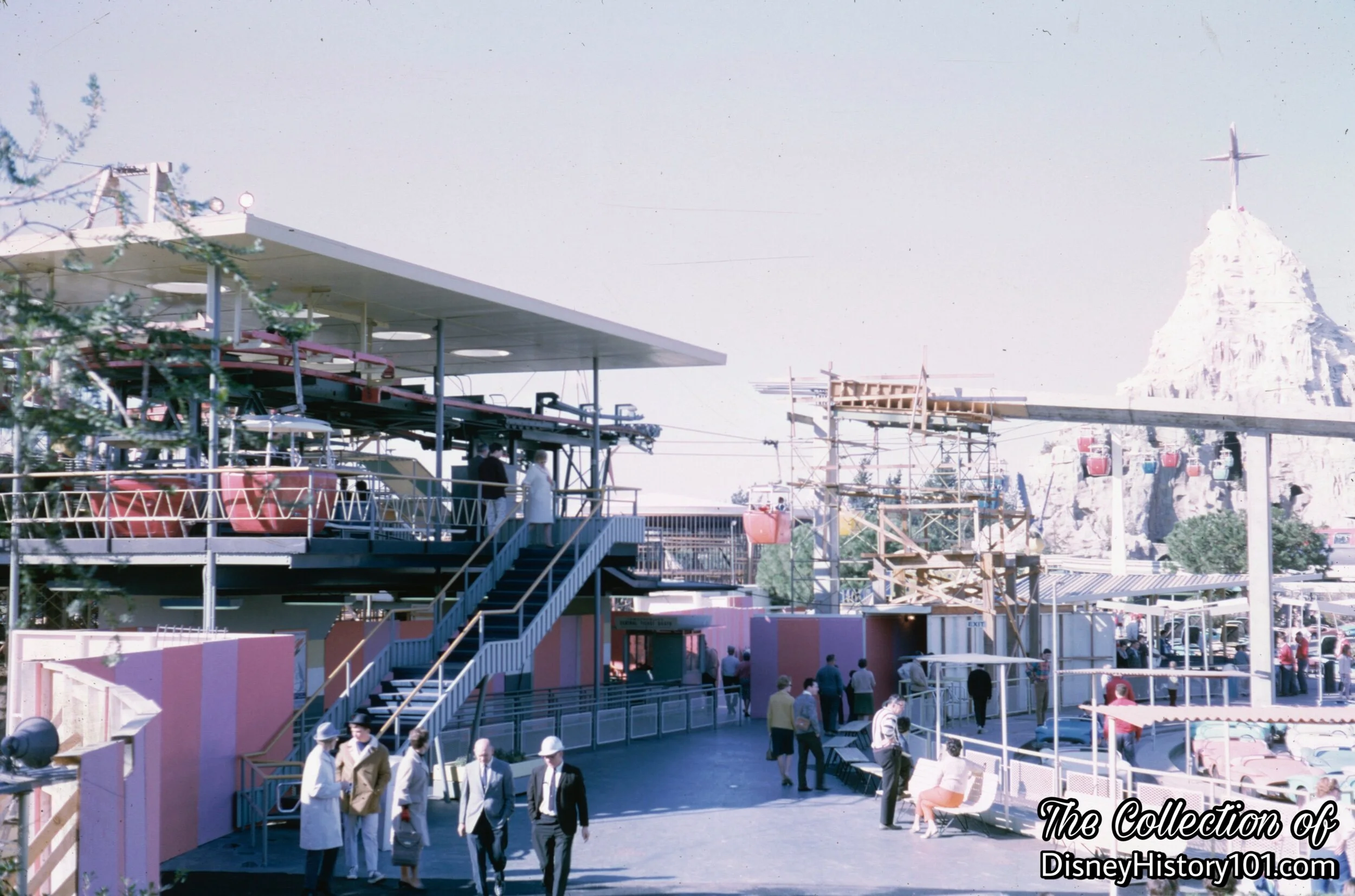
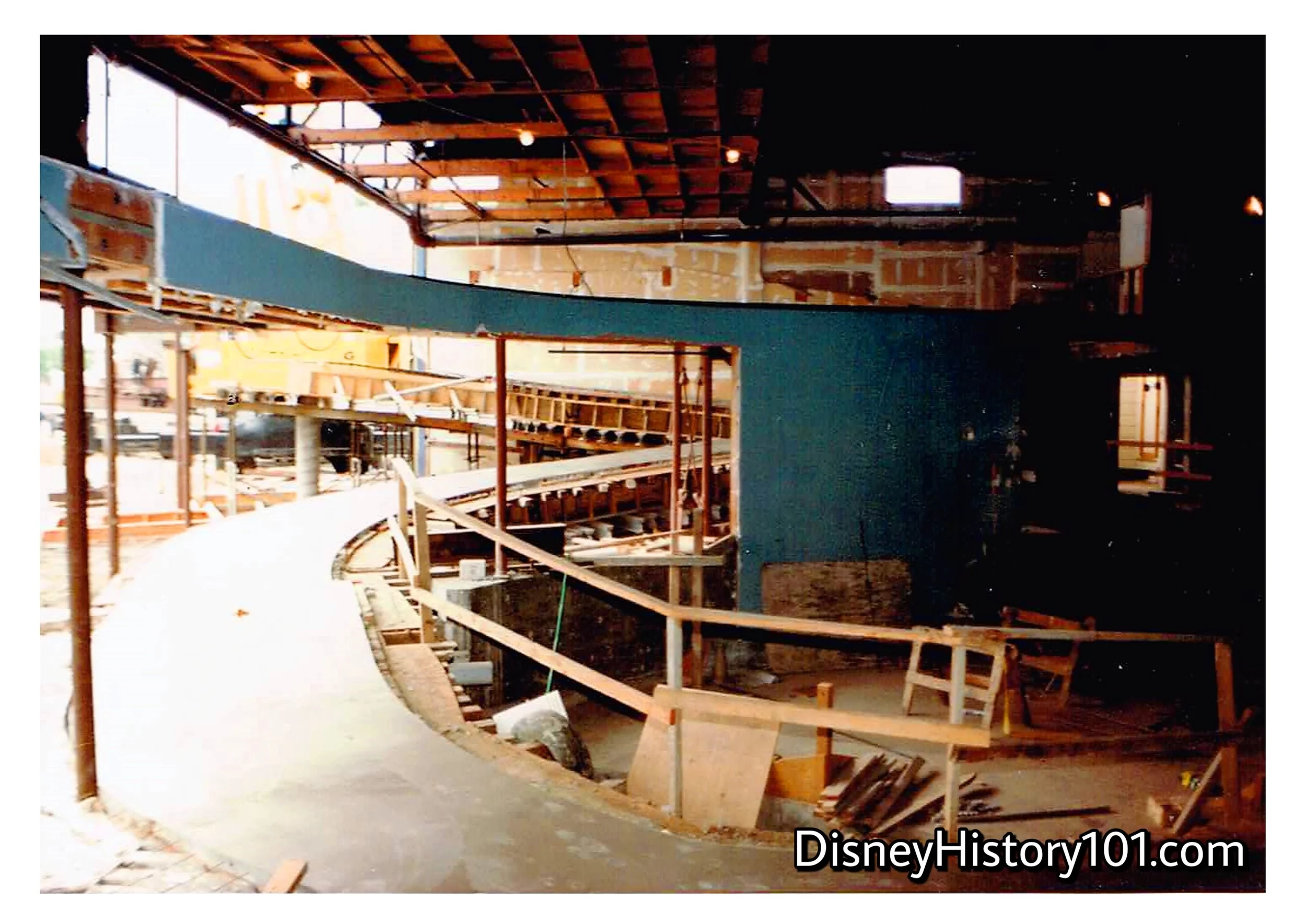
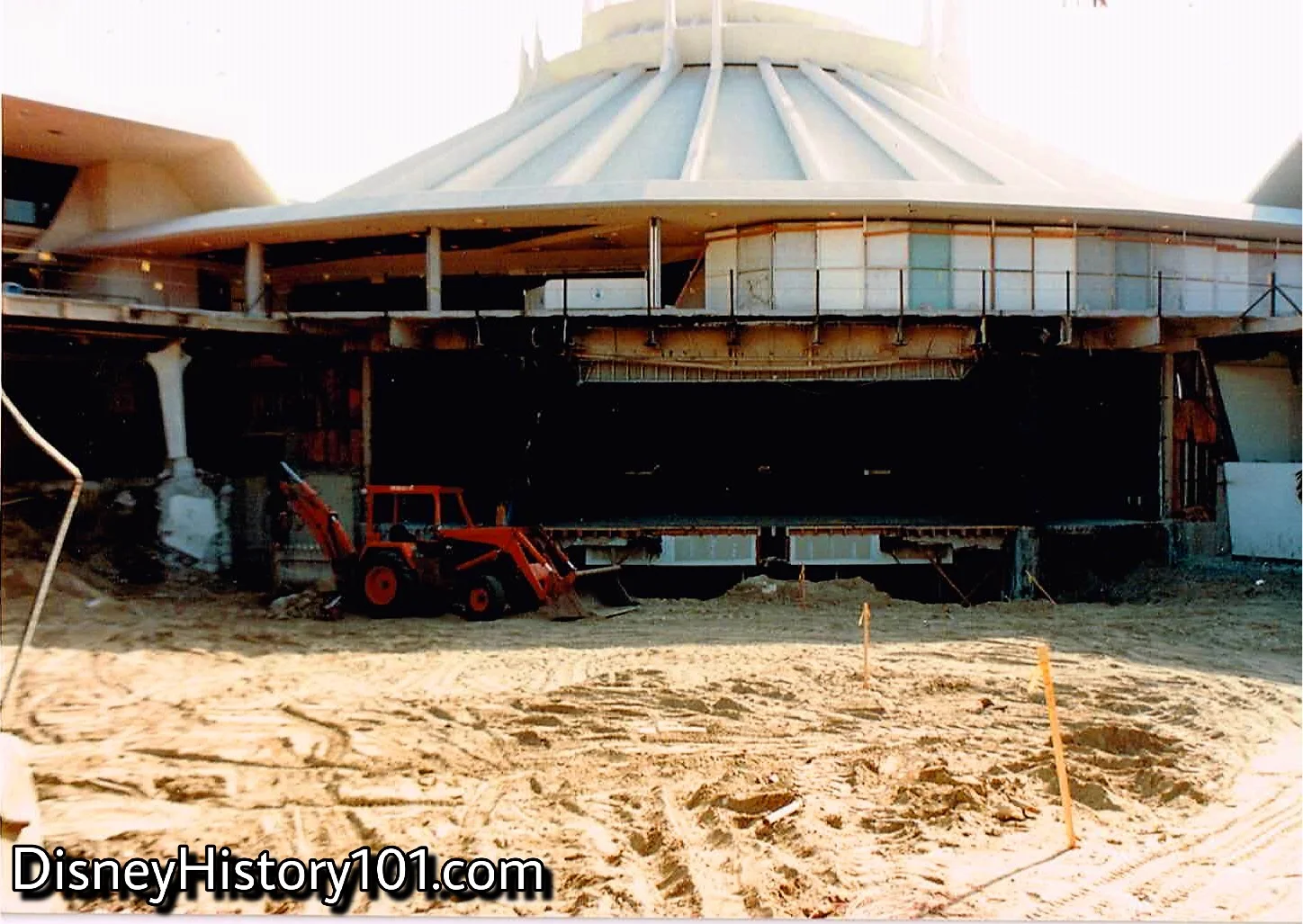
Note the PeopleMover construction near the Skyway Guest Control queue area.
Cycled out PeopleMovers
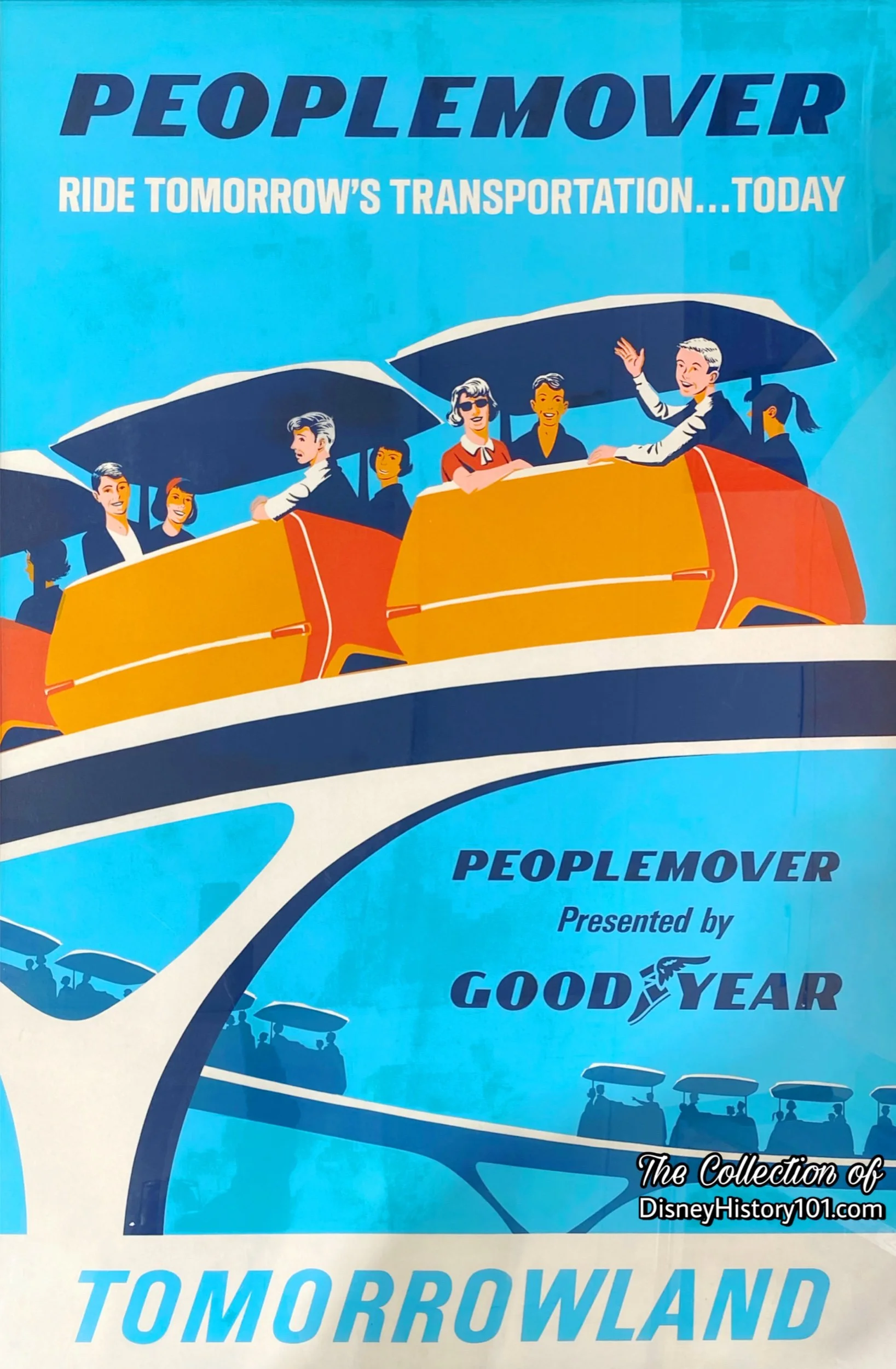
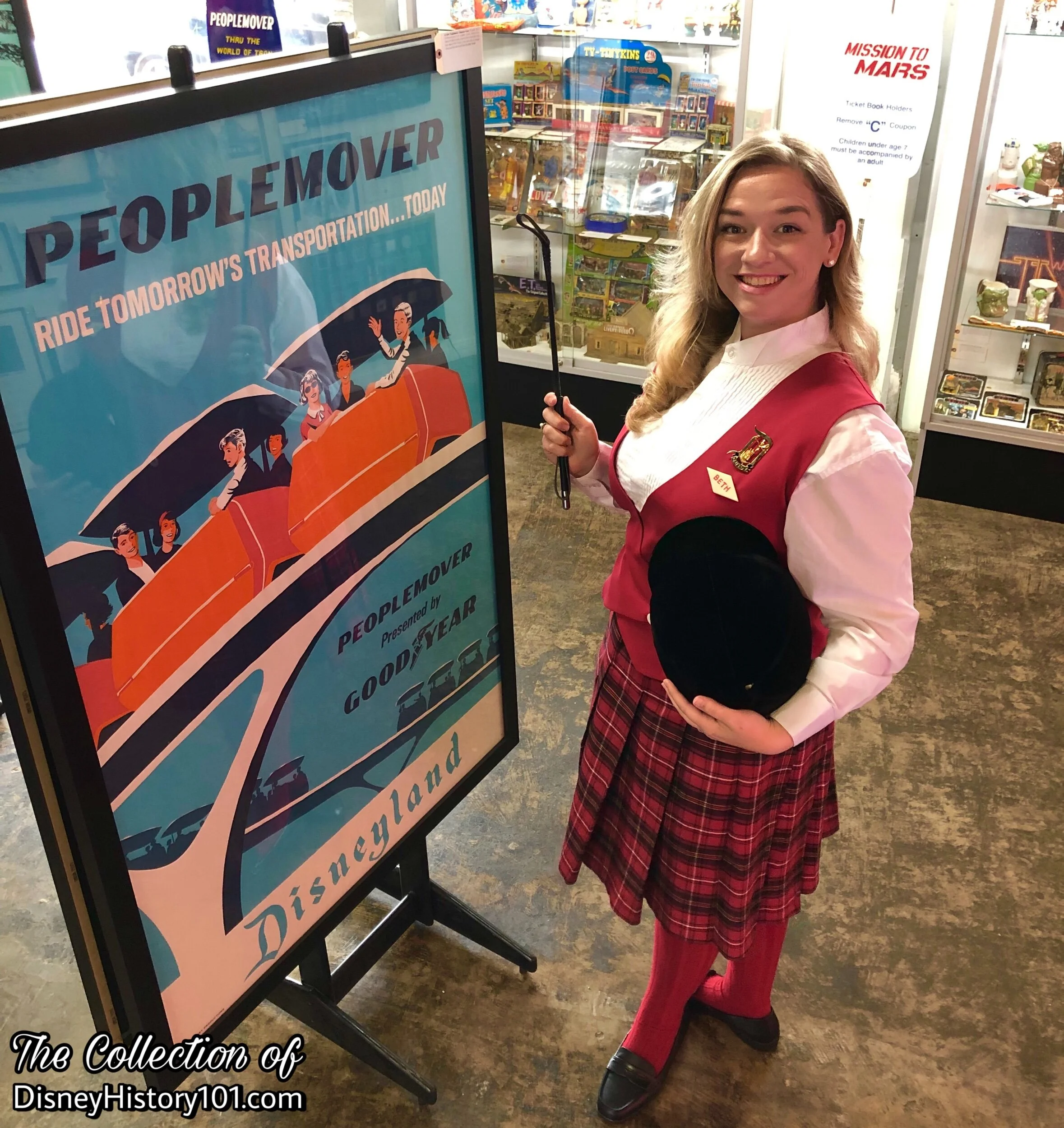
Art by Ken Chapman; All art work, posters, etc. created by the Walt Disney Studios.
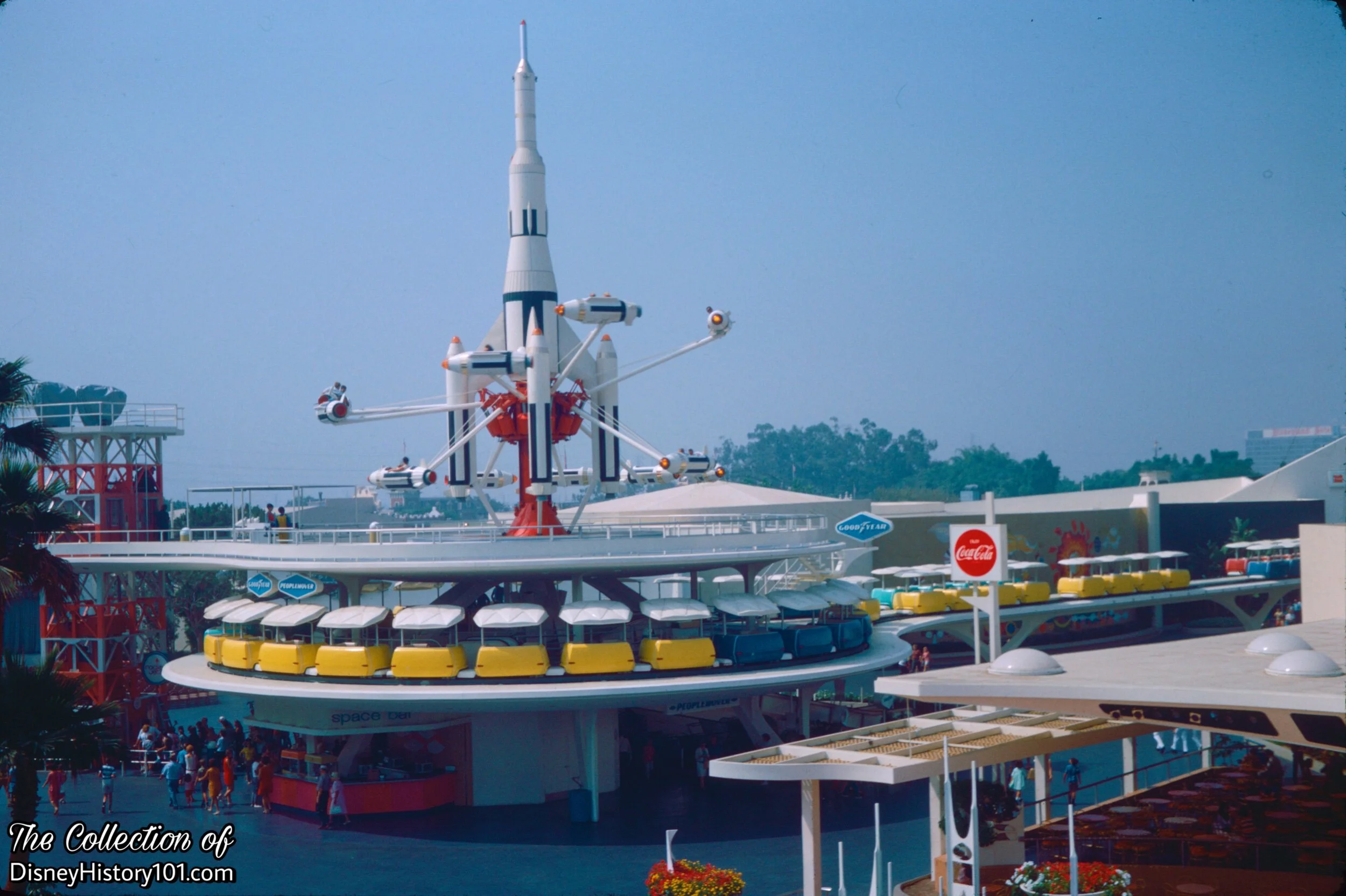
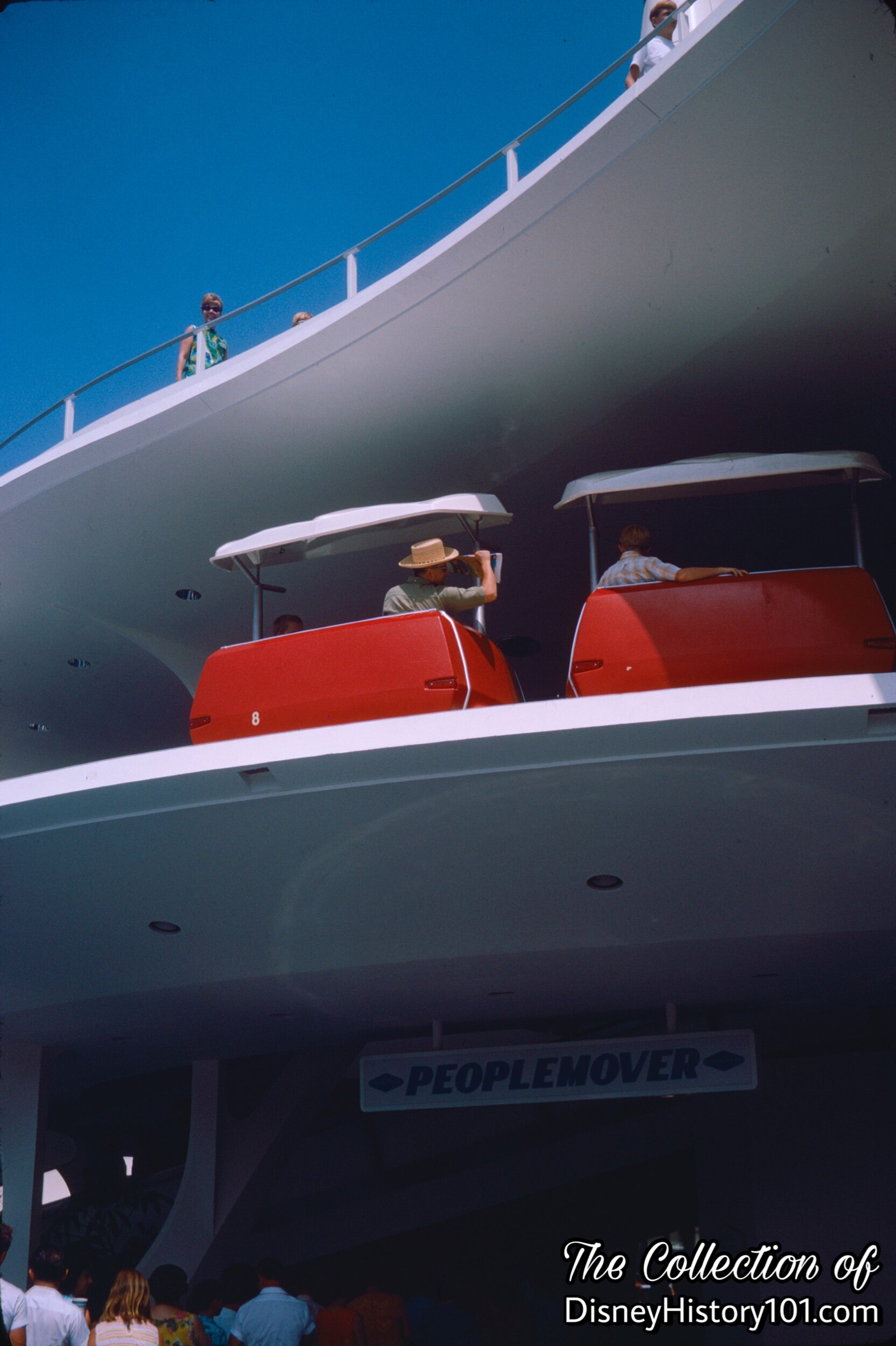
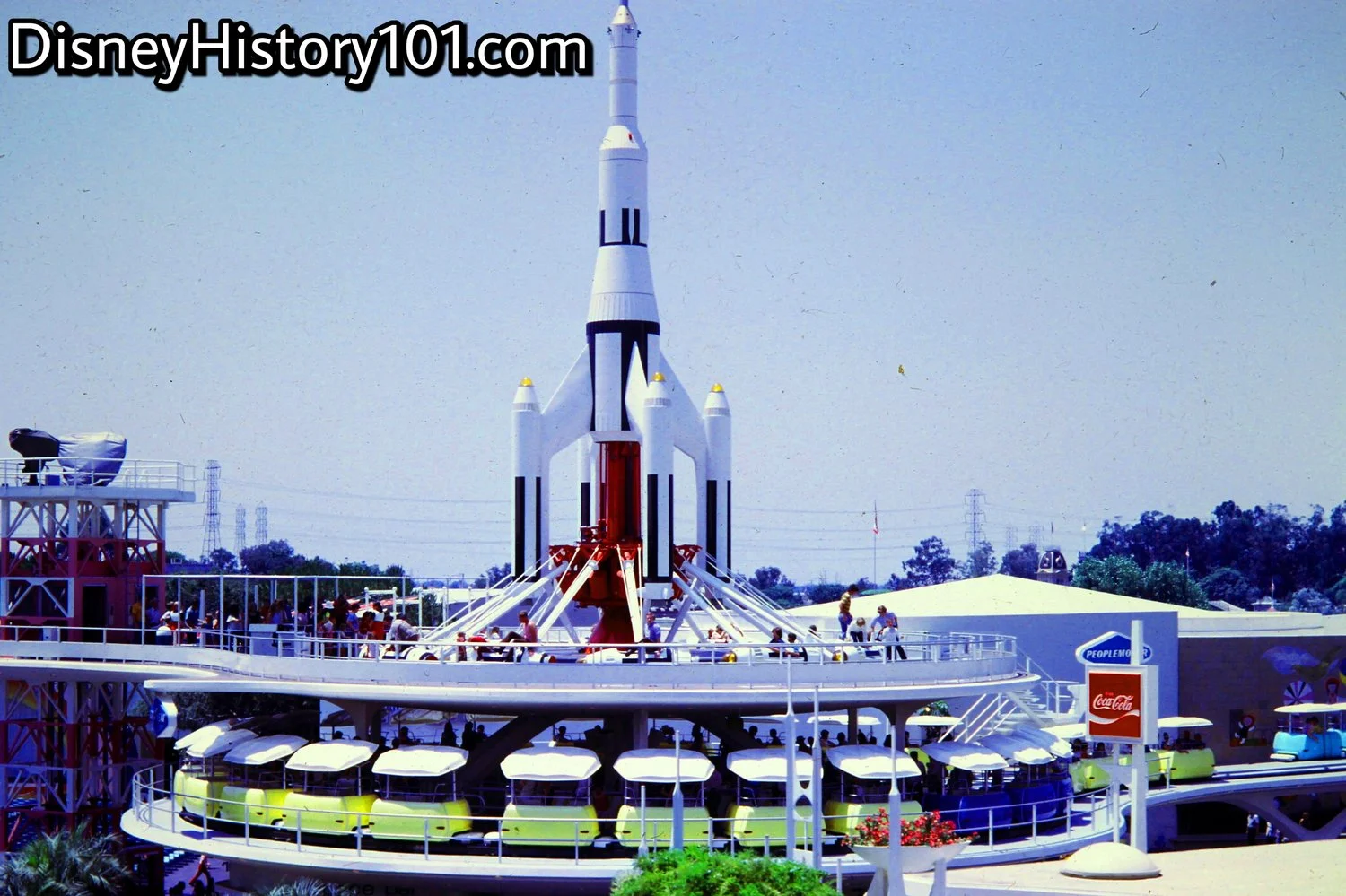
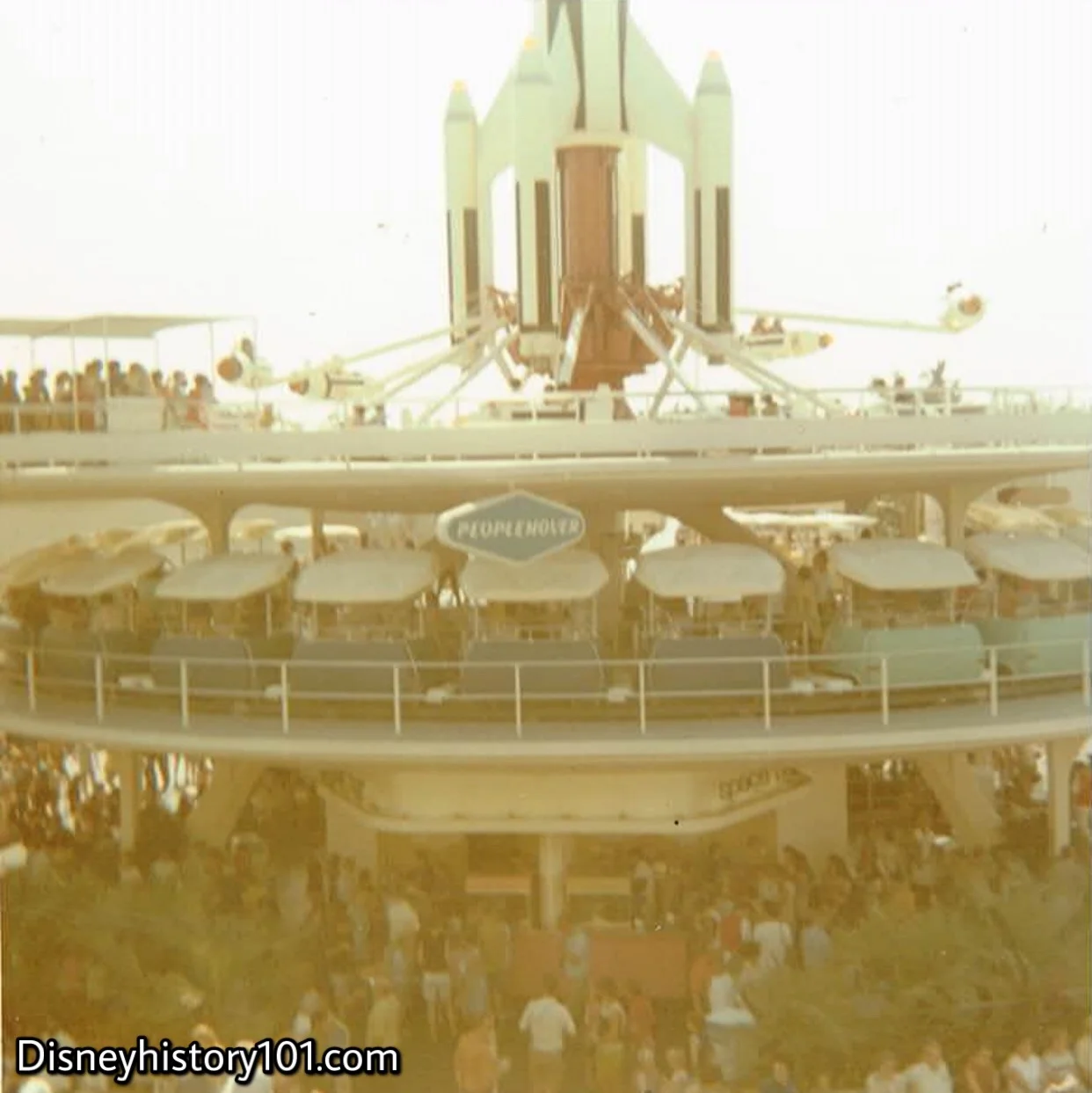
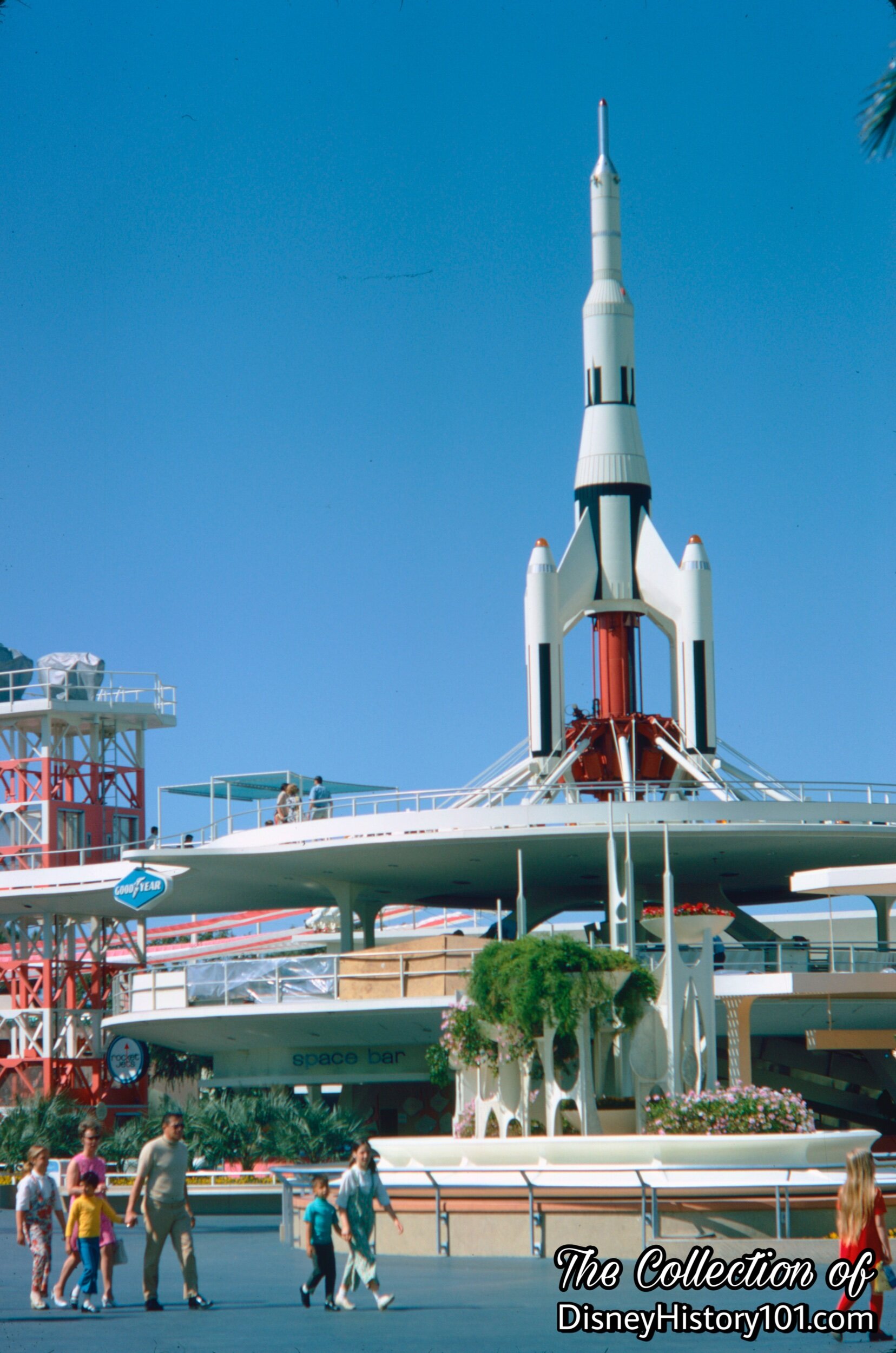
This is where your journey aboard the PeopleMover begins - at the PeopleMover Loading Platform, above the Space Bar in Tomorrowland! This tri-level PeopleMover Station was at Tomorrowland’s “theme center and pivotal point” (according to “Information on Disneyland’s New Tomorrowland - A World On The Move”, a press release document released 1967).
(September, 1967)
(September, 1967)
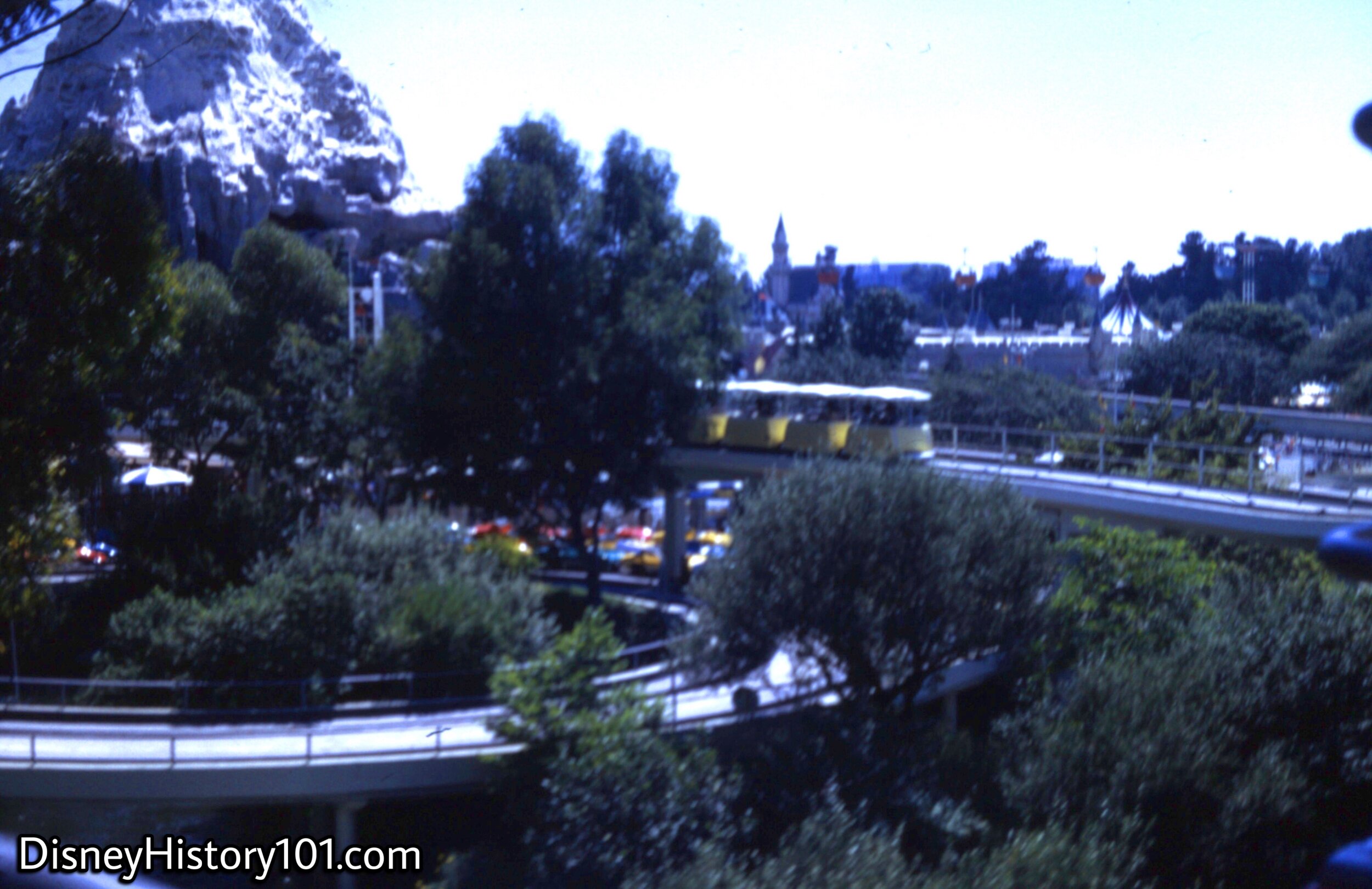
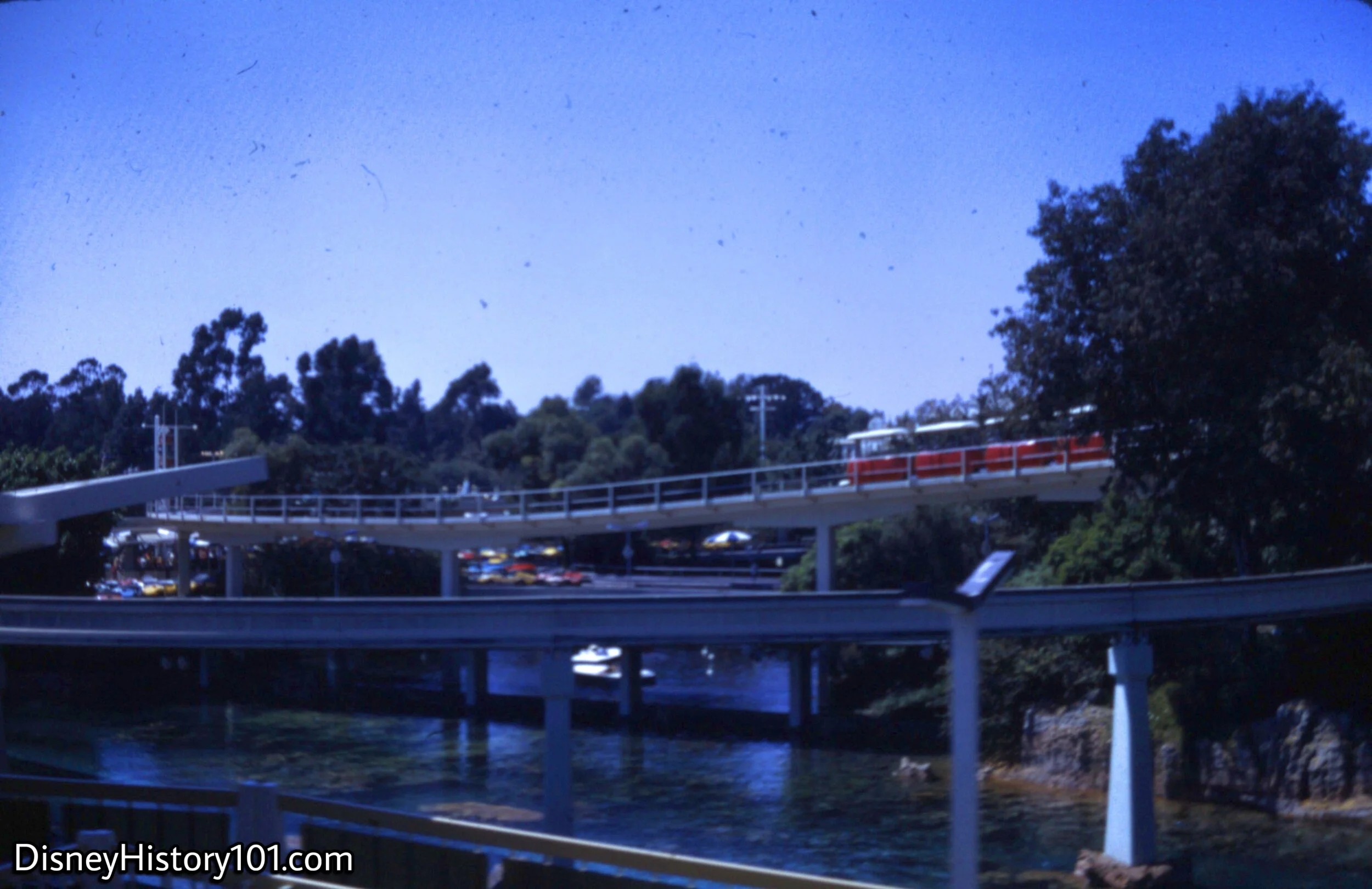
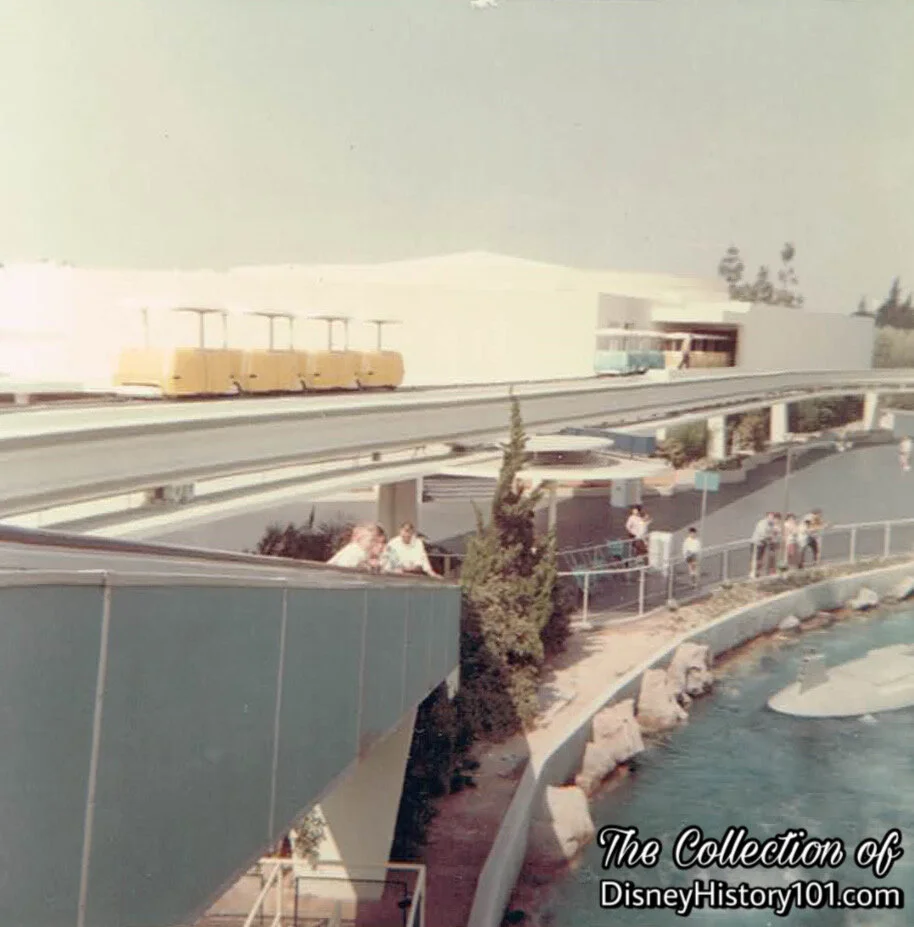
The efficient PeopleMover tracks and trains, September, 1970.
1967, September
(August, 1967)
1967
(September, 1967)
(c. late 1968 - February, 1969)
(August, 1971)
(August, 1971)
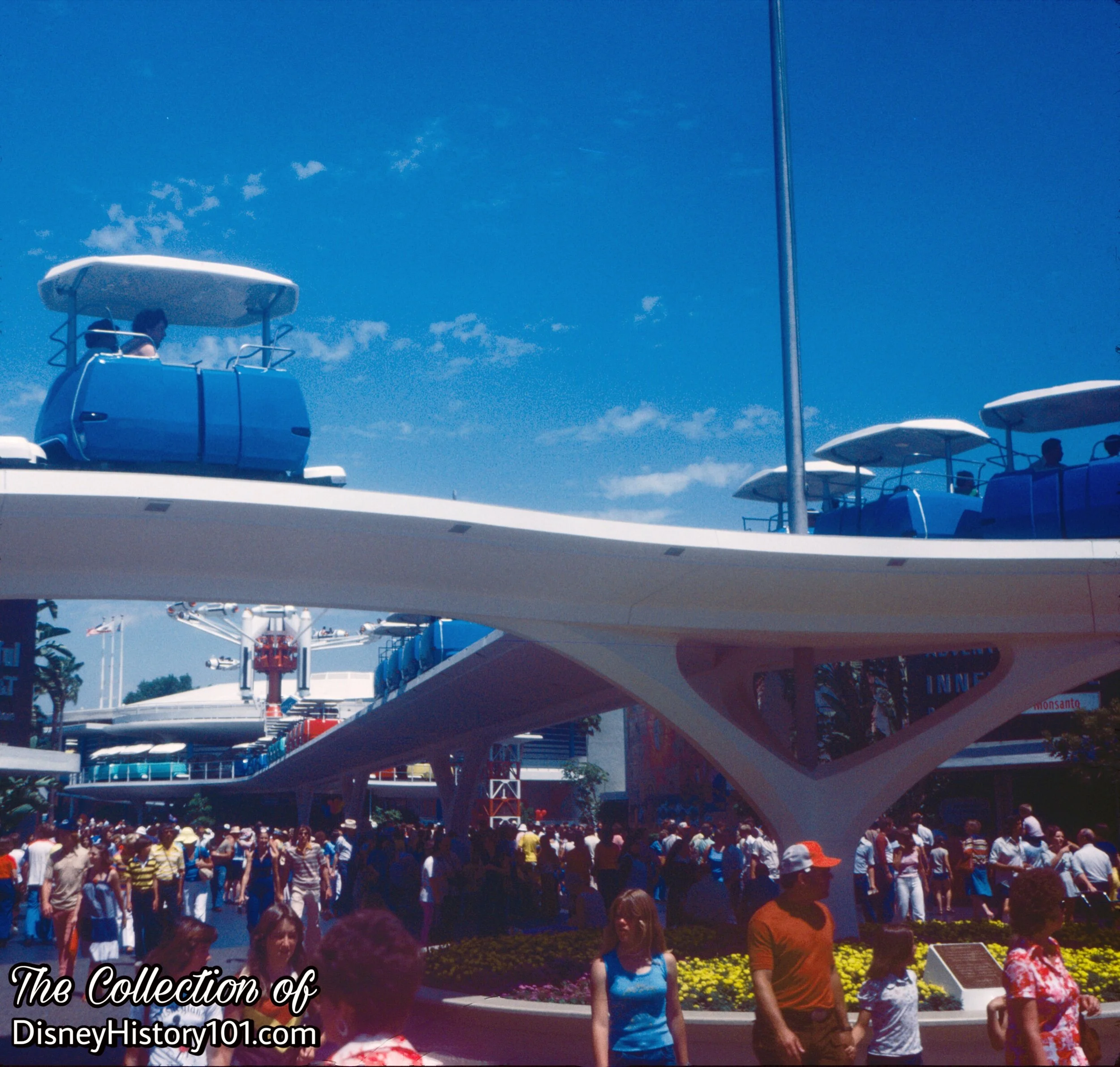
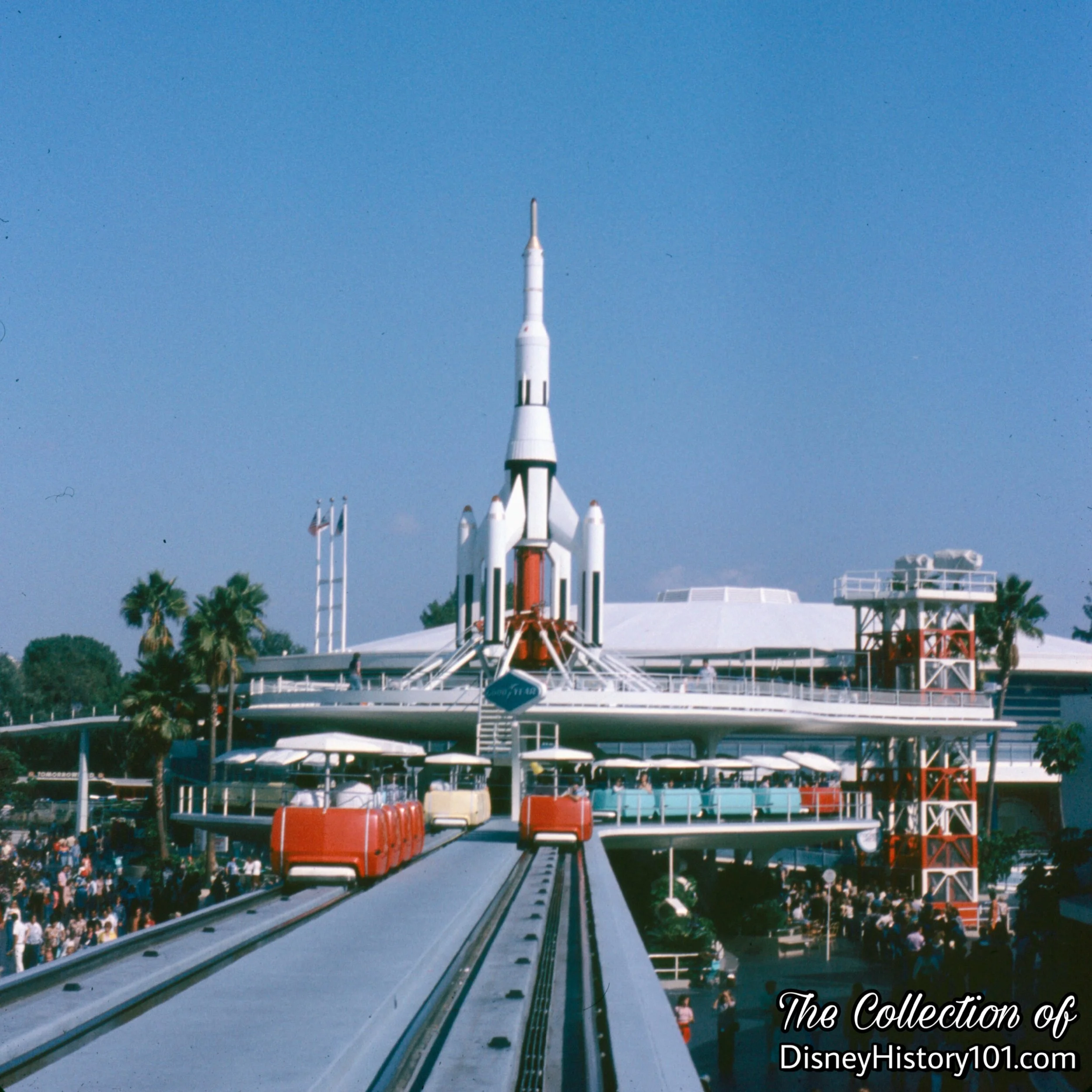
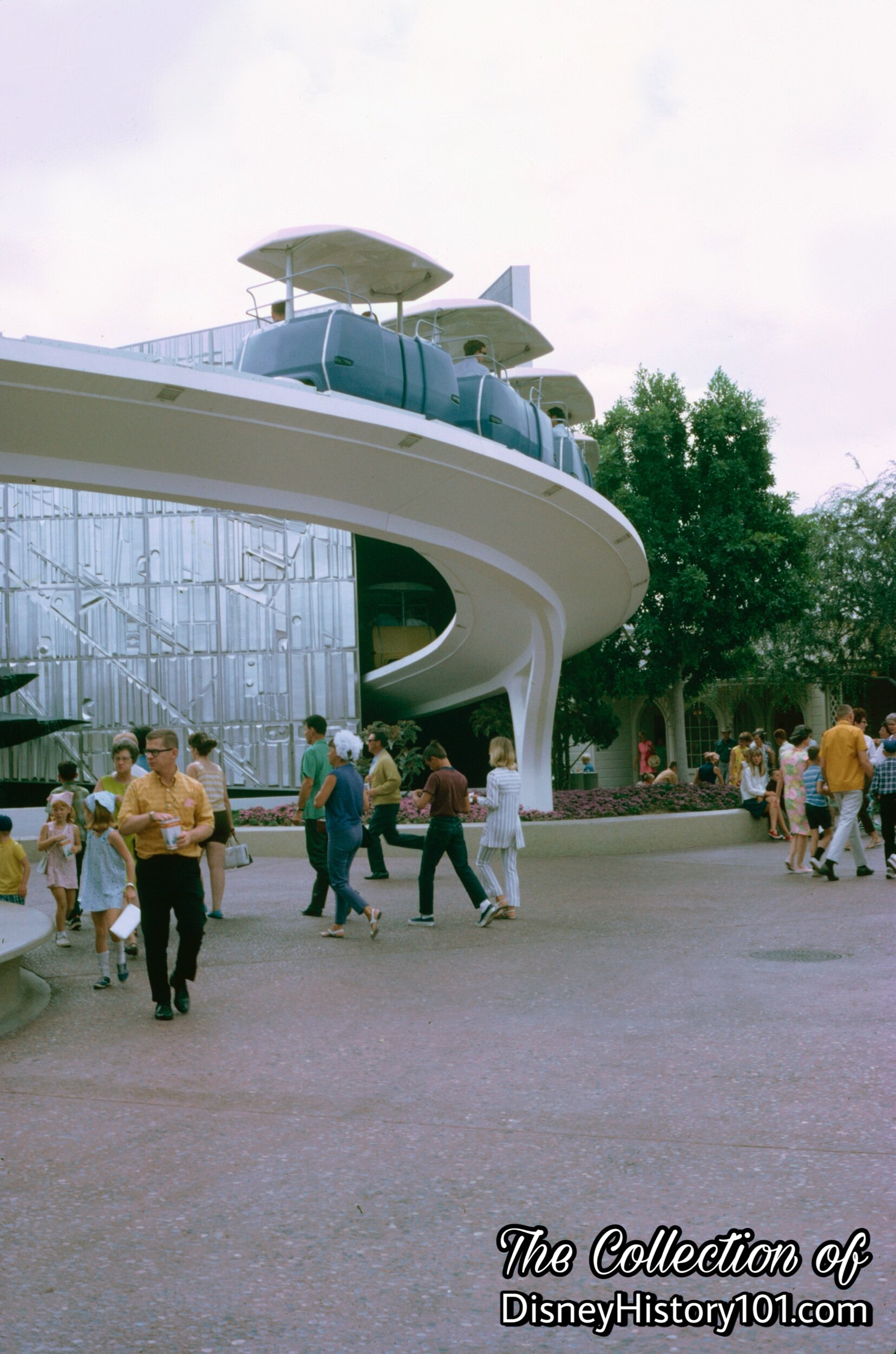
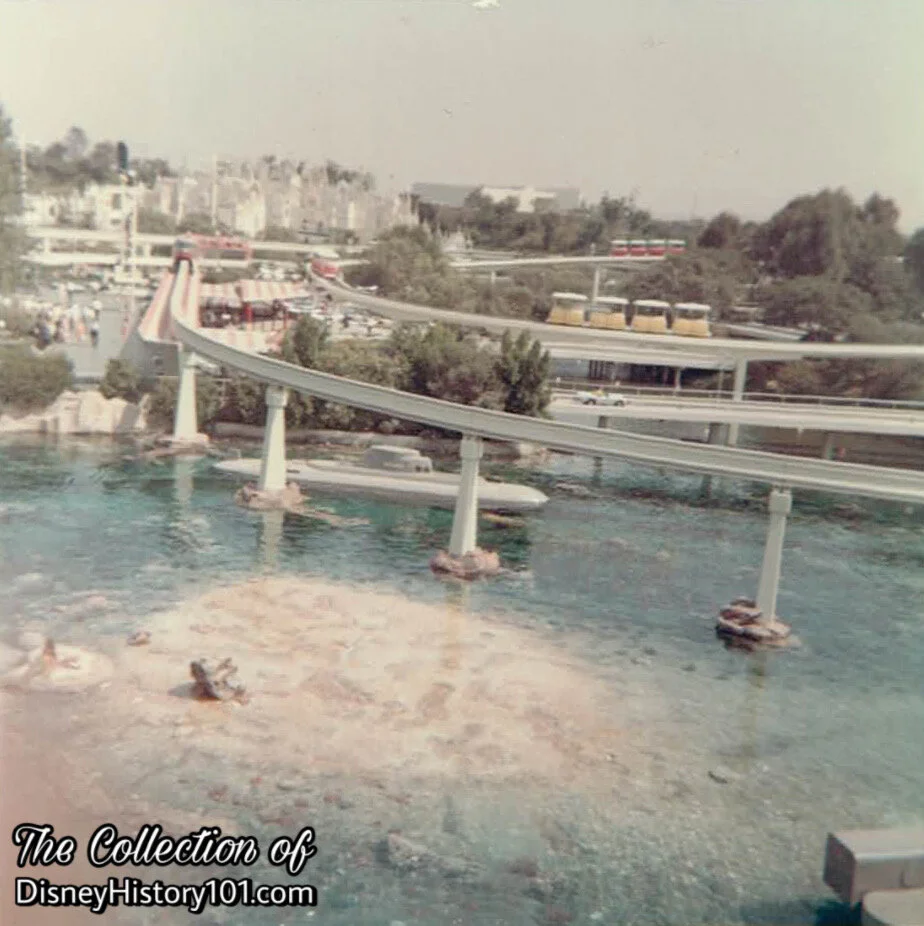
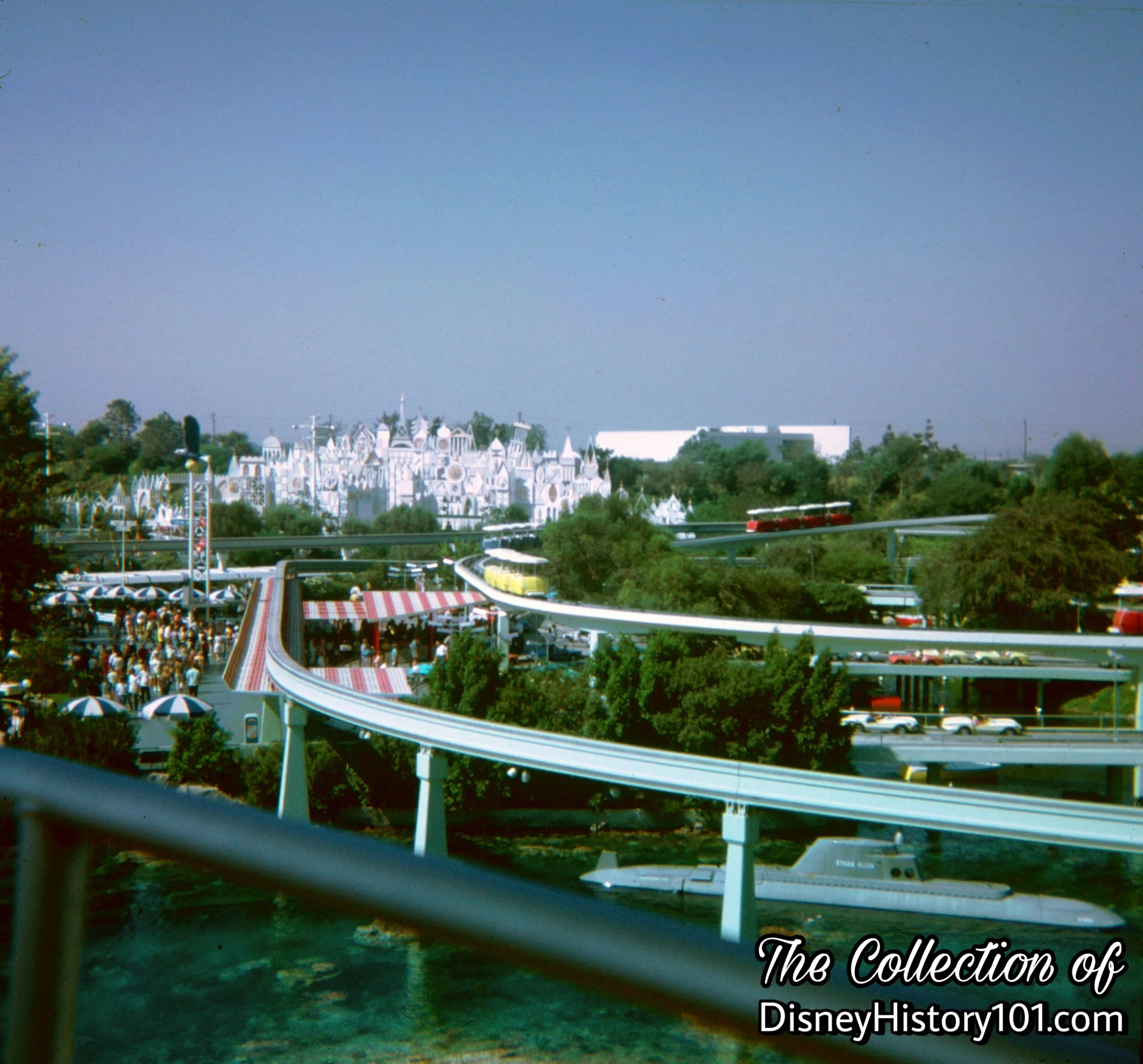
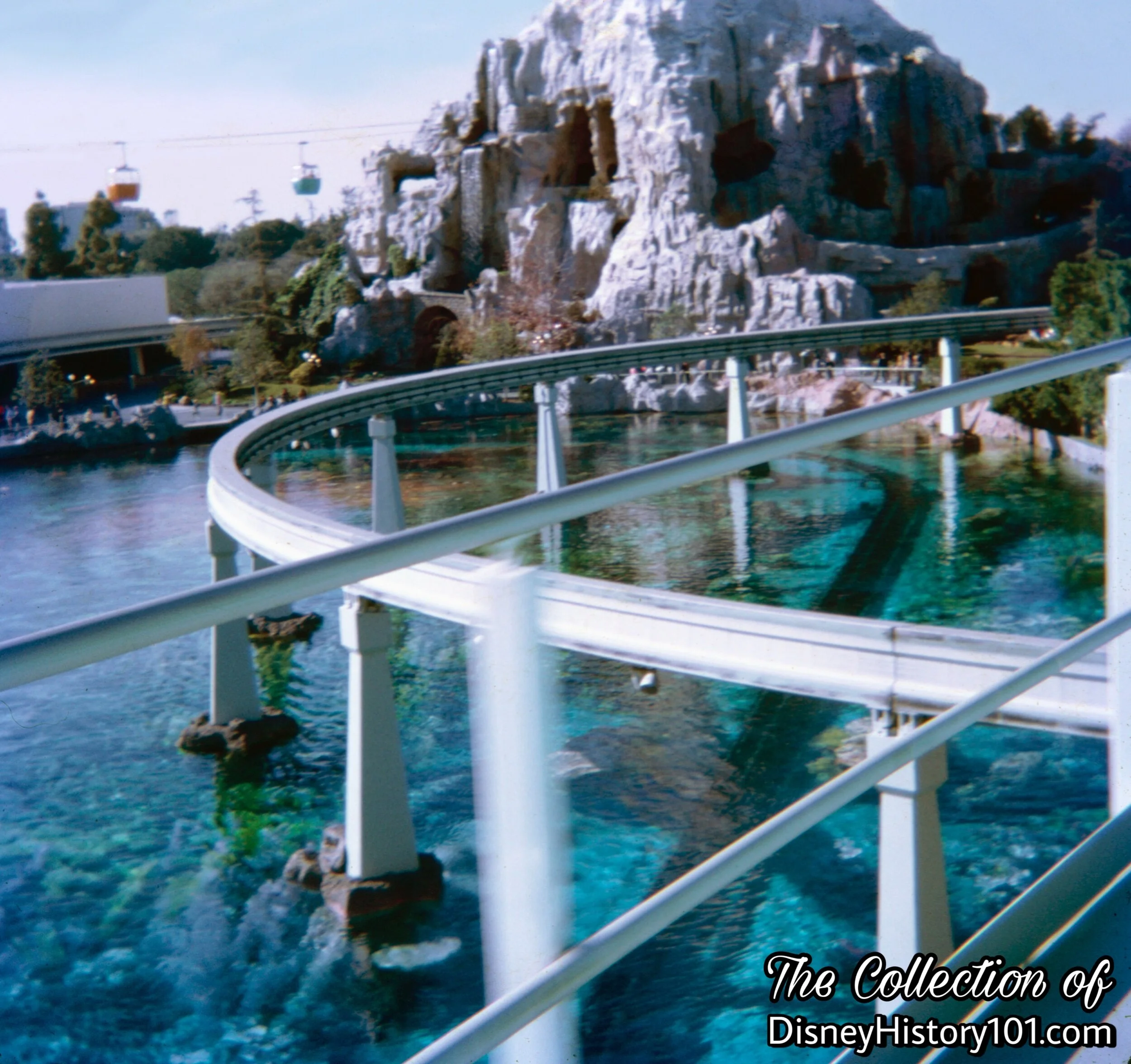
The "sweeping, ribbon-like PeopleMover guideway supported by graceful, symmetrical pylons, 1967.
1967
PeopleMover Drive Units, 1967.
“MonoMover or PeopleRail?”
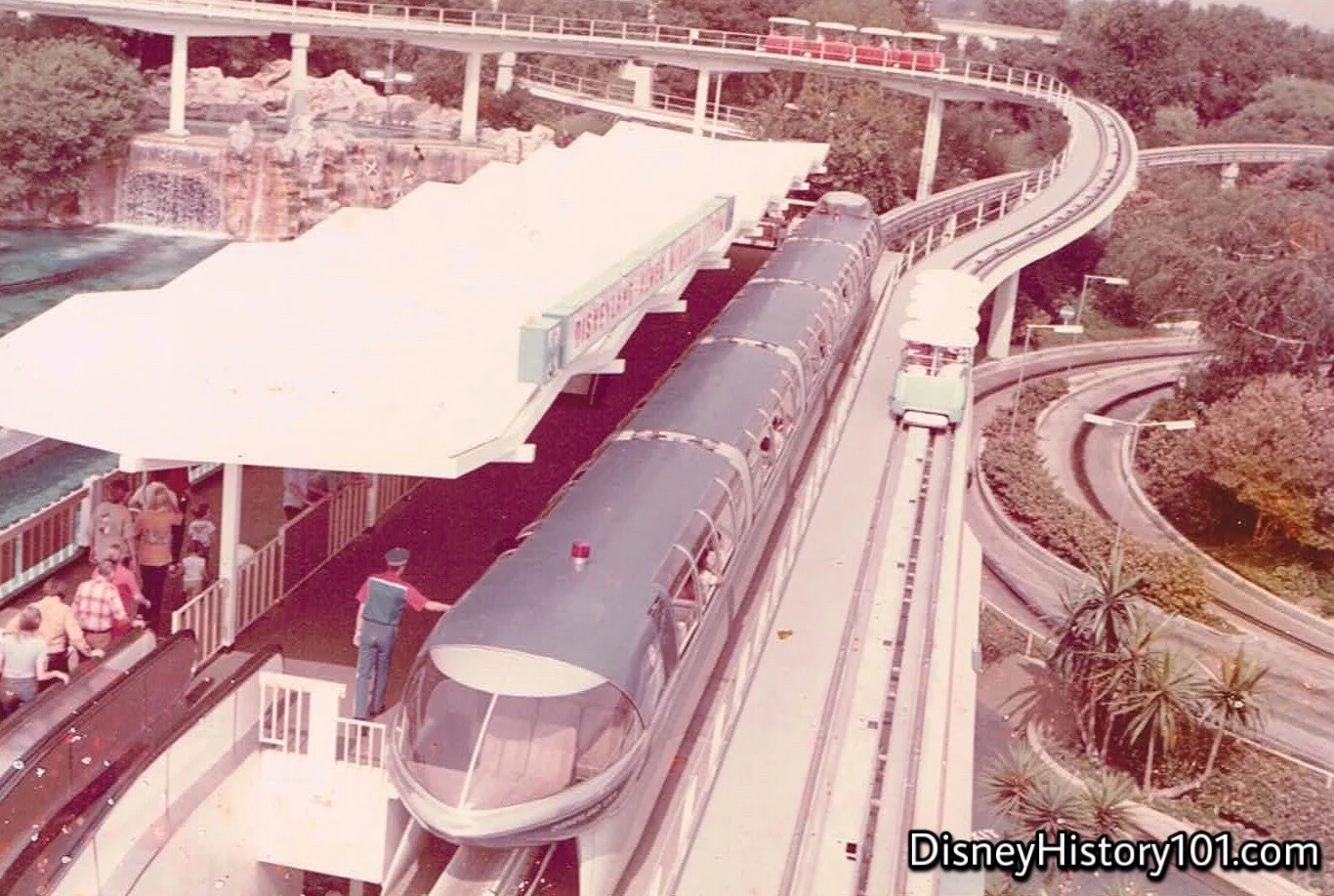
Contrary to what appeared on the “April Fools” cover of Disneyland LINE vol.13, no.13, (published April 1, 1981), the PeopleMovers and Monorail trains ran on two separate currents and rails. According to one 1960s press release prepared by the Goodyear News Bureau, “Drive units of the new Goodyear PeopleMover transportation system at Disneyland are 517 individual electrical motors in the roadway between the rails. Wheels surfaced with Goodyear industrial rubber tires engage hardboard ‘platens’ beneath the cars, propelling them along. Sixty-two of the four-car ‘trains’ are moved without stopping over the three-quarter-mile track at speeds up to 7 miles an hour.”
PeopleMovers, September, 1967.
1967, September
(August, 1980)
(September, 1967)
(1967)
(1967)
(July, 1974)
“THE TOMORROWLAND AMERICAN FLAG”
How did Disneyland’s Tomorrowland end up with its very own American Flag Pole? It’s origin actually dates back to Disneyland’s opening and the year 1955. The Court of Honor was originally located near Tomorrowland’s center (and the entrance to Hobbyland). One of two 49-star flags (in Disneyland) would fly in the center of the Court. Forty-eight states were represented by their flags, hoisted up poles with plaques on them. The flag poles were originally configured in a star pattern around the “square”. The plaques featured the date of their admission into the United States Union and motto. The Court of Honor didn’t last long here, because big changes were headed to Tomorrowland. In 1956, The Court of Honor’s flags and poles were moved to Tomorrowland’s entrance and the thoroughfare was renamed the Avenue of Flags!
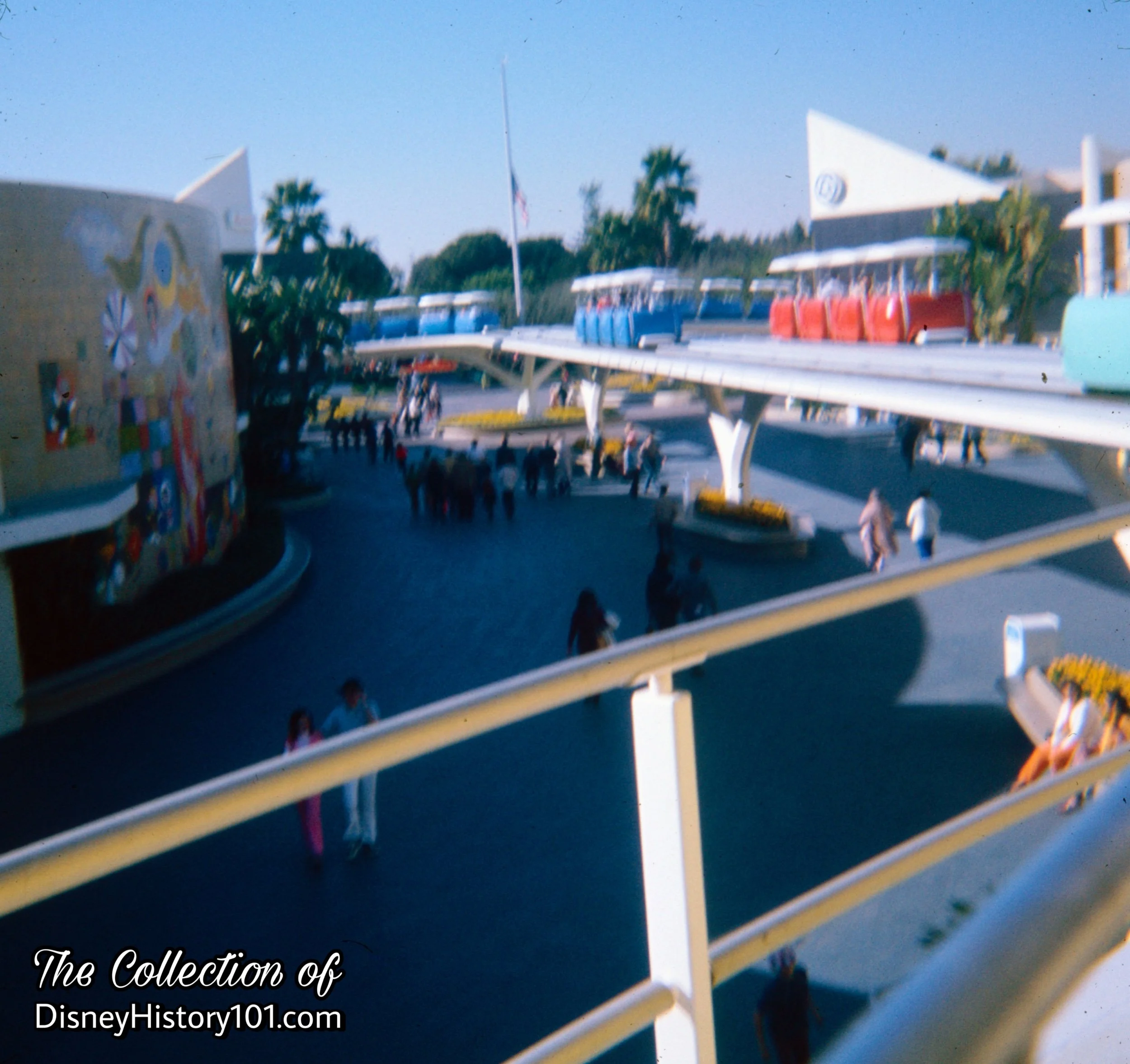
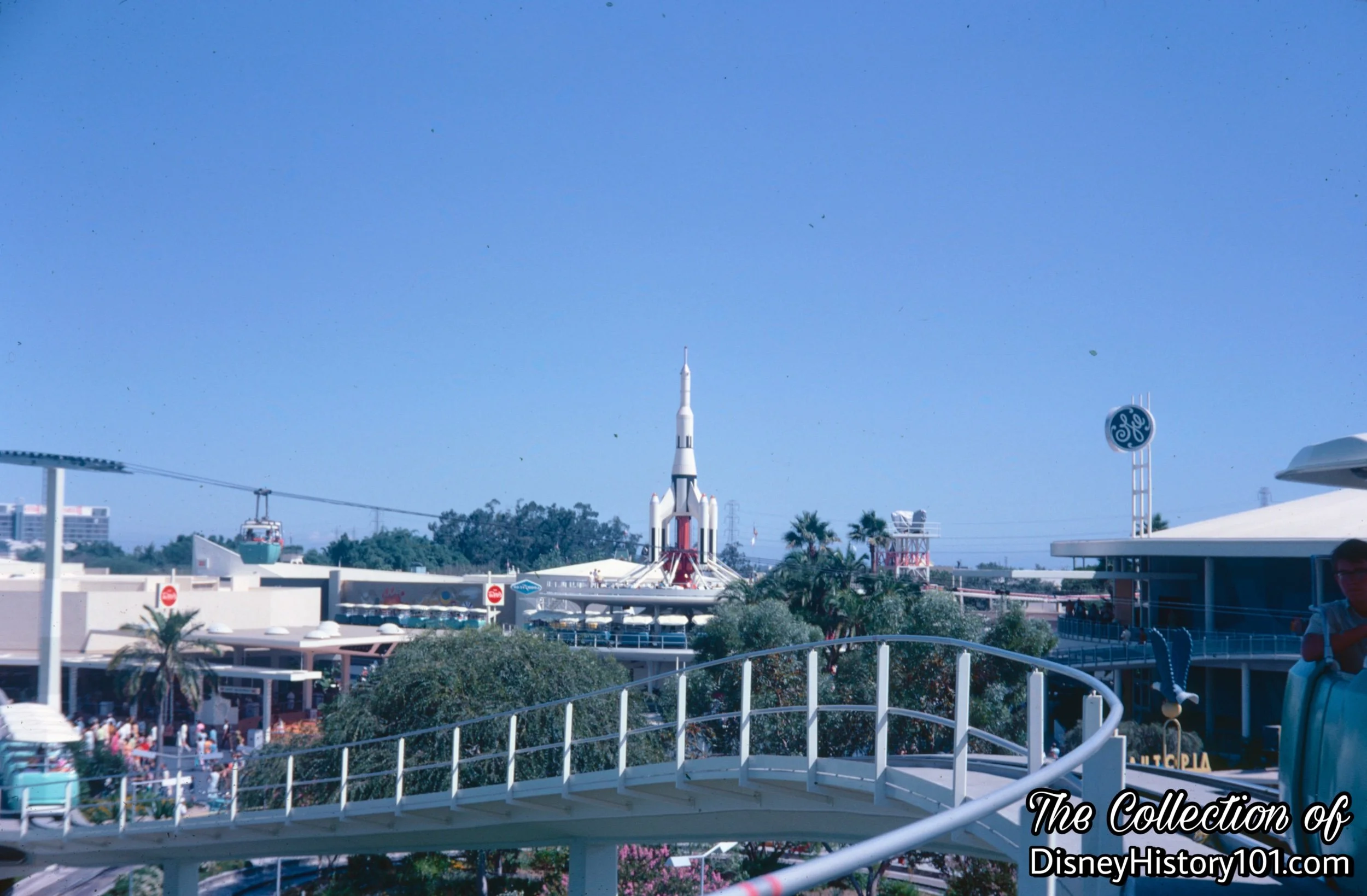
As previously mentioned, by the summer of 1967, the new Tomorrowland opened with seven major adventures and attractions. Though the Court of Honor was removed, the Tomorrowland American Flag Pole with current American flag stayed put at the junction of PeopleMover and pedestrian traffic (near Tomorrowland’s entrance). By June of 1974, this flag pole was one of three inside Disneyland, that flew genuine American flags (the other current flags flew in the middle of Town Square, and over America Sings).
1967 (?)
1972, September
(September, 1972)
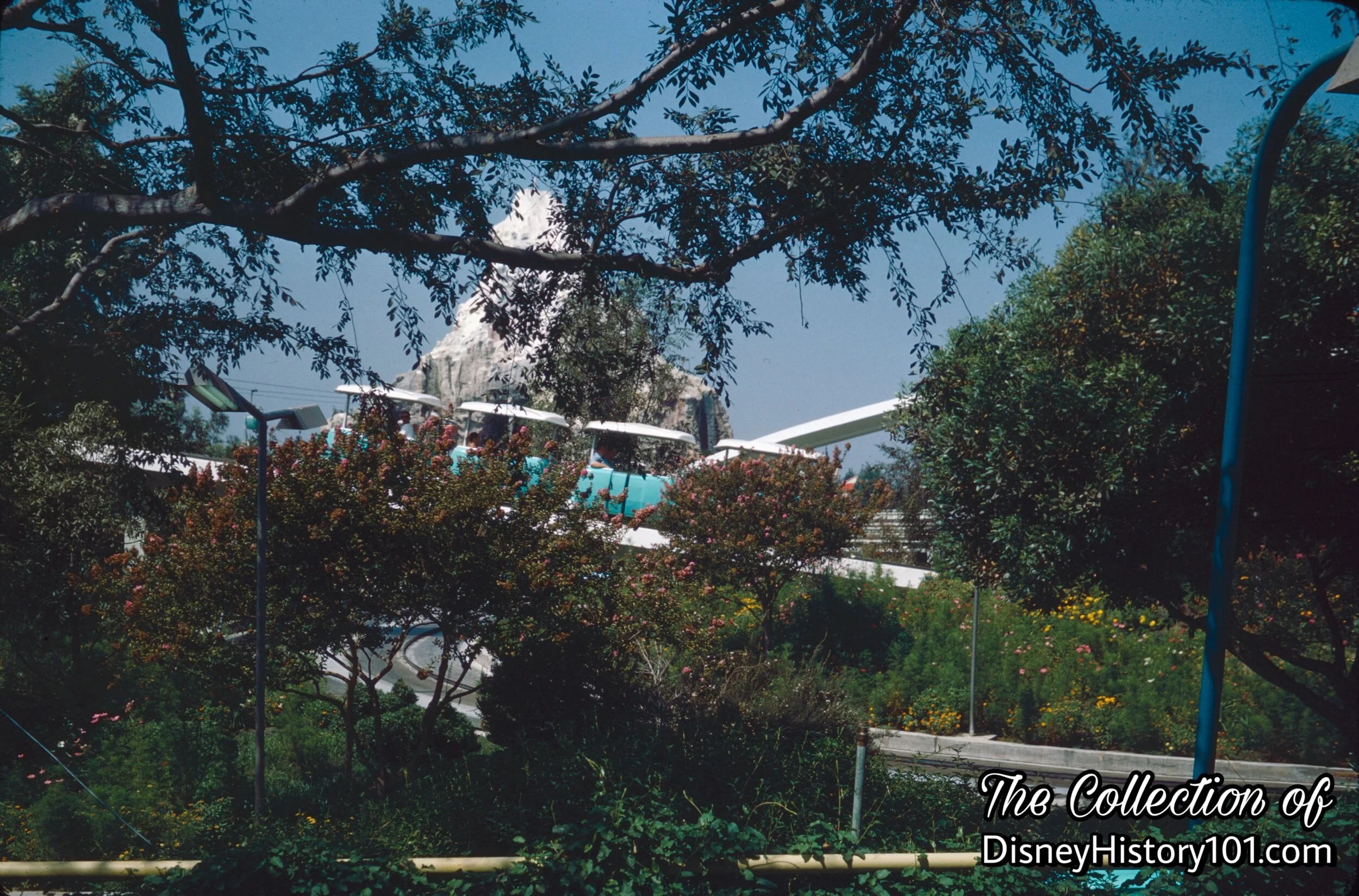
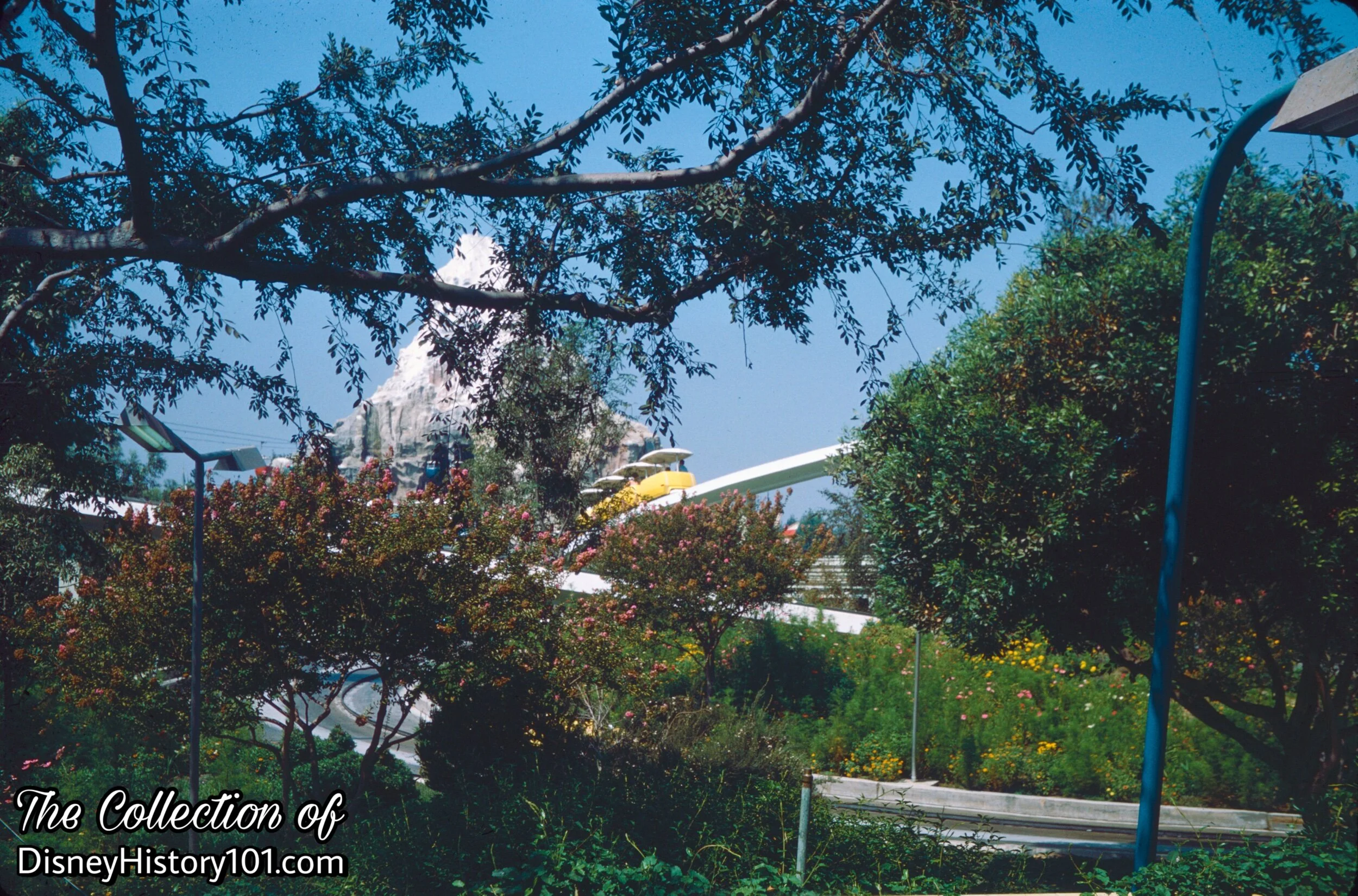
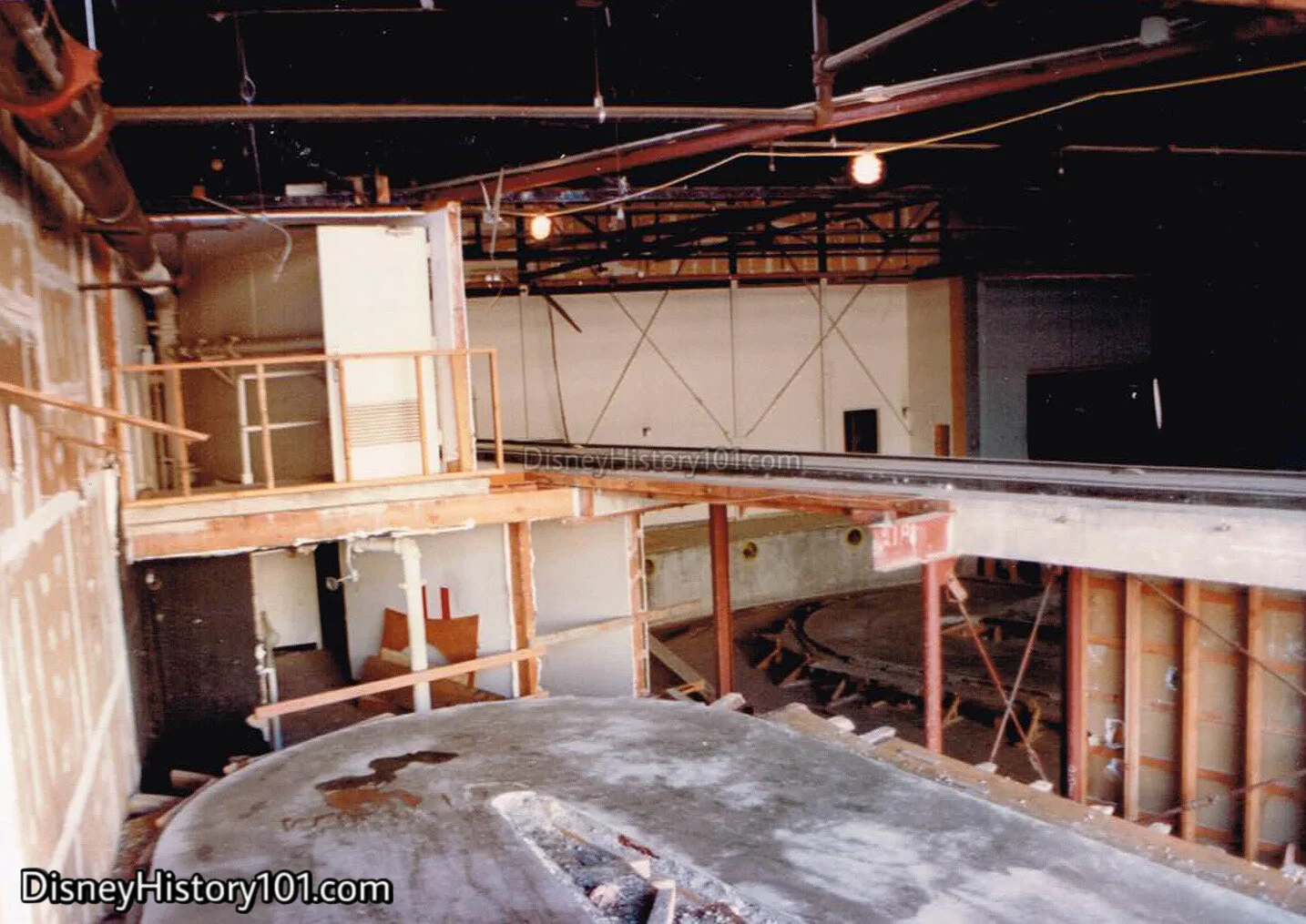
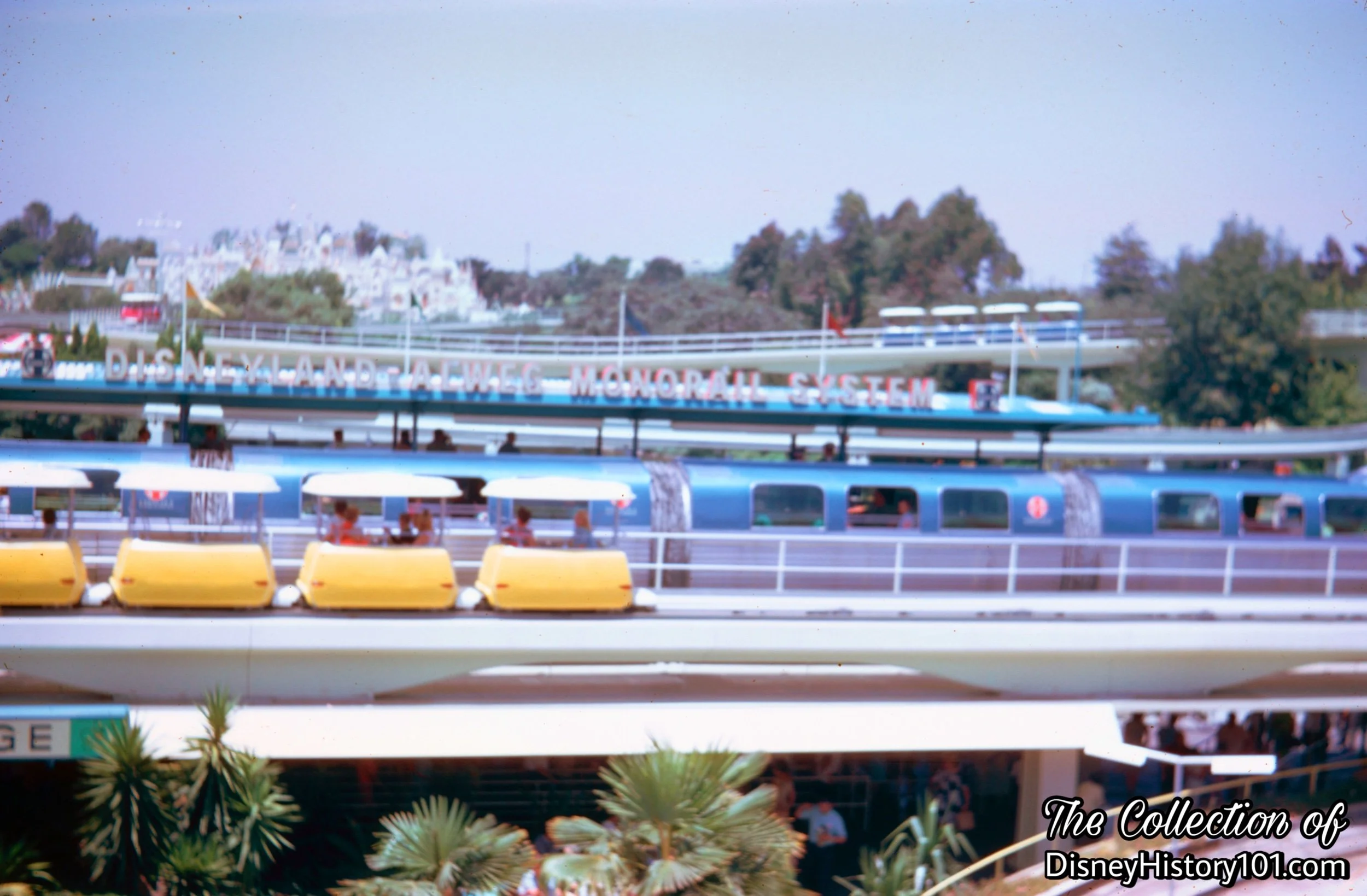
The PeopleMover’s trains take a turn into a tunnel over Tomorrowland’s Premier Circle-Vision 360.
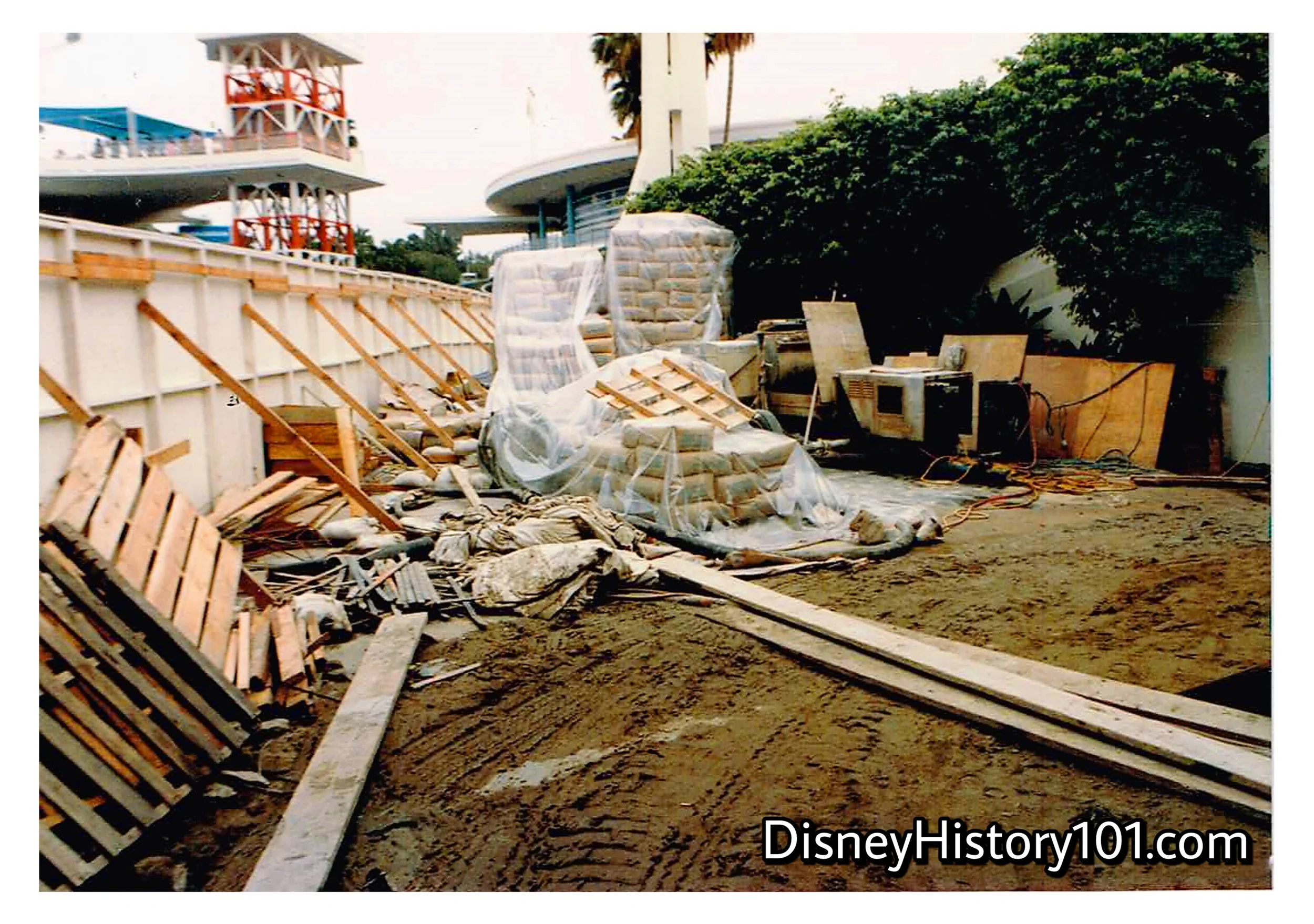
Some construction scaffolding has appeared over the Submarine Caverns Entrance and Exit Falls
(November, 1975)
c. 1981-1982
c. 1981-1982
May 2nd, 1982
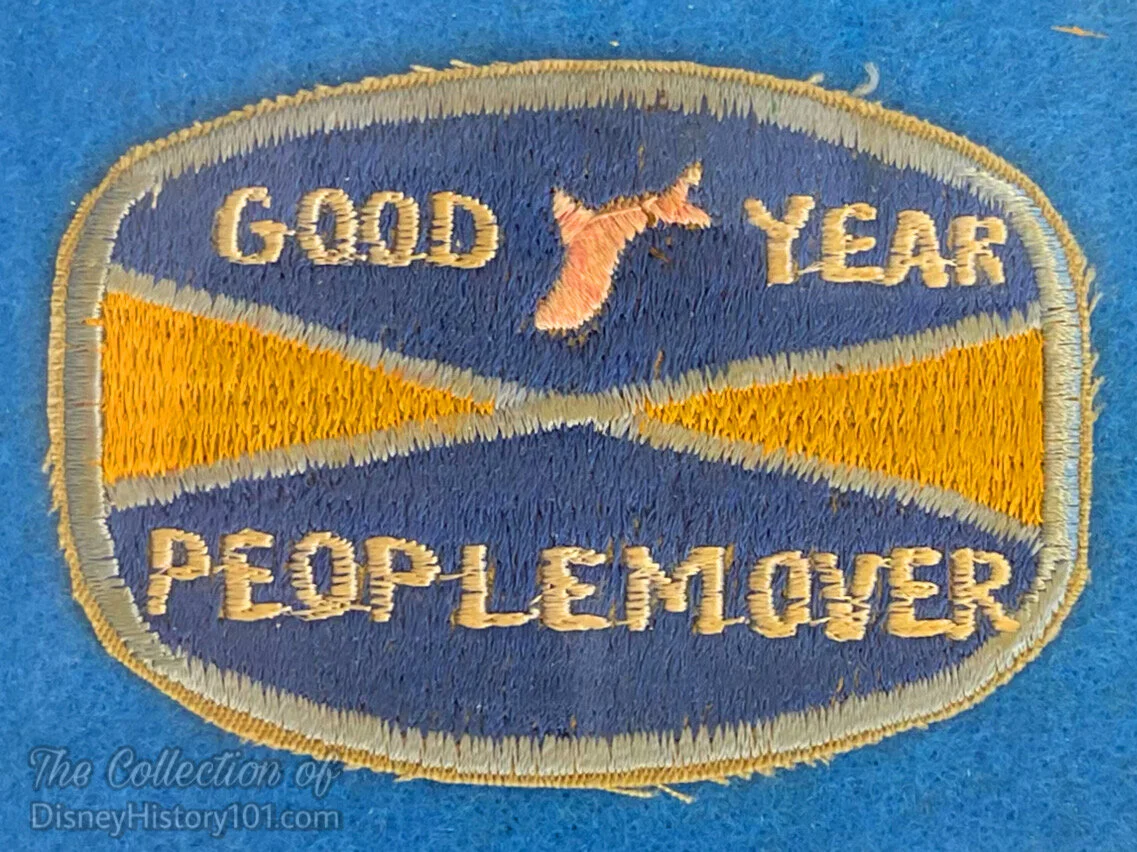
Disneyland Goodyear PeopleMover Patch ; Jeff Von Molt Collection, on Display at Walt Disney's Carolwood Barn
Goodyear tires would be recommended for use on the Mark V Monorail, by MBB developers of the transportation technology for WED Imagineering.
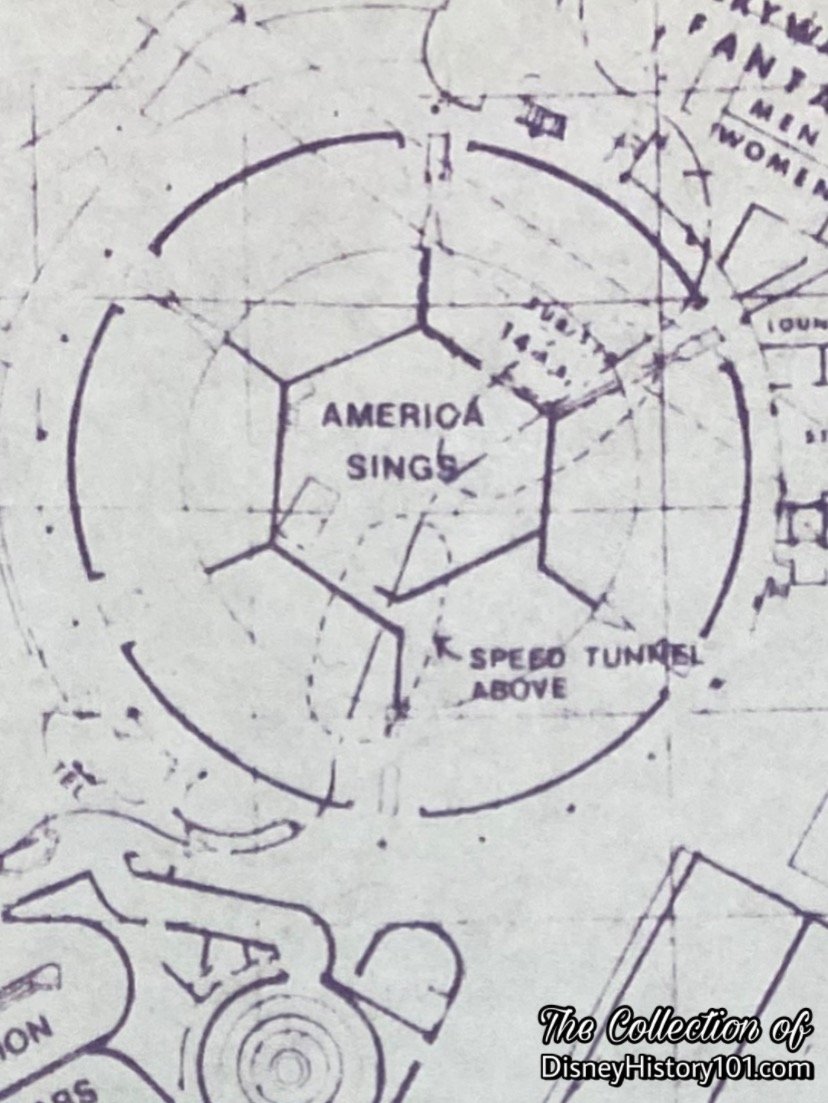
The Speed Tunnel depicted over America Sings on plans for Disneyland; September 1977.
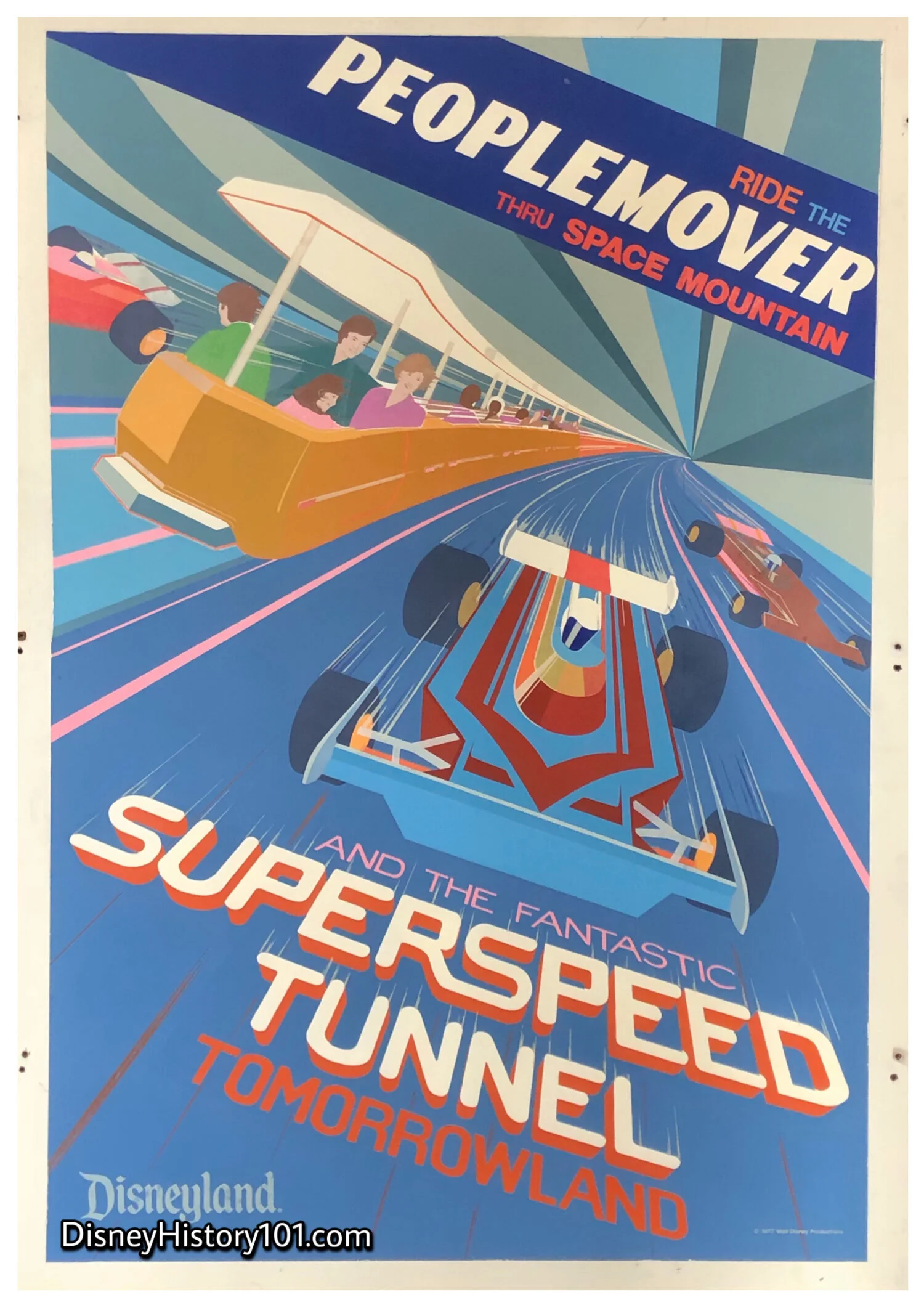
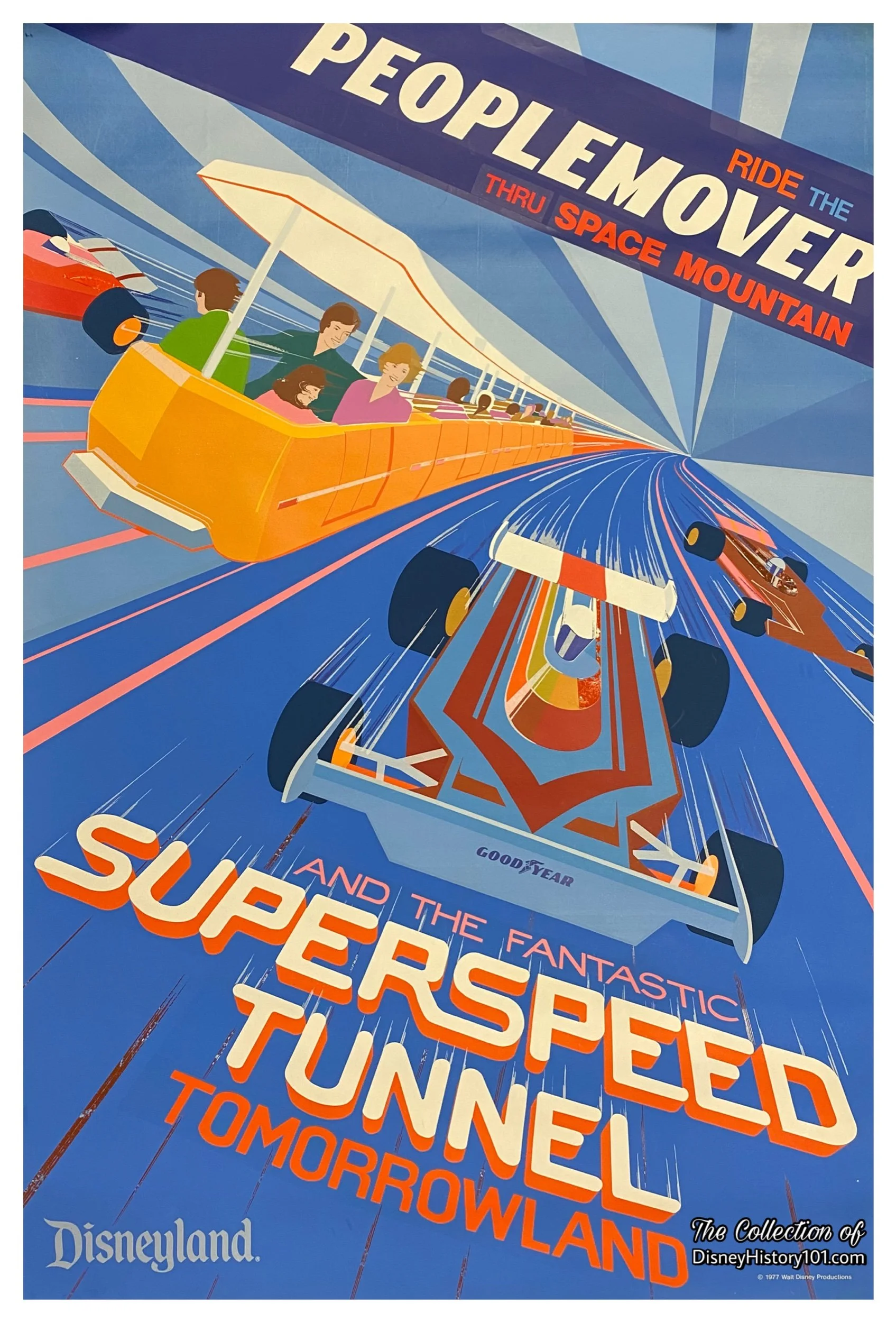
The thrilling Superspeed Tunnel opened (with its continuous “film loop”), in the “speed room” above the Carousel of Progress Theater in Disneyland, during May of 1977! The Speed Room was an enclosed area where special film projection created the sensation of rapid movement similar to If You Had Wings at Walt Disney World. The Speed Room projected the Film Loop - a continuous running loop of film with no physical beginning or end point.
Superspeed Tunnel Poster art by Tim Delaney, (May of 1977-1982)
Superspeed Tunnel Poster art by Tim Delaney, (May of 1977-1982)
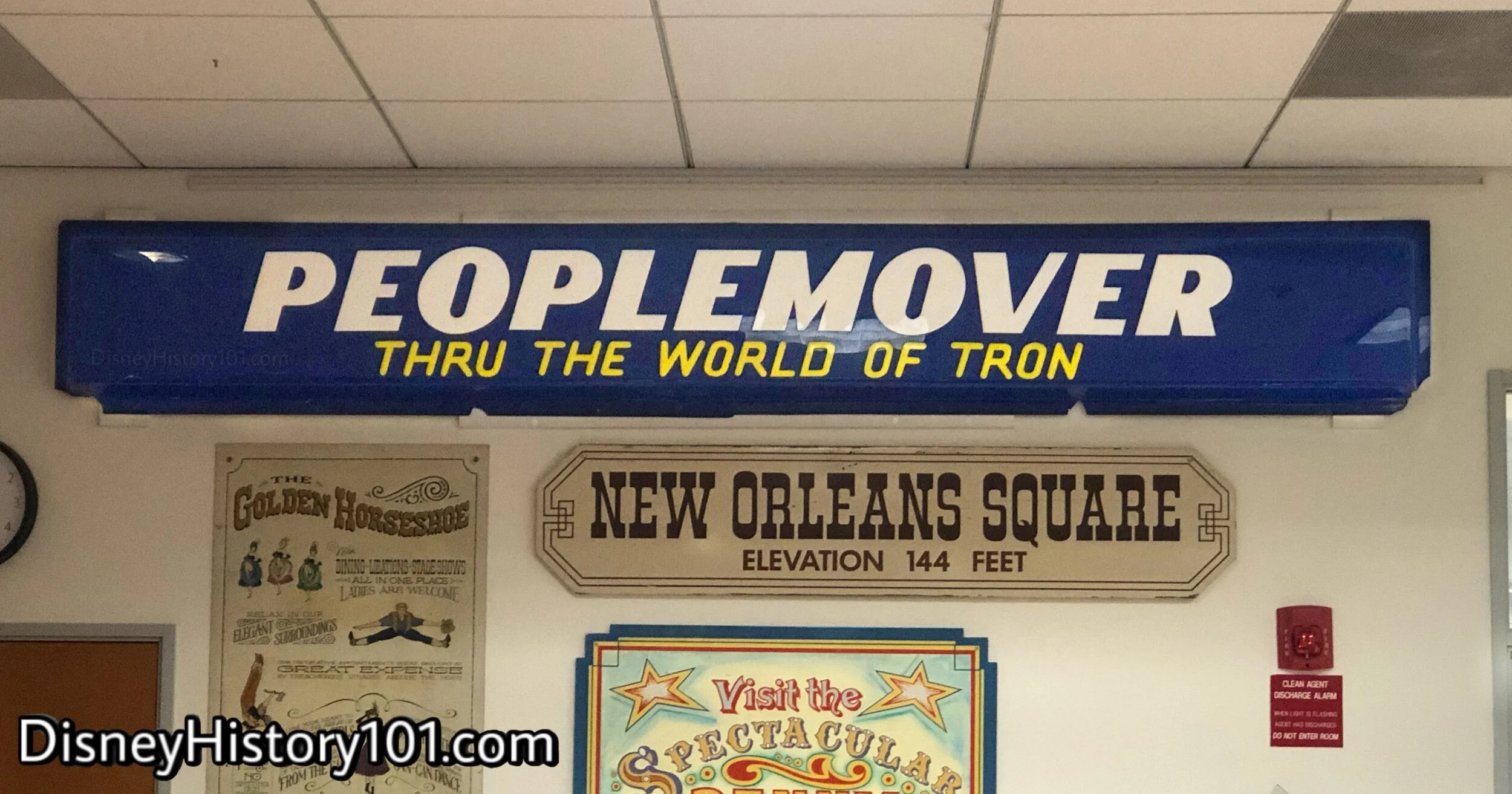
c. 1982 - 1985 PeopleMover Sign, Walt Disney Archives
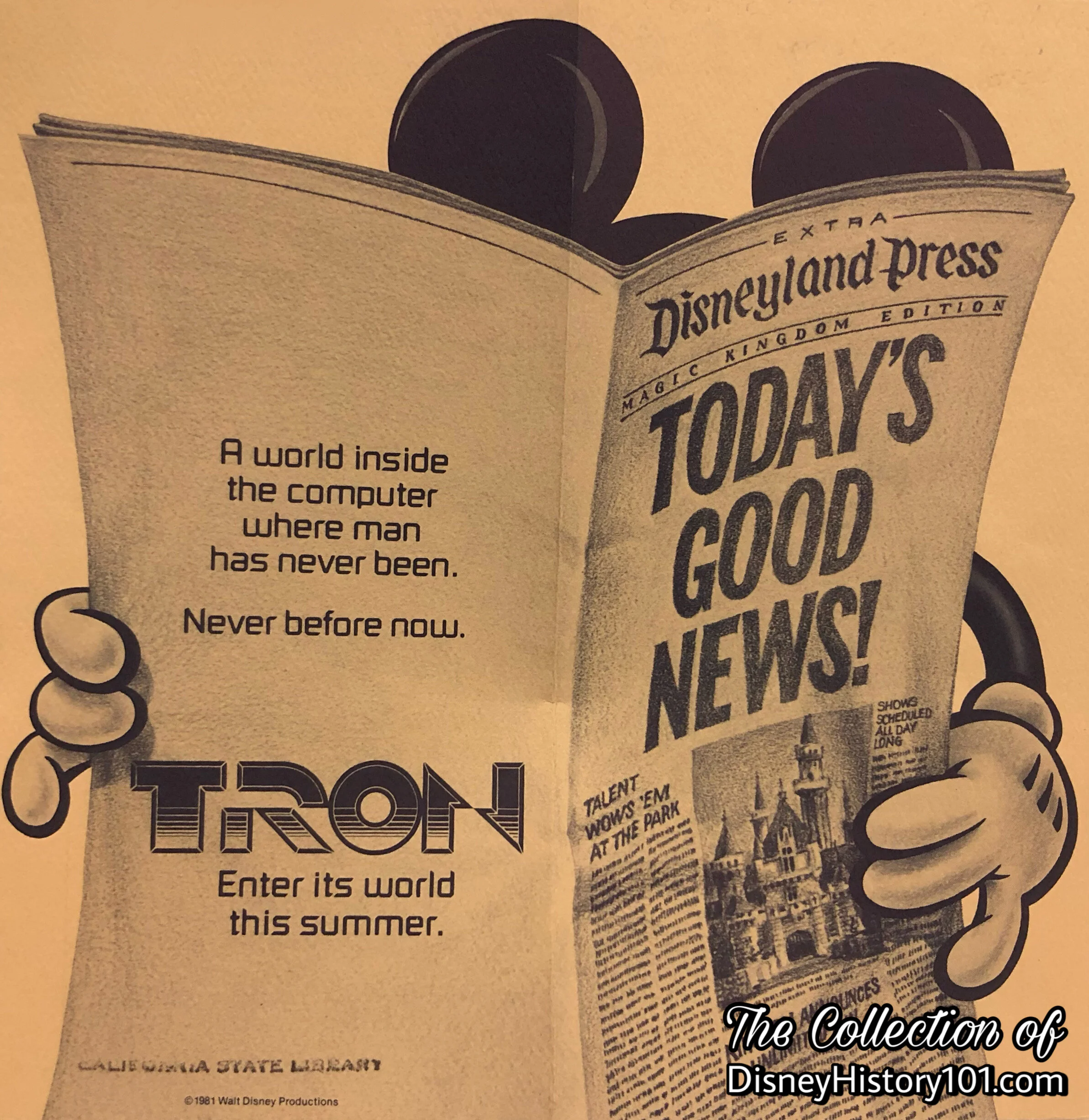
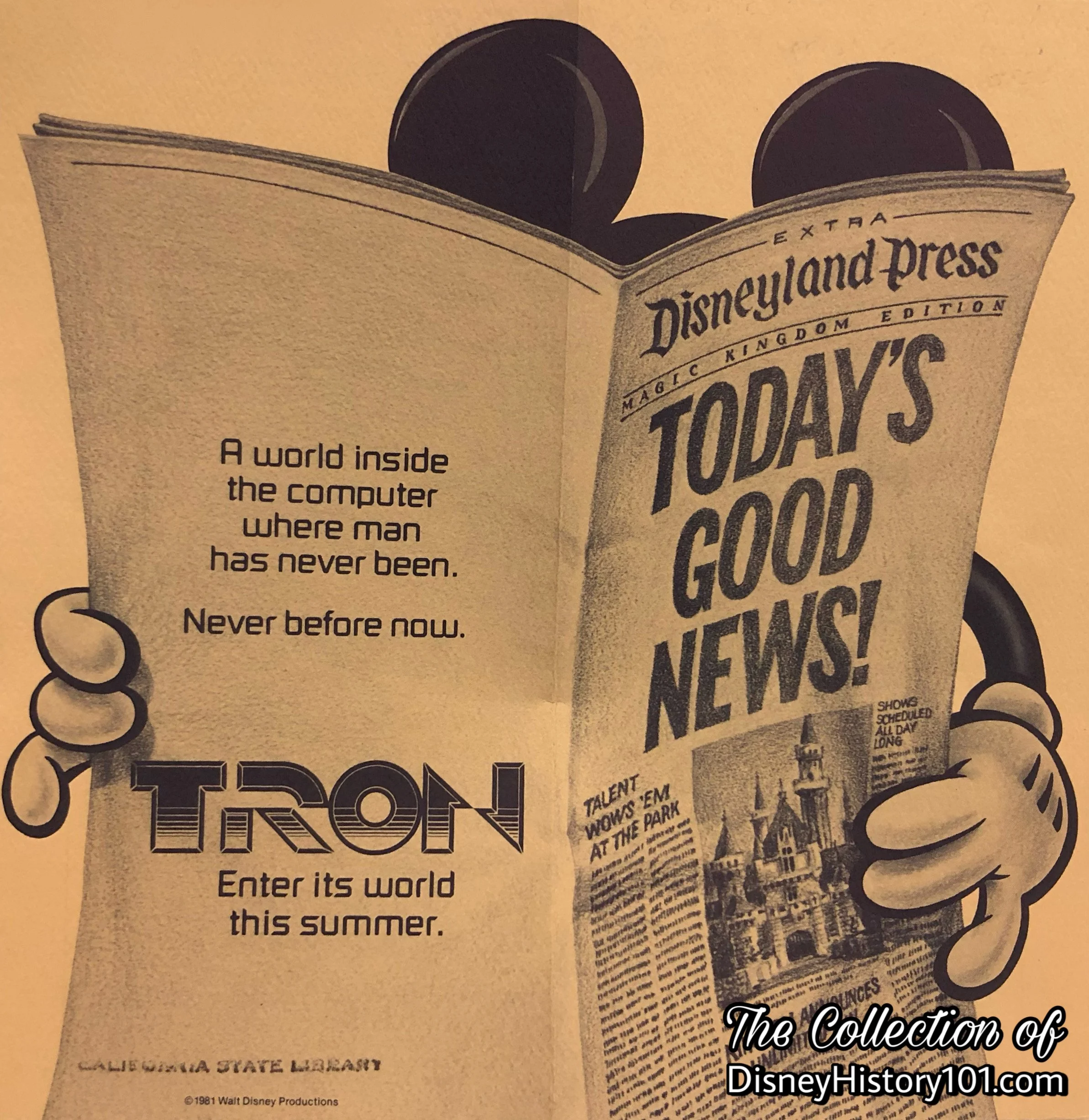
You never know who you’ll meet at Walt Disney Studios! We bumped into an old (c. 1982-1995) friend you may recognize. As we were exiting the Walt Disney Archives’ Reading Room, we couldn’t help hearing : “You are now exiting The World of Tron.”
Signs are themed to support the stories with appropriate graphics, colors, fonts, terminology, overall design of the sign, materials (wood, metal, banners, etc.), and verbiage used on the signage.
Walt Disney said: “We’re counting on the co-operation of American industry to provide their very best thinking during the creation of our Experimental Prototype Community Of Tomorrow.”
By 1974, WED Enterprises was developing the Community Transportation Services driven by the new pollution-free, linear induction motor system. This public transportation system was intended for use in shopping centers and downtown areas. A magnetic field, free of moving parts would push the vehicles along the elevated guideway.
This transportation system powered by linear-induction motors, was introduced as the "WEDway PeopleMover" at Walt Disney World in July 1975. Soon, one such Community Transportation Service was being master-planned by 1976. The Houston WEDway public transportation system was being developed by Disney to be installed at Houston Intercontinental Airport opening in June of 1981. This was the first installation of the system outside the Disney entertainment “worlds.”
The “PeopleMover” as it is called is run by linear induction motors over a 7,500 foot route.
(c. 1971?)
(1977-1982)
(1970)
(1967)
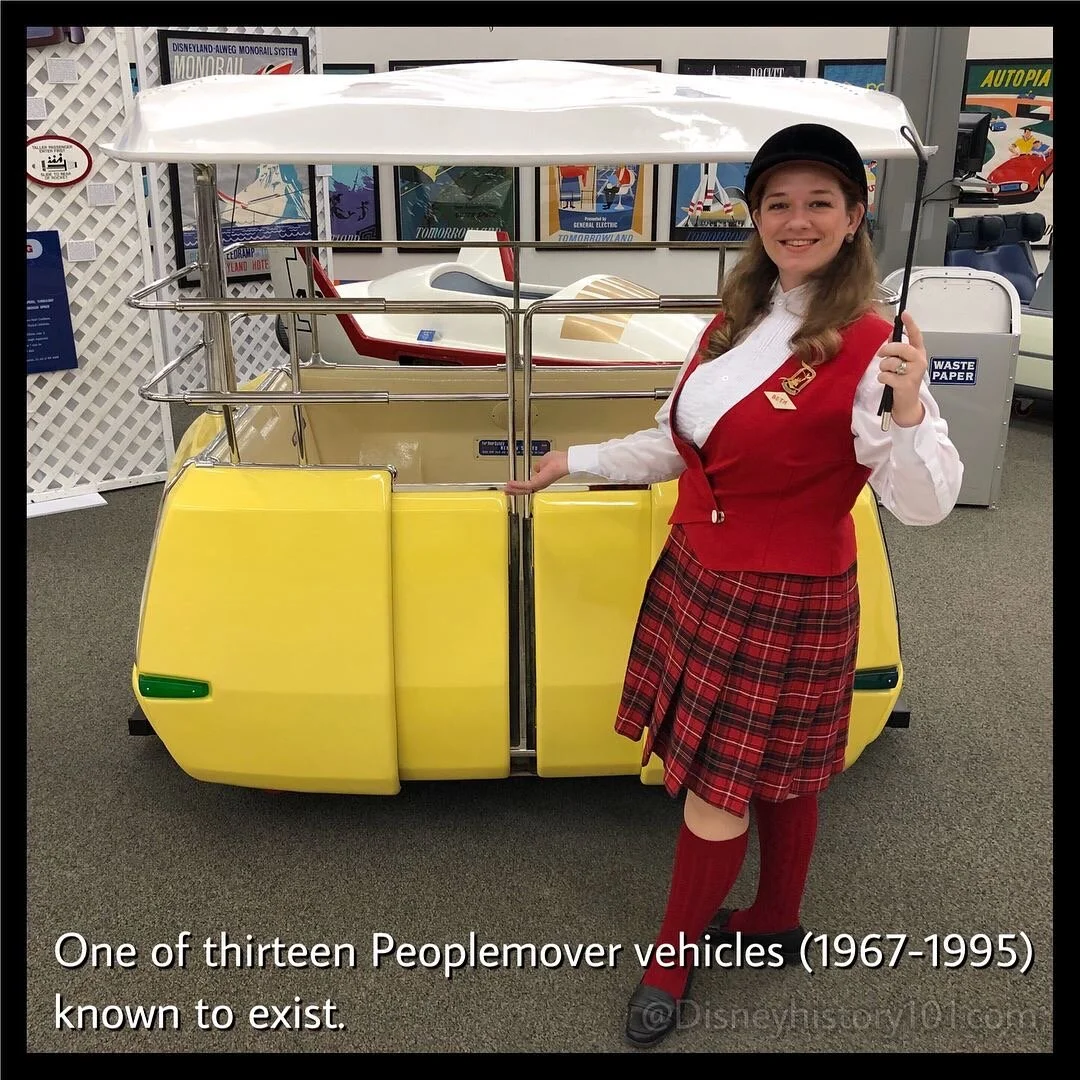
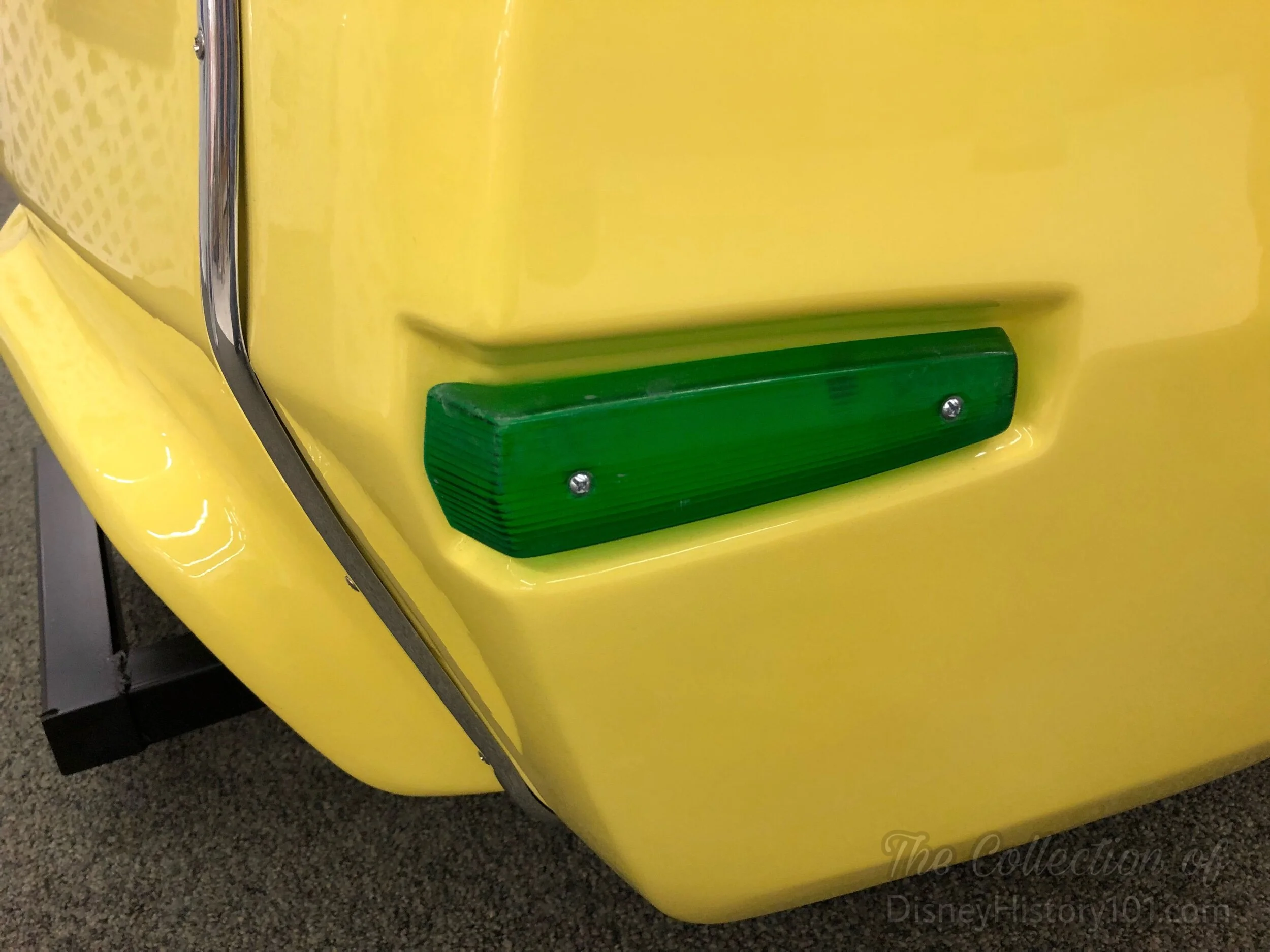
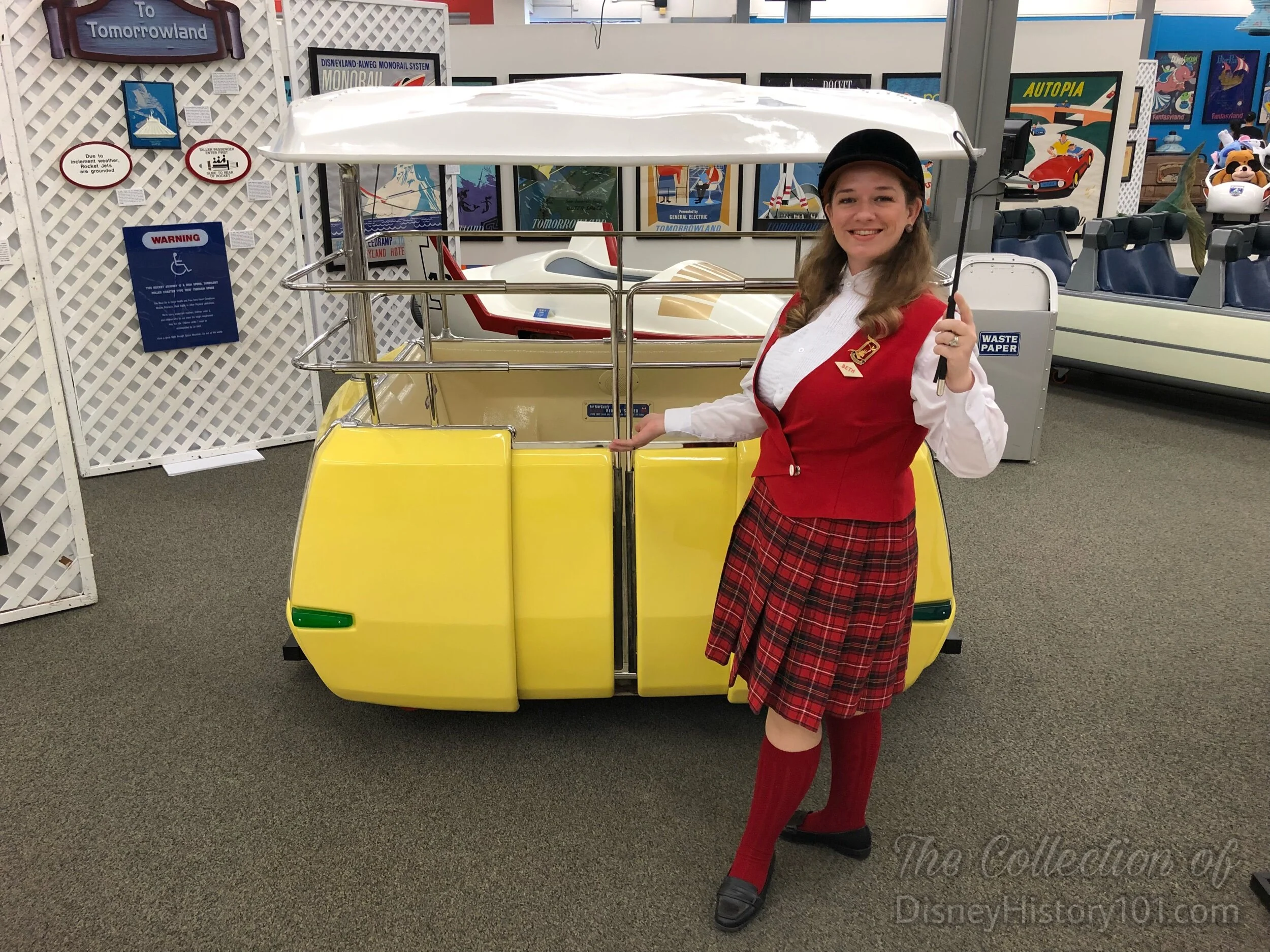
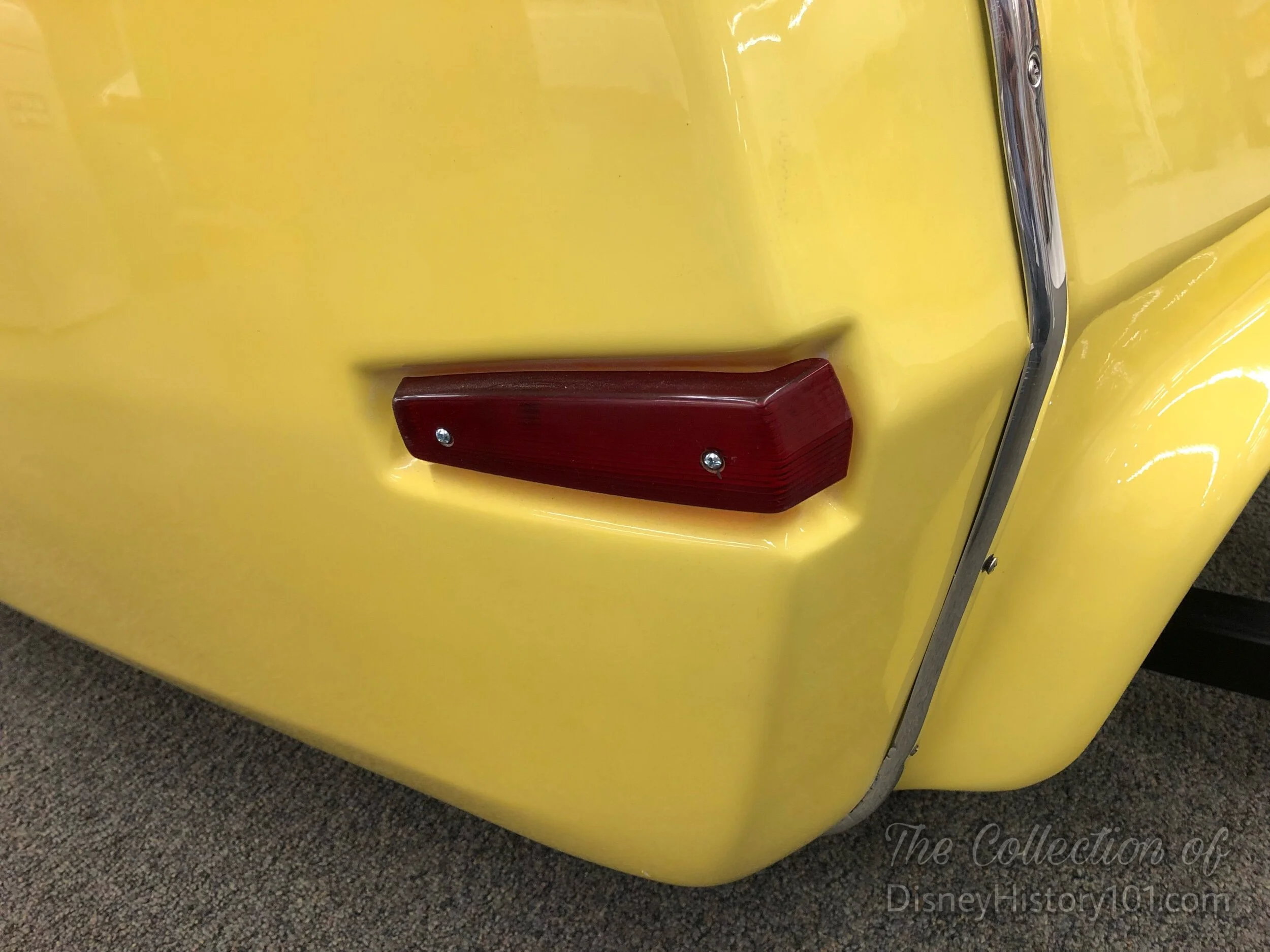
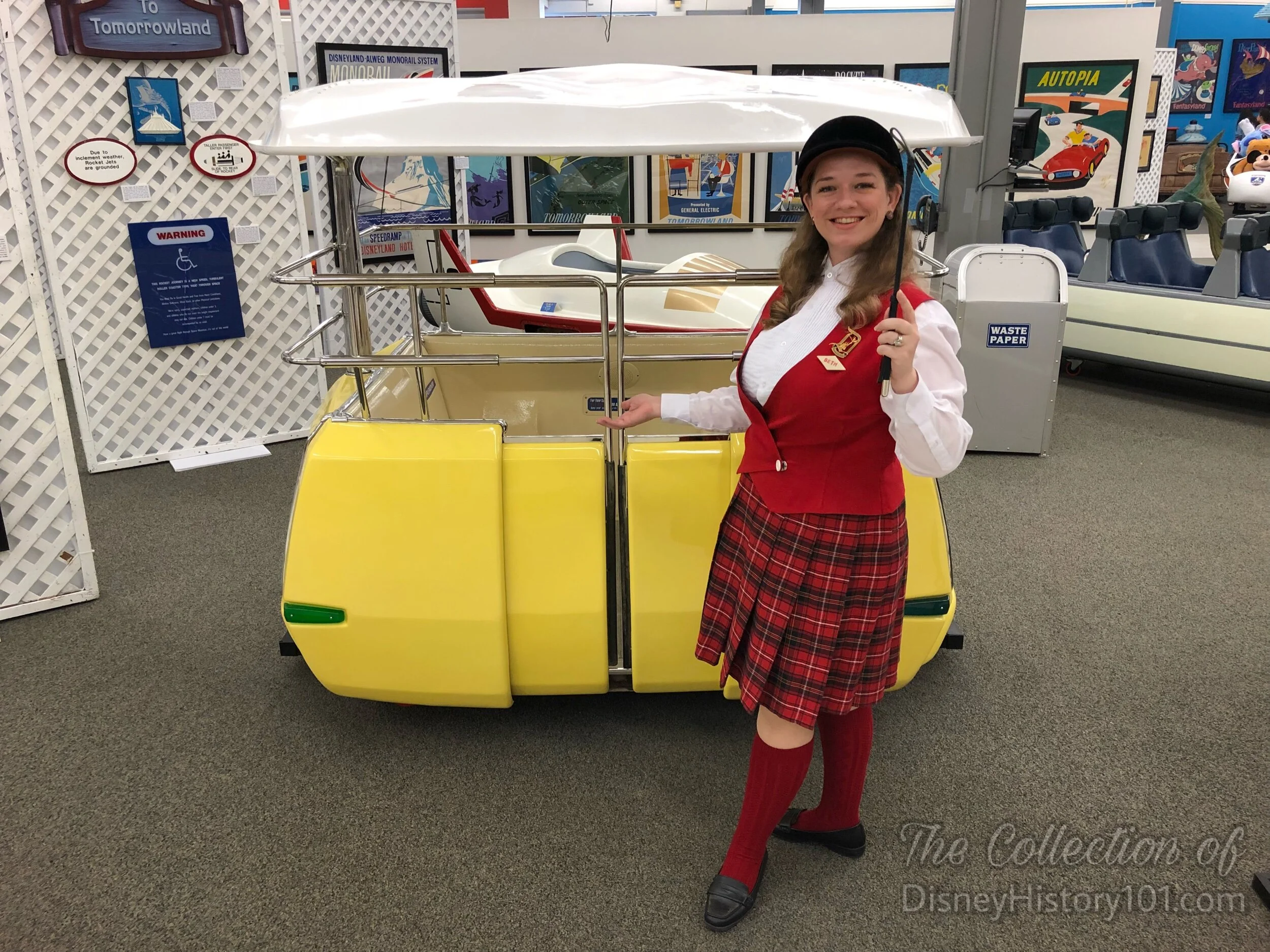
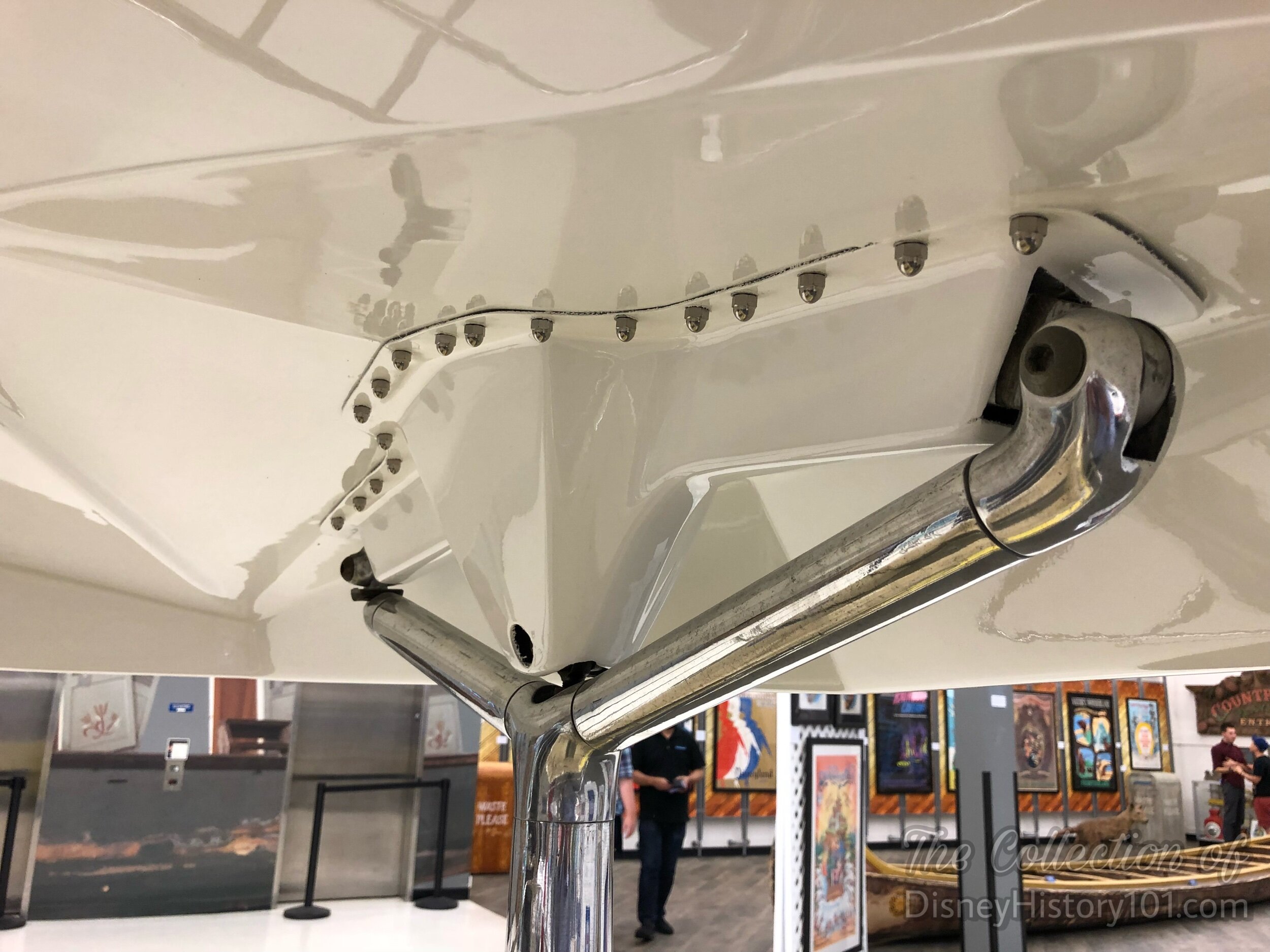
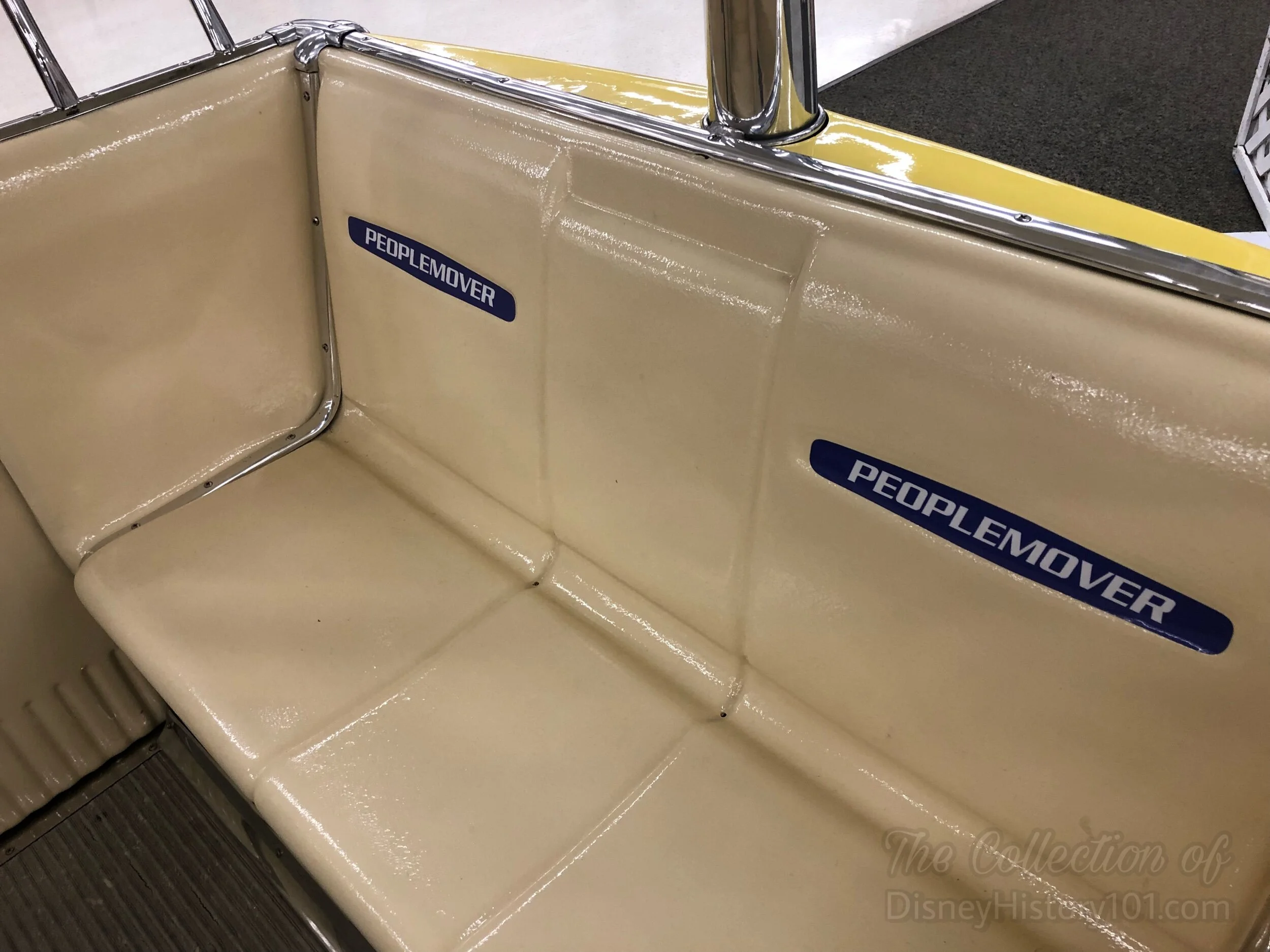
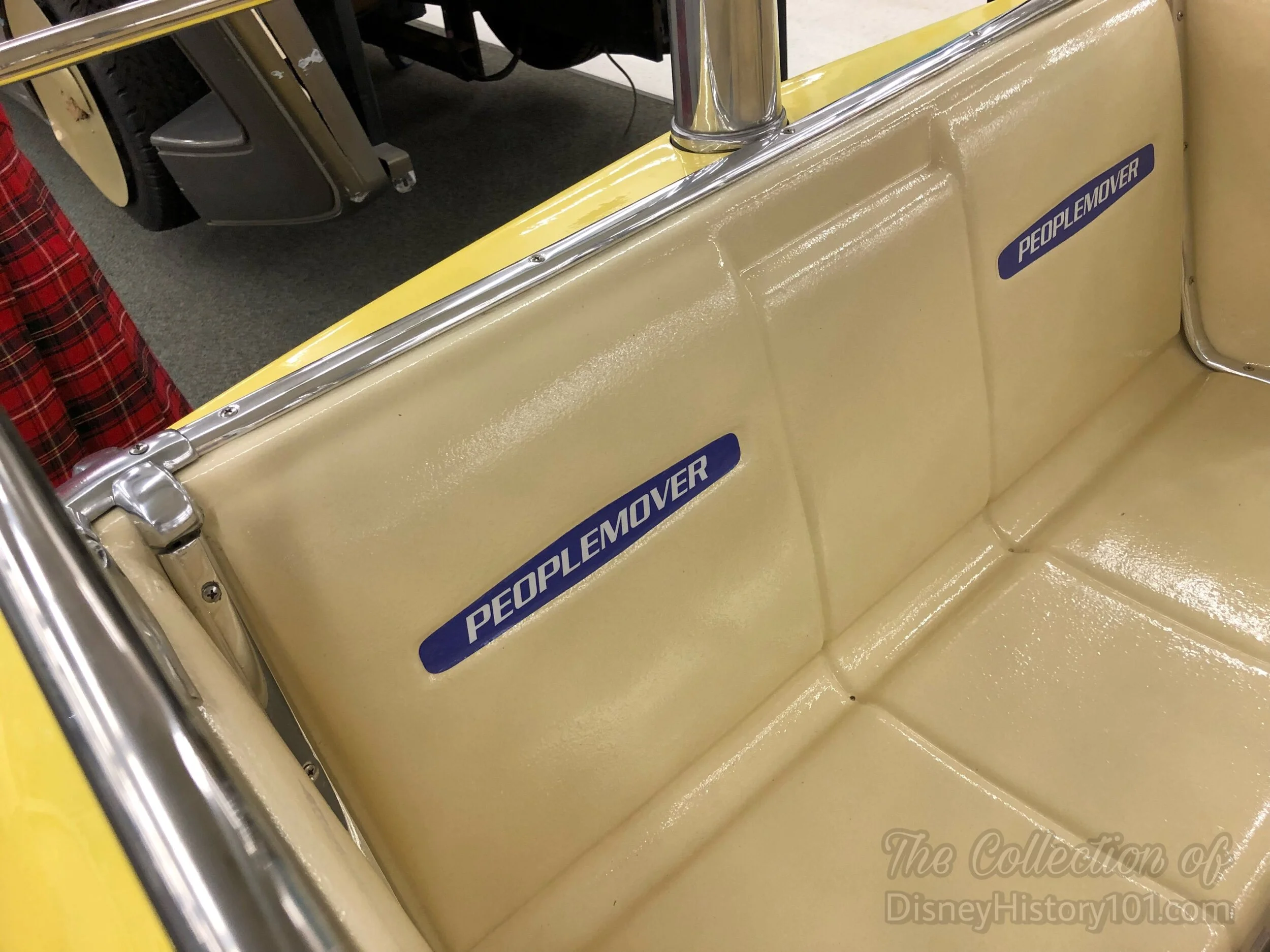
PeopleMover vehicles have been repurposed as a counter in Store Command at Disneyland and as picnic tables at WDI in Glendale.
Safety is a major concern of Engineering. Every year they would make a complete test and inspection of all structural parts of Disneyland. And since Guests would look to Disneyland for their safety the department team was continuously designing new guest and personnel safety devices.
Occasionally incidents may occur, usually not from mechanical failures, but when guests recklessly ignored safety precautions. In 1968 and Grad Nite of 1980, nearly identical fatal incidents occurred when guests attempted to climb outside a PeopleMover car, tried to get to another car, lost their footing and landed on the track. The PeopleMover was immediately shut down overnight for inspection and was back in operation Saturday morning after both the coroner and Disney's engineers checked it to make sure the vehicle had not malfunctioned to cause the accident.
While it is sad that a youth died due to negligence, it is of note that the second incident was the sixth fatal accident in Disneyland's 25-year history.
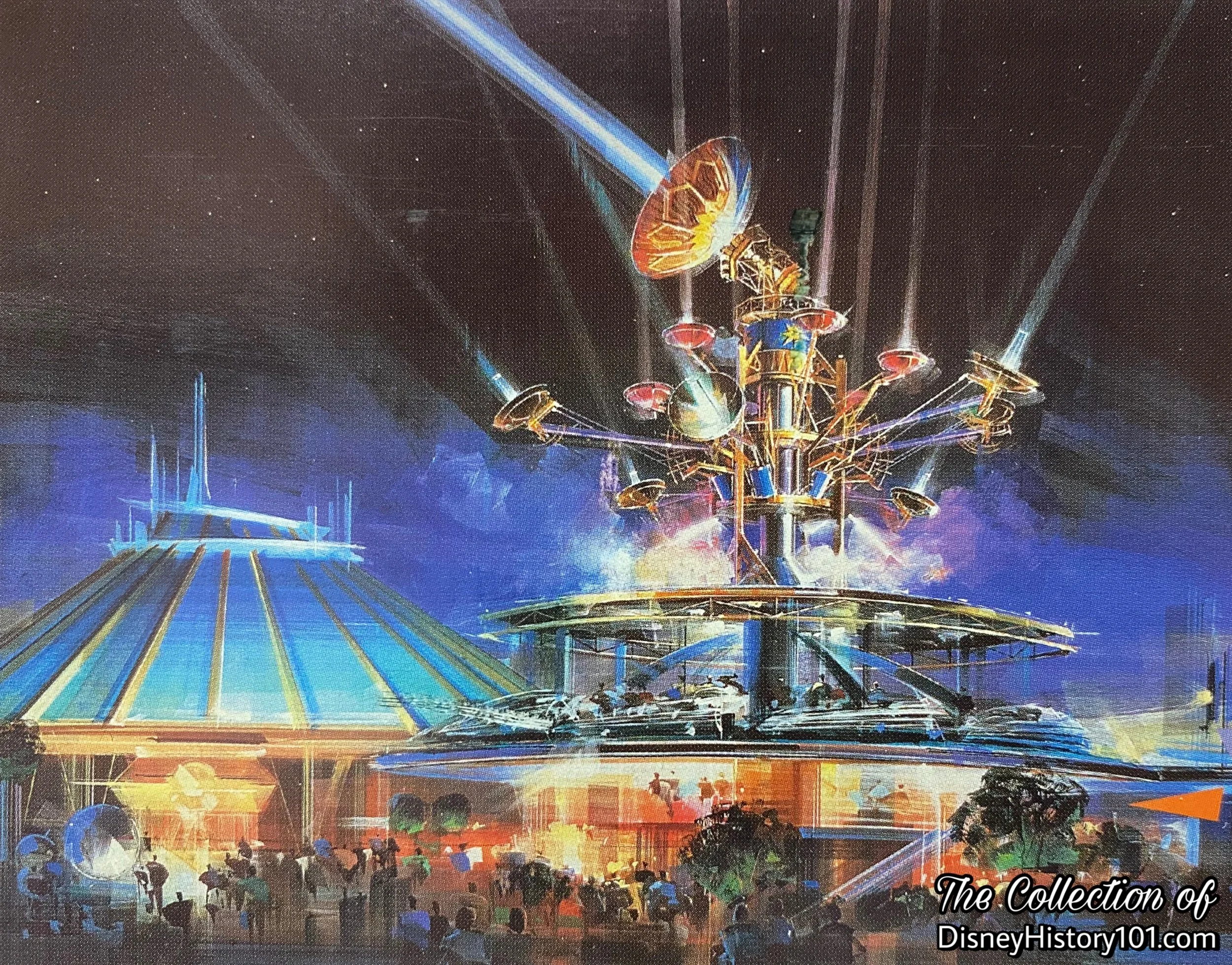
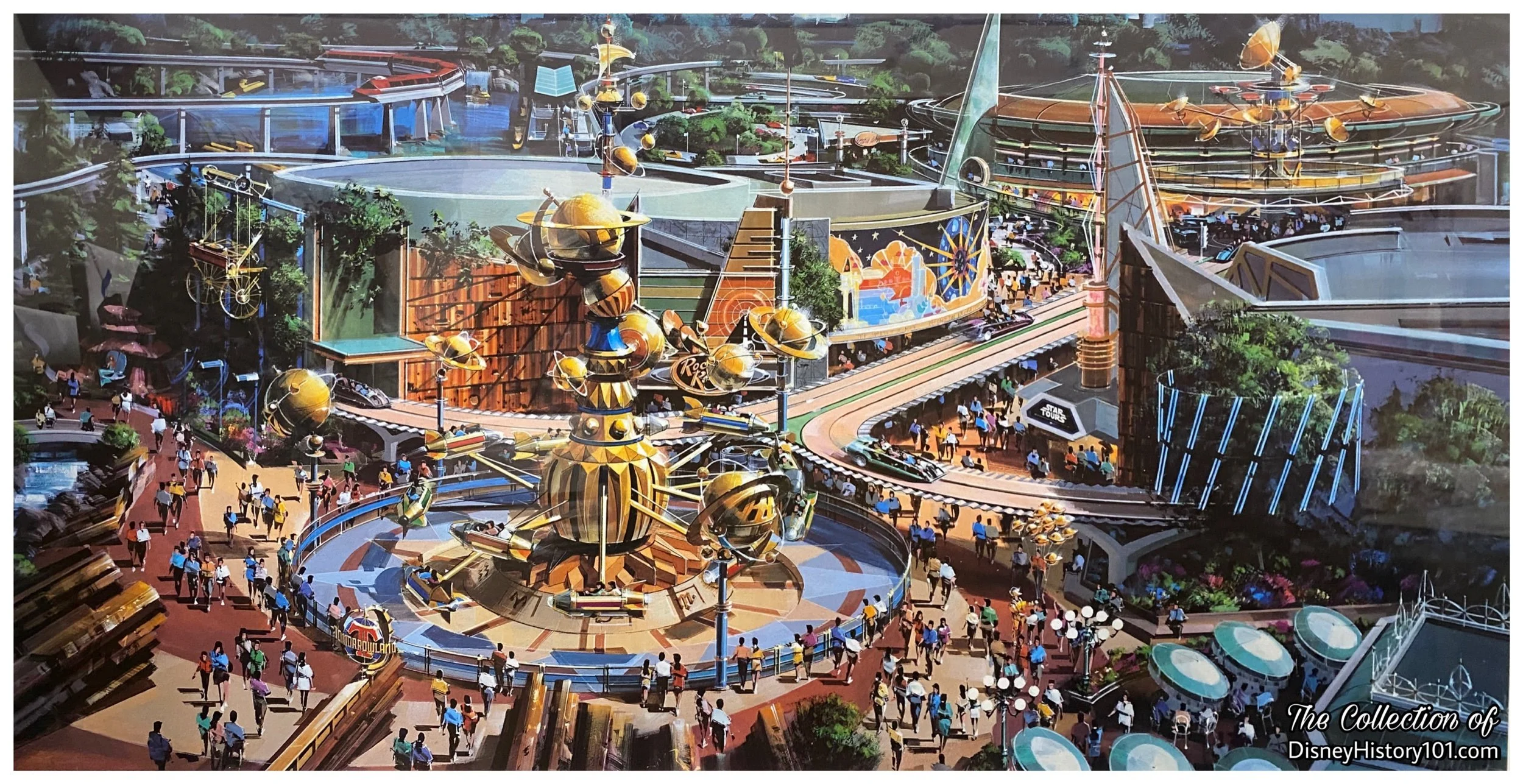
Observatron & Rocket Rods by Walt Disney Imagineer Eric Heschong; 1998.
“The centerpiece of the ‘new’ Tomorrowland, the Observatron is depicted in this artwork by Imagineering Consultant Eric Heschong, as part of The Disney Gallery's ‘Imagination and Beyond’ exhibit. This piece, produced in colored pencil and acrylic, was done in 1996 to supply Imagineers with a technically accurate portrayal of the much anticipated centerpiece.”
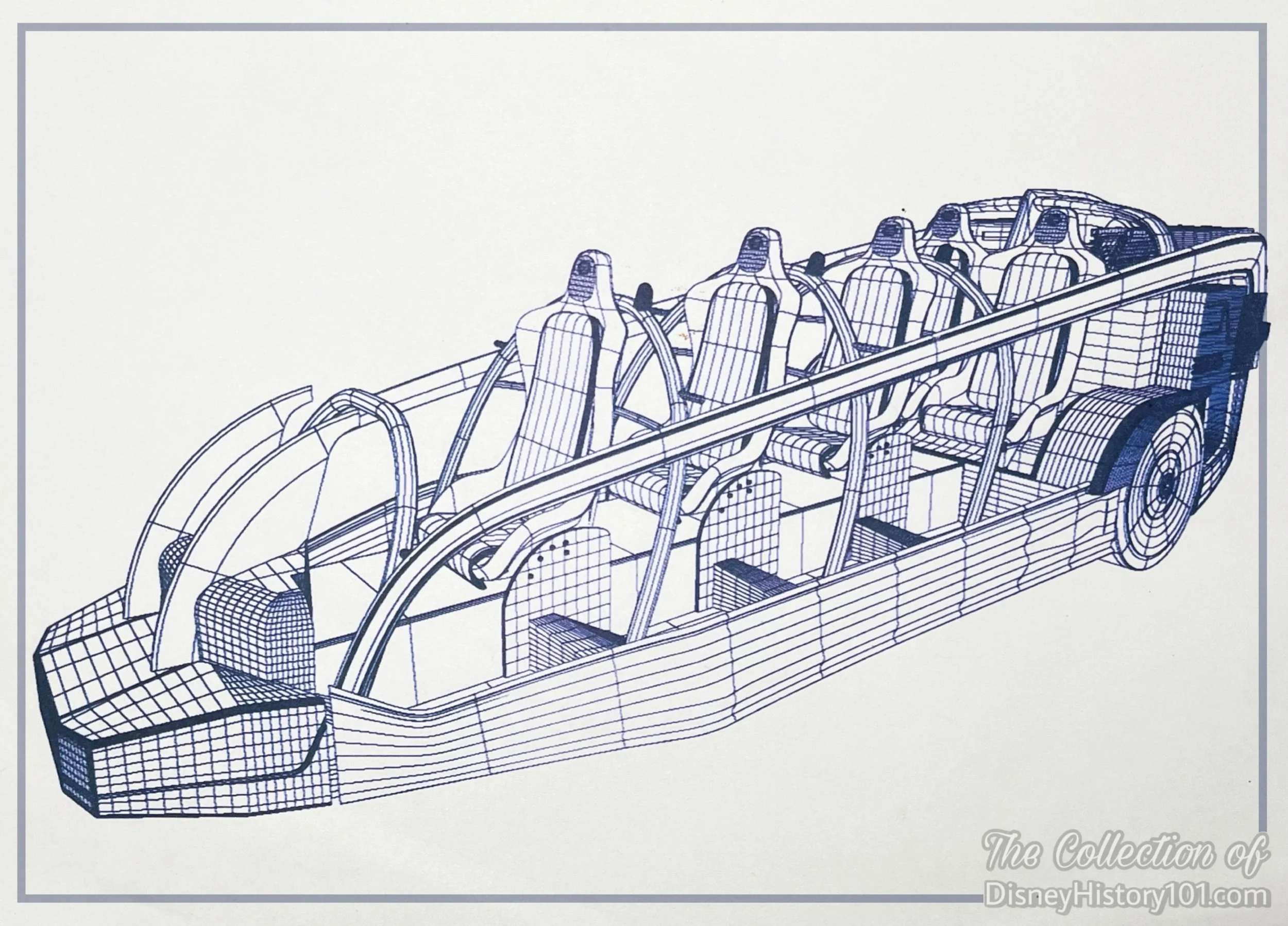
From 1999 to 2000, Walt Disney Imagineer John Stone designed and developed preshow area for Rocket Rods. This black light set incorporated the use of retired ride vehicles outlined in Ultraviolet colors, mirrors and electroLuminescent Vehicle blueprints.
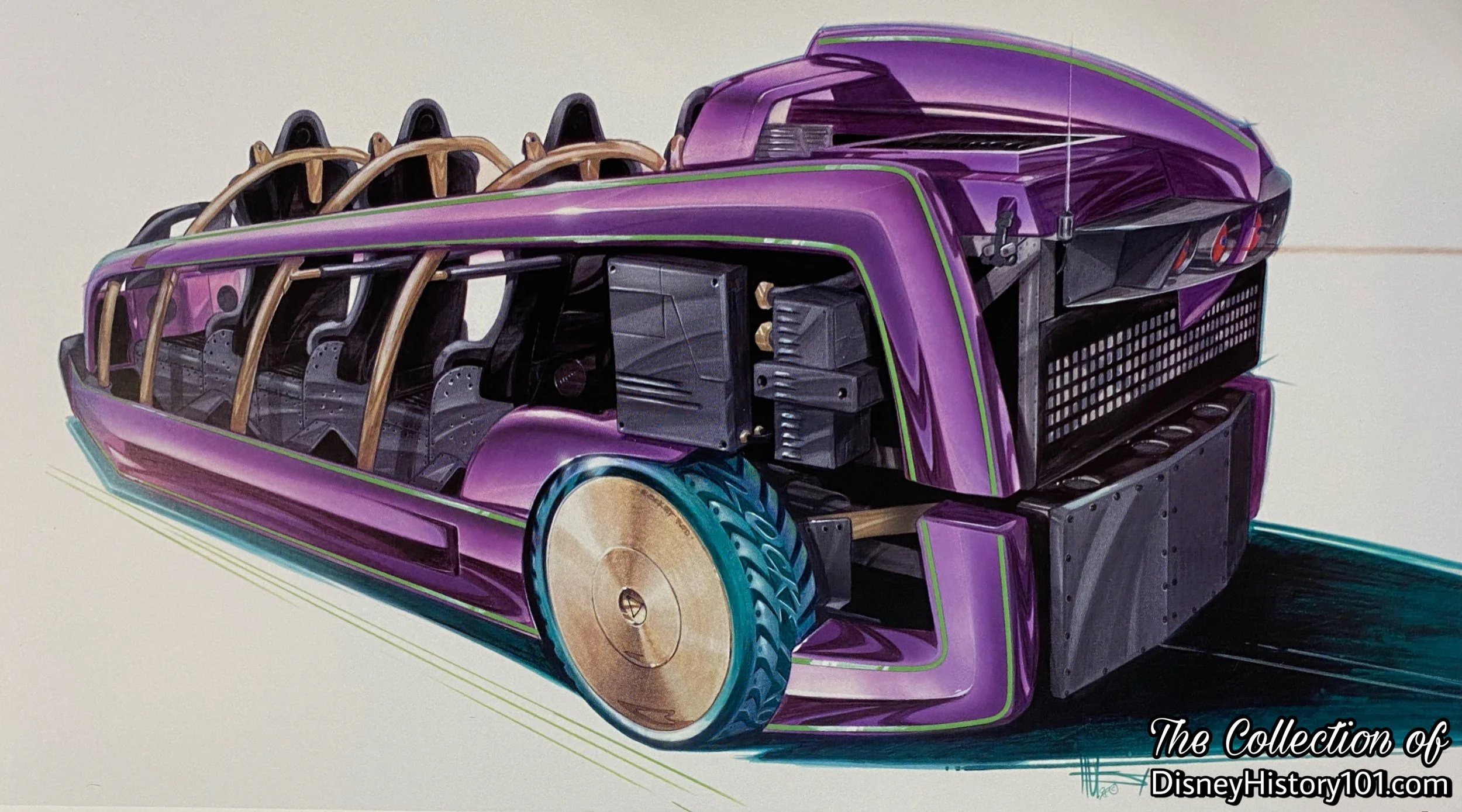
A c.1998 Rocket Rods concept by Jason Hulst; ©️The Walt Disney Company.
The Rocket Rods opened May 22, 1998. In 2008, WDI master planners entertained the concept referred to simply as the “Beamway/Rocket Bikes.” At the time, ride systems were being researched and investigated.
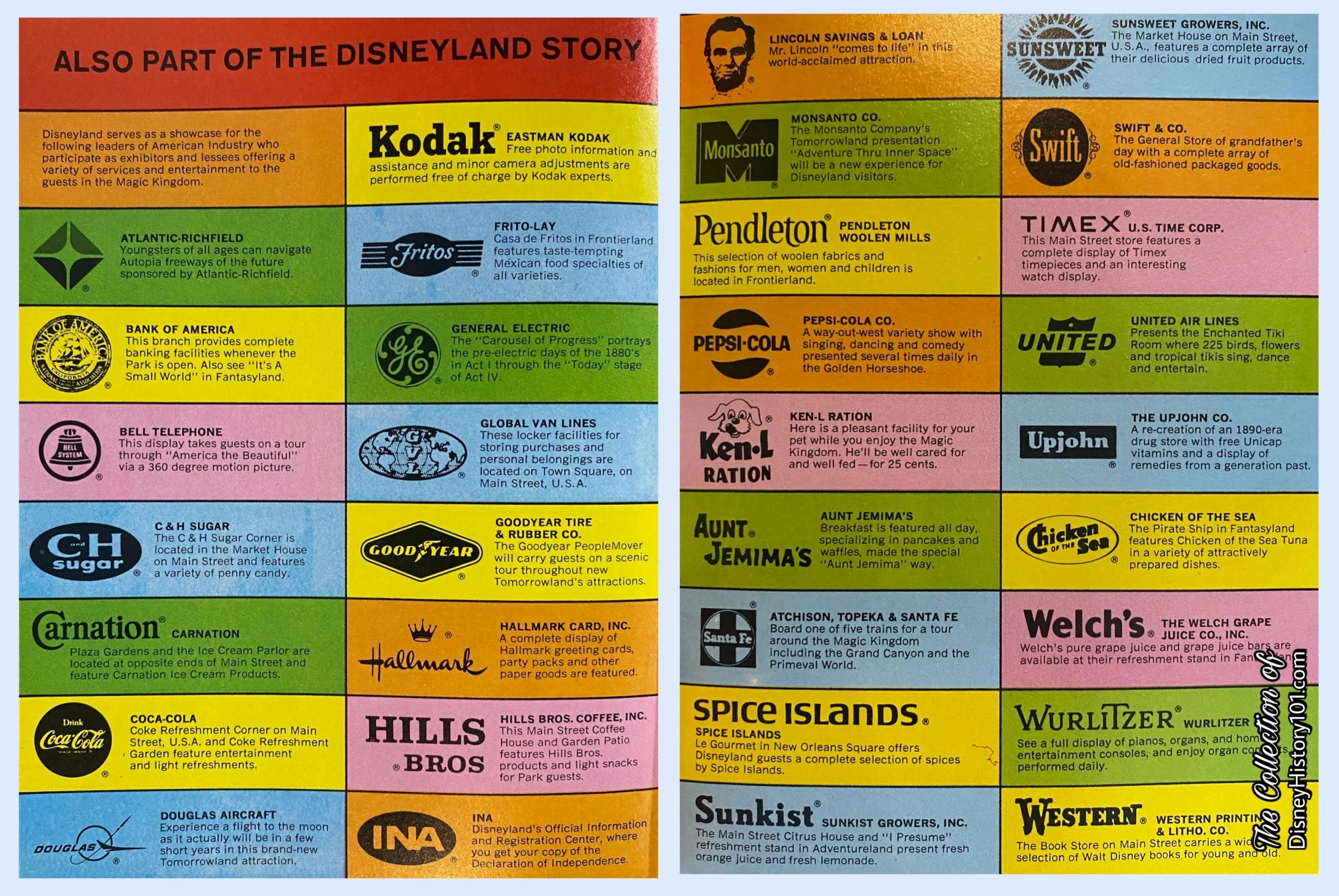
Goodyear Tire & Rubber Co. was a Disneyland Participant and thus “part of the Disneyland story according to this “Disneyland ‘67” Excerpt.
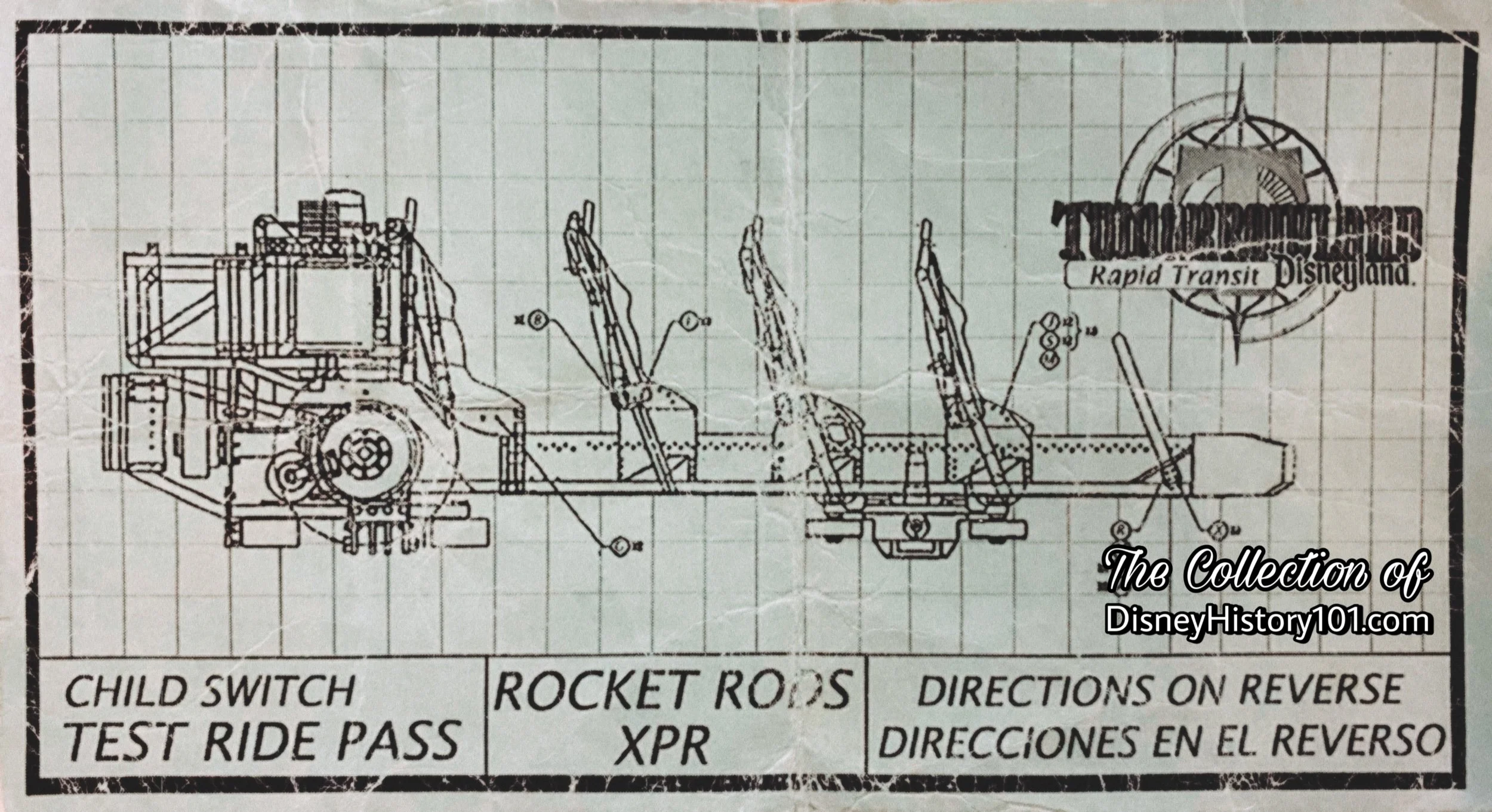
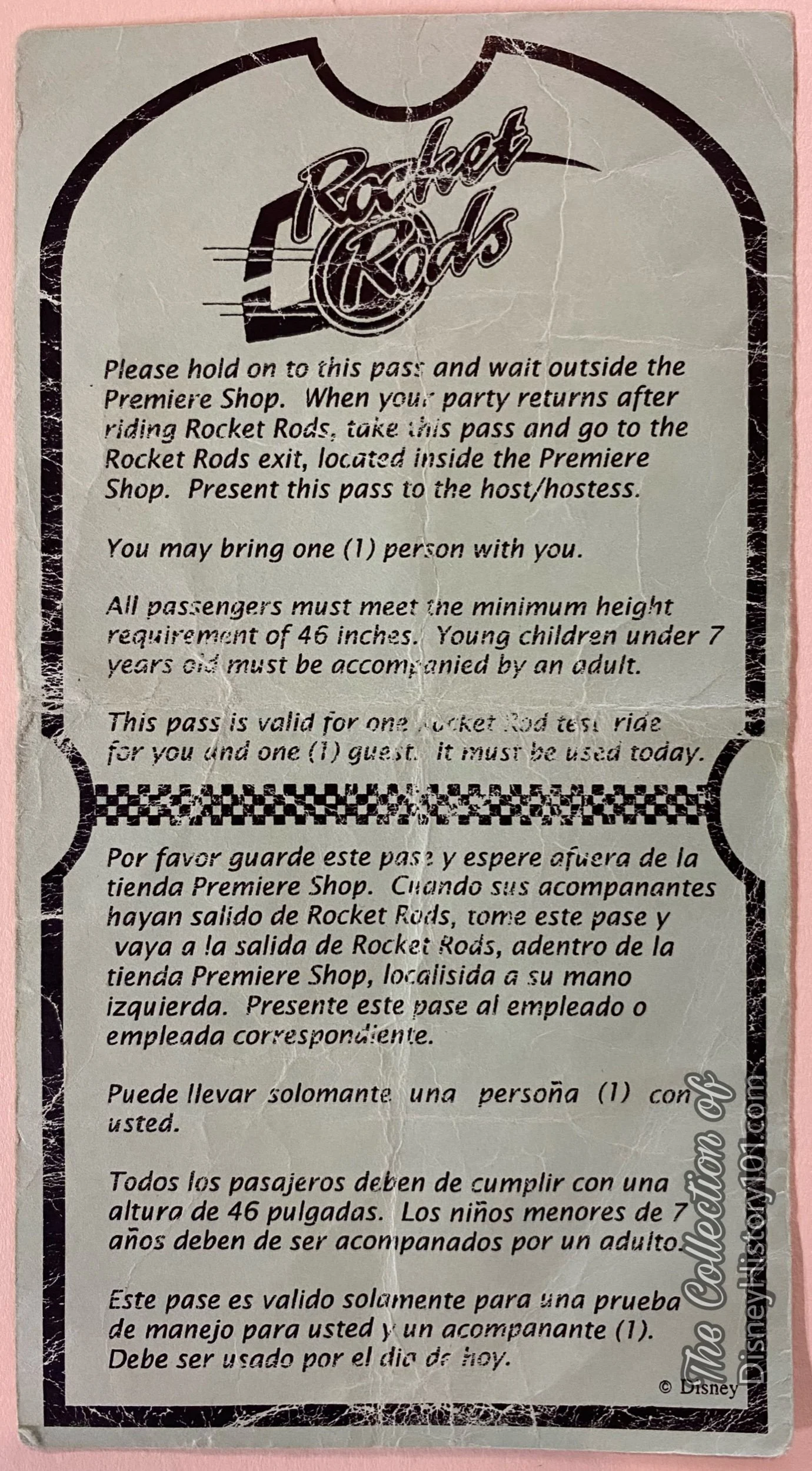
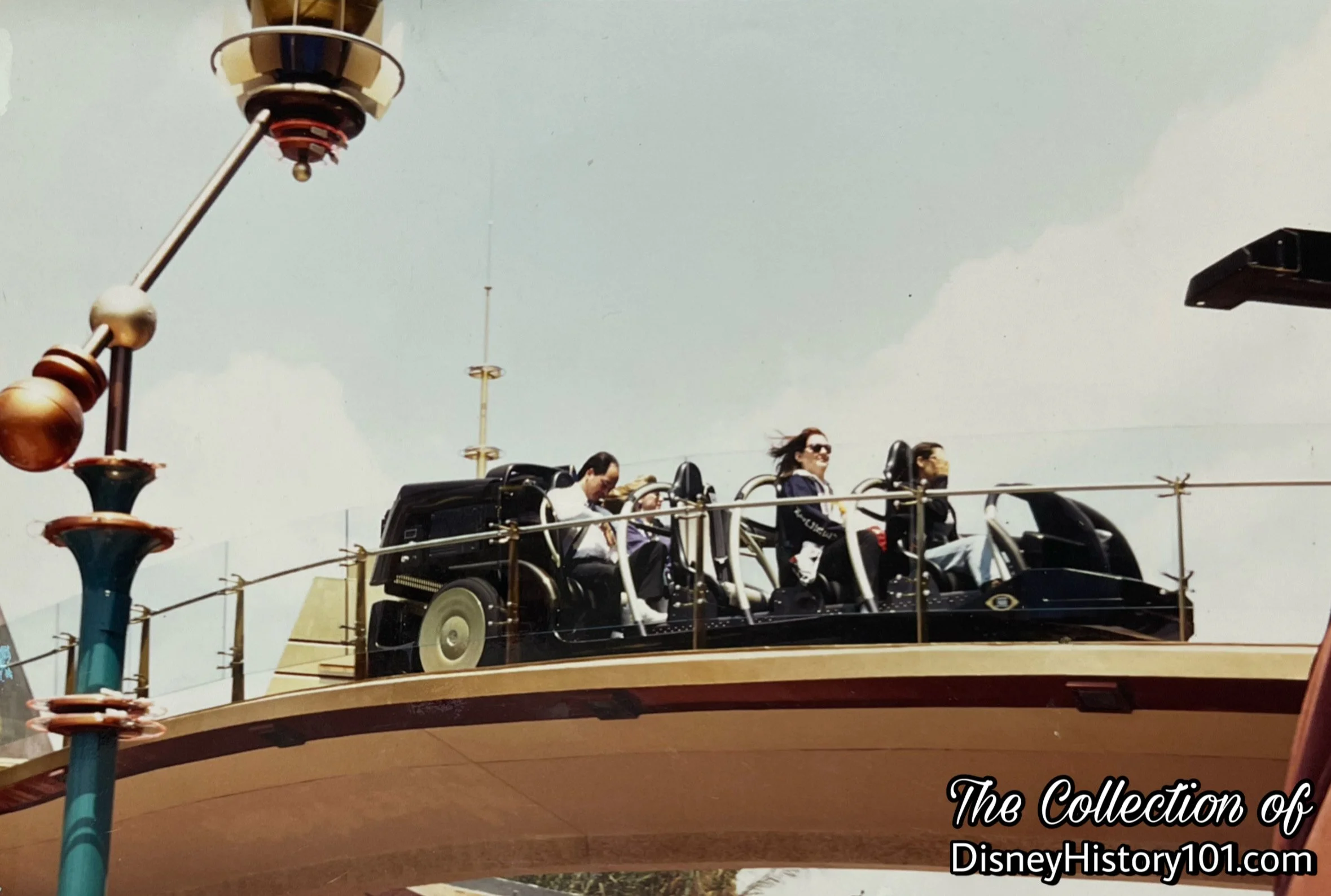
During May 20-22, 1998, the Rocket Rods debuted. After viewing a salute to Yesterday's Transportation Innovations, guests would board prototype Rocket Rods for the fastest and longest in-berm thrill attraction in Disneyland history. A total of 30 vehicles (up to 28 at one time); each with a 5-guest capacity would rocket guests on an approximately 3-minute adventure, achieving a maximum velocity of approximately 30 mph.
1969.
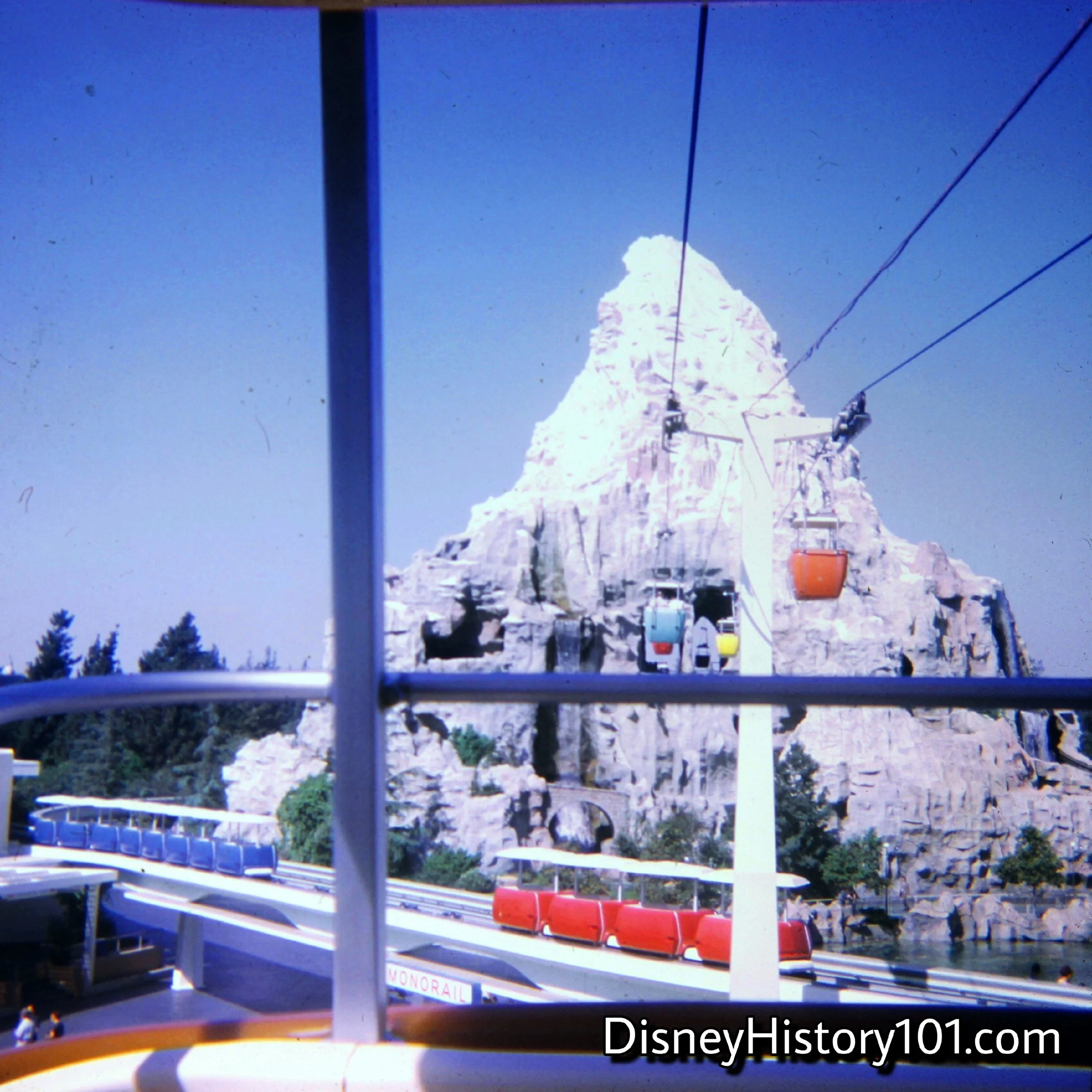
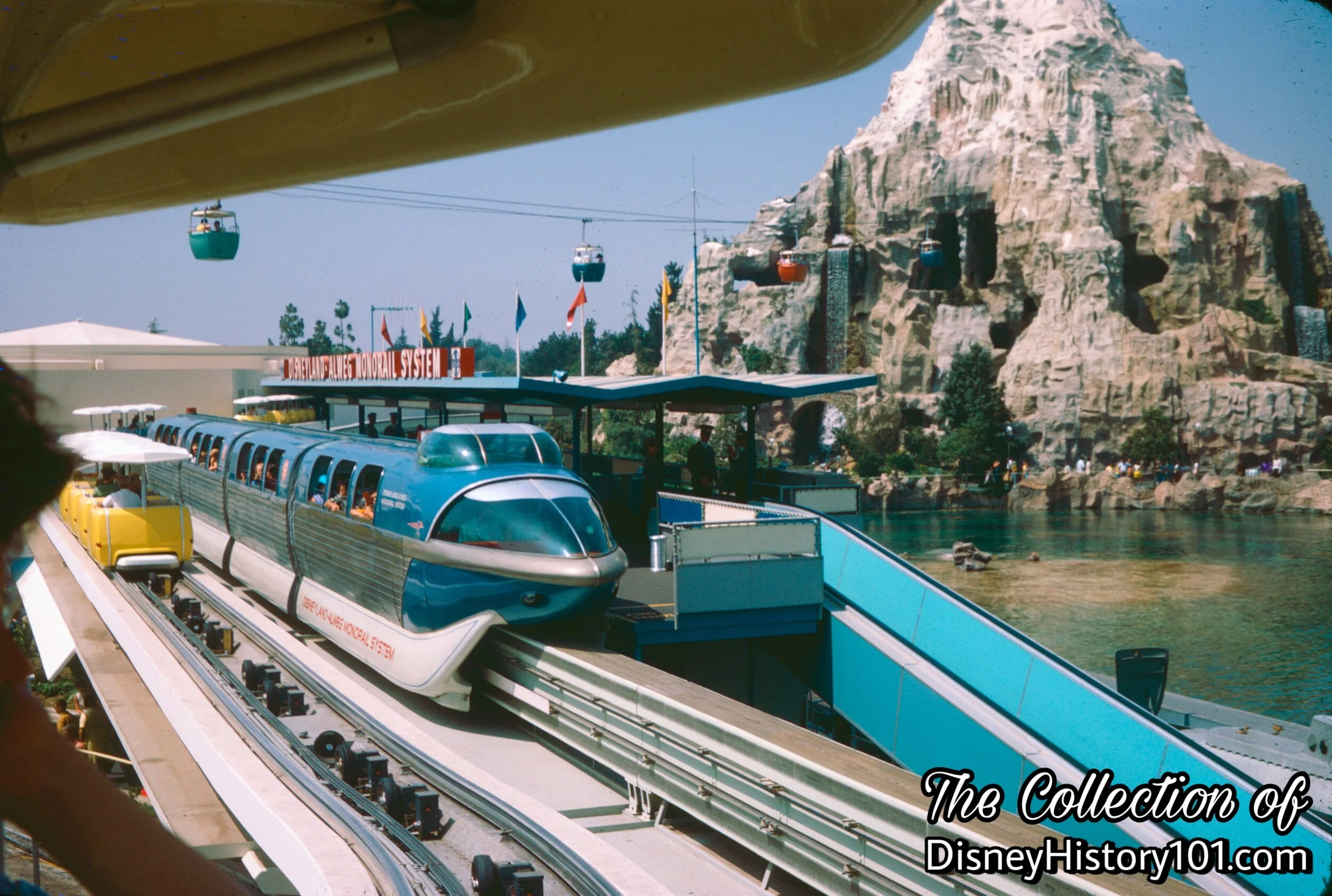
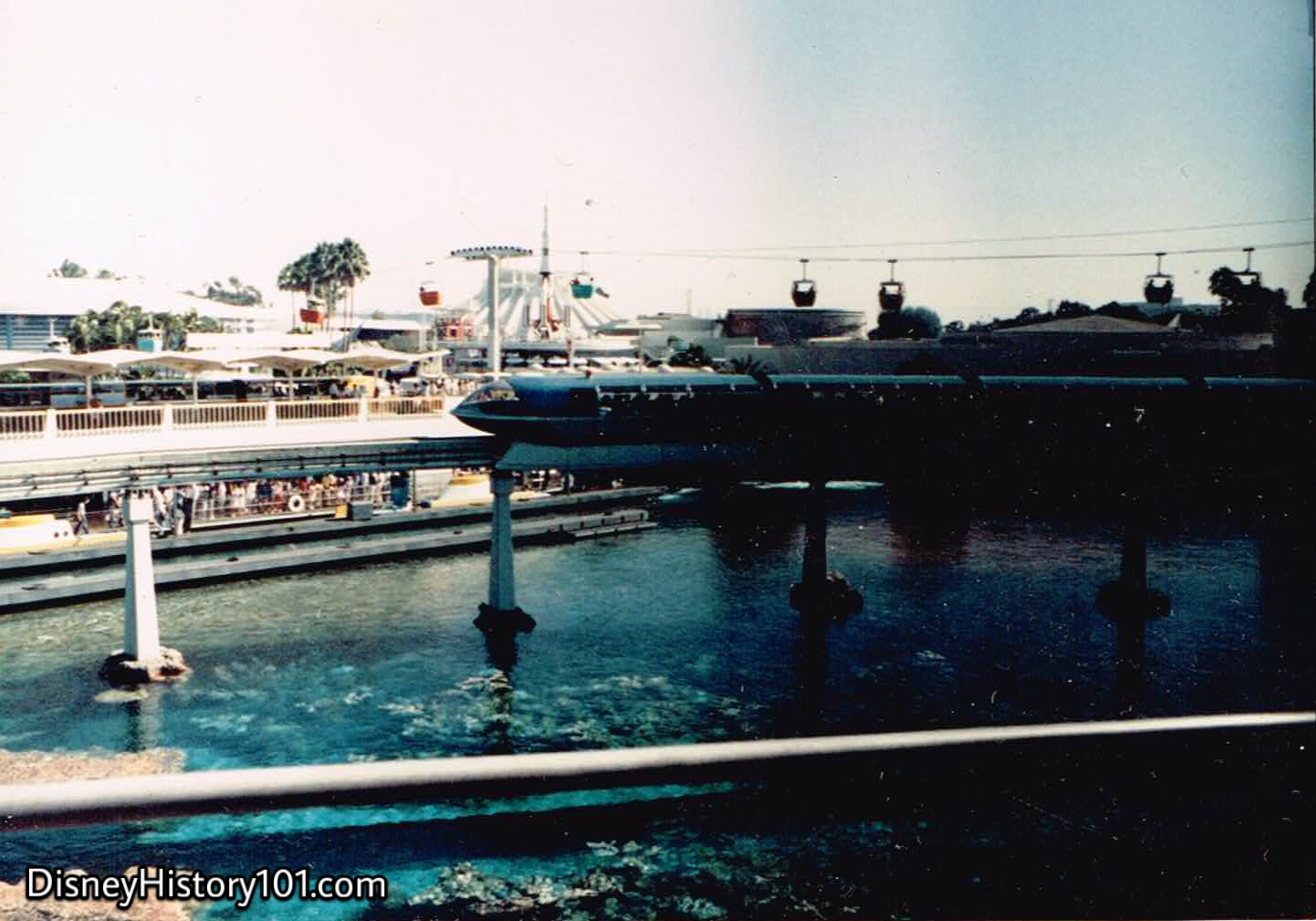
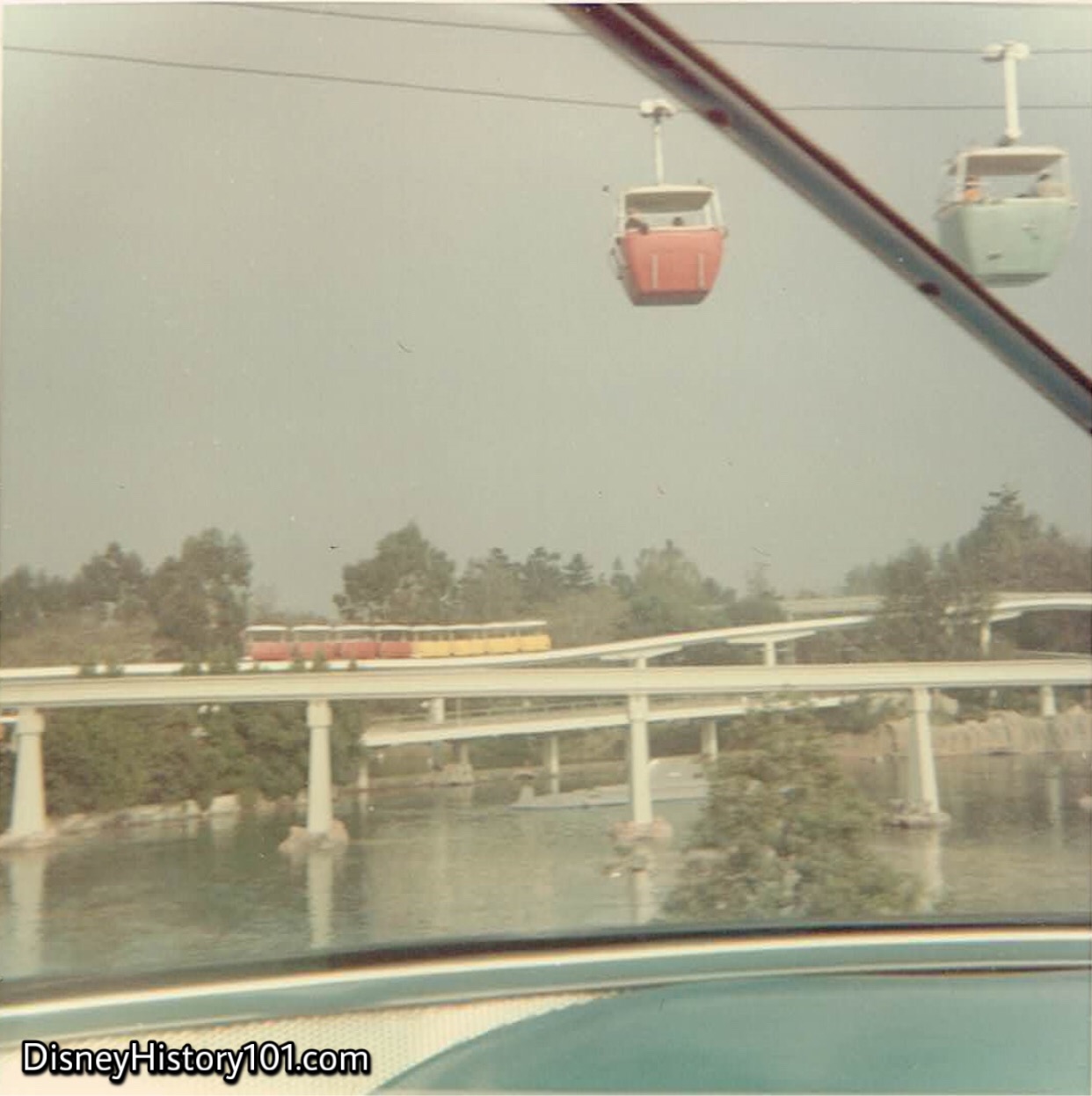
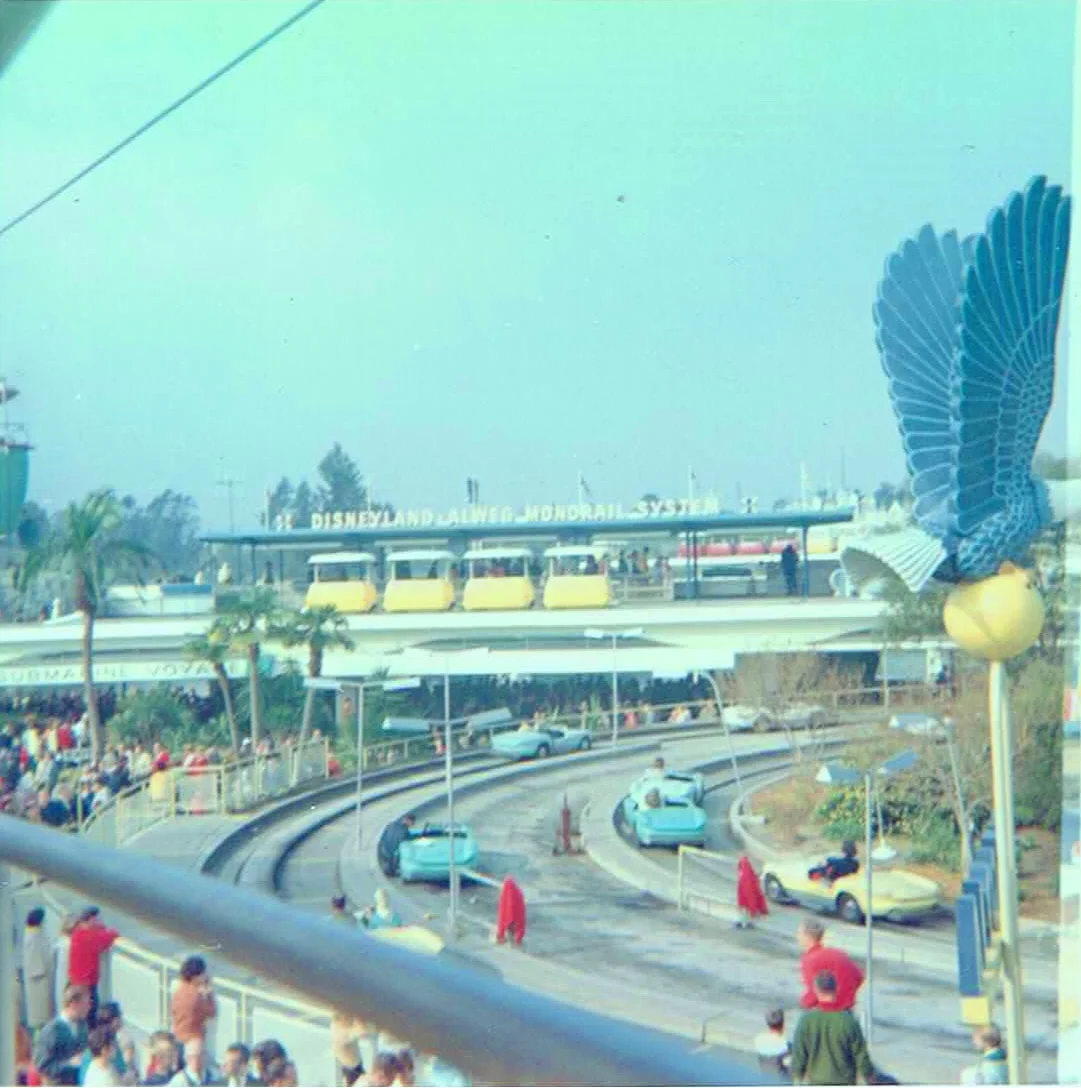
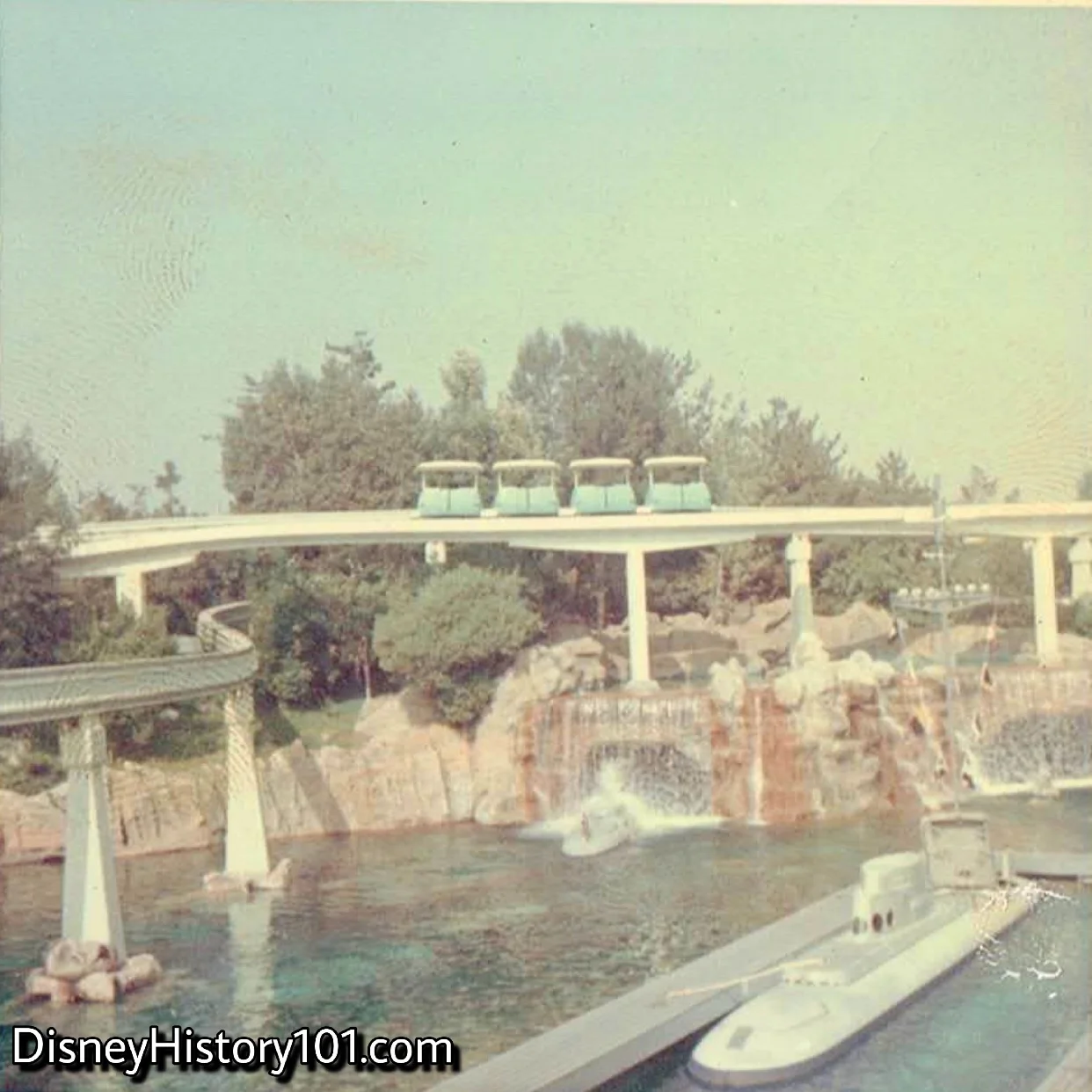
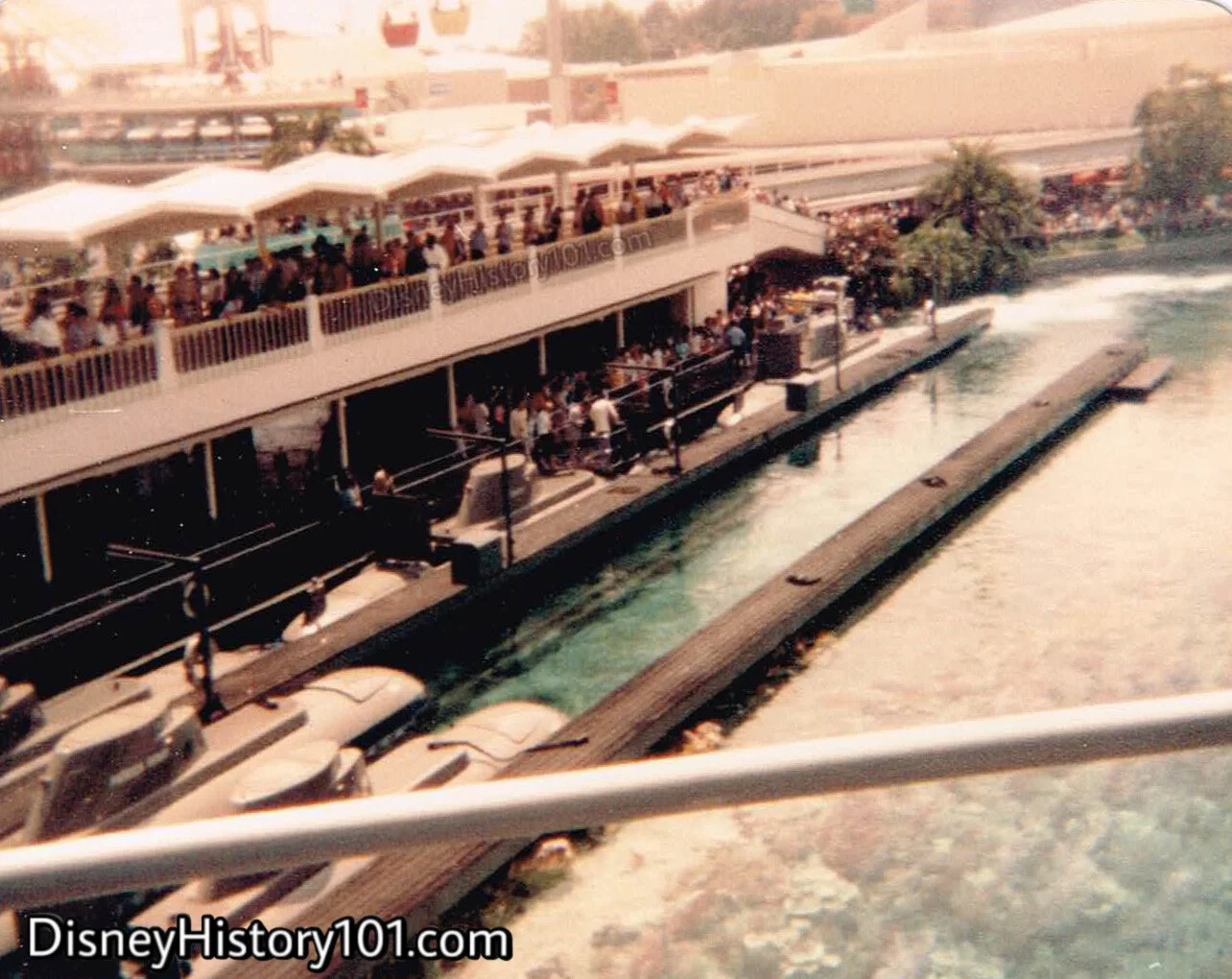
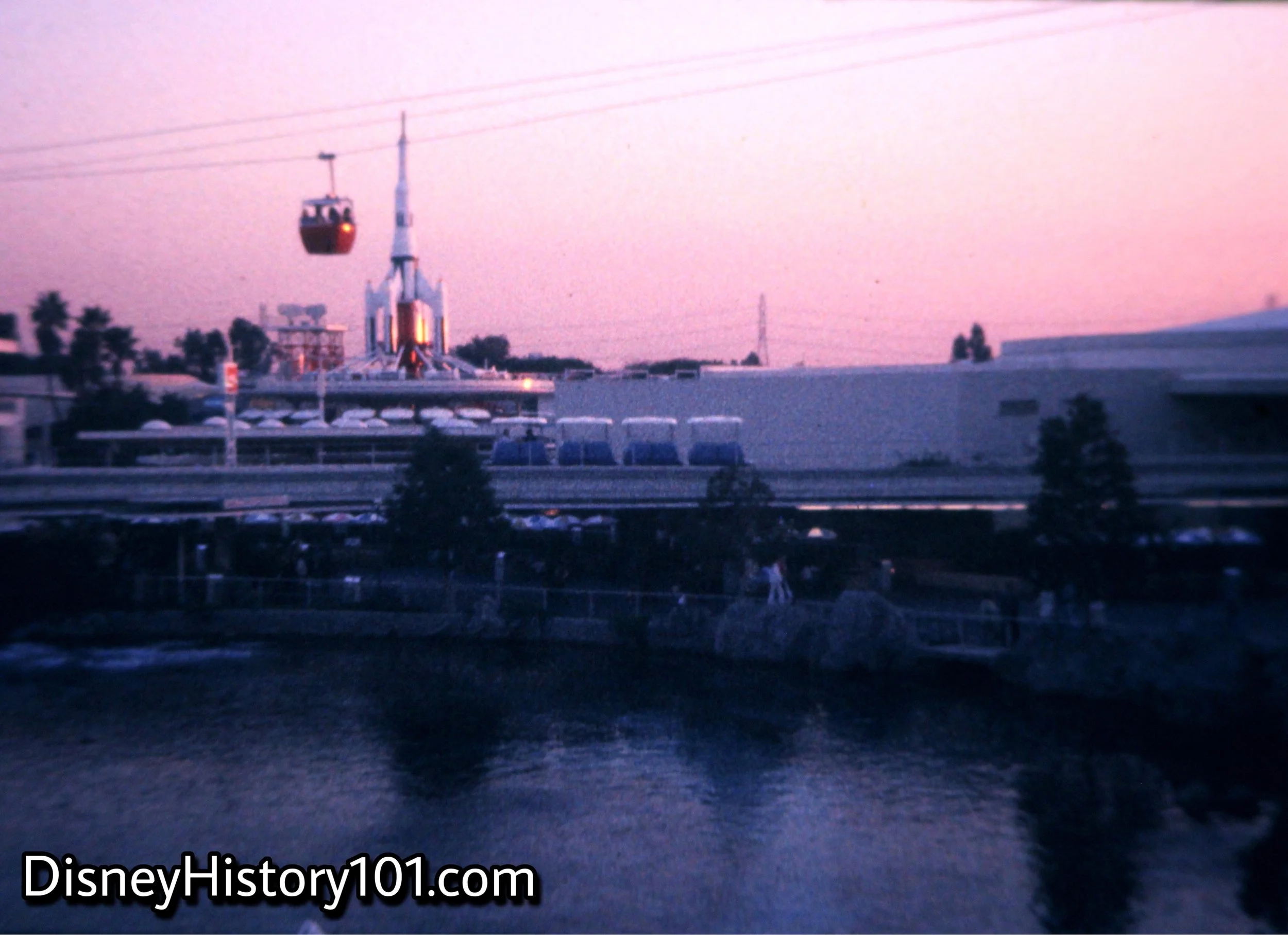
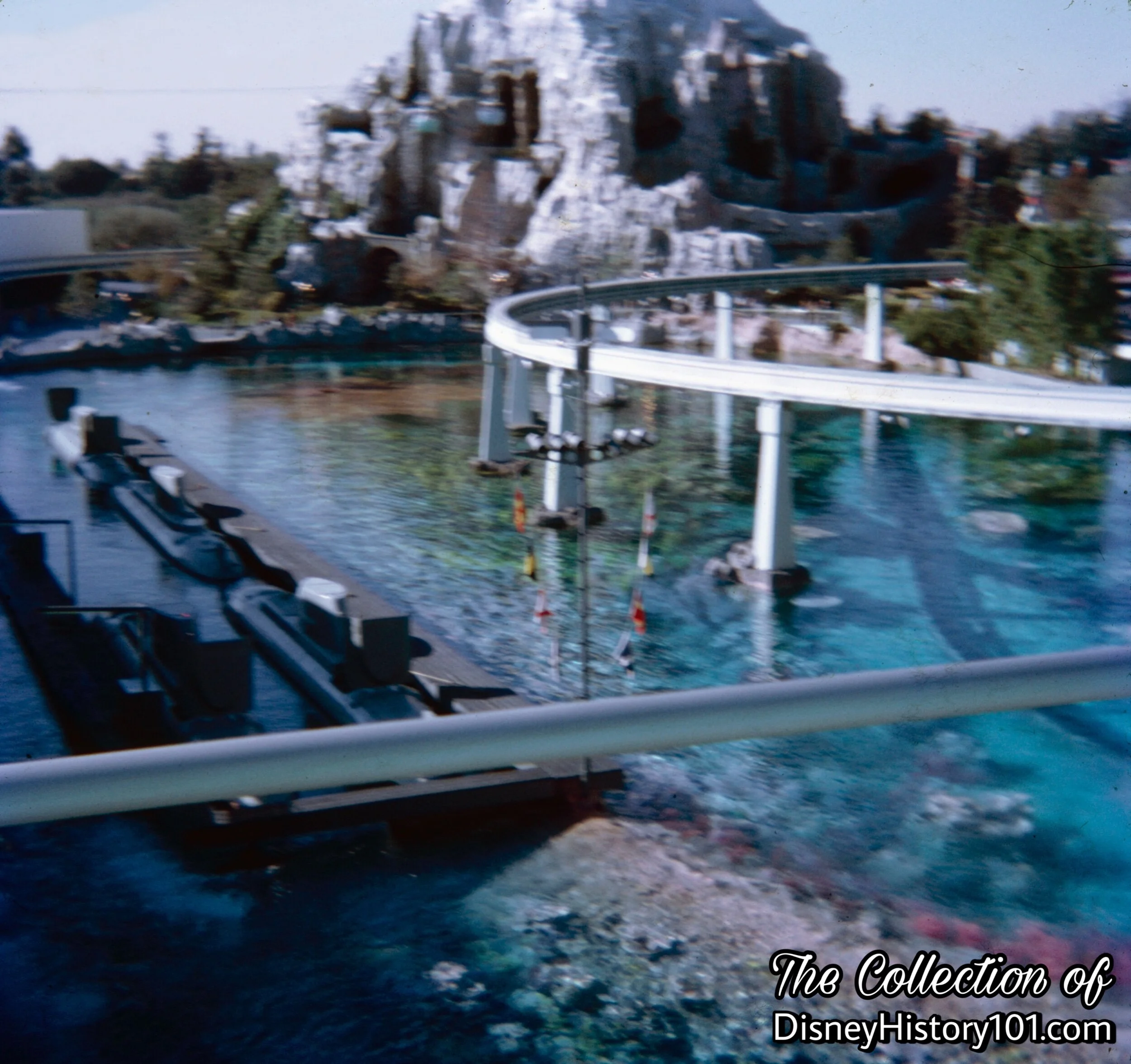
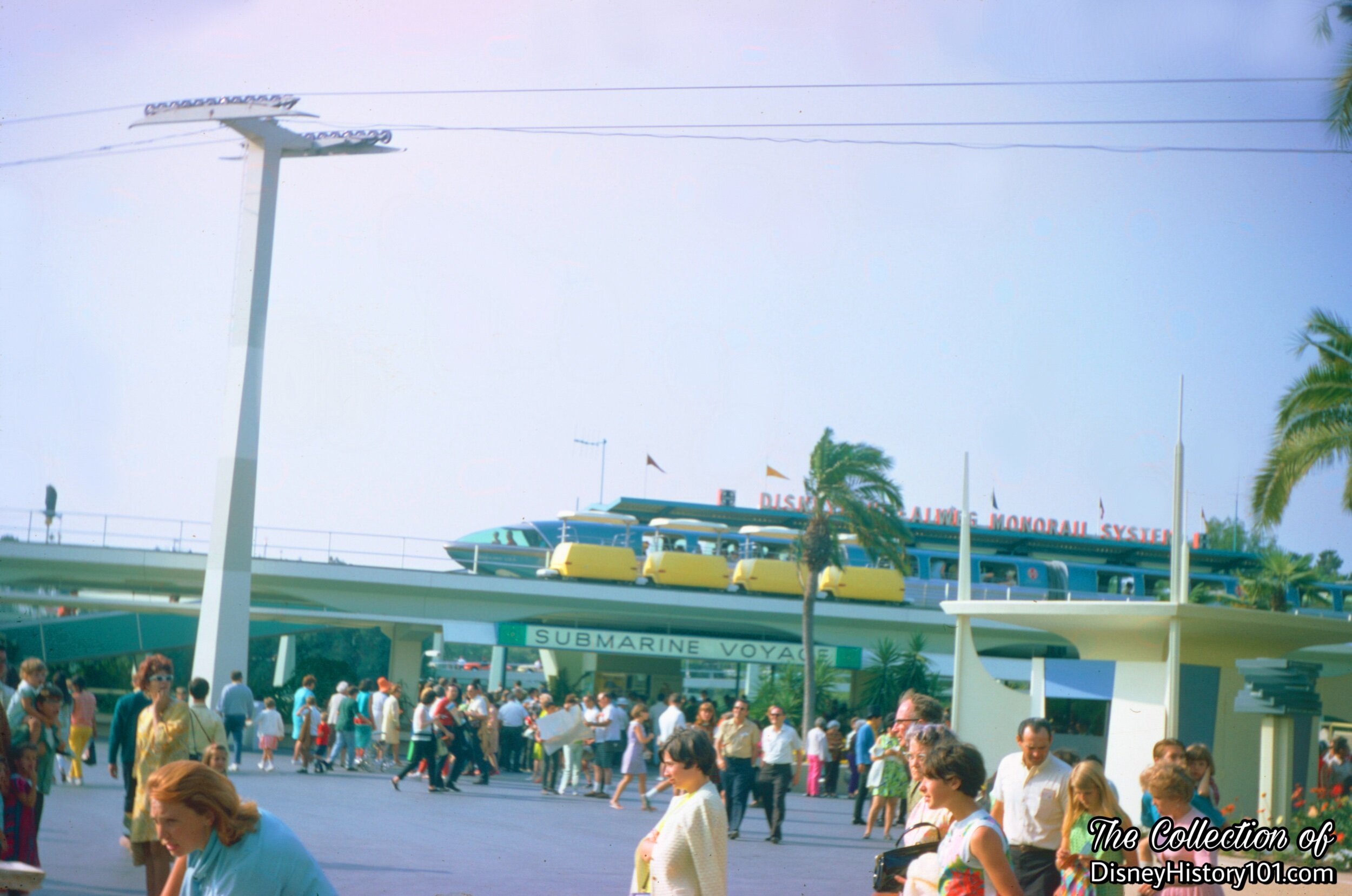
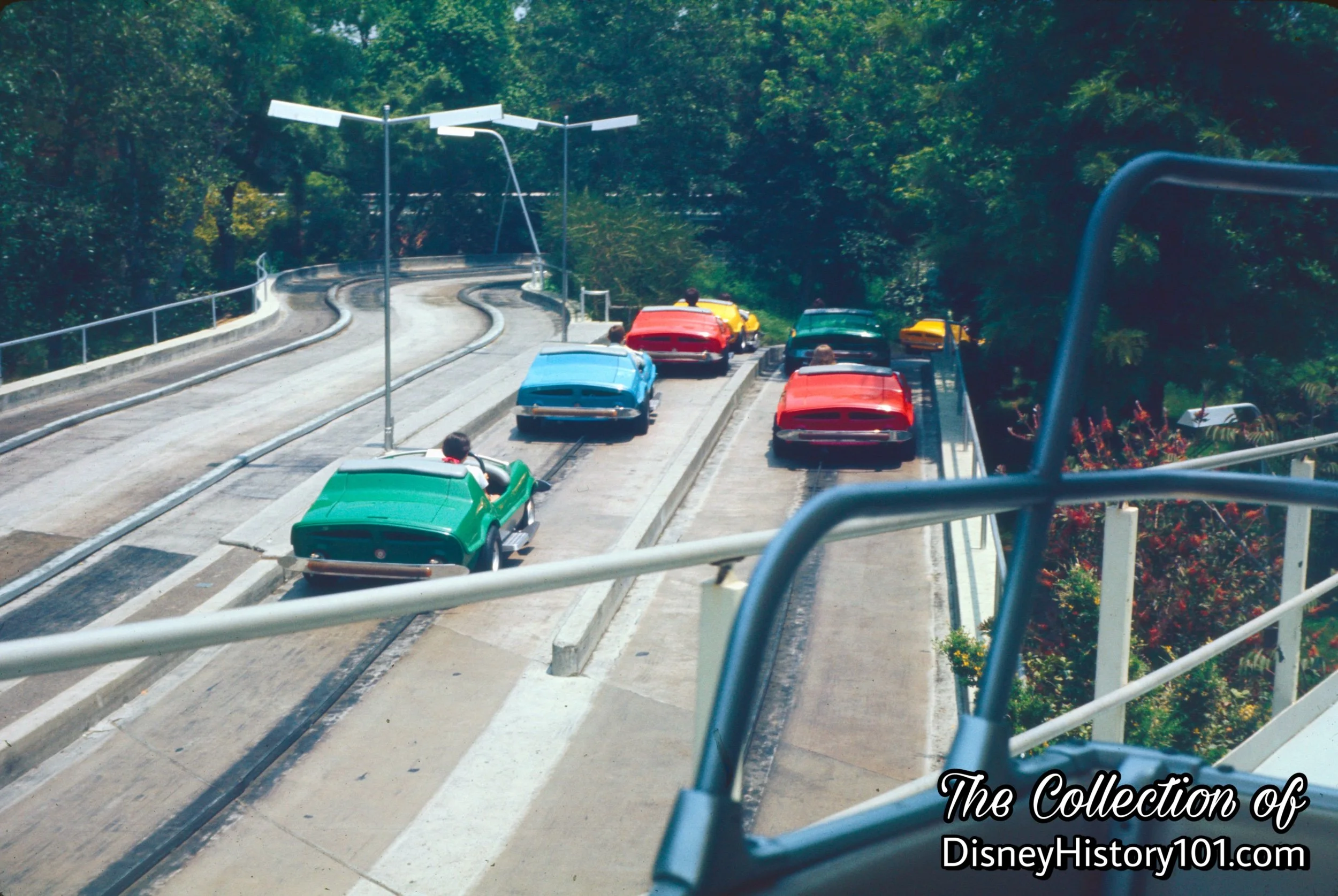
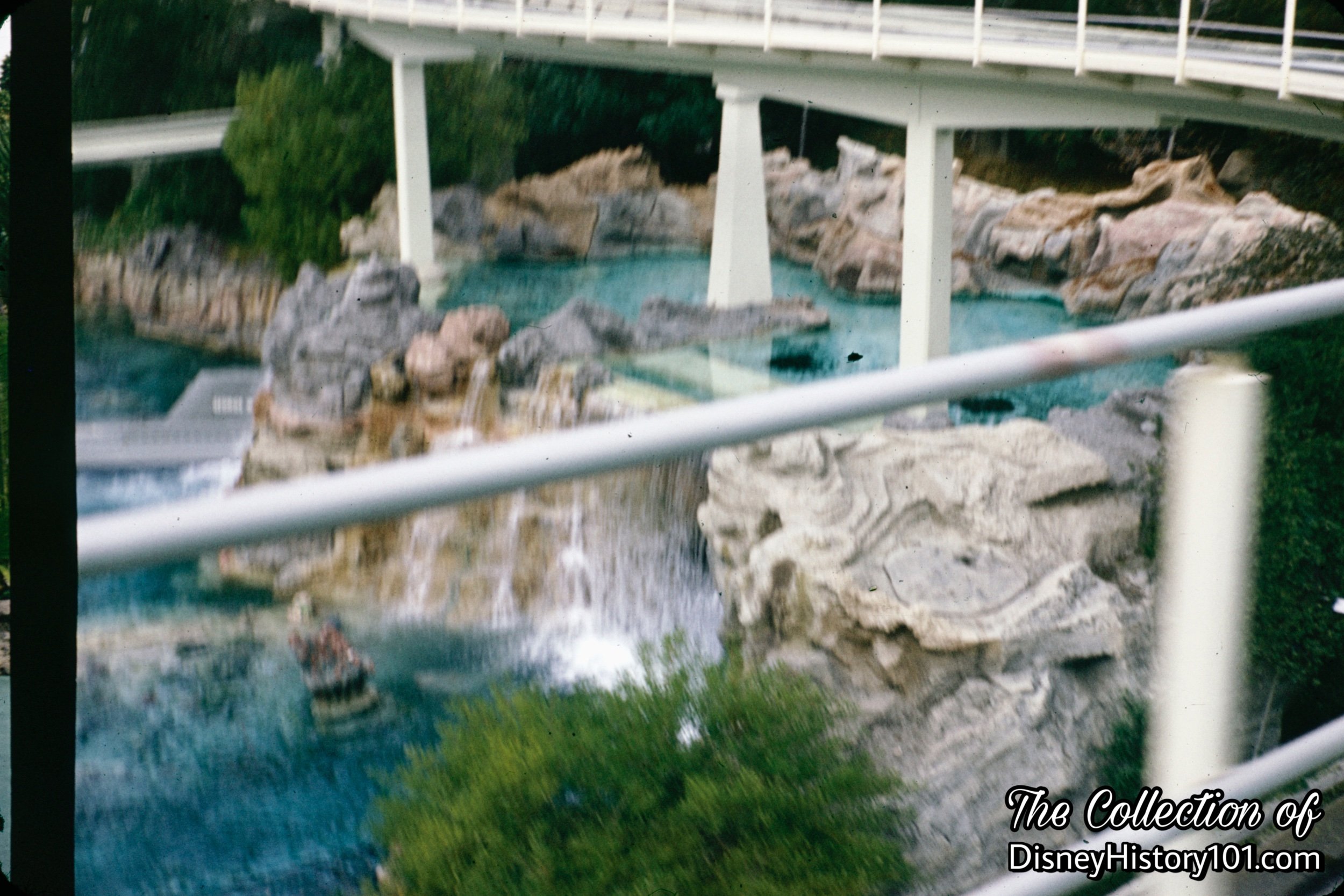
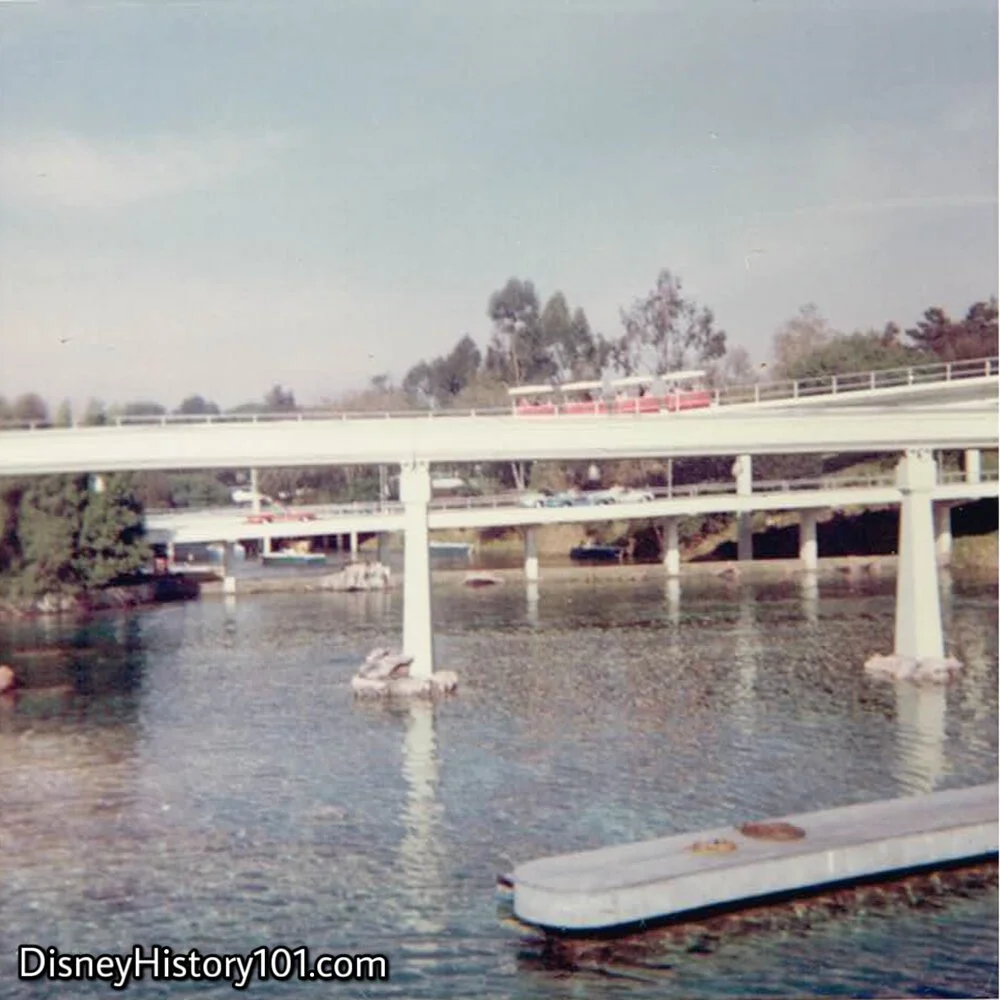
Many other attractions operated near the Submarine Voyage’s lagoon, including the PeopleMover and the Autopia.